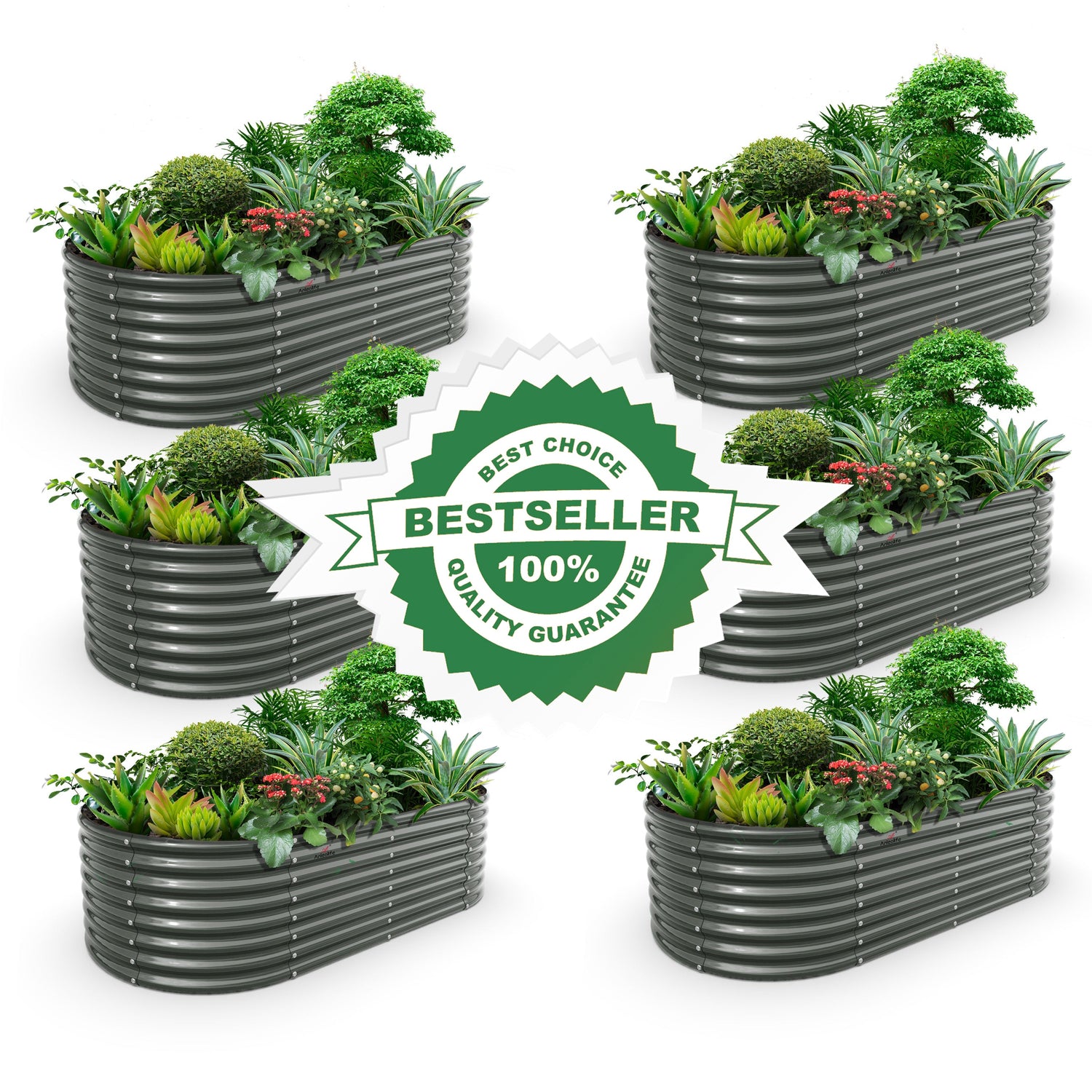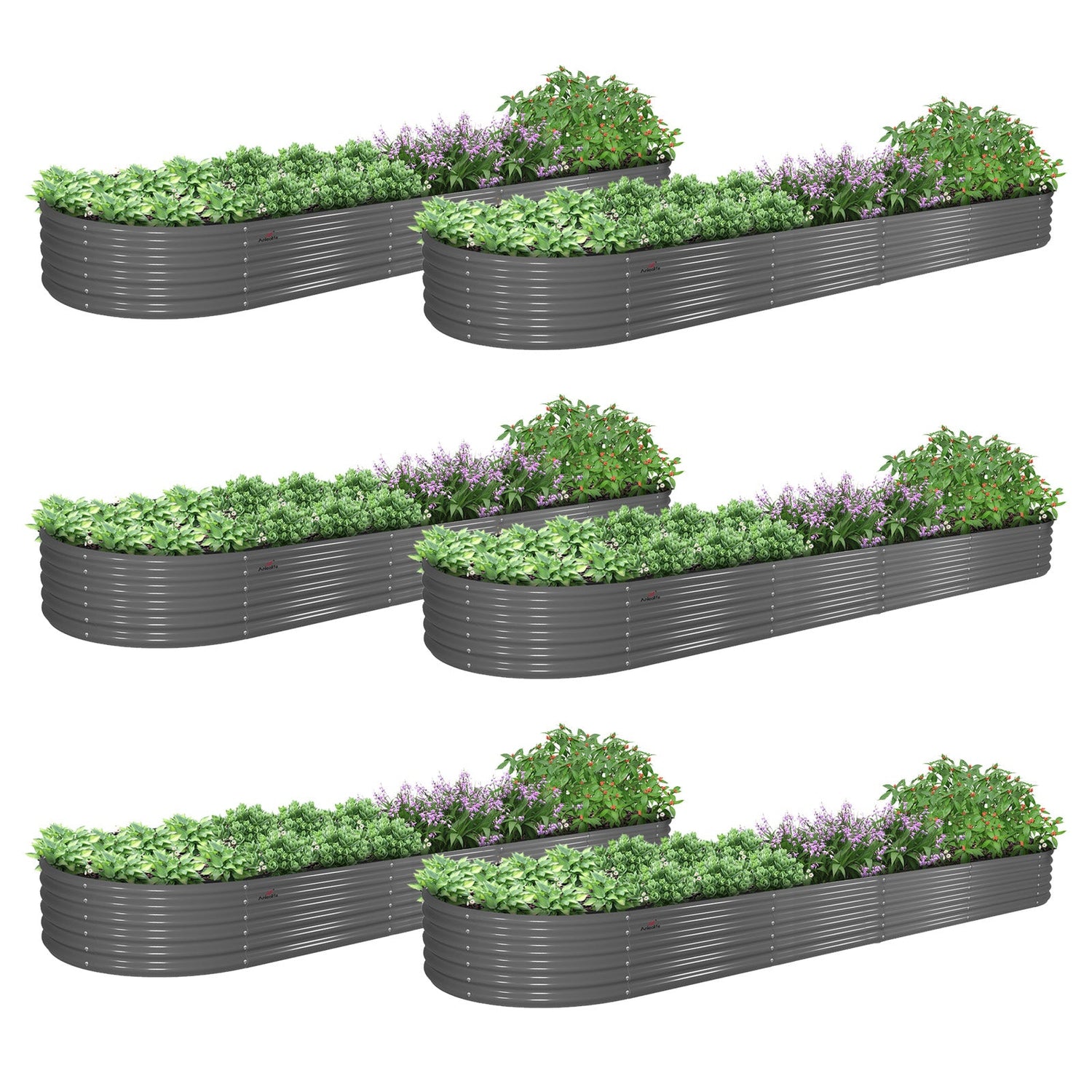



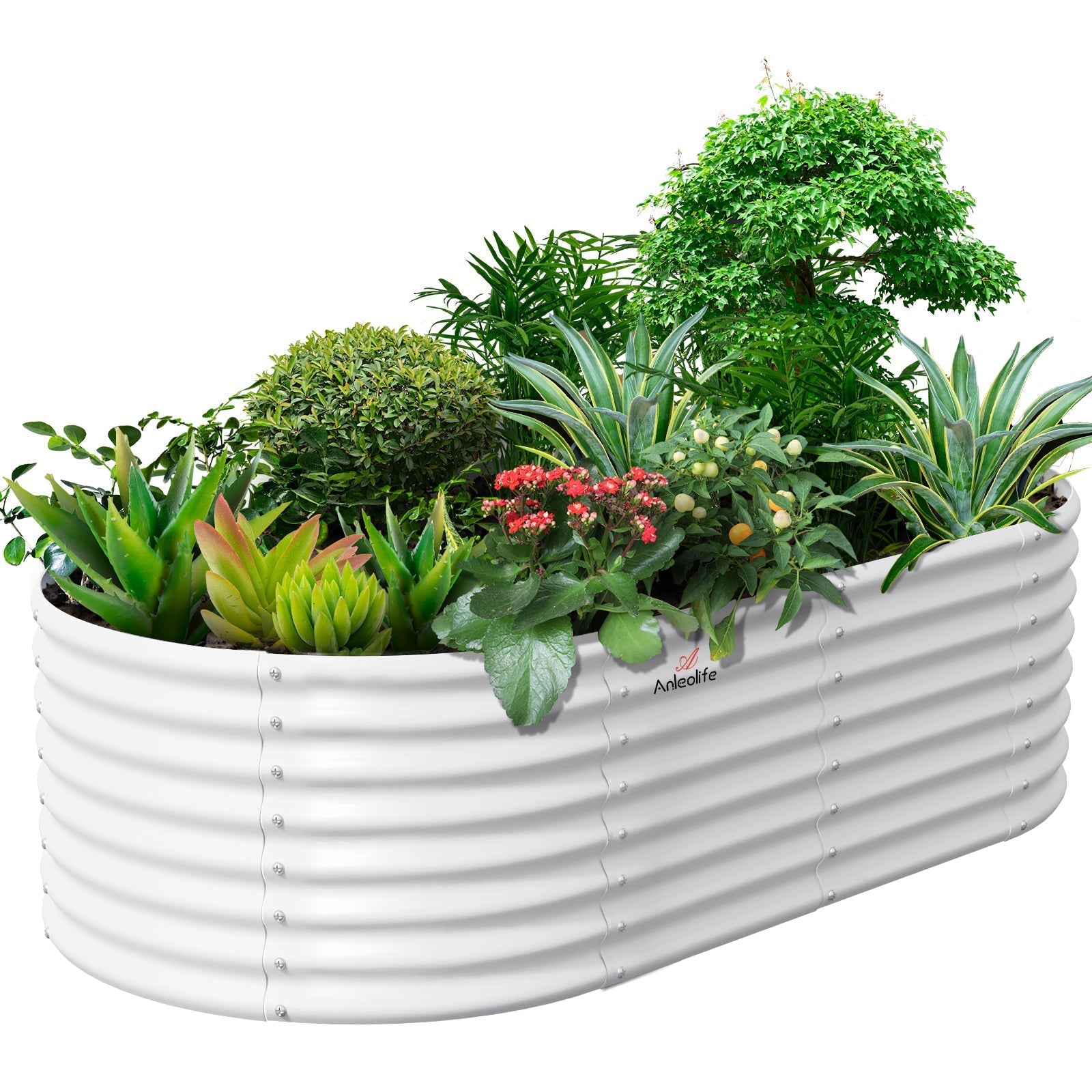
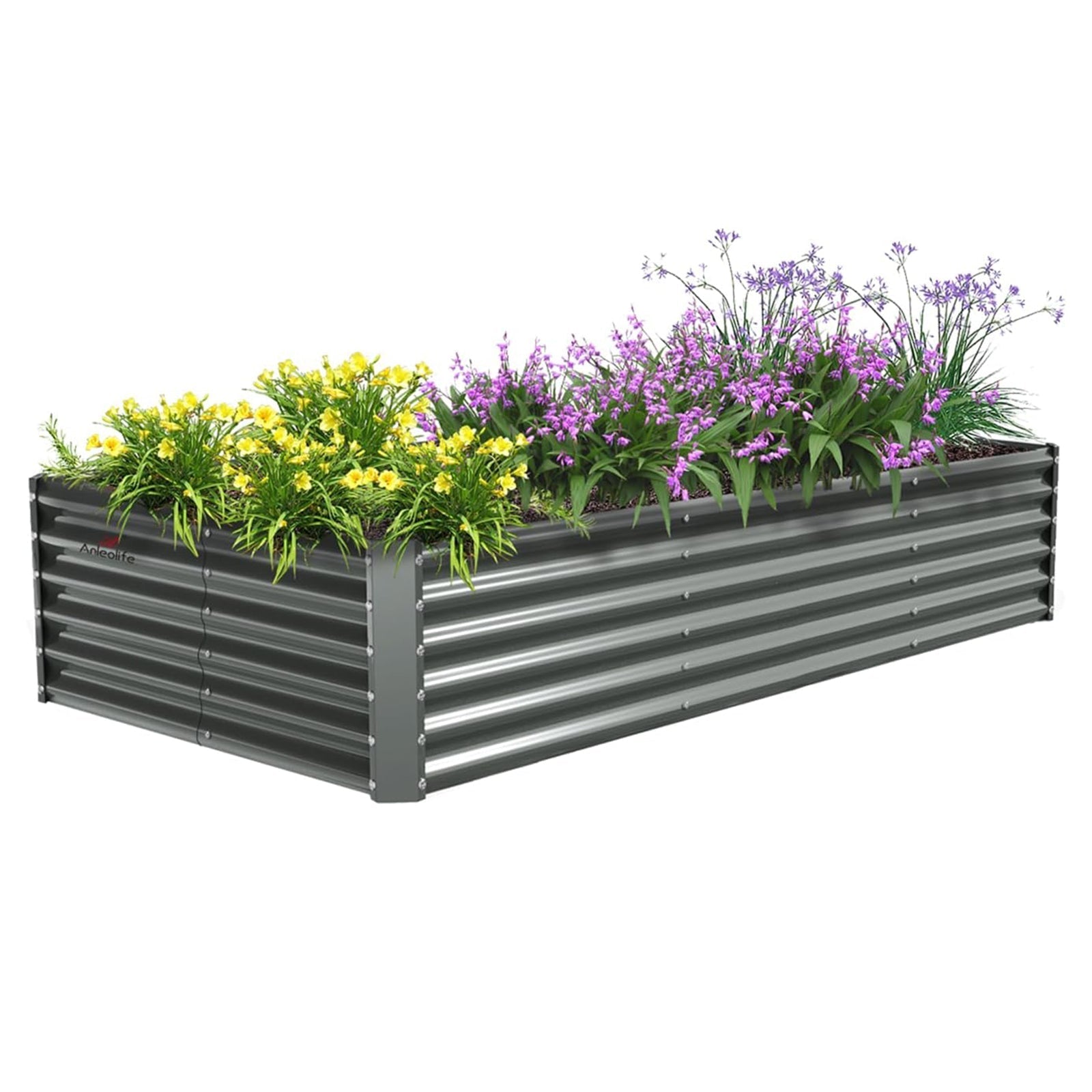


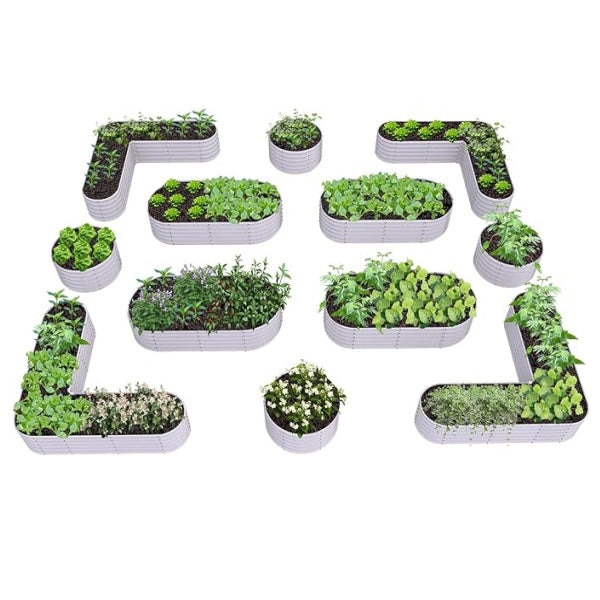


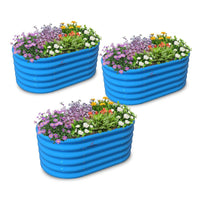
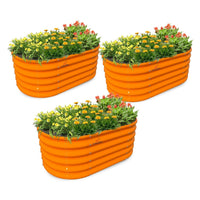
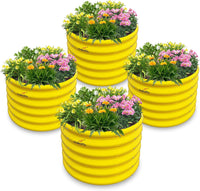
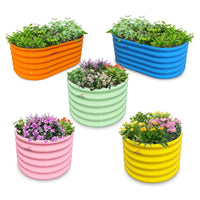
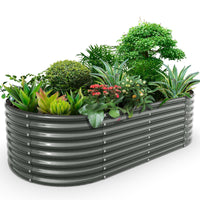



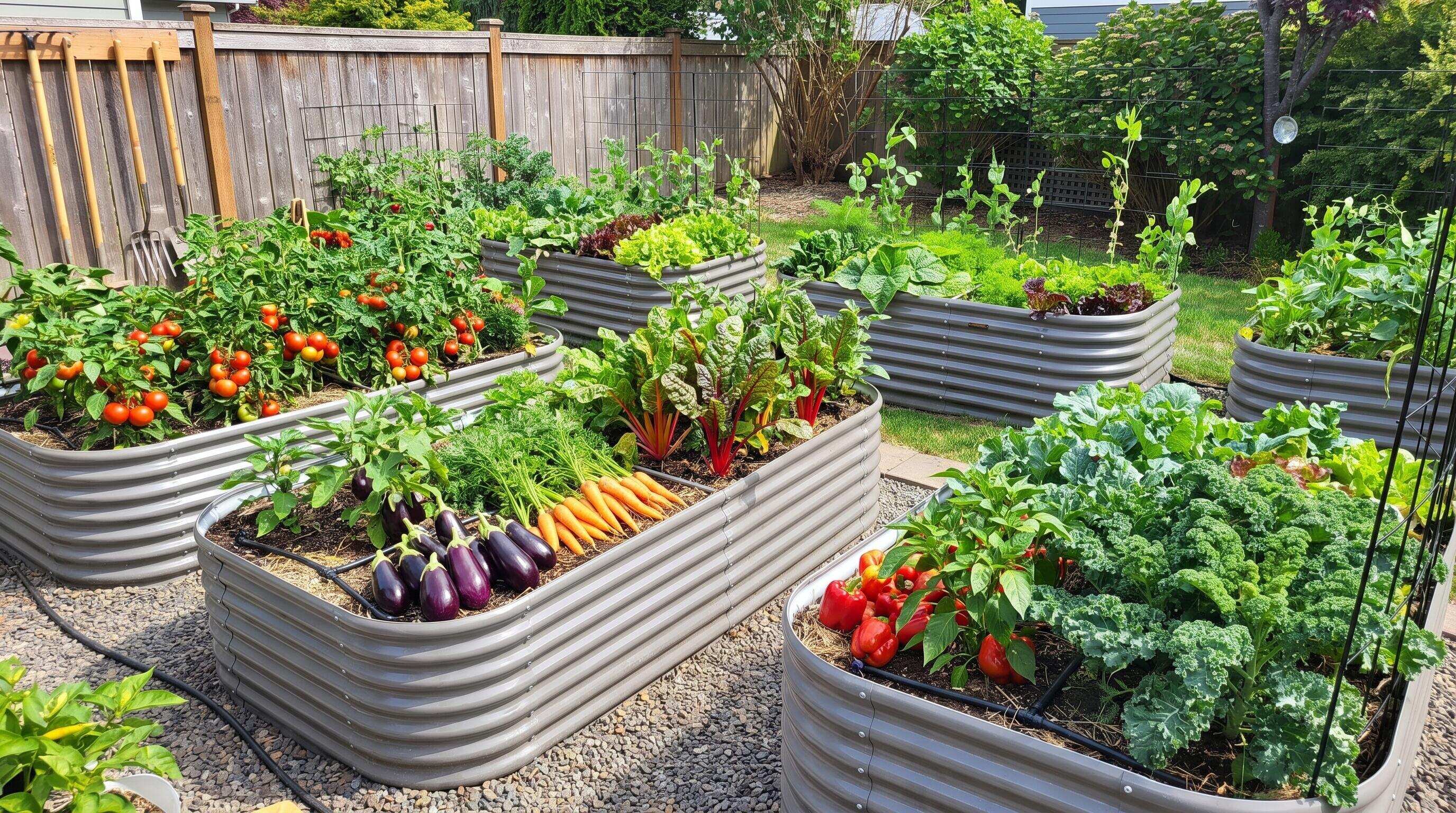
ALT: Best backyard vegetable garden layout using raised bed planting layout and garden bed design ideas
Plan Smarter, Grow Better: Top Raised Bed Garden Layouts for This Growing Season
Every growing season, more home gardeners are moving away from in-ground rows and embracing the raised bed garden layout — and the reasons are practical, not just aesthetic. Raised beds warm faster in spring, drain better through wet spells, and give you precise control over your soil system from day one. Whether you're working with a sprawling suburban backyard or a compact urban plot, how you arrange and configure your beds is the single biggest factor in how much you harvest — and how much you enjoy the process.
This guide presents the most effective raised bed planting layout strategies we've seen work across a wide variety of home gardens. Each layout approach has been selected because it addresses a real challenge: limited space, mobility constraints, access difficulty, companion planting complexity, or structural inefficiency. The list is designed to be used as a decision tool — read through each option, identify your situation, and match your growing goals to the layout that serves them best.
The items were selected based on practical performance across diverse backyard conditions, from shaded urban lots to sun-drenched suburban plots, and reflect the kind of guidance we regularly offer to home growers navigating their first or fifth season. If you're approaching this from a raised bed layout perspective for the first time, start with your space dimensions and sun exposure before anything else — those two variables will narrow your best options immediately.
Best Raised Bed Layout Strategies for Your Backyard This Season
The Classic Rectangular Grid Layout
A rectangular grid layout is a structured arrangement of parallel raised beds separated by defined walkways, typically oriented to maximize sun exposure. It is the most widely adopted raised bed garden layout for a reason: it is easy to plan, easy to execute, and easy to expand. In our experience working with new and returning home growers, this layout is the first one most people default to — and when it's executed thoughtfully, it remains one of the most productive configurations available.
The key to making a rectangular grid work is in the proportions. Beds should be narrow enough to reach the center from either side without stepping in — a critical ergonomic detail that protects soil structure and saves your back. According to guidance from the University of California Cooperative Extension, a width of around 4 feet is a common benchmark that allows most adults to comfortably access the center from either side. Beds oriented on a north-to-south axis help ensure that taller crops don't shade shorter neighbors as the sun tracks across the sky.
Anleolife's first-time buyer's sizing guide is a useful reference when choosing the right bed dimensions for this layout, particularly if you're balancing access width against total growing area.
Best for: First-time gardeners, families with children, and anyone prioritizing predictable maintenance routines.
Watch out: Straight rows make it tempting to overcrowd plantings in each bed. Leave deliberate spacing between plants — crowded beds restrict airflow and invite disease.
The Keyhole or U-Shape Layout
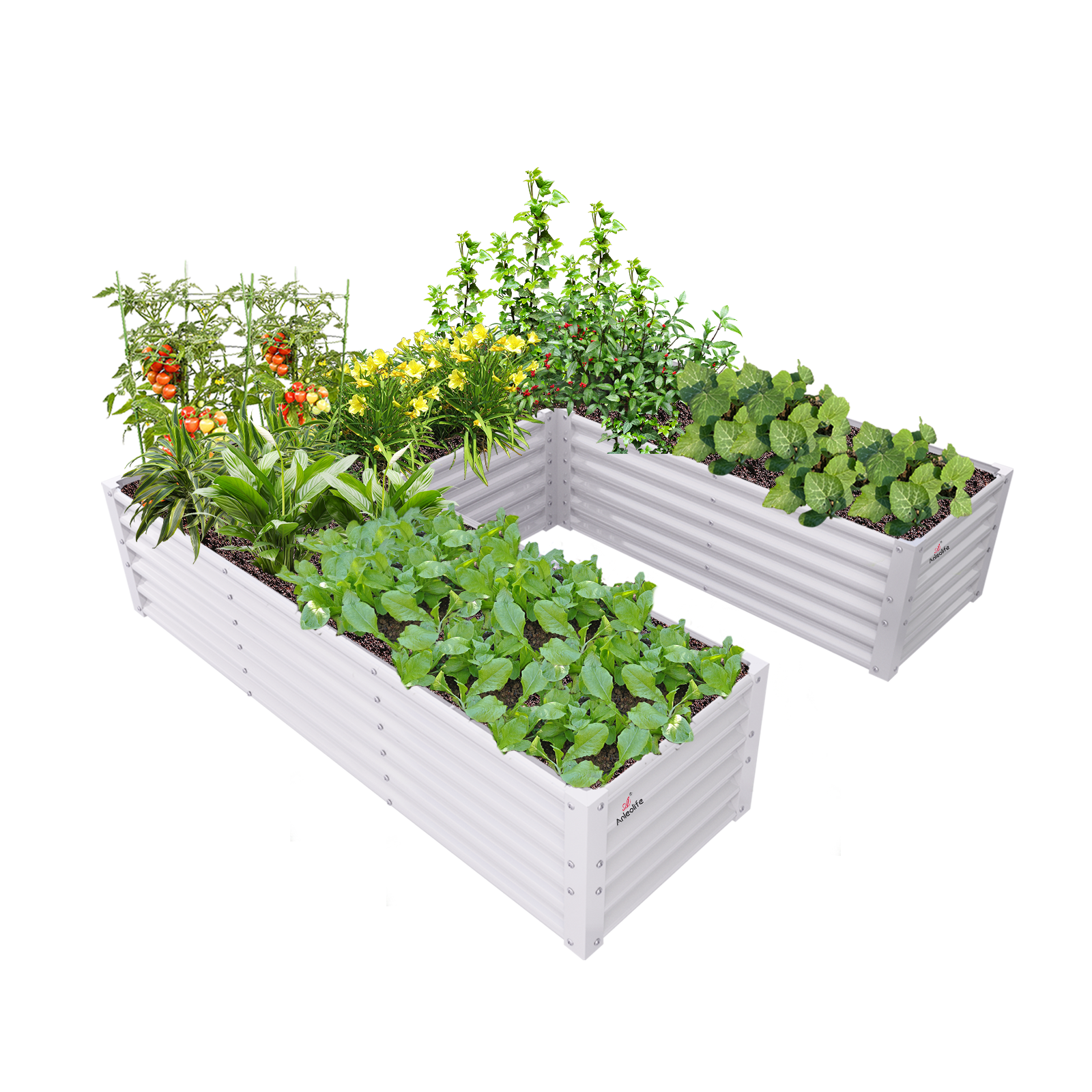
A keyhole or U-shape raised bed layout is a configuration where beds are arranged in a curved or open-square pattern, with a central access path cutting inward so the gardener can reach all planting zones without walking around the perimeter. This layout dramatically increases the usable edge-to-center access ratio, making it particularly valuable in compact or oddly shaped backyard spaces.
The "keyhole" name refers to the inward notch that allows you to stand in one spot and reach deep into the bed from multiple angles. It's a pattern we consistently see adopted by gardeners managing physical limitations — older adults, those with joint concerns, or anyone who wants to minimize bending and walking distance. A well-planned U-shape can also create a natural visual anchor in the garden, doubling as a design element that makes the space feel intentional.
Best for: Empty nesters, retirees, and gardeners with limited mobility who want maximum access with minimal physical strain.
Watch out: The interior path needs to be wide enough to stand comfortably and maneuver a watering can or harvest basket. Too narrow, and the ergonomic benefit disappears.
The Square Foot Gardening Grid Layout
Square foot gardening is a raised bed planting layout method that divides each bed into a grid of individual square-foot cells, with each cell assigned to a specific crop based on its mature spacing requirements. Developed and documented by Mel Bartholomew in his widely referenced gardening methodology, square foot gardening allows growers to fit significantly more variety into a smaller footprint by eliminating wasted row space.
This layout excels in small backyard environments where every square inch counts. In practice, it also functions as a visual planning tool — you can sketch the grid on paper before planting and swap crops between cells with minimal guesswork. It pairs exceptionally well with a structured soil system designed to support dense planting, since you're asking a lot from a small volume of growing medium. For best results, amend your bed's soil mix thoroughly before planting season begins, using a blend calibrated for high-density production.
Best for: Urban micro-gardeners, apartment dwellers with limited outdoor space, and eco-conscious growers who want to minimize inputs and maximize output per square foot.
Watch out: This layout demands accurate spacing knowledge for every crop you grow. Planting without checking mature size requirements leads to overcrowding within individual cells.
The Companion Planting Cluster Layout
A companion planting cluster layout is an arrangement where crops are grouped based on their mutual benefits — pest deterrence, pollinator attraction, nitrogen fixation, or growth enhancement — rather than by size or harvest timing alone. This approach treats the raised bed as an ecological unit rather than a simple growing container.
The classic example is the "Three Sisters" cluster — corn, beans, and squash — which has been practiced in Indigenous North American agriculture for centuries and remains one of the most documented companion planting systems. According to the USDA's Agricultural Research Service, polyculture planting systems like companion clusters can reduce pest pressure and improve soil health compared to monoculture arrangements. In our work with clients designing multi-bed backyards, companion clusters are often the layout strategy that produces the most resilient and low-maintenance results once established.
This layout does require more upfront planning and some familiarity with which plants support each other. It's not the most beginner-friendly approach, but for gardeners who have a season or two under their belt and want to reduce their reliance on chemical inputs, it's one of the most rewarding configurations available.
Best for: Eco-conscious growers, organic gardeners, and anyone aiming to reduce pesticide use and build long-term soil vitality.
Watch out: Not every plant pairing is beneficial — some combinations actively suppress growth. Research specific pairings before placing crops together in the same cluster.
The Tiered or Multi-Height Layout
A tiered raised bed layout is a configuration that uses beds of varying heights within the same garden space, creating visual depth and allowing crops with different root depth requirements to be grouped by their growing needs. This layout is especially relevant when selecting beds from a range like Anleolife's galvanized steel options, which span from standard 18-inch heights up to waist-high 35-inch models.
Taller beds — those in the 24-inch to 35-inch range — are ideal for deep-rooted crops like tomatoes, carrots, and parsnips, while standard 18-inch beds suit shallow-rooted herbs, lettuce, and radishes. Mixing heights across your backyard layout creates natural zoning: you can designate a waist-high section for crops you tend most frequently (eliminating most bending entirely) and lower sections for plants that require less intervention. Anleolife's heavy-duty raised garden beds, available in both 24-inch and 30-inch extra-tall configurations, are well suited to anchor this kind of tiered arrangement.
Beyond ergonomics, tiered layouts also add genuine visual interest to the backyard — a practical benefit for gardeners who want their growing space to feel as attractive as it is productive.
Best for: Gardeners with back or knee concerns, those mixing ornamental and edible plantings, and anyone who wants a backyard that looks as good as it grows.
Watch out: Taller beds require more soil volume to fill, which increases startup cost. Plan your soil system fill accordingly before purchasing beds.
The Row Intercropping Layout
Row intercropping is a raised bed planting layout where two or more crops are grown in alternating rows within the same bed, chosen specifically to complement each other's growth cycles or nutrient demands. Unlike companion planting clusters, which group plants spatially, intercropping works on a linear row-by-row rhythm within each bed.
A practical example: alternating rows of fast-maturing radishes with slower-growing carrots in the same bed. The radishes are harvested before the carrots need the space, effectively doubling the output of that bed over the season without expanding your footprint. According to the Food and Agriculture Organization of the United Nations (FAO), intercropping systems have been shown to improve resource-use efficiency in small-scale growing contexts, making them well-suited to backyard raised bed environments where soil, water, and space are all limited.
This layout rewards growers who track their planting and harvest schedule actively. If you lose track of timing, you risk two crops competing for resources rather than complementing each other.
Best for: Experienced home growers, season-extension gardeners, and anyone comfortable tracking succession planting schedules.
Watch out: Intercropping requires genuine planning discipline. If you prefer a more spontaneous or low-maintenance growing style, this approach will frustrate rather than reward.
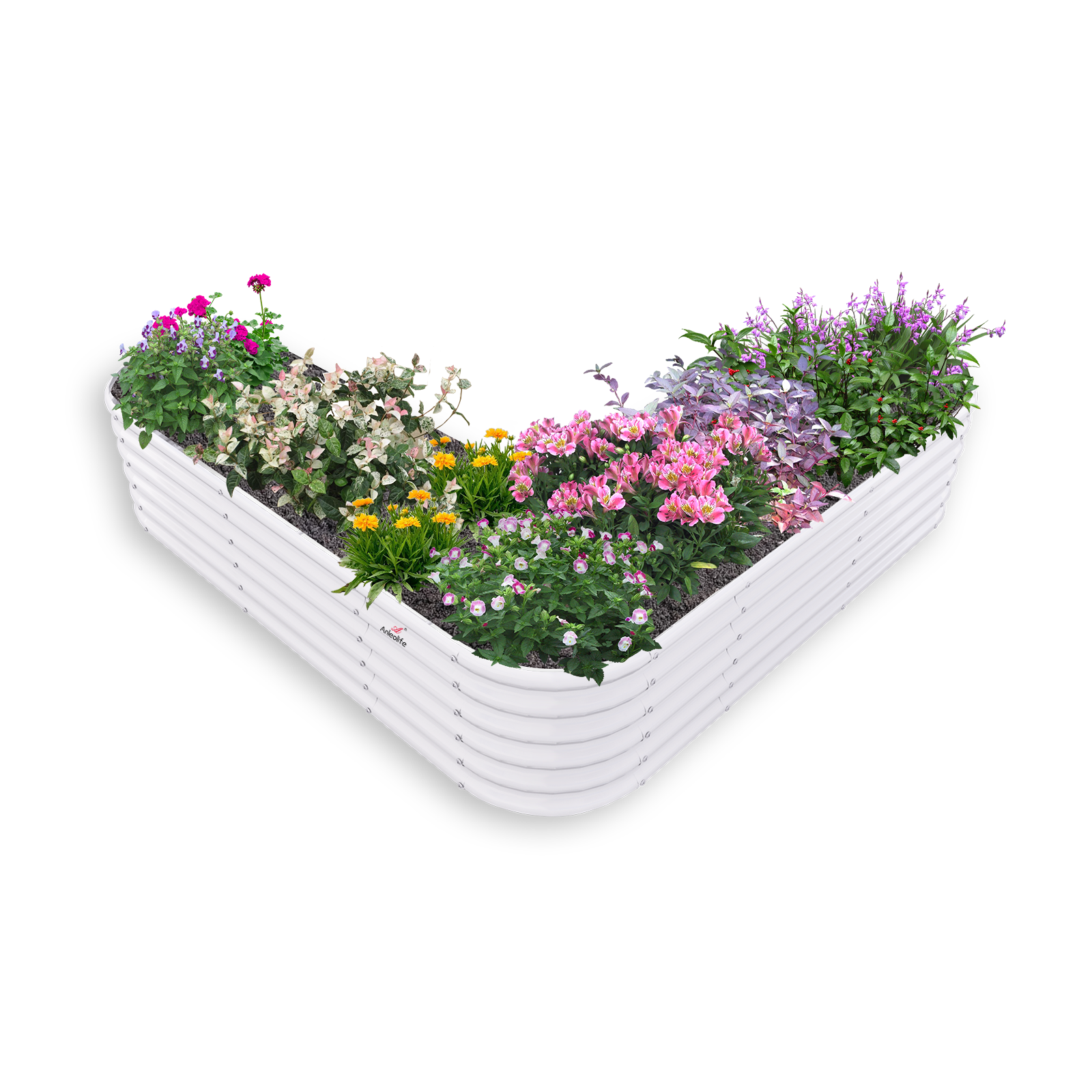
The L-Shape or Corner Layout
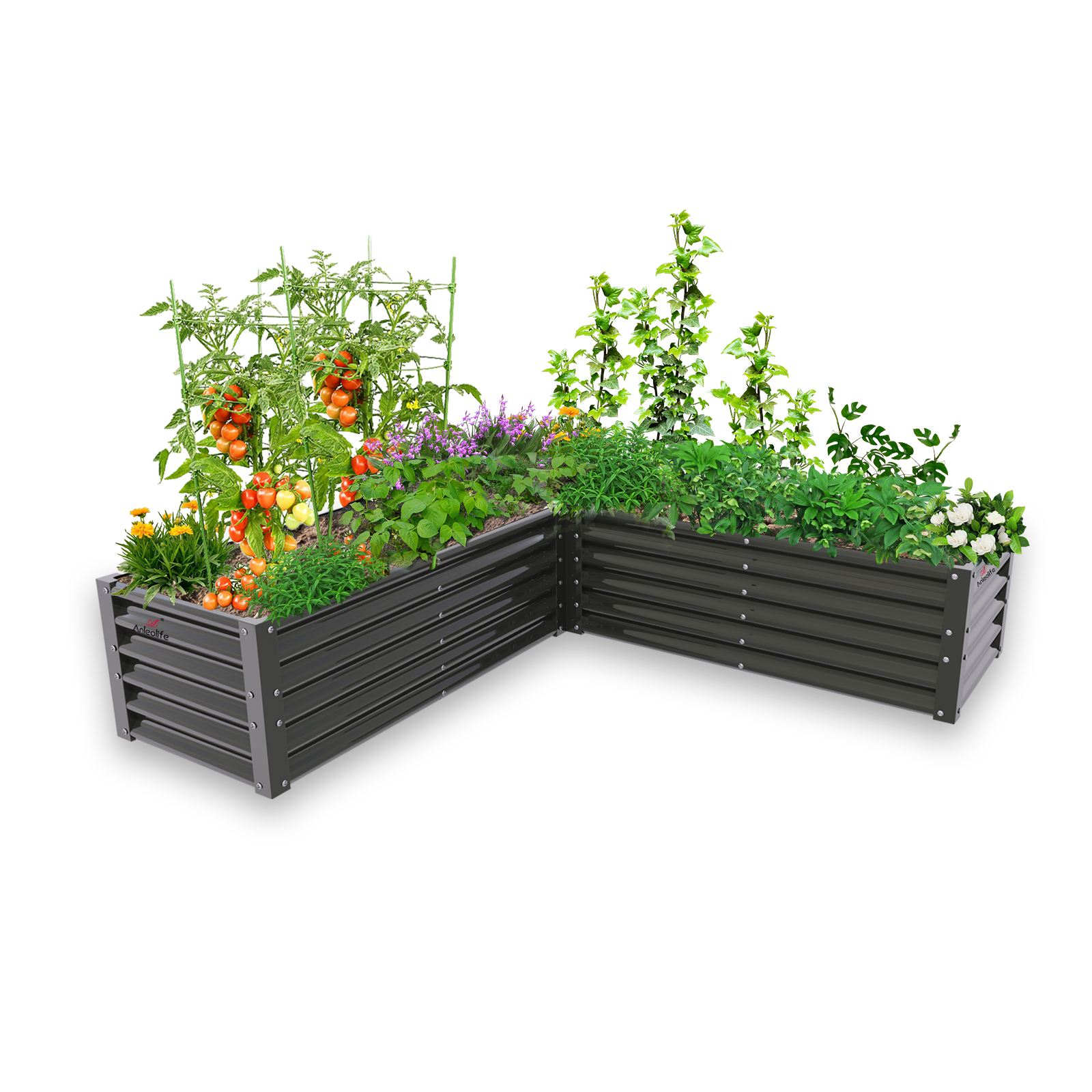
An L-shape raised bed layout uses beds arranged along two perpendicular sides of a backyard corner, turning otherwise underutilized boundary space into a productive growing zone. This configuration is particularly effective in fenced backyards where corners are shaded for part of the day and typically left unplanted.
In practice, L-shape layouts work best when you place taller plants at the corner's inner angle — where they can receive sun from two directions — and graduate down to shorter crops along the arms of the L. The configuration naturally creates a visual backdrop for the rest of the garden and can be combined with trellising along the fence line to add vertical growing area without consuming more ground footprint.
For gardeners using modular raised bed kits, an L-shape layout is particularly easy to configure since you can arrange individual panels into custom lengths along each fence run without needing to cut or modify components.
Best for: Fenced suburban backyards, gardeners with irregular-shaped outdoor spaces, and anyone wanting to make productive use of corner and boundary zones.
Watch out: Corners often receive variable sunlight throughout the day. Assess your corner's sun exposure at different times before committing to a planting plan — shade-tolerant crops may need to anchor the deepest corner positions.
The Vertical Integration Layout
A vertical integration layout is an approach that pairs raised bed planting layout with upward-growing structures — trellises, cages, A-frames, or arched supports — to effectively multiply usable growing area without expanding the horizontal footprint of the garden. This layout is especially relevant in urban and suburban backyards where square footage is at a premium.
Crops like pole beans, cucumbers, indeterminate tomatoes, and winter squash all grow naturally upward when given support. By positioning these climbers along the back or north edge of a raised bed, you free the lower zones of the bed for compact, shade-tolerant crops like spinach, arugula, or herbs. The result is a multi-story growing system within a single bed. When paired with beds built from durable, long-lasting materials — Anleolife's galvanized steel raised garden beds are rated for a 20-year lifespan — the supporting structure and the bed itself become permanent features of the garden rather than seasonal fixtures.
For gardeners interested in the material science behind durable bed construction, our piece on rust-resistant garden bed materials covers what actually holds up across seasons and weather conditions.
Best for: Urban micro-gardeners, small-footprint backyards, and growers who want to add diversity and visual drama to a compact growing space.
Watch out: Overhead structures must be secured against wind, particularly if you're growing heavy crops like winter squash. An unsecured trellis failing mid-season can damage both the plants and the bed beneath it.
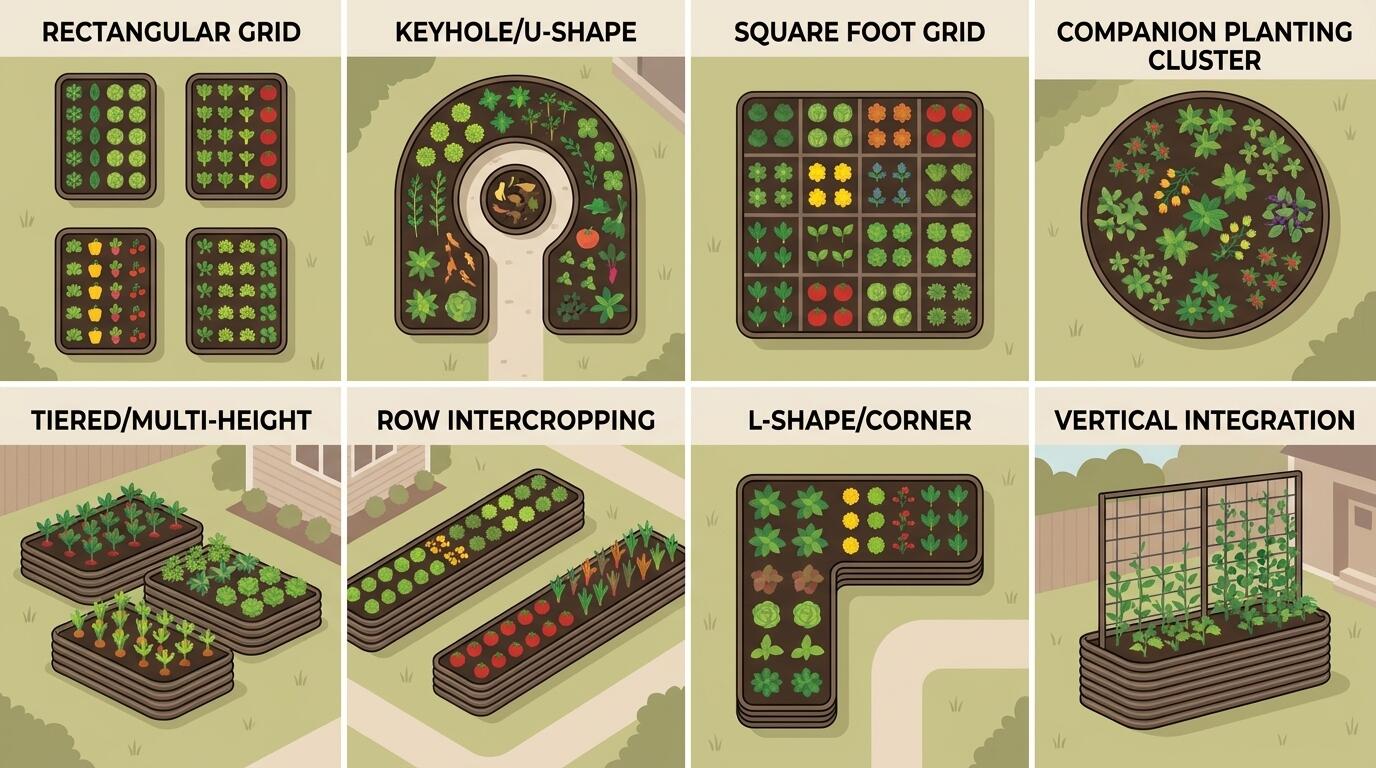
ALT: Comparison of raised bed garden layout strategies including grid, keyhole, square foot, companion planting, tiered, intercropping, L-shape, and vertical integration layouts for backyard vegetable gardens
Quick Comparison at a Glance
Selecting the right raised bed layout depends on matching your space, skill level, and physical comfort to the layout's core strengths. This table summarizes the eight strategies covered above to help you narrow your options quickly.
| Layout | Best For | Key Strength | Limitation |
|---|---|---|---|
| Rectangular Grid | First-timers, families | Easy to plan and expand | Tempts overcrowding within beds |
| Keyhole / U-Shape | Retirees, limited mobility | Maximum access from one position | Interior path must be adequately wide |
| Square Foot Grid | Urban growers, small spaces | High variety density, minimal waste | Requires precise spacing knowledge |
| Companion Planting Cluster | Organic, eco-conscious growers | Natural pest deterrence, soil health | Not beginner-friendly; pairings must be researched |
| Tiered / Multi-Height | Back/knee concerns, aesthetics | Ergonomic zoning by root depth | Taller beds require more soil volume |
| Row Intercropping | Experienced growers | Doubled output per bed over a season | Requires active planting schedule tracking |
| L-Shape / Corner | Fenced or irregular backyards | Activates underused corner space | Variable sunlight in corner positions |
| Vertical Integration | Urban, compact footprints | Multiplies growing area upward | Structures must be wind-secured |
How to Choose the Right Layout for Your Situation
Choosing a raised bed garden layout is ultimately a process of matching your constraints to a layout's core advantage — not picking the most popular option or the most visually appealing one.
Start with your available sunlight. A backyard that receives full sun across most of its area gives you the most flexibility; you can use almost any layout effectively. A yard with significant shade created by fences, trees, or structures should prioritize layouts that let you position shade-tolerant crops in the darker zones — the L-shape and tiered layouts handle this best.
Then consider your physical comfort. If bending and sustained kneeling are difficult, a tiered layout with waist-high beds or a keyhole configuration should be the primary consideration, not an afterthought. A backyard full of standard-height beds that cause physical discomfort becomes a burden rather than a pleasure within a season or two.
Match your experience level honestly. Companion planting clusters and row intercropping are genuinely rewarding, but they reward gardeners who have already internalized the basics — crop spacing, soil management, succession timing. If this is your first or second growing season, a rectangular grid or square foot layout will teach you more and frustrate you less.
One common misconception worth addressing: many gardeners assume that more beds automatically mean more productivity. In our experience, the opposite is often true. A small number of well-designed beds with a thoughtful raised bed planting layout, properly amended soil, and manageable access almost always outperforms a sprawling collection of beds that stretch maintenance capacity. The right layout is the one you can actually keep up with — and genuinely enjoy managing — throughout the full growing season.
Finally, think about what you want from your garden beyond food production. If aesthetics matter — and for many home gardeners they do — a tiered layout, a keyhole, or a corner L-shape can make the growing space feel like a designed part of the outdoor living area rather than a utilitarian patch appended to the yard.
People Also Ask
Q1: How do I orient my raised beds to maximize sunlight?
The standard guidance, supported by resources from the National Gardening Association, is to orient rectangular raised beds along a north-to-south axis. This allows each bed to receive even sun exposure throughout the day, rather than having taller plants on one end shade shorter plants as the sun moves. Place taller crops like tomatoes and corn on the north end of beds so they don't cast shadows onto lower-growing neighbors. Sun exposure assessment before building is essential — observe your yard across a full day before committing to bed placement.
Q2: Is a raised bed garden layout more productive than traditional in-ground rows?
For most home gardeners, yes — raised beds consistently outperform in-ground rows in terms of yield per square foot. The reasons are practical: better drainage, faster spring soil warming, more precise soil system control, and elimination of compaction from foot traffic. According to the University of California Cooperative Extension, well-managed raised bed systems can support higher planting densities than conventional row gardens, translating directly to greater harvest volume from a smaller footprint. The trade-off is higher initial setup cost and the need to manage soil fertility actively over time.
Q3: How much should I budget for a raised bed garden layout, and how long will the beds last?
Total startup cost varies widely depending on the number of beds, size, and material chosen. The cost of the beds themselves is typically the largest single expense, followed by soil. For material longevity, galvanized steel raised garden beds from Anleolife are built for a 20-year lifespan, which significantly improves the long-term cost-per-year calculation compared to wood alternatives that may need replacement within a few seasons. Factoring in the delivery timeline of 3–8 business days, you can plan your build-out and have beds on-site with enough lead time for a well-prepared growing season start.
Key Takeaways
The best raised bed garden layout for your backyard is the one that fits your space, suits your physical comfort, and matches your current skill level — not the one that looks best in a magazine spread. Three principles consistently separate successful raised bed gardens from frustrating ones.
First, plan for access before anything else. Every layout in this guide prioritizes reachability — the ability to tend, harvest, and maintain without stepping into the bed and compacting the soil. Get this right and everything else becomes easier.
Second, match your soil system to your layout's planting density. Companion clusters, square foot grids, and intercropping rows all place high demands on the growing medium. A properly composed soil system — rich in organic matter, well-draining, and biologically active — is what makes dense, productive planting possible.
Third, choose materials built to last. A raised bed layout you build this season should be serving your garden a decade from now. Beds rated for a 20-year lifespan remove the maintenance burden of regular replacement and let you focus your energy on growing rather than rebuilding.
The next step is simple: assess your backyard's sun exposure, measure your available footprint, and identify which of the eight layouts above aligns with your primary constraint — whether that's space, mobility, experience level, or aesthetics. Then build toward that layout intentionally.
Ready to put your layout plan into action? Explore Anleolife's full range of raised garden beds — from standard galvanized steel models to extra-tall and waist-high configurations — available through Anleolife.com and major retailers including Amazon, Walmart, Home Depot, Lowe's, and Wayfair. With warehouse locations across California, Texas, Florida, New York, Illinois, and Washington, delivery arrives in 3–8 business days, so your growing season doesn't have to wait. Whether you're starting with a single 8x4 bed or building out a full planting-and-raising ecosystem, Anleolife grows with you every step of the way.
Sources & Citations
- University of California Cooperative Extension. "Vegetable Gardening in California."
https://ucanr.edu - United States Department of Agriculture (USDA), Agricultural Research Service. "Polyculture and Companion Planting Research."
https://www.ars.usda.gov - Food and Agriculture Organization of the United Nations (FAO). "Intercropping and Small-Scale Food Production Systems."
https://www.fao.org - National Gardening Association. "Raised Bed Gardening and Sun Orientation Guidelines."
https://garden.org - U.S. Environmental Protection Agency (EPA). "Soil Health and Urban Agriculture Best Practices."
https://www.epa.gov
Note: Standards and guidelines may be updated; please check the latest official documents or consult professional advisors.