


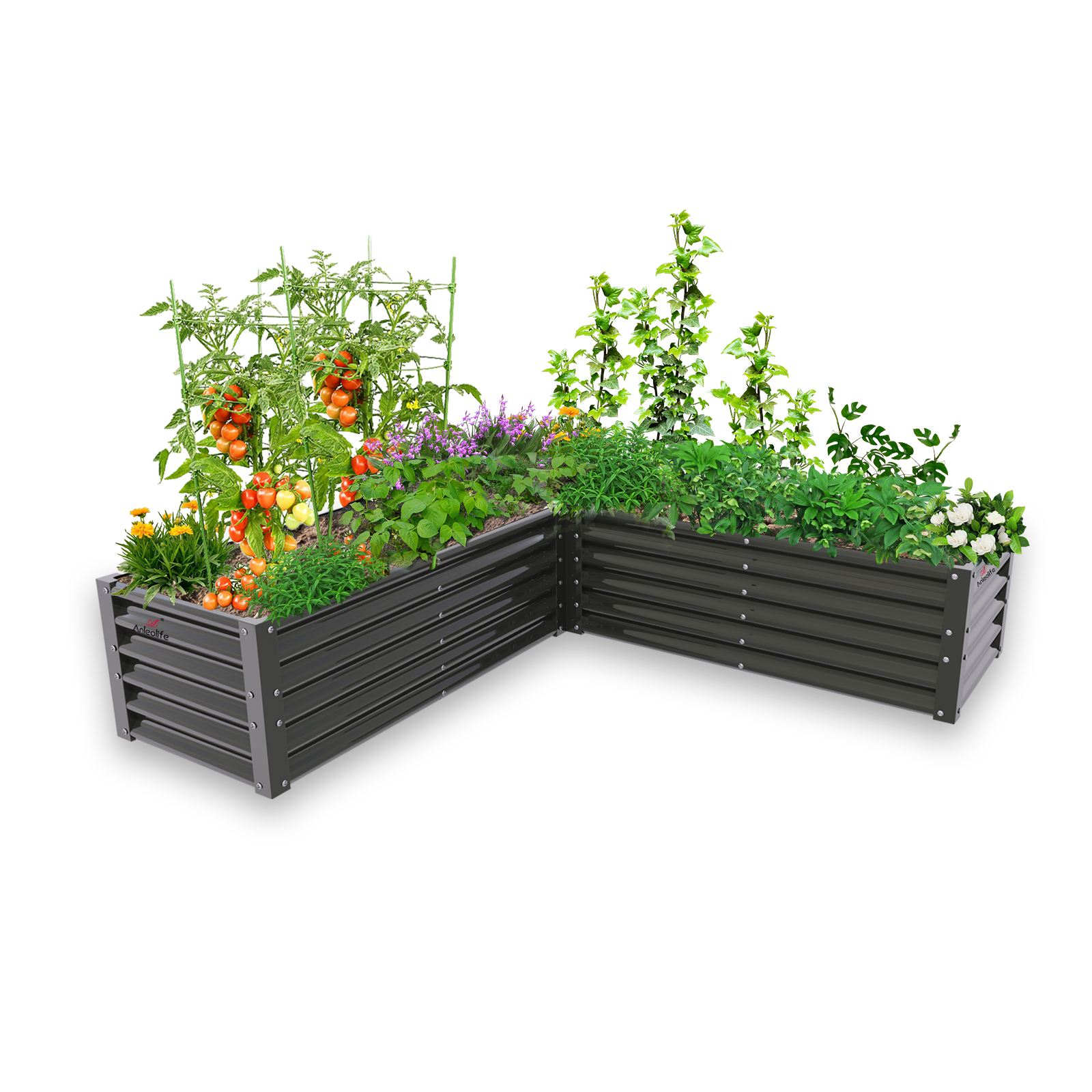
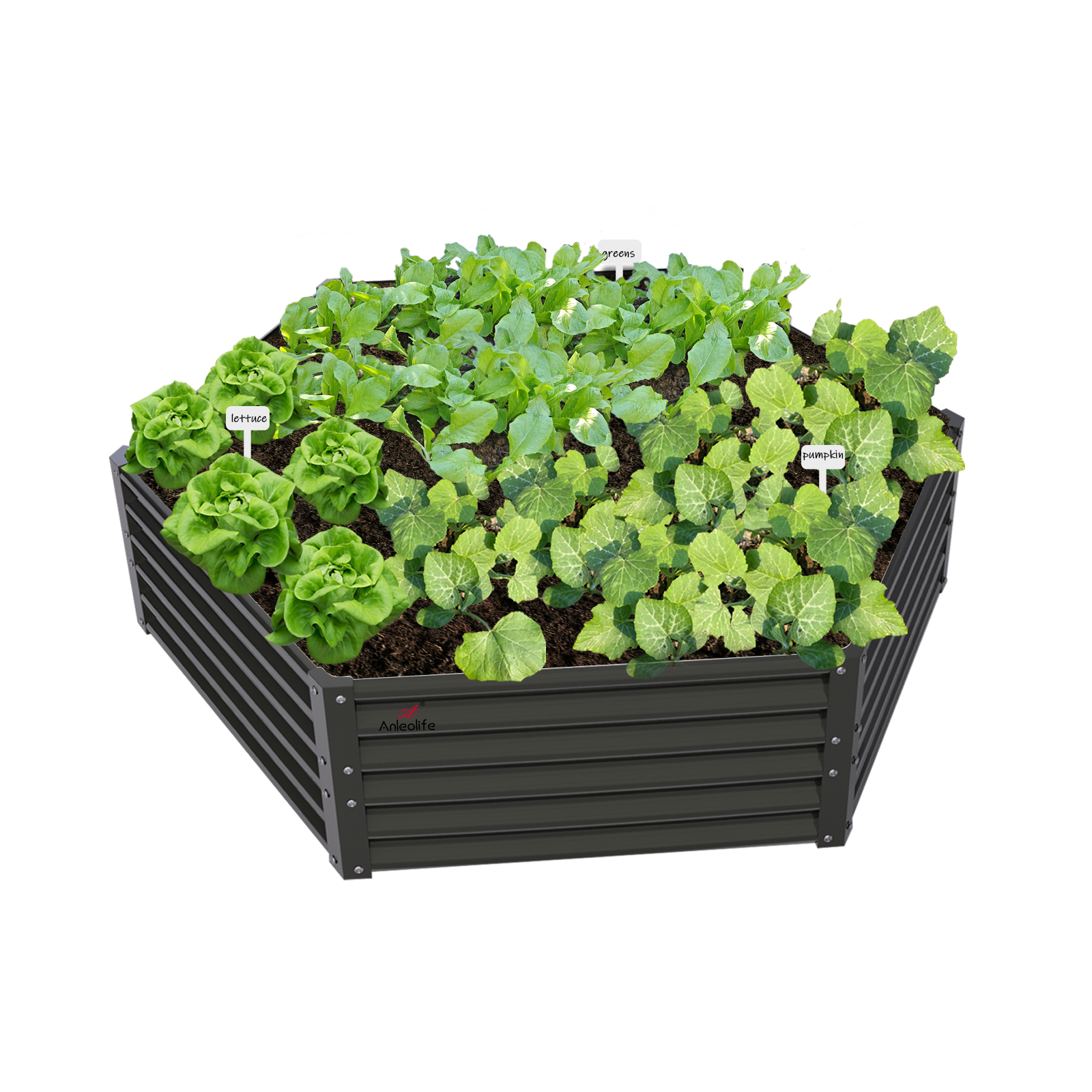
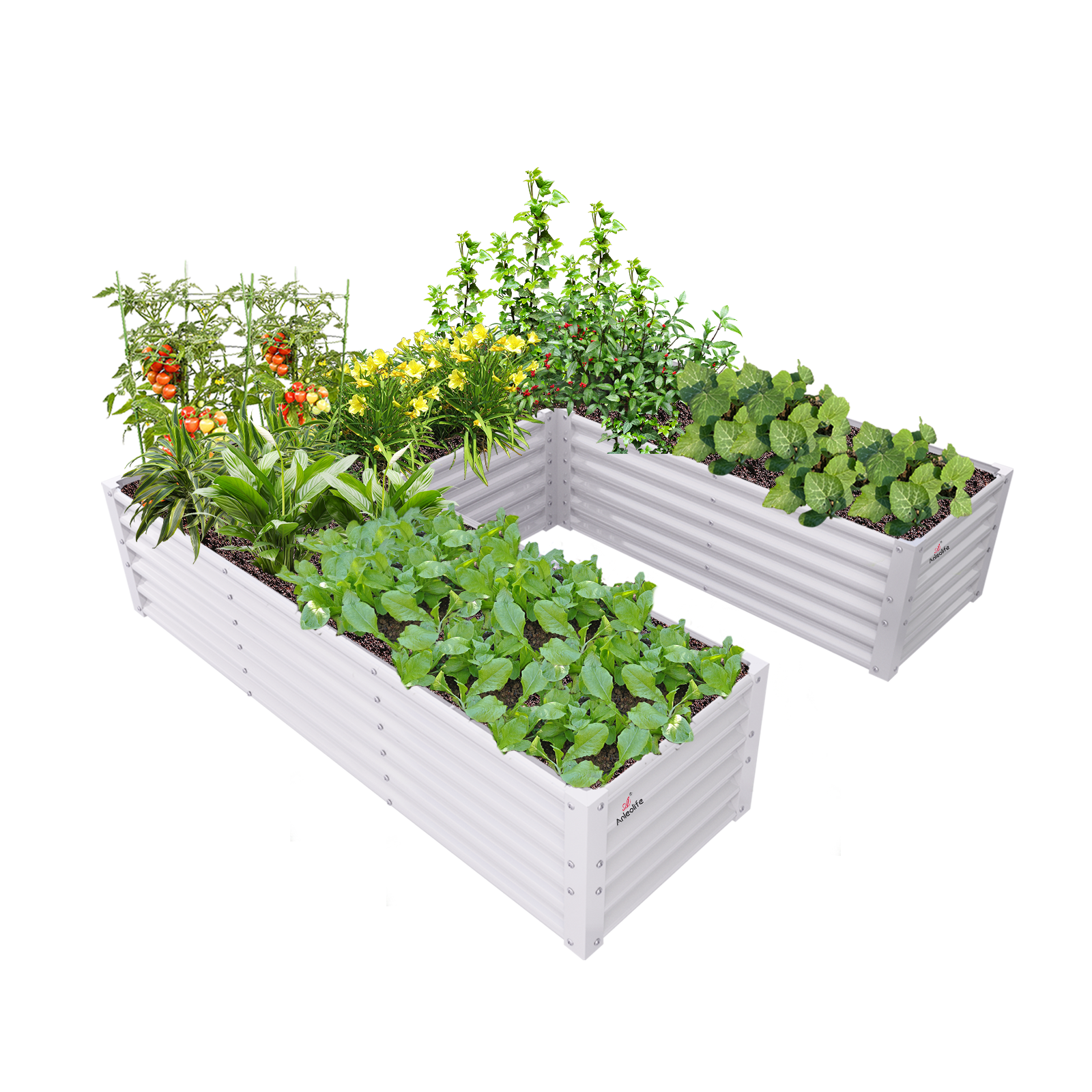

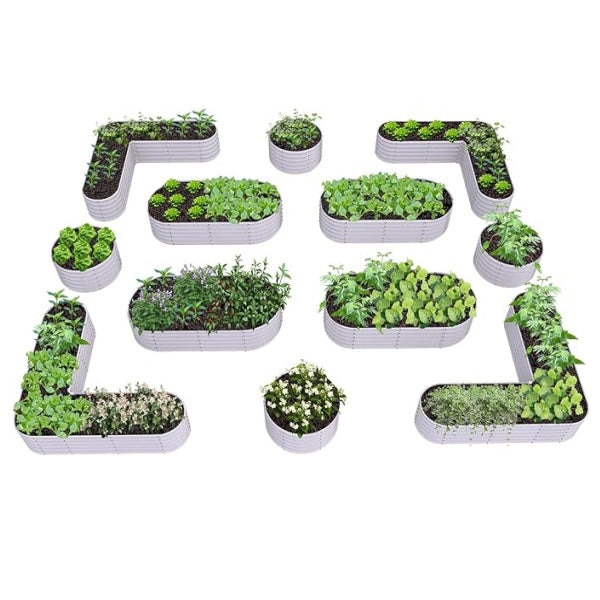

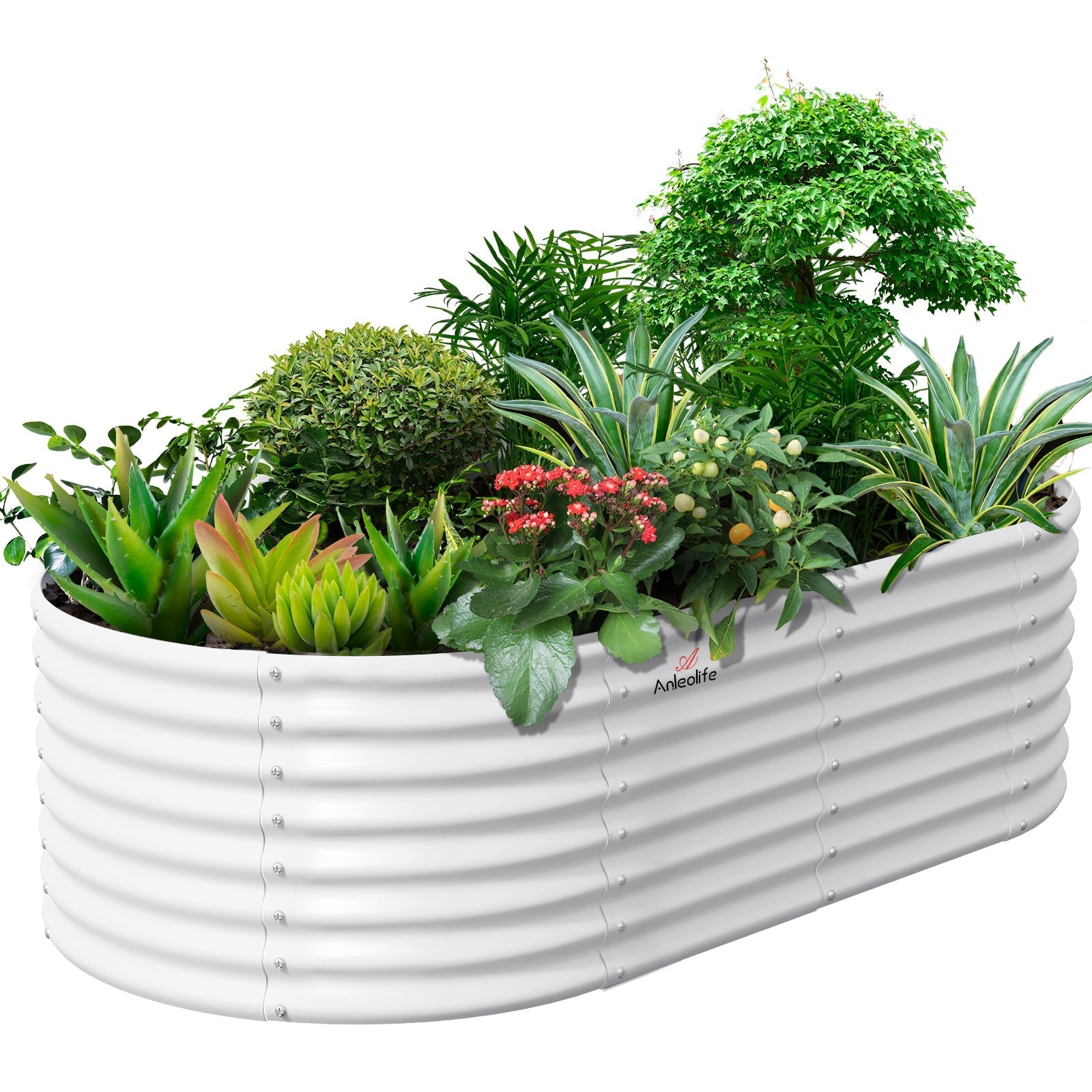





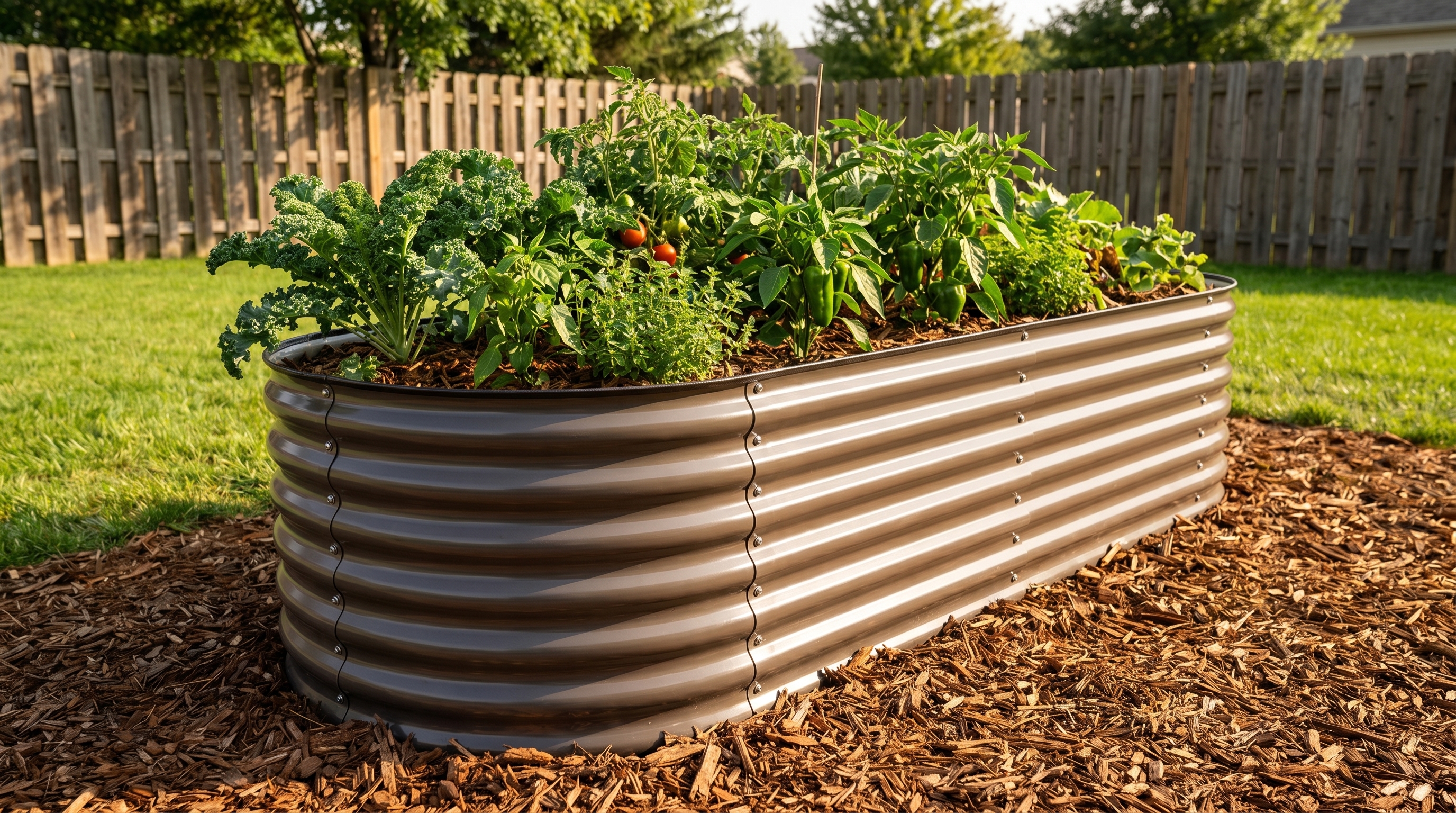
ALT: Organic wood chip mulch covering a raised garden bed, naturally suppressing weeds without chemicals for healthy vegetable gardening
Why Mulch Matters More Than You Think in Raised Bed Vegetable Gardening
Key Conclusion: Choosing the right mulch for your raised garden beds is one of the most powerful — and most overlooked — strategies in chemical-free vegetable gardening. The best mulch types suppress weeds by blocking light, retaining soil moisture, regulating temperature, and enriching your growing medium over time. Whether you're a first-time grower or a seasoned home gardener, understanding mulch selection can dramatically reduce your maintenance load while keeping your edible garden safe, productive, and beautiful for seasons to come.
If you've ever spent a Saturday afternoon pulling weeds only to find them back by Wednesday, you're not alone. Weed management is one of the top frustrations cited by home gardeners — and reaching for a chemical herbicide feels like a quick fix that comes with serious trade-offs. Residual toxins in the soil, disrupted soil biology, and potential contamination of your edible crops are all real concerns for health-conscious growers.
The good news? Mulch solves the problem at the source. By physically blocking sunlight from reaching weed seeds, a properly applied mulch layer does the work of a herbicide without any of the downsides. But not all mulch is created equal, especially when applied inside a raised garden bed where soil volume, drainage, and root access are more carefully managed than in open ground planting.
This guide covers everything you need to know: which mulch types work best in raised beds, how to apply them correctly, and how to match the right mulch to your specific crops, climate, and aesthetic goals.
Who Should Read This Guide
✅ Applicable Scenarios:
- Home vegetable gardeners who want to reduce weeding time without using synthetic herbicides
- Raised bed growers looking to improve moisture retention and reduce watering frequency
- Eco-conscious gardeners prioritizing organic, biodegradable, or food-safe materials around edible crops
- Empty nesters and retirees managing a smaller but meaningful garden who want low-maintenance solutions
- Urban micro-gardeners working with compact beds on patios or balconies who need clean, tidy mulch options
❌ Not Applicable/Cautions:
- Gardeners using heavy mulch layers directly on seeds that haven't germinated yet — mulch can block emergence
- Growers applying fresh wood chips from potentially diseased or chemically treated trees, which may introduce pathogens or residues
- Situations where mulch is applied too close to plant stems, which can cause rot and attract pests
The Weed Problem in Raised Beds — And Why Chemical Solutions Fall Short
Raised garden beds offer a remarkable advantage over traditional in-ground planting: you control the soil. You choose the composition, the drainage, and the fertility. But that controlled environment doesn't automatically mean weed-free growing. Wind, birds, and water all deliver weed seeds into your beds, and the nutrient-rich, well-aerated soil you've carefully built is actually ideal for weed germination too.
For decades, the mainstream answer to weeds was chemical herbicides. Pre-emergent herbicides prevent seeds from germinating; post-emergent formulas kill established weeds. They work — but in a vegetable garden, they create genuine risks. Even herbicides labeled "safe" for gardens have raised questions in peer-reviewed research about soil microbiome disruption, unintended plant toxicity, and residue in food crops.
The shift toward chemical-free gardening has been accelerating. According to the National Gardening Association, organic gardening practices have grown substantially among U.S. home growers over the past decade, with weed suppression being a primary motivation for adopting mulch-based systems. Home growers increasingly recognize that a healthy, productive edible garden depends not just on what you add to the soil, but on what you keep out of it.
This is where mulch becomes a central strategy — not just a cosmetic finishing touch. The right mulch in a raised bed creates a physical weed barrier while simultaneously improving the growing environment for your crops. Understanding how to match mulch type to bed design is a key part of getting the most out of your raised bed setup.
If you're still exploring raised bed materials and their long-term performance, the comparison in Galvanized Steel vs. Corten Steel Garden Beds: Which Holds Up Better Outdoors? offers useful context on how your bed's material interacts with moisture-heavy growing conditions — which directly affects how you should approach mulching.
Choosing, Applying, and Maintaining Mulch in Your Raised Beds
Three-Step Quick Start for Chemical-Free Weed Suppression
Step 1: Prepare Your Bed Surface Before Adding Mulch
Before any mulch goes down, remove all existing weeds from the bed — roots and all. If you're starting a new bed or refreshing one seasonally, consider laying a single layer of plain cardboard or newspaper (no glossy printing) directly over the soil as a base suppression layer. This biodegradable underlayer breaks down over several weeks, adding organic matter while initially blocking any residual weed seeds in the top layer of soil. This prep step takes 15–30 minutes and makes a significant difference in first-season weed control. Water the bed lightly before mulching to help the base layer conform to the soil surface.
Step 2: Select and Apply the Right Mulch Type for Your Crops
Choose your mulch based on what you're growing, the season, and your moisture goals (detailed comparisons follow in the next section). Apply mulch to a depth of 2–3 inches around established seedlings and transplants, keeping a 1–2 inch gap around plant stems to prevent rot. For larger plants like tomatoes or squash, you can go slightly deeper. For fine-seeded crops like carrots or lettuce, wait until seedlings are at least 2–3 inches tall before mulching. This application step typically takes 20–45 minutes per standard 8x4 ft bed, depending on the mulch type.
Step 3: Monitor and Refresh Mulch Seasonally
Organic mulches decompose over time — which is actually a benefit, as they add nutrients to your soil — but this means they need to be refreshed. Check mulch depth every 4–6 weeks during the growing season. Top up as needed to maintain that 2–3 inch suppression layer. At the end of the season, turn any remaining mulch into the soil before adding your winter cover or fresh compost layer. This annual cycle improves soil structure year after year, reducing your dependency on added fertilizers.
Mulch Type Comparison: Which Works Best in Raised Garden Beds?
Not all mulch materials perform equally inside a raised bed environment. Factors like decomposition rate, moisture retention, weed suppression effectiveness, cost, and safety for edible crops all vary. Here's a structured comparison of the most popular options:
| Comparison Dimension | Straw/Hay | Wood Chips | Shredded Leaves | Grass Clippings | Compost |
|---|---|---|---|---|---|
| Weed Suppression | High | High | Moderate–High | Moderate | Low–Moderate |
| Moisture Retention | High | Very High | High | Moderate | Moderate |
| Soil Enrichment | Moderate | High (long-term) | High | High (fast-release) | Very High |
| Decomposition Rate | Moderate | Slow | Moderate | Fast | Very Fast |
| Safe for Edibles | Yes (straw, not hay) | Yes (aged chips) | Yes | Yes (untreated) | Yes |
| Cost | Low–Moderate | Low–Free | Free | Free | Low–Moderate |
| Aesthetic Appeal | Natural/Rustic | Clean/Natural | Casual | Less tidy | Neat/Dark |
| Best Use Season | Spring–Fall | Year-round | Fall–Spring | Spring–Summer | All seasons |
This table gives you a working framework, but each mulch type deserves a closer look — especially when you're growing food rather than ornamentals.
Deep Dive: The Best Mulch Types for Raised Bed Vegetable Gardening
Straw: The Workhorse of the Vegetable Garden
Straw is one of the most widely recommended mulches for edible raised beds, and for good reason. It's lightweight, easy to apply, breathable, and excellent at retaining moisture without compacting too heavily. An important distinction: always use straw, not hay. Hay contains seed heads from grasses and legumes that will introduce a fresh wave of weeds into your bed — exactly what you're trying to avoid.
Wheat straw, barley straw, or rice straw are all solid choices. Apply a 2–3 inch layer around your vegetables in late spring once the soil has warmed. Straw works especially well around tomatoes, peppers, and cucumbers, where consistent soil moisture is critical for preventing problems like blossom end rot.
One thing to watch: in very humid climates, straw can stay wet and harbor slugs. If slugs are a problem in your garden, consider pairing straw mulch with copper tape around the bed perimeter.
Wood Chips: The Long-Game Mulch
Wood chips — especially aged or composted ones — are exceptional for moisture retention and long-term soil health. As they break down slowly over 1–3 years, they feed beneficial fungi and soil microorganisms that improve overall plant nutrition and disease resistance.
For vegetable beds, use aged wood chips (at least partially composted) rather than fresh chips. Fresh wood chips can temporarily tie up nitrogen in the soil as microbes break them down — this is called nitrogen immobilization, and it can starve your vegetables at critical growth stages. Aged or composted chips don't carry this risk.
Wood chips also provide an attractive, uniform appearance that many gardeners appreciate, particularly in beds positioned in high-visibility locations like front-yard kitchen gardens or raised beds on patios.
Shredded Leaves: Free, Sustainable, and Underrated
If you have deciduous trees on or near your property, you have access to one of the best free mulches available. Shredded leaves (run whole leaves through a mower or leaf shredder before applying) form a breathable, nutritious mulch layer that breaks down moderately, feeding soil organisms throughout the season.
Unshredded whole leaves can mat together and form a waterproof barrier that actually prevents rain and irrigation from reaching your soil — so shredding is essential. Shredded oak leaves are particularly valued by gardeners growing acid-loving crops like blueberries, while a mix of maple, birch, and other deciduous leaves provides a balanced, broadly useful mulch.
For growers curious about what vegetables thrive best in raised beds during peak season, Top Vegetables to Plant in a Raised Garden Bed Right Now This Summer pairs naturally with the right mulch strategy for summer heat management.
Grass Clippings: Fast-Acting But Use Carefully
Fresh grass clippings are high in nitrogen and break down quickly, making them a fast-release soil amendment as well as a mulch. Applied in thin layers (no more than 1 inch at a time), they suppress weeds effectively and decompose within a few weeks, adding fertility back to your bed.
The caution here is critical: never use grass clippings from a lawn that has been treated with herbicides or pesticides within the last 3–4 weeks (and ideally much longer). Herbicide residues — particularly clopyralid and picloram — can persist in clippings and cause severe damage to vegetable crops, especially tomatoes, peppers, and legumes. If you're not certain about your lawn's treatment history, skip this mulch option.
Also avoid applying thick, compacted layers of fresh clippings, as they create an anaerobic, slimy mat that smells unpleasant and blocks airflow.
Compost as Mulch: The Dual-Purpose Option
Using a compost top-dressing as a light mulch layer is a popular technique for raised beds in mid-season. While compost isn't as effective at blocking light as straw or wood chips (it's too fine), a 1–2 inch layer still meaningfully reduces weed germination while actively feeding your plants through rainfall and irrigation.
Compost-as-mulch works best as a complement to other mulch types: apply compost directly to the soil, then layer straw or shredded leaves on top. This combination gives you maximum weed suppression, moisture retention, and soil nutrition in a single layered system.
A Note on Bed Design and Mulch Performance
The best mulch in the world won't compensate for a poorly structured bed. The height of your raised bed directly affects how mulch behaves — deeper beds retain more stable moisture and temperature, which means your mulch works more efficiently. For gardeners interested in understanding the ergonomic and horticultural advantages of different bed heights, exploring the 24" vs. 30" Raised Garden Bed: Which Height Is Better for Reducing Back Strain? comparison is worthwhile — bed depth affects not just your comfort but how your soil and mulch system performs across seasons.
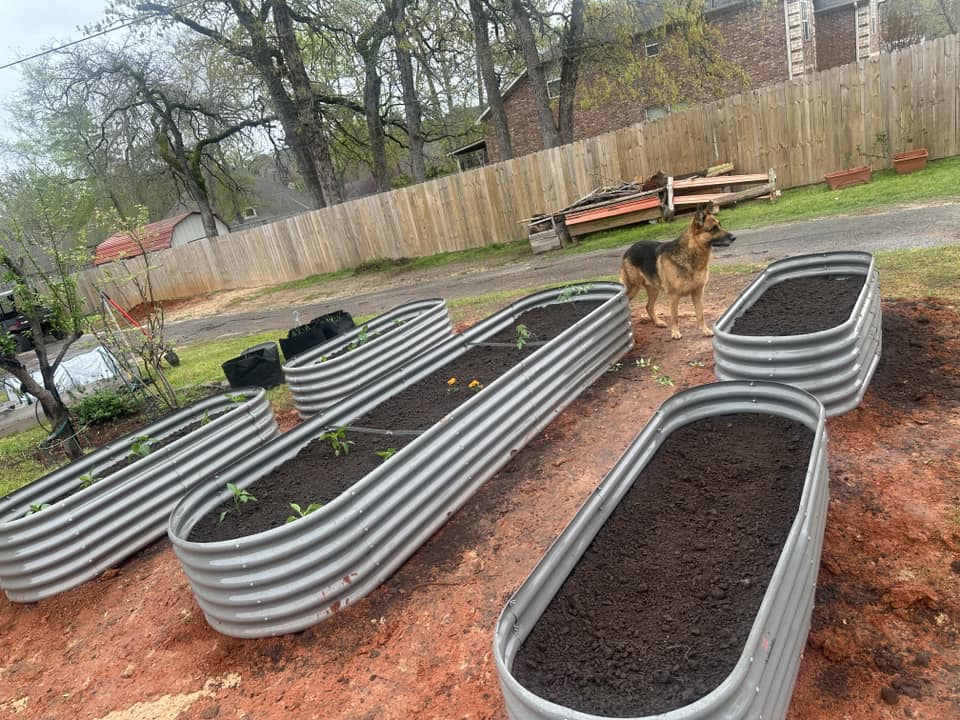
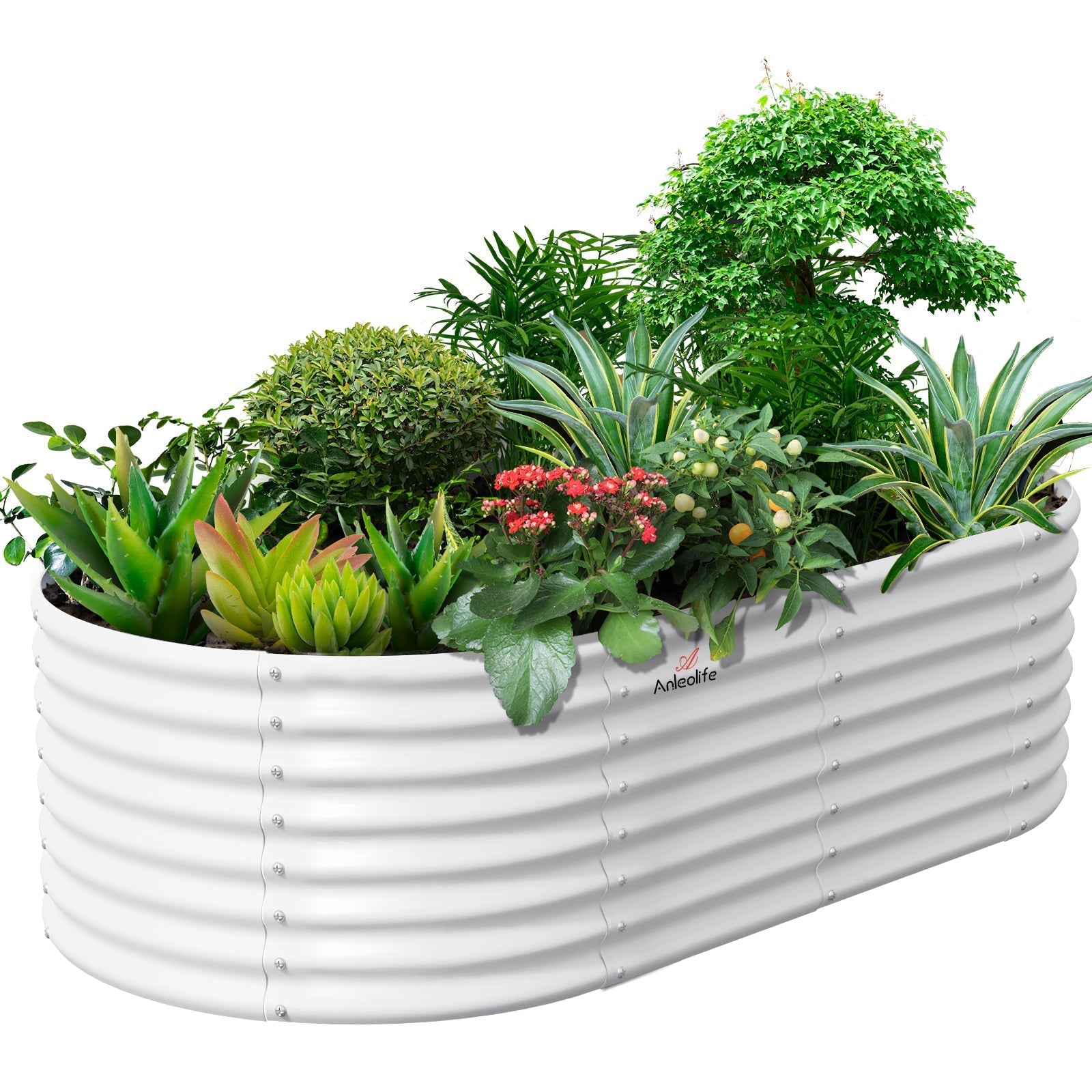
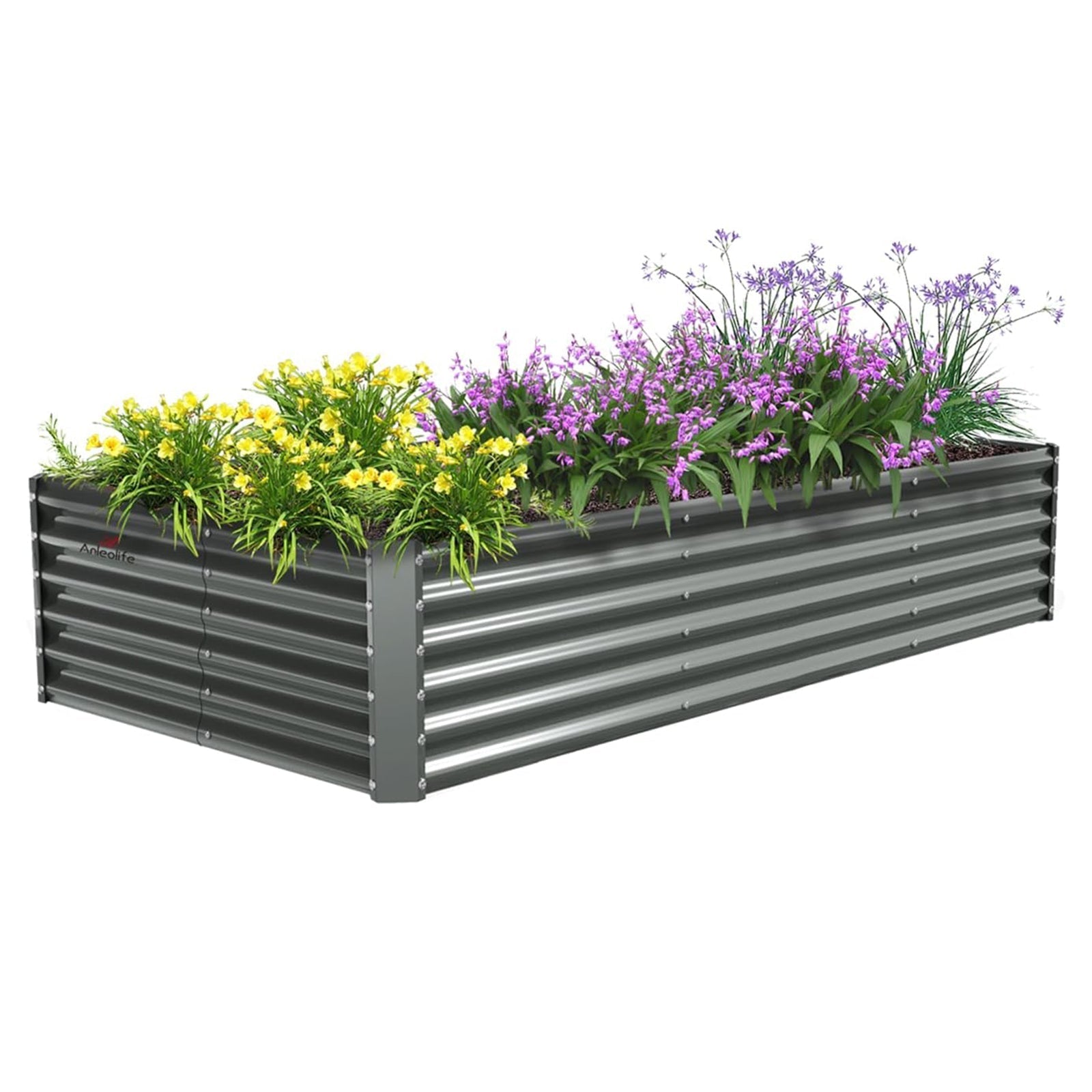
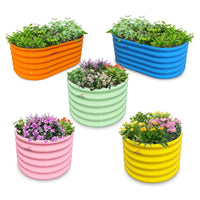
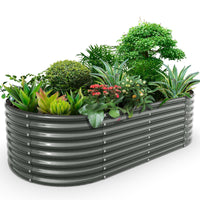
Anleolife's galvanized steel raised garden beds are available in a range of heights from 18 inches up to 35 inches (waist-high), so whether you're building a shallow herb garden or a deep root vegetable bed, there's a configuration that supports optimal mulching depth. With a design lifespan of 20 years, the investment in a quality raised bed structure is the foundation that makes every mulching and growing strategy more effective over the long term.
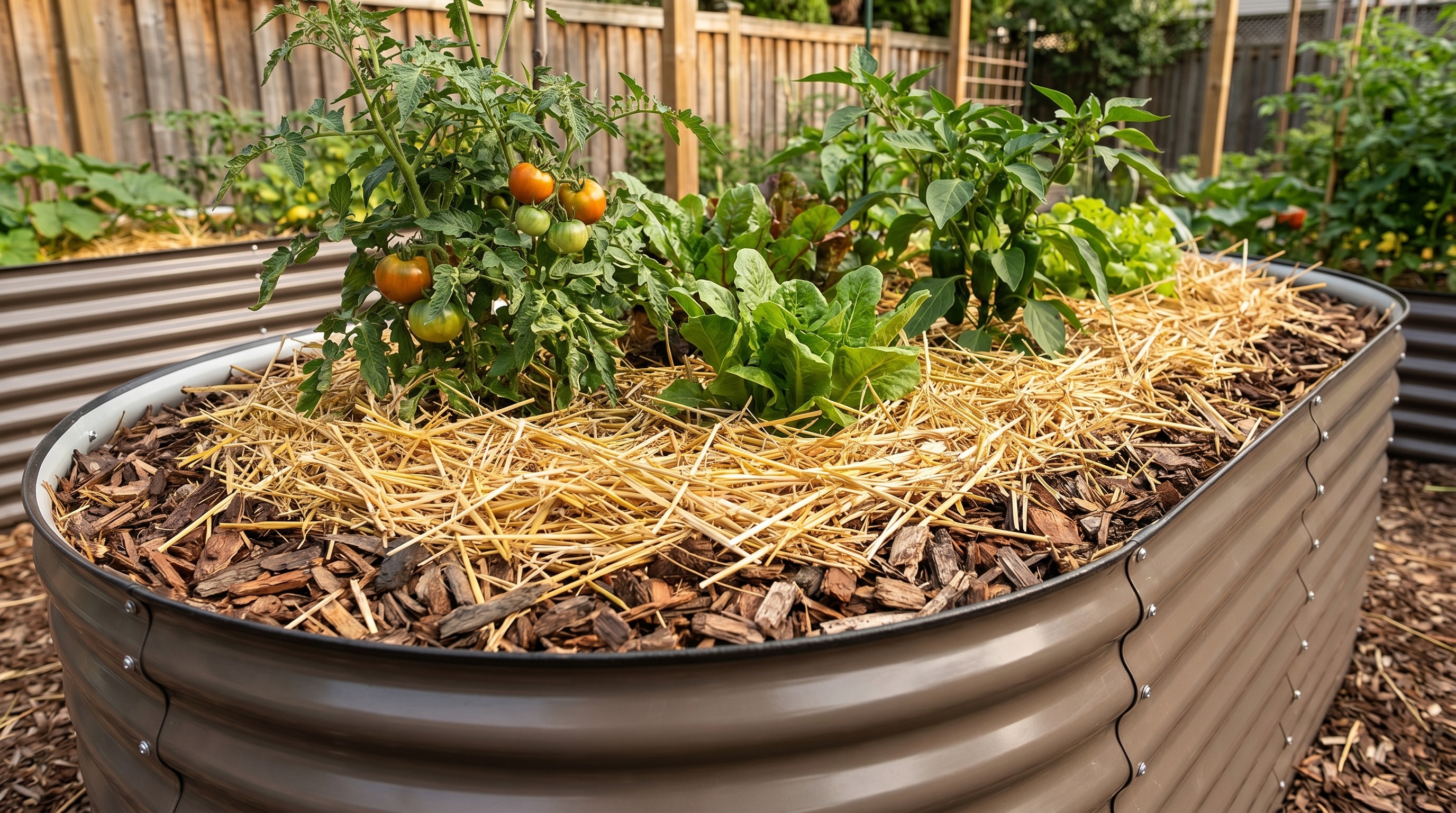
ALT: Close-up of layered organic mulch including straw and wood chips inside a galvanized steel raised garden bed, suppressing weeds without chemicals for chemical-free vegetable gardening
Advanced Mulching Strategies: Seasons, Layering, and Common Mistakes
Seasonal Mulching: Timing Is Everything
Mulch serves different purposes at different times of year, and adjusting your approach seasonally unlocks significantly better results.
Spring: Apply mulch after the soil has warmed to at least 60°F. Mulching cold soil traps cold temperatures and delays plant establishment. In late spring, once seedlings are established, a 2–3 inch layer locks in warmth and suppresses the first flush of weed seeds.
Summer: The primary goal is moisture retention and heat moderation. Straw and wood chips are particularly effective here, keeping soil temperature more stable during heat waves and reducing watering frequency — a meaningful benefit for gardeners who want to set up a more self-sufficient system. Pairing mulch with a drip irrigation setup extends these benefits significantly; see How to Set Up a Drip Irrigation System for Multiple Raised Garden Beds for a practical guide to combining these two water-saving strategies.
Fall: As crops finish, turn organic mulch into the soil rather than removing it. Top with a fresh layer of shredded leaves or straw as a winter protection blanket that suppresses cool-season weeds and insulates beneficial soil organisms.
Winter: In cold climates, a thick mulch layer (4–6 inches) protects the bed from freeze-thaw cycles that break down soil structure. In warmer climates, light mulching continues weed suppression through winter crops.
Three Common Mulching Misconceptions
Misconception 1: "More mulch is always better."
Too much mulch — especially thick, dense materials like wood chips applied at 6+ inches — can actually prevent water from reaching the soil and create habitat for rodents. Stick to the 2–3 inch guideline for vegetable beds.
Misconception 2: "Any organic material works as mulch."
Not all organic materials are appropriate. Treated lumber sawdust, glossy printed paper, and wood from black walnut trees (which releases juglone, a natural herbicide toxic to many vegetables) can all damage your crops or contaminate your soil.
Misconception 3: "Mulch eliminates weeds permanently."
Mulch dramatically reduces weed pressure, but persistent perennial weeds with deep tap roots can push through almost any mulch layer. For those, consistent removal — combined with maintaining your mulch layer — is the long-term strategy. Mulch prevents new weed seeds from germinating and seedlings from establishing; it doesn't kill existing established weeds.
Frequently Asked Questions FAQ
Q1: How thick should mulch be in a raised garden bed to effectively suppress weeds?
For most raised bed situations, a 2–3 inch layer of organic mulch provides effective weed suppression without the downsides of over-mulching. This depth blocks enough light to prevent most weed seeds from germinating while still allowing water and air to penetrate to the root zone. For very aggressive weed pressure, a cardboard underlayer combined with 3 inches of straw or wood chips creates a more robust barrier without resorting to chemical herbicides.
Q2: Is it safe to use wood chip mulch directly around edible vegetable crops?
Yes — with one important caveat. Aged or composted wood chips are safe and beneficial around edible crops. Fresh wood chips, however, can temporarily reduce available soil nitrogen as microbes break them down, potentially stressing your vegetables. Always allow wood chips to age for at least 6 months before use in edible beds, or source pre-aged chips from a reputable supplier. Avoid chips from trees that may have been treated with pesticides or that come from black walnut, which produces compounds harmful to many vegetables.
Q3: How often do I need to replace or refresh mulch in my raised garden bed each season?
Most organic mulches need refreshing every 4–8 weeks during the active growing season, as they decompose and compress. A quick monthly check — simply pressing your hand into the mulch to gauge remaining depth — keeps you on top of this. At the start of each new growing season, turn the previous year's decomposed mulch into the soil as a fertility amendment, then apply a fresh 2–3 inch layer. This annual cycle actually improves your soil year after year, reducing your need for added fertilizers over time.
Summary
Mulching your raised garden beds with the right organic material is one of the simplest, most effective, and most environmentally responsible strategies you can adopt as a home grower. Three key takeaways define the approach:
1. Match your mulch to your crops and season. Straw excels in summer vegetable beds; shredded leaves shine in fall and spring; aged wood chips provide long-term structure and moisture retention; grass clippings offer a fast nitrogen boost when used safely.
2. Apply correctly and consistently. A 2–3 inch layer, applied around established plants (not directly on seeds or pressed against stems), refreshed seasonally as it decomposes, delivers sustained weed suppression and soil improvement without any chemical input.
3. Let your mulch and bed system work together. The quality of your raised bed structure determines how well your mulch system performs. A well-built, properly sized raised bed with good drainage and soil volume creates the stable environment where mulching strategies deliver maximum results.
Your next step: walk out to your garden this week, check your current mulch depth, and identify which bed would benefit most from a fresh layer. Small, consistent actions build a thriving garden season by season.
Ready to Upgrade Your Raised Bed Setup?
Anleolife's nationwide U.S. warehouse network — strategically located in California, Texas, Florida, New York, Illinois, and Washington — ensures delivery within 3–8 business days, so your garden upgrade plans never have to wait. Products are available on major e-commerce platforms including Amazon, Walmart, Home Depot, Lowe's, and Wayfair, as well as directly through Anleolife.com, providing consistent quality assurance and after-sales service.
Anleolife's three core scenarios cover everything from Planting (metal raised garden beds built to last 20 years, comprehensive soil systems), to Raising (chicken coops, rabbit hutches), to Beautification (decorative accessories, pathway systems) — meeting your complete needs from functionality to aesthetics.
We understand that an ideal garden isn't built overnight — it's grown gradually, thoughtfully, season by season. Anleolife's modular product design allows flexible expansion based on your needs, from your first 8x4 raised garden bed to a fully integrated planting-and-raising ecosystem. We grow with you, every step of the way.
References
- National Gardening Association. "Mulching and Weed Control in Home Gardens."
https://garden.org - University of California Agriculture and Natural Resources. "Mulches for Landscaping and Vegetable Gardens."
https://ucanr.edu/ - Penn State Extension. "Mulching the Vegetable Garden."
https://extension.psu.edu - USDA National Agricultural Library. "Organic Weed Management in Vegetable Crops."
https://www.nal.usda.gov - Cornell Cooperative Extension. "Using Organic Mulches in the Home Garden."
https://cce.cornell.edu
Note: Gardening recommendations and standards may be updated. Please check the latest official documents or consult a local extension service professional for region-specific advice.
About Anleolife
Anleolife is a leading outdoor garden solutions provider in North America, dedicated to offering a full-scenario product ecosystem for home gardening enthusiasts, covering planting, raising, and garden beautification. Since its founding, we have upheld our brand mission, "Made for Garden Life," continuously innovating products and optimizing services to help hundreds of thousands of users upgrade their gardens, reconnect with nature, and enjoy a better garden lifestyle.