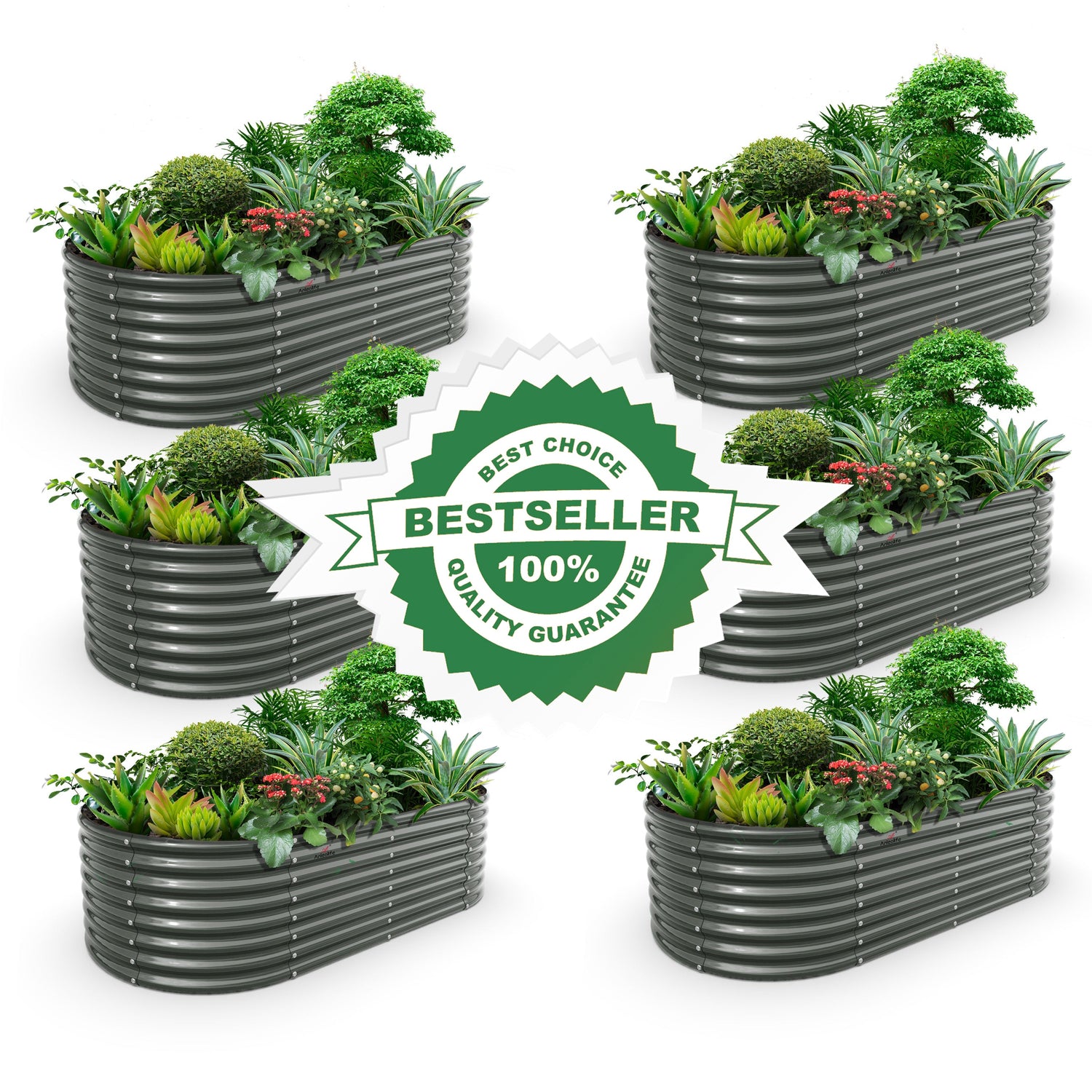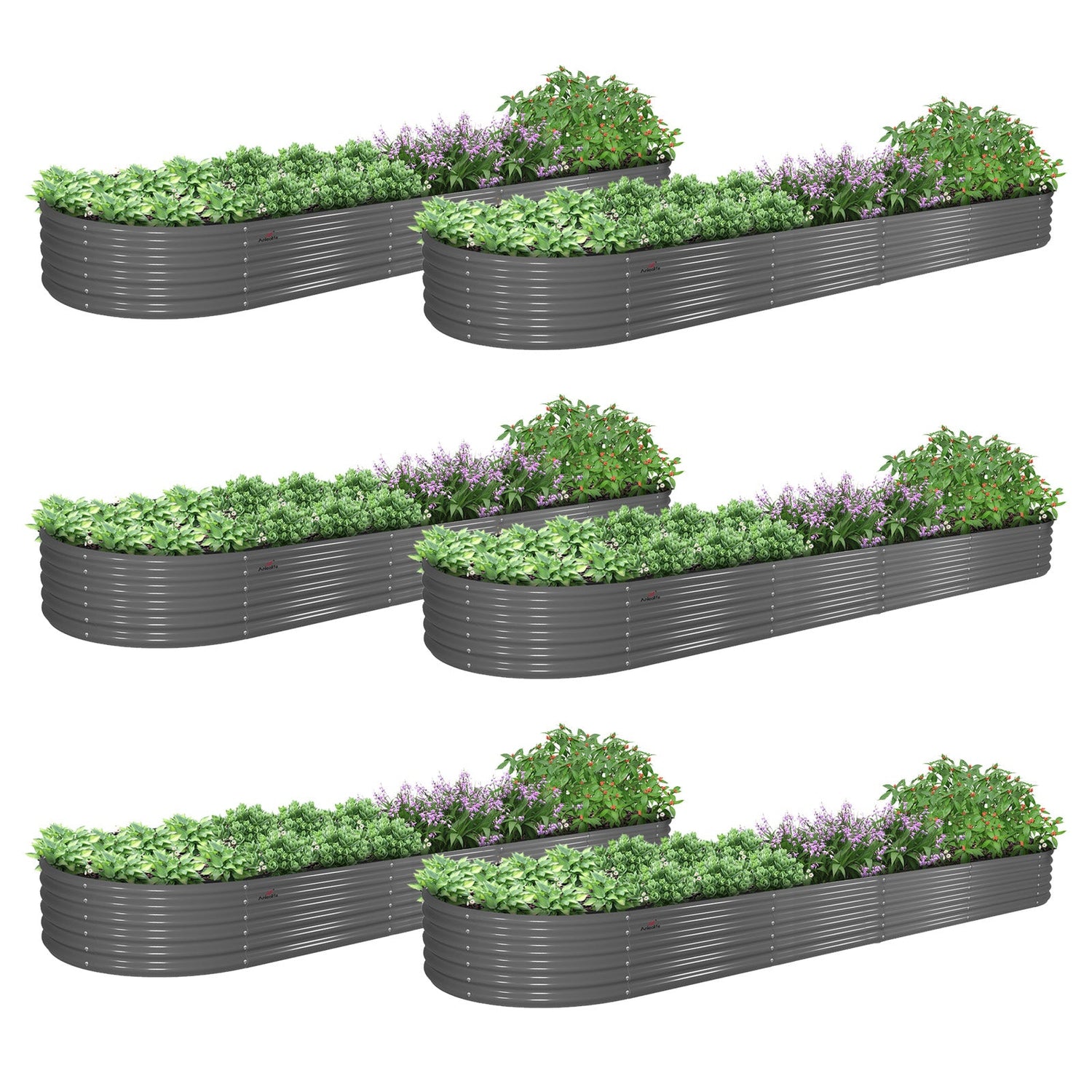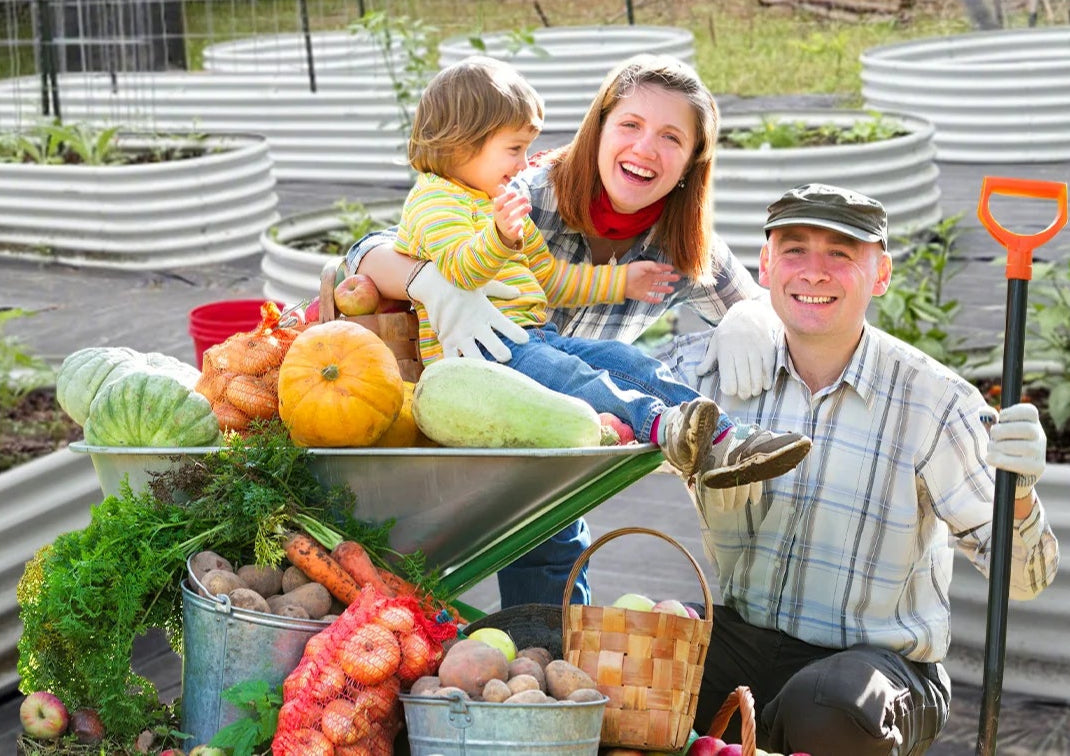



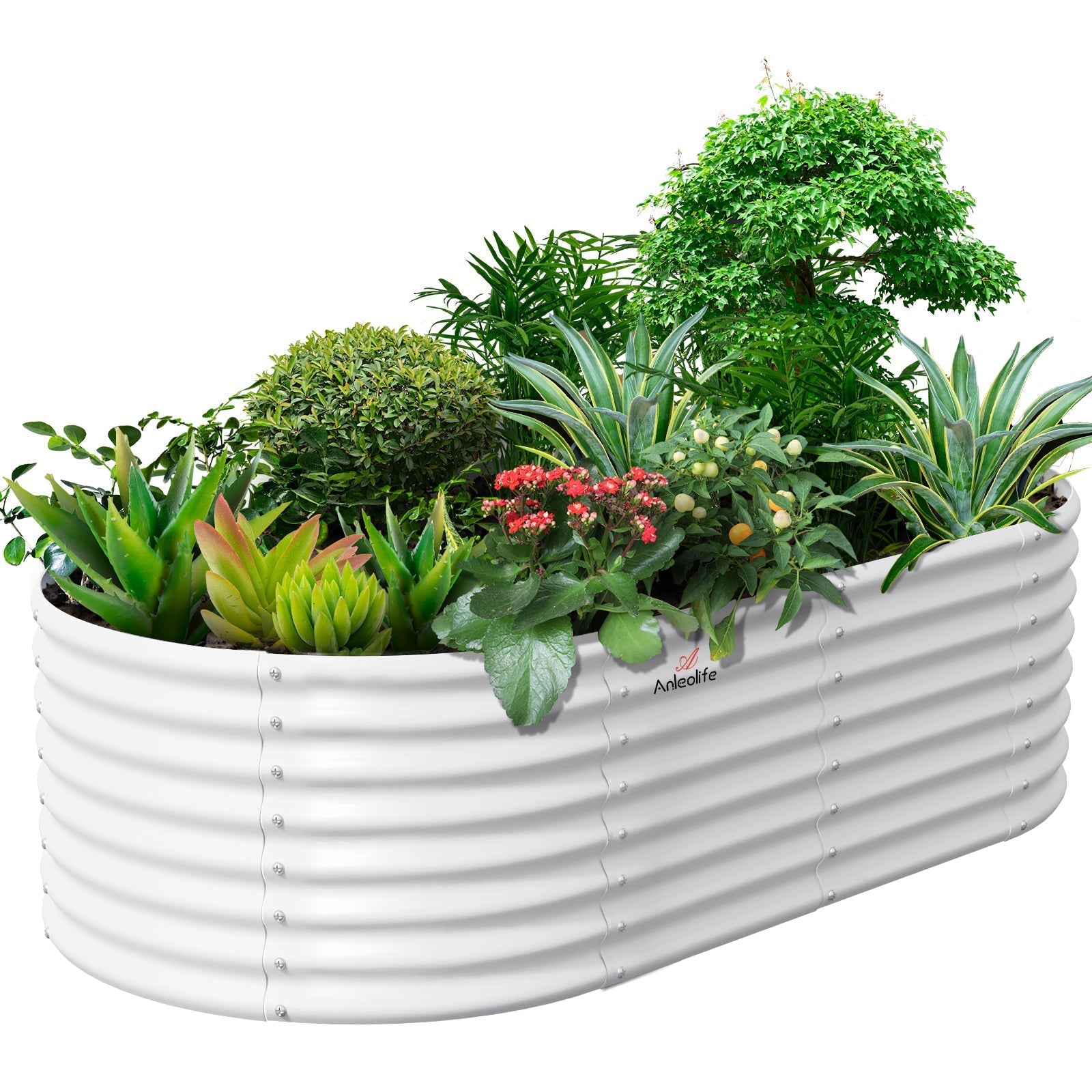
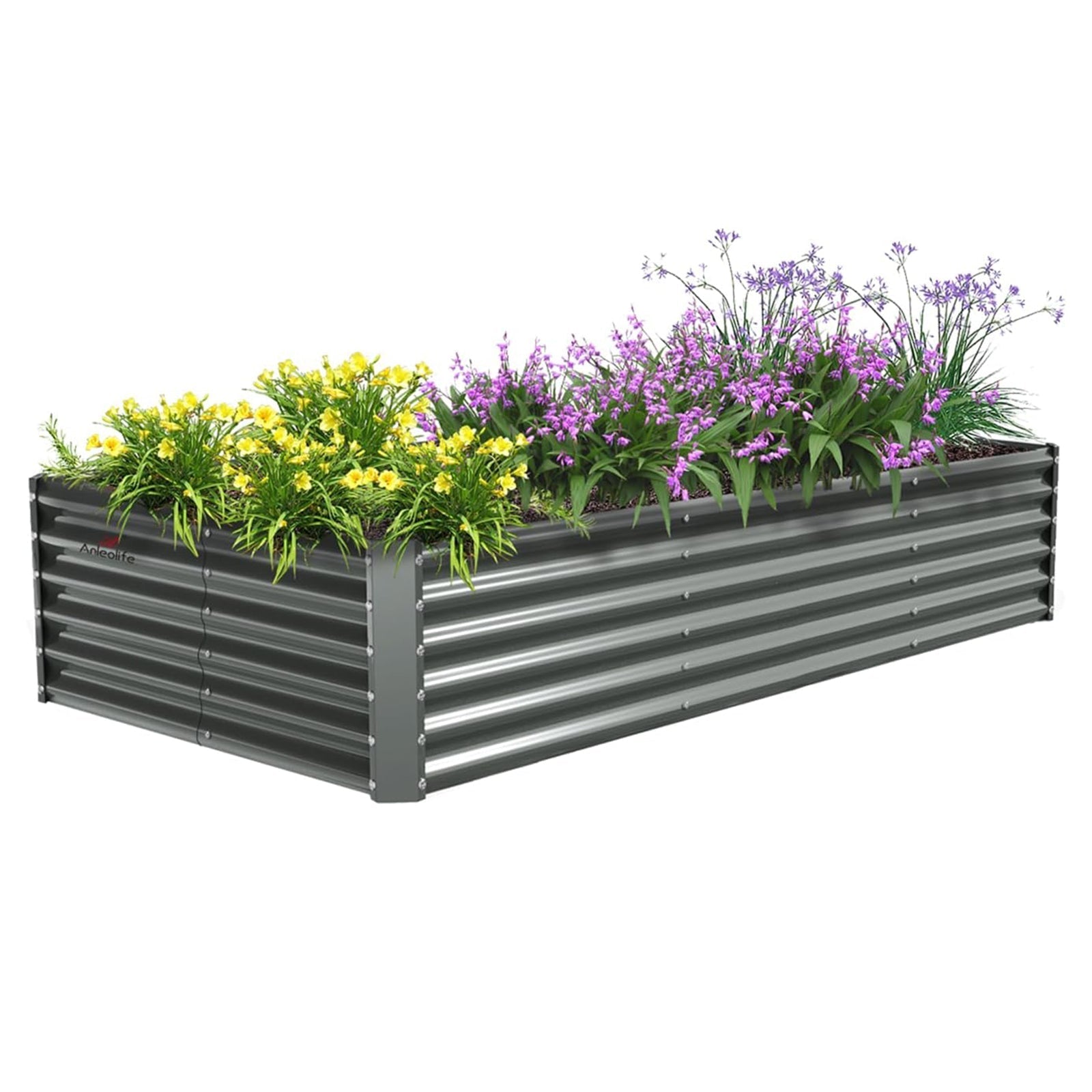

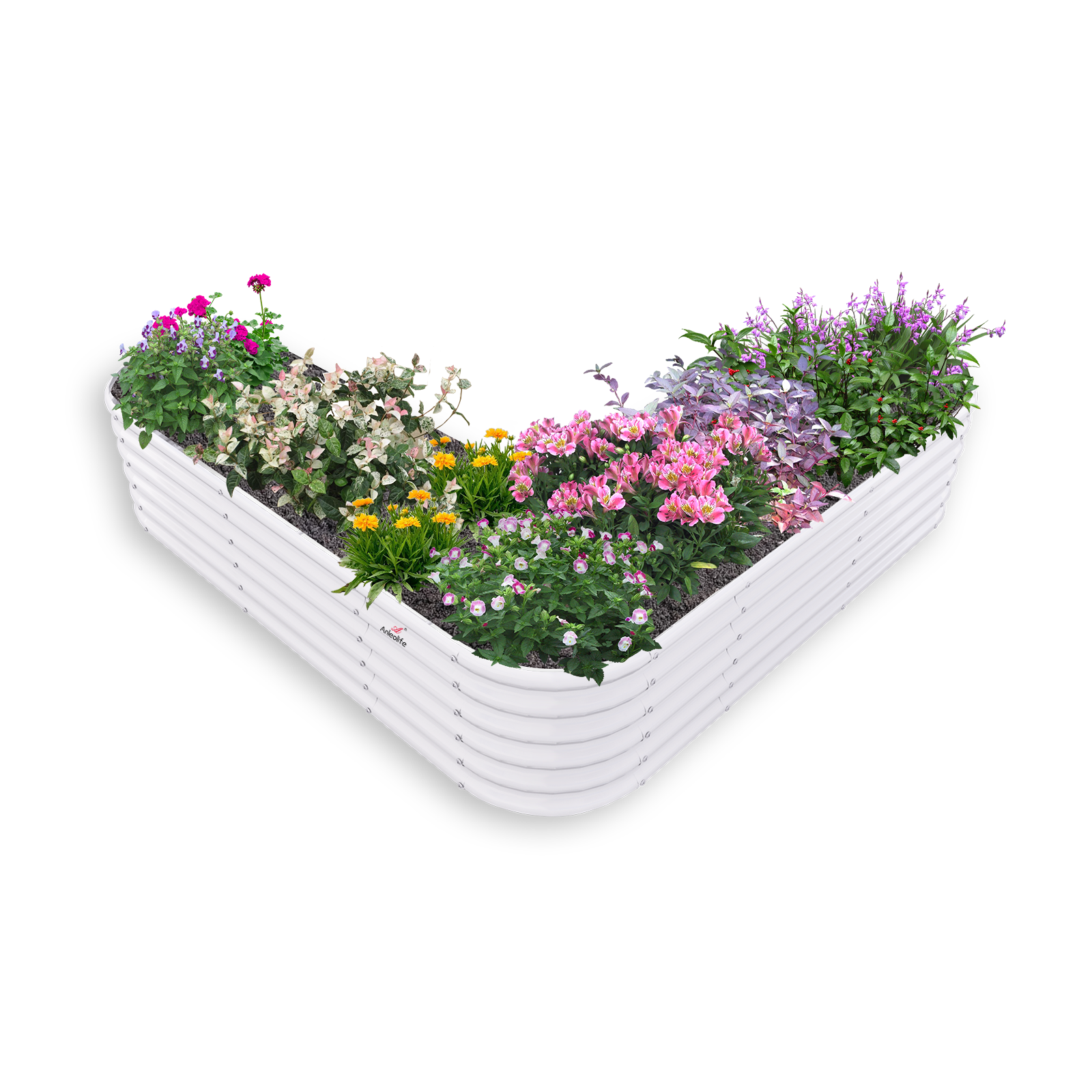
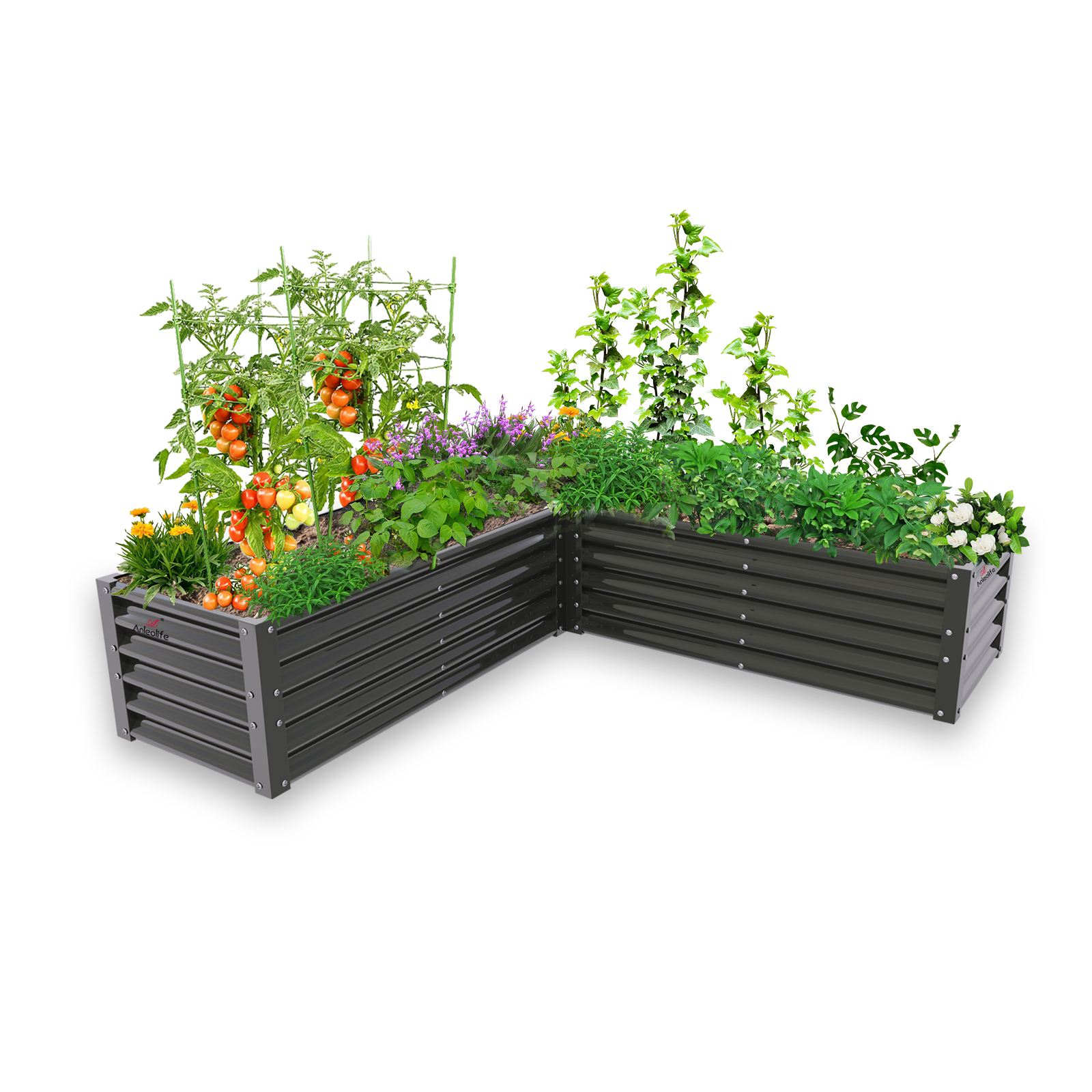
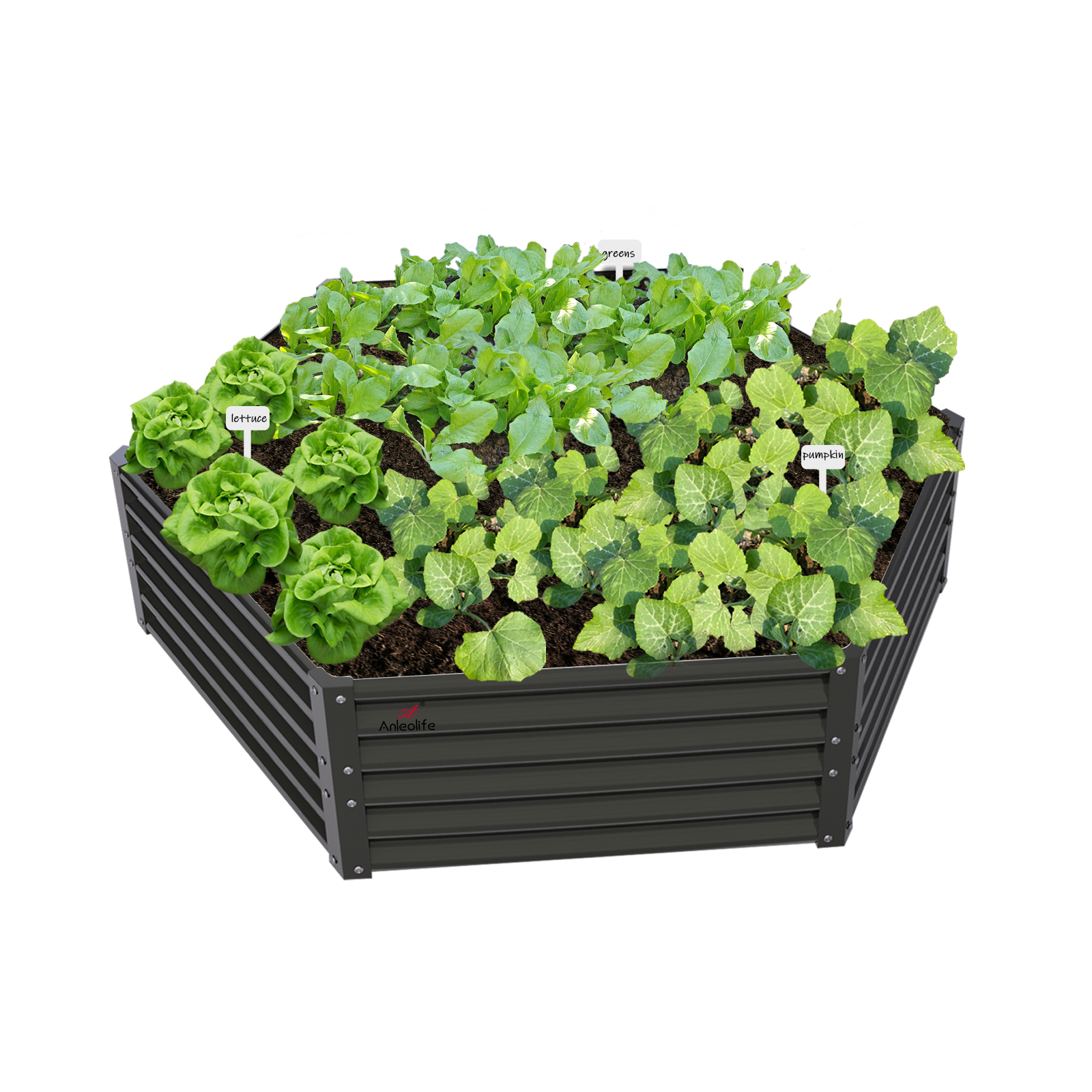
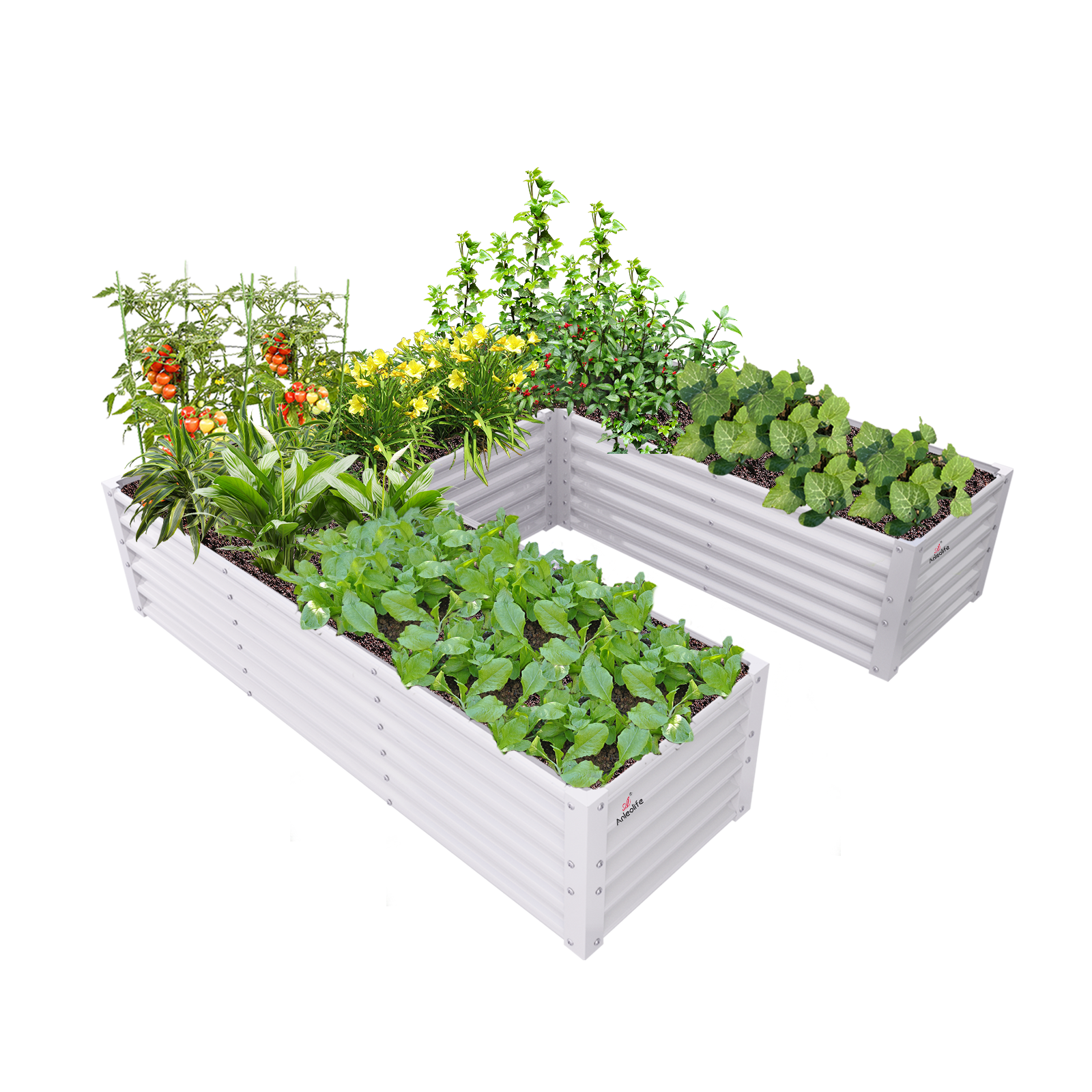

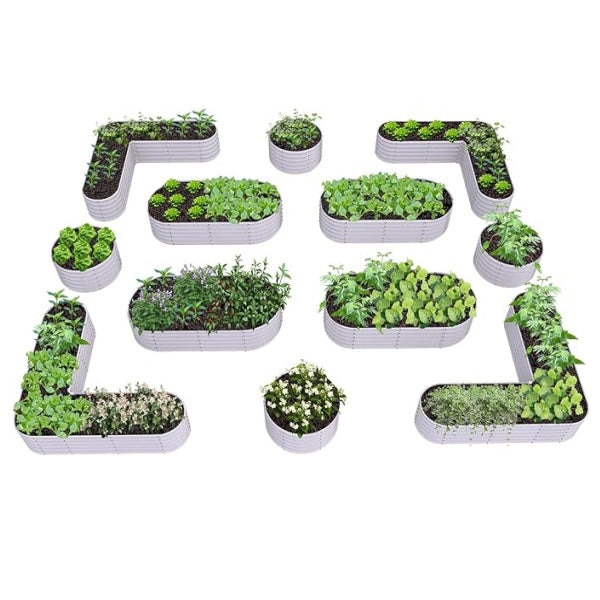


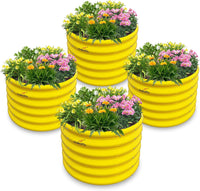
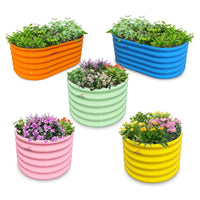
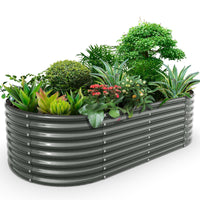




ALT: Best outdoor tool and garden accessory storage solutions for small spaces with raised beds
Smart Storage Starts Here: Best Outdoor Tool and Garden Accessory Storage Solutions for Small Spaces
Key Conclusion: When your garden square footage is limited, every inch of storage counts. The best outdoor tool and garden accessory storage solutions for small spaces combine vertical organization, weather-resistant materials, and smart zoning to keep hoses, hand tools, fertilizers, and decorative elements like kinetic wind spinners and firewood log racks neatly accessible. Pair these with well-planned irrigation systems and raised garden beds, and even the most compact yard becomes a productive, beautiful outdoor retreat.
Small-space gardening is booming across North America. Whether you're working with a narrow side yard, a modest suburban patio, or a townhouse balcony, the challenge isn't just what you grow—it's how you store everything that keeps your garden running. From long-handled rakes to seasonal décor, the clutter can accumulate quickly, making your garden feel chaotic rather than calm.
The good news: smart storage isn't about buying more stuff. It's about designing a system that works with your space, not against it. In this guide, you'll discover practical, tested strategies for organizing your outdoor tools and garden accessories—whether you're starting from scratch or tightening up an existing setup.
Who This Guide Is For: Storage Solutions Applicable to Your Garden Setup
✅ Applicable Scenarios:
- Homeowners with patios, balconies, or side yards under 500 square feet who need to maximize every storage opportunity
- Urban micro-gardeners running multiple small raised beds and accumulating tools, soil amendments, and seasonal accessories
- Empty nesters and retirees who want an organized, low-maintenance garden that's easy to navigate without bending and hunting for tools
- Home growers transitioning from in-ground beds to raised garden systems who need to reorganize their tool workflow
❌ Not Applicable/Cautions:
- Large-acreage farms or commercial growing operations requiring industrial-scale equipment storage (this guide focuses on residential small-space solutions)
- Renters without permission to mount wall anchors, install floor fixtures, or make structural modifications to outdoor surfaces
- Climates with extreme freeze-thaw cycles where certain storage materials may require additional weatherproofing beyond standard recommendations
Why Outdoor Storage Is the Overlooked Cornerstone of Small-Space Gardening
Most gardening content focuses on what to plant, when to water, and how to build the perfect raised bed. But the unsexy truth is this: a disorganized tool and accessory storage system is one of the top reasons small-space gardens fail to reach their potential.
The numbers tell the story. According to the National Gardening Association, over 35% of American households participate in food gardening, with apartment and small-yard gardeners representing the fastest-growing segment. As more people convert patios, balconies, and narrow side yards into productive growing spaces, the demand for compact, efficient outdoor storage has surged in parallel.
When tools are scattered, irrigation systems are tangled, and accessories like kinetic wind spinners, trellises, and protective netting are piled in a corner, gardening stops being relaxing and becomes frustrating. You spend the first ten minutes of every gardening session just locating what you need. That friction erodes motivation over time—especially for new gardeners who are still building the habit.
The material question matters too. Outdoor storage in humid, rainy, or high-UV climates needs to withstand the elements. If you're researching what holds up best against rust and weather exposure, you're asking the right question. The same principles that make galvanized steel outperform alternatives in raised garden beds apply directly to storage units, shelving brackets, and tool hooks—durable, rust-resistant materials simply last longer outdoors.
There's also a spatial design element that often goes unconsidered. Many small-space gardeners think horizontally—they look for floor-level sheds or storage boxes. But the real opportunity in tight spaces is vertical. Walls, fences, and the sides of raised beds themselves are underused real estate for hanging tools, mounting organizers, and displaying decorative accessories that might otherwise clutter the ground.
If you're in the process of setting up or expanding your raised bed garden, it's worth reading which raised garden bed size works best for a patio or small backyard before finalizing your storage layout, since bed dimensions directly affect how much surrounding space you'll have for storage zones.
The bottom line: treating outdoor tool and garden accessory storage as an integrated part of your garden design—not an afterthought—transforms a cramped, chaotic space into a streamlined one.
Building Your Small-Space Storage System: A Practical Framework
Three-Step Quick Start for Outdoor Garden Storage
Step 1: Audit What You Own and Categorize by Frequency of Use
Before buying a single storage product, spend 20–30 minutes pulling out every tool, accessory, and supply you currently own. Sort them into three piles: daily/weekly use (hand trowels, gloves, watering wands), seasonal use (fertilizer spreaders, frost cloth, trellises), and rarely used or decorative (kinetic wind spinners, extra décor pieces, specialty planting tools). This audit reveals exactly how much storage you need and what type—hooks for long tools, bins for loose supplies, shelves for containers. Most small-space gardeners discover they own fewer tools than they feared, which is reassuring.
Step 2: Map Your Available Vertical and Horizontal Storage Zones
Walk your garden space with a measuring tape and identify every potential storage surface: fence panels, exterior walls, the sides of your house or shed, the ends of raised garden beds, and any unused overhead space. Mark which zones get direct sun exposure (important for heat-sensitive items like seeds and fertilizers) and which are sheltered. Even a 6-foot fence panel can hold a full tool organizer, hooks for hoses, and a small shelf for pots. Horizontal surfaces—tops of garden beds, benches, or low walls—can support bins and trays without wall mounting.
Step 3: Match Storage Solutions to Zones and Install Systematically
Now that you know what you're storing and where your zones are, match solutions to spaces. Wall-mounted pegboard or steel panel organizers work beautifully for hand tools and accessories. Vertical hose reels keep irrigation systems from tangling. Lean-to mini sheds or deck boxes handle bulk supplies. Magnetic tool strips—mounted to metal fence posts or shed walls—keep frequently used tools instantly accessible. Install your heaviest, most permanent storage first (wall anchors, mounted racks), then layer in flexible and portable solutions around them.
Comparing the Top Storage Solution Types for Small Garden Spaces
When it comes to the best outdoor tool and garden accessory storage solutions, there's no one-size-fits-all answer. Here's how the most popular options stack up across the dimensions that matter most for small-space gardeners.
| Comparison Dimension | Wall-Mounted Panel Organizers | Freestanding Deck Boxes / Mini Sheds | Vertical Tower & Shelf Units |
|---|---|---|---|
| Space Efficiency | Excellent – uses zero floor space | Moderate – requires dedicated floor footprint | Good – small footprint, high storage volume |
| Weather Resistance | Depends on material (galvanized steel = excellent) | Generally good with sealed lids; varies by material | Moderate – open shelving exposed to elements |
| Tool Type Suitability | Long-handled tools, hoses, small accessories | Bulk supplies, soil bags, seasonal items | Pots, bins, décor, small containers |
| Installation Effort | Medium – requires wall anchors | Low – drop and place | Low to medium |
| Cost Range | Low to moderate | Moderate to high | Low to moderate |
| Aesthetic Flexibility | High – customizable layouts | Low to moderate | Moderate |
| Best For | Walls, fences, shed exteriors | Open patio areas with available floor space | Side yards, porch corners |
The right answer for most small-space gardeners is a layered combination: a wall-mounted system for frequently accessed tools, a compact deck box or mini shed for bulk supplies, and a vertical shelf or tower unit for pots and accessories.
Deep Dive: The Six Storage Categories Every Small Garden Needs
Long-Handled Tool Storage
Long-handled tools are the most awkward items in any garden storage system. Rakes, hoes, shovels, and brooms refuse to stand neatly on their own and take up disproportionate floor space when leaned against a wall. The best solution for small spaces is a dedicated wall-mounted rack—either a traditional wooden tool rack or a modern steel panel system with adjustable hooks.
For outdoor use, galvanized steel or powder-coated aluminum wall panels resist moisture and UV degradation far better than untreated wood. Mount these to a fence panel, the exterior wall of your home, or a purpose-built garden storage wall adjacent to your raised beds. Position the most frequently used tools at eye level for easy grab-and-go access.
Hand Tool and Accessory Organizers
Trowels, pruners, dibbers, gloves, and small accessories are easily lost in a garden setting. A compact pegboard section, a canvas tool roll hung from a hook, or a repurposed utensil caddy kept on a shelf near your main garden bed dramatically reduces the "where did I put the trowel?" problem.
If you grow in metal raised beds, consider a magnetic strip mounted to the steel side panel—it's an elegant, tool-free way to keep metal hand tools instantly accessible without additional wall space. This approach works especially well with Anleolife's galvanized steel raised garden beds, whose sturdy steel construction provides an ideal surface for magnetic mounting accessories.
Hose and Irrigation System Storage
Tangled hoses are one of the most common frustrations in small garden spaces. A wall-mounted hose reel—spring-loaded or manual crank—keeps your irrigation setup coiled, protected, and ready to deploy without eating up floor space. For gardeners running drip lines or soaker hoses across multiple raised beds, a dedicated hook system or reel for each bed zone keeps irrigation systems organized and prevents UV degradation from leaving hoses exposed in direct sunlight.
If you're setting up a more sophisticated watering arrangement, learning how to set up a drip irrigation system for multiple raised garden beds will help you plan not just the planting layout but the storage and routing of your irrigation components.
Soil, Fertilizer, and Bulk Supply Storage
Opened bags of potting mix, compost, and fertilizer are magnets for pests and moisture damage if left unsealed on a garage shelf or patio floor. For small spaces, a compact weatherproof deck box or lidded storage bin is the most practical solution. Look for boxes with reinforced lids and UV-resistant materials.
Position your bulk supply storage near your raised beds to minimize carrying distance. For gardeners with multiple Anleolife beds in different configurations—say, a 12x3 ft bed along a fence and a 4x4 ft bed near a patio—a centrally placed deck box accessible to all bed zones saves significant time and effort during planting and feeding sessions.
Decorative Accessory Storage
Seasonal garden décor—kinetic wind spinners, wind chimes, decorative stakes, pathway lights, and small statuary—deserves its own storage strategy. These items are often fragile, oddly shaped, and prone to damage if jumbled together in a single bin.
A dedicated small shelf unit, a wall-mounted grid with hanging hooks, or a divided storage tote keeps decorative accessories protected between seasons. Label bins clearly ("summer pathway décor," "spring stakes") so seasonal transitions take minutes, not a chaotic afternoon.
For firewood log racks in smaller spaces where you occasionally use a fire pit or chiminea, vertical log storage units mounted against a fence or exterior wall keep wood dry, organized, and visually contained without dominating a small patio.
Seed, Chemical, and Temperature-Sensitive Supply Storage
Seeds, certain fertilizers, and pest control products require temperature-stable, dry, and often UV-protected storage. A compact indoor-outdoor storage cabinet with a lockable door is ideal for households with children or pets. If cabinet space is limited, a sealed plastic tote stored in a shaded corner of your garden space works well.
Never store seeds or temperature-sensitive supplies in metal deck boxes that get direct afternoon sun—internal temperatures can spike dramatically and reduce germination rates. A shaded shelf inside a small lean-to or the north-facing side of a fence is preferable.

ALT: Organized outdoor tool storage wall with hose reel and accessories next to a galvanized steel raised garden bed in a small backyard space
Advanced Strategies: Getting More From Your Small-Space Storage Setup
Integrate Storage Into Your Raised Bed Design
One of the most underused strategies for small-space gardeners is treating raised bed structures as storage infrastructure. Anleolife's heavy-duty and extra-tall galvanized steel raised garden beds have the structural integrity to support mounted brackets and hooks on their exterior panels without compromising the bed's function.
You can attach a small side-mounted tool caddy, a hose hook, or even a pocket planter to the end panel of a bed. This keeps your most-used tools within arm's reach during gardening sessions without requiring additional wall space.
Don't Confuse "Compact" with "Cheap"
A common misconception among small-space gardeners is that budget solutions are adequate because you're not storing large equipment. The reality is the opposite: compact storage solutions are used more frequently—you're accessing them every day—and they're exposed to full outdoor conditions year-round. Investing in quality, weather-resistant storage materials pays dividends in longevity.
This is the same logic that applies to raised garden beds themselves. When comparing brands—whether the discussion is vego garden vs birdies or evaluating what are the best metal raised garden beds—durability over time matters more than upfront cost savings. Anleolife's galvanized steel raised garden beds are built for up to 20 years of service life, which sets a useful benchmark for evaluating any outdoor storage product: will it last even a fraction as long before needing replacement?
Consider Access Ergonomics, Not Just Volume
Empty nesters, retirees, and anyone managing joint pain or mobility limitations should design storage systems around ease of access—not just capacity. This means keeping frequently used tools at hip to shoulder height (avoiding repeated bending or reaching overhead), using lightweight container lids rather than heavy hinged tops, and ensuring pathways between beds and storage points are clear and stable.
A waist-high tool rack paired with Anleolife's 30-inch extra-tall raised garden beds creates a comfortable ergonomic zone where both gardening and tool access happen at a natural standing height—eliminating unnecessary strain during long gardening sessions.
Avoid the "One Giant Storage Solution" Mistake
Many small-space gardeners default to buying one large deck box and cramming everything inside. This creates the same problem as no storage at all: digging through a packed box to find one small tool is frustrating and time-consuming. The better approach is modular, zoned storage—smaller, dedicated containers for different item categories that can be rearranged as your garden evolves.
Frequently Asked Questions FAQ
Q1: How do I choose the best outdoor storage material that won't rust in humid climates?
For humid coastal or rainy climates, galvanized steel with a powder-coat finish, marine-grade aluminum, and high-density polyethylene (HDPE) plastic are the top performers. Galvanized steel resists rust through a zinc coating that forms a sacrificial barrier against oxidation—the same technology used in premium raised garden beds built to last up to 20 years. Avoid untreated steel, low-grade aluminum, and bare wood in high-humidity environments without regular sealing maintenance. When in doubt, opt for the same rust-resistant material logic that governs quality garden bed selection.
Q2: Are wall-mounted tool organizers strong enough for heavy garden tools outdoors?
Yes, provided you use the correct mounting hardware for your wall surface—masonry anchors for brick or concrete, structural screws into studs for wood fencing, and through-bolts for hollow fence panels. Most quality wall-mounted tool racks are rated for substantial weight loads. The key variable is the mounting point, not the rack itself. For heavier tools like full-size shovels and rakes, distribute weight across multiple anchor points rather than relying on a single hook or bracket.
Q3: How much does a complete small-space outdoor storage system typically cost, and how long will it last?
A well-designed complete system—wall-mounted tool panel, compact deck box, vertical shelf unit, hose reel, and small accessory organizers—typically ranges from a few hundred dollars for entry-level to several hundred for premium weatherproof materials. Quality galvanized steel or powder-coated aluminum components can realistically serve 10–15 years with minimal maintenance. Compare this to replacing low-cost plastic alternatives every 2–3 seasons. The investment math strongly favors durable materials upfront, especially when paired with long-lasting raised bed infrastructure designed for 20 years of service.
Summary
Effective outdoor tool and garden accessory storage isn't glamorous, but it's the foundation that makes small-space gardening actually enjoyable. When your hoses coil neatly, your trowels hang within reach, your kinetic wind spinners are stored safely between seasons, and your firewood log rack keeps fuel tidy beside a compact patio fire pit, the whole garden experience becomes smoother and more satisfying.
The three core principles to carry forward are simple:
First, go vertical. In small spaces, floor footprint is precious—walls, fences, and raised bed panels are your primary storage real estate.
Second, match materials to climate. Rust-resistant galvanized steel and UV-stable materials last dramatically longer than budget alternatives in outdoor conditions. The same durability standards that make the best metal raised garden beds worth their price apply to every element of your outdoor storage system.
Third, think in zones. Organize storage by use frequency and item type, not by "what fits where." A zoned system takes minutes to use daily; a crammed catchall box takes minutes every time you need something specific.
For those ready to take the next step, explore which vegetables to plant in your raised bed this summer alongside setting up your optimized storage system—because a well-organized garden space naturally encourages you to use it more.
Start Growing and Organizing Smarter with Anleolife
Nationwide U.S. warehouse network: Strategically located in California, Texas, Florida, New York, Illinois, and Washington, Anleolife ensures delivery within 3–8 business days—so your garden upgrade plans never have to wait through long shipping windows.
Multi-channel availability: Shop Anleolife products on Amazon, Walmart, Home Depot, Lowe's, Wayfair, or directly at Anleolife.com for consistent quality assurance and reliable after-sales support no matter where you purchase.
Three complete garden scenarios: Planting (metal raised garden beds with a 20-year lifespan, soil systems), Raising (chicken coops, rabbit hutches), and Beautification (decorative accessories, pathway systems)—meeting every need from pure functionality to outdoor aesthetics.
We understand that an ideal garden isn't built overnight—it's grown gradually, season by season. Anleolife's modular product design lets you expand flexibly, from your first raised garden bed to a fully integrated planting, raising, and beautification ecosystem. We grow with you, every step of the way.
References
- National Gardening Association. "Gardening in America: Participation Trends and Market Data."
https://garden.org/special/pdf/2014-NGA-Garden-to-Table.pdf - University of California Agriculture and Natural Resources. "Home Vegetable Gardening: Getting Started."
https://ucanr.edu/sites/gardenweb/Vegetables/ - U.S. Department of Agriculture National Institute of Food and Agriculture. "Community and Urban Agriculture."
https://www.nifa.usda.gov/topics/community-food-systems - American Galvanizers Association. "Hot-Dip Galvanizing for Corrosion Protection."
https://www.galvanizeit.org/ - Oregon State University Extension Service. "Storing Garden Tools and Equipment."
https://extension.oregonstate.edu/gardening/techniques/storing-garden-tools
Note: Standards and research may be updated. Please check the latest official documents or consult professional advisors for the most current guidance.
About Anleolife
Anleolife is a leading outdoor garden solutions provider in North America, dedicated to offering a full-scenario product ecosystem for home gardening enthusiasts, covering planting, raising, and garden beautification. Since its founding, we have upheld our brand mission, "Made for Garden Life," continuously innovating products and optimizing services to help hundreds of thousands of users upgrade their gardens, reconnect with nature, and enjoy a better garden lifestyle.