


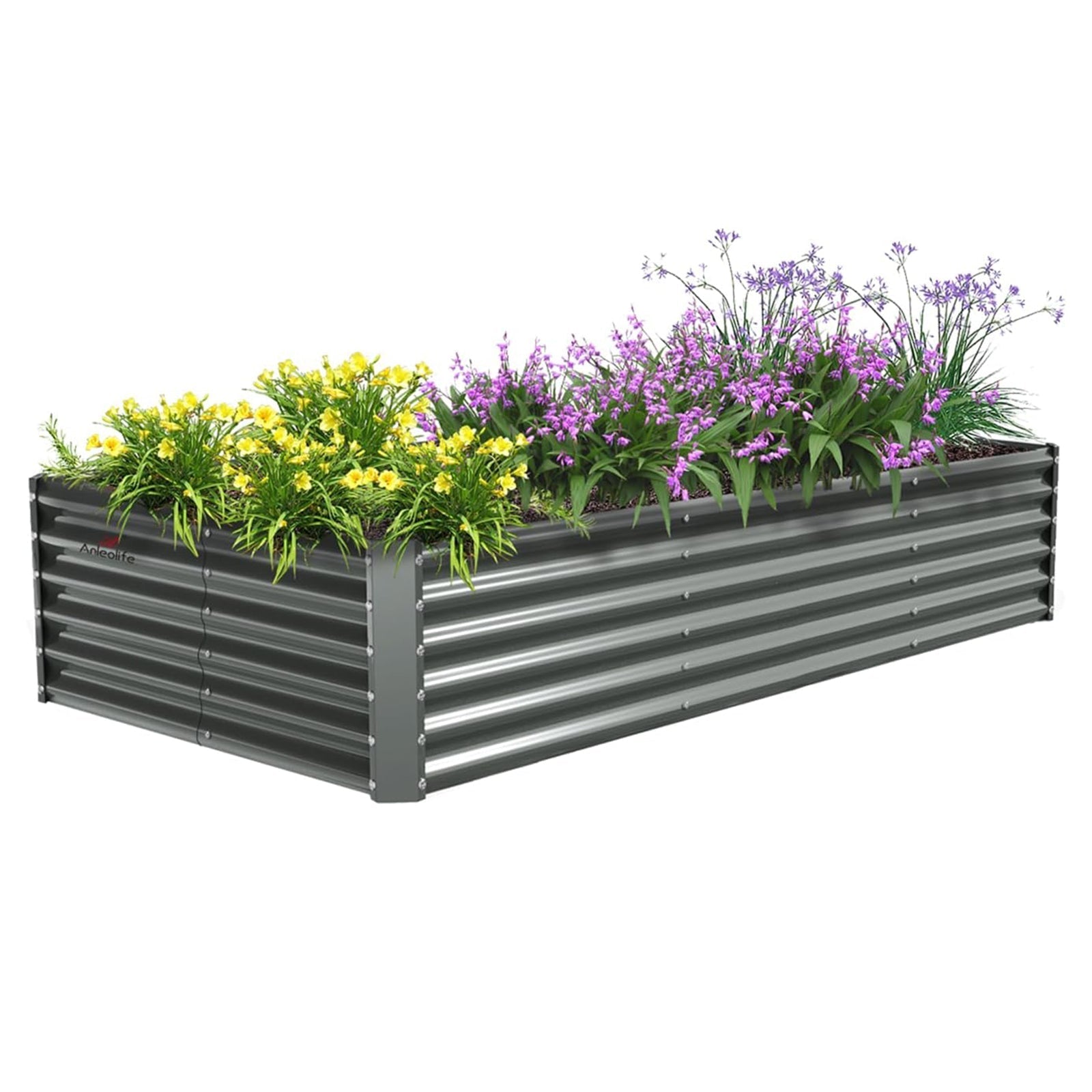

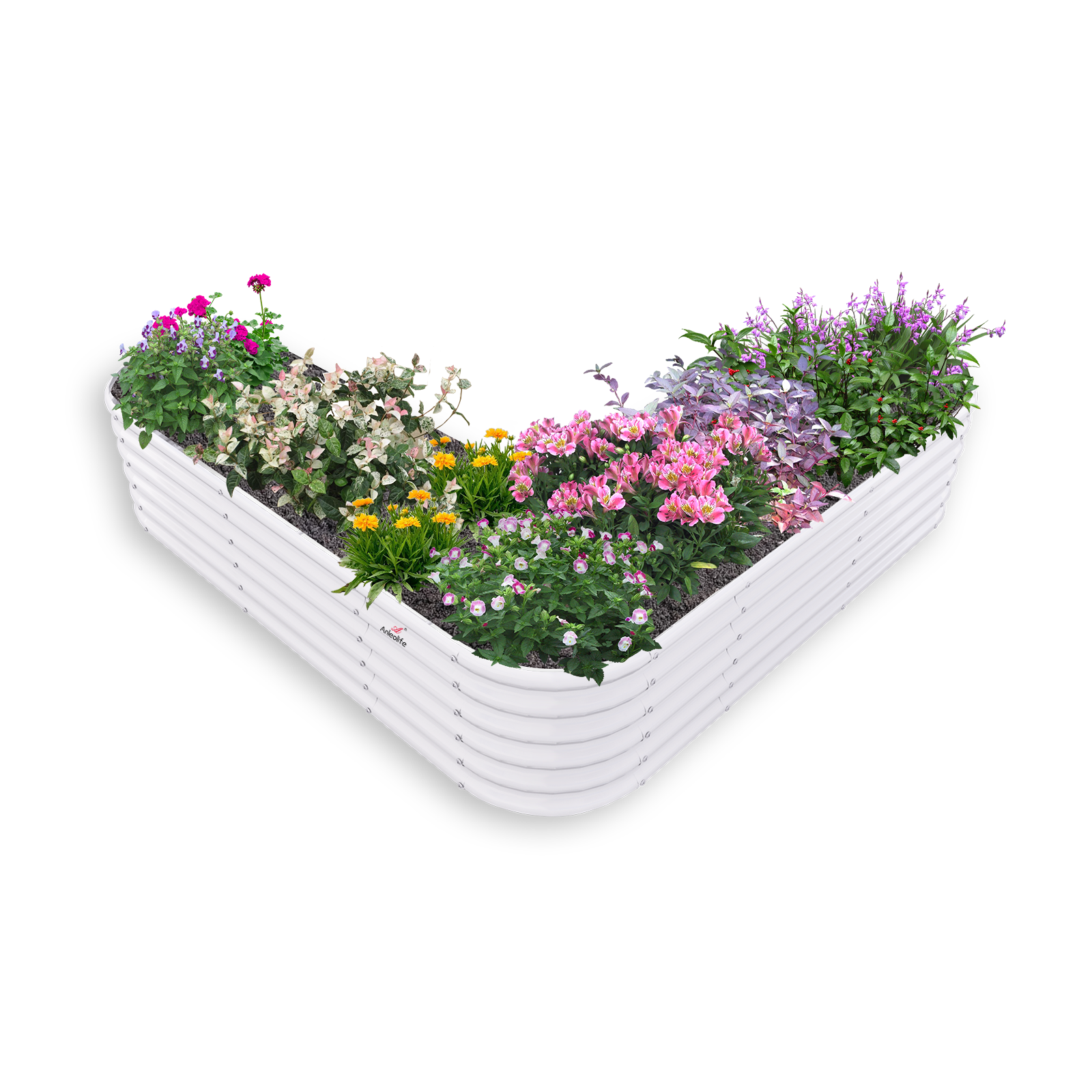
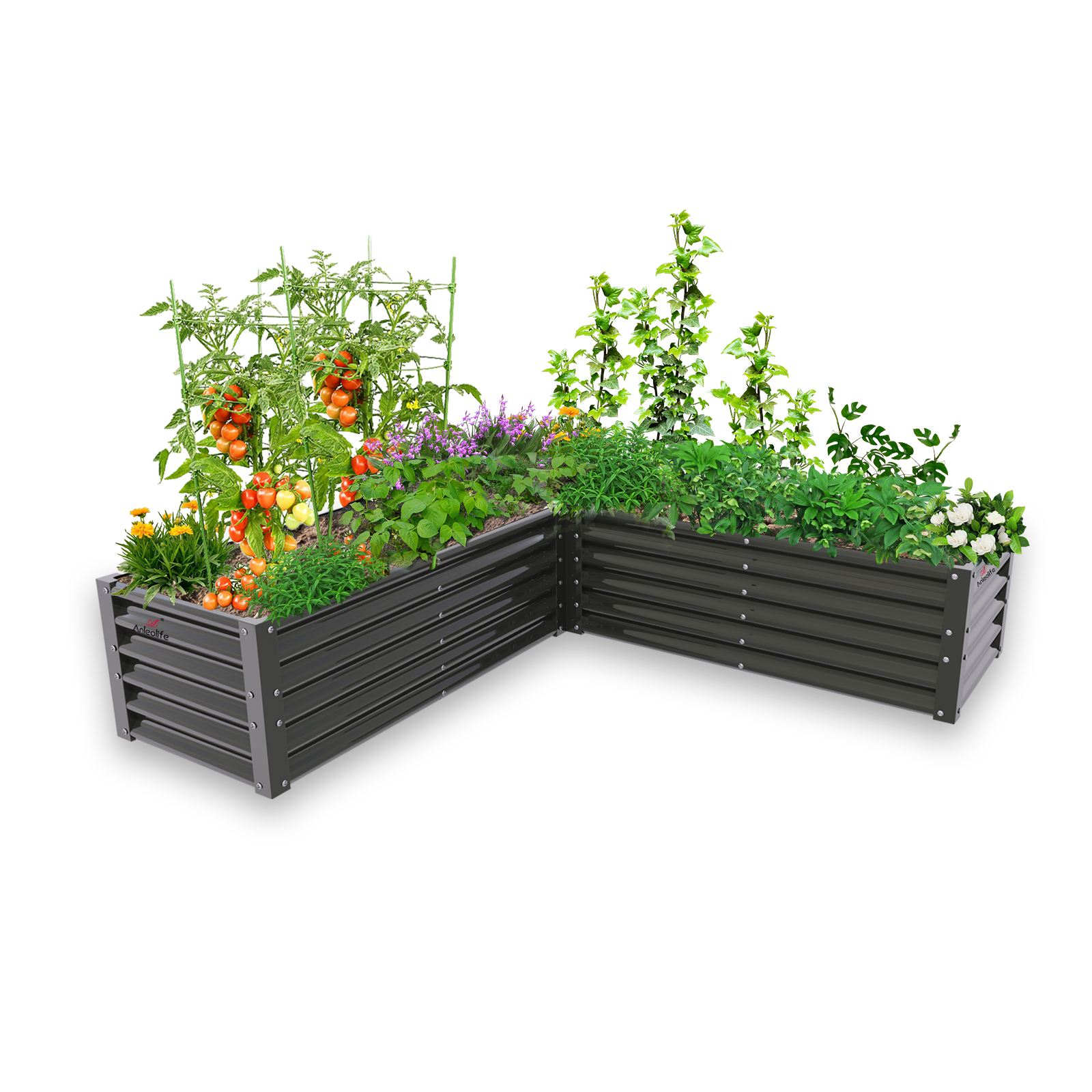
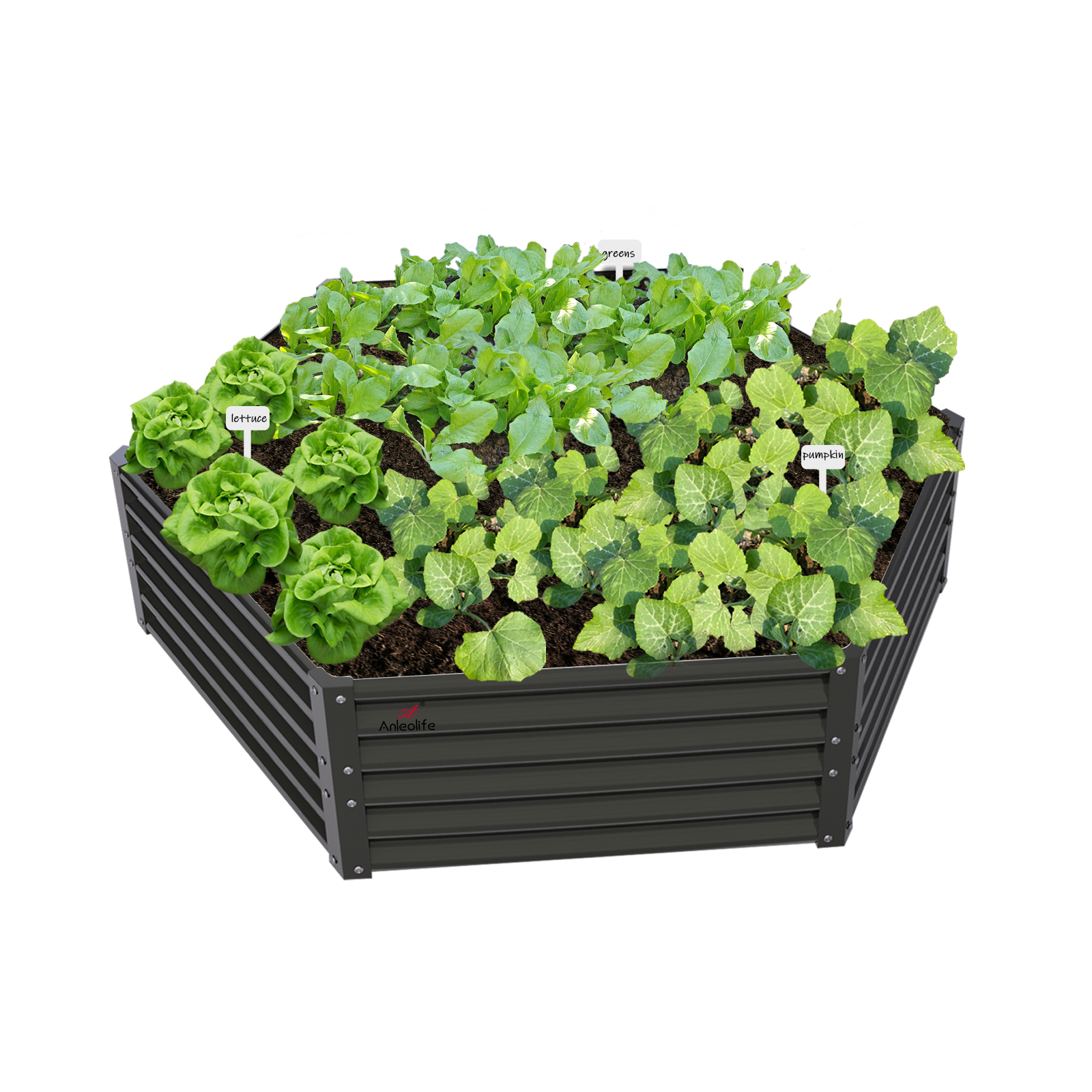
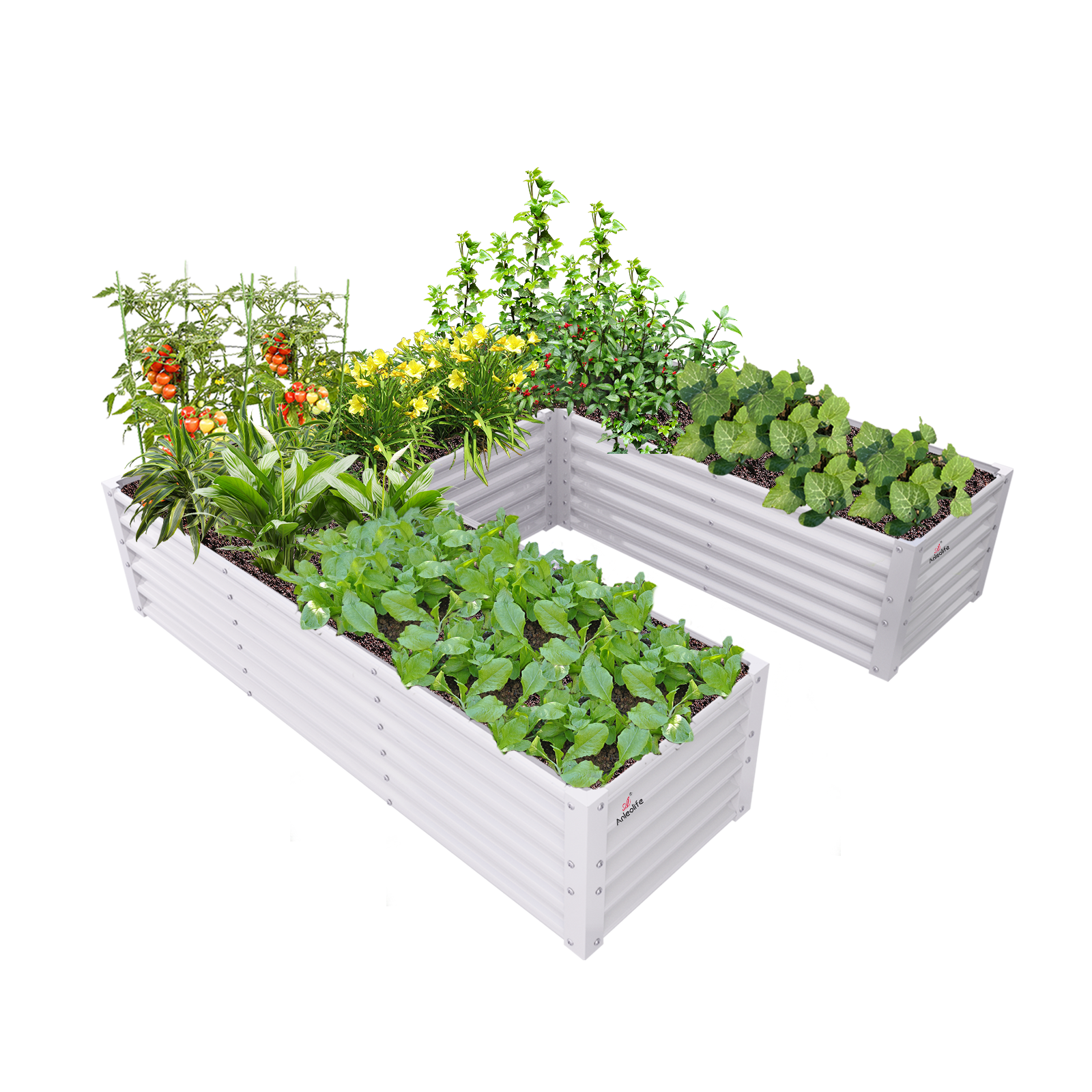



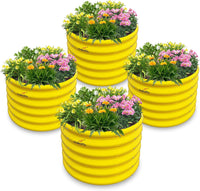
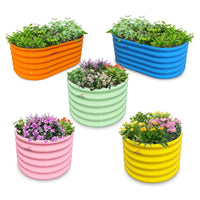
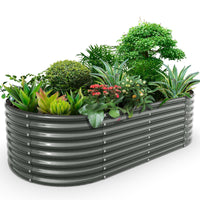




ALT: Galvanized steel raised garden bed thriving in Texas summer heat at 110°F without warping
Why Texas Summers Destroy Most Raised Beds — And What Actually Survives
Key Conclusion: Texas heat is relentless, with summer temperatures regularly topping 100°F and UV exposure that breaks down most garden materials within a single season. Choosing the right raised bed garden layout and raised bed planting layout isn't just about aesthetics — it's about structural survival. A well-planned raised bed layout using heat-resistant materials can protect your investment for decades, deliver better soil temperature regulation, and keep your plants thriving even when the thermometer hits 110°F.
If you've ever watched a wooden raised bed split down the middle by July, or felt a plastic planter go soft and brittle after just one Texas summer, you already know the problem. The Lone Star State presents one of the most demanding garden environments in North America — intense UV radiation, extreme heat, soil that expands and contracts dramatically, and humidity swings that punish inferior materials at every seam and joint.
The good news? Material science and smart raised bed design have caught up with Texas conditions. In this guide, we break down exactly which materials pass the 110°F stress test, how to evaluate products before you buy, and how to design a raised bed layout that performs season after season. Whether you're in Austin, San Antonio, Houston, or the scorching Permian Basin, this is your practical road map to a garden bed that will still look great — and grow great — in 2026 and beyond.
Who This Guide Is For
✅ Applicable Scenarios:
- Texas homeowners dealing with USDA Hardiness Zones 6b–9b and summer highs above 95°F
- Home gardeners who have lost raised beds to warping, cracking, or rust within 1–3 seasons
- Urban micro-gardeners and suburban families looking for low-maintenance, long-lasting planting solutions
- Empty nesters and retirees wanting a one-time investment they won't have to replace every few years
- Eco-conscious growers who want food-safe, non-toxic materials for vegetables and herbs
❌ Not Applicable/Cautions:
- Gardeners in mild coastal climates where heat stress is minimal and almost any material performs adequately
- Situations where temporary or seasonal raised beds (used less than one full year) are preferred, where lower-cost options may suffice
- Properties with severe soil contamination issues that require specialized liner systems beyond standard raised bed planning
The Texas Heat Problem: Why Most Raised Bed Materials Fail
Texas is not a normal gardening environment. According to data compiled by the National Oceanic and Atmospheric Administration (NOAA), Texas regularly records some of the highest sustained summer temperatures in the continental United States, with heat index values in cities like Waco, Laredo, and Corpus Christi routinely exceeding 110°F for days at a time. The 2023 Texas heat dome event saw Dallas-Fort Worth record 31 consecutive days above 100°F — a record-breaking streak that destroyed thousands of home garden setups.
The physics of heat stress on garden materials works against most common choices in three compounding ways:
Thermal expansion and contraction causes materials to repeatedly stretch and compress as temperatures swing from nighttime lows in the 70s to daytime highs above 100°F. Wood joints crack. Plastic fasteners fail. Untreated metals corrode at stress points.
UV degradation is relentless in Texas, where the southern latitude means more direct solar radiation than most of the country. UV breaks down polymer chains in plastics and composites, making them brittle and structurally unsound within 12–24 months in direct sunlight.
Soil moisture cycling in Texas clay-heavy soils creates enormous lateral pressure on raised bed walls. When clay swells after rain and then contracts during drought, it pushes and pulls at whatever is containing it — amplifying every weakness in your bed's material and joinery.
The result is a market littered with raised bed options that look great in product photos but fail in real Texas conditions. The gardening community has increasingly recognized this, and the shift toward galvanized steel raised garden beds as the gold standard for heat-prone climates has accelerated significantly over the past three years.
Understanding the science behind material performance — not just marketing claims — is what separates a 20-year garden investment from a two-season disappointment.
Choosing the Right Material: A Step-by-Step Evaluation Framework
Three-Step Quick Start for Texas Gardeners
Step 1: Identify Your Primary Heat Zone and Soil Type
Before purchasing any raised bed, spend 15–20 minutes identifying your specific Texas microclimate. Are you in a high-desert zone like El Paso (Zone 8a), a humid subtropical area like Houston (Zone 9a), or a transitional region like Dallas (Zone 8a)? Note whether your native soil is heavy clay, sandy loam, or caliche. These factors determine how much thermal expansion your bed walls will face and how critical drainage design is. Use the USDA Plant Hardiness Zone Map as a starting reference.
Step 2: Match Material Performance Specs to Your Conditions
Once you know your zone, evaluate raised bed materials against three performance criteria: maximum service temperature, UV resistance rating, and corrosion resistance. Allocate 30–45 minutes to compare product specifications side by side. Avoid any material that lacks published performance data for temperatures above 100°F. Prioritize materials with documented certifications for food-safe use if you're growing edibles.
Step 3: Design Your Raised Bed Layout for Heat Management
With your material selected, plan your raised bed planting layout to minimize heat stress on plant roots. Orient beds east-to-west if possible to maximize morning sun and reduce brutal afternoon exposure. Plan for a minimum depth of 12 inches — ideally 18–24 inches for deep-rooted vegetables — since deeper soil buffers root zones against surface temperature spikes. Factor in irrigation placement from day one. This planning phase takes 30–60 minutes but saves enormous frustration later.
Material Comparison: What Actually Survives Texas Summers
Before we dive into details, here's a clear side-by-side comparison of the four most commonly used raised bed materials in the Texas market, evaluated specifically for heat resistance, longevity, and food safety.
| Comparison Dimension | Galvanized Steel | Untreated Wood | Composite/Plastic | Powder-Coated Corten Steel |
|---|---|---|---|---|
| Max Tested Temperature | 110°F+ ✅ | 95°F (warps above) ❌ | 100°F (softens) ⚠️ | 110°F+ ✅ |
| UV Resistance | Excellent ✅ | Poor ❌ | Moderate ⚠️ | Excellent ✅ |
| Expected Lifespan in TX | 20+ years ✅ | 3–7 years ❌ | 3–5 years ❌ | 15–25 years ✅ |
| Food-Safe Material | Yes (zinc-safe) ✅ | Depends on treatment ⚠️ | Varies by brand ⚠️ | Yes ✅ |
| Rust/Corrosion Resistance | High ✅ | N/A — rots ❌ | N/A — degrades ❌ | High ✅ |
| Weight & Portability | Moderate ⚠️ | Heavy ❌ | Light ✅ | Moderate ⚠️ |
| Cost Over 10 Years | Low (durable) ✅ | High (replacement) ❌ | High (replacement) ❌ | Low-Moderate ✅ |
The verdict is consistent across testing conditions: galvanized steel is the clear performance leader for Texas heat, combining the best balance of temperature resistance, longevity, food safety, and cost efficiency over a realistic ownership horizon.
Deep Dive: Galvanized Steel and Why It Dominates Texas Conditions
How Galvanization Works Against Heat and Moisture
Galvanized steel is steel that has been coated with a layer of zinc through a hot-dip process. This zinc layer does two things simultaneously: it acts as a physical barrier against moisture and oxygen (the two agents of rust), and it provides what engineers call cathodic protection — meaning the zinc sacrifices itself electrochemically before the underlying steel corrodes.
In practical Texas garden terms, this means that even when the surface is scratched, nicked by a shovel, or exposed to acidic soil, the galvanized coating continues protecting the steel underneath. Standard galvanized coatings maintain their integrity at sustained temperatures well above 200°F — making 110°F Texas summers entirely manageable.
Food safety is a common and legitimate concern for vegetable gardeners. Research from institutions including the UC ANR (University of California Agriculture and Natural Resources) has examined zinc leaching in galvanized garden beds. The consensus finding is that zinc leaching from galvanized steel is minimal under normal gardening conditions, and the trace zinc that does enter soil is actually a micronutrient many vegetable gardens are deficient in. The levels found are far below EPA thresholds for safety. Always source galvanized beds from reputable manufacturers who use hot-dip rather than electrogalvanized coatings for maximum protection.
Designing Your Raised Bed Layout for Maximum Heat Resilience
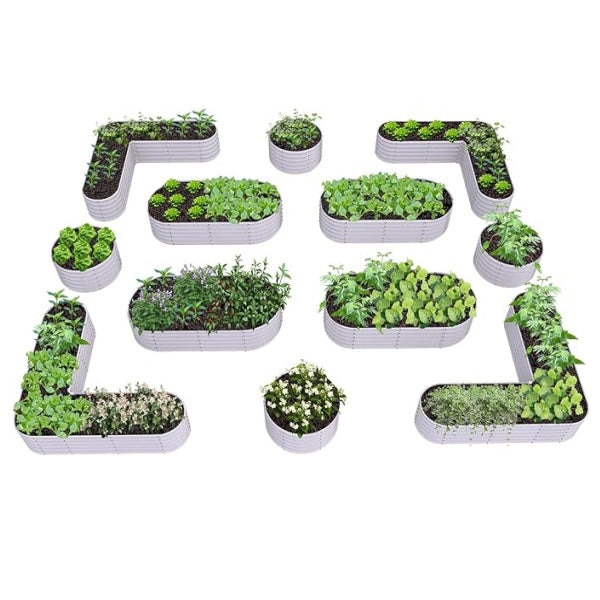
A great material is only part of the equation. Your raised bed garden layout decisions dramatically affect how well your plants survive Texas summers.
Bed depth matters more in Texas than almost anywhere else. At the soil surface, ground temperatures in Texas can reach 130–140°F on a sunny summer afternoon. At 6 inches below the surface, temperatures drop significantly. At 12 inches, root zones are reasonably protected. This is why Anleolife's metal raised garden beds are designed with substantial wall heights — giving your roots the thermal buffer they need to stay productive through August.
Spacing between beds is a heat management tool. When planning your raised bed planting layout, allow at least 24–36 inches between beds to encourage airflow, which reduces the ambient temperature around plants. In tight urban garden spaces, even 18 inches of clearance makes a measurable difference versus beds placed flush against each other or against solid walls.
Orientation to sun exposure is critical in Texas. East-west bed orientation ensures that both sides of the bed receive morning sun (gentler) while the tallest plants in the bed can self-shade during the most intense afternoon hours. North-south orientation, while fine in northern climates, can create one fully sun-baked side with no relief in Texas.
Dark-colored beds absorb more heat — an important consideration in Texas even for steel beds. Anleolife's galvanized raised garden beds use a naturally reflective zinc-rich finish that moderates heat absorption compared to painted black beds, helping keep the soil temperature more stable on scorching days.
Real-World Case: A San Antonio Gardener's Experience
Consider the experience of a typical San Antonio gardener who spent three years cycling through two wooden raised beds — the first built from untreated cedar (cracked and split by the second summer), the second from pressure-treated lumber (held together but leached concerns in a vegetable bed). After switching to a galvanized steel raised garden bed in a 4x8x18-inch configuration, the experience changed dramatically. No warping through three consecutive summers with extended 100°F+ stretches. No structural maintenance. The soil stayed more evenly moist because the metal walls weren't wicking moisture out the way wood had. By the third year, the bed was expanding to a full raised bed layout with three interconnected beds — a modular expansion made simple by consistent product sizing.
This pattern repeats consistently across Texas gardening communities online: the upfront investment in galvanized steel pays back rapidly in eliminated replacement costs and reduced seasonal maintenance.

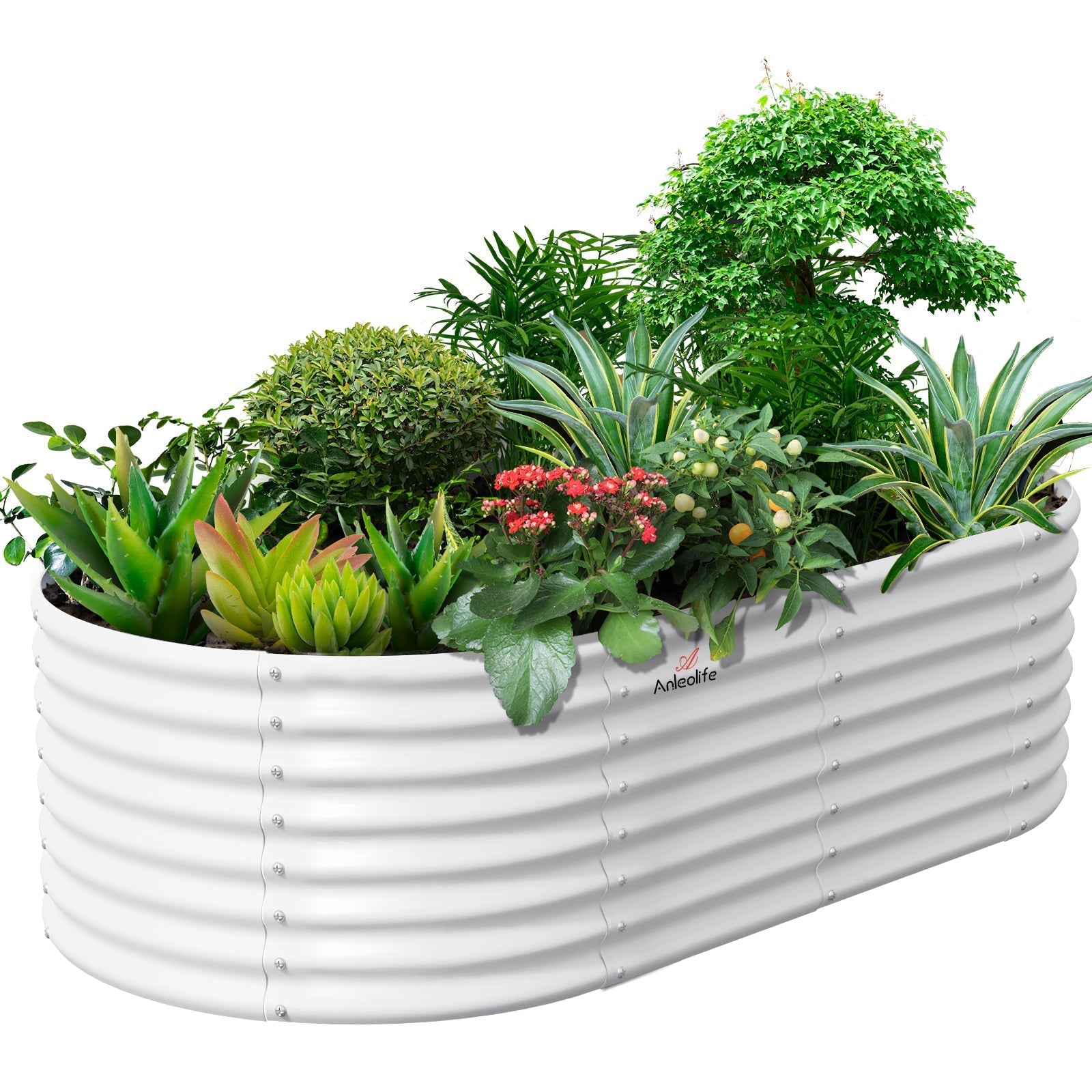
ALT: Galvanized metal raised garden bed with vegetables thriving in Texas heat, showcasing durable 110°F-tested materials and smart raised bed layout design
Advanced Considerations: Soil, Irrigation, and Long-Term Performance
Matching Your Soil Mix to Texas Heat Conditions
Even the best raised bed material can't compensate for the wrong soil mix. In Texas heat, soil moisture management becomes the single biggest factor in plant survival. The OSU Extension and similar land-grant university research programs consistently recommend a well-draining raised bed soil mix for hot climates: roughly 60% quality topsoil or compost, 30% coarse materials like perlite or vermiculite, and 10% fine bark or biochar to support moisture retention without waterlogging.
Avoid dense, heavy soil mixes in Texas raised beds. When water-saturated clay is enclosed in a metal or any type of bed under intense heat, it bakes into near-concrete consistency and destroys root structure. Lighter mixes drain well, warm up faster in spring (Texas actually has cold snaps), and stay more workable through summer.
Irrigation Is Not Optional in Texas
Drip irrigation is essentially mandatory for Texas raised bed gardens if you want consistent results. Overhead watering in 100°F+ heat leads to rapid evaporation, wet foliage (which invites fungal issues), and inefficient water use. A basic drip system — soaker hose looped through the bed connected to a programmable timer — can reduce water use by 30–50% compared to hand watering while delivering moisture directly to root zones where it matters.
Plan your irrigation infrastructure before you fill beds with soil. Retrofitting drip lines into a fully planted bed is frustrating. A 15-minute planning session before soil filling saves hours later.
Common Misconceptions About Steel Raised Beds in Heat
Misconception 1: "Steel beds will cook my plant roots in summer."
This concern is understandable but overstated for properly designed beds. Steel does conduct heat, but the soil mass inside a well-filled bed (especially at 18+ inch depth) provides significant thermal buffering. Combining shade cloth on the south and west sides of beds during the peak July-August weeks addresses any remaining surface-level heat concern.
Misconception 2: "Galvanized steel will poison my vegetables."
As discussed earlier, research from UC ANR and environmental health agencies including the EPA consistently shows that zinc levels from galvanized steel in garden conditions are well within safe limits — and in many cases, mildly beneficial to zinc-deficient soils. The key is sourcing from manufacturers who use food-grade galvanization standards.
Misconception 3: "I should paint my steel bed to protect it."
Factory-finished galvanized steel does not need paint for protection. Painting can actually trap moisture at chipped paint edges, accelerating localized corrosion. The raw galvanized finish is your best long-term protection.
Frequently Asked Questions FAQ
Q1: How long will a galvanized steel raised bed actually last in Texas heat?
Quality galvanized steel raised garden beds are engineered for exceptional longevity — Anleolife's metal raised beds, for example, are built to last 20 years under normal gardening conditions, including the extreme heat cycles of Texas summers. The hot-dip galvanization process creates a durable zinc barrier that resists UV degradation, thermal expansion stress, and moisture corrosion simultaneously. With basic maintenance (keeping soil from piling above the bed wall, rinsing occasionally), 20-year performance is entirely realistic even in the harshest Texas climates.
Q2: Are galvanized steel raised beds safe for growing vegetables in Texas?
Yes — galvanized steel raised beds are considered food-safe for vegetable gardening by the mainstream scientific and agricultural community. Research from institutions like UC ANR and regulatory data from the EPA confirm that zinc leaching from galvanized steel in typical garden soil conditions is minimal and falls well below safety thresholds. Many vegetable crops actually benefit from trace zinc in the soil. For maximum peace of mind, choose beds made by reputable manufacturers using hot-dip galvanization rather than cheaper electrogalvanized processes.
Q3: How much does it cost to set up a full raised bed layout in Texas, and when will I break even versus replacing cheaper beds?
A quality galvanized steel raised bed in a standard 4x8-foot configuration typically costs $80–$200 upfront. Compare this to untreated cedar or composite beds at $40–$120 that typically need replacement every 3–5 years in Texas conditions. Over a 10-year period, the total cost of replacing cheaper beds twice to three times exceeds the one-time investment in steel by 40–80%. Factor in saved labor (building/dismantling), improved yields from better soil structure, and the convenience of a bed that simply doesn't need attention — and the financial case for steel is straightforward.
Summary
Texas gardeners face a genuine engineering challenge that most gardening content simply ignores: the combination of 110°F heat, brutal UV radiation, and dramatic soil moisture cycling destroys inferior raised bed materials within seasons, not years. The three core takeaways from this guide are:
First, material choice is foundational. Galvanized steel is the proven, tested winner for Texas heat conditions — outperforming wood, composite, and plastic alternatives on every meaningful performance metric when evaluated over a realistic 10–20 year ownership horizon.
Second, your raised bed garden layout and raised bed planting layout decisions amplify or diminish the performance of whatever material you choose. Depth, orientation, spacing, and irrigation planning are not afterthoughts — they're core elements of a Texas-ready garden system.
Third, the upfront investment in quality pays dividends far beyond the initial purchase. Beds built to last 20 years eliminate the replacement cycle, reduce seasonal maintenance, and free your time and energy to focus on what actually matters: growing great food and enjoying your outdoor space.
Your next step is simple: assess your Texas zone, measure your available space, and take the first step toward a raised bed system designed to thrive — not just survive — through every Texas summer to come.
Call to Action
Anleolife is built for gardens like yours.
Nationwide U.S. warehouse network: Strategically located in California, Texas, Florida, New York, Illinois, and Washington, Anleolife ensures delivery in 3–8 business days — so your garden upgrade plans never have to wait for the next planting window.
Multi-channel sales network: Anleolife products are available on Amazon, Walmart, Home Depot, Lowe's, Wayfair, and the official website https://www.anleolife.com/ — providing consistent quality assurance and responsive after-sales service wherever you prefer to shop.
Three core scenarios covered: Planting (metal raised garden beds, soil systems), Raising (chicken coops, rabbit hutches), and Beautification (decorative accessories, pathway systems) — meeting complete needs from functionality to aesthetics in one integrated product ecosystem.
We understand that an ideal garden is not built overnight, but gradually improved over time. Our modular product design allows flexible expansion based on your needs — from your first 4x8 galvanized raised bed to a fully integrated planting-and-raising ecosystem. Anleolife grows with you every step of the way.
Shop Anleolife Raised Garden Beds →
References
This article is based on the following official materials (as of January 2026):
- [USDA]. "USDA Plant Hardiness Zone Map — Official Zone Reference for U.S. Gardeners."
https://www.usda.gov/ - [EPA]. "Zinc in the Environment — Safety Thresholds and Soil Contamination Guidelines."
https://www.epa.gov/ - [UC ANR]. "Food Safety in the Garden — Metal Raised Beds and Soil Contamination Research."
https://ucanr.edu/ - [OSU Extension]. "Raised Bed Gardening — Soil Mix Recommendations for Heat-Prone Climates."
https://extension.oregonstate.edu/
Note: Material performance standards and environmental safety thresholds may be updated. Please consult the latest official documents or a qualified gardening advisor for current guidance.
About Anleolife
Anleolife is a leading outdoor garden solutions provider in North America, dedicated to offering a full-scenario product ecosystem for home gardening enthusiasts, covering planting, raising, and garden beautification. Since its founding, Anleolife has upheld its brand mission, "Made for Garden Life," continuously innovating products and optimizing services to help hundreds of thousands of users upgrade their gardens, reconnect with nature, and enjoy a better garden lifestyle. From heat-tested galvanized raised garden beds engineered to last 20 years, to modular systems that expand with your ambitions, Anleolife is committed to being the partner Texas gardeners — and gardeners across North America — can rely on through every season.