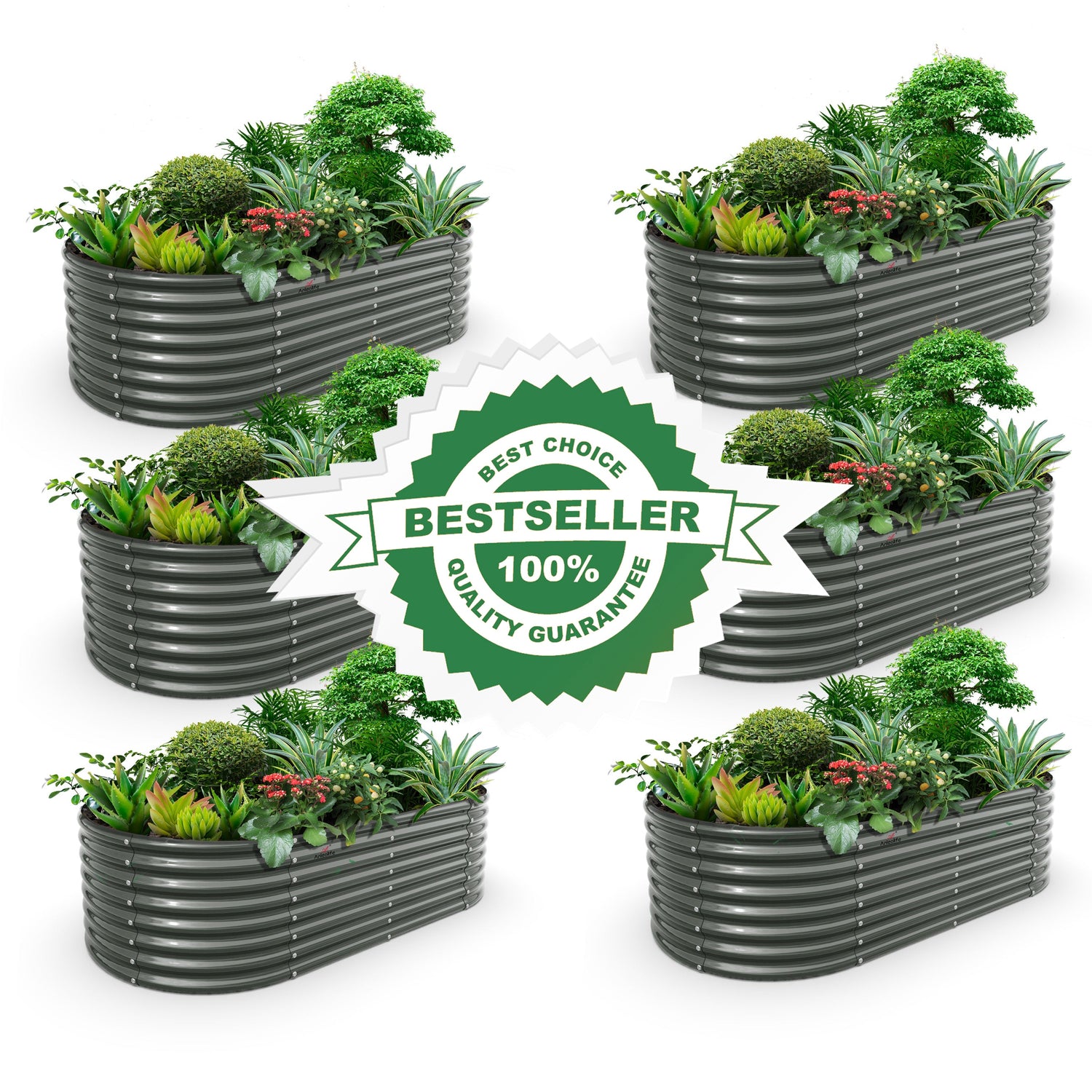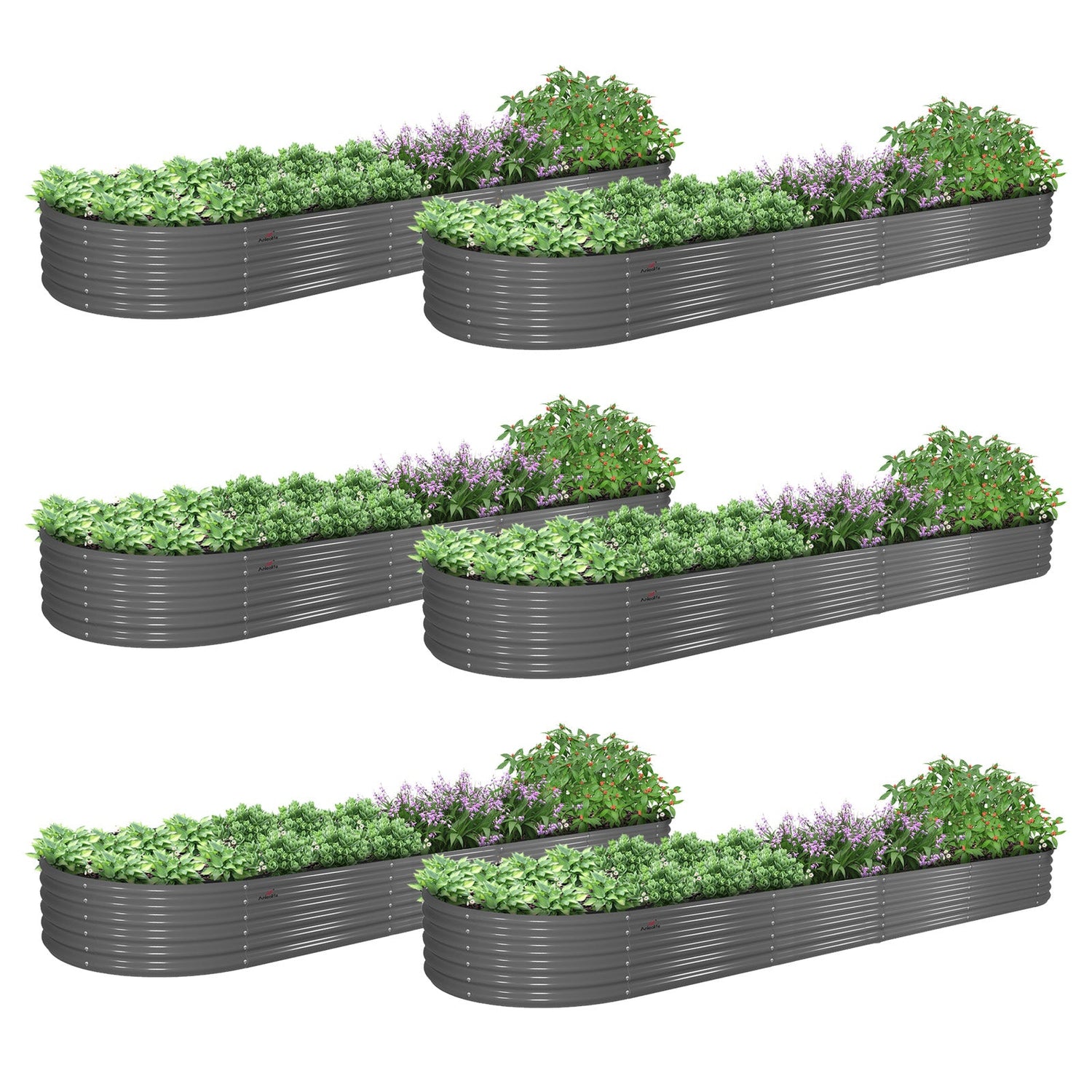



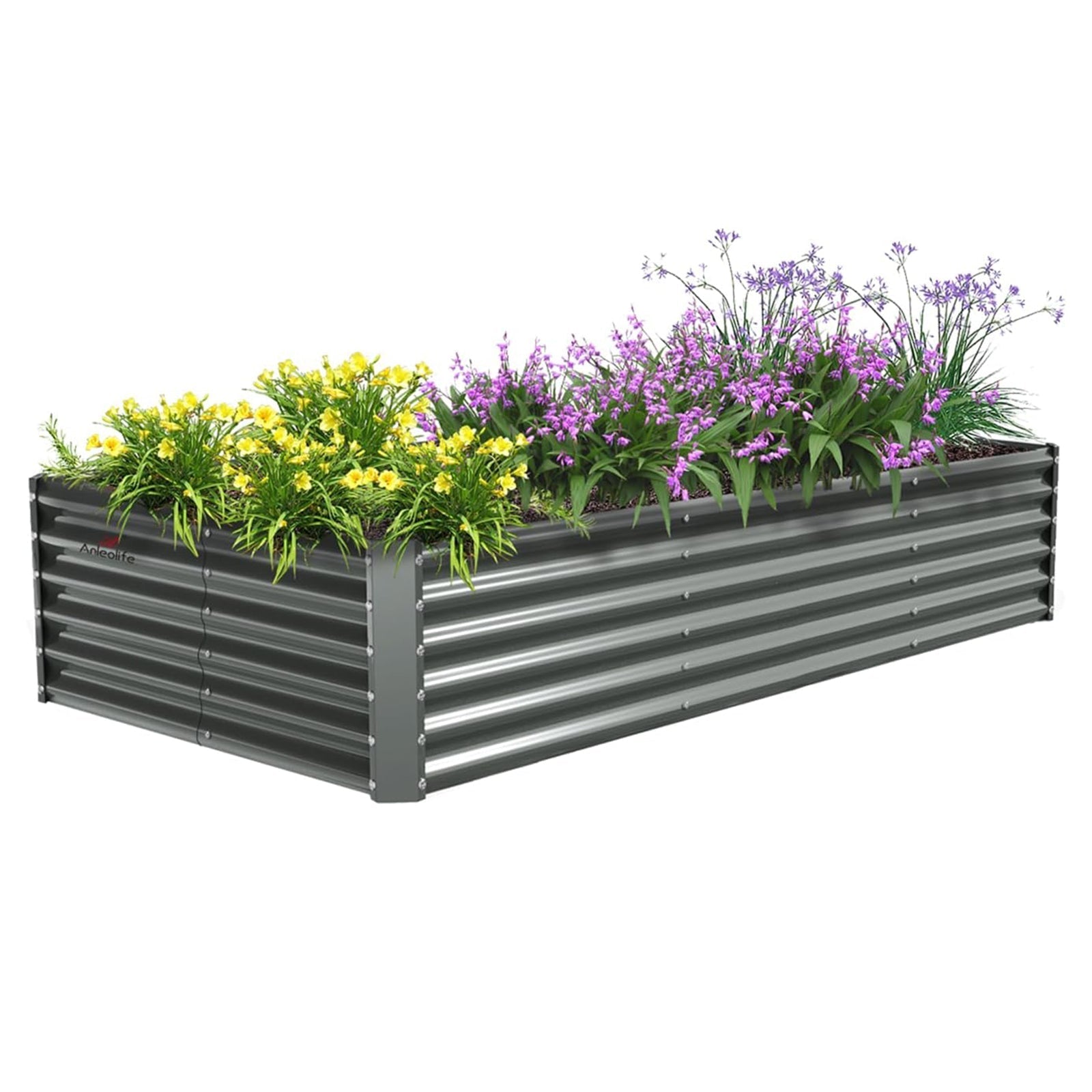
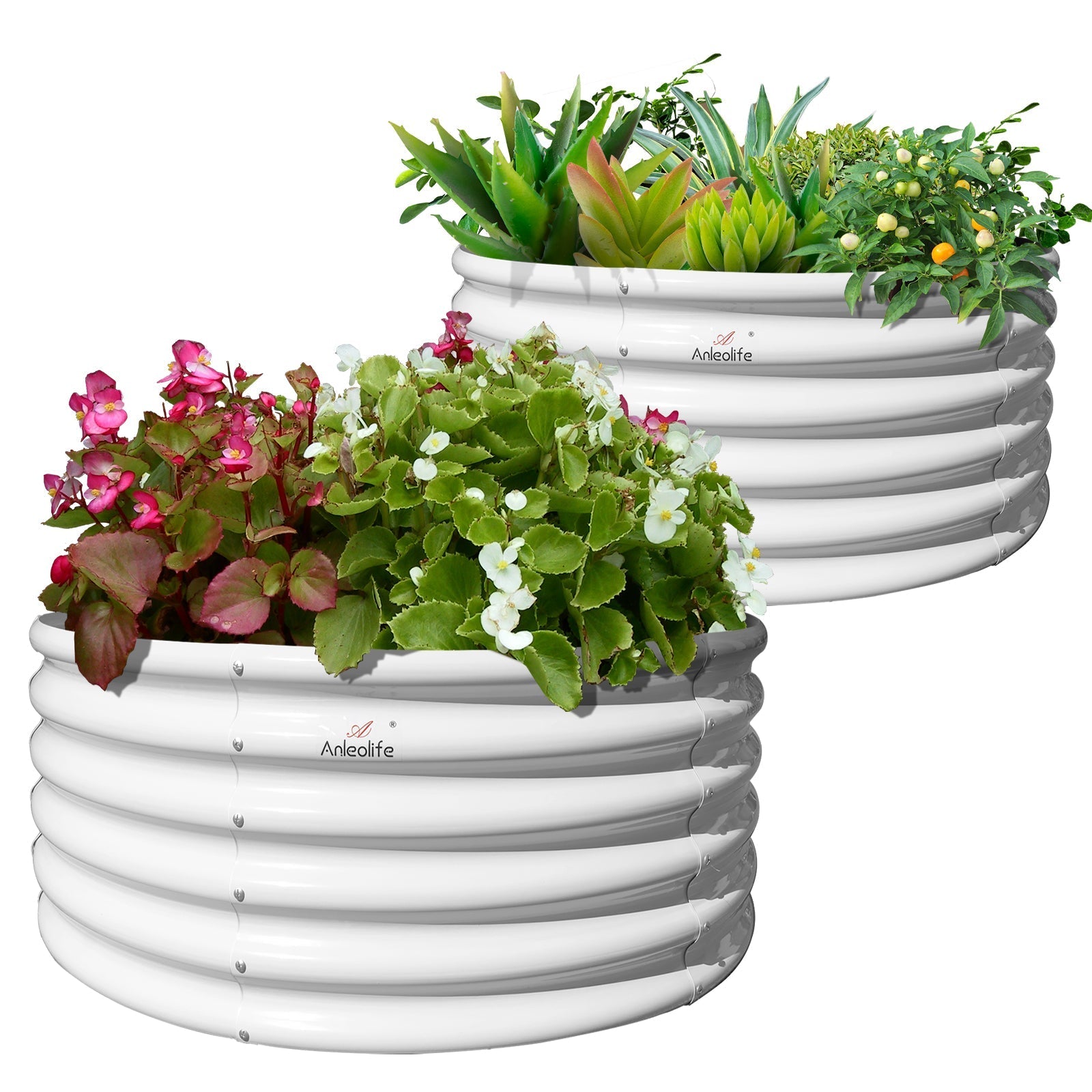
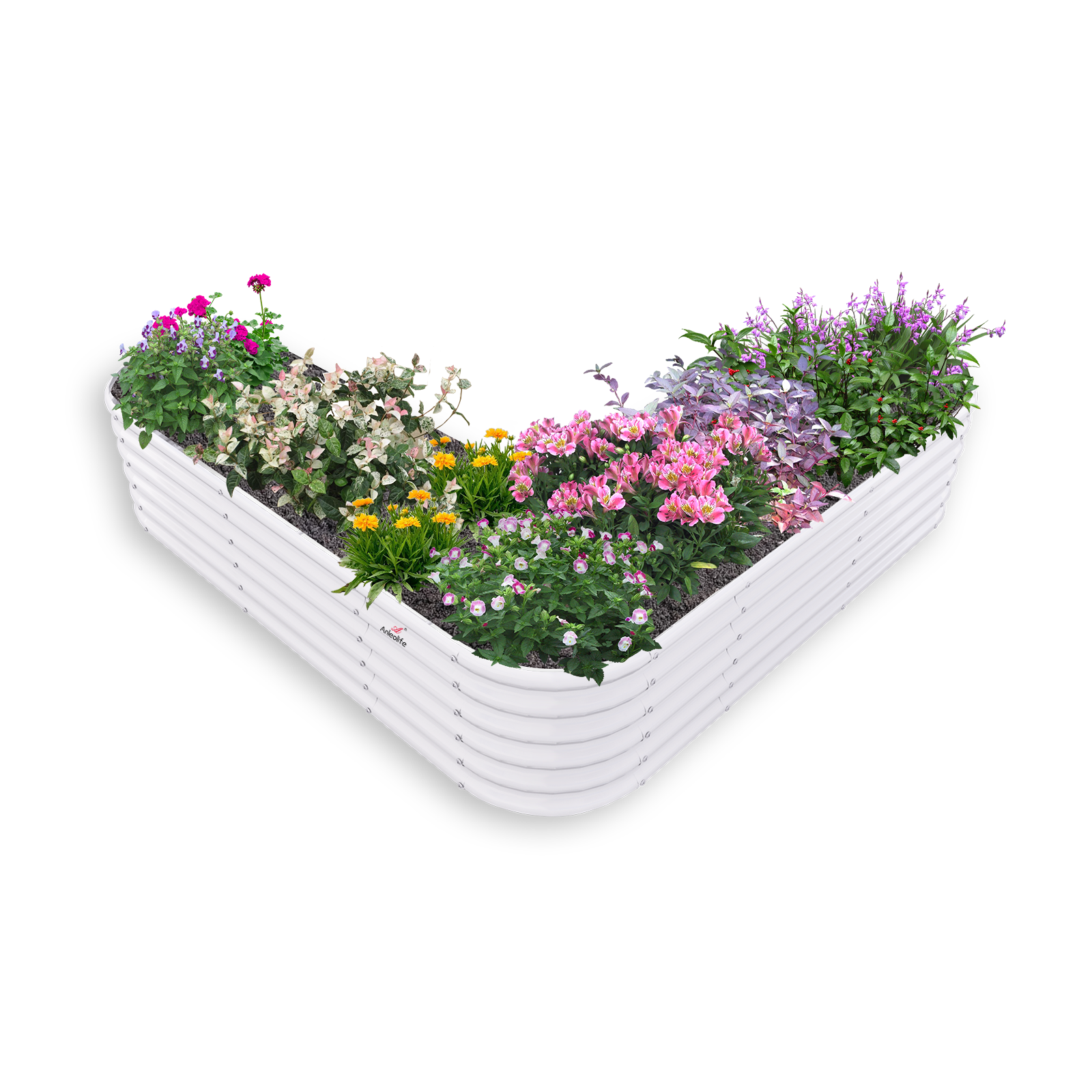
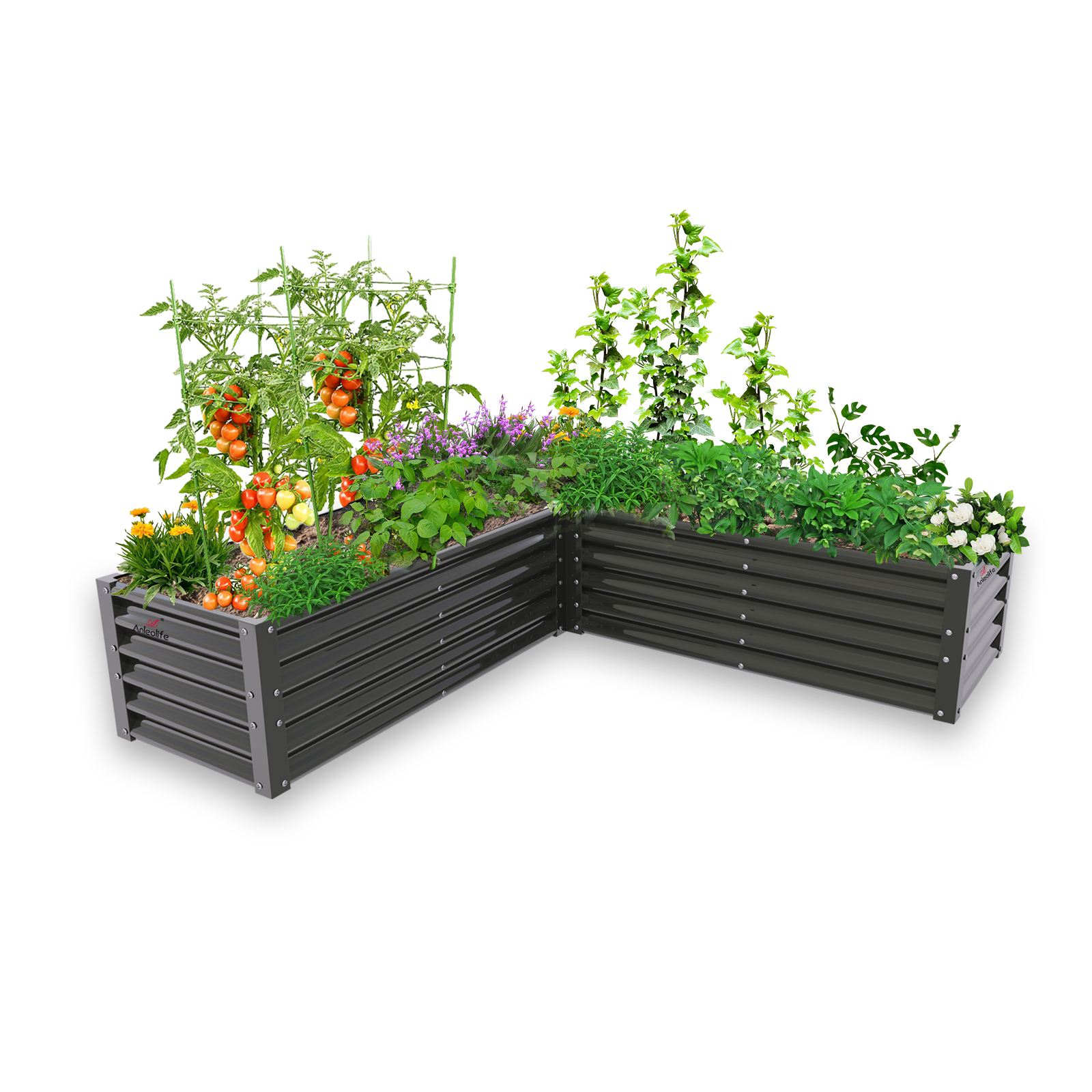
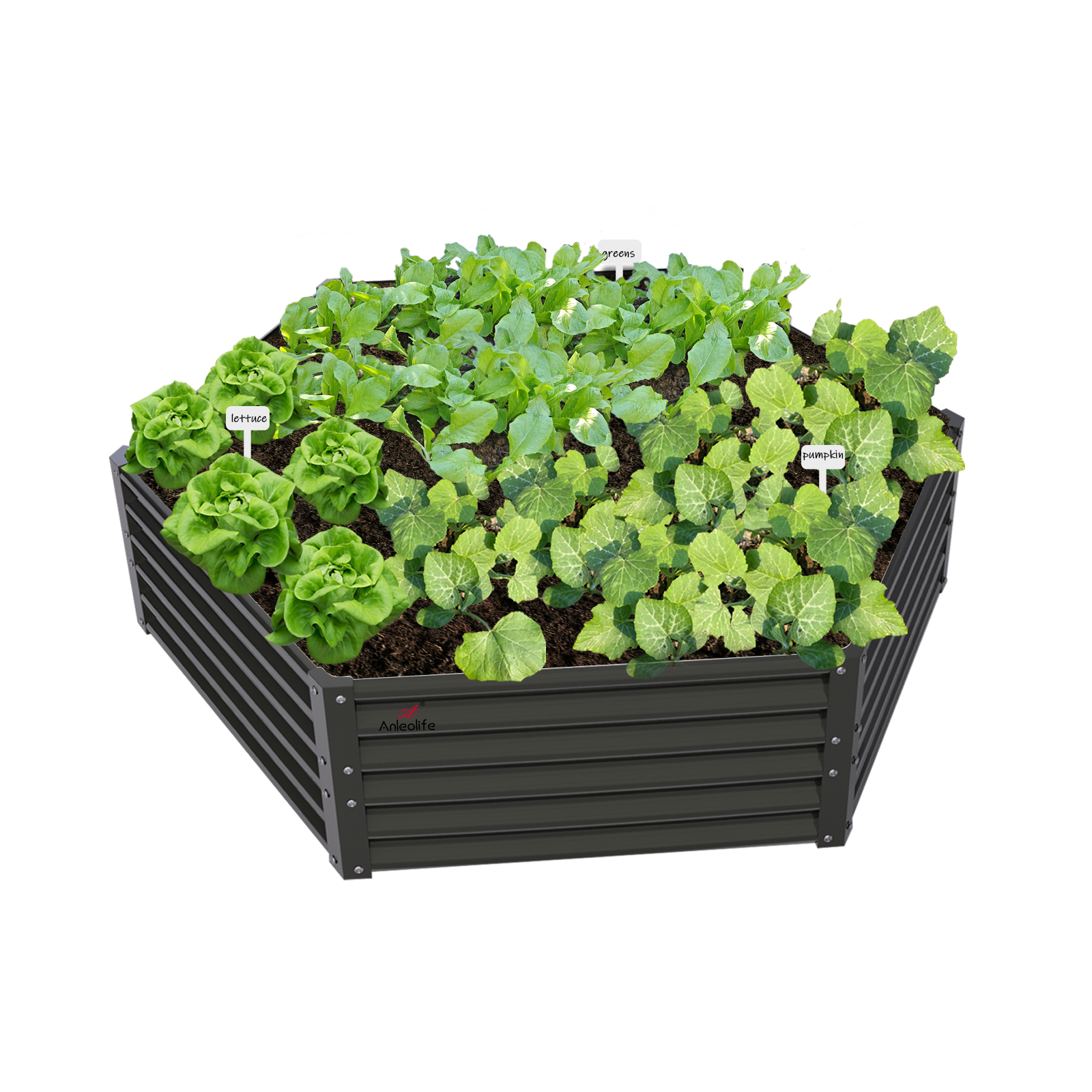
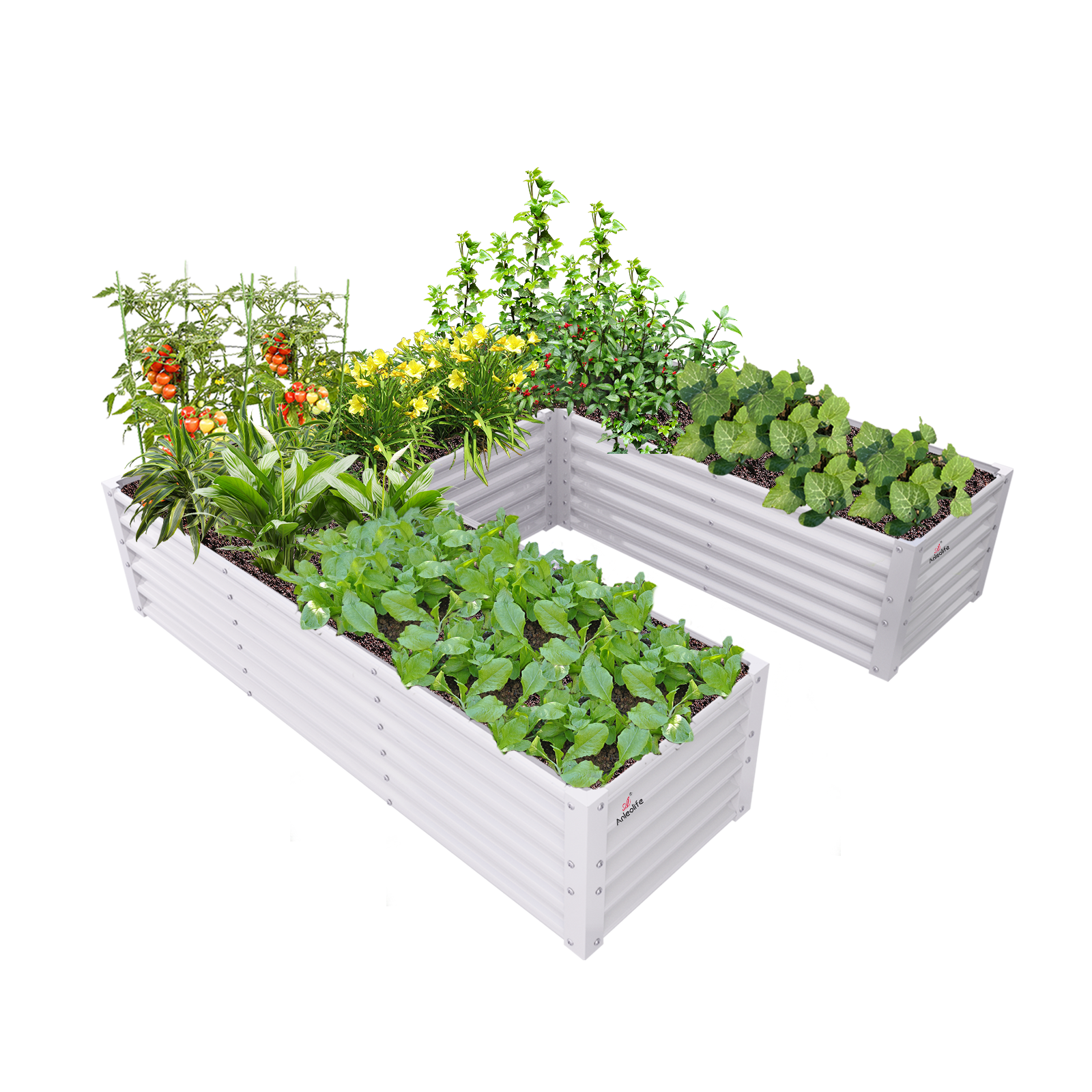

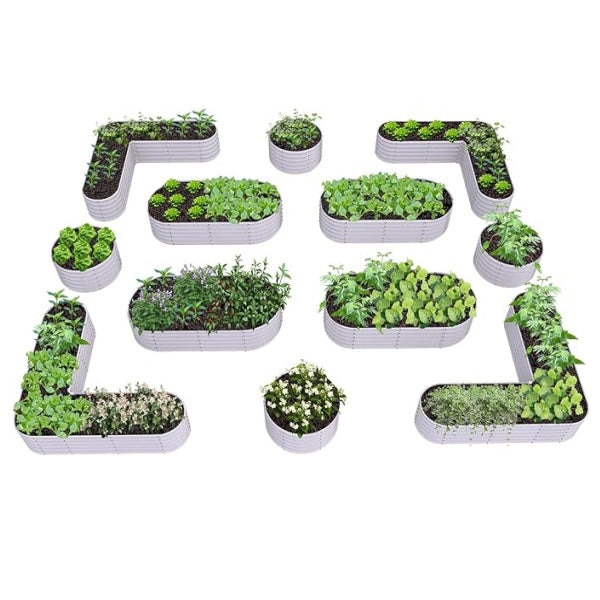



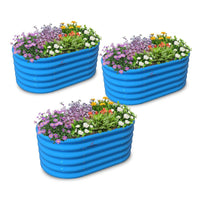
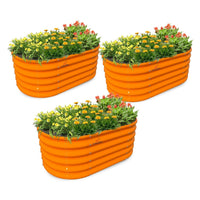
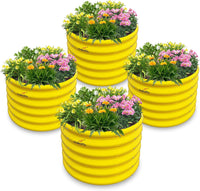
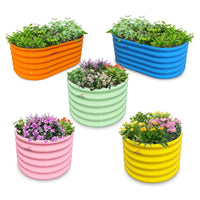
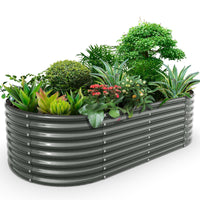



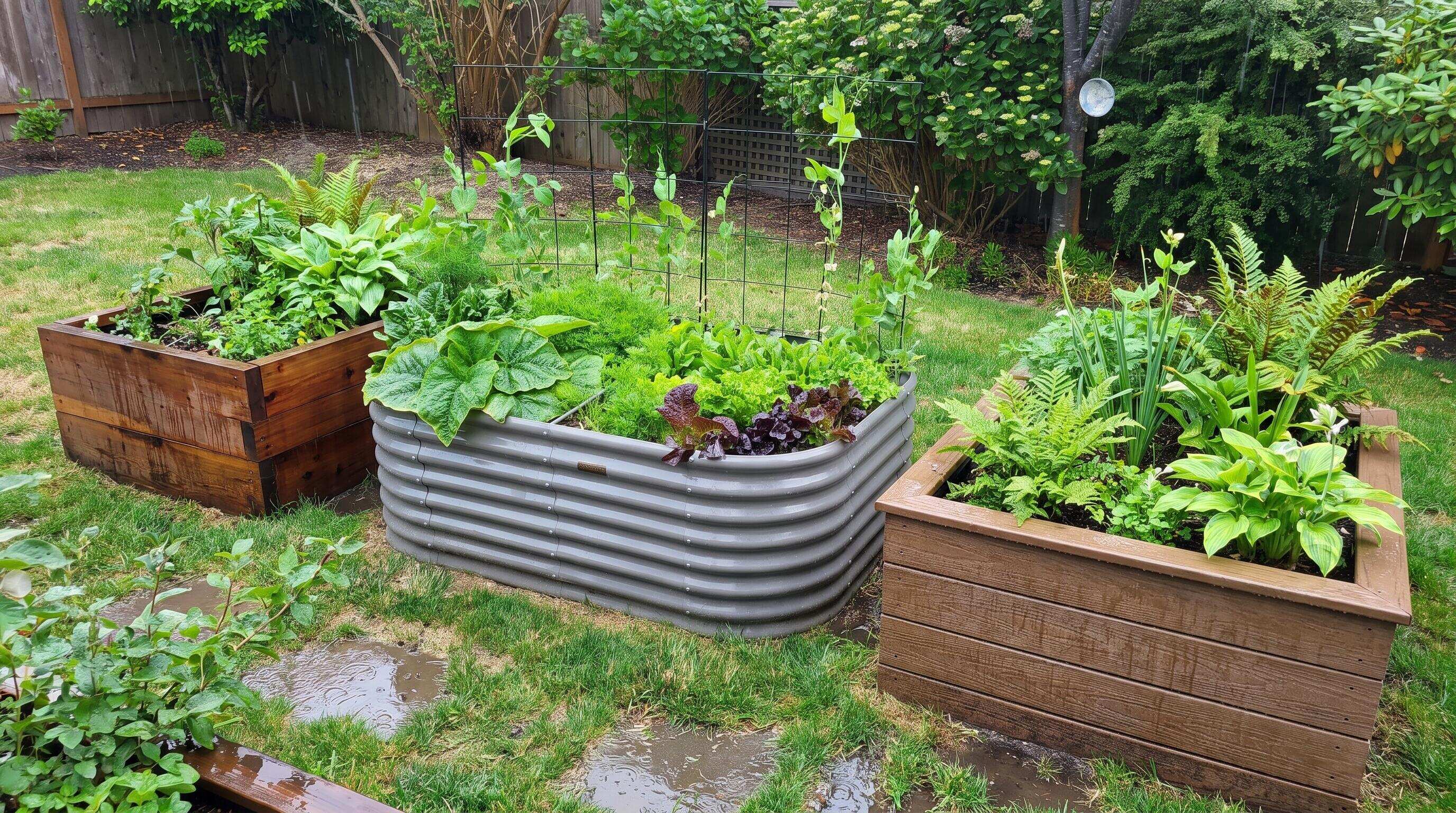
ALT: Best raised garden bed materials for humid climates showing galvanized steel beds in a rainy backyard garden
Why Material Choice Makes or Breaks Your Raised Bed in a Humid Climate
Key Conclusion: In humid climates and rainy regions, choosing the wrong raised garden bed material can lead to rapid deterioration, root rot, toxic leaching, and wasted investment. Galvanized steel and rust-resistant metal beds consistently outperform wood, plastic, and untreated alternatives in wet conditions, delivering both eco-friendly outdoor durability and long-term structural integrity. For gardeners seeking the best combination of performance, safety, and raised bed gardening longevity, understanding material behavior under persistent moisture is the single most important decision you'll make before planting your first seed.
If you garden in the Pacific Northwest, the Gulf Coast, the Great Lakes region, or anywhere that sees consistent rainfall and high humidity, you already know the frustration: a beautiful wooden raised bed that looked perfect in spring starts to bow, rot, and crumble by the second season. Plastic beds crack under UV exposure and temperature swings. Untreated metals rust through before you've had a proper harvest rotation.
The truth is, not all raised bed materials are created equal — and in wet climates, the performance gap between a well-chosen material and a poorly chosen one widens dramatically. This guide breaks down everything you need to know: which materials genuinely hold up, which are overrated, and how to build a raised bed setup that will still be serving your garden a decade from now.
Who This Guide Is For
✅ Applicable Scenarios:
- Gardeners in USDA hardiness zones with high annual rainfall (above 40 inches per year), such as the Pacific Northwest, Florida, the Southeast, and the Great Lakes region
- Home growers dealing with clay-heavy soils that retain water and create consistently moist conditions around bed frames
- Urban micro-gardeners on patios or rooftops where drainage is limited and moisture accumulates around bed bases
- Empty nesters and retirees seeking low-maintenance, long-lasting raised bed solutions that don't require annual replacement or heavy upkeep
- Eco-conscious gardeners who want durable, non-toxic, and sustainable materials that won't leach harmful substances into their soil system
❌ Not Applicable / Cautions:
- Gardeners in arid desert climates (such as the Southwest) where moisture resistance is a lower priority than heat reflection and water retention
- Those seeking ultra-budget, temporary planting solutions — durability-focused materials typically require a higher upfront investment that pays off over years, not weeks
- Gardeners who prefer a purely natural, untreated wood aesthetic and are willing to replace beds every few seasons as a trade-off
The Hidden Cost of the Wrong Material in a Rainy Region
Choosing a raised garden bed in a sunny, dry climate is relatively forgiving. Most materials hold up reasonably well when moisture isn't a constant factor. But in a humid or frequently rainy environment, you're essentially running an accelerated stress test on every material you put in the ground.
Wood, the most traditional choice, faces its biggest enemy in persistent moisture. Even cedar and redwood — widely promoted as naturally rot-resistant — have a limited lifespan when they're in constant contact with wet soil, heavy rain, and poor drainage. Standard pressure-treated pine can last longer, but older formulations used copper chromate arsenate (CCA), raising legitimate health concerns for food gardens. Newer ACQ-treated lumber is safer but still breaks down faster in perpetually moist conditions, often requiring replacement within five to seven years.
Plastic and composite beds seem like a logical waterproof solution, but they come with their own set of problems. UV degradation in climates that combine high humidity with intense sun (think Florida or the Gulf Coast) causes plastic to become brittle and crack. Composites can warp under freeze-thaw cycles common in the Northeast and Great Lakes regions. And from an eco-friendly outdoor standpoint, most plastic beds are difficult to recycle and contribute to microplastic contamination in garden soil over time.
Untreated or low-grade metal beds rust. That's the simple truth. Steel that hasn't been properly galvanized or treated will begin to oxidize within a single rainy season, and rust not only compromises the structural integrity of the bed but can also affect soil chemistry in sensitive planting environments.
This is precisely why the question "what metal is best for raised garden beds?" has a clear answer in humid climates: galvanized steel, and specifically steel treated with modern zinc coatings that meet food-safe standards, consistently outperforms all other options. As detailed in Why Galvanized Steel Is One of the Most Sustainable Raised Bed Materials, the zinc coating on properly galvanized steel creates a sacrificial barrier that actively protects the underlying metal — even when scratched — making it the most reliable long-term choice for moisture-heavy environments.
Market data supports this shift: according to the National Gardening Association, raised bed gardening participation has grown significantly over the past decade, with metal beds now representing one of the fastest-growing segments of the market. Health-conscious and eco-focused gardeners are driving demand for materials that are both food-safe and genuinely durable.
Choosing the Right Material: A Step-by-Step Decision Framework
Three-Step Quick Start
Step 1: Assess Your Specific Humidity and Drainage Conditions
Before selecting a material, spend one week observing how water behaves in your intended garden space after a typical rain event. Does water pool around the area? How quickly does the ground dry? Is the space partially shaded (which slows evaporation)? This assessment — which takes about 20–30 minutes of observation spread over a week — tells you how aggressive your moisture exposure really is, which directly informs the material grade you need.
Step 2: Match Material to Exposure Level
Once you understand your moisture profile, cross-reference it with material performance data. For moderate humidity (40–60 inches annual rainfall, good drainage), high-quality rust-resistant coated steel or premium hardwood composites may both be viable. For high humidity or poor drainage (above 60 inches annual rainfall, clay soils, standing water risk), galvanized steel is the clear front-runner. This matching process takes roughly an hour of research but prevents years of frustration from a mismatched investment.
Step 3: Factor in Height, Size, and Long-Term Expansion Plans
Material choice doesn't exist in isolation — it interacts with bed height, size, and your plans for the raised bed garden layout over time. Taller beds require materials with greater structural rigidity to resist soil pressure and moisture-driven expansion. A modular system with consistent material quality across all heights and sizes gives you the flexibility to expand without introducing weak links into your setup. Review your space, sketch your desired layout, and confirm your chosen material is available in the dimensions you'll need both now and in the future.
Comparing the Top Materials for Humid and Rainy Conditions
Understanding which material performs best requires looking across multiple dimensions — not just initial rust resistance, but also structural longevity, safety for food growing, environmental impact, and total cost of ownership over many seasons.
| Comparison Dimension | Galvanized Steel | Cedar / Hardwood | Plastic / Composite |
|---|---|---|---|
| Moisture Resistance | Excellent — zinc coating prevents rust even in standing water conditions | Moderate — naturally rot-resistant but degrades over 5–10 years in wet soil | Good short-term — but UV + moisture causes cracking and warping |
| Structural Integrity in Wet Conditions | Very High — rigid, no warping or bowing under soil and water pressure | Moderate — can bow and swell with moisture cycling | Low to Moderate — prone to deformation over time |
| Food Safety | High — modern galvanized coatings are food-safe at pH ranges typical of garden soil | High — untreated hardwoods are naturally safe | Variable — some plastics may leach chemicals, especially when heated |
| Eco-Friendly Outdoor Profile | Strong — highly recyclable, long lifespan reduces material waste | Moderate — natural material but sourcing sustainability varies | Weak — most plastics are non-recyclable and microplastic risk exists |
| Lifespan | Up to 20 years with quality galvanization | 5–10 years in humid conditions | 3–7 years typical |
| Maintenance Requirements | Minimal — no painting, sealing, or replacement needed | Moderate — may need occasional sealing or replacement of individual boards | Low initially, but replacement comes sooner |
| Cost Over 10 Years | Low — upfront investment amortized over long lifespan | Moderate to High — replacement costs accumulate | Moderate — cheaper upfront, but more frequent replacement |
This comparison makes clear that for humid climates specifically, galvanized steel delivers the most favorable combination across all meaningful dimensions. The 20-year lifespan is not an abstract marketing claim — it reflects the actual performance of zinc-coated steel maintained without any treatment beyond occasional cleaning.
Deep Dive: Why Galvanized Steel Wins in Wet Climates — and What to Look For
The Science Behind Rust Resistance
Galvanized steel earns its reputation through a straightforward metallurgical process: a zinc coating is bonded to the steel surface, either through hot-dip galvanization or electro-galvanization. In wet conditions, zinc oxidizes preferentially to steel, forming zinc carbonate — a stable, non-toxic compound that actually seals the surface rather than flaking off like iron rust.
This means that even in a garden bed that sees daily rain, persistent ground moisture, or seasonal flooding, a properly galvanized steel bed continues to protect itself. The zinc layer doesn't simply prevent water from reaching the steel — it actively repairs minor surface damage through this electrochemical process.
For gardeners worried about zinc affecting soil chemistry: at the trace amounts that naturally migrate from galvanized steel into soil, zinc is actually an essential plant micronutrient. Multiple studies from university extension programs have confirmed that galvanized steel raised beds do not pose a toxicity risk to plants or humans when used in normal food gardening applications.
What to Look for When Evaluating Galvanized Steel Beds
Not all galvanized steel products are equivalent. When shopping, look for:
- Coating thickness and quality: Thicker zinc coatings provide longer protection. Ask about the coating standard or look for products that specify food-safe zinc treatment.
- Gauge of steel: Heavier gauge steel resists denting, bowing under soil pressure, and deformation from freeze-thaw cycles. This matters especially for taller beds with greater soil volume.
- Corner and joint construction: In humid climates, joints and corners are the most vulnerable points. Look for reinforced corners, secure fastening systems, and designs that don't trap standing water.
- Modular expandability: A raised bed system that allows you to add panels, change configurations, or increase height without replacing the entire structure protects your investment as your garden evolves.
Anleolife's galvanized steel raised garden beds are engineered with all of these factors in mind. The lineup spans a wide range of sizes and heights — from lower-profile beds at 18 inches tall to extra-tall options at 24, 30, and even 35 inches — giving you flexibility to match your space and your physical needs without compromising on material quality.
The Best Height for Raised Garden Beds — Especially If You Have a Bad Back
One of the most searched questions in the raised bed gardening community is: what's the best height for a raised garden bed with a bad back? The answer depends on individual mobility, but the general consensus from ergonomic gardening experts is that beds reaching between 24 and 30 inches in height allow most gardeners to work comfortably without bending at the waist.
Anleolife offers multiple extra-tall configurations — including 24" Extra Tall, 30" Extra Tall, and a 35" Waist-High bed — all built from the same durable galvanized or rust-resistant steel that makes the entire lineup suitable for humid climate performance. The added benefit in rainy regions is that taller beds elevate plant roots further above the waterlogged soil zone, improving drainage naturally and reducing disease pressure from overly wet growing conditions.
For gardeners working with very tall beds and concerned about soil volume costs, Best Affordable Soil-Filling Strategies for Extra-tall 30" and 35" Raised Beds offers practical guidance on layering organic materials to reduce the amount of purchased topsoil needed — a smart approach that also improves drainage in high-rainfall environments.
Liner Options: Maximizing Protection in Very Wet Conditions
Even with a rust-resistant metal frame, using the right liner inside your raised bed can significantly extend the health of your soil ecosystem in humid conditions. Common options include:
- Landscape fabric: Allows drainage while preventing soil from escaping through gaps. Best for moderate humidity situations where you want to retain structure while still managing water flow.
- Cardboard (lasagna method): A popular eco-friendly outdoor base layer that suppresses weeds and breaks down into organic matter. Works well in the first season but decomposes quickly in very wet conditions.
- Hardware cloth: A galvanized wire mesh laid at the base of the bed, primarily used to exclude burrowing pests. In flood-prone areas, it also helps prevent soil washout while maintaining drainage.
For most humid climate gardeners, a combination approach works best: hardware cloth at the base for pest exclusion and drainage support, topped with landscape fabric to retain soil structure, with cardboard as an optional weed-suppression first layer that you're happy to see decompose into your soil system.
Anleolife vs. Vego Garden: Which Raised Bed Is Better for Humid Climates?
This comparison comes up frequently among serious gardeners evaluating premium metal raised bed options. Both brands produce metal raised garden beds with rust-resistant properties, and both have genuine fans in the gardening community.
From a humid climate performance standpoint, the key considerations are coating quality, structural gauge, and the range of available heights for optimal drainage positioning. Anleolife's lineup — which includes galvanized steel, rust-resistant coated options, modular configurations, and heavy-duty series — gives gardeners flexibility to match both their climate conditions and their physical setup needs. The 20-year expected lifespan reflects confidence in the long-term performance of the zinc and rust-resistant coatings under real-world conditions, including persistent moisture exposure.
Vego Garden offers a competitive product with its own loyal following, particularly for their tall modular beds. The best choice ultimately comes down to your specific priorities: if expandability, size variety, and the combination of galvanized durability with a North American warehouse network (ensuring delivery in 3–8 business days) matter to you, Anleolife's full-scenario product ecosystem provides a compelling package.
For a more detailed look at how rust-resistant coatings hold up across multiple seasons of real use, Best Rust-Resistant Raised Garden Bed Kits Compared: What Holds Up After 3 Seasons provides an honest multi-season performance evaluation worth reading before you buy.
To understand how galvanized steel performs not just in wet climates but also in temperature extremes, see Which Raised Garden Bed Materials Last Longest in Extreme Heat and Cold? — a useful companion guide for gardeners in climates that combine high humidity with cold winters or hot summers.
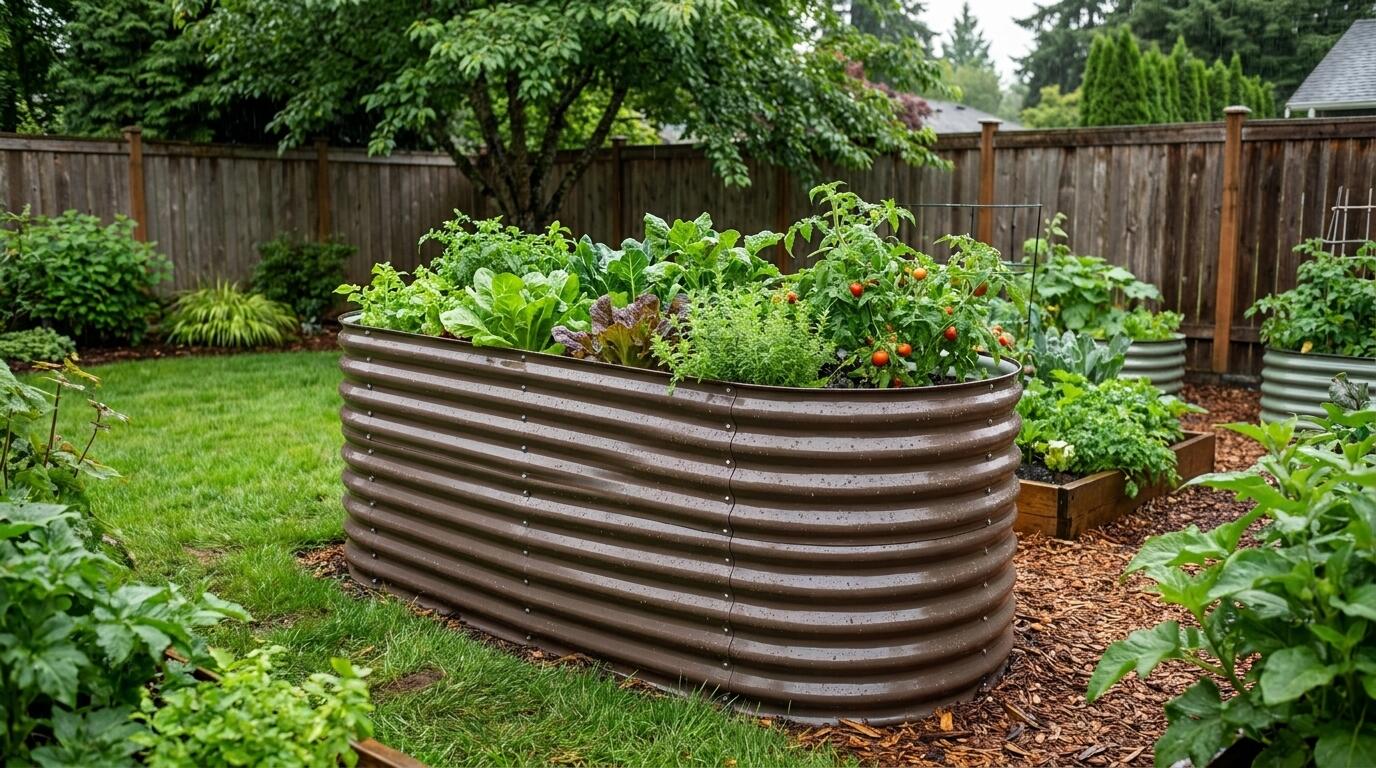
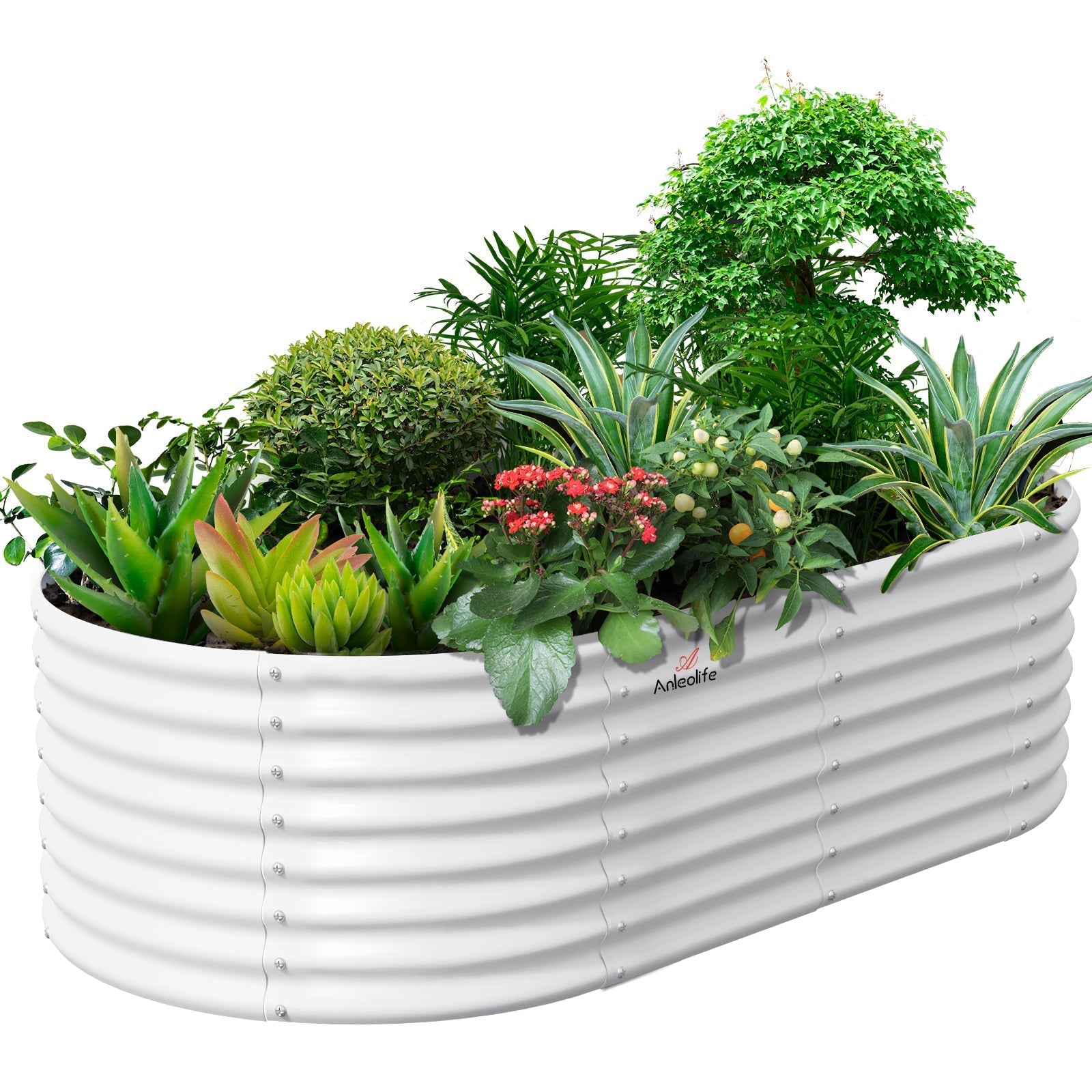
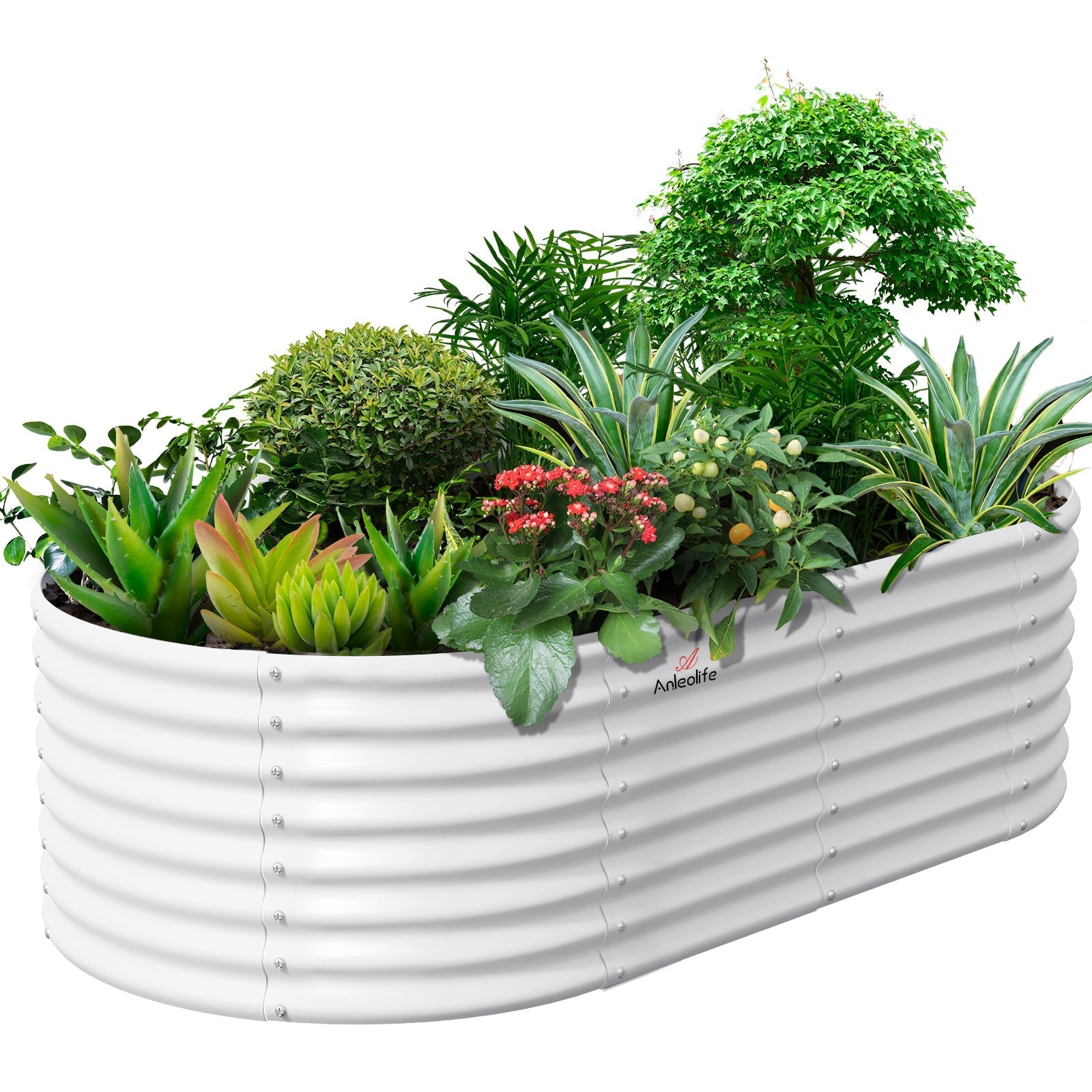
ALT: Extra-tall galvanized steel raised garden bed in a rainy humid climate garden demonstrating rust resistance and eco-friendly outdoor durability
Advanced Considerations: What Most Guides Don't Tell You
Misconception: "Rust-Resistant" Means "Rust-Proof"
One of the most common misunderstandings in the raised bed market is treating "rust-resistant" and "rust-proof" as synonymous. No metal is completely rust-proof under all conditions indefinitely — but this doesn't mean all products are equal. The distinction lies in how long and under what conditions the protection lasts.
A budget rust-resistant coating applied at minimal thickness may start showing surface oxidation within two or three rainy seasons. A properly hot-dip galvanized steel bed with adequate zinc thickness can genuinely deliver a 20-year lifespan even in continuously wet conditions. When evaluating products, always look beyond the marketing language to the actual coating specifications and any third-party testing data available.
Special Situation: Saltwater Proximity
Gardeners near coastal regions face an additional challenge: salt air accelerates corrosion dramatically. For gardens within a few miles of the ocean — particularly common in Florida, the Gulf Coast, the Pacific Coast, and the Northeast seaboard — even standard galvanized coatings may need supplementation. In these cases, powder-coated finishes applied over galvanized steel provide a secondary barrier that resists salt air more effectively than zinc alone.
Special Situation: Freeze-Thaw Cycling in Humid-Cold Climates
The Great Lakes region and parts of the Northeast combine high annual rainfall with cold winters, creating a particularly demanding environment: beds absorb moisture all fall, then experience repeated freeze-thaw cycles through winter. In this scenario, material expansion and contraction matters enormously. Steel's thermal expansion coefficient is low and consistent, making it more resistant to this type of structural stress than wood (which swells and contracts unpredictably with moisture and temperature) or plastic (which can crack under freeze stress).
Misconception: Metal Beds Overheat Roots in Summer
This concern is frequently raised and almost as frequently misapplied. While it's true that a thin metal sheet in direct sun can transfer heat to the top few inches of soil, raised beds filled with adequate soil depth buffer this effect significantly. Taller beds — particularly those at 24 inches and above — place the active root zone far enough from the metal surface that heat transfer has minimal practical impact on plant health. In humid climates where summer sun is often moderated by cloud cover, this concern is even less relevant.
Frequently Asked Questions FAQ
Q1: How do I protect a galvanized steel raised garden bed from rust in a very rainy climate?
The most important protection is already built in — proper galvanization provides a self-repairing zinc barrier that handles normal rain exposure without any additional treatment. To maximize longevity in very wet climates, ensure your bed has good drainage at the base (hardware cloth or coarse gravel layer), avoid leaving standing water inside the bed after heavy rain events, and inspect joints and corners annually for any signs of coating compromise. High-quality galvanized steel beds from reputable brands are engineered to handle persistent moisture exposure as their standard use case.
Q2: Are metal raised garden beds safe for growing vegetables in regions with acid rain or highly acidic soil?
Yes, modern galvanized steel raised beds are safe for vegetable growing even in regions with mildly acidic conditions. The zinc coating is stable across the pH ranges typical of garden soil (generally pH 5.5–7.5). University extension research from multiple institutions has confirmed that zinc migration from galvanized steel into soil occurs at trace levels well below thresholds of concern for plant or human health. If your soil tests below pH 5.5, amending with lime to raise pH is good gardening practice regardless of your bed material.
Q3: How long does a quality galvanized steel raised bed actually last in a humid climate, and is the cost worth it?
A properly galvanized steel raised garden bed — such as those in Anleolife's lineup — is rated for up to 20 years of lifespan, even under consistent moisture exposure. Compare this to cedar (5–10 years in wet conditions) or plastic (3–7 years), and the math strongly favors the upfront investment in quality metal. Spread across 20 years, the annual cost of a durable galvanized bed is typically lower than the cumulative cost of replacing inferior materials every few seasons, making it the most cost-effective choice for long-term humid climate gardening.
Summary
Choosing the right raised garden bed material for a humid climate or rainy region isn't just about aesthetics or initial price — it's a decision that affects every growing season you have ahead of you. This guide has covered three essential takeaways:
First, material behavior under persistent moisture varies dramatically. Galvanized steel's self-repairing zinc barrier outperforms wood, plastic, and untreated metals across every meaningful dimension in wet conditions — including lifespan, structural integrity, food safety, and eco-friendly outdoor sustainability.
Second, height matters both for ergonomics and for drainage performance. Extra-tall beds (24 inches and above) elevate root zones above waterlogged ground while making gardening more comfortable for people managing back issues — a dual benefit that justifies the modest additional investment.
Third, the right liner combination — hardware cloth for drainage and pest exclusion, landscape fabric for soil retention, optional cardboard for first-season weed suppression — works synergistically with a quality metal frame to create a raised bed setup designed for long-term success in challenging conditions.
Your next step is straightforward: assess your specific moisture exposure, identify the bed heights and sizes that fit your space and physical needs, and choose a material that you're genuinely confident will still be serving your garden two decades from now.
Upgrade Your Garden with Anleolife
Anleolife's nationwide U.S. warehouse network — strategically located in California, Texas, Florida, New York, Illinois, and Washington — ensures delivery in 3–8 business days, so your garden upgrade plans never have to wait. Products are available across major platforms including Amazon, Walmart, Home Depot, Lowe's, Wayfair, and the official Anleolife.com website, providing consistent quality assurance and dedicated after-sales service wherever you shop.
Anleolife's three core product scenarios — Planting (galvanized and rust-resistant metal raised garden beds, soil systems), Raising (chicken coops, rabbit hutches), and Beautification (decorative accessories, pathway systems) — meet complete needs from functionality to aesthetics in a single integrated ecosystem.
We understand that an ideal garden isn't built overnight, but gradually improved over time. Our modular product design allows flexible expansion based on your needs — from your first raised bed to a fully integrated planting-and-raising ecosystem. We grow with you every step of the way.
References
- National Gardening Association. "Gardening Trends and Participation Statistics."
https://garden.org - University of Minnesota Extension. "Raised Bed Gardening: Soil, Materials, and Construction."
https://extension.umn.edu/landscaping-and-gardening/raised-bed-gardening - Oregon State University Extension Service. "Raised Bed Gardening in the Pacific Northwest."
https://extension.oregonstate.edu - U.S. Environmental Protection Agency. "Healthy Garden Practices and Soil Safety."
https://www.epa.gov/lead/urban-gardens - American Galvanizers Association. "Hot-Dip Galvanizing for Corrosion Protection."
https://www.galvanizeit.org
Note: Standards and research may be updated. Please consult the latest official documents or professional advisors for the most current guidance.
About Anleolife
Anleolife is a leading outdoor garden solutions provider in North America, dedicated to offering a full-scenario product ecosystem for home gardening enthusiasts, covering planting, raising, and garden beautification. Since its founding, we have upheld our brand mission, "Made for Garden Life," continuously innovating products and optimizing services to help hundreds of thousands of users upgrade their gardens, reconnect with nature, and enjoy a better garden lifestyle.