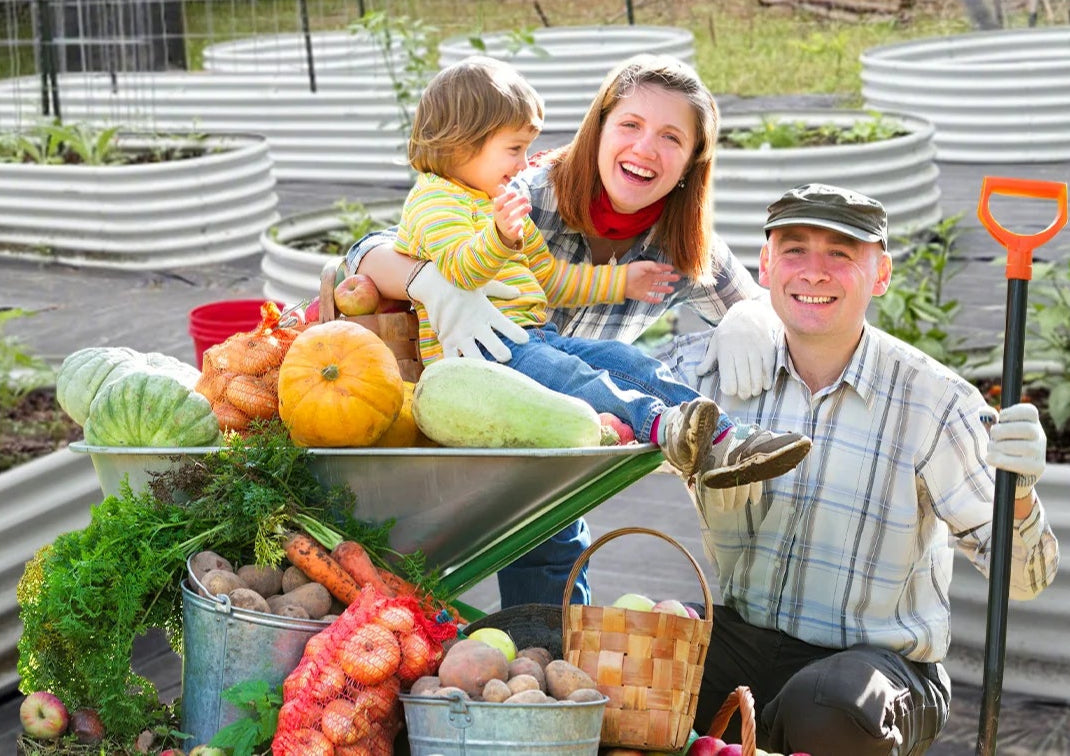



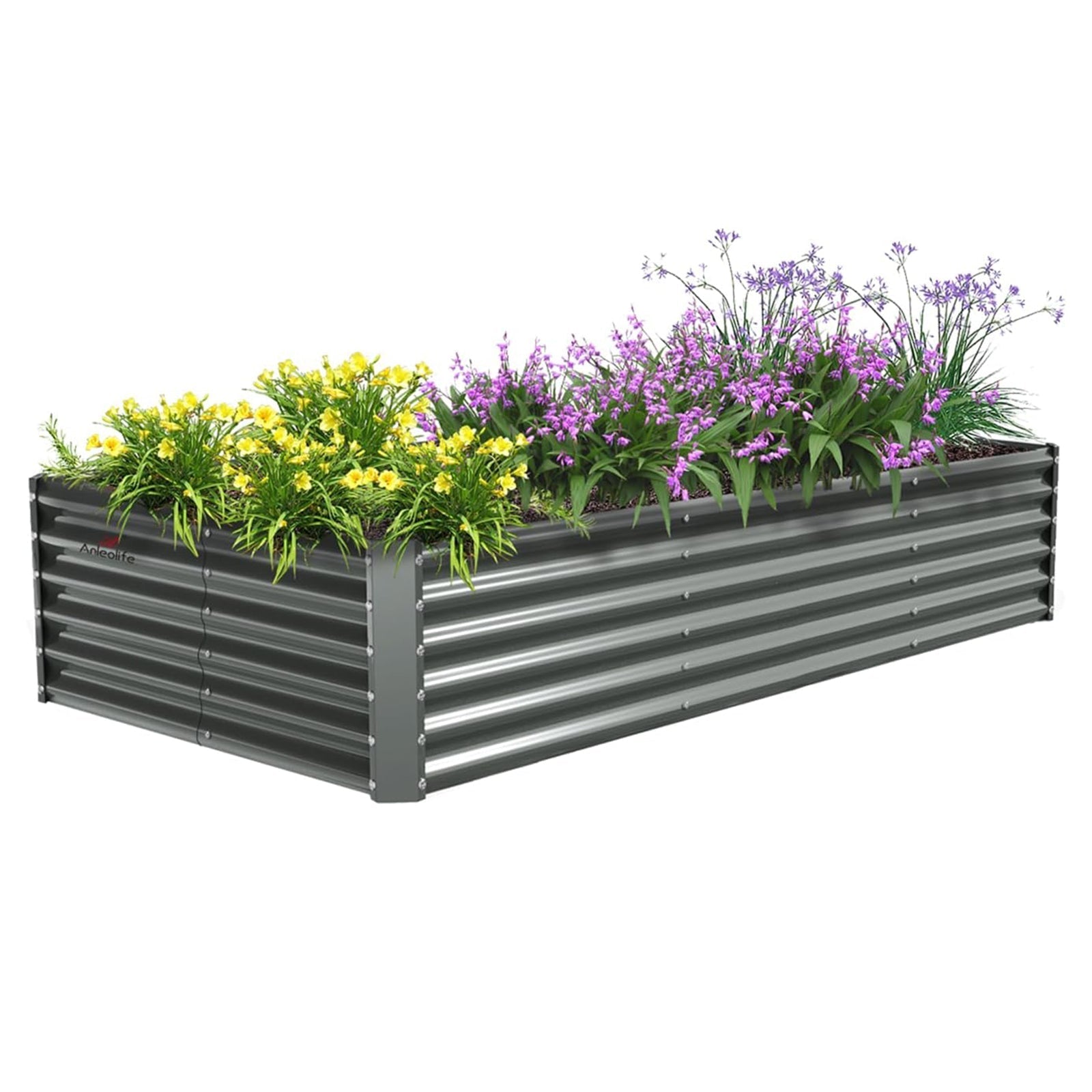
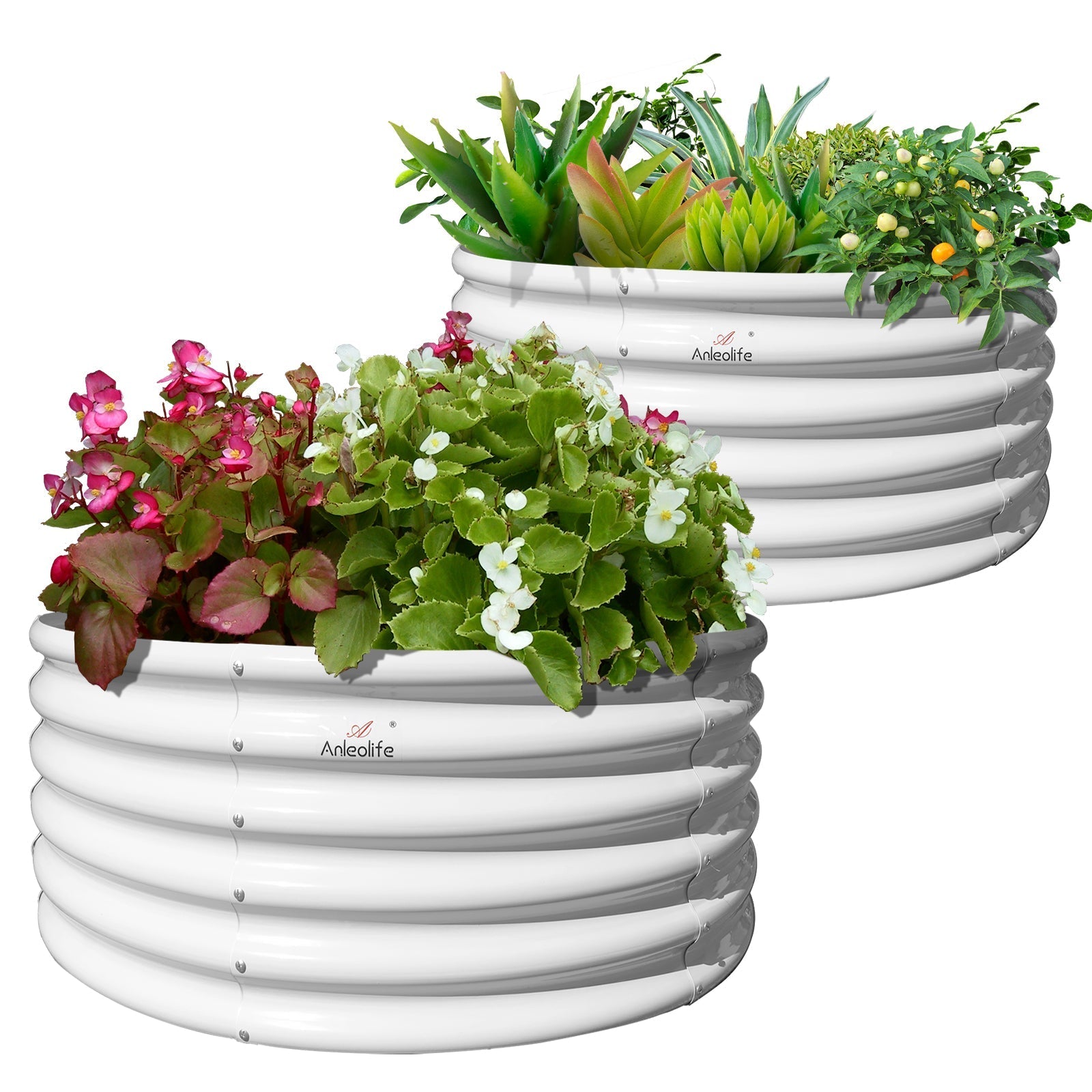
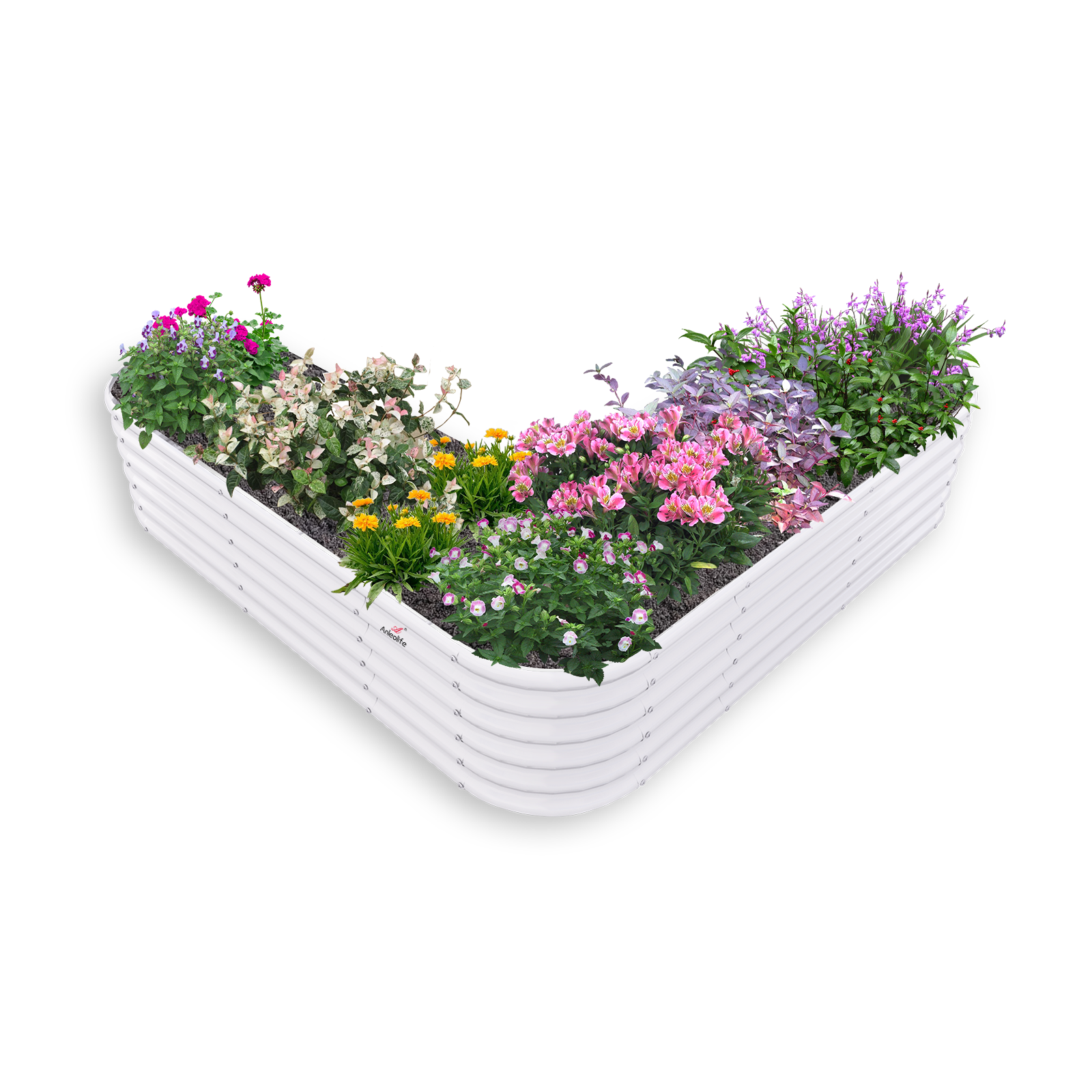
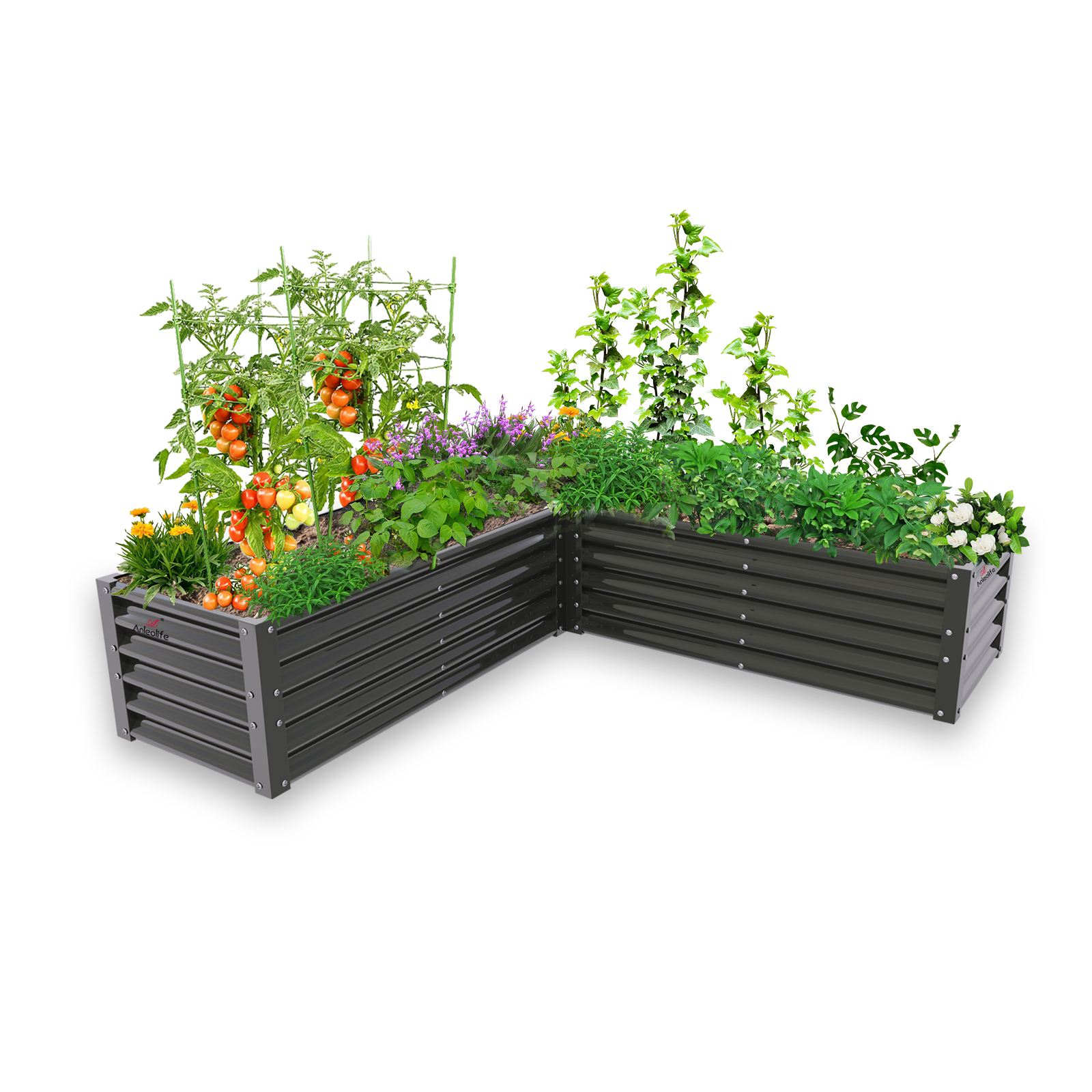
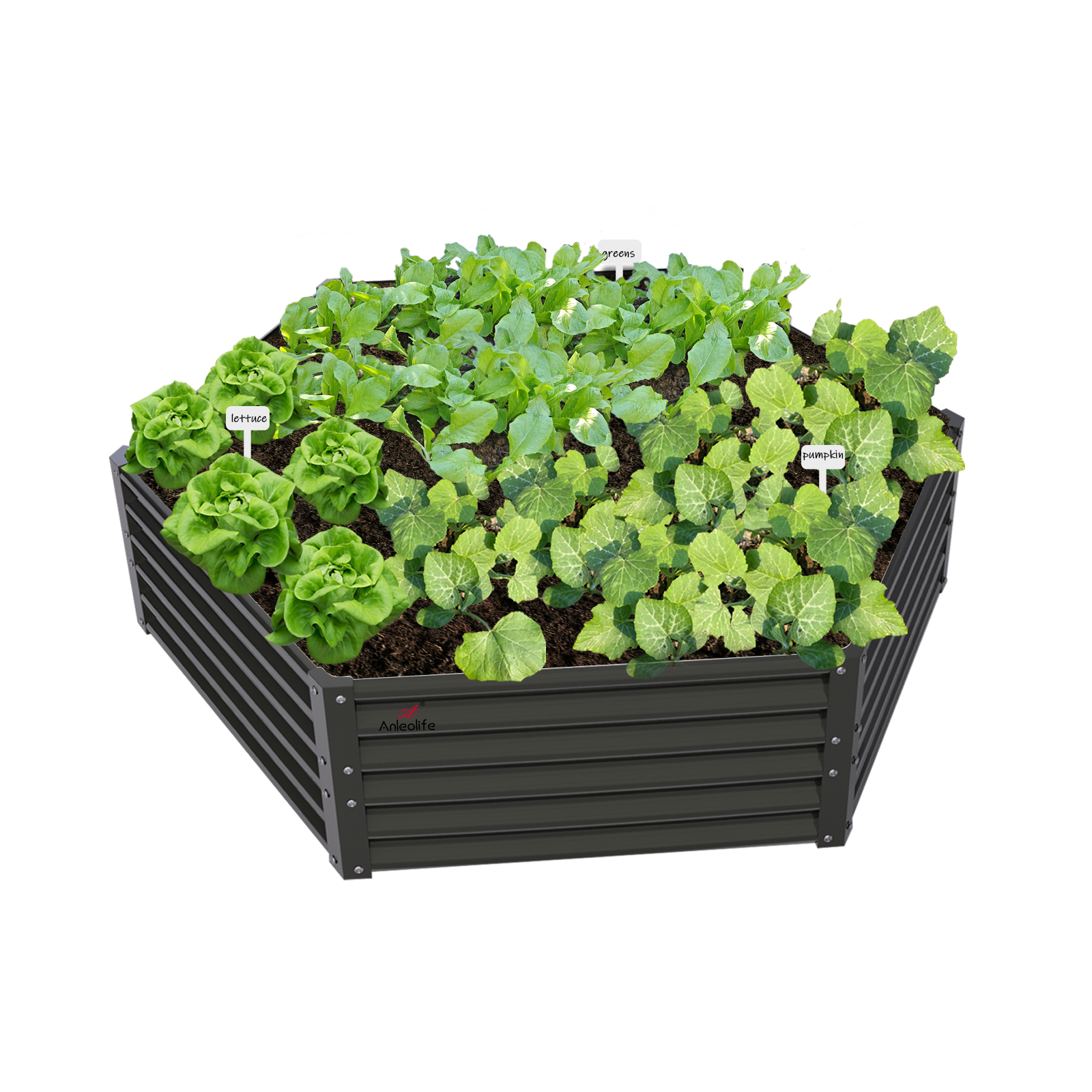
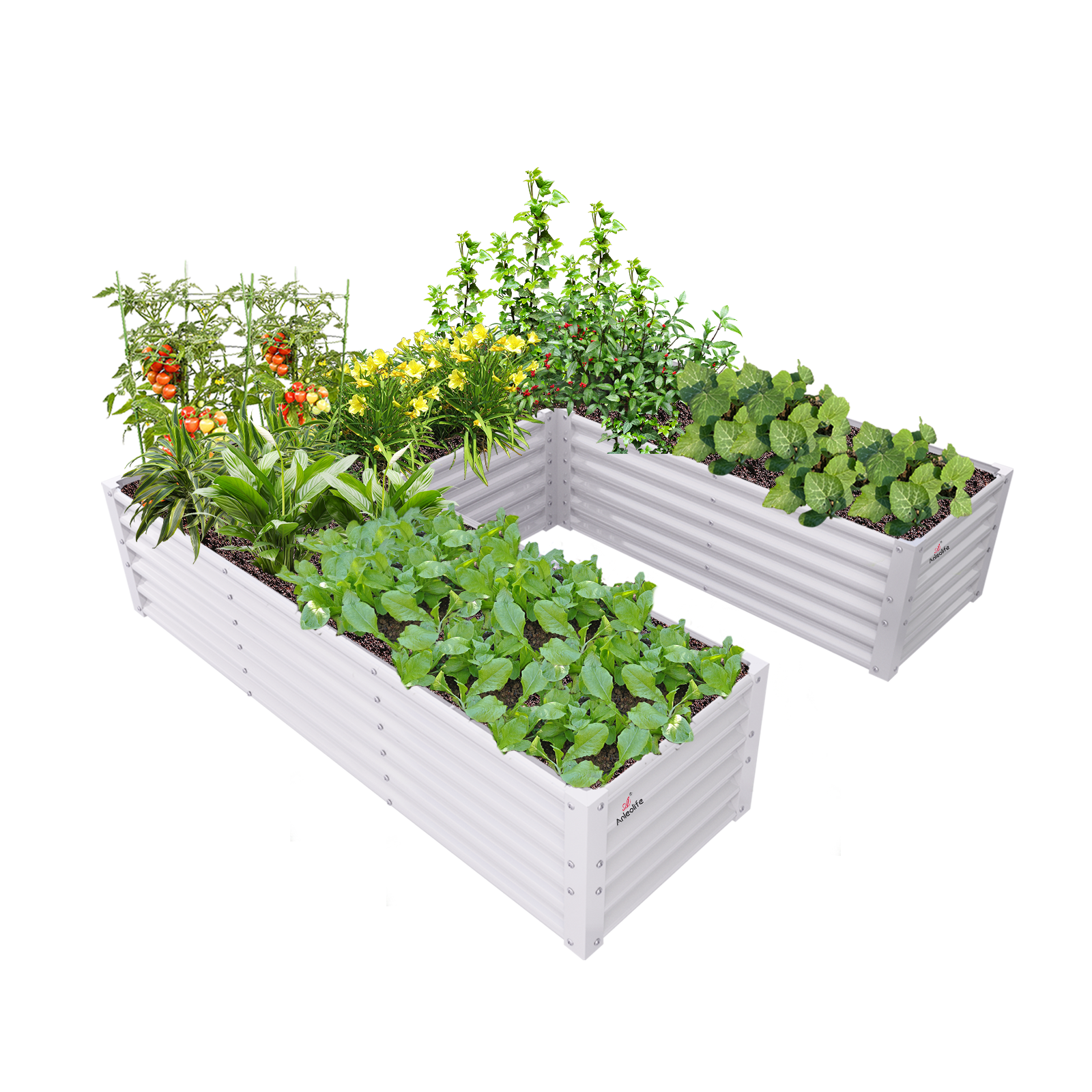

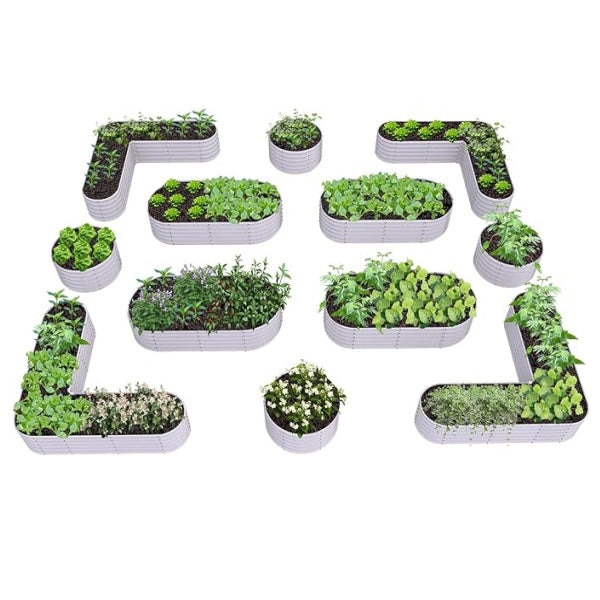

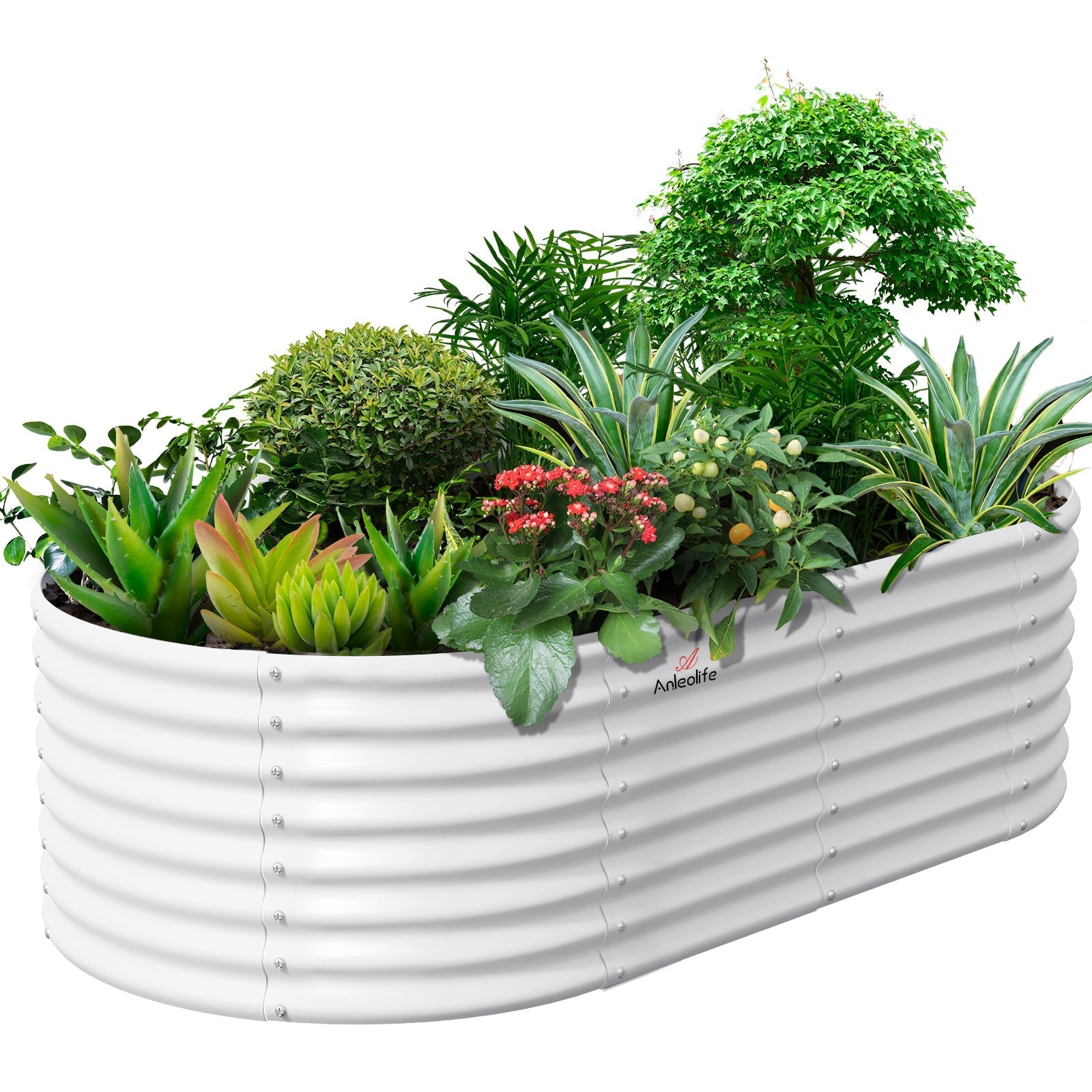


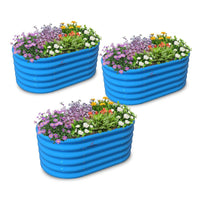
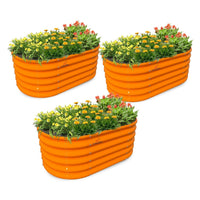
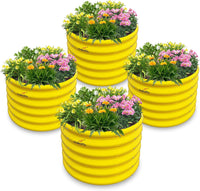
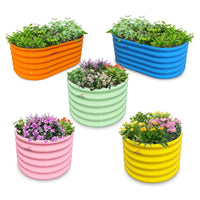
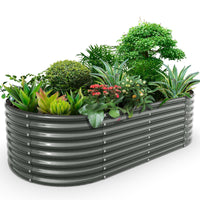



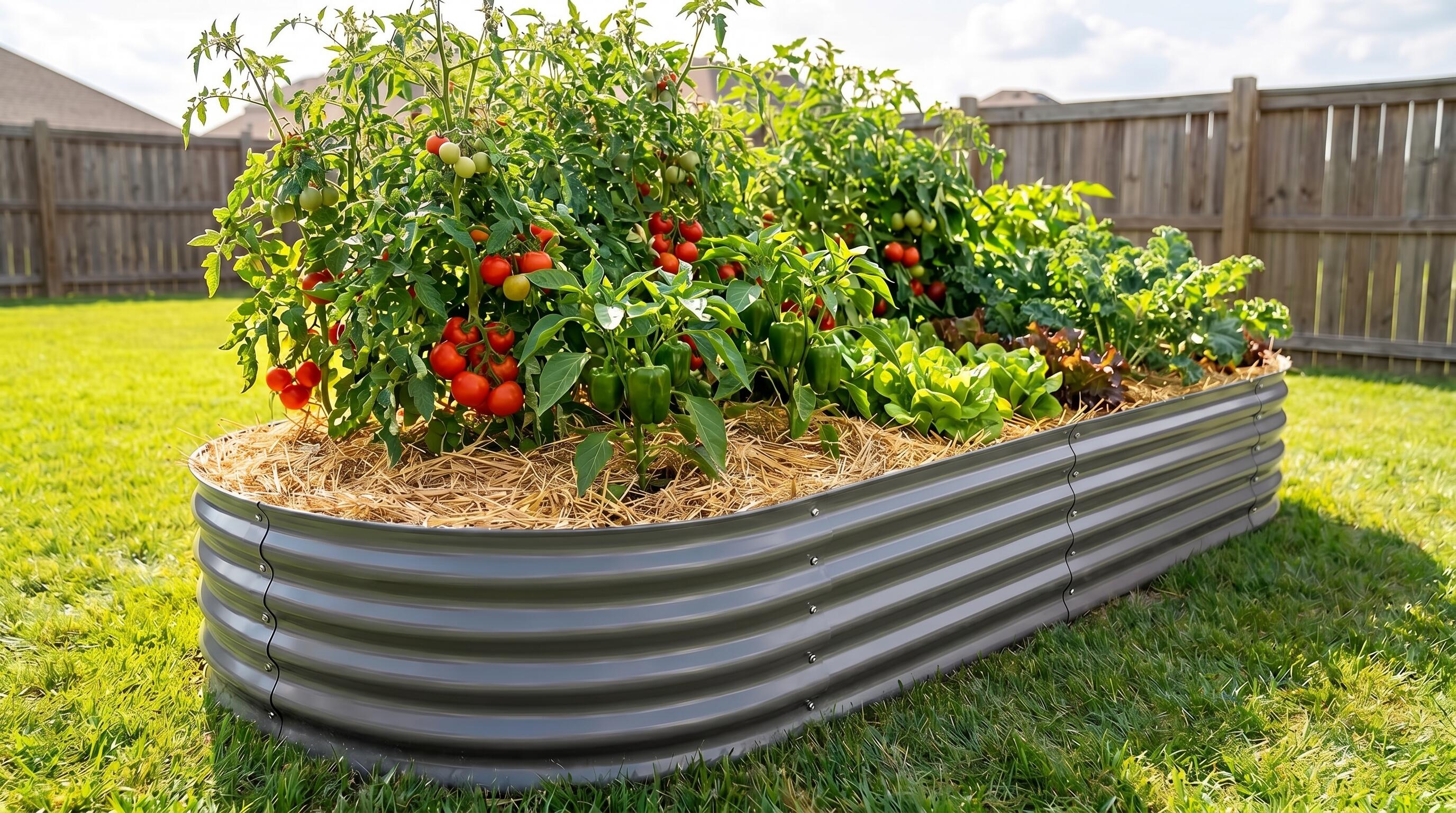
ALT: Fresh vegetables thriving in a well-organized raised bed garden layout during the growing season
The Best Vegetables for Your Raised Bed Garden Layout This Growing Season
Key Conclusion: Choosing the right vegetables for your raised bed garden layout can mean the difference between a modest harvest and a genuinely productive growing season. This guide draws on real-world experience with raised bed planting layouts to help home growers — from beginners to seasoned gardeners — identify which crops deliver the best yield, flavor, and value in a raised bed layout. Whether you're working with a compact urban setup or a multi-bed backyard system, the plants listed here are consistently strong performers across North American growing conditions.
In our work with home gardeners across the country, a pattern we consistently see is that people invest in a raised bed but then underperform simply because of poor plant selection. Raised beds aren't just a prettier way to garden — they offer warmer soil, superior drainage, and precise control over your soil system. The vegetables in this list were selected based on their adaptability to raised bed conditions, their return on investment relative to grocery store prices, and their compatibility with common raised bed layout configurations. Use this guide as a practical reference when planning your next planting cycle.
The Best Vegetables to Grow in a Raised Bed Planting Layout
Tomatoes: The Anchor Crop of Any Raised Bed Garden Layout
Tomatoes are the single most rewarding vegetable you can grow in a raised bed garden layout, delivering exceptional flavor and significant grocery savings throughout the season. Raised beds give tomatoes exactly what they need: deep, well-draining soil that warms quickly in spring, reduced risk of soil-borne diseases, and a defined growing zone that makes staking and pruning straightforward. In a raised bed planting layout, determinate varieties work well in smaller beds while indeterminate types thrive in deeper, larger configurations.
Best for: Families looking to reduce grocery bills, health-conscious growers who want to avoid pesticide residues, and anyone with a raised bed that offers at least 18 inches of soil depth.
Watch out: Tomatoes are heavy feeders and will deplete nutrients quickly in a closed raised bed. Plan for mid-season fertilization and crop rotation across growing seasons.
Lettuce and Salad Greens: Maximum Return in Minimum Space
Lettuce and mixed salad greens are among the highest-value crops you can place in a raised bed layout, particularly when you factor in their rapid turnover and the premium price of organic greens at the store. These shallow-rooted crops perform brilliantly in compact raised bed configurations and can be succession-planted every two to three weeks to maintain a continuous harvest. According to the University of California Cooperative Extension, loose-leaf lettuce is one of the most cost-effective crops for home gardens due to its fast maturity and high market value equivalent.
Best for: Urban micro-gardeners, empty nesters with smaller raised beds, and anyone who wants a reliable harvest within weeks of planting.
Watch out: Lettuce bolts quickly in heat. Orient your raised bed layout to provide afternoon shade in summer, or switch to heat-tolerant varieties like romaine or red oak leaf.
Kale and Swiss Chard: The Long-Season Workhorses
Kale and Swiss chard are exceptional choices for a raised bed planting layout because they produce continuously from a single planting and tolerate a wide range of temperatures, from late spring through hard frost. These leafy greens are nutritionally dense and command high prices at specialty grocers, making them excellent candidates from a cost-effectiveness standpoint. In a pattern we consistently observe with our gardening community, kale planted in a well-amended raised bed soil system tends to outperform in-ground plants significantly — partly because raised bed soil drains better and partly because the contained environment makes consistent watering easier.
Best for: Health-oriented home growers focused on nutrient density, eco-conscious gardeners who want to extend the harvest season, and anyone looking to maximize the value of a single planting.
Watch out: Aphids love kale. Inspect weekly and treat early with insecticidal soap to prevent infestations from spreading across adjacent plants in your raised bed layout.
Beans (Bush Varieties): Efficient Nitrogen-Fixing Space Fillers
Bush beans are a practical, high-yield addition to almost any raised bed garden layout, and their ability to fix atmospheric nitrogen into the soil makes them a smart choice from a long-term soil health perspective. Unlike pole beans, bush varieties don't require trellising, which simplifies your raised bed layout and keeps management straightforward. They mature quickly — typically within two months of planting — and produce in flushes that are ideal for fresh eating or preserving.
Best for: Gardeners who want a low-maintenance, productive crop that also improves soil quality for subsequent plantings, and families who eat beans regularly and appreciate the savings.
Watch out: Bush beans do not tolerate wet roots. Make sure your raised bed has adequate drainage, particularly if your soil mix is heavy in compost.
Radishes: The Fast-Turnaround Crop for Tight Layouts
Radishes are the fastest-maturing vegetable you can plant in a raised bed planting layout, with many varieties reaching harvest in three to four weeks. This makes them invaluable as a "gap filler" between slower crops, allowing you to make full productive use of your raised bed layout without any wasted space or time. Radishes also serve as a natural pest deterrent and can be interplanted with carrots, beets, and other root vegetables to help break up compacted soil as they grow.
Best for: New gardeners who want early wins, experienced growers optimizing every square foot of their raised bed layout, and anyone practicing intensive planting methods.
Watch out: Radishes that stay in the ground too long become pithy and lose flavor. Harvest promptly at maturity and replant immediately to maintain continuous production.
Cucumbers: High-Volume Producers for Larger Raised Beds
Cucumbers are a summer staple that genuinely thrives in the warm, well-drained conditions that a quality raised bed naturally provides. A single healthy cucumber plant can produce prolifically, and when grown vertically on a trellis positioned at the end of a raised bed, it minimizes footprint while maximizing yield. In our experience with clients managing medium to large raised bed garden layouts, cucumbers grown in properly amended raised bed soil consistently outperform those grown in native ground soil — often producing more fruit per plant with fewer disease issues.
Best for: Families who consume cucumbers regularly or want to make pickles, and gardeners working with raised beds that are at least 8 feet long where vertical growing is practical.
Watch out: Cucumbers need consistent moisture. Irregular watering leads to bitter fruit and blossom drop. A simple drip irrigation system paired with your raised bed setup makes moisture management significantly easier — and if you're weighing your options, a guide on choosing the best drip irrigation system for raised garden beds can help you find the right fit.
Carrots: The Raised Bed Specialist
Carrots are one of the few vegetables that genuinely perform better in a raised bed than in the ground. Their success in-ground depends almost entirely on having loose, rock-free, deeply tilled soil — conditions that most home gardens struggle to deliver. A raised bed planting layout that uses a well-amended, stone-free soil system gives carrots ideal conditions for straight, full root development. According to the National Gardening Association, root vegetables consistently rank among the top producers in raised bed environments compared to conventional in-ground plots.
Best for: Gardeners with heavy clay or rocky native soil, families with children who enjoy fresh-pulled carrots, and anyone who has struggled to grow straight carrots in-ground.
Watch out: Carrots need deep soil. For the best root development, choose a raised bed with sufficient depth and a soil mix that remains loose and well-aerated throughout the season.
Herbs (Basil, Parsley, Chives): The High-Value Edge Plants
Fresh culinary herbs are pound-for-pound the most cost-effective crops you can grow in a raised bed garden layout. A small bunch of fresh basil can cost several dollars at the grocery store, yet a single plant in a raised bed will produce that quantity multiple times over across a full season. Herbs work especially well planted along the edges and corners of a raised bed planting layout, where they don't compete aggressively for space with larger vegetables but still benefit from the bed's warm, well-draining soil. They also attract beneficial insects, which supports overall garden health.
Best for: Home cooks who use fresh herbs regularly, anyone wanting to maximize the dollar-value return of their raised bed space, and compact urban layouts where every square foot must earn its place.
Watch out: Basil is cold-sensitive. Don't plant it until soil temperatures are reliably warm, and never position it where it will receive cold evening drafts from nearby structures.
Peppers: The Patient Investment That Pays Off Late
Peppers are a longer-season crop that requires some patience, but the return — both in flavor and in grocery store savings — makes them well worth including in a raised bed planting layout. Bell peppers, hot varieties, and specialty types all benefit from the elevated soil temperatures and improved drainage that raised beds naturally provide. A raised bed's contained soil environment warms faster in spring, which gives peppers a meaningful head start compared to in-ground planting.
Best for: Experienced gardeners comfortable with longer-season crops, families who cook frequently with fresh peppers, and anyone in a climate where summer extends into early fall.
Watch out: Peppers are poor performers in cool soil. If your growing season starts cold, consider covering the raised bed with a row cover for the first few weeks after transplanting.
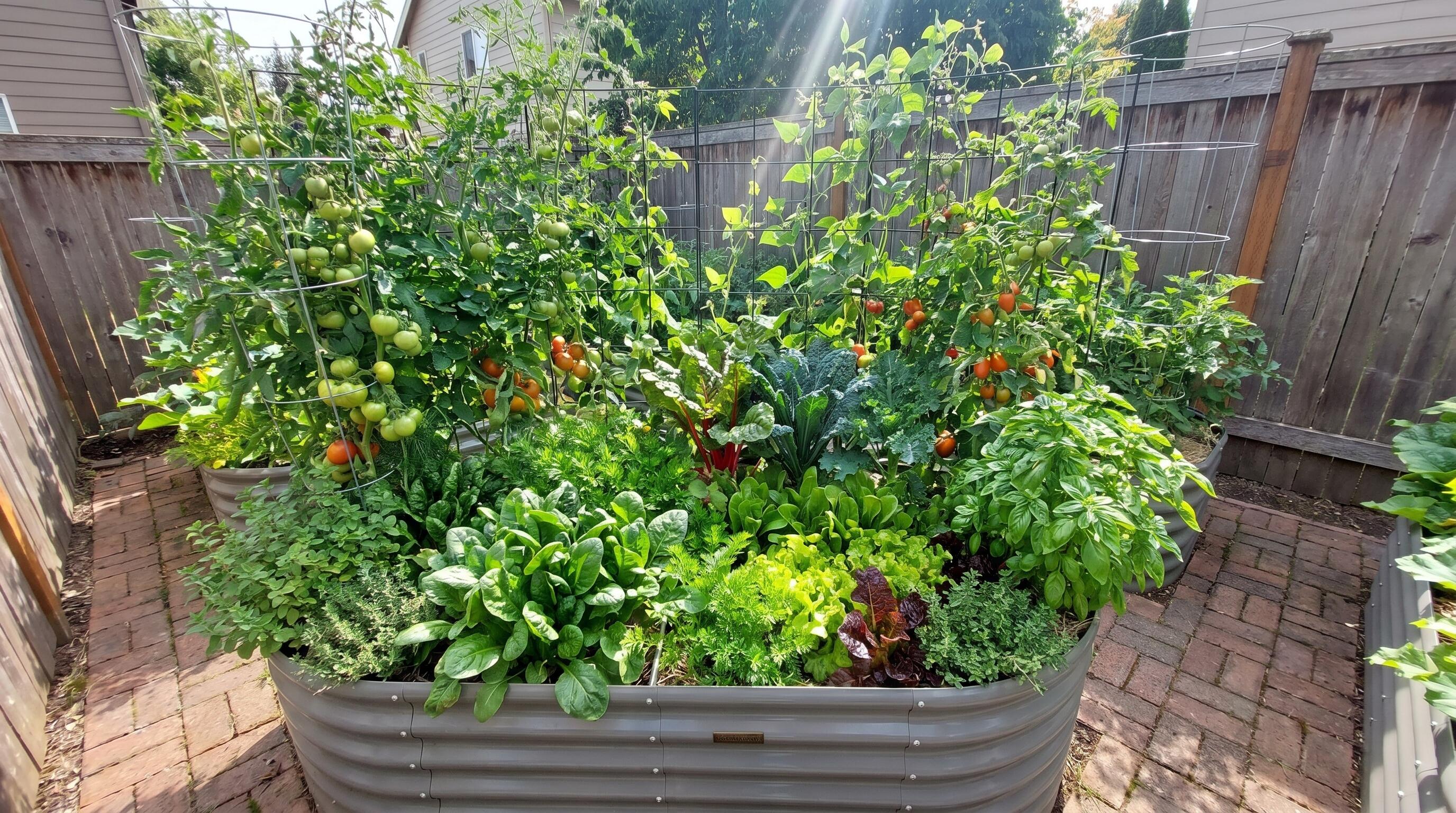
ALT: Organized raised bed planting layout showing tomatoes, lettuce, herbs, and cucumbers in structured rows for maximum yield
Quick Comparison at a Glance
The table below summarizes each vegetable's key characteristics to help you plan your raised bed layout quickly and efficiently.
| Vegetable | Best For | Key Strength | Limitation |
|---|---|---|---|
| Tomatoes | Families, budget-focused growers | High yield, flavor, grocery savings | Heavy feeder, needs crop rotation |
| Lettuce & Greens | Urban gardens, quick harvest seekers | Fast maturity, continuous harvest | Bolts in heat |
| Kale & Swiss Chard | Health-focused, extended season growers | Long harvest window, nutrient-dense | Aphid prone |
| Bush Beans | Low-maintenance, soil health | Nitrogen-fixing, fast-maturing | Needs excellent drainage |
| Radishes | Beginners, intensive planters | Fastest maturity, gap-filling | Must harvest promptly |
| Cucumbers | Families, large bed owners | High-volume production | Needs consistent moisture |
| Carrots | Clay/rocky soil gardeners | Excellent in raised bed soil systems | Needs soil depth |
| Herbs | Home cooks, compact gardens | Highest dollar-value return | Cold-sensitive (basil) |
| Peppers | Experienced growers, warm climates | Thrives in warm raised bed soil | Slow to establish |
This comparison makes it straightforward to build a balanced raised bed garden layout — one that mixes fast producers like radishes and lettuce with slow-but-rewarding crops like tomatoes and peppers for continuous harvests across the full season.
How to Choose the Right Vegetables for Your Raised Bed Layout
The right raised bed planting layout for your garden depends on three intersecting factors: the physical dimensions of your raised bed, your local climate, and your household's actual food preferences and cooking habits.
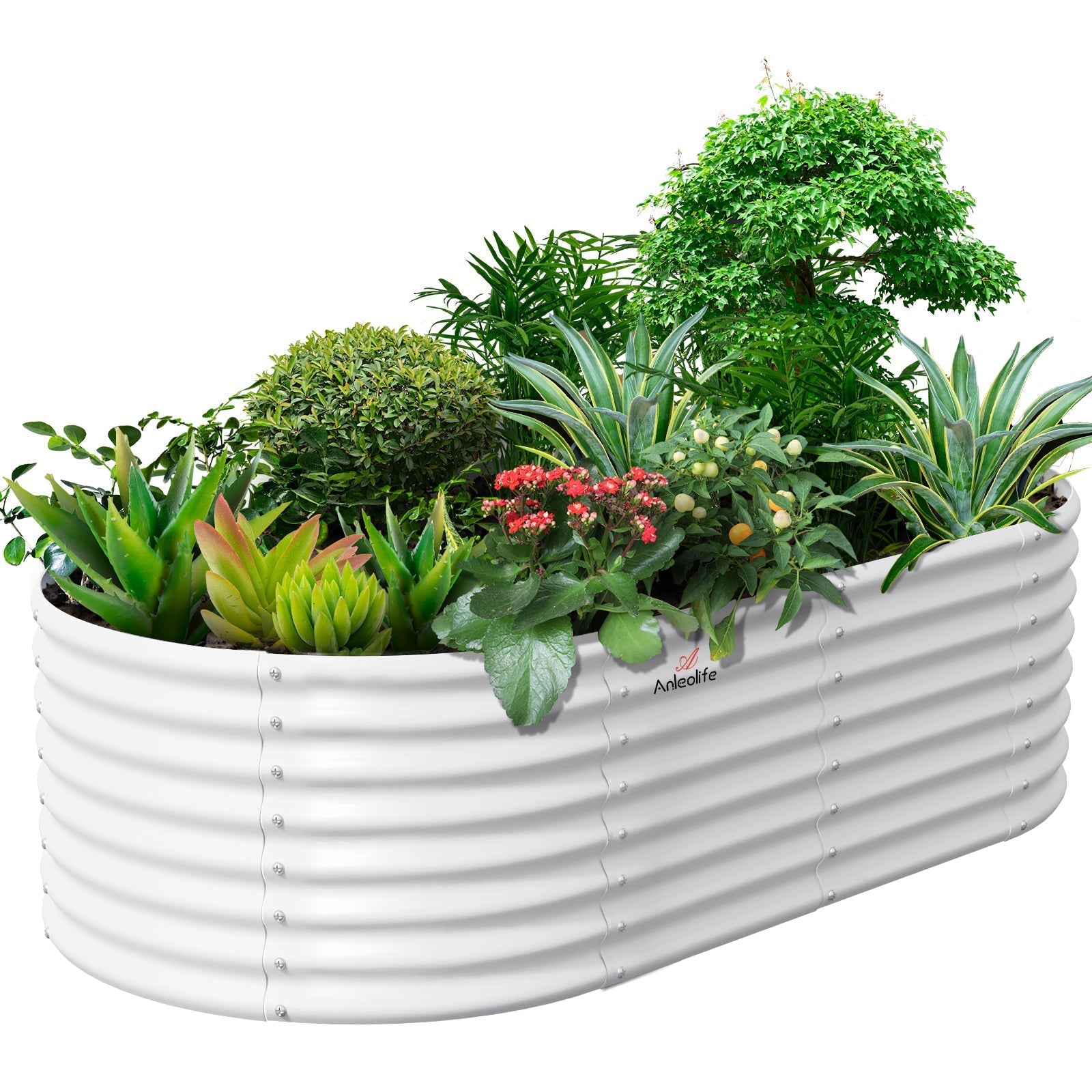
Start with bed depth. Shallow beds (roughly 12 to 18 inches) are well-suited to leafy greens, herbs, radishes, and bush beans. Deeper beds unlock the full range, including carrots, tomatoes, and peppers, which need substantial root space to perform at their best. Anleolife's raised bed lineup spans a wide range of configurations — from standard 18-inch heights to waist-high 35-inch models — so matching a bed's depth to your intended crops is entirely achievable without compromise.
Consider your climate zone. Cool-season crops like kale, lettuce, and radishes can be planted early and again in fall, effectively doubling your use of the raised bed layout in a single year. Warm-season crops like tomatoes, cucumbers, and peppers need the elevated soil temperatures that raised beds naturally deliver, making them ideal for the main growing season.
Match crops to consumption. This is a point we consistently emphasize in our work with home gardeners: grow what your household actually eats. A raised bed overplanted with cucumbers when your family rarely eats them is wasted productive space. Prioritize herbs and greens first if you cook daily; prioritize tomatoes and peppers if you make sauces or preserve food.
A common misconception is that a raised bed needs to be filled with a single crop type for simplicity. In reality, companion planting — mixing tomatoes with basil, or carrots with radishes — dramatically improves pest management, pollination, and overall yield without adding complexity to your raised bed garden layout. Thoughtful plant pairing is one of the highest-return practices in raised bed gardening, and it costs nothing extra.
If you're building your first raised bed or planning to expand an existing setup, the step-by-step guide to planning a multi-bed backyard garden transformation offers a practical framework for scaling your layout over time.
People Also Ask
Q1: How do I plan a raised bed garden layout for maximum vegetable yield?
A productive raised bed garden layout starts with matching crop type to bed depth, then applying companion planting and succession sowing to keep the bed producing continuously. Tall, trellised crops like cucumbers go on the north side of the bed to avoid shading shorter plants. Fast-maturing crops like radishes fill gaps between slower growers. The National Gardening Association recommends planning at minimum 1 square foot per plant for medium-sized vegetables and adjusting spacing based on mature plant size.
Q2: Are raised beds better than in-ground plots for growing vegetables?
Raised beds consistently outperform in-ground plots for vegetable growing in most residential settings. Raised bed soil drains better, warms faster in spring, and is entirely free of the compaction and weed pressure that affects native garden soil. Per research published by the University of Vermont Extension, raised beds can produce significantly higher yields per square foot than conventional row gardening, particularly for root vegetables and leafy greens, because the controlled soil environment eliminates the variables that limit in-ground productivity.
Q3: When is the best time to plant vegetables in a raised bed layout?
Timing depends on your USDA hardiness zone and the crop type. Cool-season vegetables — lettuce, kale, radishes, and peas — can typically be planted 4 to 6 weeks before the last expected frost date. Warm-season crops like tomatoes, cucumbers, and peppers should go in after the last frost, once raised bed soil temperatures have stabilized. Because raised beds warm up faster than in-ground soil, you can often start warm-season crops 1 to 2 weeks earlier than standard planting calendars suggest for your region.
Final Thoughts
Growing vegetables in a raised bed is one of the most rewarding and cost-effective home gardening decisions a household can make — but the results depend heavily on choosing the right plants for your specific raised bed layout and growing conditions.
Key Takeaways:
- Tomatoes, lettuce, kale, and herbs offer the strongest dollar-value return for most households growing in raised beds.
- Matching crop selection to bed depth is the single most important layout decision — shallow beds for greens, deeper beds for root crops and fruiting vegetables.
- Succession planting and companion planting are zero-cost strategies that meaningfully increase total yield from any raised bed planting layout.
- Raised beds naturally warm earlier in spring, giving warm-season crops a genuine head start and extending your overall growing window at both ends of the season.
- A well-constructed raised bed that lasts — Anleolife's galvanized steel raised garden beds carry a 20-year lifespan — pays for itself many times over in reduced grocery spending across seasons.
The next step is simple: assess your available space, identify the two or three vegetables your household uses most, and build your raised bed garden layout around those anchor crops. Once your core layout is productive, expanding with additional beds becomes a natural, manageable progression.
Ready to build a raised bed layout that genuinely performs season after season? Explore the full range of Anleolife's galvanized steel and rust-resistant raised garden beds at the Anleolife website — available in configurations from compact 4x2 formats to expansive 12x3 and 8x4 footprints, with delivery in 3–8 business days through our nationwide warehouse network spanning California, Texas, Florida, New York, Illinois, and Washington. You'll also find Anleolife products on Amazon, Walmart, Home Depot, Lowe's, and Wayfair, so you can shop wherever is most convenient. Whether you're starting your first bed or scaling to a complete planting-and-raising ecosystem, Anleolife grows with you.
Sources & Further Reading
- National Gardening Association. "Vegetable Gardening in Raised Beds."
https://garden.org - U.S. Department of Agriculture. "Home Gardening and Vegetable Crop Resources."
https://www.usda.gov - University of California Agriculture and Natural Resources. "Home Vegetable Gardening Guides."
https://ucanr.edu - University of Vermont Extension. "Raised Bed Gardening."
https://www.uvm.edu - Penn State Extension. "Vegetable Gardening and Soil Management Resources."
https://extension.psu.edu
Note: Standards and research may be updated; please check the latest official documents or consult professional advisors for current guidance.