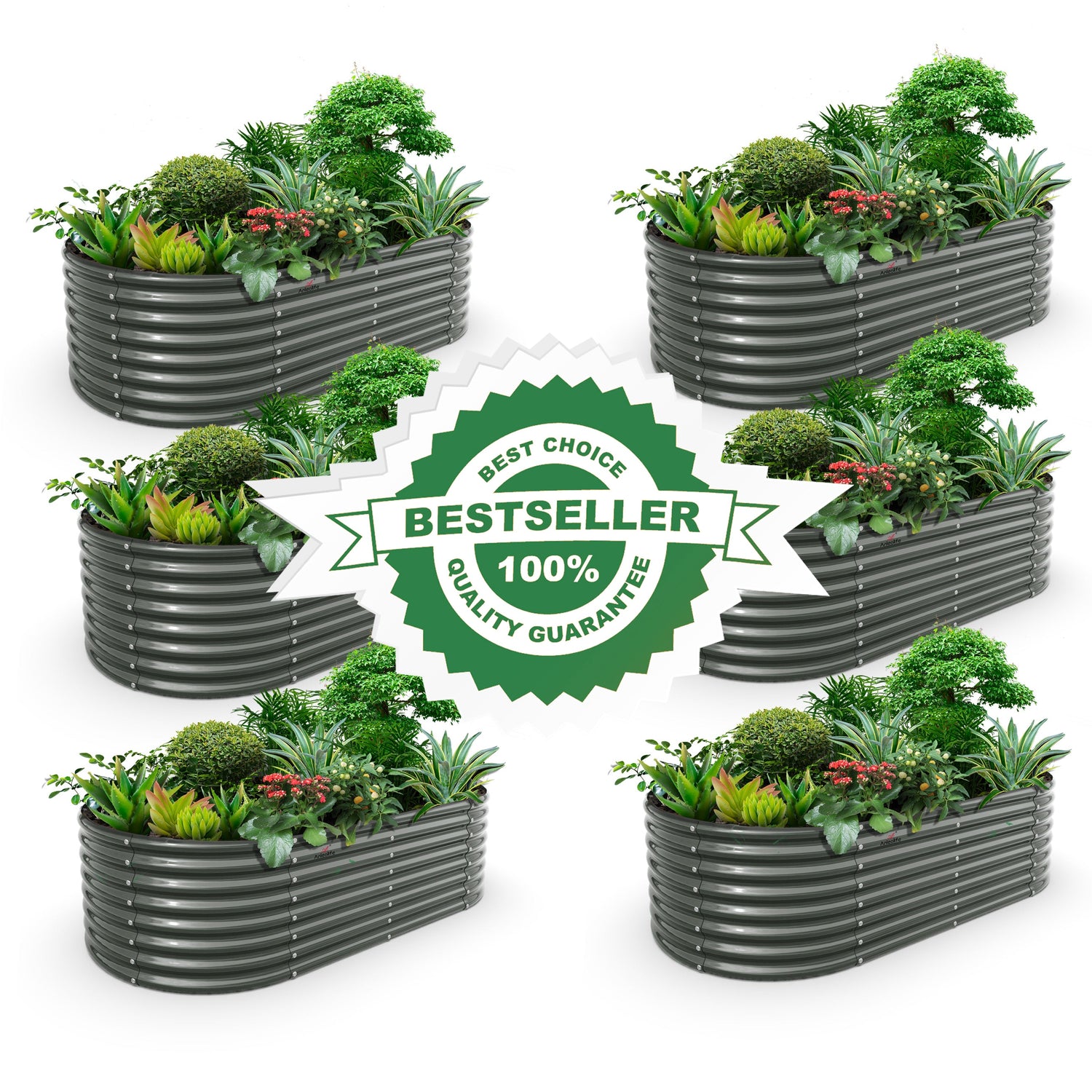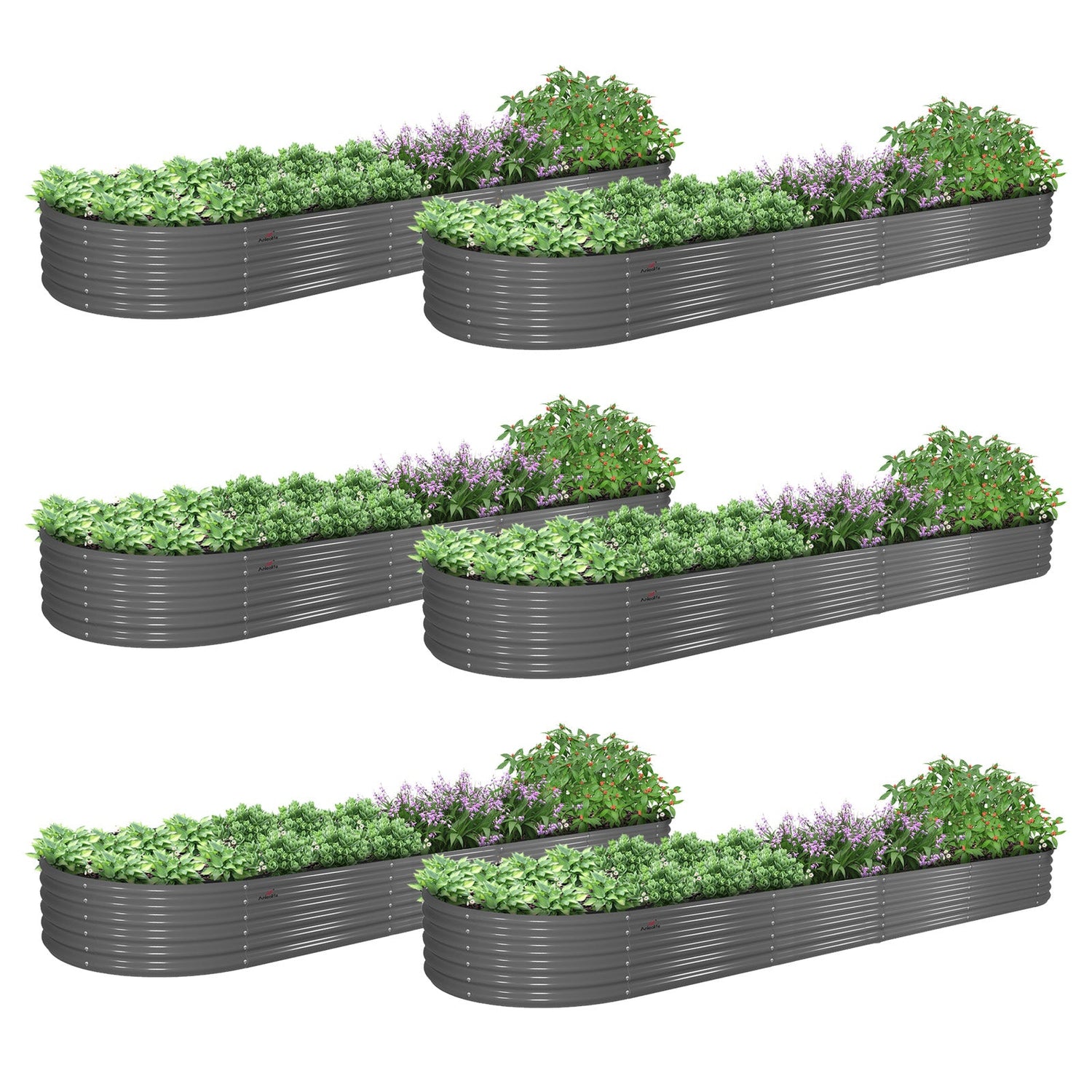



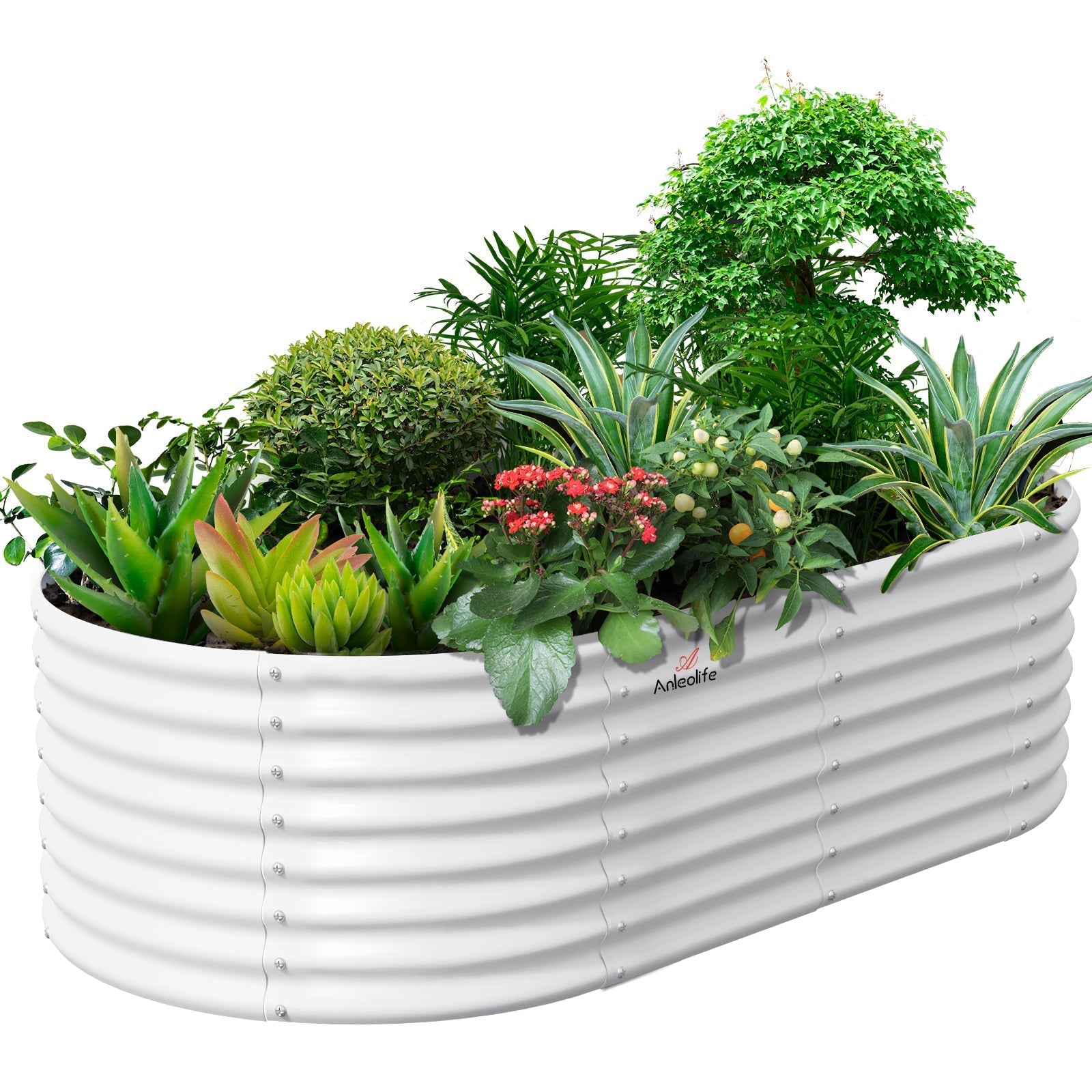
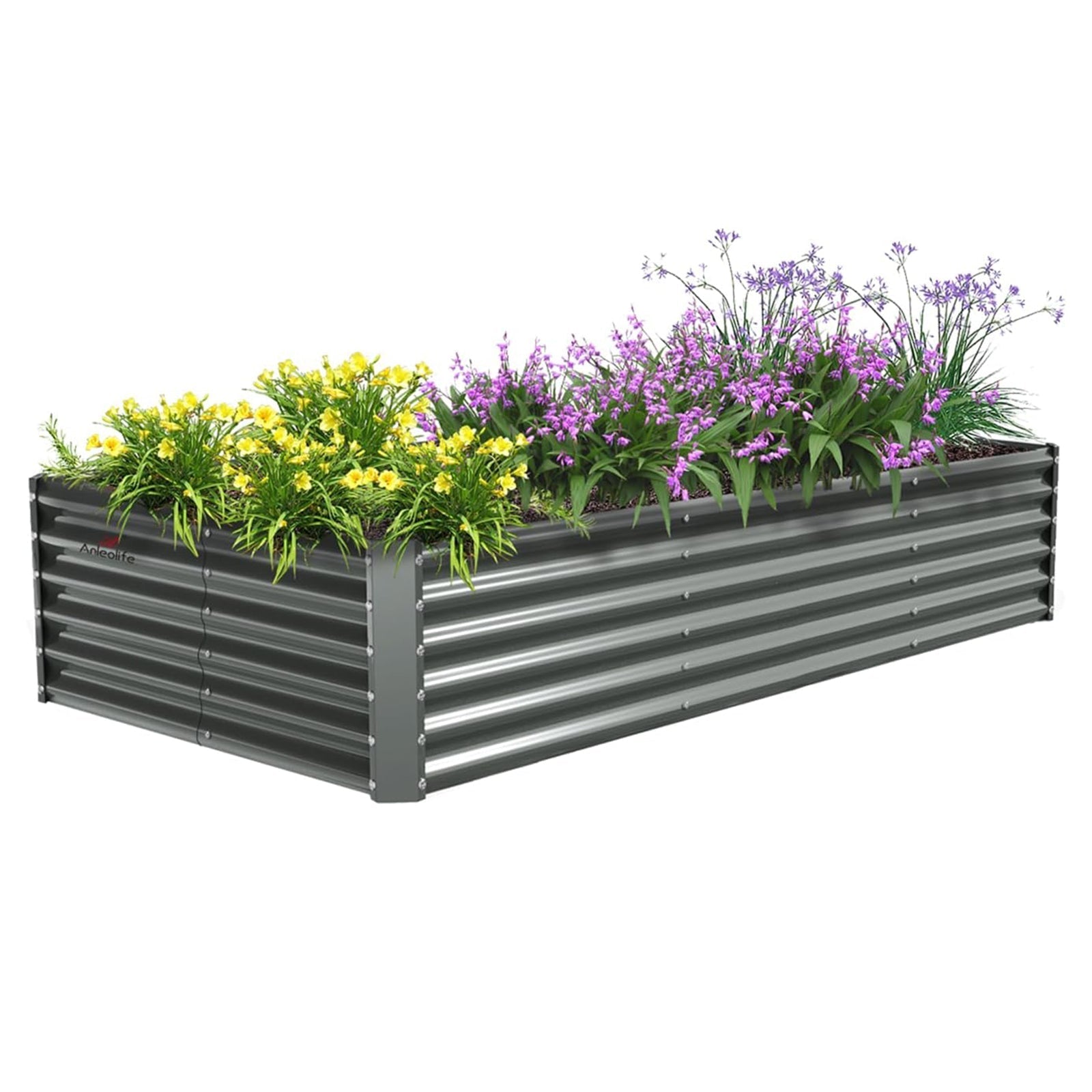
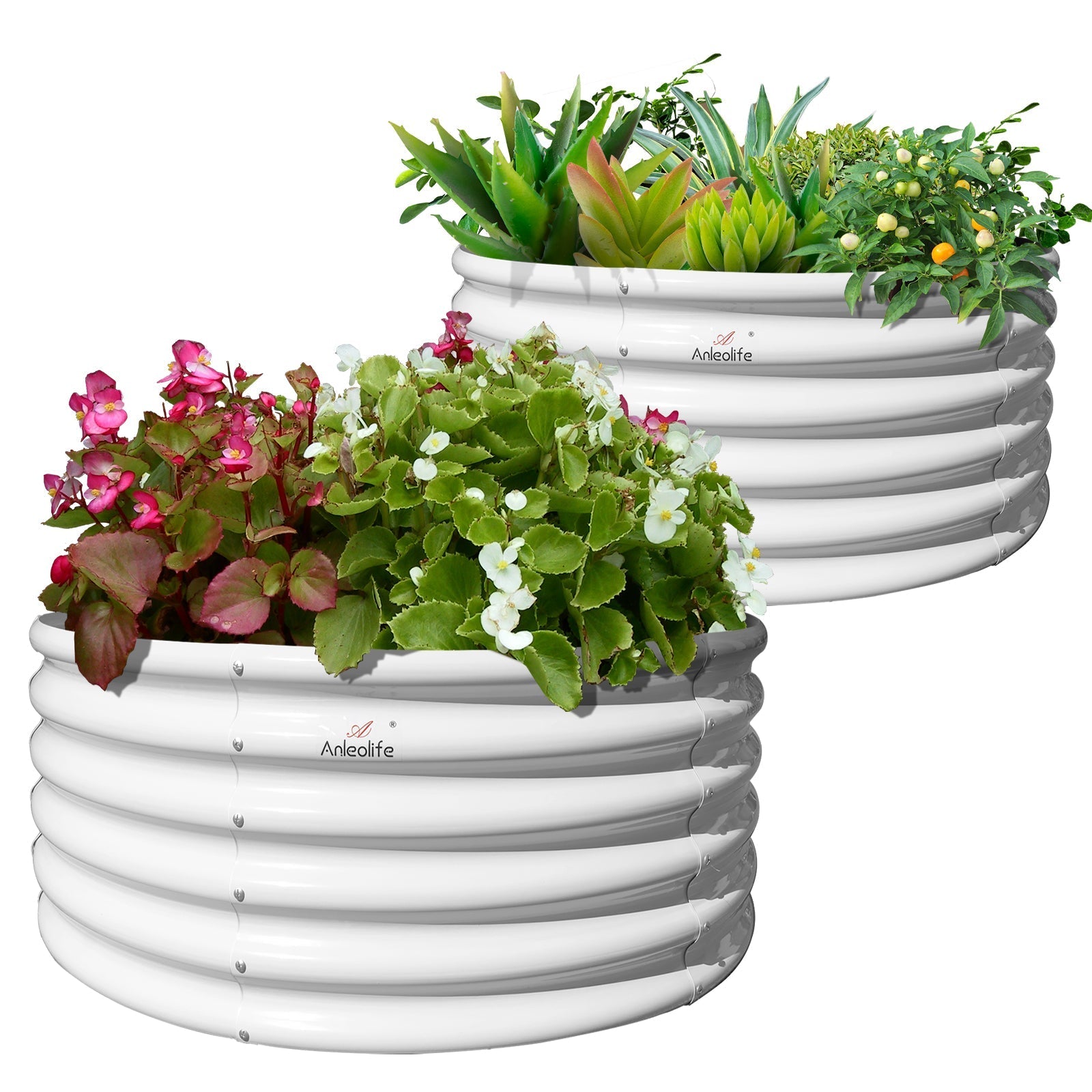
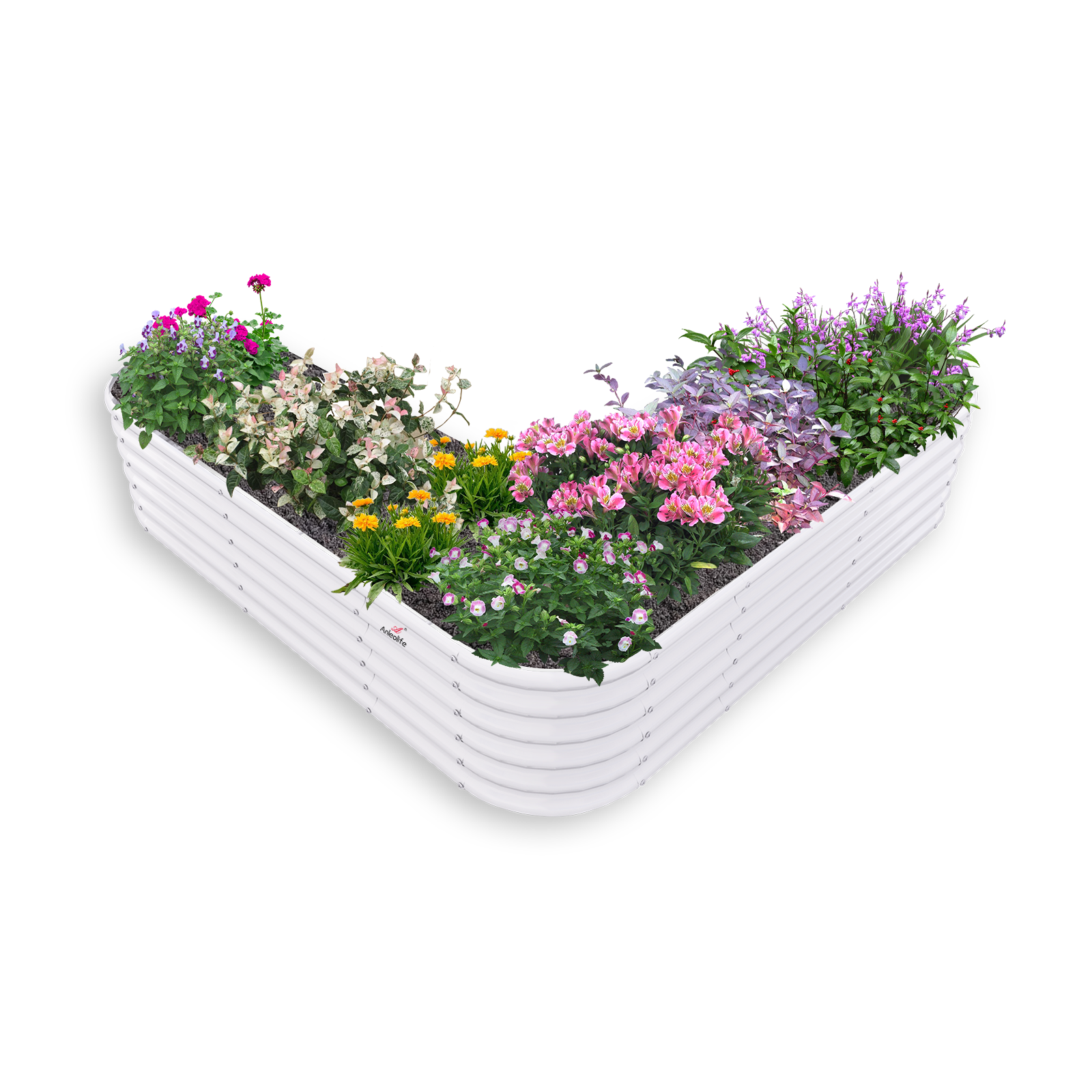
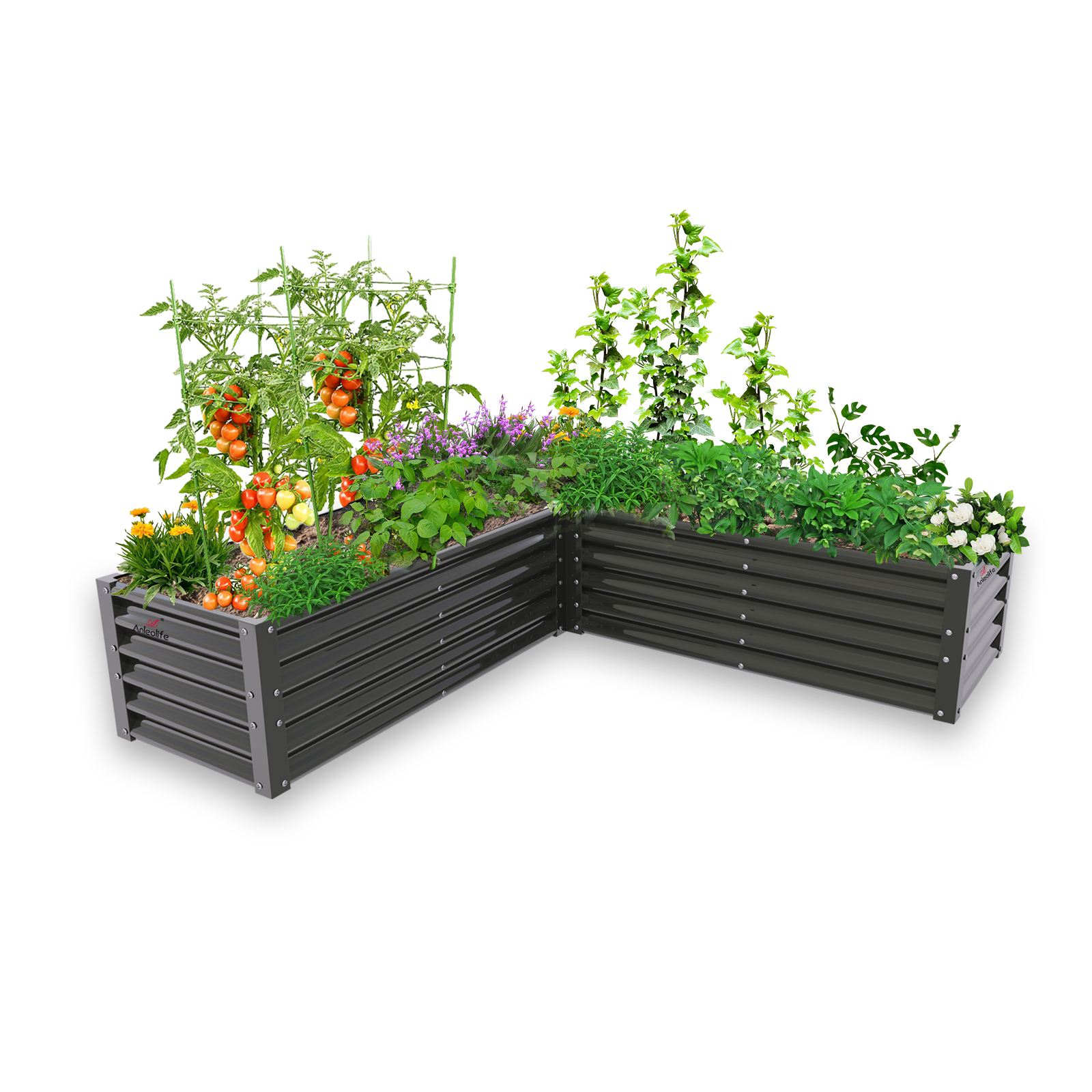
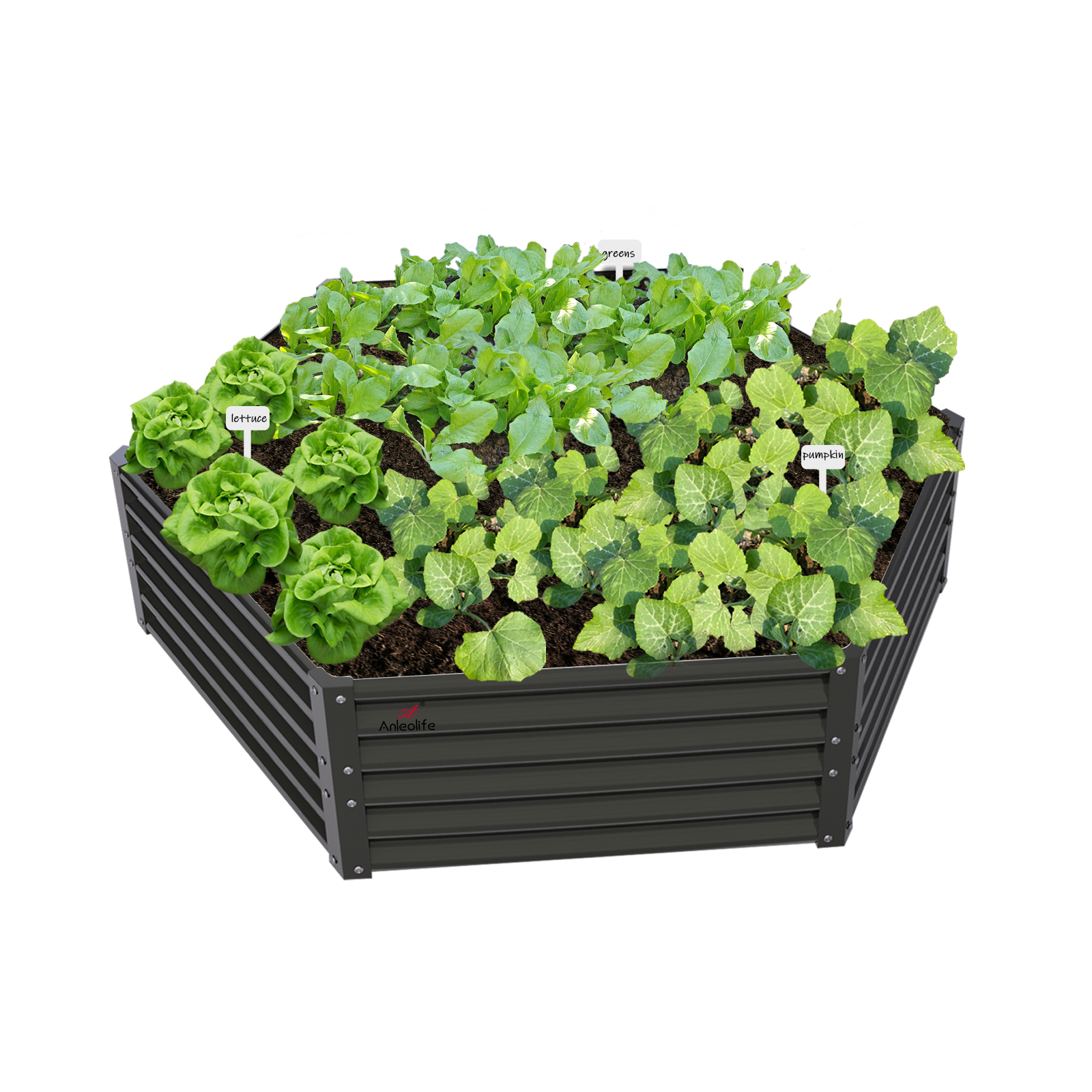
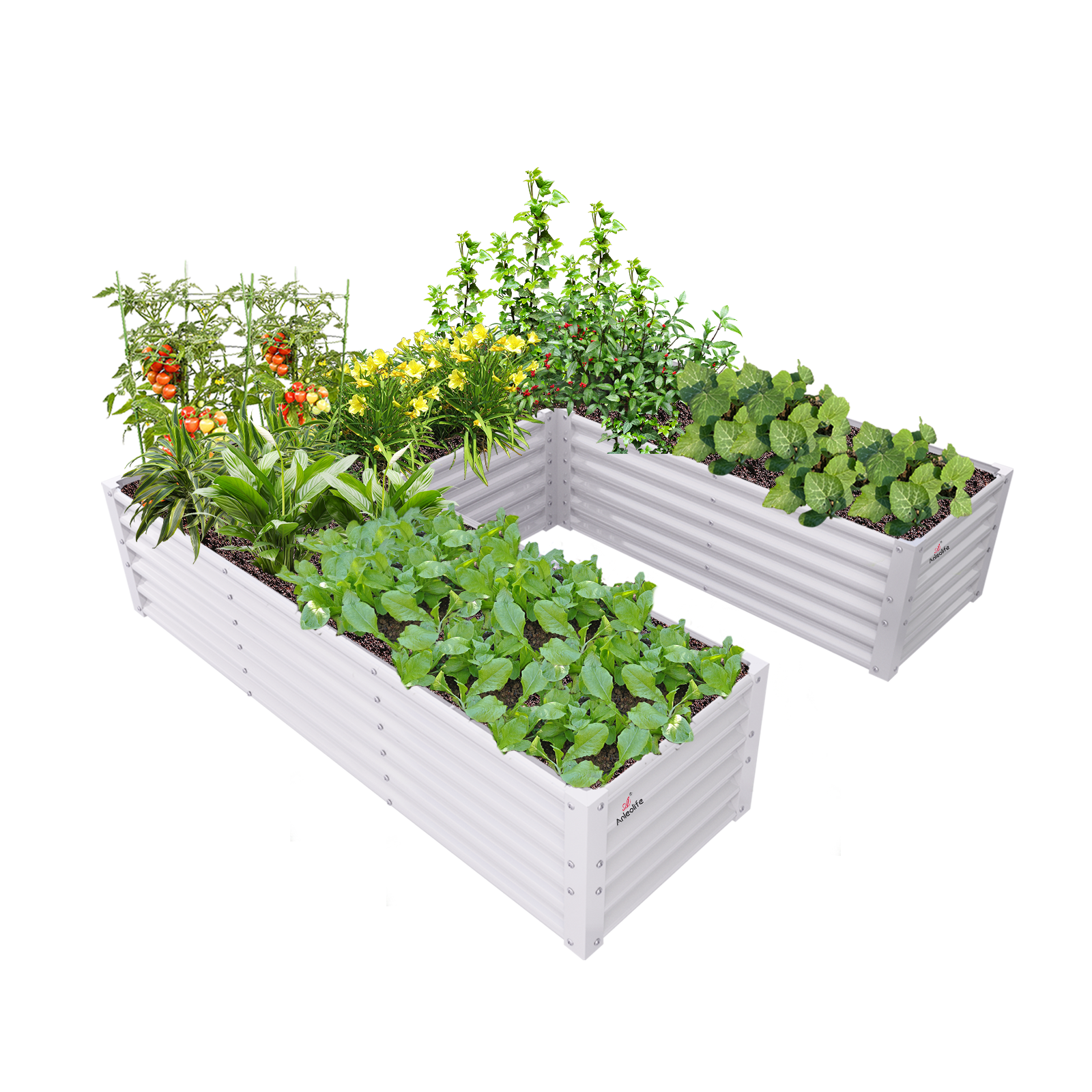

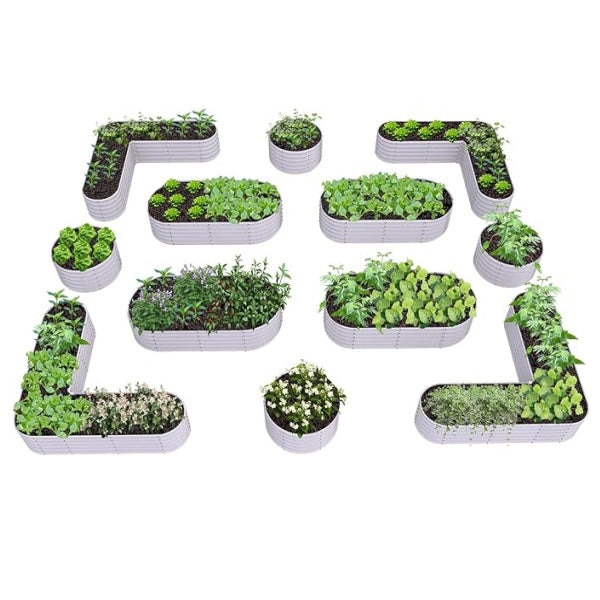

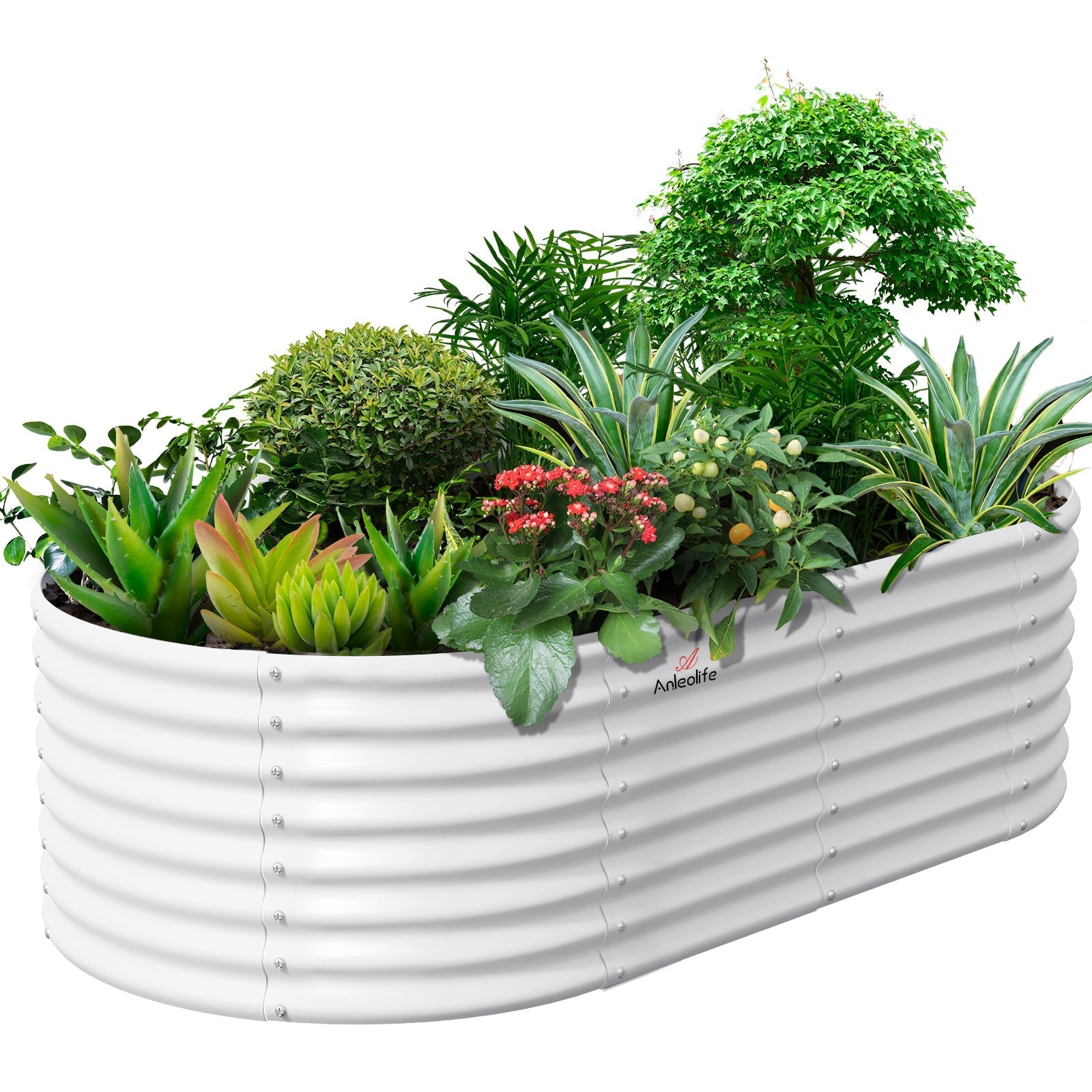


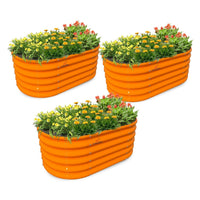
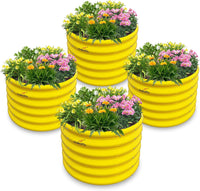
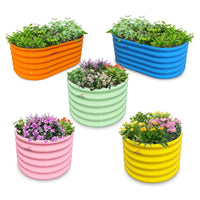
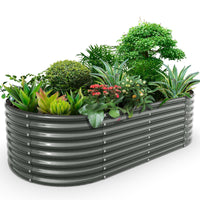



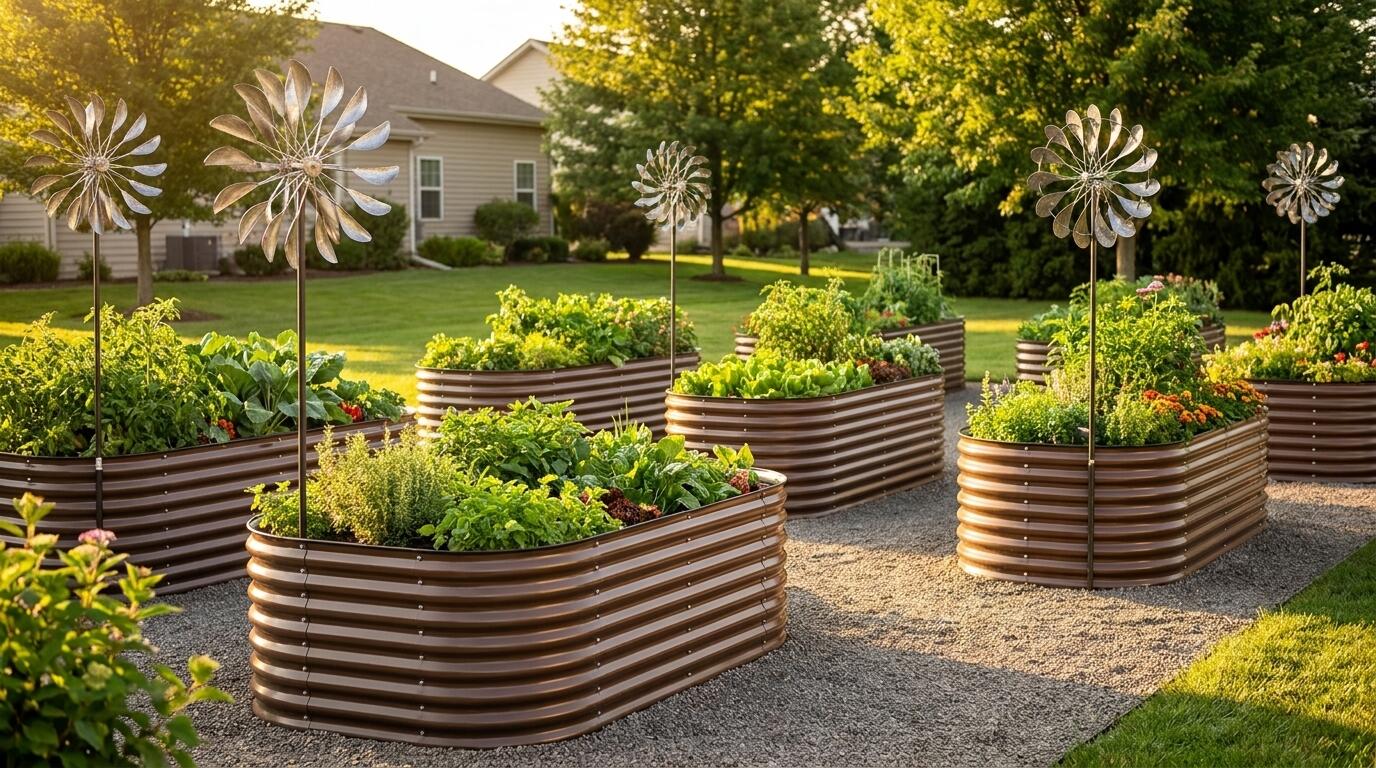
ALT: Kinetic wind spinners paired with galvanized raised garden beds for backyard visual appeal
How a Raised Bed Garden Layout Can Transform Your Backyard Into a Living Work of Art
What if your vegetable patch and your garden décor could work together so seamlessly that the whole backyard feels intentional, polished, and alive? The answer lies in combining a thoughtful raised bed garden layout with kinetic wind spinners — moving garden sculptures that catch light and breeze — to create a space that is as beautiful as it is productive.
In our work with clients across North America, a pattern we consistently see is that home growers invest carefully in their planting setup but treat visual accessories as an afterthought. The result is a yard that feels utilitarian rather than welcoming. By planning the raised bed layout and the decorative elements together from the very start, you achieve cohesion rather than clutter. A well-executed raised bed planting layout becomes the structural backbone of the yard, and wind spinners become the animated accent pieces that breathe movement and personality into those clean geometric lines. This article walks you through exactly how to do that — from selecting the right bed configurations to placing spinners for maximum visual and spatial impact, all while avoiding the most common design pitfalls practitioners see season after season.
Who This Guide Is For — and When It Applies
Applicable Scenarios:
- Homeowners with an established or newly planned raised bed layout who want to elevate backyard aesthetics this season
- Urban micro-gardeners working with compact yards who need every visual element to pull double duty — functional and beautiful
- Empty nesters and retirees redesigning their outdoor space for low-maintenance beauty alongside continued kitchen gardening
- Families who want the backyard to feel like a curated outdoor living room, not just a growing patch
Not Applicable/Cautions:
- Renters or temporary residents who cannot make permanent or semi-permanent structural changes to outdoor spaces, as raised beds and anchored spinner stakes require stable installation
- Very exposed coastal sites with sustained high winds, where kinetic spinners may spin destructively and require specialized anchoring or seasonal removal — consult your local wind-load guidance before committing to a spinner style
Why Movement and Structure Belong Together in the Modern Garden
For decades, the dominant conversation in backyard gardening has focused almost entirely on productivity — how many square feet you are growing, how deep your soil system goes, how many harvests you can squeeze from a single season. That conversation is still important, but it is increasingly incomplete. According to research on restorative environments published by the American Horticultural Therapy Association, gardens that engage multiple senses — including motion and sound — produce measurably stronger psychological benefits than purely utilitarian growing spaces.
Kinetic wind spinners are sculptures engineered to rotate or oscillate in the wind, reflecting light and creating rhythmic motion. When these are placed in deliberate relationship with the structured geometry of raised beds, they transform a working garden into what landscape designers call a "layered sensory environment." The raised beds provide the static architecture — height, volume, edge definition — while the spinners supply movement, shimmer, and seasonal dynamism.
The challenge, and what this guide addresses, is that poor placement of either element undermines both. A spinner positioned too close to a tall bed disappears visually behind the walls; a spinner planted in the dead center of a planting zone disrupts the very raised bed gardening access paths you need to tend your crops. Getting the spatial relationship right is the entire game.
Current trends in North American residential garden design reflect a clear move toward what practitioners call the "productive-beautiful" paradigm — spaces where food growing and aesthetic intention coexist without compromise. Galvanized steel beds with clean profile lines, in particular, pair exceptionally well with metallic wind spinners because both materials share a similar industrial-meets-natural visual language. For a deeper grounding in bed construction principles before layering in décor, a beginner's roadmap to planning, building, and planting your first raised bed covers the foundational decisions you will want to have settled first.
Designing the Layout: A Three-Step Process for Pairing Beds and Spinners
Three-Step Quick Start
Step 1: Map Your Raised Bed Layout as the Structural Grid
Before a single spinner stake goes into the ground, finalize the arrangement of your raised beds. Draw the beds to scale on paper or a digital planner, noting dimensions, access path widths (a minimum of 18 inches is the commonly recommended clearance for comfortable kneeling access), and the primary sightlines from your home's windows, patio, or seating area. The raised bed layout is your fixed skeleton; everything decorative responds to it rather than competing with it. Allow 30 to 60 minutes for a simple two-to-four bed arrangement.
Step 2: Identify Spinner Zones — the Corners, Gaps, and Focal Points
With the bed footprints mapped, look for three types of spinner-placement opportunities: corner anchor points (the end of a long bed row where a tall spinner creates a visual exclamation mark), pathway gap nodes (the intersection of two access paths, which is naturally a resting-eye spot), and background depth positions (along a fence line set back from the beds, where spinners at varying heights create a layered visual horizon). Mark these zones in a different color on your plan. This step takes roughly 20 to 30 minutes and is the creative heart of the whole process.
Step 3: Test Heights and Scale Before Committing
A spinner that looks proportionate in an online photo may be dwarfed by a 30-inch extra-tall raised bed or overwhelmed by a 12-foot bed run. Before purchasing, use garden stakes or bamboo canes cut to the approximate spinner heights and place them at your marked zones. Walk the space from every primary viewpoint — the kitchen window, the back door, the patio chair position — and assess scale. Adjust placement and heights based on what you see at eye level in context, not in isolation. Spending 15 to 20 minutes on this physical mock-up saves significant regret later.
Comparing Raised Bed Layout Configurations and Their Spinner Pairing Potential
Different raised bed arrangements create very different visual and spatial dynamics, which in turn dictate which spinner placement strategies work best. The table below outlines three common layout configurations and how spinner pairing logic shifts for each.
| Comparison Dimension | Single Long Bed (e.g., 12x3 ft) | Grid Cluster (multiple 4x4 or 8x4 beds) | Linear Corridor (two parallel rows with a central path) |
|---|---|---|---|
| Primary visual shape | Horizontal, linear | Blocky, symmetrical | Bilateral, framing |
| Best spinner placement zone | End-cap focal points; one tall spinner at each short end | Corner anchors and center-path intersections between beds | Along the path at mid-point; frame entrances at corridor ends |
| Spinner height recommendation | Tall spinners (above bed wall height) at ends; medium accents at midpoint | Mix of heights to break the uniform grid | Consistent medium height along corridor; tall at entry/exit |
| Risk to avoid | Spinners placed along the long side obscure access and look cluttered | Over-populating the grid with too many spinners creates visual noise | Mismatched heights inside the corridor interrupt the framing effect |
| Compatible Anleolife bed examples | 18-inch tall 12x3 ft galvanized or rust-resistant models | 18-inch tall 8x4 ft or 4x4 ft configurations | 24-inch extra tall 8x4 ft beds on each side create strong visual walls |
The Visual Mechanics of Height, Material, and Seasonal Staging
Understanding Height Relationships Between Beds and Spinners
The single most important spatial rule in pairing spinners with a raised bed layout is the height relationship: a spinner's visual center — roughly the midpoint of its spinning element — should sit clearly above the top edge of the nearest bed wall. When the spinner's moving parts occupy the same visual plane as the bed wall, the eye reads them as competing elements rather than a composed scene. Anleolife's raised garden beds range from a standard 18-inch tall profile up to extra-tall 30-inch and 35-inch waist-high configurations, so the spinner height calculation genuinely varies depending on which bed you choose. A spinner that reads beautifully next to an 18-inch bed may feel undersized beside a 30-inch waist-high model.
Choosing Materials That Speak the Same Visual Language
Kinetic wind spinners come in a range of materials — painted steel, copper-finished aluminum, stainless steel, and multicolor glass or acrylic. In our experience, metallic-finish spinners (copper, brushed silver, or oil-rubbed bronze) create the most harmonious pairing with galvanized or rust-resistant metal raised beds because they echo the same tonal family. The reflective quality of galvanized steel beds, which catch low morning or afternoon sun, is amplified rather than contradicted by a nearby metallic spinner catching the same light. Colorful painted or acrylic spinners can work beautifully too, but they call for more deliberate coordination with the colors of your planted crops and surrounding hardscape so the palette does not fragment.
Anleolife's galvanized steel raised garden beds — built for a lifespan of up to 20 years — provide the kind of long-term structural permanence that justifies investing in quality spinner pieces as well, rather than treating them as disposable seasonal novelties. When both elements are built to last, the design feels intentional rather than improvised. For context on what makes metal beds genuinely durable over that kind of timespan, the article on what makes a raised garden bed durable enough to last a decade is a useful companion read.
Seasonal Staging: Thinking Beyond the Peak Growing Season
One of the most underutilized aspects of the beds-plus-spinners pairing is its off-season potential. In late fall and winter, when raised beds are empty or covered, kinetic spinners become the primary visual element that keeps the backyard engaging. This means spinner placement decisions should account for the view from inside the home during colder months — not just the view from the patio in July. Position at least one or two spinners along the sightline from your most-used indoor window, so the garden continues to feel alive and dynamic even when planting has paused.
Pathway Design as a Unifying Element
The access paths between raised beds are not neutral dead space — they are lines of movement that the eye follows, and they deserve as much design attention as the beds themselves. A consistent path material (gravel, pavers, bark mulch, or stepping stones) that runs between and around beds creates a visual frame that makes spinner placement feel deliberate. Without that frame, spinners can appear randomly scattered. Anleolife's beautification category — which includes pathway systems alongside decorative accessories — addresses exactly this connective tissue of garden design, and combining pathway products with raised beds and spinners produces the layered, composed aesthetic that characterizes well-planned outdoor spaces.
Avoiding the Most Common Placement Mistakes
Practitioners consistently observe several recurring errors when gardeners first attempt this pairing. Placing spinners in the planting zone itself is the most disruptive — not only does it reduce planting area and complicate watering, but stakes can damage root systems as they shift. Overcrowding is equally problematic: a grid of four raised beds with eight spinners scattered around it reads as chaotic rather than curated. The rule of restraint applies — generally, one to two spinner focal points per two to three beds is the upper limit before the composition tips from dynamic into cluttered. Finally, ignoring wind direction is a surprisingly common oversight: a spinner positioned in the wind shadow of a tall fence or a dense hedge will rarely spin at all, making it a static object that undermines the kinetic premise entirely. Check prevailing wind direction for your property and place spinners in positions that consistently receive airflow.
Advanced Considerations: Scaling Up, Special Situations, and What Most Guides Miss
Scaling the Design for Larger Properties
When a raised bed planting layout spans a large area — a dedicated kitchen garden section, an orchard surround, or a full backyard perimeter of beds — the spinner strategy shifts from accent placement to zonal choreography. Rather than individual focal points, think in terms of visual anchors at the entry to each zone and a consistent height rhythm running through the space. According to the American Society of Landscape Architects, repeating a design element at regular intervals creates rhythm, one of the fundamental principles of landscape composition. Applying this principle, a row of three spinners at graduated heights along the back fence of a large kitchen garden creates a backdrop that gives the entire planting area a sense of intentional depth.
Misconception: Spinners Are Only Decorative
A persistent misconception is that kinetic wind spinners serve a purely aesthetic function. In practice, experienced kitchen gardeners note that reflective spinning elements can serve as mild visual deterrents for birds and small mammals that treat raised beds as a dining destination — a benefit worth noting even if it is secondary to the design intent. This does not replace proper netting or covers when crops need robust protection, but it adds a passive layer of utility that aligns well with the practical-meets-beautiful philosophy that defines productive residential gardening.
Misconception: Taller Beds Always Need Taller Spinners
Height matching is more nuanced than a simple proportional rule. An extra-tall 30-inch bed that is densely planted with tall crops — climbing beans, staked tomatoes, tall sunflowers — effectively raises the visual height of the bed well above the steel wall. In these cases, the spinner needs to be substantially taller than the bed wall alone would suggest, accounting for the crop height at maturity rather than just the steel profile. Plan spinner heights based on the garden in full summer growth, not the empty beds you see when installing in early spring.
Integrating Raised Beds Into a Broader Garden Beautification System
The beds-and-spinners pairing reaches its full potential when embedded in a broader design system that includes complementary elements: matching pathway materials, consistent planting color palettes, cohesive container choices, and structural elements like trellises or arches that echo the geometry of the beds. The soil system inside each bed also plays a visual role at planting time — a well-amended, richly dark soil surface looks intentional and cared for in a way that poor or patchy soil does not. For guidance on optimizing the growing medium inside each bed, best soil composition for thriving organic vegetable raised beds this growing season provides a detailed framework.
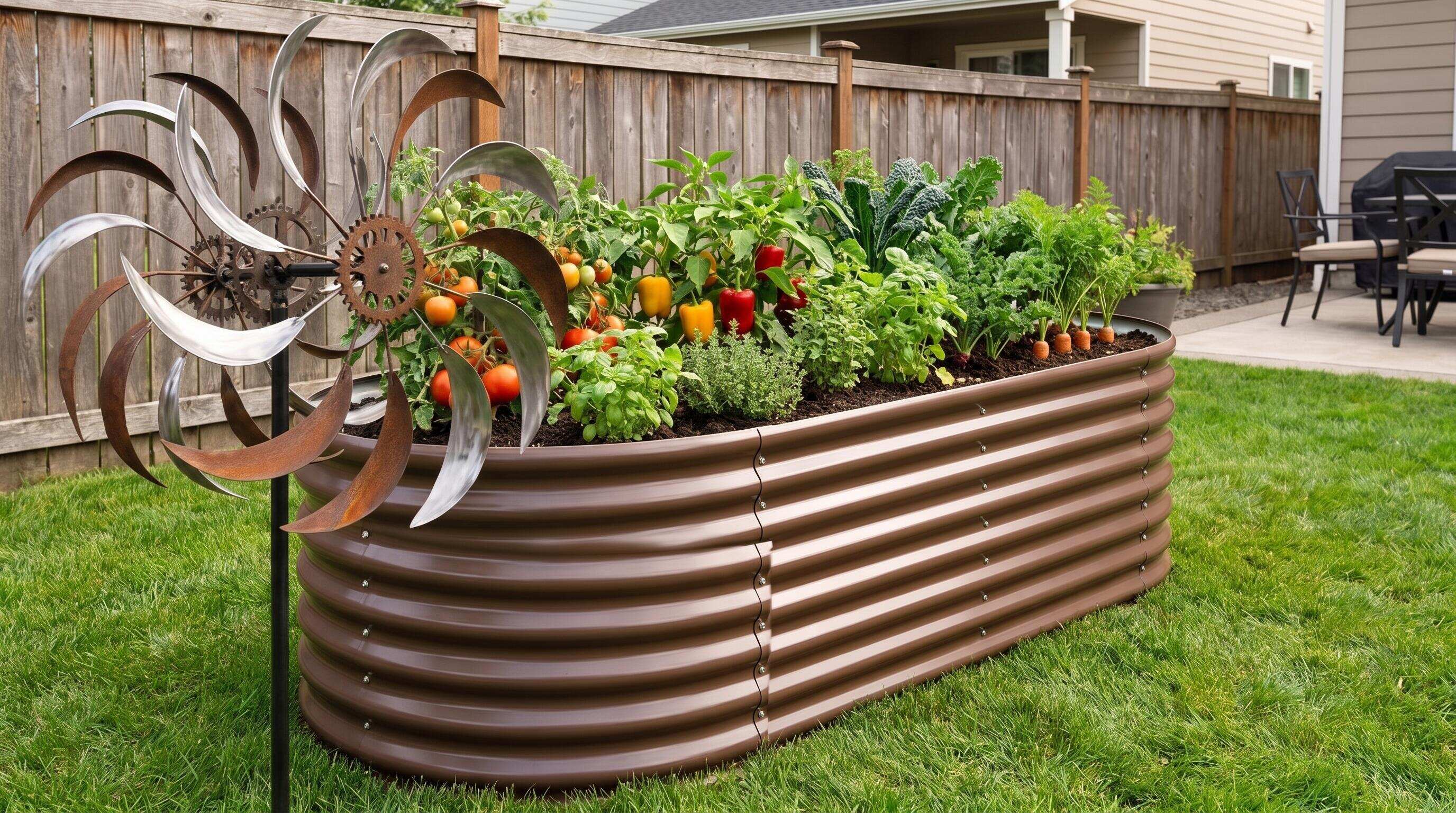
ALT: Galvanized steel raised garden beds paired with metallic kinetic wind spinners in a layered backyard planting layout
Frequently Asked Questions FAQ
Q1: How do I determine the right number of wind spinners for my raised bed layout?
The general guideline practitioners recommend is one to two spinner focal points for every two to three raised beds. Smaller, tighter layouts — such as a single 8x4 ft bed — typically suit one well-placed spinner at a corner or end-cap position. Larger grid clusters of four or more beds can support two or three spinners without crowding, provided they are placed at visual anchor points (entries, intersections, or the far end of a sightline) rather than scattered evenly across the space. Less is reliably more in this design equation.
Q2: Are metallic raised garden beds safe to place near kinetic metallic spinners in terms of rust or corrosion?
Yes, when you choose quality galvanized or rust-resistant beds. Galvanized steel raised garden beds from Anleolife are engineered with a corrosion-resistant coating designed to support a 20-year lifespan, even in humid or variable climates. Proximity to a metallic spinner does not create any galvanic or corrosive interaction in open-air garden conditions. The greater risk factor is poor-quality beds without adequate coating, not the presence of nearby metallic décor. Choosing beds and spinners with comparable quality standards protects the long-term integrity of both investments.
Q3: What is the best time of year to plan and install this bed-and-spinner combination?
Late winter to early spring is the optimal planning window, before the growing season creates urgency around planting decisions. Finalizing the raised bed layout, sourcing spinner pieces, and completing physical mock-ups of height and placement is far easier before beds are planted. Anleolife's nationwide U.S. warehouse network ensures delivery within 3–8 business days, so ordering beds and accessories in early spring gives you adequate lead time to install and style the space before the primary growing season peaks. That said, the design process itself can begin any time of year — fall planning for a spring installation is a consistently popular approach among experienced home gardeners.
Final Thoughts
Pairing kinetic wind spinners with a well-designed raised bed garden layout is one of the most accessible and high-impact upgrades a home gardener can make this season. Three points anchor the entire approach.
First, structure comes before decoration: finalize your raised bed planting layout — including access paths, bed heights, and primary sightlines — before determining where spinners go. The beds are the architecture; the spinners respond to that architecture.
Second, height relationships are the controlling variable: the spinner's visual center must clear the top of the nearest bed wall (and the mature crop height above it) to read as a composed element rather than a hidden or competing one.
Third, restraint produces better results than abundance: fewer, well-placed spinners at genuine visual anchor points outperform a generously scattered collection every time.
The practical next step is to sketch or digitally map your current or planned raised bed layout, mark the three types of spinner zones (corner anchors, pathway nodes, and background depth positions), and do a physical mock-up with garden stakes before committing to a spinner purchase. That 30-minute investment in spatial testing consistently separates composed, magazine-worthy backyard gardens from well-intentioned but visually fragmented ones.
Ready to build the structural foundation for a backyard that is as beautiful as it is productive? Explore the full range of Anleolife galvanized steel and rust-resistant raised garden beds at the Anleolife website, or find them on Amazon, Walmart, Home Depot, Lowe's, and Wayfair. With Anleolife's nationwide warehouse network spanning California, Texas, Florida, New York, Illinois, and Washington, your order arrives in 3–8 business days — so the garden you are planning today can be growing by next week. From your first raised bed to a full planting-and-beautification ecosystem, Anleolife grows with you every step of the way.
Sources & Further Reading
- Gardeners Supply Company. "Pre-Planned Gardens."
https://www.gardeners.com/pages/kitchen-garden-planner-preplanned-gardens - Savvy Gardening. "4x8 Raised Bed Vegetable Garden Layout Ideas."
https://savvygardening.com/4x8-raised-bed-vegetable-garden-layout/ - American Society of Landscape Architects — principles of landscape design and rhythm in garden composition.
https://www.asla.org - American Horticultural Therapy Association — research on restorative garden environments and sensory engagement.
https://www.ahta.org
Note: Standards and best practices in garden design may evolve; consult the latest guidance from relevant professional organizations or qualified landscape advisors for site-specific decisions.