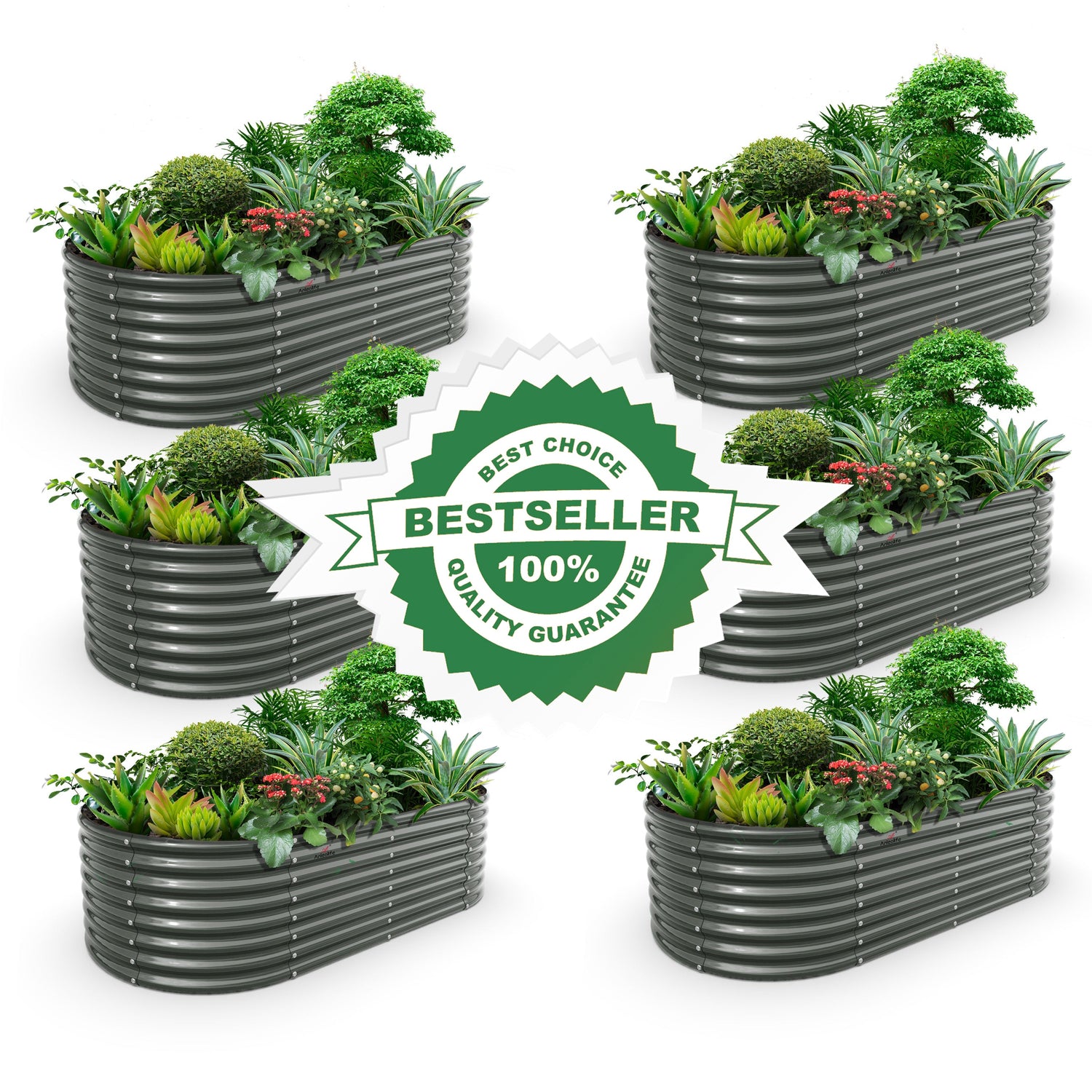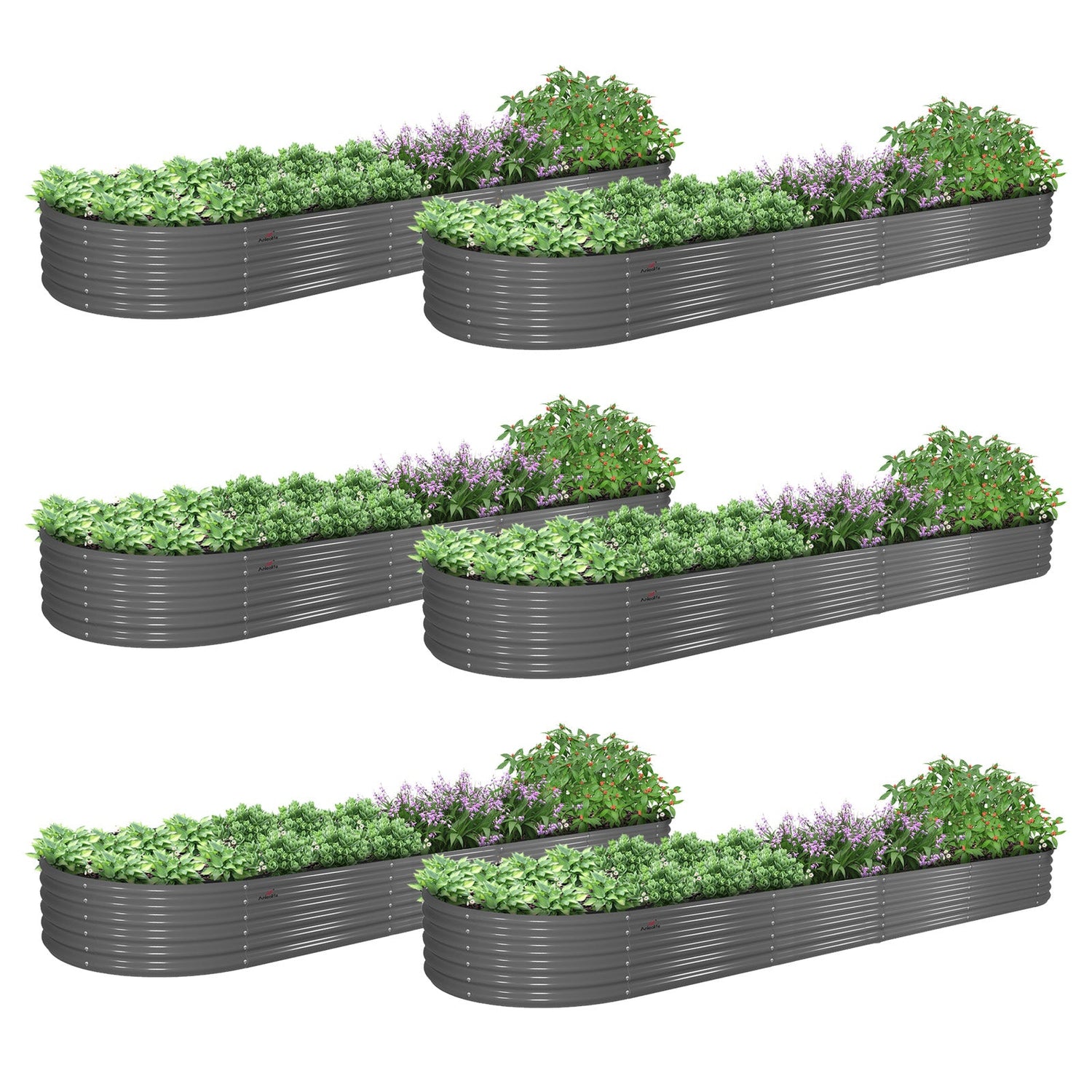



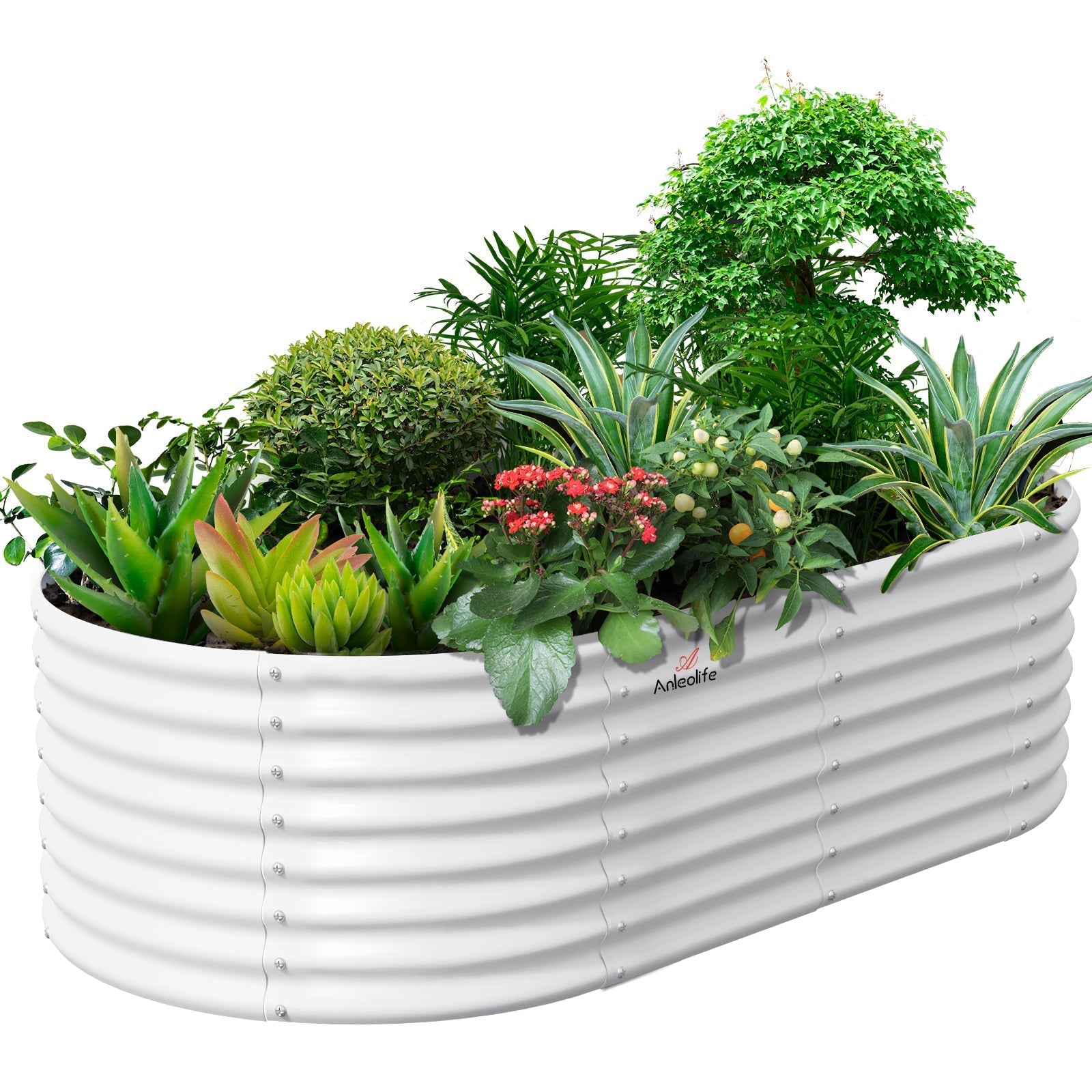
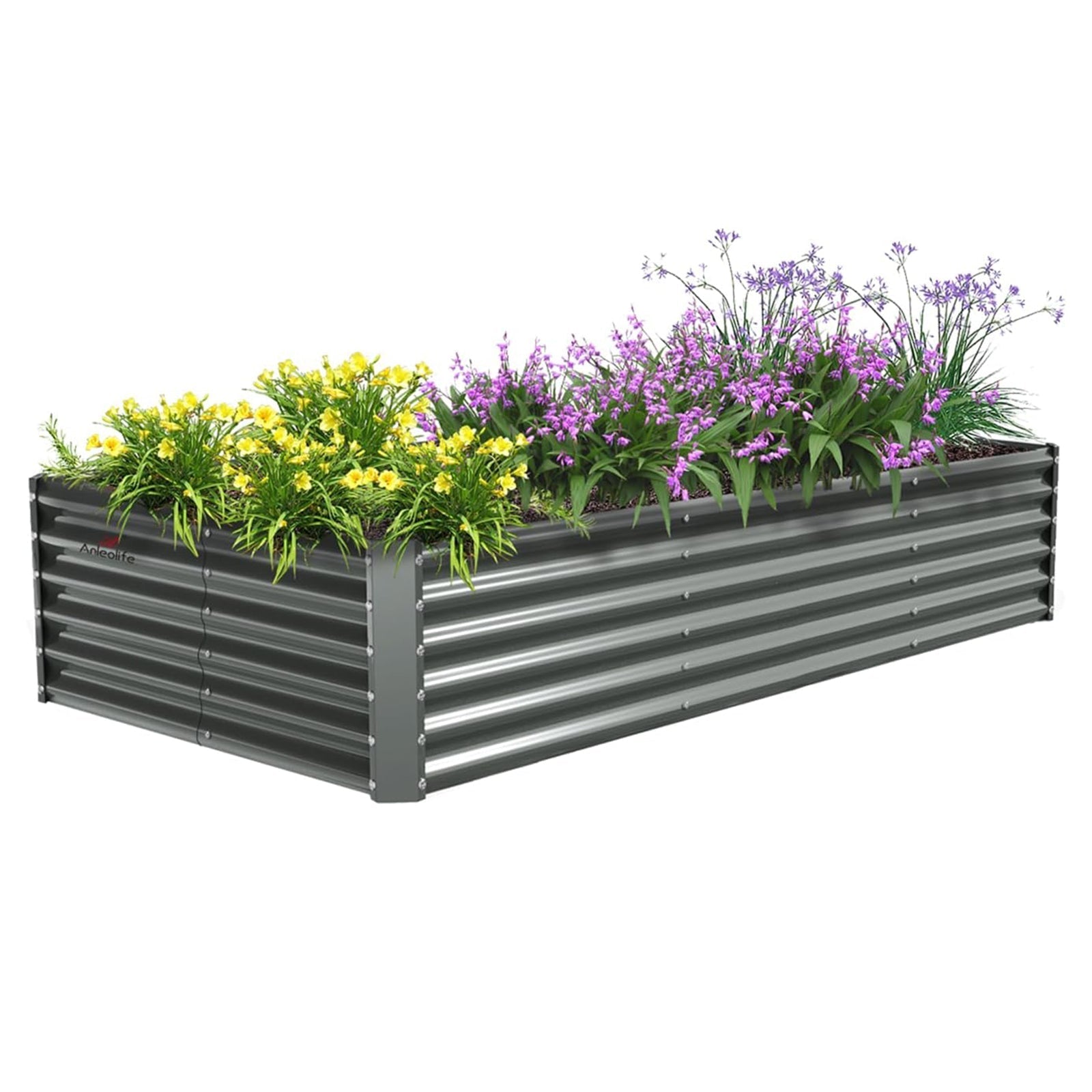

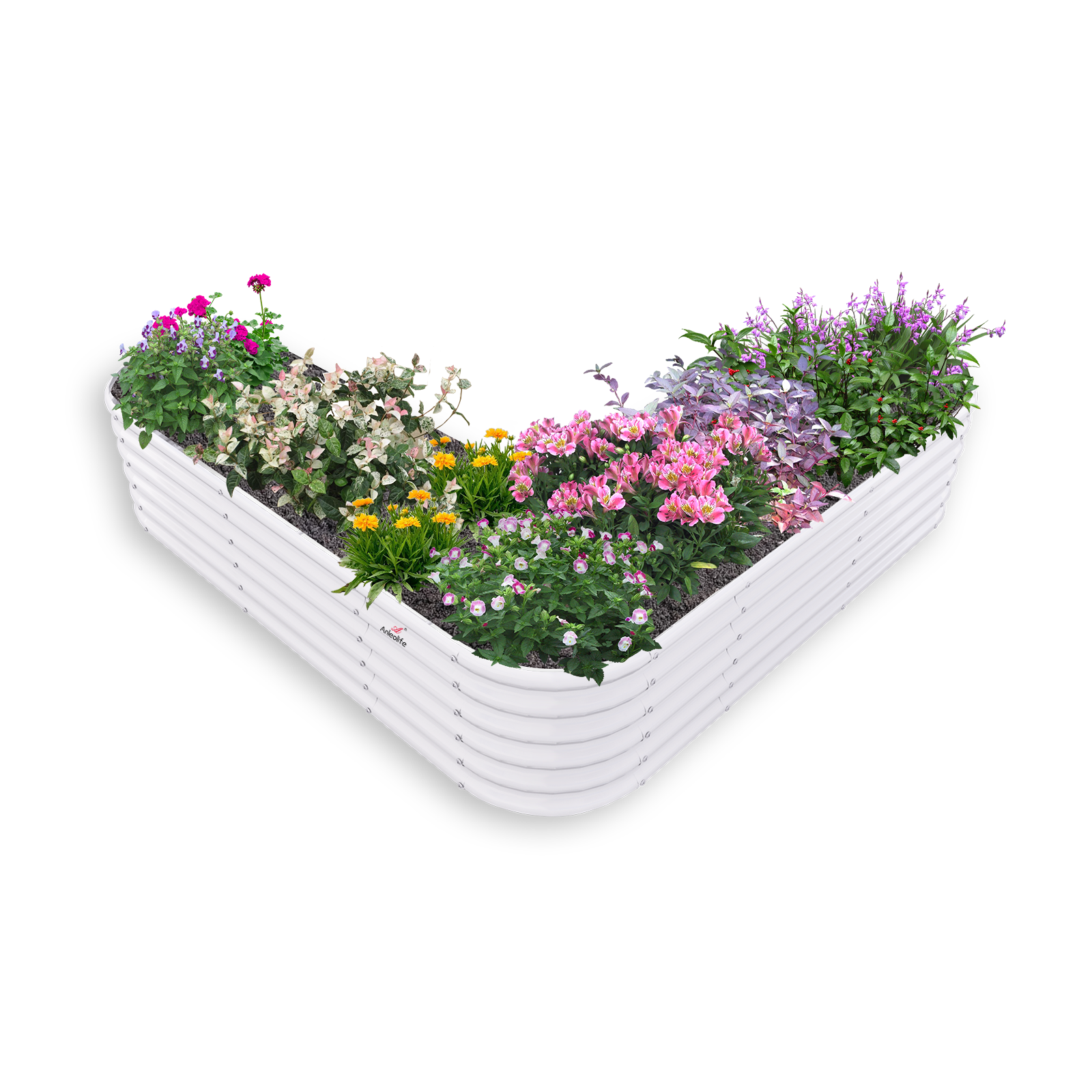
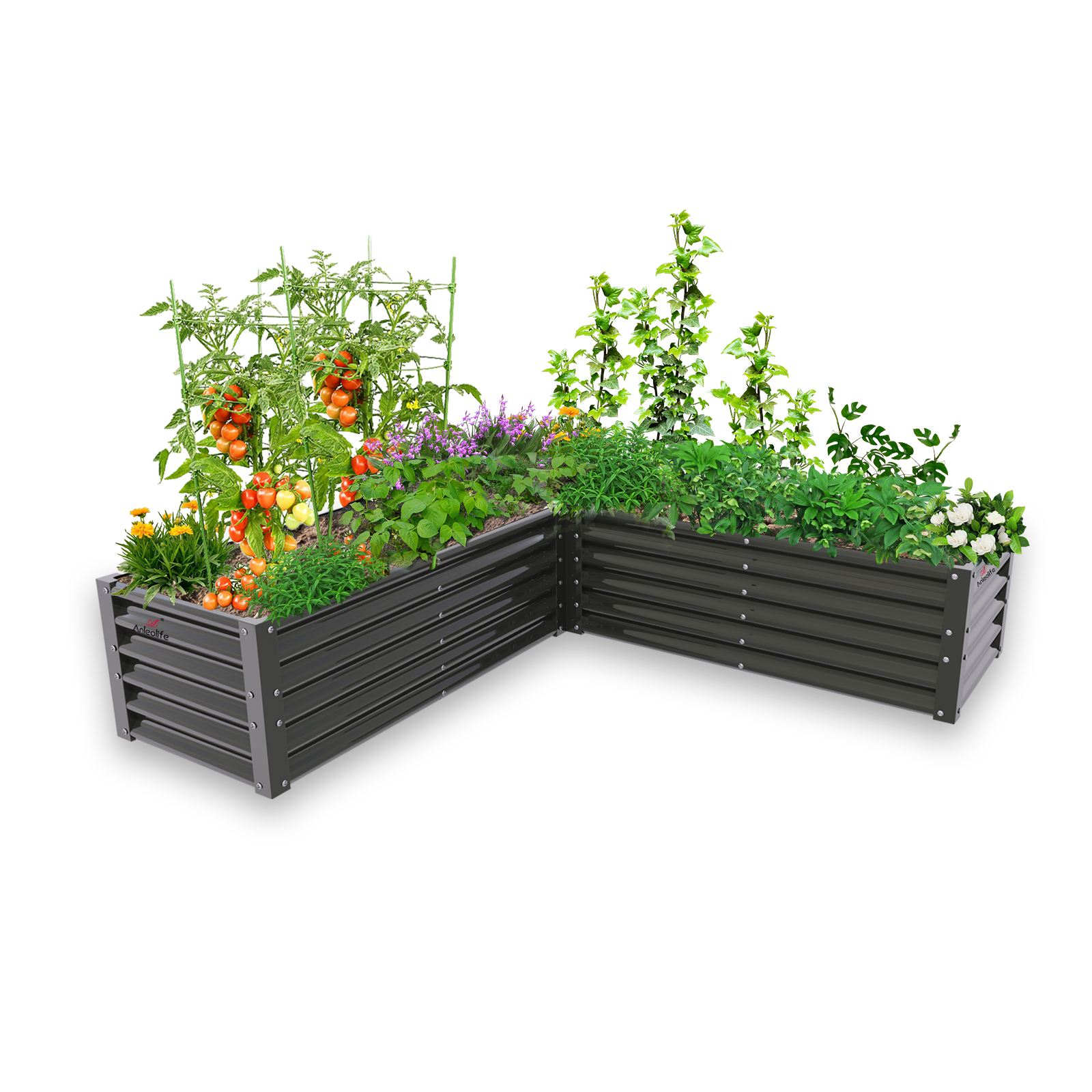
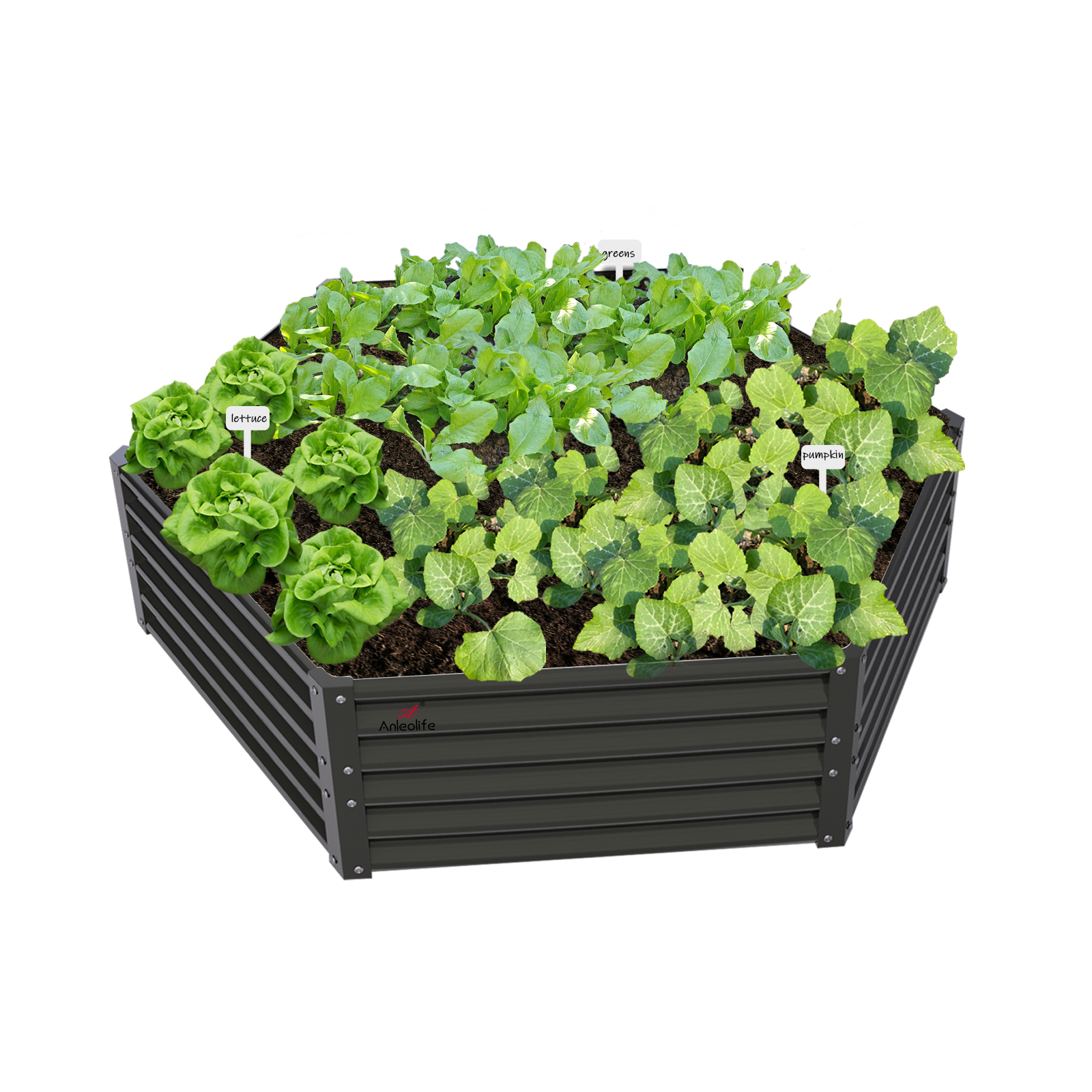
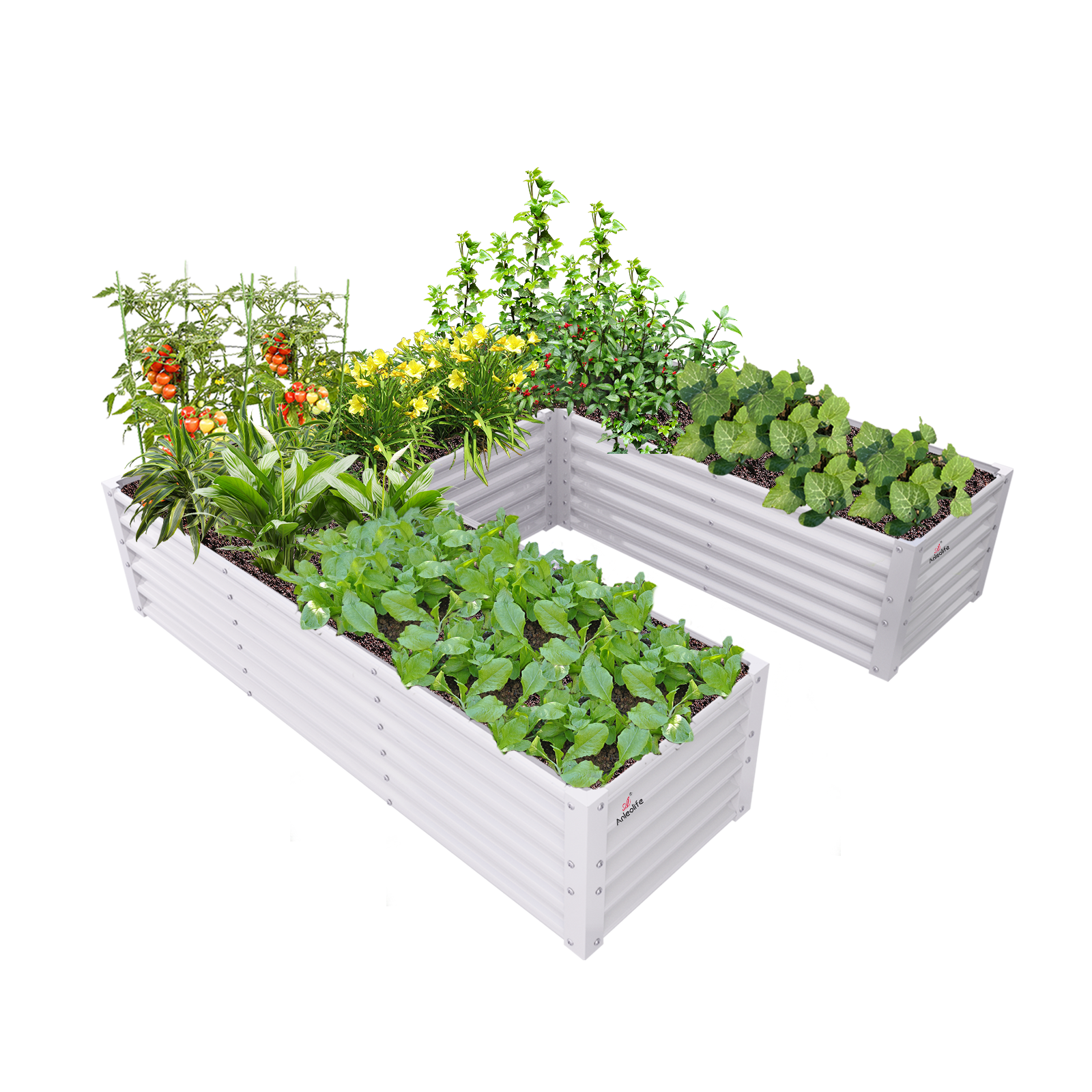

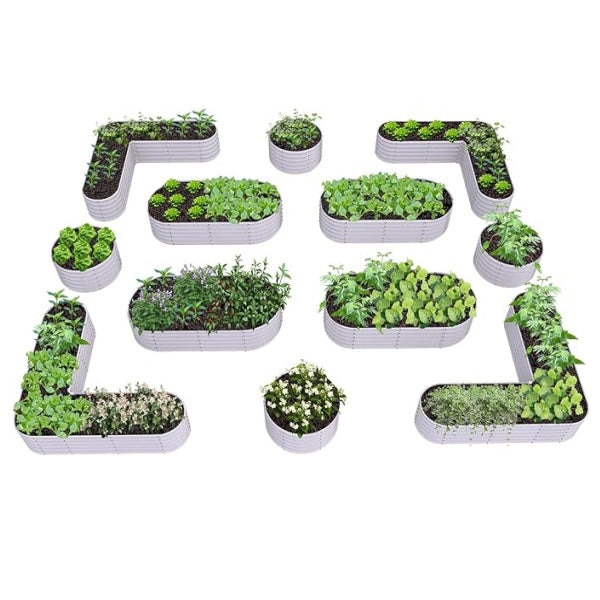


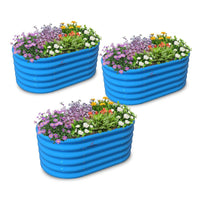
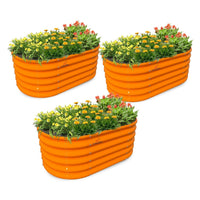
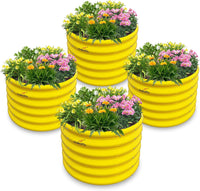



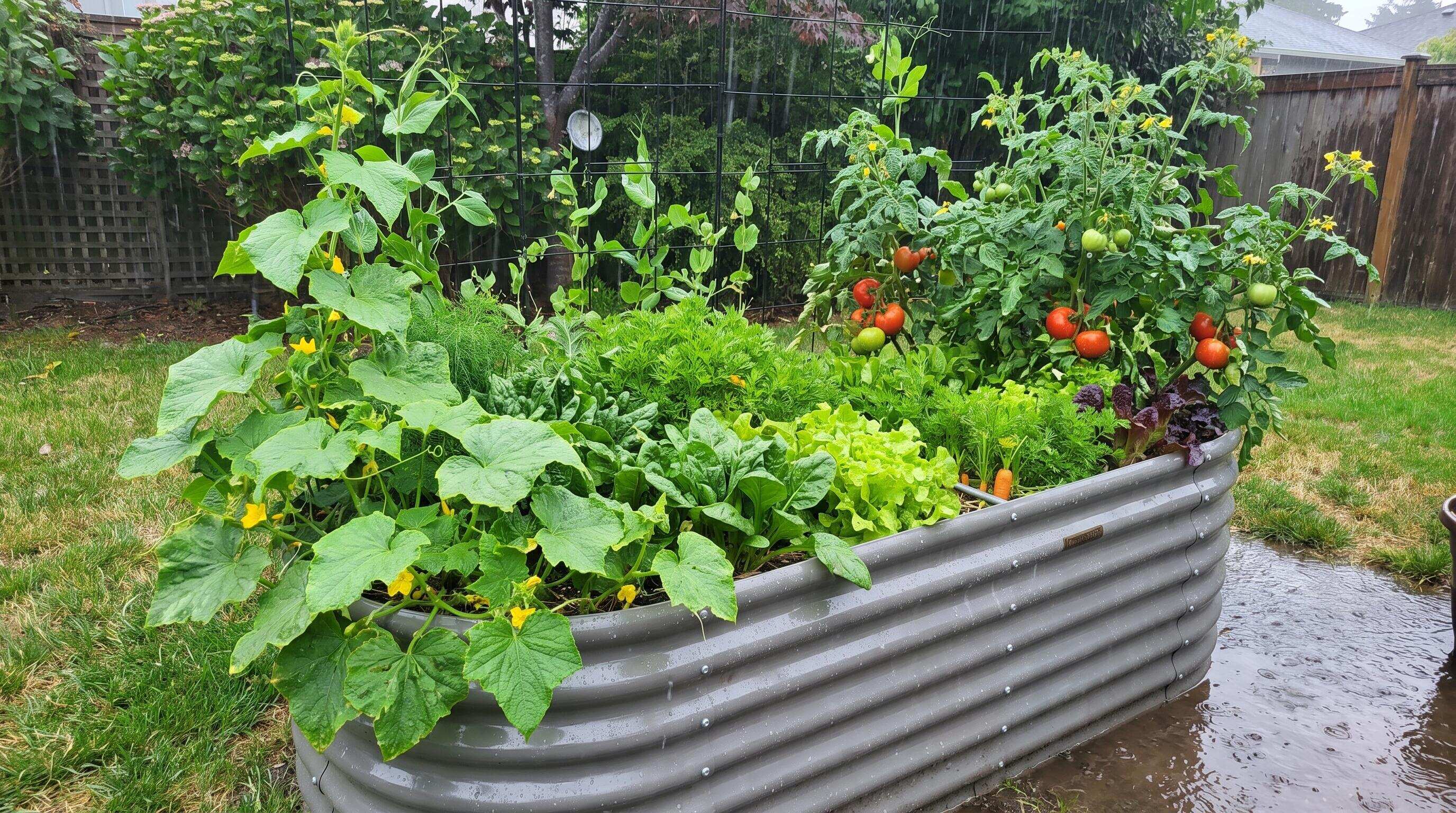
ALT: Galvanized steel raised garden bed in a wet rainy backyard with lush vegetable plants growing
Which Raised Garden Bed Materials Actually Hold Up in Wet, Rainy Backyards?
If you garden in a region where the skies open up regularly — whether that's the Pacific Northwest, Florida, the Gulf Coast, or anywhere else that gets its fair share of rain — you've probably asked yourself: what raised bed material won't rot, rust, warp, or collapse on me by the end of the season? That's the single most important question for gardeners who deal with persistently wet conditions, and getting the answer right determines not just your harvest but the long-term return on your investment.
This guide walks you through the best raised garden bed materials specifically suited to high-moisture environments. Each option is evaluated for durability in wet conditions, long-term cost-effectiveness, drainage compatibility, and how well it supports a thoughtful raised bed planting layout. Whether you're starting your first raised bed or expanding an established raised bed garden layout, knowing your materials is the foundation for everything else. We've drawn on consistent patterns we see when helping home growers across North America navigate soggy backyards — and we've filtered this list for real-world practicality, not just what looks good on paper.
The materials covered below were selected based on how they perform over multiple wet seasons, how they interact with soil systems, and how accessible they are to the average home gardener. Use this as a decision tool, not just a reading exercise.
The Best Materials for Wet-Climate Raised Garden Beds
Galvanized Steel: The High-Performance Standard for Wet Backyards
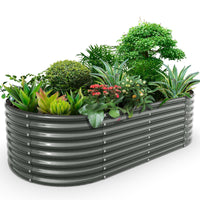
Galvanized steel is a steel alloy coated with a protective layer of zinc, a process standardized under ASTM International specifications, that prevents the base metal from oxidizing even in prolonged moisture exposure. In a wet backyard, galvanized steel is arguably the single most reliable raised bed material available to home growers today. The zinc coating acts as a sacrificial barrier — it weathers very slowly so the steel underneath stays structurally sound through years of heavy rain, standing water, and humid summers.
From our work helping customers across rainy regions of the Pacific Northwest and the Southeast, a pattern we consistently see is that gardeners who invest in quality galvanized steel beds stop replacing their beds. A well-made galvanized steel raised garden bed can realistically last 20 years, which reframes the upfront cost entirely: spread over two decades, it's one of the lowest-cost-per-year options on the market.
Anleolife's galvanized steel raised garden beds are a strong example of what this material can do in practice. They're available across a wide range of heights — from standard 18-inch beds up to extra-tall 24-inch, 30-inch, and even 35-inch waist-high configurations — giving gardeners the flexibility to match bed height to drainage conditions and personal mobility needs. For a wet backyard where soil compaction and poor drainage are ongoing concerns, the taller profiles are particularly valuable: they allow for deeper raised bed planting layouts with proper layering (gravel, compost, quality topsoil) that keeps roots well above waterlogged ground.
Best for: Gardeners in consistently rainy climates who want a long-term, low-maintenance solution and are willing to invest upfront for multi-decade durability.
Watch out: Galvanized steel beds in direct afternoon sun can warm up the soil significantly, which is generally a benefit in cool, wet regions but may need monitoring in areas that swing between heavy rain and intense heat.
Rust-Resistant Coated Steel: Moisture Resistance with Added Flexibility
Rust-resistant coated steel takes the core strength of steel and adds an additional protective surface treatment specifically engineered to resist oxidation in high-humidity and high-rainfall environments. While galvanized steel relies on zinc coating, rust-resistant variants may use powder-coat finishes, specialized paint systems, or composite metal treatments that give the exterior an added layer of protection — and often an attractive appearance that fits neatly into a thoughtfully designed garden layout.
For gardeners who want the structural reliability of metal but also care about the aesthetic integration of their raised bed garden layout into a landscaped yard, rust-resistant coated steel offers a compelling balance. The coating means these beds maintain their appearance longer when exposed to rain, and they tend to resist surface staining from mineral-rich water or fertilizer runoff.
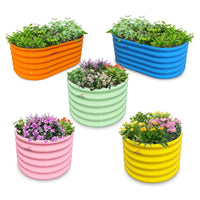
Anleolife's rust-resistant raised garden beds come in configurations ranging from compact 18-inch-tall options up to 30-inch extra-tall profiles, making them suitable for everything from a small urban patio with poor drainage to a sprawling suburban backyard subject to seasonal flooding. For a raised bed planting layout that involves multiple beds at different heights — say, a primary growing bed paired with a shorter herb border — this category offers the size variety to make that work.
Best for: Home growers who want long-lasting moisture resistance in a material that also complements a visually cohesive backyard design.
Watch out: The protective coating's integrity depends on avoiding sharp impacts or abrasions that could expose the underlying metal. Handle during assembly and use with reasonable care to preserve the coating.
Modular Metal Raised Garden Beds: Wet-Climate Adaptability Built In
Modular raised garden beds are systems composed of interlocking or bolt-together panel components that can be assembled into different shapes and sizes — and, critically, reconfigured or expanded over time as your garden plan evolves. For wet backyards specifically, modularity offers a strategic advantage: if one area of your yard floods more than another, you can disassemble and relocate the bed rather than abandoning it.
A pattern we consistently see in our work with customers who have uneven or low-lying yards is that they initially place beds in the "logical" spot and then discover that spot is actually a seasonal drainage channel. With fixed beds, that's a costly mistake. With modular raised garden beds, it's a one-afternoon fix. The ability to adapt a raised bed layout without starting from scratch is a genuine cost-saving feature, not just a convenience.
Anleolife's modular raised garden bed line includes configurations spanning from compact 18-inch-tall, 6x2-foot beds up to 30-inch extra-tall, 8x4-foot options. This range makes it practical to start with a single module and expand your raised bed garden layout incrementally — adding beds, changing configurations, or increasing height as you learn how your specific backyard drains and which areas perform best. That adaptability also makes modular systems particularly appealing to first-time raised bed gardeners who aren't yet sure exactly how they want to set up their space.
Best for: Gardeners with unpredictable drainage patterns, those who want to expand their raised bed planting layout over time, and renters or those who may need to relocate their garden.
Watch out: Assembly requires attention to watertight connection points. In very wet climates, check panel connection areas seasonally to ensure moisture isn't accumulating in joints.
Cedar Wood: The Classic Option with Natural Moisture Resistance
Cedar is a naturally rot-resistant wood species whose heartwood contains oils that inhibit fungal decay and insect damage — properties that make it a traditional choice for raised bed gardening in moist climates. According to the USDA Forest Service, certain cedar species such as Western red cedar are classified as naturally durable in ground contact situations, which is the relevant condition for raised bed frames that sit in consistently wet soil.
Cedar's warm, natural appearance is part of why it remains popular: it integrates beautifully into a raised bed garden layout that prioritizes aesthetics alongside function. A cedar bed fits into a cottage garden, a formal kitchen garden, or a rustic homestead setting in ways that metal simply doesn't replicate.
That said, cedar's moisture resistance is not indefinite. Even naturally durable wood degrades over time in wet conditions, and in consistently rainy backyards, a cedar bed's useful life is typically measured in years rather than decades. The cost-per-year analysis matters here: cedar's lower upfront price relative to metal may look attractive initially, but replacement cycles in wet climates can erode that advantage over time. For gardeners who value the look of wood and are comfortable with periodic replacement or maintenance, cedar remains a genuinely viable choice — but it's worth going in with realistic expectations about longevity in high-moisture environments.
Best for: Gardeners who prioritize natural aesthetics and are comfortable with a maintenance commitment; ideal for regions with moderate (rather than extreme) rainfall.
Watch out: Avoid pressure-treated wood in food gardens unless the specific treatment has been reviewed for safety. Stick with untreated cedar or naturally durable species to keep your soil system free of potentially harmful compounds.
Composite (Wood-Plastic Composite) Lumber: Rot-Proof Aesthetics
Wood-plastic composite, commonly called WPC, is a material manufactured from a blend of wood fiber and recycled thermoplastic polymers. It was originally developed for decking applications and has since been adapted for raised garden bed construction. Its key property in wet environments is that neither the wood fiber nor the plastic binder absorbs water in the way solid wood does, which means it does not swell, warp, crack, or rot from prolonged moisture exposure.
For a wet backyard, composite lumber holds its shape and structural integrity through freeze-thaw cycles and continuous rain in ways that untreated wood cannot. It also tends to maintain its appearance reasonably well over multiple seasons. For gardeners who love the visual warmth of wood grain but want genuine durability in a wet raised bed garden layout, composite is a legitimate middle-ground option.
The primary considerations are cost and sourcing: quality composite lumber costs more than standard untreated wood, and the eco-conscious gardener should look for products made from recycled content (which is common in this category). From a raised bed planting layout perspective, composite performs similarly to wood: it's easy to cut to custom lengths, which gives you flexibility in configuring your bed dimensions.
Best for: Gardeners who want wood-like aesthetics with meaningfully better moisture resistance than natural lumber; good for decorative raised bed garden layouts in visible front or side yards.
Watch out: Not all composite products are rated for soil contact. Check manufacturer specifications to ensure the product you're using is suitable for direct ground contact, particularly in food-growing applications.
Galvanized Corrugated Steel: Lightweight, Durable, and Agricultural-Grade Reliable
Galvanized corrugated steel is the ribbed, wave-profiled sheet metal long used in agricultural settings — barn roofing, water tanks, stock troughs — and now widely adopted for raised bed gardening. The corrugated profile adds structural stiffness without extra weight, meaning panels can be thinner (and thus lighter) while still resisting soil pressure from a fully loaded raised bed planting layout.
In wet conditions, the galvanized coating provides the same moisture protection described above for flat galvanized steel, with the added benefit that the corrugated profile also sheds water efficiently from the bed's exterior surface, reducing prolonged surface moisture contact. From a cost-value perspective, corrugated steel beds are often among the more accessible metal options, making galvanized corrugated a strong entry point for gardeners transitioning from wood to metal for the first time.
Best for: Budget-conscious gardeners who want proven metal durability in a wet climate without the cost premium of heavier-gauge flat steel; also appealing to gardeners who favor a modern, industrial-farmhouse aesthetic.
Watch out: The corrugated profile means interior corners and ridges can trap debris. Occasional cleaning prevents buildup that could trap persistent moisture against the metal surface.
Corten (Weathering) Steel: Rust as a Feature, Not a Flaw
Corten steel — also known as weathering steel, with ASTM A588 being a recognized specification for this material type — is a steel alloy engineered to form a stable, adherent rust patina when exposed to weather cycles. That patina layer acts as its own protective barrier, dramatically slowing deeper corrosion. The characteristic warm orange-brown finish that develops over time is intentional and has become a highly sought aesthetic in contemporary garden design.
For wet backyards specifically, Corten's performance model is counterintuitive but genuine: the material does best when it can wet and dry cyclically. Environments with consistent cycling between rain and drying periods allow the patina to stabilize properly. In continuously submerged or perpetually damp conditions without drying intervals, Corten's patina may not stabilize as effectively — so it's worth considering local drainage patterns before committing.
From a raised bed garden layout perspective, a Corten bed brings a striking visual identity that complements contemporary and minimalist garden styles. The cost is higher than standard galvanized steel, and the material takes a season or two to develop its full patina, which some gardeners love as a living-material quality and others find aesthetically challenging during the transition.
Best for: Design-focused gardeners in climates with alternating wet and dry periods who want a distinctive, architecturally bold raised bed layout.
Watch out: During the initial patina-forming phase, Corten can leach rust-colored runoff that stains patios, concrete paths, or pavers. Plan bed placement accordingly.
Heavy-Duty Galvanized Steel: Maximum Structural Performance for Large Layouts
Heavy-duty galvanized steel raised garden beds represent the top tier of the metal raised bed category — constructed from thicker-gauge material that withstands the lateral soil pressure generated by large, deeply filled raised bed planting layouts without bowing or deforming. For gardeners who want to build out a serious growing space with multiple large beds, this is the category that delivers the longest-term structural integrity.
In wet climates, the heavier gauge construction matters because it resists the slow deformation that can occur when thinner metal is continuously stressed by the weight of saturated, heavy soil over multiple seasons. A fully saturated raised bed soil system is heavier than most gardeners expect — the structural capacity of the bed frame has to account for that added moisture weight.
Anleolife's heavy-duty raised garden beds are available in configurations from 18-inch standard height up to 30-inch extra-tall options in generous footprints, giving gardeners a serious platform for high-volume production growing. Over a 20-year lifespan, the cost-per-year of a heavy-duty bed is remarkably competitive when calculated honestly against the cumulative replacement cost of wood alternatives.
Best for: Serious home growers building out large raised bed garden layouts with deep soil systems, particularly in regions with persistent heavy rain and saturated soil conditions.
Watch out: The additional weight of heavy-gauge panels makes solo assembly more physically demanding. Plan to have a second person available for setup, particularly for larger bed configurations.
Quick Comparison at a Glance
| Material | Best For | Key Strength | Limitation |
|---|---|---|---|
| Galvanized Steel | Long-term wet-climate durability | 20-year lifespan; proven zinc protection | Can increase soil temperature in intense heat |
| Rust-Resistant Coated Steel | Aesthetics + moisture resistance | Added surface protection; design-friendly | Coating requires care to avoid abrasion damage |
| Modular Metal Beds | Flexible, expandable layouts | Reconfigurable; grow-as-you-go | Joint areas need periodic inspection in wet climates |
| Cedar Wood | Natural aesthetics; moderate rainfall | Natural rot-resistance; beautiful appearance | Shorter lifespan than metal in heavy rain |
| Composite (WPC) Lumber | Wood look with better durability | Resists swelling and rot; recycled content options | Must verify soil-contact suitability for food gardens |
| Galvanized Corrugated Steel | Budget-conscious wet-climate durability | Lightweight; efficient water shedding | Ridges can trap debris; periodic cleaning needed |
| Corten (Weathering) Steel | Design-forward layouts; wet-dry cycling climates | Distinctive living patina; high durability | Rust runoff during patina formation; higher cost |
| Heavy-Duty Galvanized Steel | Large, deep production layouts | Maximum structural integrity; saturated-soil resilient | Heavier panels; two-person assembly recommended |
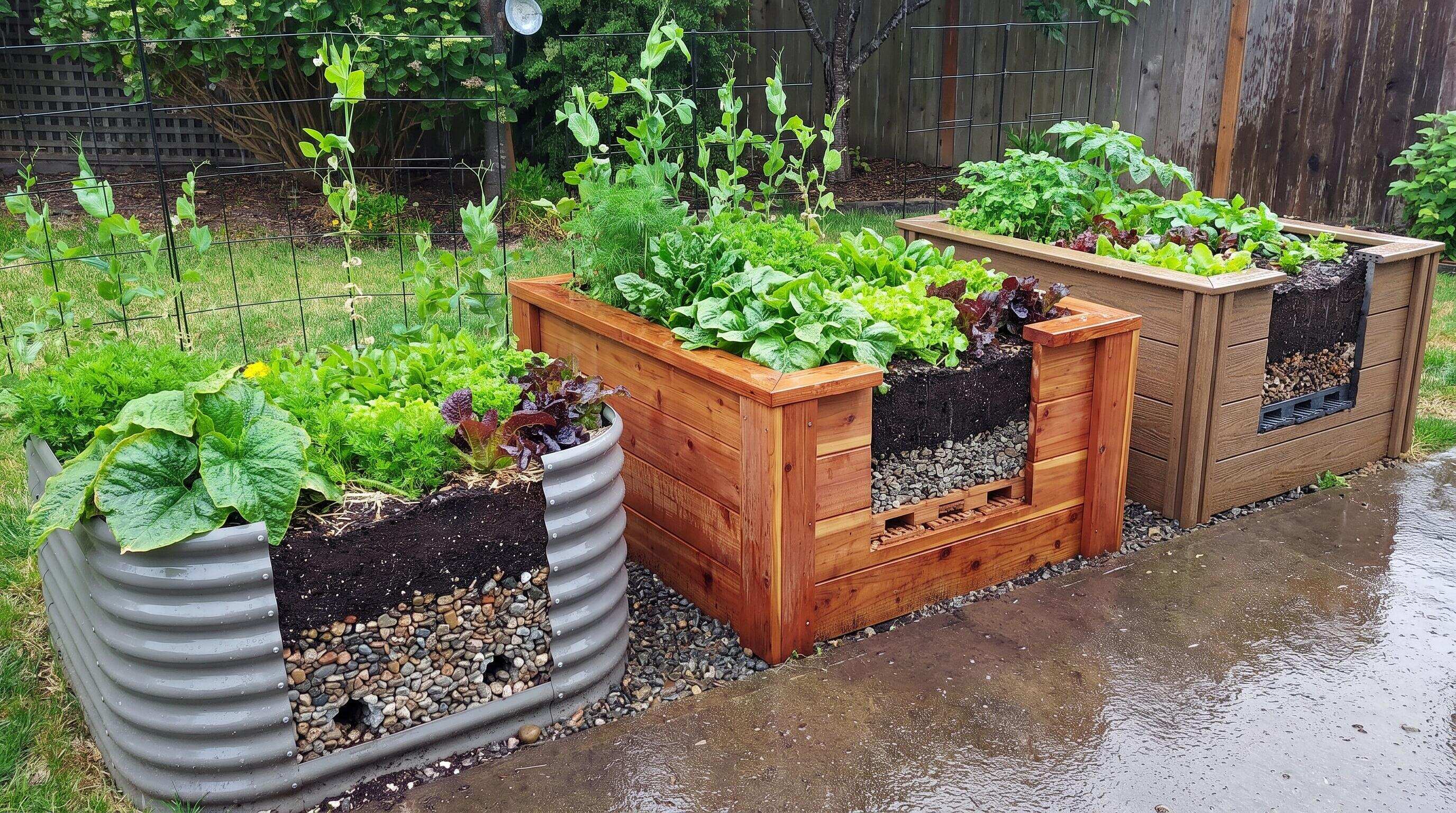
ALT: Side-by-side comparison of different raised garden bed materials suited for wet rainy backyards with soil systems and drainage layers visible
How to Choose the Right Material for Your Wet Backyard
Selecting the right raised garden bed material for a wet backyard comes down to three honest questions: How wet is your yard, really? What's your long-term budget? And how important is visual design relative to pure performance?
If your yard experiences standing water after most rain events, galvanized steel — particularly the heavy-duty or extra-tall configurations — is the strongest choice. The structural integrity handles saturated soil pressure, and the tall profiles (24-inch to 30-inch) let you build a raised bed planting layout with proper drainage layers underneath the growing medium, effectively lifting your root zone well above the waterlogged native soil. This is the scenario where the 20-year lifespan becomes most relevant financially.
If your yard drains reasonably well but stays consistently damp, you have more material options. Rust-resistant coated steel, modular metal beds, and even well-chosen composite lumber can all serve you effectively. This is where aesthetic preference can play a larger role in your decision without compromising on performance.
If you're budget-constrained, galvanized corrugated steel offers the best entry point to genuine metal durability. Cedar is a viable short-to-medium-term alternative but calculate replacement costs honestly over a 10-year horizon before assuming it's the cheaper option.
A common misconception worth addressing directly: many gardeners assume that any metal bed will rust quickly in wet conditions. In practice, properly galvanized or coated steel is specifically engineered to resist rust, not succumb to it. The ASTM standards governing galvanized steel coatings exist precisely to ensure predictable, long-term corrosion resistance. The assumption that "metal + water = rust" conflates untreated steel (which does rust) with properly coated galvanized steel (which does not, under normal conditions, for many years). According to material science guidance from ASTM International, zinc coatings on galvanized steel provide corrosion protection through a combination of barrier and sacrificial mechanisms — meaning the zinc corrodes preferentially to protect the underlying steel.
For gardeners using raised beds to grow vegetables, the soil system inside the bed matters as much as the exterior material. A well-structured soil system with proper drainage amendments ensures that even in a wet climate, roots aren't sitting in waterlogged growing medium — and that keeps both your plants and your bed frame performing well.
For layout inspiration, resources like 4x8 Raised Bed Vegetable Garden Layout Ideas from Savvy Gardening offer practical planting arrangement guidance that pairs well with any of the materials covered here.
Common Questions
Q1: How do I prevent soil from washing out of my raised bed during heavy rain?
Heavy rain can erode exposed soil from uncovered raised beds and cause surface compaction over time. The most effective approach is to mulch the bed surface with a 2–3 inch layer of organic material — straw, wood chips, or shredded leaves — which cushions the impact of raindrops and slows surface runoff. Additionally, ensuring your raised bed planting layout includes plants with root systems that stabilize the top few inches of soil will reduce erosion between rain events. A metal bed frame with no gaps at the base helps retain soil while still allowing drainage.
Q2: Are galvanized steel raised garden beds safe for growing vegetables in wet conditions?
Galvanized steel raised garden beds are widely considered safe for vegetable growing. The zinc coating that provides rust resistance is the same material used in food-safe cookware and water pipes. Per guidance from the U.S. Environmental Protection Agency and consistent with current understanding of zinc in garden soils, zinc leaching from galvanized beds occurs in very small amounts, well within levels considered safe for human health. In wet conditions, any minimal zinc contribution to the soil is unlikely to reach levels of concern for home-scale food production. If you are managing an acidic soil system (below pH 6), monitoring soil zinc levels periodically is a sensible precaution.
Q3: How long do raised garden beds typically last in a rainy climate, and what's the cost difference over time?
Lifespan varies significantly by material. Quality galvanized steel raised garden beds from Anleolife are built for a 20-year lifespan, making them a strong long-term value. Untreated wood beds in wet climates typically last 3–7 years before significant deterioration. Cedar may perform better, often lasting 7–12 years depending on rainfall intensity, but still requires eventual replacement. Composite lumber generally falls between cedar and metal. When you calculate total cost of ownership — including replacement materials and labor — metal beds in wet climates consistently deliver the lowest cost-per-year, even when the initial price is higher.
Final Thoughts
Choosing the right raised garden bed material for a wet, rainy backyard is less about finding a single "best" answer and more about matching material performance to your specific conditions, timeline, and goals. The materials reviewed here represent the real field of options available to today's home gardener — from cedar's natural warmth to the structural authority of heavy-duty galvanized steel.
Key Takeaways:
- Galvanized steel, in its various forms, offers the most reliable long-term performance in wet climates, backed by a 20-year lifespan and genuine corrosion-resistance engineering.
- Modular metal beds are the smart choice for gardeners with unpredictable drainage or plans to expand their raised bed garden layout over time.
- Wood options like cedar remain viable for moderate-rain climates but require honest long-term cost accounting.
- The height of your raised bed matters as much as the material — taller profiles allow for proper drainage layering that keeps roots above waterlogged ground.
- Soil system quality inside the bed is the other half of the wet-climate equation; even the best frame underperforms with a poorly structured growing medium.
Your next step is to assess your specific yard conditions — how it drains, how long it stays wet, and what growing scale you're planning — and use those three filters to narrow your material choice from this list to one or two leading candidates. From there, selecting the right size configuration for your raised bed planting layout is the natural next decision.
Ready to build a raised bed garden that holds up through every rainy season? Explore the full range of galvanized steel, rust-resistant, modular, and heavy-duty raised garden beds at Anleolife — available through major platforms including Amazon, Walmart, Home Depot, Lowe's, and Wayfair, and shipping from warehouses across California, Texas, Florida, New York, Illinois, and Washington with delivery in 3–8 business days. Whether you're planting your first bed or expanding a full backyard growing system, Anleolife's modular product design grows with you at every stage.
Sources & Further Reading
- ASTM International. "Standard Specifications for Zinc (Hot-Dip Galvanized) Coatings on Iron and Steel Products."
https://www.astm.org/ - U.S. Environmental Protection Agency. "Zinc in Soil and Water: Environmental Considerations for Home Gardeners."
https://www.epa.gov/ - Savvy Gardening. "4x8 Raised Bed Vegetable Garden Layout Ideas."
https://savvygardening.com/4x8-raised-bed-vegetable-garden-layout/ - Gardeners.com. "Pre-Planned Gardens."
https://www.gardeners.com/pages/kitchen-garden-planner-preplanned-gardens
Note: Standards may be updated; please check the latest official documents or consult professional advisors.