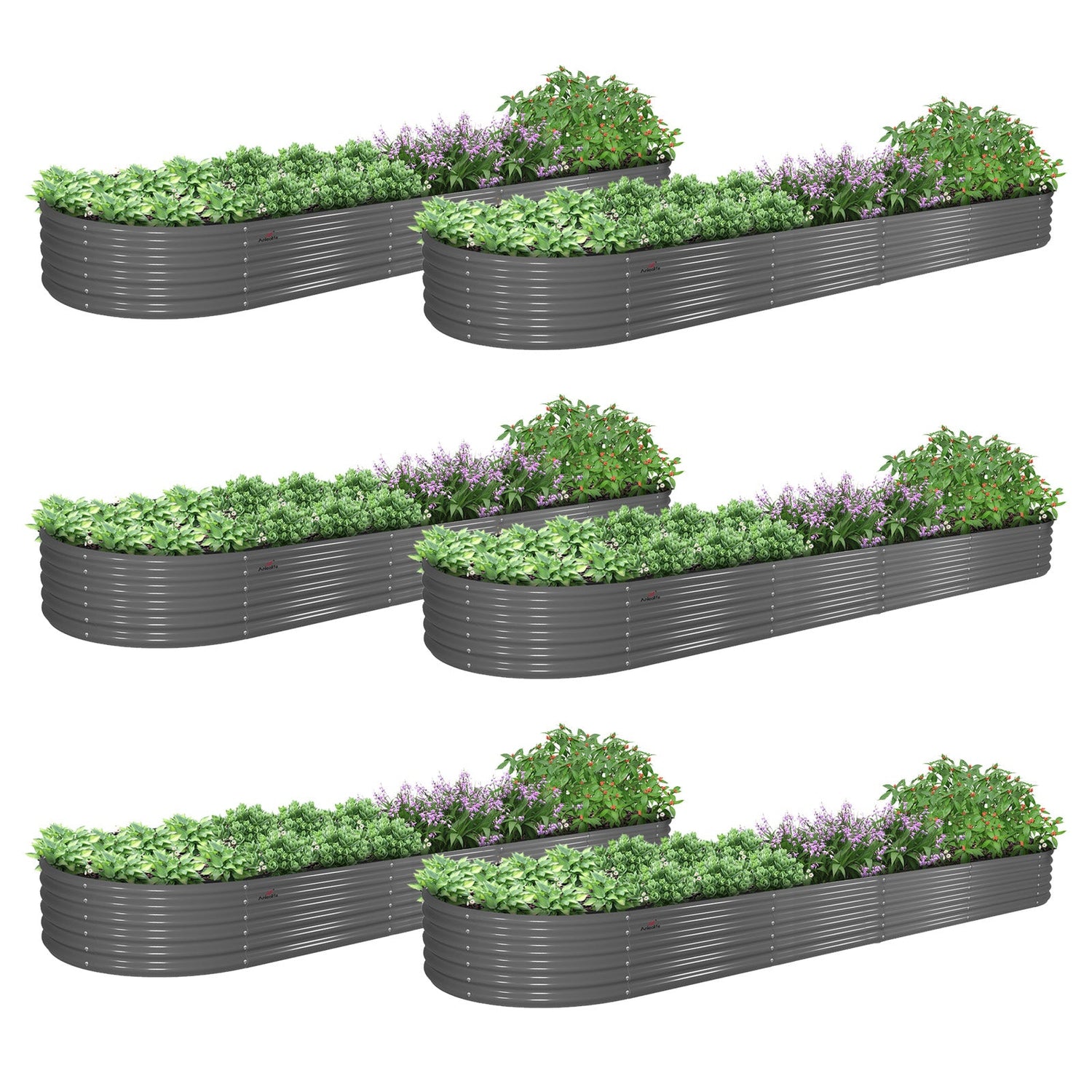



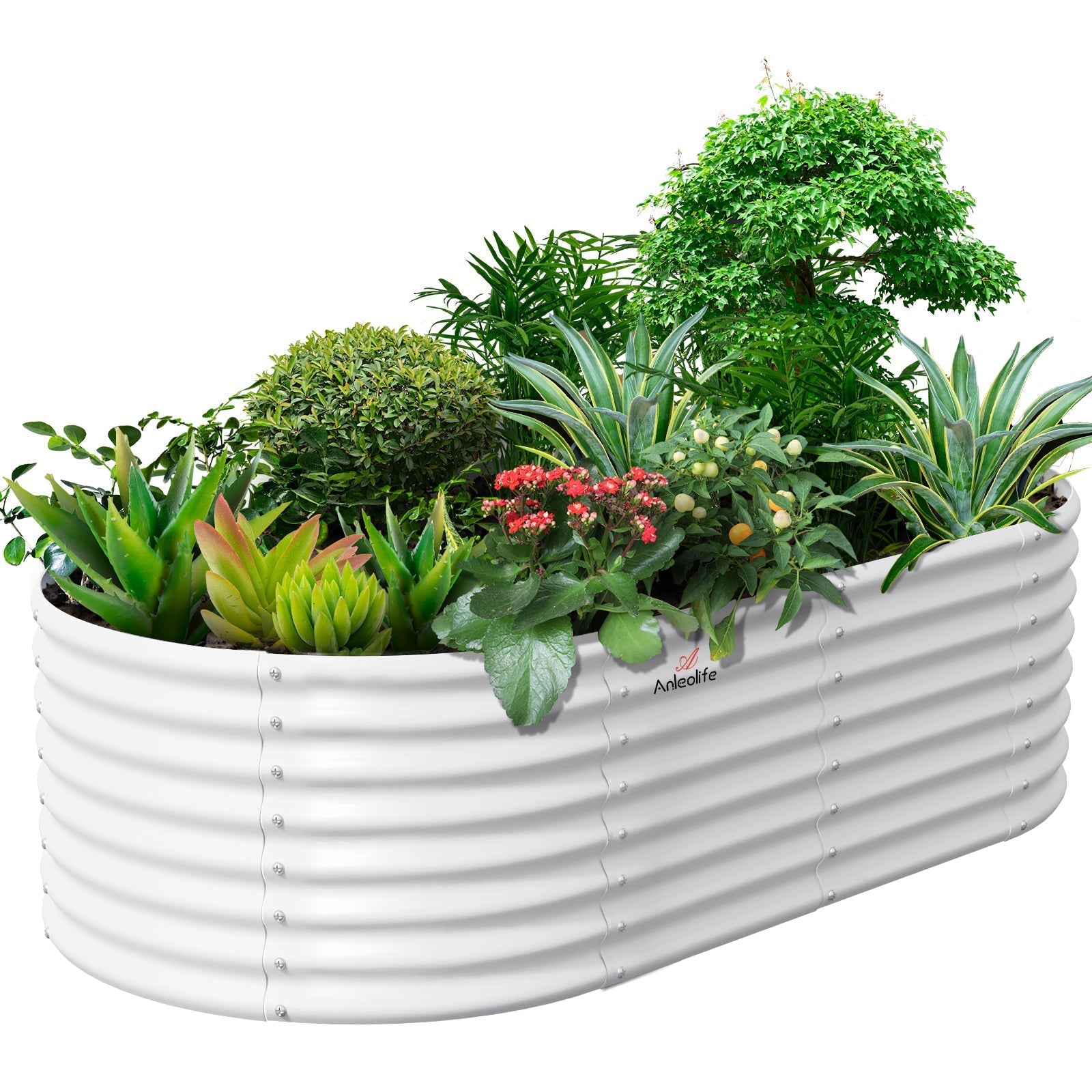
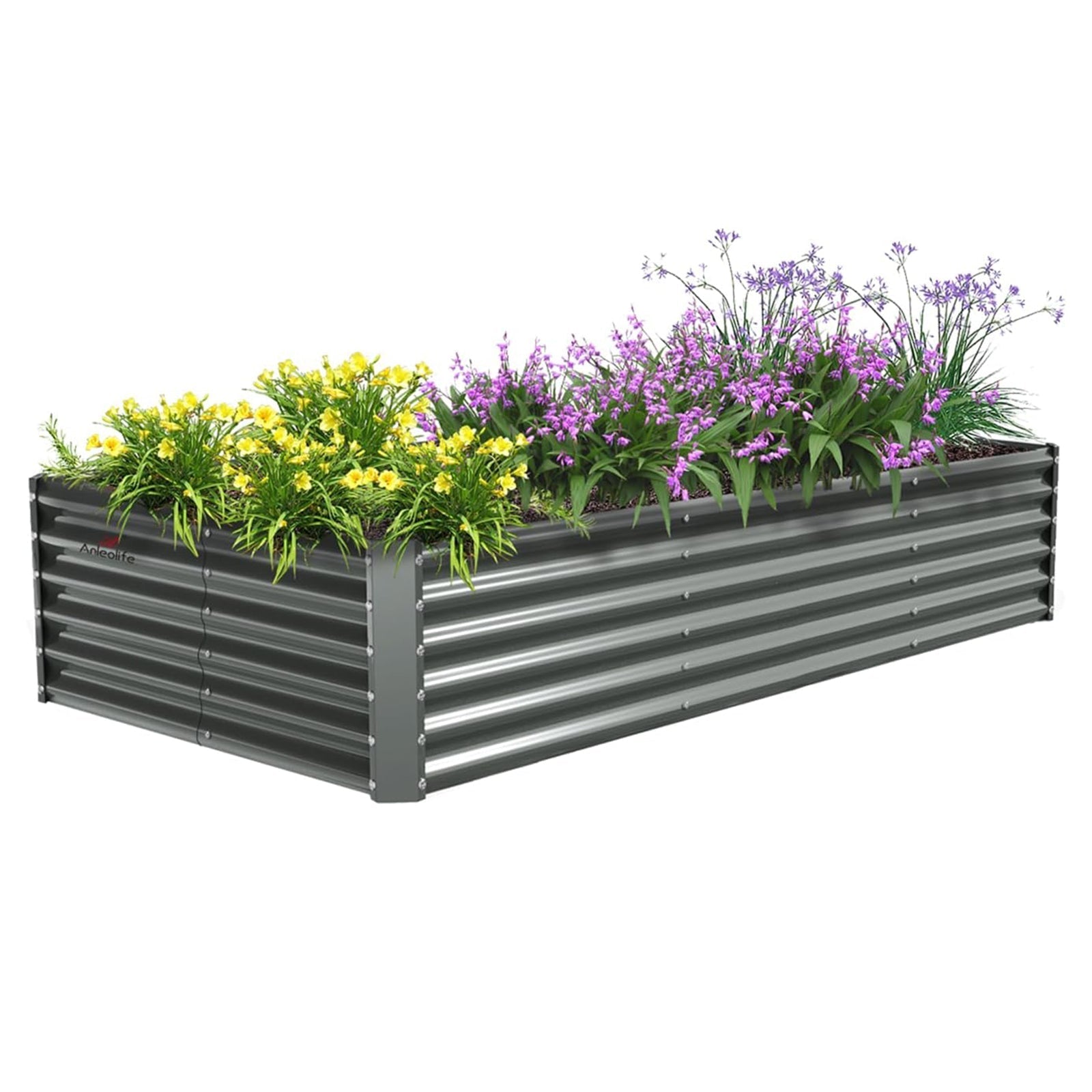

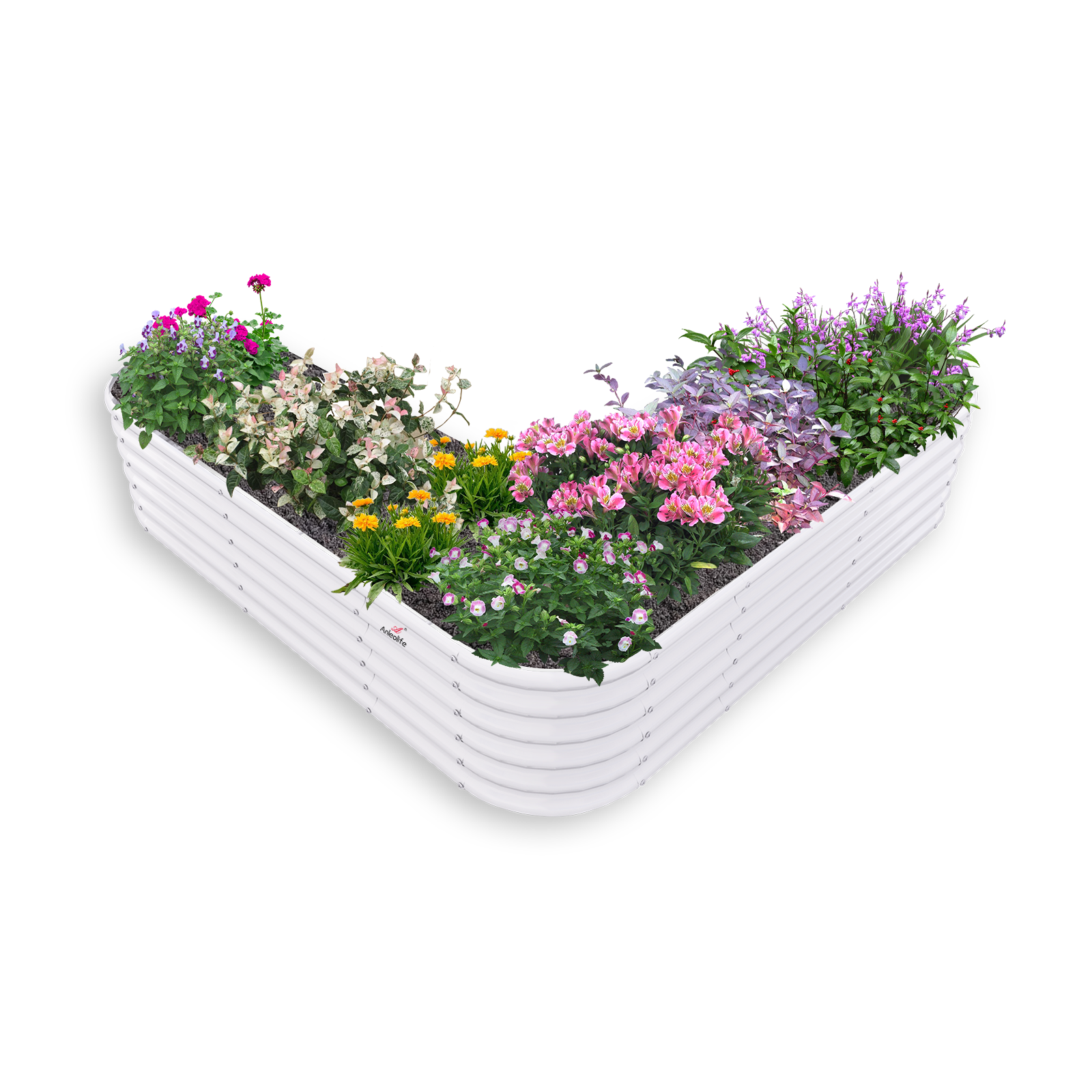
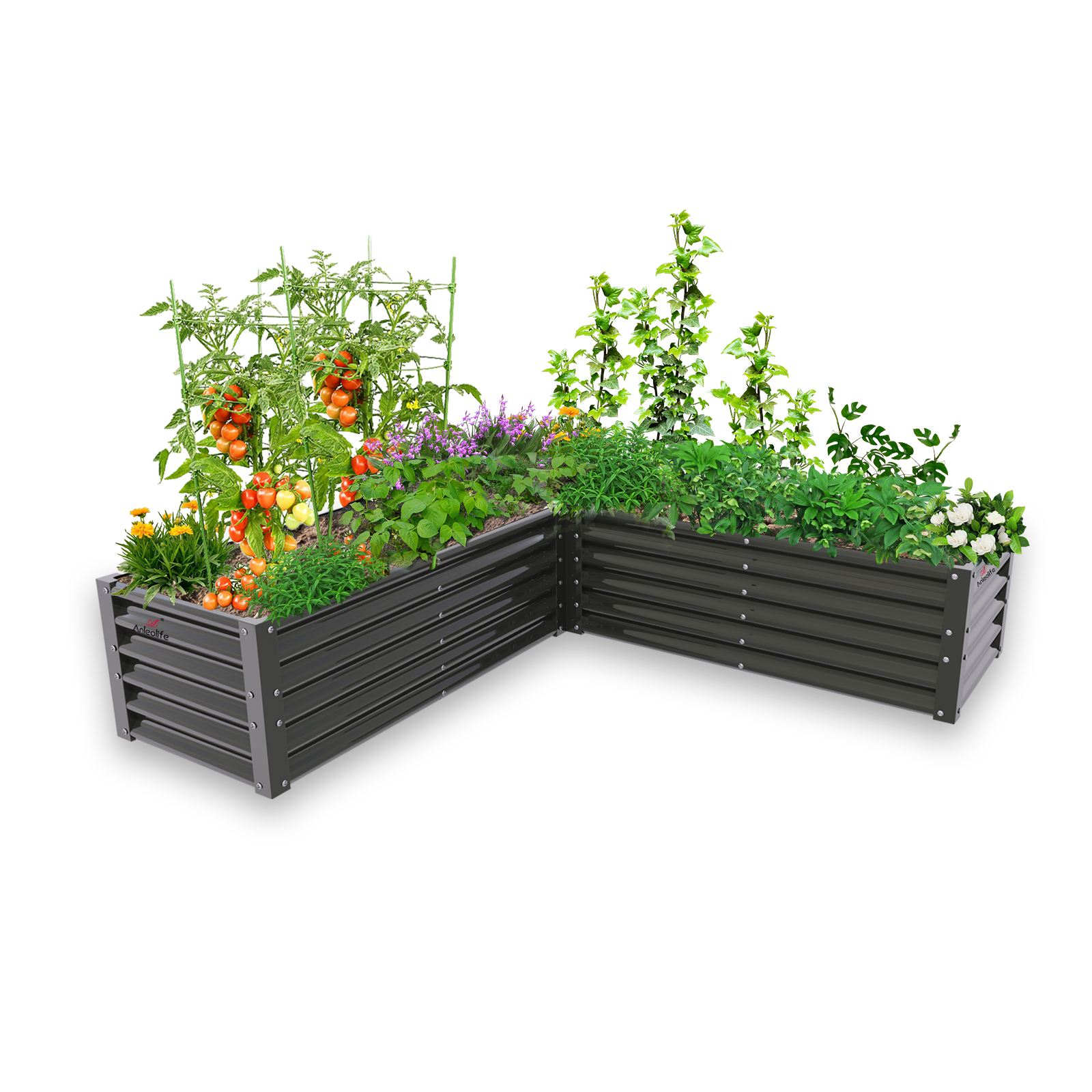
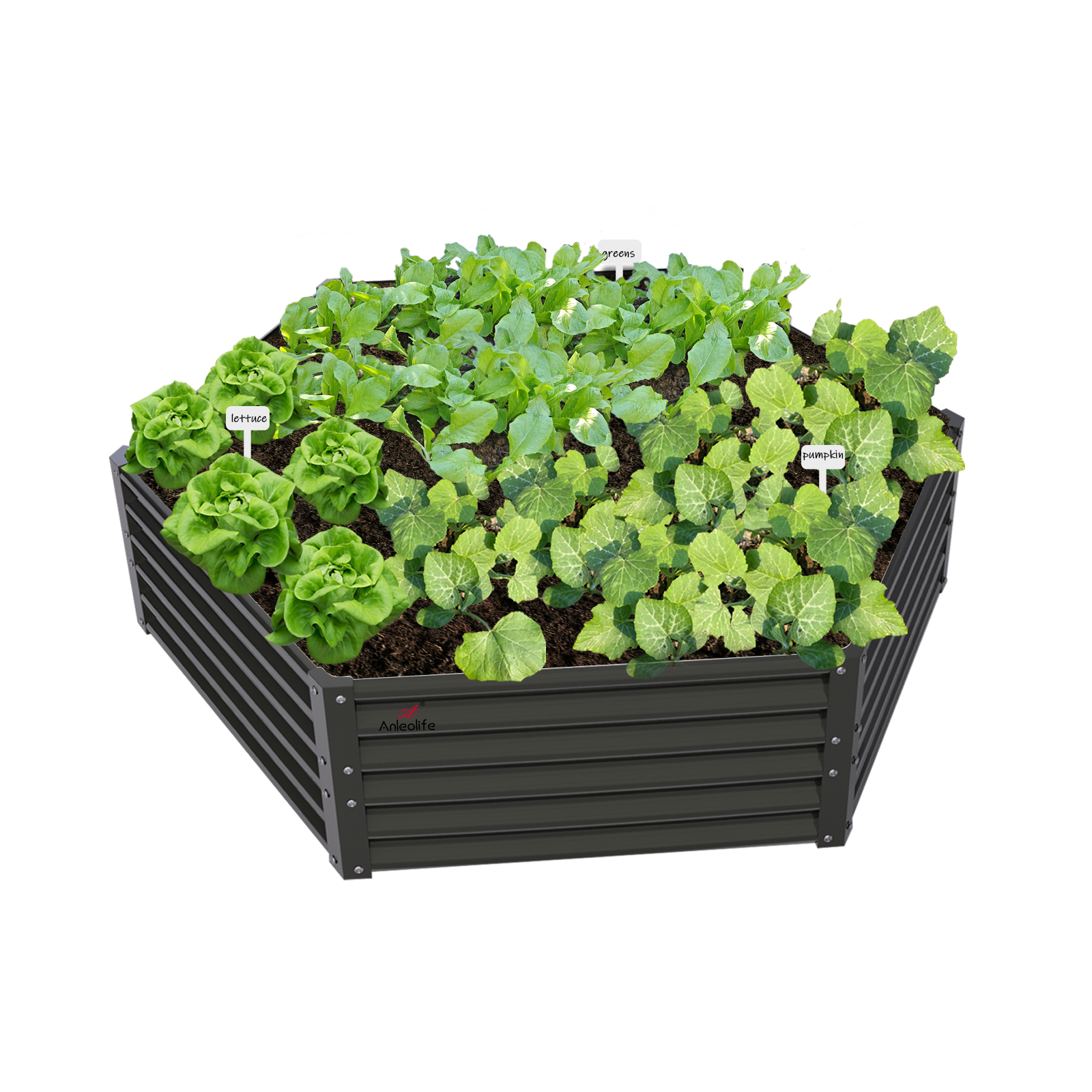
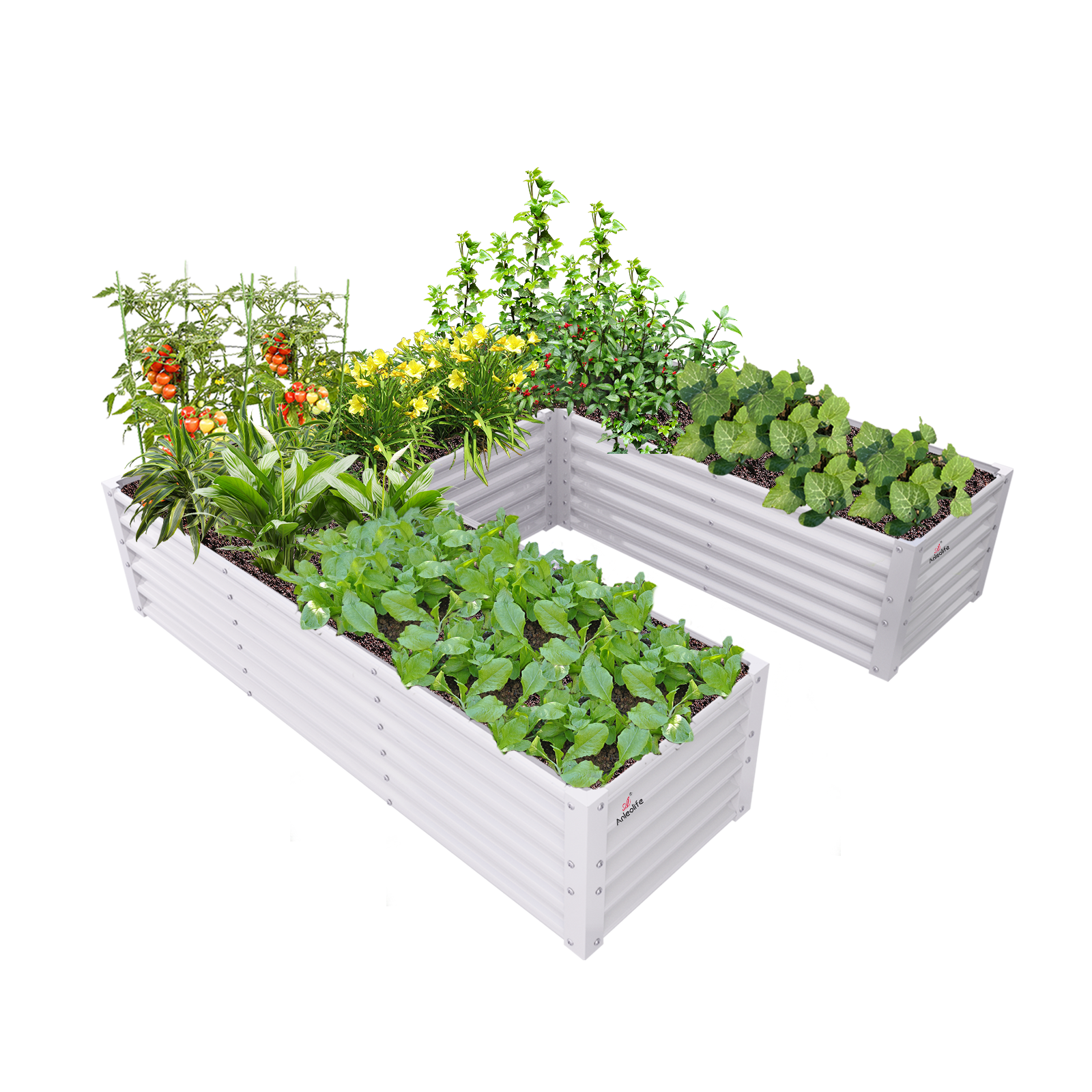

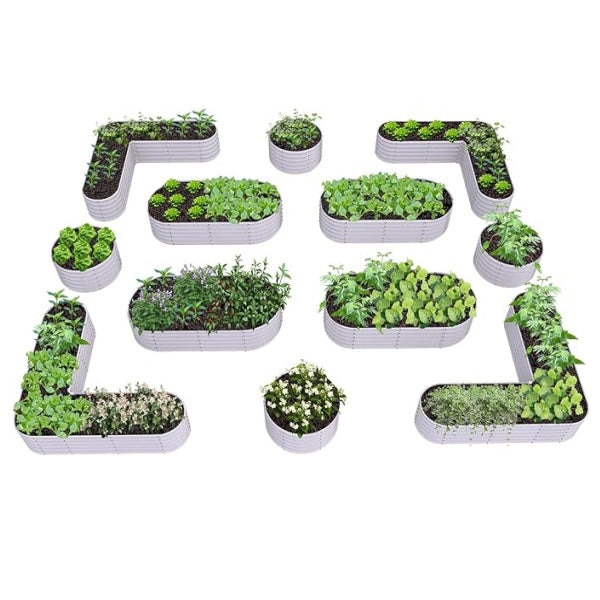


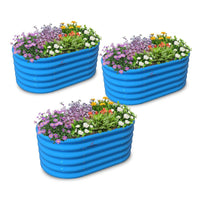
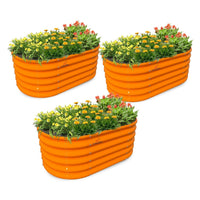
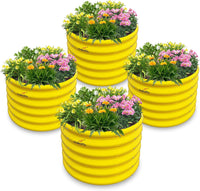
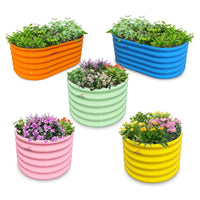
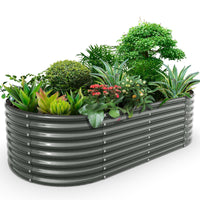




ALT: Best raised garden bed shapes designed for corner yard spaces to maximize raised bed garden layout efficiency
Why Your Corner Yard Is the Hidden Gem of Your Raised Bed Garden Layout
Key Conclusion: Corner yard spaces are consistently underutilized in home gardens, yet they offer tremendous potential for a well-planned raised bed garden layout. By choosing the right raised garden bed shape — whether L-shaped, triangular, tiered, or modular — homeowners can dramatically improve both planting productivity and visual appeal. A thoughtful raised bed planting layout transforms awkward corners into functional growing zones, while a smart raised bed layout maximizes every square foot of available space, even in compact urban or suburban yards.
Corner spaces have puzzled gardeners for generations. That awkward triangle where two fences meet, or the dead zone wedged between a garage wall and a property line — these spots seem too small to matter but too large to ignore. The truth is, with the right raised garden bed shape, a corner becomes one of the most strategic growing areas on your property.
Whether you're a retiree looking to grow fresh herbs close to the kitchen, an eco-conscious family wanting to reduce grocery store trips, or an urban micro-gardener squeezing productivity from a compact yard, corner bed layouts open up possibilities you may never have considered. This guide walks you through the best shapes, strategies, and product choices for making your corner yard work harder — and look better — than ever before.
Who This Guide Is For
✅ Applicable Scenarios:
- Homeowners with L-shaped, angled, or triangular corner spaces between fences, walls, or structures
- Urban and suburban gardeners looking to maximize planting square footage without expanding their footprint
- Empty nesters or retirees who want low-maintenance, ergonomic growing spaces close to the home
- Eco-conscious growers interested in converting unused yard corners into productive vegetable or herb gardens
- Gardeners seeking decorative solutions that blend functionality with cottage-style or contemporary landscaping aesthetics
❌ Not Applicable/Cautions:
- Renters without permission to install permanent or semi-permanent garden structures
- Properties with heavy shade in corner areas that receive fewer than 4–6 hours of direct sunlight daily (most vegetables need 6+ hours)
- Corners with significant underground utility lines, roots, or drainage issues that could interfere with bed placement or plant health
The Problem with Corners — and Why the Right Bed Shape Changes Everything
For most homeowners, the corners of a yard fall into a familiar pattern: a pile of forgotten pots, a tangle of weeds, or at best a decorative shrub that never quite fills the space. According to the USDA Agricultural Marketing Service, home food gardening has surged significantly over the past decade, with millions of Americans now growing at least some of their own produce. Yet despite this enthusiasm, poor use of available space remains one of the most common challenges cited by beginner and intermediate gardeners alike.
The corner problem is partly psychological — we tend to plan gardens in straight lines and rectangular grids, which naturally leaves triangular or angular zones underserved. It's also partly a product problem: most off-the-shelf garden beds are rectangular, which makes fitting them into a 90-degree corner without wasted space genuinely difficult.
But garden design has evolved. The rise of modular, customizable metal raised garden beds has made it far easier to design a raised bed garden layout that actually matches the geometry of your yard rather than fighting against it. L-shaped beds, triangular corner beds, tiered step designs, and interlocking modular systems are now widely available — and they're not just functional. Done right, they become the visual anchor of an entire backyard landscape.
Beyond aesthetics, the practical case for corner bed layouts is compelling. Corner installations naturally create enclosure and microclimate benefits: two walls or fences meeting at a corner trap warmth, reduce wind exposure, and can even extend your growing season by a few weeks. For gardeners in cooler climates, this thermal advantage is worth planning around.
There's also the ergonomics question. A well-designed corner bed, particularly one with tiered or stepped levels, can reduce bending and reaching — a major consideration for older gardeners or anyone with mobility limitations. The key is matching bed depth and height to the gardener's needs, not just the plant's.
For a comprehensive guide to overall garden bed layout strategies, visit the Anleolife raised garden bed resource hub, where you'll find layout inspiration, sizing guides, and product recommendations tailored to every yard type.
Choosing and Installing the Best Raised Garden Bed Shape for Your Corner
Three-Step Quick Start for Corner Bed Planning
Step 1: Measure and Map Your Corner Space
Before purchasing any bed, spend 20–30 minutes with a measuring tape and graph paper (or a free garden planning app). Measure the full length of both walls or fences that form your corner, the angle between them (most residential corners are 90 degrees, but not always), and any obstructions like downspouts, gates, or utility access panels. Note how much sunlight the corner receives throughout the day — this will determine what you can grow there.
Step 2: Select Your Bed Shape Based on Corner Geometry and Goals
Once you have accurate measurements, choose a bed shape that fits the space and serves your planting priorities. A 90-degree corner typically suits an L-shaped or triangular bed best. For long, narrow corners, a staggered row of rectangular beds can work beautifully. If you want visual impact alongside productivity, tiered beds add height and dimension. Plan your raised bed planting layout at this stage — consider taller plants at the back (near the walls), medium-height plants in the middle, and low-growing herbs or ground covers at the front edges.
Step 3: Prepare the Site and Install Your Bed
Clear the corner of weeds, debris, and any existing plantings. If the ground is compacted, loosen the top 6–8 inches with a fork before placing your bed — this improves drainage and root penetration even for raised beds. Line the bottom with cardboard to suppress weeds, then fill with your chosen growing medium. For most vegetables, a mix of quality compost, topsoil, and coarse perlite delivers excellent drainage and nutrition. Installation for most modular metal beds takes 1–2 hours with basic tools.
Comparing the Best Raised Garden Bed Shapes for Corner Yards
The shape of your raised bed is not just an aesthetic choice — it determines how efficiently you use corner space, how accessible your plants are, and how the installation interacts with your existing landscape. Here's a detailed comparison of the most effective options:
| Comparison Dimension | L-Shaped Bed | Triangular Bed | Tiered/Stepped Bed | Modular Interlocking System |
|---|---|---|---|---|
| Best Corner Type | Standard 90° corners | Sharp or irregular corners | Any corner with visual priority | Large or multi-section corners |
| Space Efficiency | High — fills corner volume | Very high — custom-fit | Medium — uses vertical space | Very high — fully customizable |
| Accessibility | Good — two working sides | Moderate — center can be deep | Excellent — graduated reach | Excellent — configure to suit |
| Visual Impact | Strong — structured look | Elegant — architectural | Very high — dramatic focal point | High — cohesive and scalable |
| Best For | Vegetables and herbs | Flowers and compact crops | Mixed planting and display | Large gardens or phased builds |
| Maintenance Level | Low to moderate | Low | Moderate | Low — modular replacement |
| Typical Lifespan (Metal) | Up to 20 years | Up to 20 years | Up to 20 years | Up to 20 years |
A Closer Look at Each Shape — Design, Planting, and Practical Tips
L-Shaped Raised Beds: The Corner Classic
The L-shaped raised bed is arguably the most intuitive solution for a standard 90-degree corner. By placing two rectangular beds at perpendicular angles, you create a continuous planting zone that hugs the corner naturally, leaving the interior space accessible from two directions.
For home gardeners, the L-shape offers a significant practical advantage: you never have to overreach. Both arms of the L can be kept to a width of 24–30 inches, meaning you can comfortably tend every plant from the outer edge without stepping into the bed. This is particularly valuable for older gardeners or anyone with back concerns.
From a raised bed planting layout perspective, the L-shape naturally creates distinct planting zones. You might dedicate one arm to vegetables (tomatoes, peppers, beans) and the other to herbs (basil, rosemary, thyme, mint), creating a culinary corner that's both practical and fragrant. Alternatively, use one arm for taller crops and the other for sprawling varieties like cucumbers or squash, trained to climb the corner wall behind them.
When it comes to materials, galvanized or powder-coated steel is the gold standard for L-shaped beds. Anleolife's metal raised garden beds are engineered to last up to 20 years, resisting rust, warping, and the temperature extremes that break down wood or plastic alternatives. Their modular design makes assembling an L-shape straightforward — no custom cutting or carpentry required.
Triangular Raised Beds: Precision Fit for Tight Corners
Not every corner is a clean 90 degrees, and even those that are sometimes feel better served by a triangular bed that literally fills the corner from point to edge. Triangular beds have a distinctly architectural quality — they read as intentional design choices rather than afterthoughts, and they pair beautifully with cottage-style gardens, formal English garden aesthetics, or contemporary minimalist landscapes.
The practical challenge with triangular beds is accessibility. The center of a deep triangle can be hard to reach, so it's worth keeping the longest side of the triangle no more than 4–5 feet to ensure you can tend every plant comfortably. Plant taller species at the back apex and graduate down to ground-level herbs or flowers at the front edge for a tiered visual effect without a tiered structure.
Triangular beds are particularly effective as decorative focal points. Filled with ornamental grasses, lavender, salvias, and seasonal flowers, a well-planted triangular corner bed becomes one of the best garden ornaments for cottage-style landscaping — living, fragrant, and ever-changing through the seasons.
Tiered and Stepped Raised Beds: Vertical Drama in a Corner
If you want maximum visual impact from your corner space, tiered or stepped raised beds deliver it. By stacking beds at graduated heights — typically two or three levels rising from front to back — you create a garden feature that commands attention while dramatically increasing your total planting surface without expanding the footprint.
Tiered beds are also ergonomically smart. The upper levels bring plants closer to eye and hand level, reducing bending. This makes them particularly popular with retirees and gardeners managing mobility challenges who still want the joy of daily tending and harvesting.
From a planting design perspective, tiered beds reward a layered approach: tall, structural plants (staked tomatoes, small fruit trees, trained roses) on the upper tier; medium bushy plants (peppers, eggplant, flowering herbs) on the middle tier; and trailing or ground-hugging plants (strawberries, thyme, nasturtiums, compact lettuces) cascading over the front tier.
Watering strategy matters more with tiered beds. Upper levels dry out faster than lower ones, so drip irrigation or a regular monitoring routine is important. As a general guideline, most raised vegetable gardens need watering every 1–2 days in warm weather, but always check soil moisture 1–2 inches below the surface before watering rather than relying on a fixed schedule. The best soil for container gardening and raised beds — a blend rich in compost and amended with perlite or vermiculite — retains moisture without waterlogging, which is especially important in tiered systems where drainage moves quickly downward.
Modular Interlocking Systems: Flexibility for Growing Gardens
For gardeners who want to start small and expand over time — or who might want to reconfigure their layout as seasons and priorities change — a modular interlocking bed system offers unmatched flexibility. Rather than committing to a fixed shape, modular systems let you connect bed sections in configurations that evolve with your needs.
A modular raised bed layout might begin with a single 4x4 bed in one corner, then expand with connecting sections to form an L-shape, a U-shape, or a sprawling multi-zone garden across the entire back fence line. This approach is ideal for families who are building their garden gradually, or for gardeners who want to test a configuration before committing fully.
Anleolife's modular metal garden beds are specifically designed with this scalability in mind. Whether you're starting with a compact corner installation or building out a full planting-and-raising ecosystem, the system grows with you — and every component is backed by the same 20-year durability standard.
Practical Tip: Solving Storage in a Corner Garden
One overlooked benefit of corner bed installations is the natural nook they create for practical storage. The interior angle between two arms of an L-shaped bed, or the space below a tiered structure, can be thoughtfully used for small tool storage. This addresses one of the most common gardening frustrations: what are the best garden tool storage solutions for small spaces?
For corner gardens, consider a narrow cedar or metal wall-mounted tool rack attached to the fence at the corner, keeping trowels, hand forks, and pruning shears immediately accessible. Alternatively, a small weatherproof storage box fitted snugly into the interior angle of an L-bed keeps supplies close without cluttering the visual landscape. Keeping tools within arm's reach of the garden not only saves time but also makes daily tending a more pleasant, unhurried experience.

ALT: L-shaped metal raised garden bed layout in a corner yard planted with vegetables, herbs, and cottage-style flowers for small-space gardening
Advanced Considerations for Corner Raised Bed Gardening
Soil Selection: Getting the Foundation Right
Regardless of the bed shape you choose, soil quality is the single most impactful variable in raised bed productivity. Corner beds, like all raised beds, give you complete control over your growing medium — one of their greatest advantages over in-ground gardening. The best soil for raised beds and container gardening is typically a custom blend: 60% high-quality topsoil or aged compost, 30% additional compost or aged manure, and 10% coarse perlite or vermiculite for drainage and aeration.
Avoid garden soil straight from the ground — it compacts in raised beds and drains poorly. For corner beds in particularly hot or sunny spots (which many are, given the wall reflection effect), adding water-retaining amendments like coco coir can help balance moisture levels.
Sunlight and Microclimate Management
Corner positions near walls or fences benefit from reflected heat and wind protection, but they can also create unexpected shade patterns as the sun moves. Before planting, observe your corner over a full day at different times of year if possible. South-facing corners in the Northern Hemisphere typically receive the most light; north-facing corners may suit shade-tolerant crops like lettuce, spinach, and certain herbs.
Common Misconceptions to Avoid
Misconception 1: Bigger is always better. Oversized corner beds that extend beyond comfortable reach become difficult to maintain, leading to neglected sections. Keep widths to 24–30 inches for optimal accessibility.
Misconception 2: Raised beds don't need watering attention. Raised beds actually dry out faster than in-ground plots because they have excellent drainage and more exposed surface area. Regular watering — especially in summer — is essential. Most raised vegetable gardens benefit from 1–2 inches of water per week, delivered consistently.
Misconception 3: Any bed material works the same. Wood beds may seem economical, but untreated wood rots within 3–5 years. Treated wood raises concerns about chemical leaching near food crops. Galvanized or powder-coated steel, like Anleolife's metal raised garden beds rated for up to 20 years of use, offers true long-term value with zero chemical risk.
Frequently Asked Questions FAQ
Q1: How often should I water my raised vegetable garden in a corner yard?
Raised beds in corner positions often warm up faster than open-ground gardens due to wall reflection, which means they can dry out more quickly. As a general rule, check soil moisture daily during warm months by inserting your finger 1–2 inches into the soil — water when it feels dry at that depth. Most raised vegetable gardens need watering every 1–2 days in summer and every 3–5 days in cooler seasons. Drip irrigation systems are highly effective for corner beds and help conserve water.
Q2: Are metal raised garden beds safe for growing vegetables near walls or fences?
Yes — high-quality galvanized or powder-coated steel raised garden beds are completely safe for vegetable growing. Modern galvanized steel uses zinc coatings that are food-safe at garden temperatures and do not leach harmful chemicals into the soil. Anleolife's metal raised garden beds are specifically engineered for food-growing applications and have a proven lifespan of up to 20 years, making them a reliable, long-term choice for corner installations near walls, fences, or structures.
Q3: How long does it take to set up a corner raised bed, and what does it cost?
Most modular metal corner raised beds can be assembled in 1–3 hours with basic tools — no carpentry or special skills required. Costs vary by size and configuration: a standard L-shaped metal bed setup typically ranges from $150 to $400 depending on dimensions and materials, with premium galvanized steel options at the higher end offering the best longevity. Filling a corner bed with quality soil mix typically adds $50–$150 depending on volume. The investment pays for itself quickly in reduced grocery costs and years of productive gardening.
Summary
Transforming your corner yard from a neglected zone into a thriving, beautiful garden feature is genuinely achievable with the right raised bed shape and a thoughtful raised bed garden layout strategy. Here are the three core takeaways from this guide:
1. Match shape to geometry and goals. L-shaped beds suit standard 90-degree corners for maximum productivity; triangular beds offer precision fit and cottage-style elegance; tiered beds deliver vertical drama and ergonomic accessibility; modular systems provide flexibility to grow over time.
2. Plan your raised bed planting layout from day one. Successful corner gardens use layered planting strategies — tall crops at the back, medium plants in the middle, trailing or low-growing varieties at the front — that make the most of every inch of corner real estate.
3. Invest in durable materials for long-term value. A raised bed layout built from quality galvanized steel will outlast wood beds by a decade or more, requiring no treatment, replacement, or concern about chemical leaching. The upfront investment is offset many times over by years of low-maintenance, productive growing.
Your next step: measure your corner space, sketch out a simple layout based on the shape options in this guide, and start planning your plant selection. The corner that once felt like a problem is about to become the most rewarding part of your garden.
Start Your Corner Garden Transformation with Anleolife
Nationwide U.S. warehouse network: Strategically located in California, Texas, Florida, New York, Illinois, and Washington to ensure delivery within 3–8 business days — so your garden upgrade plans never have to wait.
Multi-channel sales network: Products are available on major e-commerce platforms including Amazon, Walmart, Home Depot, Lowe's, and Wayfair, as well as the official website Anleolife.com, providing consistent quality assurance and after-sales service.
Three core scenarios: Planting (metal raised garden beds, soil systems), Raising (chicken coops, rabbit hutches), and Beautification (decorative accessories, pathway systems) — meeting complete needs from functionality to aesthetics.
We understand that an ideal garden is not built overnight, but gradually improved over time. Our modular product design allows flexible expansion based on your needs — from your first 8×4×2 garden bed to a fully integrated planting-and-raising ecosystem. We grow with you every step of the way.
References
- USDA Agricultural Marketing Service. "Local Food Systems: Concepts, Impacts, and Issues".
https://www.ams.usda.gov/local-food-directories/onfarms - University of Minnesota Extension. "Raised Bed Gardening".
https://extension.umn.edu/how/raised-bed-gardening - UC Agriculture and Natural Resources. "Vegetable Gardening Basics".
https://ucanr.edu/sites/gardenweb/Vegetables/ - Penn State Extension. "Building a Raised Bed Garden".
https://extension.psu.edu/building-a-raised-bed-garden - National Gardening Association. "Raised Bed Gardening Guide".
https://garden.org/learn/articles/view/2991/
Note: Gardening guidelines and product standards may be updated. Please consult the latest official resources or contact a professional gardening advisor for the most current recommendations.
About Anleolife
Anleolife is a leading outdoor garden solutions provider in North America, dedicated to offering a full-scenario product ecosystem for home gardening enthusiasts, covering planting, raising, and garden beautification. Since its founding, we have upheld our brand mission, "Made for Garden Life," continuously innovating products and optimizing services to help hundreds of thousands of users upgrade their gardens, reconnect with nature, and enjoy a better garden lifestyle.