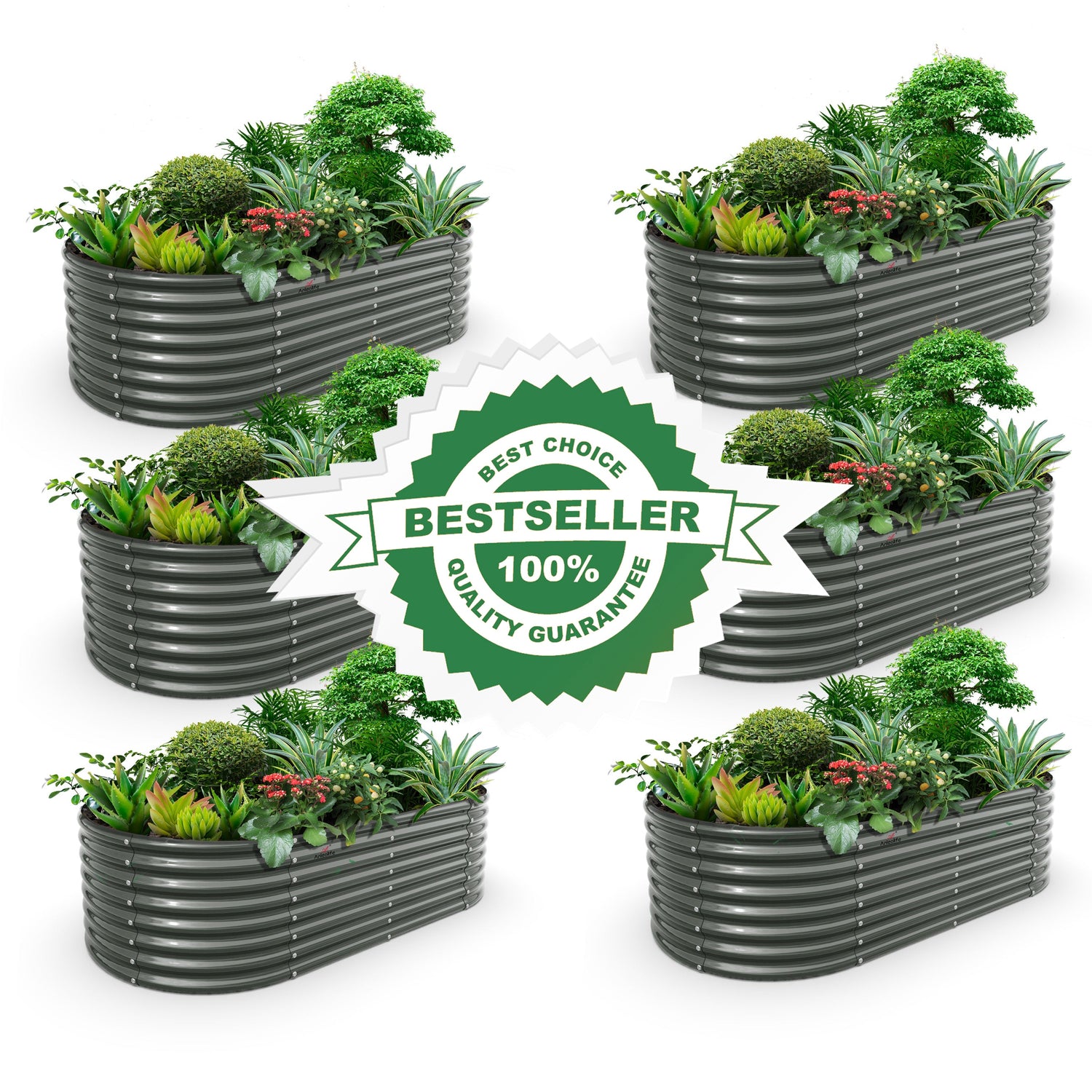




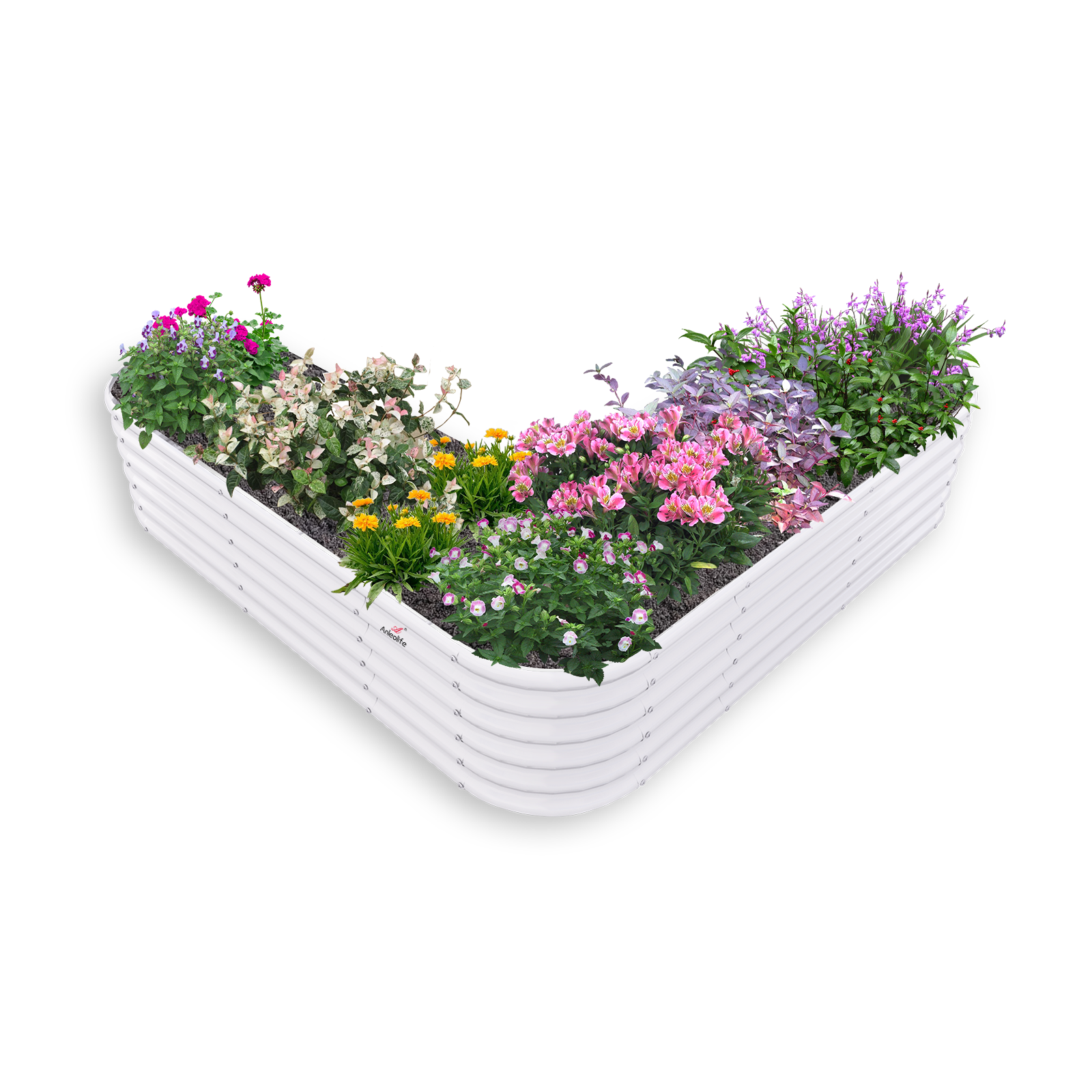
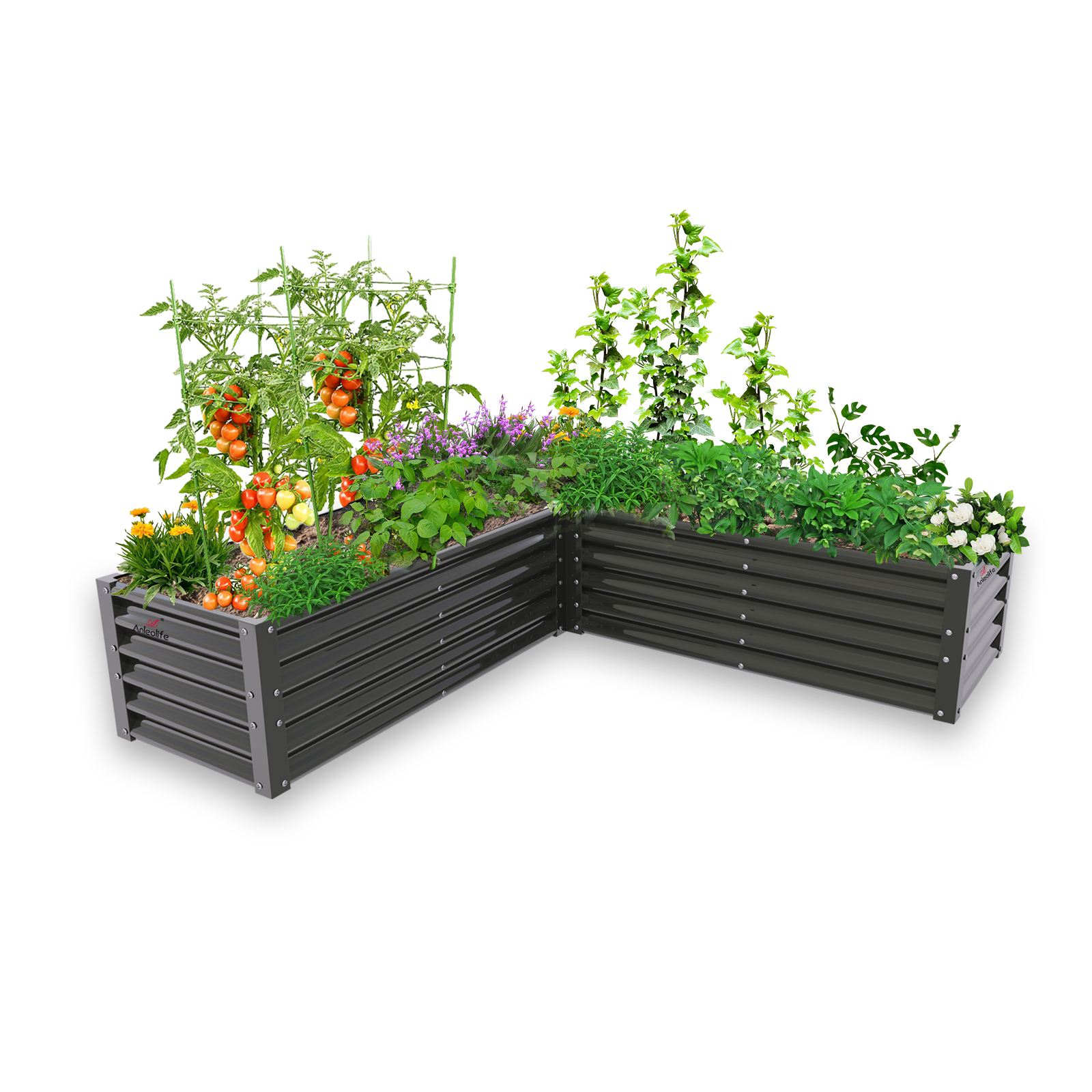
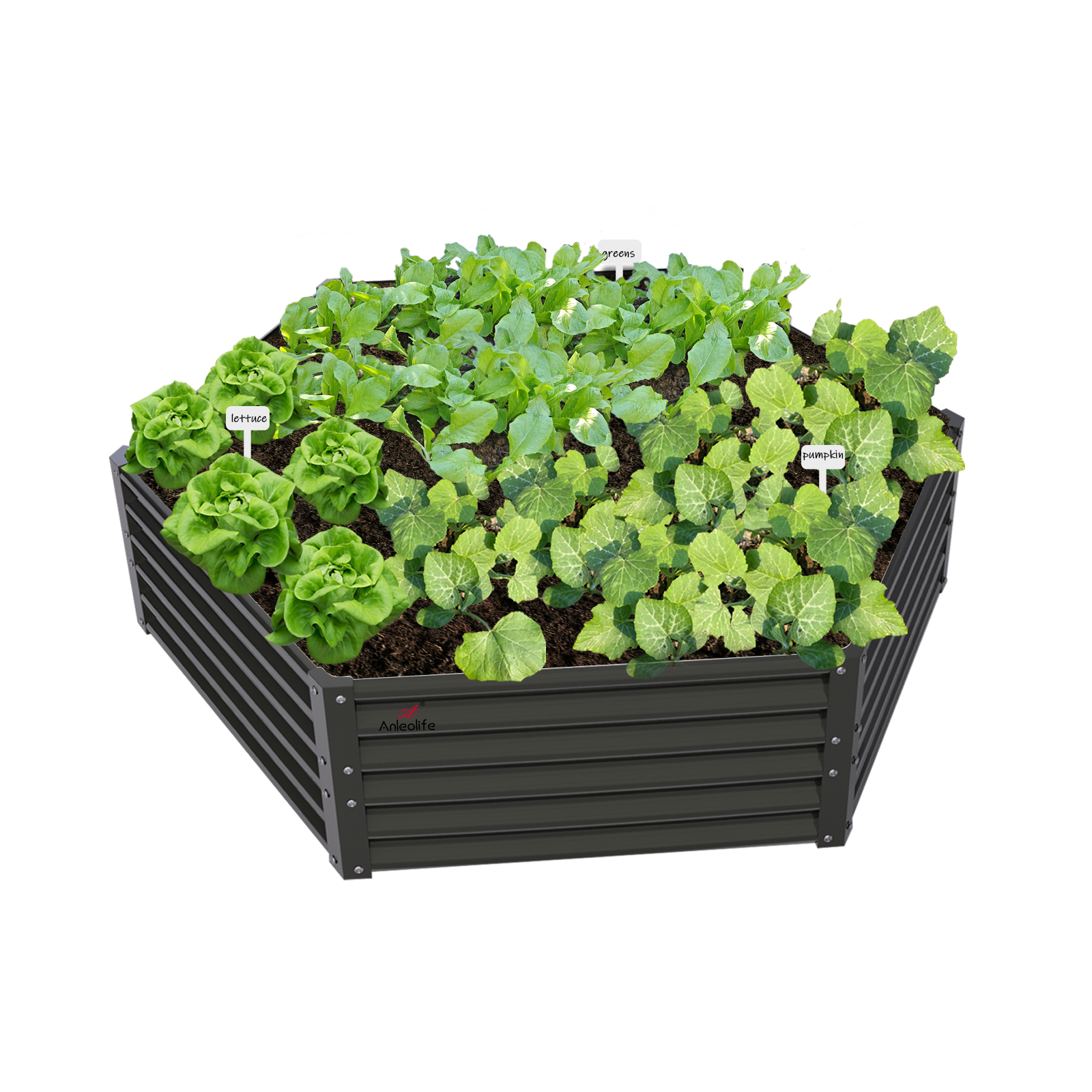
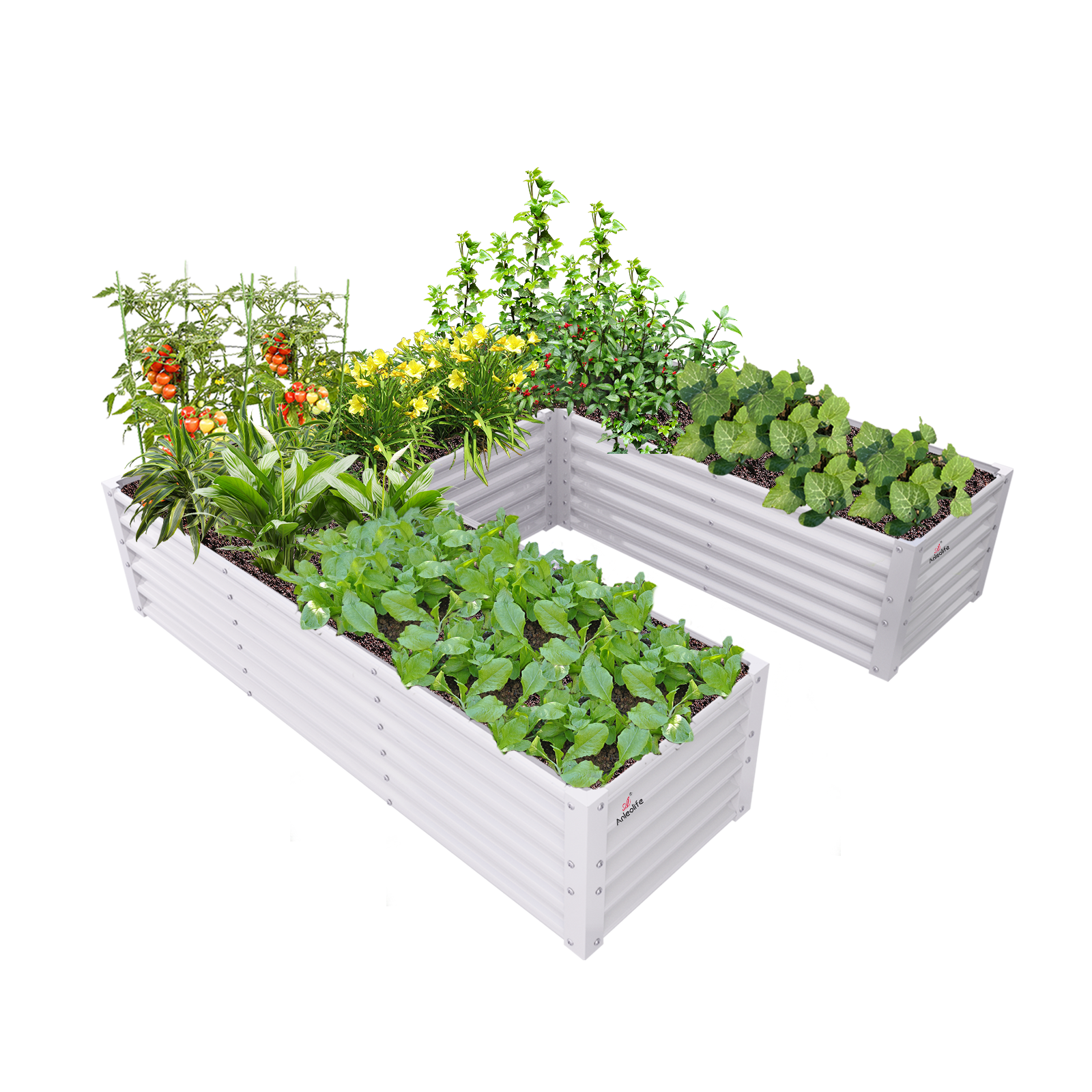

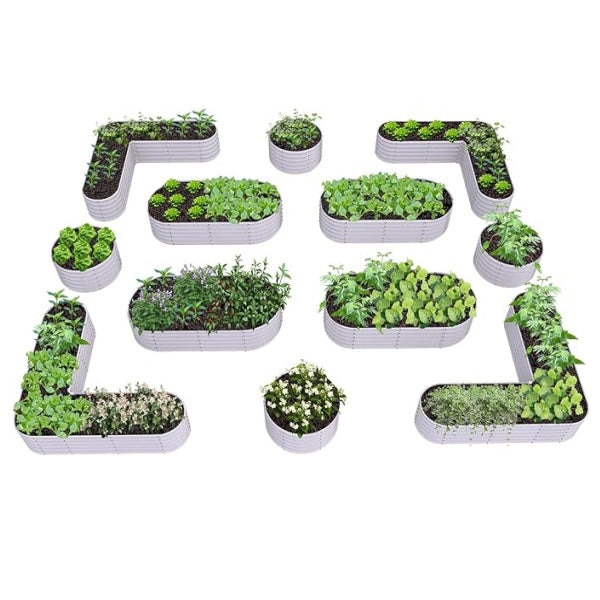


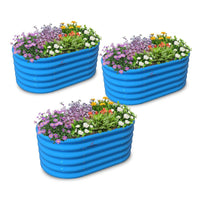
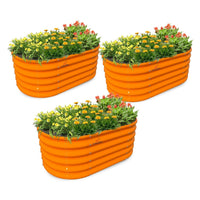
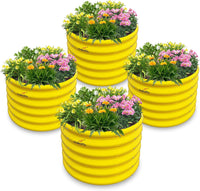
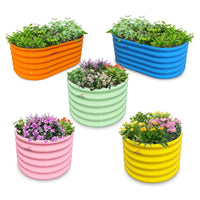
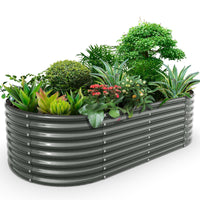



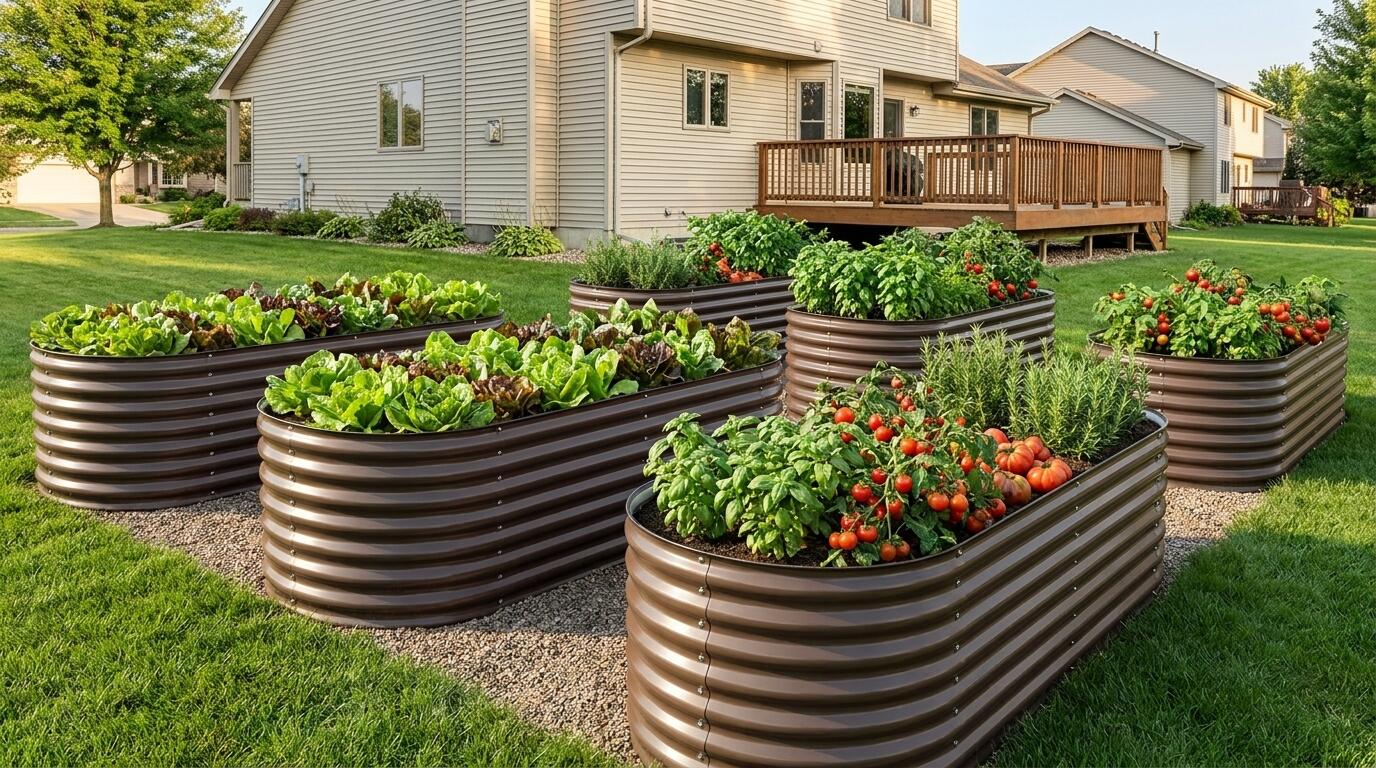
ALT: Budget-friendly galvanized steel raised garden beds for beginners planning their first raised bed layout
Best Raised Garden Beds Under $200 for Budget-Conscious Beginners — What to Look For and Why It Matters
Key Conclusion: Starting your first raised bed garden layout does not have to cost a fortune. The best raised garden beds under $200 deliver durable materials, practical sizing, and genuine flexibility for a beginner's raised bed planting layout — whether you have a small urban balcony, a suburban backyard, or a retirement property with more space than you know what to fill. This list focuses on the structural features, soil system compatibility, and long-term value that matter most when you are new to raised bed gardening and working with a real budget.
Choosing the right raised bed when you are just starting out is harder than it looks. Walk into any garden center or scroll through any online marketplace and the options multiply fast — different heights, materials, shapes, and price tags that may or may not reflect actual quality. In our work helping home growers build their first planting setups, a pattern we consistently see is that beginners over-focus on price alone and under-focus on two things that actually determine long-term satisfaction: structural durability and how well the bed supports a practical raised bed layout. The items on this list were selected based on material quality, sizing logic for beginner plots, budget accessibility under $200, and compatibility with the most common raised bed planting layouts beginners attempt in their first season.
The Best Raised Garden Beds Under $200 for Beginners: A Curated List
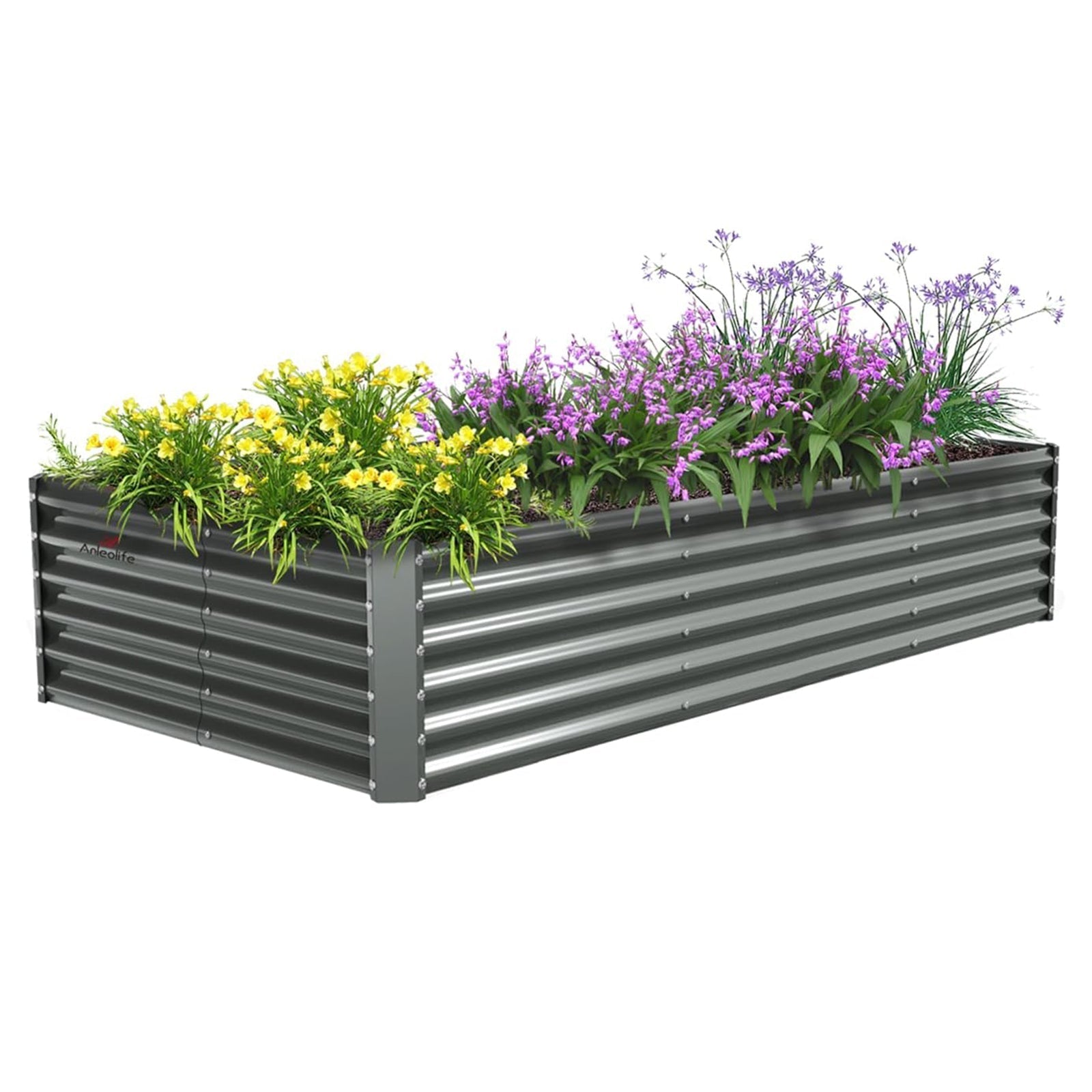
Galvanized Steel Raised Garden Beds — The 18-Inch Tall 8x4 ft Option
A galvanized steel raised garden bed is a planting container made from corrugated or flat-panel steel that has been treated with a zinc coating to resist corrosion — and for beginners, the 18-inch tall 8x4 ft format is one of the most practical starting points available. The 8x4 ft footprint is widely recognized in raised bed gardening as the ideal beginner dimension because you can reach the center of the bed from either long side without stepping in, which protects soil structure. At 18 inches tall, the bed provides meaningful soil depth for root vegetables, herbs, and most annual crops without requiring a waist-high frame. Galvanized steel beds from Anleolife carry an expected lifespan of 20 years, which means your initial investment is spread across two decades of growing seasons.
Best for: Beginners who want a versatile raised bed layout capable of accommodating a wide variety of crops, from shallow-rooted lettuces to deeper-rooted tomatoes and peppers.
Watch out: Steel beds can heat up in full sun during peak summer, which may stress cool-season crops planted directly against the metal walls — mulching the soil surface and planting heat-sensitive varieties toward the center helps.
Galvanized Steel Raised Garden Beds — The 24-Inch Extra Tall 8x4 ft Option
The 24-inch extra tall 8x4 ft galvanized steel raised garden bed is the step up that many beginners wish they had chosen from the start. At 24 inches, the bed significantly reduces the need to crouch or kneel, making it genuinely accessible for gardeners with lower back concerns, knee issues, or anyone in their 50s or 60s who wants to garden without the physical toll. This height also means a deeper soil column, which opens your raised bed planting layout to root crops like carrots and parsnips that struggle in shallower configurations. According to the U.S. Department of Agriculture's guidance on home gardening, adequate soil depth is one of the primary factors separating productive kitchen gardens from underperforming ones.
Best for: Empty nesters, retirees, and anyone prioritizing physical comfort alongside productivity in their raised bed gardening practice.
Watch out: The extra soil volume needed to fill a 24-inch deep bed increases your initial soil system cost — factor that into your total budget before purchasing.
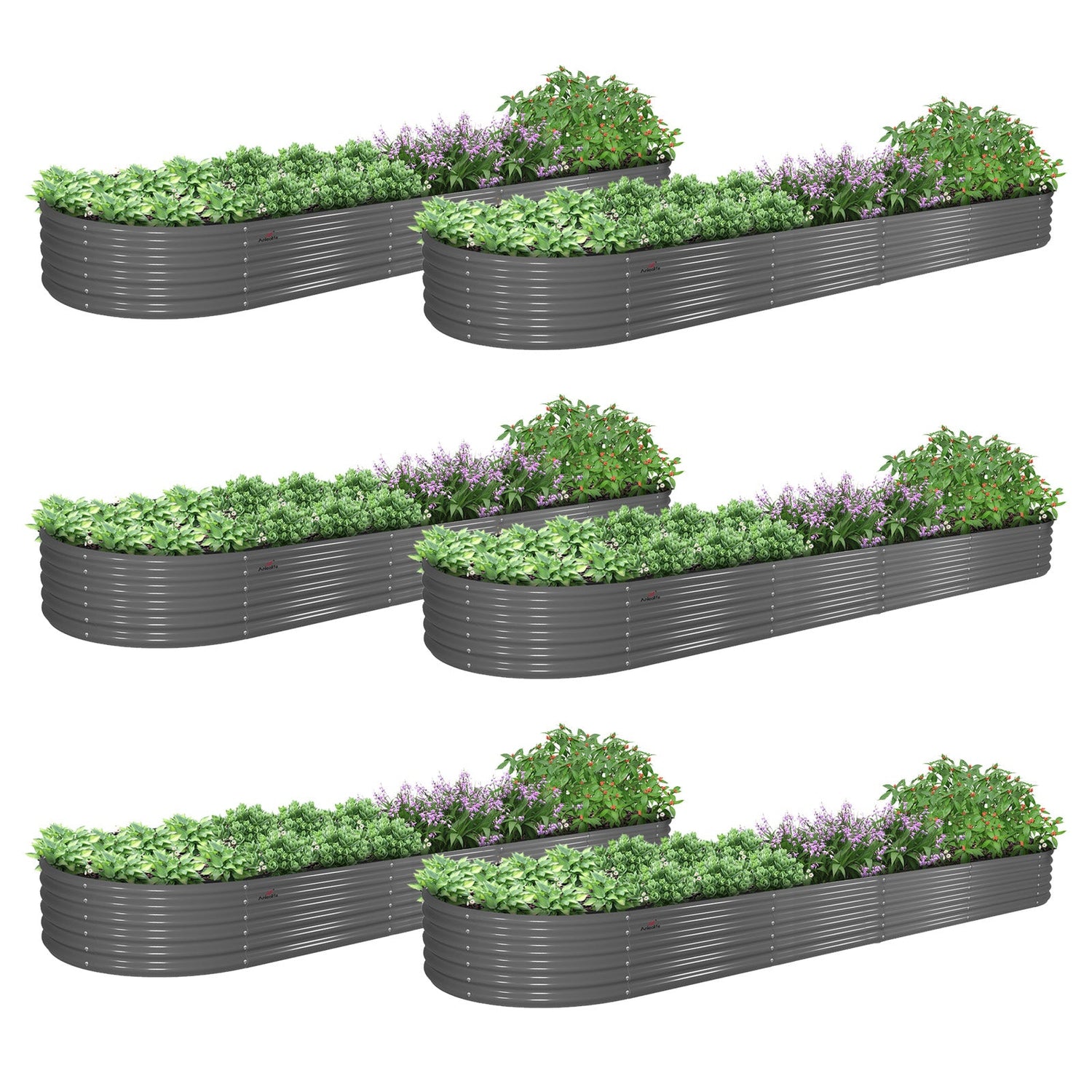
Galvanized Steel Raised Garden Beds — The 18-Inch Tall 12x3 ft Option
The 12x3 ft footprint represents a different philosophy in raised bed garden layout: length over width. This format is ideal when your available outdoor space runs in one direction — along a fence line, beside a driveway, or bordering a patio. The 3-foot width keeps the center easily reachable from one side, and the 12-foot length gives you ample linear space to rotate crops seasonally without dismantling anything. In our experience helping clients plan narrow-plot gardens, this configuration consistently outperforms square formats when space is directional rather than open. The 18-inch depth handles the majority of common vegetables and herbs that beginners start with.
Best for: Urban micro-gardeners, townhouse owners, or anyone working with a long, narrow outdoor footprint.
Watch out: A 12-foot bed can feel awkward to walk around if positioned across a yard rather than along a wall or edge — placement planning matters as much as the bed itself.
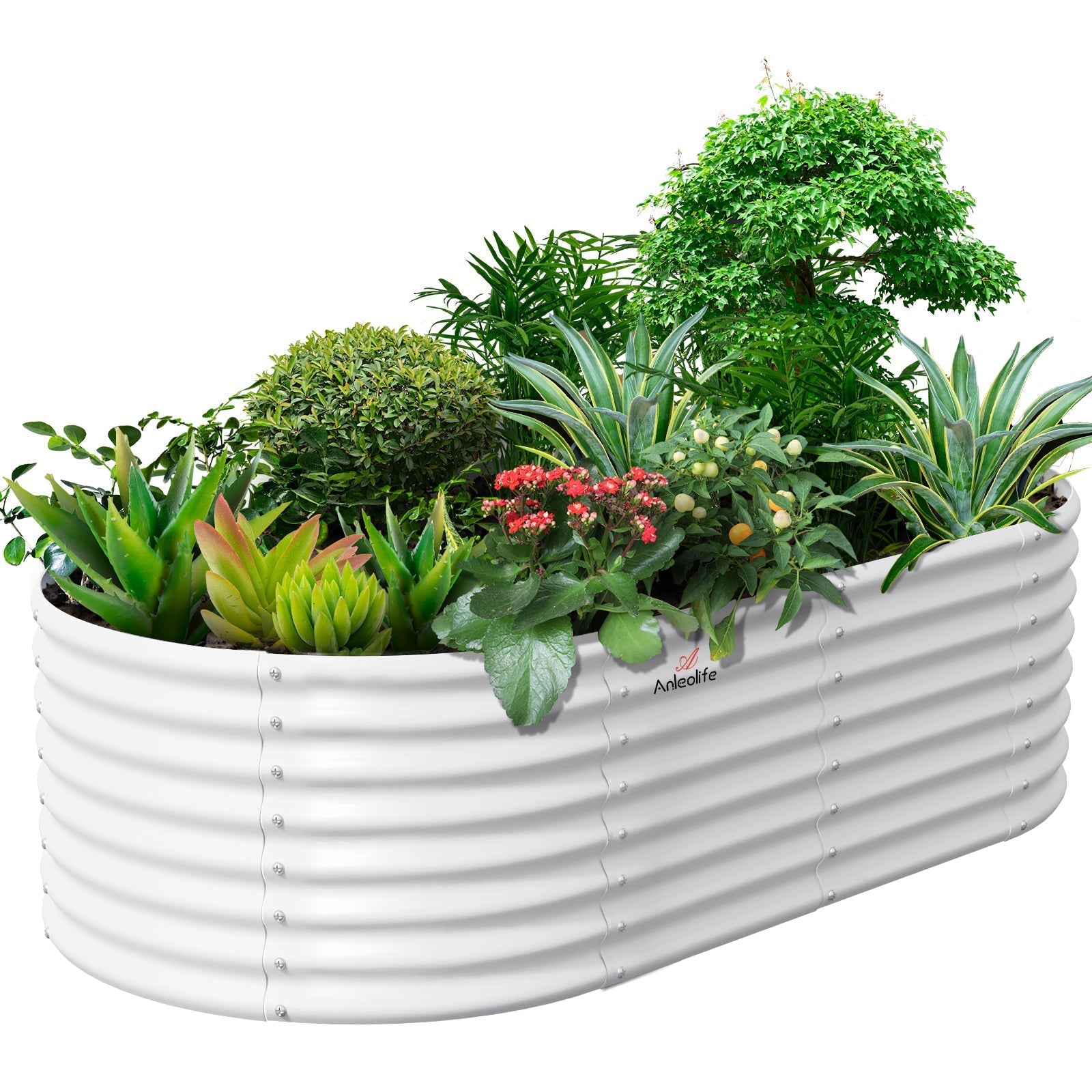
Rust-Resistant Raised Garden Beds — The 18-Inch Tall 8x4 ft Option
Rust-resistant raised garden beds are steel or metal garden beds treated with specialized coatings or formulations designed to outperform standard galvanized finishes in high-humidity or wet climates. For beginners gardening in coastal regions, the Pacific Northwest, or the humid South, rust resistance is not a marketing add-on — it is a practical necessity. The 18-inch tall 8x4 ft rust-resistant option from Anleolife provides the same practical raised bed layout advantages as the galvanized equivalent while offering enhanced protection against moisture-driven corrosion. With an expected lifespan of 20 years, this investment holds up even in challenging weather conditions.
Best for: Gardeners in high-humidity or coastal climates where moisture exposure is ongoing and corrosion is a realistic concern.
Watch out: Rust-resistant does not mean maintenance-free — inspect the coating annually for chips or scratches and address any damage promptly to preserve the protective layer.
Rust-Resistant Raised Garden Beds — The 24-Inch Extra Tall 6x3 ft Option
The 24-inch extra tall 6x3 ft rust-resistant bed offers one of the most compact footprints for a deep planting configuration. At 6x3 ft, this bed fits comfortably on a larger deck, in a courtyard, or alongside other beds without dominating the space. The 24-inch depth makes it suitable for a focused raised bed planting layout centered on deeper-growing crops or intensive companion planting systems. Because the footprint is modest, beginners can often fit two or three of these units within their budget while maintaining the structural integrity and longevity that cheap plastic alternatives cannot match. The University of California Cooperative Extension has documented that well-structured soil depth is directly correlated with yield quality in home vegetable gardens.
Best for: Urban gardeners or those with patio/deck spaces who want serious planting depth without a large horizontal footprint.
Watch out: The compact size means less total planting area per bed — plan your raised bed layout carefully to maximize what you grow in each square foot.
Modular Raised Garden Beds — The 18-Inch Tall 8x4 ft Option
A modular raised garden bed is a system of interlocking or connectable panels that allow you to reconfigure the shape, size, and arrangement of your planting area over time — and this flexibility is one of the most undervalued advantages for beginners. Starting with an 18-inch tall 8x4 ft modular configuration gives you a solid foundation, but the real value emerges when you want to expand. Rather than purchasing an entirely new bed, you add panels to extend the footprint. This mirrors how experienced gardeners naturally evolve their raised bed garden layout — starting compact, learning what grows well, and expanding strategically. Modular beds from Anleolife are designed with this growth arc in mind.
Best for: Beginners who are uncertain about their long-term garden size and want a raised bed system that can grow alongside their experience.
Watch out: Panel connections must be secured properly during assembly — loose joints create gaps that can allow soil to escape over time, particularly after watering.
Modular Raised Garden Beds — The 18-Inch Tall 12x3 ft Option
The modular 18-inch tall 12x3 ft option combines the length-focused raised bed layout advantages of the non-modular 12x3 ft format with the adaptability of a panel-based system. If your gardening ambitions evolve from a single row of herbs to a multi-bed kitchen garden, this configuration gives you the flexibility to rearrange and extend without starting from scratch. Beginners frequently underestimate how quickly their needs change after the first successful growing season — and a modular bed that adapts is a smarter long-term investment than a fixed bed that limits future options.
Best for: Beginners expecting to expand their garden within the first two seasons, particularly those planning a more structured raised bed planting layout as they gain confidence.
Watch out: Modular systems require more careful assembly attention than fixed beds — budget extra setup time during installation.
Heavy Duty Raised Garden Beds — The 18-Inch Tall Option
Heavy duty raised garden beds are designed with thicker gauge materials, reinforced panels, or additional structural supports that allow them to hold larger volumes of soil without bowing or deforming over time. For beginners planning ambitious raised bed layouts with multiple beds side by side, this structural rigidity is worth the consideration. A bowing bed wall not only looks unsightly — it signals soil pressure damage that can shorten the bed's usable life. The 18-inch tall heavy duty option provides reliable structural performance for standard planting depths while remaining accessible in price.
Best for: Gardeners who want to fill beds with rich, heavy soil amendments — like dense compost blends — without worrying about structural integrity over multiple seasons.
Watch out: Heavy duty construction typically means heavier panels during assembly — plan to have a second person on hand for installation.
Heavy Duty Raised Garden Beds — The 30-Inch Extra Tall 10x3 ft Option
The 30-inch extra tall 10x3 ft heavy duty raised garden bed represents the upper end of what beginners can realistically set up under $200 — and it delivers a genuinely professional raised bed layout experience. At 30 inches, this is a true waist-height bed for most adults, eliminating virtually all bending during planting, weeding, and harvesting. The 10x3 ft footprint gives ample linear growing space while the 3-foot width remains reachable from one side. For retirees or anyone managing physical limitations, this configuration turns gardening from a strenuous activity into a genuinely enjoyable daily practice. Per guidance from the National Gardening Association, accessible garden bed height is one of the most significant factors in whether older adults maintain consistent gardening habits over time.
Best for: Retirees, gardeners with mobility limitations, or anyone prioritizing daily ease of use over maximum planting area.
Watch out: Filling a 30-inch deep bed requires a substantial volume of soil and amendments — many experienced gardeners use the "Hugelkultur" or layered filling method to reduce costs, placing logs or organic matter at the bottom before adding growing medium.
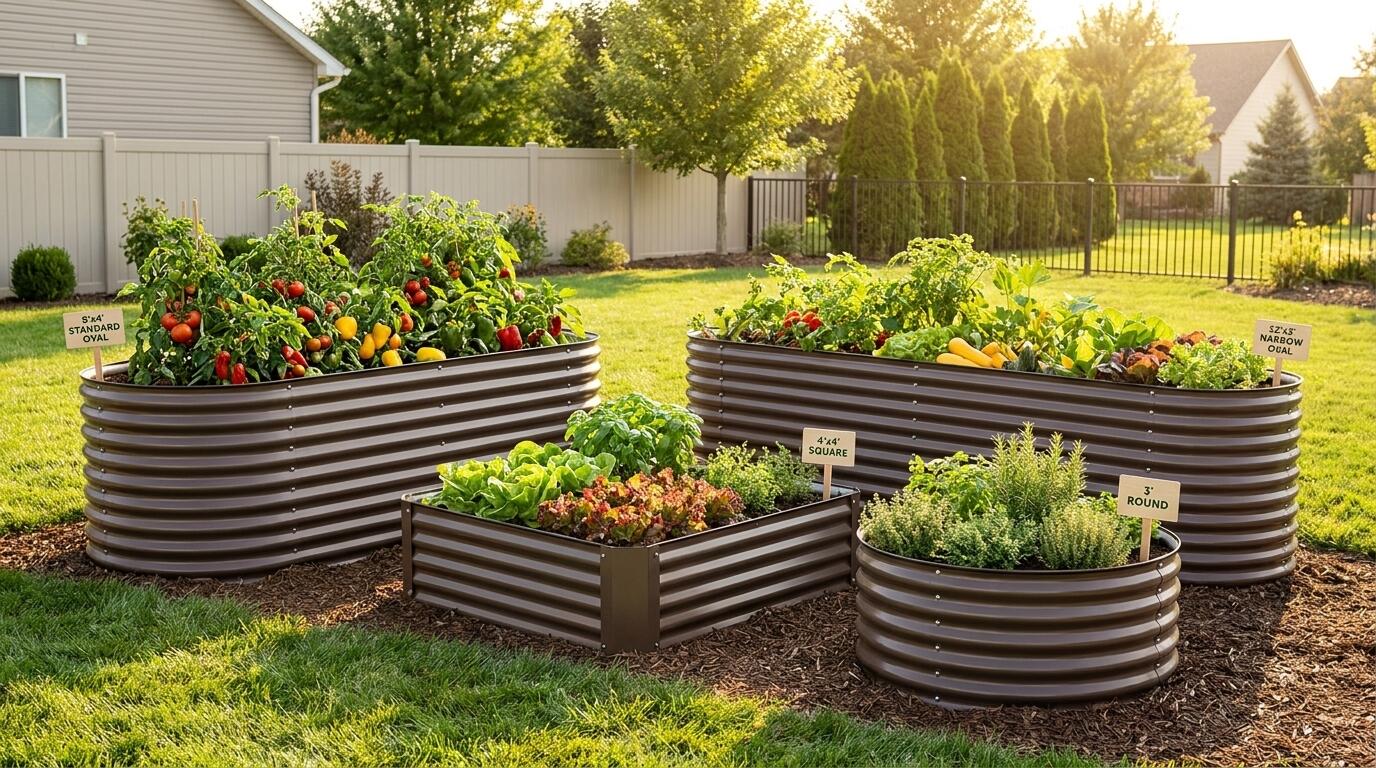
ALT: Comparison of galvanized and modular raised garden beds for beginner raised bed planting layout under $200 budget
Quick Comparison at a Glance
The table below maps each bed to its ideal use case, strongest structural advantage, and the one limitation beginners most often discover after purchase. Use this as a rapid-reference guide when your budget is firm and your decision comes down to a few specific factors.
| Item | Best For | Key Strength | Limitation |
|---|---|---|---|
| Galvanized Steel 18" Tall 8x4 ft | Versatile beginner raised bed layout | Broad crop compatibility, 20-year lifespan | Metal walls can heat up in full sun |
| Galvanized Steel 24" Extra Tall 8x4 ft | Physical accessibility, deep root crops | Reduced bending, generous soil depth | Requires more soil to fill — adds cost |
| Galvanized Steel 18" Tall 12x3 ft | Narrow or linear outdoor spaces | Long footprint, excellent for row planting | Placement planning is critical |
| Rust-Resistant 18" Tall 8x4 ft | Humid or coastal climates | Enhanced corrosion resistance, 20-year lifespan | Coating requires periodic inspection |
| Rust-Resistant 24" Extra Tall 6x3 ft | Deck/patio planting with deep soil needs | Compact footprint, generous depth | Less total planting area per unit |
| Modular 18" Tall 8x4 ft | Beginners expecting future expansion | Flexible, reconfigurable layout | Joints require careful assembly |
| Modular 18" Tall 12x3 ft | Future garden growth planning | Adaptable length, upgradeable system | More setup time required |
| Heavy Duty 18" Tall | Dense soil, multi-bed layouts | Superior structural rigidity | Heavier panels, two-person assembly recommended |
| Heavy Duty 30" Extra Tall 10x3 ft | Retirees, accessibility-first gardening | True waist height, minimal bending | High soil volume requirement |
All Anleolife raised garden beds carry an expected service life of 20 years and ship within 3–8 business days through a nationwide U.S. warehouse network. This combination of durability and reliable delivery removes two of the most common beginner frustrations: beds that fail within a few seasons, and shipping delays that push the planting window back.
How to Choose the Right Raised Garden Bed for Your Situation
The single most useful question to ask before selecting a raised bed is not "which one is cheapest?" but "what does my raised bed layout actually require?" Here is a practical decision framework based on the most common beginner situations we encounter.
If you have a small or directional outdoor space — a patio edge, a fence line, or a narrow side yard — prioritize the 12x3 ft options. The linear footprint maximizes growing area without sprawling outward, and the 3-foot width keeps every plant within arm's reach.
If you are concerned about physical comfort — back pain, knee issues, or simply wanting to garden without crouching — move directly to the 24-inch or 30-inch extra tall options. The productivity gain from comfortable access far outweighs the slightly higher soil cost, and the difference in daily enjoyment is significant.
If you expect your garden to grow — you are new to raised bed gardening but already imagining a larger setup after your first season — the modular options are the most financially intelligent starting point. You invest once and expand incrementally rather than purchasing a second fixed bed.
If you garden in a wet or coastal climate — humidity, rainfall, and salt air accelerate corrosion on standard steel finishes — prioritize the rust-resistant series. The long-term material integrity makes the choice straightforward.
If you are filling your bed with heavy soil amendments — rich compost blends, clay-based mixes, or layered soil systems — the heavy duty series offers the structural reinforcement that prevents the wall bowing common in lighter-gauge alternatives.
A common misconception worth addressing directly: many beginners assume that a deeper bed is always better. In practice, the right depth depends on what you plan to grow. Herbs, lettuces, and most annual flowers perform well in 18-inch beds. Root vegetables and large fruiting plants benefit from 24 inches or more. Matching depth to crop type — and then matching the bed to your physical reality and space — produces better outcomes than simply choosing the tallest option available.
Common Questions
Q1: How do I plan a raised bed garden layout for the first time?
A beginner raised bed garden layout works best when you start with one or two beds rather than attempting a full garden immediately. Position your beds where they receive at least six hours of direct sunlight daily — this is the single most consistent recommendation from U.S. cooperative extension services for vegetable garden placement. Sketch your planting zones before you plant, grouping plants by height (tall plants on the north side to avoid shading shorter ones) and by water needs. A simple 8x4 ft or 12x3 ft bed gives you enough room to practice companion planting and crop rotation without feeling overwhelmed.
Q2: Is galvanized steel safe to use as a raised garden bed for growing food?
Galvanized steel raised garden beds are widely used for food production and are considered safe by most horticultural and agricultural authorities. The zinc coating that provides corrosion resistance leaches into soil at levels that are generally well below thresholds of concern, particularly when the beds are used for annual vegetable crops. According to guidance from university cooperative extension programs across the United States, galvanized steel is an accepted and commonly recommended material for home food gardens. Gardeners with particular concerns can line the interior of their beds with a food-safe barrier material as an additional precaution.
Q3: How long does it take to receive a raised garden bed, and what is the setup time?
Anleolife raised garden beds ship from a nationwide U.S. warehouse network — with locations in California, Texas, Florida, New York, Illinois, and Washington — and are delivered within 3–8 business days depending on your location. Most raised garden beds in this size range can be assembled by one or two adults in under an hour using basic hand tools. Filling the bed with soil takes longer than assembly for most first-time gardeners — a standard 8x4x18-inch bed requires a meaningful volume of growing medium, so sourcing your soil system in advance of the bed's arrival helps you get planting faster.
Final Thoughts
Starting a raised bed garden on a real budget is entirely achievable — and the beds available under $200 today are, in many cases, the same durable, high-performance structures that experienced gardeners rely on. Three points are worth carrying forward from everything covered in this article.
First, material durability matters more than initial price. A galvanized steel or rust-resistant bed with a 20-year lifespan is not a $150 purchase — it is a long-term infrastructure investment that averages out to a very small annual cost per growing season.
Second, your raised bed layout is a decision that compounds over time. The first bed you choose shapes how you plant, what you grow, and whether you expand. Choosing a size and format that matches your actual outdoor space and physical comfort — rather than just your wallet — sets a stronger foundation for the seasons ahead.
Third, modularity and accessibility are the two most underrated features for beginners. The gardeners we see stick with the practice long-term are the ones who started with beds they could physically manage and expand as their confidence grew — not the ones who bought the most impressive configuration on day one.
Your next step is straightforward: measure your available outdoor space, identify whether your climate calls for standard galvanized or rust-resistant construction, and match the height to your physical needs. From there, the right raised bed for your raised bed planting layout becomes a practical, confident choice rather than an overwhelming one.
Explore the full range of Anleolife raised garden beds — available on the Anleolife.com website as well as Amazon, Walmart, Home Depot, Lowe's, and Wayfair — and find the bed that fits your layout, your budget, and your growing ambitions. With delivery in 3–8 business days from warehouses across the United States, your garden upgrade can begin this season, not next year. Start with one bed or build out a complete planting-and-raising ecosystem — Anleolife grows with you every step of the way.
References & Further Reading
- U.S. Department of Agriculture (USDA). "Home Gardening and Vegetable Production Resources."
https://www.usda.gov/ - University of California Agriculture and Natural Resources (UC ANR). "Cooperative Extension: Home Vegetable Gardening Guides."
https://ucanr.edu/ - National Gardening Association. "Raised Bed Gardening Guides and Accessibility in Home Gardens."
https://garden.org/
Note: Standards and guidelines may be updated; please check the latest official documents or consult professional advisors for the most current recommendations.