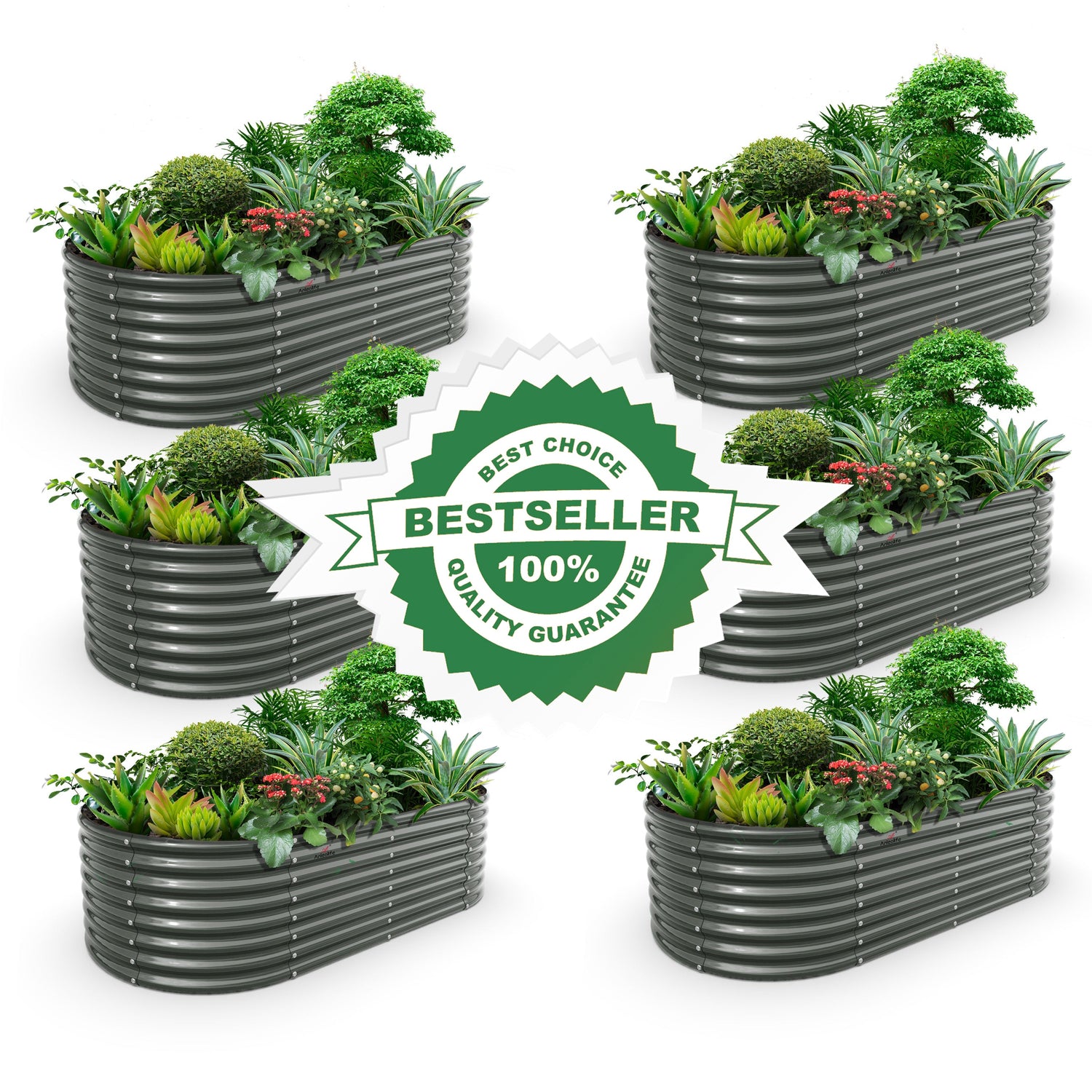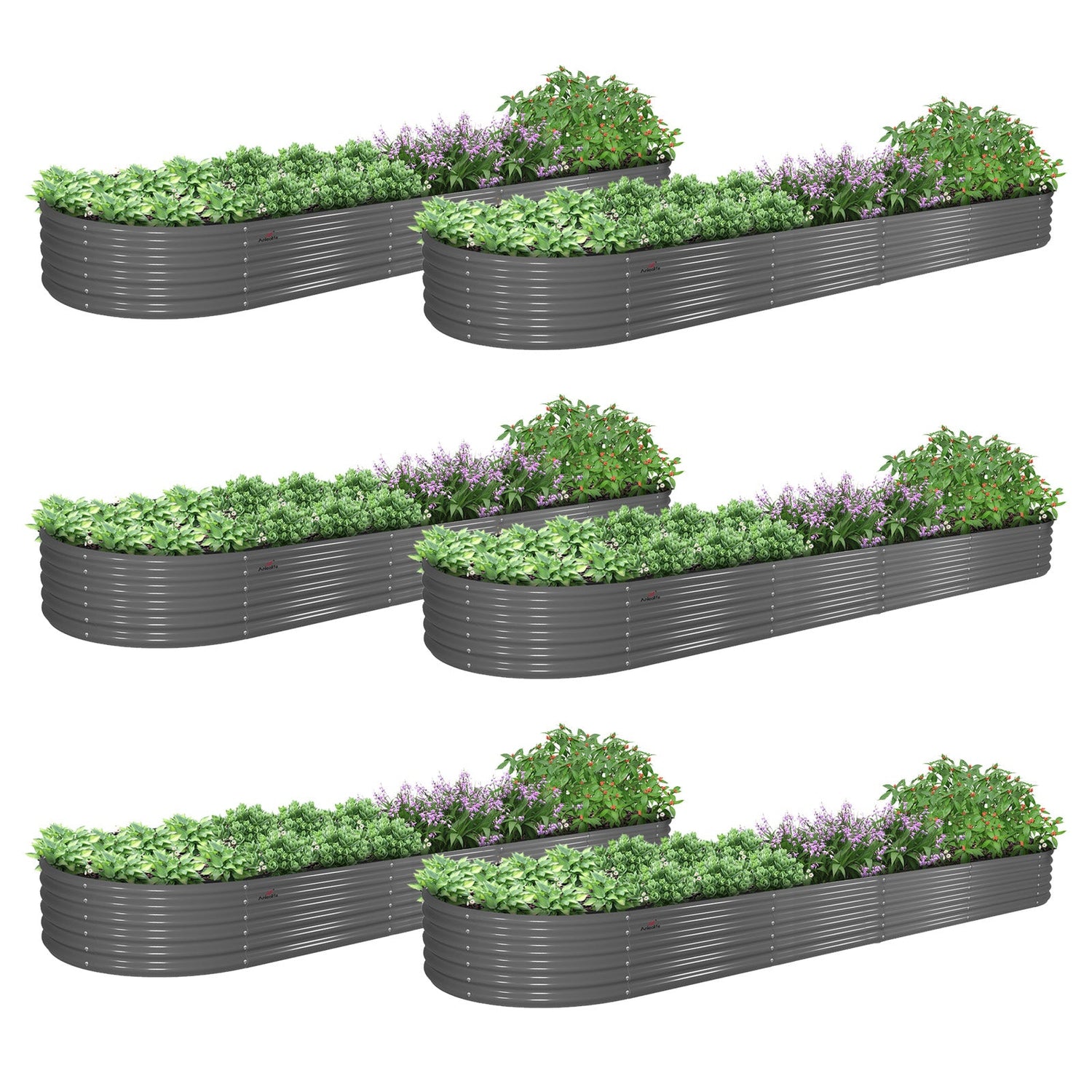



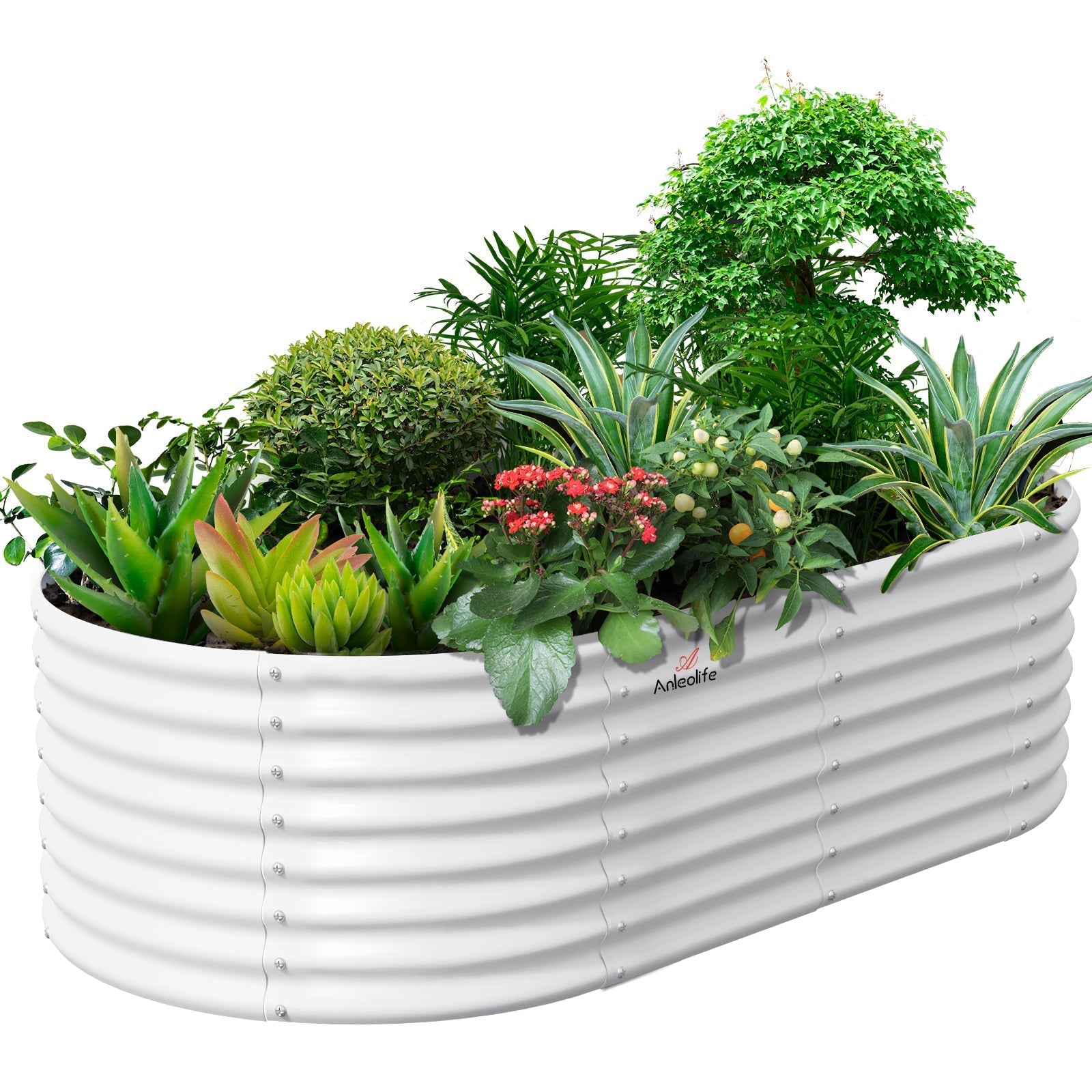
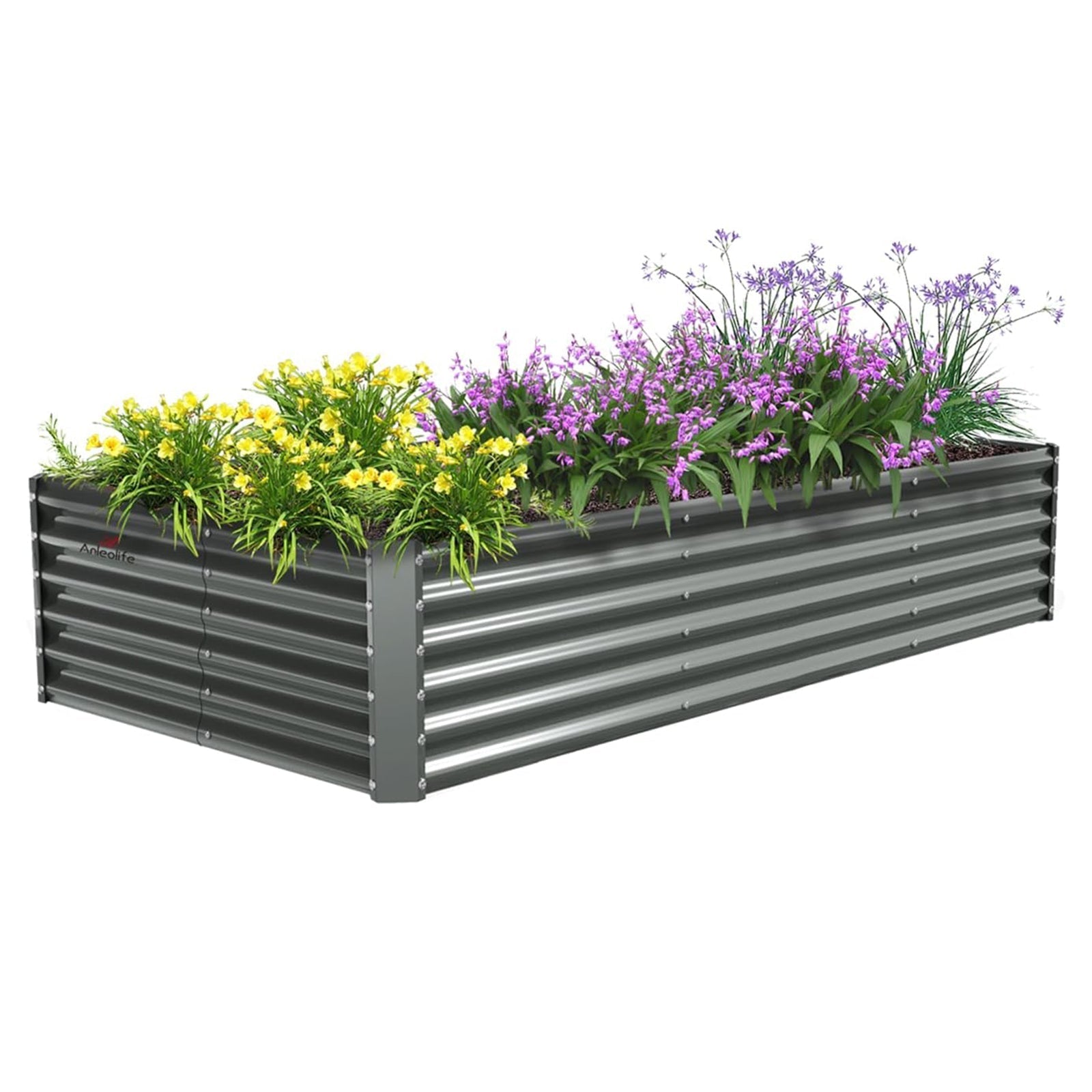

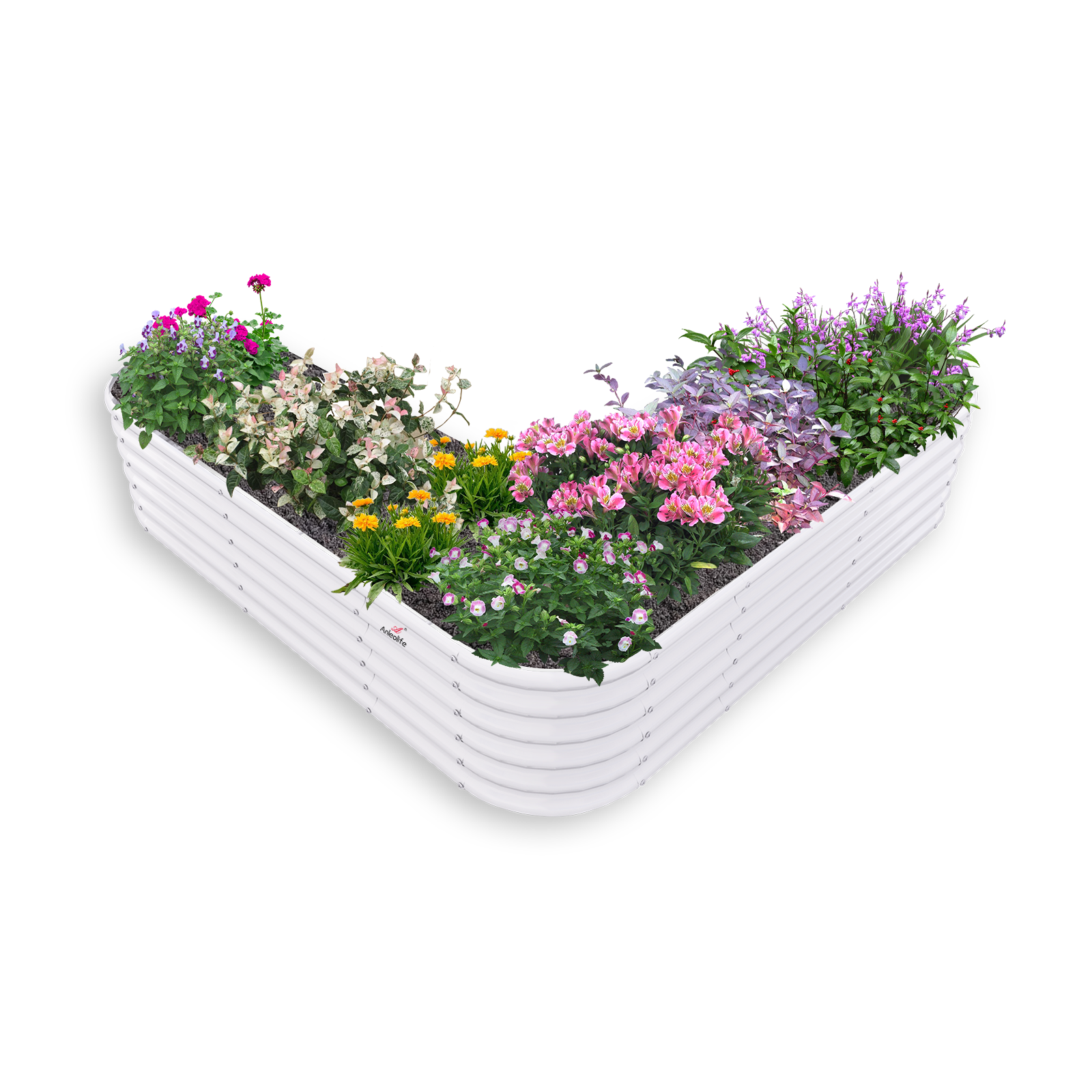
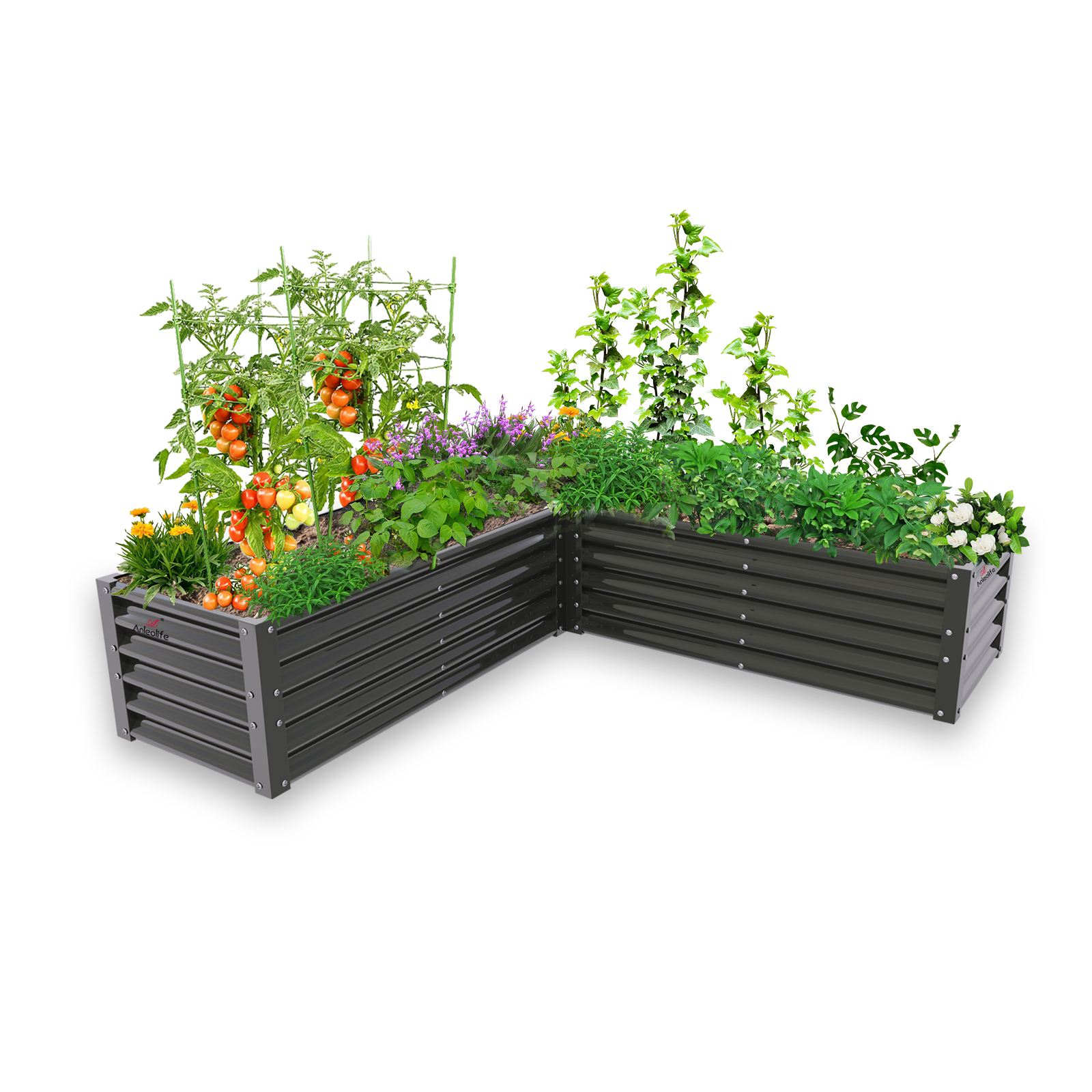
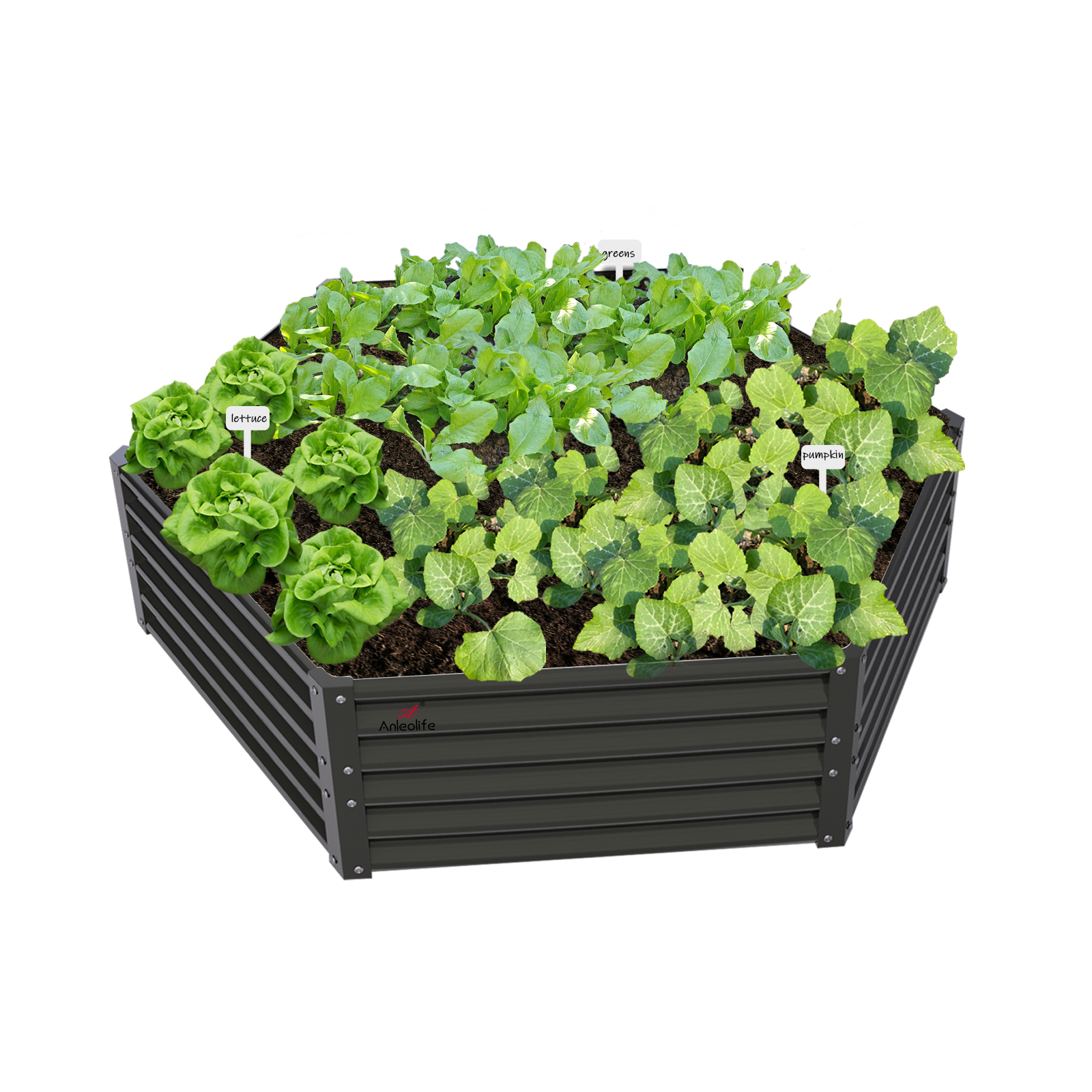
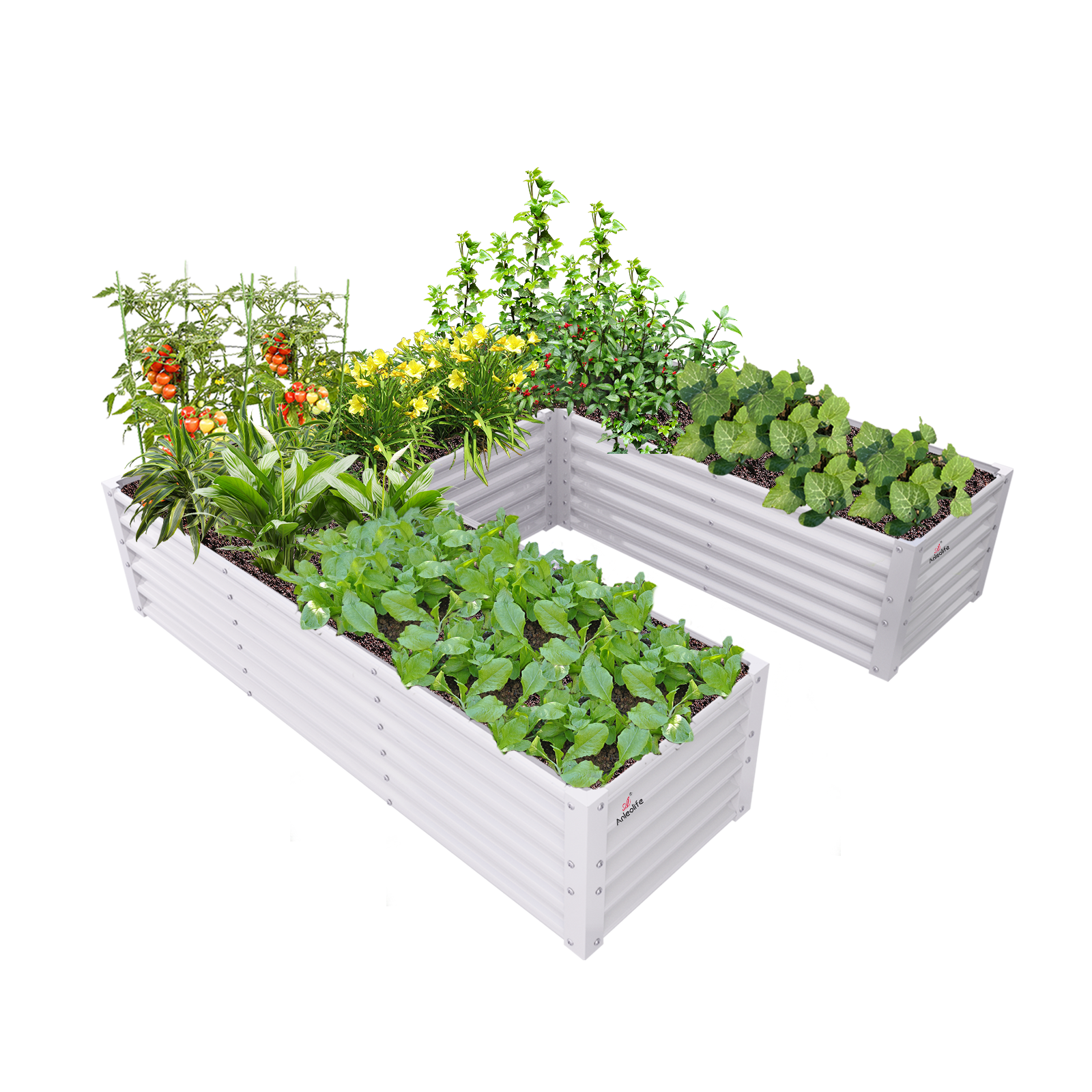

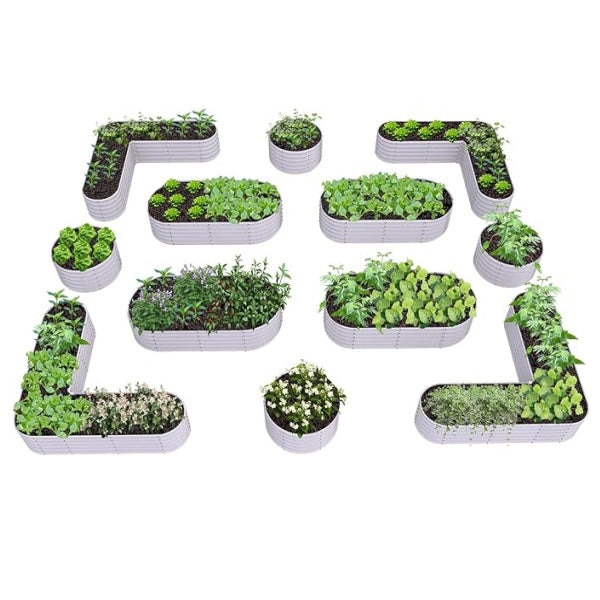


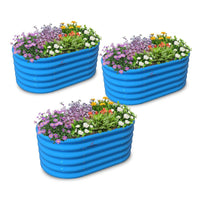
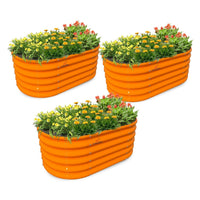
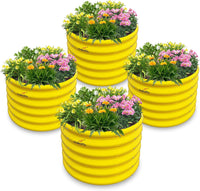
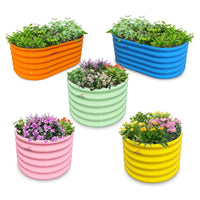
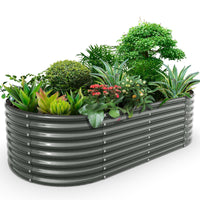



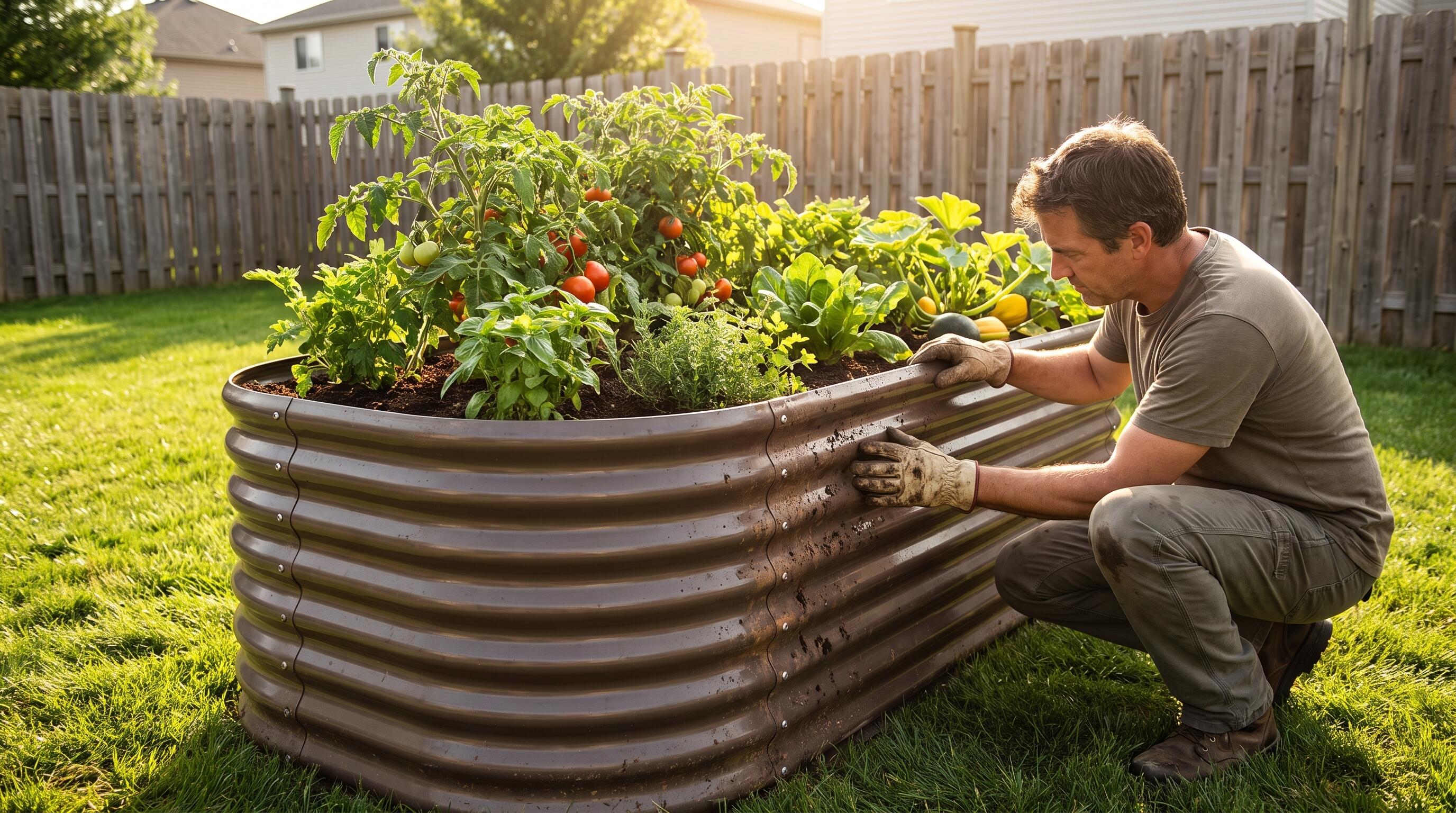
ALT: Rust-resistant raised garden bed kits compared after 3 seasons of real outdoor gardening use
How to Choose the Best Rust-Resistant Raised Garden Bed Kits That Actually Last
Key Conclusion: After three full growing seasons, the best rust-resistant raised garden bed kits distinguish themselves through material integrity, structural stability, and long-term corrosion resistance. Whether you're designing a raised bed garden layout with integrated irrigation systems or adding kinetic wind spinners as decorative touches, your garden infrastructure must be durable enough to support years of continuous use. The right kit won't just survive the seasons — it will set the foundation for a productive, beautiful garden ecosystem.
Choosing a raised garden bed kit isn't a decision you want to revisit every couple of years. Between soil expansion pressure, seasonal moisture fluctuations, and the general wear that comes from outdoor exposure, a poorly constructed bed can buckle, rust, or collapse before you've even finished your second harvest. That's why comparing kits based on long-term performance — not just initial price or looks — is essential.
In this guide, we break down what truly differentiates rust-resistant garden bed kits after three full seasons of use. We'll walk you through material science, structural design, size considerations, and how to integrate your beds into a broader raised bed garden layout that supports healthy soil systems and visually pleasing outdoor spaces.
Who This Guide Is For
✅ Applicable Scenarios:
- Home gardeners who have experienced rust or corrosion issues with previous metal beds and want a more durable long-term solution
- Urban micro-gardeners looking to maximize limited outdoor space with compact, modular designs that integrate seamlessly with irrigation systems and decorative elements like kinetic wind spinners
- Empty nesters and retirees seeking low-maintenance, ergonomically designed raised beds that reduce bending and physical strain over multiple seasons
❌ Not Applicable/Cautions:
- Gardeners looking for purely decorative or temporary planting containers — rust-resistant metal beds are an investment in permanence, not seasonal flexibility
- Anyone planning to move their garden setup frequently, as heavy-gauge galvanized or rust-resistant steel beds are designed for fixed, long-term placement rather than portability
Why Rust Resistance Matters More Than You Think After Season One
Most gardeners don't notice material problems during their first growing season. The beds look great fresh out of the box, assembly is straightforward, and the excitement of your first harvest overshadows any concerns about long-term durability. But by season two — and certainly by season three — the differences between a high-quality rust-resistant raised garden bed and a cheaper alternative become unmistakably clear.
Metal raised garden beds face a unique combination of stressors. They hold moist soil against their interior walls year-round, face frost expansion and thaw contraction in colder climates, and are continuously exposed to rain, irrigation runoff, and humidity. Even a small compromise in coating quality or steel grade can lead to visible rust formation, structural weakening, and eventually, contamination concerns for the soil inside.
The U.S. gardening market has grown significantly over the past several years, with raised bed gardening consistently ranking among the most popular trends for home growers. According to the National Gardening Association, food gardening participation in America has surged, with millions of households starting or expanding edible gardens. This growth has flooded the market with options — ranging from genuinely durable, well-engineered kits to low-cost alternatives that look similar on the surface but perform very differently over time.
Understanding what makes a raised garden bed truly rust-resistant — and what separates marketing language from material science — is the first step toward making a smart, long-term purchase. The stakes are higher than they might seem: a bed that fails after two seasons doesn't just cost you money; it disrupts your soil ecosystem, wastes the amendments and compost you've carefully layered, and forces you to start your raised bed garden layout planning all over again.
Comparing Rust-Resistant Raised Garden Bed Kits: A Three-Season Performance Breakdown
Three-Step Quick Start: Getting Your Rust-Resistant Bed Set Up Right
Step 1: Choose Your Site and Size
Before assembling your kit, spend time evaluating your outdoor space. Consider sunlight exposure (most vegetables need at least 6–8 hours of direct sun), proximity to a water source for connecting irrigation systems, and the overall flow of your raised bed garden layout. Measure your available space carefully and choose a bed size that fits comfortably without crowding. This step typically takes 30–60 minutes but saves considerable effort later.
Step 2: Prepare Your Ground and Assemble the Bed
Clear the chosen area of weeds and level the ground as much as possible. Most modular rust-resistant steel beds are designed for tool-free or minimal-tool assembly, with interlocking panels that come together in under an hour. Once assembled, consider laying cardboard or landscape fabric on the ground inside the bed to suppress weeds before adding your soil system. This step, including ground prep, typically takes 1–2 hours.
Step 3: Fill, Amend, and Plan Your Growing Layout
A quality soil system is the foundation of productive raised bed gardening. Fill your bed with a blend of topsoil, compost, and other organic amendments — a common approach is a mix of roughly one-third compost, one-third topsoil, and one-third other amendments like perlite or aged manure for drainage and nutrition. Once filled, plan your planting layout based on the mature size of your chosen crops, leaving room for companion planting, kinetic wind spinners or decorative accessories if desired, and easy access to all areas of the bed.
Side-by-Side Comparison: How Rust-Resistant Kits Stack Up After 3 Seasons
When evaluating raised garden bed kits for long-term durability, it helps to compare them across the dimensions that actually matter after multiple seasons of real use. The table below outlines how different material and design approaches perform across key categories.
| Comparison Dimension | Standard Galvanized Steel | Rust-Resistant Coated Steel | Heavy-Duty Multi-Layer Protection |
|---|---|---|---|
| Corrosion Resistance (3+ seasons) | Moderate — may show surface rust in high-humidity climates | High — coating maintains integrity across freeze-thaw cycles | Very High — engineered for long-term outdoor exposure |
| Structural Stability Under Soil Pressure | Good for standard soil volumes | Very Good — maintains shape with dense soil systems | Excellent — designed for deep fills and heavy amendments |
| Height Options for Accessibility | Standard heights available | Multiple heights including extra-tall options | Includes waist-high options for back-friendly gardening |
| Modularity / Expandability | Limited — fixed configurations | Good — some modular options available | High — fully modular designs allow custom layouts |
| Expected Lifespan | Consult provider | Up to 20 years with proper care | Up to 20 years with proper care |
| Compatibility with Irrigation Systems | Compatible | Compatible | Compatible |
| Assembly Complexity | Moderate | Low to moderate | Low — tool-free or minimal tool assembly |
What Three Seasons Actually Reveal About Rust-Resistant Beds
Material Quality Is the Foundation
After three growing seasons, the single most important factor determining whether your raised garden bed still looks and performs like new is the quality of the steel and its protective treatment. Rust-resistant raised garden beds that use high-grade steel with multi-layer protective coatings consistently outperform standard options, particularly in climates with significant rainfall, coastal humidity, or hard winters.
Anleolife's rust-resistant raised garden bed line is a strong example of this principle in practice. Built to last up to 20 years, these beds are engineered to maintain their structural integrity and appearance season after season. The range spans a wide variety of sizes — from compact 18" tall 6x3 ft beds suited for urban patios to spacious 30" extra-tall 6x3 ft configurations ideal for serious home growers who want deep root space without bending. There are also 24" extra-tall and 8x4 ft options that provide excellent growing volume for a diverse raised bed garden layout.
Height Matters More As You Age — Or As Your Garden Ambitions Grow
One of the most underappreciated dimensions of raised bed selection is height. Many first-time buyers default to the most affordable option, which is often a standard 12–18" height. That's functional, but after a season or two of bending down to tend your plants, the appeal of a taller bed becomes obvious.
For anyone wondering what's the best height for a raised garden bed if you have back problems, ergonomic research consistently points toward beds in the 24–30" range as the most comfortable for extended gardening sessions without crouching or kneeling. Anleolife's rust-resistant lineup includes 22" tall 4x2 ft beds, 24" extra-tall configurations, and 30" extra-tall options in multiple widths — giving you genuine flexibility to match your physical needs and garden space.
The 35" waist-high option available in the galvanized steel line takes accessibility even further, bringing the growing surface close to counter height for gardeners with mobility limitations or those who simply want to garden in comfort.
Modularity Unlocks Better Raised Bed Garden Layouts
A single raised garden bed is a great start. But the most productive and visually appealing home gardens evolve into multi-bed systems with thoughtfully planned layouts, integrated irrigation systems, and defined pathways. This is where modular raised garden bed designs show their value.
Anleolife's modular raised garden bed line — available in sizes including 18" tall 6x2 ft, 18" tall 8x4 ft, 18" tall 12x3 ft, 24" extra-tall 8x4 ft, and 30" extra-tall 8x4 ft — is specifically designed for this kind of expandable, customizable approach. As your garden grows, you can add beds, reconfigure layouts, and create dedicated zones for different crops without starting from scratch.
When planning a multi-bed layout, consider leaving 18–24 inches between beds for comfortable access, and think about how your irrigation systems will run between beds. Drip irrigation integrates particularly well with metal raised beds, delivering water directly to the root zone while keeping the exterior of the beds dry — which further extends their rust-resistant lifespan.
Soil Systems Inside Rust-Resistant Beds
The soil you put inside your rust-resistant raised garden bed interacts with the bed's walls continuously. This is another reason material quality matters: inferior coatings can be degraded by acidic soil amendments or moisture retention. High-quality rust-resistant beds are designed to be chemically stable against standard soil pH ranges and organic amendments.
For the best results, fill your beds with a well-balanced soil system. Best soil amendments for organic raised garden beds include finished compost, worm castings, perlite for drainage, aged wood chips, and biochar for long-term soil structure improvement. Avoid heavy clay-dominant mixes, as these retain moisture against the bed walls and can stress even rust-resistant coatings over time.
Best Vegetables to Grow in Raised Beds for Beginners
One question we hear often from new raised bed gardeners is simply: what should I actually grow? The good news is that raised beds give beginners a significant advantage over in-ground planting — the controlled soil environment, better drainage, and elevated warmth all support faster, more reliable growth.
For beginners, the best vegetables to grow in raised beds include tomatoes, lettuce, kale, radishes, green beans, cucumbers, and herbs like basil and parsley. These crops respond well to the warm, well-drained conditions of a raised bed soil system and are forgiving enough for first-season learning. Once you've mastered the basics, you can expand into root vegetables like carrots and beets, which particularly benefit from the deep, loose soil that a 24" or 30" extra-tall bed provides.
Adding Beauty to Function: Kinetic Wind Spinners and Decorative Elements
A well-planned raised bed garden isn't just productive — it's also a space you want to spend time in. Kinetic wind spinners and other decorative garden accessories add visual interest, movement, and personality to your garden layout without interfering with growing. Placing kinetic wind spinners at the corners of your raised bed layout or along garden pathways creates focal points that catch light and movement throughout the day.
This integration of functional and aesthetic elements is central to a full-scenario garden approach: your rust-resistant raised garden beds form the productive core, your irrigation systems ensure efficient watering, and decorative touches like kinetic wind spinners and pathway accessories make the space feel intentional and complete.
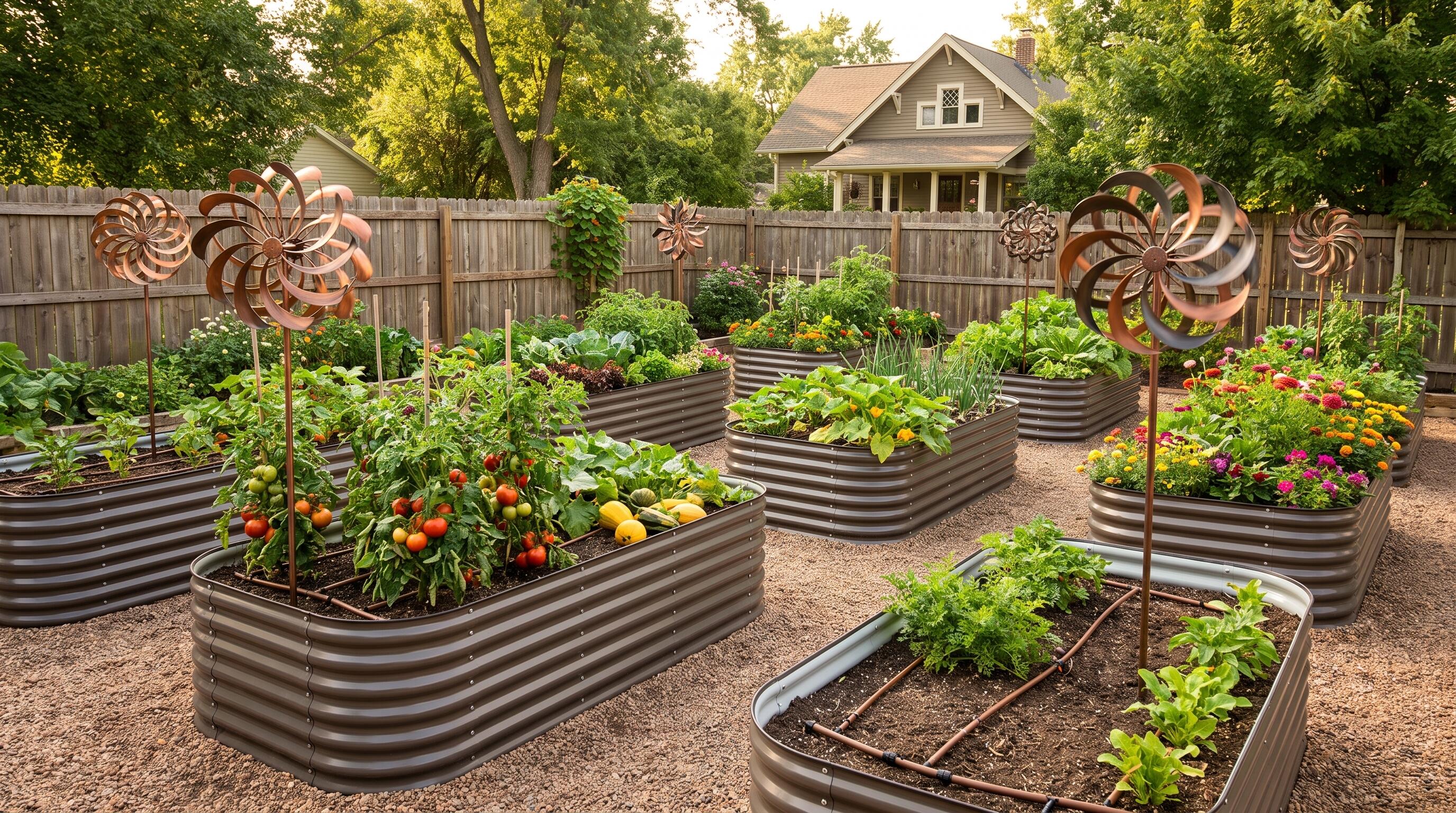
ALT: Rust-resistant raised garden bed layout with drip irrigation system and kinetic wind spinners for a complete home garden setup
Advanced Considerations: Making Your Investment Last Beyond Season Three
Seasonal Maintenance for Long-Term Performance
Even the best rust-resistant raised garden bed requires basic seasonal care to reach its full potential lifespan of 20 years. At the end of each growing season, remove spent plant material from inside the bed, top up your soil with fresh compost to replenish nutrients, and visually inspect the exterior panels for any areas where soil or moisture has been sitting against the metal surface.
If you live in a climate with hard freezes, consider draining your irrigation systems fully before winter to prevent ice damage at connection points near your beds. A light rinse of the exterior panels in late fall removes accumulated soil splatter that can trap moisture against the surface.
Common Misconceptions About Rust Resistance
One of the most widespread misconceptions is that "rust-resistant" means "rust-proof." No metal product can claim complete immunity to corrosion under all conditions — what rust-resistant engineering provides is a significantly extended timeline before any corrosion becomes noticeable or structurally meaningful.
The second misconception is that thicker is always better. While heavy-gauge steel certainly contributes to structural strength, the quality and completeness of the protective coating system often matters more for corrosion resistance than raw material thickness alone. A well-coated, properly treated bed will consistently outlast a thicker but poorly treated alternative.
How Rust-Resistant Beds Compare to Greenhouse-Based Growing
Some gardeners compare metal raised beds to enclosed growing systems like greenhouse setups from brands such as Palram, Canopia, or similar manufacturers. These are genuinely different product categories serving different needs. Greenhouse systems extend the growing season by creating a controlled climate environment, while raised beds optimize soil conditions and accessibility for open-air growing. Many serious home growers use both — raised beds for spring through fall production, and greenhouse enclosures for year-round growing or seedling propagation. The best approach depends on your climate, available space, and gardening goals.
Frequently Asked Questions FAQ
Q1: How do I know if a raised garden bed is truly rust-resistant or just marketed that way?
Look beyond the product description and check for specific details about the steel grade and coating process. Genuinely rust-resistant beds will typically specify multi-layer protective treatments and come with a long manufacturer warranty or stated lifespan. Anleolife's rust-resistant raised garden bed line, for example, is built with a stated lifespan of up to 20 years — a commitment that reflects real confidence in the material's long-term performance. Reading verified customer reviews from users who have owned the beds for multiple seasons is also a reliable indicator.
Q2: Are taller raised garden beds better for people with back or knee problems?
Yes, for most gardeners with back or joint concerns, a taller raised bed is significantly more comfortable. Beds in the 24"–30" height range reduce the need to bend or kneel, allowing you to tend plants while standing or seated on a garden stool. Anleolife's rust-resistant line includes 24" extra-tall and 30" extra-tall configurations, and the galvanized steel line offers a 35" waist-high option — ideal for gardeners who want maximum ergonomic comfort during extended gardening sessions.
Q3: How long does it take to receive a rust-resistant raised garden bed kit, and what does setup involve?
Anleolife ships from a nationwide U.S. warehouse network strategically located across California, Texas, Florida, New York, Illinois, and Washington, with delivery typically arriving within 3–8 business days. Once your kit arrives, most raised bed models are designed for straightforward assembly using minimal tools, with most setups completable in under two hours. Adding soil, amendments, and planning your raised bed garden layout typically takes another few hours, making a full weekend more than sufficient for a complete setup.
Summary
After three full growing seasons, the differences between rust-resistant raised garden bed kits become impossible to ignore. The beds that hold up aren't just those with the most attractive listing photos or the lowest initial price — they're the ones engineered with quality materials, thoughtful structural design, and protective coatings built to withstand years of soil contact, moisture exposure, and seasonal temperature swings.
Three key takeaways from this comparison stand out. First, material quality and coating integrity are the most important factors for long-term rust resistance — look for products with stated lifespans backed by real engineering, like Anleolife's 20-year durability commitment. Second, choosing the right height for your body and your gardening goals will determine how much you actually enjoy using your beds season after season. Third, planning a raised bed garden layout that integrates irrigation systems and decorative elements from the start creates a more functional, beautiful, and sustainable garden ecosystem.
Whether you're starting your first bed or expanding an established kitchen garden, investing in rust-resistant quality upfront pays dividends for years — and potentially decades — to come.
Start Growing with Anleolife
Anleolife's nationwide U.S. warehouse network — strategically located in California, Texas, Florida, New York, Illinois, and Washington — ensures your order arrives within 3–8 business days, so your growing season starts on schedule. Our products are available on major platforms including Amazon, Walmart, Home Depot, Lowe's, Wayfair, and directly at Anleolife.com, with consistent quality and responsive after-sales support across every channel.
Our three core scenarios cover everything your garden needs: Planting (metal raised garden beds, soil systems), Raising (chicken coops, rabbit hutches), and Beautification (decorative accessories, pathway systems) — meeting complete needs from functionality to aesthetics.
We understand that an ideal garden is built gradually, not overnight. Anleolife's modular product design allows flexible expansion at every stage — from your first rust-resistant 8x4 ft raised bed to a fully integrated planting-and-raising ecosystem. We grow with you, every step of the way.
References
- National Gardening Association. "Food Gardening in the United States."
https://garden.org/special/pdf/2014-NGA-Garden-to-Table.pdf - University of California Cooperative Extension. "Raised Bed Gardening."
https://ucanr.edu/sites/mgsantaclara/files/279685.pdf - U.S. Department of Agriculture (USDA). "Backyard Gardening and Food Safety."
https://www.usda.gov/media/blog/2011/05/11/backyard-gardening - Penn State Extension. "Raised Bed Gardening."
https://extension.psu.edu/raised-bed-gardening - Oregon State University Extension Service. "Improving Garden Soil with Organic Matter."
https://extension.oregonstate.edu/gardening/techniques/improving-garden-soil-organic-matter
Note: Standards and recommendations may be updated over time. Please consult the latest official documents or a qualified horticultural advisor for the most current guidance.
About Anleolife
Anleolife is a leading outdoor garden solutions provider in North America, dedicated to offering a full-scenario product ecosystem for home gardening enthusiasts, covering planting, raising, and garden beautification. Since its founding, we have upheld our brand mission, "Made for Garden Life," continuously innovating products and optimizing services to help hundreds of thousands of users upgrade their gardens, reconnect with nature, and enjoy a better garden lifestyle.