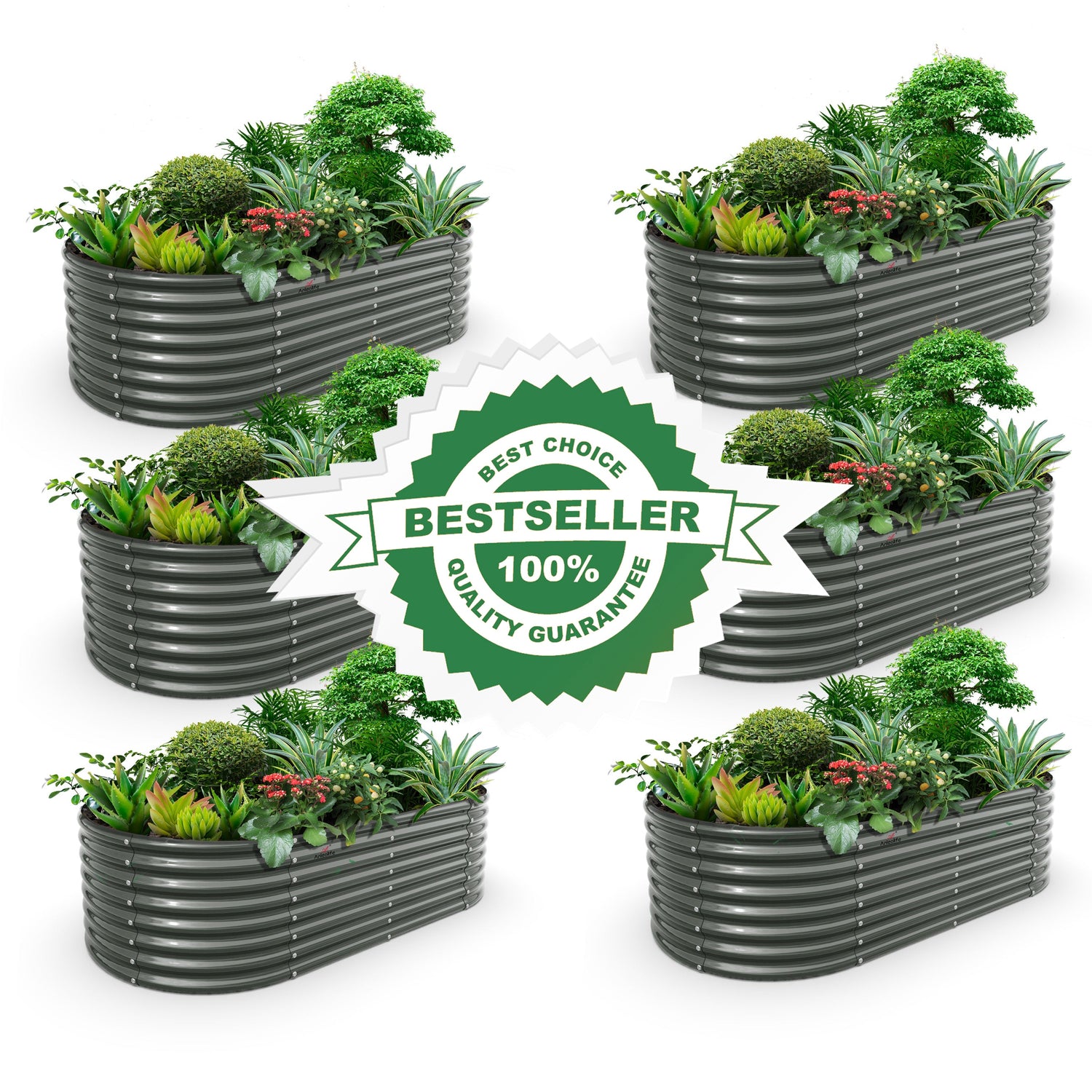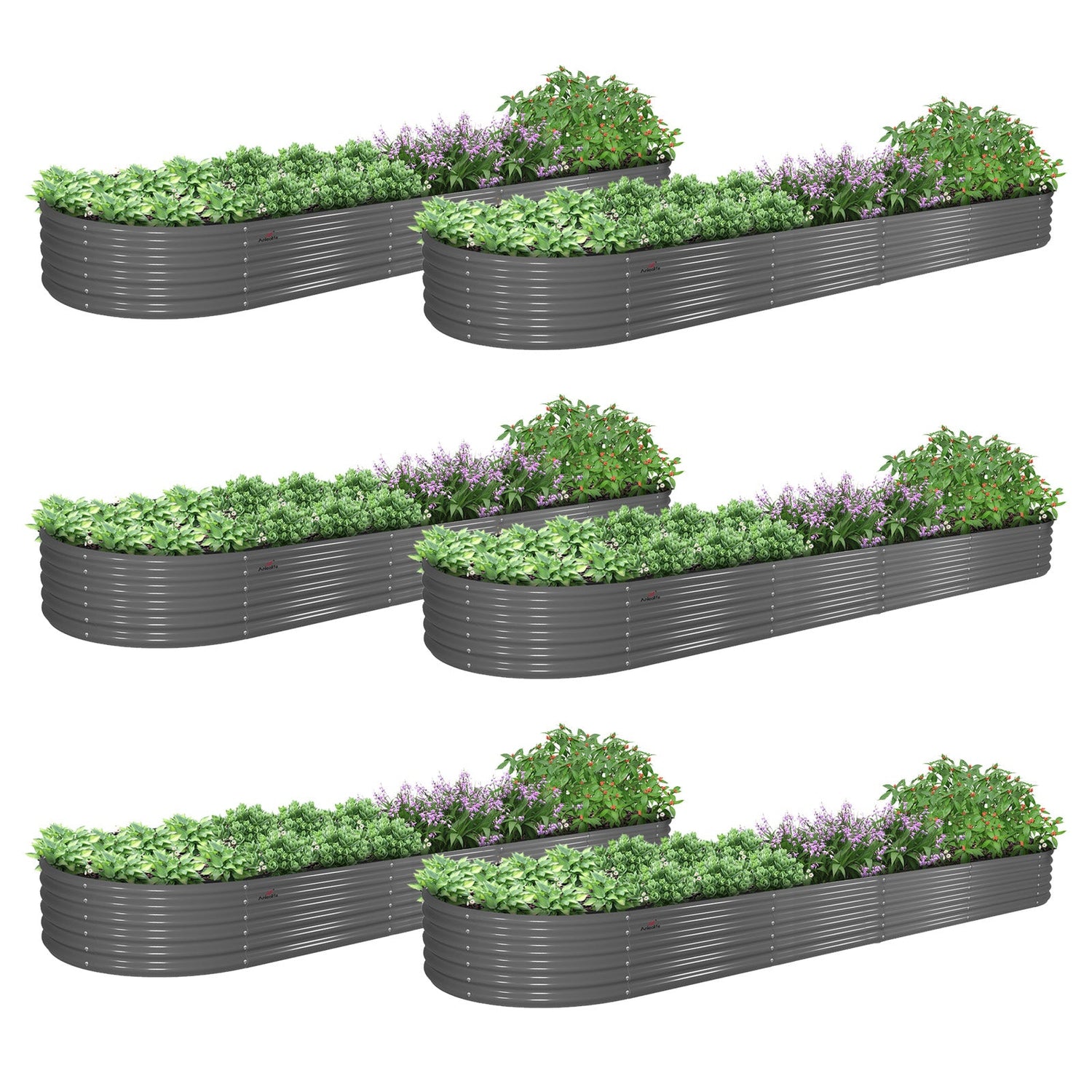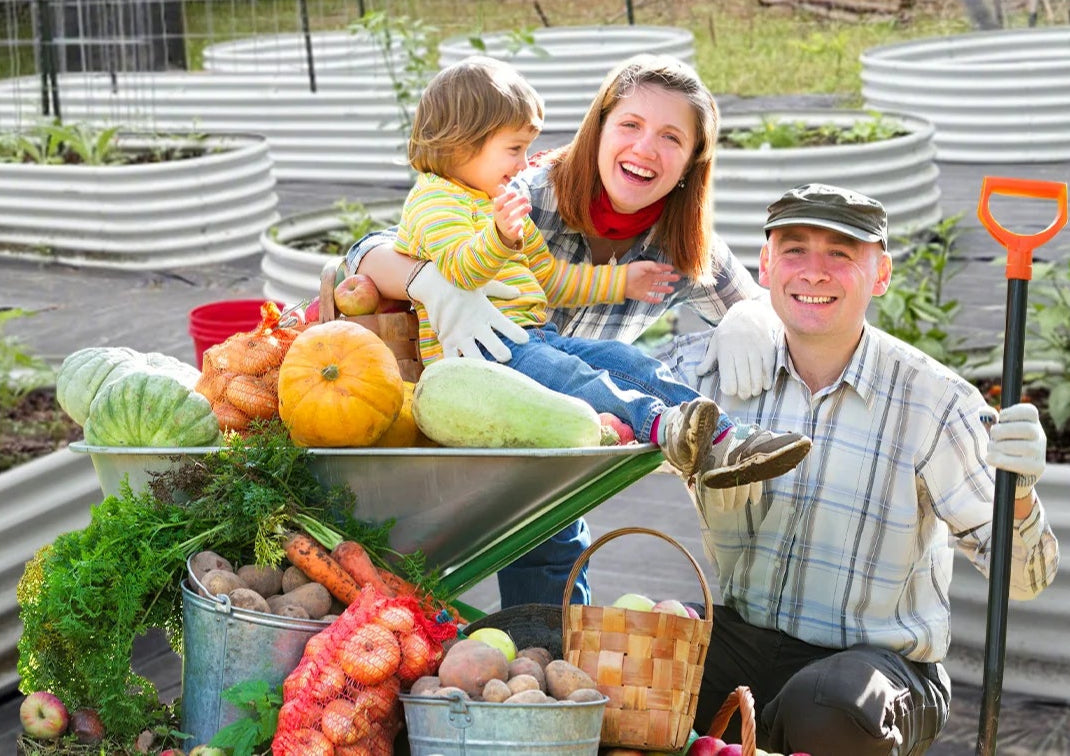



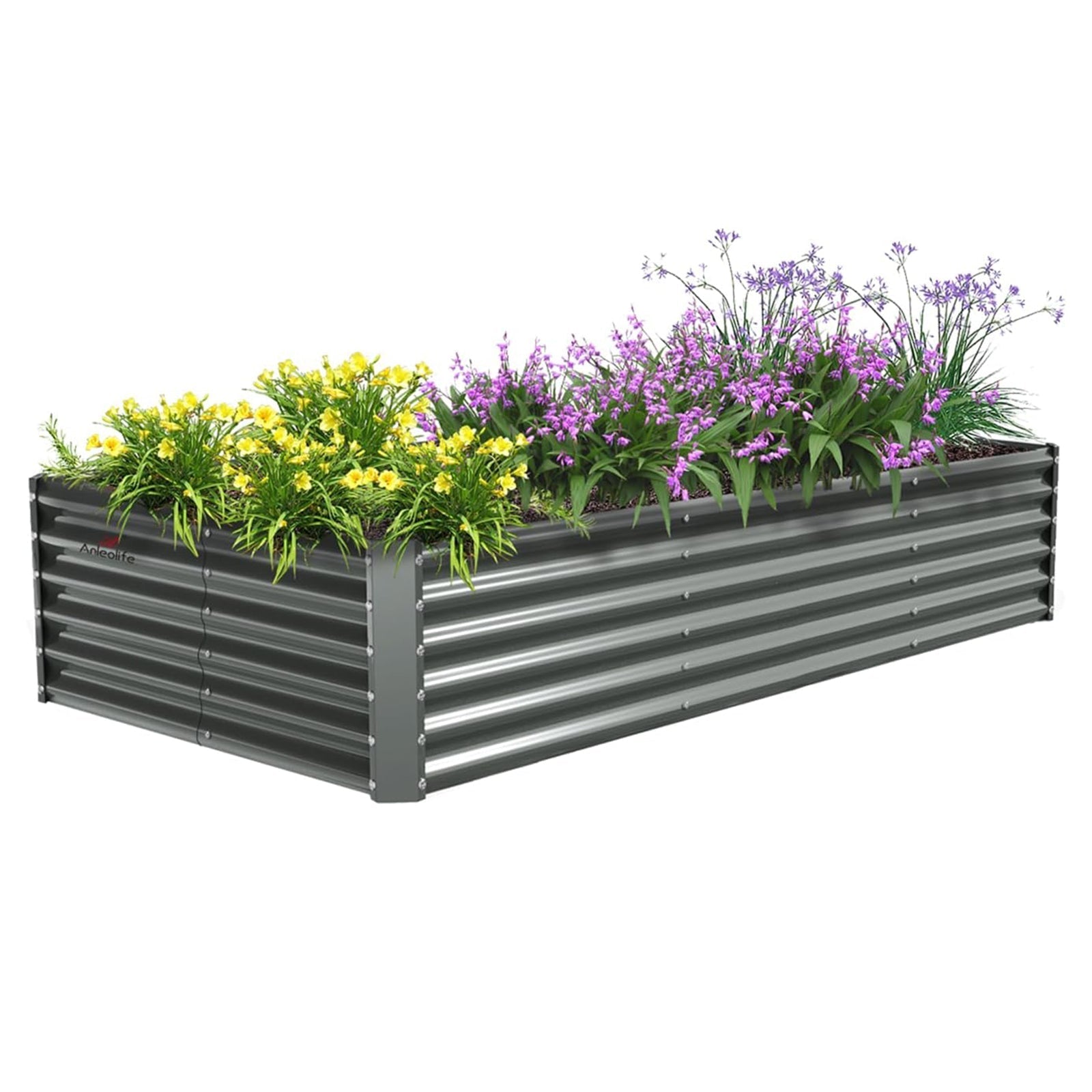

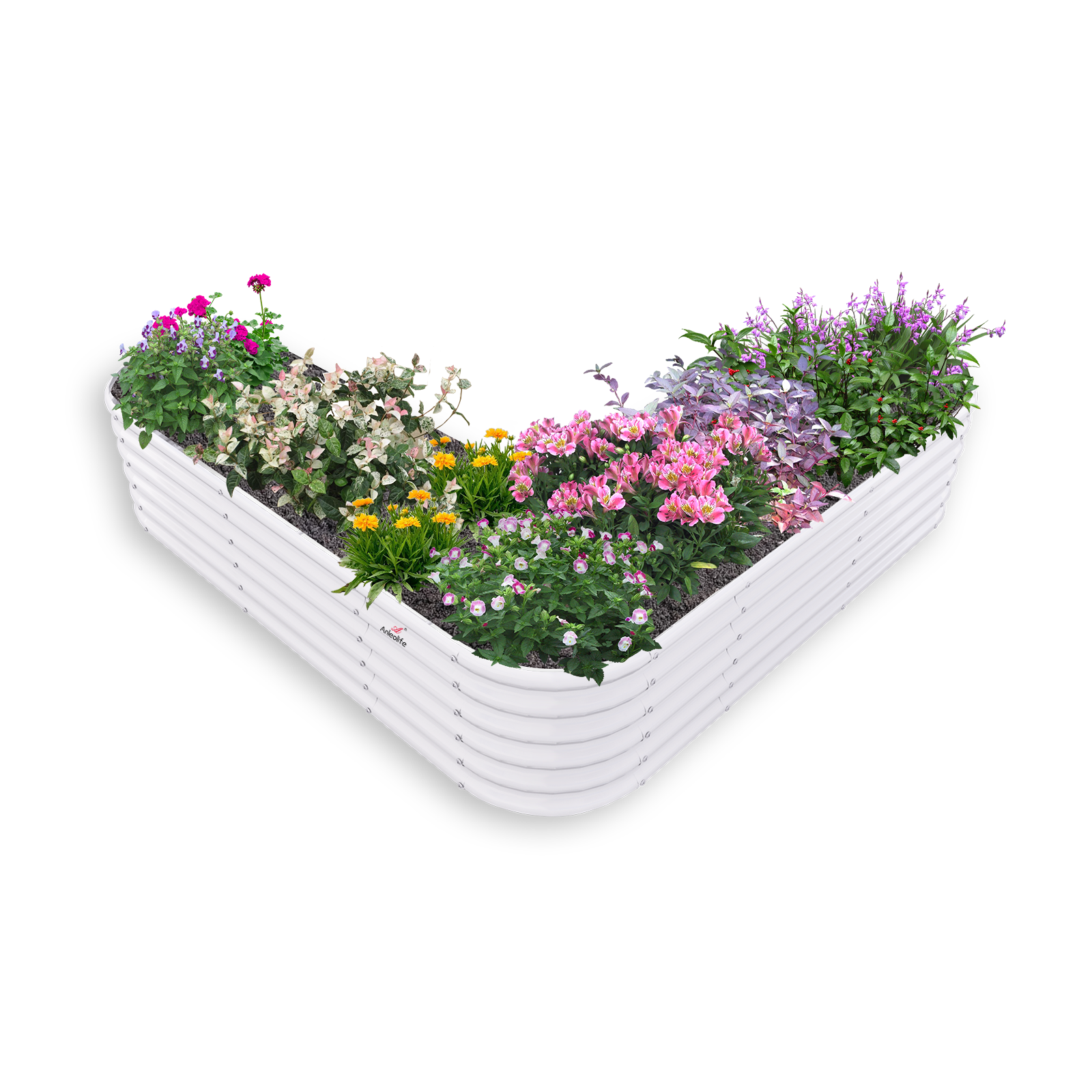
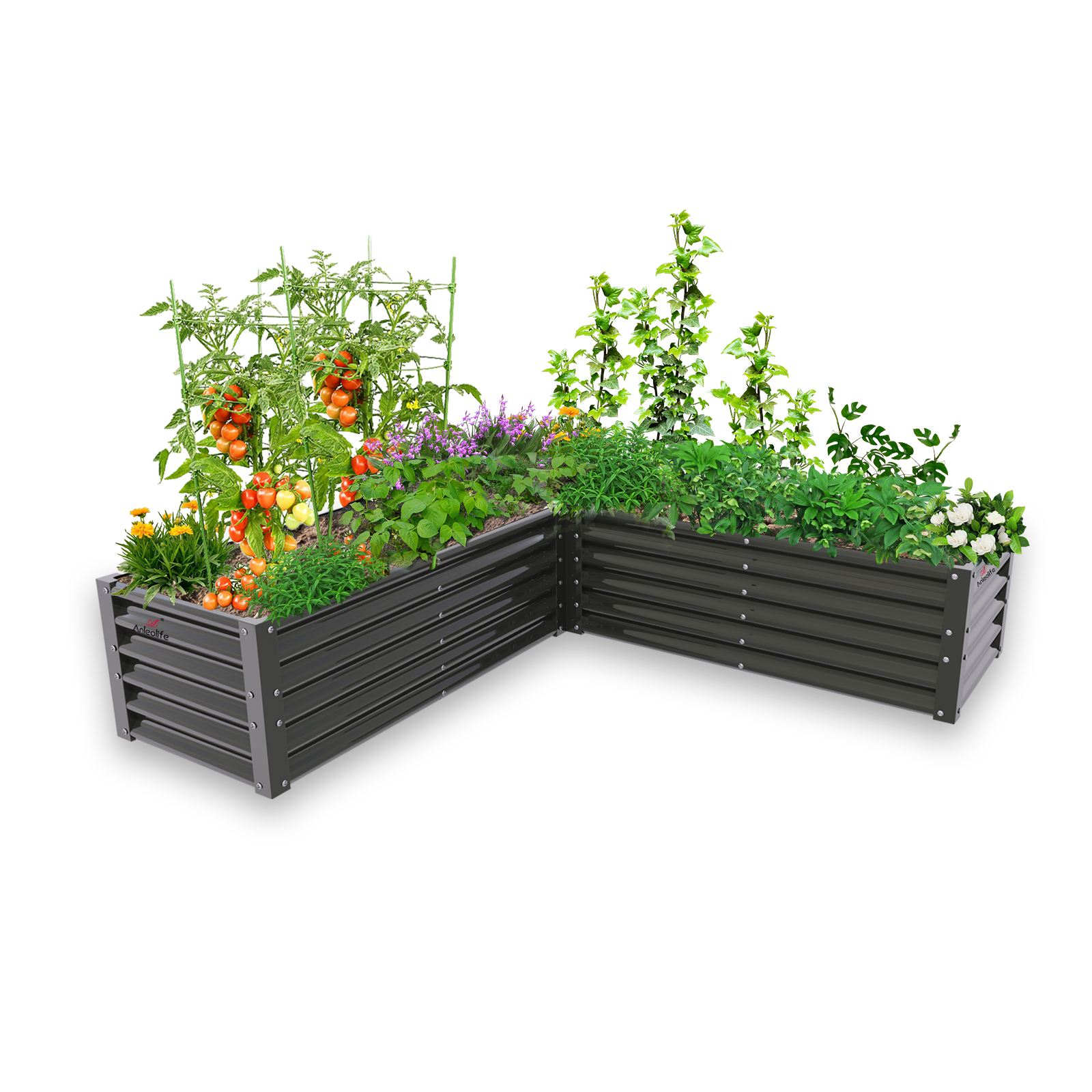
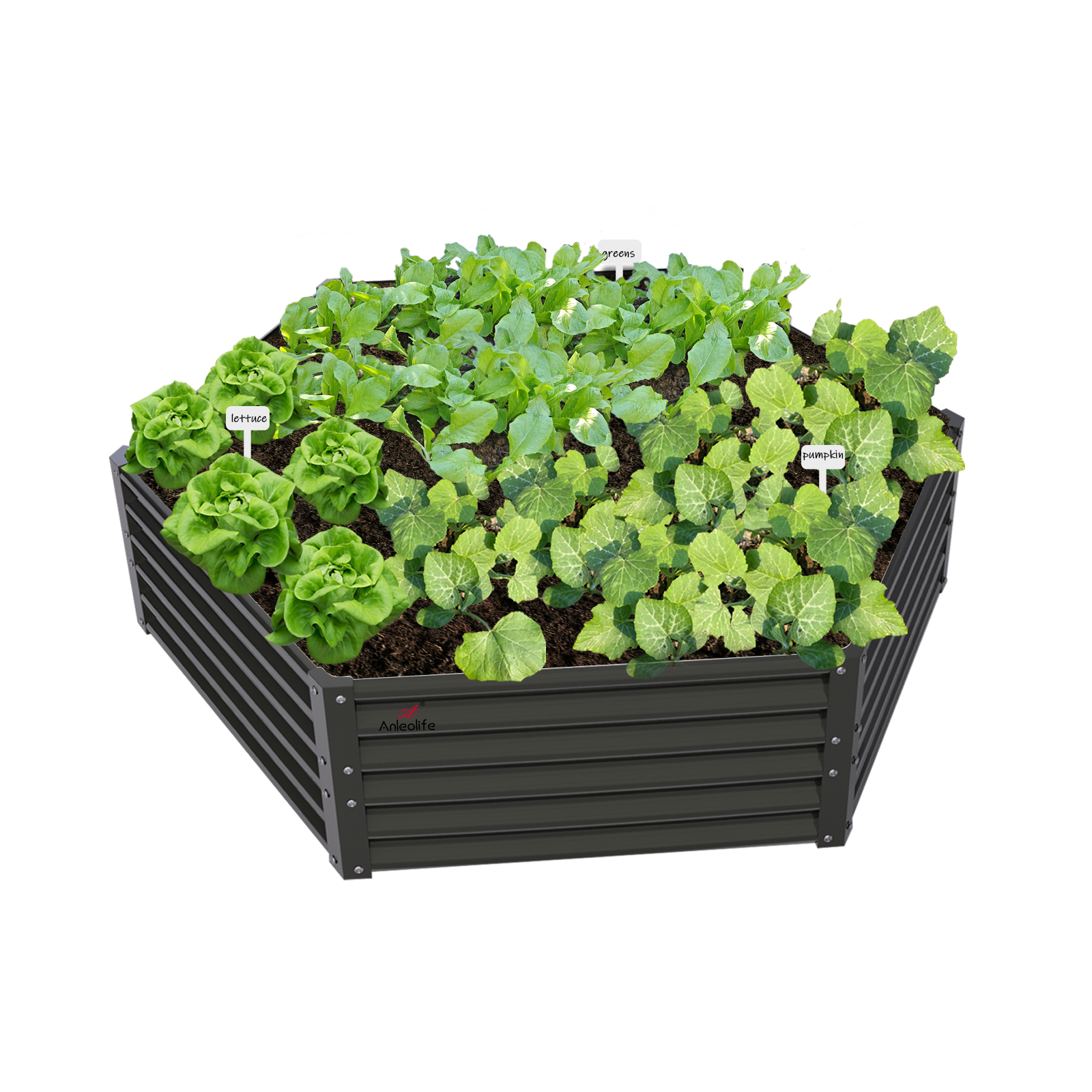
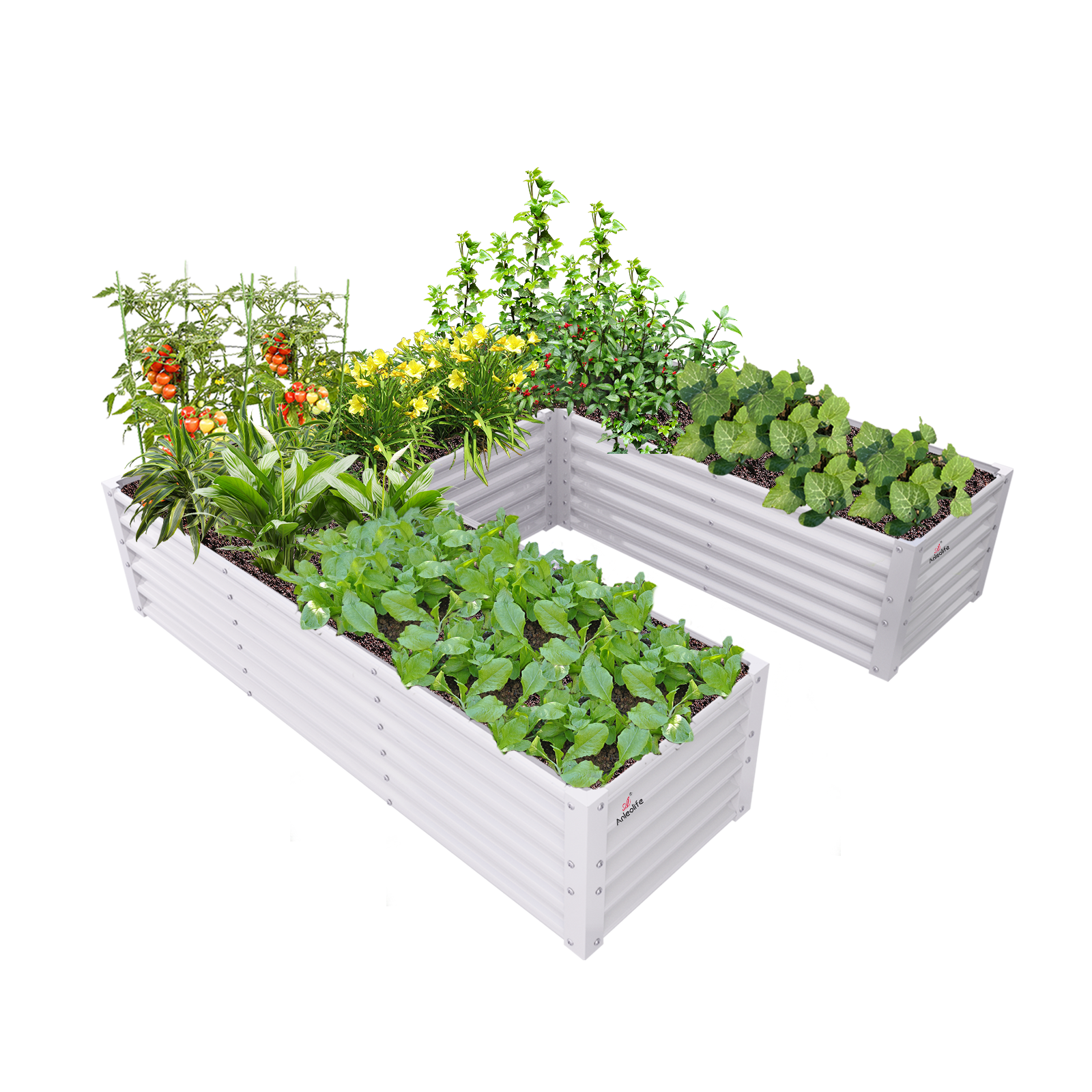



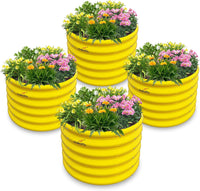
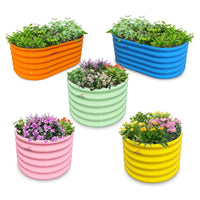
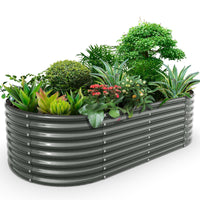




ALT: Gardener applying mid-season compost to a galvanized steel raised garden bed to improve soil fertility and plant growth
Why Mid-Season Soil Health Determines Your Harvest This Year
Key Conclusion: Mid-season composting is one of the most impactful actions a raised bed gardener can take. By replenishing depleted nutrients, improving microbial activity, and restoring soil structure right in the heart of the growing season, you give your plants a second wind that translates directly into better yields. Whether you grow tomatoes, greens, root vegetables, or herbs, a timely soil fertility boost can mean the difference between a struggling garden and an overflowing harvest—all without starting over from scratch.
By the time summer hits its stride, most raised bed gardeners notice something: the initial energy of spring has worn off. Plants that were thriving in May now look a little tired. Leaves may yellow slightly, growth has slowed, and the soil that started out rich and fluffy is beginning to compact and lose its vitality. This is the natural consequence of feeding fast-growing plants through the first half of the season—and it's entirely fixable.
The good news is that mid-season soil restoration doesn't require tearing everything out or waiting until fall. With a strategic composting action plan, you can rebuild biological activity, replenish key nutrients, and set your garden up for a strong second-half performance. This guide walks you through exactly how to do that, step by step.
Who This Guide Is For
✅ Applicable Scenarios:
- Raised bed gardeners who started planting in spring and are noticing mid-season nutrient depletion symptoms like yellowing leaves, stunted growth, or compacted soil
- Home growers who want to extend productivity from summer crops into fall without a complete soil overhaul
- Eco-conscious gardeners who prefer organic composting methods over synthetic fertilizers for their raised beds
❌ Not Applicable/Cautions:
- Gardeners who have just filled new raised beds with fresh, nutrient-rich soil mix—your beds likely don't need additional amendments yet
- Those dealing with severe soil-borne disease or pest infestations, where composting alone won't solve the underlying problem and a more comprehensive soil replacement may be necessary
Understanding Why Raised Bed Soil Wears Out Faster Than You'd Expect
One of the biggest surprises for first-time raised bed gardeners is how quickly soil fertility can decline. Unlike in-ground garden beds, which can draw on a larger reserve of subsoil nutrients and benefit from natural soil movement, raised beds are isolated ecosystems. Everything your plants need must come from within that contained volume of soil—and once those reserves are drawn down, plant performance drops noticeably.
Nutrient cycling in confined spaces works differently than in open ground. Every time you water, you're also leaching soluble nutrients downward and out through drainage holes. Every time your plants uptake nitrogen, phosphorus, and potassium to fuel leaf, flower, and fruit production, those elements are removed from the soil system. Fast-growing summer crops like tomatoes, cucumbers, and squash are especially demanding, often depleting available nitrogen within just a few weeks of peak production.
Beyond nutrients, the microbial ecosystem inside a raised bed also needs attention. Healthy soil is teeming with bacteria, fungi, earthworms, and other organisms that break down organic matter and make nutrients available to plant roots. But over time—especially in hot summer weather—microbial populations can crash if the soil dries out repeatedly, loses organic carbon content, or is overworked without replenishment. When microbial activity drops, the soil's ability to self-regulate and feed plants weakens dramatically.
There's also the matter of soil structure. The perfect raised bed mix starts out loose and well-aerated, allowing roots to penetrate deeply and water to move freely. But organic matter breaks down over months of watering and plant activity, causing the soil to compact and lose that spongy texture. Compacted soil holds less oxygen, drains poorly, and makes it harder for roots to expand—all conditions that slow plant growth.
This is why mid-season composting is not just a nice-to-have—it's a necessary maintenance step for any serious raised bed grower. Understanding the mechanisms behind soil depletion helps you act at the right time and in the right way, rather than guessing at symptoms or applying the wrong amendments.
It's also worth considering the bed material itself as part of your long-term soil health strategy. Wooden raised beds, for example, are a common choice, but they come with a hidden drawback: wood decays. Many gardeners ask, how long do wooden raised beds last? The honest answer is that untreated wood typically lasts anywhere from 3 to 7 years depending on climate, wood species, and moisture exposure. Once wood begins to rot, it can introduce fungal issues into your soil and requires replacement—disrupting your carefully built soil ecosystem.
In contrast, high-quality galvanized or rust-resistant metal raised beds, like those offered by Anleolife, are engineered for a lifespan of 20 years, making them a dramatically more stable long-term platform for building soil fertility. When your bed isn't degrading around your soil, your composting and soil-building efforts compound over time rather than being reset every few years.
Your Mid-Season Composting Action Plan: Step-by-Step
Three-Step Quick Start
Step 1: Assess Your Soil's Current Condition
Before you add anything, take 10–15 minutes to evaluate what's actually happening in your beds. Dig a small hole 6 inches deep and observe: Is the soil compacted and dry? Does it crumble or clump into hard chunks? Are there earthworms present? Check your plants for signs of specific deficiencies—yellowing between leaf veins often signals iron or magnesium deficiency, while pale, slow-growing plants typically indicate nitrogen shortage. This quick diagnosis helps you choose the right amendments rather than guessing.
Step 2: Apply a Targeted Compost Top-Dress
Once you've assessed your beds, apply 1–2 inches of finished, high-quality compost directly to the soil surface around your plants without disturbing their roots. Use a hand fork or cultivator to gently work it into the top inch or two of soil. This approach—called top-dressing—delivers a fresh charge of organic matter and beneficial microbes right where they're needed. For nitrogen-hungry crops, you can supplement with a thin layer of worm castings or aged compost tea drench for faster uptake.
Step 3: Mulch and Manage Moisture
After applying compost, cover the surface with 1–2 inches of organic mulch such as straw, shredded leaves, or wood chips. Mulch preserves moisture, moderates soil temperature, and slowly breaks down to feed the soil further. Make sure to leave a small gap around plant stems to prevent rot. Commit to a consistent watering schedule over the following two weeks to help the compost integrate, activate soil microbes, and deliver nutrients to your plants' root zones.
Comparing Mid-Season Soil Amendment Approaches
Not all approaches to mid-season soil fertility are created equal. Here's a straightforward comparison of the most common strategies home gardeners use:
| Comparison Dimension | Compost Top-Dressing | Synthetic Fertilizer | Liquid Organic Feed |
|---|---|---|---|
| Speed of Results | Moderate (1–2 weeks) | Fast (days) | Fast (3–7 days) |
| Soil Structure Benefit | High | None | Low |
| Microbial Support | High | Can suppress | Moderate |
| Risk of Over-Application | Low | High (burn risk) | Low to moderate |
| Cost Over Time | Low (make your own) | Moderate to high | Moderate |
| Environmental Impact | Minimal/Positive | Moderate to high | Low |
| Longevity of Effect | Long-lasting | Short-lived | Short to moderate |
The clear winner for building lasting soil fertility in raised beds is compost top-dressing, especially when combined with a liquid organic feed for immediate results. Synthetic fertilizers, while fast-acting, do nothing to restore the biological foundation of healthy soil—and can actually harm the microbial communities you need for long-term productivity.
Many gardeners also ask: what's the best material for affordable raised garden beds? The answer depends on your priorities. While untreated wood is the cheapest upfront, metal beds—particularly galvanized steel or rust-resistant steel—offer a far better cost-per-year value over a 20-year lifespan. Anleolife's full range of galvanized steel and rust-resistant raised beds are available across multiple sizes and heights, making it easy to find one that fits your space and budget while providing a lasting foundation for your composting efforts.
Deep Dive: The Organic Matter Ecosystem Inside Your Raised Bed
What Compost Actually Does at the Microscopic Level
When you add finished compost to your raised bed, you're not just adding nutrients—you're inoculating the soil with millions of beneficial microorganisms. These bacteria and fungi are the engine of soil fertility. They break down organic compounds into plant-available forms, produce compounds that help soil particles clump into stable aggregates, suppress some soil pathogens, and even assist plant roots in absorbing water and minerals more efficiently.
Fungal networks, in particular, are worth understanding. Mycorrhizal fungi form symbiotic relationships with plant roots, extending their reach far beyond what root hairs alone can achieve. Compost that contains diverse organic matter supports a broader range of fungal species, which in turn benefits a wider variety of garden plants.
Choosing the Best Compost for Mid-Season Application
Not all compost is equal, and the type you choose matters. Finished compost—dark, crumbly, and earthy-smelling—is ready to apply immediately and won't burn plant roots. Partially finished or "hot" compost can still be active and may generate heat that damages roots if applied directly. If you're buying bagged compost, look for certified organic products that list their ingredients; a mix of yard waste, food scraps, and animal manure tends to offer the broadest nutrient profile.
Worm castings deserve special mention as a mid-season amendment. Produced by earthworms breaking down organic matter, castings are incredibly nutrient-dense, biologically active, and gentle enough to apply directly to plant root zones without risk of burn. They're especially effective for container-scale or smaller raised beds where precision matters.
Organic Liquid Feeds: A Complementary Strategy
For gardeners who need faster results alongside the slower-acting compost, organic liquid feeds offer an excellent complement. Compost tea—made by steeping finished compost in aerated water for 24–48 hours—delivers soluble nutrients and a surge of microbial life directly to the root zone. Fish emulsion and seaweed extract are other popular options that provide a balanced mix of nutrients and growth stimulants without the risk of over-fertilization.
Many home growers also ask about the best fertilizer for small raised garden beds. For small-scale raised beds, a slow-release organic granular fertilizer combined with monthly compost top-dresses tends to work best—it's easy to manage, unlikely to cause nutrient imbalances, and continues feeding through natural decomposition rather than a single flush.
The Role of the Raised Bed Structure in Soil Health
Here's something most soil guides overlook: the quality and durability of your raised bed structure directly affects your soil-building efforts. A bed that's beginning to rot or rust contaminates your soil, alters pH, and forces you to start over—wasting all the fertility you've built.
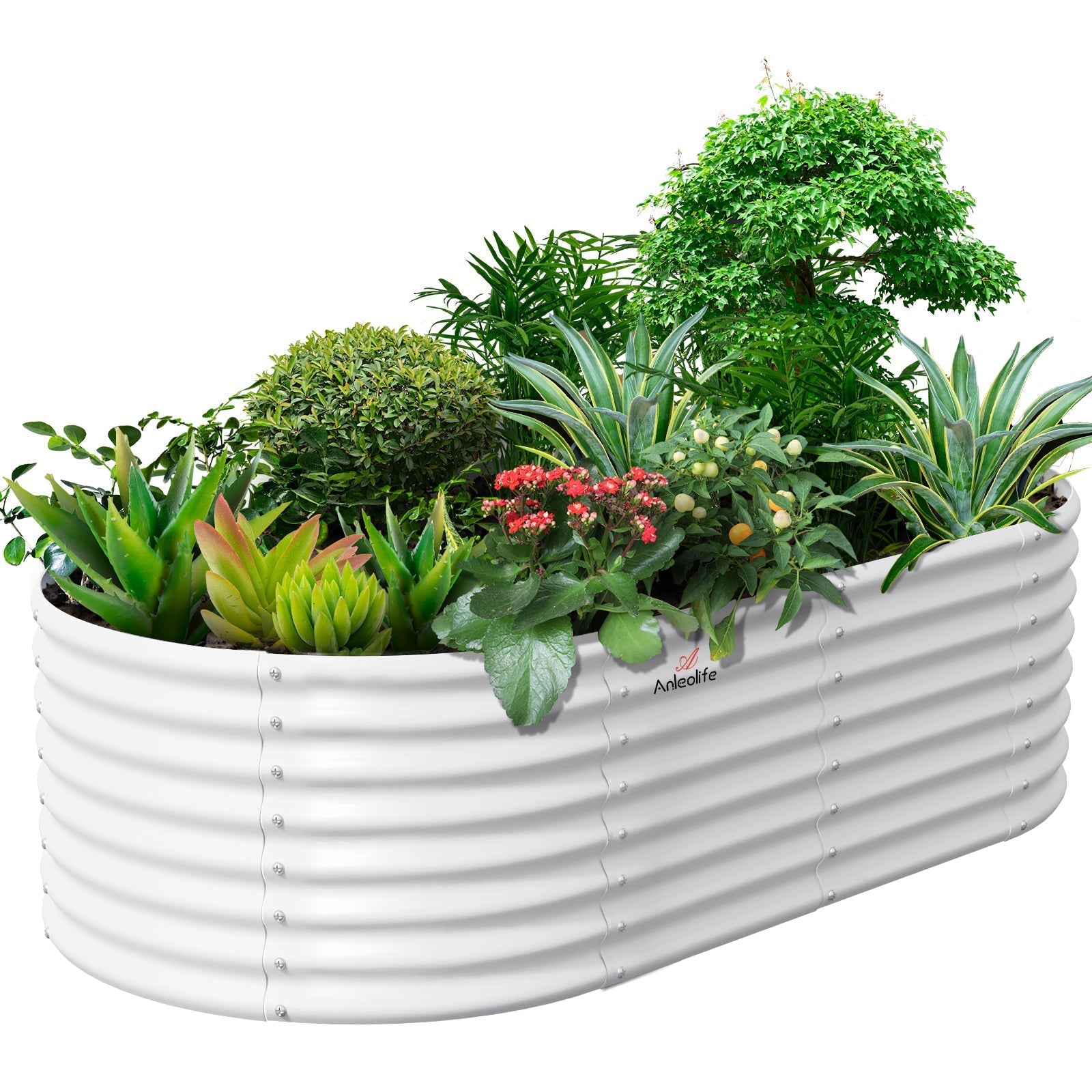
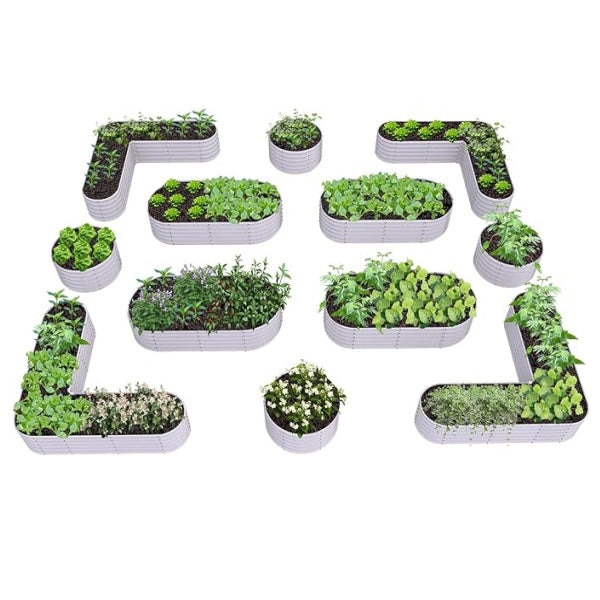
Anleolife's galvanized steel raised beds are designed specifically to avoid this problem. Constructed from heavy-gauge galvanized steel, they're built to resist corrosion and maintain their structural integrity for 20 years. The rust-resistant raised bed line takes this even further, using advanced coating technology to provide additional protection in high-moisture environments. Both product lines are available in a wide range of sizes—from compact options ideal for urban micro-gardens and balconies to larger configurations suited for serious home growers with more outdoor space.
For those with mobility concerns or back issues, Anleolife also offers extra-tall and waist-high raised bed options, which keep your carefully composted soil right at arm's reach without bending. These taller beds also retain heat more effectively and provide better drainage, both of which contribute to a healthier soil ecosystem.
When you're selecting the best materials for raised garden beds that won't rust, the answer points clearly toward galvanized steel or coated rust-resistant steel over wood or untreated metal. Anleolife's beds are designed with long-term gardeners in mind—people who are building soil fertility year after year, not replacing beds every few seasons.
Mid-Season Watering Practices That Support Composting
Even the best compost amendment won't perform if watering is inconsistent. Mid-season, when temperatures are highest, raised beds can dry out quickly—sometimes within a day or two in hot climates. This matters because moisture is essential for microbial activity; when the soil dries out completely, beneficial organisms go dormant or die off.
Many gardeners wonder about the best garden hoses for durability and long-lasting use when it comes to maintaining consistent watering routines. While hose selection isn't directly a soil fertility issue, a reliable, kink-free hose makes it far easier to maintain the consistent moisture that keeps your newly added compost biologically active. Pairing a quality hose with a simple drip irrigation system or soaker hose in your raised beds is one of the most effective ways to support ongoing soil health through the mid- and late season.

ALT: Rich organic compost being mixed into a metal raised garden bed mid-season to restore soil fertility and support vegetable growth
Advanced Considerations for Experienced Raised Bed Growers
Handling Special Situations
When nutrient deficiencies are severe: If your plants are showing acute distress—extreme yellowing, leaf drop, or stunted growth—a compost top-dress alone may not work fast enough. In these cases, use a fast-acting organic liquid fertilizer (fish emulsion, compost tea, or seaweed extract) as an emergency measure while the compost begins integrating. Address the immediate symptom first, then restore the soil biology underneath.
When soil pH is off: Compost generally buffers soil toward a neutral pH, but in some cases—particularly in beds that have received heavy rainfall or repeated applications of acidic materials—pH may drift enough to lock out certain nutrients. A simple soil pH test, available at most garden centers, takes minutes and can reveal whether lime (to raise pH) or sulfur (to lower pH) should be added alongside your compost.
When pests are affecting soil health: Certain soil pests, like root aphids or fungus gnat larvae, can undermine your composting efforts by damaging the root systems that compost is meant to support. If you notice wilting despite adequate moisture and fresh compost, investigate the soil for pest activity. Beneficial nematodes, introduced through a soil drench, offer an organic solution that won't disrupt the broader microbial community.
Common Misconceptions About Mid-Season Composting
One widespread misconception is that more compost is always better. In reality, excessive compost—particularly if it's not fully finished—can create nutrient imbalances, attract pests, and actually impede drainage in raised beds. Stick to the 1–2 inch top-dress guideline and repeat monthly rather than applying a thick layer all at once.
Another common error is assuming that any organic matter will do. Fresh grass clippings, for example, can mat into an impermeable layer and generate anaerobic conditions as they decompose. Stick to well-finished compost or materials like straw and shredded leaves as surface mulch.
Frequently Asked Questions FAQ
Q1: How do I know when my raised bed soil needs a mid-season compost boost?
The most reliable signals are visual: yellowing lower leaves (especially on nitrogen-demanding crops like tomatoes), noticeably slower growth despite regular watering, and soil that has become hard or compacted since spring planting. You can also do a simple squeeze test—healthy raised bed soil should hold its shape briefly when squeezed but crumble apart easily, not clump into dense, hard balls. If your soil fails this test and your plants look sluggish, it's time to top-dress with compost.
Q2: Is it safe to add compost around actively growing vegetables in mid-season?
Yes, finished compost is one of the safest amendments you can apply to an active vegetable garden. Unlike synthetic fertilizers, properly finished compost won't burn roots or cause salt build-up. Apply it as a top-dress around (not directly on top of) plant stems, water it in gently, and your plants will begin benefiting within one to two weeks as the nutrients become available and microbial activity ramps up. Worm castings are an especially gentle option for sensitive seedlings or established root systems.
Q3: How long does it take to see results after a mid-season compost application, and how often should I apply?
Most gardeners notice a visible improvement in plant color and vigor within two to three weeks of a compost top-dress application, with full benefits building over four to six weeks as the microbial community establishes. For raised beds in active production, applying a 1–2 inch layer of compost every four to six weeks through the growing season maintains consistent fertility. In highly productive beds growing heavy feeders like squash or tomatoes, monthly applications combined with occasional liquid organic feeds keep plants at peak performance.
Summary
Building soil fertility mid-season is one of those gardening actions that pays dividends far beyond the current harvest. When you invest time in composting your raised beds in summer, you're not just feeding your plants today—you're building a richer, more biologically active soil that will perform better next season, and the season after that.
The three core takeaways from this guide are simple but powerful:
- Assess before you amend. Take a few minutes to understand what your soil and plants are actually telling you before reaching for any amendment. A targeted approach outperforms a scattershot one every time.
- Compost is the foundation. No synthetic product replaces the combination of nutrients, structure, and biological life that quality compost delivers. Make it the centerpiece of your mid-season soil plan.
- Your bed structure matters as much as your soil. Long-lasting, non-degrading beds—like galvanized or rust-resistant metal raised beds built for a 20-year lifespan—give your soil-building work the stable foundation it needs to compound year over year.
Your next step is straightforward: check your beds this week, assess what you're seeing, and get a bag of finished compost into your soil before the mid-season window closes. Small actions taken at the right time yield outsized results in the garden.
Ready to Build a Garden That Grows With You?
Nationwide U.S. warehouse network: Strategically located in California, Texas, Florida, New York, Illinois, and Washington to ensure delivery within 3–8 business days—so your garden upgrade plans never have to wait.
Multi-channel sales network: Anleolife products are available on major e-commerce platforms including Amazon, Walmart, Home Depot, Lowe's, and Wayfair, as well as the official Anleolife.com website, providing consistent quality assurance and after-sales service wherever you prefer to shop.
Three core scenarios: Planting (metal raised garden beds, soil systems), Raising (chicken coops, rabbit hutches), and Beautification (decorative accessories, pathway systems)—meeting complete needs from functionality to aesthetics.
Upgrade your garden with Anleolife. We understand that an ideal garden is not built overnight, but gradually improved over time. Our modular product design allows flexible expansion based on your needs—from your first raised bed to a fully integrated planting-and-raising ecosystem. We grow with you every step of the way.
References
- USDA Natural Resources Conservation Service. "Soil Health."
https://www.nrcs.usda.gov/conservation-basics/natural-resource-concerns/soils/soil-health - University of California Agriculture and Natural Resources. "Composting Is Good for Your Garden and the Environment."
https://ucanr.edu/sites/gardenweb/Composting/ - Penn State Extension. "Raised Bed Gardening."
https://extension.psu.edu/raised-bed-gardening - Rodale Institute. "Compost: The Ultimate Guide to Understanding Compost."
https://rodaleinstitute.org/why-organic/organic-farming-practices/composting/ - Oregon State University Extension Service. "Fertilizing Your Vegetable Garden."
https://extension.oregonstate.edu/gardening/vegetables/fertilizing-vegetable-garden
Note: Standards and recommendations may be updated. Please check the latest official documents or consult a professional extension advisor for the most current guidance.
About Anleolife
Anleolife is a leading outdoor garden solutions provider in North America, dedicated to offering a full-scenario product ecosystem for home gardening enthusiasts, covering planting, raising, and garden beautification. Since its founding, we have upheld our brand mission, "Made for Garden Life," continuously innovating products and optimizing services to help hundreds of thousands of users upgrade their gardens, reconnect with nature, and enjoy a better garden lifestyle.