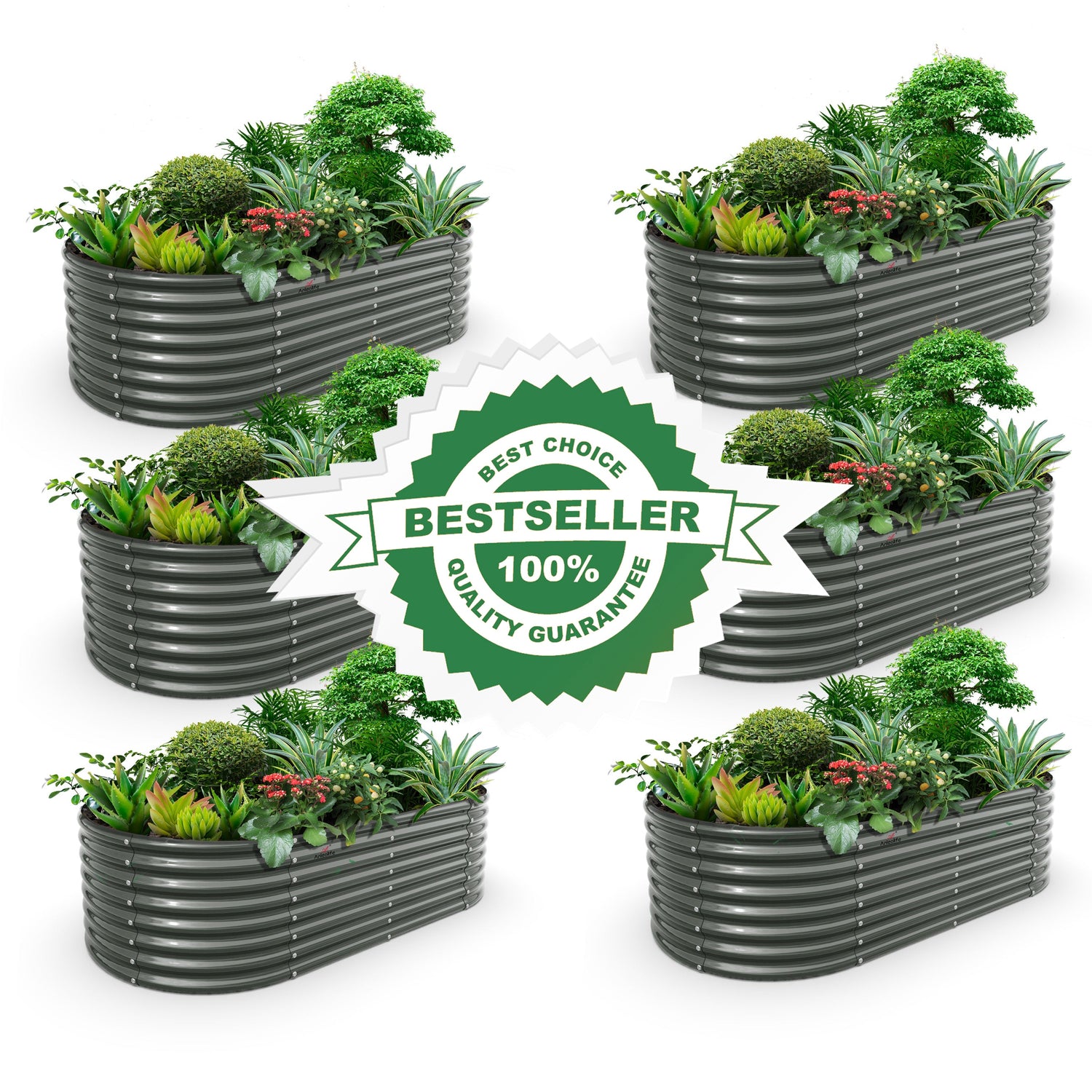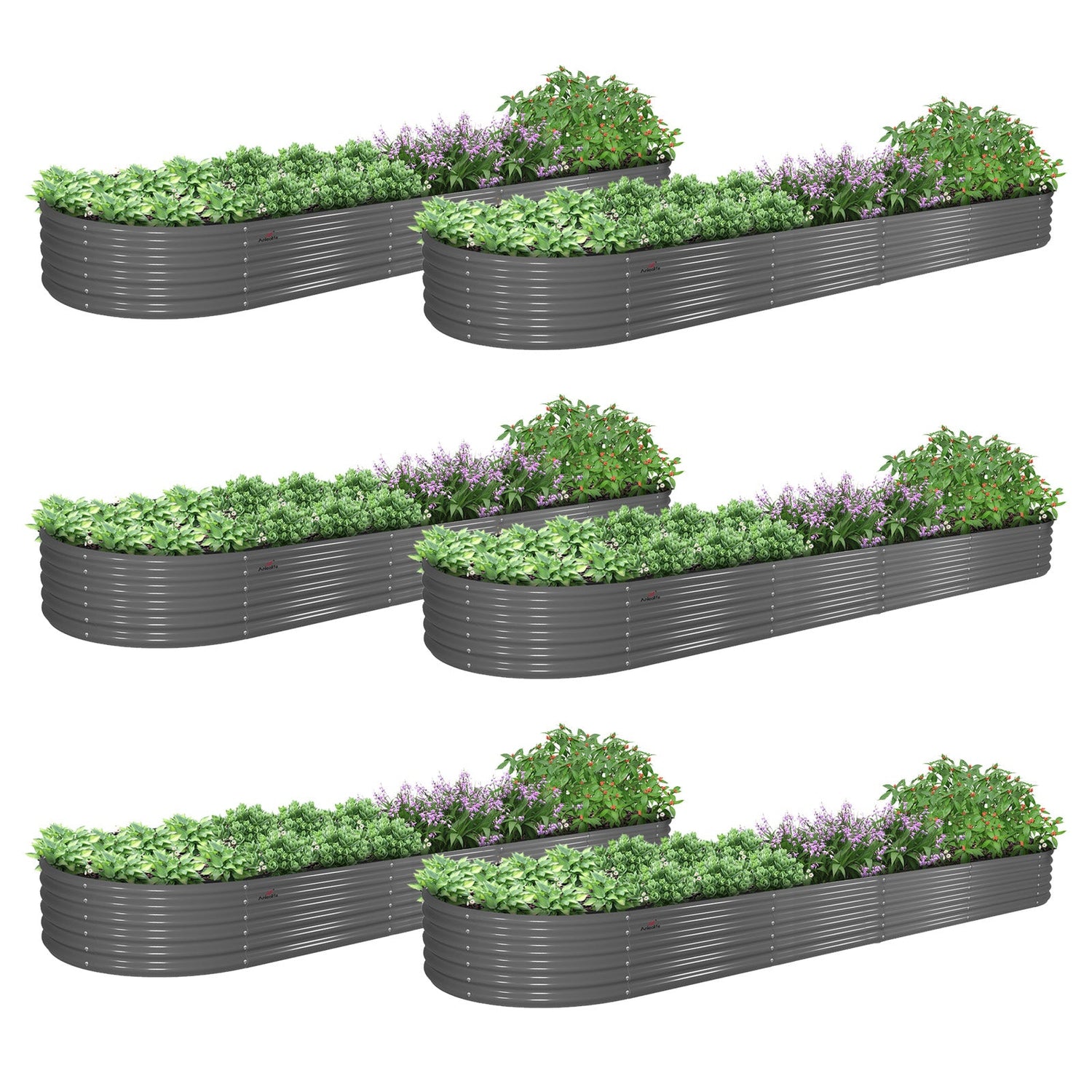



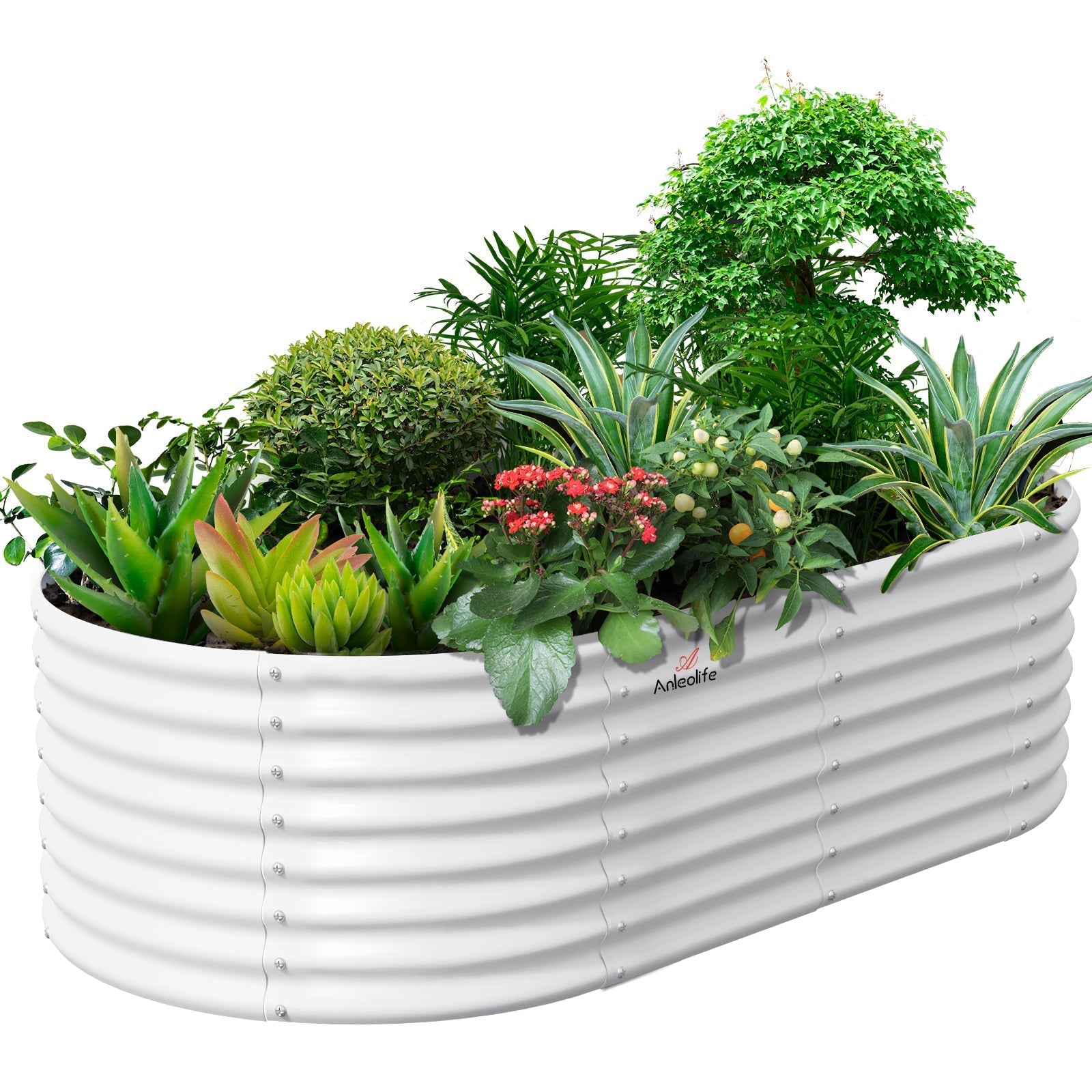
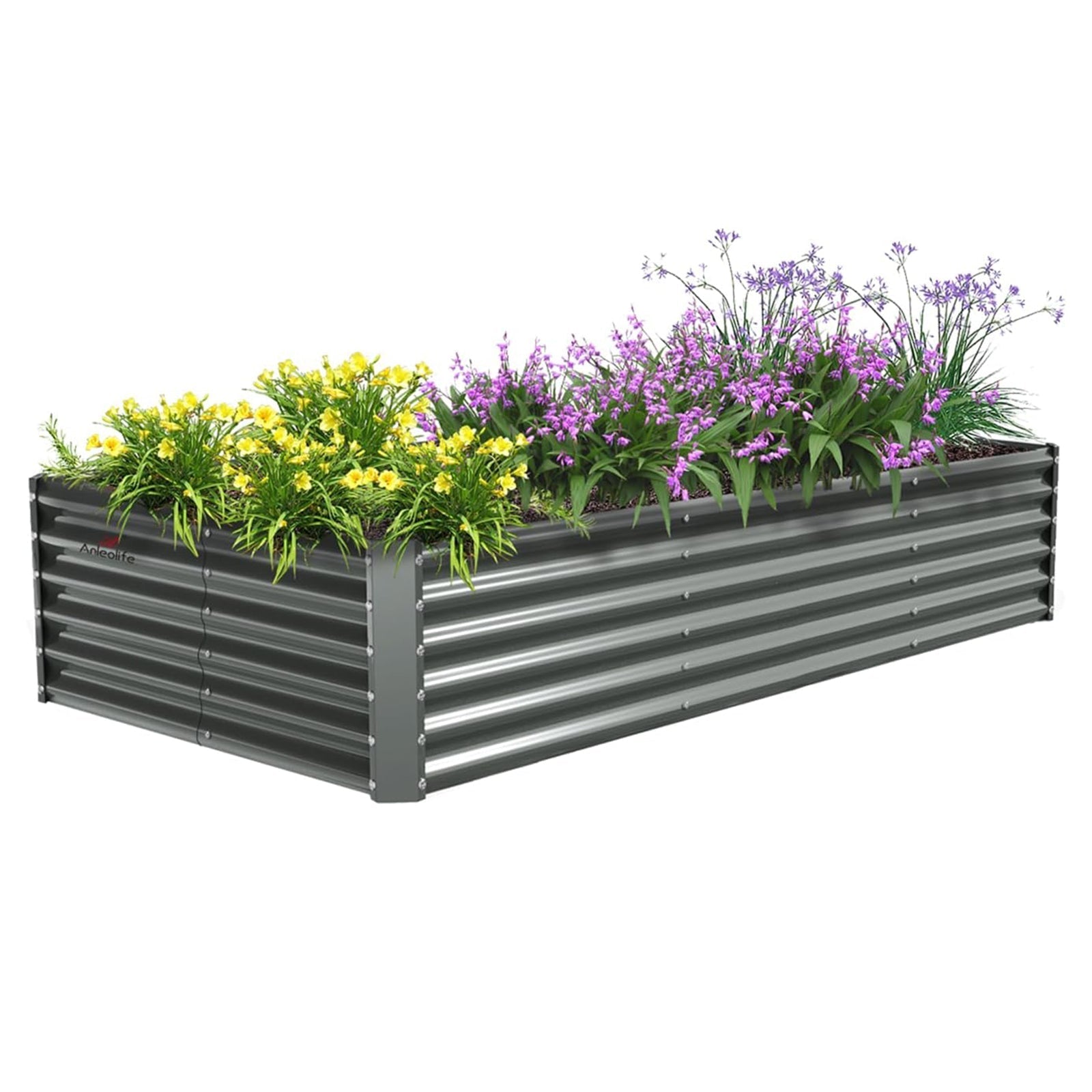

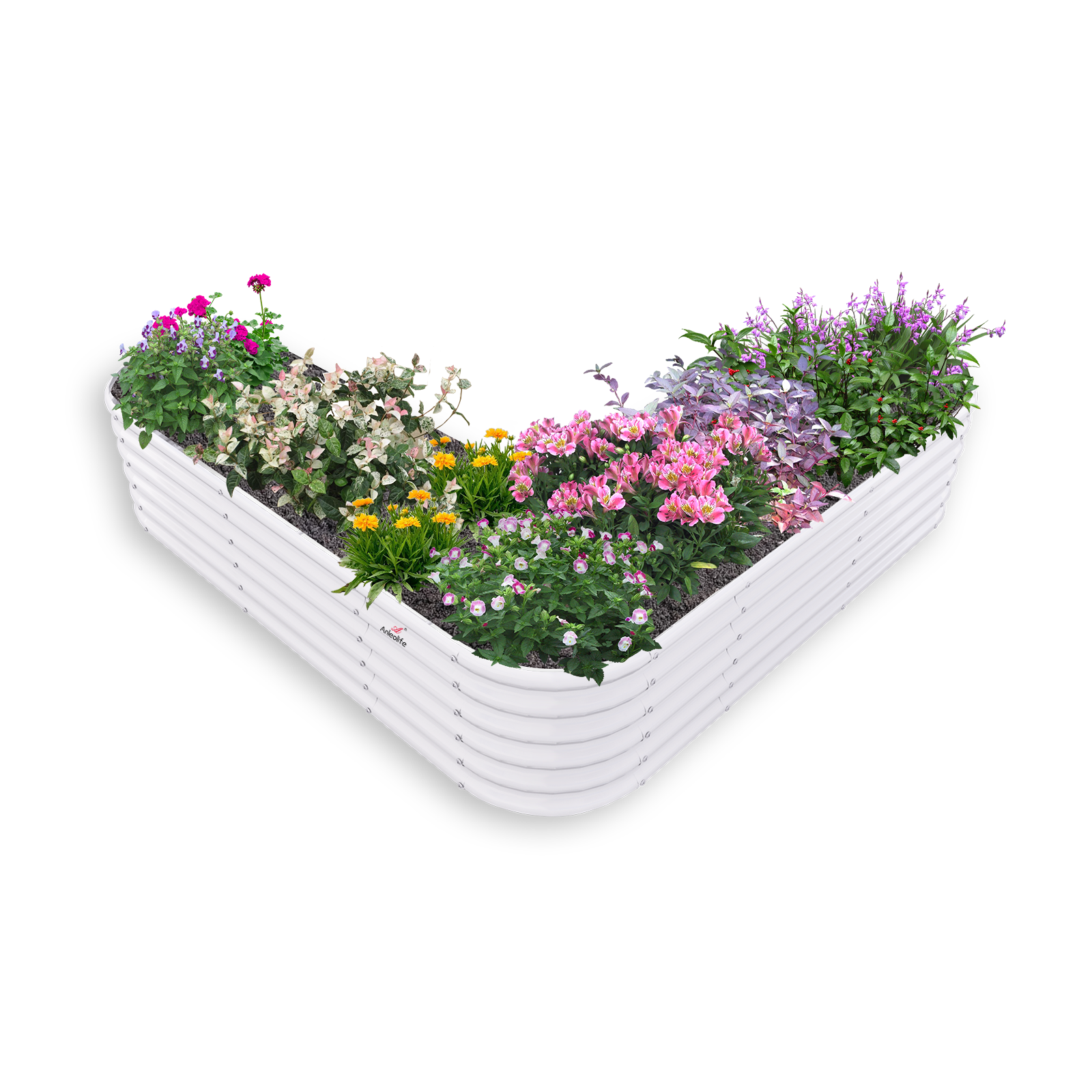
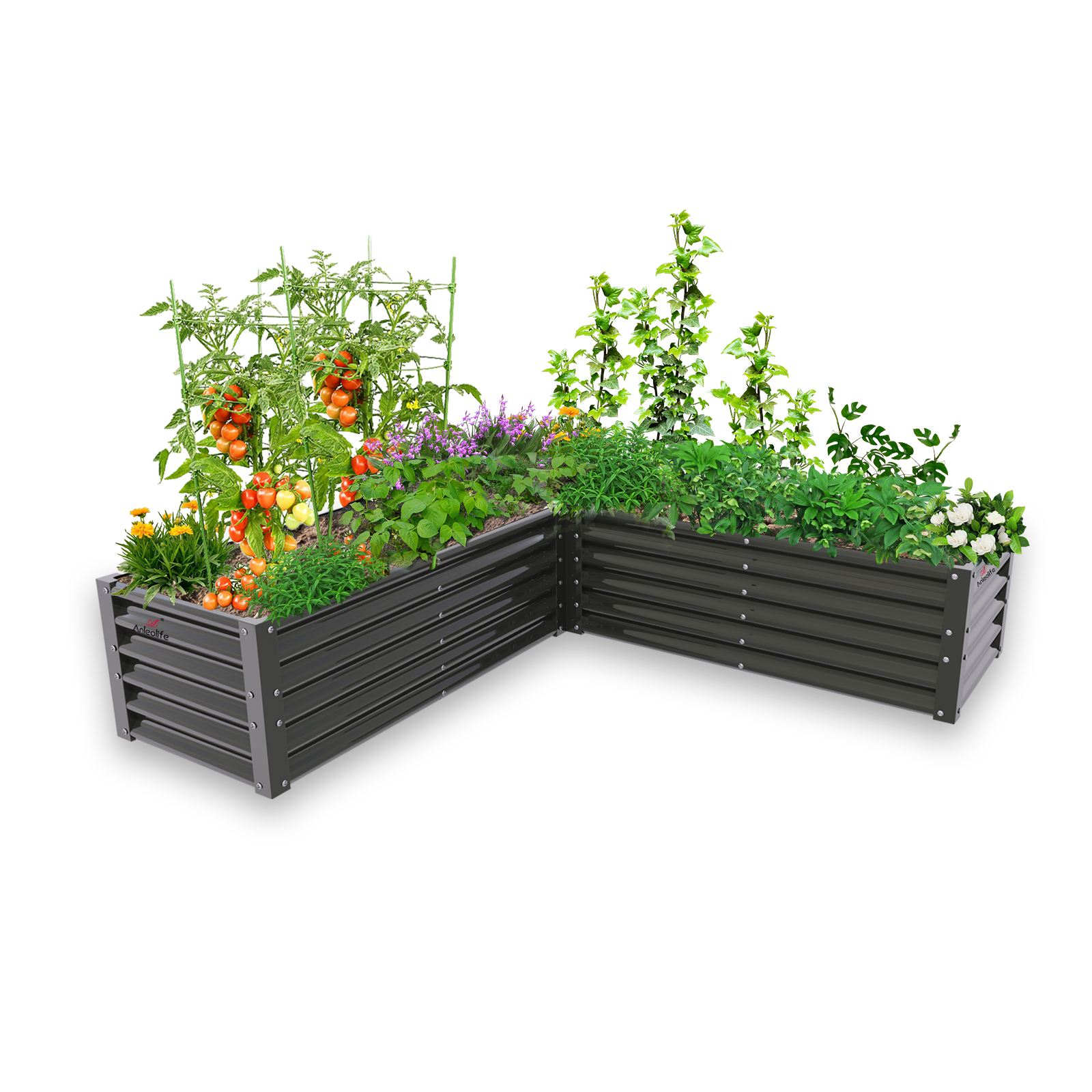
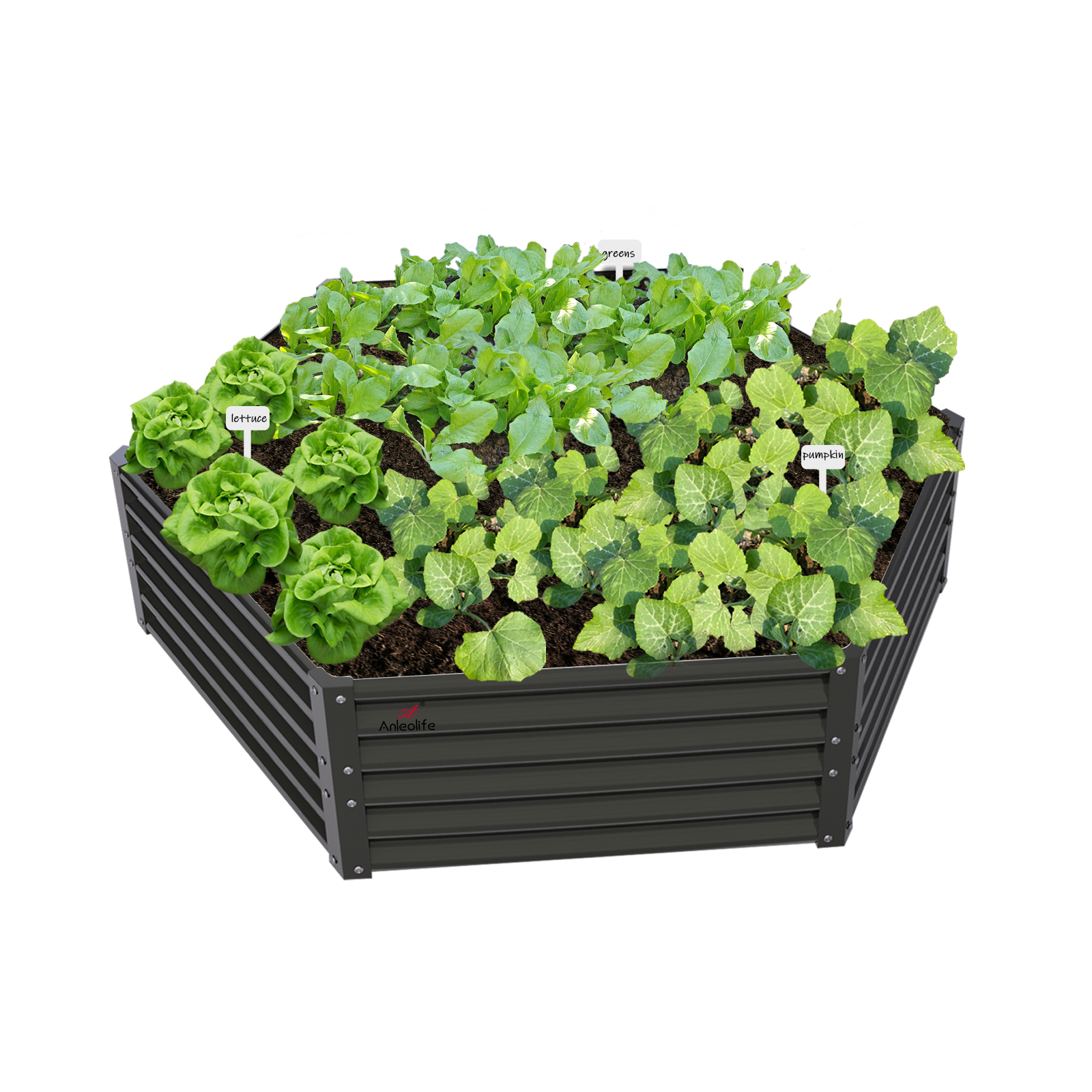
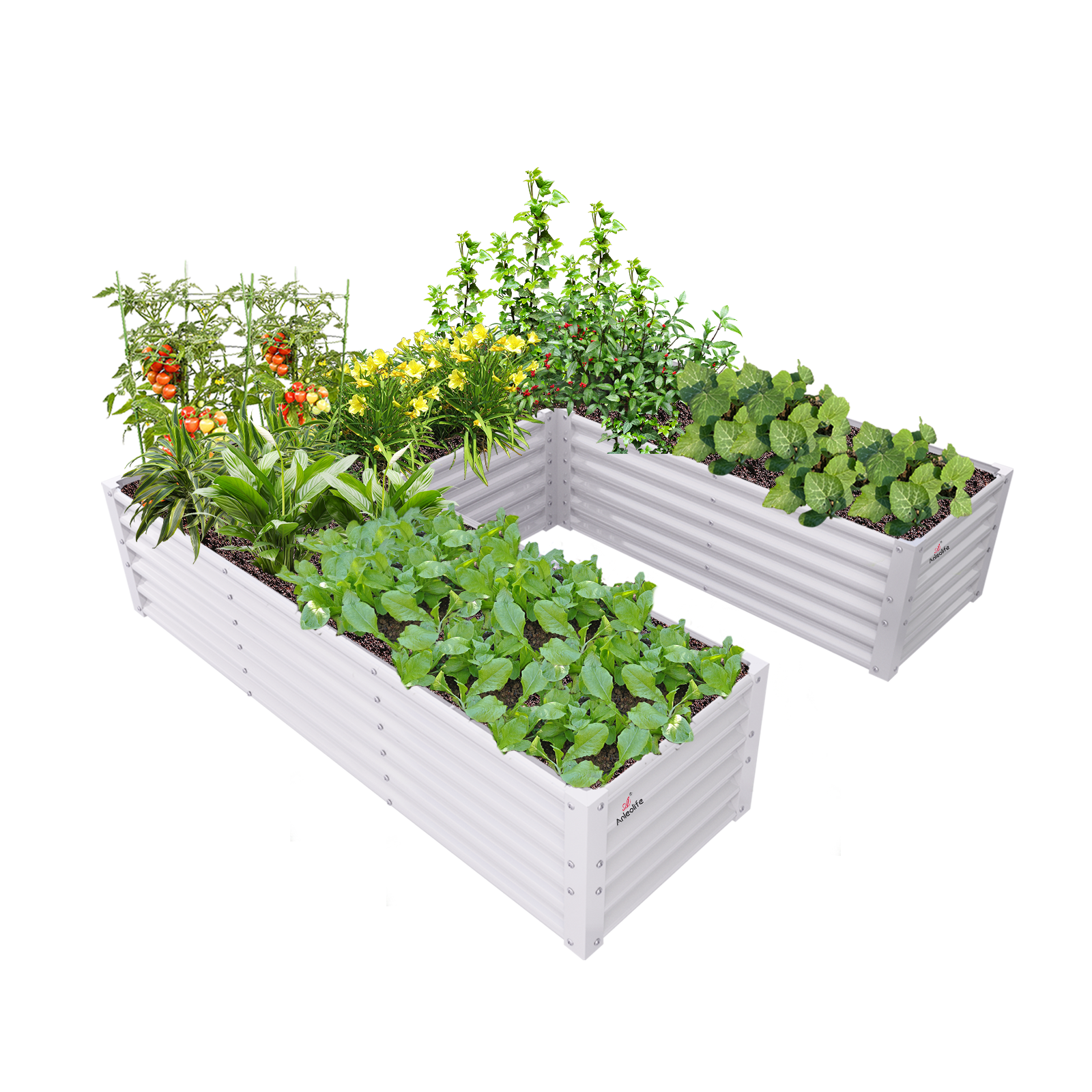

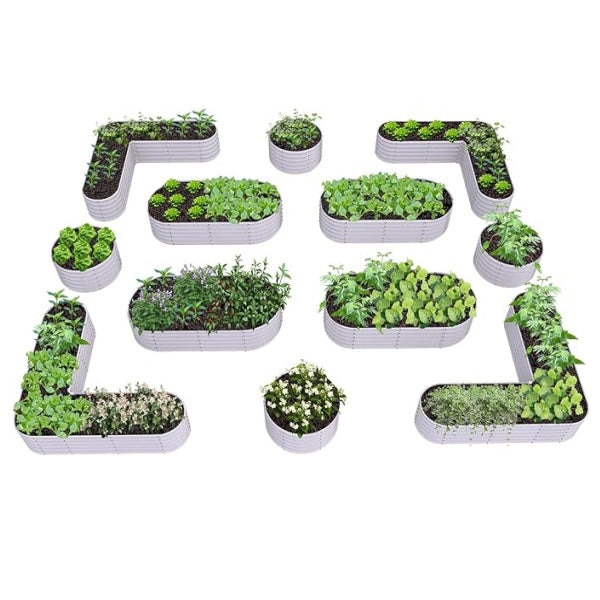


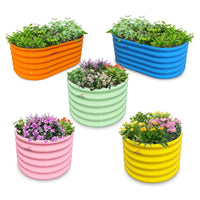
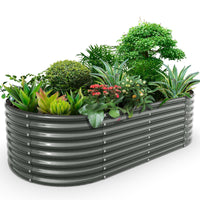



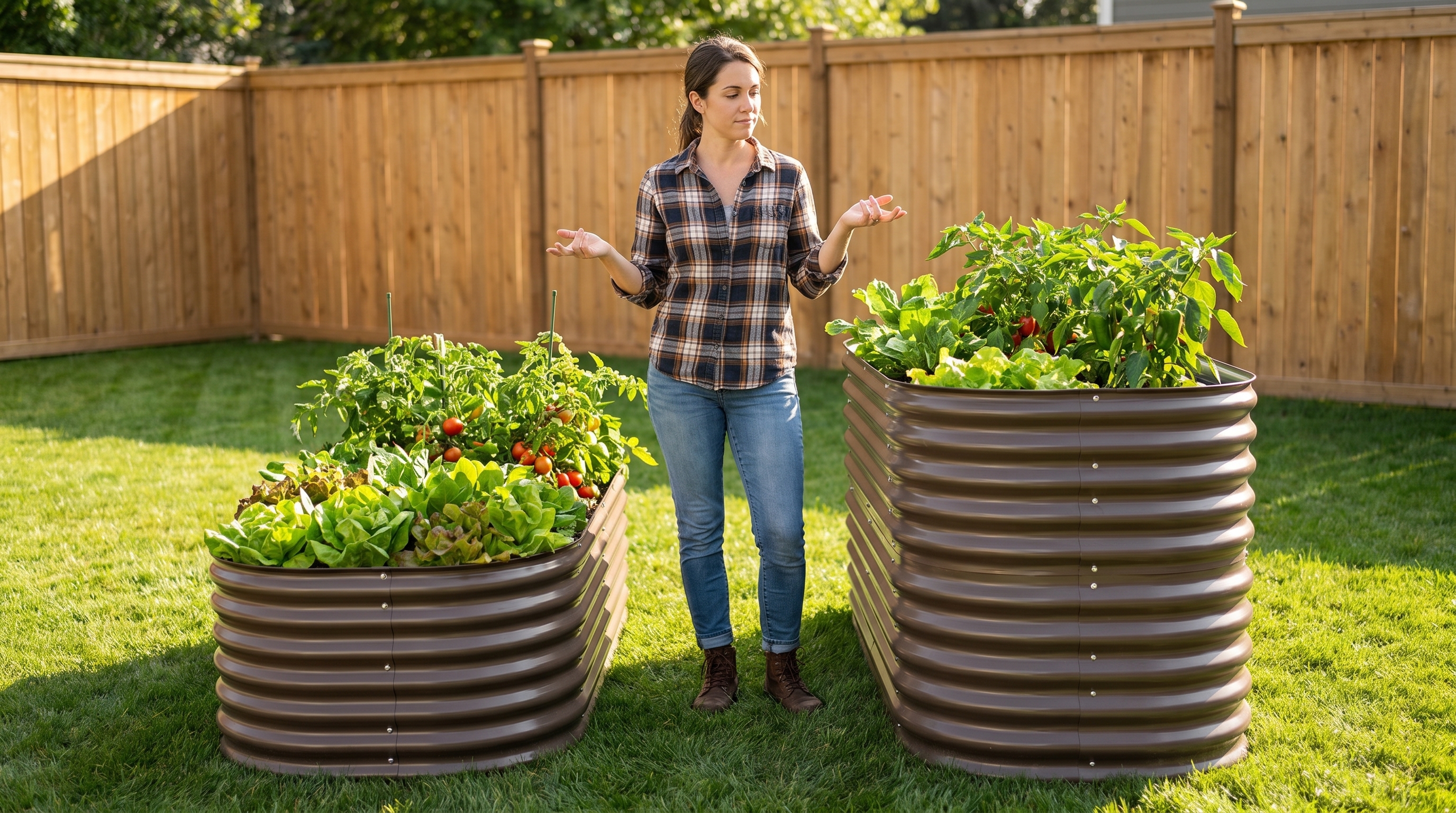
ALT: Beginner gardener comparing 18-inch and 35-inch raised garden bed heights for optimal backyard planting setup
Why Raised Garden Bed Height Matters More Than You Think for Beginner Gardeners
Key Conclusion: Choosing the right raised garden bed height is one of the most impactful decisions a beginner gardener can make. An 18-inch bed suits most vegetables and fits nearly any backyard layout, while a 35-inch waist-high bed dramatically reduces bending and back strain—making it ideal for seniors, gardeners with mobility challenges, or anyone prioritizing comfort. Understanding these differences early helps you build a garden that's productive, sustainable, and genuinely enjoyable for years to come.
If you've been researching how to start a sustainable garden in your backyard, you've probably realized pretty quickly that raised beds come in a dizzying range of sizes, materials, and—most importantly—heights. For beginners, this variety can feel overwhelming. Do you need a tall bed? Will a shorter one do? Is the extra height worth the cost?
The good news is that this decision is more straightforward than it seems once you understand what each height is actually designed to do. In this guide, we'll walk you through the key differences between 18-inch and 35-inch raised garden beds, help you match the right height to your specific situation, and give you a clear framework for making a confident choice—even if this is your very first garden.
Who Should Read This Raised Garden Bed Height Comparison?
✅ Applicable Scenarios:
- Beginners setting up their first raised bed garden and unsure where to start
- Seniors, retirees, or gardeners with back or knee discomfort looking for ergonomic solutions
- Urban micro-gardeners working with limited patio or yard space who want maximum productivity
- Eco-conscious home growers wanting to optimize soil depth for specific crops
- Empty nesters turning unused yard space into productive, beautiful kitchen gardens
❌ Not Applicable/Cautions:
- Experienced gardeners who have already established a bed system that's working well for their crops and body—this guide is designed for the early decision-making phase
- Gardeners seeking advice on container gardening, in-ground planting, or greenhouse systems, as raised bed height dynamics differ significantly from those setups
- Anyone assuming "taller is always better"—height selection should match your crops, physical needs, and budget, not a universal rule
Understanding the Raised Garden Bed Height Landscape: What the Market Actually Offers
The raised garden bed market in North America has expanded dramatically over the past decade. According to the National Gardening Association, home food gardening participation has grown steadily, with millions of households now growing some or all of their own produce. As that audience has diversified—welcoming older gardeners, people with physical limitations, and urban growers with limited space—manufacturers have responded with a much wider range of bed heights than the traditional 6–8 inch wooden frame that defined backyard gardening a generation ago.
Today, raised beds typically fall into a few height categories: low-profile beds under 12 inches, mid-height beds in the 18–24 inch range, and tall or waist-high beds reaching 30–35 inches or more. Each of these categories addresses a different set of gardening needs, and the gap between the most common beginner choice—an 18-inch raised garden bed—and the increasingly popular 35-inch waist-high option is significant in terms of comfort, cost, soil volume, and plant suitability.
If you're just beginning to explore step-by-step raised bed garden layout planning, understanding height is one of the foundational decisions you'll make before you even start thinking about what to plant. Getting it right from the start means less frustration, fewer costly adjustments, and a garden that works with your body and lifestyle rather than against it.
For beginners trying to figure out the best size raised garden bed kit for a small backyard, height interacts closely with footprint: a taller, narrower bed might actually suit a compact patio better than a wide, shallow one. And for those wondering about the best materials for raised garden beds that won't rust or rot, height is just one variable—material quality matters enormously too, which we'll touch on throughout this guide.
The Core Comparison: 18-Inch vs. 35-Inch Raised Garden Beds
A Three-Step Framework for Choosing the Right Height
Before diving into the detailed comparison, let's establish a quick decision-making process you can apply right now.
Step 1: Assess Your Physical Comfort Needs
Spend five minutes honestly evaluating how comfortable you are bending, kneeling, and crouching. If you can garden comfortably at ground level for 30+ minutes without discomfort, an 18-inch bed will likely serve you well. If bending causes back, hip, or knee pain—or if you're managing a chronic condition—a 30-inch or 35-inch waist-high bed can transform gardening from a chore into a pleasure. This self-assessment takes just a few minutes but shapes your entire setup.
Step 2: Identify Your Primary Crops
Different plants have different root depth requirements. Shallow-rooted crops like lettuce, herbs, spinach, and radishes thrive in 12–18 inches of soil. Deep-rooted vegetables like tomatoes, carrots, potatoes, and squash benefit from 24 inches or more. Before choosing your bed height, write down the top five vegetables or herbs you want to grow—this list will tell you a lot about the minimum depth your bed needs to support.
Step 3: Evaluate Your Space and Budget
Taller beds require more soil to fill, which adds to the initial cost. They also tend to have a larger visual footprint, though not necessarily a larger physical one. Measure your available space, set a realistic budget including soil, and then see which height category fits within those constraints. Remember that a high-quality metal raised garden bed from a reputable brand can last up to 20 years, so the upfront investment amortizes very favorably over time.
Side-by-Side Comparison: 18-Inch vs. 35-Inch Raised Garden Beds
Understanding the practical differences between these two heights can be much easier with a direct comparison. Here's how they stack up across the dimensions that matter most to beginner gardeners:
| Comparison Dimension | 18-Inch Raised Bed | 35-Inch Waist-High Bed |
|---|---|---|
| Ergonomics / Ease of Use | Requires bending or kneeling to reach center | Stand-up access; minimal bending required |
| Root Depth Supported | Sufficient for most vegetables and herbs | Excellent for deep-rooted crops; maximum flexibility |
| Soil Volume Required | Moderate | Significantly more—factor into budget |
| Best For | Beginners, general vegetable gardening | Seniors, mobility-limited gardeners, accessibility-focused setups |
| Visual Height / Garden Aesthetics | Low-profile, blends into landscape | Bold, architectural statement piece |
| Stability & Structure | Solid for most conditions | Requires robust panel and support design |
| Price Point | Generally more accessible | Higher investment due to material and height |
| Assembly Complexity | Straightforward for most beginners | Slightly more involved; panels and supports |
| Lifespan (Anleolife galvanized steel) | Up to 20 years | Up to 20 years |
| Platform Availability | Available on Amazon, Walmart, Home Depot, Lowe's, Wayfair, Anleolife.com | Available on Amazon, Walmart, Home Depot, Lowe's, Wayfair, Anleolife.com |
A Closer Look at Each Height: Practical Scenarios and Real-World Use
The 18-Inch Raised Garden Bed: The Versatile Workhorse
The 18-inch raised garden bed is, without question, the most popular height category in North American home gardening—and for good reason. It hits a sweet spot that works for a remarkably wide range of gardeners, crops, and landscapes.
At 18 inches, a raised bed provides enough soil depth for the vast majority of common vegetables, including tomatoes (with appropriate support), peppers, cucumbers, beans, kale, beets, and most herbs. You're not going to run into root depth issues with lettuce, spinach, or basil in an 18-inch bed, and even moderately deep-rooted plants like carrots (in shorter varieties) and bush beans perform very well.
From a practical standpoint, 18 inches is low enough that most gardeners can comfortably kneel beside the bed or use a garden stool without feeling like they're working in an awkward position. It's high enough to significantly improve drainage compared to in-ground planting, reduce weed pressure from below, and create a defined growing environment with excellent soil control.
Anleolife offers an impressive range of 18-inch galvanized steel raised garden beds in multiple footprints—from compact 4x4 ft configurations ideal for small patios to generous 12x3 ft options for gardeners who want a longer planting row. There are also 18-inch options in the rust-resistant line, the modular series, and heavy-duty configurations, meaning you can find an 18-inch bed that matches not just your height preference but also your layout, aesthetic, and durability needs.
For gardeners just learning the best soil recipe for raised garden beds, an 18-inch depth is particularly forgiving. It's deep enough to layer in a quality blended soil mix without requiring excessive volume, and its moderate depth means your soil warms up efficiently in spring, extending your growing season.
One important note for beginners: "galvanized steel" is often cited as one of the best materials for raised garden beds that won't rust or rot, and Anleolife's galvanized steel beds are engineered for a 20-year lifespan. If you've been wondering whether metal beds are a safe long-term investment, that lifespan figure alone makes the case compellingly. You can also learn more about whether metal raised garden beds are heat-safe for summer vegetables—a common concern beginners raise about metal construction.
The 35-Inch Waist-High Raised Garden Bed: Accessibility Meets Ambition
Now let's talk about the 35-inch raised garden bed—currently the tallest standard option in Anleolife's lineup and a genuinely life-changing product for the right gardener.
At 35 inches, this is a true waist-high bed for most adults. You work standing up, with no bending, no kneeling, and no crouching. For seniors, retirees, gardeners managing back pain, arthritis, or other physical limitations, this height transforms gardening from a physically demanding activity into something closer to cooking at a kitchen counter—precise, comfortable, and sustainable over the long term.
This is one of the core reasons the 35-inch option has grown in popularity among empty nesters and retirees who want to stay connected to gardening as they age but need a setup that respects their physical reality. It's also increasingly popular among younger gardeners with chronic pain conditions or disabilities who are determined to make growing their own food work for them.
Beyond ergonomics, the 35-inch bed offers outstanding root depth. Deep-rooted crops like full-size carrots, parsnips, daikon radishes, and robust tomato root systems can stretch out comfortably. The depth also creates excellent thermal stability—the soil doesn't heat up or cool down as dramatically as shallower beds, which can be beneficial in climates with volatile temperature swings.
The trade-off is soil volume. Filling a 35-inch bed requires considerably more soil than an 18-inch version of the same footprint, which adds to the initial setup cost. However, once filled and established, that soil is a long-term asset—especially if you're building soil fertility with organic matter over time.
The 24-Inch and 30-Inch Middle Ground
While this article focuses on the 18-inch and 35-inch options specifically, it's worth briefly acknowledging that Anleolife also offers extra-tall options at 24 and 30 inches. These mid-range heights are excellent compromise choices—deeper than standard 18-inch beds for better root performance with demanding crops, but not quite the full stand-up experience of a 35-inch waist-high bed. They're particularly popular with gardeners in the 50–65 age range who are thinking ahead ergonomically but don't yet need full waist-high access.
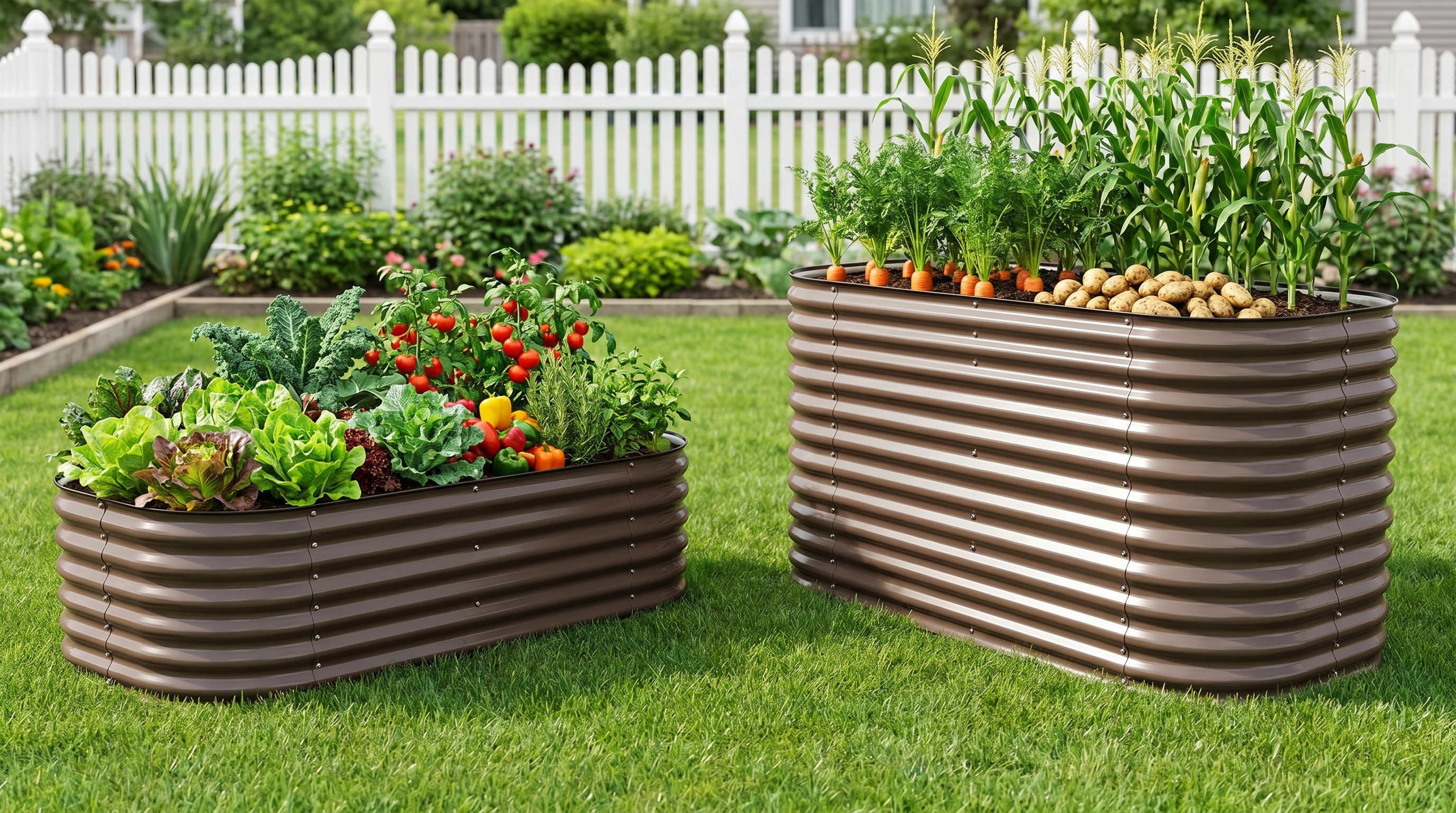
ALT: Comparison of 18-inch standard and 35-inch waist-high galvanized steel raised garden beds in a residential backyard garden setup
Advanced Considerations: What Beginners Often Overlook When Choosing Bed Height
Soil Management Changes With Depth
Many beginners assume that taller beds simply need to be filled with more of the same soil mix—and that's true, but it opens up a meaningful optimization opportunity. In a 35-inch bed, you can use a technique called "lasagna layering" or "hugelkultur" at the very bottom: filling the lower portion with logs, branches, cardboard, and compost that break down slowly over years, improving drainage and building soil fertility over time. This approach also reduces the amount of premium potting mix you need to purchase upfront, which helps offset the cost of filling a tall bed.
For an 18-inch bed, the depth is typically more uniform—most gardeners fill the full depth with a quality raised bed mix or a blend of topsoil, compost, and amendments. Check out why galvanized steel raised beds outperform wood for summer gardening to understand how material choice compounds with depth decisions to affect long-term growing performance.
Common Misconception: "Taller Beds Are Always Better"
This is one of the most persistent myths in beginner gardening communities, and it's worth correcting directly. A 35-inch bed is not inherently superior to an 18-inch bed—it's superior for specific use cases. If you're a 30-year-old with no physical limitations, growing primarily herbs, salad greens, and compact vegetables in a small urban backyard, a 35-inch waist-high bed may actually create more challenges than it solves (more soil to manage, more cost, more visual dominance in a small space). Choosing height based on genuine need rather than perceived premium status will serve you far better.
The Best Gifts for Gardeners Often Include Height Upgrades
If you're shopping for the best gifts for gardeners in your life—especially parents or grandparents who have been struggling with a low bed—a waist-high raised garden bed can be one of the most genuinely impactful presents imaginable. It's a gift that keeps giving for up to 20 years (the guaranteed lifespan of Anleolife's galvanized steel beds), transforms a beloved hobby from painful to pleasurable, and speaks directly to the recipient's quality of life. For eco-conscious families, it also supports the giftee's ability to continue growing their own sustainable produce independently.
How Height Interacts With Garden Layout
Taller beds create natural visual separation and can function as soft dividers within a larger garden layout. If you're planning a multi-bed garden, mixing heights—perhaps one 35-inch waist-high bed as the primary growing station and several 18-inch beds for ground-level crops or trailing plants—can create a dynamic, functional, and beautiful garden aesthetic. If you want to explore how to give your backyard a fresh summer look while making functional choices, this guide on fresh summer aesthetics with minimal spend offers practical inspiration.
Frequently Asked Questions
Q1: How do I know which raised garden bed height is right for me as a complete beginner?
Start by considering two factors: your crops and your body. If you plan to grow a standard mix of vegetables and herbs without physical limitations, an 18-inch bed covers you beautifully. If you experience back pain, have limited mobility, or simply want to garden without ever kneeling, invest in a 30-inch or 35-inch waist-high bed. Anleolife's range spans both categories across galvanized steel, rust-resistant, modular, and heavy-duty lines—so you're not sacrificing material quality for height.
Q2: Are galvanized steel raised garden beds safe for growing vegetables at any height?
Yes—galvanized steel raised garden beds are widely considered safe for vegetable gardening. The zinc coating that gives galvanized steel its rust resistance is not known to leach harmful quantities of heavy metals into soil at levels that affect human health, according to current scientific consensus. Anleolife's galvanized and rust-resistant bed lines are designed with food-safe growing in mind. For a detailed look at summer-specific heat and safety considerations, see the article on metal raised garden beds and heat safety for summer vegetables.
Q3: How much does it cost to fill a 35-inch raised garden bed compared to an 18-inch bed?
The cost difference is real and worth planning for. A 35-inch bed holds roughly double the soil volume of an 18-inch bed with the same footprint—so expect soil costs to scale accordingly. You can reduce expenses by layering organic material (compost, wood chips, cardboard) in the bottom third of a tall bed before adding your quality growing mix. For a detailed breakdown of what to budget for your raised bed garden overall, the Raised Garden Bed Budget Breakdown is an excellent resource to consult before you buy.
Summary
Choosing between an 18-inch and a 35-inch raised garden bed comes down to three core considerations: your physical comfort, your plant selection, and your long-term vision for your garden.
An 18-inch bed is the right choice for most beginners—versatile, affordable to fill, suitable for a wide crop range, and available in an extensive variety of sizes and configurations from Anleolife's lineup. It's the dependable workhorse of the raised bed world, and it will serve the majority of home gardeners exceptionally well for up to 20 years.
A 35-inch waist-high bed is the right choice when ergonomics are a priority. Whether you're 65 and determined to keep growing your own food, managing a back condition, or simply wanting to garden in maximum comfort, this height eliminates the physical barriers that cause many people to give up gardening prematurely. It's an investment in long-term accessibility—and Anleolife's 20-year lifespan guarantee means that investment pays off for decades.
The practical next step is simple: decide which category fits your life right now, then choose the footprint and configuration that matches your available space. If you're unsure where to start with layout, the top 10 vegetables to grow in a raised bed guide can help you finalize your crop plan simultaneously, so height and planting decisions reinforce each other.
Start Your Garden Journey with Anleolife
Nationwide U.S. Warehouse Network: Anleolife products ship from strategic warehouse locations in California, Texas, Florida, New York, Illinois, and Washington—ensuring delivery within 3–8 business days so your garden setup never has to wait on logistics.
Multi-Channel Availability: Shop Anleolife raised garden beds on Amazon, Walmart, Home Depot, Lowe's, Wayfair, or directly at Anleolife.com for consistent quality assurance and responsive after-sales support wherever you prefer to shop.
Three Complete Garden Scenarios: Anleolife covers every stage of your outdoor lifestyle—Planting (metal raised garden beds, soil systems), Raising (chicken coops, rabbit hutches), and Beautification (decorative accessories, pathway systems)—creating a seamless ecosystem from your first bed to a fully realized garden property.
Upgrade your garden with Anleolife. We understand that an ideal garden is not built overnight but grows gradually, season by season. Our modular product design allows flexible expansion based on your needs—from your very first 8x4 garden bed to a fully integrated planting-and-raising ecosystem. We grow with you every step of the way.
References
- National Gardening Association. "Gardening Trends and Statistics Report."
https://garden.org/learn/ - University of California Agriculture and Natural Resources. "Raised Bed Gardening."
https://ucanr.edu/sites/MarinMG/files/146868.pdf - U.S. Department of Agriculture (USDA) National Institute of Food and Agriculture. "Home Gardening Resources."
https://www.nifa.usda.gov/topics/home-gardening - Penn State Extension. "Raised Bed Gardening: Soil Preparation and Planting."
https://extension.psu.edu/raised-bed-gardening - Colorado State University Extension. "Raised Bed Gardening."
https://extension.colostate.edu/topic-areas/yard-garden/raised-bed-gardening-7-238/
Note: Standards and recommendations may be updated over time. Please consult the latest official documents or a local extension service advisor for the most current guidance.
About Anleolife
Anleolife is a leading outdoor garden solutions provider in North America, dedicated to offering a full-scenario product ecosystem for home gardening enthusiasts, covering planting, raising, and garden beautification. Since its founding, we have upheld our brand mission, "Made for Garden Life," continuously innovating products and optimizing services to help hundreds of thousands of users upgrade their gardens, reconnect with nature, and enjoy a better garden lifestyle.