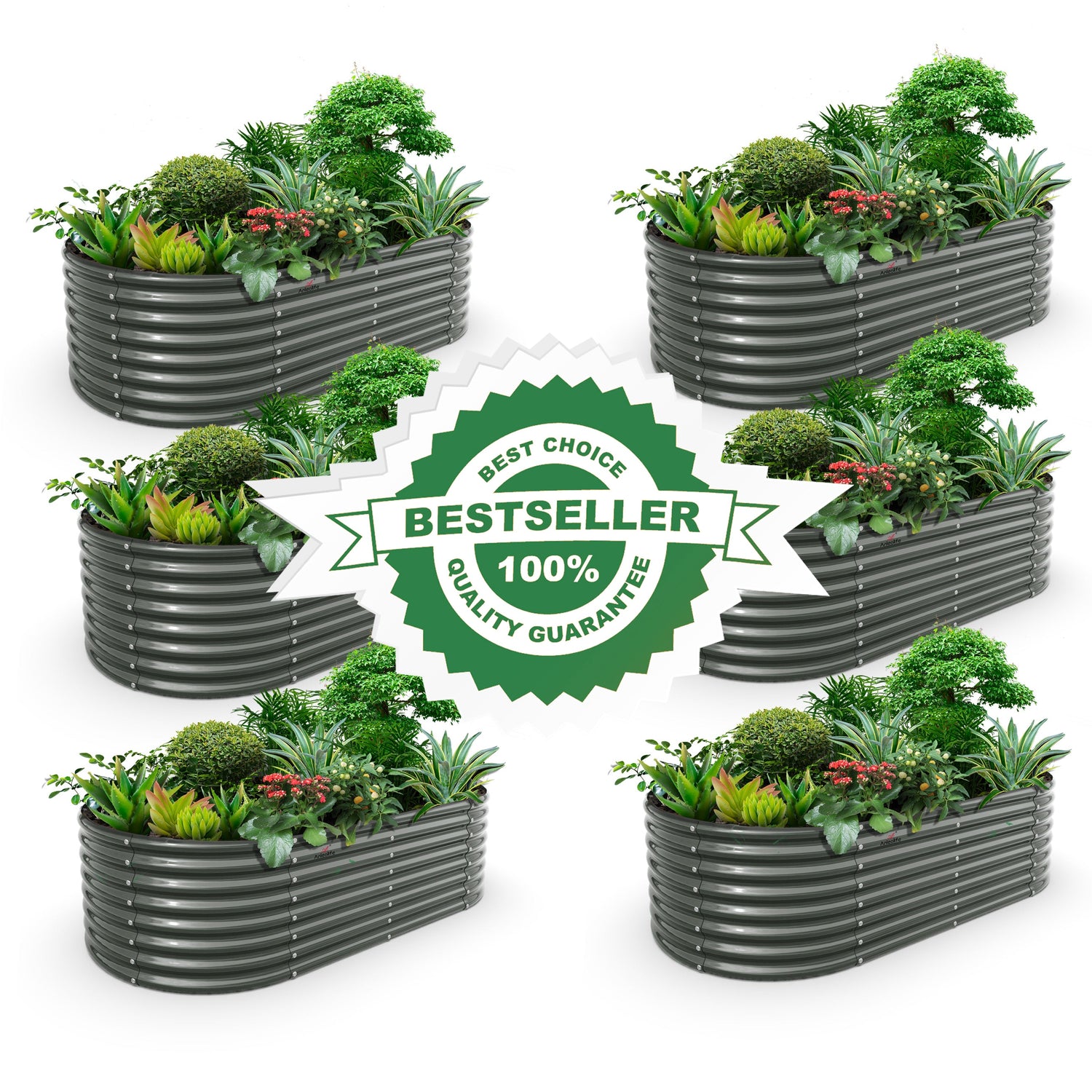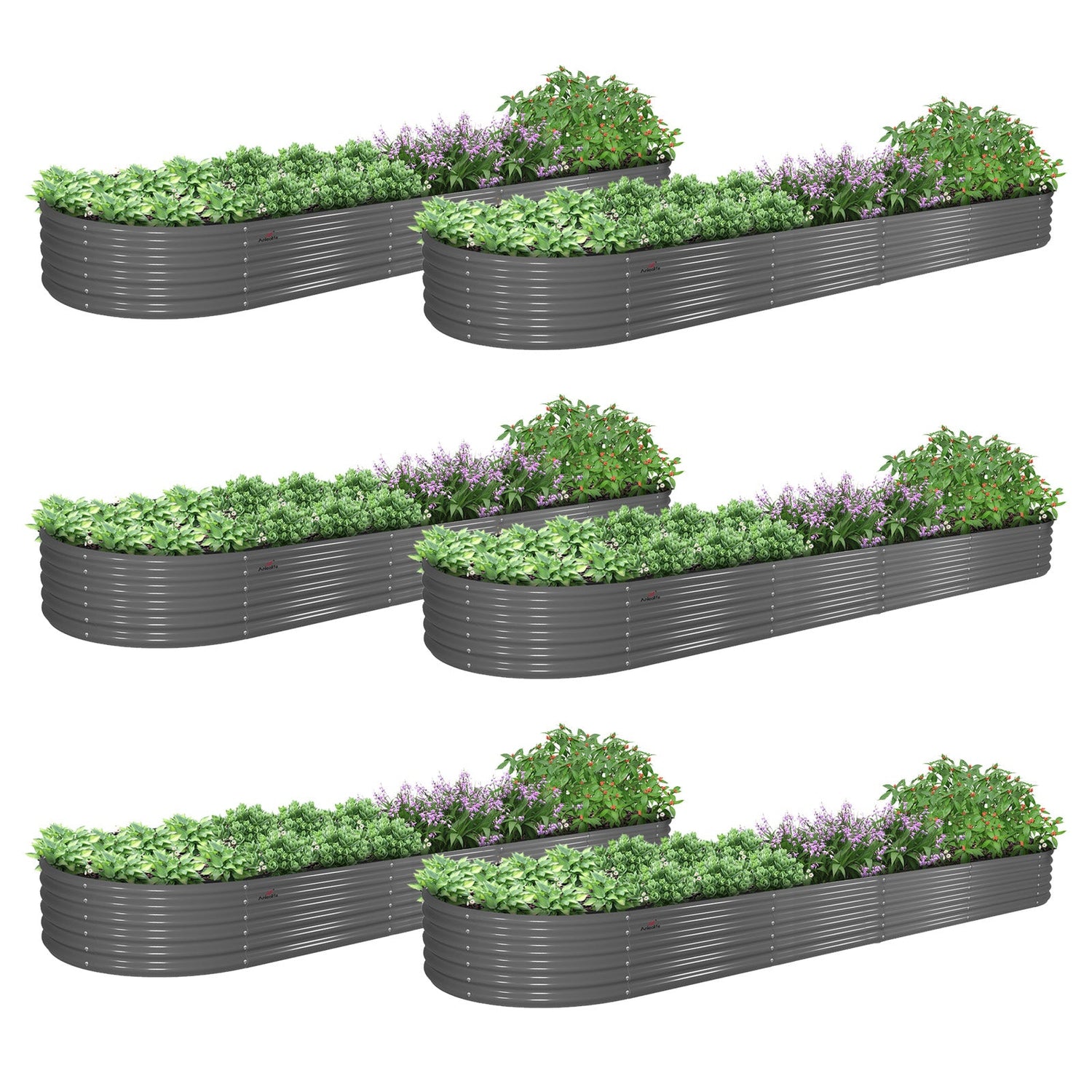



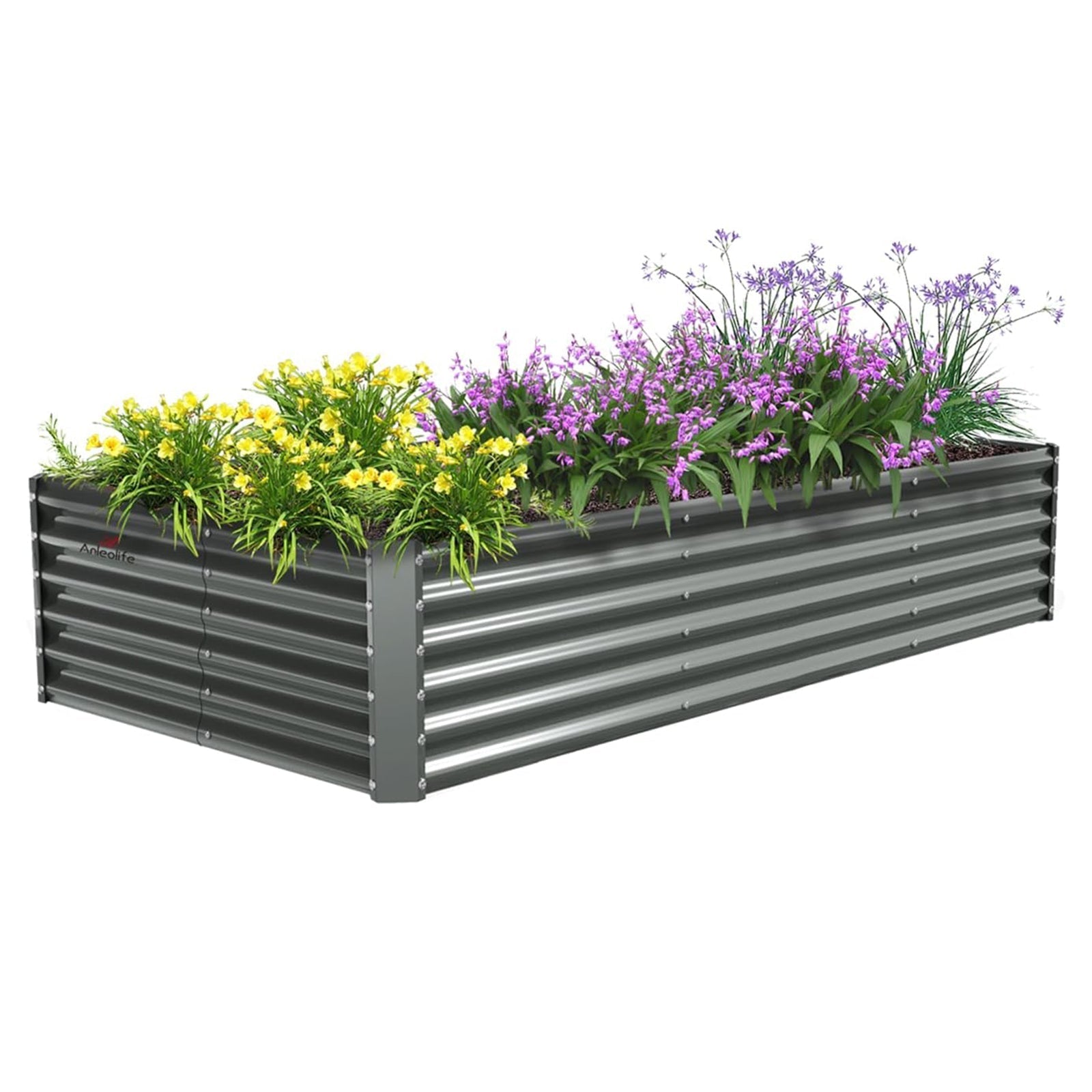
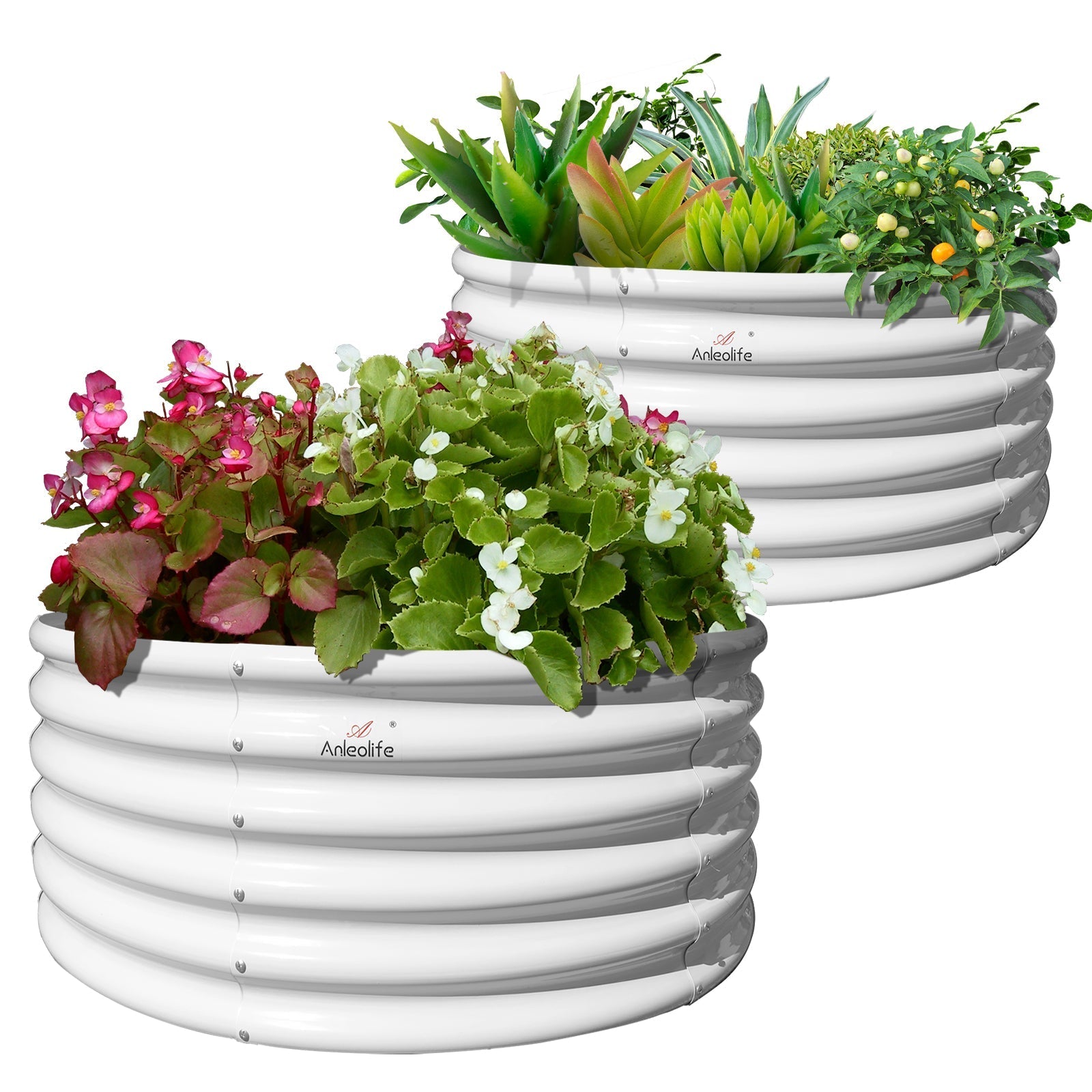
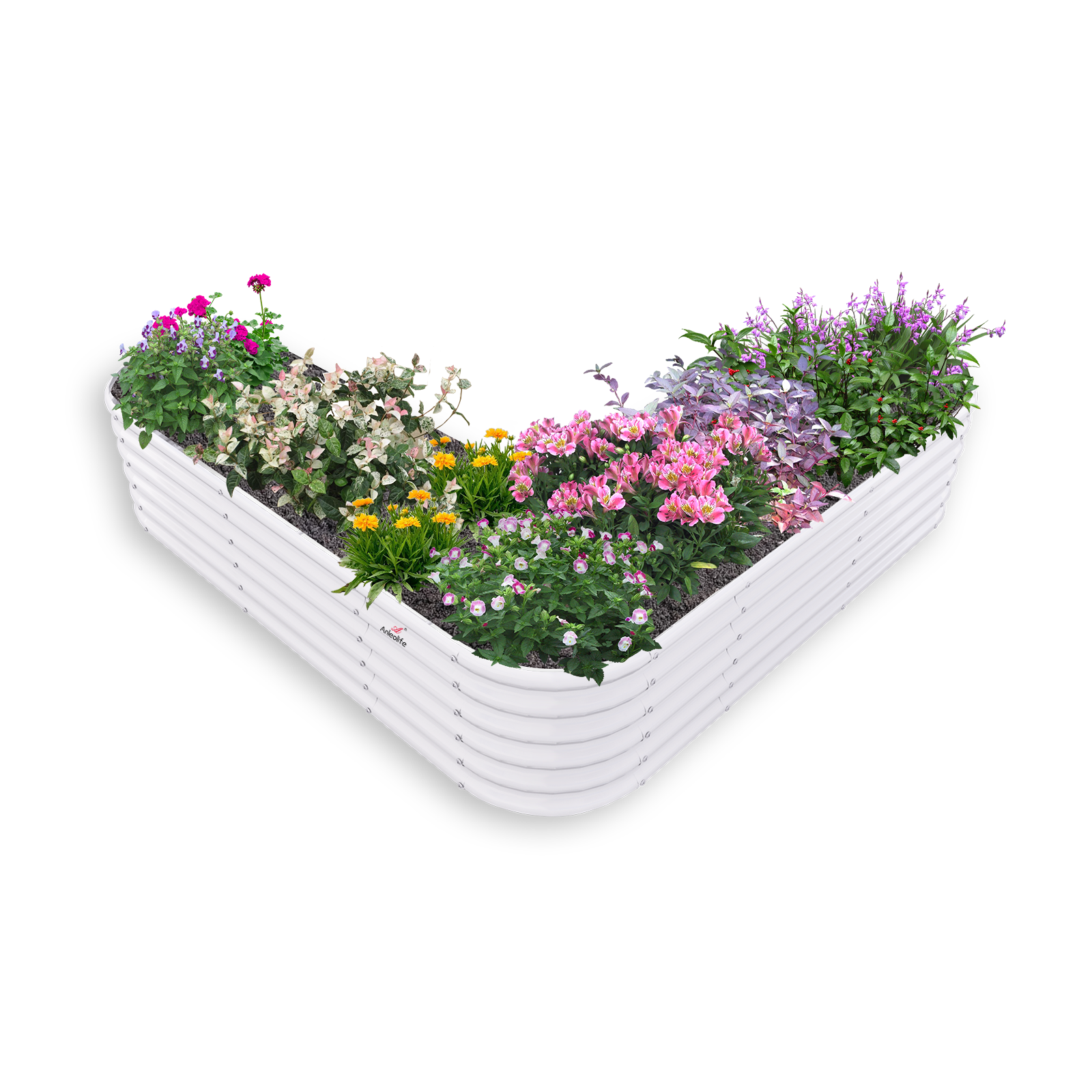
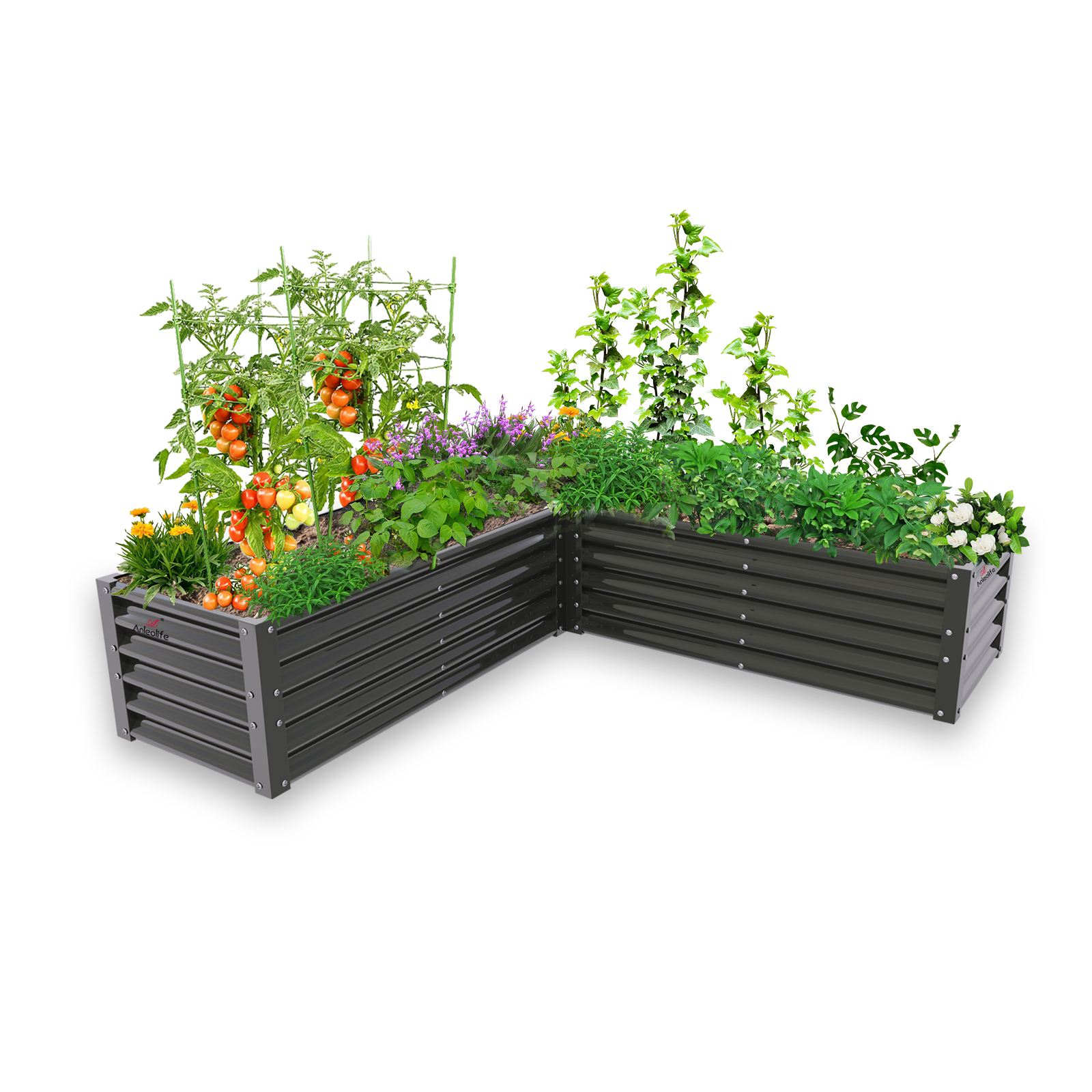
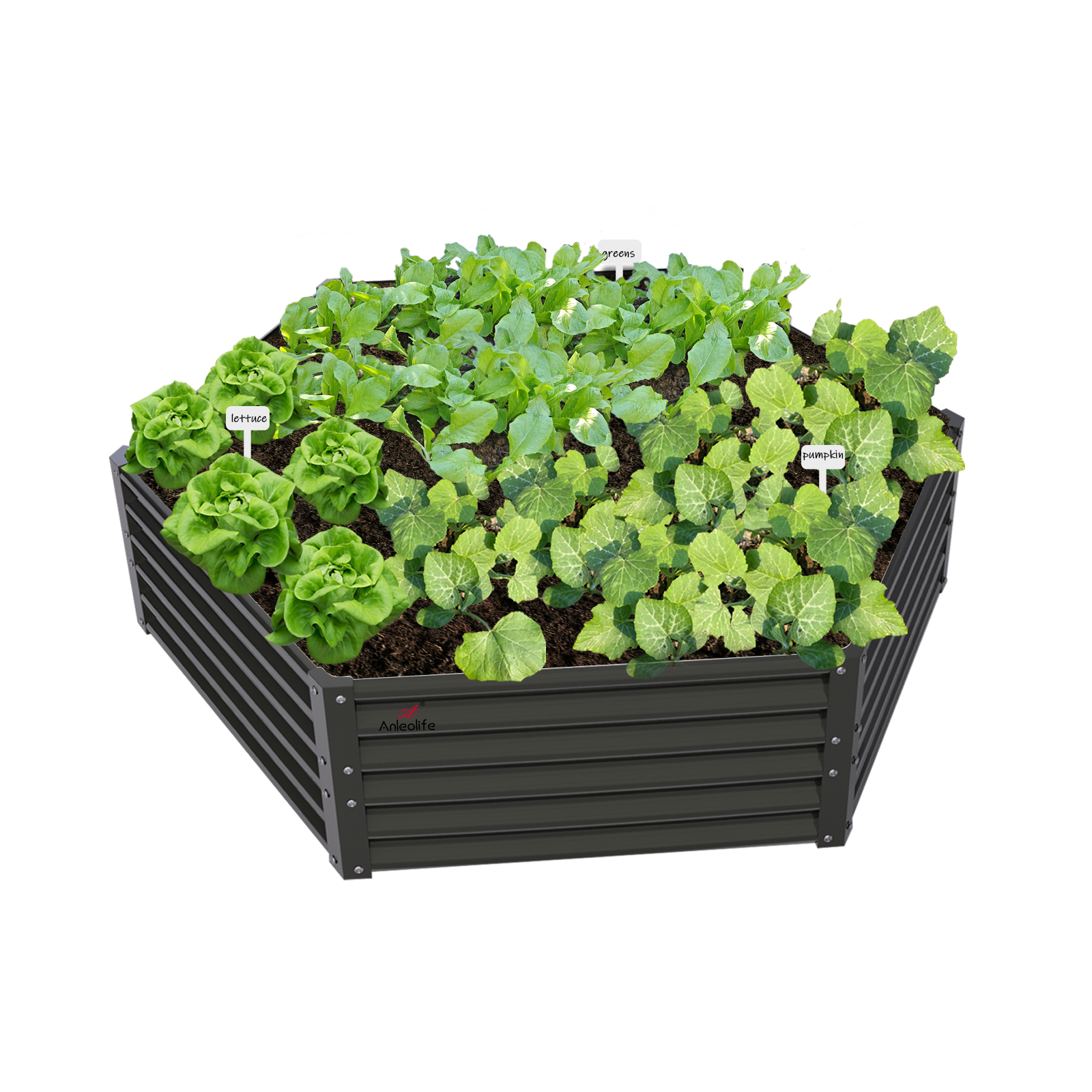
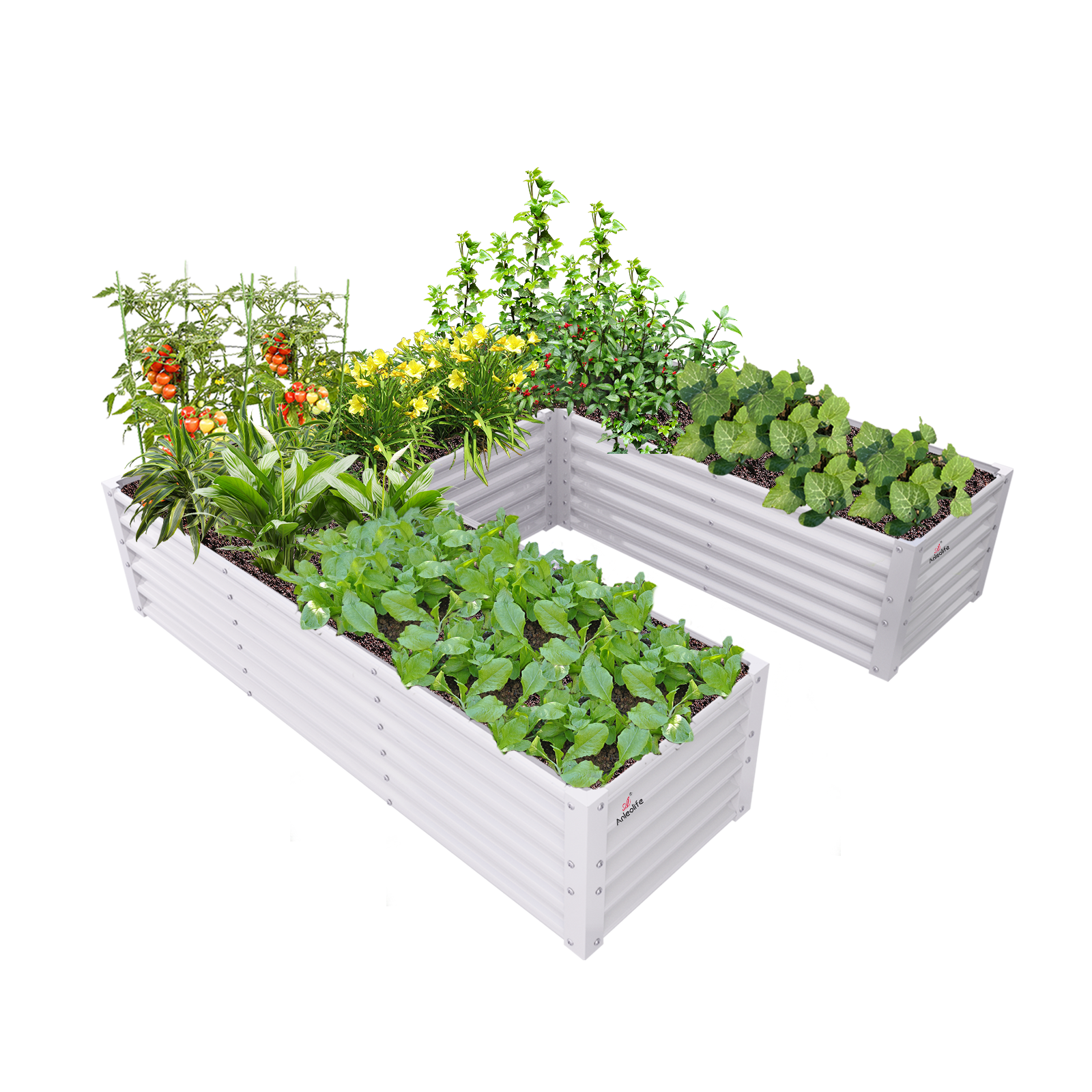

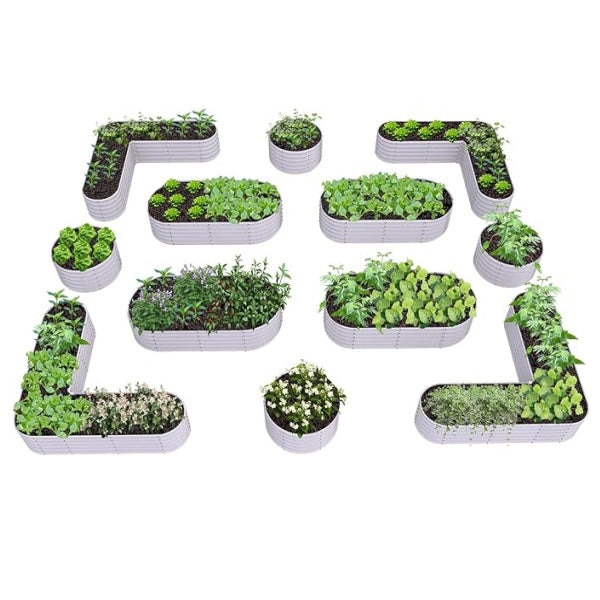

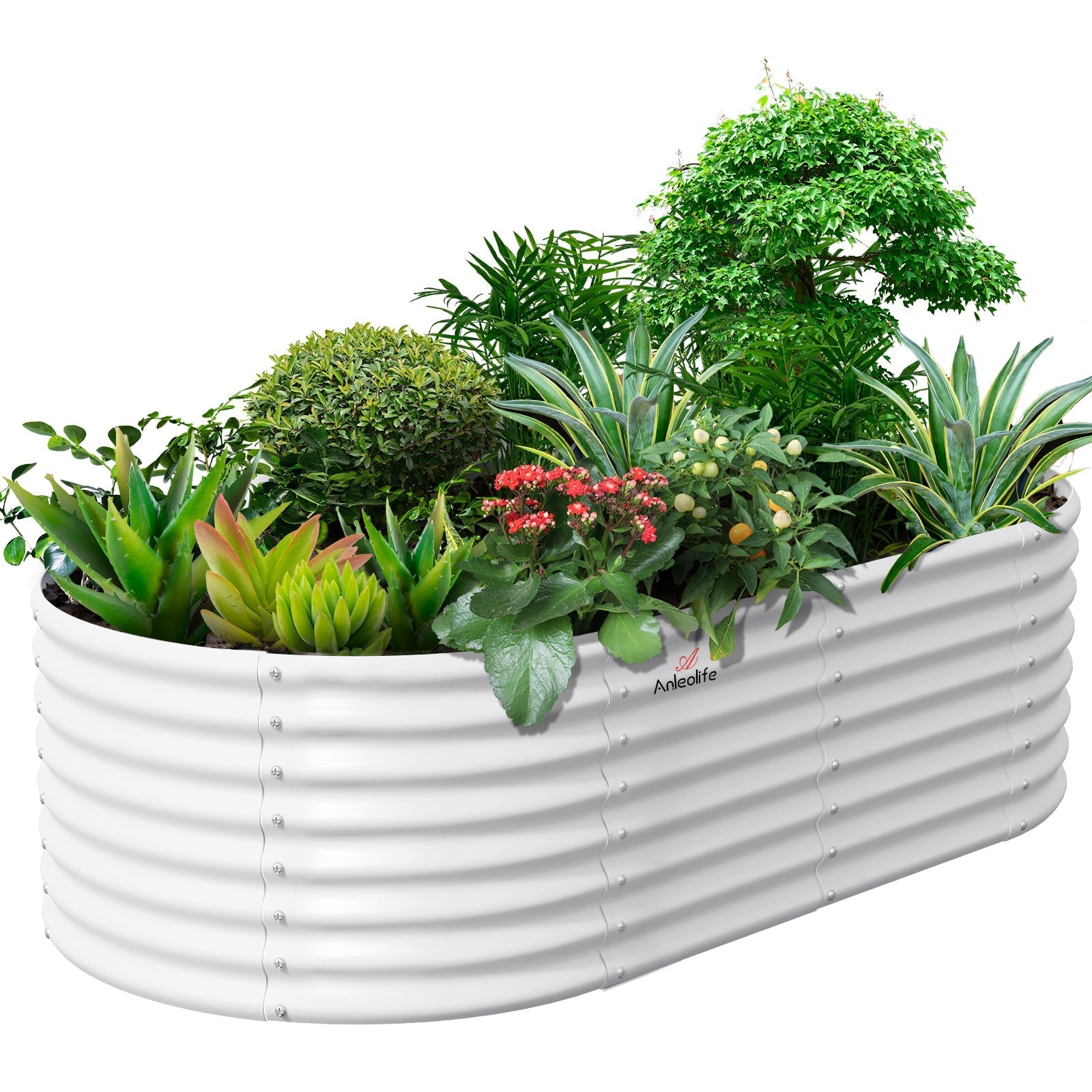


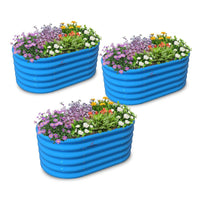
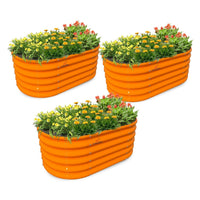
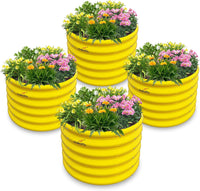
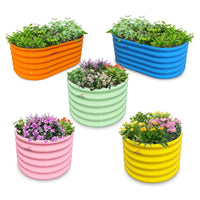
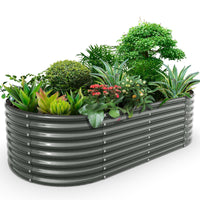



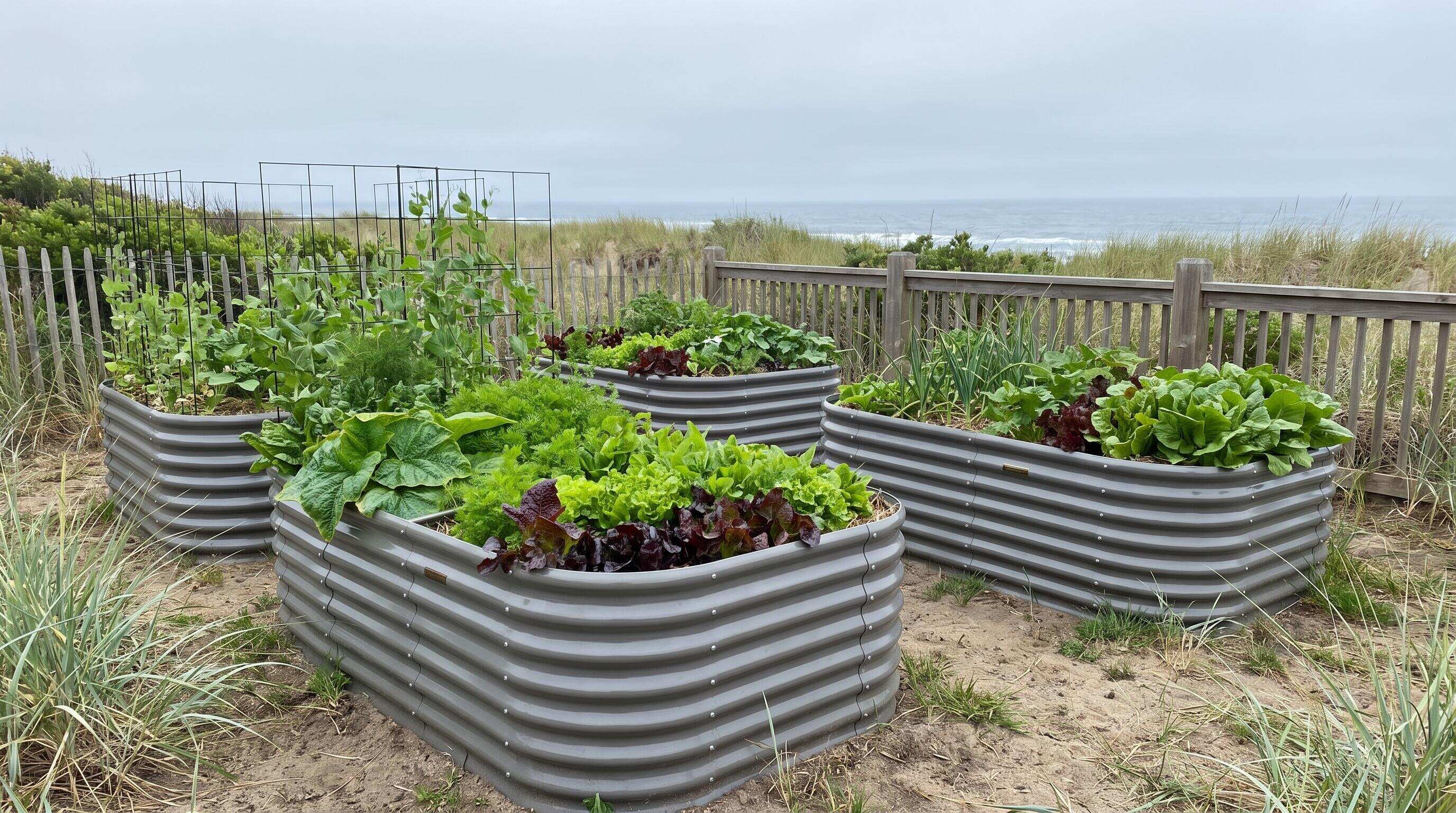
ALT: Rust-resistant raised garden beds thriving in coastal and humid weather conditions for home gardeners
Why Most Garden Beds Fail in Coastal and Humid Climates — And How to Choose One That Won't
The single question every coastal and humid-climate gardener eventually asks is this: why does my garden bed look like it's rusting away before my vegetables even ripen? The direct answer is that most metal garden beds sold today are not engineered for sustained exposure to salt air, persistent moisture, and temperature swings — and choosing the wrong one is an expensive, time-consuming mistake that can set your gardening plans back by seasons. This article's central finding is straightforward: selecting a genuinely rust-resistant raised garden bed requires understanding the science of corrosion, the real-world demands of your local climate, and the material and design standards that separate a bed rated for a productive 20-year lifespan from one that deteriorates within two.
The stakes are higher than they might seem at first. In our work with clients across humid southeastern states and salt-wind coastal zones, a pattern we consistently see is that gardeners who invest in the wrong materials end up rebuilding their raised bed garden layout from scratch — losing both money and the carefully amended soil system they spent months building. Getting this decision right the first time pays dividends for decades.
The Growing Challenge of Corrosion in Raised Bed Gardening Today
Rust-resistant raised garden beds — that is, raised planting structures made from metal alloys or coated steel specifically treated to resist oxidation — have moved from a specialty product to a mainstream necessity as home gardening has expanded into climates far beyond the mild, dry conditions where early metal beds were designed to perform.
The home gardening movement accelerated dramatically in the early part of this decade, and with it came a geographic spread of raised bed gardening into regions where elevated humidity, regular rainfall, salt-laden coastal breezes, and freeze-thaw cycles create uniquely hostile conditions for metal structures. According to the U.S. Environmental Protection Agency, coastal and humid regions cover significant portions of the American South, the Gulf Coast, the Pacific Northwest, and the Atlantic Seaboard — all areas now seeing explosive growth in kitchen gardening and backyard food production.
The problem is compounded by how the garden bed market evolved. Early metal raised beds were often simple galvanized steel constructions adequate for dry inland climates. As demand grew, many manufacturers scaled production without meaningfully upgrading corrosion-resistance standards. The result is a market crowded with products that look similar at the point of sale but perform very differently after one or two humid summers or a single coastal winter.
What has changed recently is consumer awareness. Home growers are increasingly researching material grades, protective coatings, and longevity ratings before purchasing — and they are right to do so. The cost of a cheap bed that fails in three years, measured against the labor of rebuilding a raised bed planting layout and replacing lost soil amendments, is almost always higher than simply buying a properly engineered bed from the start. That shift in buyer sophistication is pushing quality-conscious manufacturers to be more transparent about exactly what their rust resistance actually means in practice.
What Actually Causes Metal Garden Beds to Rust — The Mechanisms Explained
Understanding why raised bed materials corrode helps gardeners make smarter purchasing decisions and avoid the most common pitfall: assuming that any metal marketed as "galvanized" or "rust-resistant" will hold up equally well across all environments.
The Electrochemical Process Behind Corrosion
Rust is the result of an electrochemical reaction between iron, oxygen, and water. When bare steel is exposed to moisture — whether from rain, irrigation, or simply high ambient humidity — iron atoms on the surface lose electrons and form iron oxide, the familiar reddish-brown flaking material that structurally weakens metal over time. In a dry climate, this process is slow. In a humid climate, where metal surfaces remain wet for extended periods, corrosion accelerates dramatically. Along coastlines, dissolved salt in the air and moisture acts as an electrolyte, dramatically speeding up the electron-transfer reaction and making corrosion a year-round threat even on dry days.
Why Standard Galvanization Is Not Always Enough
Galvanization is the process of coating steel with a layer of zinc, which acts as a sacrificial barrier — the zinc corrodes preferentially, protecting the underlying steel. Standard hot-dip galvanization provides meaningful protection in many environments, but the thickness and composition of the zinc layer, along with any additional protective coatings applied on top, determine how long that protection lasts in demanding conditions. A galvanized bed with a thin zinc layer or no topcoat may perform adequately in a dry inland garden but develop rust spots within a single season in a coastal raised bed garden layout.
Per standards established by ASTM International — the organization that defines material and coating standards used across North American manufacturing — galvanized coatings are graded by thickness and process type, and not all "galvanized" products meet the same specification. Gardeners should look for products that specify the coating grade and, ideally, include an additional rust-inhibiting layer.
The Compounding Role of Soil Moisture and Organic Acids
The inside surface of a raised garden bed faces a completely different corrosive environment than the outside. Moist soil, organic decomposition, and the natural acids produced by composting all create a chemically active environment that can degrade protective coatings from the inside out. This is an aspect of raised bed gardening that many buyers overlook entirely when evaluating rust resistance — they assess the exterior finish without considering that the interior wall is in constant contact with wet, acidic organic material. A bed designed for true longevity needs protection on both faces of every panel.
Salt Air as an Accelerant
Coastal gardeners face an additional challenge that inland growers rarely consider: salt air deposition. Even without direct contact with seawater, airborne sodium chloride particles settle on metal surfaces continuously in coastal environments. Salt is hygroscopic, meaning it attracts and holds moisture, so metal surfaces coated in salt-air deposits remain chemically wet even when the weather feels dry. This is why coastal garden beds — regardless of how little rainfall an area receives — corrode at rates that can be two to three times faster than identical structures just a few miles inland, according to research documented by the National Association of Corrosion Engineers (NACE International, now AMPP).
The Temperature-Cycle Factor
Repeated freeze-thaw cycles in humid climates create a mechanical stress that compounds chemical corrosion. When moisture trapped in micro-cracks or at coating edges freezes, it expands, physically enlarging any breach in the protective layer and exposing fresh metal to the next cycle of moisture. Over multiple seasons, this process accelerates coating failure even on beds that started with reasonably good corrosion protection.
Evidence and Comparison: Rust-Resistant Options for Demanding Climates
Selecting the right raised bed for a challenging climate means comparing materials and coatings honestly — accounting for both performance and real-world trade-offs.
In our experience working across the full spectrum of raised bed gardening environments, the most durable solutions consistently share a few characteristics: multi-layer corrosion protection, attention to interior as well as exterior coating integrity, and structural designs that avoid water-trapping joints or edges where moisture can pool. Beds that rely on a single protective layer, or that have bare cut edges at panel joints, are routinely the first to show rust in high-humidity or coastal settings.
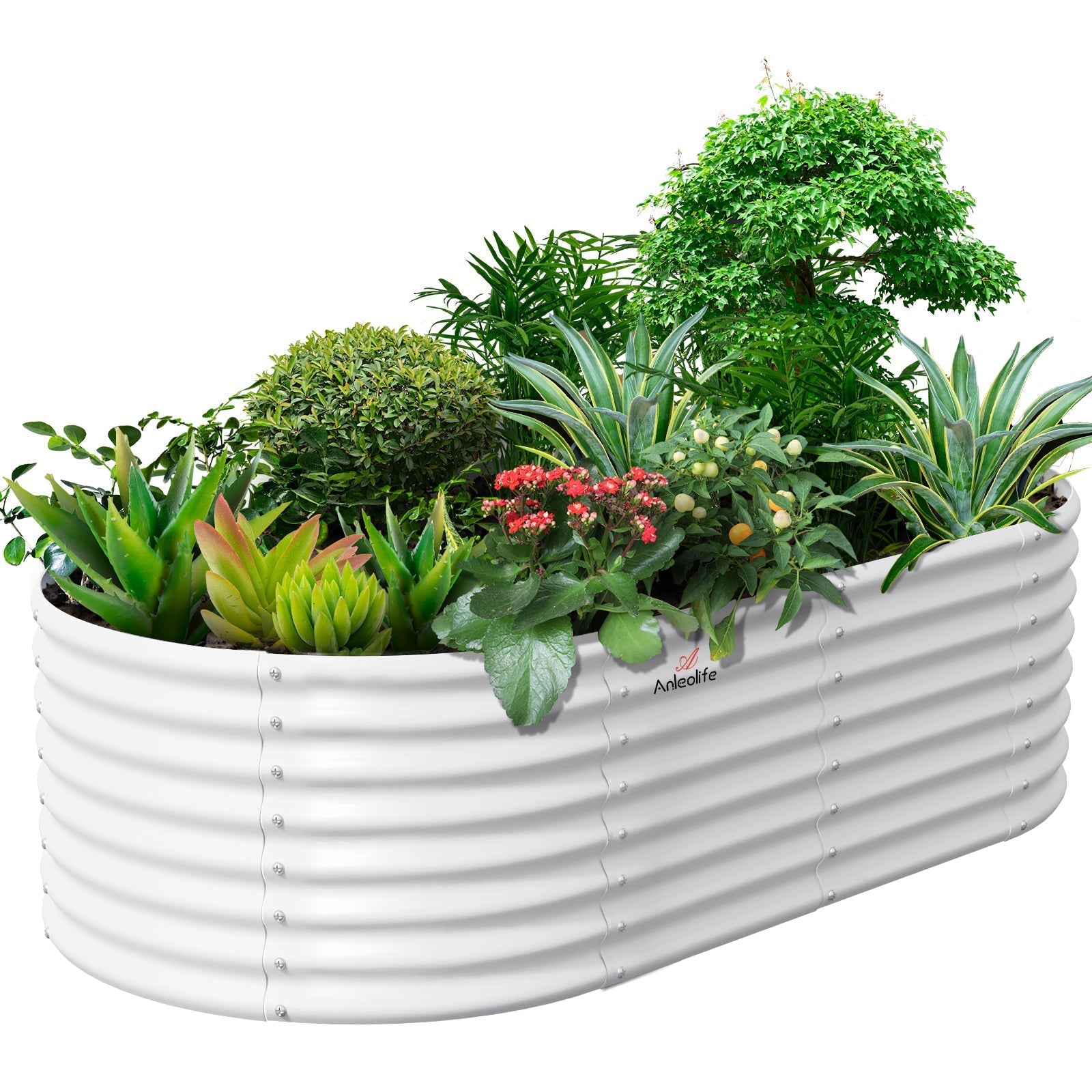
The Anleolife Rust-Resistant Raised Garden Bed line was specifically developed to address these exact failure points. Available in a range of sizes — including 18-inch tall options in 12x3 ft, 6.8x6.8 ft, 6x3 ft, and 8x4 ft footprints, as well as 22-inch tall 4x2 ft, extra-tall 24-inch options including 8x4 ft and 6x3 ft, 30-inch extra-tall 6x3 ft configurations, and an 18-to-24-inch height range — these beds are engineered with rust resistance as a core design requirement, not an afterthought. The design addresses both exterior weathering and the interior soil-contact environment simultaneously.
For gardeners who prioritize modular expansion of their raised bed garden layout, the Anleolife Modular Raised Garden Bed series offers connected configurations in sizes from 18-inch tall 6x2 ft and 8x4 ft up through 30-inch extra-tall 8x4 ft, allowing a coastal or humid-climate garden to grow incrementally without compromising on corrosion protection.
| Perspective / Approach | Strengths | Trade-offs | Best Fit |
|---|---|---|---|
| Standard galvanized steel (single-layer zinc coat) | Low upfront cost, widely available, familiar look | Insufficient for sustained coastal or humid exposure; prone to rust within 2-4 seasons without additional coatings | Dry inland climates with moderate rainfall |
| Multi-layer rust-resistant coated steel (e.g., Anleolife Rust-Resistant line) | Engineered for coastal and humid conditions; protects interior and exterior surfaces; rated for long-term use | Higher initial investment than basic galvanized options | Coastal zones, high-humidity regions, wet climates |
| Aluminum raised beds | Naturally non-rusting; lightweight | Lower structural rigidity for tall configurations; limited size options at the extra-tall height range; can be more expensive | Light-duty coastal applications with smaller footprints |
| Corten weathering steel | Develops a stable rust patina that resists further corrosion; distinctive aesthetic | Patina process can stain adjacent surfaces; not ideal near soil with high pH; heavier | Ornamental and landscape applications |
| Untreated or painted mild steel | Extremely low cost | Rusts rapidly in any moist environment; fails within one season in coastal settings; not viable for raised bed gardening | Not recommended for outdoor raised beds |
| Food-safe powder-coated steel | Good color durability; smooth finish; food-safe formulations available | Coating can chip at edges and joints, creating rust initiation points if underlying steel is not also protected | Mixed-climate regions where aesthetics are a priority |
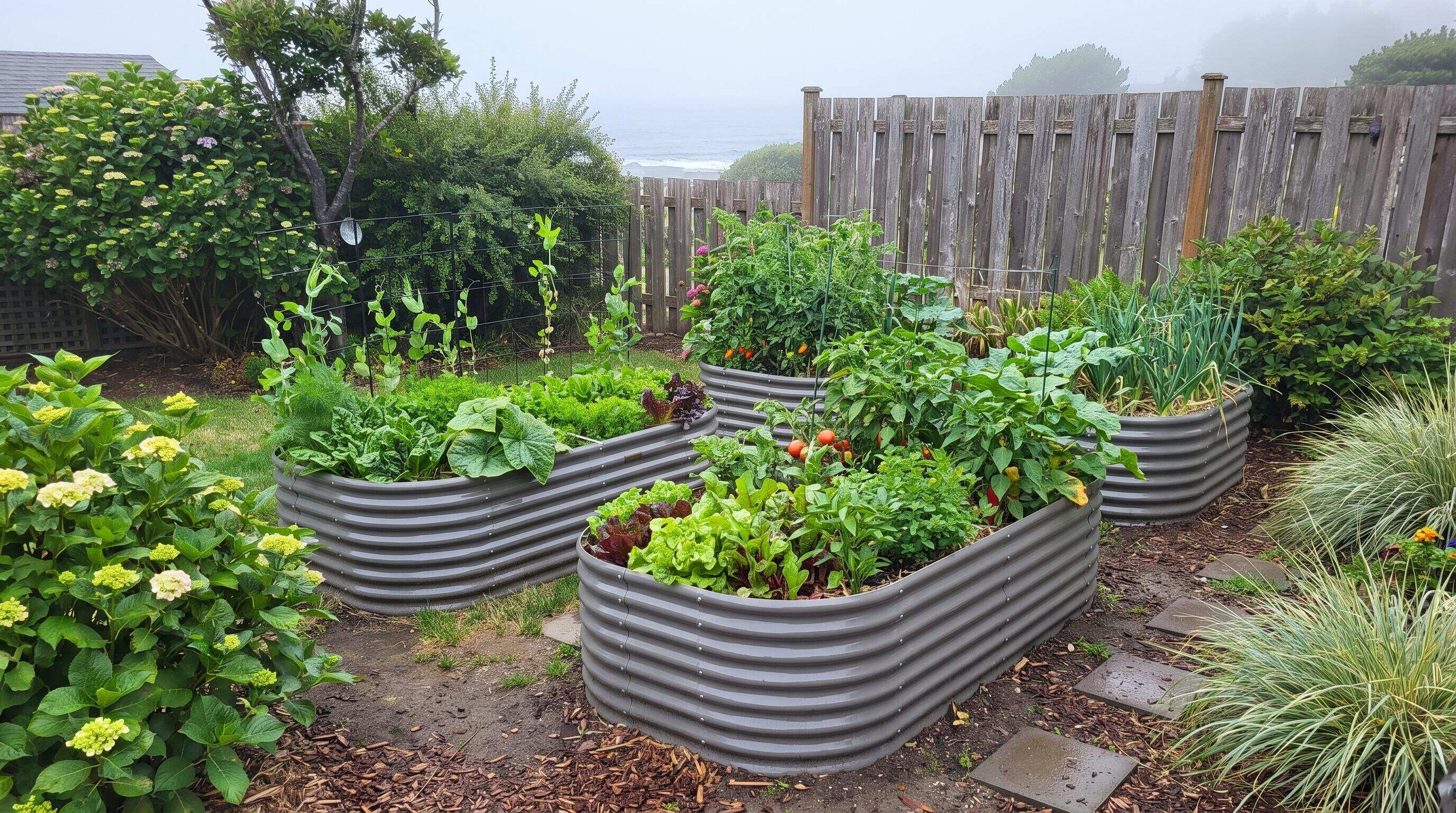
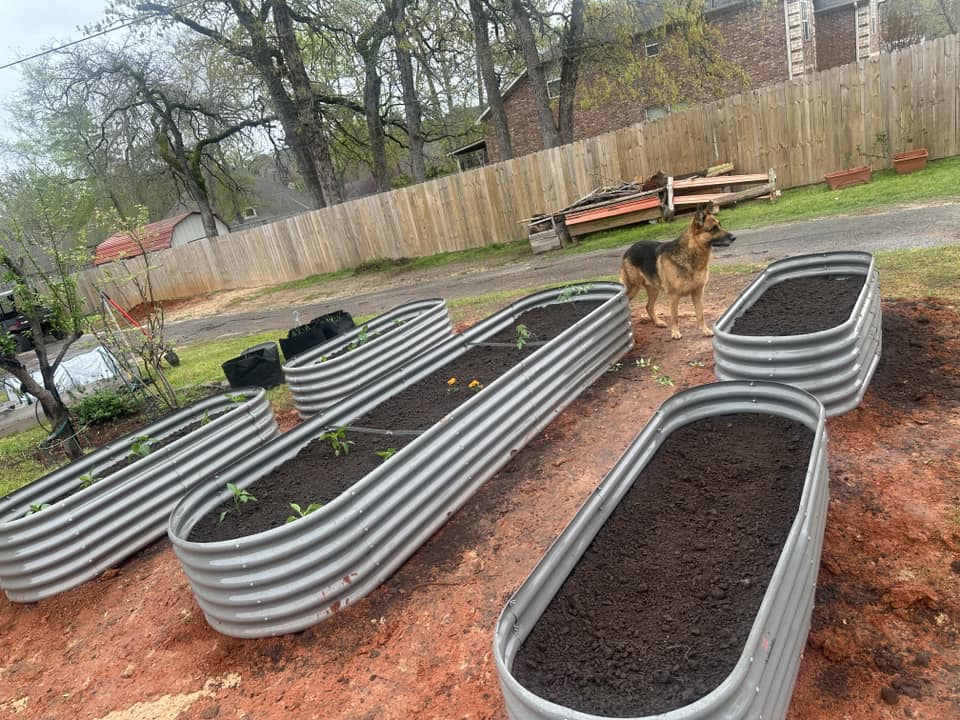
ALT: Rust-resistant metal raised garden beds in a coastal humid backyard garden layout with healthy vegetable plants
One factor that consistently surprises first-time buyers is the long-term economics. A well-engineered rust-resistant bed like those in the Anleolife product line carries a rated lifespan of 20 years — meaning the annualized cost per season is a fraction of what a cheap bed that fails in two or three years actually costs when you factor in replacement, soil disturbance, and replanting. When gardeners do the math honestly, the quality option is almost always the better financial decision, not just the better gardening decision.
According to guidance from university extension programs across coastal states — including programs affiliated with land-grant institutions that conduct ongoing research into home food production — metal raised beds in high-corrosion environments should meet or exceed recognized coating durability standards, and gardeners are specifically advised to avoid beds with exposed cut edges or uncoated fasteners that create galvanic corrosion at connection points.
Where Raised Bed Material Science Is Heading — and What It Means for Your Garden
The trajectory of raised bed gardening materials is clearly toward higher-performance, climate-specific engineering. As home growers become more sophisticated — a pattern we see reinforced season after season — manufacturers who cannot substantiate their rust-resistance claims with design specifics and realistic longevity expectations will find it harder to compete. This is good news for gardeners who take the time to research before they buy.
Several trends are converging to raise the standard. Environmental consciousness is pushing manufacturers toward coatings that are both highly durable and free of harmful substances that could leach into food-growing soil systems — an important consideration for raised bed gardening dedicated to growing vegetables, herbs, or soft fruits. At the same time, the modular design movement means that gardeners no longer need to commit to a single fixed raised bed planting layout; instead, a well-chosen initial bed can become the foundation of an expanding garden ecosystem over many seasons.
For coastal and humid-climate gardeners specifically, the actionable implications are these: prioritize multi-layer coating systems over single-layer galvanization; inspect the interior surface treatment, not just the exterior finish; look for structural designs that drain rather than pool water at joints and base edges; and choose a product backed by a realistic lifespan rating — not a vague marketing promise.
Anleolife's nationwide U.S. warehouse network, positioned across California, Texas, Florida, New York, Illinois, and Washington, means that gardeners in the most corrosion-challenged regions of the country — coastal California, the Gulf Coast, Florida, and the humid mid-Atlantic — can receive their beds within 3–8 business days, allowing them to start building or expanding their raised bed garden layout without long waits that push planting season back.
The broader implication for home gardeners is this: investing once in the right material for your specific climate is the foundational decision that determines whether raised bed gardening delivers years of productive, low-maintenance growing or becomes a recurring frustration of deteriorating structures and disrupted planting schedules.
People Also Ask
How do I know if a raised garden bed is truly rust-resistant in coastal conditions?
Look for beds that specify multi-layer corrosion protection covering both interior and exterior panel surfaces, with no exposed cut edges or bare steel at joints. A genuine rust-resistance rating includes protection at the soil-contact surface, not just the outer face. Products backed by a rated lifespan — such as a 20-year durability claim — should be able to articulate the specific coating system that supports that claim. Avoid beds that use generic "galvanized" language without specifying the coating weight or grade.
Are galvanized steel raised garden beds safe for growing vegetables in humid climates?
Properly formulated galvanized steel — especially when coated with food-safe finishes that prevent any zinc-soil contact — is widely considered safe for vegetable raised bed gardening by horticultural authorities, including university extension programs. In humid and coastal climates, the key concern is not safety but durability: standard galvanization alone may not provide adequate corrosion resistance for long-term performance. Look for beds that combine a zinc-alloy base with an additional protective and food-safe coating to address both safety and longevity in demanding environments.
How long should a quality rust-resistant raised garden bed last in a high-humidity climate?
A well-engineered rust-resistant raised garden bed, such as those in the Anleolife Rust-Resistant line, is rated for a 20-year lifespan — even with sustained exposure to moisture, organic soil acids, and variable temperatures. Standard galvanized beds in the same conditions may show significant corrosion within two to five seasons. The difference in lifespan reflects both the quality of the coating system and structural design details like drainage geometry and edge treatment. Planning around a 20-year service life also makes the higher upfront investment substantially more cost-effective per growing season.
The Bottom Line
Choosing a rust-resistant raised garden bed for a coastal or humid climate is one of the most consequential purchasing decisions a home gardener makes — and it is one where the wrong choice is costly in both money and time.
Key Takeaways:
- Salt air, persistent humidity, organic soil acids, and freeze-thaw cycles all accelerate corrosion in ways that standard galvanized steel cannot always withstand — material selection must account for your specific environment.
- Rust resistance requires protection on both the exterior-facing and interior soil-contact surfaces; a bed that addresses only the outer finish will fail from the inside out.
- A rated 20-year lifespan from a quality rust-resistant bed makes the higher upfront cost dramatically more economical than replacing cheaper beds every two to four seasons.
- Modular raised bed designs allow a coastal or humid-climate garden to expand incrementally without sacrificing corrosion-resistance standards.
- Structural details — joint design, edge treatment, drainage geometry — are as important as the coating chemistry in determining real-world durability.
The next step is straightforward: audit your climate's specific corrosion challenges, evaluate beds against the material and design criteria outlined here, and choose a product backed by a realistic, substantiated longevity rating.
Ready to build a raised bed garden layout that handles whatever your coastal or humid climate delivers? Explore the full range of Anleolife rust-resistant and galvanized raised garden beds — available in sizes and configurations to fit any planting plan, from a first 8x4 raised bed to a fully modular growing ecosystem. Shop directly at Anleolife.com or through Amazon, Walmart, Home Depot, Lowe's, and Wayfair, with delivery in 3–8 business days from warehouses across California, Texas, Florida, New York, Illinois, and Washington.
Sources & Citations
- U.S. Environmental Protection Agency. "Coastal Zone Management and Humid Climate Environmental Guidelines".
https://www.epa.gov - AMPP (Association for Materials Protection and Performance, formerly NACE International). "Corrosion in Coastal and Marine Environments — Standards and Guidance".
https://www.ampp.org - ASTM International. "Standards for Zinc Coatings and Galvanized Steel Products".
https://www.astm.org - U.S. Department of Agriculture — National Institute of Food and Agriculture. "Home Vegetable Gardening in Raised Beds: Extension Guidance".
https://www.nifa.usda.gov - Savvy Gardening. "4x8 Raised Bed Vegetable Garden Layout Ideas".
https://savvygardening.com/4x8-raised-bed-vegetable-garden-layout/
Note: Standards may be updated; please check the latest official documents or consult professional advisors.