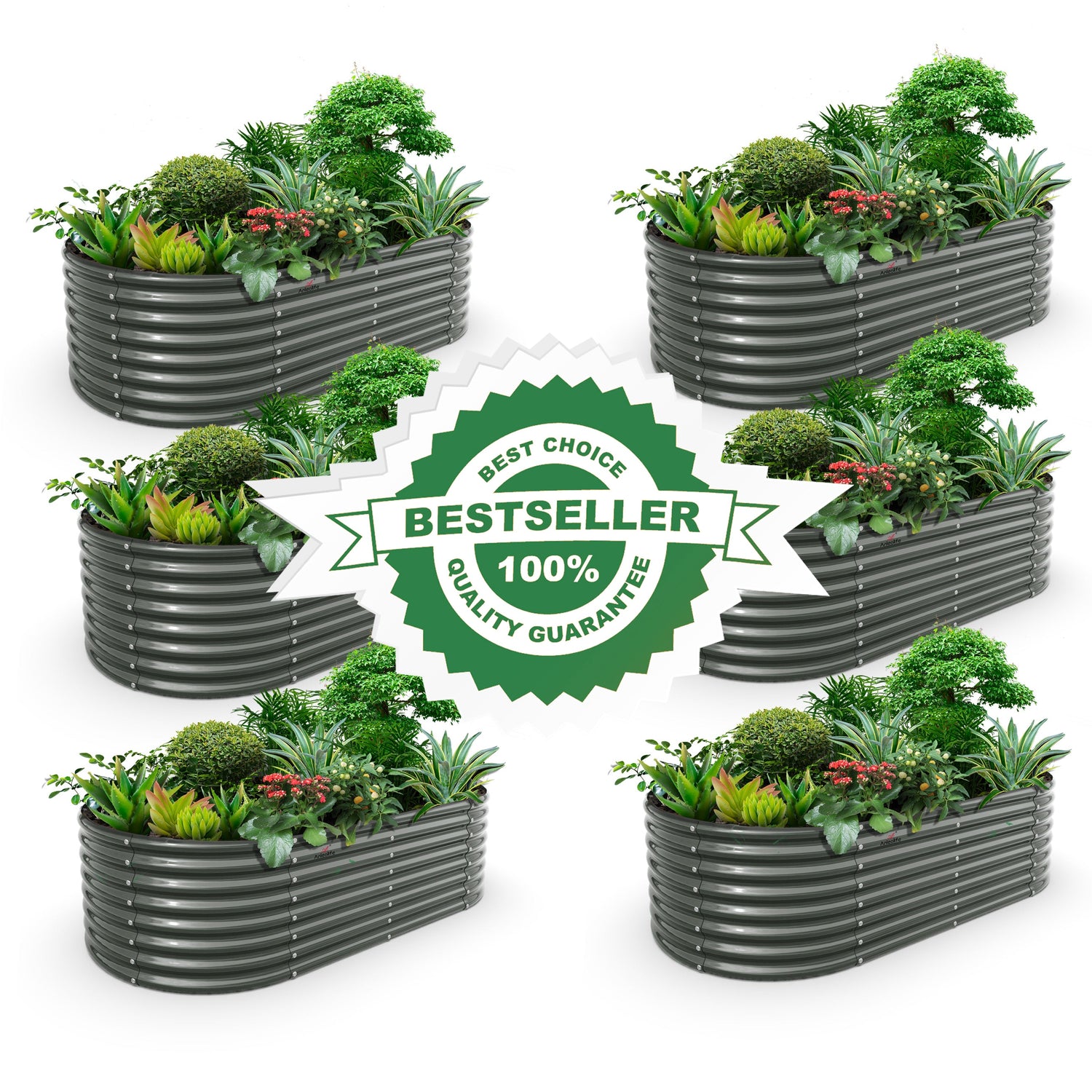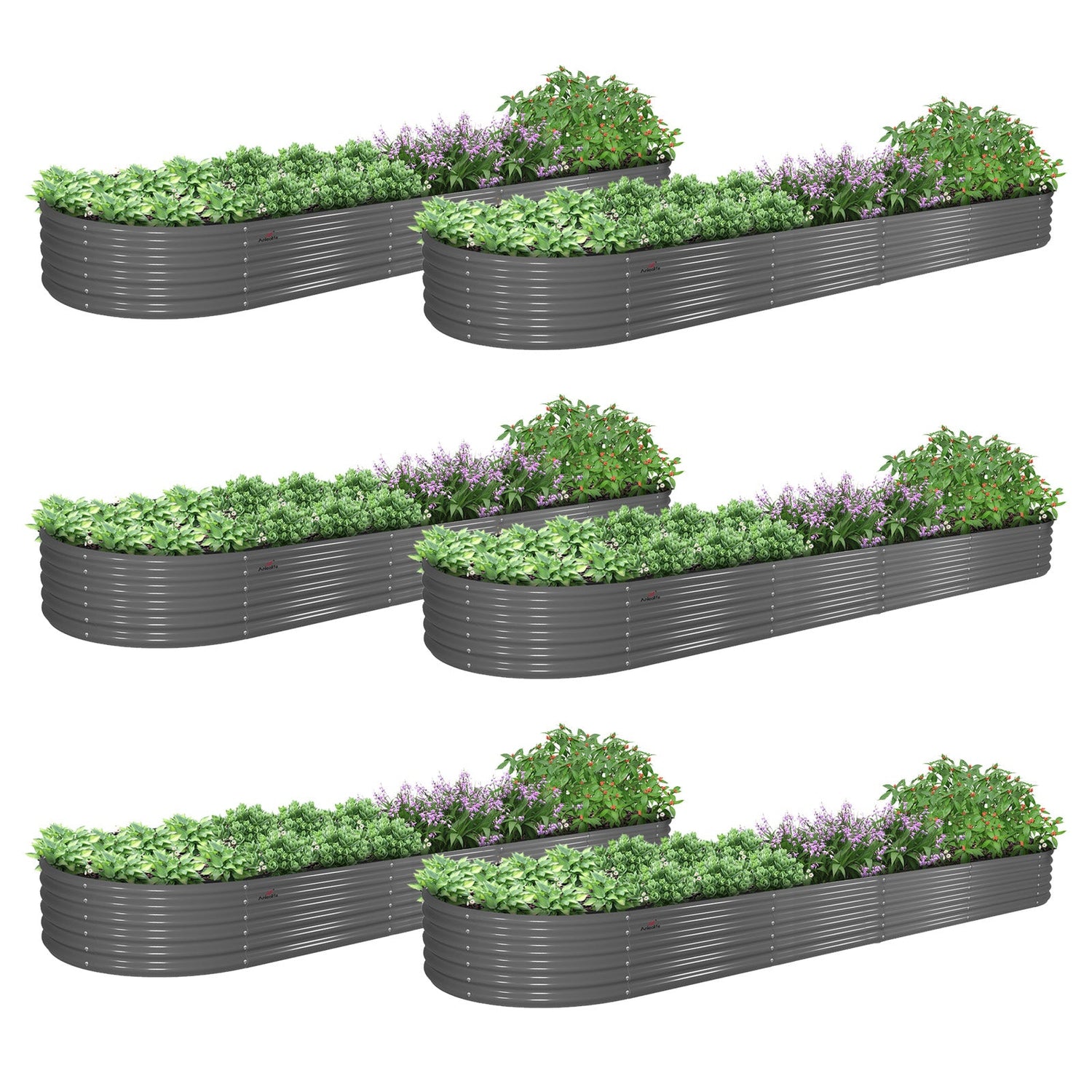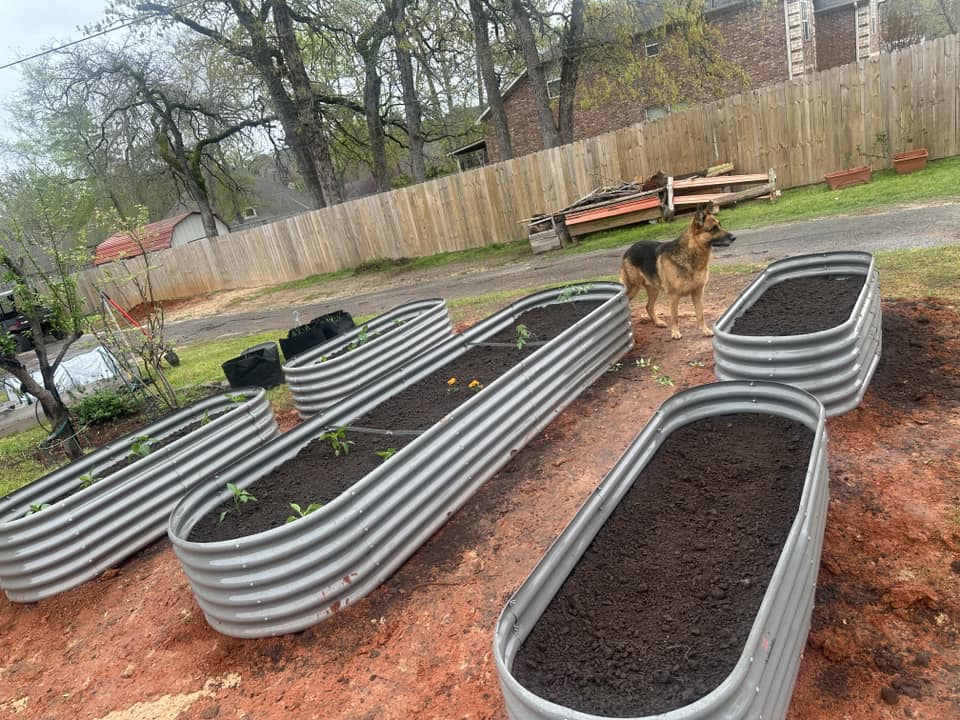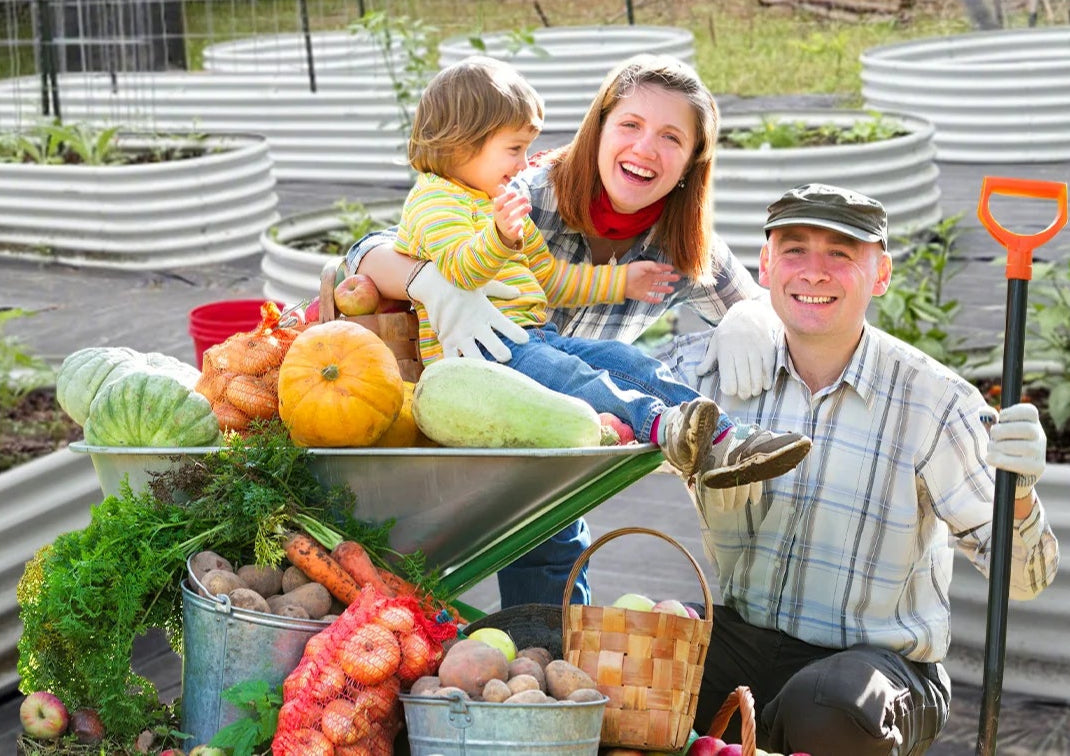



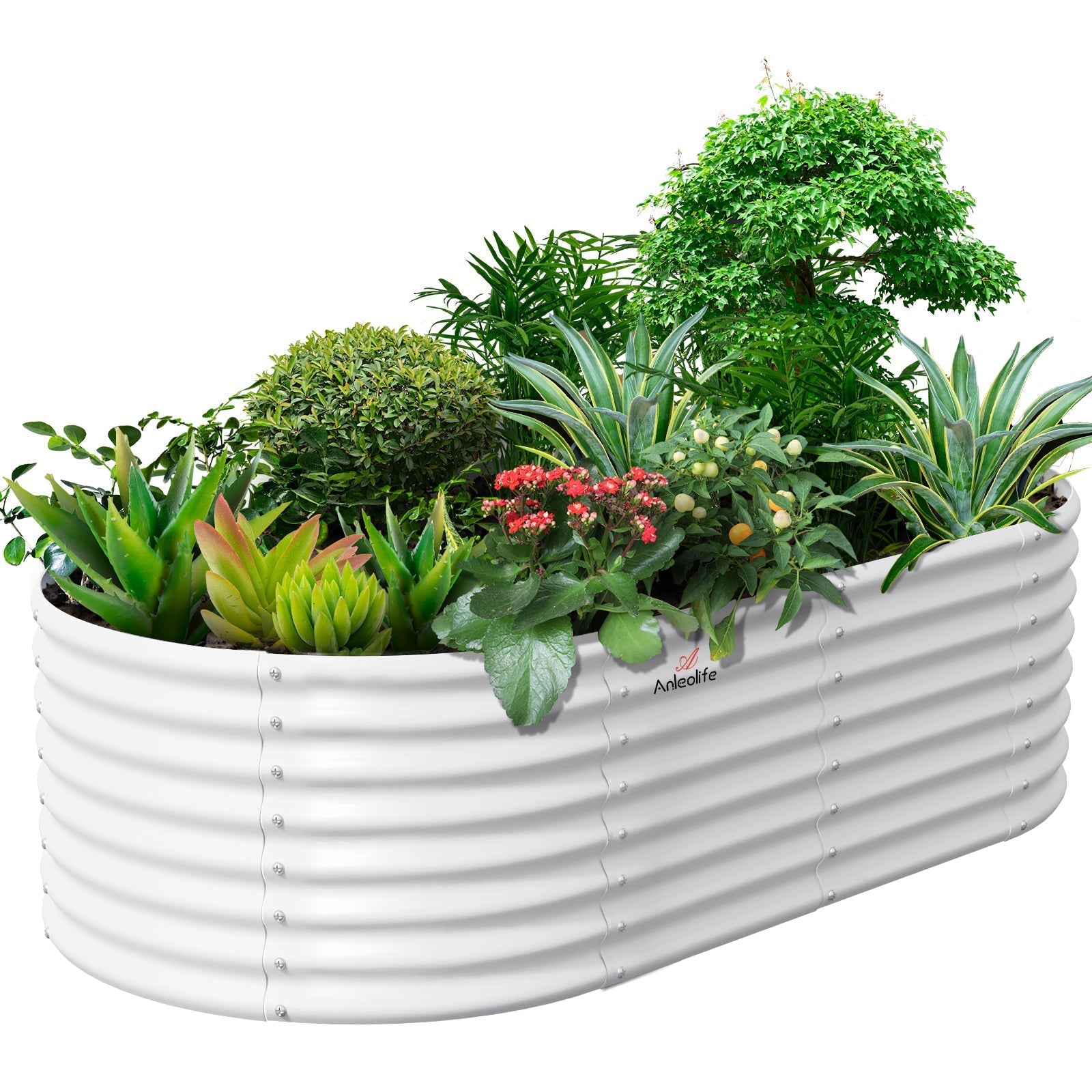
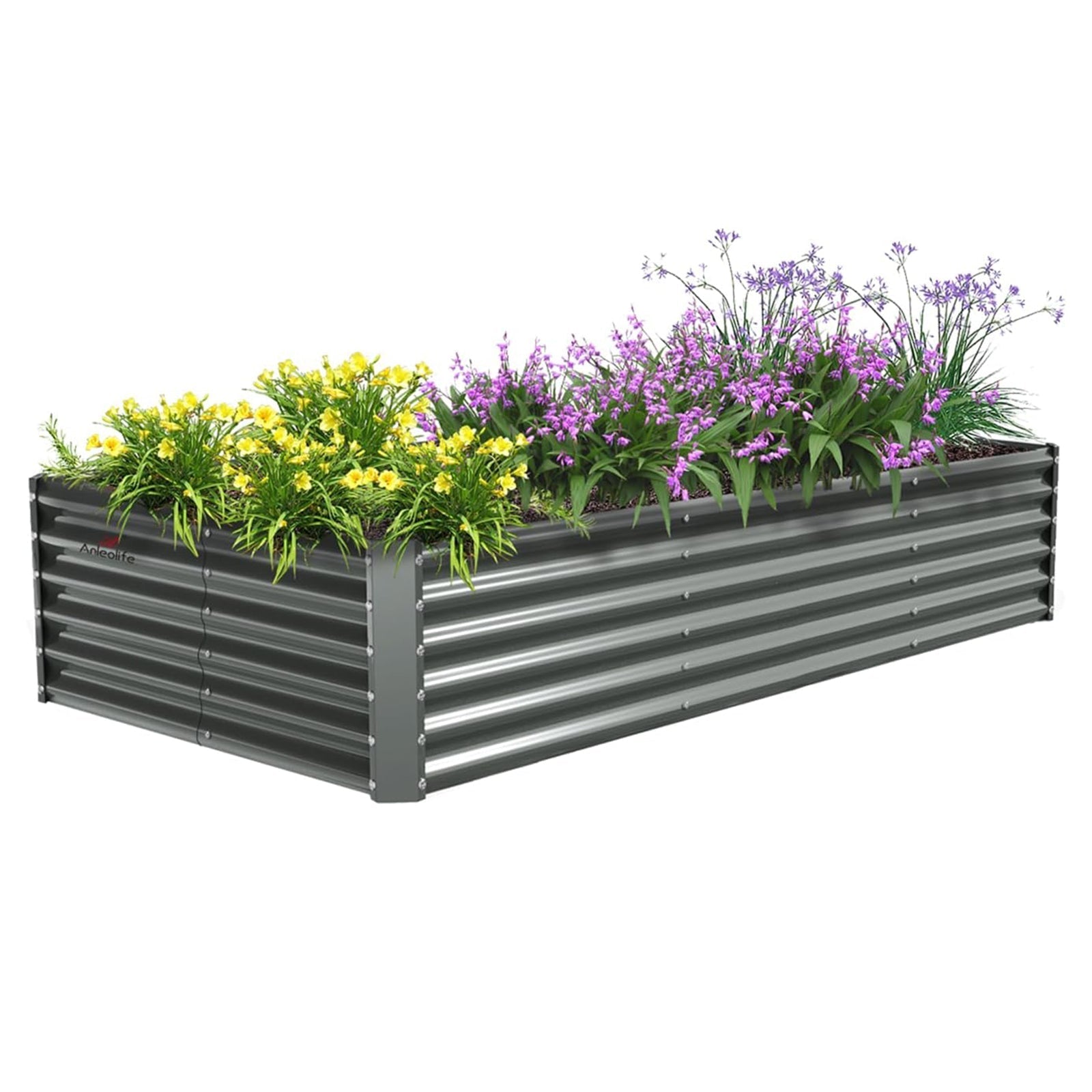
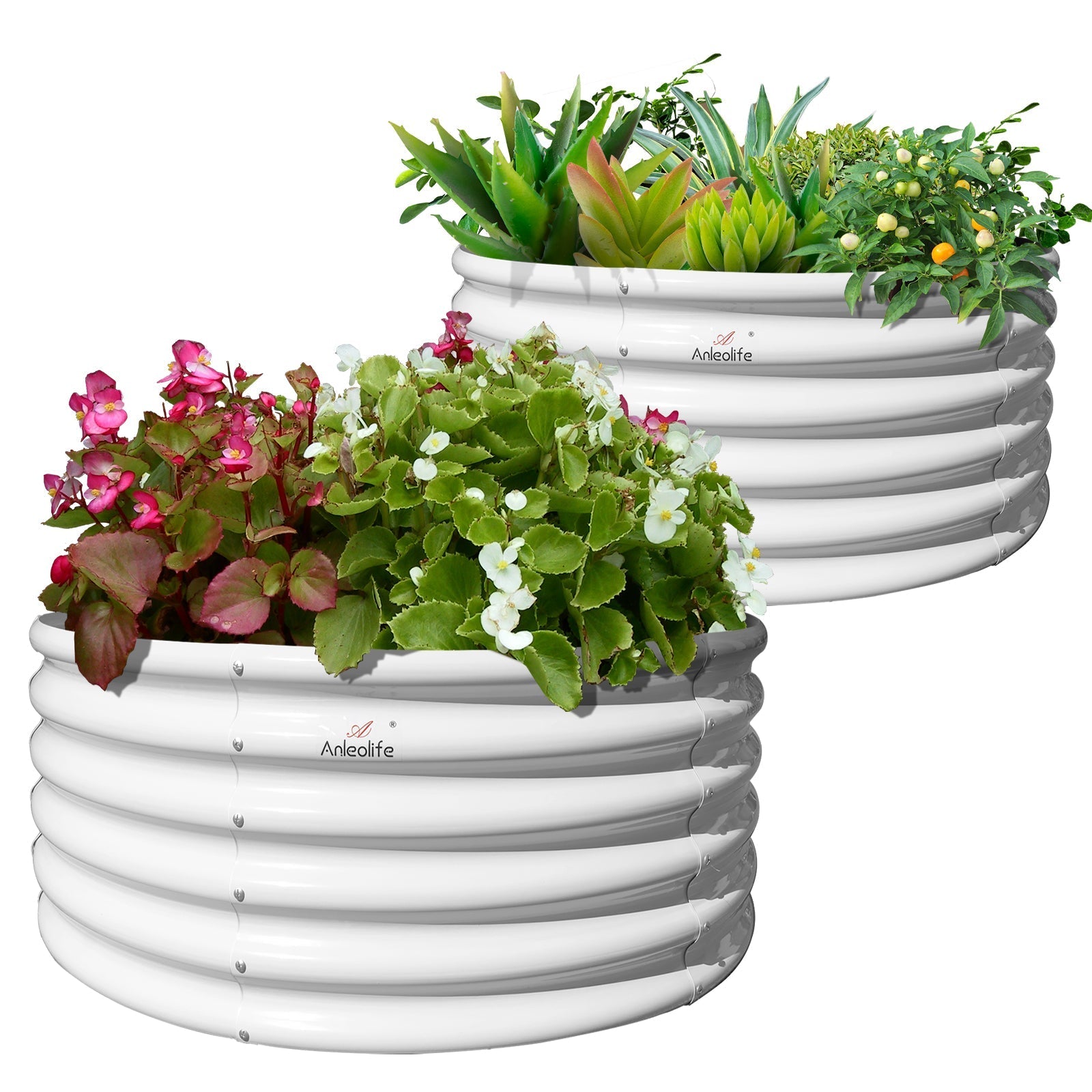
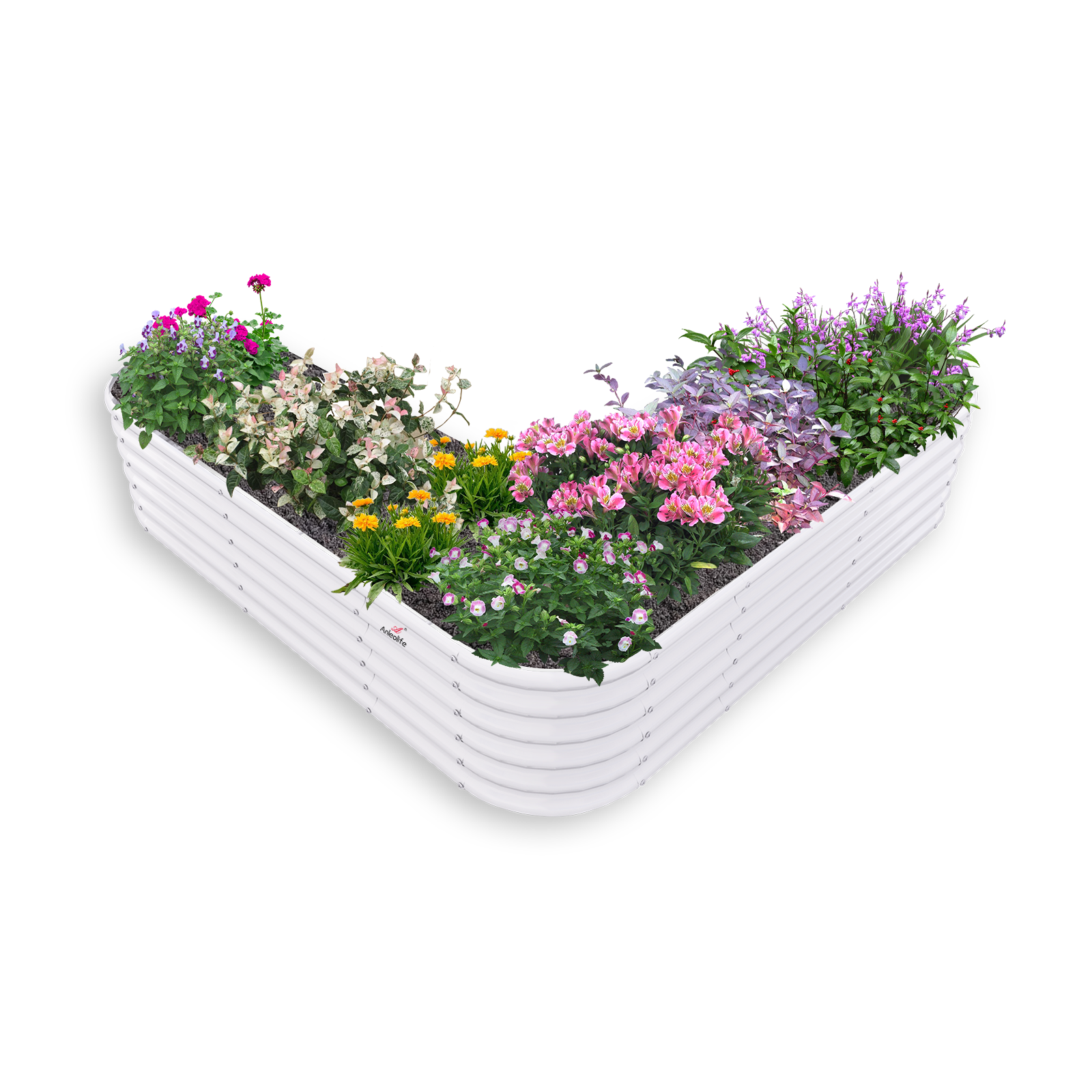
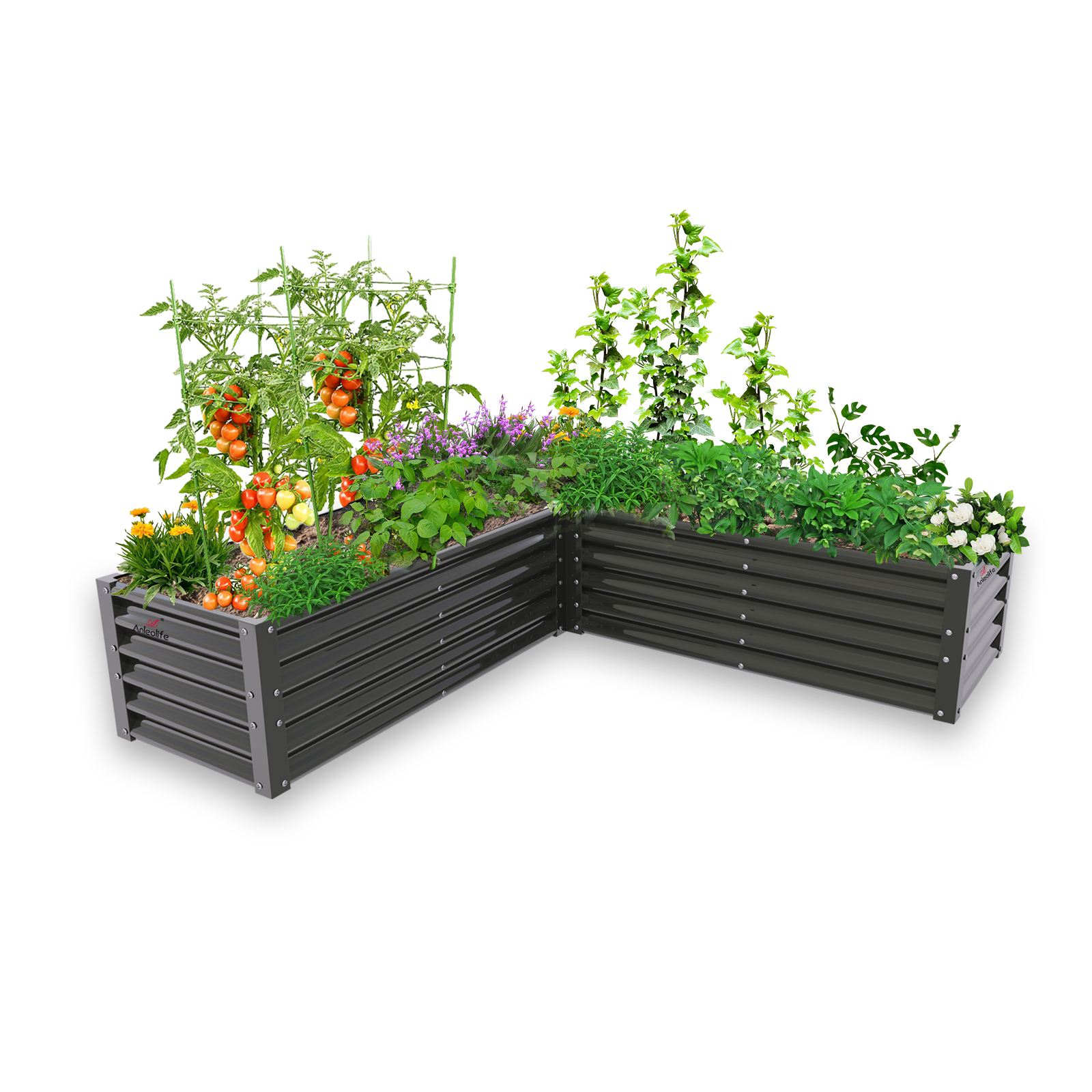
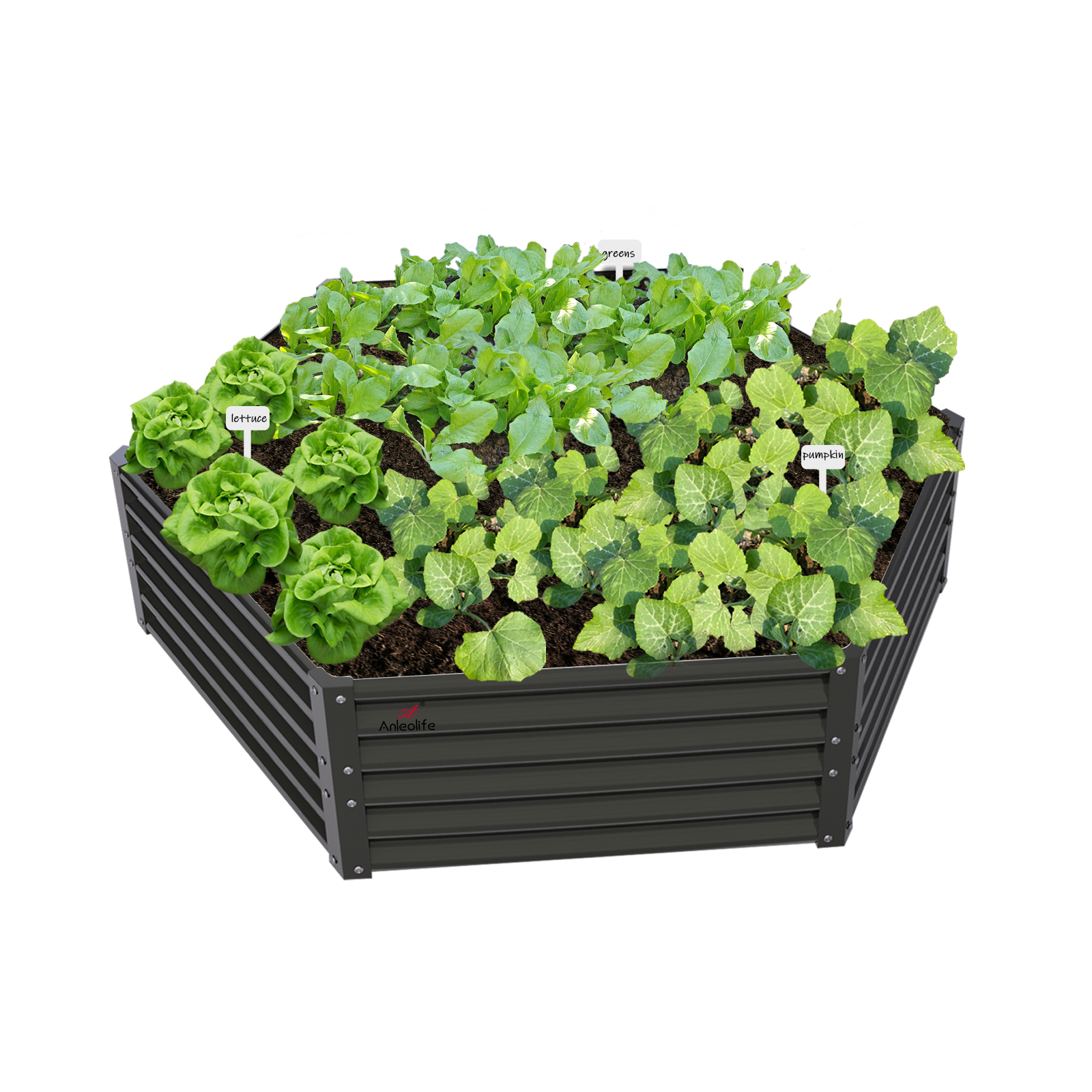
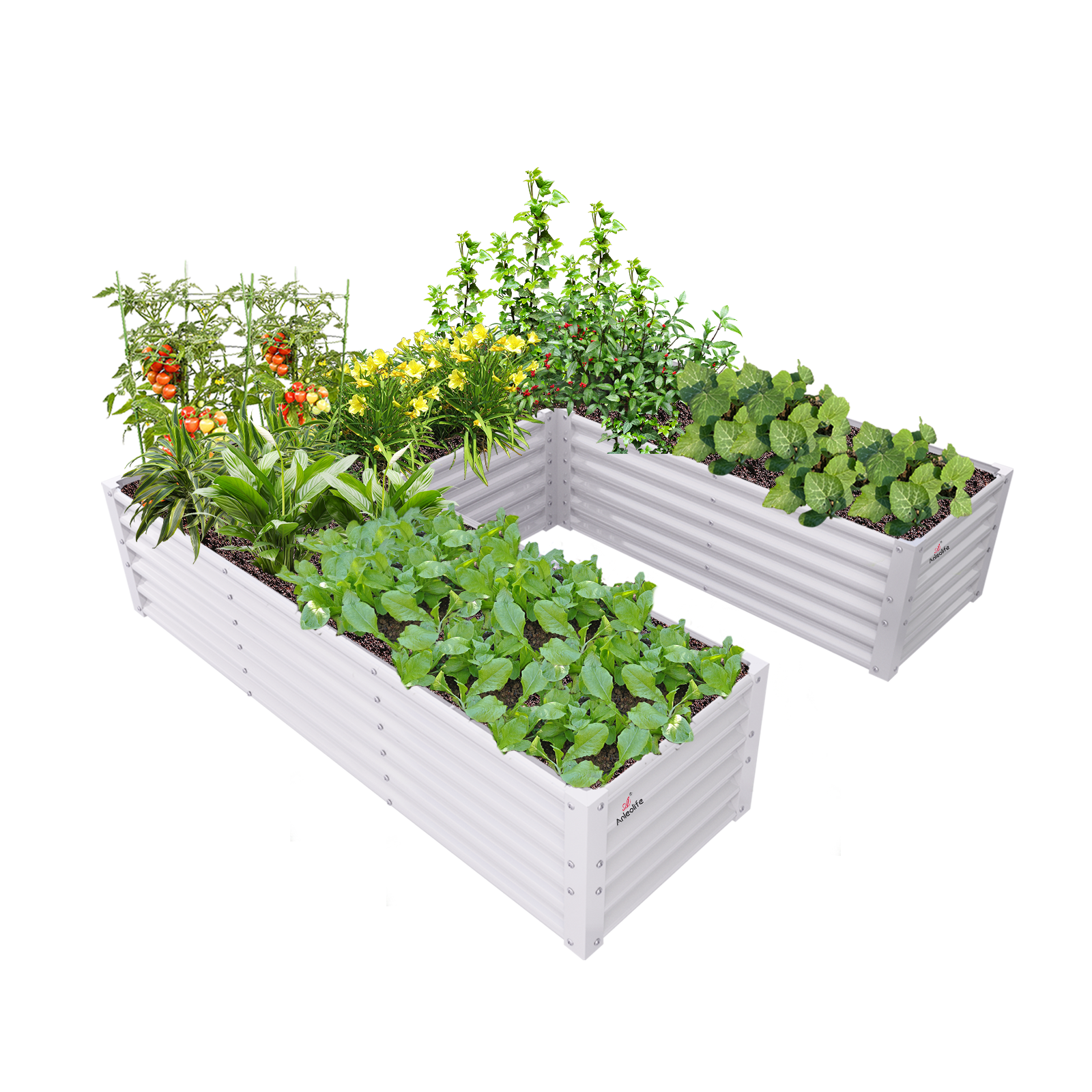

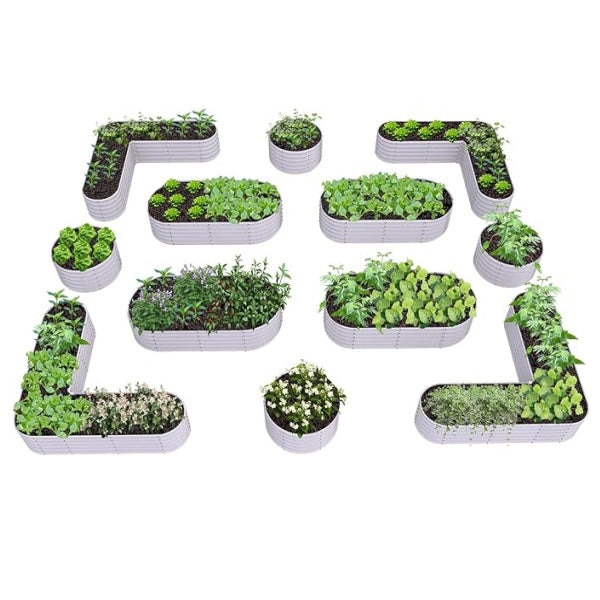

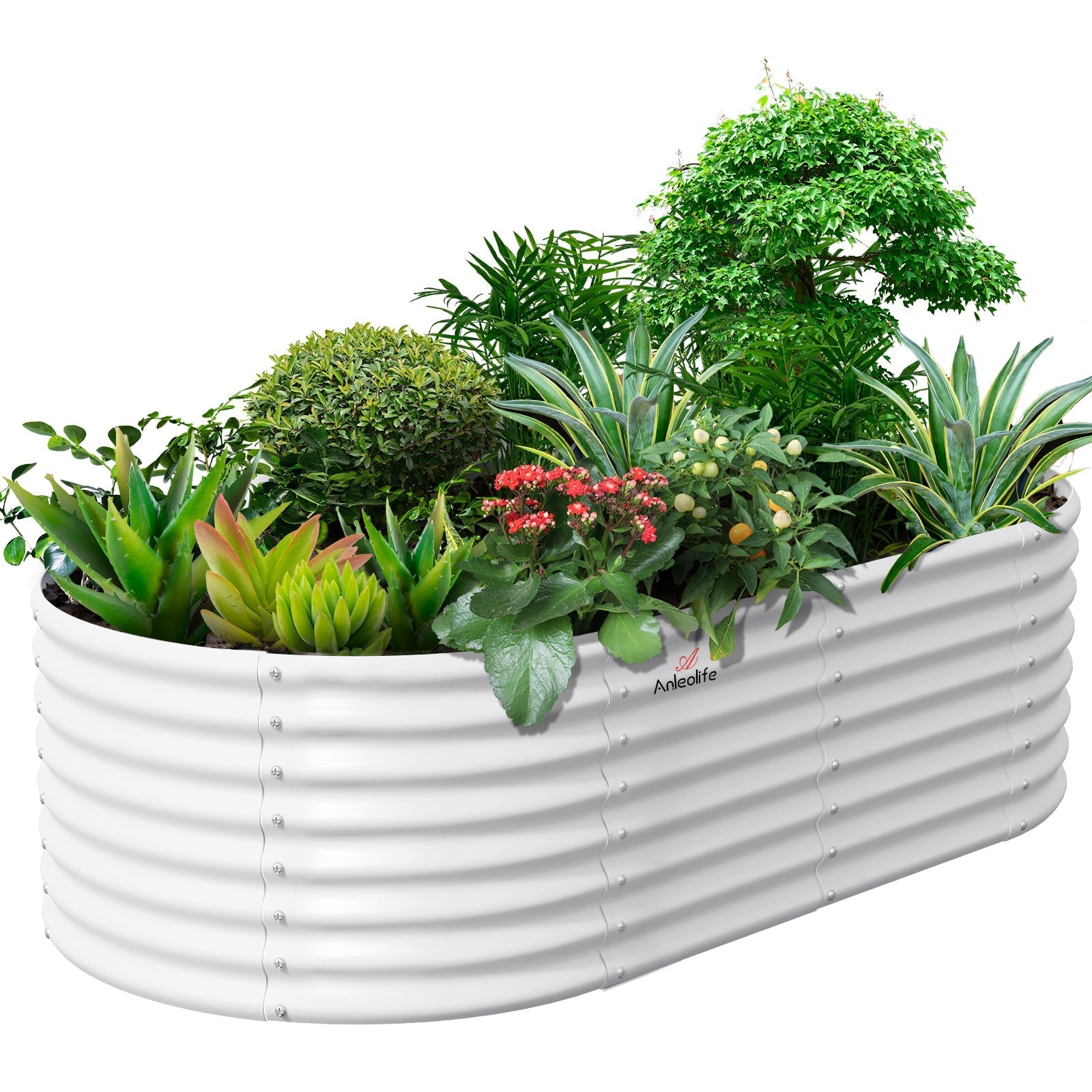


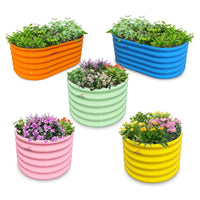
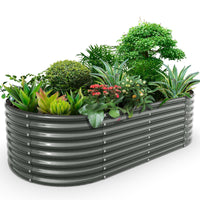



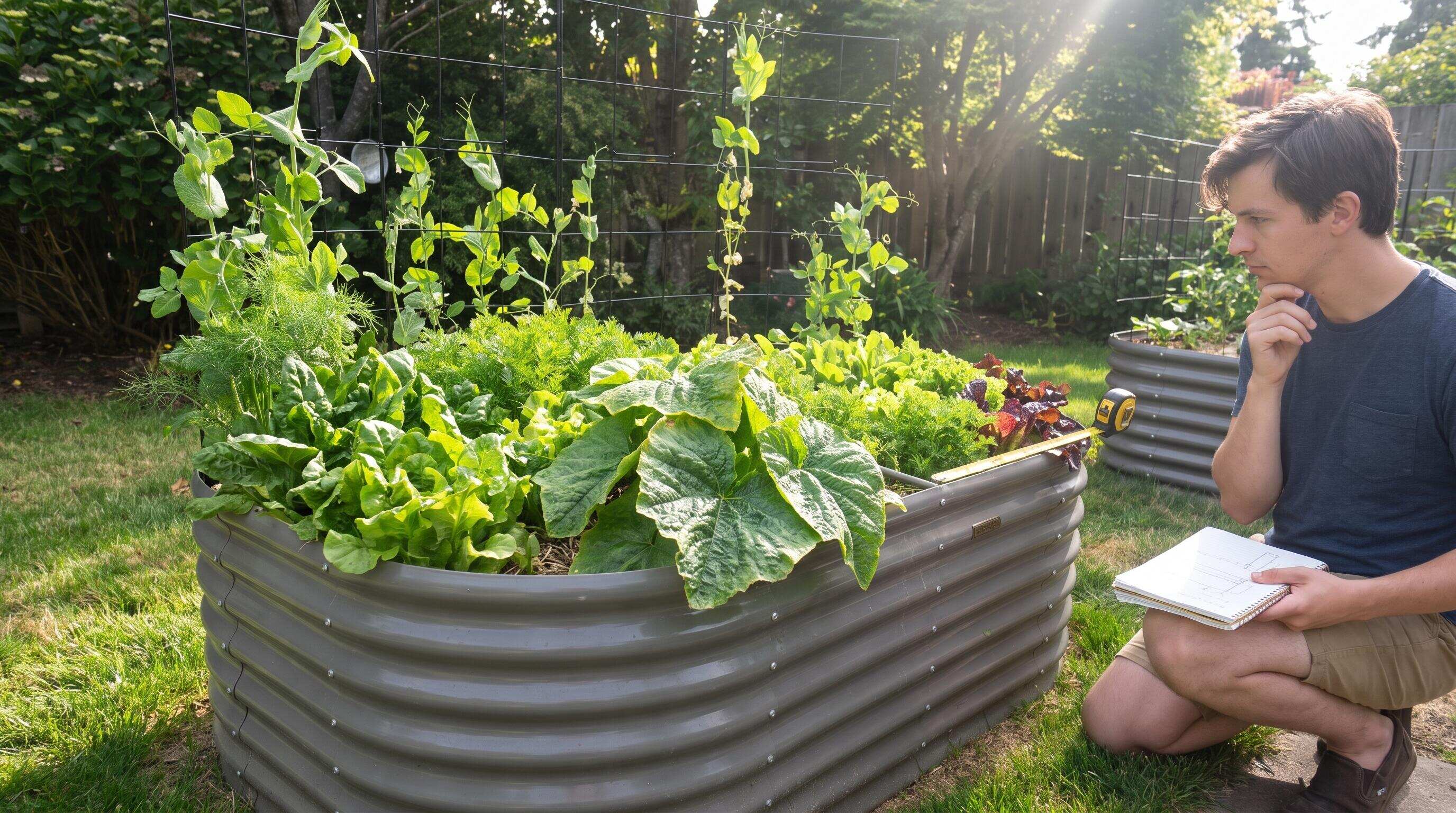
ALT: Beginner choosing the right size raised garden bed layout for a backyard garden this season
What Size Raised Garden Bed Should You Start With — and How Does Your Layout Choice Define Your Success?
The single question every first-time grower asks is this: what size raised garden bed will actually set me up for success rather than frustration? The direct answer is that most beginners do best starting with a bed that is manageable in reach, realistic in maintenance commitment, and flexible enough to expand — and that the raised bed layout you choose on day one shapes everything from your soil investment to your harvest yields. Understanding the options before you buy saves money, prevents wasted effort, and keeps the experience genuinely enjoyable.
The comparison in this article pits three practical starting sizes against one another — compact single beds, mid-size rectangular beds, and extra-tall standing beds — evaluated across the criteria that matter most to home growers just getting started. Whether you are working with a tight urban patio, a suburban backyard, or a retirement garden you want to tend without strain, the right raised bed garden layout is out there; this guide helps you find it.
The Criteria That Make or Break a Beginner's Raised Bed Layout
Choosing a raised bed layout is not simply a matter of square footage. In our work with clients across North America, we consistently see beginners stumble on the same overlooked factors. Judging each option against a clear set of criteria prevents those stumbles.
Reachability and ergonomics. A raised bed planting layout only works if every inch of the growing surface can be reached comfortably from the outside. The standard rule of thumb, supported by guidance from university cooperative extension programs, is that no point in the bed should be more than 24 inches from the nearest access edge. Beds wider than 48 inches require stepping inside, which compacts the soil you worked so hard to build.
Soil volume and root depth. Different crops need different depths. Shallow-rooted salad greens and herbs can thrive in beds as low as 10–12 inches, while tomatoes, peppers, and root vegetables appreciate 18–24 inches or more. Matching bed depth to your intended crops prevents the most common beginner disappointment: stunted plants in under-deep soil.
Physical footprint and space planning. A raised bed garden layout must fit the actual space you have — accounting not just for the bed itself but for pathways around it (typically at least 18–24 inches) and access to sunlight. Overcrowding beds or siting them in shade are the two planning errors we see most consistently in first-season gardens.
Material durability and long-term value. A bed that rusts, warps, or splinters within two or three seasons is not a bargain, regardless of its upfront price. Galvanized steel beds, for instance, are engineered to resist corrosion and can last well over a decade when properly maintained — Anleolife's galvanized steel beds are built to a 20-year lifespan standard, which fundamentally changes the cost-per-season calculation.
Ease of assembly and scalability. Beginners benefit from beds that go together quickly and can be reconfigured or expanded as confidence grows. Modular systems that allow you to add or rearrange panels season by season make a meaningful difference for growers whose plans evolve.
Budget realism. Starting with an oversized, expensive setup often leads to under-utilization and discouragement. Beginning with a right-sized, quality bed — and expanding once the habit is established — is the pattern that consistently leads to long-term engagement with raised bed gardening.
The Contenders: Three Starting Configurations Every Beginner Should Know
The Compact Starter Bed (Approximately 4x4 ft or Smaller)
A compact raised bed is any single bed that measures roughly 4 feet on its longest side or less. This category includes square beds, small rectangular beds, and round beds like the Anleolife 18" Tall 48" Wide Round Raised Garden Bed. These beds are ideal for patrons with limited outdoor space — a balcony, a narrow side yard, or a small patio corner — and for growers who want to test the hobby before committing significant resources.
The key advantage of this raised bed layout is its accessibility: you can reach every point in the bed from outside without stretching. The key limitation is total growing area, which constrains how many crop types you can grow simultaneously. A compact bed is an excellent starting point for herbs, salad greens, radishes, and compact flowering plants, but it will feel limiting if you want to grow sprawling crops like squash or a meaningful volume of tomatoes.
Anleolife offers compact options including the 18" Tall 4x4 ft Galvanized Steel Raised Garden Bed, which gives beginners a manageable footprint with solid depth for most starter crops.
The Mid-Size Rectangular Bed (4x8 ft or 6x3 ft Range)
Mid-size rectangular beds are the format most commonly recommended by cooperative extension horticulture programs as an entry point for productive home gardening. A bed in the 4x8 foot or 6x3 foot range offers enough growing surface to plant a meaningful variety of crops while remaining fully reachable from either long side — as long as the width stays at or under 4 feet.
This raised bed planting layout is where most of our clients find the right balance between ambition and manageability. You have enough room to separate crops by light and water needs, to rotate plantings season by season, and to produce a genuinely useful harvest. At the same time, the soil volume remains affordable to fill and the bed does not dominate a modest backyard.
Anleolife's lineup includes several beds in this category: the 18" Tall 8x4 ft and 18" Tall 6x3 ft in both Galvanized Steel and Rust-Resistant variants, as well as Modular Raised Garden Bed options in 18" Tall 8x4 ft and 18" Tall 12x3 ft configurations. For beginners who anticipate wanting to expand, planning a multi-bed backyard garden transformation from the outset — starting with one 8x4 bed and leaving space for a second — is a strategy that pays dividends by the second season.
The Extra-Tall Standing Bed (24"–35" Height Range)
Extra-tall raised beds are defined by their height rather than their footprint — typically 24 inches and above, with some waist-high models reaching 30–35 inches. This category is engineered for growers who have difficulty bending or kneeling, including older adults, people with back or knee concerns, and anyone who simply prefers to garden while standing comfortably.
From a raised bed layout perspective, extra-tall beds bring a depth advantage as well: the additional soil volume accommodates deep-rooted crops and allows for a more sophisticated layered soil system (sometimes called "lasagna filling") that improves drainage and long-term fertility.
Anleolife's extra-tall options span a wide range: the 24" Extra Tall 8x4 ft, 24" Extra Tall 6x3 ft, 30" Extra Tall 6x3 ft, 30" Extra Tall 10x3 ft in Galvanized Steel and Rust-Resistant variants, and a 35" Waist-High 4x1.5 ft model for truly accessible gardening. These beds represent a higher upfront investment in soil and materials, which is why they are typically recommended as a primary starting bed for growers with specific ergonomic needs rather than as a universal beginner default.
If durability is a priority as you evaluate these options, understanding what makes a material truly long-lasting is worth the time — what makes a raised garden bed durable enough to last a decade is a question every serious grower should be asking before purchasing.
Head-to-Head Comparison: Which Raised Bed Layout Wins on Each Criterion?
| Criterion | Compact Starter Bed (≤4x4 ft) | Mid-Size Rectangular Bed (4x8 / 6x3 ft) | Extra-Tall Standing Bed (24"–35" height) |
|---|---|---|---|
| Reach and ergonomics | Excellent — fully accessible from all sides | Good — accessible if width stays ≤4 ft | Excellent standing ergonomics; footprint accessibility depends on size |
| Root depth (crop variety) | Limited at standard 18" height; good for shallow crops | Good at 18"–24" depth; handles most vegetables | Excellent; 24"–35" depth suits virtually all crops |
| Space efficiency | Best for small or urban spaces | Ideal for typical backyard or side yard | Requires more vertical clearance; suits patios or accessible garden areas |
| Soil investment required | Lowest — smaller volume | Moderate — scales with size chosen | Highest — large soil volume needed to fill tall walls |
| Assembly and scalability | Easiest; quick to set up | Straightforward; modular options available | Slightly more involved; most are panel-based systems |
| Material durability | Depends on product; galvanized steel lasts 20 years | Same durability when material is comparable | Same durability when material is comparable |
| Best crop types | Herbs, lettuce, radishes, flowers | Tomatoes, peppers, beans, mixed vegetables | Full range including deep-rooted root vegetables |
| Budget entry point | Lowest upfront cost | Moderate; best value-to-harvest ratio | Higher upfront investment; lower long-term cost per season |
| Beginner-friendliness | Very high | High | High for ergonomic users; moderate for general beginners |
The table above makes a few things clear when you read across the rows. For beginners primarily motivated by getting growing fast on a modest budget and limited space, the compact bed checks the most boxes out of the gate. For beginners who are serious about producing a meaningful harvest and have a standard backyard plot, the mid-size rectangular bed is the strongest all-around starting point — this is the format that the widest range of beginner growers will find themselves satisfied with heading into their second and third seasons.
Extra-tall beds are not a compromise or a specialty product — they are the right first choice for a specific and meaningful segment of the gardening population. For empty nesters and retirees who want to garden comfortably for years without physical strain, the 30" or 35" waist-high models from Anleolife can be the difference between a hobby that sticks and one that gets abandoned after a single season. The soil investment is real, but the ergonomic payoff is equally real and immediate.
One nuance that experienced growers often share is this: the most common beginner mistake is not starting too small — it is starting with a bed that is too wide to reach across, then either compacting the soil by stepping in or simply leaving the center under-planted. A 4x8 bed that you can fully reach and manage will outperform a 5x10 bed you cannot tend properly, every single time.
Material quality cuts across all three size categories. A galvanized steel bed rated to last 20 years is a fundamentally different investment than a wood bed that may need replacement within five. According to guidance from the U.S. Department of Agriculture's cooperative extension network, galvanized steel does not leach harmful substances into soil at levels of concern for food gardening, making it a safe and practical choice for edible gardens. For growers thinking about the environmental dimension of their material choice, understanding which raised garden bed materials are truly eco-friendly adds another layer of confidence to the decision.
Which Should You Choose? Scenario Recommendations for Every Beginner
If you have a small urban space — a balcony, a narrow side yard, or a patio corner — choose the compact bed. A 4x4 ft or round 48"-wide bed fits naturally into tight footprints, requires the least soil investment, and gives you a genuine, productive growing surface for herbs, greens, and small vegetables. The limitation on crop variety is real, but it is not a reason to be discouraged; many growers maintain productive compact beds long-term as a herb garden or salad garden even after expanding with larger beds.
If you are a typical suburban homeowner with a backyard and no specific ergonomic needs, start with a mid-size rectangular bed in the 8x4 ft range. This is the single most versatile starting format in raised bed gardening. It gives you enough space to grow a genuine mixed garden — tomatoes, basil, beans, peppers — while remaining fully manageable in terms of reach, soil cost, and weekly maintenance time. The 18" Tall 8x4 ft Galvanized Steel or Rust-Resistant options from Anleolife represent this category well, and their 20-year lifespan means this is likely the last bed of this size you will ever need to buy.
If you are an older adult, retiree, or anyone with back or knee limitations, invest in an extra-tall bed from the start. The ergonomic benefit of gardening at waist height cannot be overstated. The 30" Extra Tall or 35" Waist-High models make daily tending — watering, weeding, harvesting — comfortable and sustainable over the long term. The higher soil investment is a one-time cost; the physical comfort is an ongoing benefit every day of the growing season.
If you are health-conscious and want to grow clean, organic produce but are unsure how much you will use, start compact and commit to quality. One well-maintained 4x4 or 4x8 bed, filled with a thoughtful soil system, will produce more genuinely useful food than a larger, poorly managed bed. Nail the basics — soil quality, consistent watering, appropriate crop selection — before expanding.
If your household includes children who are learning to garden alongside you, a mid-size rectangular bed at standard 18" height is the most inclusive option. Children can participate fully, and the bed is scaled for collaborative gardening rather than solo work.
Pros and cons at a glance:
- Compact beds: Fast to set up, lowest cost, excellent for small spaces and beginners — limited total production and crop variety.
- Mid-size rectangular beds: Best all-around value, versatile crop selection, scalable — requires adequate pathway space around it; soil cost is moderate.
- Extra-tall standing beds: Outstanding ergonomics, deep root zone, long-term comfort — highest upfront soil investment, higher purchase price.
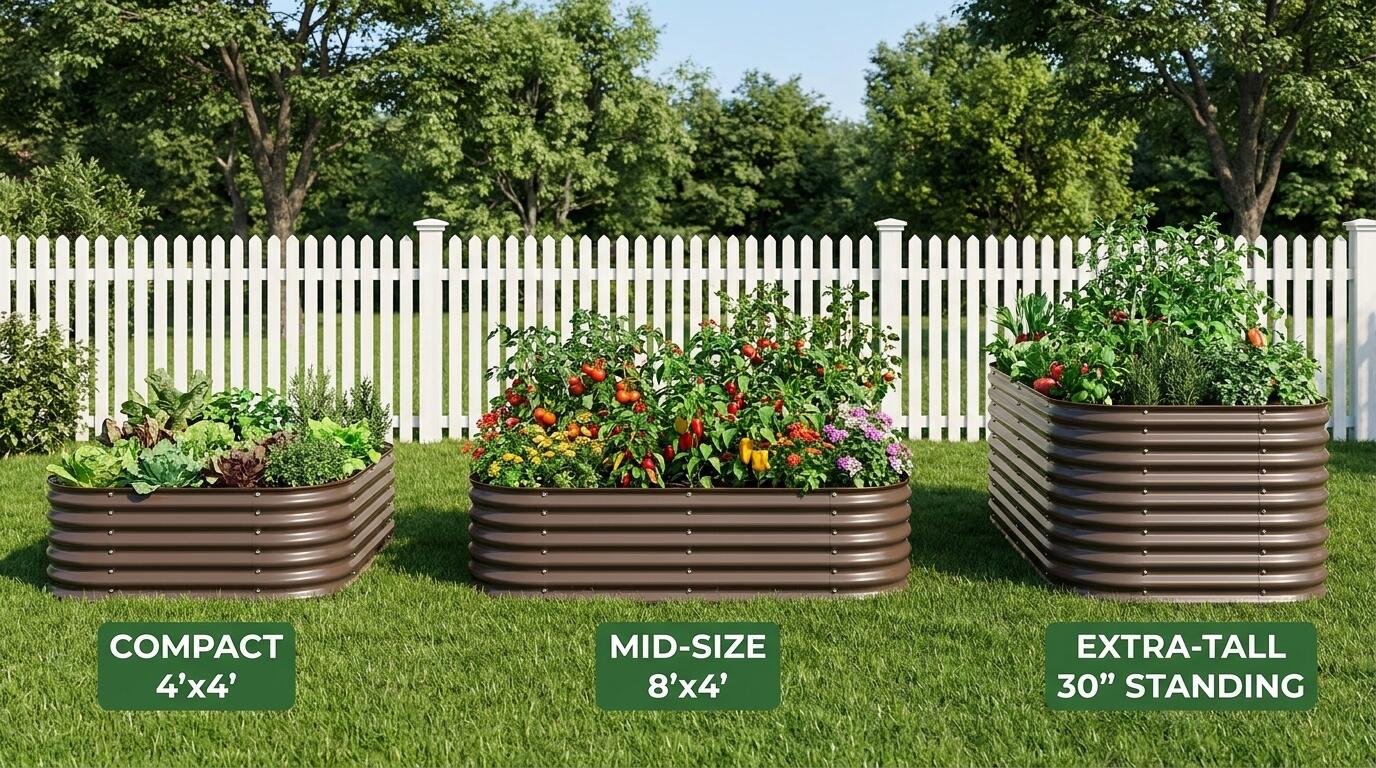
ALT: Three raised bed garden layout options — compact square, mid-size rectangular, and extra-tall standing beds — compared for beginner gardeners in a backyard setting
Frequently Asked Questions FAQ
Q1: How do I calculate how much soil I need to fill a raised garden bed for the first time?
Soil volume for a raised bed is calculated by multiplying length x width x depth (in feet), then converting cubic feet to cubic yards if ordering in bulk (divide by 27). For an 8x4 ft bed at 18" depth, that is roughly 6 cubic feet of growing mix. A quality raised bed soil system — typically a blend of topsoil, compost, and aeration material — is worth investing in from the start, as per guidance from university extension horticulture programs; cutting corners on soil is the single variable that most limits first-season performance regardless of bed size.
Q2: Is galvanized steel safe to use for growing edible vegetables and herbs?
Galvanized steel raised garden beds are widely considered safe for food gardening. The U.S. Department of Agriculture and university cooperative extension programs have consistently noted that zinc — the coating metal in galvanized steel — does not leach into soil at levels harmful to edible crops under normal growing conditions. Anleolife's galvanized steel beds are designed specifically for edible gardens and are built to a 20-year lifespan standard, giving home growers both safety confidence and long-term durability without the rot or splinter risks associated with untreated wood.
Q3: When is the best time of year to set up a raised garden bed, and how long does delivery take?
Raised garden beds can be set up year-round, but the most productive approach is to install and fill your bed four to six weeks before your regional last frost date, giving the soil time to settle and warm before planting. From a logistics standpoint, Anleolife ships from a nationwide U.S. warehouse network — with locations in California, Texas, Florida, New York, Illinois, and Washington — and delivers within 3–8 business days, meaning a bed ordered today can realistically be in your backyard and ready to fill within the same week in most regions.
Summary
Choosing the right size raised garden bed is the most consequential decision a first-season grower makes — and getting it right means matching bed dimensions to your available space, your physical comfort, your crop goals, and your budget, not simply picking the largest option you can afford.
Key Takeaways:
- A bed you can fully reach from outside — no stepping in — is more productive than a larger bed you cannot manage comfortably; width matters more than most beginners realize.
- The 8x4 ft rectangular format at 18" depth is the strongest all-around starting point for most beginners with standard backyard space.
- Extra-tall beds (24"–35" height) are the right first choice for older adults, retirees, and anyone with ergonomic limitations — not a specialty upgrade, but a practical necessity for comfortable long-term gardening.
- Material quality determines long-term value: a galvanized steel bed built to last 20 years is a fundamentally different investment than a short-lived wood alternative.
- Your raised bed garden layout on day one does not have to be your final layout — starting with one well-chosen bed and expanding as your skills and confidence grow is the pattern that produces the most satisfied, long-term gardeners.
The smartest next step is to match your specific scenario to one of the three starting configurations above, then choose the material and size that fits your space. Once you have your first bed growing well, expanding is straightforward — especially with modular systems designed to grow with you.
Browse the full range of Anleolife raised garden beds on the Anleolife website, or find Anleolife products on Amazon, Walmart, Home Depot, Lowe's, and Wayfair. With a nationwide U.S. warehouse network across California, Texas, Florida, New York, Illinois, and Washington, your order arrives within 3–8 business days — so this season's garden doesn't have to wait. Whether you start with a single 8x4 bed or a waist-high standing garden, Anleolife's modular product design is built to grow with you — from your first planting season to a fully integrated garden ecosystem.
References & Further Reading
- U.S. Department of Agriculture (USDA). "Home Gardening and Raised Bed Guidance."
https://www.usda.gov - U.S. Environmental Protection Agency (EPA). "Soil Safety and Urban Gardening Resources."
https://www.epa.gov - National Gardening Association. "Raised Bed Gardening: Planning, Planting, and Growing."
https://garden.org - Cooperative Extension System — Land-Grant University Network. "Vegetable Gardening in Raised Beds."
https://www.extension.org
Note: Standards and guidelines may be updated; please check the latest official documents or consult professional advisors.