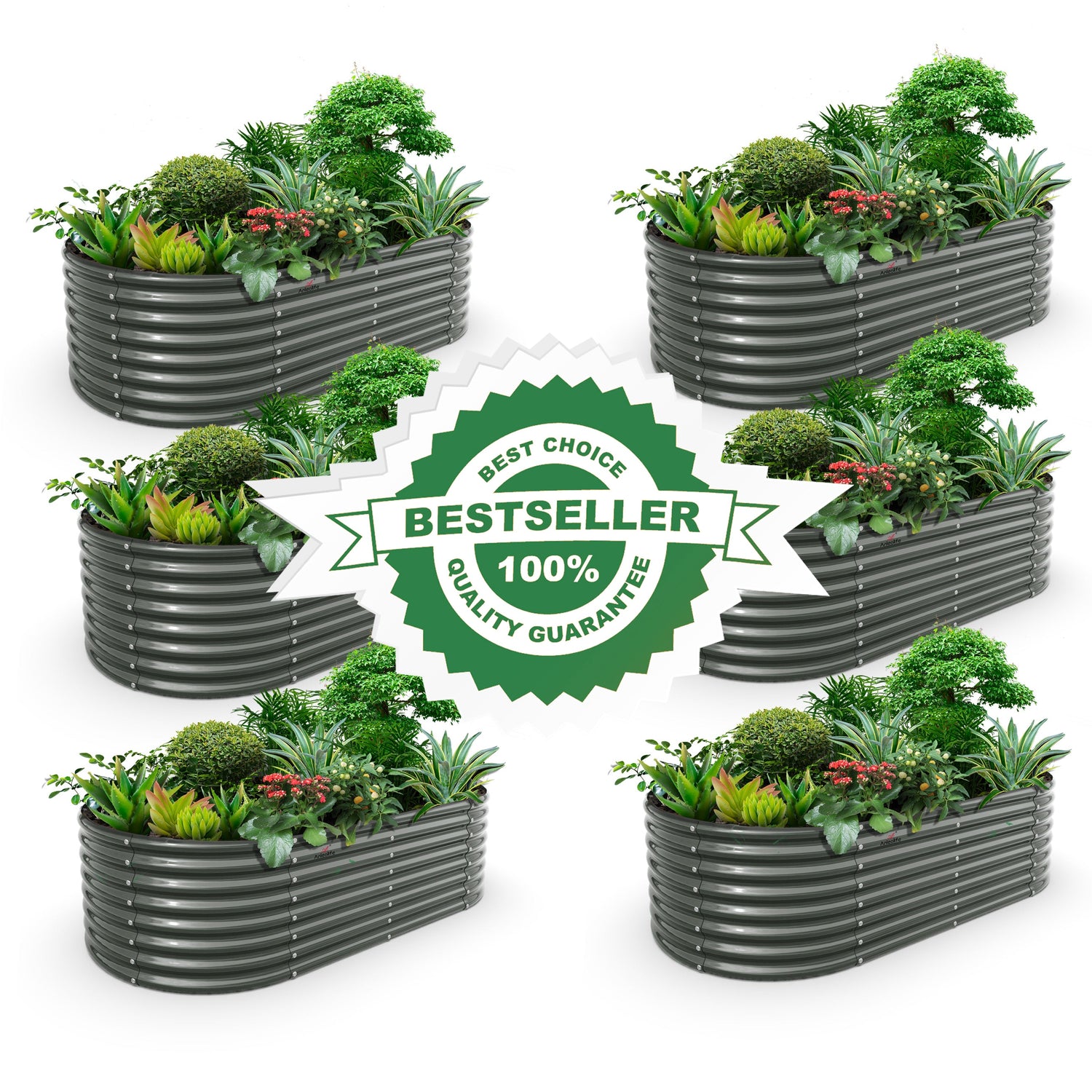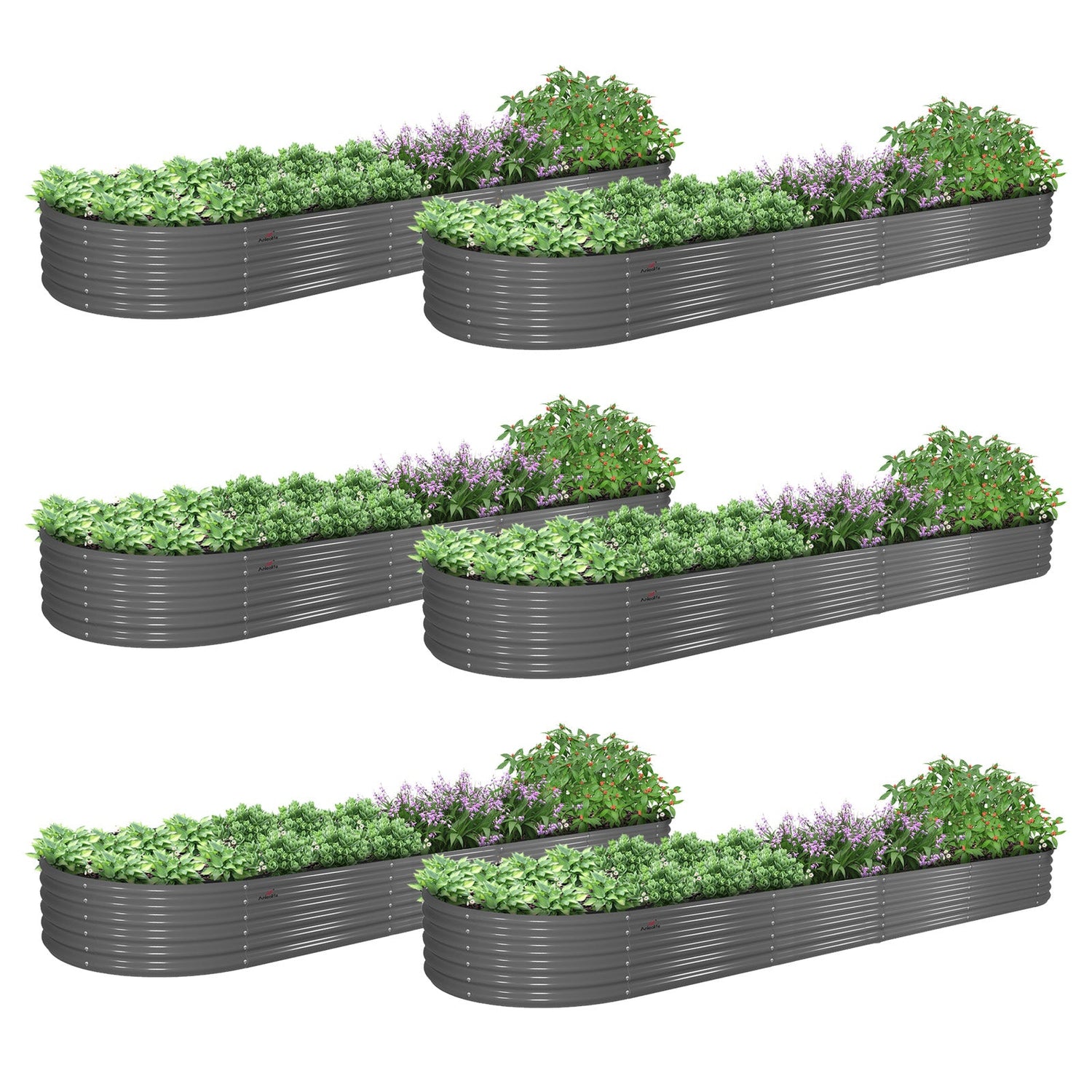



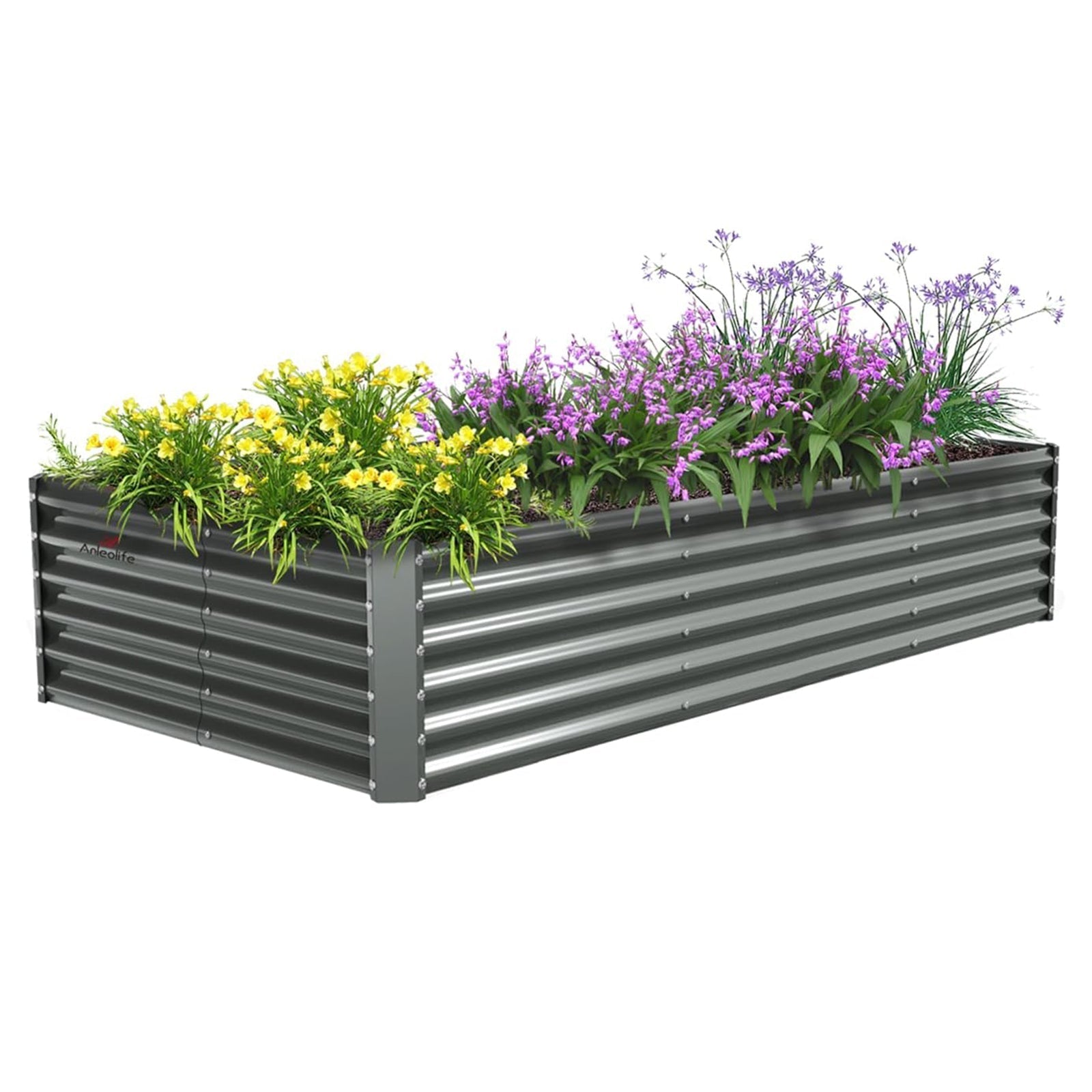

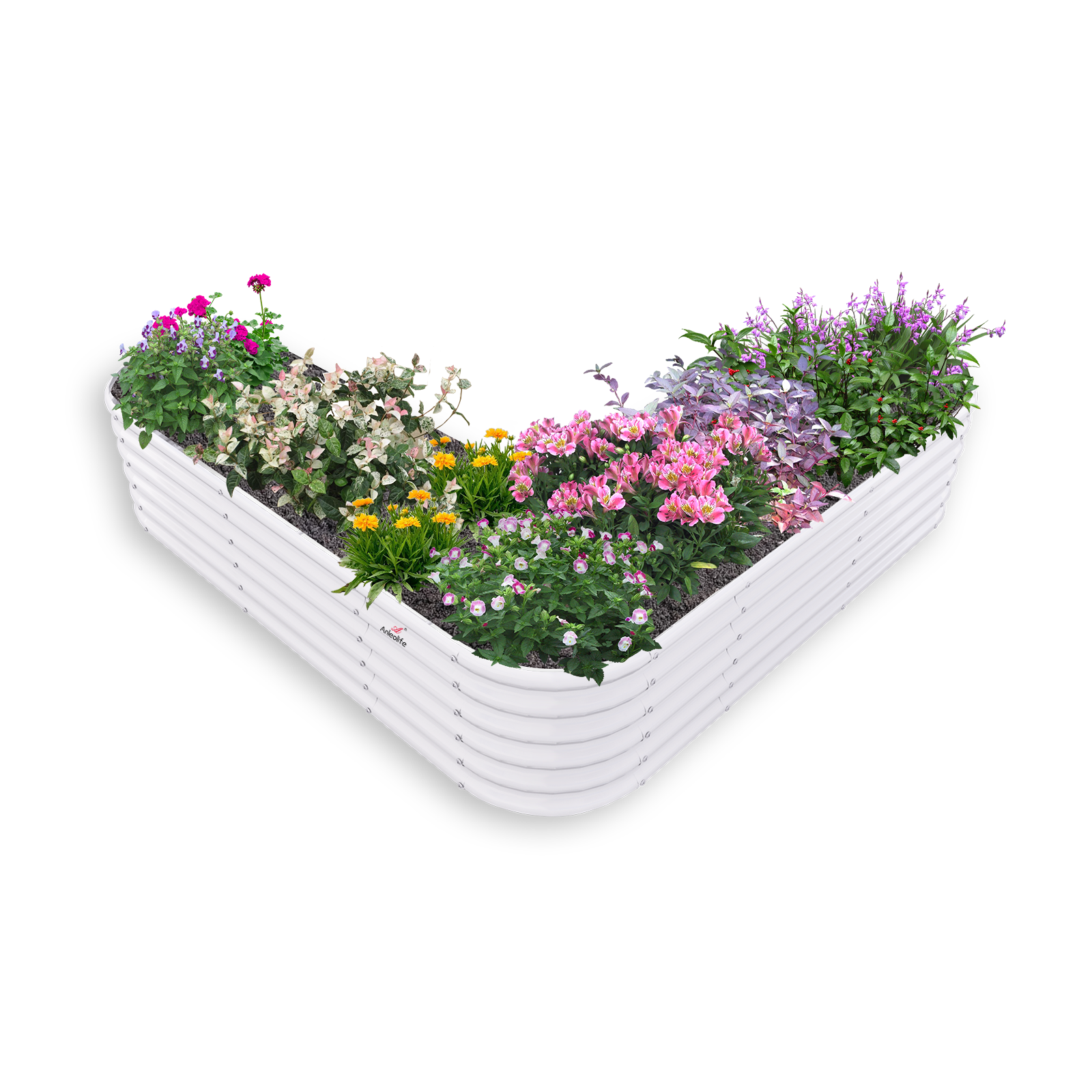
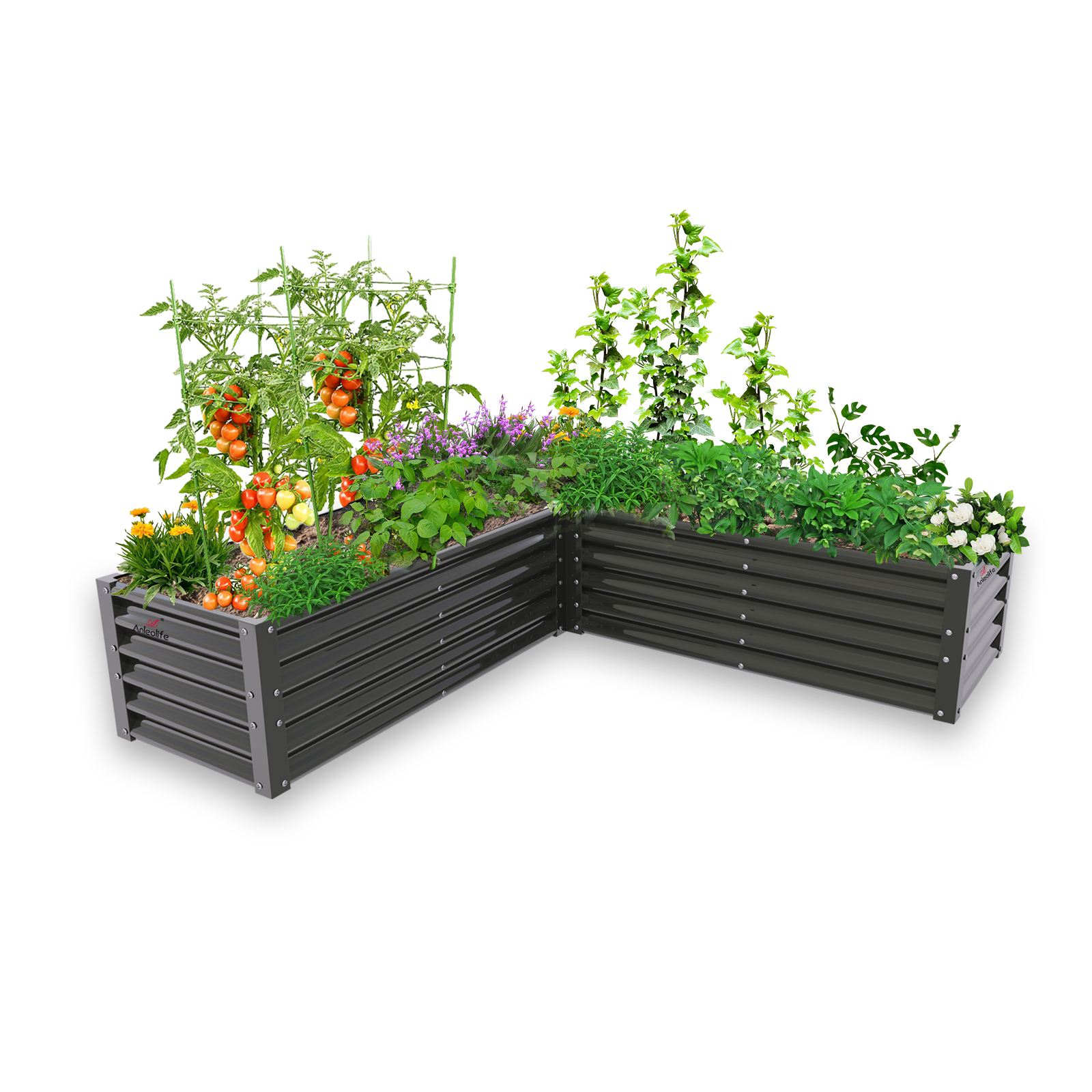
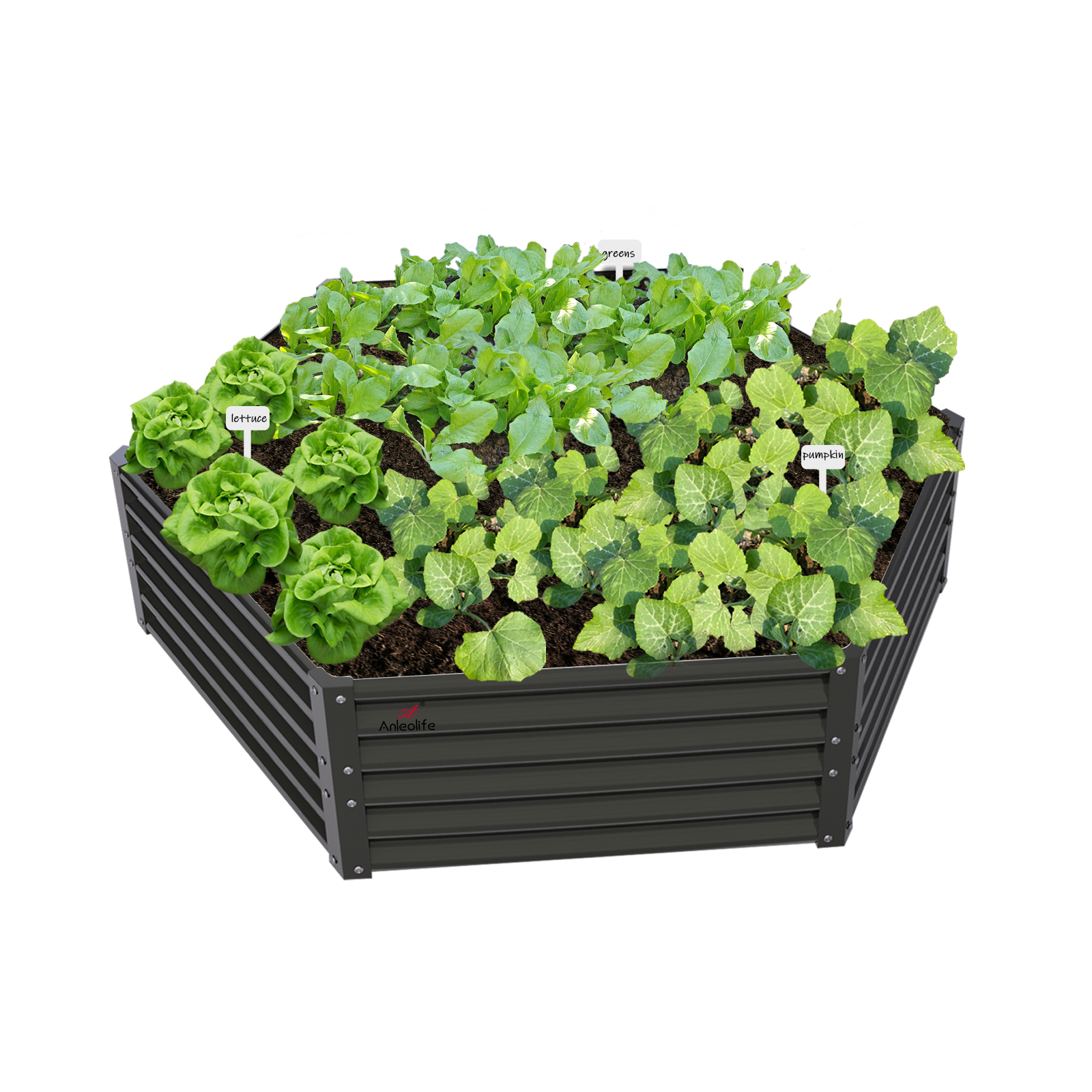
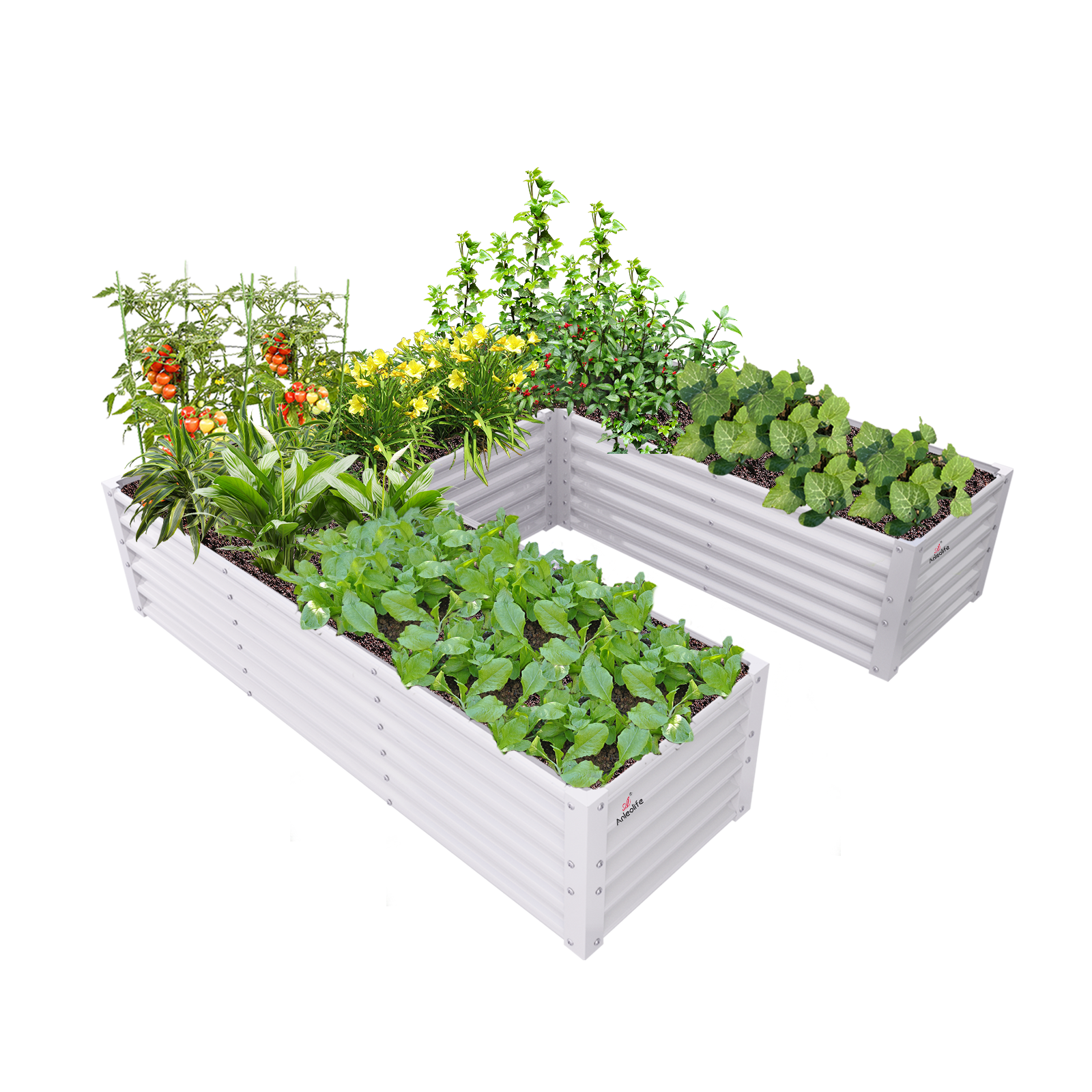

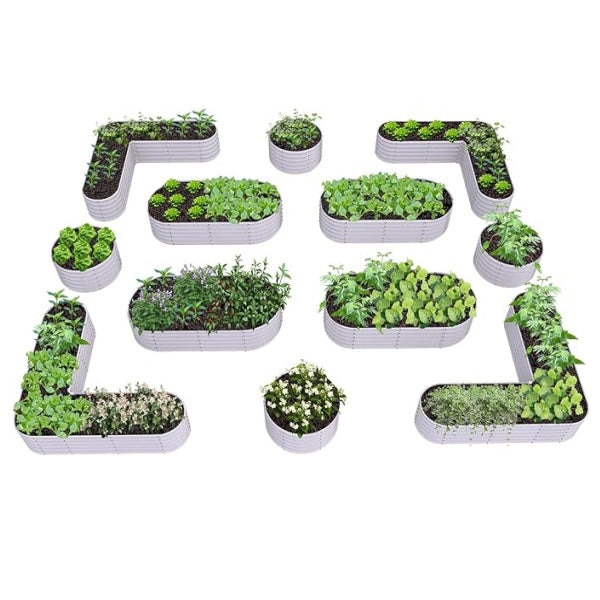


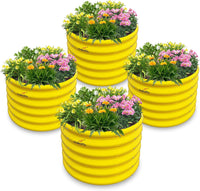
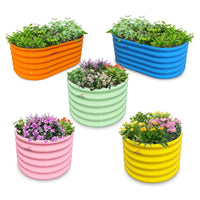




ALT: Color-coordinated raised garden beds with vibrant summer flowers and vegetables creating a picture-perfect outdoor space
Why Color-Coordinating Your Raised Beds Creates the Summer Garden of Your Dreams
Key Conclusion: Color-coordinating your raised garden beds transforms an ordinary backyard into a cohesive, magazine-worthy outdoor retreat. By thoughtfully pairing plant colors, bed finishes, and garden accessories, you create visual harmony that elevates both curb appeal and personal enjoyment. Whether you're working with galvanized steel raised garden beds, decorative pathway systems, or companion planting arrangements, a unified color palette ties your entire outdoor space together—making every summer morning feel like a walk through a professionally designed landscape.
Summer is the season when your garden truly comes alive, and there's no better time to think beyond simple planting logistics and start treating your outdoor space as a living canvas. The idea of color-coordinating your raised beds isn't just about aesthetics—it's about creating an environment that energizes you, impresses your guests, and makes the daily ritual of gardening deeply satisfying.
The good news is that you don't need a landscape architecture degree to pull this off. With a few key principles, the right raised bed infrastructure, and a thoughtful selection of plants and accessories, anyone can design a visually stunning summer garden. In this guide, we'll walk you through everything from choosing your color palette to selecting the best raised bed materials that serve as the perfect backdrop for your design vision.
Who This Guide Is For
✅ Applicable Scenarios:
- Homeowners with existing raised garden beds who want to elevate their garden's visual appeal this summer
- New gardeners planning their first raised bed layout and wanting to incorporate design principles from the start
- Urban micro-gardeners working with limited space who want maximum visual impact from every square foot
- Empty nesters and retirees who have time to invest in a beautiful, well-designed outdoor sanctuary
- Eco-conscious growers who want their functional food garden to also serve as a stunning outdoor living space
❌ Not Applicable/Cautions:
- This guide focuses on decorative and design aspects; it does not replace technical soil preparation or crop rotation planning specific to your region
- If your raised beds are suffering from structural damage or severe rust, address material integrity first before focusing on aesthetics—a beautiful design built on a failing foundation won't last
The Growing Trend of "Garden Beautification" and Why It Matters
Over the past decade, home gardening has evolved from a purely utilitarian activity into a holistic lifestyle pursuit. According to the National Gardening Association, the number of American households participating in food gardening has grown significantly, with many gardeners now placing equal emphasis on the beauty of their growing spaces as on yield and productivity.
This shift reflects a broader cultural movement: people aren't just growing vegetables—they're curating outdoor living spaces that reflect their personal style, support their mental well-being, and add measurable value to their homes. Real estate professionals have noted that well-designed outdoor spaces, including thoughtfully arranged garden beds, can significantly boost property appeal.
The concept of garden beautification as a full design category has emerged in response to this trend. It encompasses everything from the choice of raised bed materials and finishes to the selection of decorative accessories, pathway systems, and—most importantly—the deliberate use of color throughout the space.
Color is arguably the most powerful design tool available to gardeners. Research in environmental psychology consistently shows that curated color environments reduce stress, improve mood, and increase the time people willingly spend outdoors. When your garden features a harmonious color story, it becomes more than a place to grow food—it becomes a destination within your own home.
The challenge many gardeners face is knowing where to start. With so many plant varieties, bed sizes, and design approaches available, the process can feel overwhelming. That's exactly why we've structured this guide as a practical, step-by-step resource—so you can move from inspiration to a picture-perfect summer garden with confidence.
How to Color-Coordinate Your Raised Beds: A Complete Design System
Three-Step Quick Start
Step 1: Establish Your Master Color Palette
Before purchasing a single seed packet or planning your bed layout, spend 30–45 minutes defining your garden's color story. Start by identifying two to three dominant colors you want to feature, then choose one or two accent colors that complement them. Draw inspiration from your home's exterior paint, your patio furniture, or simply the colors that make you happiest. Write these down and use them as a non-negotiable filter for every plant and accessory choice that follows.
Step 2: Map Your Beds to Your Color Zones
Once your palette is set, assign color zones to your physical beds. This is especially powerful when you have multiple raised beds arranged in a row or cluster. Decide which beds will anchor your dominant colors, which will carry your accent tones, and which might serve as neutral transition spaces—often filled with silver-leafed herbs like sage or artemisia. This zoning step takes roughly 20–30 minutes with a simple sketch and prevents the visual chaos that comes from random color placement.
Step 3: Layer Color Through the Growing Season
A picture-perfect summer garden maintains its color story from June through September. Plan for succession planting within each color zone so that as one plant fades, another steps in to maintain the palette. For example, replace cool-season purple violas with heat-loving salvias in the same purple tones as summer arrives. This layering approach requires about 15 minutes of seasonal review every four to six weeks—a small investment for continuous visual reward.
Choosing the Right Raised Bed Material as Your Color Canvas
The material and finish of your raised beds serve as the background canvas against which all your plant colors play. This is one of the most important and often overlooked aspects of garden color design.
| Comparison Dimension | Galvanized Steel Beds | Rust-Resistant Coated Beds | Modular Beds |
|---|---|---|---|
| Visual Finish | Classic silver-gray metallic | Varied color coatings available | Flexible modular appearance |
| Color Pairing Versatility | Pairs well with bold and pastel palettes | Can be matched to specific palette | Adaptable to changing designs |
| Durability | Up to 20 years | Long-lasting rust-resistant treatment | Modular replacement capability |
| Design Flexibility | Fixed shapes in multiple dimensions | Multiple size options | Reconfigurable layouts |
| Best For | Modern, industrial, or farmhouse aesthetics | Colorful cottage or contemporary gardens | Evolving garden designs |
Understanding why material choice affects color design:
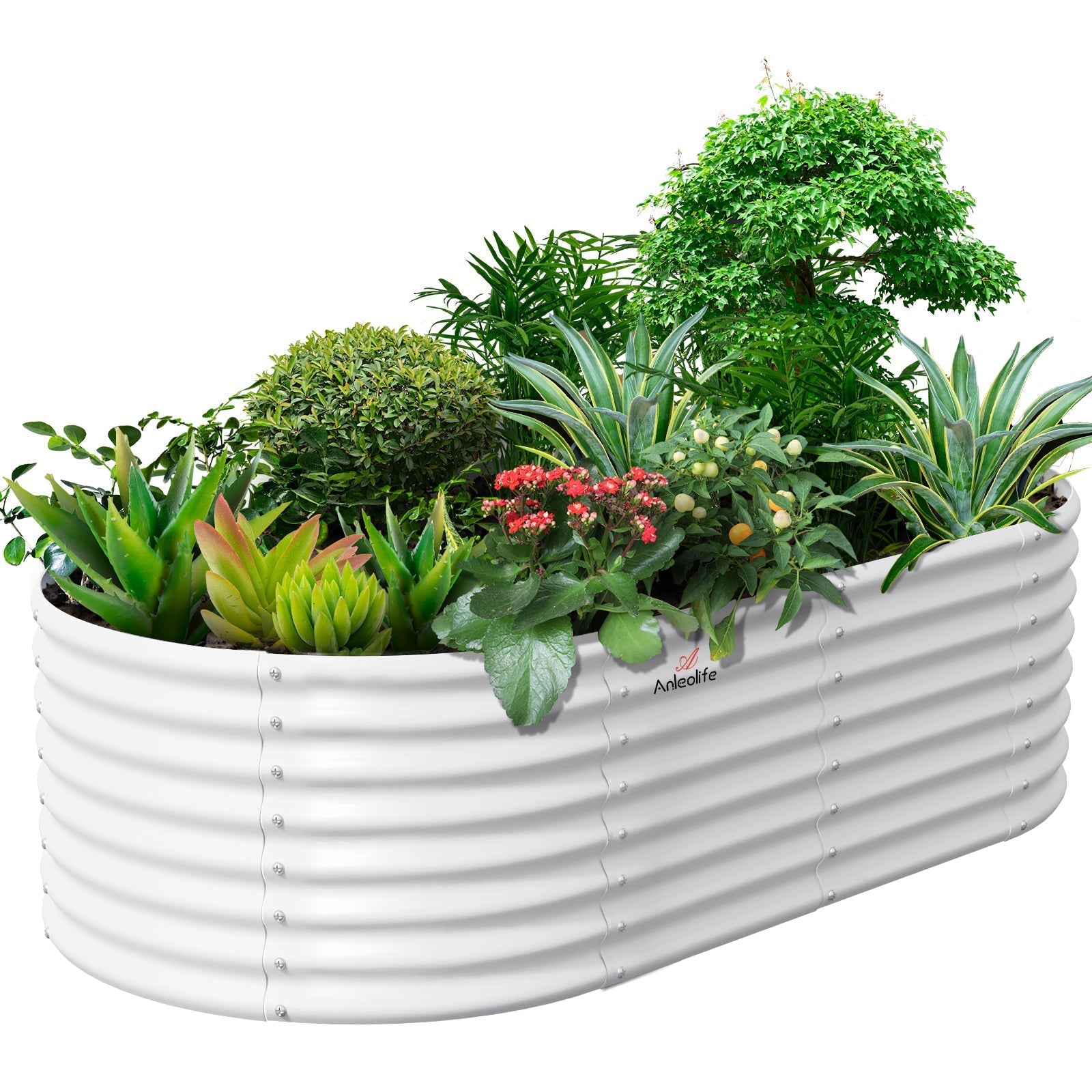
Galvanized steel raised garden beds, like those offered by Anleolife, provide a sleek, neutral metallic backdrop that works beautifully with virtually any plant color palette. The cool silver-gray tones of galvanized steel recede visually, allowing your plant colors to take center stage. This is particularly effective when you're working with bold, saturated palettes—think deep burgundy dahlias, electric blue salvia, and golden marigolds popping against a metallic frame.
The rust-resistant treated beds offer a slightly warmer tone and the peace of mind that comes with knowing your beds will maintain their appearance season after season. When a bed starts to show wear or discoloration, it pulls visual attention away from your carefully chosen plants. Investing in quality materials that maintain their appearance over time—Anleolife's beds are built to last up to 20 years—means your design investment pays dividends every single growing season.
The Art of Plant Color Selection for Raised Bed Gardens
Working With the Color Wheel
The most reliable approach to plant color selection borrows directly from classical color theory. The color wheel gives gardeners three primary relationship frameworks: complementary colors (opposite on the wheel, like purple and yellow), analogous colors (adjacent on the wheel, like red, orange, and yellow), and monochromatic schemes (varying shades of a single color).
Complementary combinations create the most visual drama and are ideal for statement beds that you want to draw the eye toward. Analogous schemes feel warm, cohesive, and calming—perfect for relaxation areas or meditation gardens. Monochromatic designs are the most sophisticated and work beautifully in contemporary or minimalist garden styles.
Hot Palettes for High-Impact Summer Beds
If you want maximum visual energy, a hot palette of reds, oranges, and yellows is unbeatable in the summer garden. Consider pairing scarlet runner beans—which also produce edible pods—with orange marigolds and golden calendula. The marigolds do double duty as pest deterrents, and calendula petals are edible, making this a functional as well as beautiful combination.
In taller beds, sunflowers provide vertical drama that anchors the whole composition. Anleolife's Extra Tall raised beds, available in heights from 24 to 35 inches, are ideal for growing sunflowers and other tall crops that would otherwise require staking in shorter containers. The added height also means you can underplant with lower-growing hot-toned companions without creating competition for light.
Cool and Calming Palettes for Relaxation Zones
Opposite in mood but equally effective, a cool palette of blues, purples, and soft whites creates a serene, spa-like quality in the garden. Lavender, catmint, Russian sage, and blue salvia are workhorses of this palette—highly fragrant, pollinator-attracting, and extraordinarily beautiful. Pair them with white cosmos or silver-leafed dusty miller for a palette that glows in the early morning and at twilight.
This palette works particularly well in spaces adjacent to outdoor seating areas, where the calming colors enhance relaxation. If you're an empty nester or retiree redesigning your outdoor space as a personal retreat, a cool-palette garden room centered around a cluster of raised beds can become your favorite destination on a summer afternoon.
The Magic of Foliage Color
Many gardeners focus exclusively on flower color and overlook the extraordinary design possibilities offered by foliage. Colored-leaf plants like dark-leaved basil (deep burgundy-purple), Swiss chard with rainbow stems, variegated thyme, and bronze fennel provide structural color that persists throughout the season regardless of whether anything is in bloom.
Foliage color is particularly valuable in productive vegetable gardens, where bloom times may be brief. By incorporating vegetables and herbs chosen partly for their leaf color, you maintain your palette even during the inevitable gaps between flowering periods.
Seasonal Color Planning
A true picture-perfect summer garden is planned in layers of time, not just layers of space. Map out your color palette across the full arc of summer—what's blooming in early June, mid-July, and late August. This "color calendar" approach ensures that as early summer bloomers fade, their replacements are already filling the visual gap.
Succession sowing quick-growing annuals like zinnias, nasturtiums, and cosmos every three to four weeks extends your color season dramatically. These plants are also ideal for raised beds because their shallow root systems are well-accommodated even in standard-depth beds.

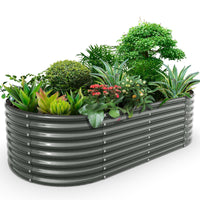
ALT: Anleolife galvanized steel raised garden beds showcasing a color-coordinated summer planting of flowers, herbs, and vegetables in a backyard garden
Designing the Space Between Beds: Pathways, Accessories, and Visual Continuity
Color coordination doesn't stop at the rim of the raised bed. The spaces between beds—pathways, borders, and decorative elements—are equally important in creating a unified design.
Pathway Materials and Color
The color of your pathway material should harmonize with both your bed material and your plant palette. Golden gravel or decomposed granite pairs warmly with hot-palette gardens and galvanized steel beds. White stone or light-colored pavers create a crisp, clean look that makes cool palettes sing. Dark mulch pathways provide a rich, neutral contrast that lets almost any plant palette shine.
Decorative Accessories
Decorative accessories—garden markers, trellises, water features, and ornamental elements—should all speak the same color language as your beds and plants. Repeating a single accent color through these elements creates the visual rhythm that distinguishes a designed garden from a collection of individual beds.
For example, if your palette includes touches of deep blue, echo that blue in your plant labels, your garden hose storage, and any pottery you use as focal points. This repetition of a single accent color throughout the space creates the kind of visual coherence you see in professionally designed gardens.
Advanced Color Coordination: Solving Common Design Challenges
When Your Garden Faces Multiple Directions
Gardens that span multiple aspects—south-facing sunny areas and north-facing shady spots—require slightly different plant palettes for each zone, since many sun-loving color plants don't perform well in shade. The design solution is to maintain your color story while swapping out species. Replace sun-loving lavender with shade-tolerant astilbe in the same purple tones. Replace hot-palette zinnias with begonias in similar warm shades. The palette stays consistent even as the plants change.
The "Too Many Colors" Problem
This is the most common mistake in raised bed gardens: trying to include every beautiful plant you've seen and ending up with visual chaos rather than designed beauty. The fix is strict palette discipline. Every time you're tempted to add a plant that falls outside your chosen palette, ask whether the visual interest it adds outweighs the coherence it costs. Often, the most beautiful gardens are those that exercise restraint.
Common Misconception: Vegetables Can't Be Colorful
Many gardeners mentally separate ornamental beds from vegetable beds, assuming that productive gardening and beautiful design are somehow incompatible. This couldn't be further from the truth. Modern vegetable gardens can be extraordinarily beautiful when designed with color in mind. Rainbow chard, purple basil, ornamental kale, red-stemmed amaranth, and climbing beans with scarlet flowers are all productive plants that also deliver serious visual impact. A well-designed kitchen garden can be the most beautiful element in your entire outdoor space.
Best Materials for Long-Term Color Design Success
For gardeners asking about the best raised garden bed materials for rust resistance and durability, the answer matters enormously for long-term design success. A garden bed that develops rust staining or structural failure disrupts your color design and forces costly replacements. Anleolife's galvanized steel beds and rust-resistant raised garden beds are engineered for longevity—with a designed lifespan of 20 years—ensuring that your design investment maintains its integrity across decades of growing seasons. Choosing quality materials from the start means you build your color design on a foundation that won't let you down.
Frequently Asked Questions
Q1: How long do Anleolife galvanized steel garden beds last?
Anleolife galvanized steel raised garden beds are built with long-term durability in mind and are designed to last up to 20 years. This impressive lifespan makes them an excellent long-term investment for gardeners who want to build a permanent, beautifully designed outdoor space. The robust galvanized steel construction resists corrosion and weathering, maintaining both structural integrity and visual appearance through multiple growing seasons—so your color-coordinated garden design stays looking great year after year.
Q2: Are raised garden beds better for color-coordinated garden designs than in-ground planting?
Raised beds offer distinct advantages for color-coordinated garden design. Their defined, structured form creates clear visual boundaries between color zones, making it easier to maintain palette discipline. They can be arranged in geometric patterns that enhance the designed quality of a space. They also give you precise control over soil composition—meaning plants in your chosen palette are more likely to thrive uniformly. For gardeners focused on creating a picture-perfect summer display, raised beds are significantly easier to design with than irregular in-ground planting areas.
Q3: What gravel size is best for raised bed drainage, and does it affect the garden's appearance?
For drainage in and around raised beds, gravel in the ¾-inch to 1-inch range is widely recommended by horticulturalists for effective water movement without compacting over time. From a design perspective, gravel size and color both matter: finer gravels create a more refined, formal appearance, while larger stones suggest a naturalistic, relaxed aesthetic. Golden or warm-toned gravels complement hot-palette gardens beautifully, while white or gray crushed stone pairs well with cool, contemporary color schemes.
Summary
Color-coordinating your raised beds for a picture-perfect summer garden is one of the most rewarding design projects you can undertake as a home gardener. Here are the three core insights to carry forward:
First, start with a defined color palette and apply it as a discipline throughout every design decision—from plant selection to pathway materials to decorative accessories. This palette consistency is what separates a designed garden from a collection of individual elements.
Second, choose your raised bed materials with both aesthetics and longevity in mind. The bed itself is the canvas for your color design, and a quality galvanized steel or rust-resistant raised bed that lasts up to 20 years means your design investment compounds over time rather than requiring constant replacement.
Third, plan your color story across time as well as space. Succession planting, foliage color selection, and seasonal swap strategies ensure your palette stays vibrant from the first warm days of June through the golden light of late August.
Your next step is simple: sketch your existing or planned raised bed layout, choose three colors that excite you, and start mapping plants to those colors. The garden you've always dreamed about is one thoughtful planning session away.
Ready to Build Your Picture-Perfect Summer Garden?
Anleolife makes it easy to get the foundation right. With a nationwide U.S. warehouse network strategically located in California, Texas, Florida, New York, Illinois, and Washington, your raised beds arrive in just 3–8 business days—so your summer garden upgrade never has to wait.
Shop through the channels you trust most: Anleolife.com, Amazon, Walmart, Home Depot, Lowe's, or Wayfair—all offering consistent quality assurance and responsive after-sales support.
Anleolife's product ecosystem covers all three dimensions of a complete garden: Planting (metal raised garden beds, soil systems), Raising (chicken coops, rabbit hutches), and Beautification (decorative accessories, pathway systems)—meeting every need from functional productivity to aesthetic excellence.
We understand that an ideal garden isn't built overnight—it's gradually improved with intention. Our modular product design allows flexible expansion based on your needs, from your first raised bed to a fully integrated planting-and-raising ecosystem. We grow with you every step of the way. Explore the full collection at Anleolife.com and start building the summer garden you've always imagined.
References
- National Gardening Association. "Garden to Table: A Guide to Growing Food in America".
https://garden.org/ - University of California Agriculture and Natural Resources. "Raised Bed Gardening".
https://ucanr.edu/ - Colorado State University Extension. "Raised Bed Gardening".
https://extension.colostate.edu/topic-areas/yard-garden/raised-bed-gardening/ - Royal Horticultural Society. "Colour in the Garden".
https://www.rhs.org.uk/garden-design/colour - Penn State Extension. "Planning a Vegetable Garden".
https://extension.psu.edu/vegetable-gardening
Note: Standards and recommendations may be updated. Please check the latest official documents or consult professional advisors for the most current guidance.
About Anleolife
Anleolife is a leading outdoor garden solutions provider in North America, dedicated to offering a full-scenario product ecosystem for home gardening enthusiasts, covering planting, raising, and garden beautification. Since its founding, we have upheld our brand mission, "Made for Garden Life," continuously innovating products and optimizing services to help hundreds of thousands of users upgrade their gardens, reconnect with nature, and enjoy a better garden lifestyle. Whether you're just starting your first raised bed or expanding into a full backyard ecosystem, Anleolife is your trusted partner at every stage of the journey.