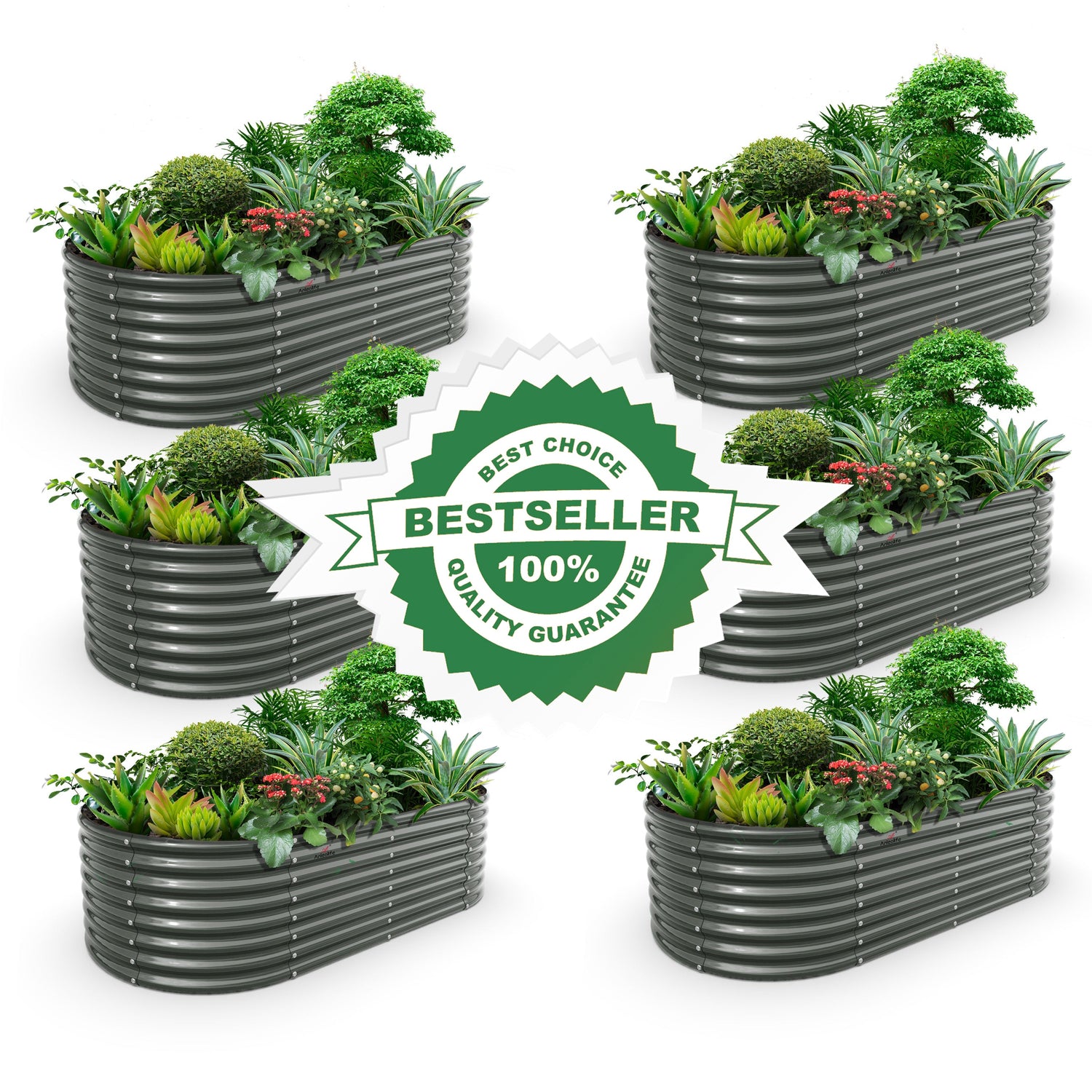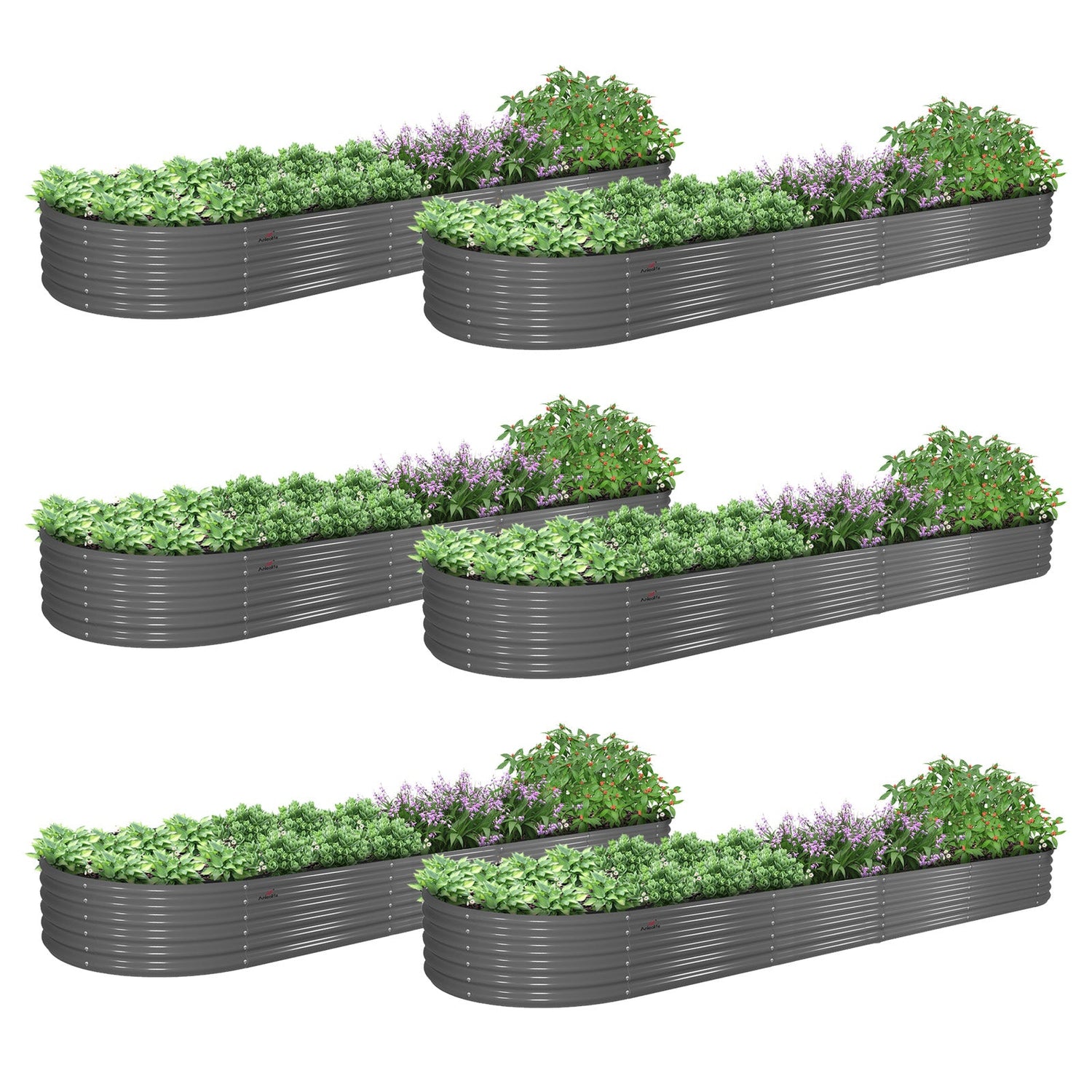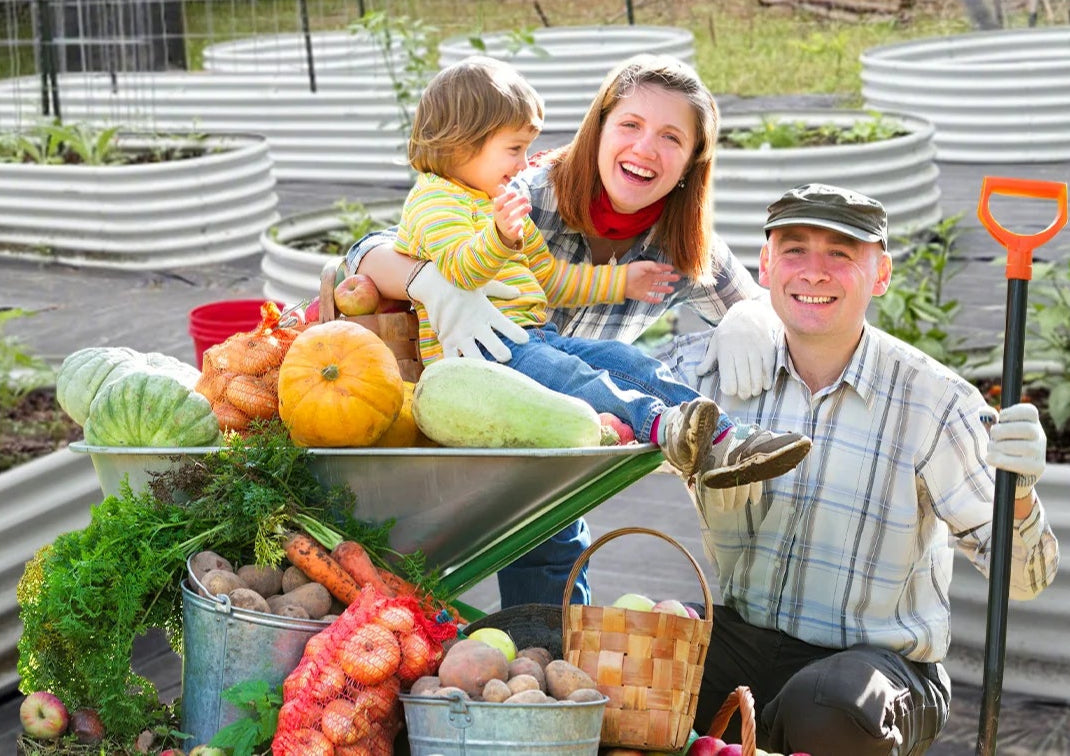



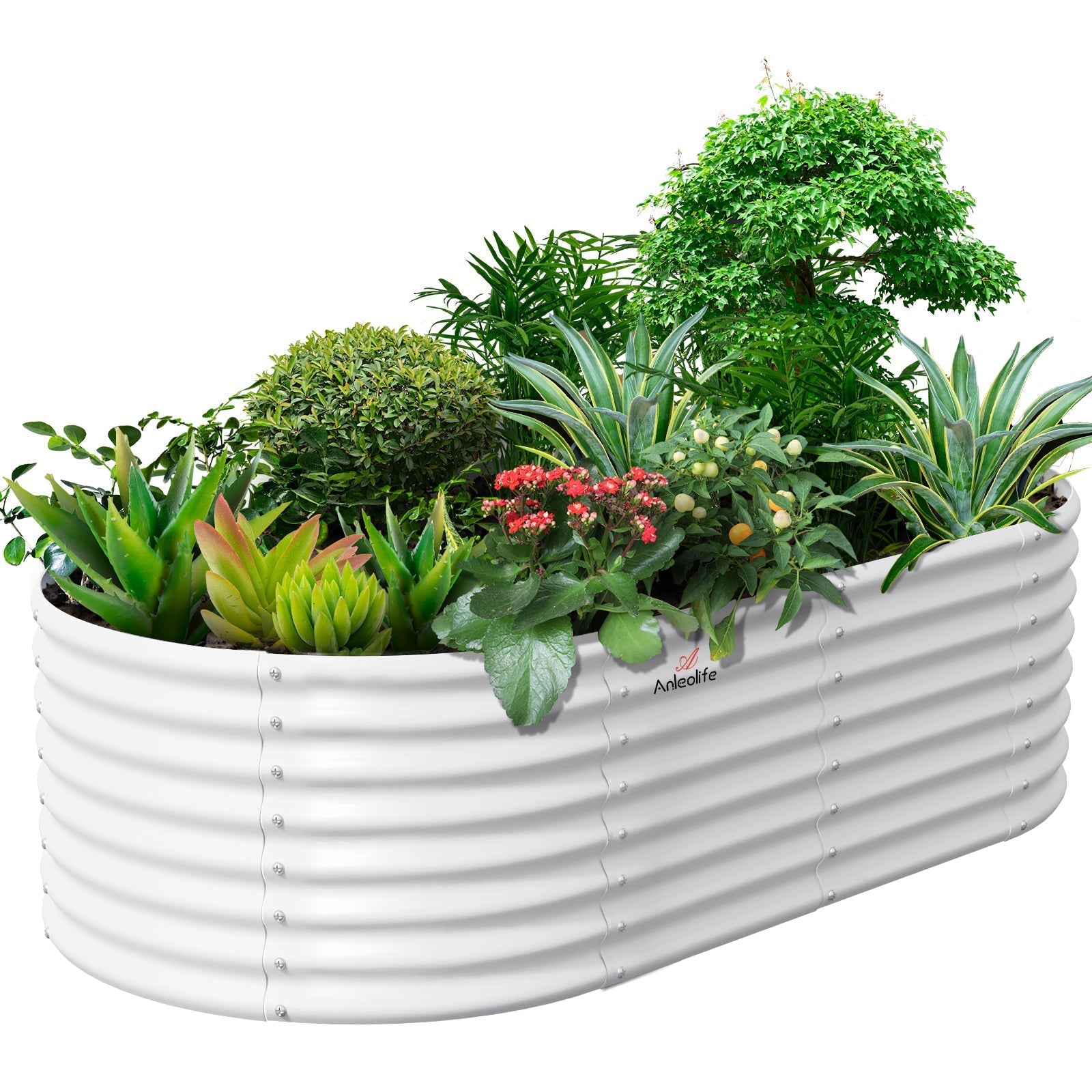
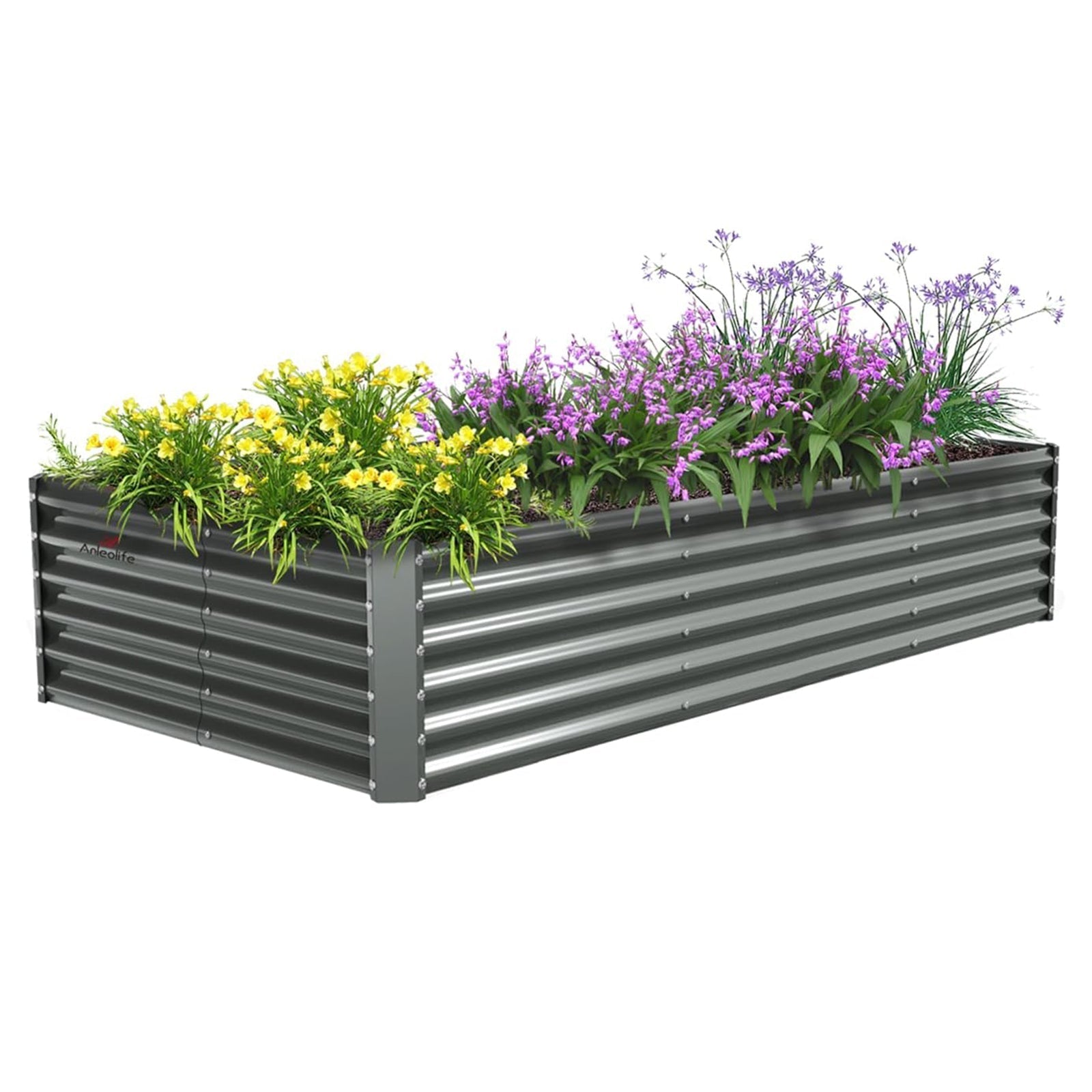

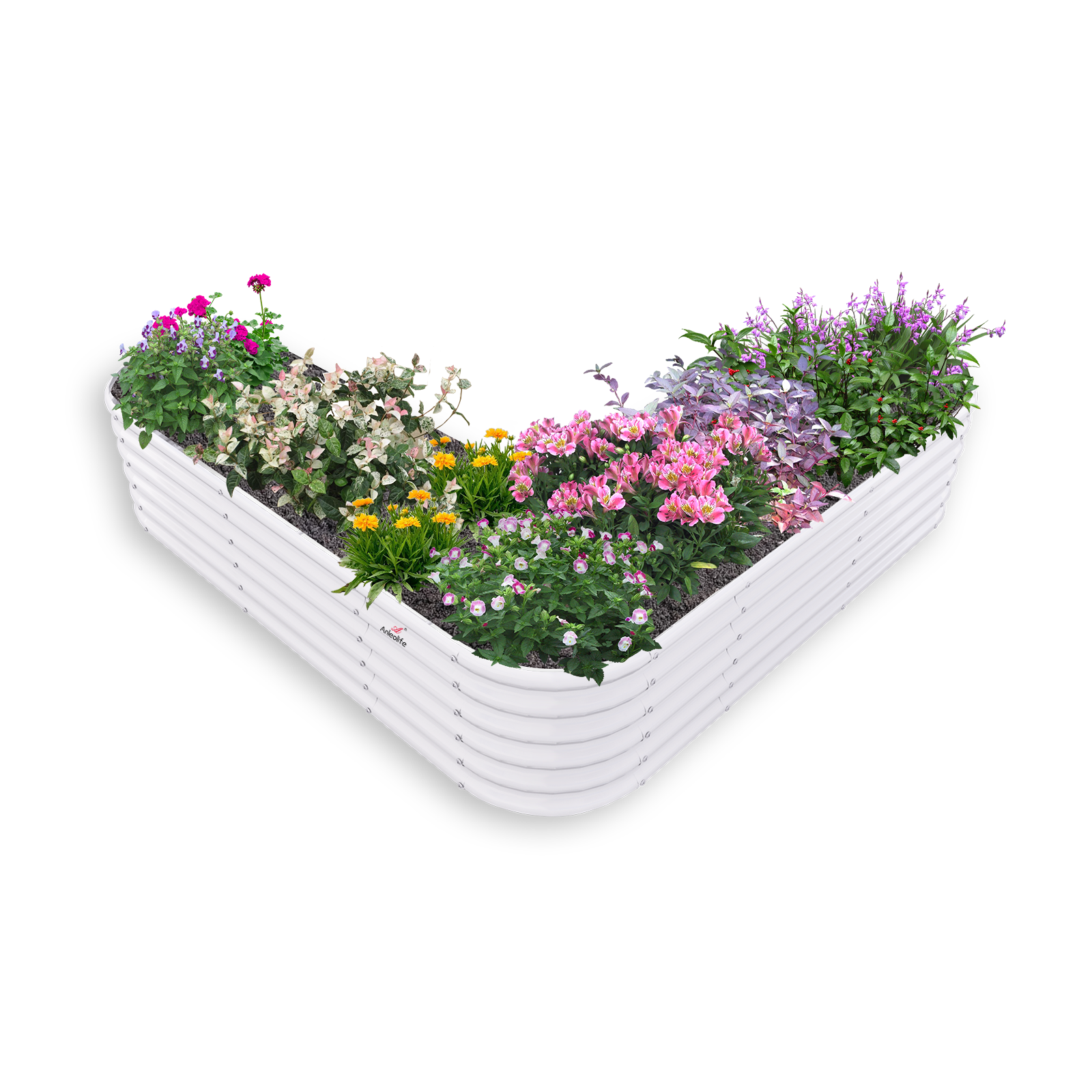
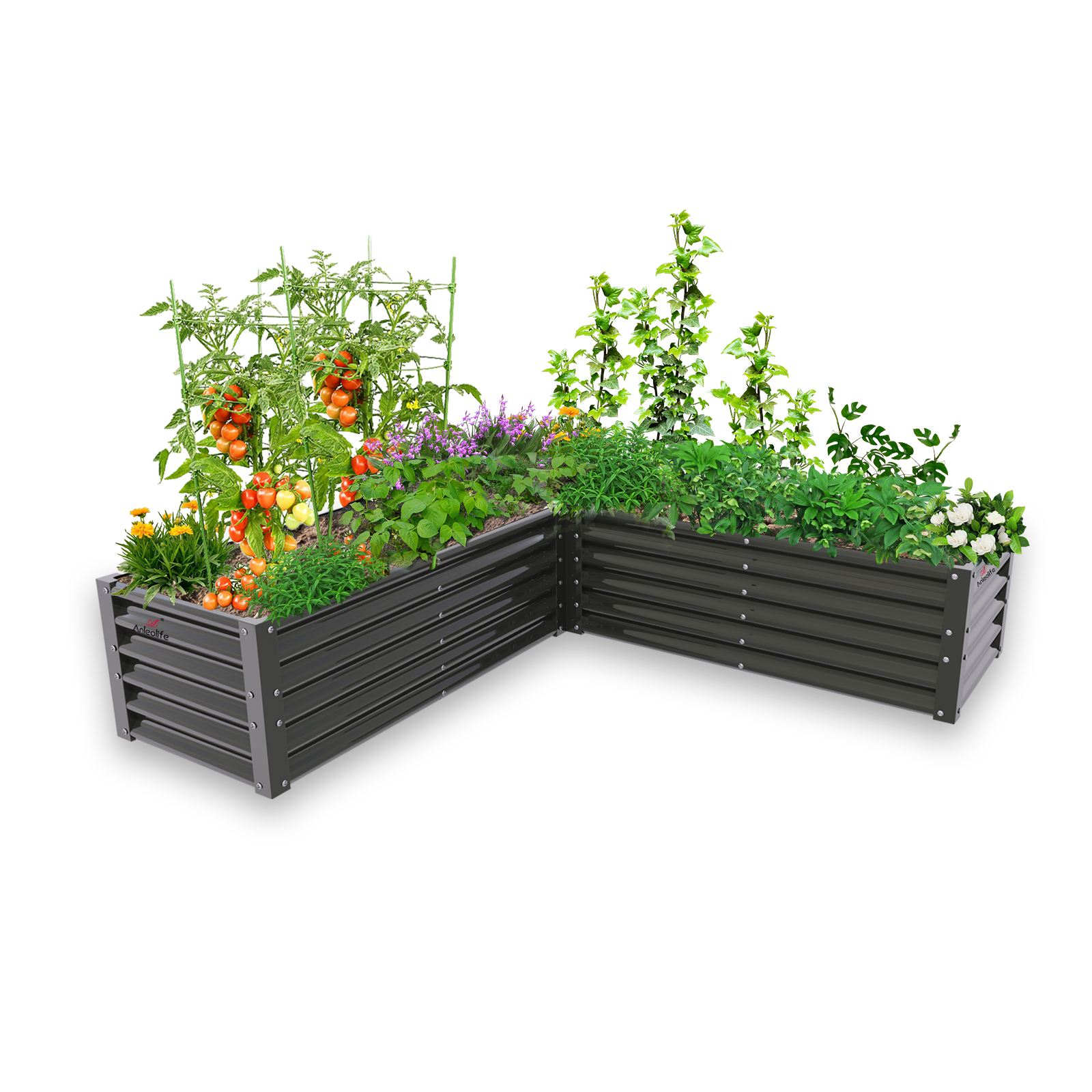
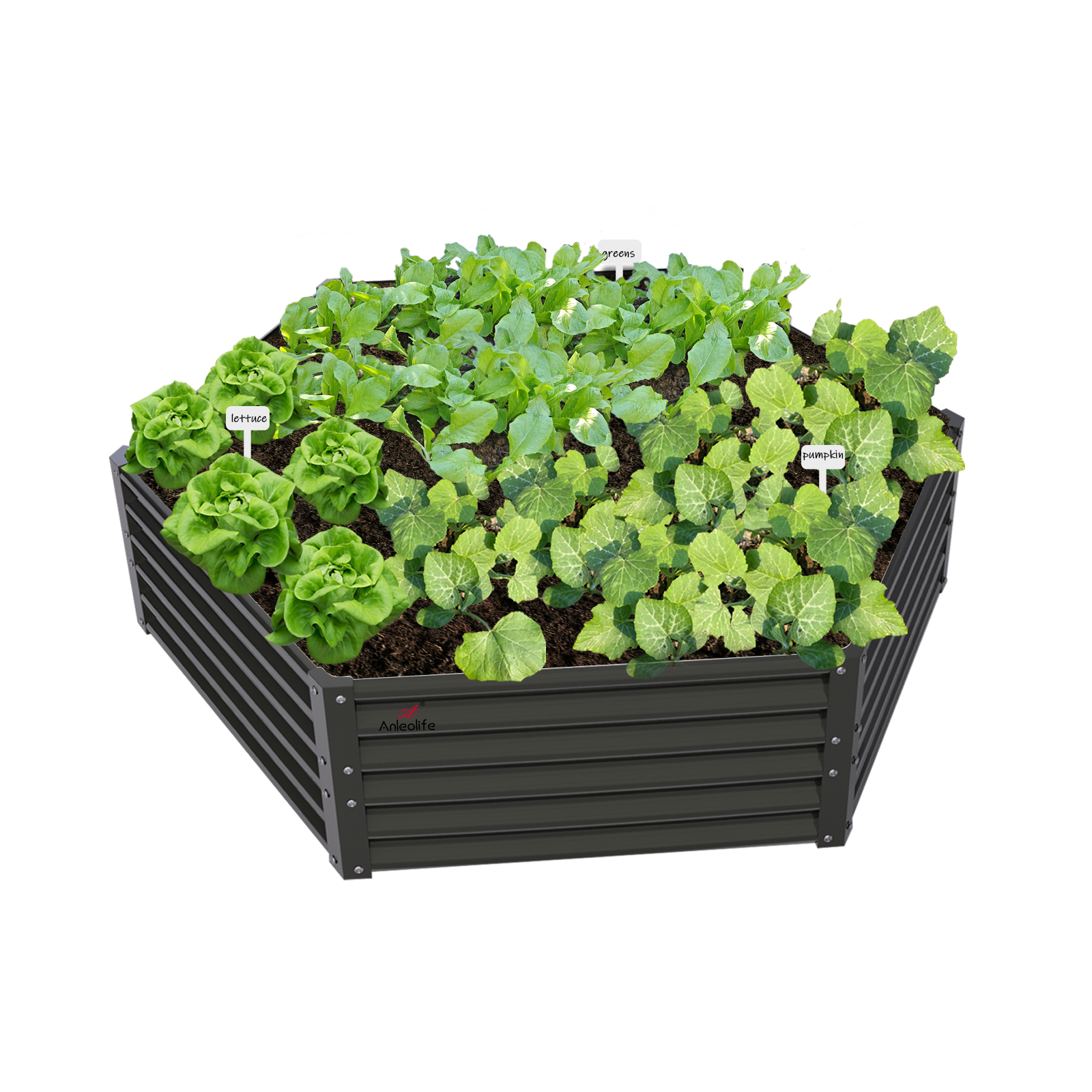
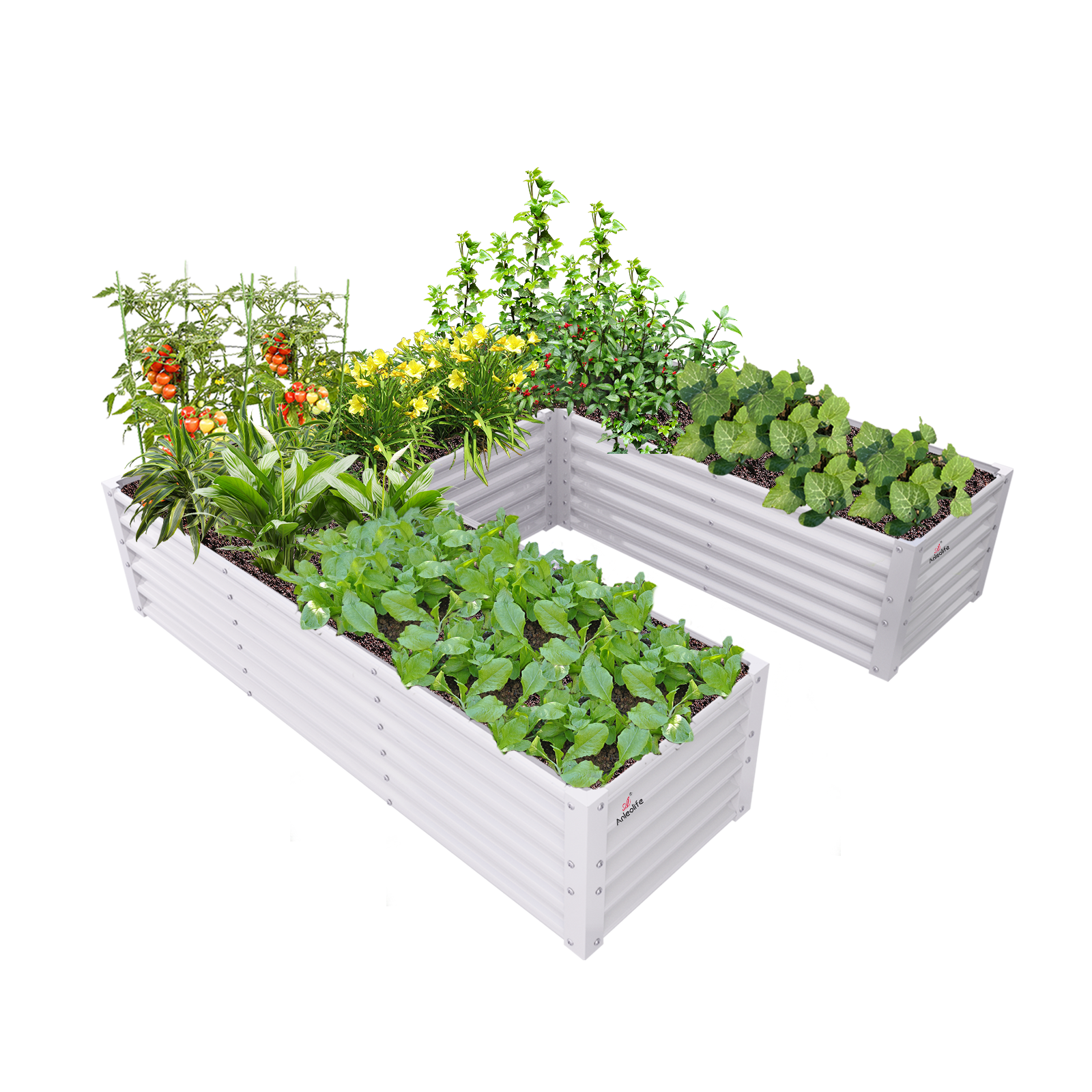

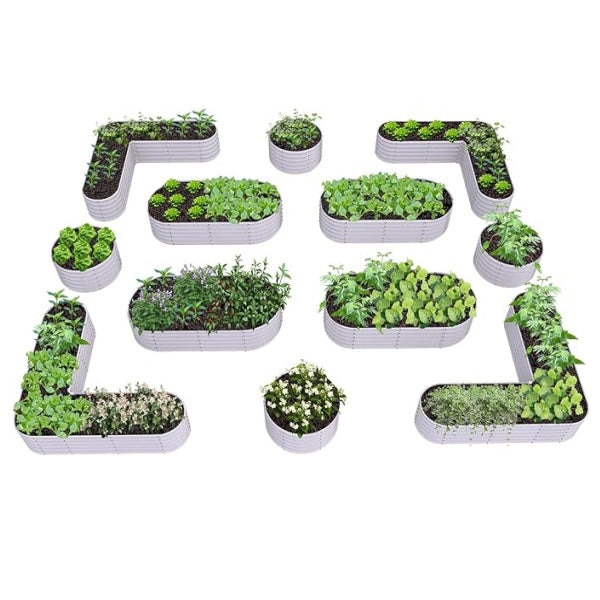


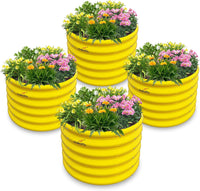
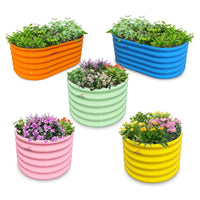
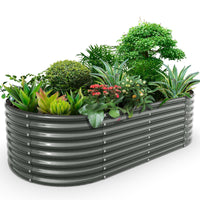




ALT: Companion planting guide for raised beds showing tomatoes, basil, and marigolds thriving together in summer 2026
Why Companion Planting in Raised Beds Is the Smartest Garden Move for Summer 2026
Key Conclusion: Companion planting in raised beds is one of the most effective strategies for maximizing yields, suppressing pests naturally, and improving soil health — all without synthetic chemicals. By pairing the right plants together, home gardeners can create a self-supporting ecosystem that reduces maintenance while boosting harvests. Whether you're working with a compact 4x4 bed or a sprawling 12x3 ft setup, understanding which plant combinations thrive together in summer heat is the foundation of a truly productive garden.
Companion planting isn't a new concept — farmers have practiced it for centuries — but it's experiencing a major revival among modern home gardeners, particularly those growing in raised beds. The controlled environment of a raised bed makes it easier to plan, execute, and observe companion planting relationships, giving you more predictable results than traditional in-ground gardening.
This guide is designed to give you practical, actionable companion planting combinations specifically optimized for summer 2026 conditions. You'll learn which plants support each other, which to keep apart, and how to set up your raised beds to take full advantage of these natural partnerships.
Who This Guide Is For
✅ Applicable Scenarios:
- Home gardeners with one or more raised garden beds looking to increase productivity without adding more chemicals
- Eco-conscious growers interested in organic pest control and natural fertilization methods
- Urban micro-gardeners working with limited space who need to maximize every square foot
- Beginners who want a structured, research-backed planting plan for summer vegetables and herbs
- Empty nesters and retirees creating manageable, low-maintenance garden systems
❌ Not Applicable/Cautions:
- Gardeners with zero soil preparation who expect companion planting alone to fix poor growing conditions (soil quality still matters enormously)
- Those expecting overnight results — companion planting benefits develop over weeks and full growing seasons
- Growers in climates with extreme summer heat who haven't accounted for shade and water management alongside plant pairing
The Science and History Behind Companion Planting in Raised Beds
Companion planting is the practice of growing different plant species in close proximity so they mutually benefit each other. These benefits can include natural pest deterrence, improved pollination, nitrogen fixation, ground cover to retain soil moisture, and even flavor enhancement in certain vegetables.
The concept dates back thousands of years. Indigenous North American farming traditions famously utilized the "Three Sisters" method — corn, beans, and squash grown together — where each plant played a specific role. Corn provided a vertical structure for beans to climb, beans fixed atmospheric nitrogen to feed the corn and squash, and squash leaves spread wide across the ground to suppress weeds and retain moisture. This ancient system remains one of the most cited examples of companion planting working in perfect harmony.
Why Raised Beds Make Companion Planting More Effective
Modern raised beds offer distinct advantages for companion planting that in-ground gardens cannot always replicate. Because you control the soil composition from the start, you can tailor nutrient levels to suit your intended plant combinations. Raised beds also warm up faster in spring, drain more efficiently, and create natural boundaries that help you observe and manage plant relationships more precisely.
According to the USDA National Agricultural Library, companion planting is recognized as a legitimate integrated pest management (IPM) strategy that can reduce dependence on synthetic pesticides when implemented thoughtfully. Research supports that certain plant pairings do measurably reduce pest pressure and improve yield in controlled garden settings.
The 2026 Context: Why This Season Matters
Summer 2026 presents specific challenges for North American gardeners. Extended heat waves, shifting precipitation patterns, and increasing pest resistance to conventional treatments have made traditional monoculture vegetable gardening more difficult. Companion planting directly addresses several of these challenges simultaneously:
- Heat management: Tall plants shade heat-sensitive neighbors during peak afternoon hours
- Moisture retention: Dense ground-cover companions reduce evaporation from soil surfaces
- Pest confusion: Aromatic plants disrupt the chemical signals insects use to locate their preferred host plants
If you're still deciding which raised bed size works best for your planned plant combinations, check out The Ultimate Raised Garden Bed Sizing Guide for Summer 2026: Find Your Perfect Fit — it walks you through how to match bed dimensions to your planting goals.
Companion Planting for Raised Beds: Core Combinations and Setup Guide
Three-Step Quick Start for Summer Companion Planting
Step 1: Map Your Raised Bed Zones
Before placing a single seedling, sketch your raised bed layout on paper. Divide your bed into microzones based on sun exposure: full sun zones (south-facing areas), partial shade zones (areas shadowed by tall plants like tomatoes or corn), and edge zones (border areas ideal for deterrent plants like marigolds). This planning step takes 15–20 minutes but saves weeks of troubleshooting later. Consider traffic — which plants will need frequent harvesting, and which can be left to grow undisturbed?
Step 2: Assign Plant Roles
Every companion planting system works because each plant plays a role: attractor, repeller, fixer, or suppressor. Nitrogen fixers like beans enrich the soil. Aromatic repellers like basil and marigolds confuse or deter pests. Tall climbers like pole beans or cucumbers provide shade. Ground covers like thyme or nasturtiums suppress weeds. Before filling your bed, label each plant you intend to grow with its primary role. This prevents accidental "bad neighbor" pairings and ensures your ecosystem is balanced.
Step 3: Plant in Succession and Monitor Weekly
Install your anchor plants (tomatoes, peppers, corn) first, then fill in companions around them at their recommended spacing. Avoid crowding — good air circulation is essential in summer heat to prevent fungal diseases. Once planted, monitor weekly for signs of pest activity, competition stress (yellowing, stunted growth), or unexpected volunteers. Companion planting is a dynamic system; adjusting spacing and combinations mid-season is normal and encouraged.
Best Companion Plant Combinations: Comparison by Raised Bed Goal
Understanding which combinations serve which purpose helps you make smarter planting decisions. Here's a breakdown of the top summer companion planting strategies organized by primary gardening goal:
| Comparison Dimension | Pest Control Focus | Yield Maximization Focus | Soil Health Focus |
|---|---|---|---|
| Primary Plant Pair | Tomatoes + Basil | Corn + Beans | Legumes + Root Vegetables |
| Key Benefit | Basil repels aphids, whiteflies, and tomato hornworms | Beans fix nitrogen; corn provides climbing structure | Nitrogen fixation improves soil for subsequent crops |
| Best Bed Size | 4x4 ft to 8x4 ft | 8x4 ft or larger | Any size; great for 6x3 ft beds |
| Maintenance Level | Low | Medium | Low |
| Ideal Summer Timing | Plant basil 2 weeks after tomatoes establish | Direct sow corn first, then beans 1 week later | Plant legumes as early as soil allows |
| Additional Companions | Marigolds on borders | Squash as ground cover | Carrots, radishes alongside beans |
| Caution | Don't pair basil with sage | Don't plant beans near onions | Avoid fennel near most vegetables |
The Top 8 Companion Plant Combinations for Summer Raised Beds
Tomatoes + Basil + Marigolds: The Classic Trio
This is the gold standard of companion planting, and for good reason. Tomatoes are heavy feeders that attract a wide range of pests, including aphids, whiteflies, and the notorious tomato hornworm. Basil planted nearby has been shown to repel these insects through volatile aromatic compounds. Meanwhile, marigolds planted along the bed's border release a root secretion that deters nematodes — microscopic soil pests that attack tomato roots.
The aesthetic bonus? This combination is visually stunning in any galvanized steel raised garden bed, with the orange and gold of marigolds contrasting beautifully against lush green tomato foliage and basil's deep leaves. This trio works especially well in Anleolife's 8x4 ft raised beds, where you have enough room to give tomatoes their full space while incorporating both companions comfortably.
Cucumbers + Dill + Radishes
Cucumbers are vigorous summer producers that benefit enormously from companion support. Dill attracts predatory insects — including parasitic wasps and lacewings — that prey on cucumber beetles and aphids. Radishes planted nearby act as a trap crop, drawing flea beetles away from cucumbers. An added benefit: radishes mature quickly (usually within 30 days), so they're harvested and cleared before they compete with the cucumbers for space.
Avoid planting dill near tomatoes, however — mature dill can actually inhibit tomato growth, so keep these two systems in separate beds.
The Three Sisters: Corn + Beans + Squash
As mentioned earlier, this Indigenous-inspired trio remains one of the most efficient companion planting systems available. For summer 2026 raised beds, this combination works best in longer beds — ideally 10x3 ft or 12x3 ft configurations — because corn needs adequate spacing to pollinate properly.
Plant corn first, then introduce beans once corn reaches several inches tall. Squash goes in last, spreading its broad leaves to cool the soil and conserve moisture — a critical advantage during July and August heat spikes.
Peppers + Carrots + Parsley
Peppers and carrots make excellent companions because their root systems operate at different soil depths, minimizing competition for nutrients and water. Parsley attracts beneficial insects, particularly swallowtail butterfly larvae, and also repels some common garden beetles. This combination works beautifully in 4x4 ft or 6x3 ft raised beds and is ideal for gardeners with smaller spaces who want a highly productive, multi-crop system.
Lettuce + Tall Tomatoes: The Shade Partnership
Lettuce is notoriously heat-sensitive and tends to bolt (go to seed prematurely) in the full summer sun. Planted on the north side of tall tomato plants, lettuce receives natural afternoon shade that extends its productive season by several weeks. This is one of the most practical companion combinations for gardeners who love fresh salads well into the summer months.
Beans + Beets: Underground Cooperation
Beans fix nitrogen at their root nodes, releasing it into surrounding soil over time. Beets are moderate nitrogen feeders that benefit directly from this natural fertilization. Above ground, they don't compete significantly for light, making this a clean, efficient pairing for mid-sized raised beds.
Nasturtiums: The Multi-Purpose Companion
Nasturtiums deserve special mention because they work as effective companions with nearly everything. They attract aphids — but as a trap crop, pulling pests away from your valuable vegetables. They also attract pollinators like bees and hoverflies, improving fruit set across your entire bed. And they're edible, with peppery leaves and flowers that add visual color and culinary value to salads. Plant nasturtiums along the edges of any raised bed as a living border.
Garlic + Roses / Garlic + Strawberries: Deterrent Planting
Garlic is one of the most powerful aromatic deterrents in the companion planting toolkit. Its sulfur compounds repel aphids, Japanese beetles, spider mites, and fungal diseases. While roses aren't typical vegetable garden fare, many gardeners incorporate ornamental and edible plants together for beautification. Garlic planted near strawberries also protects against aphid infestations that can decimate strawberry crops in summer.
Drainage, Soil, and Pest Management: Making the System Work
Companion planting benefits are only fully realized when your raised bed's physical environment supports healthy plant growth. Two often-overlooked factors are drainage and pest management infrastructure.
Drainage Setup: The best way to install a drainage system in raised beds is to layer the bed bottom with 2–4 inches of coarse gravel before adding soil. For gravel size, pea gravel (roughly 3/8 inch diameter) or crushed stone of similar sizing strikes the right balance — fine enough to support soil structure but coarse enough to allow water to drain freely without washing soil through. This prevents waterlogging, which is particularly destructive for companion systems featuring both shallow-rooted herbs and deep-rooted vegetables.
Organic Pest Control: Companion planting reduces pest pressure significantly, but it's rarely a complete solution on its own. For deeper strategies on managing pests without chemicals, Organic Pest Control Strategies for Raised Garden Beds This Summer offers a comprehensive approach that pairs perfectly with the companion planting methods covered here.
Garden Ornaments and Functional Additions: Small garden ornaments — bird feeders, decorative stakes, and pollinator houses — can enhance companion planting by attracting beneficial insects and birds that serve as natural pest predators. As a general rule, ornaments that sit 18–36 inches tall work best in standard raised beds, as they remain visible without shading neighboring plants. Choose functional decorative elements that serve double duty: a copper bird bath, for example, deters slugs in the surrounding soil while attracting insect-eating birds.

ALT: Summer raised garden bed companion planting setup featuring tomatoes, basil, and marigold pest control border with decorative edging
Advanced Tips: Avoiding Common Companion Planting Mistakes
Even experienced gardeners make avoidable errors when implementing companion planting in raised beds. Here are the most impactful corrections to keep in mind.
Fennel: The Notorious Loner
Fennel is one of the most problematic plants in companion planting systems. It releases allelopathic compounds that inhibit the growth of most vegetables, including tomatoes, peppers, and beans. If you want to grow fennel, plant it in a dedicated bed or container entirely separate from your vegetable companions. Many gardeners discover this the hard way mid-season when neighboring plants inexplicably decline.
Don't Overcrowd: The Most Common Mistake
One of the 5 Common Raised Bed Layout Mistakes to Avoid When Planning Your Summer Garden is planting too densely in the belief that more plants automatically means more yield. In companion planting, crowding defeats the purpose — it reduces air circulation (inviting fungal disease), increases root competition, and makes it harder to observe and manage the individual plant relationships you're cultivating. Follow recommended spacing even when beds look sparse at first; they'll fill in.
Rotating Companion Groups Each Season
Companion planting benefits compound over multiple seasons — but only if you rotate your groups. Planting the same combination in the same bed year after year depletes specific soil nutrients and allows pest populations adapted to your planting pattern to build up over winter. Keep a simple garden journal and rotate your major companion groups to a new bed location each season.
Misconception: Companion Planting Is All-or-Nothing
Many beginners believe they need to overhaul their entire garden to practice companion planting. In reality, even adding a single border of marigolds around an existing tomato bed, or tucking basil between pepper plants, delivers measurable benefits. Start small, observe the results, and expand gradually.
Frequently Asked Questions FAQ
Q1: How do I choose the best companion planting combination for a small raised bed?
For small raised beds (4x4 ft or 4x2 ft), focus on high-impact duos rather than complex multi-plant systems. The tomato-basil pairing is the most space-efficient and impactful starting point. Alternatively, try peppers with carrots, or lettuce under taller plants for shade benefit. Prioritize companions that serve double duty — edible plus pest-repelling — to maximize the value of every square foot. Start with two or three companions and expand as you gain confidence and observe results.
Q2: Are marigolds really effective at controlling pests in vegetable gardens?
Yes — research consistently supports marigolds as one of the best pest control plants for vegetable gardens. French marigolds (Tagetes patula) in particular produce thiophenes in their roots that are toxic to soil nematodes. Above ground, their strong scent confuses and deters aphids, whiteflies, and even some beetle species. Plant them densely along the perimeter of your raised bed for maximum effect. They also attract pollinators, giving you a second layer of benefit throughout the growing season.
Q3: How long does it take to see results from companion planting in a raised bed?
Pest deterrence effects from aromatic companions like basil and marigolds begin within 1–2 weeks of planting as the plants establish and begin releasing their volatile compounds. Soil enrichment from nitrogen-fixing legumes takes a full growing season to become measurable in the soil. Overall yield improvements from companion planting are typically most apparent in the second and third seasons as the system matures and soil health improves. Consistency and observation are key — keep notes to track what works in your specific microclimate.
Summary
Companion planting in raised beds is one of the most rewarding strategies a home gardener can adopt. It requires upfront planning but pays dividends throughout the entire growing season and beyond. Here are the three core takeaways from this guide:
1. Match combinations to your goal. Whether you're focused on pest control, yield maximization, or soil health, there's a companion planting combination designed for your priority. The tomato-basil-marigold trio is ideal for beginners; the Three Sisters system suits larger beds and more ambitious growers.
2. Your raised bed setup matters. Proper drainage, adequate spacing, and high-quality soil are prerequisites that make companion planting work. Without these foundations, even the best plant pairings will underperform.
3. Start simple, then scale. You don't need a perfect multi-plant system on day one. Add one companion at a time, observe the results, and build your planting ecosystem over multiple seasons. The benefits compound — just like in nature.
If you're still building out your vegetable planting list for summer, 10 Best Vegetables for Raised Beds This Summer: A Beginner's Planting Checklist is an excellent companion resource to this guide.
Your next step: sketch your bed layout, assign plant roles, and order your seeds. Summer 2026 is a tremendous opportunity to build a garden ecosystem that's both beautiful and productive.
Upgrade Your Garden with Anleolife
Anleolife's nationwide U.S. warehouse network — strategically located in California, Texas, Florida, New York, Illinois, and Washington — ensures delivery within 3–8 business days, so your garden upgrade plans never have to wait for the season to pass you by.
Our products are available across major e-commerce platforms including Amazon, Walmart, Home Depot, Lowe's, and Wayfair, as well as directly at Anleolife.com, offering consistent quality assurance and responsive after-sales service wherever you prefer to shop.
Anleolife's raised garden beds are engineered for long-term use — built to last up to 20 years — making them a true investment in your gardening lifestyle rather than a seasonal purchase. Whether you're starting with a compact 4x4 ft bed for a first companion planting experiment or expanding to a full 12x3 ft raised bed for a Three Sisters installation, our modular product design grows with your ambitions.
Beyond planting, Anleolife covers three complete garden scenarios: Planting (metal raised garden beds, soil systems), Raising (chicken coops, rabbit hutches), and Beautification (decorative accessories, pathway systems) — meeting your complete needs from practical functionality to genuine garden aesthetics.
We understand that an ideal garden isn't built overnight. It's cultivated patiently, season by season. Anleolife is with you every step of the way.
References
- USDA National Agricultural Library. "Companion Planting and Integrated Pest Management."
https://www.nal.usda.gov/farms-and-agricultural-production-systems/integrated-pest-management - University of California Cooperative Extension. "Companion Planting in the Vegetable Garden."
https://ucanr.edu/ - Penn State Extension. "Raised Bed Gardening."
https://extension.psu.edu/raised-bed-gardening - Cornell University Cooperative Extension. "Managing Pests Organically in the Home Garden."
https://gardening.cals.cornell.edu/ - National Gardening Association. "Companion Planting Guide."
https://garden.org/learn/articles/view/3131/
Note: Gardening research and recommendations may be updated seasonally. Please consult the latest official documents or a local cooperative extension service for region-specific guidance.
About Anleolife
Anleolife is a leading outdoor garden solutions provider in North America, dedicated to offering a full-scenario product ecosystem for home gardening enthusiasts, covering planting, raising, and garden beautification. Since its founding, we have upheld our brand mission, "Made for Garden Life," continuously innovating products and optimizing services to help hundreds of thousands of users upgrade their gardens, reconnect with nature, and enjoy a better garden lifestyle.