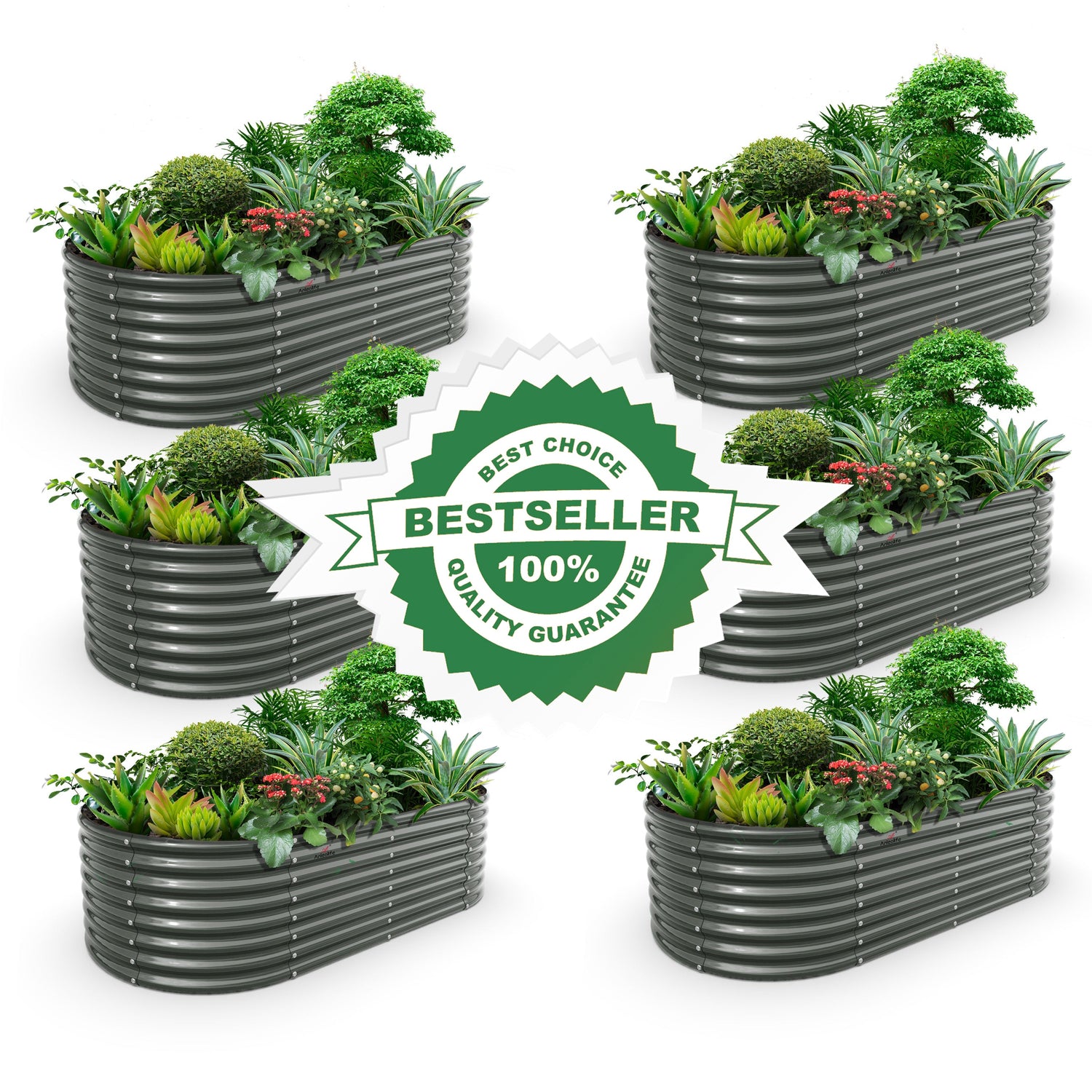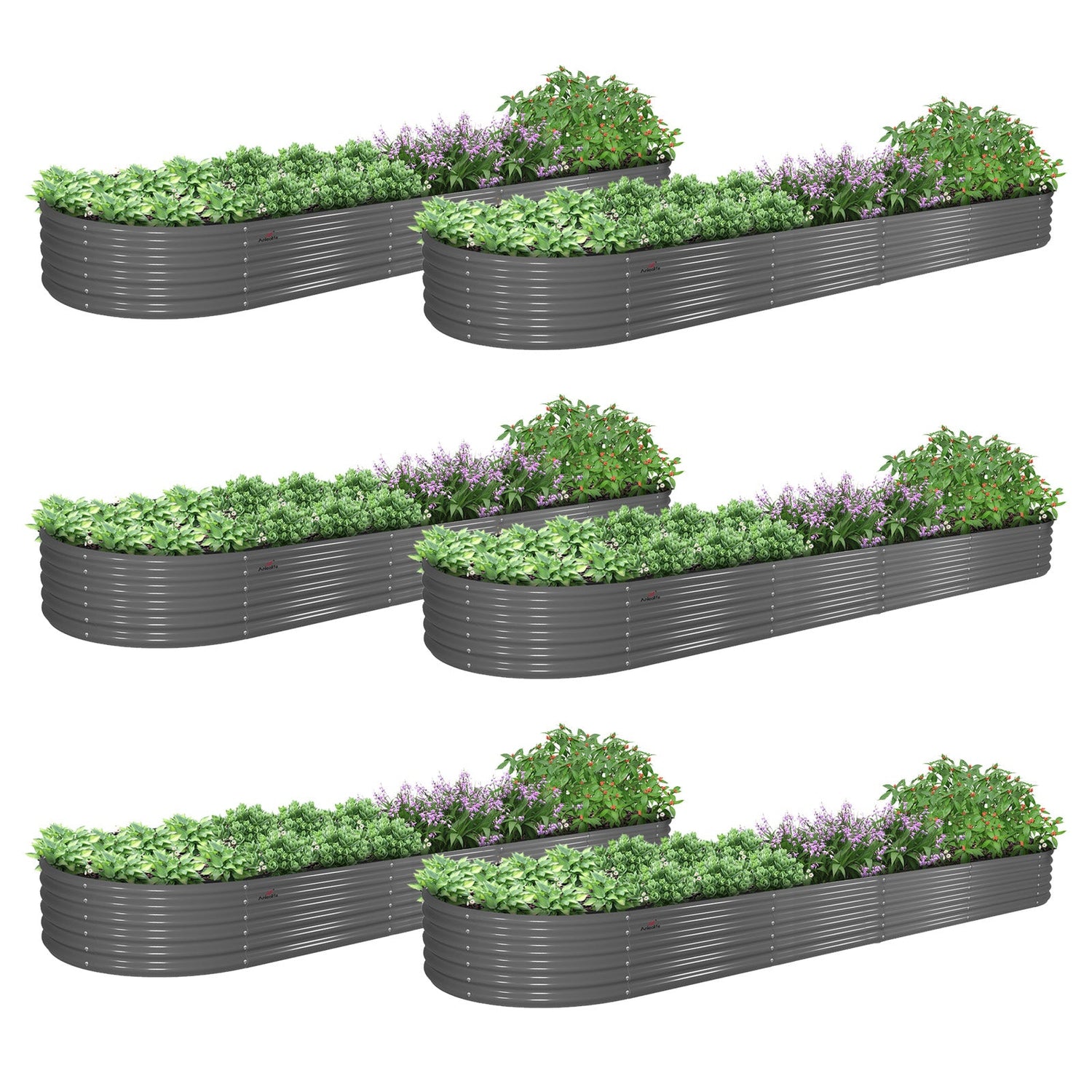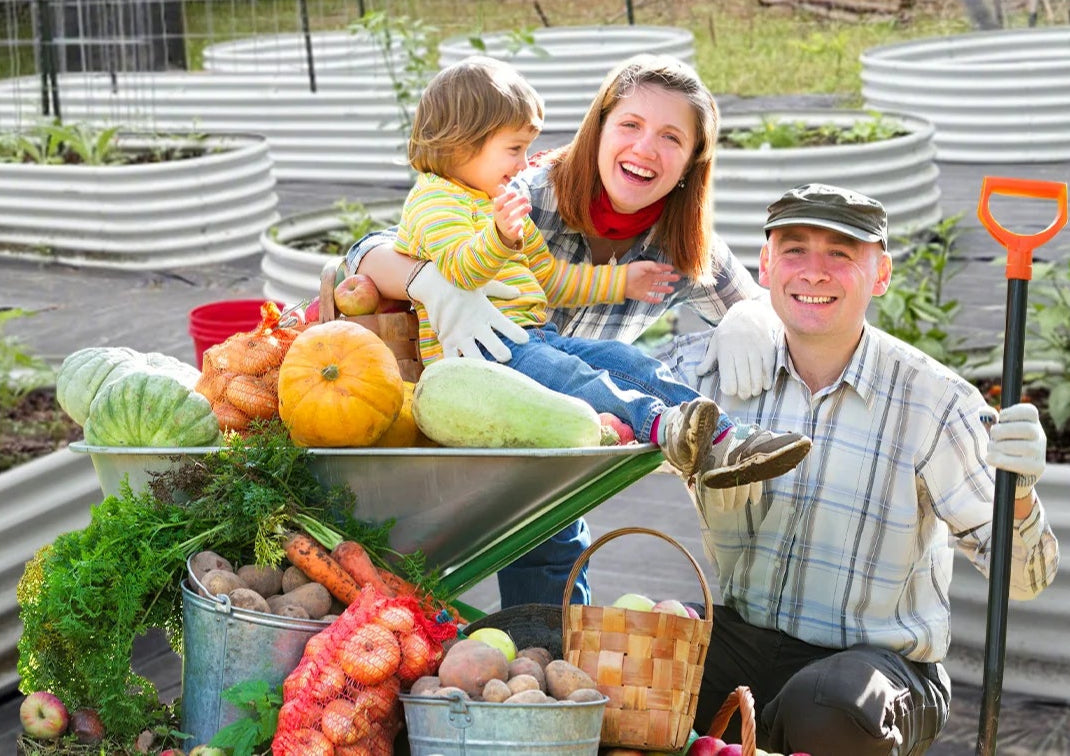



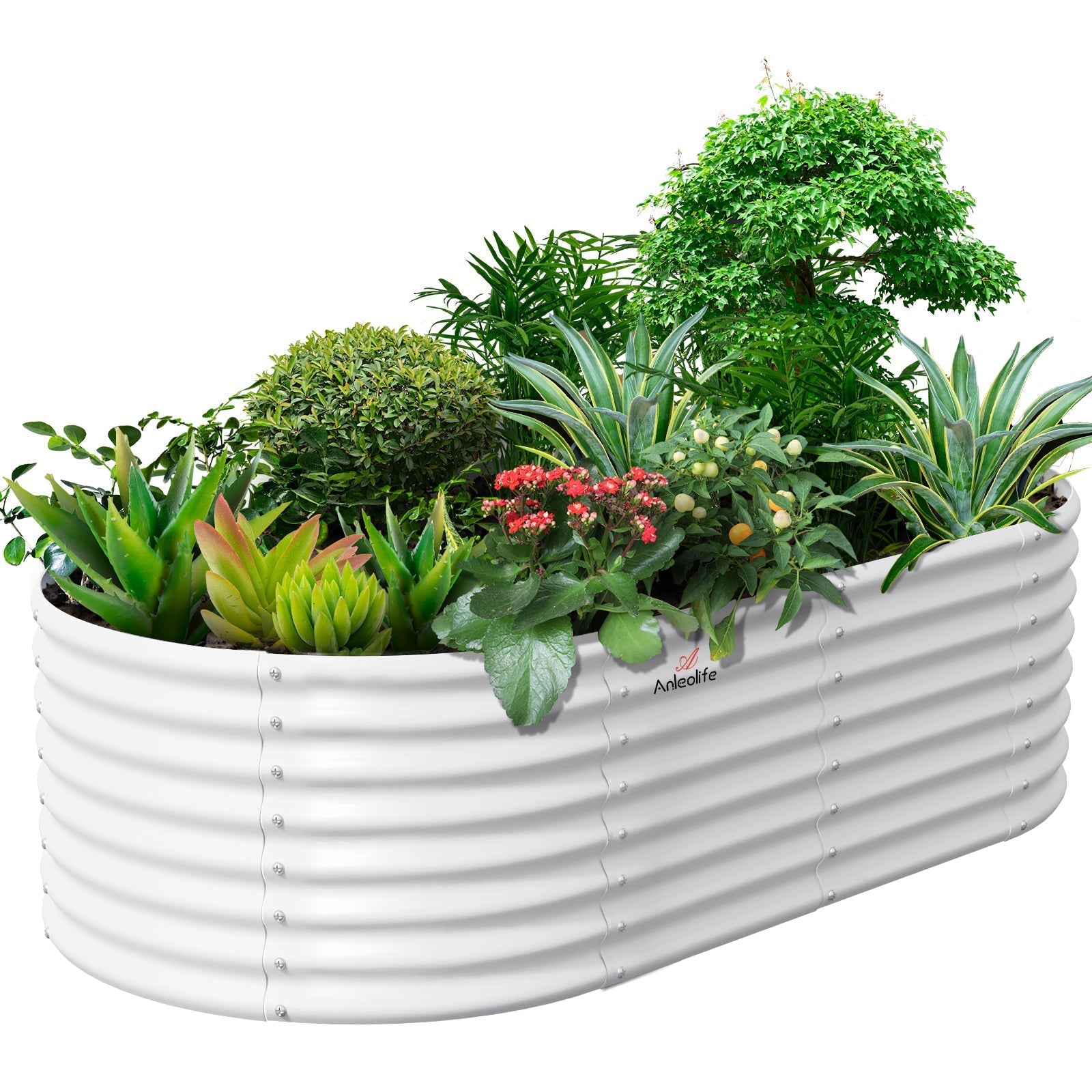
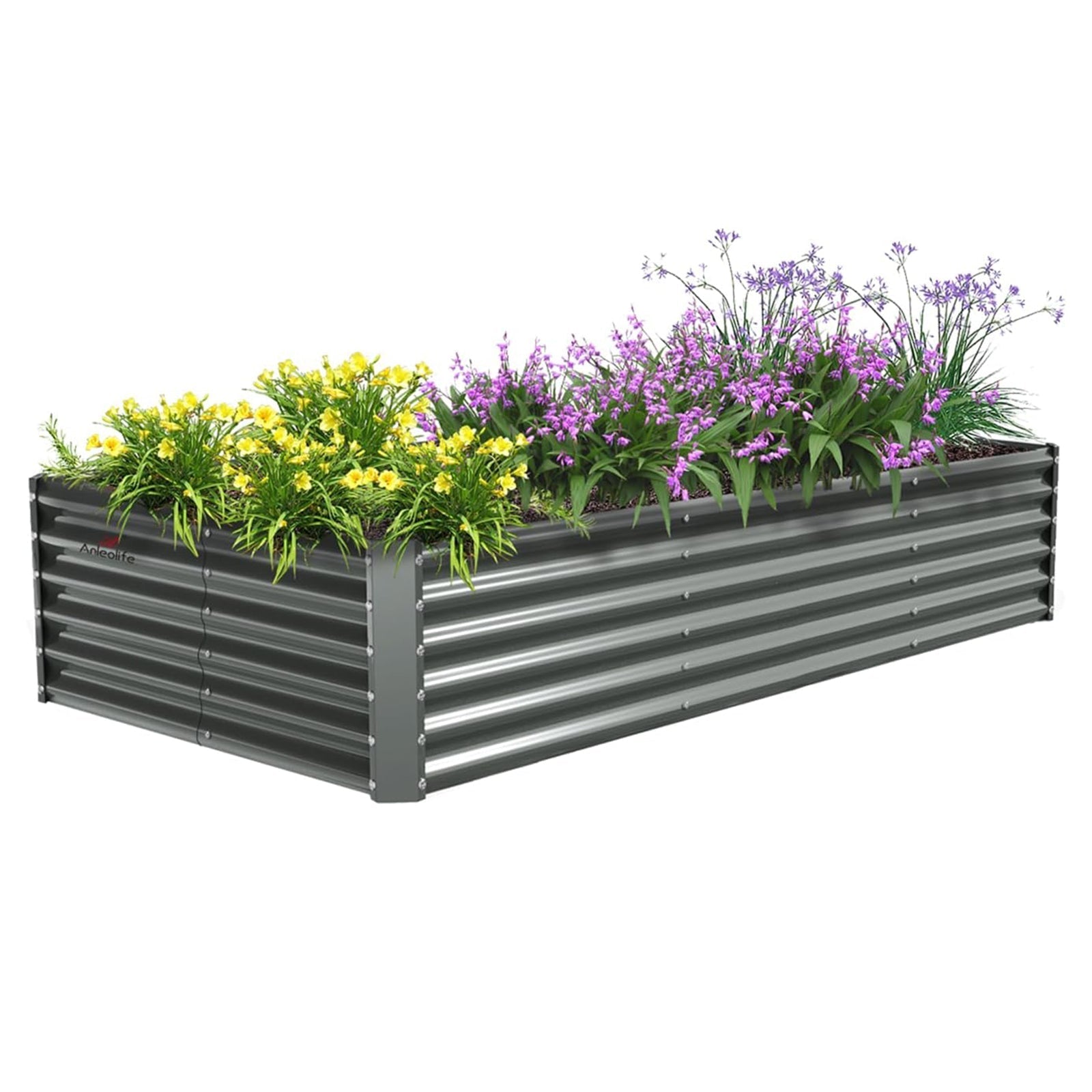
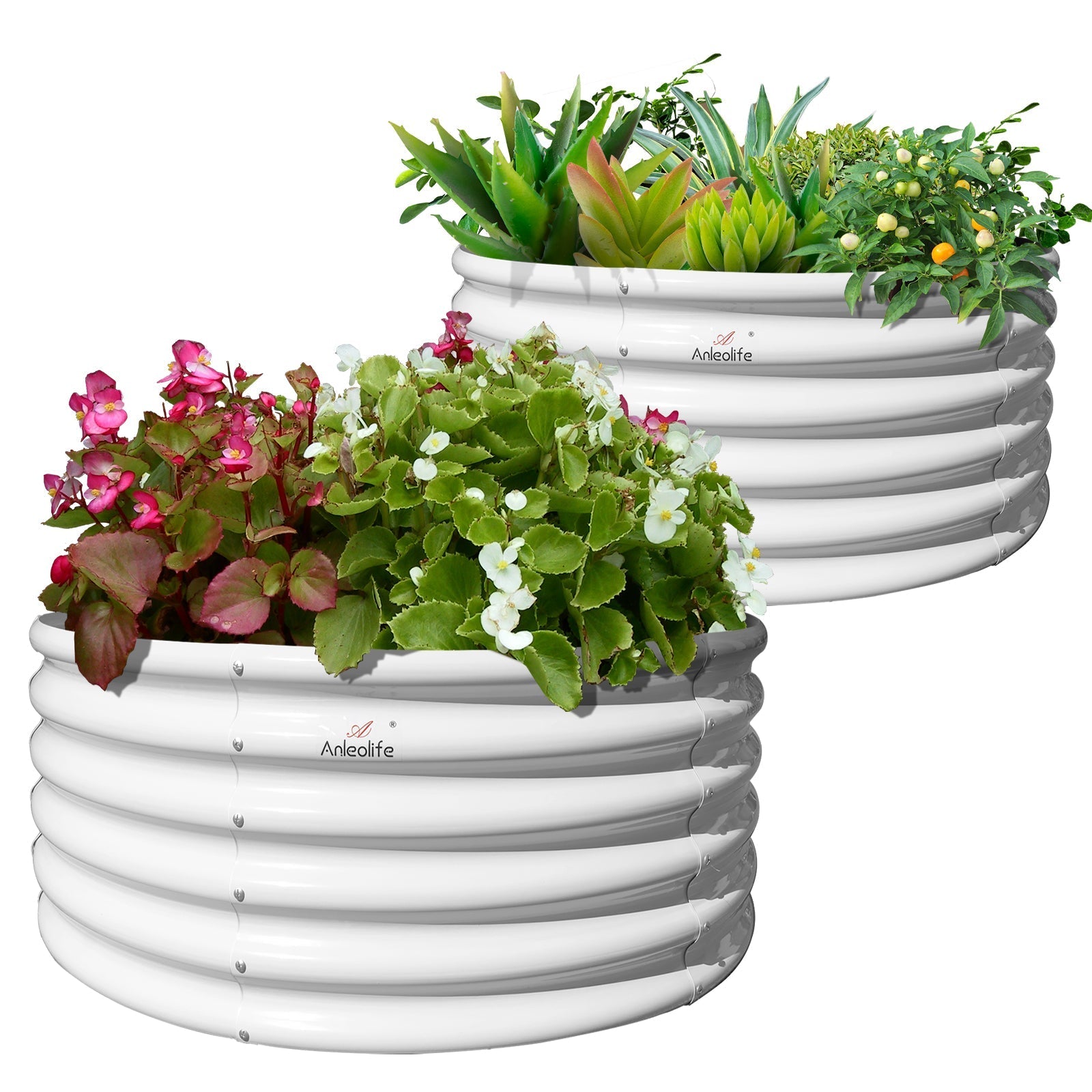
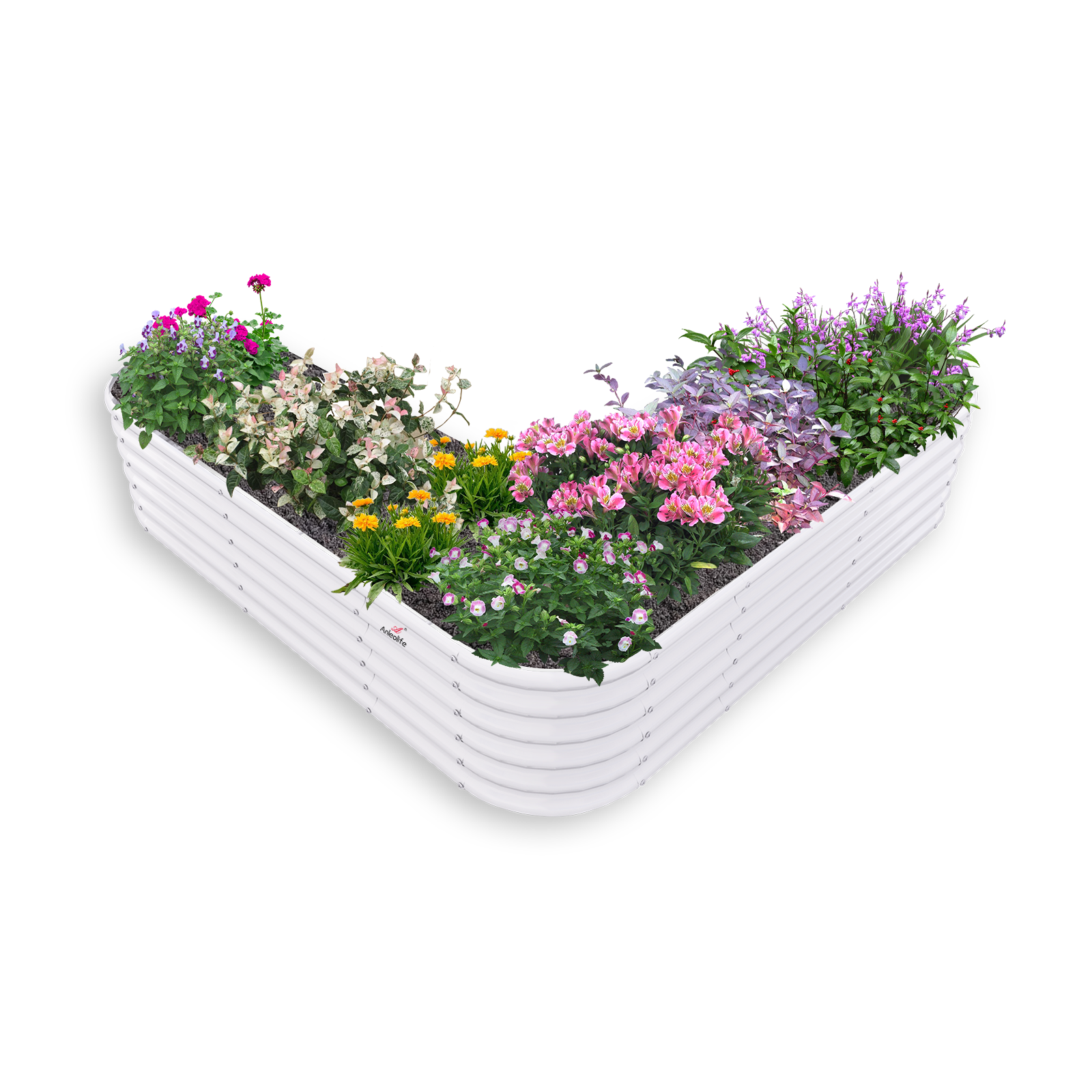
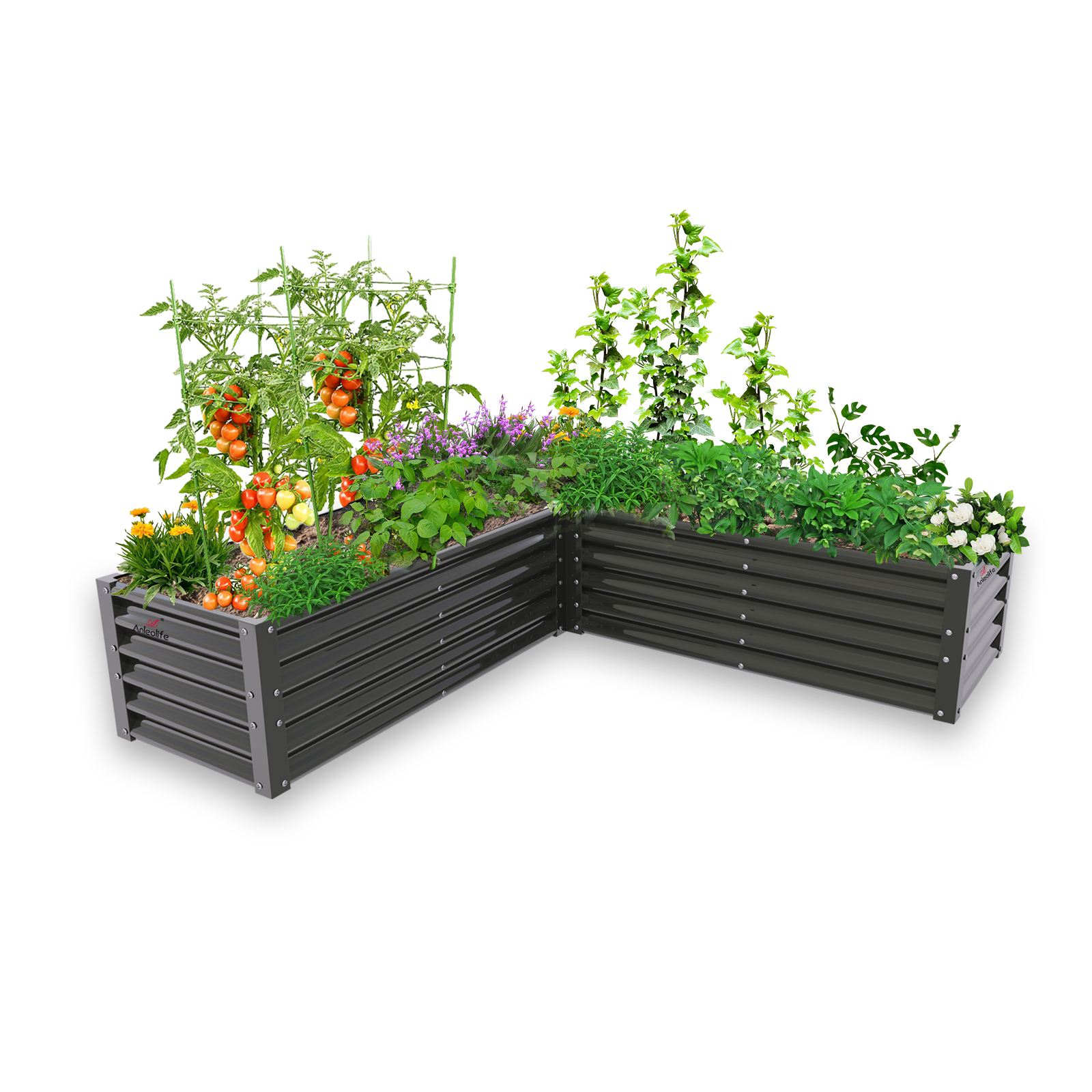
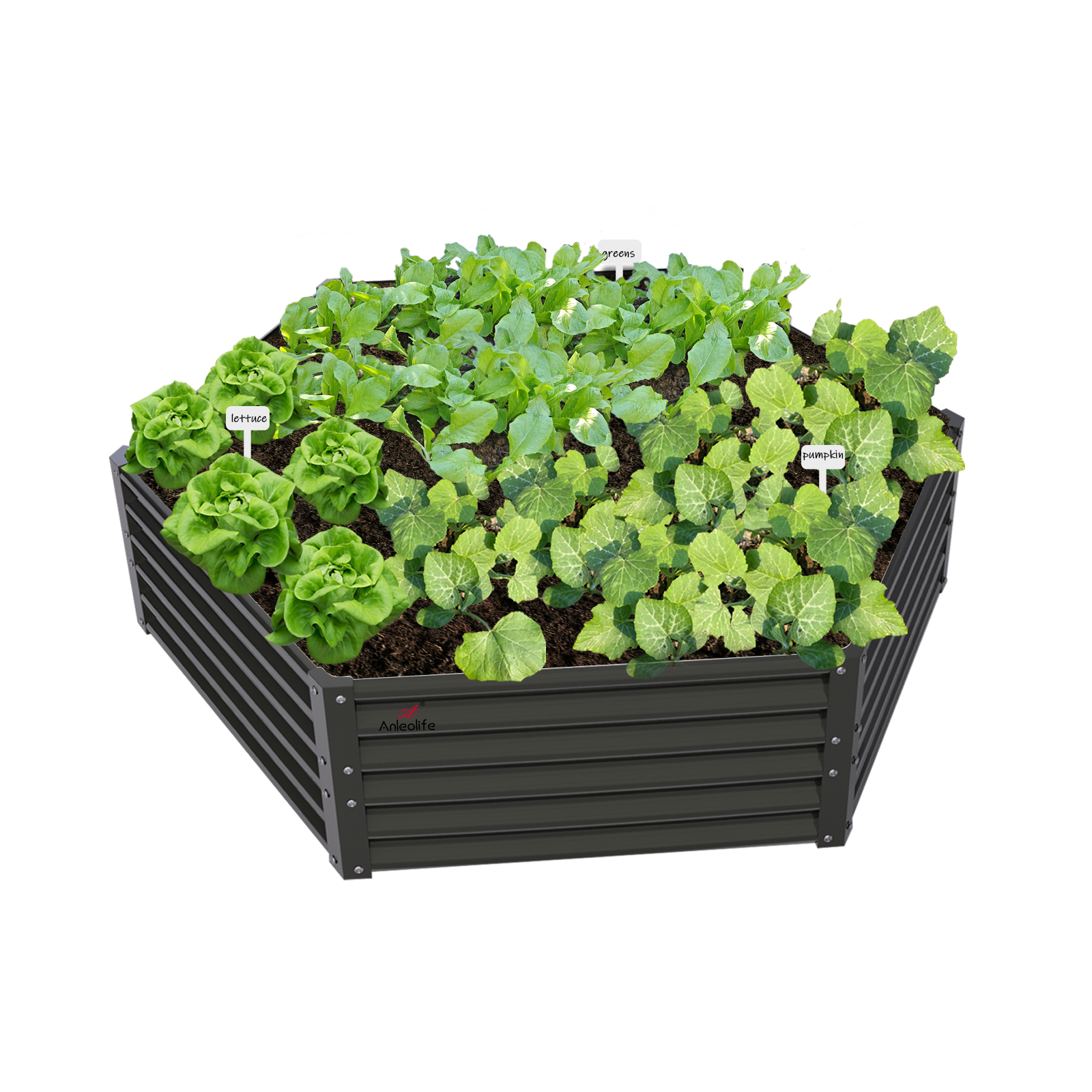
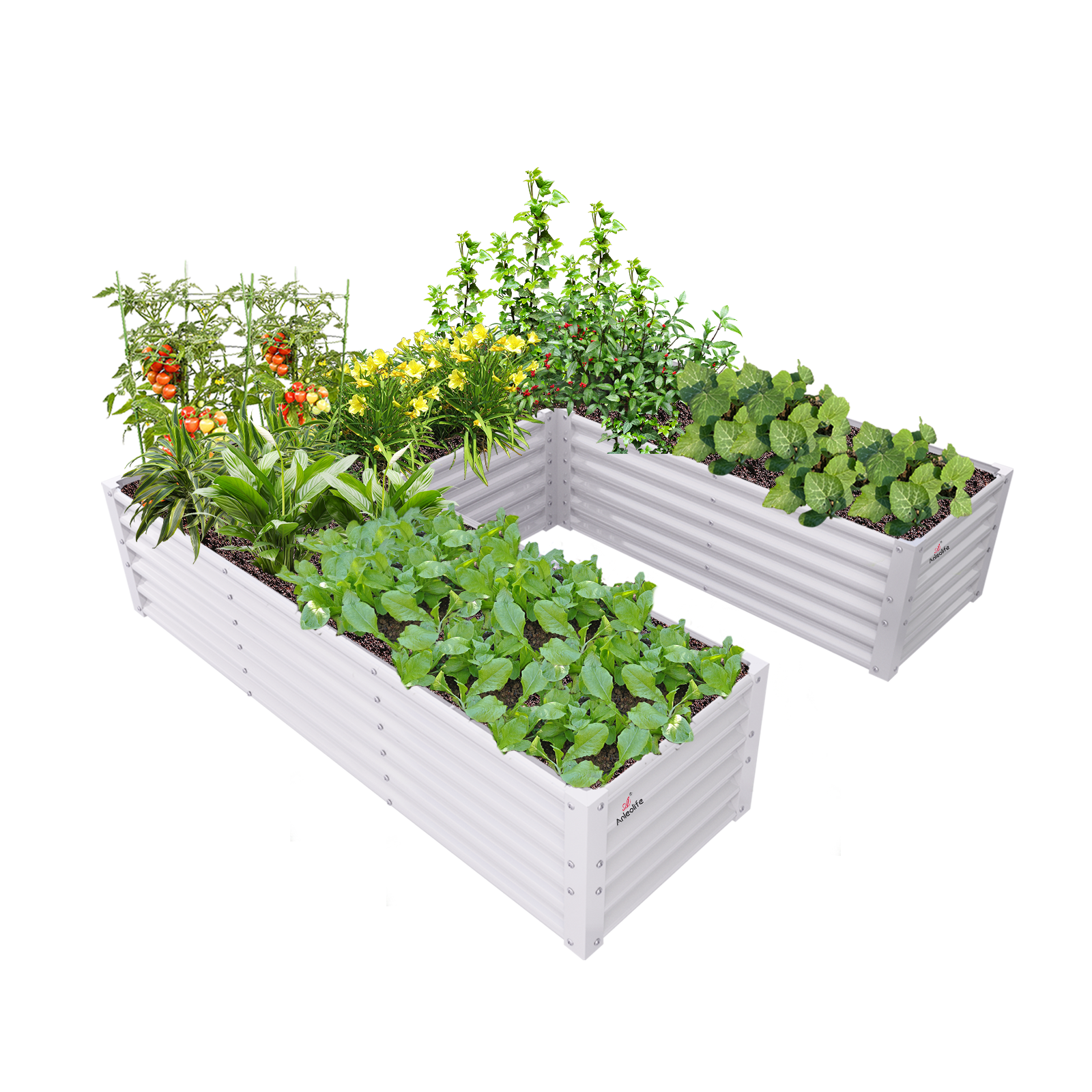

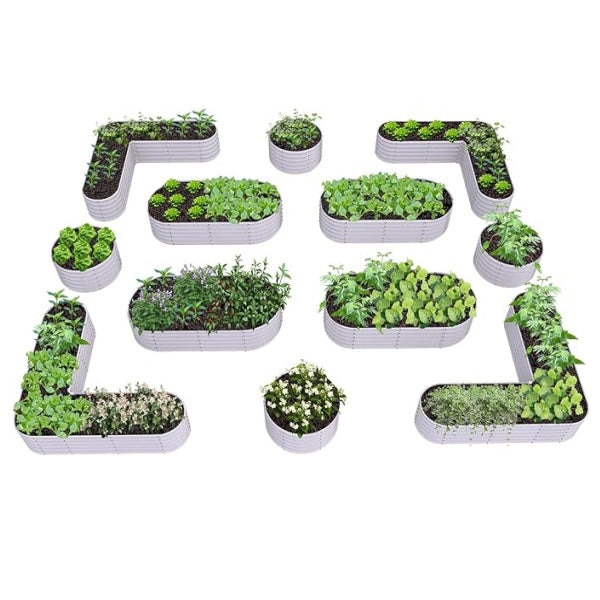

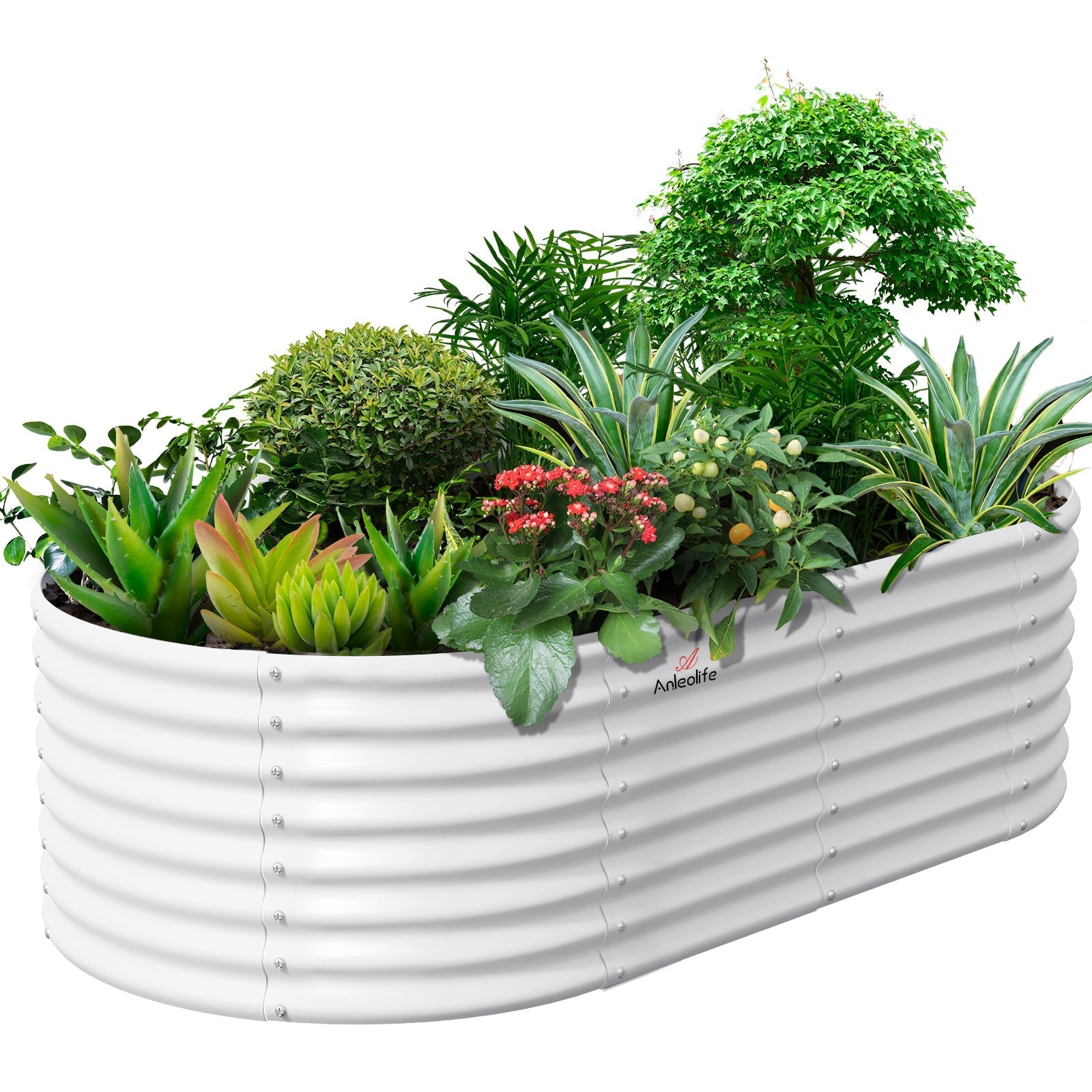


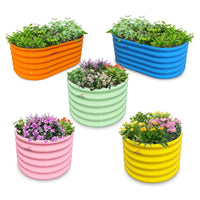
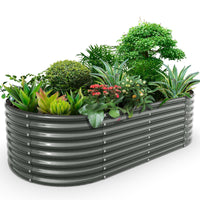




ALT: Companion planting combinations in raised garden beds boosting vegetable yields naturally with herbs and flowers
Why Companion Planting in Raised Beds Is the Smarter Way to Grow More Food
Key Conclusion: Companion planting in raised garden beds is one of the most effective, chemical-free strategies for boosting vegetable yields naturally. By pairing plants that support each other through pest deterrence, nitrogen fixation, and pollinator attraction, home gardeners can dramatically improve harvests, reduce disease pressure, and maximize every square foot of growing space — all without synthetic inputs. The structured environment of a raised bed makes these plant relationships easier to manage and more productive than traditional in-ground methods.
If you've ever wondered why some gardeners seem to pull in bumper harvests while others struggle with pest damage and lackluster yields, the answer often comes down to how they plant — not just what they plant. Companion planting is the ancient, science-backed practice of growing mutually beneficial plants in close proximity so they support one another's growth, health, and productivity.
Raised garden beds are the ideal canvas for companion planting. Their defined boundaries make it easier to plan combinations deliberately, control soil quality precisely, and manage space efficiently. Whether you're a weekend gardener working with a compact patio bed or a serious home grower managing multiple larger beds, understanding which plant partnerships truly work can transform your results from season to season.
Who Will Benefit Most from Companion Planting in Raised Beds
✅ Applicable Scenarios:
- Home gardeners growing vegetables, herbs, and edible flowers in raised garden beds who want to reduce pesticide use
- Urban micro-gardeners with limited space who need to maximize every square foot of productivity
- Eco-conscious and health-oriented families who prioritize chemical-free food production
- Empty nesters and retirees who want a productive, low-maintenance garden system that works with nature rather than against it
- First-time raised bed gardeners looking for a simple framework to plan their first planting season
❌ Not Applicable/Cautions:
- Gardeners growing single crops at a commercial scale where monoculture efficiency outweighs biodiversity benefits
- Situations where plants have conflicting nutrient demands that would deplete the same soil nutrients simultaneously — these pairings should be avoided even if both plants are individually beneficial
- Beds with extremely shallow soil depth that cannot support the root systems of companion plant combinations requiring deeper growing conditions
The Science and History Behind Companion Planting
Companion planting has been practiced for thousands of years. The most famous example — the "Three Sisters" planting system used by Indigenous peoples of North America — combined corn, beans, and squash in a single growing area. The corn provided vertical support for climbing beans, the beans fixed atmospheric nitrogen into the soil to feed the corn and squash, and the squash's broad leaves shaded the ground to retain moisture and suppress weeds. This was sophisticated intercropping long before modern agriculture gave it a scientific name.
Today, research from institutions including the University of California Cooperative Extension and the USDA continues to validate what traditional farmers always knew: biodiversity in the garden reduces pest pressure, improves soil health, and increases total yield per square foot. A study published by the Rodale Institute found that certain companion pairings can reduce pest damage by up to 60% compared to monoculture plantings, all without synthetic pesticides.
The reason companion planting works so well in raised beds specifically comes down to control and concentration. In a raised garden bed, you define the growing environment. You choose the soil mix, the drainage, the depth, and the layout. This precision makes it far easier to implement intentional plant combinations than in open ground, where variables like soil inconsistency and weed competition complicate things.
If you're investing in a quality growing structure for the long term, it's worth understanding the material your bed is made from. Galvanized Steel vs. Corten Steel Garden Beds: Which Holds Up Better Outdoors? breaks down exactly which materials stand up to the demands of intensive companion planting over multiple seasons — a useful read before you commit to a bed that will serve your garden for up to 20 years.
The growing interest in chemical-free food production has made companion planting more popular than ever. According to the National Gardening Association, the number of households growing food at home has increased significantly over the past decade, with raised bed gardening being one of the fastest-growing segments. Gardeners are actively seeking natural methods to protect their crops, and companion planting sits at the top of that list.
For those who want to know what to grow first in their beds this season, Top Vegetables to Plant in a Raised Garden Bed Right Now This Summer is an excellent companion resource that aligns well with the companion planting combinations we'll cover below.
Companion Planting Combinations That Actually Work: A Practical Guide
Three-Step Quick Start for Companion Planting in Your Raised Bed
Step 1: Map Your Bed by Sun Exposure and Plant Height
Before placing a single seed or transplant, spend 15–20 minutes sketching your bed layout on paper. Identify which end receives the most sun throughout the day. Tall plants like tomatoes and corn should go on the north side of the bed so they don't shade shorter companions. This single step prevents the most common companion planting failure: accidentally blocking sunlight from your understory plants before they have a chance to establish.
Step 2: Select Your Anchor Crop, Then Build Companions Around It
Choose one primary crop — the vegetable you most want to harvest — and then select two or three companions that support it specifically. For example, if tomatoes are your anchor crop, your companions might include basil (for pest deterrence and flavor enhancement), marigolds (for nematode suppression), and carrots (to loosen the soil near tomato roots). Building outward from a single anchor keeps your planning focused and prevents overcrowding.
Step 3: Plan for Succession and Root Depth Variation
The best raised bed companion schemes use plants with different root depths so they don't compete for the same soil resources. Pair deep-rooted plants like tomatoes or peppers with shallow-rooted herbs like basil or cilantro. Then plan succession so that as one crop finishes, another takes its place. This keeps your bed productive from early spring through late fall and keeps soil biology active throughout the growing season.
Comparing the Top Companion Planting Combinations for Raised Beds
Not all companion pairings deliver the same benefits. Here's a clear comparison of the most popular and research-supported combinations to help you decide which works best for your goals:
| Comparison Dimension | Tomatoes + Basil + Marigolds | Three Sisters (Corn + Beans + Squash) | Brassicas + Nasturtiums + Dill |
|---|---|---|---|
| Primary Benefit | Pest deterrence, flavor, nematode suppression | Nitrogen fixation, space efficiency, moisture retention | Aphid trapping, beneficial insect attraction |
| Bed Size Suitability | Any size, works well in 4x4 ft or 8x4 ft beds | Best in larger beds (8x4 ft or bigger) | Compact-friendly, suits 4x2 ft or 6x3 ft beds |
| Skill Level | Beginner-friendly | Intermediate — requires timing coordination | Beginner-friendly |
| Yield Impact | High — documented flavor and pest reduction benefits | High — soil fertility improvement over seasons | Moderate — strongest benefit is pest management |
| Maintenance Demand | Low | Low to moderate | Low |
| Best Season | Warm season (summer) | Warm season | Cool and warm season depending on crop |
The Best Companion Planting Combinations Explained in Depth
Tomatoes, Basil, and Marigolds: The Raised Bed Classic
The tomato-basil-marigold trio is arguably the most well-documented companion planting combination in home gardening, and for good reason — it works. Basil contains aromatic oils that repel thrips, aphids, and tomato hornworms while also improving the flavor profile of nearby tomatoes (a benefit that, while harder to quantify scientifically, is reported consistently by experienced gardeners). Plant basil at the base of tomato plants, spacing it close enough to create an aromatic barrier.
French marigolds (Tagetes patula specifically) produce a root chemical called alpha-terthienyl that suppresses soil-dwelling nematodes — a significant problem for tomatoes in many regions. Interplant them along the edges of your bed or between tomato plants. As a bonus, marigold flowers attract pollinators and beneficial predatory insects that feed on common tomato pests.
In a raised bed measuring 8x4 ft, you can comfortably grow two to three tomato plants, four to six basil plants scattered between them, and a border of marigolds along the perimeter — creating a self-sustaining protective ecosystem within a single bed structure.
The Three Sisters: Ancient Wisdom for Larger Raised Beds
The Three Sisters combination — corn, climbing beans, and squash — is the gold standard of companion planting because each plant contributes something the others need. Corn provides vertical structure. Beans fix nitrogen from the air into root nodules, enriching the soil for the corn and squash. Squash spreads its large leaves along the ground, acting as a living mulch that suppresses weeds and retains soil moisture.
This combination works best in Anleolife's larger raised bed formats. The 24" Extra Tall 8x4 ft beds or the 30" Extra Tall 10x3 ft models provide sufficient depth for the root systems involved and enough surface area to give the squash room to spread without crowding the corn and beans. The extra height of these taller beds is also ideal for the nitrogen-fixing bean root system, which performs better with deeper, well-aerated soil.
If you're curious about optimizing soil depth for specific crops, How Deep Should Raised Bed Soil Be for Tomatoes, Carrots, and Root Vegetables? offers detailed guidance that pairs directly with the Three Sisters planting strategy.
Brassicas with Nasturtiums and Dill: Natural Pest Management
Brassicas — including cabbage, broccoli, kale, and Brussels sprouts — are heavy feeders that attract a specific set of pests, most notably cabbage worms, aphids, and flea beetles. Nasturtiums are a powerful trap crop for aphids: they attract aphids away from your brassicas and then act as a sacrificial host, keeping the damaging insects concentrated in one easy-to-manage area. Dill and other umbellifers attract parasitic wasps and hoverflies that feed on caterpillars and aphids.
This combination is highly space-efficient, making it an excellent choice for smaller raised beds like the 18" Tall 6x3 ft or 18" Tall 4x4 ft formats. Because brassicas are cool-season crops, this combination can be deployed in early spring and again in late summer for fall harvests, effectively doubling your productive seasons.
Carrots, Onions, and Lettuce: The Underground Harmony Trio
Carrots and onions are a classic pairing because carrot fly and onion fly are each deterred by the scent of the other's plant. Growing them in alternating rows or mixed clusters means the scent confusion prevents both pests from locating their preferred host. Adding lettuce as a low-growing understory plant uses the vertical space efficiently — lettuce benefits from the light shade that taller carrot foliage provides during the warmest part of the day, which reduces bolting and extends the harvest window.
This combination thrives in beds with well-drained, fertile soil. Getting the best soil mix for container gardening plants and raised beds right is critical here — a blend of quality compost, topsoil, and a small amount of coarse sand or perlite creates the loose, nutrient-rich environment that carrots, onions, and lettuce all need to perform at their best.
Cucumbers, Radishes, and Sunflowers: Vertical and Root Synergy
Cucumbers are vigorous climbing plants that benefit from vertical support, and sunflowers can serve as a natural trellis while also attracting pollinators. Radishes planted at the base of cucumber plants act as a trap crop for cucumber beetles and can be harvested quickly before the cucumbers spread, making efficient use of early-season space. This combination is particularly effective for gardeners managing a best container gardening setup for small patios, since the vertical element allows you to grow more food in a limited footprint.

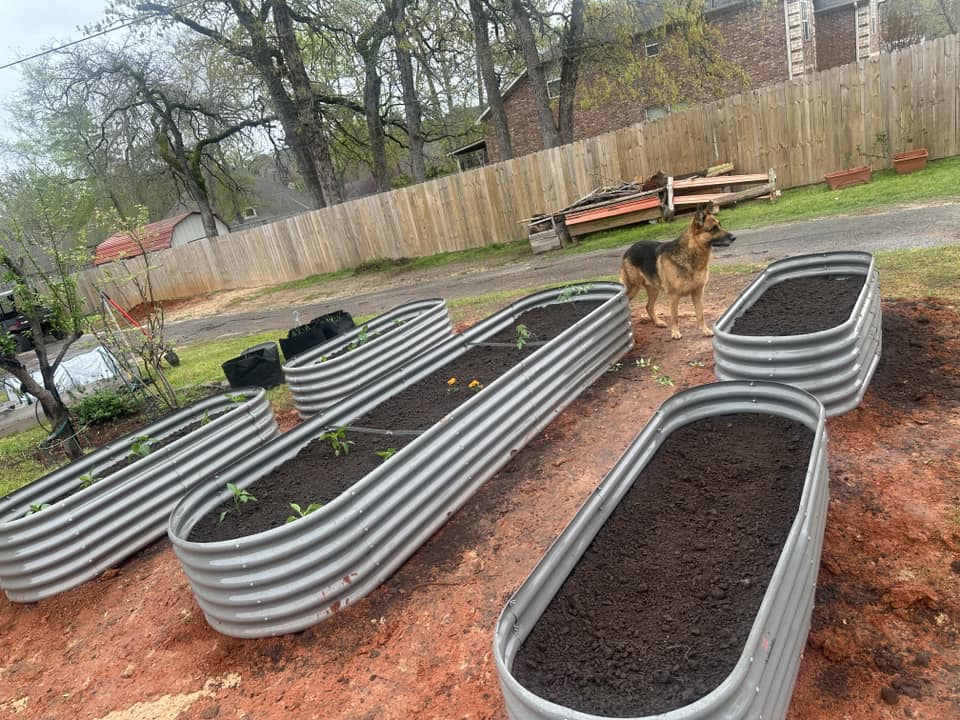
ALT: Metal raised garden bed with companion planting combination of tomatoes, basil, and marigolds for natural pest control and yield boost
Advanced Tips: Solving Common Companion Planting Challenges
When Companion Plants Compete Instead of Cooperate
One of the most common mistakes new gardeners make is assuming that any two beneficial plants will work well together. In reality, some combinations actively inhibit each other. Fennel, for example, is famously allelopathic — it releases chemicals from its roots that suppress the growth of most other vegetables, including tomatoes, peppers, and basil. Plant fennel in its own isolated bed, never as a companion.
Similarly, brassicas and tomatoes do not make good neighbors. They are both heavy feeders that compete aggressively for the same soil nutrients, particularly calcium and nitrogen. Keeping these plant families in separate beds will prevent frustrating underperformance that's difficult to diagnose.
Maximizing Companion Planting with Proper Irrigation
Even the most carefully planned companion combinations will underperform if water distribution is uneven. Since different companion plants often have different water needs, a well-designed irrigation system is essential. Setting up a drip irrigation system for multiple raised garden beds allows you to deliver water directly to root zones at consistent rates, which reduces fungal disease risk (a common problem when overhead watering dampens foliage on densely planted companion beds) and conserves water significantly.
Drip irrigation for garden beds is especially valuable when you're running multiple companion combinations across several beds simultaneously. Individual emitters can be adjusted to deliver more water to thirsty tomatoes and less to drought-tolerant herbs like rosemary or thyme, all from the same system.
Common Misconceptions About Companion Planting
Misconception 1: More companions means more benefit. Overcrowding a raised bed with too many companion species creates competition for light, water, and nutrients that cancels out the benefits. Stick to two or three companions per anchor crop and give each plant adequate space.
Misconception 2: Companion planting eliminates pests entirely. It reduces pest pressure and damage, but it is not a substitute for monitoring, physical removal of pest insects when populations spike, or organic interventions like neem oil when necessary.
Misconception 3: Results are immediate. Some companion benefits — particularly soil-building effects from nitrogen-fixing plants — take a full season or longer to become measurable. Plan for a multi-season companion planting strategy rather than expecting instant transformation.
Frequently Asked Questions FAQ
Q1: How do I know which companion plants work best for my specific vegetables?
Start by identifying your primary crop and the most common pests or challenges in your region. University extension services and the USDA publish regional companion planting guides that are calibrated for local pest pressure and growing conditions. As a general rule, herbs from the mint or carrot family (like dill, cilantro, and parsley) attract beneficial insects to almost any vegetable garden, while flowers like marigolds and nasturtiums provide broad-spectrum pest management that benefits most vegetable crops.
Q2: Is companion planting effective enough to replace pesticides completely?
For many home gardeners, yes — companion planting combined with physical pest removal and soil health management can eliminate the need for synthetic pesticides entirely. Research from the Rodale Institute and UC Cooperative Extension consistently shows that diversified planting systems experience significantly lower pest damage than monoculture plantings. However, severe pest infestations may still require targeted organic interventions. Companion planting is most effective as a preventive strategy rather than a reactive one.
Q3: How long does it take to see results from companion planting in raised beds?
Pest deterrence benefits from aromatic companions like basil and marigolds can be noticeable within the same growing season — sometimes within a few weeks of establishment. Soil fertility improvements from nitrogen-fixing legumes (like beans in the Three Sisters combination) typically require a full season to become measurable and accumulate greater impact over multiple seasons. Gardeners who commit to companion planting as a multi-year strategy consistently report progressively better yields, healthier soil, and lower pest pressure with each passing year.
Summary
Companion planting in raised garden beds is one of the most rewarding strategies available to the modern home gardener. It works with natural plant relationships rather than against them, building a garden ecosystem that is inherently more resilient, more productive, and more aligned with the chemical-free approach that health-conscious growers are increasingly seeking.
Three core takeaways stand out from everything covered here:
First, companion planting delivers real, measurable benefits — pest reduction, improved soil fertility, better pollinator attraction, and higher yields per square foot — that are validated by decades of agricultural research and the lived experience of successful home gardeners.
Second, the raised bed environment is uniquely suited to companion planting because it gives you precise control over soil quality, plant spacing, and water delivery. Pairing a well-designed bed with intentional companion combinations creates a growing system that consistently outperforms either strategy used in isolation.
Third, the best approach is iterative. Start with one proven combination — tomatoes, basil, and marigolds, or brassicas with nasturtiums — observe the results in your specific growing conditions, and expand from there. Your companion planting system will grow smarter and more effective with each season.
The right raised garden bed structure is the foundation that makes all of this possible. Anleolife's range of galvanized steel and rust-resistant raised beds, built to last up to 20 years, give you a durable, food-safe platform that supports intensive companion planting season after season without degrading or requiring replacement.
Ready to Build Your Companion Planting System?
Nationwide U.S. warehouse network: Strategically located in California, Texas, Florida, New York, Illinois, and Washington, Anleolife ensures delivery within 3–8 business days — so your companion planting plans can move from idea to garden bed without a long wait.
Multi-channel availability: Shop Anleolife raised garden beds on Amazon, Walmart, Home Depot, Lowe's, Wayfair, or directly at Anleolife.com for consistent quality assurance and reliable after-sales support no matter where you purchase.
Three core garden scenarios covered: Whether you're focused on Planting (metal raised garden beds, soil systems), Raising (chicken coops, rabbit hutches), or Beautification (decorative accessories, pathway systems), Anleolife's full-scenario ecosystem supports your complete garden vision from the ground up.
We understand that an ideal garden is not built overnight — it's cultivated gradually, season by season. Anleolife's modular product design allows flexible expansion based on your needs, from your first raised bed to a fully integrated planting-and-raising ecosystem. We grow with you every step of the way.
References
- Rodale Institute. "Companion Planting Guide: Natural Pest Management Through Plant Diversity".
https://rodaleinstitute.org/ - University of California Agriculture and Natural Resources. "Integrated Pest Management: Companion Planting and Biological Controls".
https://ucanr.edu/ - USDA National Agriculture Library. "Companion Planting and Intercropping Research Resources".
https://www.nal.usda.gov/ - National Gardening Association. "Food Gardening in the United States: Trends and Statistics".
https://garden.org/ - Cornell University Cooperative Extension. "Vegetable Companion Planting for Pest Management".
https://cals.cornell.edu/
Note: Research findings and best practices in companion planting continue to evolve. Please check the latest publications from these official sources or consult a certified master gardener or local extension office for region-specific guidance.
About Anleolife
Anleolife is a leading outdoor garden solutions provider in North America, dedicated to offering a full-scenario product ecosystem for home gardening enthusiasts, covering planting, raising, and garden beautification. Since its founding, we have upheld our brand mission, "Made for Garden Life," continuously innovating products and optimizing services to help hundreds of thousands of users upgrade their gardens, reconnect with nature, and enjoy a better garden lifestyle.