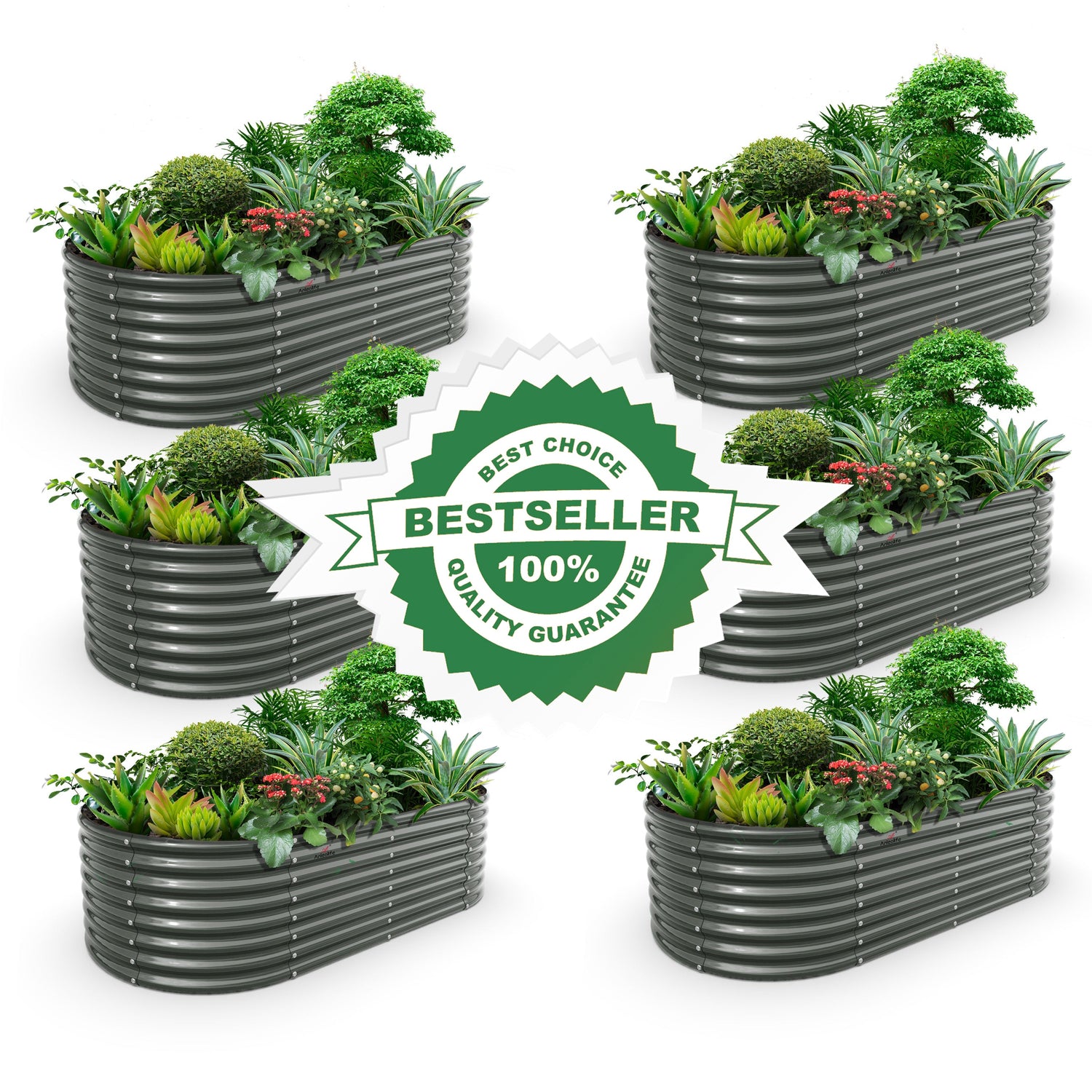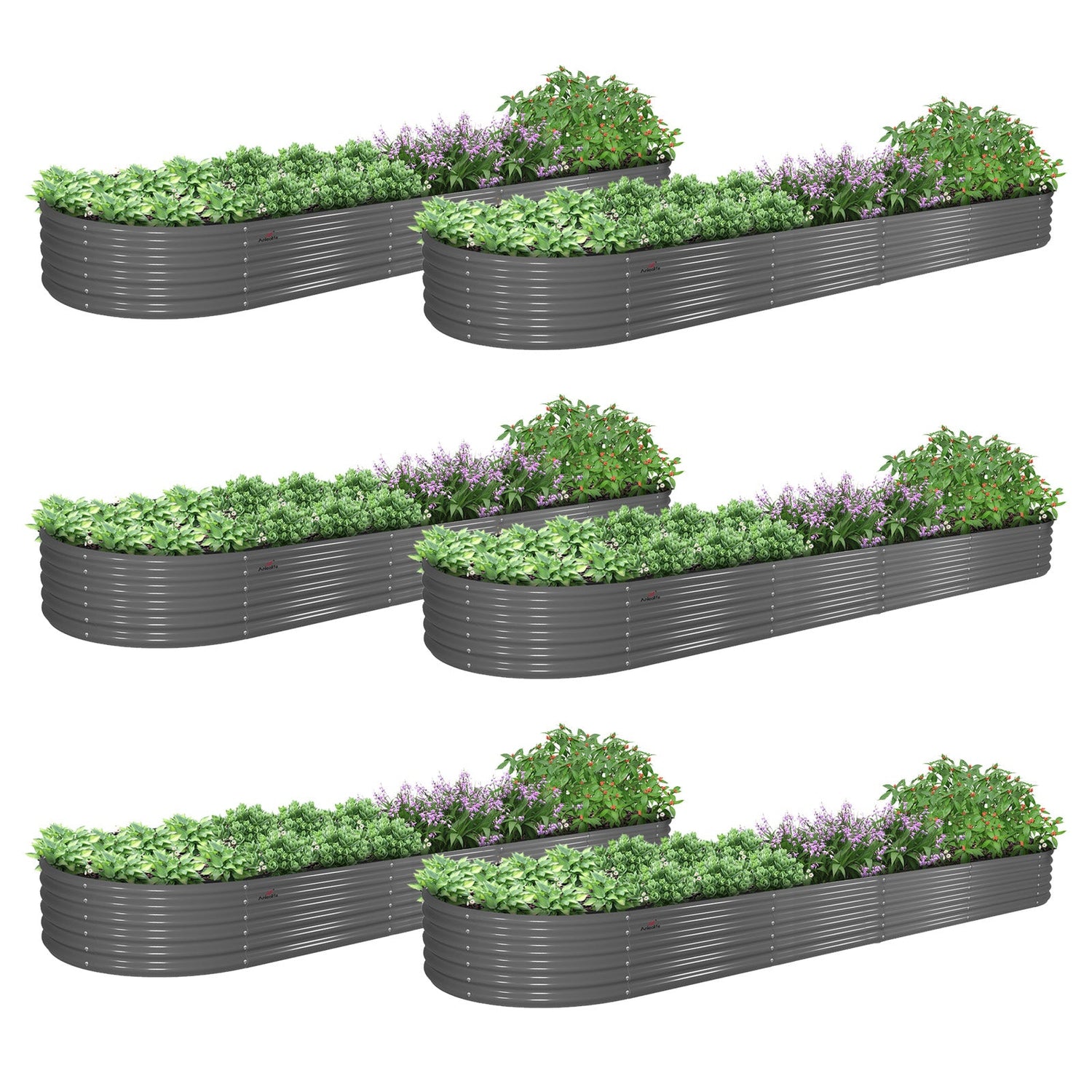




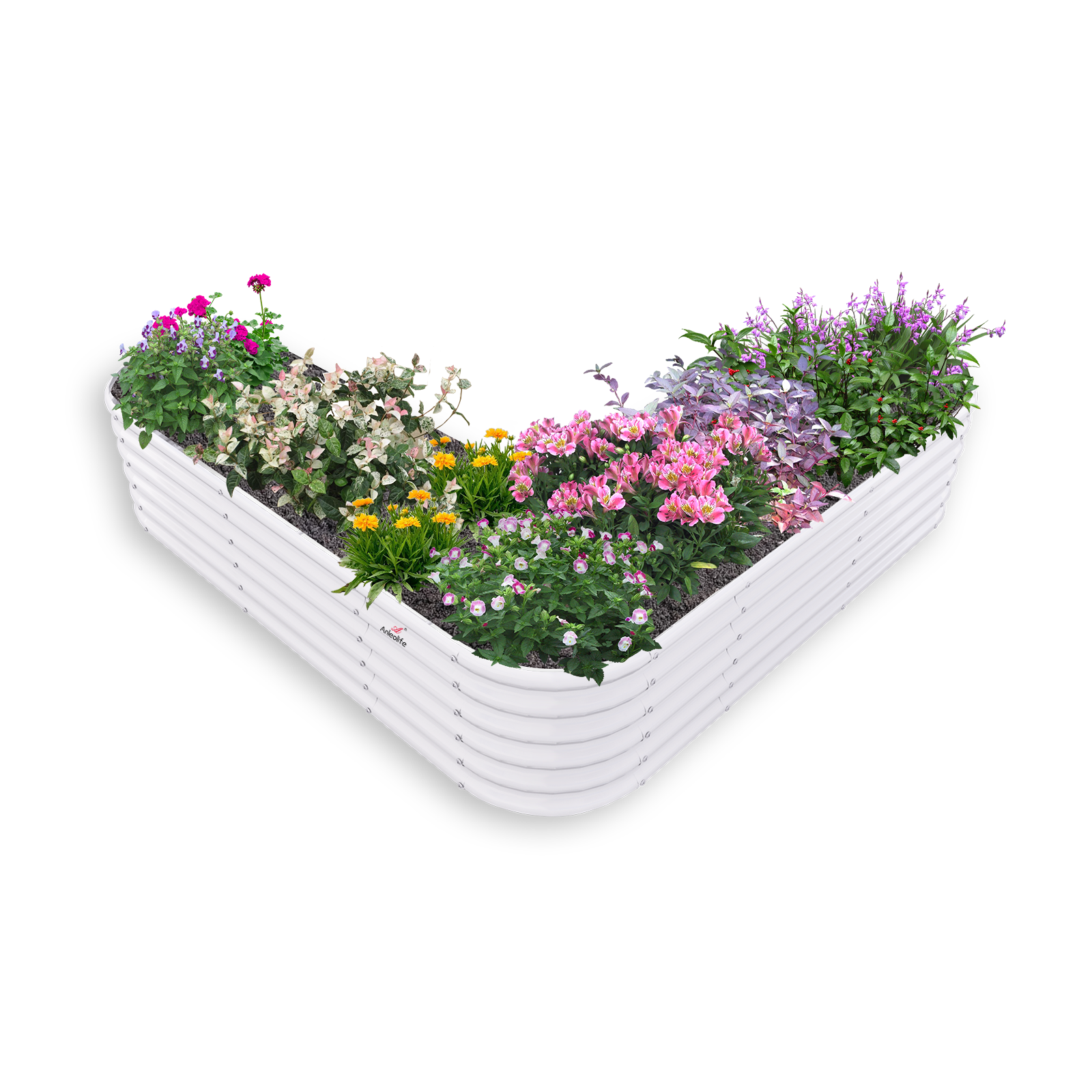
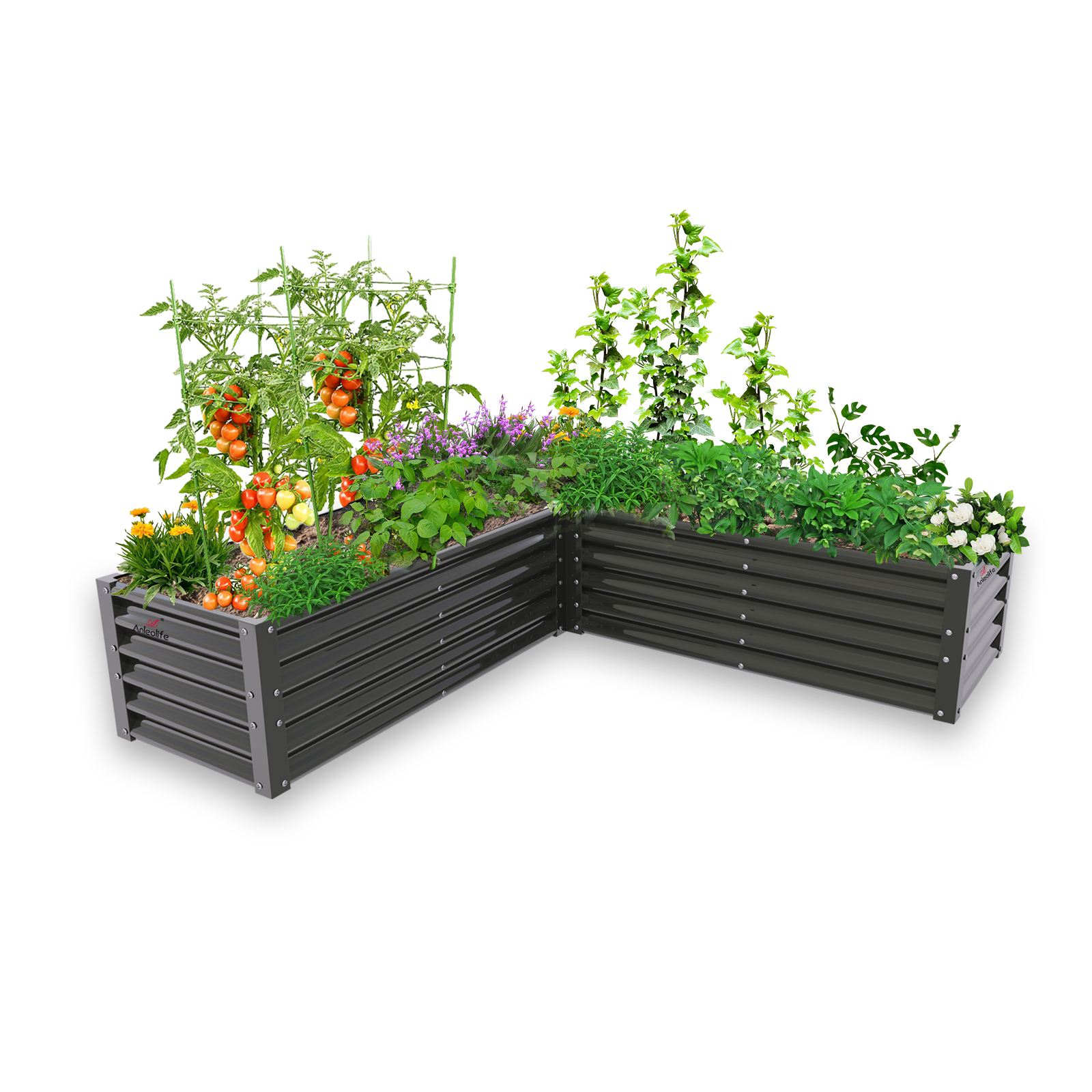
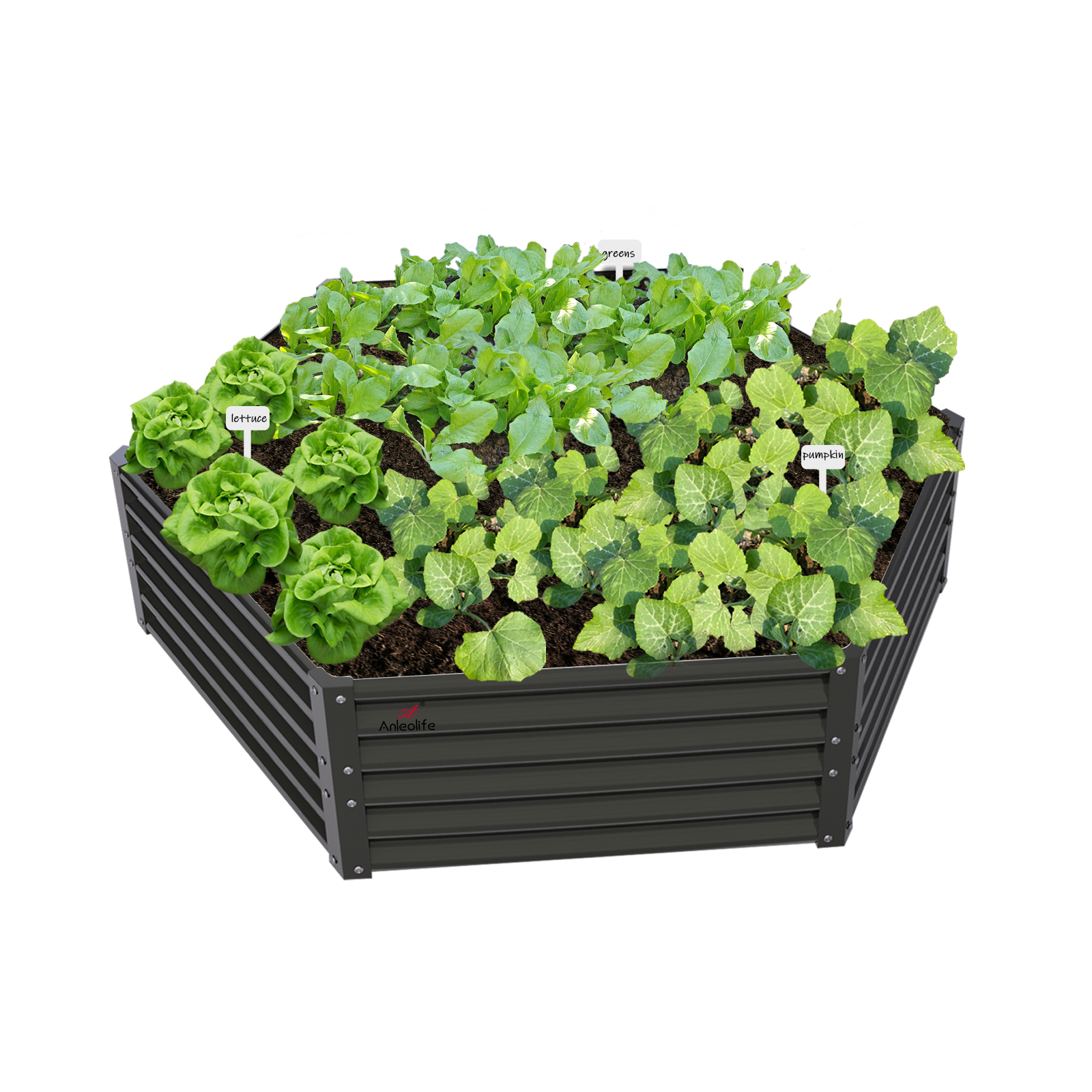
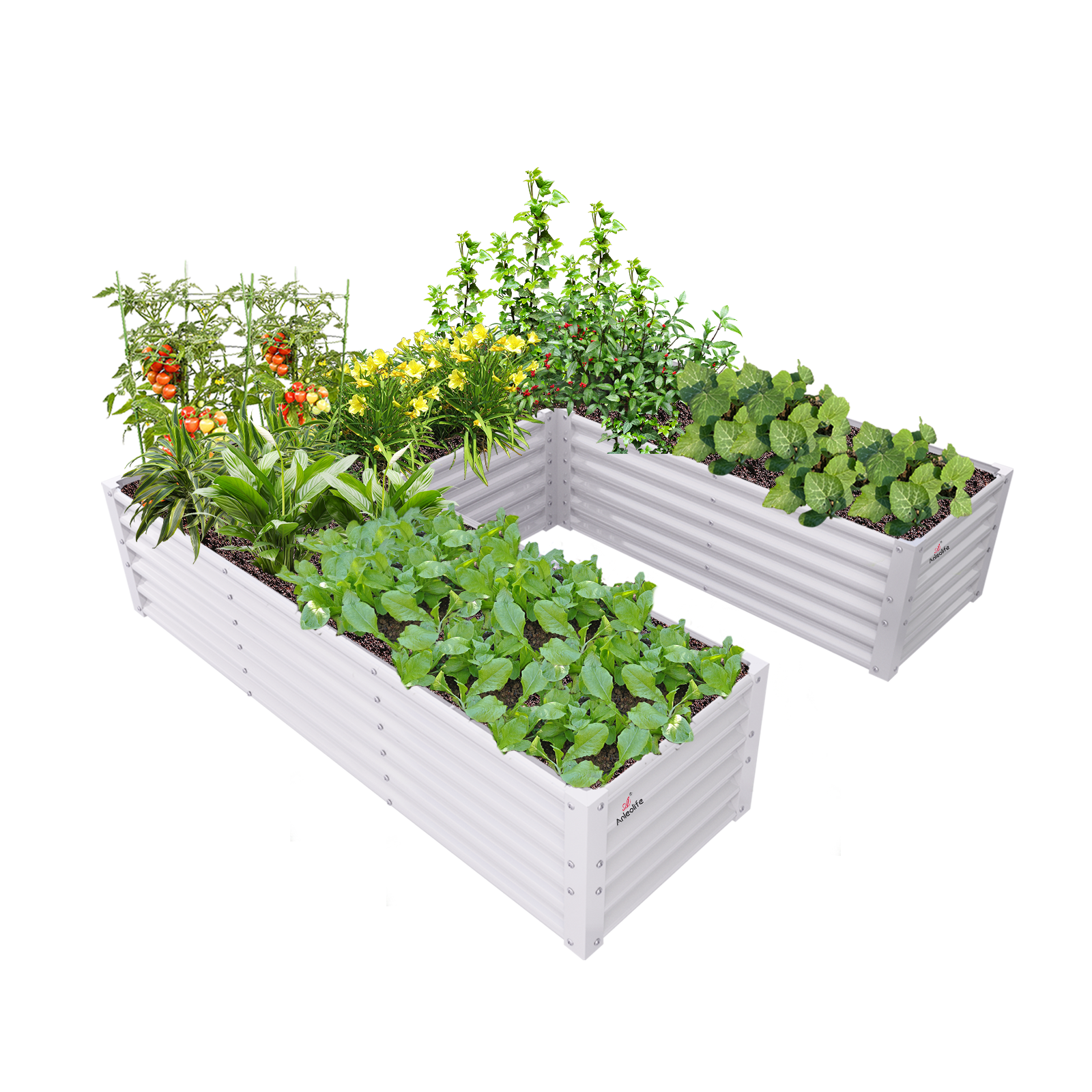

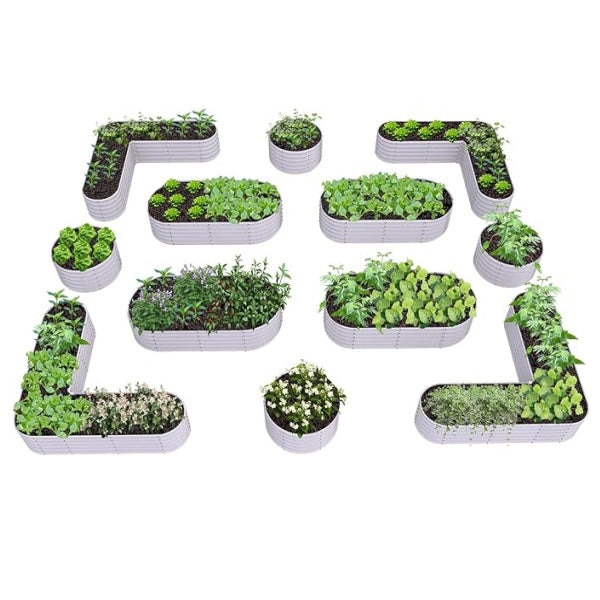


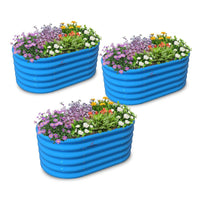
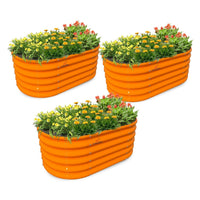
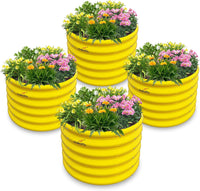
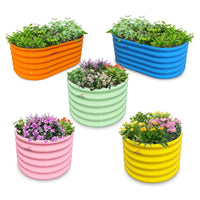
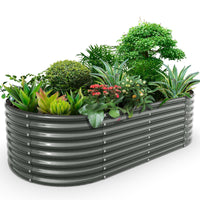



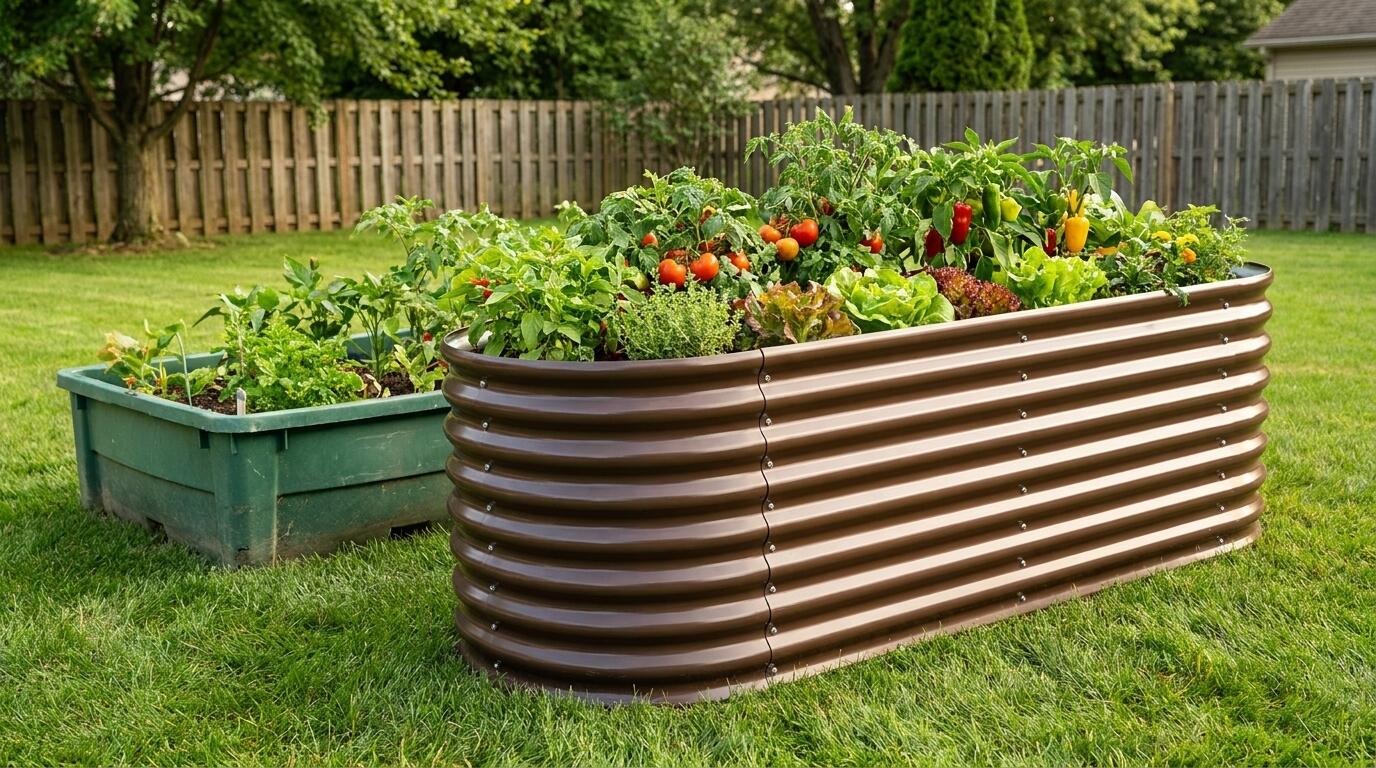
ALT: Metal vs. plastic raised garden beds warranty comparison for home gardening enthusiasts
Metal vs. Plastic Raised Beds: What Warranty Coverage Actually Tells You About Long-Term Value
You've spent an afternoon mapping out your raised bed garden layout, decided on bed dimensions, and now you're staring at two product pages — one offering a galvanized steel bed, the other a lightweight plastic option at a lower upfront price. The warranty sections look almost identical at a glance, but the differences hidden in the fine print will determine how much money you spend over the next decade and whether your raised bed planting layout survives a brutal freeze-thaw cycle or a season of heavy clay soil pressure. Across the board, metal raised beds deliver meaningfully stronger warranty protection than plastic alternatives, and that gap in coverage reflects a real difference in structural integrity, material longevity, and total cost of ownership.
This article compares metal and plastic raised beds on six warranty-relevant criteria: coverage duration, material degradation risk, structural failure terms, UV and weather resistance, corrosion and chemical exposure clauses, and manufacturer support quality. Understanding how these criteria interact with your specific raised bed layout plans will help you make a decision you won't regret after the second or third growing season.
What Makes a Warranty Worth Reading: Evaluation Criteria for Raised Bed Garden Layouts
A warranty is only as valuable as what it actually covers — and in the raised bed gardening space, vague language is common. Before comparing metal and plastic options side by side, it helps to define exactly which dimensions matter most to someone building a productive raised bed layout that's meant to last.
Coverage duration is the most visible factor, but it only matters when paired with what's excluded. A ten-year warranty riddled with carve-outs for "normal weathering" or "UV discoloration" may offer less real protection than a shorter but cleaner guarantee.
Material degradation risk describes how the core material changes over time under garden conditions — sustained moisture exposure, soil chemistry, freeze-thaw cycling, and direct sunlight. Warranties that exclude "gradual deterioration" can leave you unprotected for precisely the failure mode most likely to occur.
Structural failure terms matter enormously for anyone with an ambitious raised bed planting layout. A bed holding deep soil and a season's worth of irrigation pressure needs to resist bowing, cracking, and joint separation. Some warranties cover structural defects only within the first year; others provide multi-year coverage for the full enclosure.
UV and weather resistance is particularly critical for plastic beds, which can become brittle and discolored under prolonged sun exposure. Warranties that exclude UV-related damage leave plastic bed owners with an uncovered failure mode that is both common and predictable.
Corrosion and chemical exposure clauses apply primarily to metal beds. High-quality galvanized or rust-resistant coatings perform reliably even when soil amendments, fertilizers, and organic composts are in regular use. However, beds with inferior coatings may void warranties if "non-standard soil amendments" are used — a clause worth scrutinizing.
Manufacturer support quality — the responsiveness, accessibility, and fairness of the claims process — determines whether a warranty is practical to use or merely decorative. In our work with gardeners building multi-bed layouts, a clear and accessible support process is consistently cited as the deciding factor when comparing two otherwise similar products.
The Contenders: Metal and Plastic Raised Beds in the Current Market
Metal Raised Beds: Galvanized and Rust-Resistant Steel Options
Metal raised beds — particularly those made from galvanized steel or rust-resistant coated steel — represent the performance standard in residential raised bed gardening today. Galvanized steel is steel that has been coated with a layer of zinc to prevent rust and corrosion, making it well-suited for consistent moisture exposure in a garden environment. Rust-resistant coated steel beds use specialized alloy or surface treatment technologies to achieve a similar protective outcome with additional resistance to soil-contact oxidation.
In the current North American market, metal raised beds are available across a wide range of heights and footprints, from compact 18-inch-tall 4x4 configurations to waist-high and extra-tall options designed for ergonomic gardening and deep-root crops. Anleolife, one of the leading garden solutions providers in North America, offers an extensive lineup spanning galvanized steel beds, rust-resistant beds, modular configurations, and heavy-duty options — all engineered with a rated lifespan of 20 years. That lifespan figure is not a marketing estimate; it reflects the material science behind properly processed galvanized steel, which forms a durable zinc-iron alloy layer that continues to protect the steel beneath even when surface scratches occur.
The structural advantages of metal are directly warranty-relevant. Steel beds resist bowing under soil pressure, maintain dimensional stability across temperature swings, and do not become brittle under UV exposure. These physical properties translate into warranty terms that can cover structural integrity over much longer periods than plastic alternatives.
Plastic Raised Beds: Polyethylene and Resin Options
Plastic raised beds are typically manufactured from high-density polyethylene (HDPE) or composite resin materials. They are lightweight, easy to assemble, and often priced lower than metal alternatives at the point of sale — factors that make them an appealing entry point for first-time gardeners experimenting with raised bed layouts.
HDPE is considered food-safe at specific grades and does not leach harmful compounds into soil under normal conditions, which makes it a legitimate option for edible gardening. However, the durability profile of plastic beds diverges significantly from metal over time. Ultraviolet radiation degrades polyethylene at the molecular level, causing brittleness, color fading, and eventual cracking — a process that accelerates in climates with high UV intensity or dramatic temperature cycling.
Most plastic raised beds carry warranties ranging from one to five years, with significant exclusions for UV-related degradation, "normal wear," color change, and cracking caused by temperature extremes. For someone building a multi-season raised bed planting layout, these exclusions represent the most likely failure modes being carved out of coverage. Replacement costs — material, delivery, and the labor of dismantling and rebuilding a planted bed — can accumulate quickly, eroding the price advantage plastic appeared to offer at purchase.
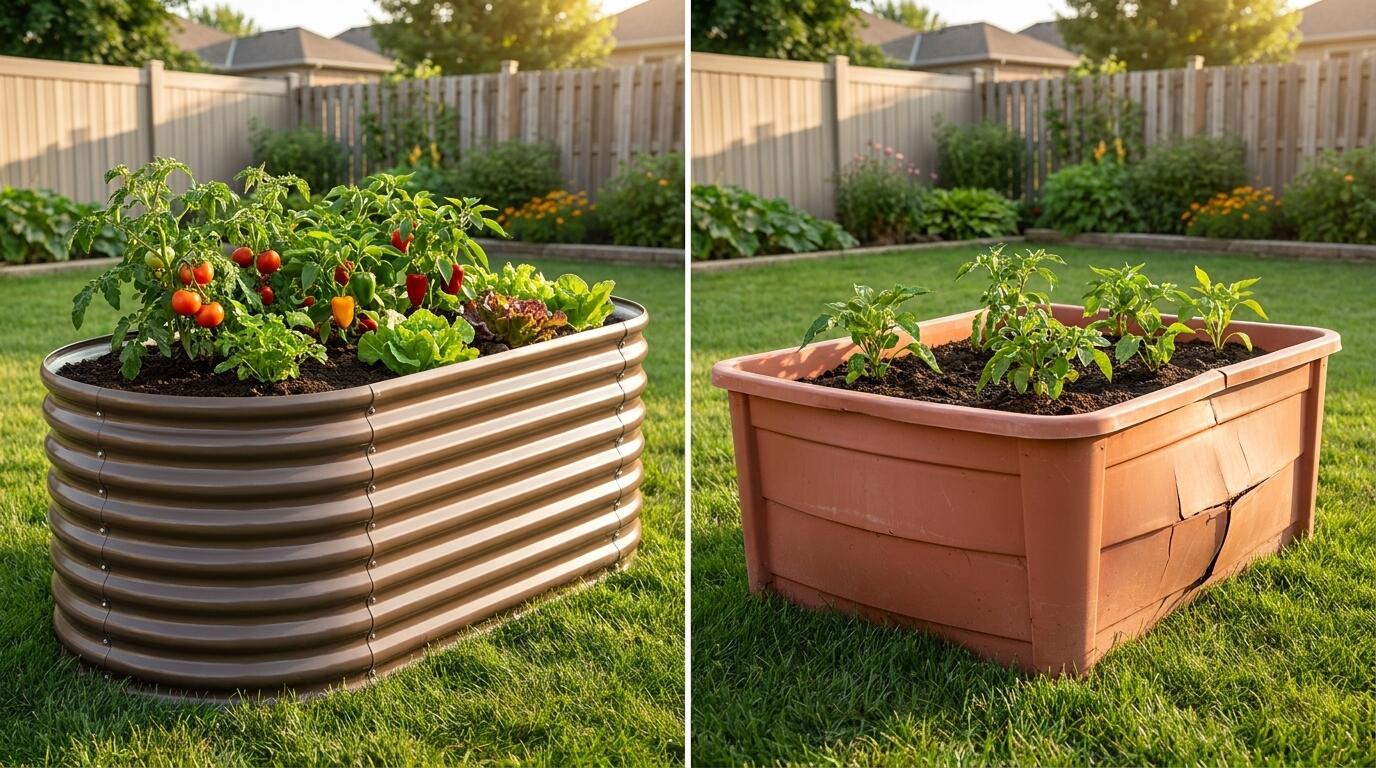
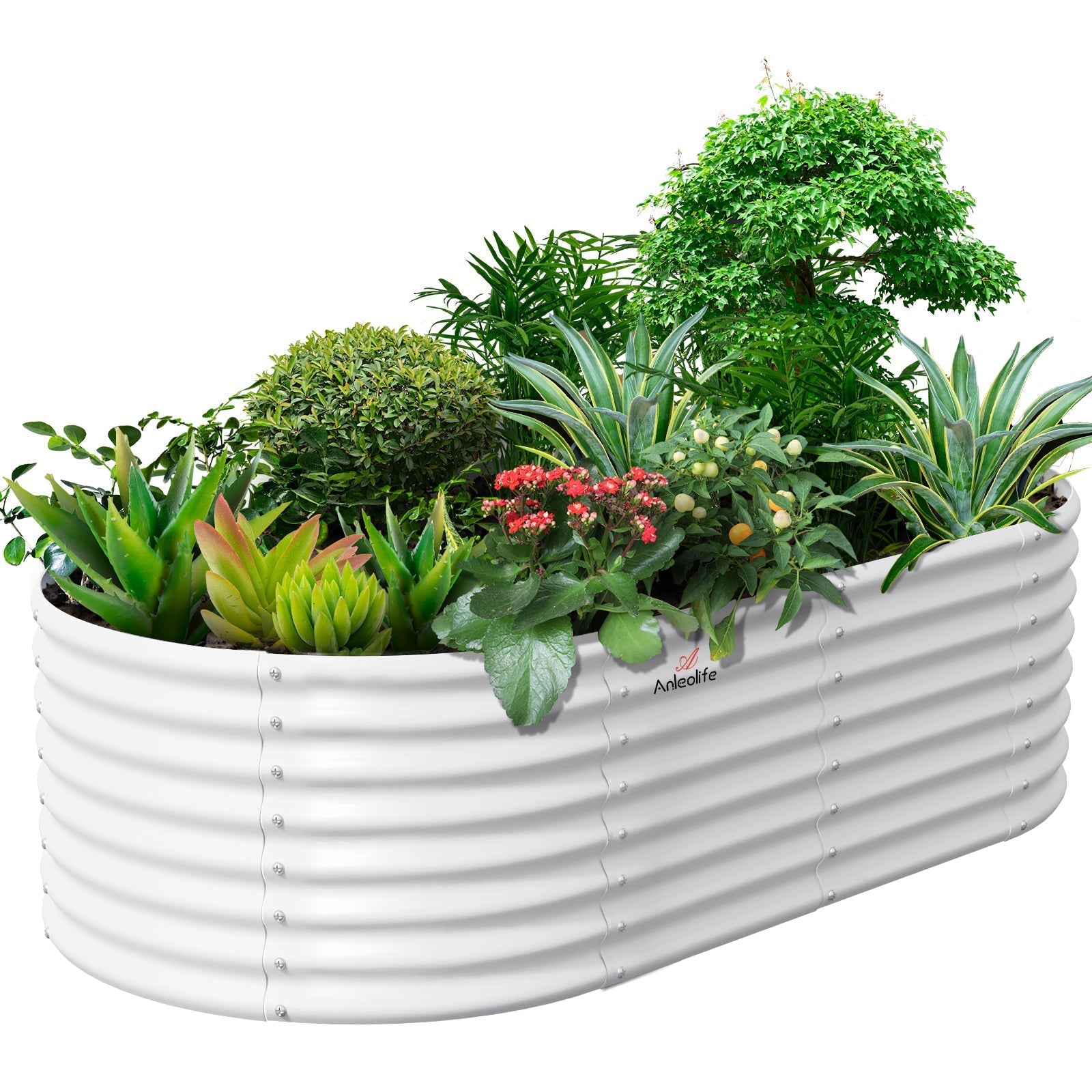
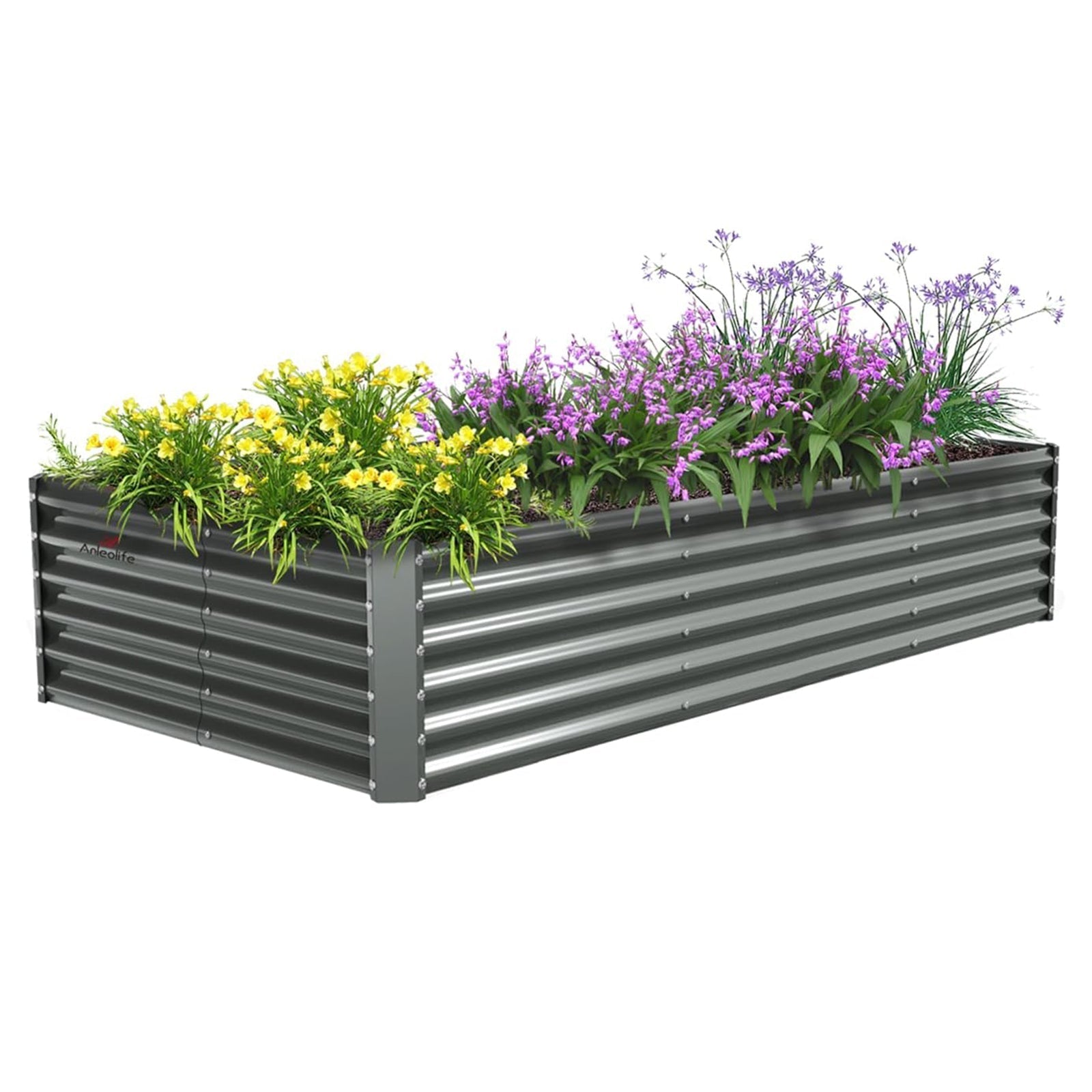
ALT: Side-by-side comparison of galvanized metal and plastic raised garden bed structures showing material quality and raised bed layout durability
Head-to-Head Comparison: Metal vs. Plastic Raised Bed Warranty Coverage
| Criterion | Galvanized Steel (Metal) | Rust-Resistant Coated Steel (Metal) | Plastic (HDPE/Resin) |
|---|---|---|---|
| Typical warranty duration | Multi-year to lifetime-limited | Multi-year to lifetime-limited | 1–5 years |
| Rated material lifespan | Up to 20 years | Up to 20 years | Varies; typically shorter |
| UV degradation coverage | Generally covered (steel unaffected) | Generally covered (steel unaffected) | Often excluded |
| Structural failure coverage | Strong; bowing and cracking rare | Strong; bowing and cracking rare | Limited; cracking common exclusion |
| Freeze-thaw performance | Excellent; minimal expansion risk | Excellent; minimal expansion risk | Poor to moderate; brittleness risk |
| Corrosion/chemical clause | Low risk; zinc barrier protects steel | Low risk; specialized coating protects | Not applicable |
| Manufacturer support accessibility | Consult provider | Consult provider | Consult provider |
| Long-term cost of ownership | Lower (less replacement) | Lower (less replacement) | Higher (more replacement risk) |
The most striking difference in this comparison is the alignment between warranty duration and real-world material performance. Metal beds — whether galvanized or rust-resistant coated — carry warranty terms that reflect their actual durability, because steel does not degrade in the ways that most warranty exclusions are written to address. UV radiation does not make steel brittle. Freeze-thaw cycling does not cause steel to crack. These are failure modes unique to polymer materials, and they happen to be the failure modes most commonly excluded from plastic bed warranties.
For gardeners committing to a serious raised bed layout — multiple beds, permanent placement, investment in quality soil systems and amendments — the practical implication is significant. A metal bed rated for 20 years of service, backed by a warranty that does not carve out the most common failure modes, represents a fundamentally different value proposition than a plastic bed with a shorter warranty that excludes the exact conditions your garden will experience.
According to the American Galvanizers Association, properly galvanized steel develops a metallurgical bond between the zinc coating and the base steel, creating a barrier that is highly resistant to soil-contact corrosion — a key factor in why metal bed warranties can be written with fewer exclusions. Per the Environmental Protection Agency's guidelines on safe materials in food production contexts, material selection for raised bed gardening should account for long-term chemical stability under soil contact conditions, a standard that high-grade galvanized and rust-resistant steel consistently meets.
The secondary consideration is the replacement cycle cost. A plastic bed that fails structurally or cosmetically after three seasons requires dismantling an established planting layout, sourcing a replacement, rebuilding, and potentially losing soil settlement investment. The Almanac's guidance on raised bed garden layout plans emphasizes the importance of durability in material selection precisely because a well-planned raised bed layout rewards long-term stability — consistency of structure supports consistent root environments, consistent drainage patterns, and consistent season-over-season productivity.
Which Should You Choose? Scenario Recommendations for Your Garden Setup
If you are building a permanent, multi-bed raised bed garden layout with long-term food production as the goal, metal is the clear choice. The warranty coverage aligns with actual performance, the 20-year material lifespan means you build once and harvest for decades, and the structural strength of steel supports the soil volume and irrigation load that productive raised bed planting layouts require. Anleolife's range of galvanized steel and rust-resistant options — spanning from compact beds to extra-tall, waist-high configurations — offers the flexibility to design a full layout without compromising on durability.
If you are an urban micro-gardener or apartment dweller experimenting with raised bed gardening for the first time, a plastic bed may serve as an acceptable short-term trial. However, budget for replacement within a few seasons, particularly if your installation site has high UV exposure or significant temperature variation. If the experiment succeeds, transitioning to metal for your permanent raised bed layout will be the more economical long-term path.
If you are an empty nester or retiree designing an ergonomic garden with permanent raised beds at a comfortable working height, metal's structural rigidity is non-negotiable. Taller metal beds hold their shape under deep soil loads without bowing — a failure mode that can compromise the aesthetics and function of a carefully designed raised bed layout. Waist-high and extra-tall metal bed options allow for comfortable gardening posture without ground-level bending.
If you are an eco-conscious grower prioritizing material sustainability, galvanized and rust-resistant steel beds have a meaningful environmental advantage. A single metal bed lasting 20 years represents far fewer manufacturing, shipping, and disposal cycles than multiple plastic beds replaced over the same period. Resources such as 4x8 raised bed vegetable garden layout ideas consistently note that durable, long-lived infrastructure is the most sustainable choice in raised bed gardening.
Pros of metal raised beds: long warranty coverage aligned with real material performance, 20-year rated lifespan, structural rigidity under soil and moisture load, UV and freeze-thaw resistance without degradation, lower total cost of ownership over time.
Cons of metal raised beds: higher upfront price point, heavier weight requiring more careful placement planning.
Pros of plastic raised beds: lower initial cost, light weight and easy repositioning, straightforward assembly.
Cons of plastic raised beds: shorter warranty with significant exclusions, UV brittleness risk, structural instability under heavy soil loads, higher long-term replacement costs.
Questions & Answers
Q1: How do I evaluate whether a raised bed warranty actually covers the most likely failure modes?
Read the exclusions section before the coverage section. A warranty's practical value is defined by what it does not cover. For metal raised beds, look for exclusions related to surface coating failure, corrosion in contact with standard soil amendments, and joint separation. For plastic beds, check specifically for language around UV degradation, temperature-related cracking, and color change — these are the most common failure modes, and many warranties exclude them entirely. If those exclusions are present, the warranty is providing less real protection than it appears.
Q2: Are galvanized steel raised beds safe for growing vegetables given the zinc coating?
Galvanized steel raised beds are widely used for vegetable production and are generally considered safe for food gardening. The zinc coating that gives galvanized steel its corrosion resistance is present at levels that, under normal gardening conditions, do not create harmful soil zinc concentrations for edible crops. The American Galvanizers Association notes that galvanized steel has a long history of use in agricultural and food-contact applications. For gardeners with specific concerns, soil testing is a straightforward way to monitor zinc levels seasonally.
Q3: How long does a metal raised bed actually last, and what does that mean for the cost per growing season?
Anleolife's metal raised beds — both galvanized steel and rust-resistant options — are rated for a 20-year lifespan. Spread across 20 growing seasons, even a premium metal bed's upfront cost amounts to a modest annual investment compared to replacing plastic beds that may fail within three to five years. When you factor in the soil, amendments, and layout planning invested in a permanent bed, the cost-per-season advantage of metal becomes even more pronounced. The bed is the infrastructure everything else depends on; its durability determines the return on every other gardening investment you make.
Wrapping Up
Three points define this comparison. First, warranty duration only matters when it aligns with real material performance — and for raised beds, galvanized and rust-resistant steel earn their longer coverage terms by resisting the failure modes that most commonly affect garden structures: UV degradation, freeze-thaw cycling, and structural bowing under sustained soil load. Second, the 20-year rated lifespan of quality metal raised beds transforms what appears to be a higher upfront cost into a substantially lower cost per growing season, especially when you account for the replacement cycles and layout disruption that shorter-lived plastic beds introduce. Third, the raised bed layout you design today — whether a single compact bed or a multi-bed planting system — deserves infrastructure that matches your ambitions and grows with your gardening practice rather than requiring periodic rebuilding.
The practical next step is straightforward: evaluate the warranty exclusions of any bed you are considering, map those exclusions against the climate and conditions of your specific garden site, and choose the material whose warranty reflects what the bed will actually be asked to do. For most gardeners building a productive, aesthetically considered raised bed layout, that analysis leads to metal.
If you're ready to invest in garden infrastructure that earns its keep across decades, explore the full range of Anleolife metal raised beds — from modular configurations to extra-tall ergonomic options — at the Anleolife website. Orders ship from a strategically distributed U.S. warehouse network covering California, Texas, Florida, New York, Illinois, and Washington, with delivery in 3–8 business days. Products are also available on Amazon, Walmart, Home Depot, Lowe's, and Wayfair for your convenience. Whether you're starting with a single bed or designing a complete planting-and-raising ecosystem, Anleolife grows with you at every stage.
References & Further Reading
- Old Farmer's Almanac. "Raised Bed Vegetable Garden Layouts for Beginners."
https://www.almanac.com/raised-bed-vegetable-garden-layouts-beginners - Savvy Gardening. "4x8 Raised Bed Vegetable Garden Layout Ideas."
https://savvygardening.com/4x8-raised-bed-vegetable-garden-layout/ - Gardeners Supply Company. "Pre-Planned Gardens — Kitchen Garden Planner."
https://www.gardeners.com/pages/kitchen-garden-planner-preplanned-gardens - American Galvanizers Association. Industry guidance on galvanized steel performance and corrosion resistance.
https://www.galvanizeit.org/ - U.S. Environmental Protection Agency. Resources on safe material selection for residential food production.
https://www.epa.gov/
Note: Standards and regulatory guidance may be updated; please check the latest official documents or consult professional advisors for current information.