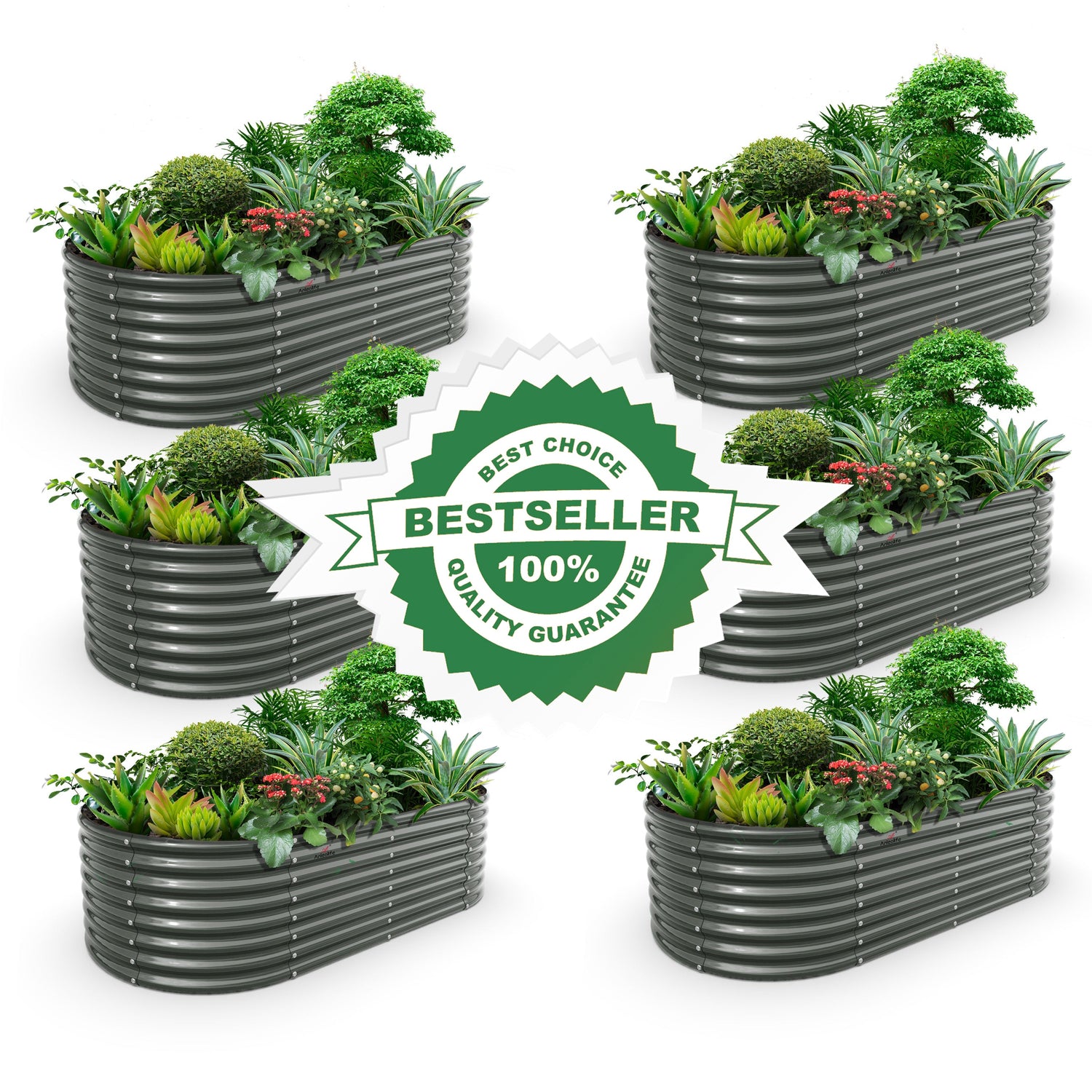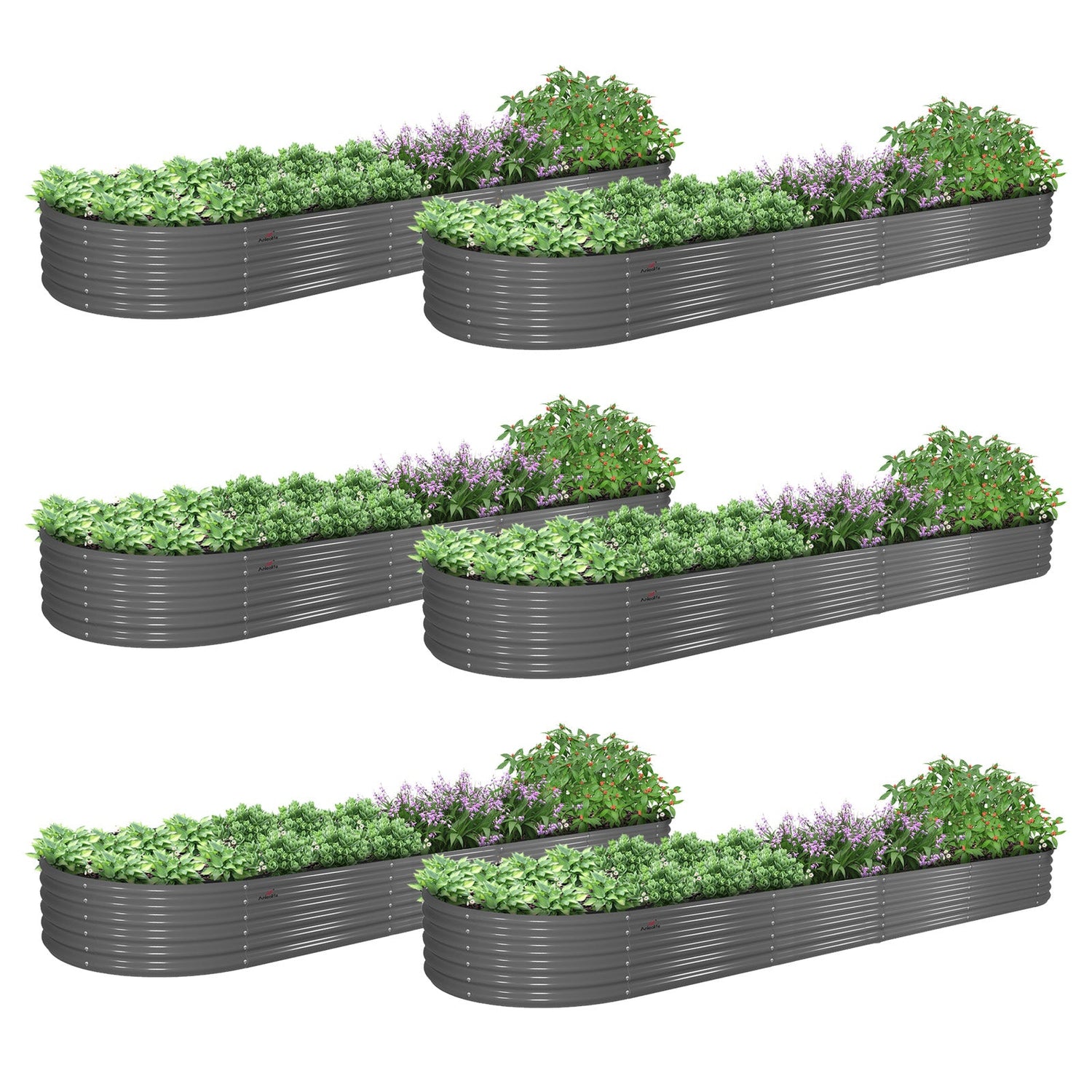



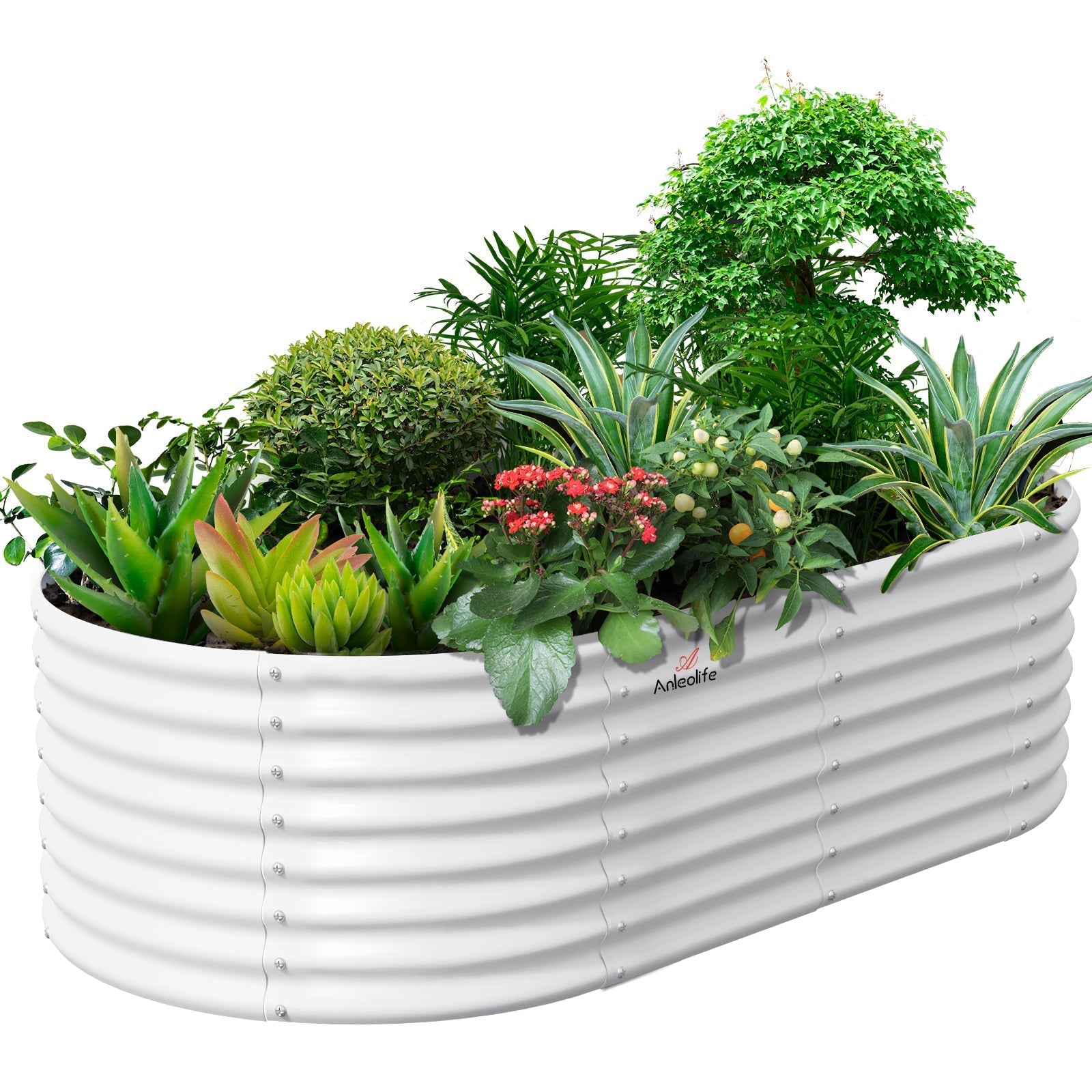
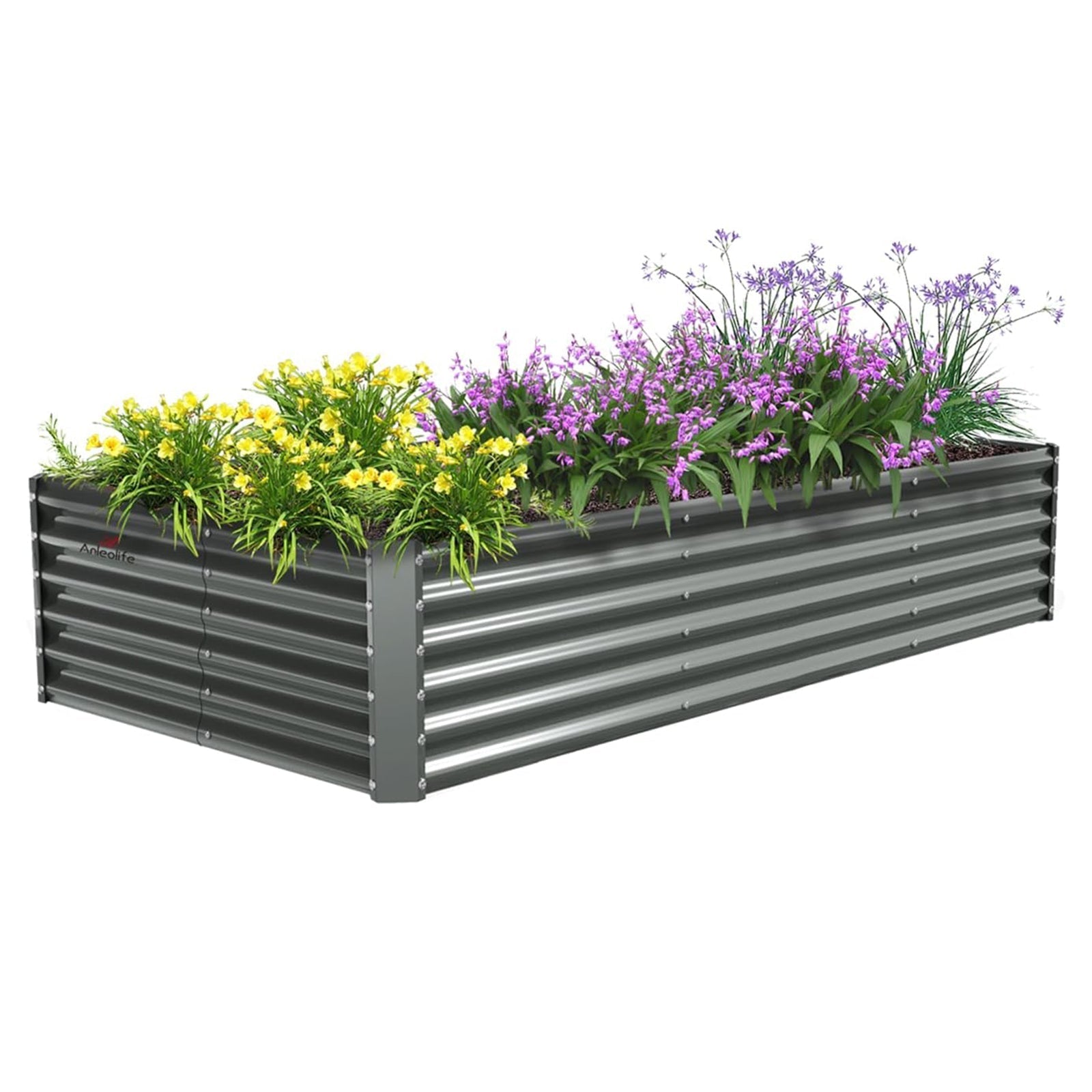

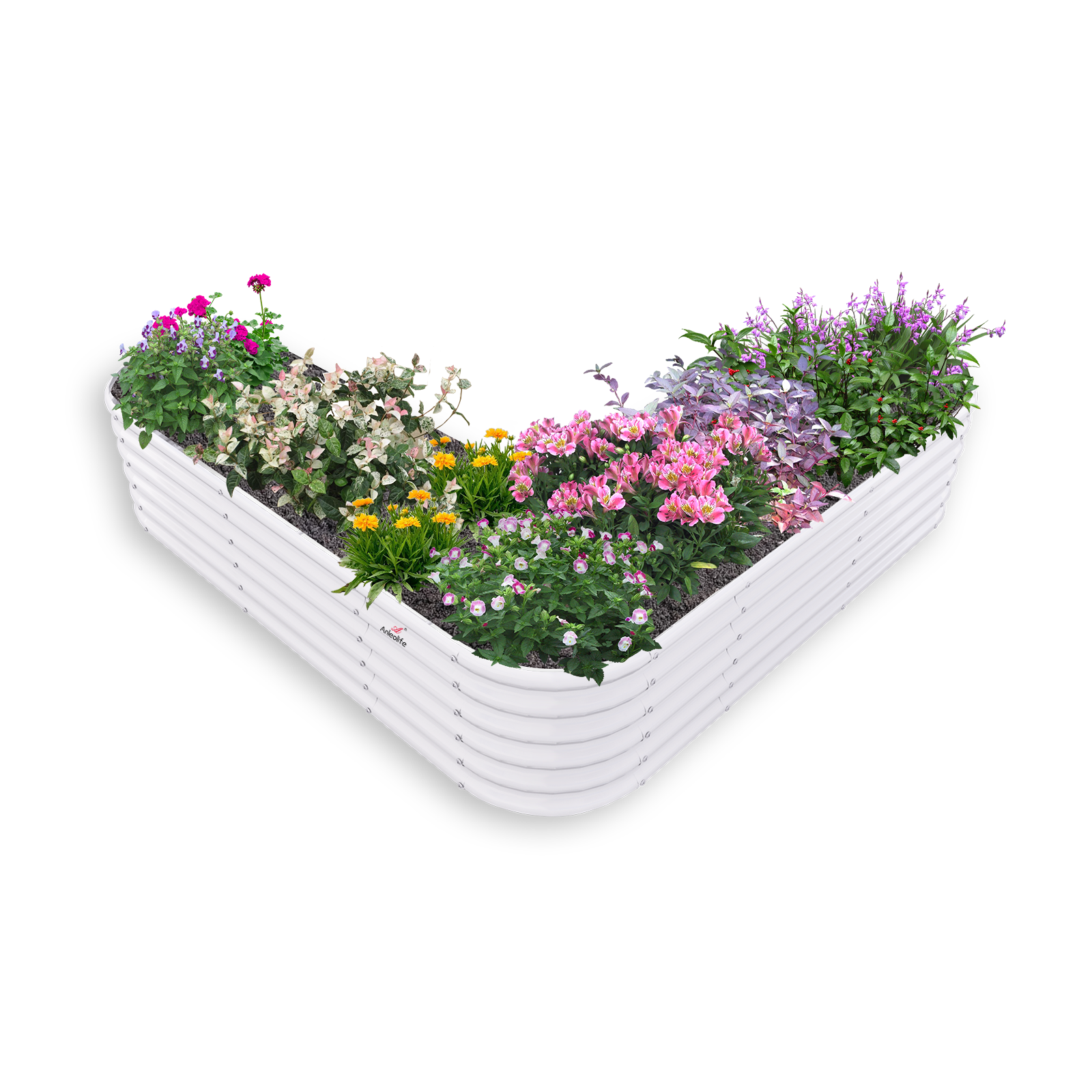
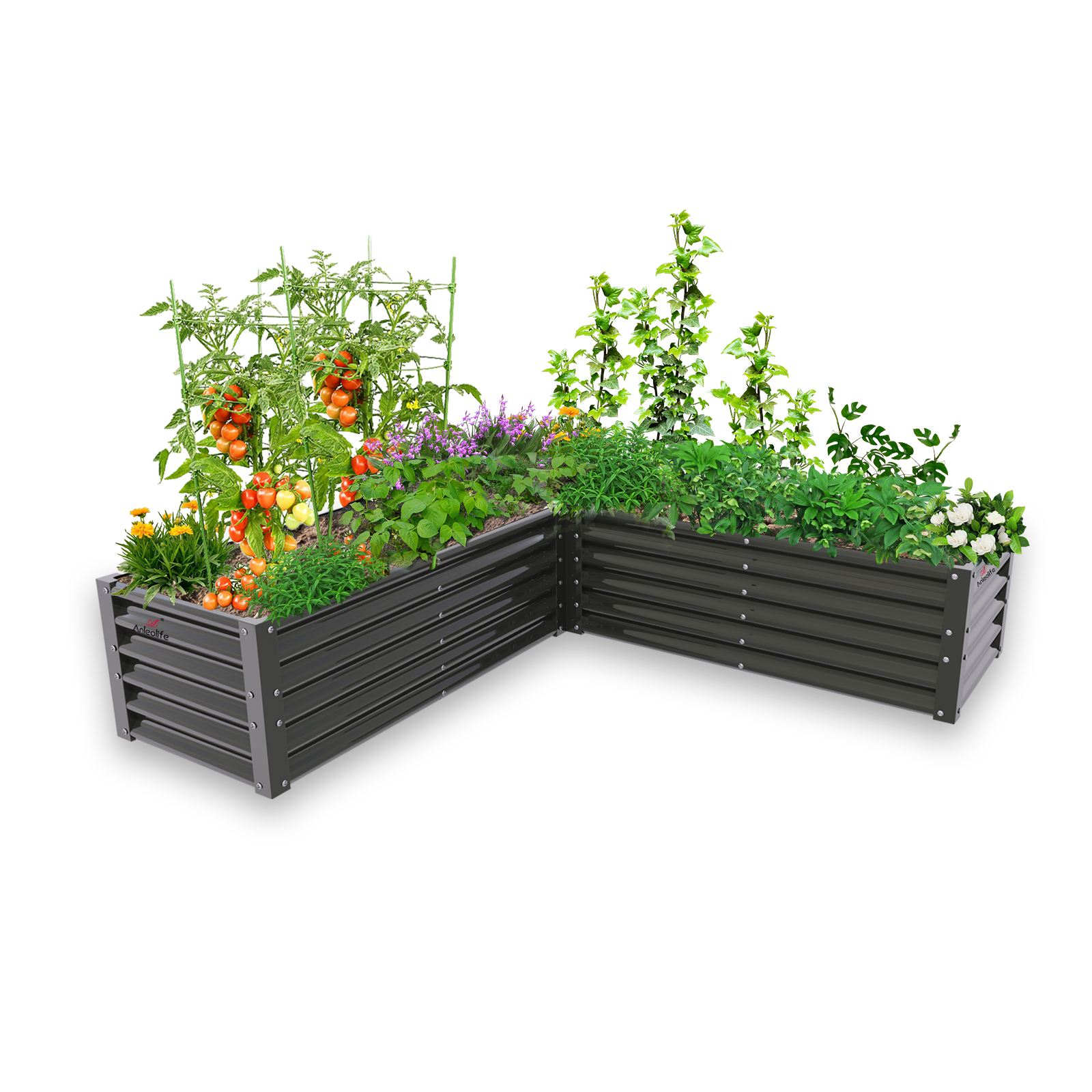
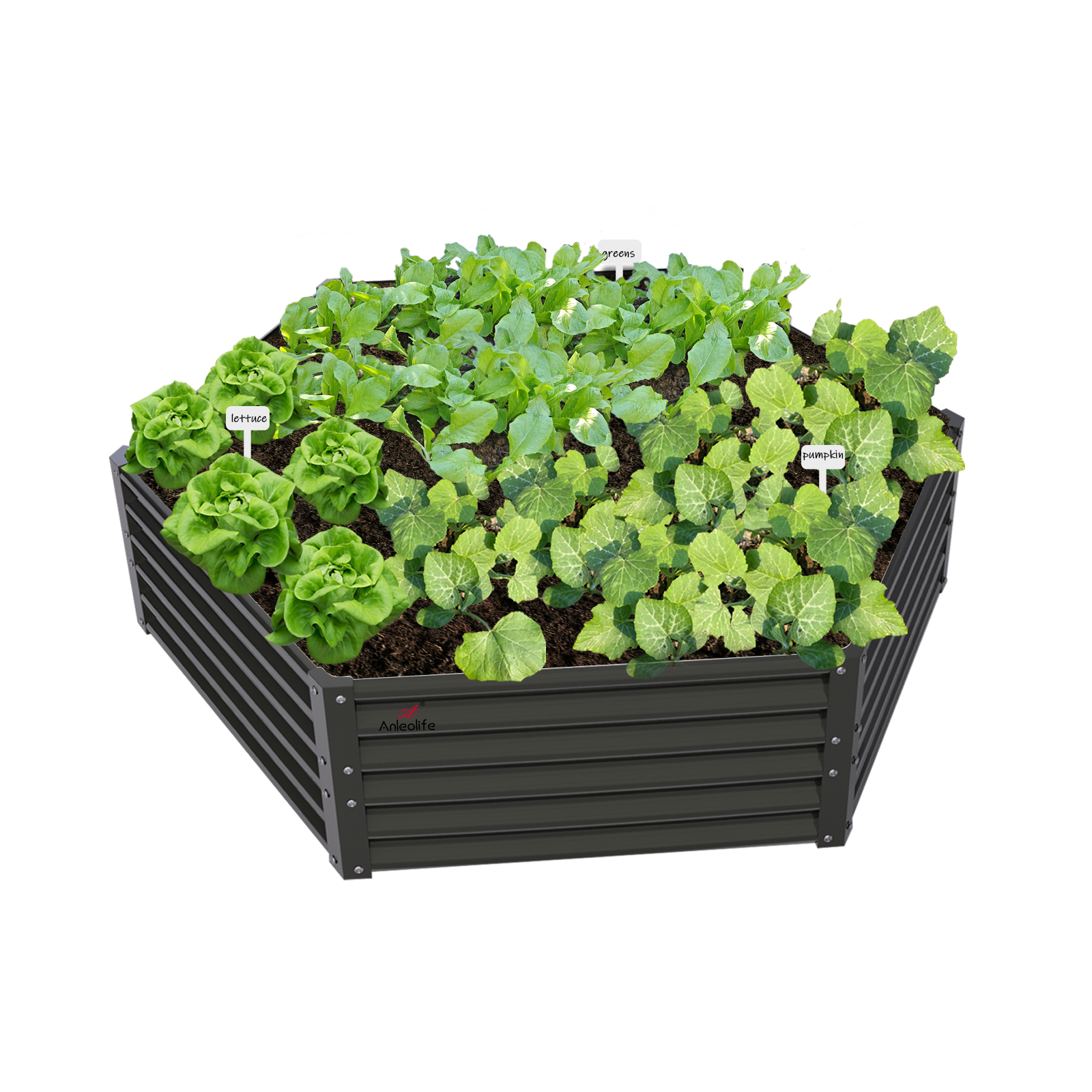
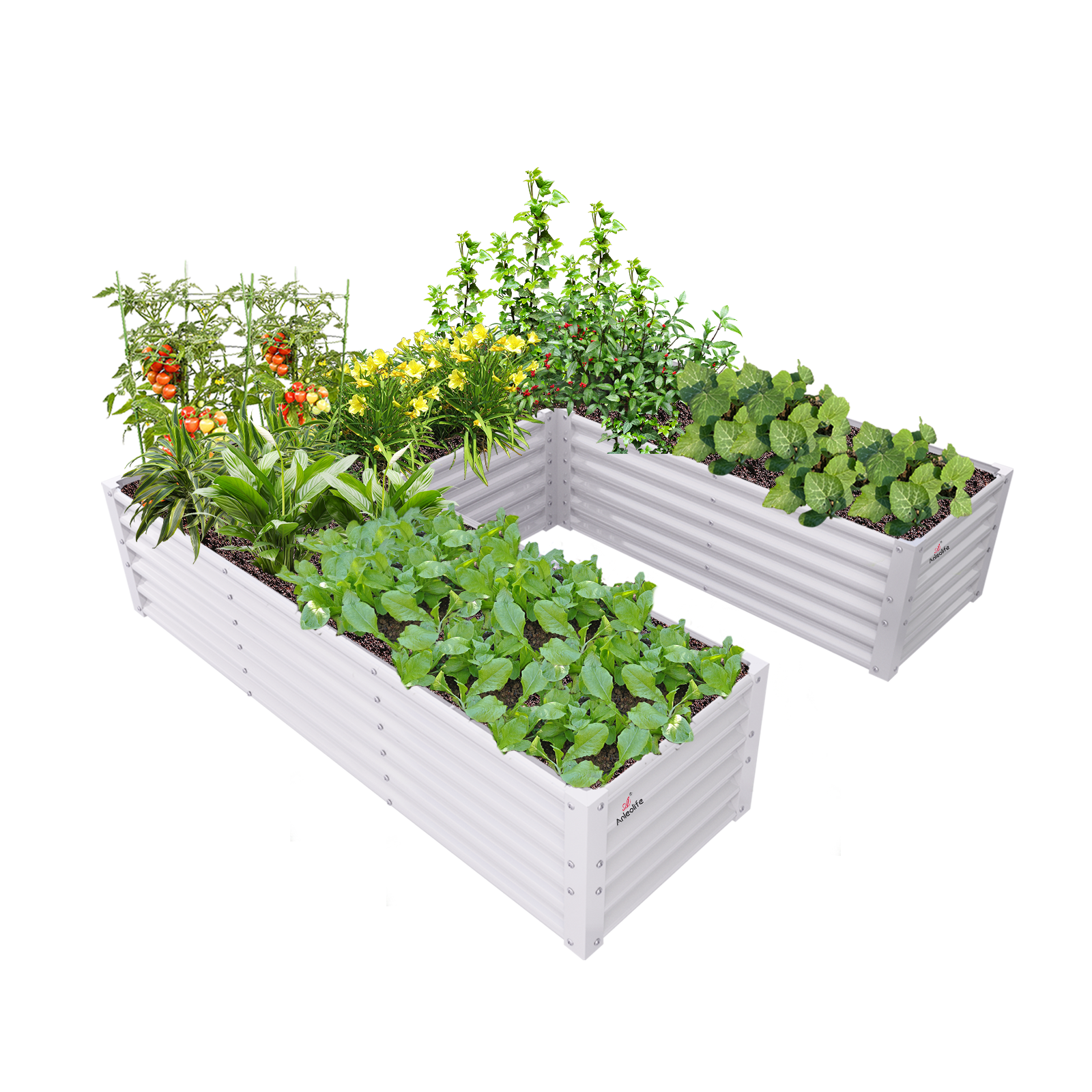

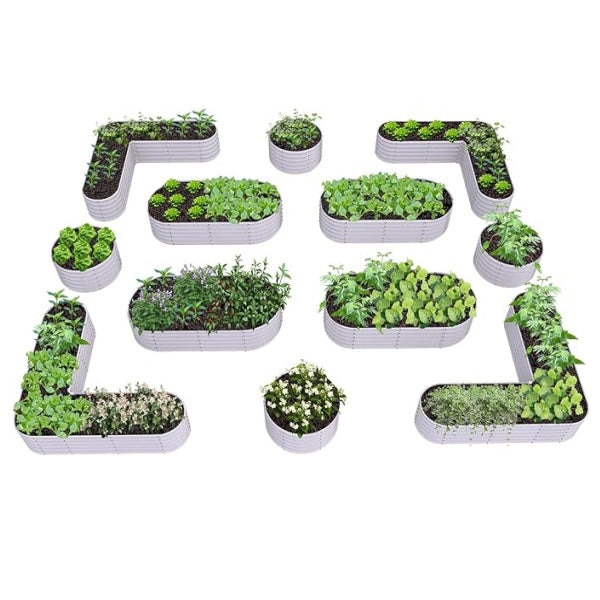


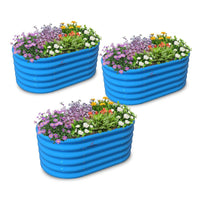
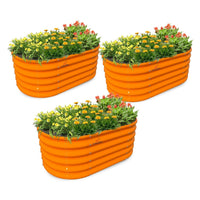
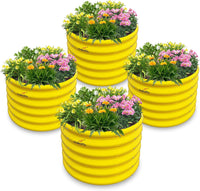
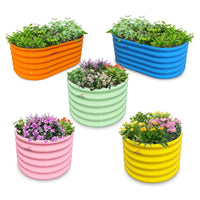
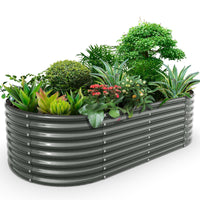



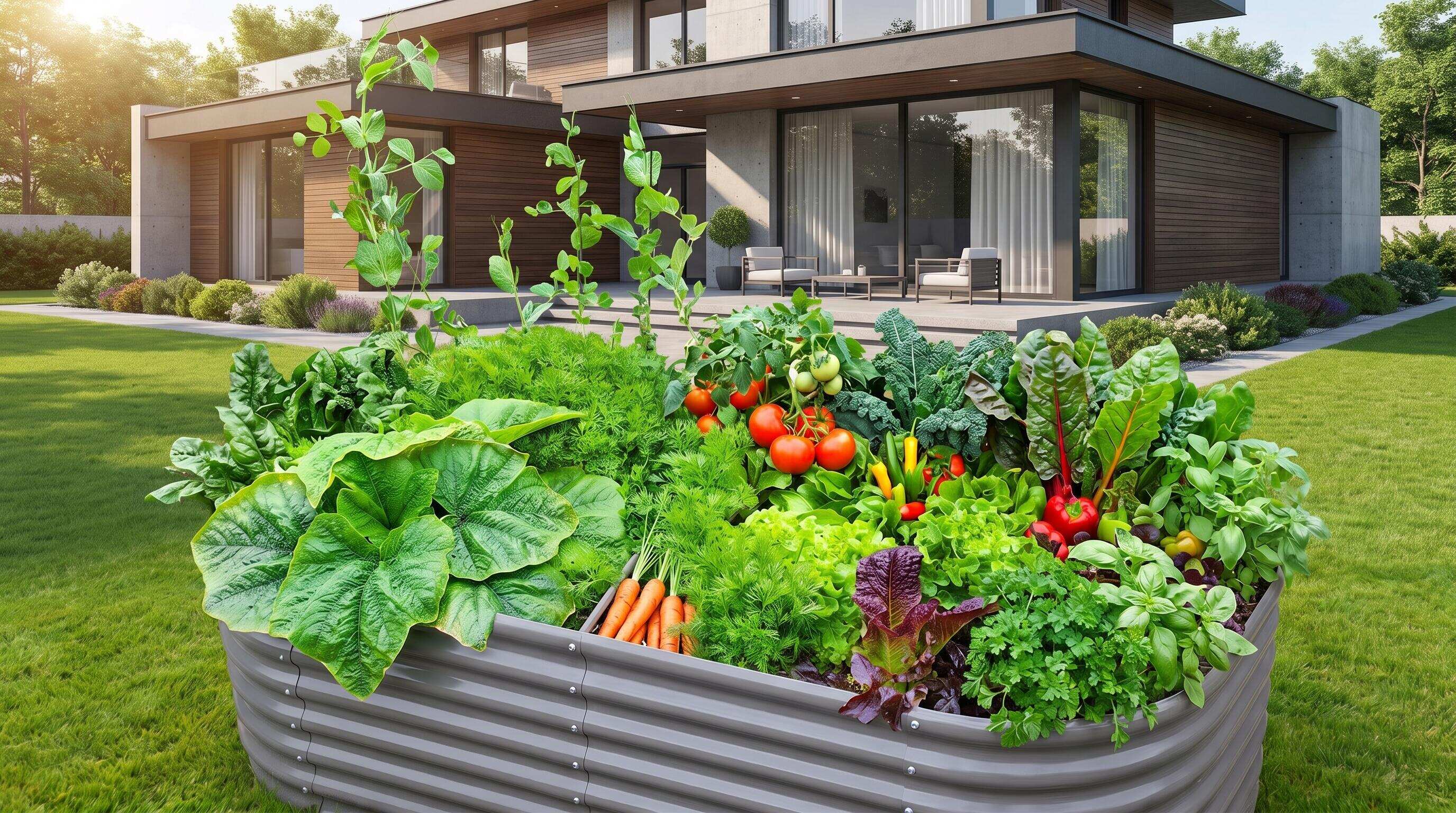
ALT: Complete backyard garden overhaul budget guide featuring raised bed garden layout with galvanized steel beds and planted vegetables
What Does a Complete Backyard Garden Overhaul Actually Cost — and Where Should Your Budget Go?
Key Conclusion: Planning a full backyard garden transformation means thinking beyond a single purchase. A well-structured raised bed garden layout — one that accounts for soil systems, structural materials, pathways, and optional additions like animal-raising enclosures — gives homeowners a realistic framework for spending. This guide breaks down every major cost category in a raised bed planting layout, helping you prioritize intelligently, avoid common budget traps, and build a raised bed layout that grows with your needs over time.
Every season, we work with homeowners who approach a backyard overhaul the same way: they start with enthusiasm, buy a few things, and then stall when the costs start adding up unexpectedly. The items in this guide were selected based on what consistently accounts for the largest and most surprising expenses in a full garden transformation — from structural beds and soil to pathways and livestock additions. Use this list sequentially if you're starting from scratch, or jump to the categories where your budget feels most uncertain.
The Complete Budget Breakdown: Every Cost Category You Need to Plan For
Raised Garden Beds — The Structural Foundation of Your Layout
Raised garden beds are the single most important structural investment in any raised bed garden layout. A raised garden bed is a contained growing area, built above ground level, that gives you direct control over soil quality, drainage, and planting density — advantages that in-ground beds simply cannot match.
The material you choose has a direct impact on long-term cost. Galvanized steel raised garden beds, such as those offered by Anleolife, are engineered for durability and can last up to 20 years, meaning your cost-per-year is far lower than it appears at first glance. In contrast, untreated wood beds often degrade within three to five years, requiring replacement and ongoing maintenance costs that compound over time.
When planning your raised bed layout, size selection is the first real decision. Smaller beds — such as a 4x4 or 4x2 footprint — work well for beginners or urban micro-gardeners with limited space. Larger beds like the 8x4 or 12x3 configurations allow you to maximize planting area and reduce the number of structures needed. Taller options (24-inch extra-tall or 30-inch waist-high models) reduce the need to bend and kneel, making them particularly popular with retirees and empty nesters.
Budget-wise, the number of beds you install is your biggest variable. We consistently see homeowners underestimate how many beds they actually need once they start planning out their raised bed planting layout in detail. Start with your core growing goals — herbs, vegetables, flowers — and size your investment accordingly.
Best for: Families and individuals who want a long-term, low-maintenance growing structure with predictable costs over many years.
Watch out: Buying too small initially is a common regret. Modular or expandable bed systems allow you to start with one configuration and add on later without replacing what you've already installed.
Soil Systems — The Investment Most People Underfund
Soil is the most underfunded line item in almost every garden overhaul we encounter. A raised bed garden layout is only as productive as the growing medium inside it, yet first-time gardeners routinely allocate far too little of their budget here.
Filling a raised bed requires significantly more material than most people expect. The deeper your beds, the more soil volume they require — and deep beds are often chosen specifically because they outperform shallow ones. A standard raised bed planting layout typically calls for a layered soil system: a drainage base layer, a nutrient-rich growing layer, and often an organic amendment on top. Each layer adds cost.
When sourcing soil, you have two broad options: purchasing pre-mixed raised bed blends or building your own mixture using compost, topsoil, perlite, and organic matter. Pre-mixed blends are convenient and consistent but come at a premium per cubic foot. DIY blends can reduce cost significantly if you buy in bulk, but require more planning and physical effort.
Soil is also a recurring cost. Unlike the bed structure itself, growing medium depletes over time and needs to be refreshed — typically with compost or amendments — each growing season. Factor this into your annual budget, not just your initial outlay.
Best for: Growers who prioritize yield and plant health and understand that the growing medium is where plant success is actually determined.
Watch out: Don't fill deep beds entirely with premium mix if you don't need root depth throughout — a base of wood chips or coarse material (a method called "hugelkultur-lite") can reduce fill costs without sacrificing performance in the upper growing zone.
Pathway and Edging Systems — The Layout Cost Nobody Talks About
A raised bed layout is not just about the beds themselves — it's about how you move between them. Pathways are the unsexy budget line that consistently surprises homeowners, and skipping them usually leads to muddy walkways, compacted soil around bed perimeters, and a garden that's difficult to maintain.
Pathway materials range widely in cost and permanence. Gravel or wood chips are inexpensive and easy to install, but need periodic replenishment. Stepping stones and pavers are more durable and add aesthetic value, but require more upfront investment and preparation work. Rubber mulch and landscape fabric underlays are popular middle-ground options.
Edging systems — the low borders that define bed perimeters and keep pathway material in place — are another underestimated line item. Beyond function, edging contributes significantly to the visual coherence of a garden overhaul. Well-defined edges transform a collection of raised beds into a purposeful, designed space.
When planning your raised bed garden layout, map your pathways at the same time as your bed placement. A working width of at least 18–24 inches between beds is generally recommended for comfortable access with a wheelbarrow. Wider main pathways that allow two people to pass each other comfortably add further convenience for families and aging gardeners.
Best for: Homeowners planning a multi-bed installation where daily access, water management, and visual presentation all matter.
Watch out: Don't underestimate the square footage of pathway coverage needed. In a typical raised bed layout with multiple beds, the pathway area can easily equal or exceed the total bed footprint.
Irrigation and Water Management — The System That Pays for Itself
Water is non-negotiable in a functioning raised bed garden layout, and how you deliver it is a meaningful budget decision. Hand-watering works for very small setups, but as your raised bed planting layout expands, the time cost of manual watering grows quickly — and inconsistency in watering is one of the primary causes of poor plant performance.
Drip irrigation is the gold standard for raised bed gardening. A drip system delivers water directly to the root zone, reduces evaporation, and minimizes disease by keeping foliage dry. Entry-level drip kits are available at low cost, but a complete setup with a timer, pressure regulator, and per-bed drip lines represents a more meaningful investment — one that pays back in water savings and improved yields season after season.
Soaker hoses are a cost-effective middle-ground option. They lack the precision of drip systems but are simpler to install and well-suited to beginner gardeners building their first layout. Rain barrels or catchment systems can supplement your water supply and reduce costs if you live in a region with seasonal rainfall.
The key budget principle here: invest in irrigation proportionate to the size of your layout. For a one- or two-bed beginner setup, hand-watering is fine. For a six-to-eight-bed full garden overhaul, a timer-based drip system is worth budgeting for from the start.
Best for: Any grower with more than two or three raised beds, or anyone who travels regularly or has limited time for daily garden maintenance.
Watch out: Installing irrigation after your beds are already in place and planted is frustrating and sometimes damaging to plants. Plan and install your irrigation system before or at the same time as your soil and planting phase.
Plant Starts, Seeds, and Seasonal Stock — The Variable That Repeats Every Year
Seeds and transplants are the most visible part of gardening but represent a budget category that most overhaul planners under-plan for. Unlike beds and irrigation — which are largely one-time investments — planting stock is a recurring annual cost that must be factored into your ongoing garden budget.
Per the Old Farmer's Almanac, a well-designed raised bed vegetable garden layout can be highly productive relative to its footprint, but the output depends heavily on thoughtful plant selection and spacing. Companion planting and succession sowing (planting a new crop in a cleared space immediately after harvest) can significantly extend the productivity of each bed and reduce the number of transplant purchases you need each season.
For a first-year overhaul, budget generously for plant starts — they're more forgiving than direct-seeding for beginners and give your layout a strong visual payoff quickly. In subsequent years, you can shift progressively toward direct seeding to reduce cost, and begin saving seeds from open-pollinated varieties to further stretch your planting budget.
Best for: New gardeners who want to see fast results from their raised bed planting layout without waiting through a full seed-starting process.
Watch out: Impulse buying at the nursery is the single most common cause of over-spending in this category. Go in with a planting plan tied to your specific bed dimensions and stick to it.
Animal-Raising Structures — Expanding Beyond the Planting Zone
A growing number of homeowners are moving beyond vegetable gardens to create a more complete backyard ecosystem — one that includes small-scale animal husbandry alongside their raised bed layout. Chicken coops, rabbit hutches, and similar structures represent a distinct budget category that can add meaningful cost but also meaningful return in the form of fresh eggs, natural fertilizer, and a more self-sufficient lifestyle.
This expansion makes sense from a systems perspective: chickens and rabbits produce organic matter that feeds the compost pile, which in turn enriches the soil system in your raised beds. The two systems work in natural harmony, and in our work helping homeowners plan complete backyard overhauls, the ones who integrate animal-raising from the beginning tend to build more productive and lower-input gardens over time.
The cost of animal-raising structures varies considerably based on the number of animals, the quality of materials, and whether you're choosing a prefabricated unit or building from plans. Budget for the structure itself, predator-proofing (hardware cloth is more expensive but far more effective than chicken wire), bedding material, feeders, and ongoing feed costs as a monthly line item.
Best for: Families and homesteaders who want a full self-sustaining backyard ecosystem, not just a vegetable patch.
Watch out: Check local zoning ordinances before budgeting for animal-raising structures. Many municipalities have specific rules about the number and type of animals permitted on residential properties, setback requirements from property lines, and noise or odor regulations.
Tools and Equipment — The One-Time Cost That Lasts
Quality garden tools are a legitimate line item in any full backyard overhaul, and they're one of the few categories where buying once and buying well genuinely pays off. A basic toolkit for a raised bed garden layout includes a hand trowel, transplanting fork, hori-hori knife, pruning shears, a long-handled cultivator, and a sturdy watering can or hose with a quality adjustable nozzle.
Beyond hand tools, consider whether you'll need a garden cart or wheelbarrow (essential for soil delivery and compost hauling), a soil blocker or seed tray system if you plan to start your own transplants, and a soil thermometer if you're gardening in a region with variable spring temperatures.
Tool costs can be managed effectively by buying selectively and prioritizing quality over quantity. A small set of well-made tools will outlast and outperform a large collection of budget options. For power tools — a cordless drill for bed assembly, for example — you likely already own what you need.
Best for: Anyone starting a garden from scratch who doesn't yet have a working tool collection.
Watch out: Don't confuse a garden overhaul with a tool overhaul. Buy the tools you actually need for the beds and layout you're installing. You can always add specialized tools later as your garden evolves.
Garden Beautification — The Budget Category That Earns Curb Appeal
A functional raised bed layout can also be a beautiful one, and garden beautification is the category that turns a productive space into one you genuinely want to spend time in. This includes decorative accessories, pathway accent lighting, trellises and plant supports, raised bed surrounds and finishes, and seasonal décor.
Beautification is the most flexible budget line in a garden overhaul — it's easy to scale up or down based on what's left after your structural and functional priorities are covered. That said, don't treat it as an afterthought. Thoughtful design choices made during the initial layout phase are almost always more cost-effective than retrofitting aesthetics into an already-installed garden.
Vertical elements — trellises, obelisks, and plant supports — serve double duty: they add visual structure while increasing the productive surface area of your raised bed planting layout, allowing climbing crops like cucumbers, pole beans, and squash to grow upward rather than outward. This is especially valuable in compact backyard spaces where horizontal square footage is limited.
Best for: Homeowners who want their backyard garden to function as an outdoor living space, not just a production zone.
Watch out: Lighting, in particular, can escalate costs quickly. Solar-powered pathway lighting is a cost-effective starting point that provides impact without a high price tag or the need for professional electrical installation.
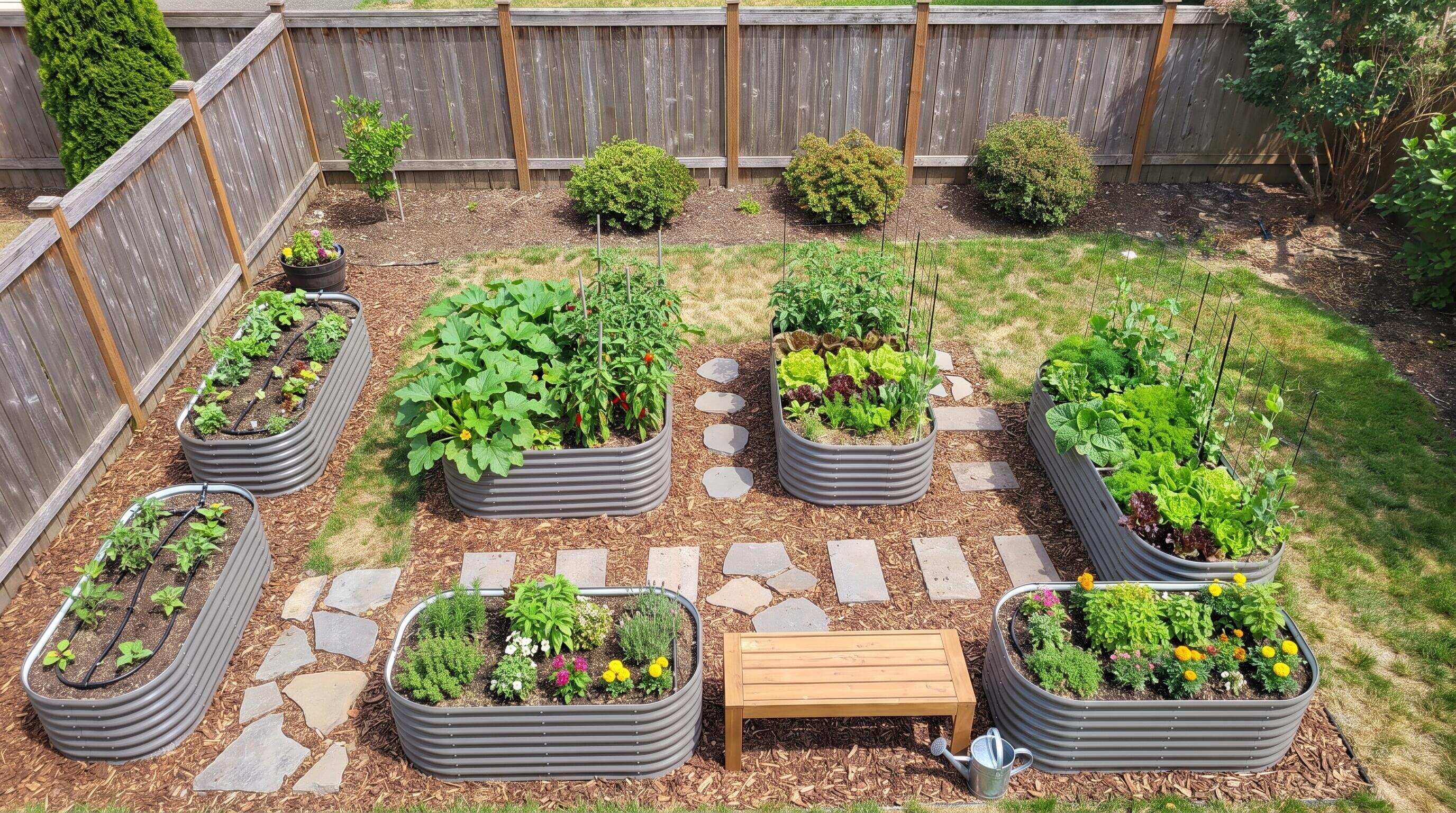
ALT: Overhead view of comprehensive raised bed garden layout showing multiple galvanized steel raised beds with irrigation, pathways, and planted vegetables in a complete backyard overhaul
Quick Comparison at a Glance
Budgeting for a complete garden overhaul is easier when you can see all the moving parts side by side. The table below summarizes each cost category, who it's most essential for, its primary strength as an investment, and the key limitation to keep in mind.
| Budget Category | Best For | Key Strength | Limitation |
|---|---|---|---|
| Raised Garden Beds | All growers — the non-negotiable foundation | Up to 20-year lifespan with galvanized steel; low cost-per-year | Upfront cost is the highest single line item for most buyers |
| Soil Systems | Any grower who wants reliable yields | Directly determines plant health and productivity | Recurring annual cost; often severely under-budgeted |
| Pathway & Edging | Multi-bed layouts and families | Improves access, drainage, and garden aesthetics | Easy to overlook; coverage area is often larger than expected |
| Irrigation | Layouts with 3+ beds or busy homeowners | Saves time and water; improves consistency | Ideally installed before planting — retrofitting is harder |
| Plant Starts & Seeds | New gardeners in their first season | Fast visual results; builds growing confidence | Annual recurring cost; prone to impulse overspending |
| Animal-Raising Structures | Homesteaders and full-ecosystem gardeners | Produces compost input and fresh food; natural synergy | Requires zoning research before purchase |
| Tools & Equipment | First-time gardeners building from scratch | One-time investment that lasts many seasons | Easy to over-buy; focus on essentials first |
| Garden Beautification | Homeowners treating the garden as outdoor living space | Adds aesthetic value and vertical growing capacity | Most flexible category; easy to over-invest relative to impact |
How to Choose Where to Spend First
The right spending sequence for a garden overhaul depends on two things: your experience level and your primary goal. Here's how to map your situation to the right starting point.
If you are a first-time gardener, start with beds, soil, and one reliable irrigation option — and nothing else. The most common mistake beginners make is distributing their budget too broadly across all categories at once, ending up with an underfunded soil system and a set of decorative accessories they didn't actually need. A well-built raised bed layout with excellent soil and consistent water will outperform a sprawling but poorly resourced setup every time.
If you are an experienced grower expanding an existing setup, your soil system knowledge is already established. Focus your budget on structural expansion (additional beds in complementary sizes), irrigation upgrades to handle the increased footprint, and any pathway work needed to keep the layout navigable.
If your primary goal is aesthetics and lifestyle, prioritize the bed layout and beautification category together from the start. Choose bed sizes and configurations that create visual symmetry, plan your pathways as design elements, and allocate beautification budget before you finalize your soil spend.
A common misconception worth addressing directly: many homeowners believe that a raised bed garden overhaul requires a large, uninterrupted budget to be worthwhile. In practice, a phased approach — starting with a single well-resourced bed and expanding season by season — produces better outcomes than rushing to install everything at once with an under-resourced budget. Modular bed systems are specifically designed to accommodate this kind of incremental growth, allowing you to add sections and configurations as your needs and budget evolve.
According to the Old Farmer's Almanac, a planned raised bed vegetable garden layout helps beginners maximize productivity from even a small initial footprint — meaning your first well-planned bed can be genuinely productive, not just a proof-of-concept.
For layout inspiration and spacing guidance, resources like the 4x8 Raised Bed Vegetable Garden Layout Ideas from Savvy Gardening offer practical plant arrangement strategies that translate directly into better use of whatever bed size you start with.
People Also Ask
Q1: How much does it cost to set up a complete raised bed garden layout from scratch?
The total cost of a complete raised bed garden layout from scratch varies significantly based on the number and size of beds, soil volume required, and irrigation choices. In our experience, a foundational setup — two to four beds, quality soil, and basic irrigation — represents a meaningful but manageable investment for most households. The key cost lever is the number of beds. Galvanized steel beds with a 20-year lifespan significantly reduce cost-per-year compared to wood alternatives that require replacement within a few seasons.
Q2: Is a raised bed garden layout worth the upfront investment compared to in-ground gardening?
A raised bed garden layout is generally worth the upfront investment for most home gardeners. Raised beds give you complete control over soil quality (the single biggest variable in plant performance), improve drainage, warm up faster in spring for earlier planting, and reduce weed pressure significantly. Per Savvy Gardening's raised bed layout guidance, well-designed beds also allow for more intensive planting than in-ground rows, increasing yield per square foot. For gardeners with poor native soil, rocky ground, or physical limitations, raised beds are not just worth it — they're often the only practical option.
Q3: How long does it take to plan and install a complete backyard garden overhaul?
Planning a complete raised bed garden overhaul typically takes one to three weeks for most homeowners — longer if zoning research for animal structures is involved. Physical installation of a multi-bed layout with pathways and irrigation can range from a single intensive weekend to two or three weekends depending on the scale. Delivery timelines matter here: Anleolife's warehouse network covers California, Texas, Florida, New York, Illinois, and Washington, with delivery in 3–8 business days, so your beds can arrive quickly once you've finalized your layout plan. Soil delivery timelines from local suppliers should also be factored in.
Key Takeaways
- A complete raised bed garden layout budget has eight distinct cost categories — structural beds, soil, pathways, irrigation, plant stock, animal structures, tools, and beautification — and under-funding any one of them undermines the others.
- Galvanized steel raised garden beds, which can last up to 20 years, represent the most cost-effective structural choice over a multi-year horizon, even when the initial price is higher than alternatives.
- Soil is the most chronically underfunded line item in home garden overhauls — it's also the single most direct driver of plant health and yield. Prioritize it accordingly.
- A phased, modular approach to building your raised bed planting layout is more effective than trying to install everything at once on an insufficient budget. Start well-resourced, then expand.
- Animal-raising structures and garden beautification are high-impact additions for homeowners ready to move beyond a basic vegetable patch — but require zoning due diligence and aesthetic planning, respectively.
Ready to build your raised bed layout the right way? Begin by mapping your space, identifying your two or three non-negotiable growing goals, and allocating budget to beds and soil before anything else. Once your foundation is solid, every other category becomes easier to prioritize — and your garden overhaul becomes something you can genuinely enjoy building over time.
Upgrade your backyard garden with confidence at Anleolife — a full-scenario garden solutions provider offering galvanized steel raised beds, soil-ready configurations, chicken coops, rabbit hutches, and decorative accessories all in one place. With a nationwide U.S. warehouse network spanning California, Texas, Florida, New York, Illinois, and Washington, your order ships and arrives in 3–8 business days. Shop across Amazon, Walmart, Home Depot, Lowe's, Wayfair, or directly on the Anleolife website — with consistent quality and after-sales support across every channel. Whether you're starting with your first 8x4 bed or building out a complete planting-and-raising ecosystem, Anleolife's modular product system grows with you every step of the way.
Sources & Further Reading
- Old Farmer's Almanac. "Raised Bed Vegetable Garden Layouts for Beginners."
https://www.almanac.com/raised-bed-vegetable-garden-layouts-beginners - Savvy Gardening. "4x8 Raised Bed Vegetable Garden Layout Ideas."
https://savvygardening.com/4x8-raised-bed-vegetable-garden-layout/ - Gardeners Supply Company. "Pre-Planned Gardens — Kitchen Garden Planner."
https://www.gardeners.com/pages/kitchen-garden-planner-preplanned-gardens - U.S. Department of Agriculture (USDA). Agricultural Research and Home Gardening Resources.
https://www.usda.gov/ - U.S. Environmental Protection Agency (EPA). Sustainable Landscaping and Water Management Resources.
https://www.epa.gov/
Note: Standards and guidance documents may be updated periodically; please consult the latest official publications or qualified advisors for current recommendations.