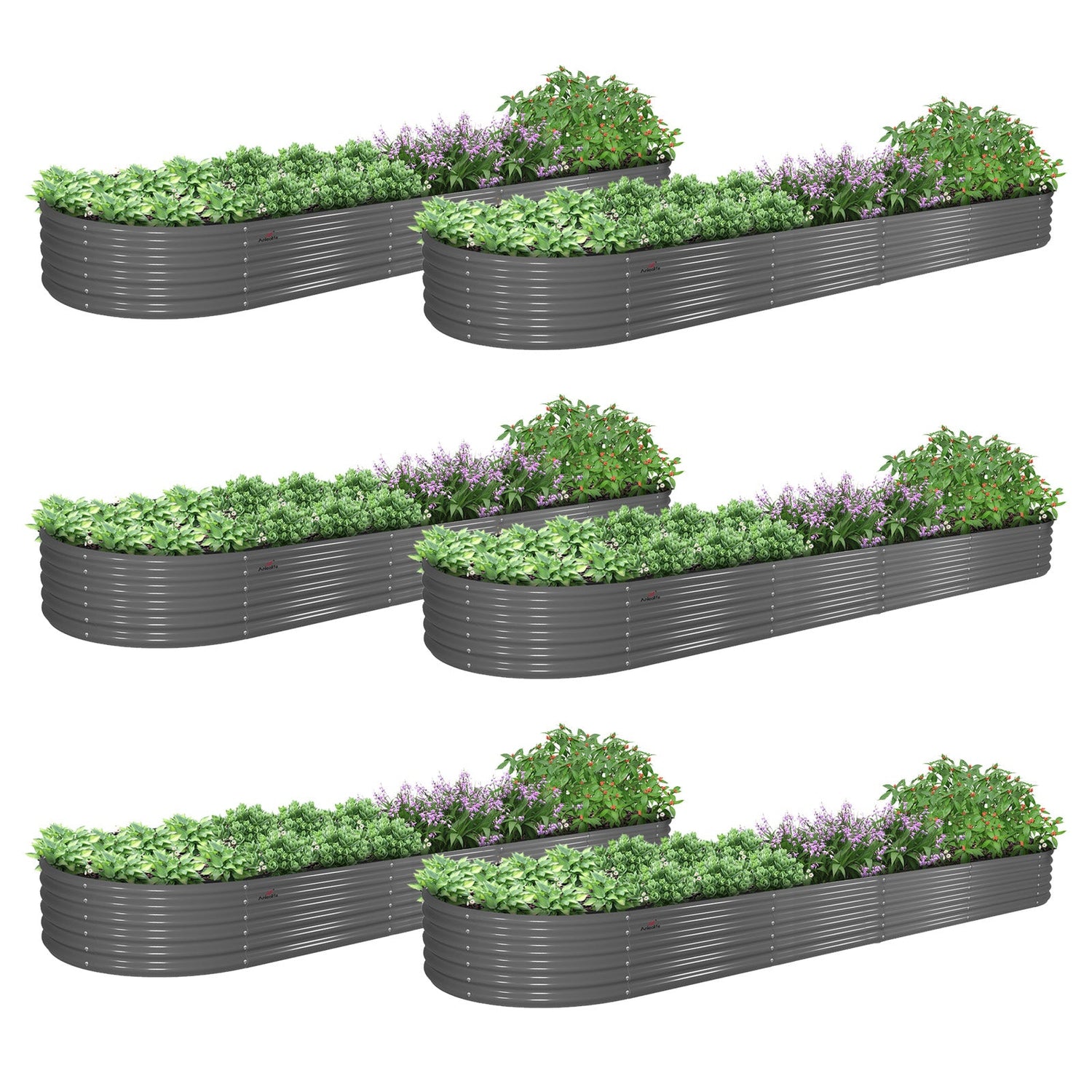



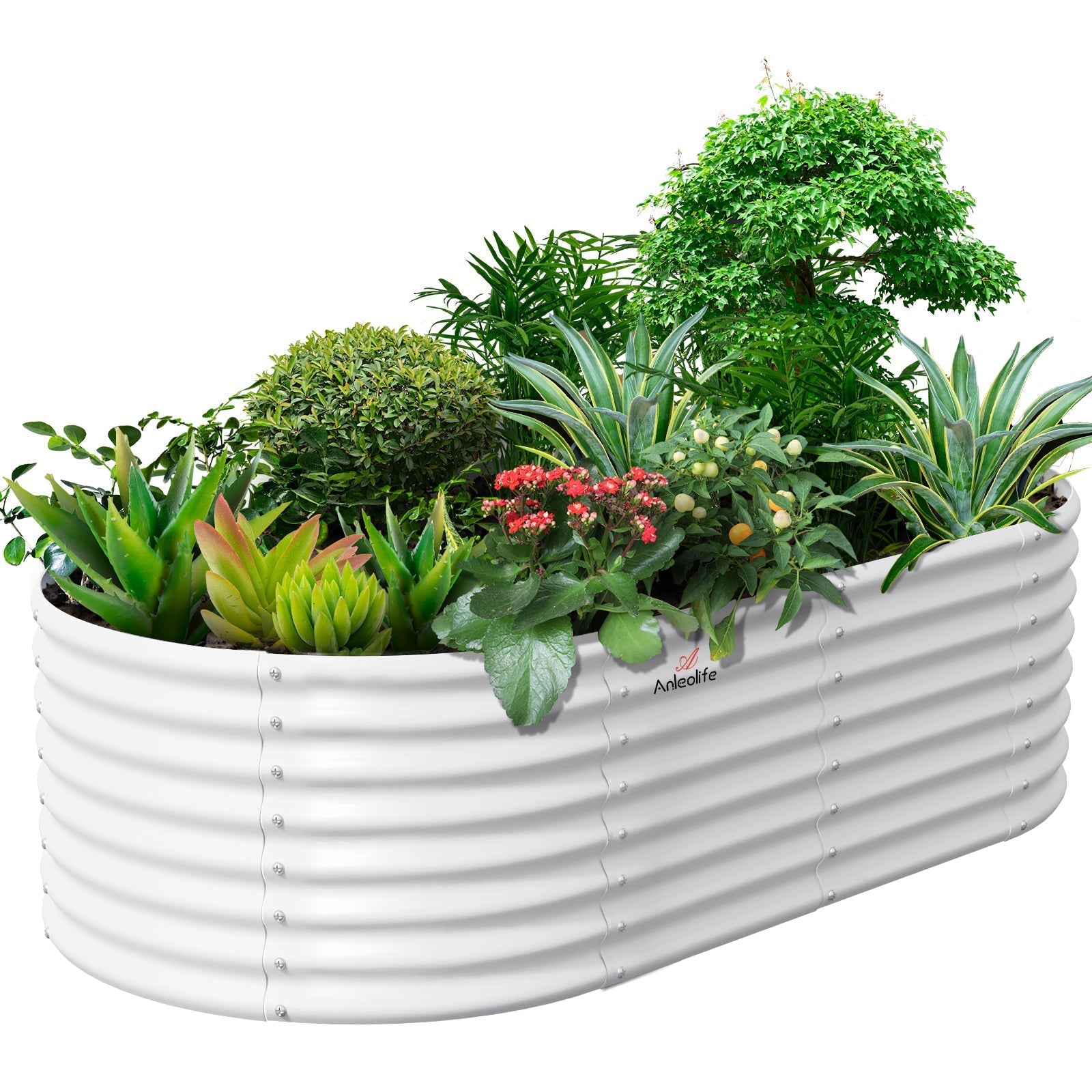
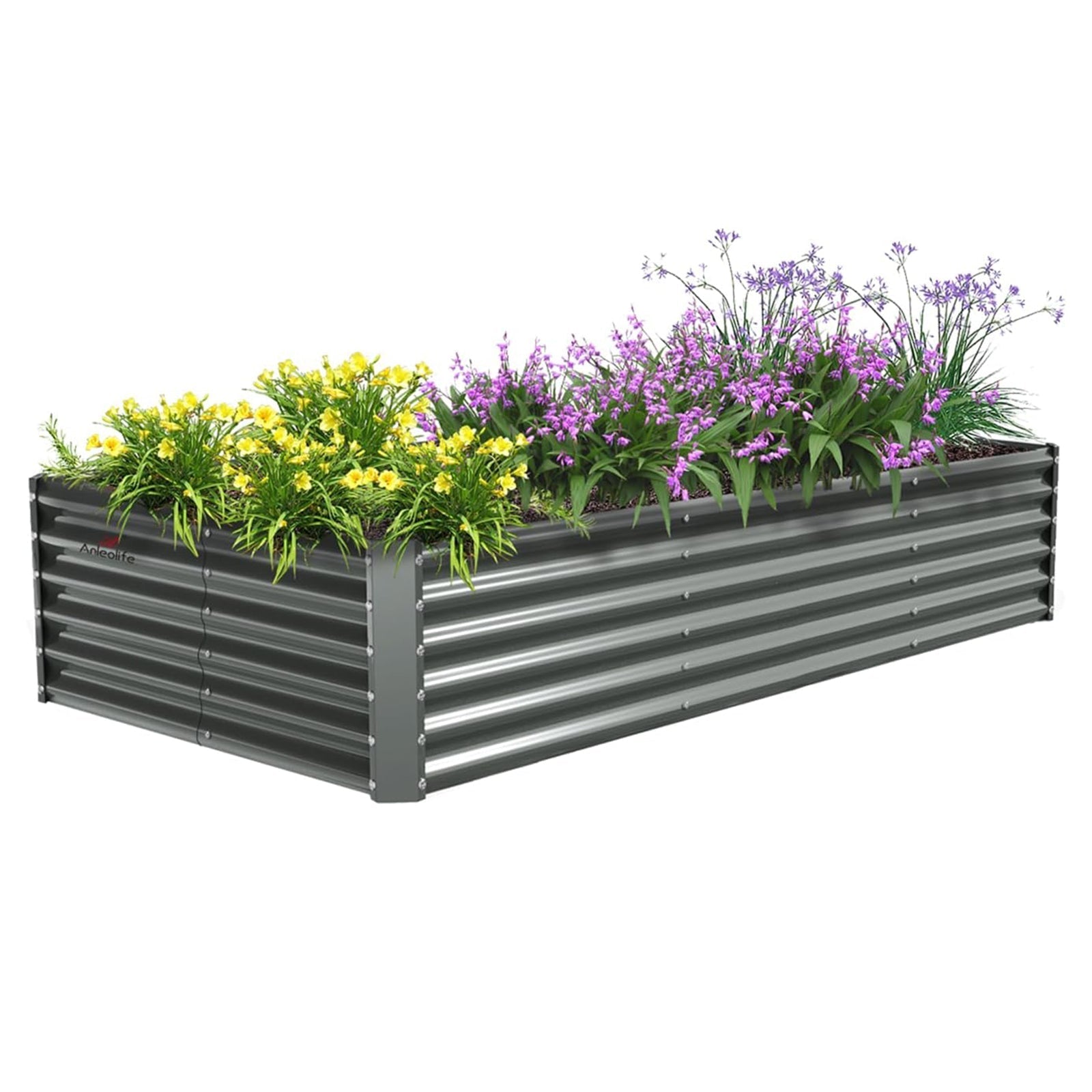

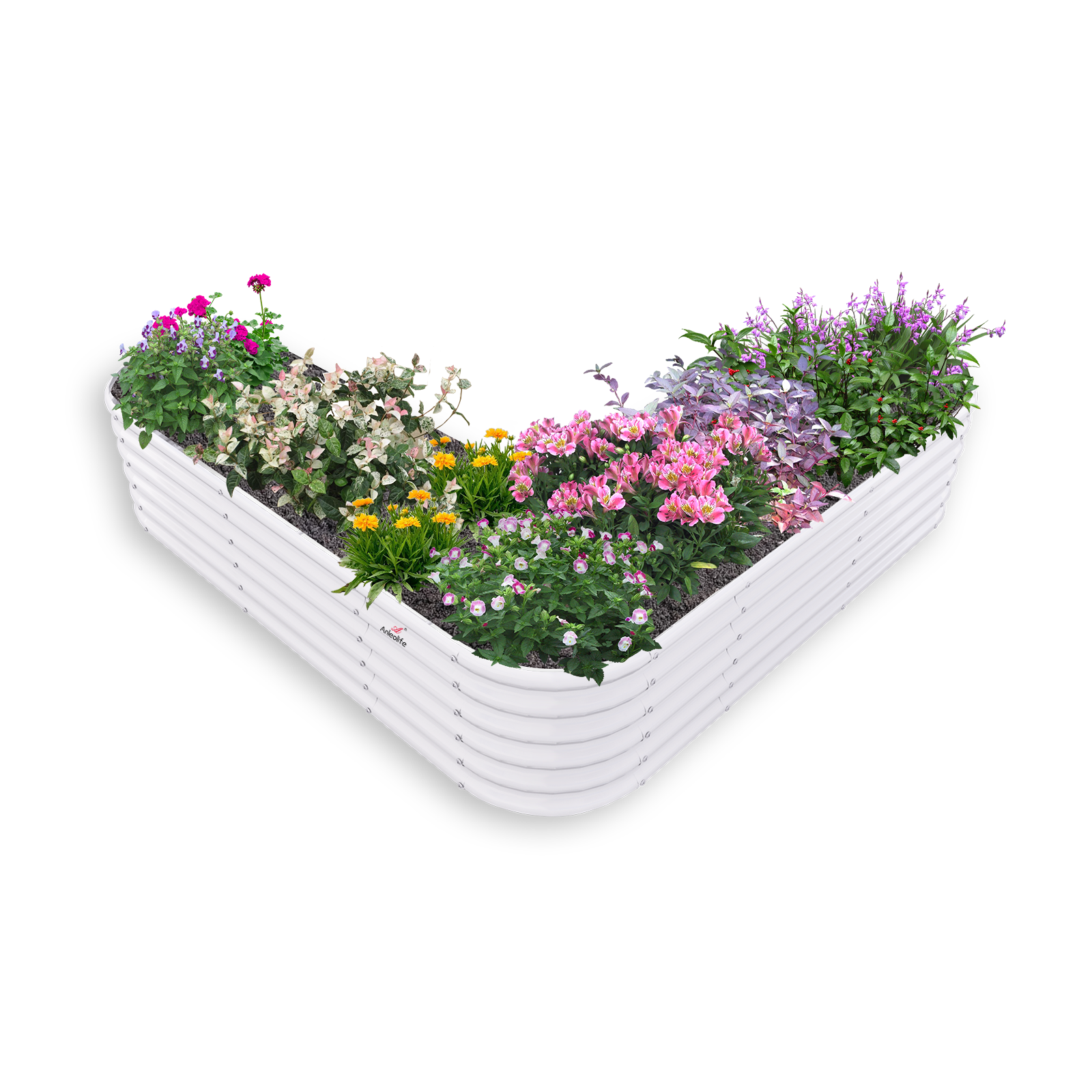
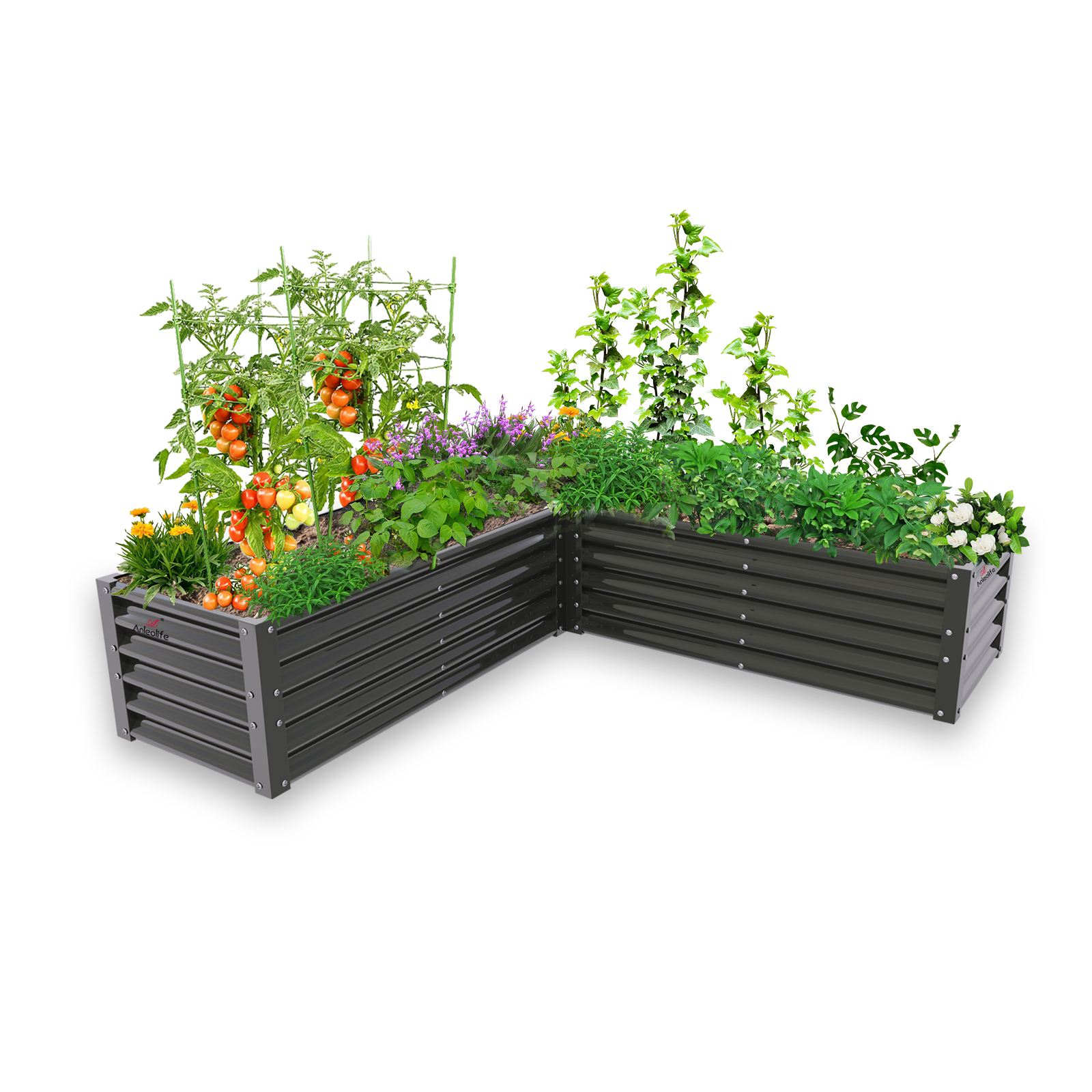
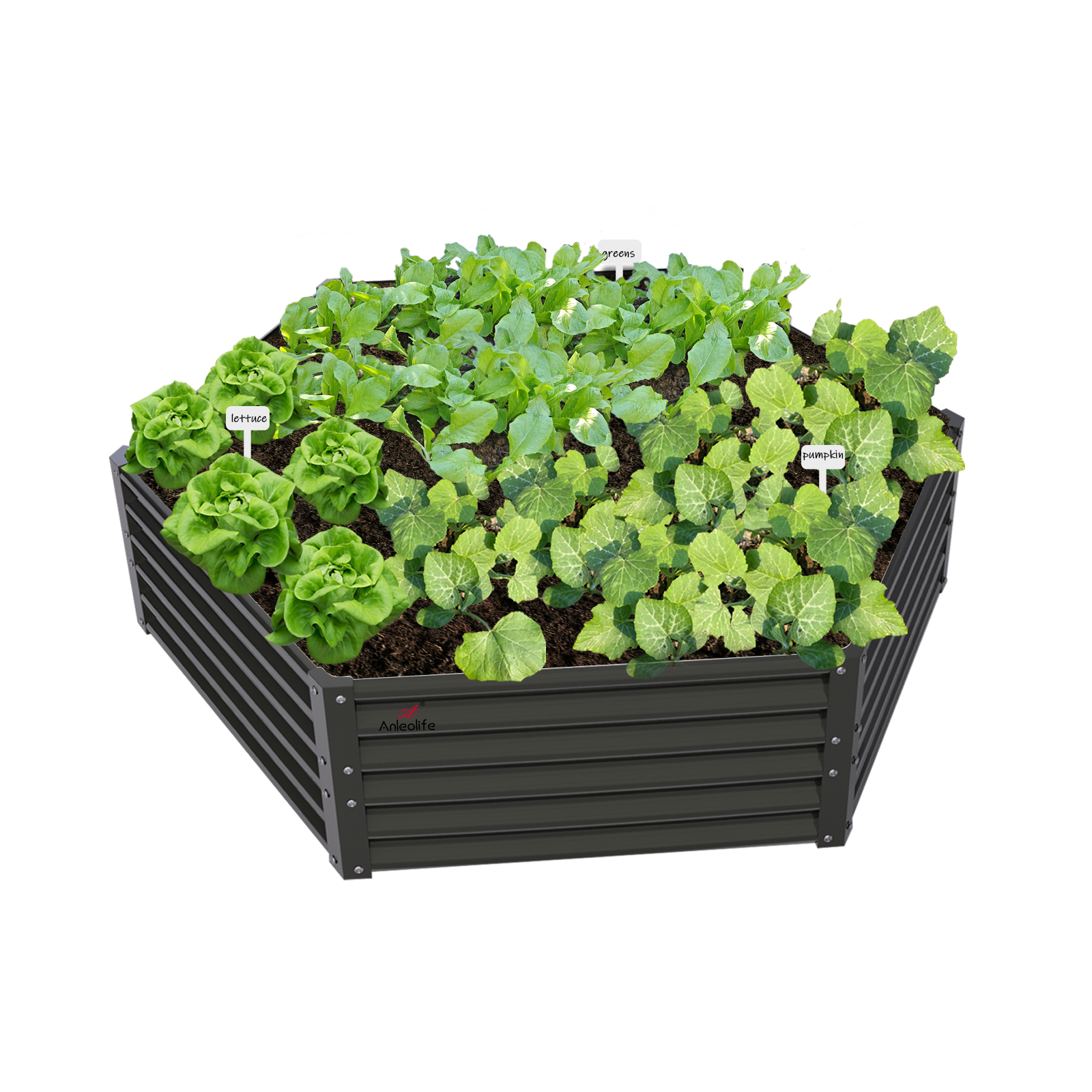
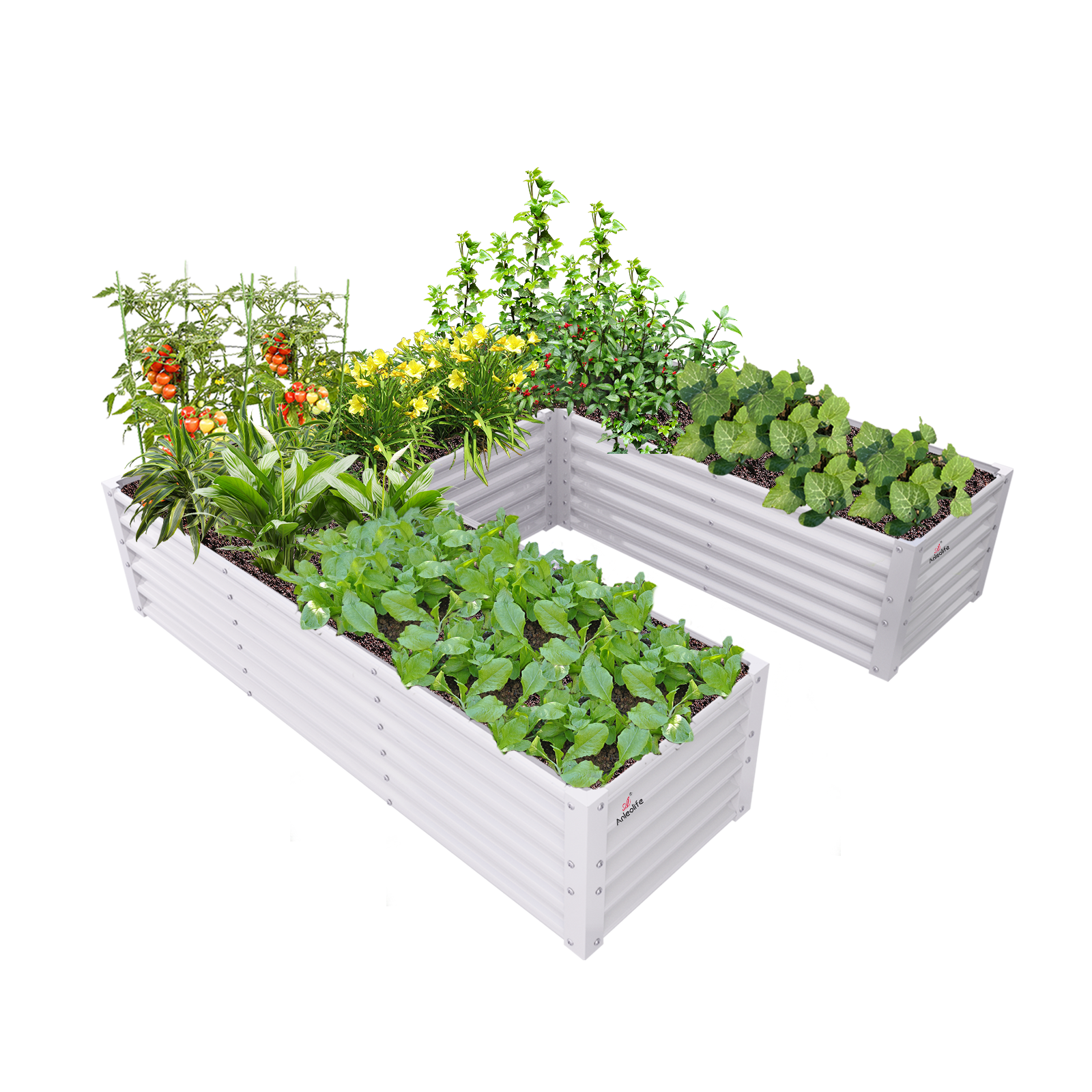



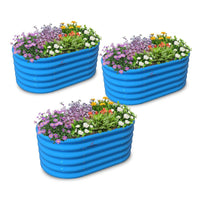
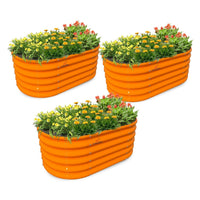
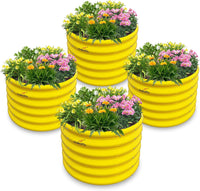
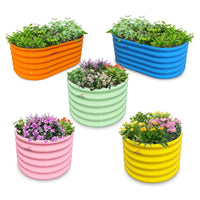
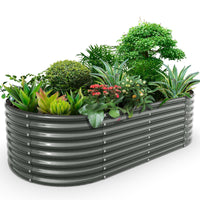



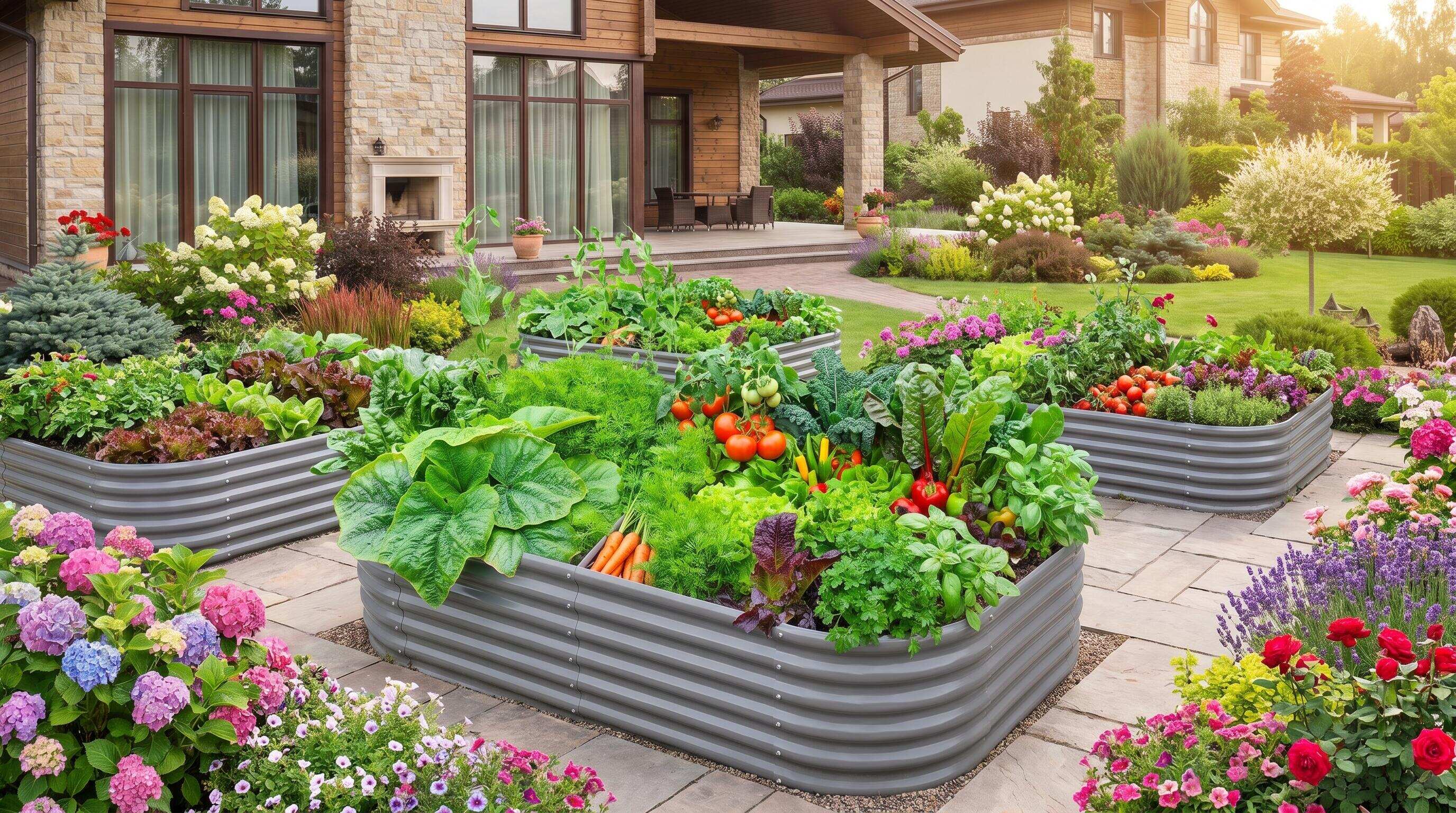
ALT: Family modular raised bed garden layout with galvanized steel beds growing vegetables and herbs in organized rows
How a Modular Raised Bed Garden Layout Grows With Your Family Over Time
What is the best way to plan a garden that fits your family today and still works five, ten, or even twenty years from now? The answer lies in a modular raised bed garden layout — a design approach that treats your garden not as a fixed installation, but as a living system you expand, reconfigure, and deepen as your household's needs evolve.
A raised bed planting layout built on modular principles gives you something few other garden designs can: genuine flexibility without sacrificing structure. You start with what you have — one or two beds, a manageable footprint, a clear growing goal — and you build outward from there. In our work with families at every stage of life, from young households putting in their first beds to retirees redesigning a long-established yard, a pattern we consistently see is that the gardens which age best are the ones designed with intentional expansion in mind from day one.
This article walks you through the full process: understanding what a modular raised bed layout actually means in practice, choosing the right configuration for your current life stage, and making decisions today that your future self will thank you for.
Who This Guide Is For — and When It Applies
Applicable Scenarios:
- Families with growing children who want a garden that scales from a small starter plot to a full food-producing system
- Urban and suburban homeowners working with limited square footage who need a phased, low-waste expansion path
- Empty nesters and retirees looking to right-size their garden as energy levels and priorities shift
- Eco-conscious home growers who want a long-term, low-maintenance planting infrastructure built to last
Not Applicable/Cautions:
- Renters without ground access or landlord permission to install semi-permanent structures may face restrictions
- Properties with very poor drainage or extreme slope may require site preparation before any raised bed layout is practical — address these conditions first
Why Modular Raised Bed Gardening Has Become the Standard for Family Gardens
Modular raised bed gardening is a system in which individual garden bed units are designed to connect, expand, or reconfigure independently — as opposed to a single large fixed plot that is difficult to modify once established.
The shift toward modular systems in home gardening reflects a broader change in how families relate to outdoor space. Increasingly, garden design is being treated with the same long-term thinking applied to interior home improvement. Rather than installing a garden and hoping it still makes sense in a decade, more families are deliberately building in room to grow.
According to the Old Farmer's Almanac, raised bed vegetable garden layouts for beginners tend to work best when they follow a clear spatial logic — defined pathways, accessible bed widths, and a plan for how future beds will connect. The Almanac's guidance on Raised Bed Garden Layout Plans emphasizes starting simple and scaling with intention, a principle that sits at the heart of any modular approach.
For families specifically, the modular model addresses a real problem: a garden designed for a household with two young children looks very different from the one those same parents will want fifteen years later. Children's garden sections, sensory planting areas, and compact herb clusters are priorities early on. Later, the focus may shift to higher-volume vegetable production, ornamental borders, or integration with a small-scale backyard homestead that includes a chicken coop or rabbit hutch.
The good news is that a well-planned raised bed layout does not force you to choose between these futures. It lets you inhabit each one as it arrives.
Building Your Modular Raised Bed Layout: Core Content
Three-Step Quick Start
Step 1: Audit Your Space and Anchor Your First Bed
Before placing a single panel, walk your yard and identify the zone that receives the most consistent sunlight — ideally six to eight hours of direct sun daily. Mark this area and establish your first bed here. This "anchor bed" becomes the spatial reference point for everything that follows. Keep its placement rational: far enough from structures to avoid shade, close enough to a water source to avoid frustration. For most families, an 8x4 ft raised bed is the most practical starting anchor — it is wide enough to be productive, narrow enough that you can reach the center from either side without stepping in. Plan this step as a dedicated weekend exercise, sketching on paper before committing to the ground.
Step 2: Map Your Expansion Pathways
With your anchor bed placed, sketch two to three potential "expansion corridors" radiating outward. These are the directions in which future beds will grow — along a fence line, across an open lawn section, or in a parallel row. The key discipline at this stage is to think in modules, not in total area. Each additional bed should be addable independently, without requiring you to move or rebuild what already exists. Leave at least two feet of walking space between planned beds. Consider how beds will be oriented relative to sun movement and prevailing wind. Document your plan — a simple hand sketch works fine — so you have something to revisit as your family's needs change.
Step 3: Choose Materials That Match Your Timeline
A modular layout is only as durable as the beds themselves. If you are planning a garden system intended to last decades, material choice is a long-term investment decision, not a short-term purchase. Galvanized steel raised garden beds, for instance, are engineered for a lifespan of up to 20 years, making them a structurally sound choice for families who want a garden that truly grows with them. At this step, select bed heights that match your current physical needs (standard heights for in-ground planting, extra-tall heights for those who prefer to garden without kneeling), and confirm that the modular system you choose offers compatible panel sizes so future additions integrate cleanly.
Comparing Raised Bed Layout Configurations for Family Gardens
The right raised bed layout for your family depends on your yard size, your gardening goals, and where you are in the family life cycle. Below is a structured comparison of three common configuration approaches.
| Comparison Dimension | Starter Row Layout | Grid Expansion Layout | Full Modular Ecosystem |
|---|---|---|---|
| Ideal Family Stage | New growers, young families | Growing families adding beds over 2-5 years | Established households with long-term food production goals |
| Typical Bed Count | 1-3 beds | 4-8 beds | 8+ beds plus raising and beautification elements |
| Space Requirement | Compact; fits small urban yards | Medium; needs planned pathways | Larger yard footprint with defined zones |
| Expansion Flexibility | Limited; single axis | Moderate; grid adds predictably | High; fully modular, reconfigurable |
| Maintenance Intensity | Low | Moderate | Higher, but manageable with soil system investment |
| Best Raised Bed Type | Standard 18" tall, single sizes | Mix of standard and extra-tall configurations | Full range including waist-high and modular panel beds |
| Longevity Match | Good for 5-10 year horizons | Excellent with 20-year beds | Optimized for multi-decade use |
According to Savvy Gardening's guide on 4x8 Raised Bed Vegetable Garden Layout Ideas, the 4x8 footprint remains one of the most versatile starting configurations because it balances usable planting area with ergonomic accessibility — a finding consistent with what we observe in practice across a wide range of family garden setups.
Designing a Raised Bed Layout That Actually Adapts Over Time
Starting Small Without Thinking Small
The single most common planning mistake in family garden design is conflating starting small with thinking small. A modular raised bed planting layout should be compact at launch and expansive in vision. This distinction matters practically: it means leaving raw space adjacent to your first beds, deliberately not filling your yard with lawn furniture or permanent structures in the zones you intend to plant later.
In the early stages of a family garden, the goal is usually twofold — to produce some food and to create a space children want to engage with. These two goals are more compatible than they sound. Low-sided beds at 18" tall are accessible to children without being frustrating; they also work well for fast-turnover crops like lettuce, radishes, and herbs that give young growers immediate feedback. Locating one bed specifically as a "kids' zone" — even if it shares space within the main layout — builds the habit and the relationship with growing that lasts.
Scaling Up: When to Add Beds and How
The clearest signal that your current raised bed layout is ready to expand is when you consistently run out of growing space before you run out of things you want to grow. This moment typically arrives two to three seasons in for families who started with one or two beds. The modular advantage is that expansion at this point requires no dismantling — you simply add.
Adding beds in a grid pattern, aligned with your original anchor bed, creates a visually coherent layout that is also functionally efficient. Pathways established early stay consistent. Irrigation lines or soaker hose systems already in place can be extended. The soil system you've been building in your first beds informs how you fill subsequent ones.
For families moving into higher-volume vegetable production — multiple types of tomatoes, squash, root vegetables, brassicas — deeper beds become important. An extra-tall configuration at 24" to 30" provides meaningful root depth for heavy feeders and makes the physical act of gardening significantly more comfortable for adults. Anleolife's modular raised garden bed range includes configurations from standard 18" tall up to 30" extra tall and even a 35" waist-high option, which is particularly valued by gardeners who want to tend their beds entirely without bending.
Integrating Zones: From Planting to Raising to Beautification
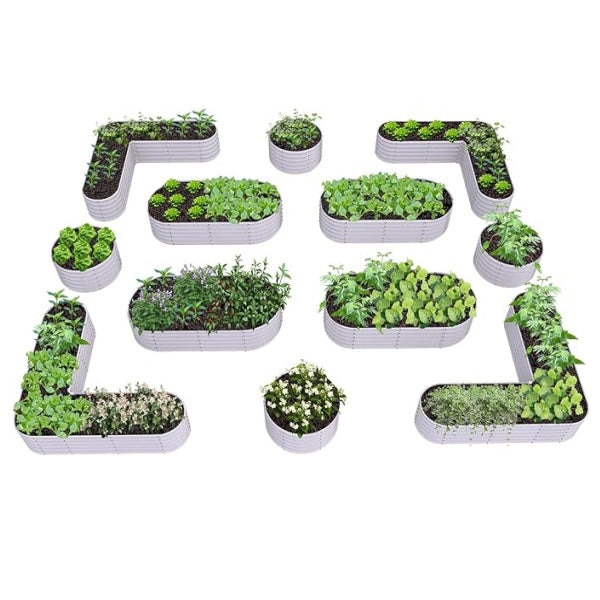
One of the most underused aspects of a modular garden layout is its capacity to evolve beyond pure vegetable production. Families who approach their outdoor space as a full ecosystem — not just a vegetable plot — consistently find more satisfaction in the long term.
A practical zone model might look like this:
The Production Zone is your raised bed planting layout — the core, food-growing area of the garden. This zone should prioritize sun access, efficient use of space, and ease of harvest. Galvanized steel raised garden beds in a range of sizes, aligned in rows or grids, anchor this zone structurally.
The Raising Zone is for small livestock — chickens, rabbits, or other backyard animals — that contribute to a closed-loop garden system. Chicken manure, for instance, is one of the most effective natural fertilizers for raised bed soil. Locating a chicken coop or rabbit hutch adjacent to (but downwind from) the growing zone creates practical synergies that reward the whole garden ecosystem.
The Beautification Zone uses decorative elements, pathway systems, and ornamental plantings to make the garden a genuinely enjoyable outdoor living space. This zone often expands naturally as the production zone matures — families who started with pure function increasingly want their garden to feel beautiful as well as productive.
This three-zone model is the core philosophy behind Anleolife's full-scenario product ecosystem, which is designed to support gardeners across all three stages: planting, raising, and beautification, in a single integrated outdoor environment.
Choosing the Right Bed Heights for Each Life Stage
Bed height is one of the decisions with the longest-term consequences in a raised bed layout, and it deserves more deliberate thought than it typically receives.
At 18" tall, a standard raised bed offers a solid balance of planting depth and material efficiency. This height works well for most vegetables and is the most common starting point for new garden setups. It is accessible to children and comfortable for adults who do not mind kneeling or crouching occasionally.
At 24" extra tall, beds remove the need for kneeling entirely for most adults, which makes a meaningful difference in gardening comfort over time. Families who are planning ahead — particularly those in their forties and fifties who want a garden that remains physically manageable into their sixties and beyond — often find that investing in extra-tall configurations during an expansion phase rather than retrofitting later is the more efficient path.
At 30" extra tall and the 35" waist-high option, the bed height is optimized for gardeners who want full stand-up access. These configurations are particularly valued by retirees and by gardeners with mobility considerations, and they integrate naturally into a mature modular layout that has already established lower beds for children or high-volume crops.
Per guidance from Gardeners.com's Pre-Planned Gardens resource, thoughtful advance planning of both layout and bed depth is one of the highest-leverage investments a home grower can make — avoiding the costly and labor-intensive process of tearing out and rebuilding a garden that was designed without the future in mind.
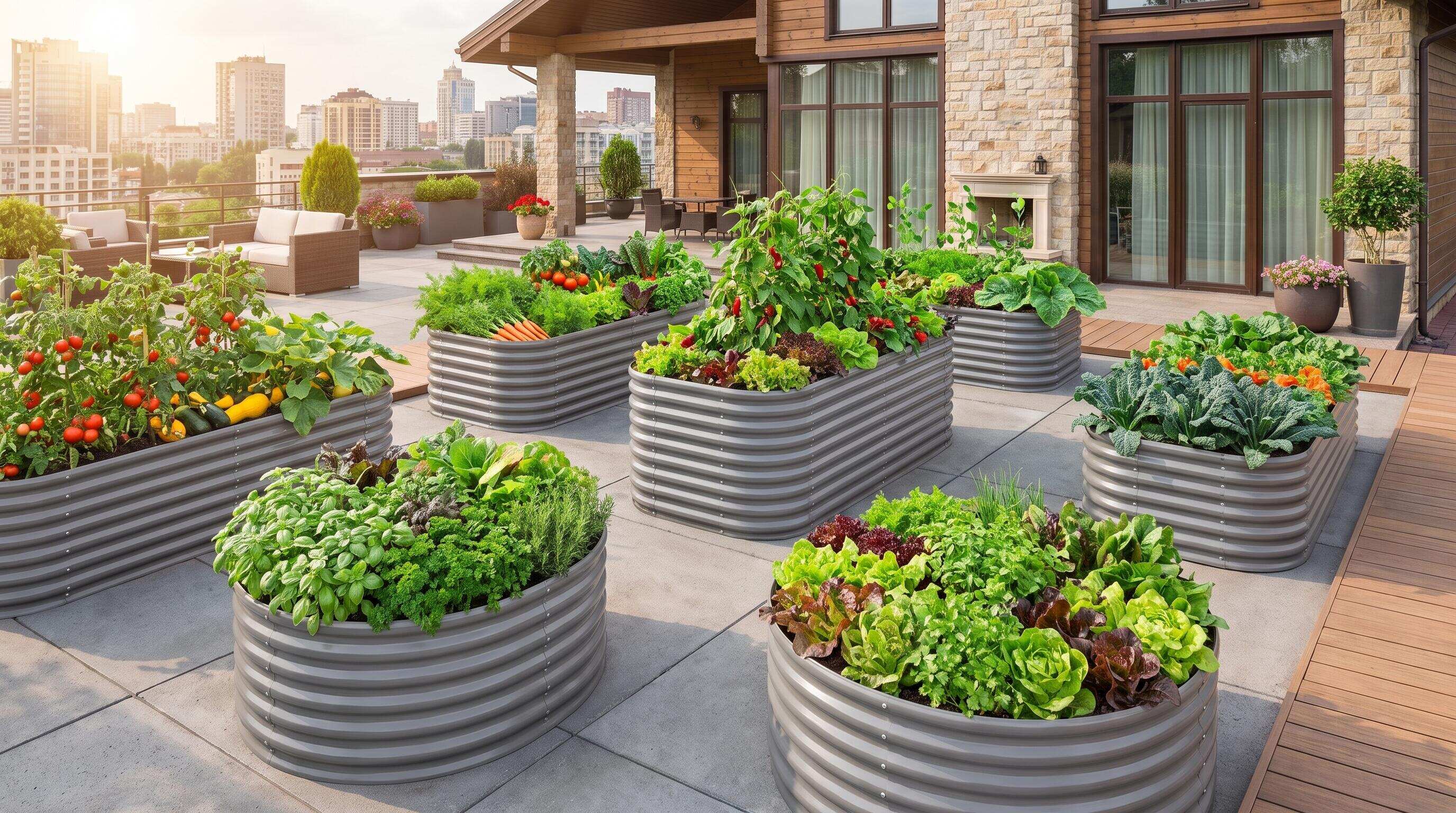
ALT: Modular raised bed garden layout with galvanized steel beds at varying heights arranged in zones for family vegetable growing and outdoor living
Advanced Considerations for Long-Term Modular Garden Design
The Soil System Is the Hidden Architecture
The physical beds are visible; the soil system is not — but it is equally important to the long-term success of a modular raised bed layout. A well-constructed soil system — typically a blend of topsoil, compost, and aeration materials — is what makes the difference between a bed that produces well in year one and one that continues producing well in year ten. In our experience working with long-term gardeners, the families who invest early in quality soil inputs and maintain a consistent composting and amendment cycle consistently outperform those who focus solely on bed configuration.
Managing the Transition Between Life Stages
A modular layout handles the transitions between family life stages more gracefully than a conventional garden, but it still requires intentional management. When children leave home and a couple's gardening priorities shift, some beds may be retired, repurposed for ornamental use, or reconfigured into fewer, larger growing areas. The modular nature of steel panel systems means these transitions happen without waste — panels can be reorganized, stored, or repurposed without replacing the entire infrastructure.
Common Misconception: Bigger Is Always Better
A pattern we consistently see with families planning their first expansion is the assumption that more beds immediately equals better outcomes. This is not always true. A single well-managed 8x4 ft bed with a healthy soil system and a thoughtful planting rotation will often outperform six neglected beds with depleted soil and no plan. Modular expansion should follow demonstrated capacity, not ambition alone. Build your management confidence first; add beds as your system matures.
Frequently Asked Questions FAQ
Q1: How do I determine the right number of raised beds to start with for a family garden layout?
Start with one or two beds — typically an 8x4 ft configuration — and focus on managing them well through a full growing season before expanding. Most families discover their actual capacity during this period: how much time they have for watering, weeding, and harvesting. A modular raised bed layout is designed precisely for this iterative approach — you add beds as your confidence and available time grow, rather than committing to a large footprint upfront that may become overwhelming.
Q2: Are galvanized steel raised garden beds safe for growing vegetables long term?
Galvanized steel raised garden beds are widely used for food production in home gardens. The galvanization process creates a zinc coating that resists rust and corrosion, and modern food-safe galvanized beds are formulated without harmful additives. Anleolife's galvanized steel beds are built for a 20-year lifespan, providing long-term structural integrity that makes them a sound investment for multi-decade family garden planning. For specific material safety questions, consulting the product documentation or the manufacturer directly provides the most accurate guidance.
Q3: How much time does it take to plan and set up a modular raised bed garden layout?
Initial planning — sketching your layout, measuring your space, and ordering your first beds — typically takes a weekend or two. Setup of the first one or two beds, including filling with soil, generally takes a full day per bed depending on your access to materials. The modular advantage is in ongoing time investment: because each bed operates independently, you can add, move, or reconfigure individual units over an afternoon rather than undertaking a full garden renovation. Delivery from Anleolife's nationwide warehouse network arrives within 3–8 business days, so your planning timeline can stay tight.
Summary
A modular raised bed garden layout is the most practical and future-proof approach for families who want a garden that genuinely grows with them — through the years of young children, through expansion into full food production, and through the quieter seasons of an empty nest.
Key Takeaways:
- Begin with an anchor bed in your best sunlight zone, designed for easy expansion along planned corridors.
- Choose bed materials — particularly galvanized steel — that match the longevity of your garden vision; a 20-year lifespan bed is a long-term asset, not just a purchase.
- Design in three zones — production, raising, and beautification — so your garden evolves beyond vegetables into a full outdoor living system.
- Scale expansion to demonstrated management capacity, not ambition; one well-tended bed outperforms six neglected ones.
- Prioritize soil system investment alongside bed configuration — the visible structure and the invisible biology both matter.
The next step is straightforward: start with your yard audit and your first bed placement. The modular system takes care of the rest, one expansion at a time.
Ready to start building a garden that grows with your family? Explore the full range of modular raised garden beds, soil systems, and backyard raising solutions on the Anleolife website — available through Amazon, Walmart, Home Depot, Lowe's, Wayfair, and Anleolife.com, with delivery across the U.S. in 3–8 business days through a nationwide warehouse network. Whether you are placing your first 8x4 ft bed or expanding into a full planting-and-raising ecosystem, Anleolife's modular product design grows with you every step of the way.
References
- The Old Farmer's Almanac. "Raised Bed Garden Layout Plans".
https://www.almanac.com/raised-bed-vegetable-garden-layouts-beginners - Savvy Gardening. "4x8 Raised Bed Vegetable Garden Layout Ideas".
https://savvygardening.com/4x8-raised-bed-vegetable-garden-layout/ - Gardeners.com. "Pre-Planned Gardens".
https://www.gardeners.com/pages/kitchen-garden-planner-preplanned-gardens
Note: Standards and recommendations may be updated; please check the latest official documents or consult professional advisors for current guidance.