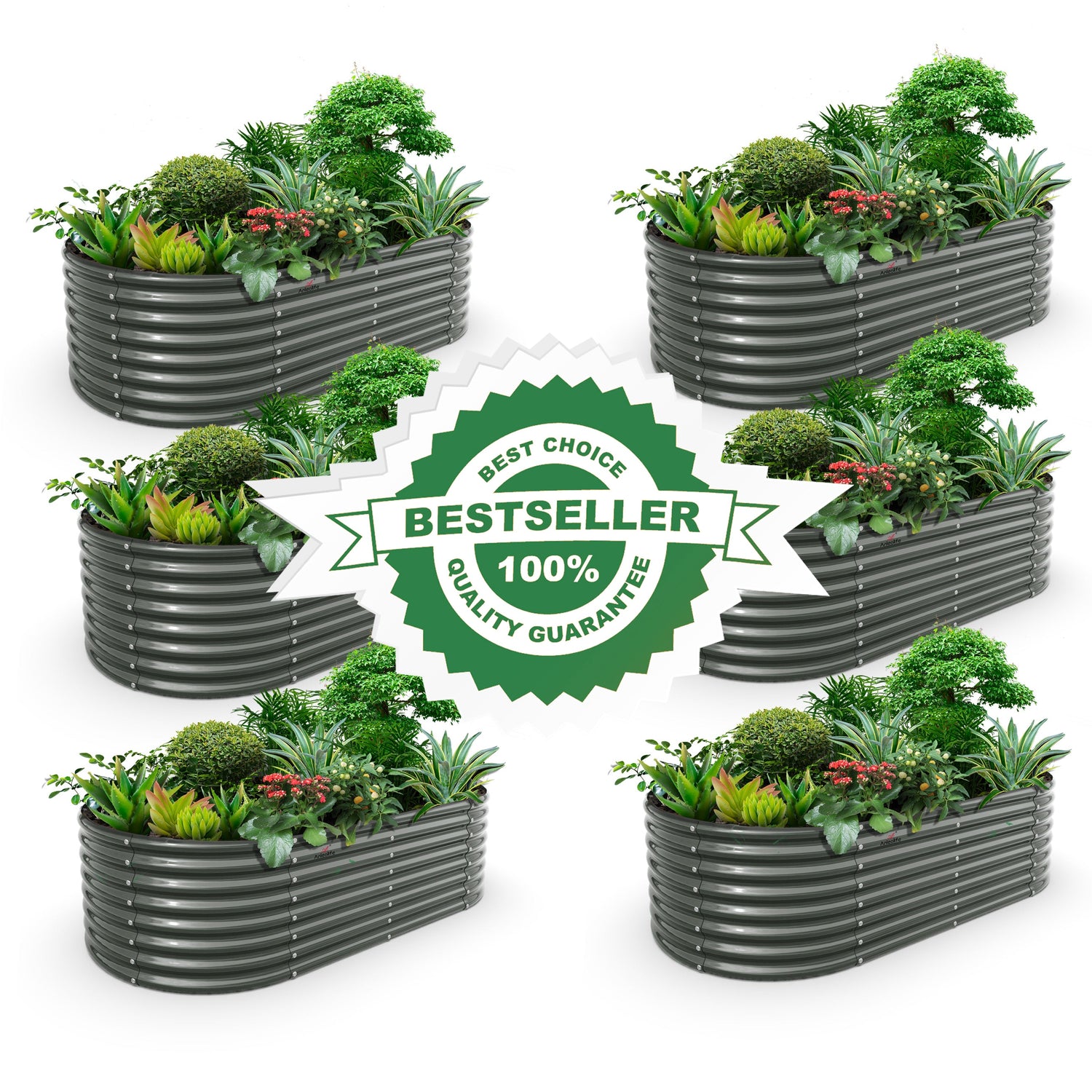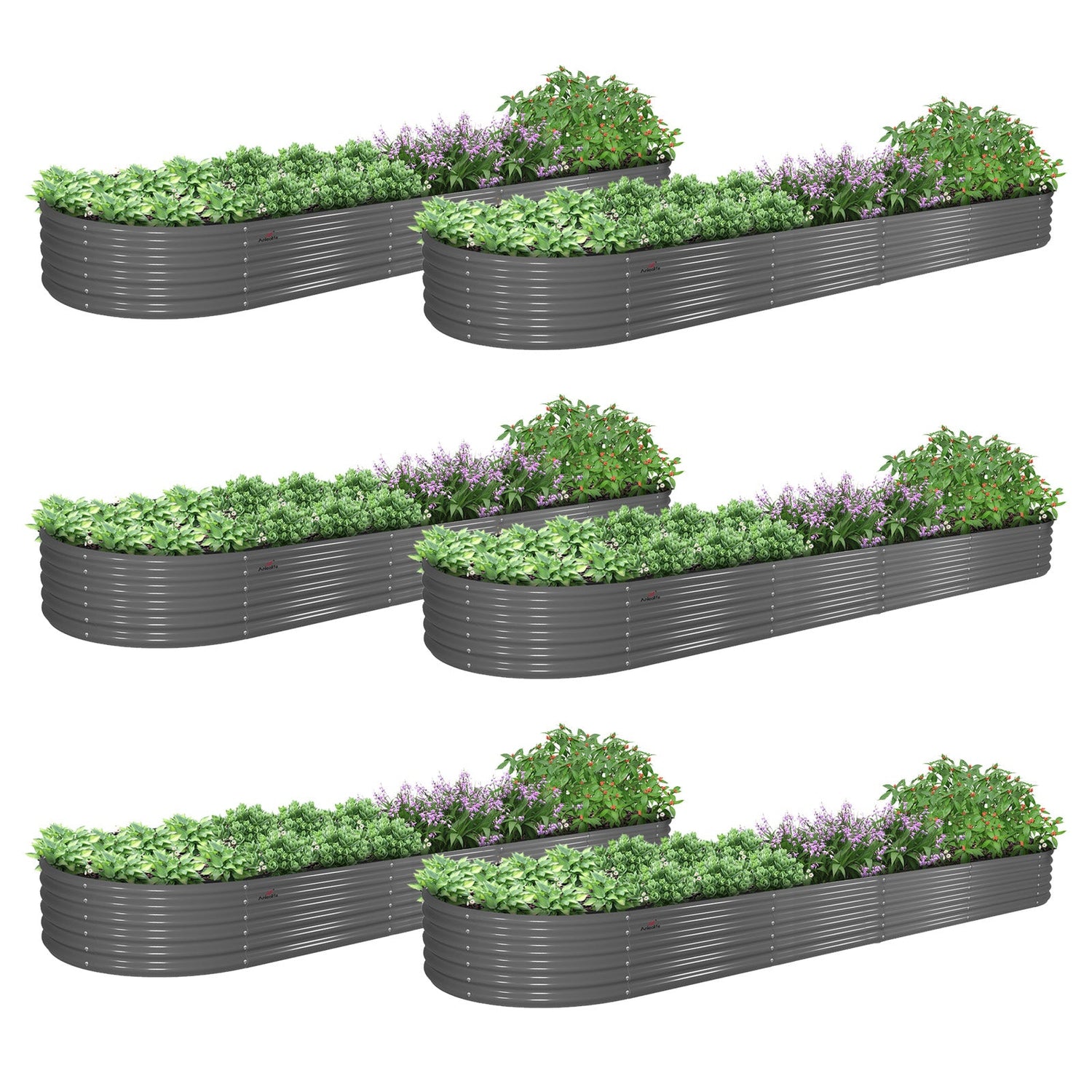



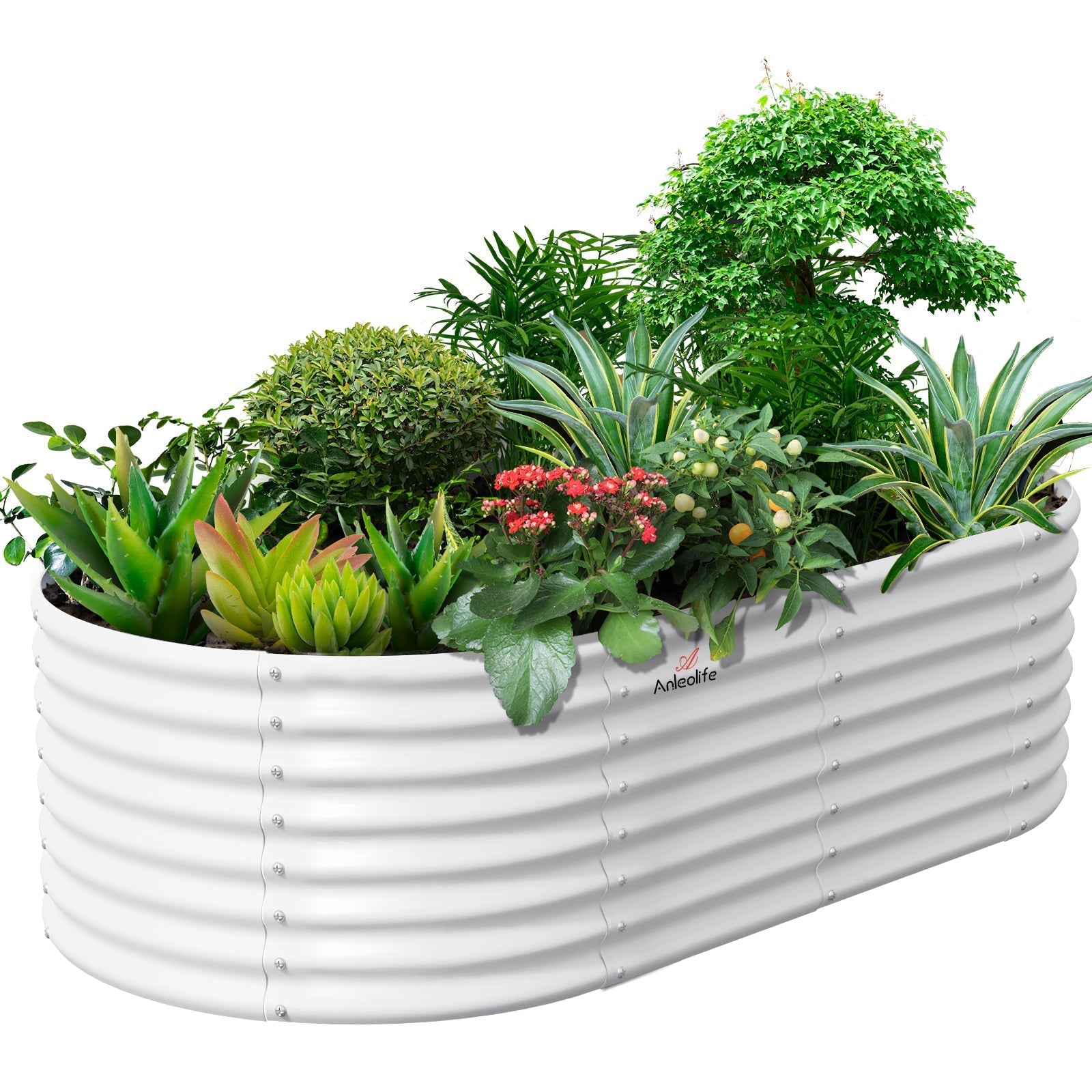
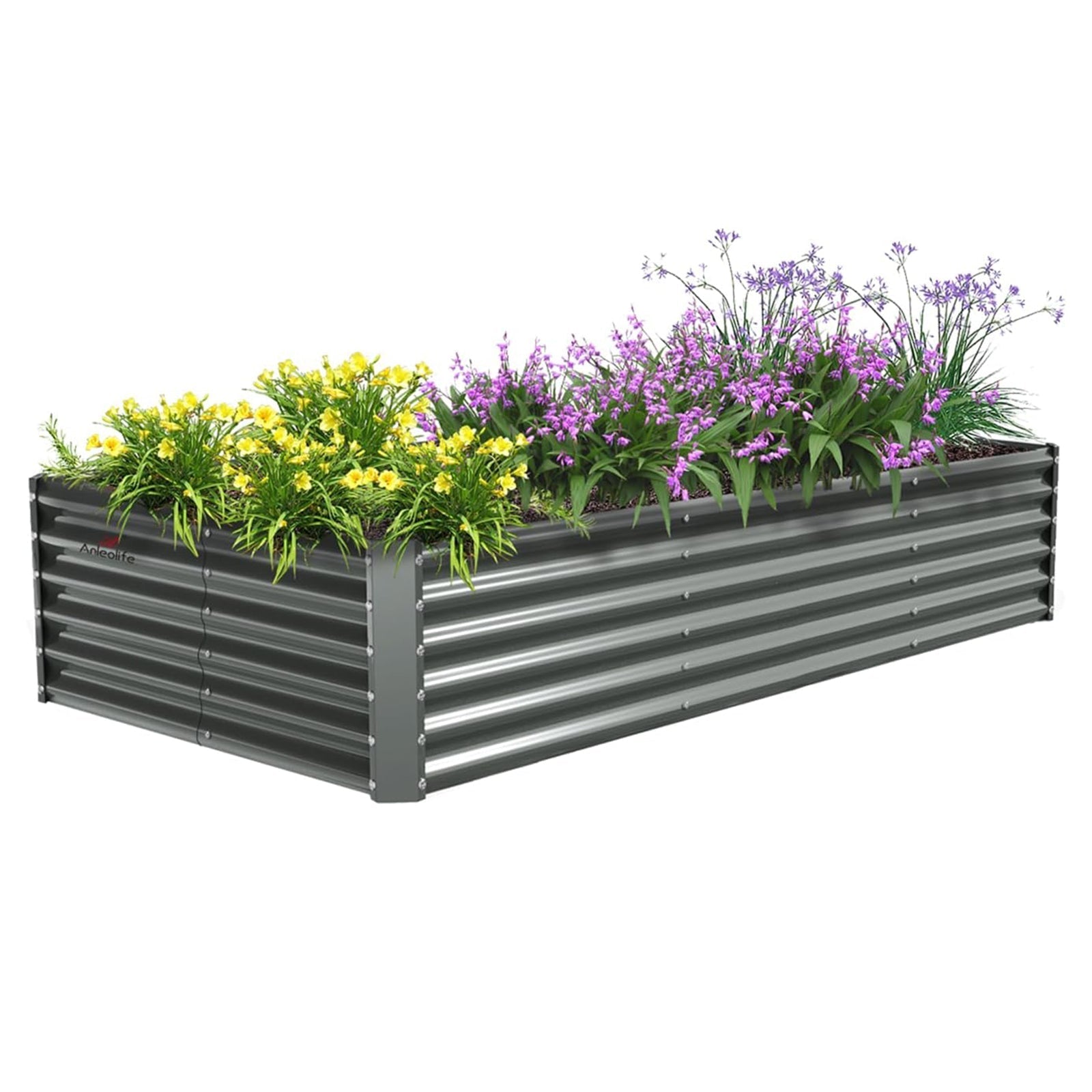

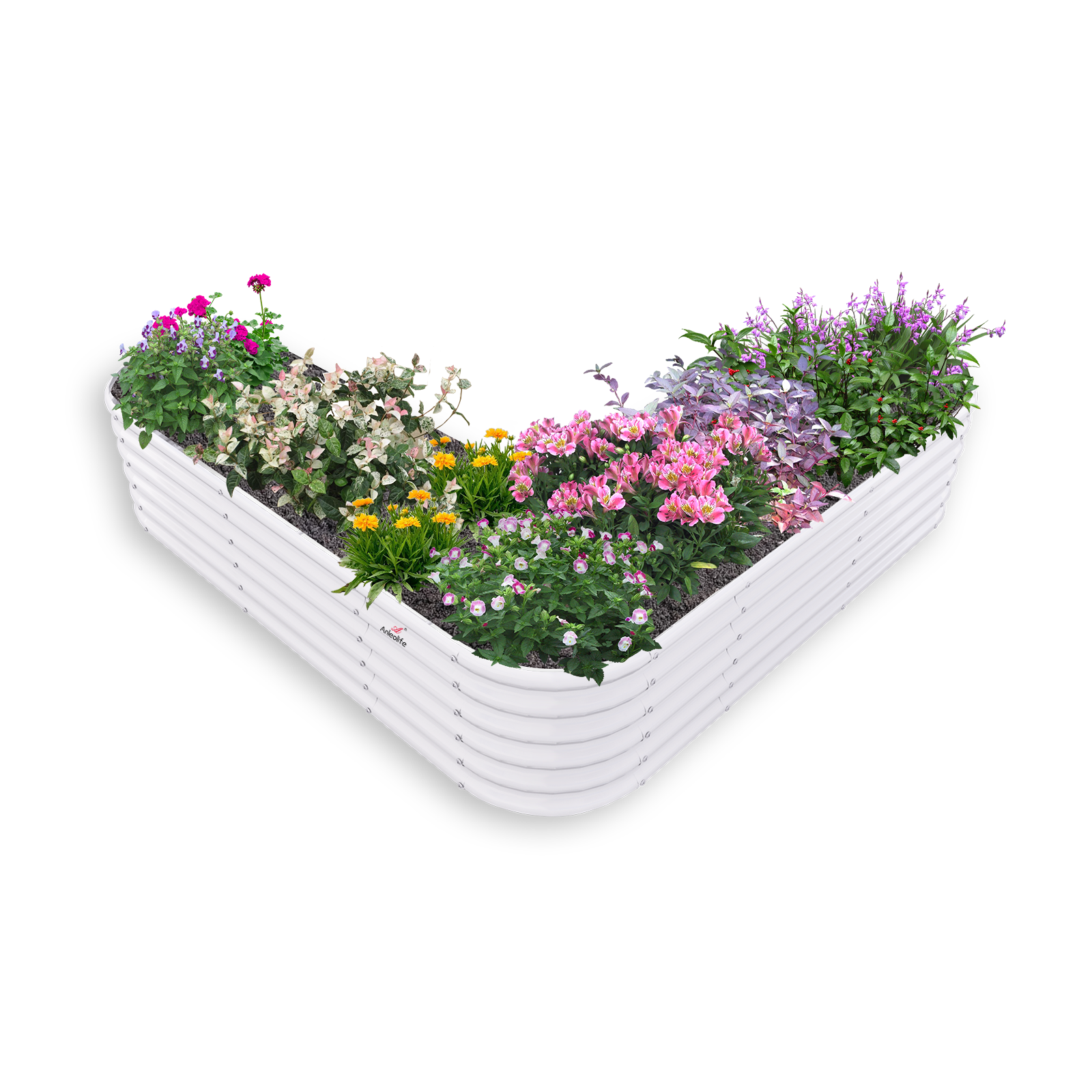
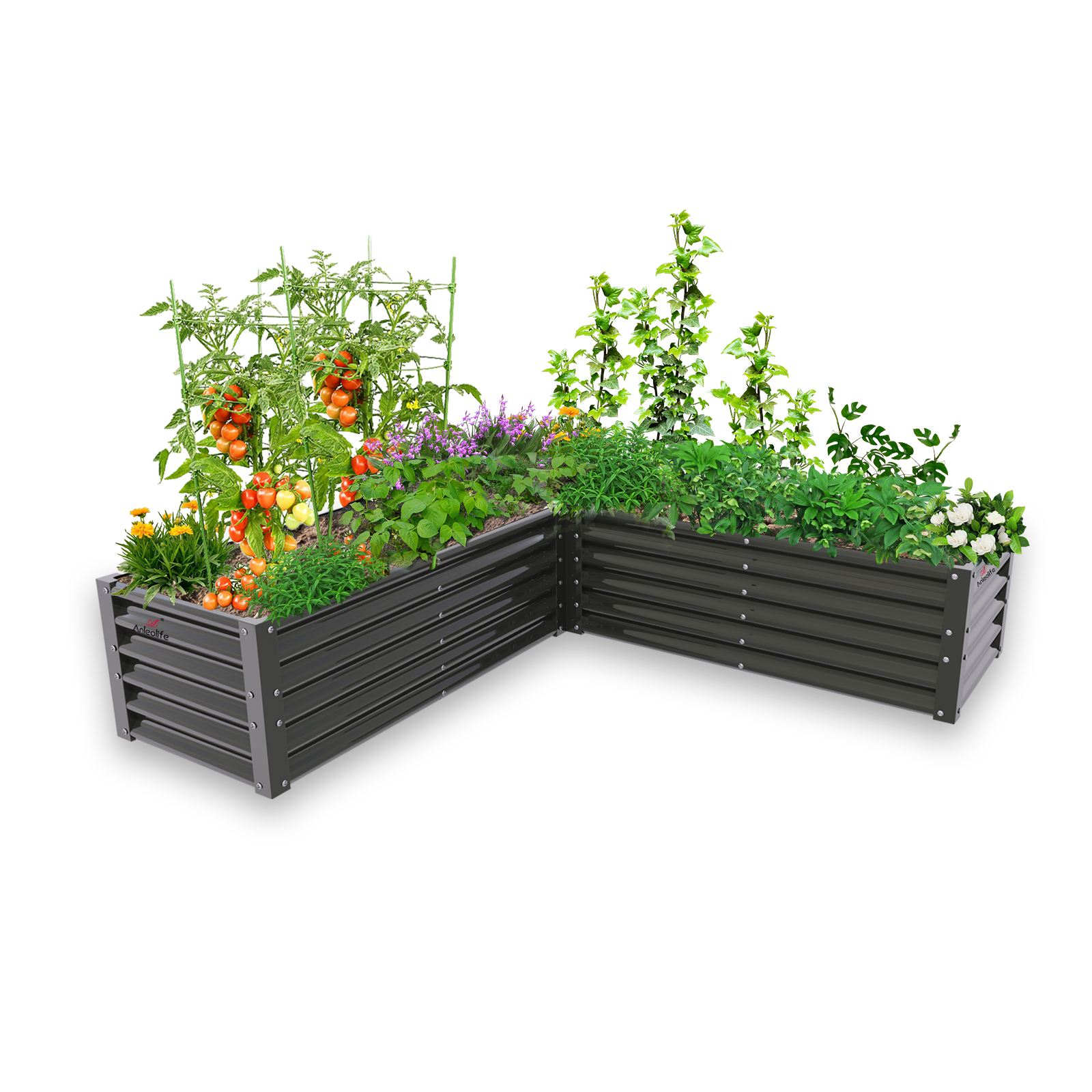
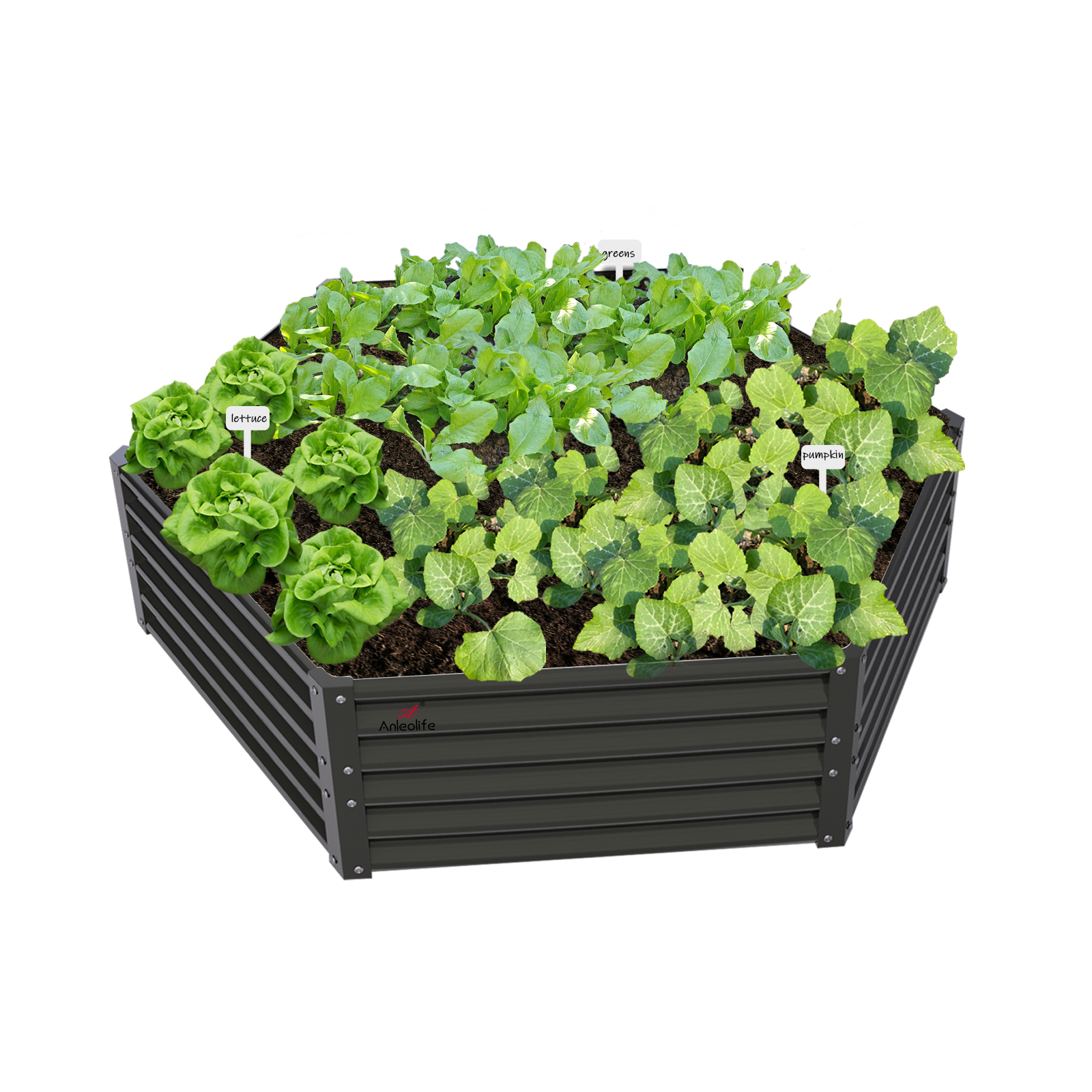
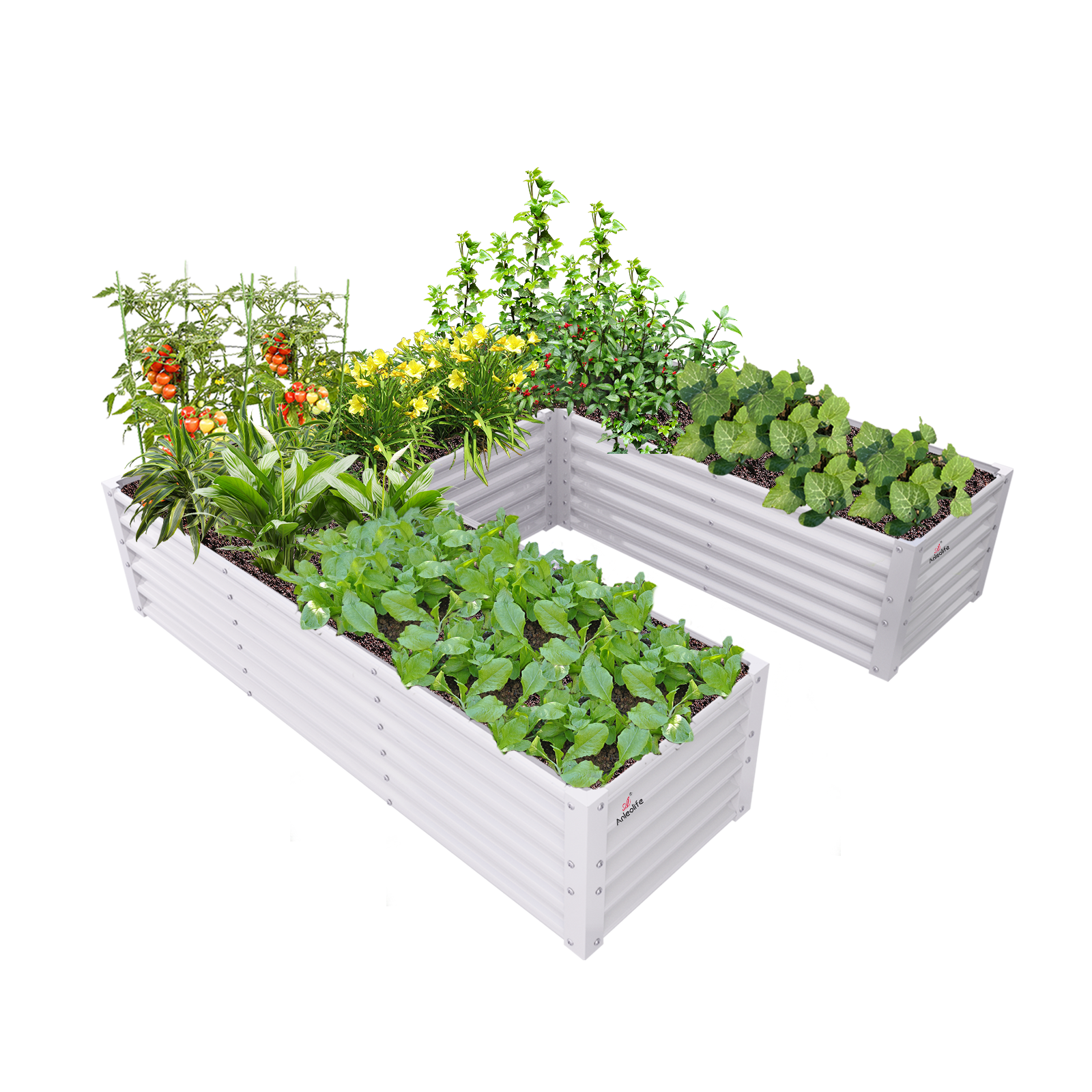

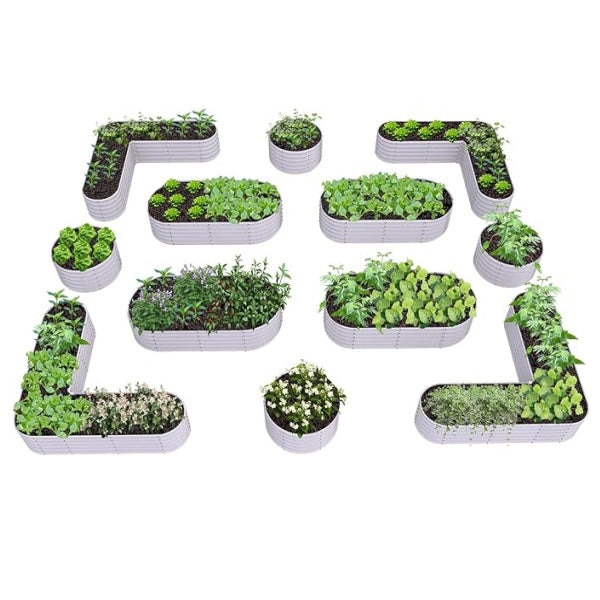


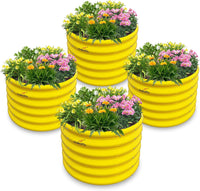
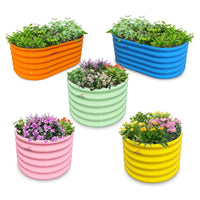
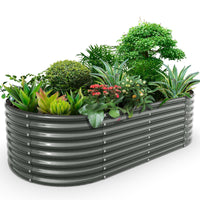



ALT: Container gardening checklist paired with compact raised beds for a raised bed garden layout
What Does a Complete Container Gardening Checklist Look Like When Paired With Compact Raised Beds?
Home growers frequently ask one foundational question before their first seed goes in the ground: how do I organize my containers and compact raised beds so everything actually works together? The answer lies in treating your raised bed garden layout as a unified system rather than a collection of individual pots and planters. A well-planned raised bed planting layout assigns every container a role — vertical climbers, spillover herbs, deep-rooted vegetables — and ensures that each element complements the raised bed at its center.
This checklist was built from patterns we consistently observe when helping gardeners move from scattered trial-and-error to a coherent, productive outdoor space. Each item was selected because it directly affects either plant health, space efficiency, or long-term bed performance. Work through the list in order for a first setup, or use individual items as diagnostic checkpoints for an existing garden. The goal is practical, actionable guidance you can apply the same weekend you read it.
The Complete Checklist: Pairing Containers With Compact Raised Beds
Start With a Scaled Raised Bed Layout Plan Before Buying Anything
A raised bed layout plan is a simple scale drawing — on paper or a free digital planner — that maps every raised bed, container, path, and sun exposure zone before a single dollar is spent. Starting here prevents the single most common mistake we see: buying containers that physically block sun from the bed they are supposed to complement.
Measure your available footprint first. Mark prevailing sun direction (north-south bed orientation typically maximizes light exposure in North American climates). Then sketch where each compact raised bed will sit, and assign surrounding container zones for shade-tolerant herbs, pollinator flowers, or overflow seedlings. According to resources from the Old Farmer's Almanac, a beginner-friendly raised bed vegetable garden layout begins with identifying which crops need full sun (six or more hours) before placing anything else — containers included. (See the Raised Bed Garden Layout Plans guide for orientation planning principles.)
Best for: First-time growers and anyone adding a second or third raised bed to an existing garden.
Watch out: Digital planners can make a space look larger than it is. Always verify measurements on the ground with a tape measure before ordering.
Choose the Right Compact Raised Bed as Your Anchor
A compact raised bed is the structural anchor of the entire container arrangement — it defines the growing depth, drainage behavior, and visual weight that every surrounding container must respond to. Choosing the wrong bed size or height creates mismatches that are costly to fix later.
In our work with clients planning small-space gardens, the most consistent finding is that bed height matters as much as footprint. Shallow beds limit root development for tomatoes and squash; extra-tall beds remove the need to stoop and make companion container placement more intuitive because the vertical sightline is clear. Anleolife offers a range of galvanized steel raised garden beds spanning from 18-inch standard heights to 30-inch and 35-inch waist-high options, so growers can match bed height to both their crops and their physical comfort. Each bed is engineered for a lifespan of up to 20 years, meaning the anchor of your layout is not something you will need to reconfigure regularly.
If you are new to sizing decisions, a first-time buyer's guide to sizing a raised garden bed kit walks through the key dimensions to consider before you commit.
Best for: Growers building a long-term garden system who want an anchor bed that will not need replacing.
Watch out: Do not size the raised bed purely by available space. A bed that is too narrow to reach the center comfortably (generally, more than arm's length from the edge) creates an ergonomic problem that no container arrangement can fix.
Build a Soil System That Works Across Both Bed and Container
A soil system is the combination of growing media, amendment ratios, and drainage layers used consistently across your raised bed and companion containers so plants transition predictably between planting zones. Mismatched soil across bed and containers is a leading cause of inconsistent growth that growers often misdiagnose as a watering or sunlight problem.
For the raised bed, a classic mix used by experienced home growers combines compost, coarse vermiculite or perlite, and quality topsoil in proportions that balance drainage with moisture retention — commonly referenced as a "Mel's Mix" variation in square-foot gardening literature. Containers require slightly more perlite because they dry out faster and have no connection to ground moisture. Matching the base ingredients across both systems means fertilizer rates, pH adjustments, and watering schedules stay consistent, which simplifies management significantly.
According to the University of Minnesota Extension (a land-grant university with documented urban horticulture programs), container growing media should never include straight garden soil because it compacts under the confined conditions of a pot, strangling roots. Apply this rule to every container in your raised bed layout, regardless of size.
Best for: Growers who want a low-maintenance system with predictable, repeatable results season after season.
Watch out: Reusing container soil from a previous season without refreshing compost is a common shortcut that progressively depletes nutrients and invites disease. Plan to top-dress or replace at least one-third of the volume each year.
Map Companion Planting Zones Across Bed and Containers
Companion planting in a raised bed garden layout means assigning specific crops and flowers to specific positions — inside the raised bed and in surrounding containers — based on their mutual benefits and competitive relationships. Treating the two growing spaces as separate zones wastes the synergistic potential of the combined arrangement.
The classic three-sister planting (corn, beans, squash) is designed for larger beds, but a compact raised bed layout benefits from smaller-scale companions: basil near tomatoes to repel aphids, marigolds in border containers to deter nematodes, and nasturtiums at the container edge to attract beneficial insects. In our experience, the gardeners who get the most out of a small footprint are those who plan companion zones before planting rather than adding flowers as an afterthought once problems arise. Resources such as 4x8 Raised Bed Vegetable Garden Layout Ideas offer visual layouts that show how companion zones extend naturally beyond the bed edge into container space.
Best for: Eco-conscious growers looking to reduce chemical inputs by leveraging plant relationships.
Watch out: Not all traditional companion pairs are supported by robust research. Stick to well-documented combinations (basil-tomato, carrot-onion, marigold as a general border plant) rather than untested folk pairings that can lead to competition for nutrients.
Select Containers by Root Depth, Not by Aesthetic Appeal
Container selection is the step where many growers let visual style override practical function, and the results are predictably frustrating. The rule is direct: match container depth to the root architecture of the plant you intend to grow, not to the visual theme of your garden.
Shallow containers (typically under eight inches of usable depth) work for lettuce, radishes, herbs, and annual flowers. Mid-depth containers suit peppers, bush beans, and compact cucumber varieties. Deep containers — twelve inches of usable depth or more — are necessary for tomatoes, eggplant, and root vegetables like carrots and beets. When these containers are arranged around a compact raised bed, place deep containers at the back or sides where they do not cast shade on lower-growing crops in the bed, and use shallow herb containers as front-edge accents.
Modular bed systems, such as Anleolife's modular raised garden bed line, let you expand the raised bed footprint incrementally, which can reduce how many deep containers you need as the garden grows — a practical consideration for growers who prefer beds over pots for long-term crops.
Best for: Growers who have struggled with stunted growth or root-bound plants in containers paired with raised beds.
Watch out: Container depth printed on packaging often includes the pot wall and drainage lip. Measure usable interior depth from the drainage hole level to the soil surface, not from the rim.
Install a Consistent Watering Strategy Across the Entire Layout
A consistent watering strategy is a plan that delivers appropriate moisture to both the raised bed and every companion container on the same schedule, adjusting for the fact that containers always dry out faster than beds. Without this plan, growers inevitably overwater the bed to keep up with thirsty containers, or neglect containers because the bed appears dry.
Drip irrigation extended from the raised bed to surrounding containers is the most reliable solution in our experience. A single timer-controlled line with emitters positioned at each container eliminates the daily decision-making that leads to inconsistency. For gardeners not ready to invest in drip infrastructure, self-watering containers with built-in reservoirs placed alongside the raised bed are a practical middle step. The raised bed soil system should be mulched to reduce evaporation — two to three inches of straw or shredded wood maintains consistent moisture without compacting the surface.
Best for: Busy households, retirees managing energy levels, or anyone gardening in a hot-summer climate where containers can dry out within a single day.
Watch out: Drip emitters can clog with sediment, particularly in areas with hard water. Check emitters monthly and flush lines at the start of each season to maintain consistent delivery.
Plan Vertical Space as an Extension of the Raised Bed
Vertical growing is not a separate category from raised bed gardening — it is a direct extension of the raised bed planting layout that uses trellises, obelisks, and climbing containers to multiply productive space without expanding the horizontal footprint. Ignoring vertical potential is one of the most consistent missed opportunities we observe in compact garden setups.
Position tall vertical structures (trellises for pole beans, cucumber towers, tomato cages integrated into deep containers) on the north side of the raised bed so they cast shade away from the bed rather than onto it. Compact climbing crops like mini pumpkins and scarlet runner beans can grow from deep containers positioned at bed corners, creating a visual frame that also produces food. For apartment patios and rooftops where horizontal space is tightest, vertical stacking becomes the primary growth strategy — and best vertical garden structures for apartment patios and rooftops offers specific configuration ideas that translate well to compact raised bed pairings.
Best for: Urban micro-gardeners, apartment balcony growers, and anyone working with a footprint under 100 square feet.
Watch out: Vertical structures in containers need ballast. A tall trellis in a lightweight plastic pot will tip in wind. Use heavy ceramic or galvanized containers for anchoring vertical structures, or stake directly into the raised bed soil where structure allows.
Establish a Seasonal Rotation Plan That Covers Both Bed and Containers
A seasonal rotation plan is a crop-by-crop schedule that moves plant families through different positions — across both the raised bed and companion containers — each growing season to interrupt pest and disease cycles and prevent soil nutrient depletion in any single spot. Rotation is commonly applied inside raised beds but rarely extended to containers, which is a missed opportunity.
Tomatoes, peppers, and eggplant (all Solanaceae) should not occupy the same container or bed position two seasons in a row. Root vegetables following heavy feeders like squash refresh the soil's physical structure. Legumes fixed in containers adjacent to the raised bed add nitrogen that benefits the next season's brassicas in the bed. Pre-planned garden rotation resources, such as those available from Gardeners Supply (see Pre-Planned Gardens), demonstrate how integrated planting calendars help maintain soil health across mixed planting systems.
For growers using galvanized raised beds built to last up to 20 years, investing in a rotation plan from the first season pays compounding dividends — the same bed that performs well in year one should perform equally well in year fifteen with proper rotation and soil management. To keep the structure itself in peak condition over those years, the guidance in how to maintain galvanized steel raised beds for decades of use complements the crop-management practices described here.
Best for: Returning growers who have noticed yield decline or recurring pest problems season over season.
Watch out: Container rotation is only effective if you also refresh or replace the growing media. Rotating crops into old, depleted potting mix moves the plant but not the problem.
Create Clear Pathways and Access Points Around the Layout
Pathway planning is the final checklist item that most growers skip until they have already made their beds immovable — and it is the item most responsible for long-term garden satisfaction or frustration. A raised bed garden layout without clear access paths becomes difficult to maintain within a season.
Each raised bed should be reachable from at least two sides without stepping over containers. Paths between the bed and surrounding containers should be wide enough to kneel, turn with a watering can, or maneuver a small cart — generally eighteen inches as a practical minimum. Use stable, non-slip surfaces: gravel, stepping stones, or compacted mulch. Mark pathways in your layout drawing before placing any containers so you design access in rather than around it.
Growers planning to expand over time benefit from building pathway logic into their modular approach from the start. Anleolife's modular raised garden bed configurations allow beds to be added in increments, meaning pathways can be designed once and extended logically rather than retrofitted each time a new element is added.
Best for: Anyone planning a garden they intend to expand, and growers with physical mobility considerations who need consistent, clear access.
Watch out: Ornamental pebble paths look appealing in planning drawings but scatter into plant beds and make weeding more difficult. Choose pathway materials that stay in place with regular foot traffic.
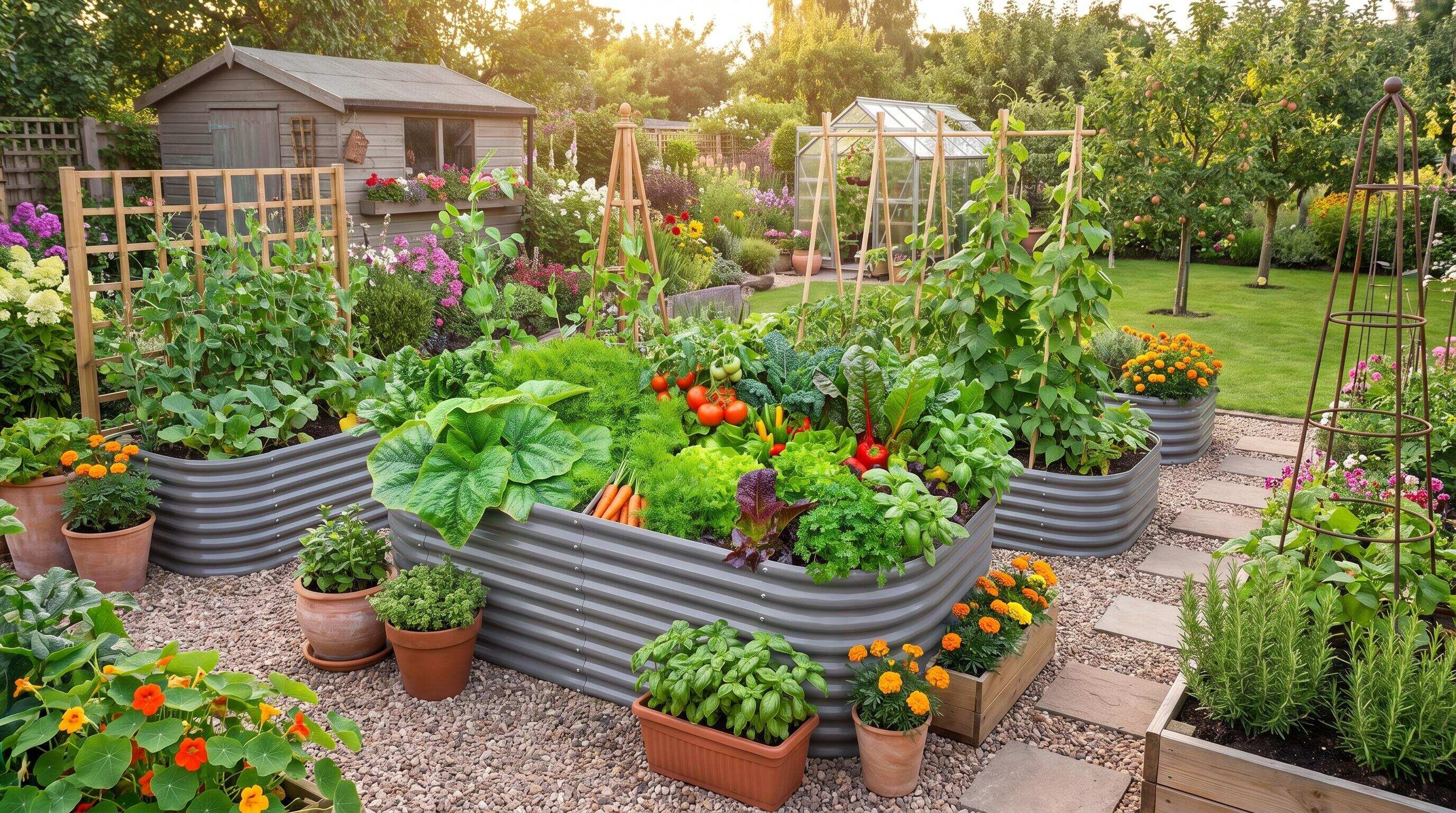
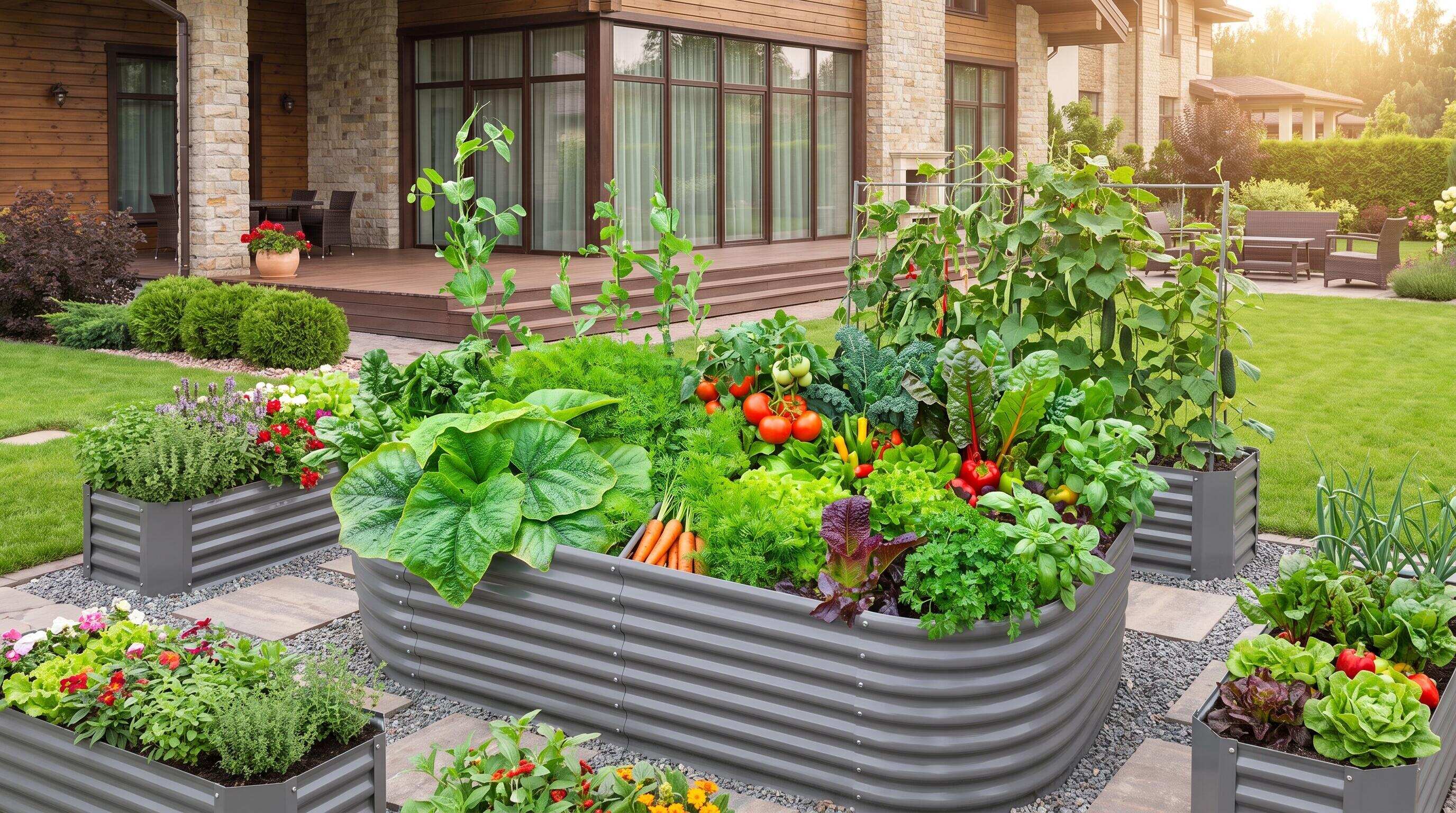
ALT: Raised bed planting layout showing container placement, companion planting zones, and vertical growing structures alongside compact galvanized steel raised beds
At a Glance: Container Gardening Checklist Summary
| Item | Best For | Key Strength | Limitation |
|---|---|---|---|
| Scaled Layout Plan | First-time growers and expanding gardens | Prevents costly misplacement before purchase | Digital plans can misrepresent real scale |
| Choosing the Anchor Raised Bed | Long-term garden system builders | Defines depth, drainage, and vertical logic for the whole layout | Wrong sizing is difficult and costly to correct later |
| Unified Soil System | Growers wanting predictable, low-maintenance results | Consistent pH, fertilization, and watering across bed and containers | Old container soil must be refreshed annually to stay effective |
| Companion Planting Zones | Eco-conscious, chemical-reduction growers | Uses plant relationships to manage pests naturally | Not all folk pairings are research-supported |
| Container Selection by Root Depth | Growers with stunted or root-bound plants | Matches growing space to plant biology | Packaging depth can include unusable wall space |
| Consistent Watering Strategy | Busy households and hot-climate growers | Eliminates daily guesswork and inconsistency | Drip emitters need regular maintenance in hard-water areas |
| Vertical Space Planning | Urban micro-gardeners and small-footprint growers | Multiplies productive space without expanding horizontally | Vertical containers need ballast against wind tipping |
| Seasonal Rotation Plan | Returning growers with declining yields | Breaks pest cycles and rebuilds soil over multiple seasons | Must be paired with annual media refresh to be effective |
| Pathway and Access Planning | Expanding gardens and growers with mobility considerations | Ensures long-term usability and prevents layout lock-in | Ornamental path materials can migrate into planting areas |
How to Choose the Right Starting Point for Your Situation
The checklist above is designed to be used in sequence for a brand-new setup, but most readers arrive with a partially established garden. Here is how to identify where to start based on your current situation.
If you have containers but no raised bed yet, begin with the anchor bed selection (item two) and the soil system (item three). These two decisions determine how well your existing containers will integrate with the new bed. Matching soil profiles is often the fastest win available to a grower who already has containers in use.
If you have a raised bed but containers are scattered without a plan, start with the layout plan (item one) and companion planting zones (item four). Drawing the existing space to scale frequently reveals that what appears to be a sun problem or a pest problem is actually a placement problem — crops competing for light or natural pest-deterrent plants positioned too far from the crops they protect.
If you are building from scratch with a clear footprint, work through items one through nine in order, but do not let perfect become the enemy of functional. A hand-drawn layout on graph paper and a well-chosen anchor bed will outperform months of planning with no implementation.
A common misconception in raised bed gardening is that more containers automatically produce more food. In our work with clients, the opposite pattern appears frequently: a tightly planned raised bed layout with fewer, well-positioned containers consistently outperforms a crowded, unplanned arrangement of many pots. Productive density comes from intentional placement, not from maximum container count.
Common Questions
How do I decide how many containers to pair with a compact raised bed?
Pairing container count to a compact raised bed depends on the bed's footprint and the crops you intend to grow. A practical starting point is one to two deep containers for climbing or tall crops (positioned on the north side), two to three mid-depth containers for companion vegetables, and two to four shallow containers for herbs and edging flowers. Start with fewer than you think you need — it is easy to add containers but difficult to reclaim space once a layout is established.
Is galvanized steel safe for growing food in raised beds?
Galvanized steel raised beds are widely used for food production. The zinc coating that gives galvanized steel its rust resistance is present in soil naturally, and current evidence from horticultural and public health research does not support concerns about zinc leaching at levels harmful to human health under normal garden conditions. Anleolife galvanized steel raised garden beds are designed for long-term food growing, with a documented lifespan of up to 20 years. Gardeners with specific health concerns can line beds with food-safe fabric before filling.
How long does it take to set up a raised bed with a companion container layout?
Initial setup of a compact raised bed plus four to six companion containers can realistically be completed in a single weekend for most gardeners. The raised bed assembly itself typically takes one to two hours. Filling with soil, positioning containers, and planting add another two to four hours depending on layout complexity. Delivery from Anleolife takes between 3 and 8 business days to most U.S. locations, so ordering in advance of your planned setup weekend is the practical approach.
Final Thoughts
A container gardening checklist paired with compact raised beds is not about following rules for their own sake — it is about making every square foot of your outdoor space work deliberately, so you spend less time troubleshooting and more time harvesting.
Key takeaways from this guide:
- Plan the layout before purchasing anything; a scaled drawing prevents expensive placement mistakes.
- Choose the anchor raised bed by height and root depth needs first, aesthetics second.
- Align soil systems across bed and containers to simplify watering, fertilization, and pH management.
- Assign containers by root depth and companion planting role, not by visual appeal alone.
- Build pathways and vertical structure into the original layout rather than retrofitting them later.
The gardeners who get the most from compact spaces are not those with the most containers — they are those who treat the raised bed and every surrounding container as a single, integrated system. With a bed designed to last up to 20 years as your foundation, the investment in planning now pays returns every growing season for decades.
If you are ready to move from planning to planting, start by choosing the raised bed that fits your space and your crops.
Explore the full range of compact and extra-tall galvanized raised garden beds, modular configurations, and complete garden ecosystem products — from beds and soil systems to chicken coops and pathway accessories — at the Anleolife website. Products ship from strategically located U.S. warehouses in California, Texas, Florida, New York, Illinois, and Washington, with delivery in 3–8 business days. Anleolife is also available on Amazon, Walmart, Home Depot, Lowe's, and Wayfair for consistent quality and after-sales support wherever you prefer to shop.
Sources
- Old Farmer's Almanac. "Raised Bed Garden Layout Plans."
https://www.almanac.com/raised-bed-vegetable-garden-layouts-beginners - Savvy Gardening. "4x8 Raised Bed Vegetable Garden Layout Ideas."
https://savvygardening.com/4x8-raised-bed-vegetable-garden-layout/ - Gardeners Supply Company. "Pre-Planned Gardens."
https://www.gardeners.com/pages/kitchen-garden-planner-preplanned-gardens - University of Minnesota Extension. "Growing Vegetables in Containers."
https://extension.umn.edu
Note: Standards and horticultural guidance may be updated; please check the latest official documents or consult professional advisors.