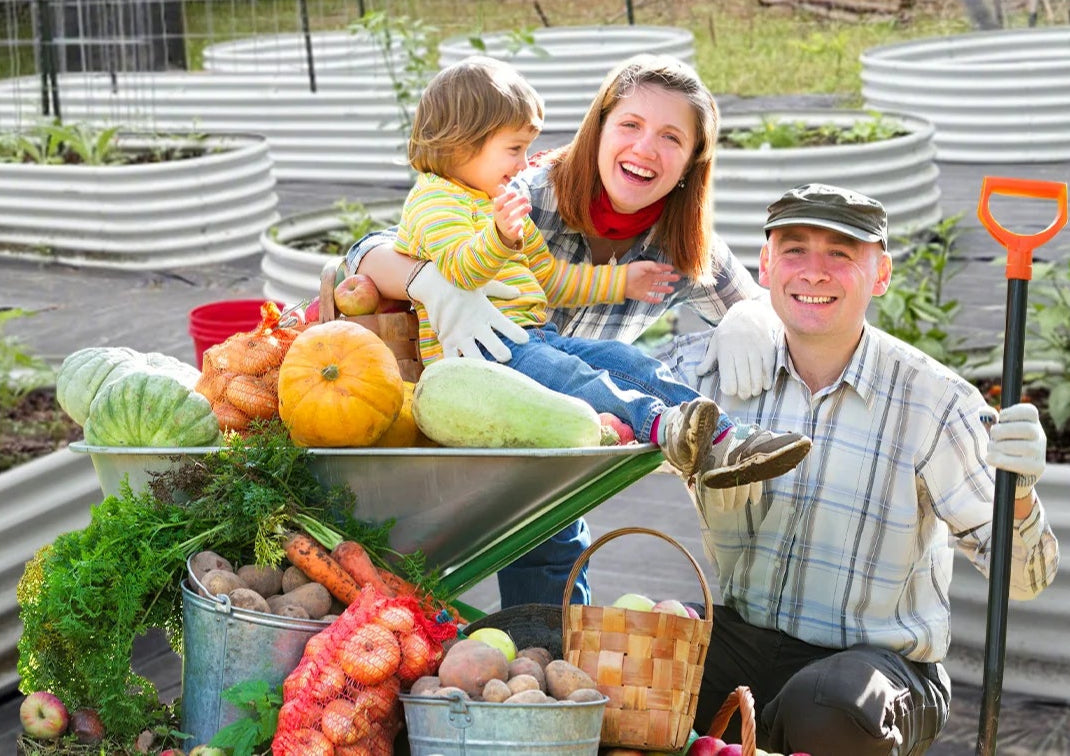



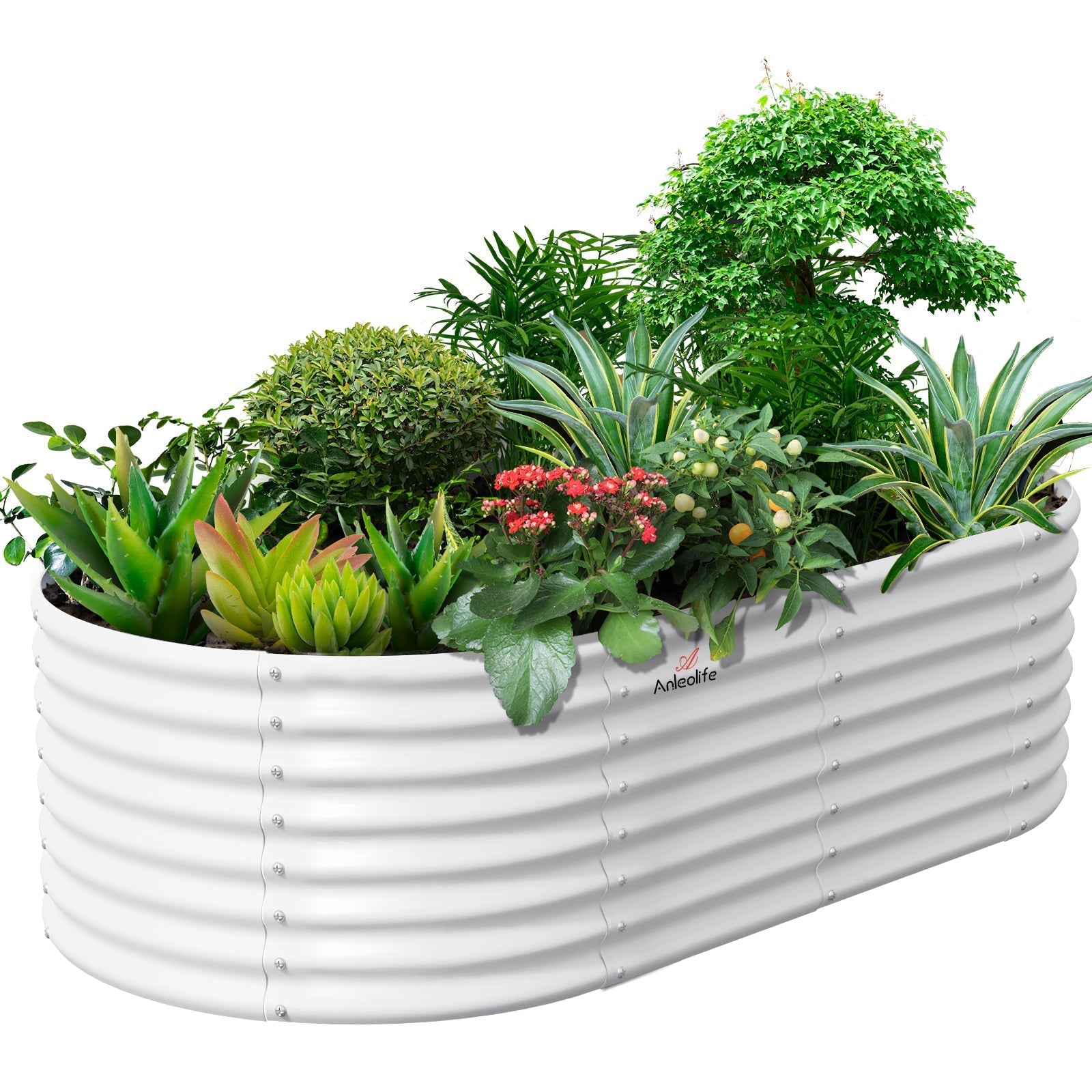
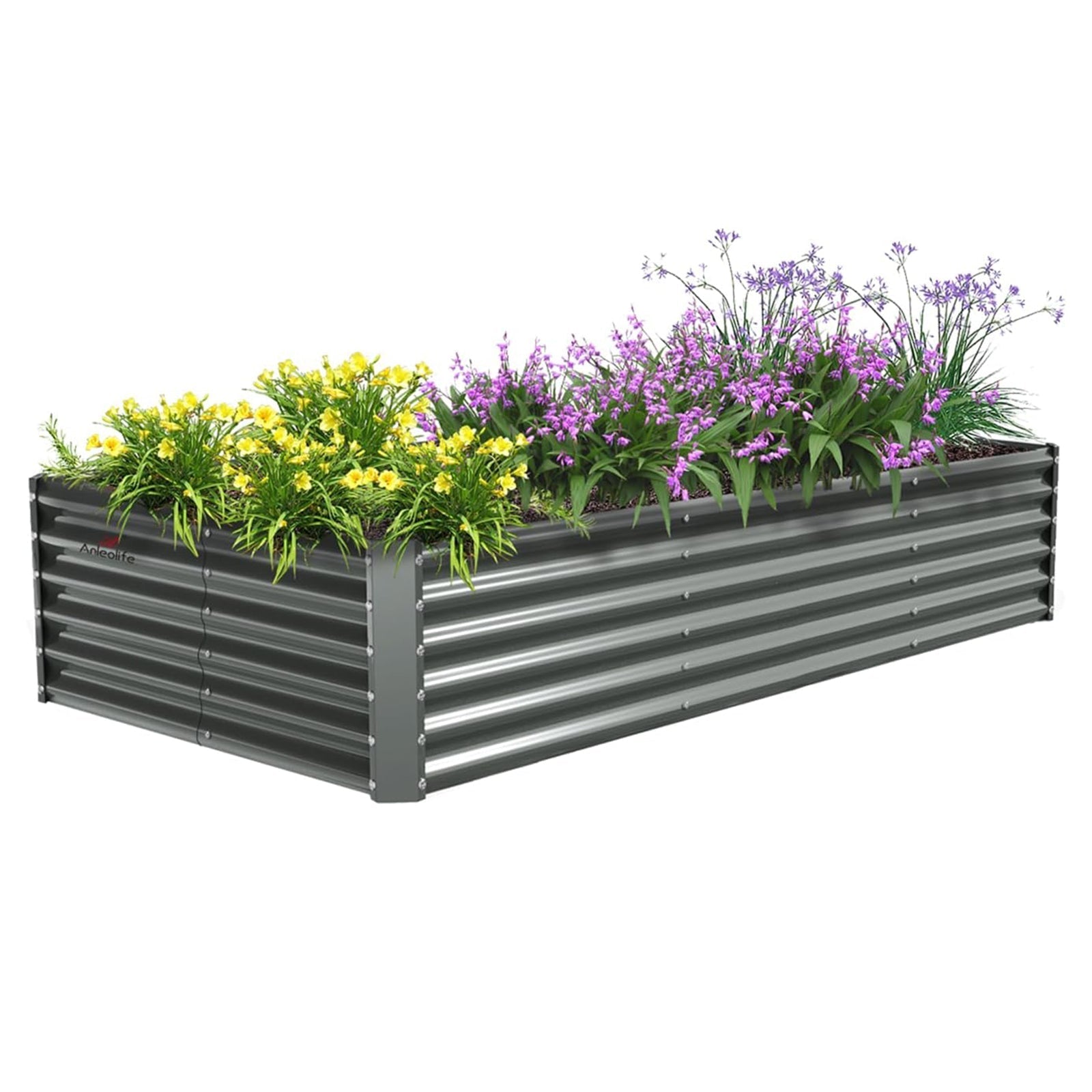
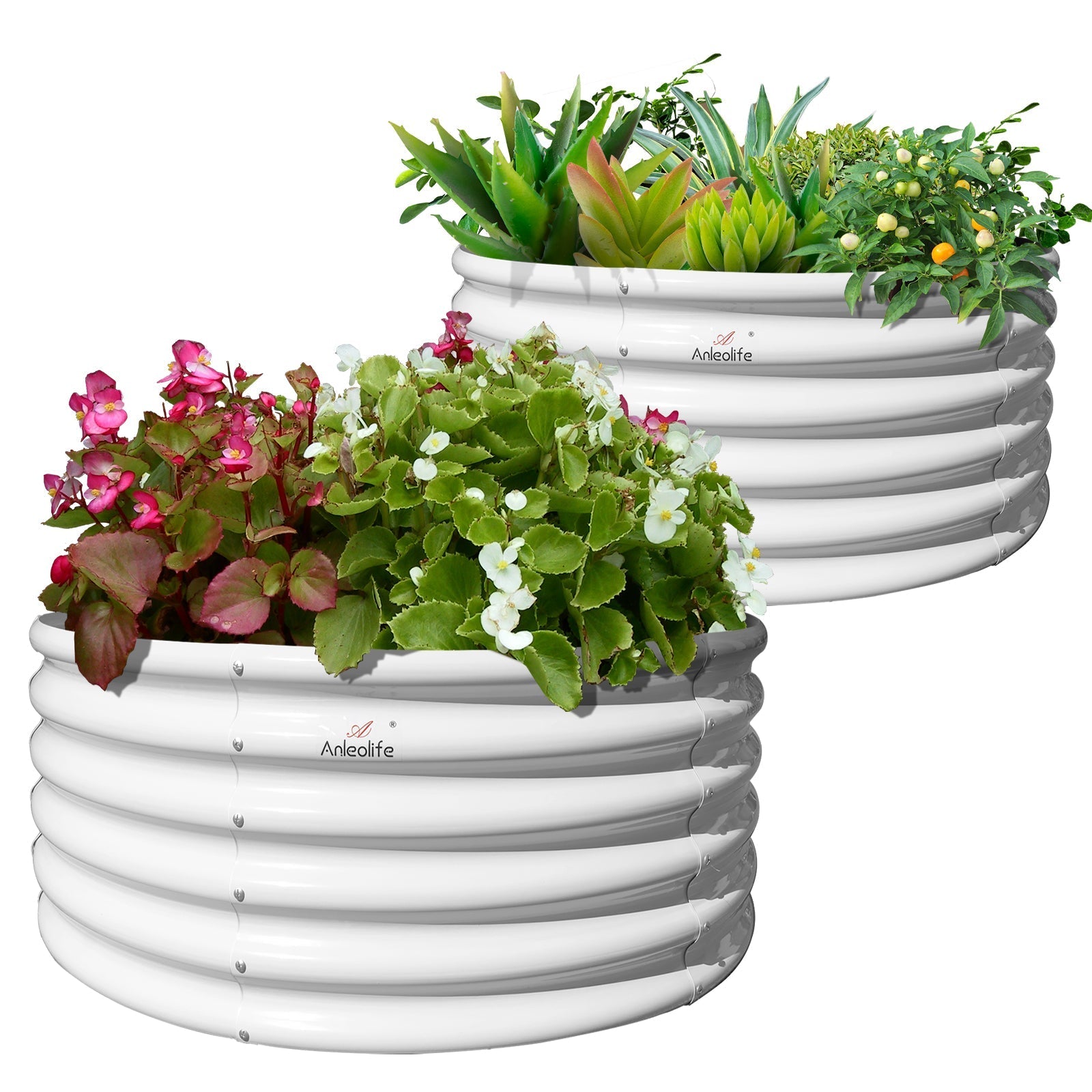
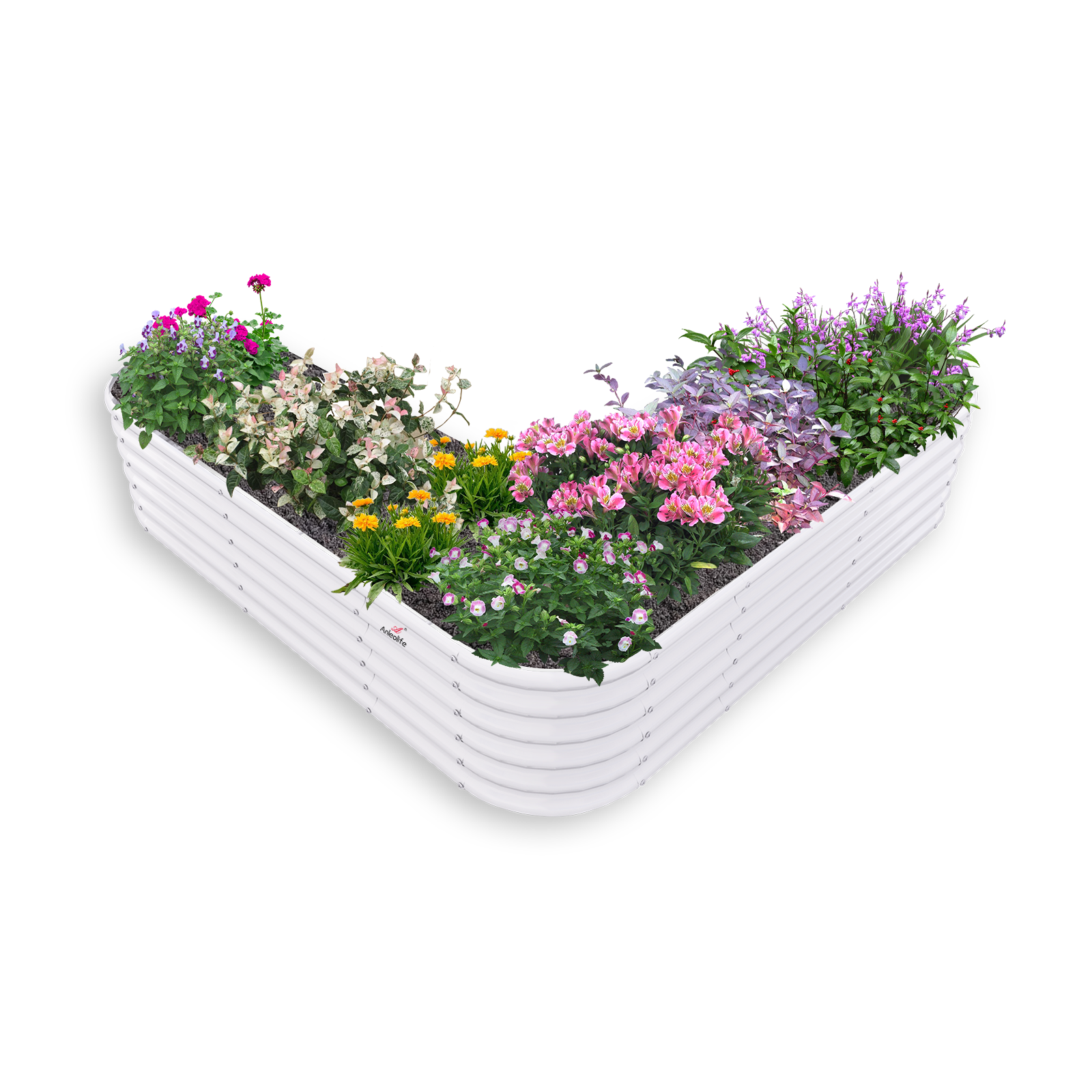
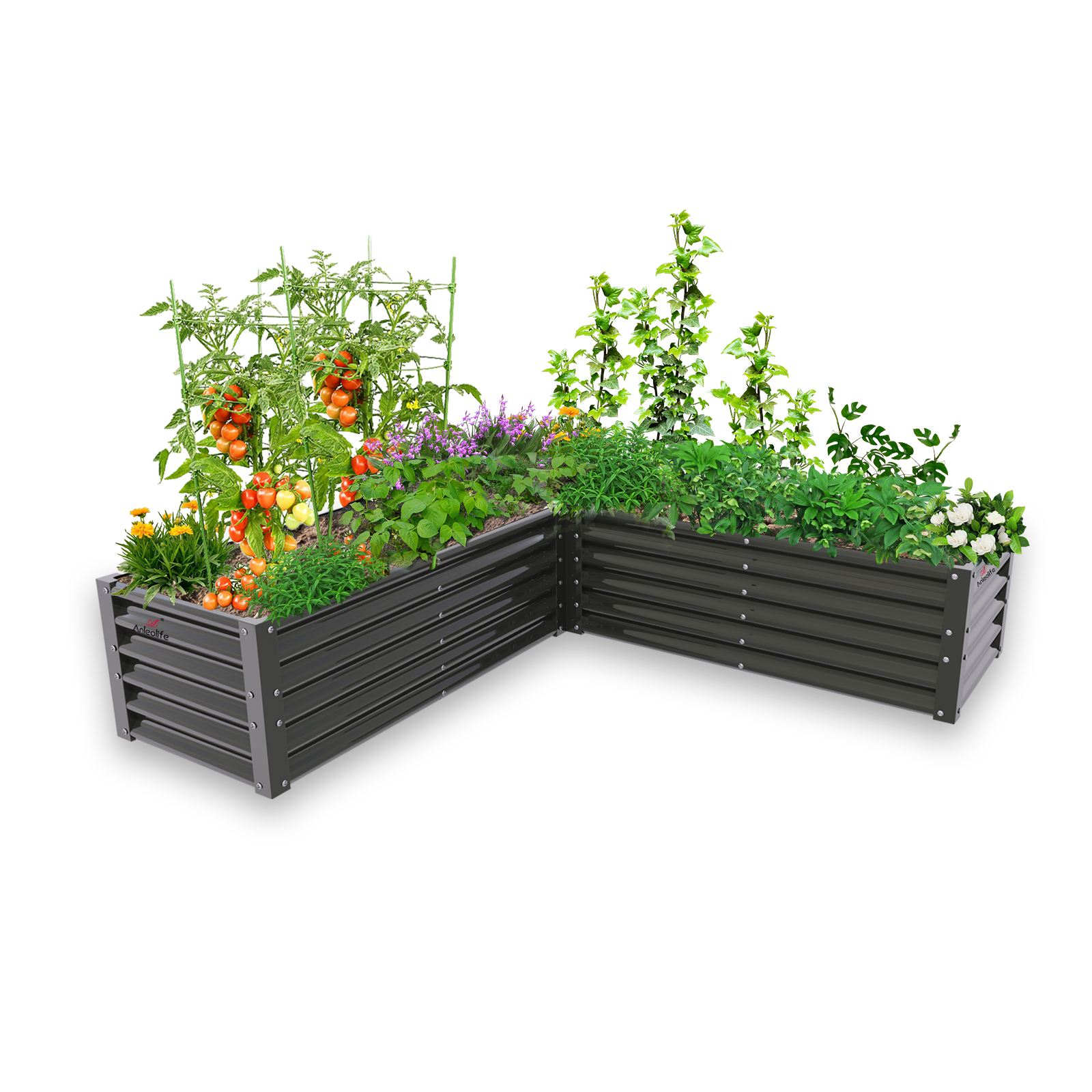
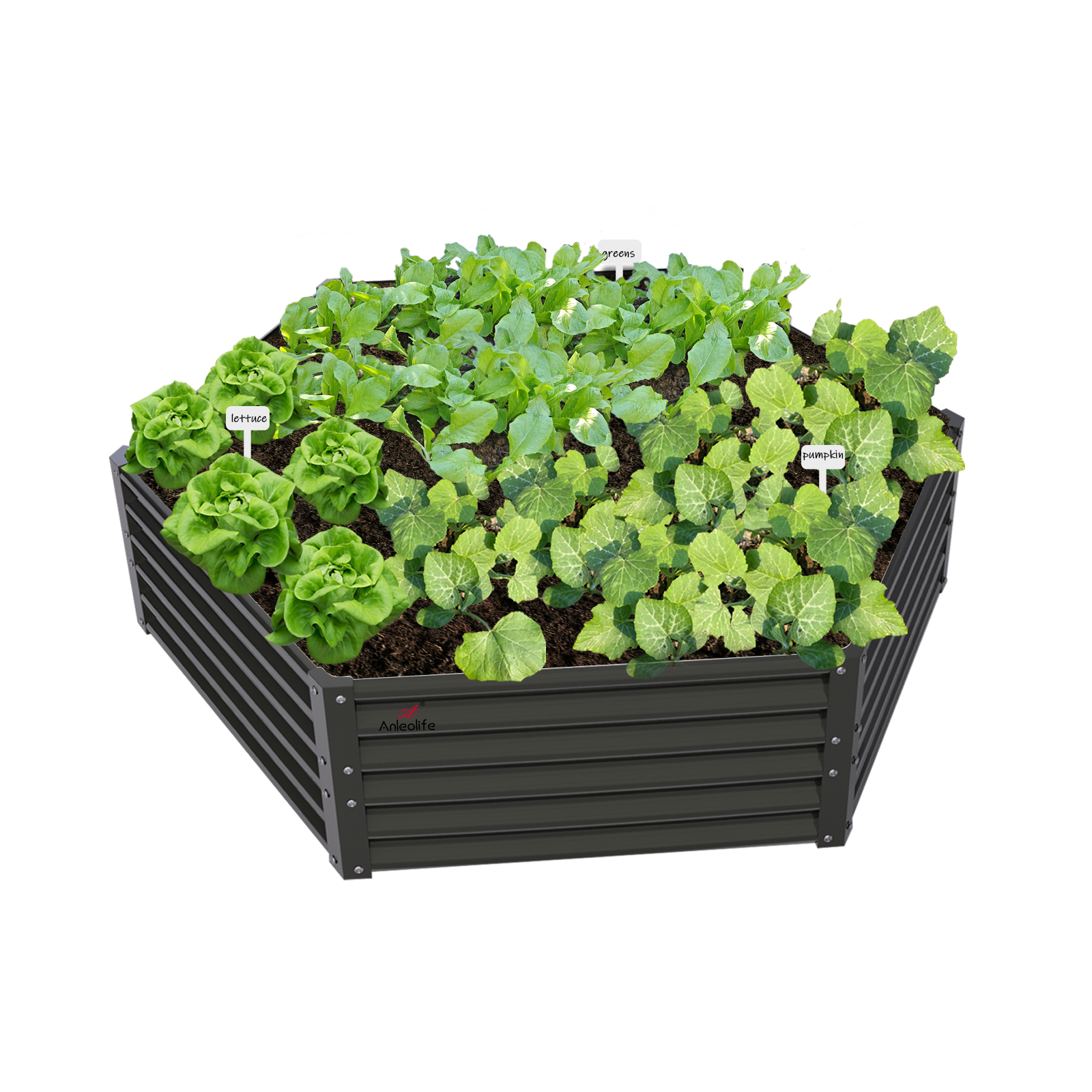
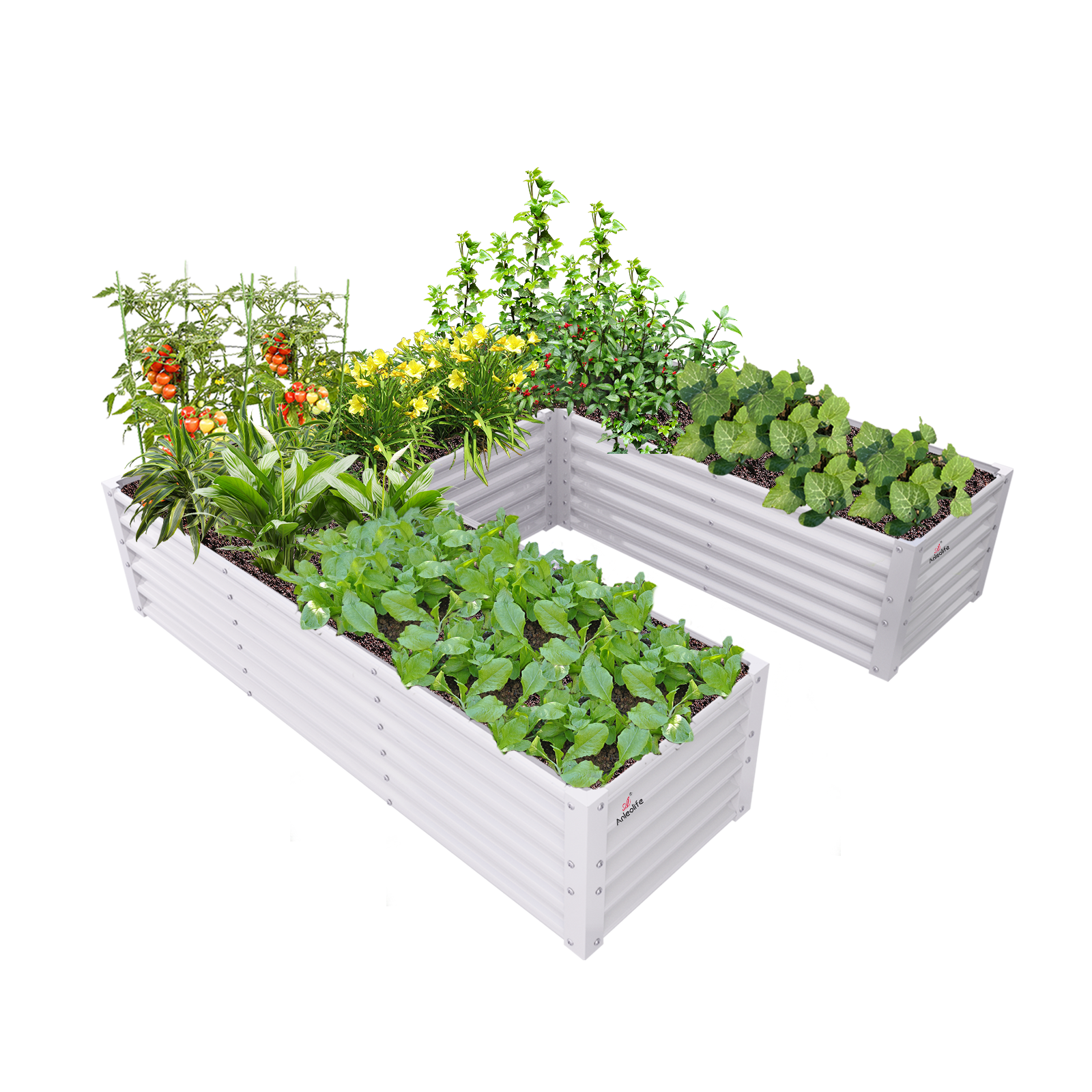


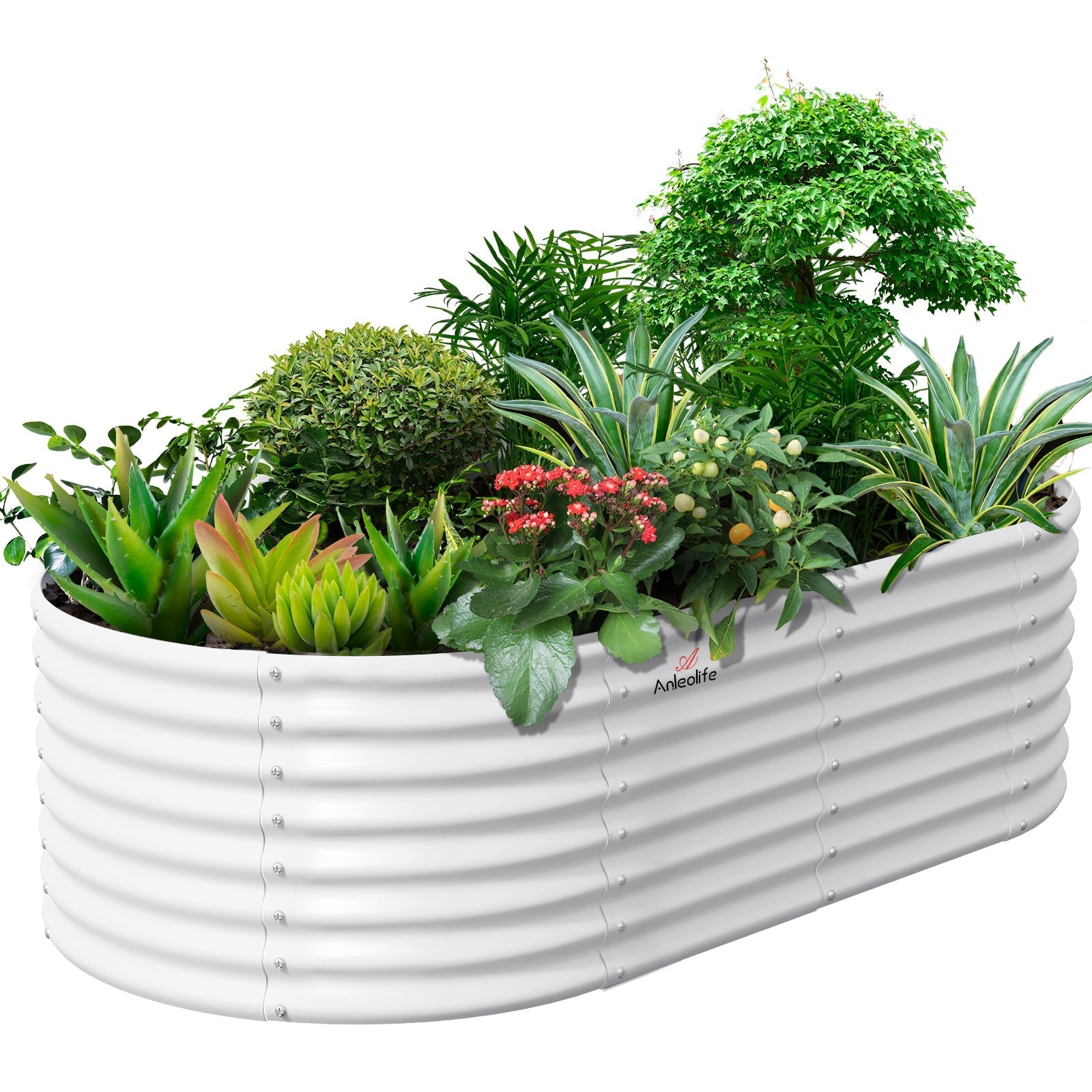


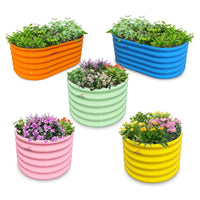
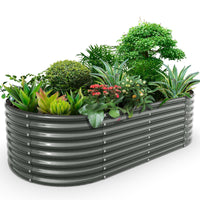



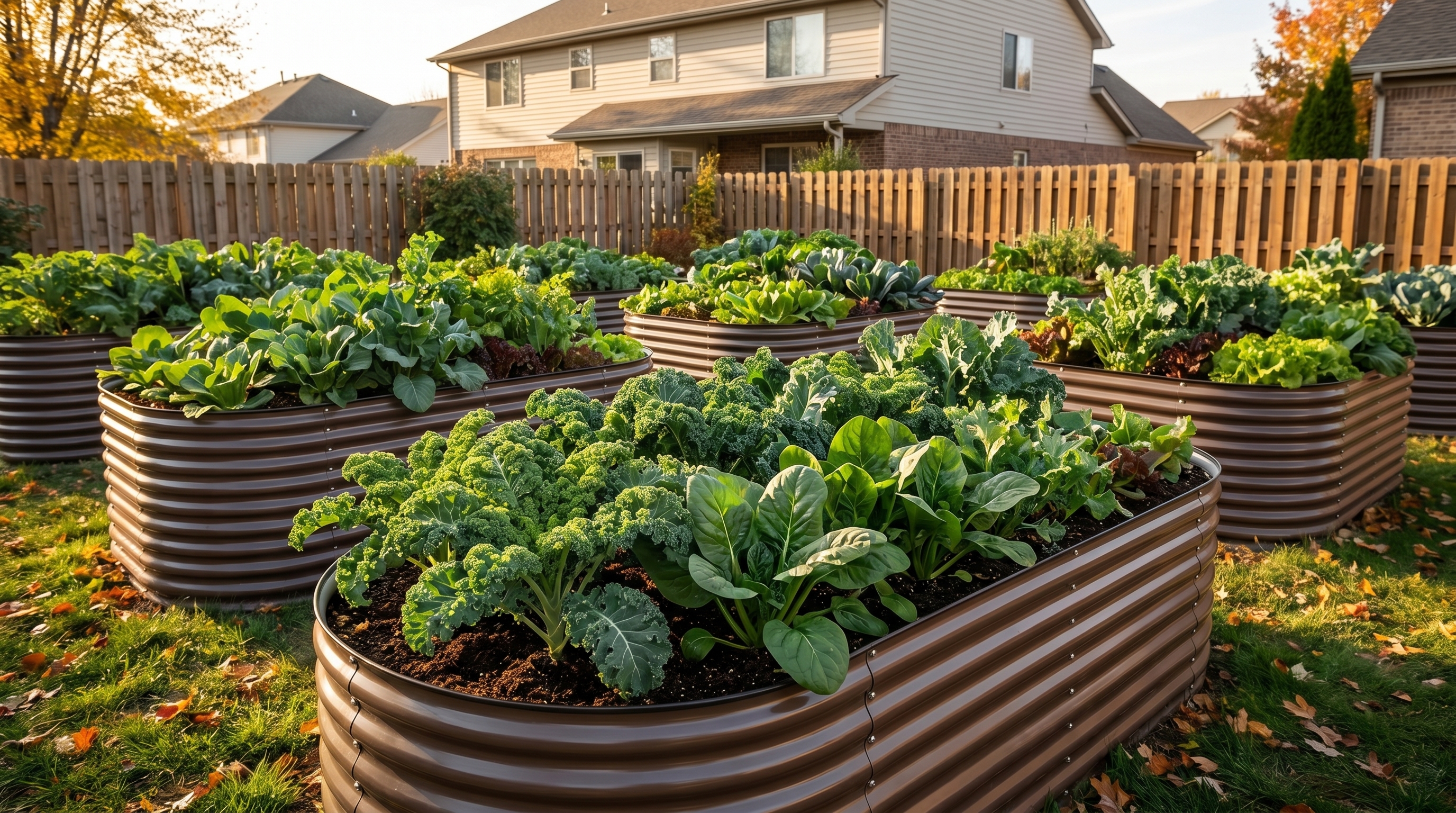
ALT: Cool-season crops like kale and spinach thriving in raised garden beds for a fall harvest
Why Fall Gardening Starts Now: Cool-Season Crops You Should Be Planning Today
Key Conclusion: The secret to a bountiful fall harvest isn't what you do in October—it's what you plan in late summer. Cool-season crops like spinach, kale, broccoli, and root vegetables thrive in the crisp temperatures of autumn, but they need weeks of lead time to establish. Starting your raised garden bed planning now means you'll have fresh, homegrown produce well into the cooler months, extending your growing season and maximizing every square foot of your garden space.
If you've ever watched your summer garden slow down and quietly wondered, "Is that it until next spring?"—you're missing one of the most rewarding growing windows of the entire year. Fall gardening is often underestimated, yet it offers some distinct advantages: fewer pests, moderate temperatures that actually improve flavor in many leafy greens, and the deep satisfaction of harvesting when your neighbors have long since put their tools away.
The key is timing. Most cool-season crops need anywhere from 45 to 80 days to reach maturity, which means your planning window opens right now. Whether you're working with a compact patio setup or a sprawling backyard arrangement of raised beds, the crops you choose and the infrastructure you prepare today will determine what ends up on your dinner table this fall.
Is Fall Gardening Right for Your Setup?
✅ Applicable Scenarios:
- You have an existing raised garden bed or are ready to install one before summer ends
- Your region experiences a distinct fall season with temperatures cooling into the 45–65°F range (most of the continental U.S.)
- You're interested in growing nutrient-dense greens, root vegetables, or brassicas for fresh fall meals
- You want to extend your growing season beyond summer without investing in complex equipment
❌ Not Applicable/Cautions:
- Gardeners in frost-prone zones who experience early hard freezes before mid-October may have a shorter cool-season window and should prioritize fast-maturing varieties
- If your garden bed soil hasn't been refreshed or amended in multiple seasons, starting a new planting cycle without soil preparation may yield poor results
- Container gardeners using very shallow vessels may find root crops like carrots and parsnips challenging without sufficient soil depth
The Science Behind Cool-Season Crops and Why Your Raised Bed Is the Perfect Match
There's a reason experienced gardeners get genuinely excited about fall planting. Cool-season crops—broadly defined as vegetables that grow best when daytime temperatures sit between 45°F and 75°F—include some of the most nutritious and flavorful produce you can grow at home. Think of kale that tastes sweeter after a frost, carrots that develop deeper sugar content in cold soil, or spinach that remains tender and mild when summer heat is nowhere to be found.
According to the USDA Plant Hardiness Zone Map, the majority of the continental United States experiences a meaningful cool-season window between September and November, and in warmer southern states, that window can stretch well into January. This creates a generous planting opportunity that most home gardeners simply don't take full advantage of.
What makes raised garden beds particularly well-suited for fall growing? A few things stand out:
Soil temperature control. Raised beds warm up faster in early spring and, conversely, retain soil warmth longer into autumn than in-ground plots. This gives your cool-season crops a head start and extends their productive window before the first hard frost.
Drainage. Fall rains can be heavy in many regions. Raised bed construction naturally elevates your planting zone above standing water, protecting delicate root systems from rot and waterlogging.
Pest pressure. By late summer and early fall, many of the most destructive garden pests—aphids, caterpillars, squash bugs—begin to die back. Cool-season crops planted in this window often experience significantly lower pest damage than their spring counterparts.
Soil quality. One of the defining advantages of a metal raised garden bed is your complete control over growing medium. You're not fighting clay, compaction, or rocky soil. You're working with a carefully crafted mix that you've built and maintained over time.
If you're weighing the question of which materials hold up best for long-term use, the detailed comparison in Galvanized Steel vs. Corten Steel Garden Beds: Which Holds Up Better Outdoors? is an excellent starting point—especially if you're considering a new bed installation before fall planting begins.
The market for raised garden beds has grown substantially in recent years, with the National Gardening Association reporting consistent year-over-year growth in home food gardening participation. Consumers are increasingly looking at rust-resistant raised garden beds and galvanized steel as the preferred material for long-term outdoor use—and for good reason. A well-made metal bed built to last up to 20 years represents a fundamentally different investment than a cedar or wood plank bed that may begin deteriorating within a few seasons.
Your Three-Step Fall Garden Launch Plan
Step 1: Calculate Your Last Planting Date
Before you buy a single seed packet, do one critical calculation: count backward from your average first frost date. Most gardeners in USDA Zones 5–7 see their first frost between mid-October and mid-November. If your first frost is October 20th and you want to plant broccoli (which needs about 65–80 days to mature), you should be direct-seeding or transplanting no later than mid-August—which is right now for many regions.
Use your local cooperative extension service's frost date tool to find your precise dates. Factor in a 10–14 day buffer for unexpected early cold snaps, especially if you're growing without row covers. Write your target planting dates on a calendar and work backward through seed starting, bed preparation, and soil amendment.
This single step—calculating backward from harvest to planting—transforms fall gardening from a vague intention into a concrete, actionable schedule. Expect to spend 30–45 minutes on this planning phase; the payoff in clarity is enormous.
Step 2: Prepare Your Raised Bed for a New Planting Cycle
Once your dates are locked in, turn your attention to your bed. Remove any spent summer crops and their root systems. If your summer plantings were heavy feeders like tomatoes or squash, your soil likely needs replenishment. Top-dress with 2–4 inches of fresh compost worked into the top layer.
Check your soil structure—it should be loose and crumbly, not compacted. If it's been a particularly dry summer, rehydrate the bed thoroughly a day or two before planting. This is also a good moment to inspect your bed's structural integrity, drainage holes (if applicable), and any hardware connections.
For those considering a new installation before fall planting begins, Anleolife's range of galvanized steel raised garden beds offers assembly-friendly options at multiple heights and footprints. Beds rated for a 20-year lifespan are an investment that will see dozens of fall planting seasons. With delivery available within 3–8 business days from strategically placed U.S. warehouses, there's still time to get a new bed in the ground before your planting window opens.
Step 3: Select and Source Your Cool-Season Crops
With your timeline set and your bed prepped, it's time to select crops. Match your choices to your available days-to-maturity window and your family's eating preferences. For most U.S. gardeners planning a fall harvest, the following crops offer the best combination of speed, flavor, and reliability:
- Leafy greens (spinach, arugula, lettuce): 30–50 days; ideal for succession planting every 2 weeks
- Brassicas (kale, collards, bok choy): 50–70 days; flavor improves after light frost
- Root vegetables (radishes, turnips, beets): 30–60 days; plant directly in loose, deep soil
- Broccoli and cabbage: 65–80 days; best started indoors now and transplanted out in 3–4 weeks
- Garlic: Not harvested until next summer, but planted in fall for best results
Source seeds from reputable suppliers now—fall varieties often sell out faster than you'd expect, especially fast-maturing specialty cultivars.
Comparing Cool-Season Crop Options for Fall Raised Bed Gardening
Different cool-season crops suit different gardener profiles, space constraints, and harvest goals. Here's a practical comparison to help you prioritize:
| Comparison Dimension | Leafy Greens (Spinach/Arugula) | Brassicas (Kale/Broccoli) | Root Vegetables (Carrots/Beets) |
|---|---|---|---|
| Days to Maturity | 30–50 days | 50–80 days | 45–70 days |
| Frost Tolerance | Moderate (light frost OK) | High (improves with frost) | High (roots protected underground) |
| Soil Depth Required | Shallow (6–8 inches) | Moderate (8–12 inches) | Deep (12+ inches) |
| Space Efficiency | High (dense planting) | Moderate | Moderate to High |
| Ease for Beginners | Very High | Moderate | Moderate |
| Harvest Window | 2–4 weeks continuous | 4–8 weeks | 3–6 weeks |
| Flavor After Frost | Mild, slightly sweeter | Significantly sweeter | Notably sweeter |
For gardeners working with compact footprints, Top Vegetables to Plant in a Raised Garden Bed Right Now This Summer offers excellent companion insight into which crops transition well from summer to fall planting and how to sequence your harvests without letting a single square foot go idle.
Deep Dive: Getting the Most From Each Cool-Season Crop Category
Leafy Greens: Your Fastest Path to Fall Flavor
Spinach, arugula, and lettuce are the workhorses of the fall garden. They mature quickly, can be harvested as cut-and-come-again crops, and perform beautifully in the decreasing light of autumn. Spinach in particular is frost-hardy down to around 28°F once established, meaning it can survive light freezes that would wipe out many other crops.
For raised bed growing, space spinach about 3 inches apart in blocks rather than rows to maximize yield per square foot. Arugula can be scattered even more densely and thinned as it grows, with the thinnings going directly into your salad bowl. Succession planting—sowing a new batch of seeds every two weeks—ensures you're harvesting continuously rather than dealing with a glut followed by nothing.
One underappreciated tip: fall-grown leafy greens are significantly less bitter and more tender than spring or summer-grown varieties of the same plants. Lower temperatures slow the bolting process and reduce the compounds that create harshness. If you've ever disliked spinach from a grocery store (likely grown in warm conditions), homegrown fall spinach may genuinely change your mind.
Brassicas: The Stars of the Cool-Season Garden
Kale has become something of a garden celebrity, and for fall gardening, it earns that status. Kale, collard greens, bok choy, and broccoli all belong to the brassica family, and they share an extraordinary trait: frost doesn't harm them—it improves them. Cold temperatures trigger the conversion of starches to sugars within the leaves, producing a noticeably sweeter, more complex flavor.
Broccoli and cabbage require the longest lead time of any common cool-season crop. If you're reading this in late July or early August, you should be starting broccoli seeds indoors now, planning to transplant seedlings outdoors in approximately three to four weeks when they've developed several true leaves. Direct seeding broccoli outdoors at this stage may not give you enough growing time before hard frost arrives in most zones.
Kale is more forgiving—it can be direct seeded and will establish quickly. Lacinato (dinosaur) kale and Red Russian kale are particularly cold-tolerant and visually striking in the garden through late fall and even early winter in milder climates.
When it comes to bed selection for brassicas, height matters. Anleolife offers raised garden beds in 18-inch, 24-inch, and 30-inch heights, giving you options whether you're prioritizing root depth, back comfort, or both. For brassicas, an 18-inch bed provides ample root space, while a 24-inch or 30-inch extra tall bed adds ergonomic comfort for taller gardeners who prefer to work without bending. If you're curious about how height affects day-to-day gardening comfort, the comparison guide 24" vs. 30" Raised Garden Bed: Which Height Is Better for Reducing Back Strain? breaks it down clearly.
Root Vegetables: Underground Magic
Carrots, beets, turnips, radishes, and parsnips are often overlooked in fall planning, but they deserve a prominent spot in any cool-season rotation. The reason is simple: their edible portions are underground, protected from frost by the soil itself. Even after a hard freeze on the surface, your carrots may be sitting perfectly happy and increasingly sweet just a few inches below.
The critical requirement for root vegetables is soil depth and looseness. Compacted or shallow soil causes roots to fork, split, or fail to develop properly. This is where the tall raised bed options shine—particularly the 24-inch extra tall and 30-inch extra tall models in Anleolife's lineup, which provide substantial growing depth without any native soil concerns.
If you're wondering about the safety of growing root vegetables—or any food crops—in galvanized metal beds, the science-based breakdown in Do Galvanized Steel Garden Beds Leach Zinc Into Your Vegetables? The Facts offers a thorough, evidence-based answer that should put most concerns to rest.
Radishes are your fastest option—certain varieties mature in as little as 25–30 days, making them useful as a quick-fill crop between slower-maturing plantings. Beets are perhaps the most versatile: the greens are edible and nutritious, and the roots store beautifully after harvest.
Maximizing Your Fall Bed With Irrigation Planning
One element many fall gardeners overlook is irrigation. Fall weather is unpredictable—some years bring reliable rains, others are surprisingly dry well into October. Setting up a consistent watering system before your seeds germinate saves significant trouble and prevents the soil moisture fluctuations that cause problems like cracked carrots and bolting greens.
Drip irrigation is ideal for raised beds because it delivers water directly to the root zone, minimizes fungal issues by keeping foliage dry, and conserves water compared to overhead watering. For a practical, detailed walkthrough of drip system setup across multiple beds, the guide on How to Set Up a Drip Irrigation System for Multiple Raised Garden Beds is an excellent resource to bookmark right now.
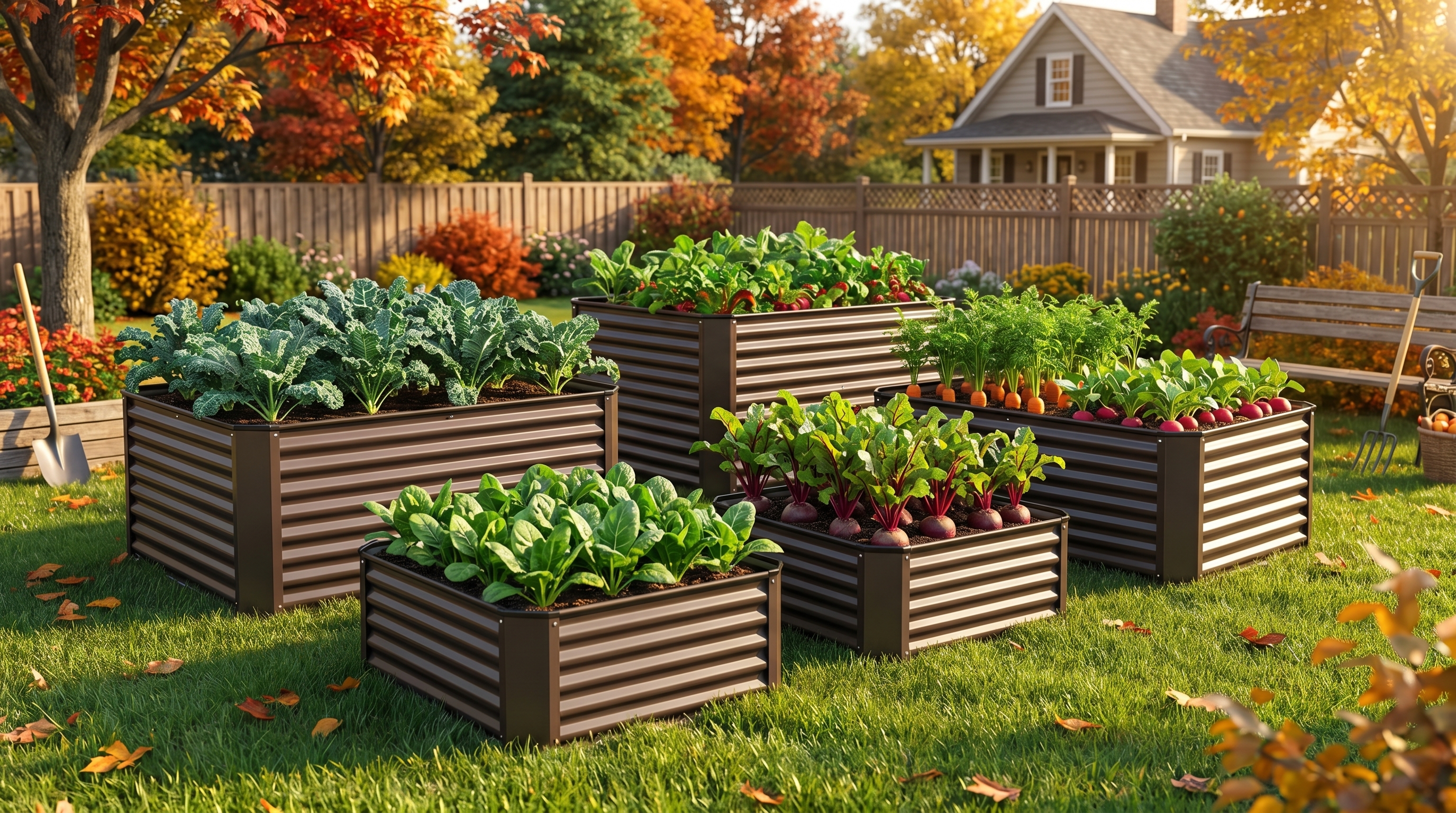
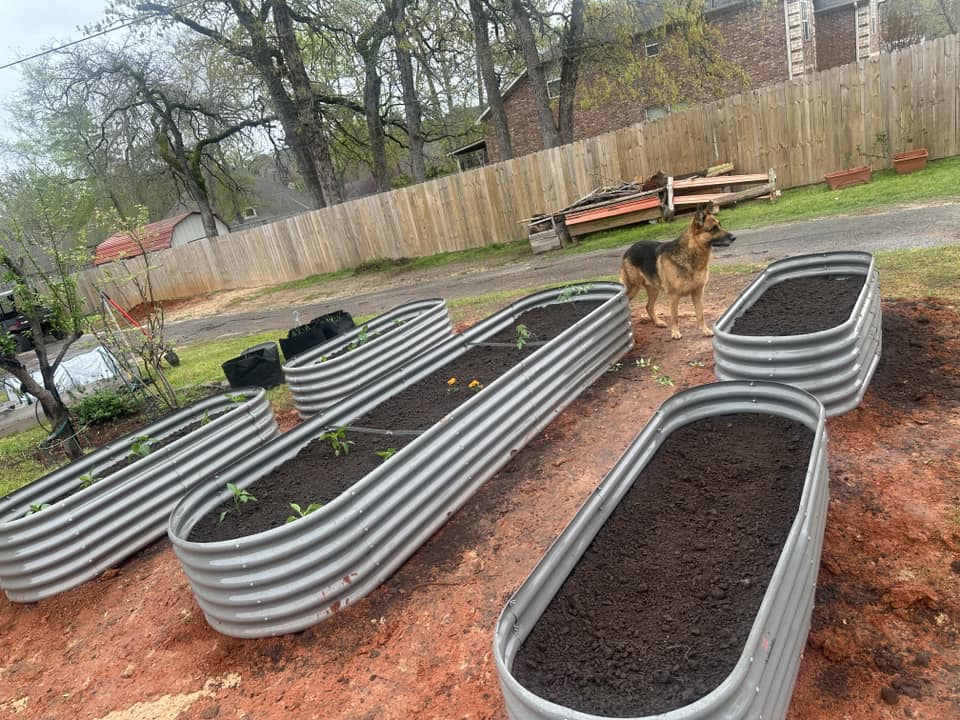
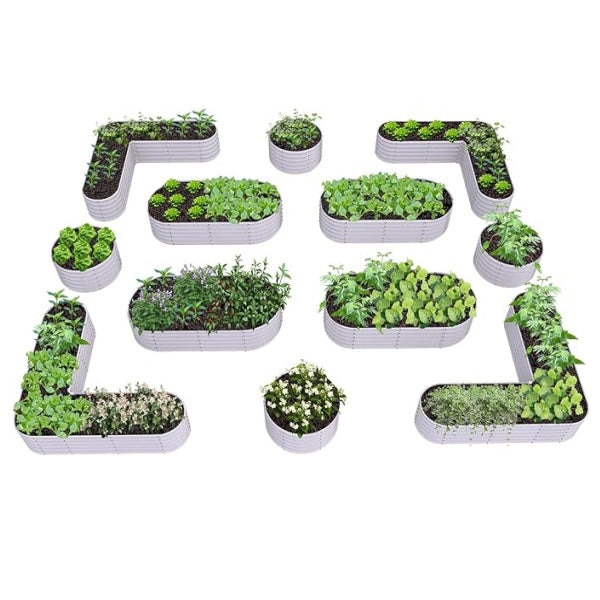
ALT: Anleolife galvanized steel raised garden beds growing cool-season fall crops like kale, spinach, and root vegetables
Advanced Fall Gardening Strategies: Extend Your Season Even Further
Using Row Covers and Cold Frames
Once you've established your fall crops, a relatively small investment in row cover fabric (also called floating row cover or frost cloth) can extend your productive season by four to six weeks or more. A lightweight row cover rated to protect against light frost can keep spinach and arugula producing well into December in many regions. Heavier-weight covers can protect brassicas through temperatures well below freezing.
Cold frames—essentially low boxes with transparent lids—create a microclimate that can push your growing window even further. They're particularly effective over low-growing greens in raised beds, where the elevated structure makes it easy to prop up or remove the cover as temperatures fluctuate.
Succession Planting for Continuous Harvest
One of the most common mistakes in fall gardening is planting everything at once and then experiencing a harvest glut followed by an empty bed. Succession planting—staggering plantings of the same crop every 10–14 days—ensures a rolling harvest rather than a one-time flush.
This strategy works particularly well with leafy greens and radishes. Plant a section of your bed now, another section in two weeks, and a third section two weeks after that. By the time you're harvesting from the first section, the second is ready, and so on.
Common Misconceptions About Fall Gardening
Misconception 1: "It's too late to start." This is the single most common reason gardeners miss the fall window. In most of the continental U.S., late July through mid-August is an ideal starting point for many cool-season crops. The perceived late start is actually right on time.
Misconception 2: "Frost will kill everything." Many cool-season crops are frost-tolerant or even frost-enhanced. Understanding which crops can handle what temperatures allows you to extend your garden well beyond the first frost date.
Misconception 3: "I need to buy all new seeds." Many seed packets from your spring planting still contain viable seed for fall crops. Check germination dates and do a simple damp-paper-towel germination test before purchasing duplicates.
Frequently Asked Questions FAQ
Q1: How do I know which cool-season crops work best for my climate zone?
Your USDA Plant Hardiness Zone is a starting point, but for fall gardening, your local first frost date is the more actionable figure. Most university cooperative extension services publish detailed frost date databases by zip code. Cross-reference those dates with your chosen crops' days-to-maturity and count backward to find your planting window. In general, Zones 5–7 have the most straightforward fall growing season, while Zones 8–10 enjoy an extended cool-season window stretching into winter.
Q2: Are galvanized steel raised beds safe for growing food crops like root vegetables?
Yes—this is one of the most frequently asked questions among new raised bed gardeners. Galvanized steel is coated with zinc, and while zinc is a trace mineral naturally present in soil, peer-reviewed research has consistently shown that the amount leached from galvanized beds into soil and plants is minimal and well within safe thresholds. For a thoroughly researched, fact-based answer, the article Do Galvanized Steel Garden Beds Leach Zinc Into Your Vegetables? The Facts covers this topic in detail and is worth bookmarking.
Q3: How long does it take to receive and set up a new raised garden bed before fall planting?
With Anleolife's U.S. warehouse network—covering California, Texas, Florida, New York, Illinois, and Washington—standard delivery takes 3–8 business days. Assembly for most models is straightforward and can typically be completed in under an hour without special tools. This means if you order today, you could realistically have your bed assembled, filled with soil, and ready for planting within 1–2 weeks—well within the fall cool-season planting window for most U.S. regions.
Summary
Fall gardening is one of the most rewarding and underutilized growing seasons available to home gardeners across North America. The three core takeaways from everything covered here are:
Start planning now, not when temperatures drop. The math is clear: most cool-season crops need 45–80 days to reach maturity. By the time your garden feels like a fall garden, it's already too late to direct-seed broccoli. The planning window is open right now.
Your raised bed is your greatest fall gardening asset. Superior soil control, improved drainage, faster soil warm-up in the shoulder seasons, and long-term material durability make a quality raised bed—particularly a galvanized steel model rated for 20 years of use—an investment that pays dividends across dozens of fall planting seasons.
Cool-season crops often outperform their summer counterparts in flavor. The light frosts that intimidate new gardeners actually trigger flavor improvements in kale, carrots, spinach, and more. Learning to work with autumn temperatures rather than against them unlocks a dimension of fresh, homegrown flavor that summer gardening simply can't match.
Your next step is straightforward: look up your local first frost date today, count backward to your planting window, assess your current bed situation, and take action. Fall harvests don't wait for perfect timing—they reward the gardeners who plan ahead.
Upgrade Your Garden With Anleolife
Anleolife operates a nationwide U.S. warehouse network strategically located in California, Texas, Florida, New York, Illinois, and Washington to ensure delivery within 3–8 business days—so your garden upgrade plans never have to wait for the fall planting season.
Our products are available across multiple channels including Amazon, Walmart, Home Depot, Lowe's, Wayfair, and the official Anleolife.com website, providing consistent quality assurance and responsive after-sales service wherever you prefer to shop.
Our three core product scenarios cover everything your garden needs: Planting (metal raised garden beds, soil systems), Raising (chicken coops, rabbit hutches), and Beautification (decorative accessories, pathway systems)—meeting your complete needs from functionality to aesthetics.
We understand that an ideal garden isn't built overnight. It grows with you. Our modular product design allows flexible expansion based on your evolving needs—from your first raised bed to a fully integrated planting-and-raising ecosystem. Whether you're just starting out or optimizing a multi-bed setup you've tended for years, Anleolife is built to grow with you every step of the way.
References
- USDA Agricultural Research Service. "Plant Hardiness Zone Map."
https://planthardiness.ars.usda.gov/ - University of Minnesota Extension. "Growing Vegetables in Fall."
https://extension.umn.edu/vegetables/growing-vegetables-fall - National Gardening Association. "Food Gardening in the United States."
https://garden.org/learn/ - UC Agriculture and Natural Resources. "Cool-Season Vegetables for the Home Garden."
https://ucanr.edu/ - Cornell Cooperative Extension. "Vegetable Growing Guides: Cool-Season Crops."
https://cals.cornell.edu/school-integrative-plant-science/horticulture-section/horticulture-resources
Note: Standards and research may be updated. Please check the latest official documents or consult your local cooperative extension service for region-specific guidance.
About Anleolife
Anleolife is a leading outdoor garden solutions provider in North America, dedicated to offering a full-scenario product ecosystem for home gardening enthusiasts, covering planting, raising, and garden beautification. Since its founding, we have upheld our brand mission, "Made for Garden Life," continuously innovating products and optimizing services to help hundreds of thousands of users upgrade their gardens, reconnect with nature, and enjoy a better garden lifestyle.