


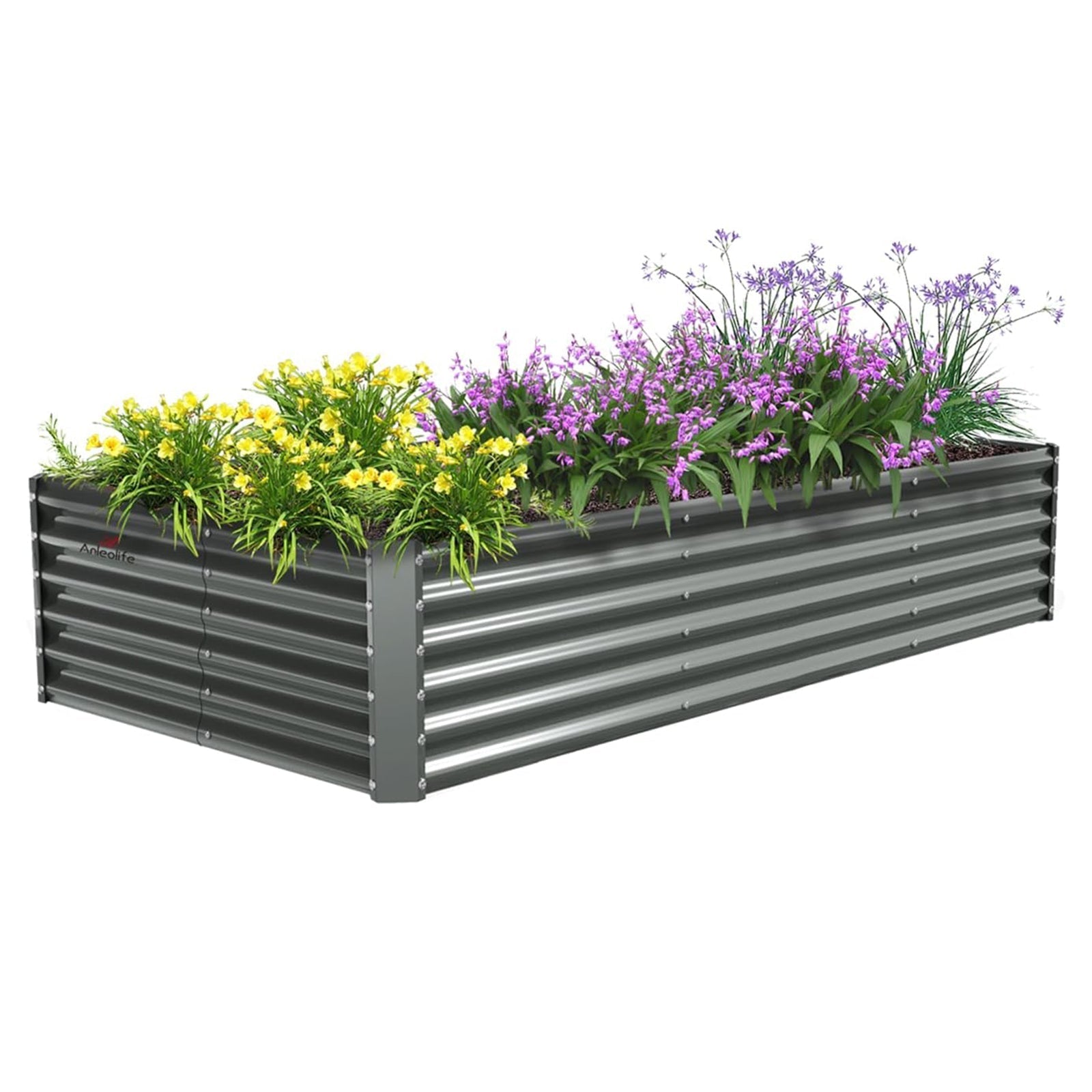

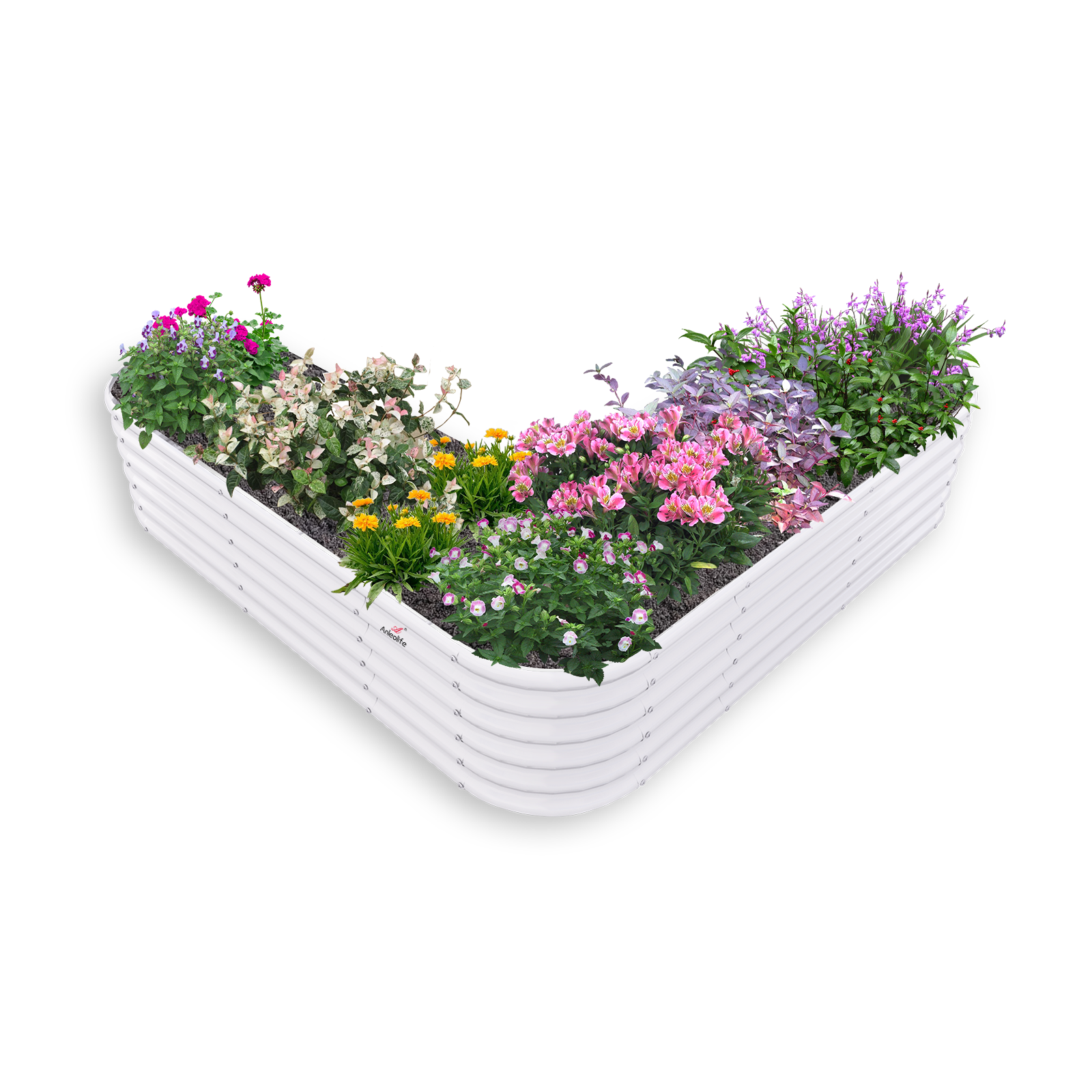
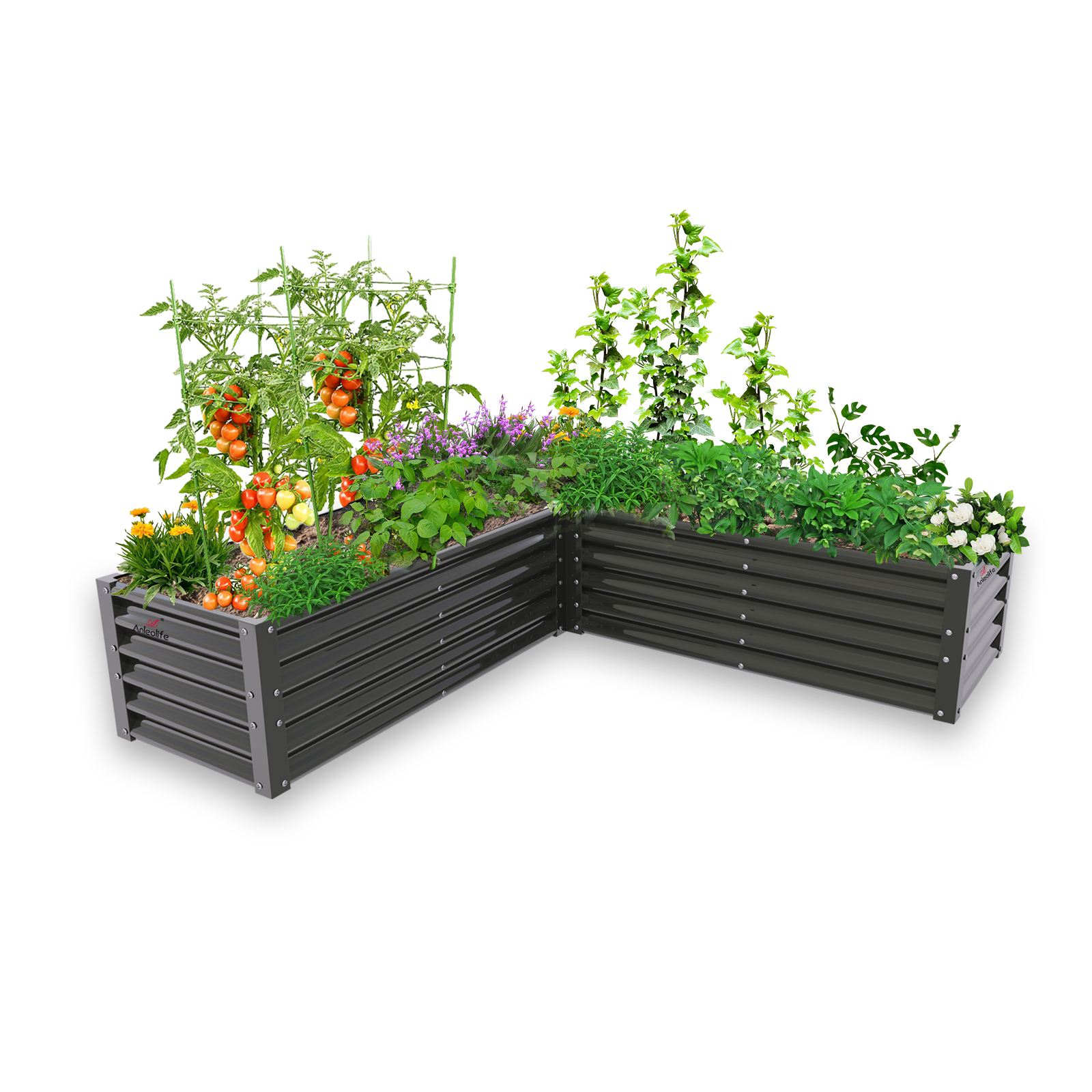
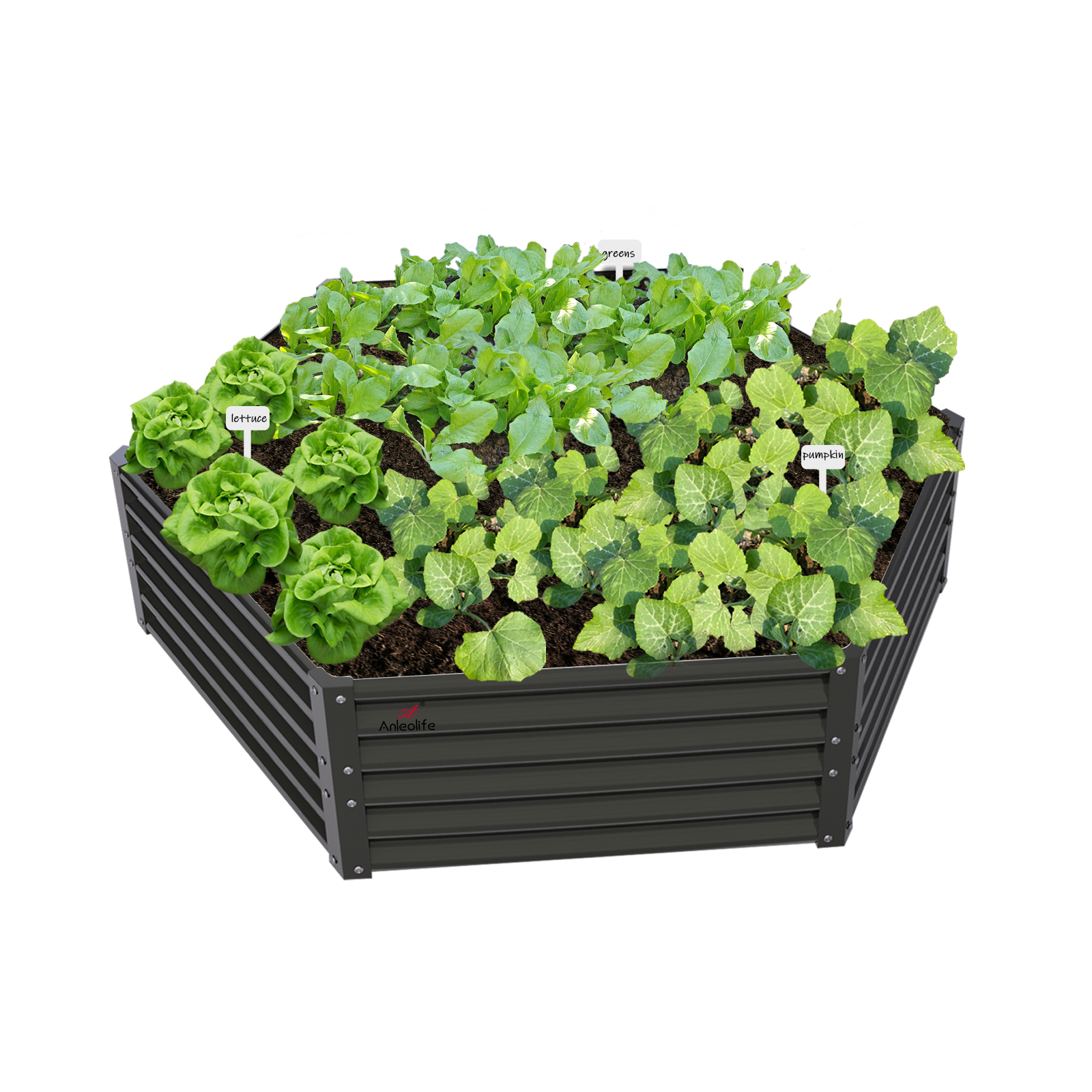
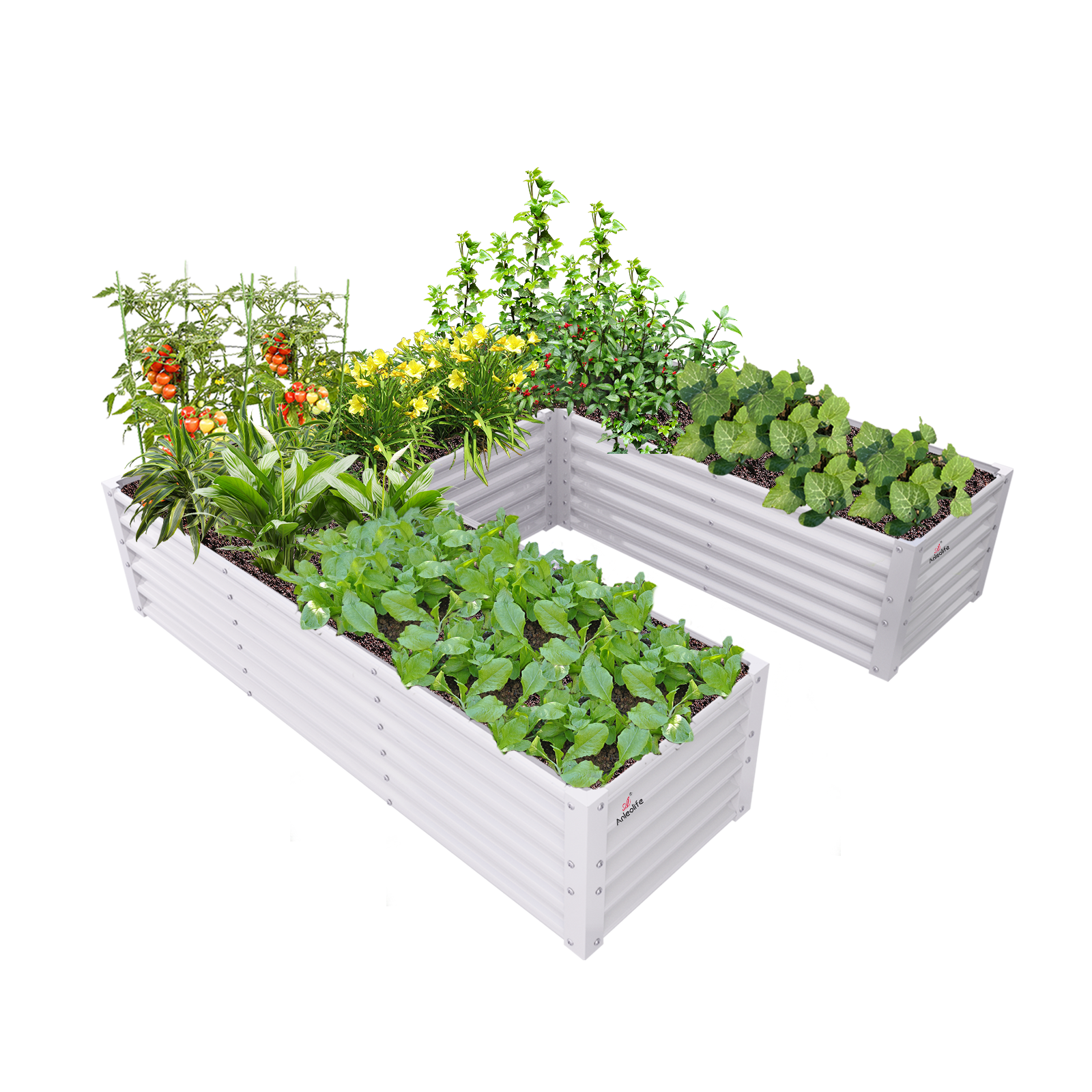

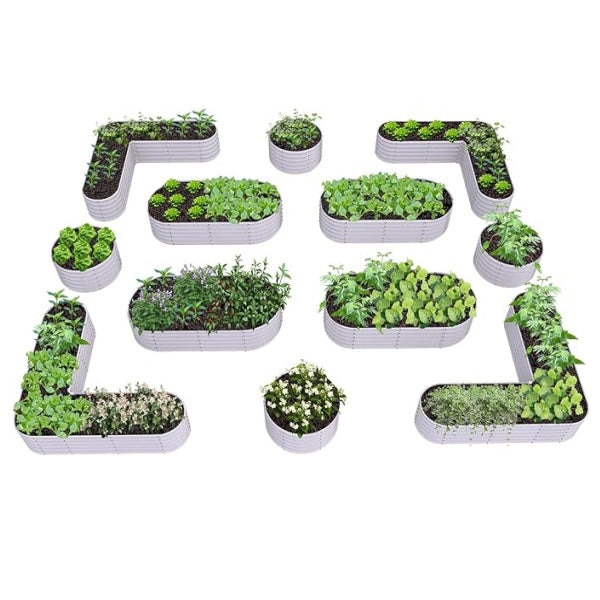


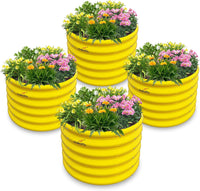
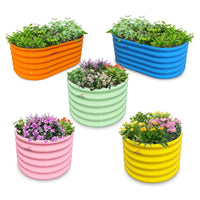
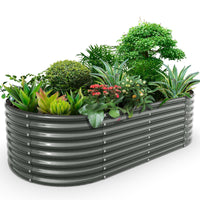



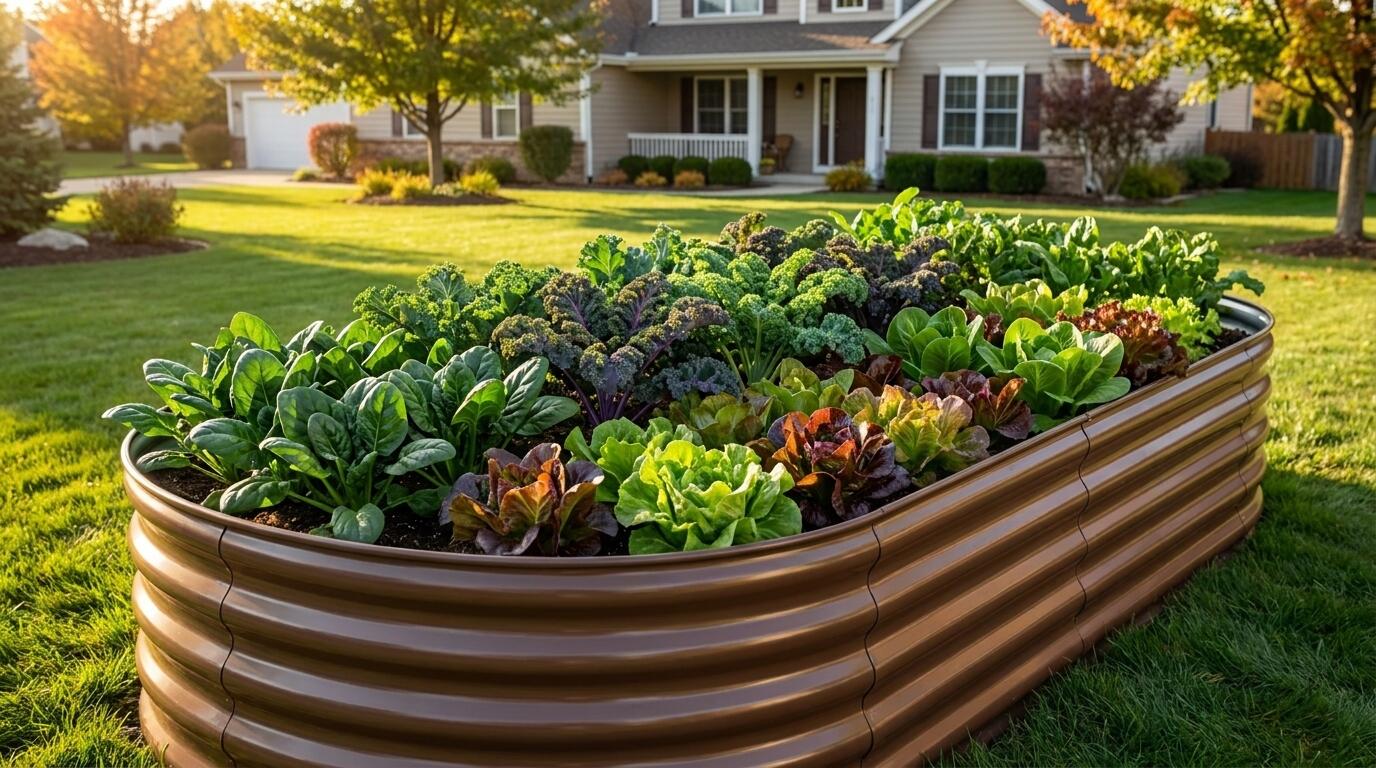
ALT: Cool-season crops growing in a raised bed garden layout heading into fall harvest
Why Your Raised Bed Garden Layout Matters More Than Ever This Fall
Picture this: it's late August or early September, the summer squash has finally wound down, and you're standing in front of a raised bed that's half-empty and wondering what to do with it before the first frost. This is one of the most common moments we see among home growers — the in-between season where the garden feels uncertain, but the opportunity is actually enormous. The central finding of this article is straightforward: a thoughtful raised bed planting layout designed specifically for cool-season crops can extend your harvest well into November or even December, depending on your climate zone, and the transition from summer to fall is the ideal time to make that shift.
This topic deserves a closer look right now because fall gardening remains underutilized by the majority of home growers. Many people treat the end of summer as the end of the gardening year, packing things up and waiting for spring. In reality, the cooler months between September and December represent one of the most productive and pest-free windows of the entire growing calendar — and a well-planned raised bed layout is the key to capturing that potential.
The Current Landscape of Fall Raised Bed Gardening
Fall gardening in raised beds has gained substantial momentum across North American home growing communities in recent years. What was once considered a niche practice — extending the season past the last tomato harvest — has become a mainstream approach among health-conscious families, urban micro-gardeners, and empty nesters who want fresh greens well past the traditional growing season.
The shift is driven by several converging trends. First, there is a growing awareness of food quality and provenance. Home growers who have experienced the difference between a store-bought spinach and one cut fresh from the garden five minutes before dinner are not willing to give that up in October. Second, raised bed gardening as a practice has matured significantly. More households now own purpose-built metal raised garden beds rather than improvised timber boxes, and that structural reliability changes what's possible in terms of season extension.
Raised bed gardening — defined as the practice of growing plants in contained, elevated soil structures built above the native ground level — offers a core mechanical advantage that matters enormously in fall: the soil in a raised bed warms up faster and drains more efficiently than in-ground soil. According to the University of Vermont Extension, raised beds can warm up two to three weeks earlier in spring and, by the same principle, retain workable temperatures later into autumn. That same thermal benefit applies when temperatures start dropping — your raised bed soil will stay productive longer than the surrounding ground.
The current market reflects this enthusiasm. Demand for cold-hardy vegetable seeds, row covers, and frost blankets typically spikes in late summer, as growers plan their fall raised bed garden layouts. Resources like 4x8 Raised Bed Vegetable Garden Layout Ideas have seen growing readership as home gardeners look for practical planting templates to transition their beds from summer crops to fall production.
In our work helping home gardeners across North America plan their growing seasons, a pattern we consistently see is that the growers who get the most from fall are those who plan their raised bed layout in mid-to-late summer — not after the first frost has already arrived. Timing the transition is everything.
How Cool-Season Crops Work in a Raised Bed Layout
Cool-season crops thrive in a raised bed environment for reasons that go beyond simple temperature tolerance. Understanding the mechanisms behind their success helps you design a raised bed planting layout that actually delivers.
The Soil Temperature Advantage
Soil temperature is the single most important variable for cool-season germination and root development. Most cool-season crops — including spinach, kale, lettuce, arugula, radishes, and carrots — germinate most reliably in soil temperatures between 45°F and 65°F. In-ground garden beds in late summer can still be holding heat above 75°F at the root zone, which inhibits germination and can cause bolting. The elevated, contained soil in a raised bed cools down more responsively as ambient temperatures drop, creating an ideal germination window when you plant in late August through early October.
A raised bed garden layout that accounts for sun exposure becomes especially valuable here. Beds oriented to maximize morning sun but receive some afternoon shade will cool faster in the evening, which suits crops like lettuce and spinach that prefer consistently moderate temperatures.
Drainage and Root Aeration
Root aeration — the availability of oxygen at the root zone — is a second mechanism that makes raised beds superior for fall cool-season production. As fall rains increase and ground moisture levels rise, in-ground beds can become waterlogged, creating anaerobic conditions that rot roots and invite fungal disease. A well-built raised bed with quality drainage naturally sheds excess water, keeping the root zone oxygenated even during wet autumn weeks.
This is where your soil system choice directly affects plant health. A raised bed filled with a well-balanced mix — typically a blend of quality compost, garden soil, and perlite or coarse material — maintains structure and drainage through multiple seasons. If you're still dialing in your soil approach, our resource on best soil composition for thriving organic vegetable raised beds covers the foundational principles in detail.
Pest and Disease Pressure
One of the underappreciated benefits of a fall raised bed planting layout is the dramatic reduction in pest pressure compared to summer. Japanese beetle populations have typically died back by September. Aphid cycles slow as temperatures drop. Many of the fungal diseases that plague summer crops — powdery mildew, blight — are less active in cooler, drier fall air. This means your cool-season crops can establish and grow with far less intervention than their summer counterparts.
Bed Height and Physical Accessibility
Bed height affects how well you can manage a fall planting layout, especially as the season progresses and weather becomes less cooperative. Taller beds — particularly extra-tall options in the 24-inch to 30-inch range — allow you to work comfortably without bending, making late-season weeding and harvesting far more manageable. For gardeners with mobility considerations, this ergonomic factor can make the difference between a productive fall garden and one that gets abandoned when temperatures dip.
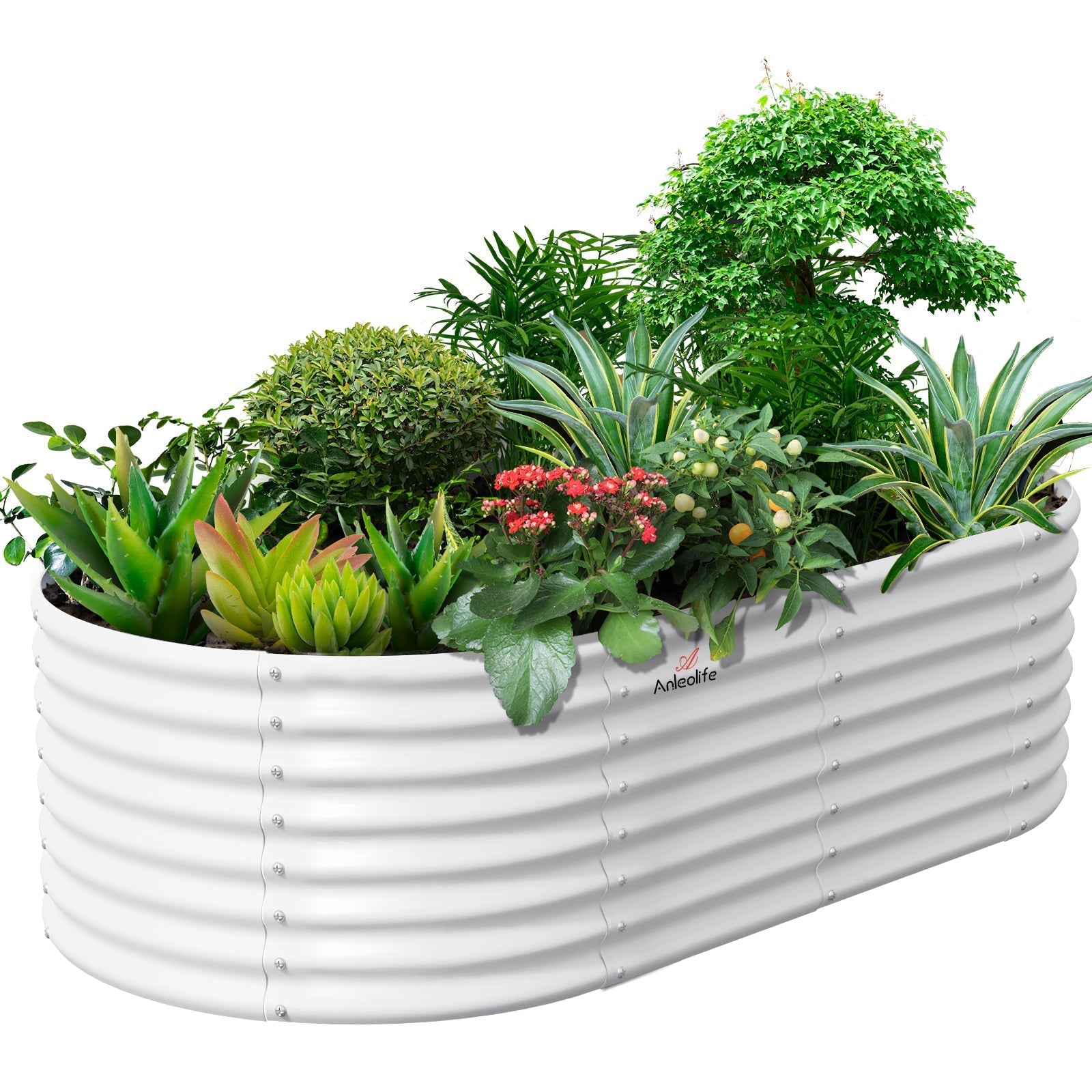
Anleolife's lineup of galvanized steel raised garden beds spans a wide range of heights, from standard 18-inch models suited to most vegetable production up to 30-inch extra-tall and even a 35-inch waist-high option — designed specifically with accessibility in mind. The galvanized steel construction means these beds are built to last, with a rated lifespan of 20 years, so the fall garden you invest in this year will still be serving your household for decades to come.
Evidence and Approaches: Choosing the Right Raised Bed Layout for Fall Crops
Selecting the right raised bed layout for cool-season crops involves balancing several competing considerations: space efficiency, crop compatibility, accessibility, and the physical footprint of your garden. In practice, we see growers approach this in a few distinct ways, each with genuine strengths and real trade-offs.
A common starting point for beginners, according to planning resources like Pre-Planned Gardens from Gardeners Supply, is the 4×8 raised bed configuration, which provides a manageable planting footprint with enough space to grow a meaningful variety of fall crops. In a 4×8 raised bed planting layout, you can comfortably fit a rotation of lettuce varieties along the north edge, a center block of kale or collards, and a front border of radishes and arugula — all harvested at different intervals to maximize continuous yield.
For growers with more space or ambition, larger configurations — such as the 8×4, 12×3, or 6×3 sizes available in Anleolife's galvanized steel and rust-resistant raised garden bed lines — allow for companion planting strategies and more complex spacing plans. A 12×3 layout, for instance, suits long rows of carrots, beets, and turnips — root vegetables that benefit from continuous, uninterrupted row depth.
| Perspective / Approach | Strengths | Trade-offs | Best Fit |
|---|---|---|---|
| Compact 4×4 or 4×2 bed layout | Easy to manage, low investment, accessible from all sides | Limited variety, less continuous harvest | Beginners, balcony gardeners, or supplemental beds |
| Standard 4×8 or 8×4 layout | Versatile, widely documented, good for mixed planting | Requires reaching to center; plan paths around it | Most home growers with moderate outdoor space |
| Long rectangular 12×3 or 6×3 layout | Excellent for row crops and root vegetables | Less flexible for companion planting clusters | Growers prioritizing root crops, carrots, beets |
| Extra-tall 24"–30" bed layout | Best ergonomics, superior drainage, season extension with covers | Higher initial investment | Retirees, mobility-conscious growers, serious fall producers |
| Modular expandable layout | Grows with your needs, flexible configuration | Requires planning for expansion paths | Families or growers expecting to scale up |
The modular raised garden bed systems Anleolife offers — available in multiple configurations including 6×2, 8×4, 12×3, and larger — are particularly well-suited for growers who want to start with one or two fall beds and expand their raised bed garden layout over subsequent seasons without replacing existing infrastructure.
For those just beginning the planning process, a beginner's roadmap to planning, building, and planting your first raised bed walks through the entire setup process in approachable, step-by-step detail.
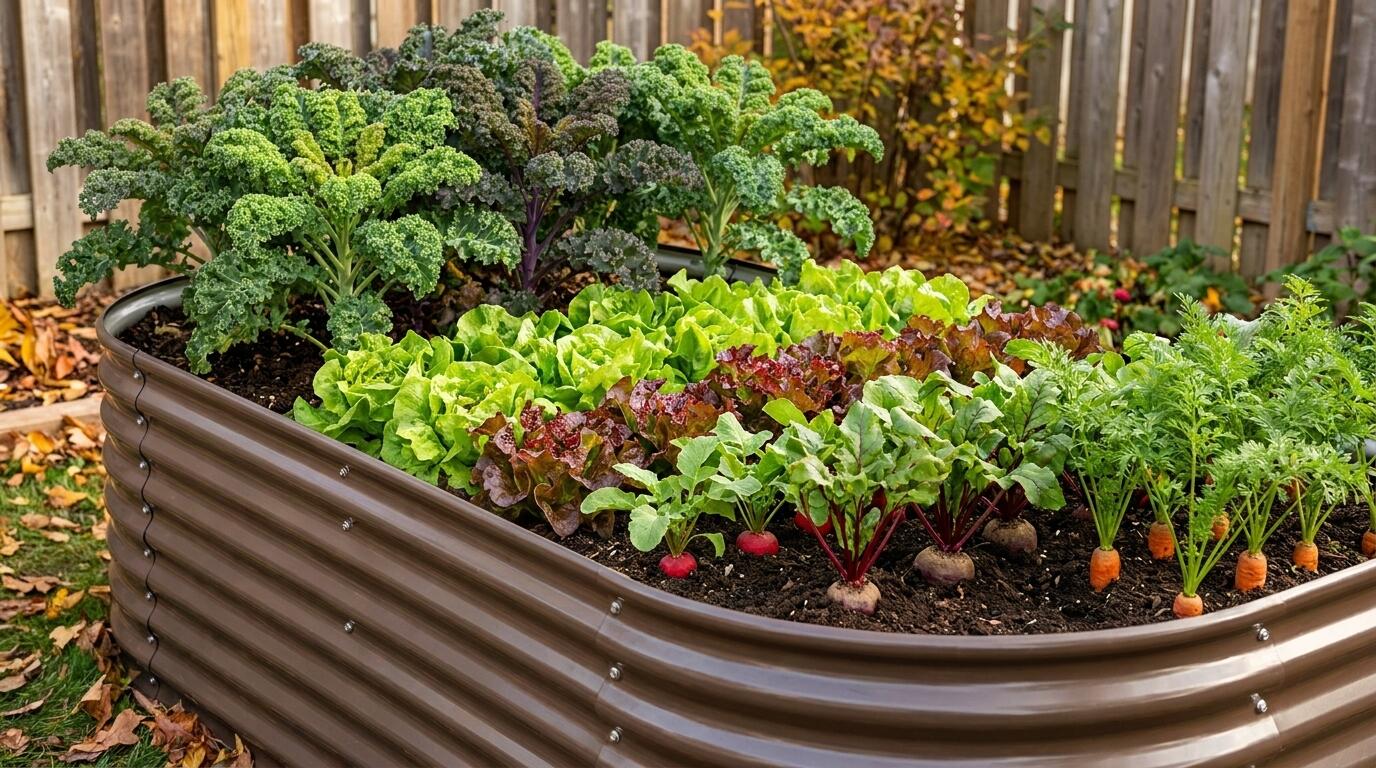
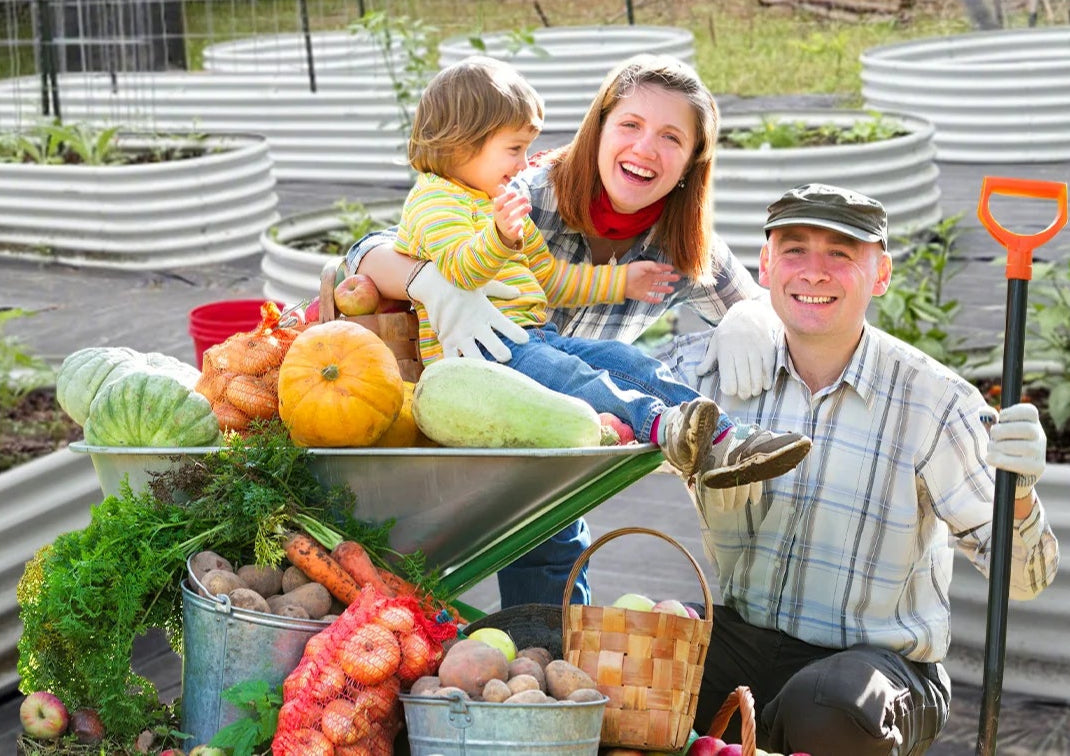
ALT: Organized fall raised bed planting layout showing kale, lettuce, and root vegetables growing in galvanized steel raised garden beds
The Best Cool-Season Crops for Your Fall Raised Bed Planting Layout
The most productive fall raised bed planting layouts combine crops with staggered maturity dates, different vertical profiles, and complementary growing requirements. Here is a practical breakdown of the cool-season crops that consistently perform well in raised beds heading into fall.
Leafy greens are the backbone of any fall raised bed layout. Spinach, loose-leaf lettuce, arugula, and Swiss chard tolerate light frost and can be harvested continuously through cut-and-come-again methods. Plant them in blocks or wide rows across the shallowest end of your bed for easy harvesting.
Brassicas — including kale, broccoli, Brussels sprouts, cabbage, and collard greens — are the heavy hitters of fall production. Kale in particular becomes sweeter after frost exposure, a quality known as frost-sweetening, where the plant converts starches to sugars as a cold-protection mechanism. Plant brassicas toward the back of a south-facing bed to avoid shading smaller crops.
Root vegetables thrive in the deep, loose soil of a raised bed. Carrots, beets, turnips, radishes, and parsnips all prefer cool root-zone temperatures and perform poorly in compacted in-ground soil. In a raised bed, the uncompacted growing medium allows for straight, well-formed roots. Radishes mature quickly — often in three to four weeks — making them excellent succession crops to tuck into gaps as other plants are harvested.
Alliums such as garlic and overwintering onion sets can be planted in fall raised beds for the following year's harvest. Garlic planted in October or November develops its root system before winter dormancy and resumes growth early in spring.
Herbs including parsley, cilantro, and chives continue producing well into fall in a raised bed environment, especially when sheltered from hard frost with a simple row cover.
Where Fall Raised Bed Gardening Is Heading and What It Means for You
Fall raised bed gardening is moving from a niche hobby into a mainstream home food production practice, and that trajectory has clear implications for anyone who grows their own food or is considering starting.
The practical takeaway is this: the upfront investment in a high-quality, long-lasting raised bed structure pays dividends across every season, not just spring and summer. A galvanized steel raised bed rated for a 20-year lifespan is not a spring gardening accessory — it is a year-round growing infrastructure that earns its value through continuous use. The difference between a grower who harvests twice a year and one who harvests three or four times often comes down not to skill, but to whether their raised bed setup physically supports season extension.
There is also a shift happening in how growers think about raised bed layout planning. Rather than designing a layout around a single season's crops, experienced home growers are now mapping their beds as rotating systems — each bed cycling through a spring/summer warm-season phase, a fall cool-season phase, and potentially a winter protection or cover crop phase. This approach extracts maximum value from both the physical structure and the soil system investment.
For growers concerned about structural durability through wet fall and winter seasons, rust-resistant raised garden beds — like those in Anleolife's rust-resistant line — offer additional peace of mind in coastal, humid, or high-rainfall climates. Paired with a well-maintained soil system, these beds maintain their structural integrity and drainage function through years of seasonal cycling.
Actionable steps to take right now, before fall arrives in full:
- Assess which of your current beds will transition to cool-season production and which will rest or be planted with cover crops.
- Amend your raised bed soil with a fresh layer of compost to replenish nutrients consumed by summer crops.
- Source cool-season seeds now — many varieties sell out as fall approaches, particularly specialty lettuces and disease-resistant brassica selections.
- Plan your raised bed planting layout on paper or with a digital tool before you plant, assigning crops to zones based on height, harvest timing, and sun requirements.
- Consider adding a frost cloth or low tunnel frame to your existing beds to extend the season by several additional weeks.
Questions & Answers
Q1: How do I plan a raised bed planting layout for multiple cool-season crops at once?
Planning a multi-crop fall raised bed layout begins with grouping plants by height, sun requirements, and harvest timing. Place taller crops like kale and broccoli at the north end of the bed to avoid shading shorter crops. Fill the center and south-facing areas with lettuce, spinach, and herbs. Radishes and quick-maturing greens work well as gap fillers. Sketch the layout before planting to visualize spacing and ensure each crop has adequate room to mature without crowding its neighbors.
Q2: Are raised beds better than in-ground plots for fall cool-season vegetables?
Raised beds consistently outperform in-ground plots for fall cool-season production in most North American climates. The elevated soil drains more efficiently in autumn rains, warms and cools more responsively than native ground soil, and offers better control over soil quality and drainage. Raised beds also reduce the risk of soil compaction from foot traffic, which is especially important for root crops like carrots and beets. The ability to add frost protection directly to the bed structure makes season extension more practical as well.
Q3: When is the right time to plant cool-season crops in a raised bed for fall harvest?
The optimal window for planting most cool-season crops in a raised bed for fall harvest is six to eight weeks before your region's expected first frost date. For most of the continental United States, that means beginning transition plantings in late August through early October. Planting too late risks crops not reaching maturity before hard freezes. Check the USDA Plant Hardiness Zone Map for your specific location's average first frost date, then count backward from that date to set your planting schedule.
Key Takeaways
- A thoughtful raised bed garden layout designed for cool-season crops can extend your productive harvest well into November or December, capturing a growing window that most home gardeners leave unused.
- Cool-season crops succeed in raised beds because of faster soil temperature adjustment, superior drainage, and dramatically lower pest and disease pressure compared to in-ground growing and warm-season gardening.
- The most productive fall raised bed planting layouts combine crops with staggered maturity dates: quick-maturing radishes and arugula alongside slower-developing brassicas and root vegetables for continuous harvest.
- Bed height matters as much as layout design — extra-tall beds in the 24-inch to 30-inch range improve ergonomics for fall and winter maintenance and are better suited to adding frost-protection structures.
- A galvanized steel raised bed with a 20-year lifespan is a year-round growing infrastructure investment, not a single-season accessory — and planning it as a rotating seasonal system multiplies its value significantly.
Now is the right time to assess your existing raised bed setup, amend your soil, and map out your fall planting layout before the optimal planting window passes.
Ready to build out your fall raised bed garden layout with infrastructure that lasts? Explore Anleolife's full range of galvanized steel and rust-resistant raised garden beds — from compact 4×2 starter beds to extra-tall 30-inch models designed for serious season extension — at the Anleolife website. With a nationwide warehouse network across California, Texas, Florida, New York, Illinois, and Washington, delivery reaches most U.S. addresses within 3–8 business days. Anleolife products are also available on Amazon, Walmart, Home Depot, Lowe's, and Wayfair for your convenience. Whether you're planting your first fall bed or expanding into a full planting-and-raising ecosystem, Anleolife grows with you every step of the way.
Sources
- Savvy Gardening. "4x8 Raised Bed Vegetable Garden Layout Ideas".
https://savvygardening.com/4x8-raised-bed-vegetable-garden-layout/ - Gardeners Supply Company. "Pre-Planned Gardens".
https://www.gardeners.com/pages/kitchen-garden-planner-preplanned-gardens - United States Department of Agriculture. "USDA Plant Hardiness Zone Map".
https://www.usda.gov/
Note: Standards and guidelines may be updated; please check the latest official documents or consult professional advisors.