


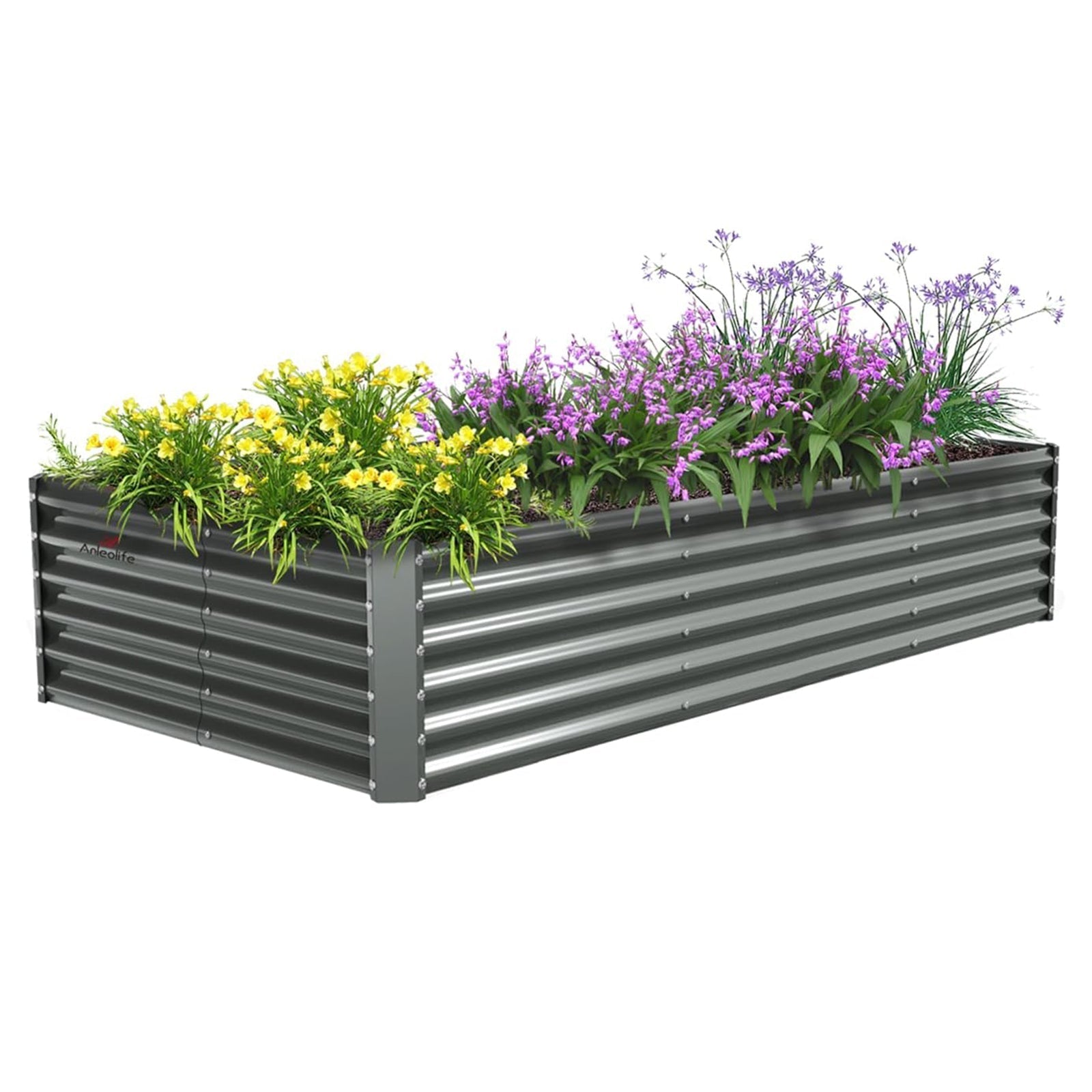

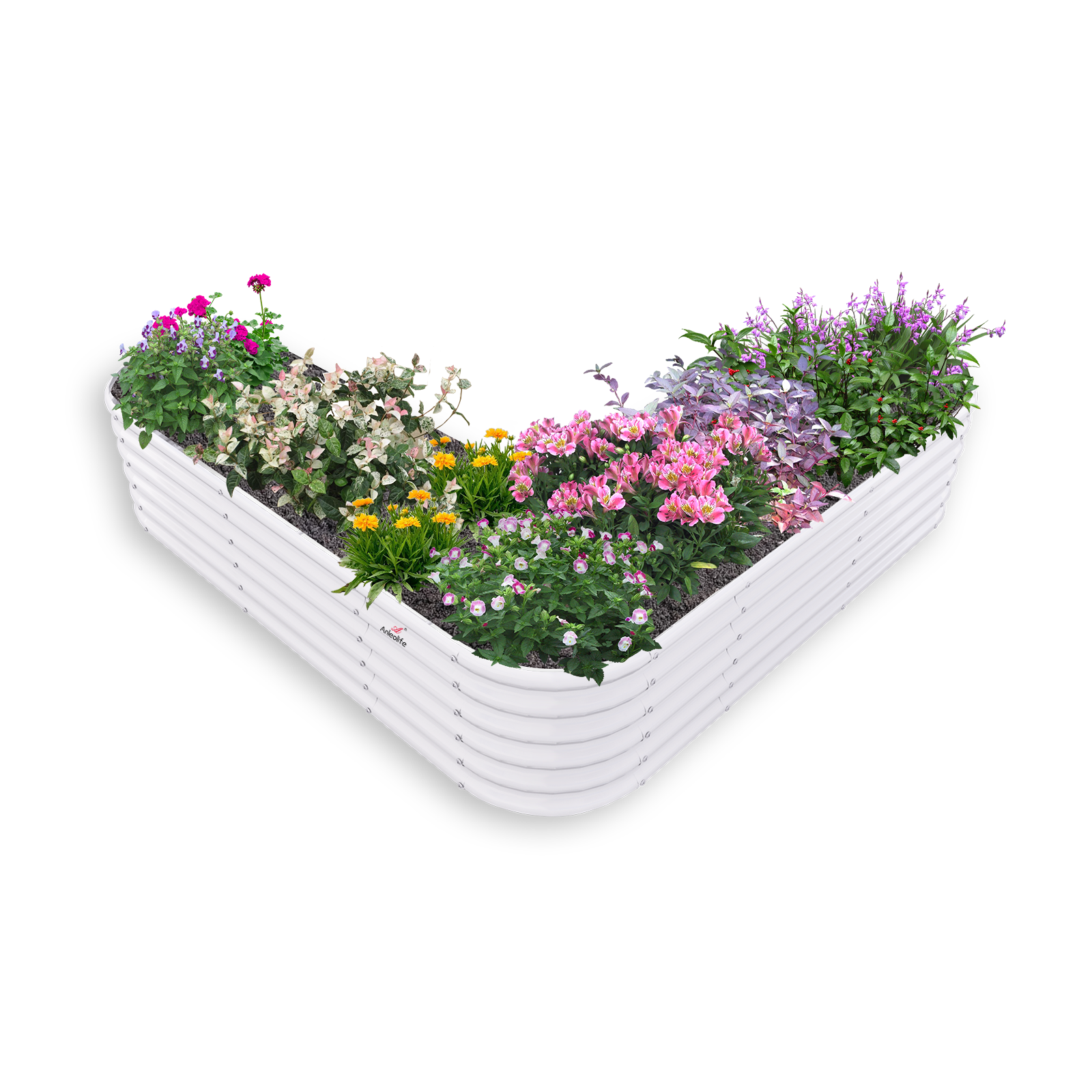
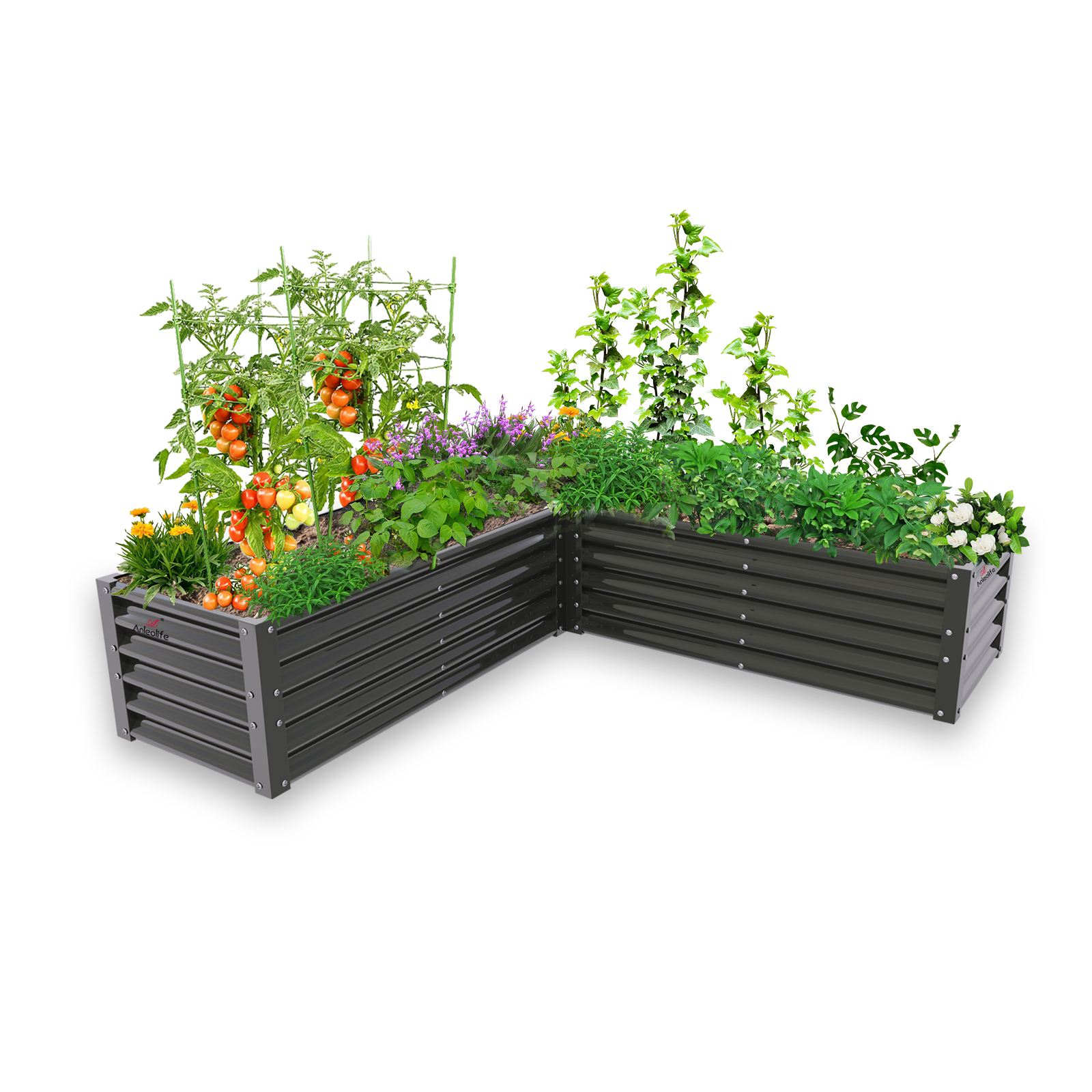
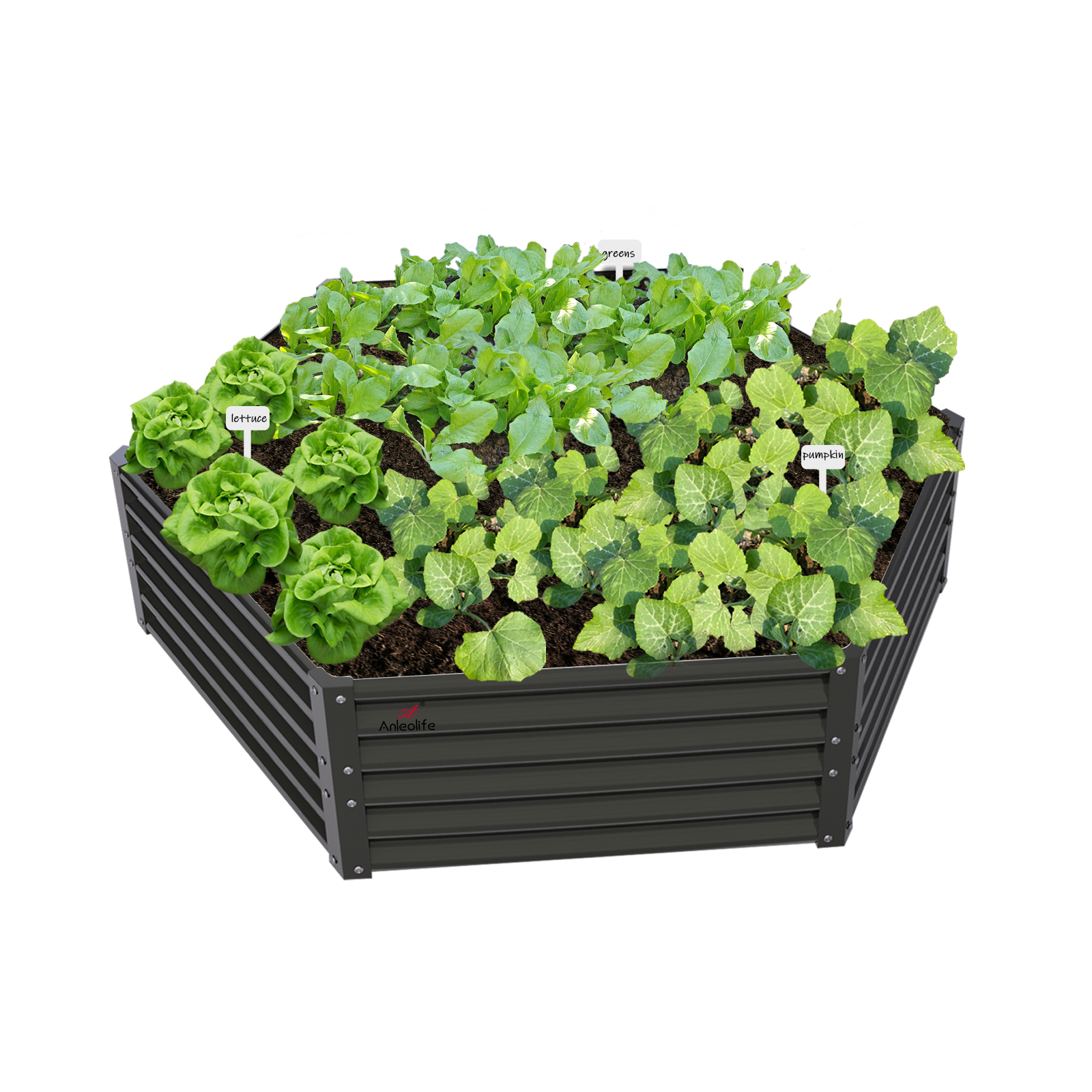
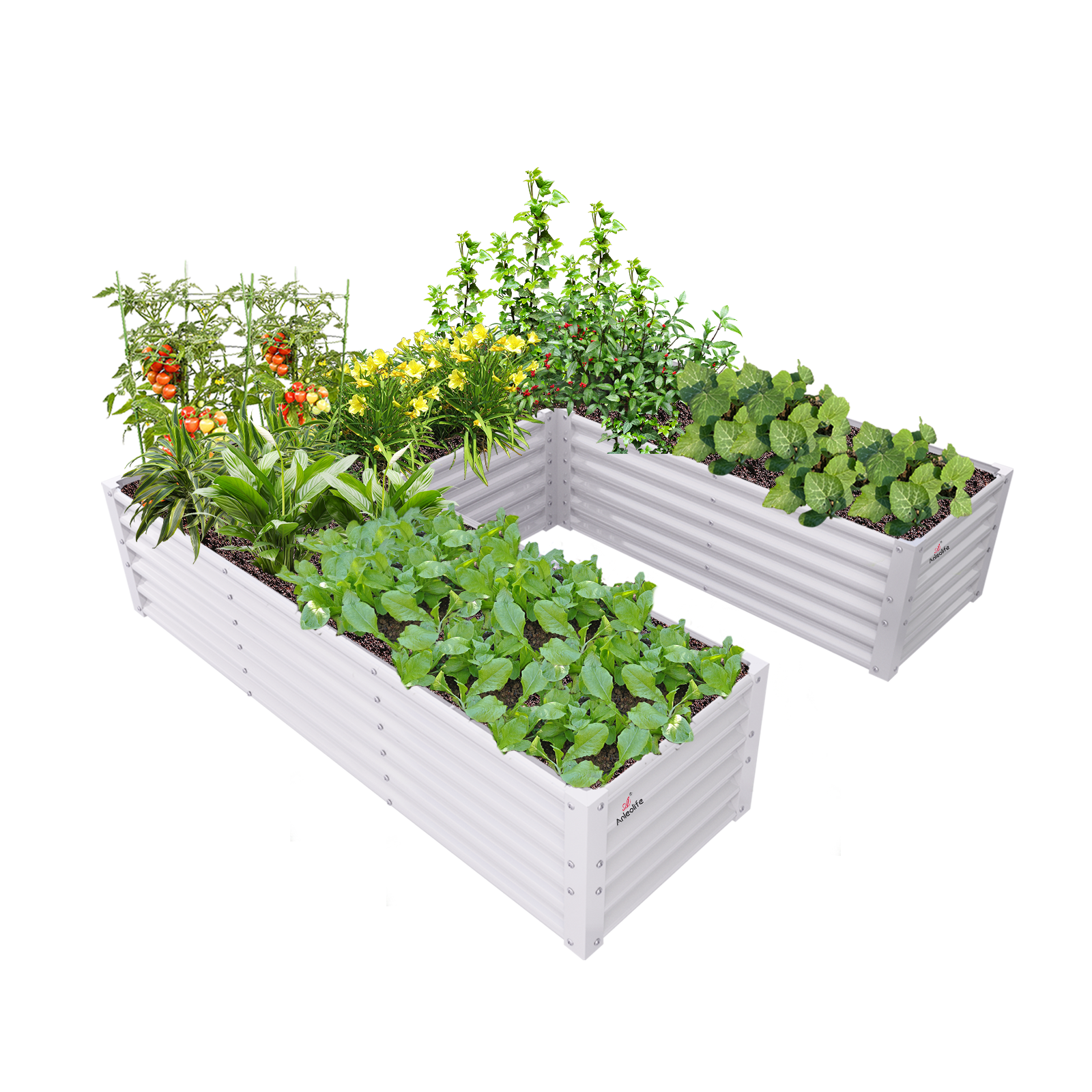

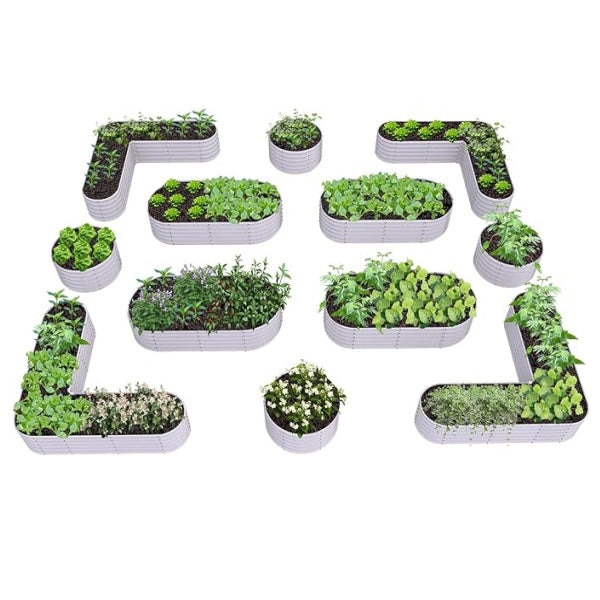


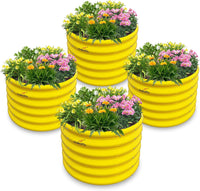
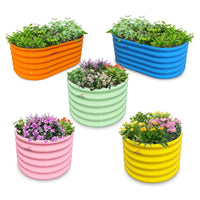
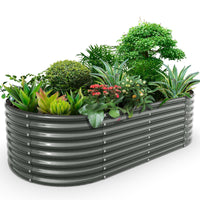



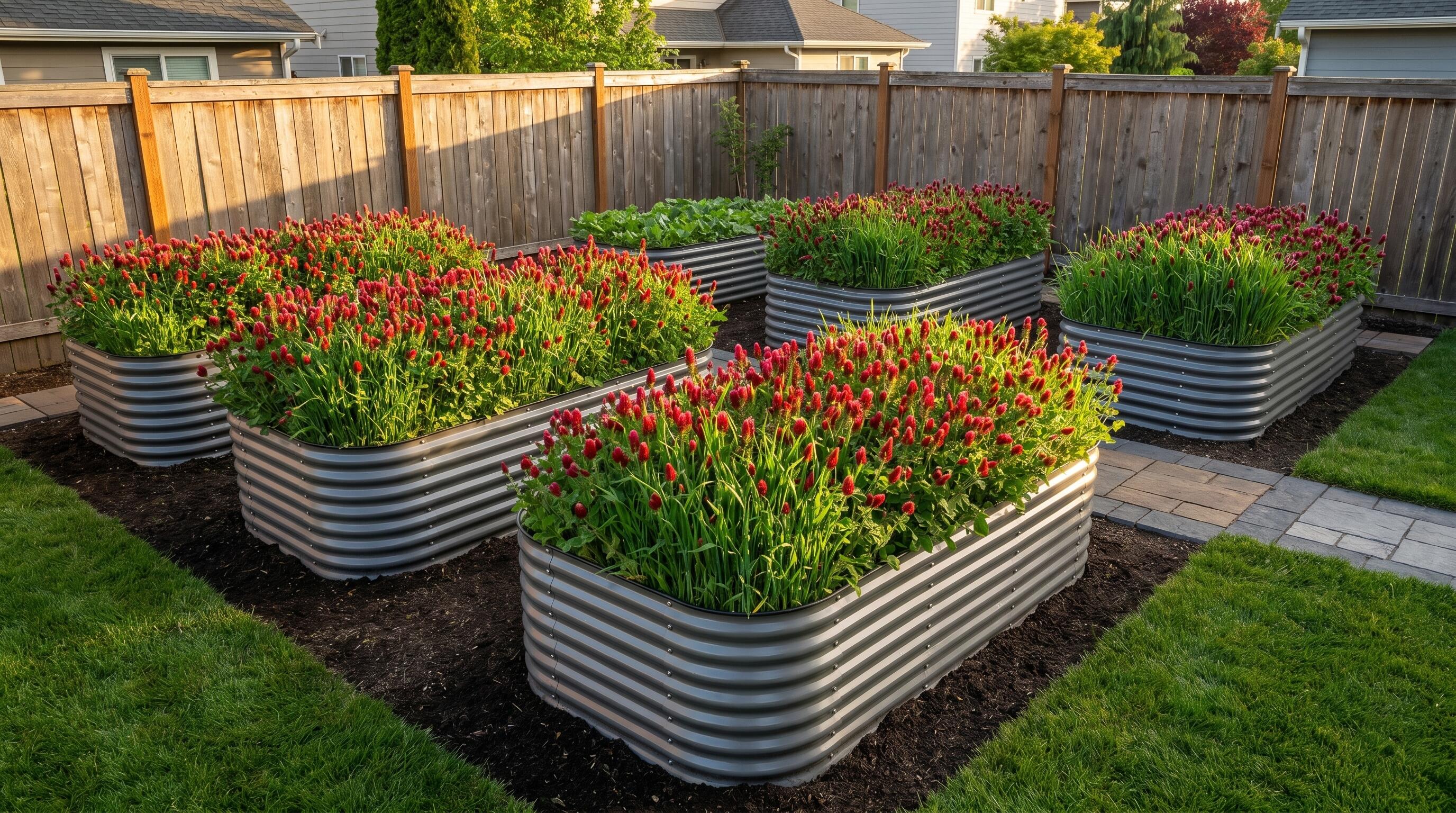
ALT: Cover cropping in raised beds to improve soil health between growing seasons naturally
Why Cover Cropping in Raised Beds Is the Smartest Off-Season Move You Can Make
Key Conclusion: Cover cropping in raised beds is one of the most effective and low-effort strategies to maintain and improve soil health between growing seasons. By planting nitrogen-fixing legumes, deep-rooted grasses, or fast-growing brassicas during the off-season, gardeners can protect their raised bed garden layout from erosion, suppress weeds, add organic matter, and dramatically boost yields the following spring. A well-planned raised bed planting layout that incorporates cover crops is the foundation of long-term, sustainable home gardening—and with the right raised bed layout, even small urban plots can benefit enormously.
The gap between your last tomato harvest and your first spring planting doesn't have to be wasted time. Most home gardeners leave their raised beds empty over winter, unknowingly allowing nutrients to leach out, weeds to take hold, and soil structure to degrade. Cover cropping flips this script entirely—turning the off-season into an active period of soil building.
Whether you're a seasoned gardener or just setting up your first metal raised bed, understanding how to use cover crops between growing seasons can transform your garden's long-term productivity. In this guide, we'll walk through everything from choosing the right cover crop species and timing your planting, to how to terminate and incorporate cover crops without disrupting your carefully built soil ecosystem.
Who Should Use Cover Cropping in Raised Beds
✅ Applicable Scenarios:
- Gardeners with established raised beds who experience declining yields year over year and want a natural solution to restore soil fertility
- Eco-conscious home growers who prefer organic, chemical-free methods to suppress weeds and add nutrients between growing seasons
- Urban micro-gardeners and empty nesters with limited time, looking for a low-maintenance off-season practice that pays off in spring
- Anyone managing multiple raised beds and wanting to rotate soil improvement methods across their raised bed garden layout
- Gardeners in regions with mild winters where cool-season cover crops can actively grow and fix nitrogen through the colder months
❌ Not Applicable/Cautions:
- Gardeners with very small raised beds (under 2 feet wide) may find it difficult to terminate cover crops without disturbing surrounding plants—plan carefully
- Those who garden year-round in warm climates should choose non-seeding cover crops carefully to avoid volunteer plants crowding out food crops
- Cover cropping is not ideal if you plan to plant fall or winter vegetables immediately after summer crops—timing coordination is essential
The Science Behind Soil Degradation in Raised Beds (And Why Cover Crops Fix It)
Every time you grow vegetables in a raised bed, you're making a withdrawal from the soil's nutrient bank. Plants consume nitrogen, phosphorus, and potassium; roots compact the soil over time; and rain and irrigation gradually leach away organic matter. Without active replenishment, even the best raised bed soil mix will decline after two to three seasons.
This is a well-documented phenomenon. According to the USDA Natural Resources Conservation Service, soil organic matter loss is one of the leading drivers of declining garden productivity in managed beds and small-scale agricultural plots. The good news? Cover crops are nature's own soil-repair system, and they've been used in large-scale farming for centuries. Applying these same principles to a home raised bed garden is surprisingly simple and remarkably effective.
What Exactly Are Cover Crops?
Cover crops—sometimes called "green manures"—are plants grown not for harvest, but specifically to benefit the soil. They fall into three broad categories:
Nitrogen-fixing legumes (clover, vetch, field peas, crimson clover) host symbiotic bacteria in their root nodules that capture atmospheric nitrogen and convert it into a plant-available form. When you terminate and incorporate these crops, that nitrogen is slowly released to feed your next vegetable planting.
Fibrous-rooted grasses and cereals (winter rye, oats, buckwheat) create dense root networks that prevent compaction, improve drainage, and add significant organic matter when turned in. Winter rye, in particular, also produces allelopathic compounds that naturally suppress weed germination—making it one of the best mulch for pest control in raised beds alternatives during the off-season.
Brassica cover crops (daikon radish, mustard) send deep taproots into the subsoil, breaking up compaction layers, improving aeration, and even suppressing soil-borne pests and nematodes through natural glucosinolate release.
The Raised Bed Advantage
In a traditional in-ground garden, cover cropping is sometimes limited by the scale of the work required to terminate and incorporate large volumes of plant material. In a raised bed layout, the contained space makes cover cropping even more manageable. You're working with a defined volume of soil, easier access on all sides, and typically a mix that drains well—perfect conditions for cover crops to establish quickly and terminate cleanly.
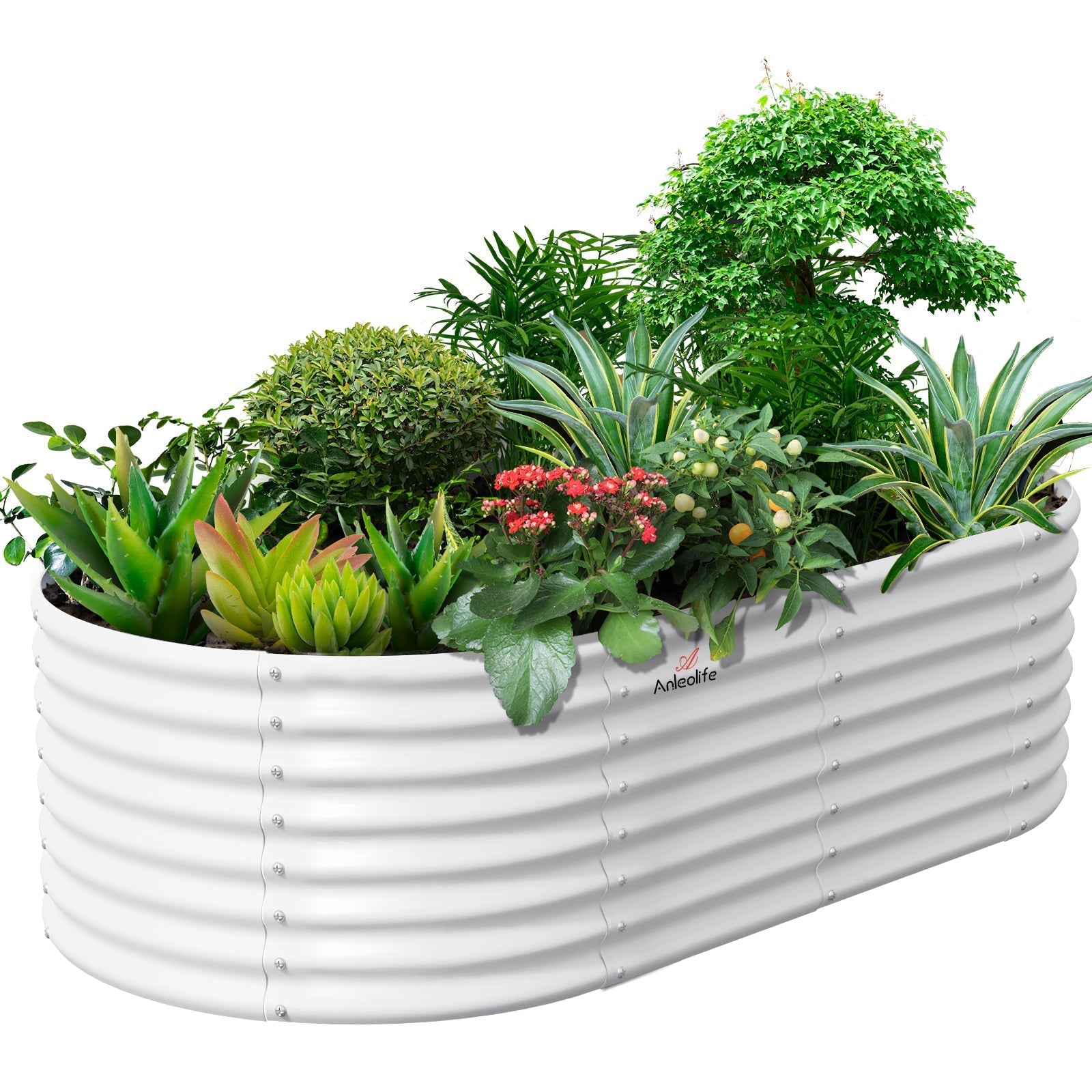
Research from land-grant universities consistently shows that gardens incorporating cover crops into their rotation see measurable improvements in soil organic matter within just one to two seasons. For home gardeners investing in quality raised bed infrastructure designed to last—like Anleolife's galvanized steel raised beds with a 20-year lifespan—protecting and improving the soil inside that bed is a natural complement to that long-term investment.
How to Grow, Manage, and Terminate Cover Crops in Your Raised Bed: A Complete Guide
Three-Step Quick Start
Step 1: Choose Your Cover Crop Based on Season and Goal
Start by deciding what you need most from your cover crop: nitrogen addition, weed suppression, or soil aeration. For fall planting (after summer crops are cleared), winter rye and crimson clover are the most reliable options across most U.S. climates. For spring or summer gaps between plantings, buckwheat establishes in as little as four weeks. Visit your local cooperative extension website to confirm the last planting dates for your specific zone—most cover crops need 4–6 weeks to establish before a hard frost. Allow 15–20 minutes to research and order seeds.
Step 2: Prepare Your Bed and Sow Seeds
After clearing your summer crops, lightly loosen the top 2–3 inches of soil with a hand cultivator. You don't need to till deeply—cover crops are designed to do the heavy work themselves. Broadcast seeds evenly across the bed surface at the recommended rate (usually listed on the seed packet), rake lightly to cover, and water in well. For a standard 4x8 raised bed, you'll need only a small quantity of seed—typically a handful of legume or grass seed covers the area comfortably. This step takes about 20–30 minutes per bed.
Step 3: Terminate and Incorporate Before Planting Season
About 2–4 weeks before your planned spring planting date, it's time to terminate your cover crop. For small raised beds, simply cut the plants at soil level with garden shears, chop the material into smaller pieces, and lay it on the soil surface as a mulch layer—or dig it in 4–6 inches deep. Wait 2–3 weeks for the material to begin breaking down before transplanting seedlings. Alternatively, use the "chop and drop" method, leaving roots in place and cutting foliage down. This step takes 30–60 minutes depending on the density of growth.
Comparing the Best Cover Crop Choices for Raised Beds
Choosing the right cover crop depends on your climate, the time window you're working with, and your primary soil improvement goal. Here's a clear comparison of the most popular options for home raised bed gardeners:
| Comparison Dimension | Winter Rye | Crimson Clover | Daikon Radish |
|---|---|---|---|
| Primary Benefit | Organic matter, weed suppression | Nitrogen fixation | Deep aeration, pest suppression |
| Best Planting Season | Early fall (6+ weeks before frost) | Fall or early spring | Late summer to early fall |
| Growth Rate | Fast (4–6 weeks to establish) | Moderate (6–8 weeks) | Fast (4–6 weeks) |
| Termination Method | Cut and compost or chop-and-drop | Mow, cut, or till in | Winter-kill in cold climates; cut in mild zones |
| Weed Suppression | Excellent | Moderate | Good (dense canopy early) |
| Nitrogen Contribution | Minimal | High (80–200 lbs/acre equivalent) | Minimal |
| Suitable for Small Beds | ✅ | ✅ | ✅ |
| Overwinters in Cold Climates | ✅ | Partially | ❌ (winter-kills) |
For most home gardeners using a raised bed planting layout with mixed vegetables, a combination approach works best: sow crimson clover alongside winter rye in fall beds. The rye establishes quickly and protects the soil surface, while the clover fixes nitrogen at its own pace. This partnership delivers both weed control and fertility benefits simultaneously.
Detailed Cover Crop Strategies for Every Raised Bed Scenario
For Nitrogen-Depleted Beds After Heavy Feeders
If you grew heavy nitrogen consumers like corn, squash, or tomatoes all season, your soil is likely running low on this essential nutrient. Crimson clover is your best recovery ally. Sow it thickly at 1 pound per 1,000 square feet (scale down for your raised bed size), and let it grow through fall and into early spring where climate allows.
When you terminate crimson clover by cutting it at the base and turning it into the soil, the decomposing roots and foliage release a slow, sustained supply of organic nitrogen—far superior to a single synthetic fertilizer application, which can cause nutrient spikes and leaching. Field peas and hairy vetch work similarly, with hairy vetch being particularly cold-hardy and suitable for gardeners in USDA zones 4–7.
For Weed Control and Soil Protection Over Winter
An empty raised bed is an open invitation for weed seeds to colonize. Winter rye is the undisputed champion of off-season weed suppression in raised beds. Its dense, fibrous growth quickly shades the soil surface, outcompeting most weed seedlings. More impressively, its roots release allelopathic compounds—natural chemicals that inhibit weed seed germination in the surrounding soil.
This makes winter rye one of the most effective and natural alternatives to chemical herbicides, essentially functioning as the best mulch for pest control in raised beds during the cold months. It's worth noting that these same allelopathic compounds can temporarily inhibit small-seeded vegetable transplants, which is why waiting 2–3 weeks after termination before planting is so important.
For Compacted or Poorly Draining Raised Beds
Sometimes raised beds develop unexpected drainage issues, especially when the original soil mix has broken down significantly over multiple seasons. Daikon radish (also known as tillage radish) is the go-to solution. Its taproot can penetrate 12–18 inches into the soil, physically breaking up compaction layers and creating channels for water and air movement.
In cold climates, daikon radishes winter-kill naturally, leaving behind decomposing roots that create a network of biological channels in the soil—often called "biodrilling." In milder zones, you'll need to terminate them manually before they go to seed. Either way, a single fall planting of daikon can visibly transform the drainage and texture of a compacted bed by spring.
Protecting Your Raised Bed Infrastructure During the Off-Season
While your cover crops are doing the hard work below ground, don't overlook the above-ground protection of your raised bed structure itself. Metal raised beds—particularly those made from galvanized or Galvalume steel—hold up beautifully through winter, but a dense cover crop canopy also helps insulate the soil, preventing extreme freeze-thaw cycles that can gradually shift or heave even well-constructed beds.
Quality matters here. Anleolife's galvanized steel raised garden beds are built to last up to 20 years, combining durability with a clean aesthetic that suits everything from backyard kitchen gardens to ornamental potager layouts. Pairing long-lasting infrastructure with proactive soil management through cover cropping is the kind of compounded investment that pays dividends every single growing season.
When your beds are set up correctly and your soil is continuously improving, you'll also find that other garden elements—from best garden netting for keeping birds away from vegetables during the growing season to decorative pathway systems around your beds—work better because your overall garden system is functioning at a higher level.
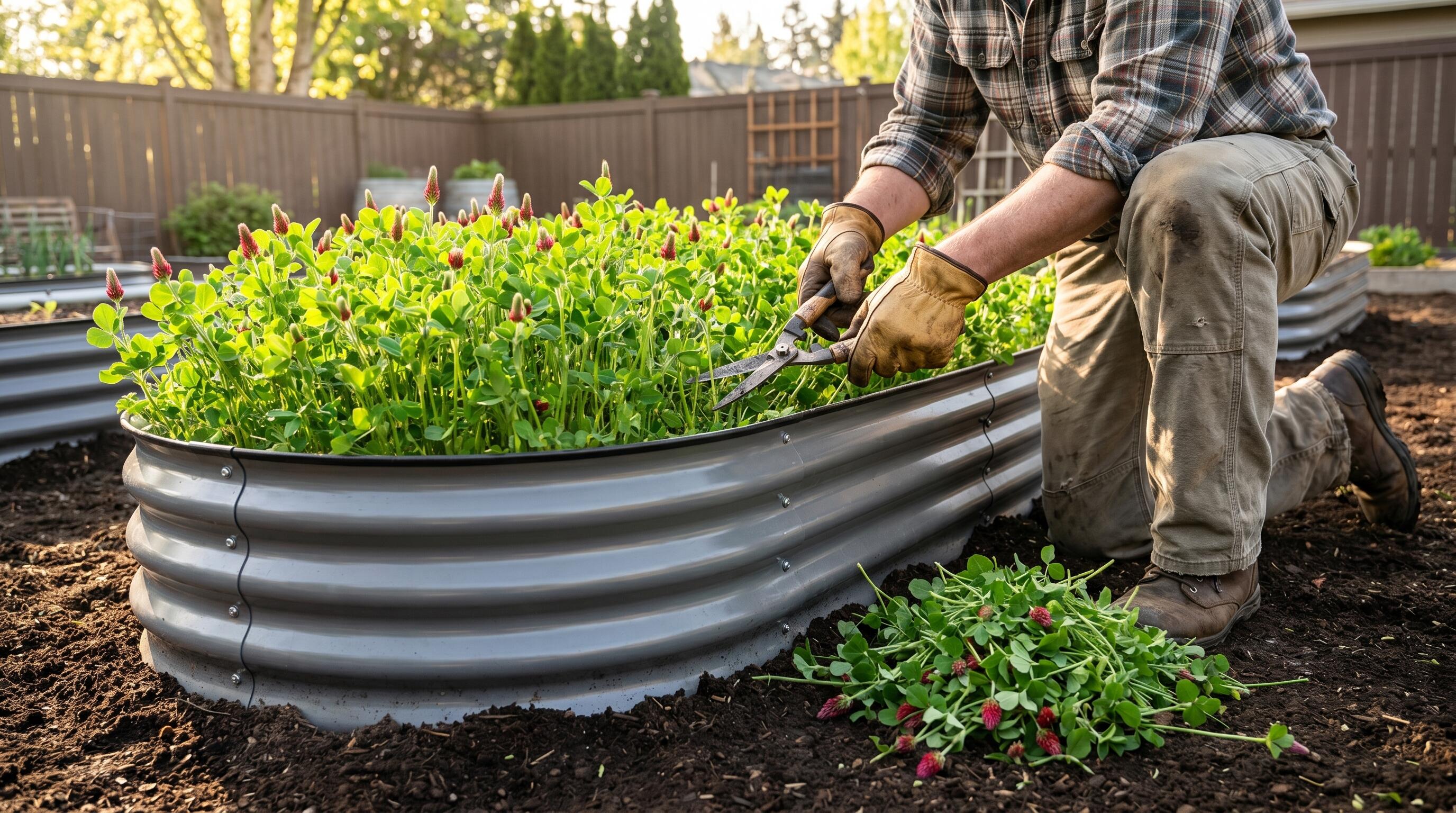
ALT: Gardener terminating crimson clover cover crop in galvanized steel raised bed before spring planting season
Advanced Cover Cropping: Special Situations and Common Misconceptions
Special Situation 1: Gardening Year-Round in Warm Climates
If you're gardening in Florida, Southern California, or Texas where winter growing is entirely feasible, cover cropping requires more strategic timing. Rather than planting cover crops in empty beds, consider using a "living mulch" approach—interseeding low-growing clover between rows of taller vegetables. This keeps the soil covered, adds nitrogen, and doesn't require a full growing pause. Buckwheat is excellent for very short gaps (4–6 weeks) between summer and fall plantings in warm climates.
Special Situation 2: Managing Small Urban Raised Beds
For urban micro-gardeners working with beds of 2x4 feet or smaller, full cover crop termination can feel disruptive. A practical workaround is to use cover crops in a "cut and leave" method—never digging them in, but continuously cutting the foliage and leaving it on the soil surface as a decomposing mulch layer. Over time, this sheet-mulching effect builds a beautiful layer of organic matter without any soil disturbance.
Special Situation 3: Dealing with Cover Crop Volunteers
One genuine challenge with cover cropping is seed escape—cover crops that go to seed before termination and then sprout as volunteers in subsequent plantings. The fix is straightforward: terminate your cover crop before it flowers and sets seed. For winter rye, this means cutting before the seed heads emerge (usually early spring). For crimson clover, watch for the first flower buds and terminate promptly. Staying just ahead of the flowering stage eliminates volunteer problems entirely.
Common Misconception: "Cover Crops Will Deplete My Soil Before Spring"
This is one of the most persistent myths about cover cropping. In reality, cover crops are net givers, not takers. While they do use some nutrients during growth, the majority of those nutrients are locked in the plant tissue and returned to the soil when the crop is terminated and incorporated. Nitrogen-fixing legumes return more nitrogen than they consume. The small amount of other nutrients used is more than offset by the improvements in soil structure, organic matter, and microbial activity.
Frequently Asked Questions FAQ
Q1: How do I know which cover crop is best for my specific raised bed situation?
Start by identifying your primary soil problem: if yields are declining, go with a nitrogen-fixing legume like crimson clover or hairy vetch. If weeds are your main issue over winter, winter rye is your best bet. If water pools after rain or your soil feels compacted, plant daikon radish. For most gardeners, a blend of winter rye and crimson clover addresses all three concerns simultaneously and is the most reliable starting point regardless of climate zone.
Q2: Is it safe to plant cover crops right after removing summer vegetables?
Yes, and in fact the sooner you get cover crops established after clearing summer crops, the better. Bare soil loses moisture rapidly, is vulnerable to weed invasion, and begins losing organic matter immediately. Aim to sow cover crop seeds within one to two weeks of clearing your last harvest. The only exception is if you're planning to plant cool-season vegetables like kale, spinach, or lettuce—in that case, prioritize your food crops and use cover crops in any beds that will be resting.
Q3: How long does it take for a cover crop to actually improve my soil, and what does the cost look like?
Most gardeners see measurable improvements in soil texture and water retention after just one season of cover cropping. Nitrogen benefits from legumes become available 2–4 weeks after termination and incorporation, feeding your spring crops directly. In terms of cost, cover crop seed is one of the most affordable garden investments available—a pound of crimson clover seed (enough for multiple raised beds) typically costs $3–$8, and winter rye is even less expensive. The return on investment, measured in reduced fertilizer needs and improved yields, is substantial.
Summary
Cover cropping in raised beds is not a complex or time-intensive practice—it's simply smart gardening. By putting your soil to work during the off-season rather than leaving it vulnerable and depleted, you're making a long-term investment in the productivity and health of your entire garden system.
The three core takeaways from this guide are:
First, choose your cover crop based on your soil's specific needs—nitrogen depletion calls for legumes, compaction calls for deep-rooted radishes, and weed pressure calls for winter rye or a combination.
Second, timing matters. Sow cover crops promptly after clearing summer crops to maximize growing time before frost, and terminate them 2–3 weeks before spring planting to allow decomposition without allelopathic interference.
Third, cover cropping works best as part of a complete raised bed system—from the structure of the bed itself to the soil inside it. Pairing a 20-year-durable raised bed with continuous soil improvement practices through cover cropping means your garden just keeps getting better, season after season.
Your next step is simple: before the first frost closes in this fall, clear your beds, scatter a handful of winter rye and crimson clover seed, water it in, and let nature do the rest. You'll be amazed at what you find in spring.
Start Growing Smarter with Anleolife
Nationwide U.S. warehouse network: Strategically located in California, Texas, Florida, New York, Illinois, and Washington to ensure delivery within 3–8 business days—so your garden upgrade plans never have to wait for the season to change.
Multi-channel sales network: Anleolife products are available on major e-commerce platforms including Amazon, Walmart, Home Depot, Lowe's, and Wayfair, as well as the official website Anleolife.com, providing consistent quality assurance and dependable after-sales service wherever you prefer to shop.
Three core scenarios: Planting (metal raised garden beds, soil systems), Raising (chicken coops, rabbit hutches), and Beautification (decorative accessories, pathway systems)—meeting your complete needs from function to aesthetics, season after season.
Upgrade your garden with Anleolife. We understand that an ideal garden is not built overnight, but gradually improved over time. Our modular product design allows flexible expansion based on your needs—from your first 8x4x2 garden bed to a fully integrated planting-and-raising ecosystem. We grow with you every step of the way.
References
- USDA Natural Resources Conservation Service. "Soil Health: Cover Crops".
https://www.nrcs.usda.gov/conservation-basics/natural-resource-concerns/soils/soil-health - University of California Cooperative Extension (UCANR). "Cover Crops for Home Gardens".
https://ucanr.edu/ - Penn State Extension. "Using Cover Crops in the Home Garden".
https://extension.psu.edu/using-cover-crops-in-the-home-garden - Rodale Institute. "Cover Crop Guide for Organic Systems".
https://rodaleinstitute.org/science/cover-crops/ - Oregon State University Extension Service. "Cover Crops for Oregon Vegetable Gardens".
https://extension.oregonstate.edu/gardening/vegetables/cover-crops-oregon-vegetable-gardens
Note: Standards and recommendations may be updated. Please check the latest official documents or consult your local cooperative extension office for region-specific advice.
About Anleolife
Anleolife is a leading outdoor garden solutions provider in North America, dedicated to offering a full-scenario product ecosystem for home gardening enthusiasts, covering planting, raising, and garden beautification. Since its founding, we have upheld our brand mission, "Made for Garden Life," continuously innovating products and optimizing services to help hundreds of thousands of users upgrade their gardens, reconnect with nature, and enjoy a better garden lifestyle.