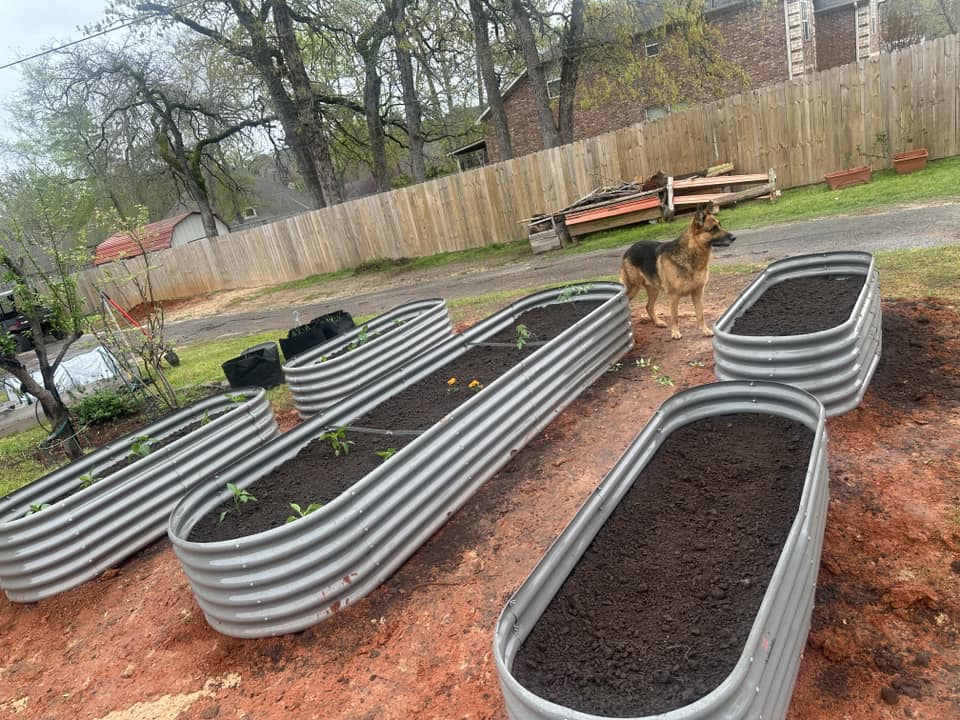



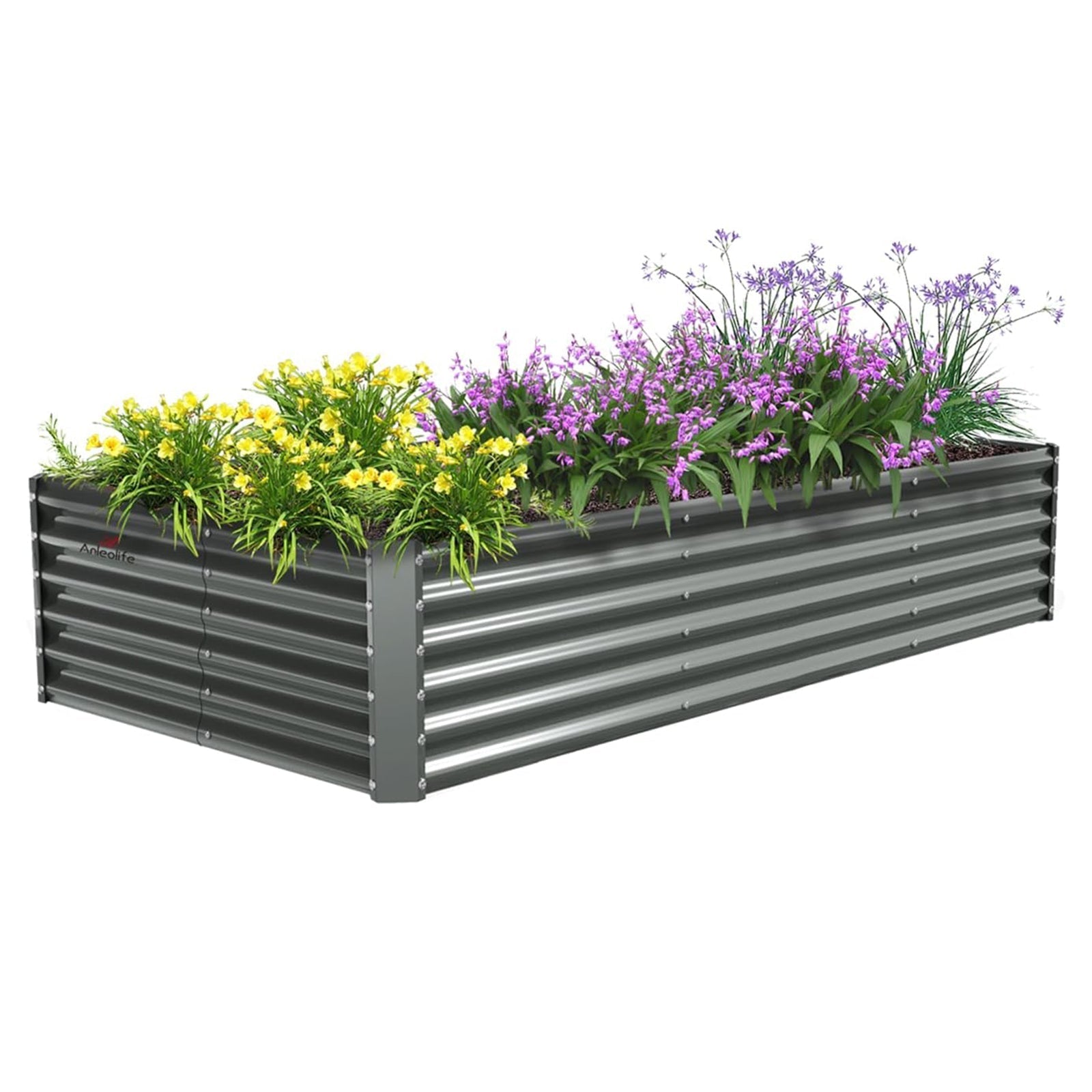
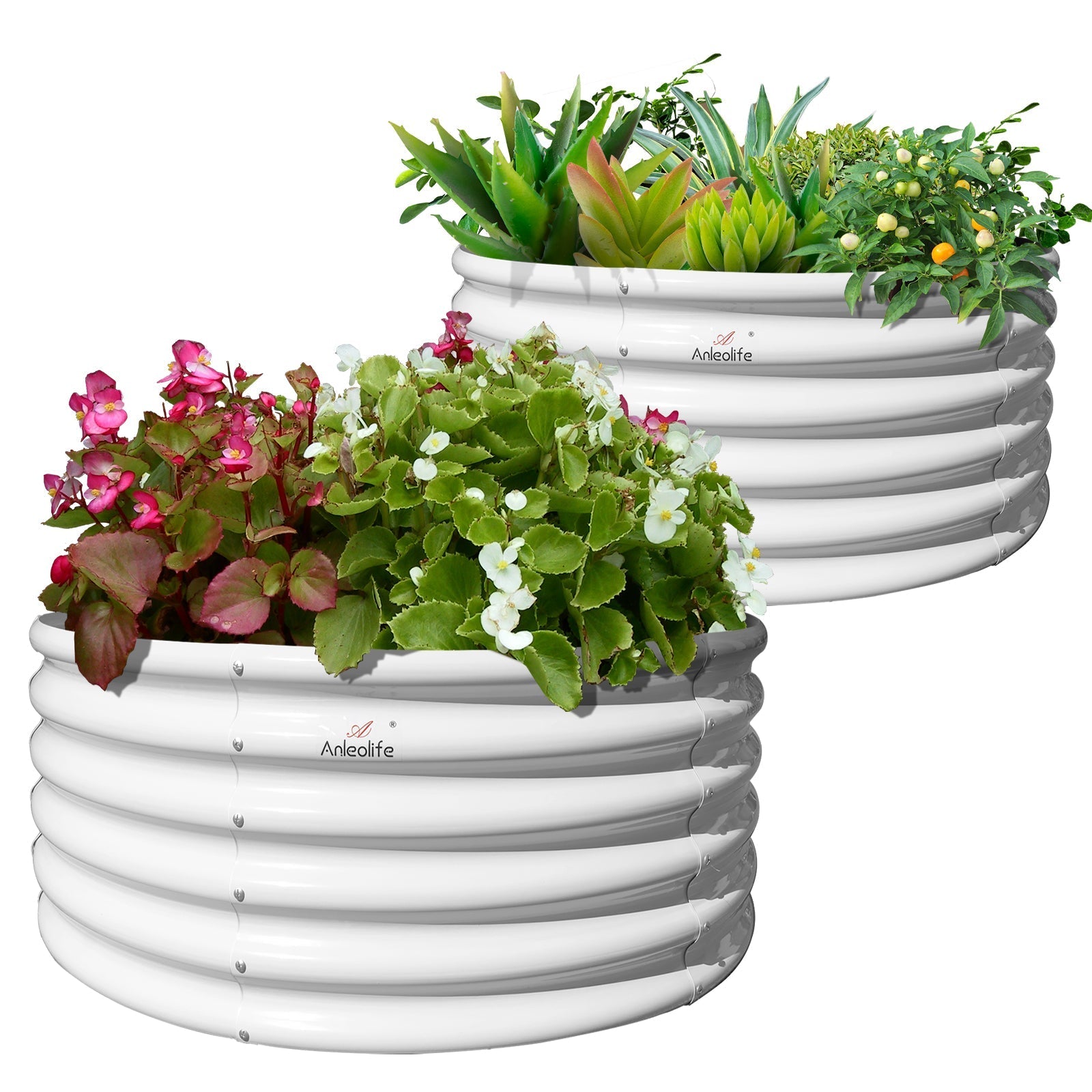
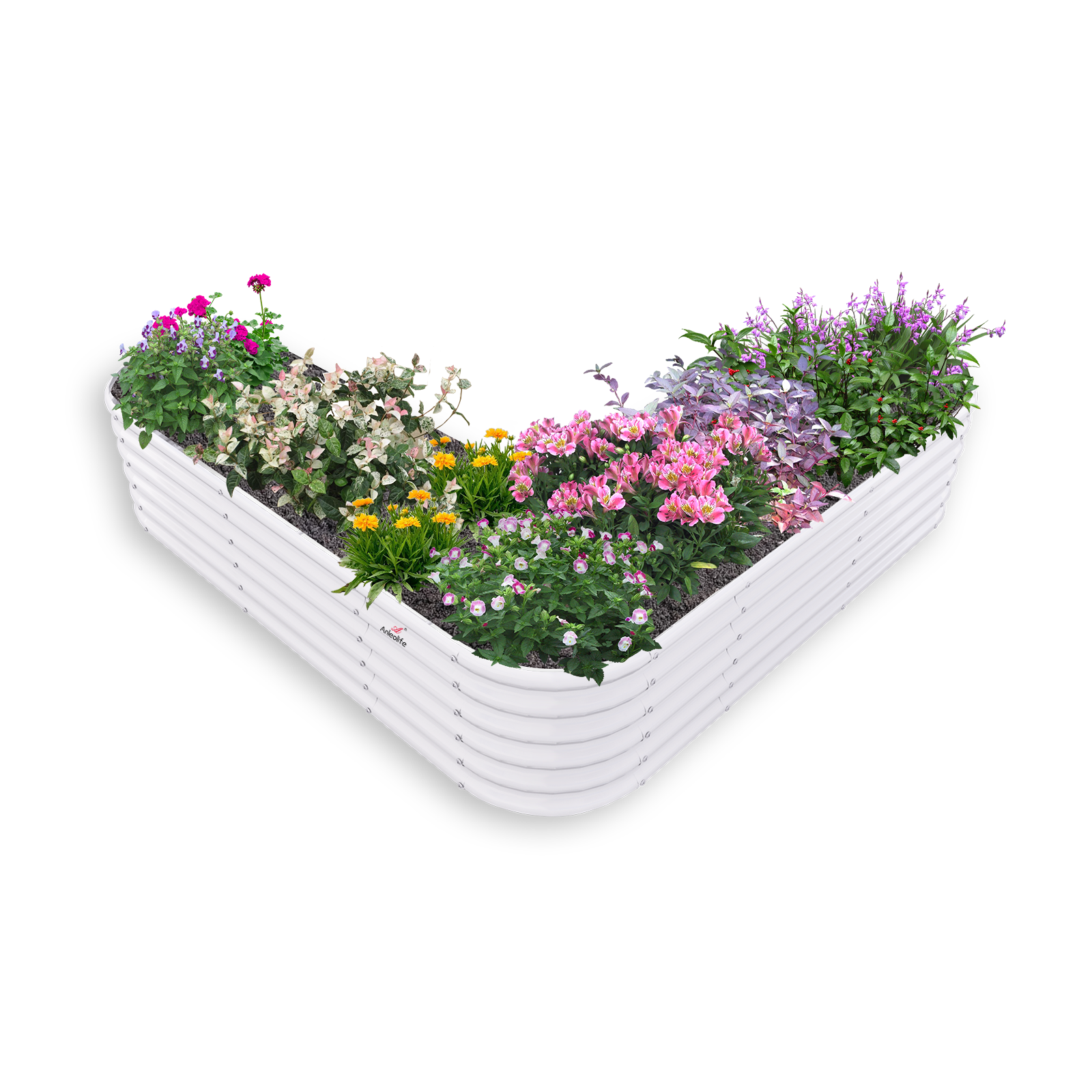
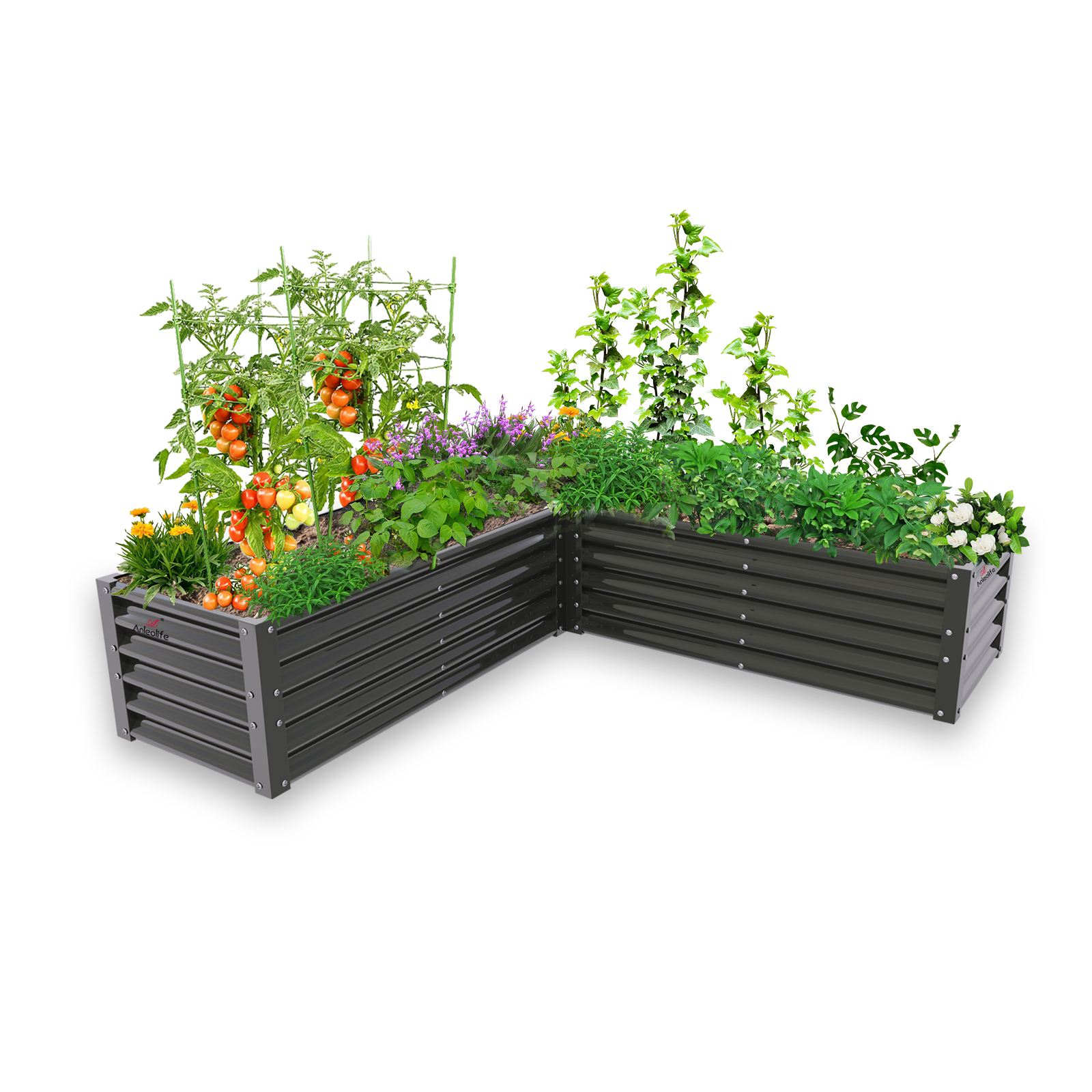
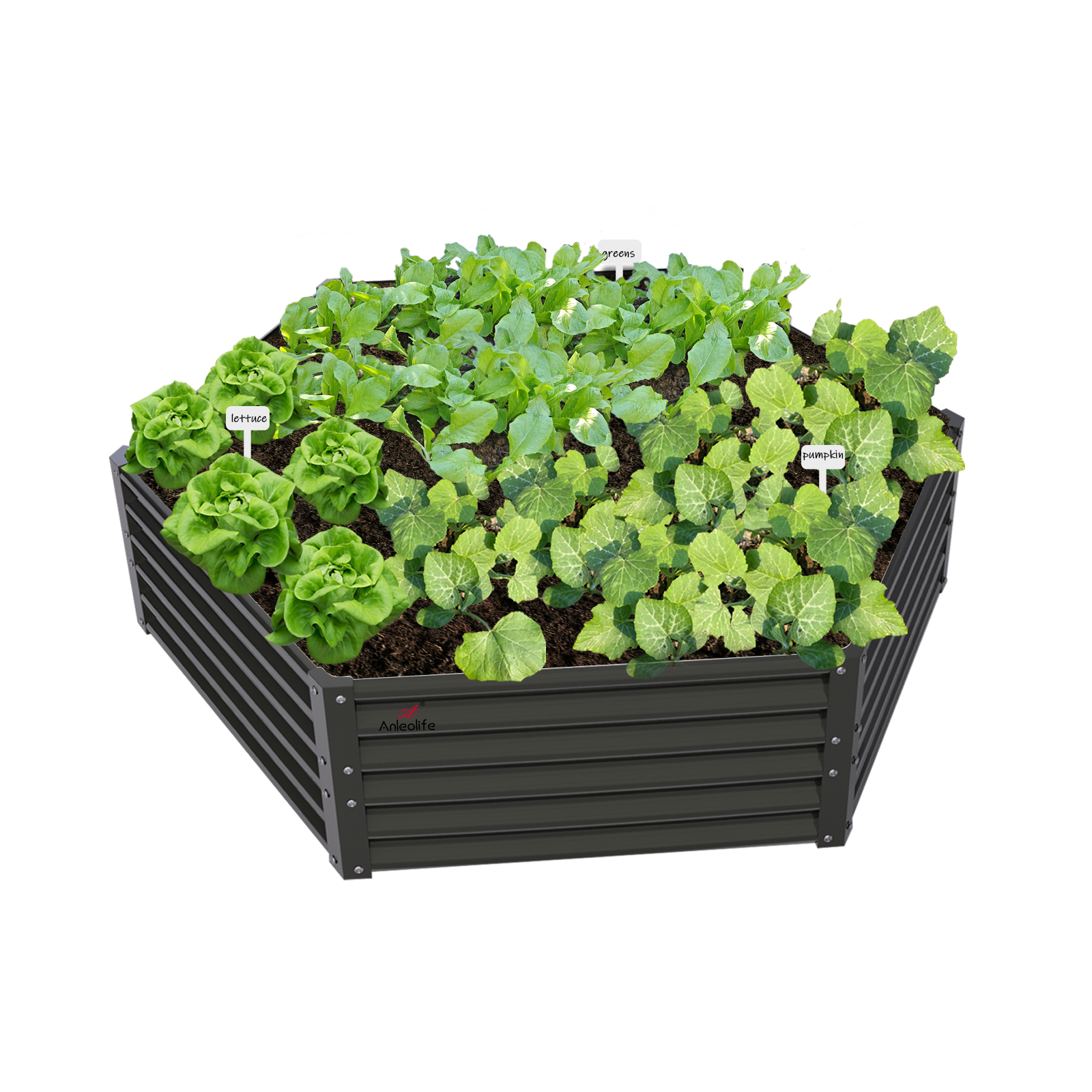
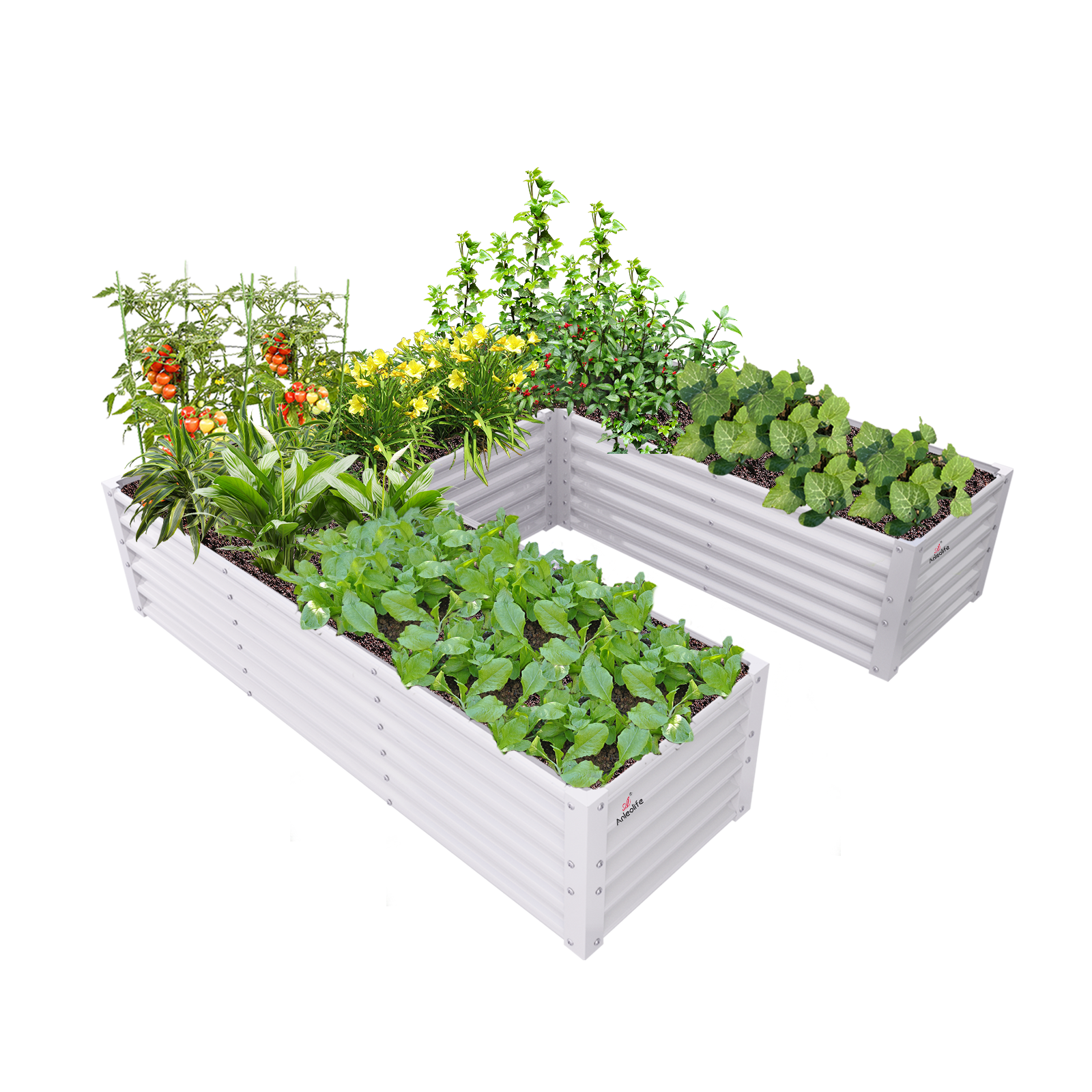

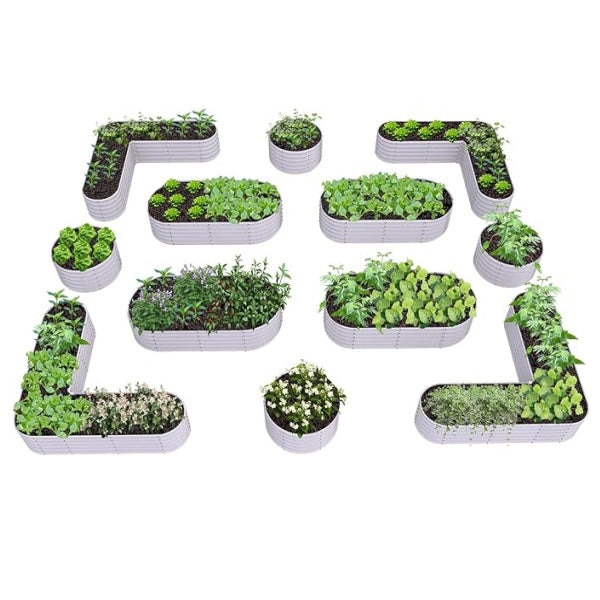

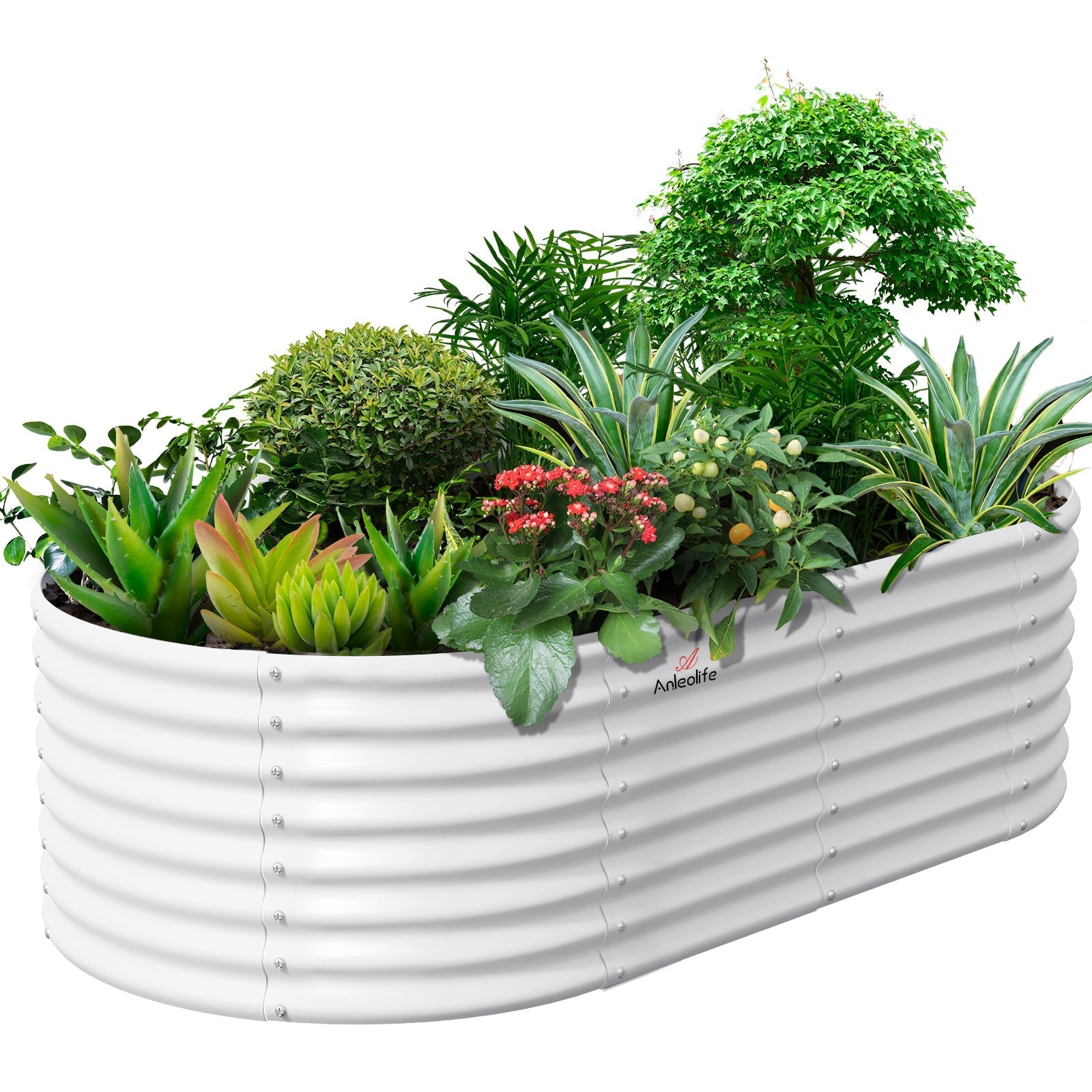


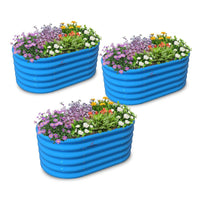
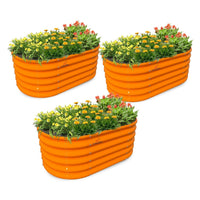
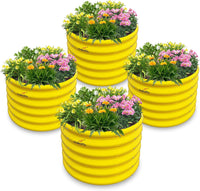
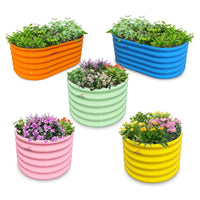
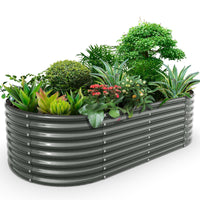



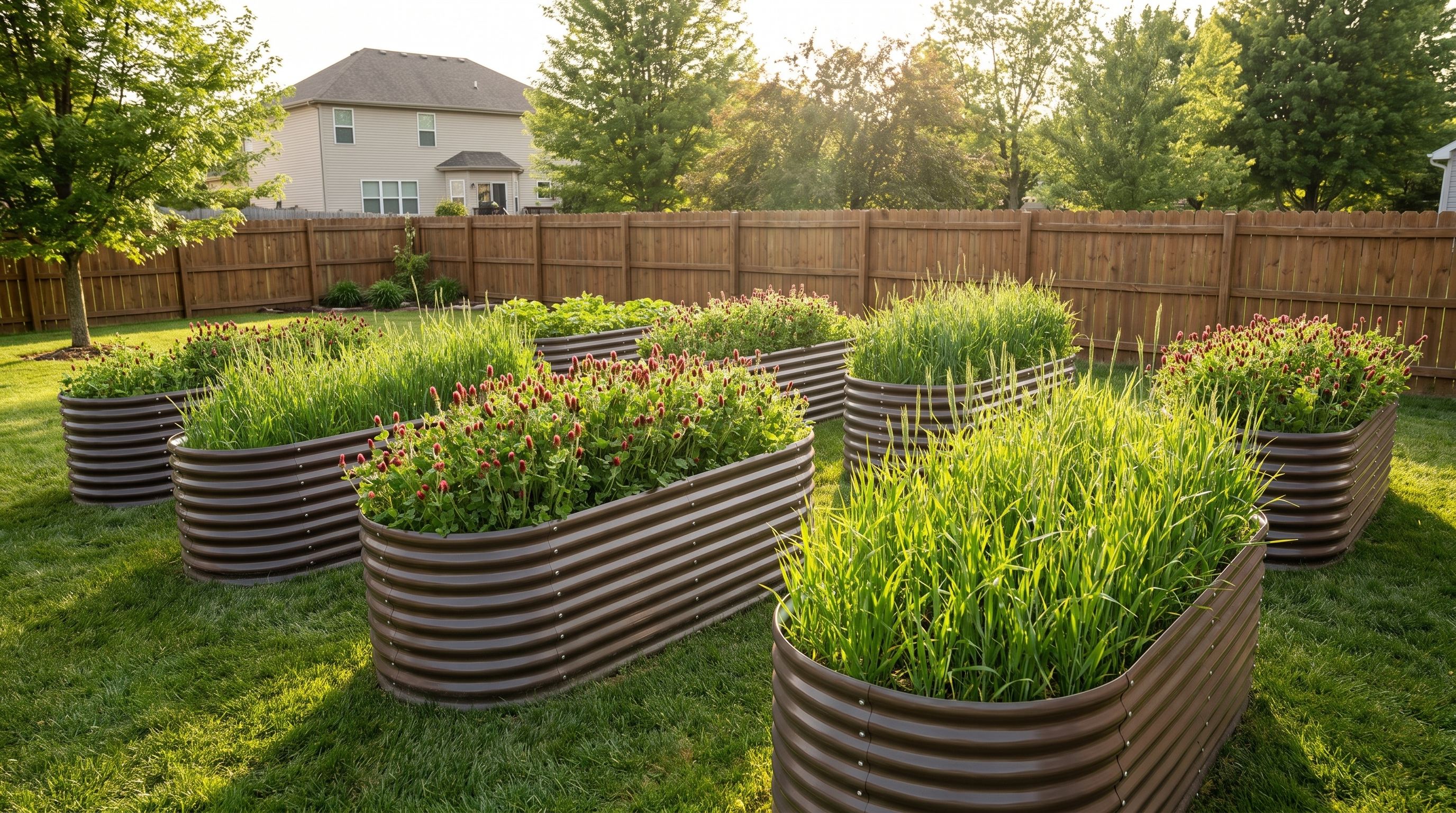
ALT: Cover crops growing in raised garden beds to rebuild soil health between growing seasons
Why Cover Crops Are the Secret Weapon for Raised Bed Gardeners
Key Conclusion: Cover crops are one of the most underutilized tools in the raised bed gardener's toolkit. By sowing the right varieties between growing seasons, you can restore depleted nutrients, suppress weeds, improve soil structure, and set the stage for a more productive harvest next year—all without purchasing expensive amendments. Whether you're managing a compact 4x8 raised bed garden or an expansive multi-bed layout, cover crops offer a low-cost, high-reward strategy that works in harmony with your existing soil ecosystem.
Most gardeners think of their raised beds as "off" during the off-season. The plants come out, the beds sit bare through winter, and come spring, the soil looks compacted, pale, and lifeless. Sound familiar? There's a better way—and it starts before the last tomato vine is pulled.
Cover crops (also called green manures) are fast-growing plants sown specifically to improve soil rather than to harvest for food. They protect bare soil from erosion, add organic matter when turned in, and some varieties actively fix atmospheric nitrogen back into the ground. The concept is centuries old, but its application in raised bed gardening is surprisingly modern and deeply practical—especially when paired with high-quality, well-draining metal beds designed to support long-term soil health.
Who Should Be Using Cover Crops in Raised Beds?
✅ Applicable Scenarios:
- Gardeners who grow heavy feeders like tomatoes, corn, or squash and find soil depleted each season
- Home growers managing multiple raised beds who want a low-maintenance soil restoration strategy over winter or between spring and fall crops
- Eco-conscious gardeners who prefer natural soil building over synthetic fertilizers
- Anyone transitioning to organic growing methods or looking to reduce annual soil amendment costs
- Gardeners in USDA hardiness zones 3–9 who have a defined off-season with cooler temperatures suitable for cool-season cover crops
❌ Not Applicable/Cautions:
- Gardeners in frost-free climates with year-round growing schedules may find it difficult to fit in a dedicated cover crop cycle without sacrificing a planting slot
- Raised beds that are very shallow (under 8 inches deep) may struggle to support the root systems of vigorous cover crops like daikon radish or crimson clover without limiting growth
- Gardeners with limited time windows between crops should be cautious—cover crops need at least 4–6 weeks of growth before they're turned in to offer real soil benefit
Understanding What Cover Crops Actually Do to Your Soil
Before diving into specific varieties, it helps to understand the mechanisms at play. Raised bed soil—even the best custom-blended mix—breaks down over time. The organic matter that gives your soil its fluffy, water-retaining texture gets consumed by microbes and plant roots season after season. Without replenishment, you're left with a dense, nutrient-depleted growing medium.
Cover crops address this in three primary ways:
1. Nitrogen Fixation
Leguminous cover crops—clovers, vetch, peas, beans—host Rhizobium bacteria in nodules on their roots. These bacteria pull nitrogen from the air and convert it into forms plant roots can absorb. When you terminate the cover crop and turn it into the soil, that nitrogen becomes available to your next crop. This is essentially free fertilizer generated by the plant itself.
2. Organic Matter and Soil Structure
Grasses, brassicas, and broadleaf cover crops don't fix nitrogen, but they produce enormous amounts of biomass. When tilled or cut back into the bed, this green material feeds soil microbes and earthworms, improving the spongy, well-aggregated texture that makes raised bed soil so productive.
3. Weed and Erosion Suppression
A dense cover crop smothers weed seeds that would otherwise germinate over fall and winter, meaning far less hand-weeding come spring. Bare soil also crusts over after repeated rain and freeze-thaw cycles—cover crop roots keep that surface broken up and porous.
For a deeper look at how the materials in your raised beds interact with soil chemistry, Do Galvanized Steel Garden Beds Leach Zinc Into Your Vegetables? The Facts is worth reading before you finalize your soil management plan.
The best results come from understanding your bed's history. What did you grow last season? Heavy feeders like brassicas and nightshades leave soil especially depleted of nitrogen. Lighter crops like lettuce or herbs leave more nutrients behind. Use that as your guide when selecting a cover crop variety.
The Best Cover Crop Varieties for Raised Beds (And How to Use Them)
Three-Step Quick Start Guide for Cover Crops in Raised Beds
Step 1: Choose Your Timing and Clear the Bed
After your last harvest, remove spent plant material (diseased plants go in the trash, not compost), lightly loosen the top few inches of soil with a hand fork, and water if the soil is bone dry. This prep takes about 20–30 minutes per bed. Aim to sow cool-season cover crops 4–6 weeks before your first hard frost, or sow warm-season cover crops 2–3 weeks after your last spring harvest if you're taking a summer break.
Step 2: Select and Sow Your Cover Crop Seed
Broadcast seed evenly across the surface of your bed—there's no need for rows here. Lightly rake it in to a depth of roughly ¼ to ½ inch for small seeds, and slightly deeper for larger seeds like field peas. Water gently and consistently until germination occurs, typically within 5–10 days depending on variety and soil temperature. For a 4x8 raised bed garden, a small packet of seed is usually sufficient to achieve good coverage.
Step 3: Terminate and Incorporate Before Planting Season
When your cover crop reaches 8–12 inches tall, or about 2–4 weeks before you plan to plant your spring or summer crops, it's time to terminate. Cut or mow the tops down, then use a hand fork or trowel to turn the material into the top 4–6 inches of soil. Allow 2–3 weeks for the green material to break down before transplanting. This decomposition window is critical—fresh green material can temporarily tie up soil nitrogen as it breaks down.
Cover Crop Variety Comparison: What Works Best in Raised Beds
Choosing the right cover crop depends on your climate, timing, and primary soil goal. Here's a practical comparison of the most popular options for home raised bed gardeners:
| Comparison Dimension | Crimson Clover | Winter Rye | Daikon Radish |
|---|---|---|---|
| Primary Benefit | Nitrogen fixation | Organic matter, erosion control | Deep soil aeration, breaks compaction |
| Best Sowing Season | Early fall or early spring | Early to mid-fall | Late summer to early fall |
| Hardiness | Moderate (zones 6–9) | Very cold-hardy (zones 3–9) | Moderate (zones 5–9) |
| Termination Method | Cut and till | Cut and till or winter-kill | Winter-kills in cold zones; till in warm zones |
| Time to Maturity | 6–8 weeks to flowering | 8–12 weeks | 6–8 weeks |
| Best For | Beds depleted by heavy feeders | Beds left bare over winter | Raised beds with compacted subsoil |
| Compatibility with Raised Beds | Excellent | Excellent | Good (requires sufficient depth) |
| Comparison Dimension | Field Peas | Buckwheat | Austrian Winter Peas |
|---|---|---|---|
| Primary Benefit | Nitrogen fixation | Phosphorus release, weed smothering | Nitrogen fixation, winter protection |
| Best Sowing Season | Early spring or early fall | Summer (after spring crops) | Early fall |
| Hardiness | Moderate cool-season | Frost-sensitive | Cold-hardy |
| Termination Method | Cut before flowering | Frost-kill or mow | Cut and till in spring |
| Time to Maturity | 4–6 weeks | 4–6 weeks | 8–12 weeks |
| Best For | Quick spring nitrogen boost | Between summer and fall crops | Cold-climate winter soil cover |
| Compatibility with Raised Beds | Excellent | Excellent | Excellent |
Deep Dive: The Top Five Cover Crops for Home Raised Beds
Crimson Clover: The Nitrogen Supercharger
Crimson clover (Trifolium incarnatum) is arguably the most popular cover crop for home vegetable gardeners, and for good reason. Its ability to fix 70–200 lbs of nitrogen per acre rivals many commercial fertilizers, and when turned into a raised bed, it gives the soil a meaningful nitrogen boost. It also produces stunning red blooms that attract pollinators if you let a few plants flower before terminating.
Sow crimson clover in early fall (or early spring in colder climates) and expect good germination within a week. It establishes quickly and forms a dense mat that shades out winter weeds effectively. For beds that grew tomatoes, peppers, or squash in the previous season, crimson clover is almost always the right call.
Winter Rye: The Cold-Hardy Workhorse
If you garden in a climate with harsh winters and want maximum biomass production, winter rye (Secale cereale) is hard to beat. It germinates in cool soil temperatures (as low as 33°F), grows vigorously through fall and early winter, and re-activates in early spring to provide a fresh flush of growth before you terminate it.
Winter rye doesn't fix nitrogen, but it produces more organic matter than almost any other cover crop, dramatically improving soil texture over time. Its extensive root system also does a remarkable job of preventing the soil surface from crusting and compacting during freeze-thaw cycles—a common problem in raised beds left bare over winter.
One important note: because winter rye produces allelopathic compounds that can inhibit germination of small seeds, allow a full 3 weeks after incorporation before direct-seeding crops like carrots or lettuce. Transplants are less affected and can go in sooner.
Daikon Radish: The Natural Tillage Tool
Also known as tillage radish or forage radish, daikon radish (Raphanus sativus) punches deep taproots into your raised bed soil—sometimes 12–18 inches deep—physically breaking up compacted layers that hand tools can't easily reach. When the radish winter-kills (or is terminated), those root channels remain, creating pathways for water, air, and future plant roots.
Daikon is particularly well-suited for raised beds that have been in use for several seasons and are starting to show signs of compaction at the lower soil depths. It's sown in late summer to early fall and winter-kills in most climates, meaning minimal termination work is required.
Buckwheat: The Summer Gap-Filler
Most cover crops are cool-season plants, but buckwheat (Fagopyrum esculentum) thrives in warm summer conditions, making it ideal for filling a gap between spring and fall crops. It grows fast (flowering in as little as 4–6 weeks), suppresses weeds aggressively, and scavenges phosphorus from soil that would otherwise be unavailable to plants. When terminated and incorporated, that phosphorus becomes accessible to the next crop.
Buckwheat is frost-sensitive, so it's naturally terminated by the first fall frost if you don't get around to mowing it first. For urban gardeners and empty nesters who want a low-maintenance summer gap strategy, it's nearly foolproof.
Field Peas: The Spring Nitrogen Booster
Field peas (Pisum sativum var. arvense) are a spring-sown legume that establishes quickly in cool soil and fixes significant nitrogen before your summer crops go in. They're particularly useful if you skipped a fall cover crop and want to give soil a quick boost before May planting.
Sow field peas 4–6 weeks before your last frost date and terminate when they reach 8–10 inches tall. Their fine-textured biomass breaks down quickly, so you can plant into the bed within 1–2 weeks of incorporation—faster than heavier cover crops like winter rye.
Pairing Cover Crops with the Right Raised Bed Infrastructure
The success of any cover cropping program depends partly on the quality of the container you're working with. Raised beds with poor drainage, cracked walls, or rust issues can disrupt the soil environment that cover crops rely on to establish well.
Anleolife's galvanized steel raised garden beds are built with this long-term soil management approach in mind. With a rated lifespan of 20 years, these beds are designed to support not just one or two growing seasons but decades of continuous soil improvement cycles. The well-drained, thermally stable environment inside a quality metal raised bed is actually ideal for cover cropping, because drainage prevents the waterlogging that can rot cover crop roots in winter.
If you're comparing bed materials or planning an upgrade, Galvanized Steel vs. Corten Steel Garden Beds: Which Holds Up Better Outdoors? provides an in-depth analysis of material longevity that's directly relevant to this kind of long-term soil investment.
For gardeners working with a classic 4x8 raised bed layout, the good news is that most cover crop seed packets are sized for exactly this scale, and the enclosed growing space makes soil temperature and moisture management more predictable than open ground.
Anleolife's product range includes multiple sizes suited to cover crop integration—from compact 18" tall 4x4 ft beds ideal for small urban plots to the 30" extra-tall 10x3 ft models that give deep-rooting cover crops like daikon plenty of room to establish. The modular raised garden bed series also allows you to reconfigure your layout as your soil management needs evolve over the seasons.
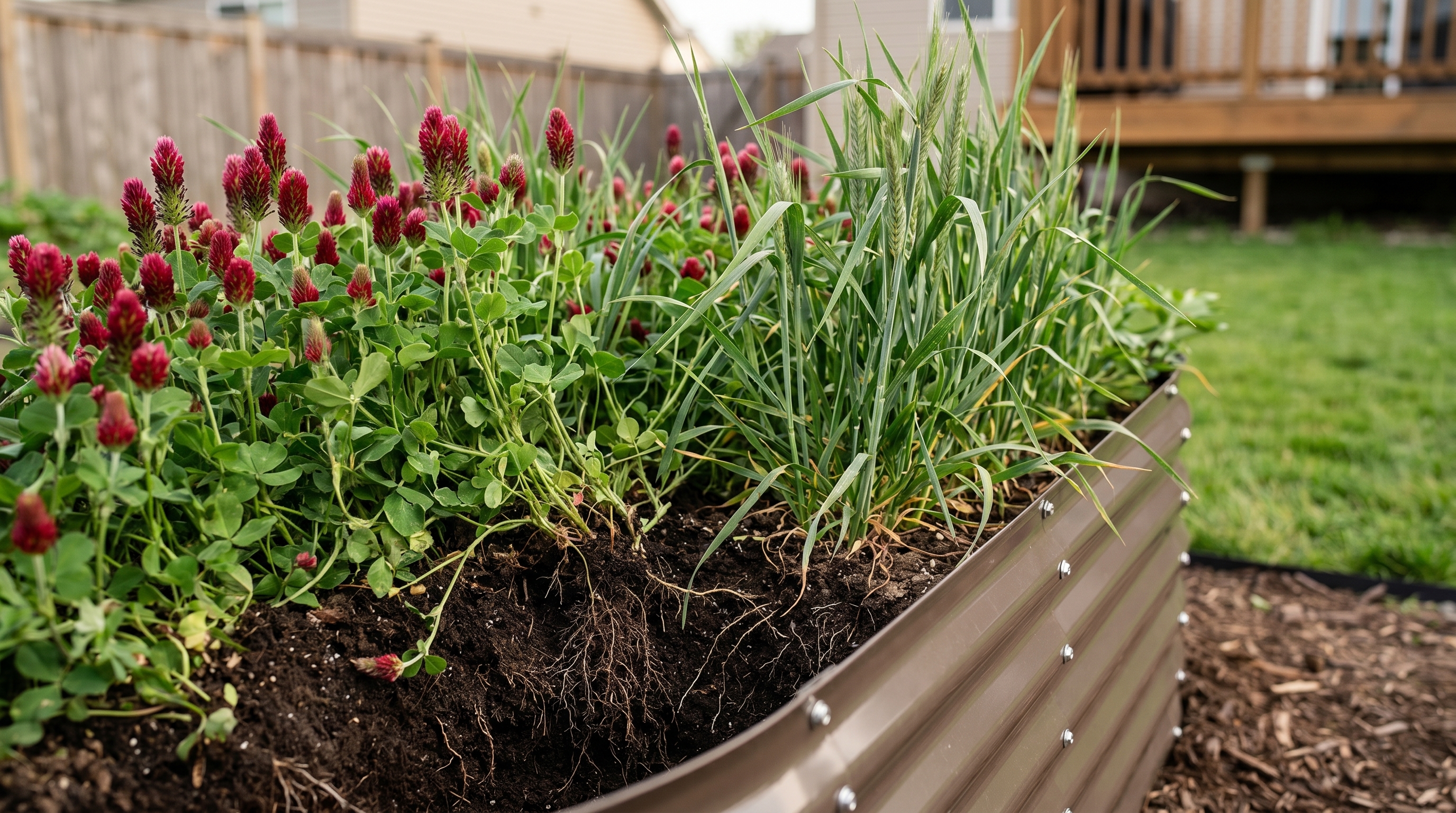
ALT: Crimson clover and winter rye cover crops growing in a galvanized steel raised garden bed, rebuilding soil between growing seasons
Advanced Strategies: Mixes, Timing, and Common Mistakes
Using Cover Crop Mixes Instead of Single Varieties
Single-variety cover crops are great for beginners, but experienced gardeners often see better results from cover crop blends. A mix of winter rye + crimson clover + daikon radish, for example, delivers nitrogen fixation, deep aeration, and high biomass simultaneously. The different root depths also mean the entire soil profile benefits—not just the top 4 inches.
Pre-blended cover crop seed mixes are increasingly available at garden centers and online retailers, often labeled as "soil builders" or "winter cover mixes." Look for mixes designed for small-plot or raised bed use rather than large-acreage farm blends, as the seeding rates are calibrated for the smaller scale.
Timing Mistakes That Cost Gardeners Results
The two most common errors in raised bed cover cropping are sowing too late and incorporating too close to planting time.
Sowing in early fall—ideally 6–8 weeks before first frost—gives cover crops time to establish a genuine root system and produce meaningful biomass. Sowing in late October or November in most northern zones produces weak, sparse plants that offer minimal soil benefit.
Incorporating too close to planting time is equally problematic. Fresh green biomass competes with your transplants for nitrogen as it decomposes. A minimum 2–3 week rest period after incorporation is essential—3–4 weeks is even better for large-biomass crops like winter rye. Mark your calendar and plan backward from your target planting date.
Misconception: "Cover Crops Will Deplete My Raised Bed Soil"
This misconception comes from confusing cover crop termination timing with the allelopathic effects of some species. When incorporated at the right time and given adequate decomposition time, cover crops add far more organic matter and nutrients than they consume. The key is timing: terminate before flowering (or at early flowering for clover), and always allow decomposition before planting. For additional guidance on managing soil depth for specific crops, How Deep Should Raised Bed Soil Be for Tomatoes, Carrots, and Root Vegetables? offers clear benchmarks to work from.
Frequently Asked Questions FAQ
Q1: How do I know which cover crop to choose for my specific raised bed?
The best cover crop depends on three factors: your climate zone, the crops you grew last season, and your primary soil goal. If you grew heavy feeders (tomatoes, squash, corn), prioritize nitrogen-fixing legumes like crimson clover or field peas. If your soil feels compacted or dense, add daikon radish to your mix. In cold climates (zones 3–6), lean toward winter rye or Austrian winter peas for hardiness. A simple soil test before selecting your cover crop can also reveal specific nutrient deficiencies to address.
Q2: Are cover crops safe to use in galvanized steel raised beds?
Yes—cover crops are entirely compatible with galvanized steel raised beds and may actually perform better in them than in in-ground soil. The well-drained, warm-in-spring environment inside a metal bed gives cover crop seeds a faster germination window and supports root development. There is no chemical interaction between cover crop roots and galvanized metal. Beds rated for a 20-year lifespan like those from Anleolife are built to support continuous soil cycles, including regular cover cropping, without structural degradation.
Q3: How long does it take for a cover crop to actually improve my soil?
You'll see measurable improvement after just one cover crop cycle—typically one full growing season. Nitrogen-fixing legumes like crimson clover can add available nitrogen within 3–4 weeks of incorporation. Soil texture improvements from high-biomass crops like winter rye become noticeable after 1–2 seasons of consistent use. Full transformation of a depleted raised bed soil into rich, biologically active growing medium generally takes 2–3 seasons of cover cropping combined with compost additions, but each cycle builds meaningfully on the last.
Summary
Cover crops represent one of the most cost-effective, ecologically sound strategies available to raised bed gardeners. After reading this guide, here are the three core takeaways to carry into your next off-season:
1. Match your cover crop to your soil's specific need. Depleted nitrogen calls for legumes. Compaction calls for deep-rooted radishes. A bare, erosion-prone winter bed calls for winter rye. There's no single "best" cover crop—there's the right one for your situation.
2. Timing is everything. Sow 6–8 weeks before first frost, and allow 2–3 weeks of decomposition after incorporation before planting. These two timing rules alone will determine 80% of your results.
3. Your raised bed infrastructure matters. Durable, well-draining beds support the long-term soil management cycles that cover cropping demands. A bed that rusts out after five years doesn't give you the runway to see multi-season soil improvement pay off.
Your next step is simple: decide which bed or beds you'll cover crop this fall, pick one or two varieties suited to your climate and previous crop history, and order seed now. You'll plant your spring crops into visibly richer, more productive soil—and that difference compounds every single season.
Upgrade Your Garden with Anleolife
Anleolife's nationwide U.S. warehouse network—strategically located in California, Texas, Florida, New York, Illinois, and Washington—ensures delivery within 3–8 business days, so your garden upgrade plans never have to wait for the right season window.
Our products are available across major e-commerce platforms including Amazon, Walmart, Home Depot, Lowe's, and Wayfair, as well as directly at Anleolife.com, offering consistent quality assurance and dedicated after-sales support wherever you prefer to shop.
Anleolife's ecosystem covers three core scenarios: Planting (metal raised garden beds, soil systems), Raising (chicken coops, rabbit hutches), and Beautification (decorative accessories, pathway systems)—meeting complete needs from functionality to aesthetics. Whether you're starting with your first 8x4 galvanized steel bed or building out a full multi-bed growing system, our modular designs let you expand gradually and sustainably. We grow with you, every step of the way.
References
- USDA National Resources Conservation Service. "Cover Crops."
https://www.nrcs.usda.gov/conservation-basics/natural-resource-concerns/soils/soil-health/cover-crops - University of California Cooperative Extension. "Cover Cropping in Home Gardens."
https://ucanr.edu/sites/alternativefarming/Cover_Crops/ - Penn State Extension. "Cover Crops for Home Gardeners."
https://extension.psu.edu/cover-crops-for-home-gardeners - Cornell University College of Agriculture and Life Sciences. "Managing Cover Crops Profitably."
https://smallfarms.cornell.edu/2019/07/managing-cover-crops-profitably/ - Rodale Institute. "Cover Crop Research and Resources."
https://rodaleinstitute.org/why-organic/organic-farming-practices/cover-crops/
Note: Standards and research recommendations may be updated. Please check the latest official documents or consult professional advisors for the most current guidance.
About Anleolife
Anleolife is a leading outdoor garden solutions provider in North America, dedicated to offering a full-scenario product ecosystem for home gardening enthusiasts, covering planting, raising, and garden beautification. Since its founding, we have upheld our brand mission, "Made for Garden Life," continuously innovating products and optimizing services to help hundreds of thousands of users upgrade their gardens, reconnect with nature, and enjoy a better garden lifestyle. From the first seed sown in a brand-new galvanized steel bed to a thriving multi-season growing system enriched by years of intentional soil care, Anleolife is your long-term partner in building the garden you've always envisioned.