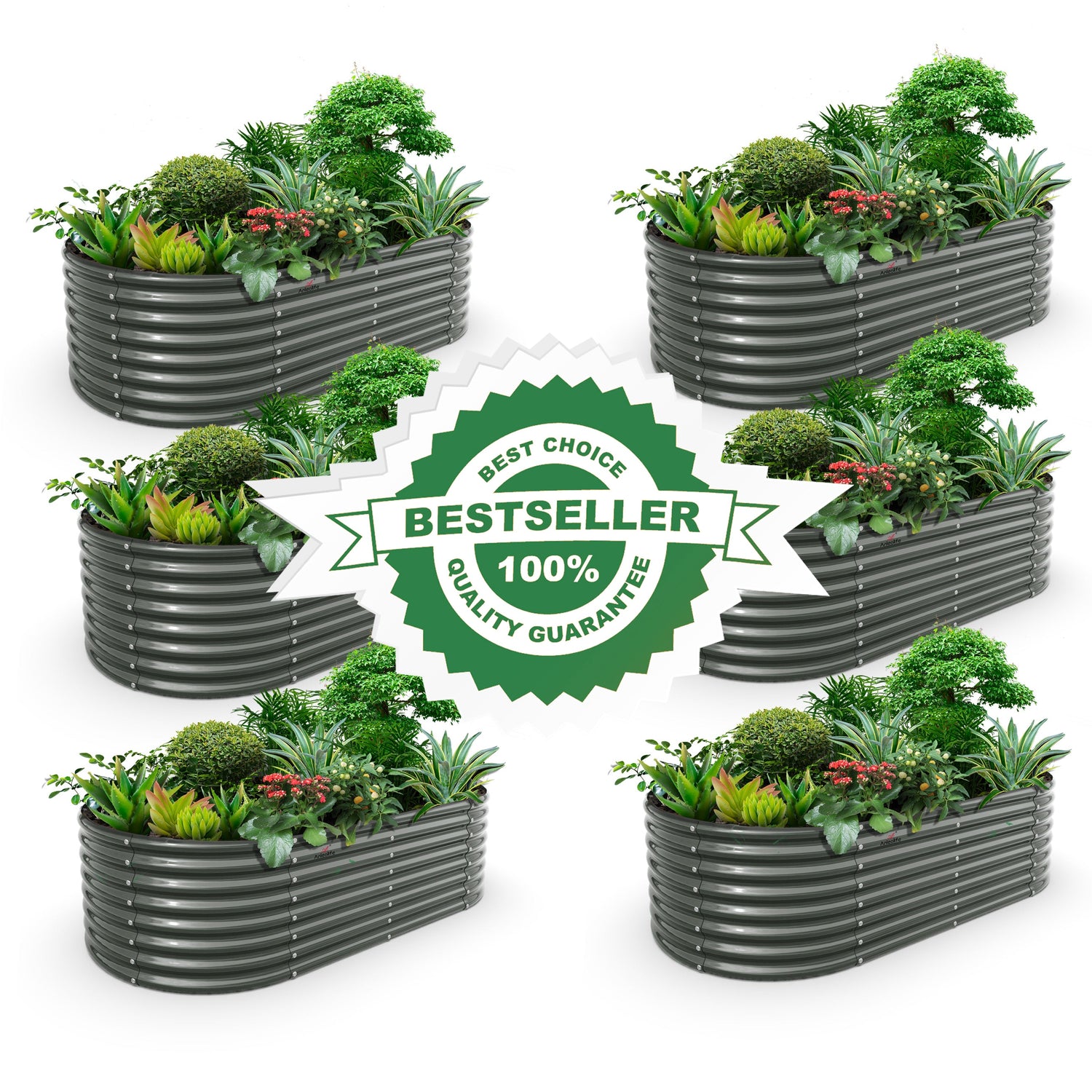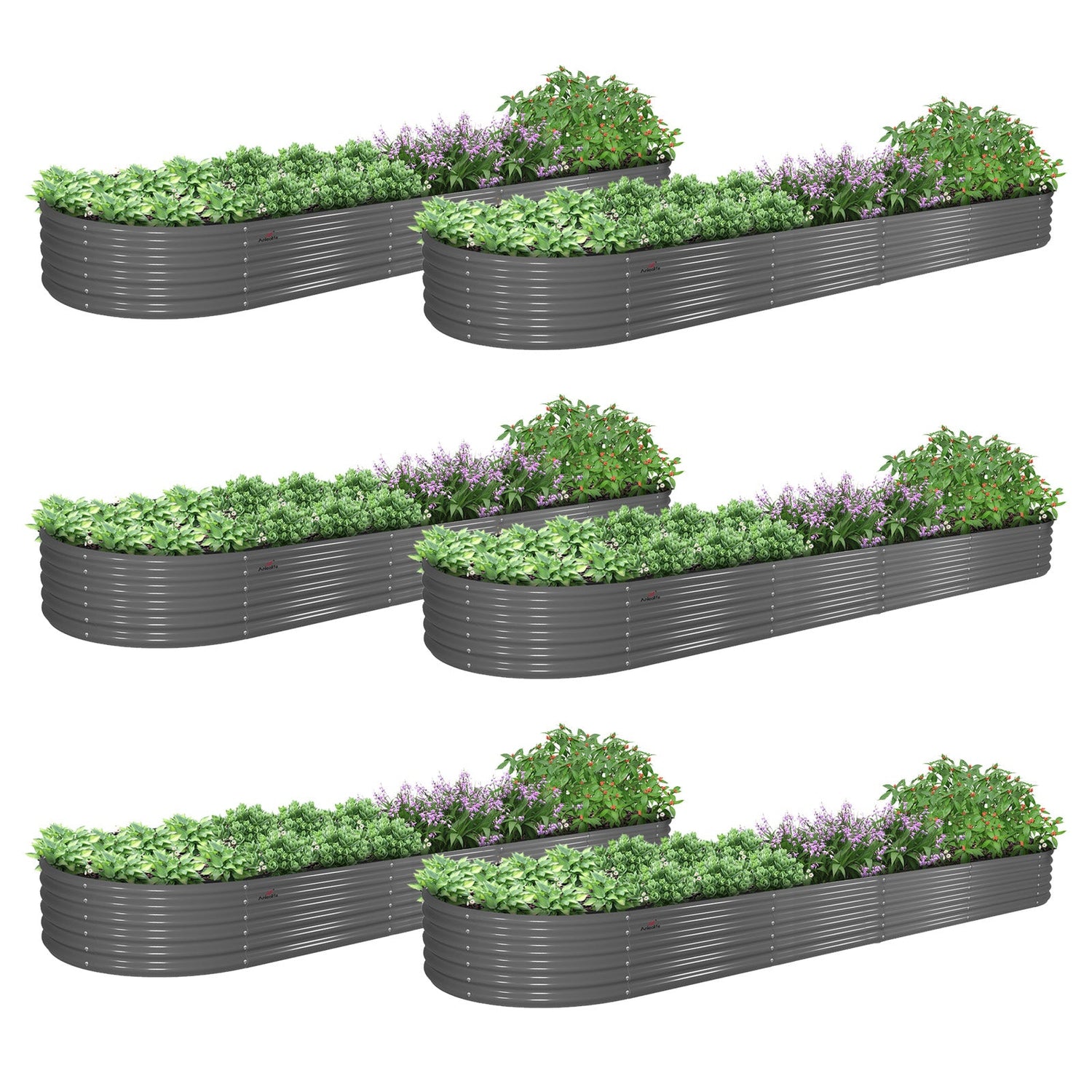



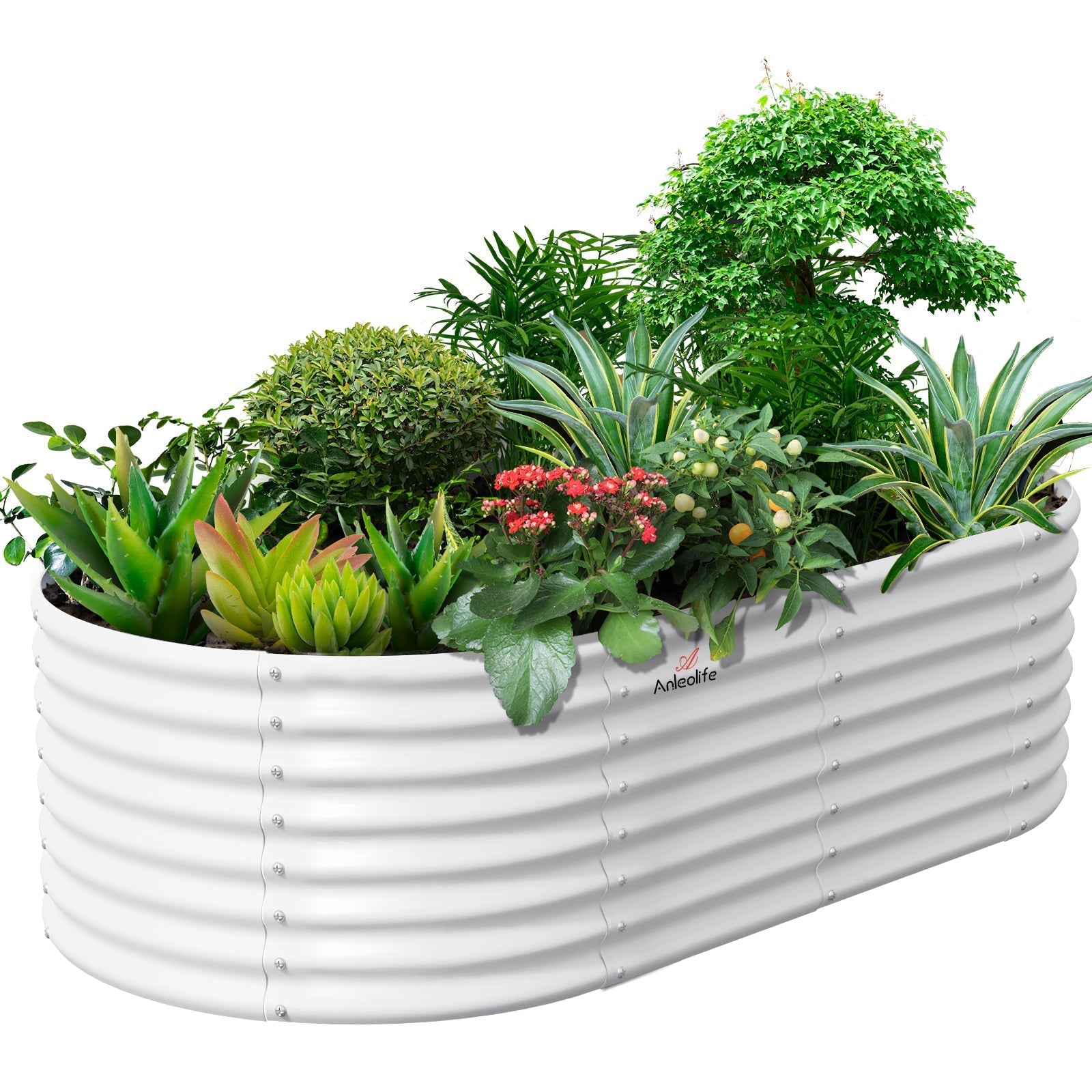
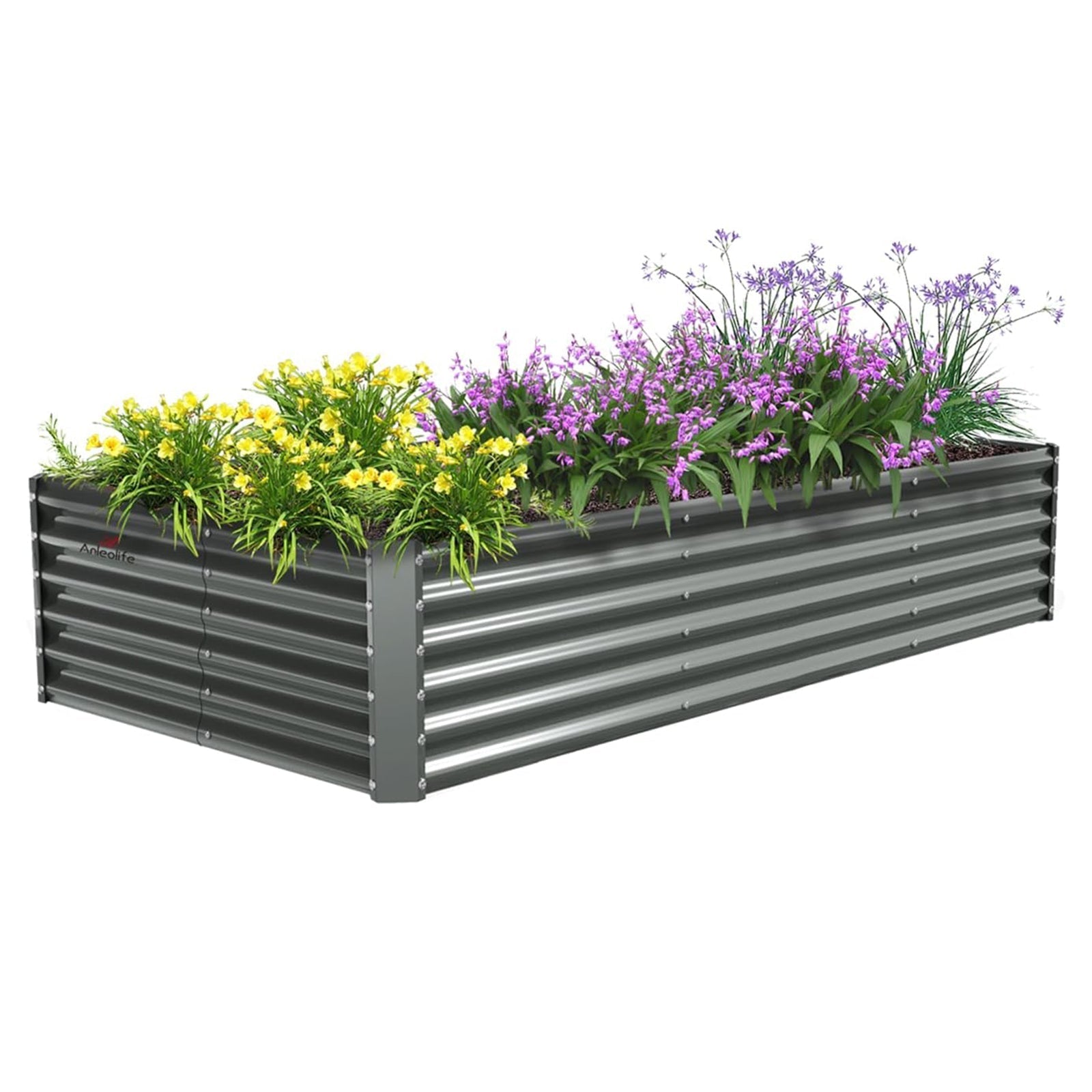

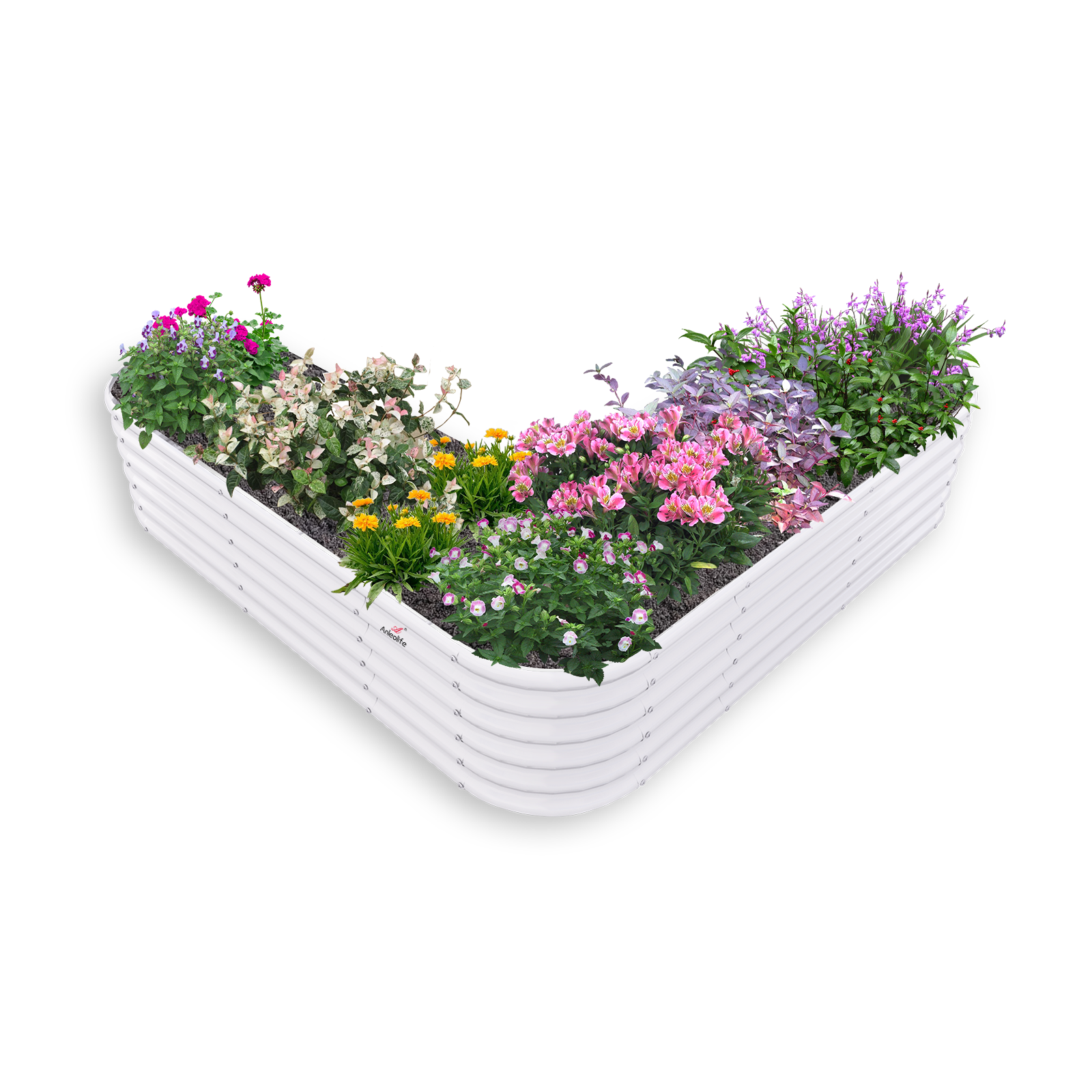
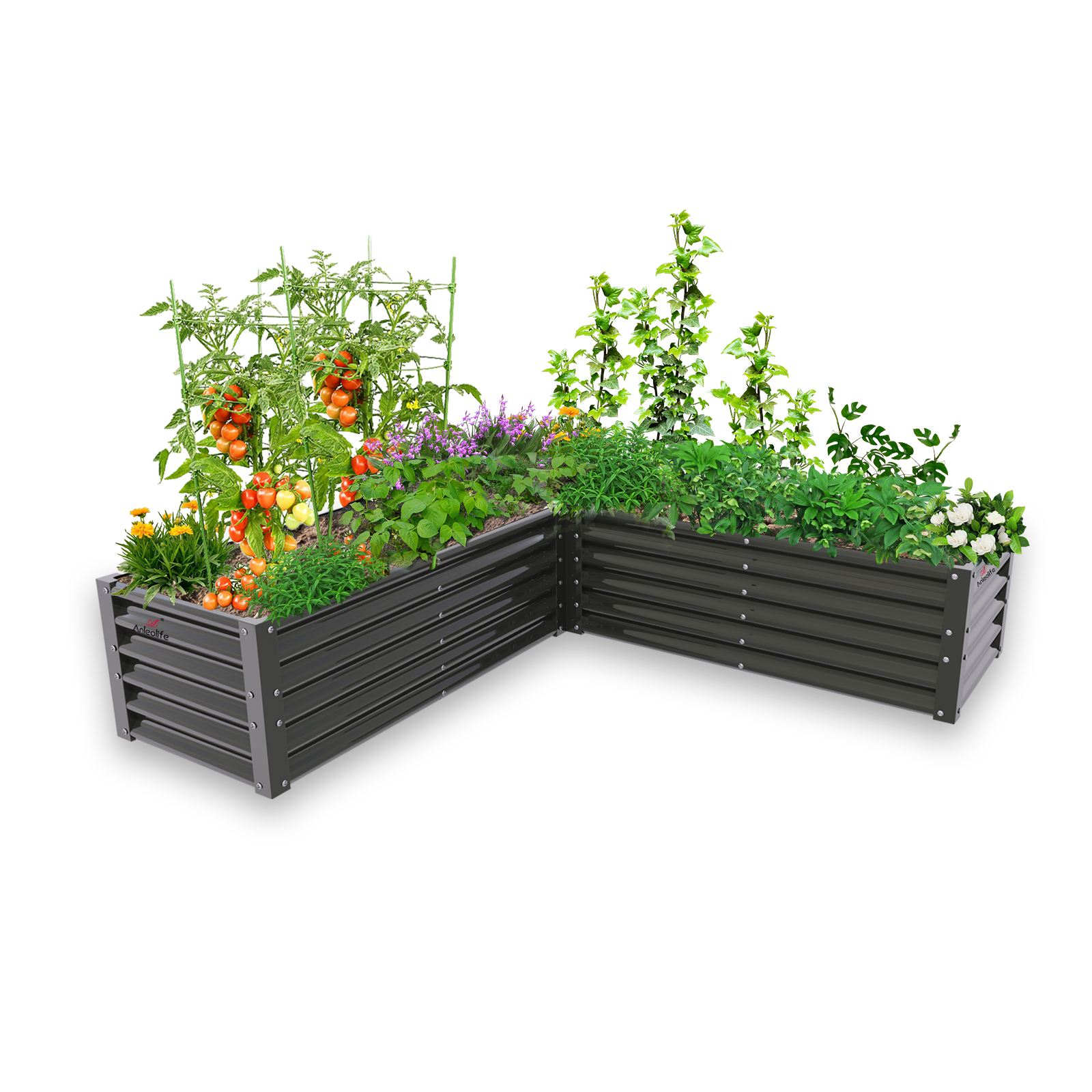
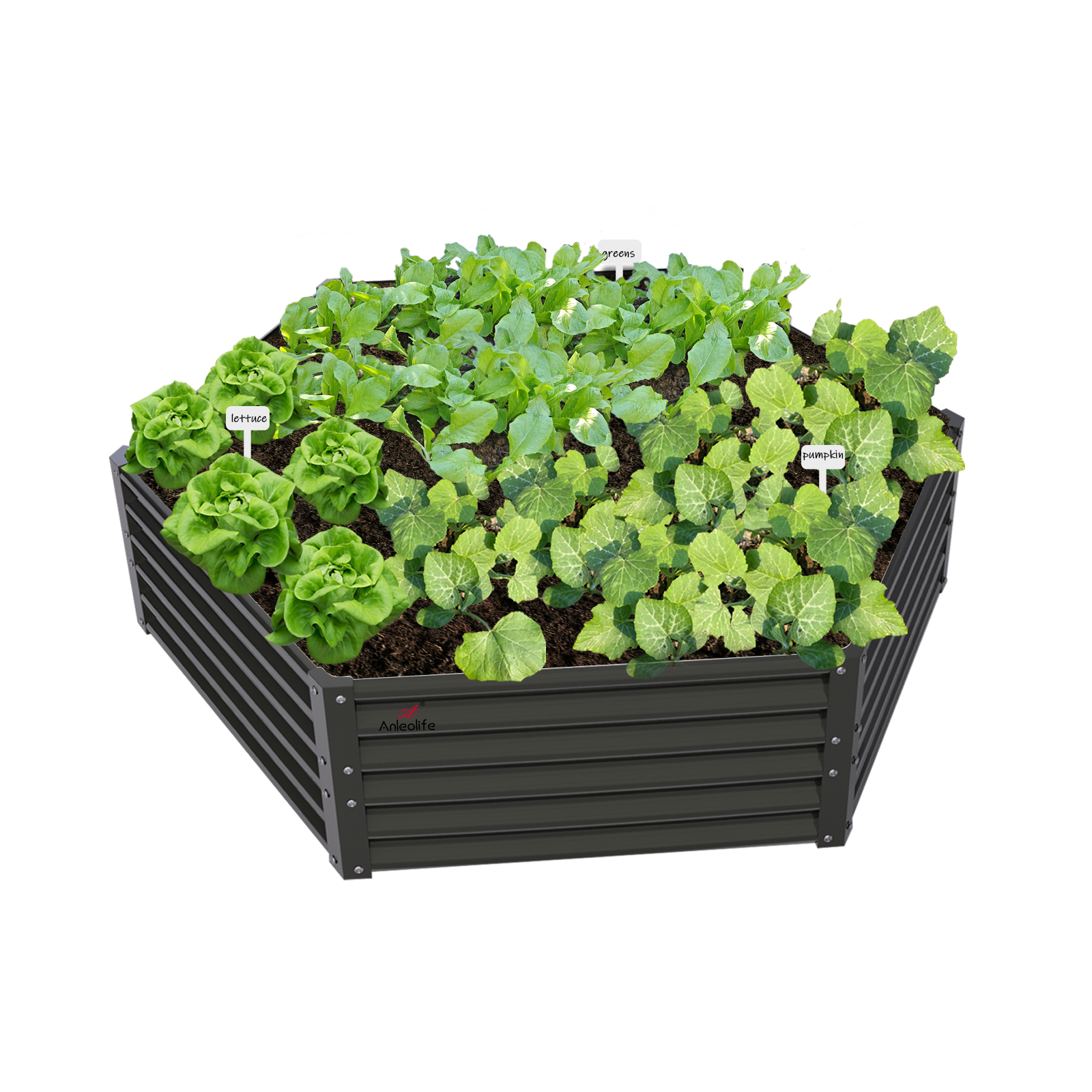
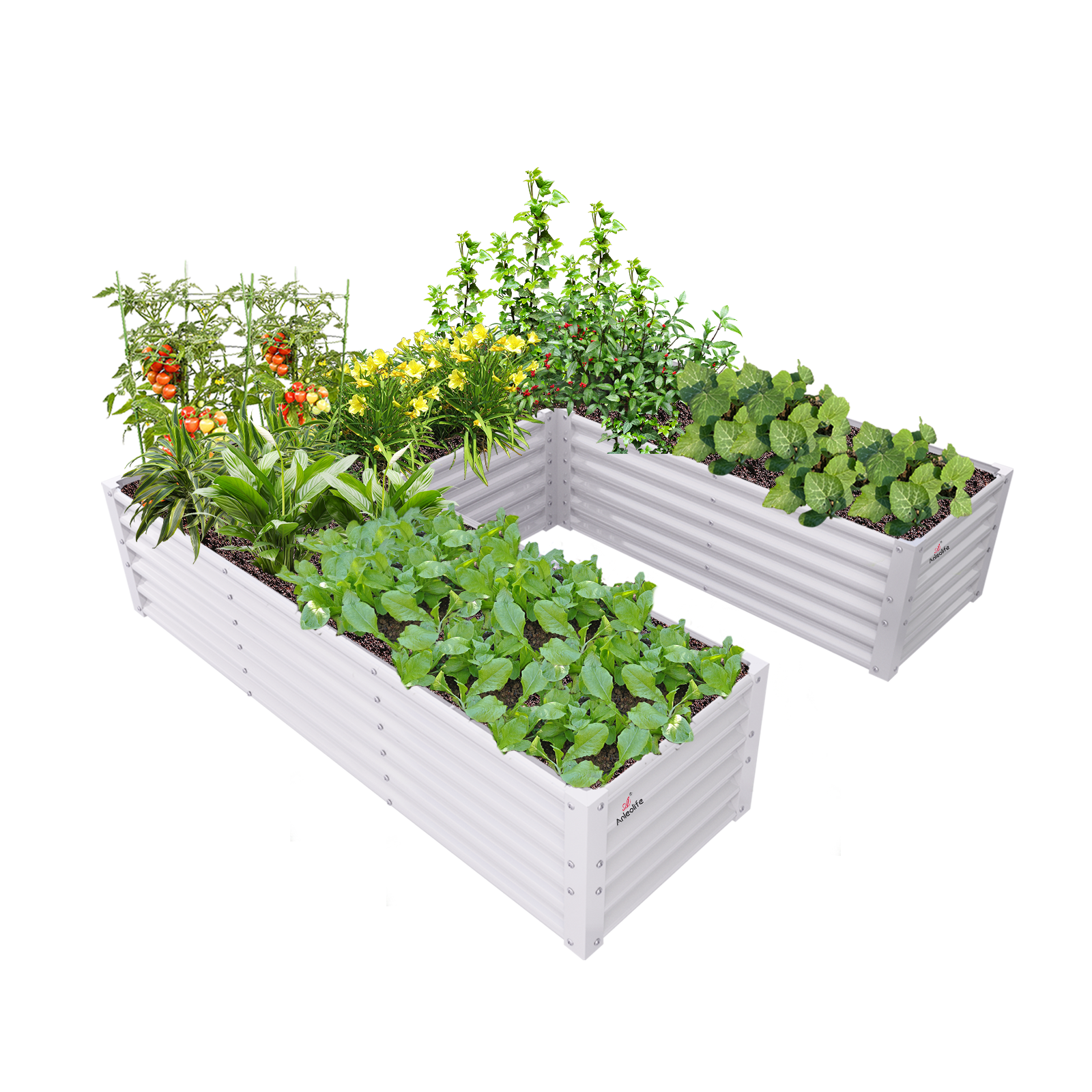

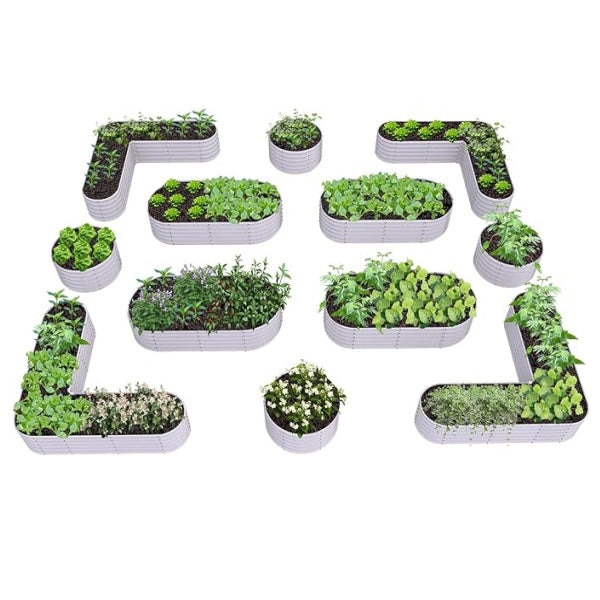


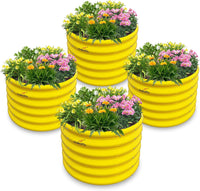
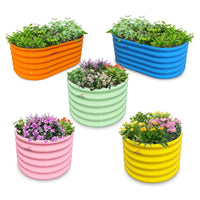
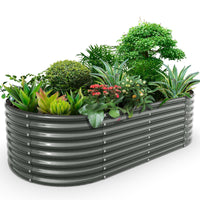



ALT: Family-friendly garden corner with colorful raised beds in a backyard raised bed garden layout
Turning a Bare Backyard Corner Into a Living, Colorful Garden Space
Picture this: a neglected corner of your yard — partly shaded by the fence, scattered with mismatched pots, and never quite living up to the vision you had when you moved in. You want something that works for the whole family, looks intentional and beautiful, and actually produces food or flowers you care about. A well-planned raised bed garden layout is exactly the solution — and it is more achievable than most families realize.
In our work with clients across a wide range of property sizes and gardening experience levels, the most transformative backyard upgrades we see consistently share a few common threads: they start with a clear spatial plan, they choose materials built to last, and they design for color and function in equal measure. Whether you are mapping out your first raised bed planting layout or revisiting a space that has grown out of sync with your family's needs, this guide walks you through the entire process — from siting and structure selection to planting palettes and the design details that make a garden corner feel genuinely welcoming.
Who This Guide Is For — And When to Hold Off
This article is written for families who want a dedicated garden area that blends beauty with productivity. It applies most directly when:
- You have an underused yard corner, patio edge, or side-yard strip that receives at least six hours of direct sun daily
- You want a garden layout that is safe and accessible for children, older adults, or anyone who finds ground-level bending uncomfortable
- You are ready to invest in a multi-season setup — not just a single season of container growing
There are a few situations where a raised bed layout may need to be adapted or deferred:
- Fully shaded spaces (under dense tree canopy or against north-facing walls) are poor candidates for vegetable or flower production without significant intervention
- Rental properties or HOA-restricted neighborhoods may require landlord or board approval before installing permanent or semi-permanent garden structures
- Extremely compacted or contaminated soil beneath the beds does not automatically disqualify the site, but it does require extra planning around weed barriers and bed depth
Why Colorful Raised Bed Garden Layouts Are Having a Moment
Raised bed gardening — a method of growing plants in contained, above-ground structures filled with engineered soil rather than native ground — has steadily moved from hobbyist workaround to mainstream home design feature. According to the National Gardening Association, residential food gardening participation in the United States has increased substantially over the past decade, with raised beds consistently cited as the preferred growing format among new and returning gardeners alike.
The reasons are practical and aesthetic at once. Raised beds give gardeners direct control over their soil system, which is the single most important variable in plant health. They create clear visual structure in a yard, preventing the unkempt sprawl that discourages many families from maintaining garden spaces long-term. And when designed thoughtfully — with complementary colors, varied heights, and planted edges — they genuinely elevate a yard's curb appeal and livability.
What has changed in recent years is the quality and variety of the beds themselves. Today's metal raised garden beds, particularly galvanized steel options, offer a combination of durability, clean geometry, and color versatility that older wood-frame beds simply cannot match. Anleolife's galvanized steel raised garden beds, for instance, are engineered for a lifespan of up to 20 years — a figure that shifts the economics entirely when you compare them to pressure-treated lumber that needs replacing every five to eight years.
For families thinking about a corner garden design, understanding how to combine the right raised bed layout with smart planting choices is what separates a functional setup from one that is genuinely beautiful year after year. Our guide to rust-resistant garden bed materials covers material selection in depth if you want to explore that dimension further before committing to a configuration.
Designing Your Family-Friendly Garden Corner: Core Content
Three Steps to Get Your Raised Bed Layout Off the Ground
Step 1: Map the Space and Set Your Priorities
Before purchasing a single bed, spend time observing your chosen corner across a full day. Note where sunlight falls at 8 a.m., noon, and 4 p.m., and identify any drainage issues after rain. Sketch the footprint roughly to scale — even a simple hand drawing clarifies how many beds can realistically fit without crowding pathways. This step typically takes one to two afternoons but prevents costly layout mistakes down the line.
Step 2: Choose Bed Heights and Sizes for Every User
Family-friendly design means accounting for the full range of users — children who want to reach in easily, adults who prefer not to crouch, and older family members who benefit from a true standing-height planting experience. Select a mix of heights rather than standardizing on a single size: shorter beds for children's zones, mid-height options for standard adult use, and taller or waist-high models for accessibility. Write down which user group will primarily tend each bed, then match those needs to available size options before finalizing your order.
Step 3: Build Your Color and Planting Plan Simultaneously
A raised bed planting layout that looks spectacular is never accidental — it results from planning plant colors, textures, and heights at the same time as you plan bed placement. Sketch a simple color wheel reference and group plants by warm tones (reds, oranges, yellows) and cool tones (purples, blues, silvers) to create intentional contrast between adjacent beds. Decide early which beds will be food-focused and which will be ornamental, since this shapes both plant selection and soil mix choices.
Comparing Raised Bed Layout Configurations for Family Corners
Different garden corner configurations serve different family priorities. The table below compares three common layout approaches — a single large anchor bed, a multi-bed cluster, and a tiered height arrangement — across the dimensions that matter most for family use.
| Comparison Dimension | Single Large Anchor Bed | Multi-Bed Cluster | Tiered Height Arrangement |
|---|---|---|---|
| Visual impact | Strong but uniform | High variety and color range | Dramatic, architectural |
| Accessibility for children | Moderate — center of large bed hard to reach | Good — smaller beds reachable from all sides | Variable by tier height |
| Accessibility for older adults or limited mobility | Limited without tall configuration | Good with appropriate heights | Excellent with waist-high upper tier |
| Planting flexibility | One microclimate, one soil mix | Each bed can have tailored soil system | Each level can target different sun exposure |
| Expansion capability | Limited without adding structures | Highly modular — add beds as budget allows | Add tiers or lateral beds incrementally |
| Typical best fit | Focal feature, ornamental bed | Family with mixed growers and interests | Small corners needing vertical differentiation |
A pattern we consistently see is that families who start with a single large bed often wish they had built in more modularity from the beginning. If budget is a constraint initially, choosing a modular raised garden bed system — where panels can be added or reconfigured as the garden evolves — delivers far more long-term value than a fixed monolithic structure.
Detailed Design Guidance: Making Every Bed Count
Choosing the Right Bed Height for Every Family Member
Bed height is the most consequential ergonomic decision in a family garden layout, and it is one that is frequently underestimated. A standard 18-inch-tall bed is accessible for most adults bending comfortably and for older children working at a slight crouch. For younger children between roughly four and eight years old, an 18-inch height actually works well — they can reach the soil without climbing.
For adults who experience lower back discomfort or for retirees looking to maintain a garden without physical strain, Anleolife's 24-inch extra-tall and 30-inch extra-tall raised garden bed options change the gardening experience entirely. A 30-inch bed puts the soil surface at approximately standard counter height, meaning genuine stand-up gardening with no bending at all. The 35-inch waist-high beds take this further for taller users or those who use a wheelchair or mobility aid alongside the bed.
The principle we apply in garden corner design is to establish a "base layer" of standard-height beds for general planting, then introduce at least one elevated tier — a 24-inch or 30-inch bed — to create visual interest and address accessibility needs simultaneously. This tiered height approach reads as intentional design rather than a patchwork of individual purchases.
Configuring the Layout Footprint
A well-planned raised bed garden layout treats pathways as seriously as the beds themselves. Pathways of at least 24 inches allow comfortable single-person passage; 36 inches allows two people to work adjacent beds simultaneously and accommodates a child running between the rows — an important safety consideration in family spaces. Wider pathways also make it easier to bring in a wheelbarrow, a watering can, or garden tools without disrupting plants.
Corner gardens benefit from an L-shaped or U-shaped bed arrangement that draws the eye into the space and frames a central open area. This central open zone can serve as a gathering spot — a small bench, a stepping stone circle, or a spot where children can dig safely in a contained sandbox-style bed. For inspiration on how to size individual beds within this footprint, our first-time buyer's guide to sizing a raised garden bed walks through the key calculations in plain language.
Color Blocking: Using Plant and Bed Color Together
The "colorful" element of a family garden corner operates on two levels: the color of the bed material itself, and the color of the plants inside and around each bed. Anleolife's rust-resistant raised garden beds are available in a range of finishes that complement both traditional and contemporary outdoor aesthetics — meaning the beds themselves contribute to the visual scheme, not just the plants.
Within each bed, color blocking — grouping plants of the same color family together rather than mixing randomly — produces a cleaner, more intentional look that photographs well and is easy for children to understand and maintain. A bed planted entirely with purple basil, lavender, and salvia reads as a cohesive purple zone. An adjacent bed with marigolds, nasturtiums, and orange zinnias creates a warm counterpoint. When these color-blocked beds are arranged in a pattern around the corner, the cumulative effect is genuinely striking.
Vertical interest elevates the design further. Training climbing beans or flowering vines on a trellis positioned at the back of a tall bed adds height without consuming additional ground footprint — particularly useful in tight corners where horizontal space is the limiting constraint.
Soil System: The Foundation Beneath the Color
A beautiful raised bed planting layout can fail entirely if the soil system underneath does not support plant health. In our experience, the single most common source of disappointing first-year gardens is underfunded soil — beds filled with low-quality topsoil or a thin compost layer that drains poorly, compacts quickly, and starves plants within a few weeks of planting.
According to the U.S. Department of Agriculture's Natural Resources Conservation Service, a quality growing medium for raised beds generally combines topsoil, compost, and a coarse amendment such as perlite or coarse sand to achieve the drainage, aeration, and nutrient retention that most vegetables and ornamentals require. For families wanting to grow organically, sourcing certified organic compost is a meaningful first step — and it connects naturally to the health motivations that drive many families toward home gardening in the first place.
For deeper guidance on building the right growing foundation, our resource on best soil composition for thriving organic vegetable raised beds provides a practical, season-by-season breakdown.
Selecting Durable Materials for a Long-Term Family Garden
The material choice for raised beds is not just a structural decision — it is a long-term investment decision. Galvanized steel raised garden beds resist corrosion, retain their structural integrity through repeated freeze-thaw cycles, and do not leach wood preservatives into the soil system as pressure-treated lumber can over time. Anleolife's galvanized steel beds are designed and tested for a 20-year lifespan, which makes them the appropriate choice when families are building a garden corner they intend to maintain and expand over years, not just one or two seasons.
Modular raised garden bed systems are particularly well-suited to family corners because they grow alongside the family. Starting with an 8x4 configuration and adding panels to extend or reconfigure the layout in subsequent years is straightforward with a modular system — no demolition, no wasted material, and no disruption to established plantings in adjacent beds.
Advanced Considerations for Long-Term Family Garden Design
Handling Challenging Corner Conditions
Not every corner offers ideal conditions, and a few situations require specific adaptation. Partially shaded corners — those receiving three to five hours of direct sun rather than the ideal six or more — can still support productive raised bed planting if plant selection is adjusted toward shade-tolerant crops: lettuce, spinach, kale, mint, and many herbs perform well with reduced sun and actually benefit from afternoon shade in hot climates. Reserving the sunniest bed positions for sun-demanding crops like tomatoes and peppers remains important even in partially shaded layouts.
Slopes present a different challenge. Placing raised beds on a moderate slope without leveling creates uneven watering distribution — water runs to the downhill end of the bed, drying the uphill section prematurely. The practical solution is to level each bed individually using shims or to step beds down the slope in a terraced arrangement, which also creates a visually compelling tiered garden look.
A Common Misconception Worth Addressing
Many families assume that more beds automatically means more work. In practice, the opposite is often true when beds are properly designed and soil systems are well-established. Raised beds drain and warm faster than ground soil in spring, require far less weeding once covered with mulch, and concentrate watering needs to defined zones rather than broadcasting water across open ground. The upfront investment in a good layout and quality materials translates to significantly less maintenance time per season — a point that matters considerably for busy families who want a beautiful garden without daily upkeep.
Connecting Your Garden Corner to Broader Outdoor Living
A raised bed garden layout is most enjoyable when it integrates with the rest of your outdoor space rather than existing as an isolated growing zone. Pathway materials — stepping stones, gravel, wood chips — that echo materials used elsewhere in the yard create visual continuity. Decorative accessories like garden stakes, plant markers, and edging products can unify the aesthetic across the growing and non-growing zones of the corner. Anleolife's beautification product range addresses exactly this integration challenge, allowing the functional planting zone and the surrounding decorative garden space to feel like a single cohesive design.
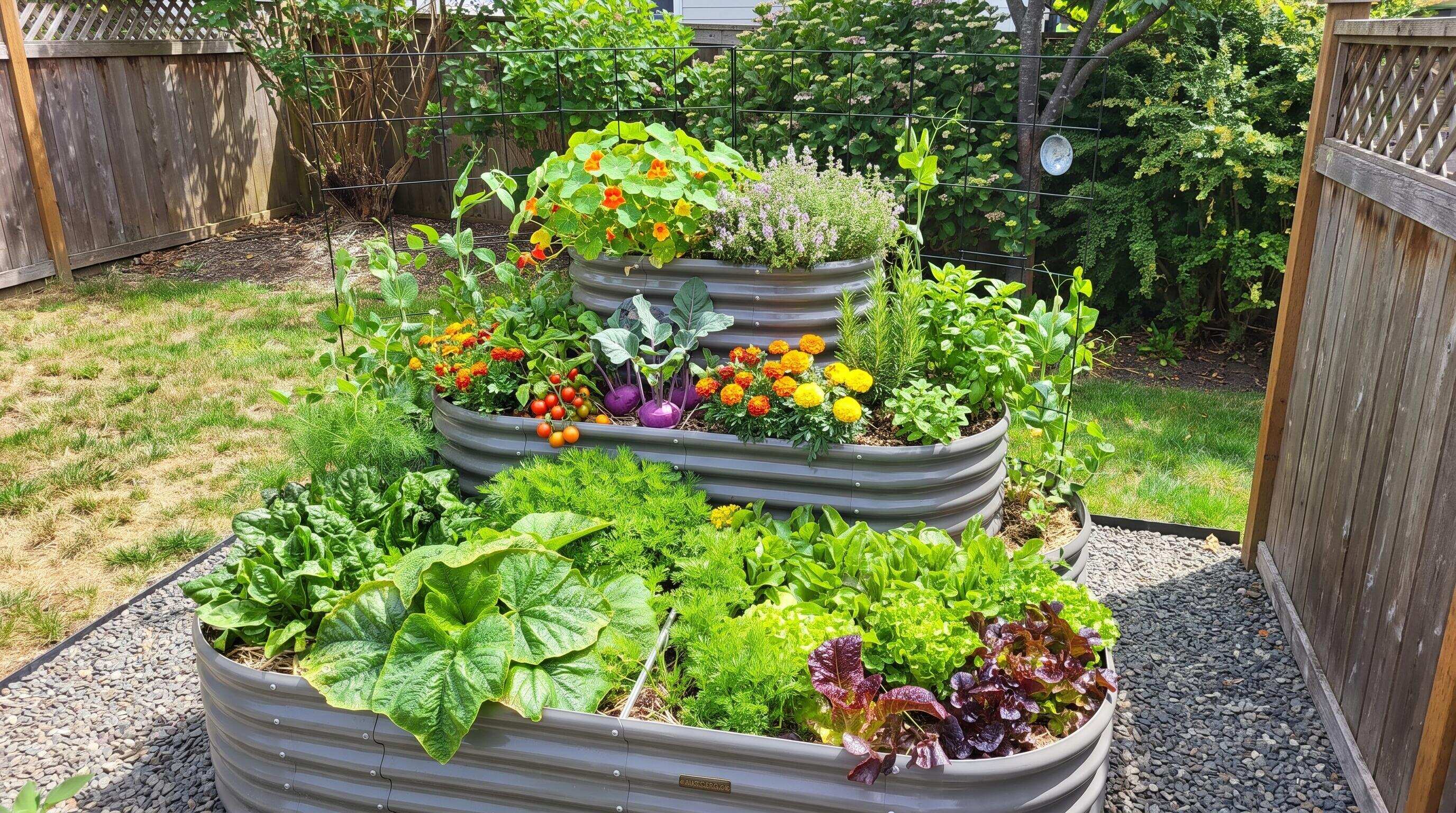
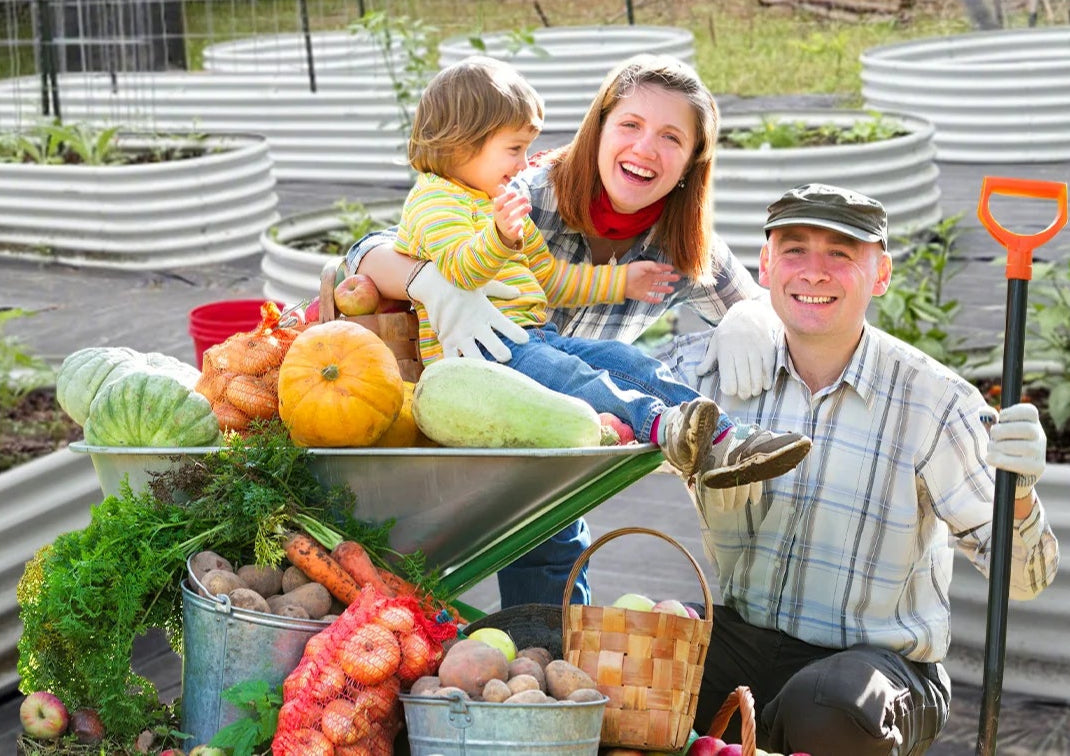
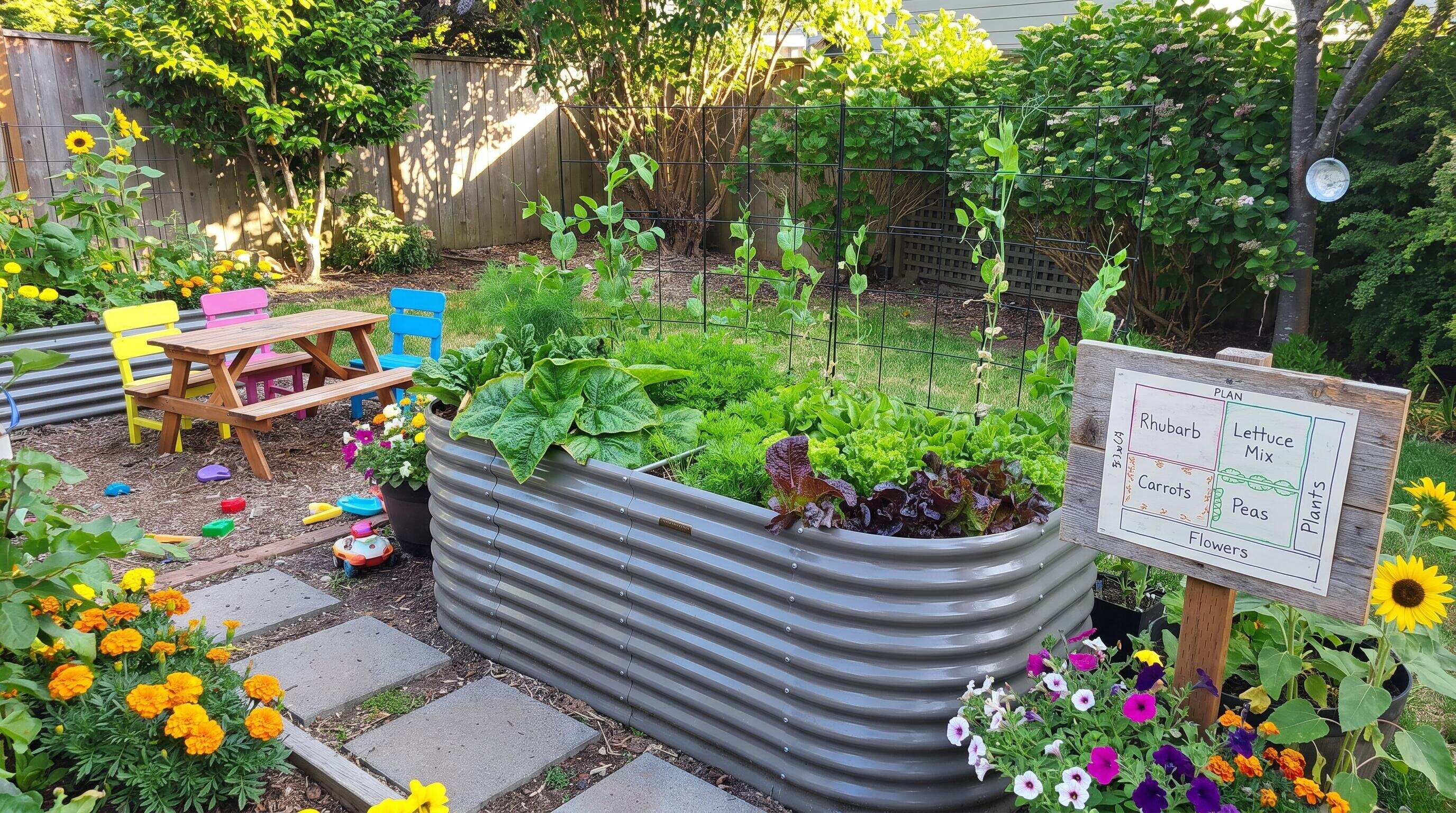
ALT: Tiered raised bed planting layout in a family garden corner showing colorful vegetables, herbs, and flowers in galvanized steel beds
Frequently Asked Questions FAQ
Q1: How do I choose the right size raised bed for a small backyard corner?
Choosing the right size raised bed for a small backyard corner starts with measuring your available footprint and leaving at least 24 to 36 inches of pathway clearance around each bed. For tight corners, an L-shaped arrangement of two smaller beds often makes better use of the space than a single large bed, and it allows you to tailor the soil system in each bed to different plant types. Our sizing guide walks through the key dimensions in detail. Generally, an 8x4 or 6x3 bed works as an excellent anchor piece in most residential corners.
Q2: Are galvanized steel raised garden beds safe for growing food for my family?
Galvanized steel raised garden beds are broadly considered safe for food gardening. The zinc coating used in galvanization is a naturally occurring mineral, and peer-reviewed research published in horticultural literature has not demonstrated meaningful zinc contamination in crops grown in galvanized beds under normal conditions. The U.S. Environmental Protection Agency and extension service researchers have examined this question, and consensus guidance indicates that galvanized steel is an acceptable material for vegetable growing. Choosing a reputable manufacturer — such as Anleolife, whose beds are engineered for a 20-year lifespan — adds an additional assurance of consistent material quality.
Q3: How much time and budget does setting up a raised bed garden corner typically require?
Setup time for a family garden corner with two to four raised beds typically ranges from one full weekend for the structural assembly to two or three weekends when you include pathway work, soil installation, and initial planting. Material costs vary by bed size, number of beds, and soil quality, but families should budget meaningfully for a quality soil system — it is the single most impactful investment after the beds themselves. Anleolife's products are available through major platforms including Amazon, Walmart, Home Depot, Lowe's, and Wayfair, and orders typically arrive within 3–8 business days through the brand's nationwide warehouse network.
Wrapping Up
Designing a family-friendly garden corner with colorful raised beds is one of the most rewarding outdoor projects a household can undertake — and it is one that pays dividends in beauty, fresh food, and family engagement for years to come. Three points are worth keeping front of mind as you move from planning to execution.
First, layout clarity is everything. A raised bed garden layout that accounts for sunlight, pathways, user height, and visual flow from the outset will perform and look better across every season than one assembled reactively. Take the time to sketch, measure, and plan before purchasing.
Second, invest in materials that last. A 20-year lifespan from quality galvanized steel beds means your layout decisions today will serve your family through significant life changes — children growing up, new family members joining, gardening interests deepening. That durability changes the math entirely on material investment.
Third, design for color and function together. The most beautiful family garden corners are not accidental — they result from treating plant color, bed finish, pathway material, and vertical elements as a single integrated design rather than a collection of independent choices.
Your next step is simple: measure your corner, map the sun, and choose one anchor bed to start. The rest of the layout can grow from there.
Ready to start building your family's garden corner? Explore Anleolife's full range of raised garden beds — from modular systems to waist-high accessibility options — directly on the Anleolife website, or find them on Amazon, Walmart, Home Depot, Lowe's, and Wayfair. With warehouse locations across California, Texas, Florida, New York, Illinois, and Washington, your order arrives in 3–8 business days — so the growing season does not have to wait. Start with one bed. Build your ecosystem over time. Anleolife grows with you.
References
- National Gardening Association. "Food Gardening in the United States."
https://www.garden.org - U.S. Department of Agriculture, Natural Resources Conservation Service. "Soil Health and Raised Bed Gardening Guidance."
https://www.nrcs.usda.gov - U.S. Environmental Protection Agency. "Soil Contamination and Home Food Garden Safety Resources."
https://www.epa.gov - ASTM International. "Standards for Metallic-Coated Steel Products and Corrosion Resistance Testing."
https://www.astm.org
Note: Standards and guidance may be updated; please check the latest official documents or consult professional advisors.