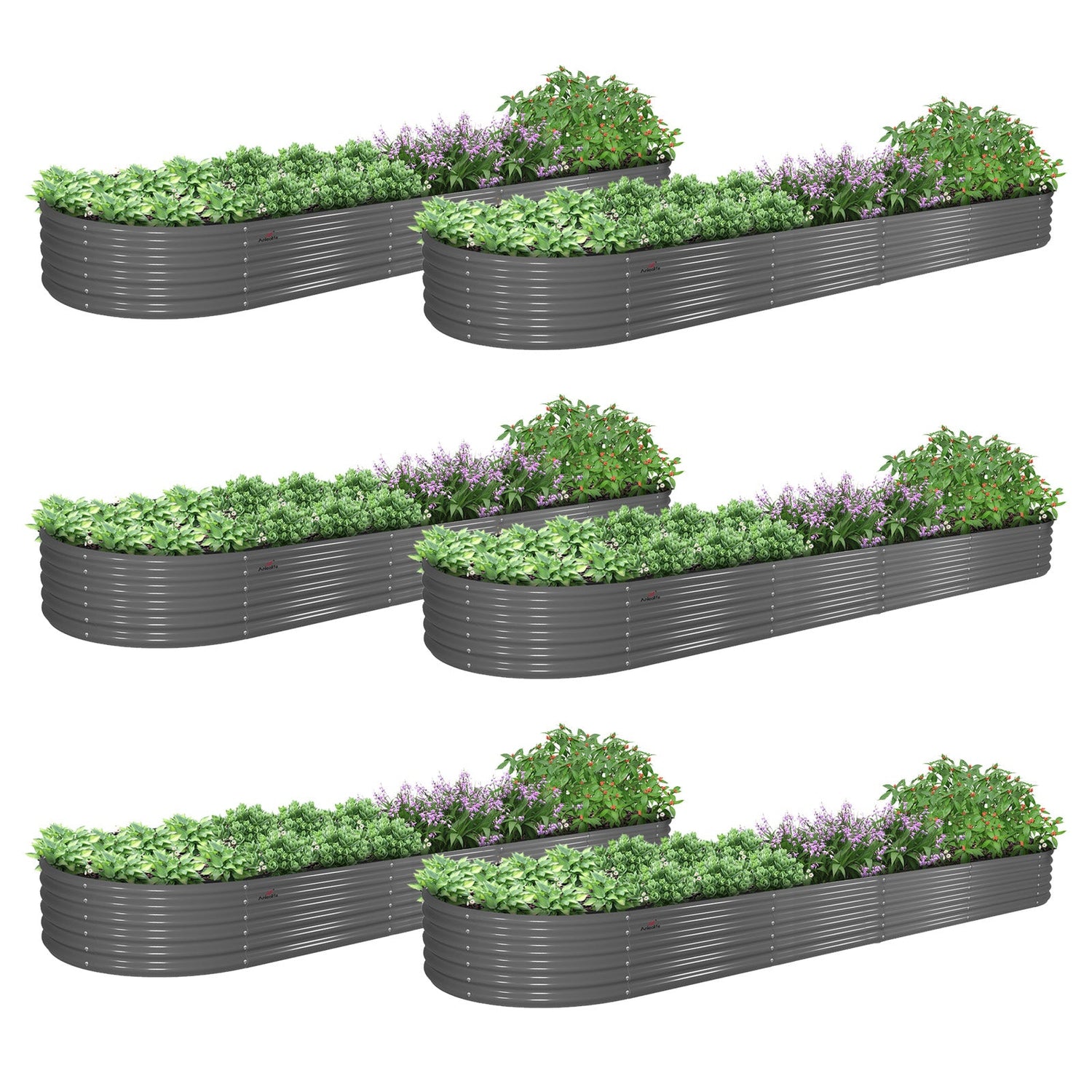



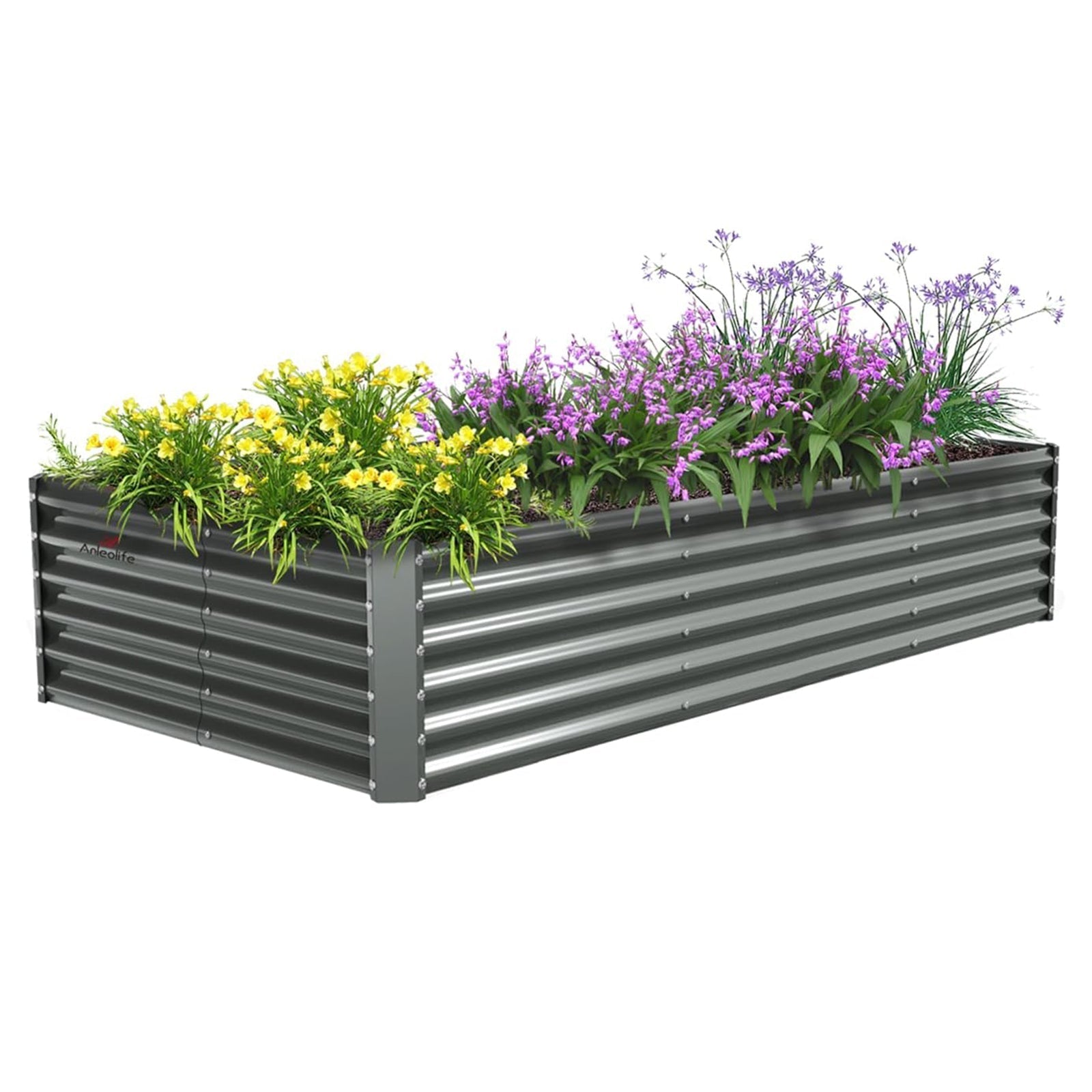

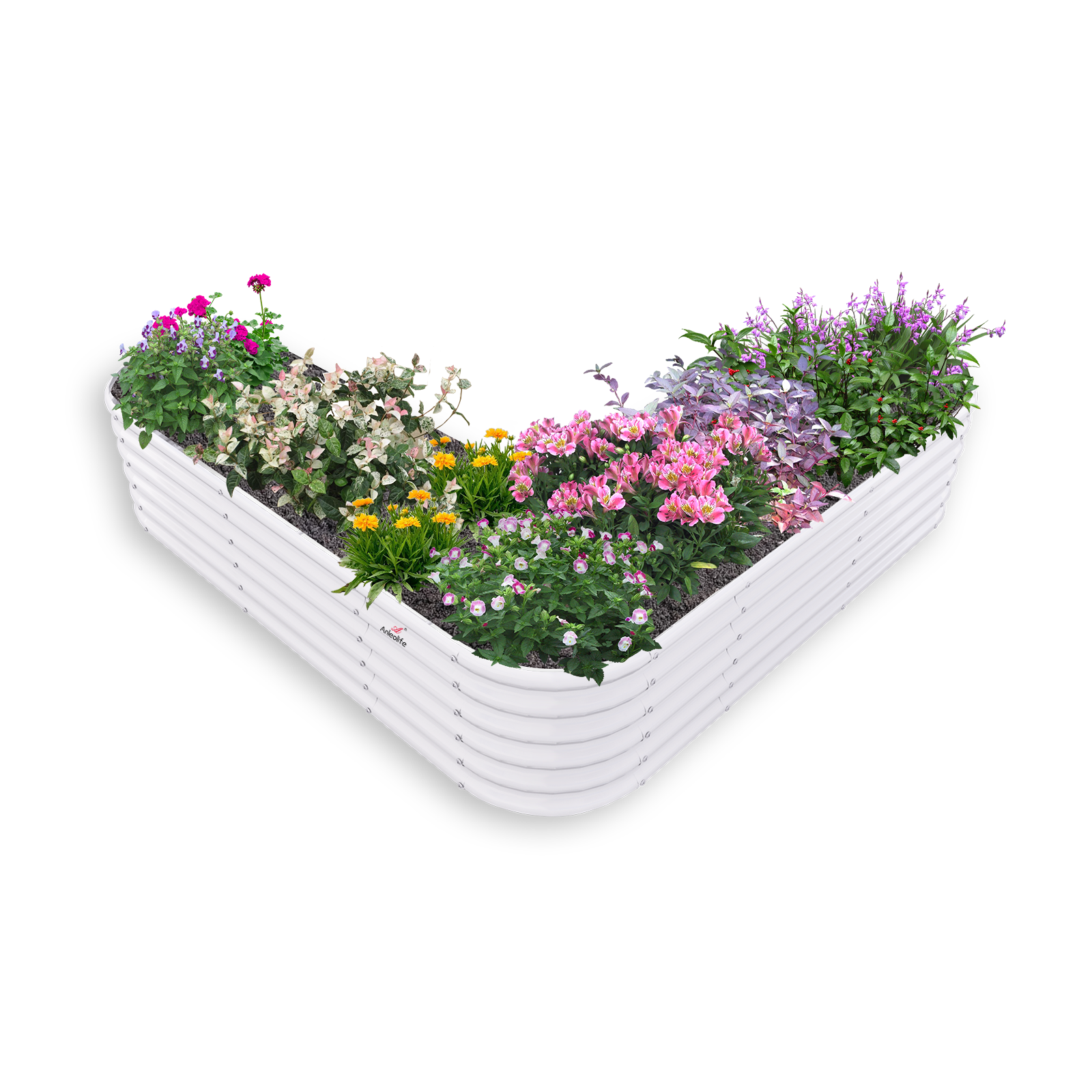
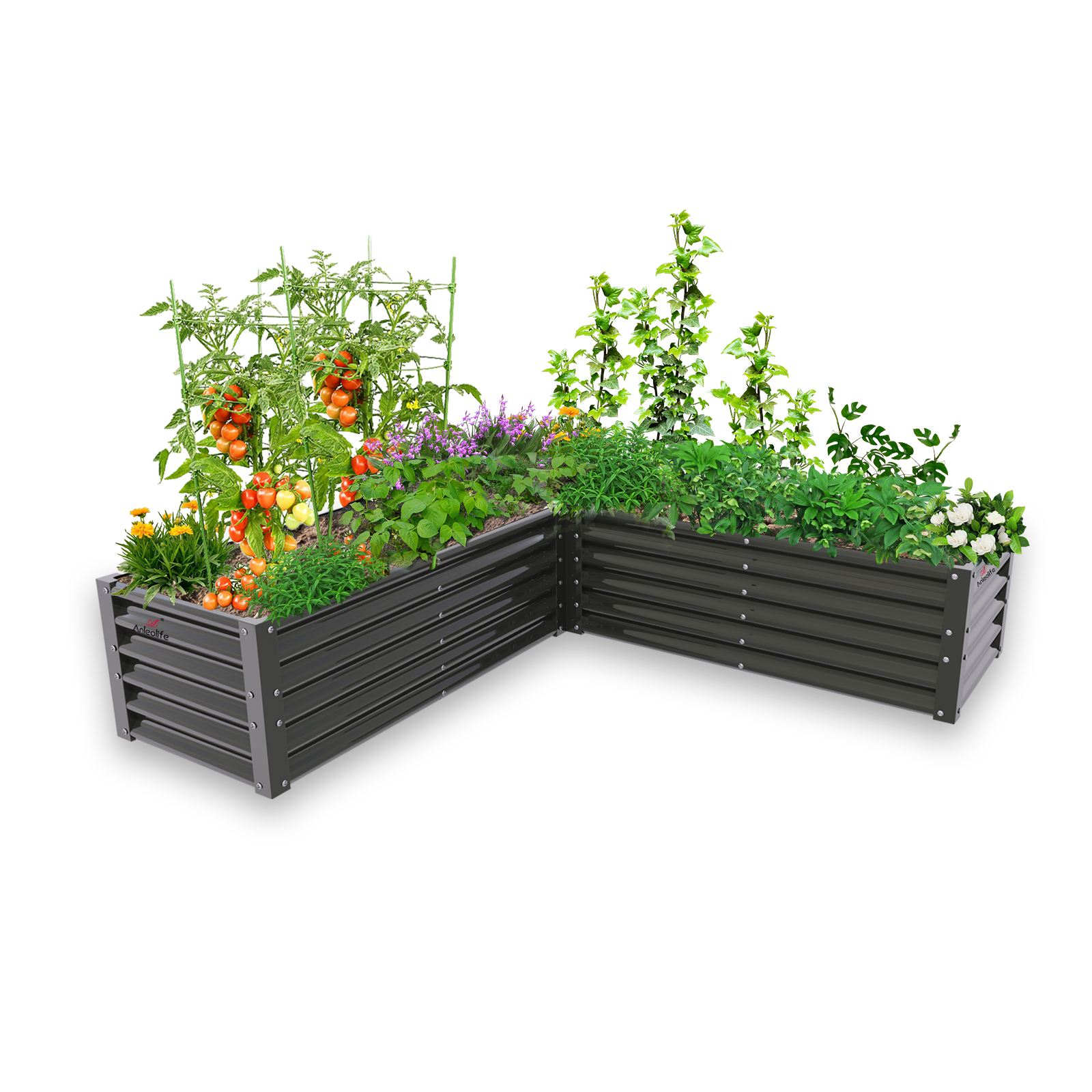
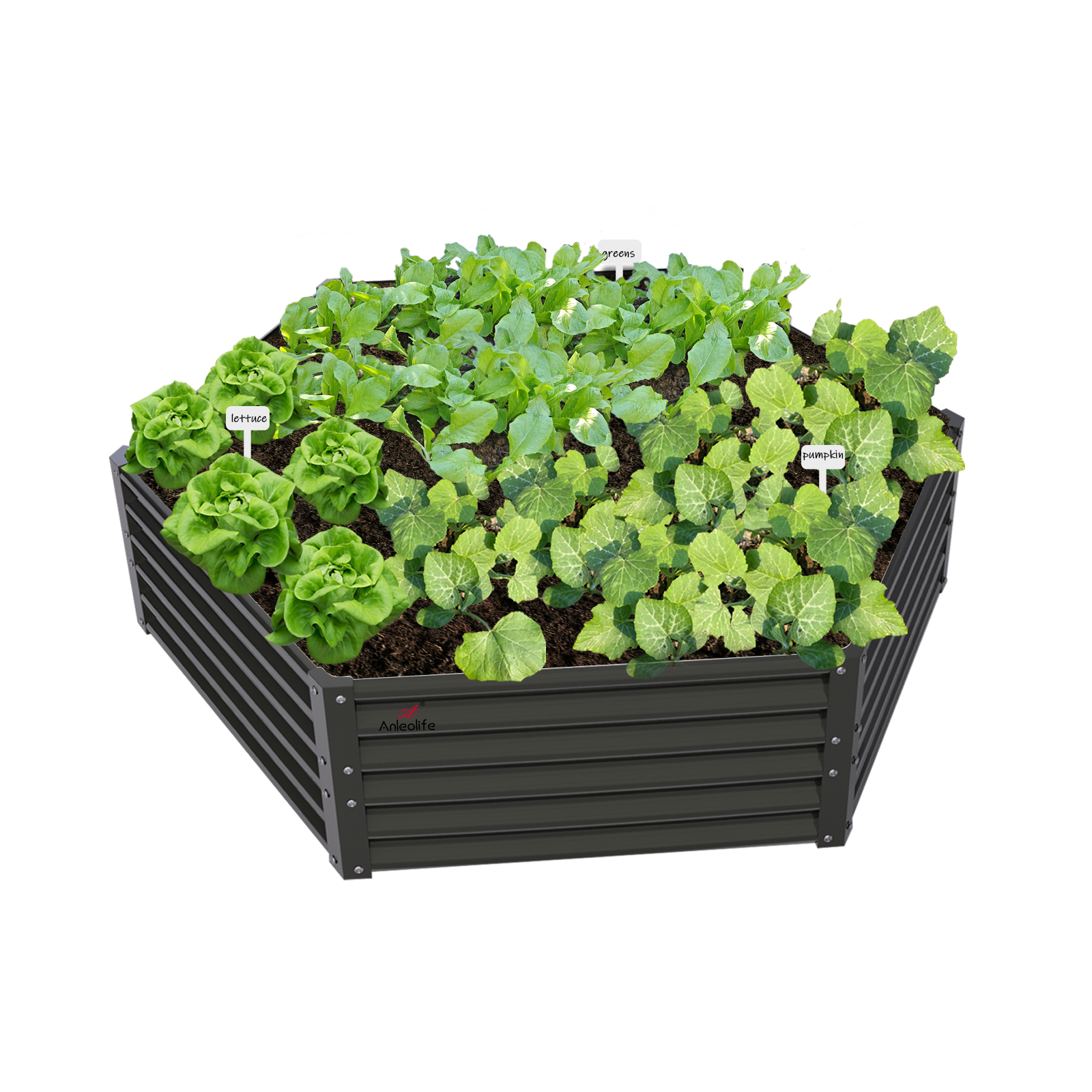
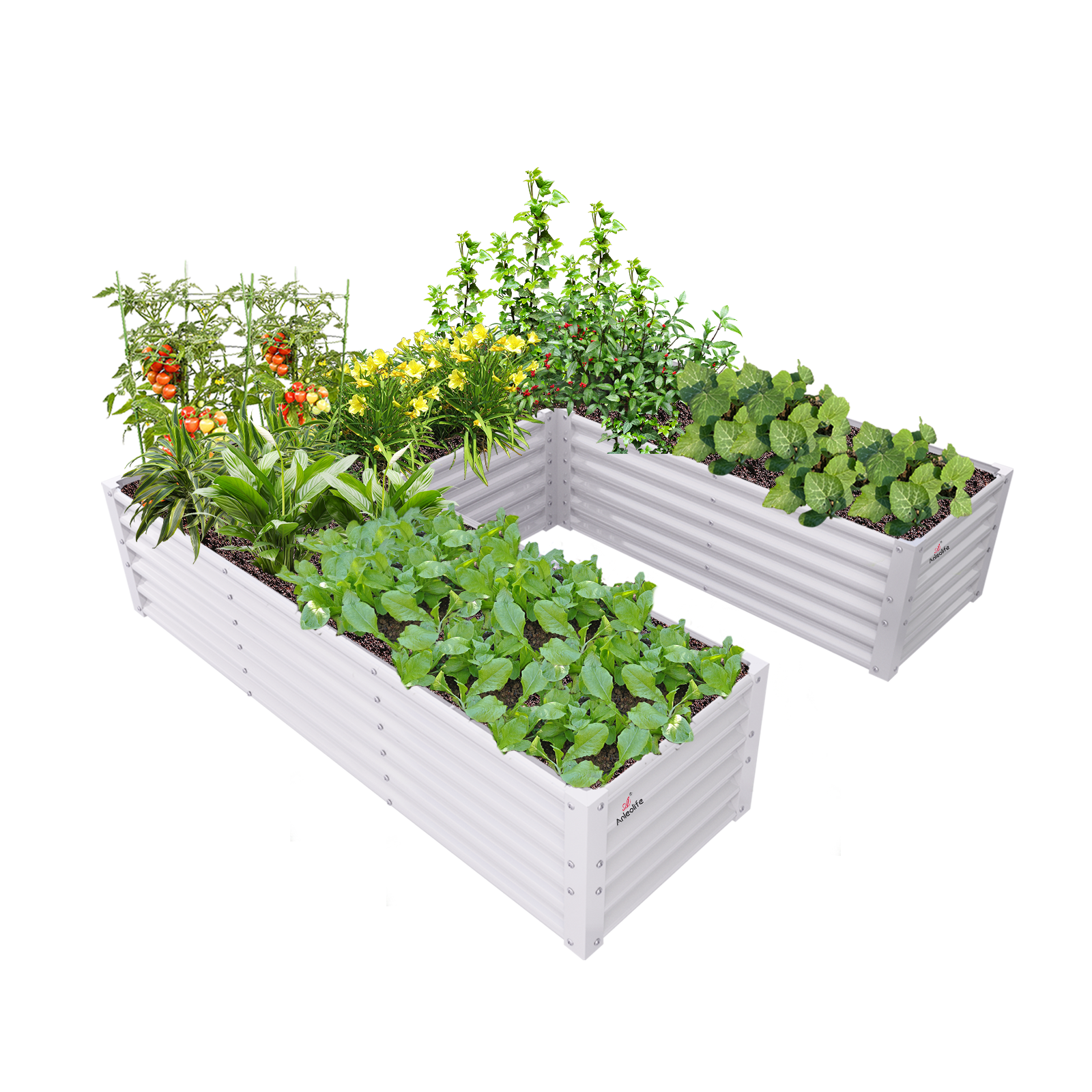



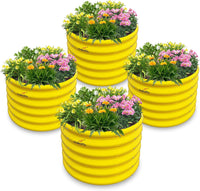
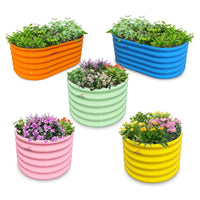
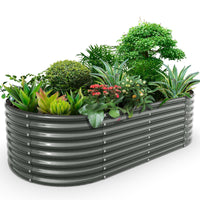



ALT: Multi-bed raised bed garden layout designed for continuous harvests across all four seasons
Why Your Raised Bed Garden Layout Determines Whether You Feast or Famine
Picture this: it's midsummer, and every raised bed you own is bursting with zucchini and tomatoes simultaneously. You're giving vegetables away to neighbors, composting the overflow, and then watching your garden go completely bare by October. A few months later, you're back to buying everything from the grocery store. This is one of the most common patterns we see among home growers who come to us after a season or two of trial and error — plenty during the peak, nothing during the shoulder months. The central finding of this article is that a thoughtfully designed raised bed garden layout, built around succession and spatial planning, is the single most effective tool for breaking that feast-or-famine cycle and achieving truly continuous harvests year-round.
This topic deserves a deeper look right now because home food gardening has entered a new phase. The first wave of pandemic-era gardeners who installed a single bed and learned the basics are now ready to scale up intelligently. They are asking harder questions — not "can I grow food?" but "how do I structure multiple beds so that something is always ready to harvest?" The answers require moving beyond individual plant choices into the realm of systems thinking: how beds relate to one another, how they are sequenced in time, and how layout decisions compound across the calendar.
The Current Landscape of Raised Bed Gardening and the Push Toward Multi-Bed Systems
Raised bed gardening has evolved significantly from its origins as a solution for poor or contaminated soil. Today, according to the National Gardening Association, food gardening participation in the United States has grown substantially over the past decade, with millions of households now maintaining some form of kitchen or backyard garden. Increasingly, that participation is moving from single-bed setups to multi-bed systems, driven by growers who want more control, higher yields, and a longer harvest window.
The shift reflects a deeper change in how people think about home-grown food. Early adopters were often motivated by novelty or a single-season experiment. The more committed cohort that has emerged is interested in systematic production — the kind that replaces a meaningful portion of a household's fresh vegetable budget. For that ambition, a single 4x8 bed simply cannot deliver. The math of crop rotation, succession planting, and seasonal transitions demands dedicated space that can be planned independently, managed separately, and harvested in rotation.
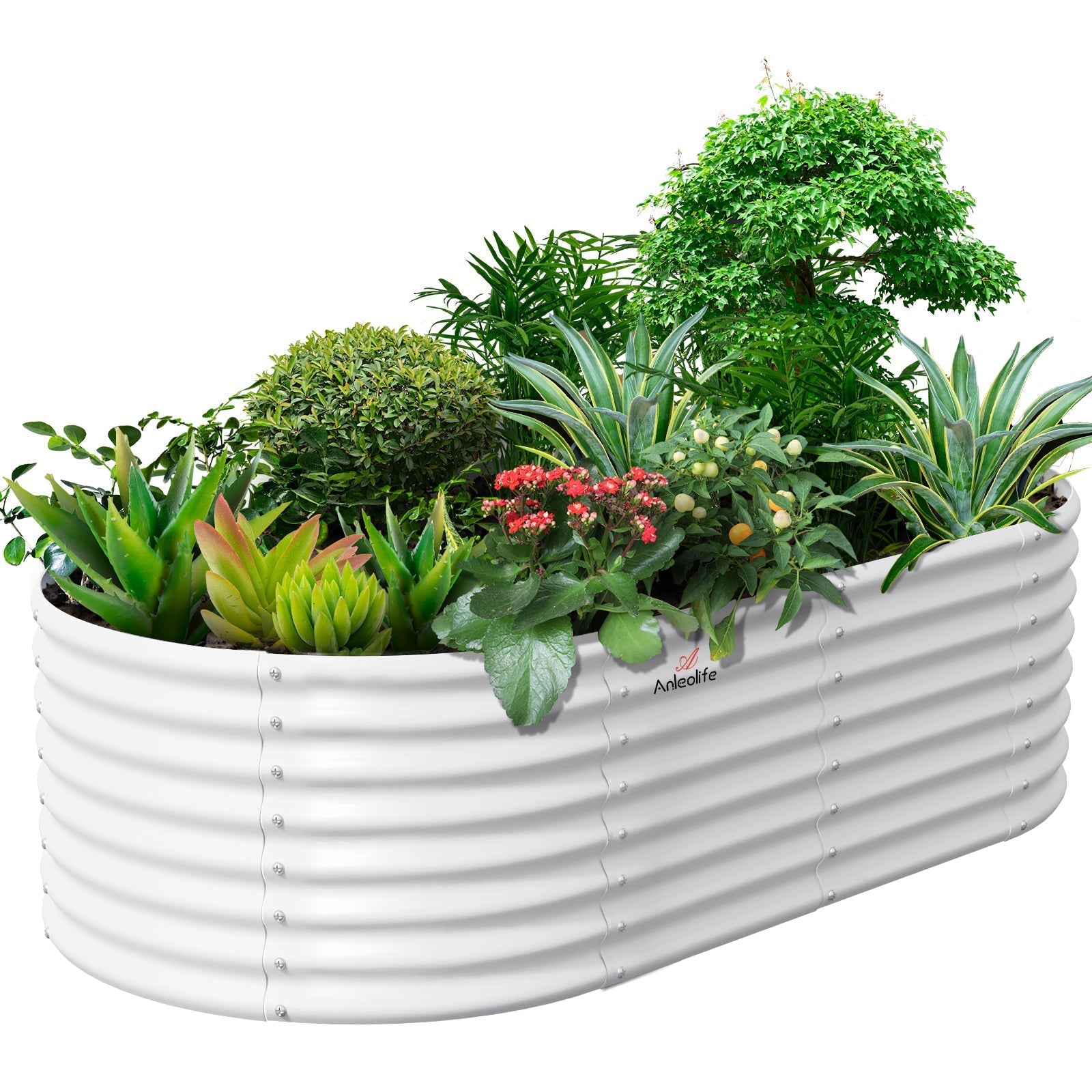
Market availability has caught up with this ambition. Galvanized steel raised garden beds in a wide range of configurations — from compact 4x4 footprints to expansive 12x3 or 8x4 formats, and in heights ranging from standard 18-inch profiles to waist-high 35-inch models — make it feasible to design a multi-bed system that fits almost any backyard, side yard, or even a large patio. The proliferation of modular designs means a layout can be expanded incrementally rather than built all at once, which matters enormously for growers who are learning as they go.
What has not kept pace with product availability is planning knowledge. Most gardening resources still treat bed layout as an aesthetic question — how beds look from above, how they relate to pathways, whether they form a tidy grid or a more informal cluster. The more consequential question — how the timing and plant selection across multiple beds interact to produce a continuous supply — gets far less attention. That gap is what this article addresses directly.
The Mechanics Behind Continuous Harvest: How Multi-Bed Layout Actually Works
A continuous-harvest garden is not a single design but a system of overlapping cycles. Understanding the mechanisms that drive it clarifies why layout decisions matter so much.
Succession Planting and Spatial Separation
Succession planting is the practice of staggering the sowing or transplanting of the same crop across multiple time intervals so that harvests mature in sequence rather than all at once. The classic example is lettuce: if you sow one bed every two to three weeks rather than all at once, you harvest continuously for months rather than drowning in greens for two weeks and then having nothing. The critical point that is often missed is that succession planting requires physical separation. Two sowings of the same crop need to be in different beds — or at minimum different zones — so that each can be managed independently (watered, fertilized, and cleared on its own schedule). A well-designed raised bed planting layout builds that separation in from the start.
Crop Family Rotation Across Beds
Crop rotation — the practice of moving plant families to different growing locations each season — is essential for soil health and pest management. In a single bed, true rotation is nearly impossible. With multiple beds, you can assign each bed a role in a four-year rotation cycle (brassicas, legumes, alliums, and fruiting crops each occupy a different bed per year, shifting positions annually). This not only protects against the buildup of soil-borne pathogens, but it also allows each bed's soil system to recover and build fertility appropriate to the next crop family. According to guidance from university cooperative extension programs, structured rotation in raised beds consistently outperforms mixed-planting single beds in terms of long-term productivity and reduced pest pressure.
Microclimate Differentiation
Not all positions in a backyard receive identical sun exposure, wind protection, or thermal mass. A sophisticated raised bed layout intentionally assigns beds to microclimates that match specific crop needs. South-facing beds that warm earliest in spring are assigned to heat-loving crops — tomatoes, peppers, eggplant — that need a long, warm season. Shadier or north-facing beds are assigned to cool-season crops like spinach and kale that benefit from protection against harsh midsummer sun. Beds near a fence or wall benefit from reflected heat and are ideal for extending the season at both ends. This microclimate mapping is one of the most underused tools in home garden planning, and it directly expands the productive calendar.
Timing Zones: Cool-Season, Warm-Season, and Transitional Beds
A practical multi-bed system organizes beds into at least three temporal zones. Cool-season beds are active in early spring and fall, growing crops like peas, spinach, arugula, turnips, and brassicas. Warm-season beds take over in late spring through summer, growing tomatoes, cucumbers, beans, and squash. Transitional beds bridge the gap — they might hold garlic overwintering, or be cleared of a spring crop and replanted with a fast-maturing summer variety, or be used for a fall brassica succession after a warm-season crop finishes. Designing these zones into a layout at the outset is far more effective than trying to retrofit them after beds are already positioned.
Path and Access Design
The physical arrangement of beds and the pathways between them affects how efficiently a multi-bed system can be managed. In our work with clients, we consistently find that growers underestimate the importance of access width. A path that allows comfortable kneeling or stooping on both sides of a bed dramatically reduces the physical difficulty of planting and harvesting — which in turn makes it far more likely that critical timing tasks (like clearing a finished crop to make room for a succession sowing) actually happen on schedule. Beds that are difficult to reach get neglected, and neglected beds break the continuous harvest chain.
Evidence and Approaches: Comparing Common Multi-Bed Layout Strategies
Several distinct approaches to multi-bed raised bed layout have emerged among experienced home growers, each with genuine strengths and real trade-offs.
| Perspective / Approach | Strengths | Trade-offs | Best Fit |
|---|---|---|---|
| Grid / Block Layout | Maximum space efficiency; easy to manage rotations systematically; works well with modular beds | Can be monotonous; requires adequate open space; less flexible for odd-shaped yards | Rectangular or square backyards with a strong organizational preference |
| Keyhole or Horseshoe Layout | Excellent access from a single standing position; reduces path area; good for accessibility | Limited to smaller bed sizes; harder to scale up systematically | Growers with mobility limitations; compact spaces |
| Linear / Row Layout | Familiar to those with in-ground gardening experience; easy to orient beds for sun exposure | Can create access challenges; less efficient use of space for crop rotation | Long, narrow side yards; growers transitioning from row gardening |
| Tiered or Height-Varied Layout | Creates visual interest; allows taller beds (24–30 inch heights) for root crops near shorter beds for sprawling plants | More complex to plan; taller beds require more soil volume | Mixed crop types; growers managing back or knee issues |
| Cluster / Informal Layout | Visually appealing; can adapt to irregular spaces | Harder to track rotations; path planning can be inefficient | Gardeners prioritizing aesthetics and garden beautification alongside function |
Practitioners with experience across these configurations generally find that a hybrid approach — anchoring the layout with a core grid of workhorse beds while adding one or two specialty beds in an accessible keyhole or cluster arrangement — delivers the best balance of productivity and usability.
The growing body of documented home gardener experience supports the value of purpose-built bed sizing for continuous harvest systems. As described in the independently maintained resource My Vegetable Garden Layout Part 2 (Raised Beds), growers who dedicated distinct beds to specific seasonal roles — rather than trying to mix all crop types in every bed — reported a dramatically smoother transition between seasons and less downtime in overall garden productivity. The documentation of real-world raised bed planting layout experiences from that source underscores a practical truth: the design itself does the heavy lifting.
For continuous harvest planning specifically, the evidence consistently favors using at least four to six beds, which allows three functional planting zones (cool, warm, transitional) with redundancy — meaning if one succession fails or is delayed, the system doesn't collapse entirely.
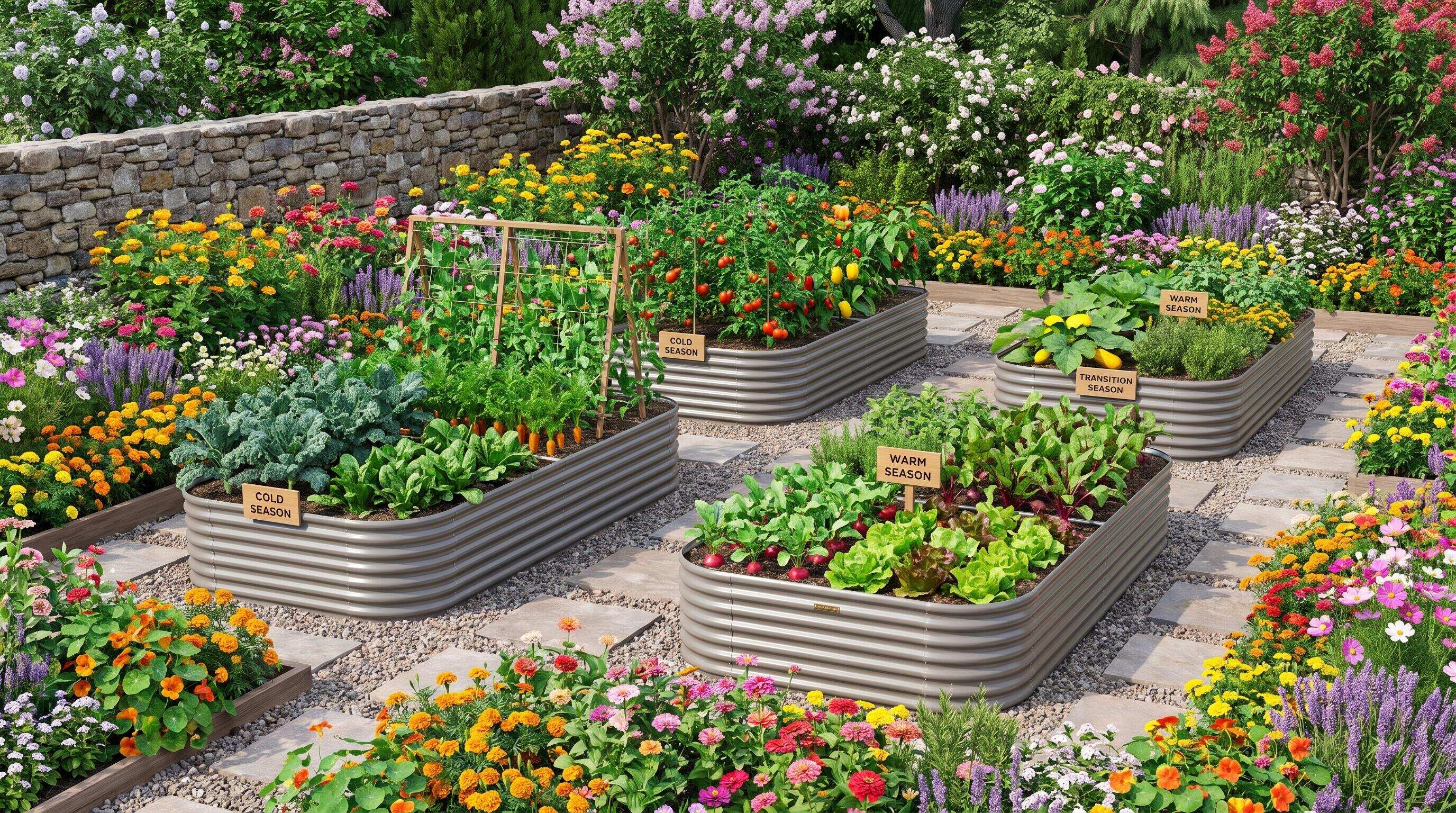
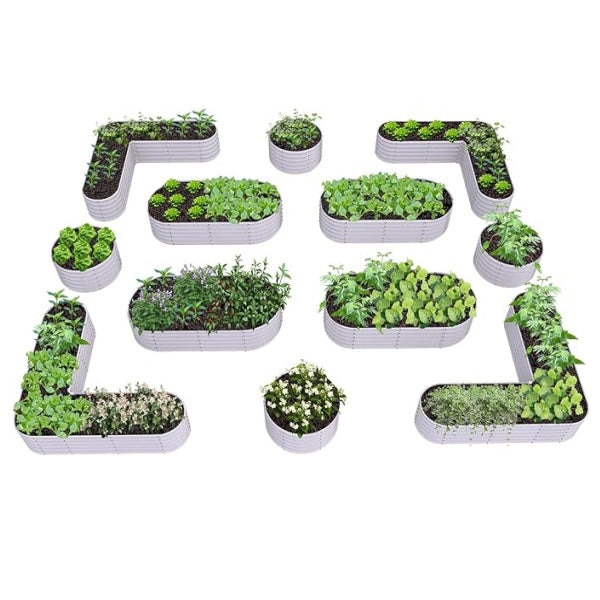
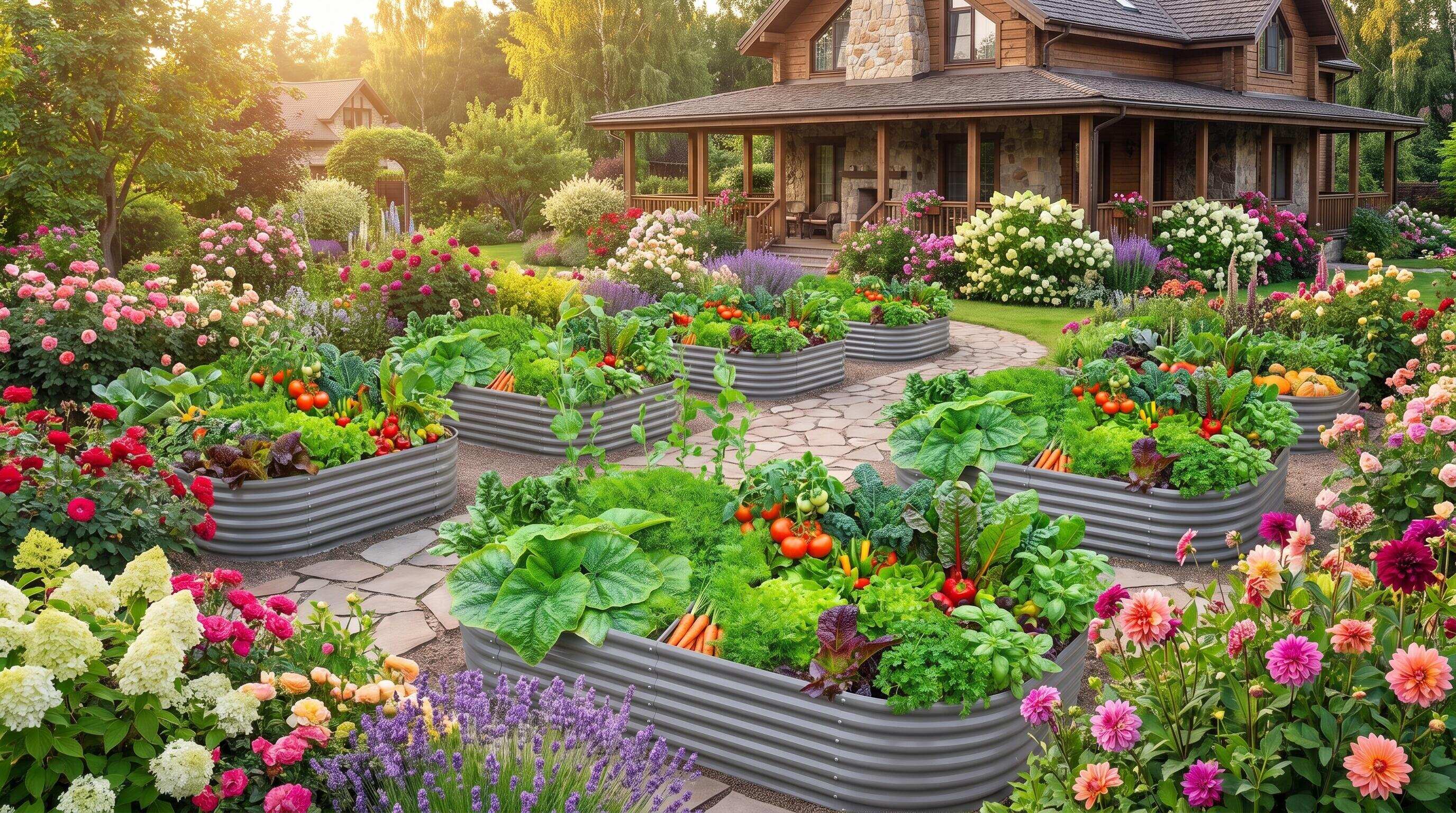
ALT: Overhead view of a multi-bed raised bed garden layout with clearly defined cool-season, warm-season, and transitional planting zones organized for continuous harvest
Where Multi-Bed Garden Planning Is Heading — and What It Means for You
The future of home garden layout planning is moving toward greater modularity and intentional scalability. The growers who are most satisfied with their systems over the long term are those who built in expansion from the beginning rather than treating each new bed as an afterthought. Several converging trends are shaping this direction.
First, bed quality has become a more prominent consideration as growers think about long-term investment. A garden system designed for continuous year-round use requires beds that can handle seasonal extremes — freeze-thaw cycles, summer heat, and sustained moisture — without deteriorating. Galvanized steel beds from Anleolife, for instance, are built for a lifespan of up to 20 years, which changes the economics of planning: a bed purchased today can be a structural element of a system you refine over two decades, not a temporary fixture you replace every few seasons.
Second, the soil system has gained recognition as a planning variable in its own right. Continuous harvest gardens deplete soil nutrients faster than beds that sit fallow between seasons. Growers who build their multi-bed layout with explicit soil management — dedicated compost beds, cover cropping rotations, and intentional nutrient cycling between beds — consistently outperform those who treat each bed's soil as an independent unit. Per guidance from university extension services and the USDA's Natural Resources Conservation Service, integrated soil management across a multi-bed system is one of the highest-leverage investments a home grower can make.
Third, accessibility and ergonomics are increasingly shaping layout choices. The population of serious home gardeners skews toward empty nesters and retirees who are thinking about decades of use. Waist-high beds at 35 inches tall eliminate the need to kneel or bend significantly, and their integration into a multi-bed layout — positioned for the crops that benefit most from daily attention, like herbs and salad greens — is an emerging best practice that serves both productivity and physical wellbeing.
Actionable takeaways from this analysis:
- Start with a minimum of four beds if continuous harvest is your goal. Two beds cannot support the three-zone rotation that continuous production requires.
- Map your space for sun and microclimate before placing any bed. Reassigning a bed's position after installation is difficult and costly.
- Build pathways wide enough to work comfortably from both sides of every bed. Access quality directly predicts how consistently you'll maintain planting schedules.
- Choose beds with genuine longevity. A 20-year bed lifespan means your layout can evolve and improve over time rather than being rebuilt from scratch.
- Plan your soil system as deliberately as your planting plan. A continuous harvest garden is only as productive as the soil that sustains it.
People Also Ask
Q1: How do I plan a raised bed garden layout for year-round harvests?
A year-round raised bed garden layout requires organizing beds into at least three temporal zones: cool-season beds for spring and fall crops (lettuce, spinach, brassicas), warm-season beds for summer crops (tomatoes, cucumbers, beans), and transitional beds that bridge the gaps with fast-maturing successions or overwintering crops like garlic. Succession planting within each zone — staggering sowing dates by two to three weeks — ensures that harvests mature in sequence rather than all at once. Physical separation of each succession into a distinct bed or zone is essential for independent management.
Q2: Is a 4x8 raised bed layout sufficient for continuous harvests?
A single 4x8 raised bed layout is not sufficient for continuous harvests throughout the year. While a well-planted 4x8 bed can produce a significant yield within a single season, continuous harvesting requires the ability to manage multiple crop successions, rotate plant families, and maintain simultaneous cool-season and warm-season production — all of which demand dedicated space that a single bed cannot provide. Most experienced growers find that a minimum of four to six beds is needed to support a genuine year-round system with meaningful redundancy.
Q3: How long does it take to set up a multi-bed raised bed layout?
The physical setup of a multi-bed raised bed layout typically takes one to two weekends for four to six beds, depending on the bed sizes chosen and the complexity of the pathway and soil preparation involved. Planning — mapping microclimates, assigning crop rotations, and scheduling successions — is the time investment that pays the greatest return and is best done before any bed is placed. Anleolife raised garden beds are designed for efficient assembly, and with delivery windows of 3–8 business days, most growers can move from order to planting within two weeks.
Summary
Designing a multi-bed raised bed garden layout for continuous harvests is fundamentally a systems design challenge, not a planting question. Three core principles define success: spatial planning that assigns distinct roles to each bed (cool-season, warm-season, and transitional), temporal planning that staggers successions so harvests mature in sequence, and physical planning that prioritizes path access and microclimate alignment. These three elements, working together, transform a collection of individual beds into a productive system that delivers fresh food across the calendar rather than concentrating yield in a single peak period.
The most important shift in perspective for growers pursuing this goal is from individual bed thinking to system thinking. Every decision — where a bed is placed, what dimensions it carries, how tall it stands, how the soil within it is managed — either supports or undermines the overall system's ability to produce continuously. Beds that are genuinely built to last (a 20-year lifespan is a meaningful planning horizon) allow you to invest in their positioning and preparation with confidence that the investment will compound over many seasons.
For growers ready to move from a single-season experiment to a genuine year-round food production system, the practical first step is to assess your existing space for microclimate zones, identify how many beds your footprint can support, and begin with a core grid of four beds that can expand incrementally as your planning sophistication grows.
Explore the full range of raised garden bed sizes and configurations at Anleolife — from compact 4x4 footprints to expansive 12x3 and waist-high 35-inch models designed for multi-bed systems. Products are available on Amazon, Walmart, Home Depot, Lowe's, Wayfair, and the official Anleolife.com website, with delivery in 3–8 business days from a nationwide warehouse network across California, Texas, Florida, New York, Illinois, and Washington. Whether you are starting with your first bed or expanding to a full planting-and-raising ecosystem, Anleolife's modular designs grow with your garden — and with you.
Sources & Further Reading
- Growing the Home Garden. "My Vegetable Garden Layout Part 2 (Raised Beds)".
https://growingthehomegarden.com/my-vegetable-garden-layout-part-2/ - U.S. Department of Agriculture, Natural Resources Conservation Service. "Soil Health and Home Garden Management Guidance".
https://www.nrcs.usda.gov/ - National Gardening Association. "Food Gardening in the United States — Research and Participation Trends".
https://garden.org/ - U.S. Department of Agriculture, Agricultural Research Service. "Crop Rotation and Soil Fertility Research".
https://www.ars.usda.gov/ - University of California Division of Agriculture and Natural Resources (UC ANR). "Vegetable Gardening, Raised Beds, and Succession Planting Guidance".
https://ucanr.edu/
Note: Standards and research guidance may be updated; please check the latest official documents or consult professional advisors.