


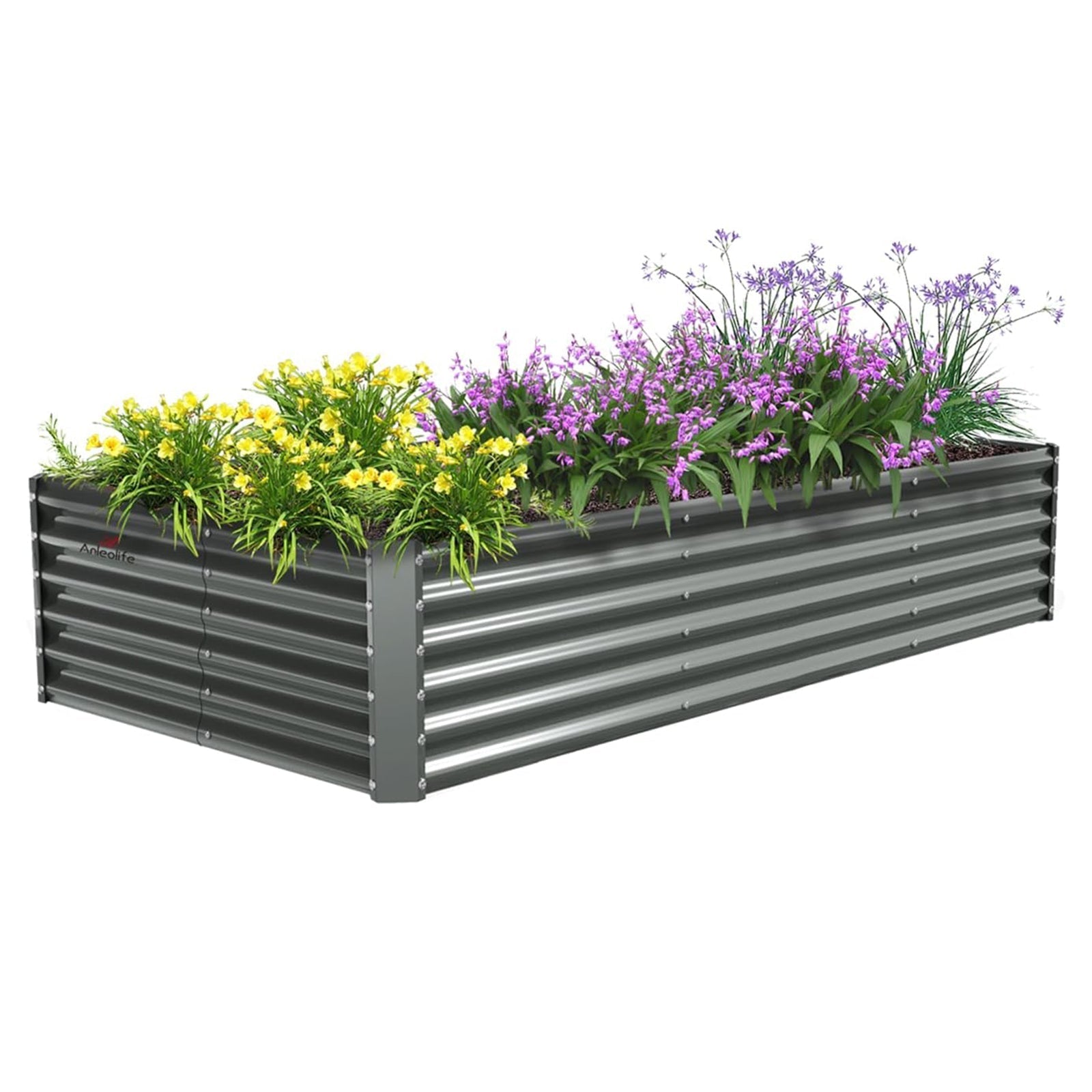

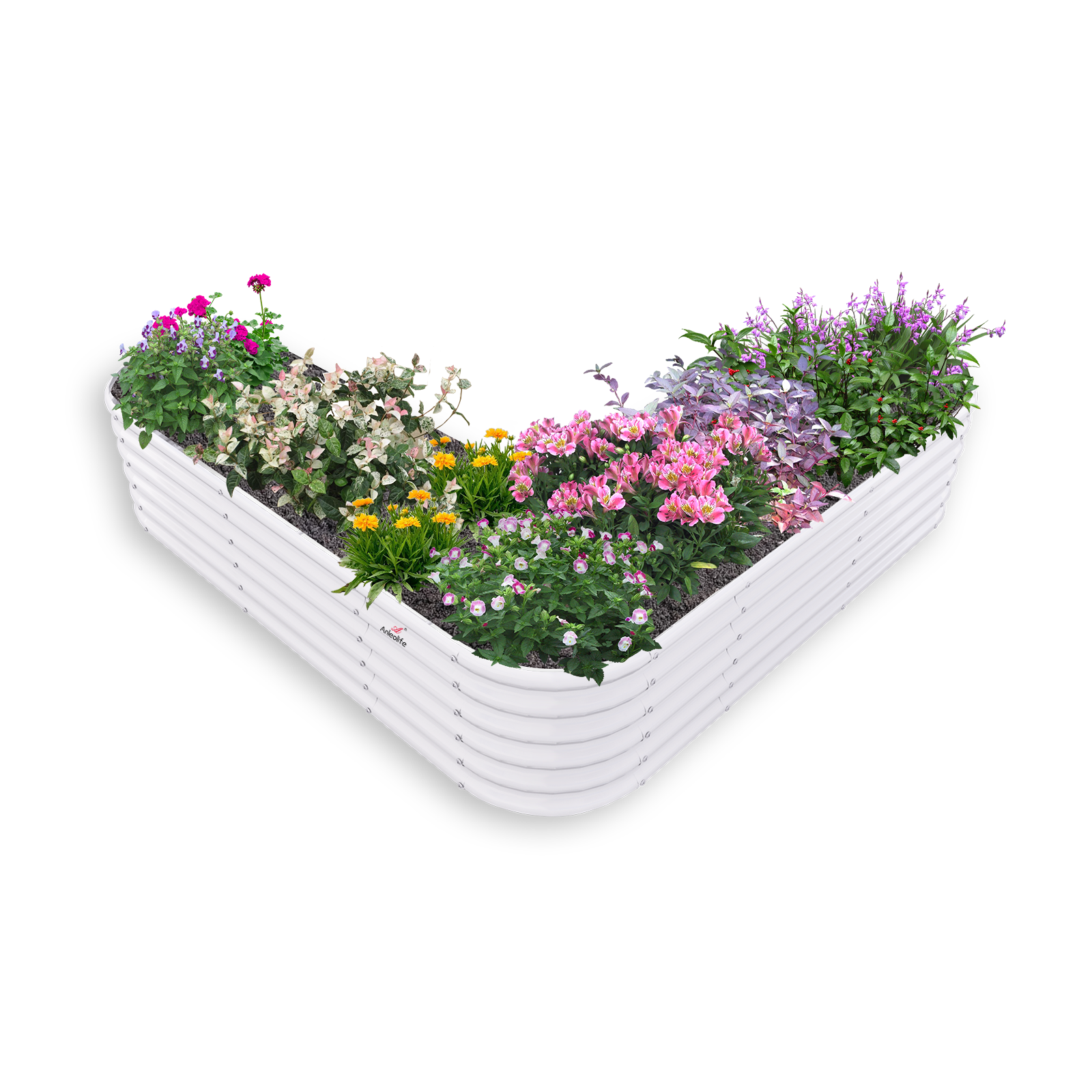
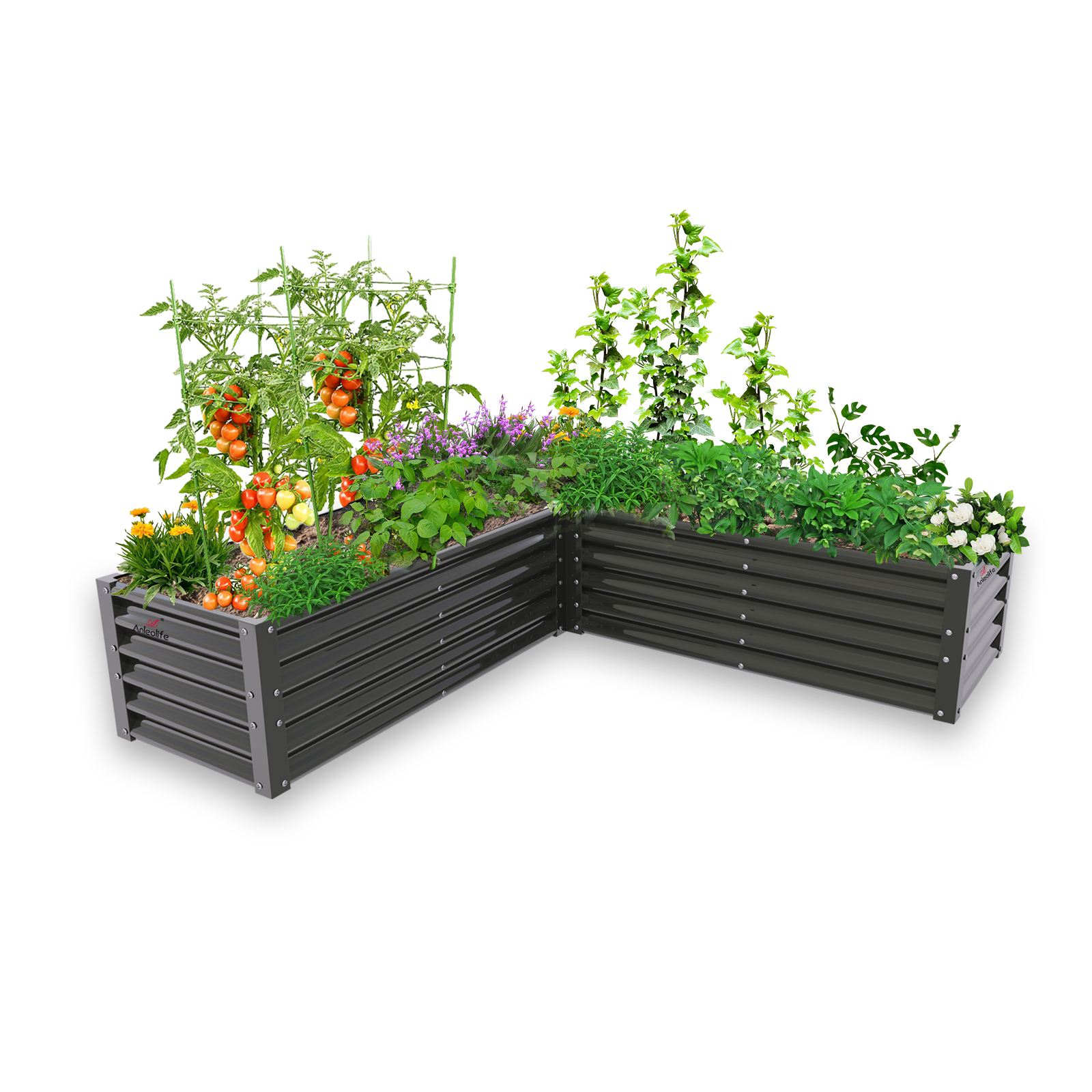
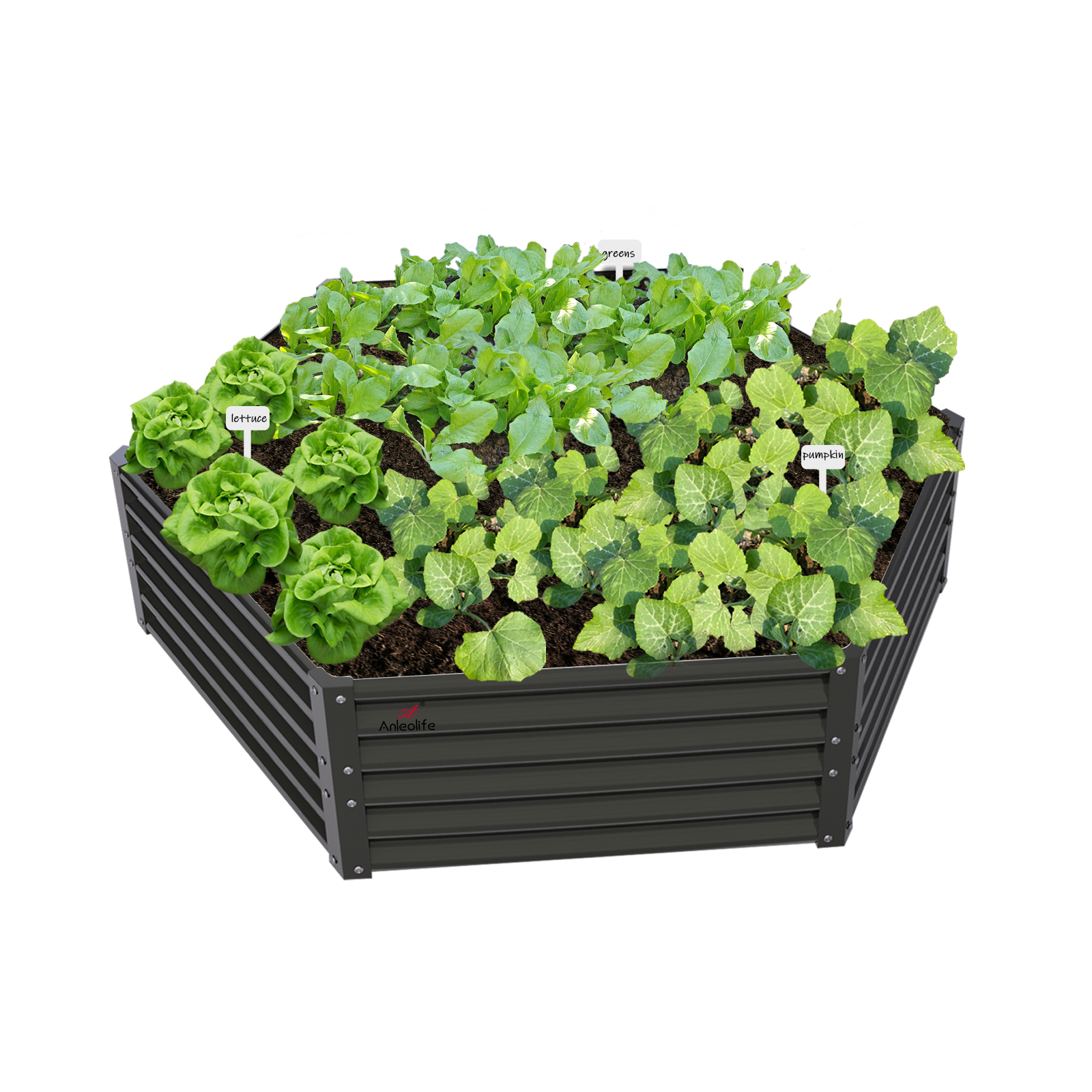
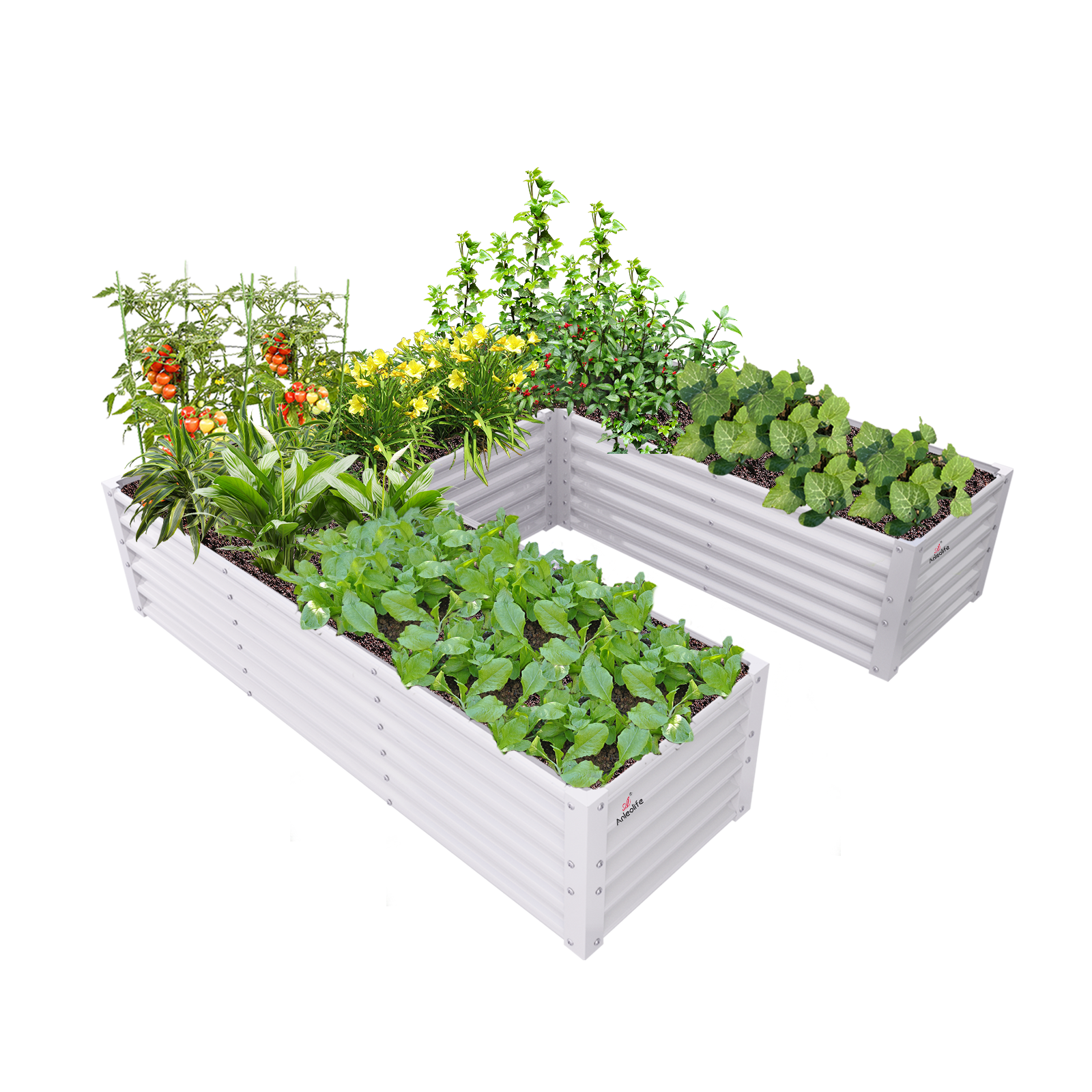

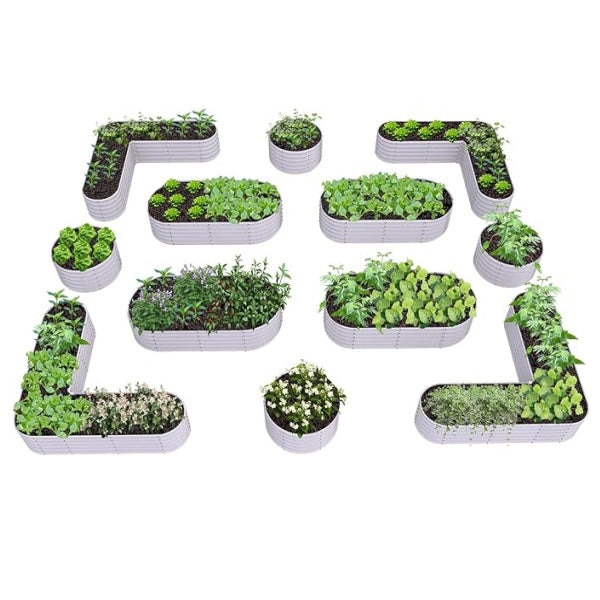


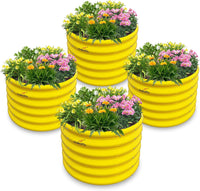
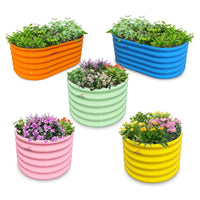
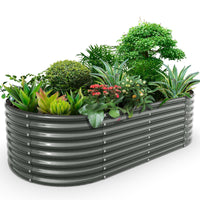




ALT: Weekend DIY backyard projects featuring raised beds, garden edging, and outdoor beautification ideas
Transform Your Backyard This Weekend: Raised Beds, Edging & Garden Projects That Actually Get Done
Key Conclusion: A well-planned weekend is all it takes to dramatically transform your outdoor space. Whether you're starting with a raised bed garden layout, refining your raised bed planting layout, or mapping out the perfect raised bed layout for vegetables and herbs, these projects are designed to be completed in one to two days—no contractor needed. With the right materials, a solid plan, and beginner-friendly steps, your backyard can go from bland to beautiful before Monday morning.
There's a particular kind of satisfaction that comes from standing in your backyard Sunday evening, looking at something you built with your own hands. Weekend DIY garden projects don't have to be ambitious to be rewarding—in fact, the best ones are focused, achievable, and genuinely useful for years to come.
In this guide, we'll walk you through a complete weekend action plan: from installing a raised garden bed and choosing rot-resistant materials, to laying garden edging and adding decorative touches that tie your outdoor space together. Whether you're a first-time gardener, a busy parent, or a retiree looking to invest in your outdoor lifestyle, these projects are designed with you in mind.
Who Is This Weekend Project Guide For?
✅ Applicable Scenarios:
- Homeowners with an unused lawn or patio area who want to start a vegetable or herb garden
- Gardeners upgrading from in-ground plots to elevated raised beds for easier maintenance
- Urban and suburban families who want a functional and beautiful outdoor space without a major renovation budget
- Empty nesters and retirees looking for fulfilling, low-impact weekend projects that deliver lasting results
- Eco-conscious growers who want food-safe, durable materials and organic-compatible soil systems
❌ Not Applicable/Cautions:
- Properties with deed restrictions or HOA rules prohibiting raised structures or visible garden installations—always check local guidelines before starting
- Renters or those without outdoor ground access—container gardening or balcony solutions may be more appropriate
- Anyone expecting to skip the planning phase—rushed projects lead to poor drainage, misaligned edging, or beds placed in low-sunlight areas
- Those dealing with severely compacted clay or contaminated soil without first addressing remediation—your raised bed will still benefit, but the surrounding environment matters
Why Weekend Garden Projects Are Having a Major Moment
The rise of the "home gardener" isn't a passing trend. According to the National Gardening Association, the number of households growing food at home has grown significantly over the past decade, with over 35% of American households participating in food gardening. Post-pandemic interest in outdoor living, food security, and mental wellness has accelerated this momentum even further.
But here's the challenge most people face: the gap between wanting a garden and having one. Large landscaping projects feel overwhelming. Hiring professionals is expensive. And vague DIY guides leave beginners staring at their yards, unsure where to start.
That's exactly why the "weekend project" framework has become so popular. By breaking outdoor improvements into focused, two-day sprints, homeowners can make real, visible progress without the paralysis of a massive overhaul. A raised garden bed installed this Saturday. Garden edging laid out Sunday afternoon. Decorative gravel path added next weekend. Step by step, your backyard becomes the space you always envisioned.
The key is choosing the right projects—ones with clear steps, readily available materials, and results that compound over time. In this guide, we focus on three core weekend categories: raised beds, garden edging, and decorative beautification, all of which can be completed independently or combined into a cohesive backyard upgrade plan.
For those researching which materials and layouts work best, this article also directly addresses the most common questions homeowners search for: what materials won't rot, which soils perform best, and how to design a raised bed layout that actually works.
Your Weekend Garden Project Playbook: Step-by-Step from Friday Night to Sunday Evening
Three-Step Quick Start
Step 1: Plan Your Layout and Gather Materials (Friday Evening — 1 to 2 hours)
Before you touch a shovel, spend Friday evening walking your yard and making decisions. Where does sunlight hit for the longest stretch? Where does water pool after rain? Sketch a simple raised bed garden layout on paper—even a rough drawing helps. Mark the dimensions of your bed (a classic 4x8 or 4x4 size is beginner-friendly), note where edging will run, and write a materials list. Order or pick up supplies so you're ready to build Saturday morning without delays.
Step 2: Build the Raised Bed and Prepare the Soil (Saturday — 4 to 6 hours)
Saturday is your main build day. Assemble your raised bed frame in the chosen location, level it properly, and line the bottom if needed. Fill it with your soil mix—more on this below. This is also the day to install any garden edging, since you'll already be working at ground level. By late afternoon, your bed should be assembled, filled, and ready. Estimated active work time: 4 to 6 hours depending on bed size and complexity.
Step 3: Plant, Decorate, and Finish (Sunday — 2 to 4 hours)
Sunday is for the satisfying part. Plant your seeds or seedlings according to your raised bed planting layout, add pathway gravel or stepping stones between beds, hang a garden sign, and step back to admire the result. This is also the day to install any remaining edging, add mulch around the perimeter, or set up an irrigation drip line. Leave an hour at the end just to enjoy the space—you earned it.
Choosing the Right Materials: What Won't Rot, Rust, or Let You Down
One of the most common questions homeowners ask when planning a raised bed is: what materials are best for raised beds, especially in wet climates?
It's a fair concern. Traditional wood beds, particularly those made from untreated pine or cedar, can begin to degrade in as little as three to five years when exposed to constant moisture and soil contact. In wetter regions like the Pacific Northwest, the Gulf Coast, or New England, this timeline shortens further.
Here's a practical comparison of the most popular raised bed materials:
| Comparison Dimension | Untreated Wood | Cedar / Redwood | Galvanized Steel |
|---|---|---|---|
| Lifespan | 3–5 years | 7–15 years | 20+ years |
| Rot Resistance | ❌ Low | ✅ Moderate | ✅ Excellent |
| Wet Climate Performance | ❌ Poor | ✅ Moderate | ✅ Excellent |
| Food Safety | ✅ Yes | ✅ Yes | ✅ Yes (food-grade) |
| Maintenance Required | High (annual sealing) | Moderate | Minimal |
| Cost Over 10 Years | High (replacements) | Moderate | Low |
| Aesthetic Versatility | Moderate | High | High |
The data is clear: galvanized steel raised beds offer the best long-term value, particularly for gardeners in wet climates or those who simply don't want to replace their beds every few years. When sourced from a reputable brand using food-safe galvanized coating, they're completely safe for growing vegetables, herbs, and fruits.
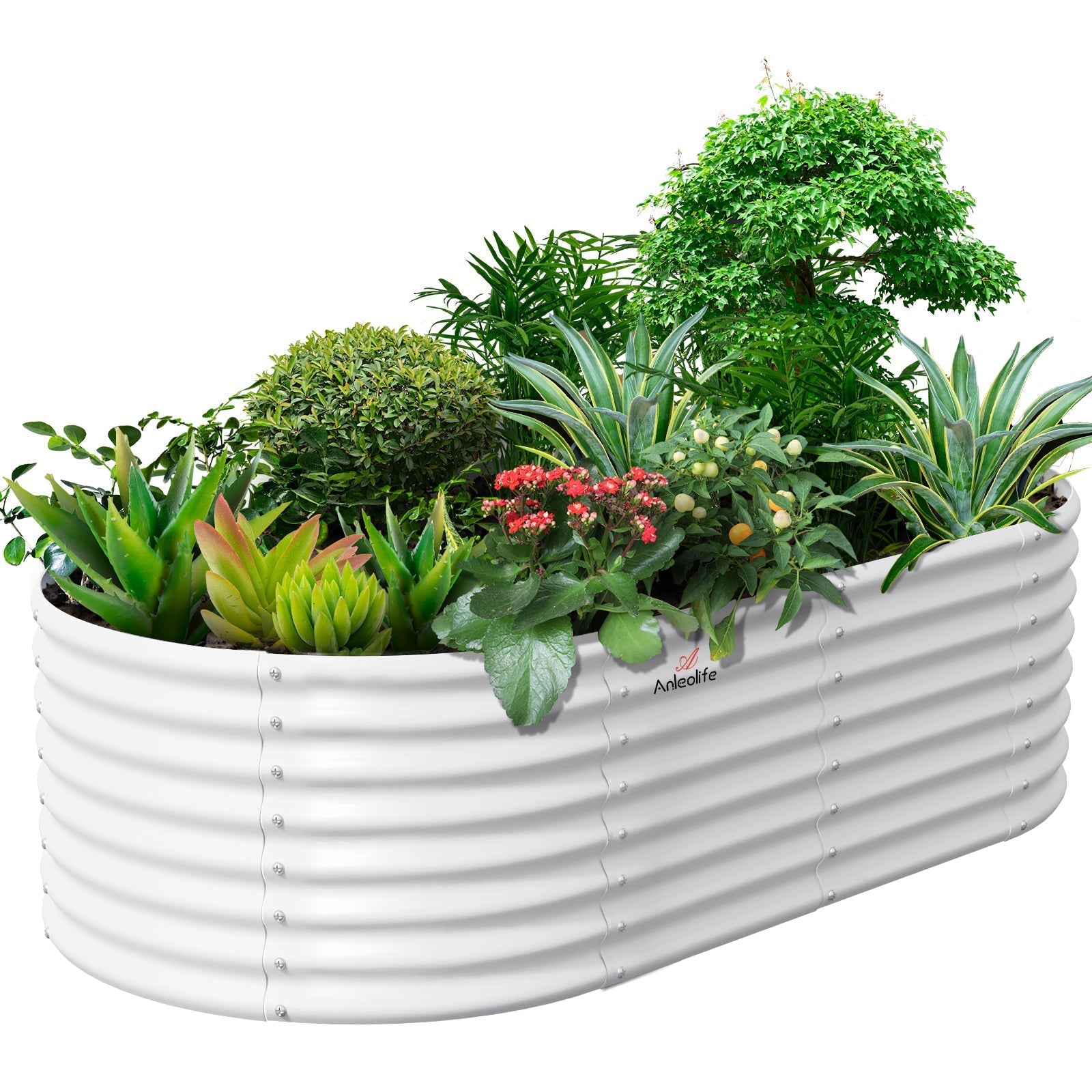
Anleolife's metal raised garden beds are engineered with exactly this in mind. Built from premium galvanized steel, they're rated for a 20-year lifespan—meaning the bed you install this weekend could still be producing harvests when your kids (or grandkids) are old enough to garden beside you.
Designing Your Raised Bed Layout: Making the Most of Every Square Foot
A good raised bed layout is about more than aesthetics—it's about sunlight access, airflow, companion planting synergies, and your own ease of reach and maintenance.
Choosing the Right Dimensions
The most ergonomic raised beds are no wider than 4 feet. This allows you to reach the center from either side without stepping into the bed, protecting soil structure and root systems. Common sizes include:
- 4x4: Ideal for small spaces, balconies, or beginners starting with a single crop focus
- 4x8: The most popular size for home vegetable gardens—enough space for a full mix of crops
- 3x12 : Great for dedicated growing zones or households feeding a family of four or more
Height matters too. Standard 12-inch depth suits most vegetables. A 24-inch raised bed is ideal for root vegetables like carrots and parsnips, and is also more accessible for gardeners who prefer to avoid bending down.
Planning Your Raised Bed Planting Layout
Once your bed dimensions are set, plan what goes where using these principles:
- Tall plants (tomatoes, corn, sunflowers) go to the north or back of the bed so they don't shade shorter crops
- Medium plants (peppers, eggplant, bush beans) fill the middle rows
- Low growers and ground covers (lettuce, herbs, strawberries) edge the front for easy access and visual appeal
- Companion planting boosts yield and deters pests—classic combinations include tomatoes with basil, carrots with onions, and beans with squash
Using a grid approach (often called the "Square Foot Gardening" method) helps maximize every inch. Divide your 4x8 bed into 32 one-foot squares and assign crops to each based on spacing requirements. It's a simple system that dramatically improves productivity.
Sunlight and Drainage Considerations
Before finalizing your raised bed garden layout, observe your yard across a full day to identify which areas receive 6 or more hours of direct sunlight—the minimum requirement for most fruiting vegetables. Avoid placing beds directly under large trees, which not only block light but can have invasive root systems.
Drainage is equally critical. Raised beds naturally drain better than in-ground plots, but the surrounding area should also allow water to flow away from the structure. If your yard slopes, orient beds across the slope rather than along it.
What Soil Should You Use in a Raised Garden Bed?
The question of recommended soil for raised garden beds comes up constantly—and for good reason. Soil is arguably the most important factor in your garden's success, and filling a raised bed with plain topsoil from the yard is one of the most common beginner mistakes.
The gold-standard blend for raised bed gardening is often called "Mel's Mix", popularized by Mel Bartholomew in the Square Foot Gardening method:
- 1/3 blended compost (from multiple sources for microbial diversity)
- 1/3 peat moss or coconut coir (for moisture retention and aeration)
- 1/3 coarse vermiculite (for drainage and structure)
This mix is light, well-draining, nutrient-rich, and almost never needs tilling. For a standard 4x8x12 raised bed, you'll need approximately 32 cubic feet of soil mix.
If you want to simplify, many garden centers now sell pre-blended "raised bed soil" or "garden mix" that approximates this formula. Look for mixes that include compost and perlite or vermiculite, and avoid anything labeled "topsoil only"—it compacts too easily.
For organic growers, choose compost that is certified organic and avoid peat moss in favor of coconut coir, which is a more sustainable byproduct of the coconut industry.
Garden Edging: The Project That Makes Everything Look Intentional
While the raised bed is the centerpiece of most weekend garden projects, don't underestimate the power of garden edging. A clean border between lawn and garden bed, between pathway and planting zone, or between mulch and grass instantly elevates the visual quality of your entire yard.
Types of Garden Edging
Metal edging (steel or aluminum) creates crisp, modern lines and lasts for decades without warping. It's particularly effective in contemporary garden designs and pairs beautifully with galvanized raised beds.
Stone or brick edging delivers a classic, timeless look. It requires more installation effort but is virtually maintenance-free and extremely durable.
Plastic edging is the most affordable option and easiest to install, but tends to warp, fade, or crack within a few seasons—especially in climates with temperature extremes.
Natural wood edging using landscape timbers or sleepers creates a rustic, organic aesthetic but shares the same rot concerns as wooden raised beds.
For most homeowners seeking the best balance of durability, appearance, and ease of installation, metal or stone edging is the recommended choice.
Installing Garden Edging in an Afternoon
Edging installation is genuinely a half-day project. Using a spade or edging tool, cut a clean line where you want the border. Install your chosen edging material at a consistent depth (typically 2 to 4 inches below soil level for metal edging), backfill to stabilize, and finish with mulch on one side and either lawn or gravel on the other. Step back, and suddenly your garden looks professionally designed.
Decorative Garden Touches That Tie the Space Together
The final piece of a successful weekend garden project is beautification—the details that make your backyard feel like a deliberate, cared-for outdoor living space rather than just a utility area.
How do you choose the right garden decorations for your yard? The best approach is to let function guide form. Choose decorations that serve a purpose: solar pathway lights that illuminate evening walks, a decorative trellis that supports climbing vegetables, stone stepping pads that protect your lawn while providing access to beds, or a garden sign that adds personality to your planting zone.
Color should complement your home's exterior and existing landscaping. If your home has warm brick tones, lean into terracotta, copper, and natural stone. For contemporary grey or white exteriors, crisp black metal edging and galvanized finishes create a cohesive, modern aesthetic.
Scale matters too. A single large decorative element (a statement planter, a weathered bench, a bold-colored garden gate) reads better than many small items scattered without intention. Choose one or two focal points per garden zone and build around them.

ALT: Completed weekend DIY backyard project showing galvanized raised garden bed with metal edging, gravel pathway, and decorative planting layout
Advanced Tips: Making Your Weekend Projects Last
Handle Problem Soil Without Starting Over
If your yard has poor native soil—heavy clay, sandy loam, or compacted fill—don't despair. One of the greatest advantages of raised beds is that they work above the existing soil conditions. Line the bottom of your bed with cardboard (which suppresses weeds and eventually decomposes) and fill entirely with your custom soil mix. Over time, earthworms will migrate up from below and begin improving your native soil naturally.
The Myth That Bigger Is Always Better
Many first-time raised bed gardeners make the mistake of building the largest bed their space allows, only to find it overwhelming to manage or fill with soil. Start with one 4x8 bed, master it through one full growing season, and then expand. The modular nature of quality garden beds means you can always add more—but you can't un-fill a 200-square-foot bed that turned out to be too much for year one.
Irrigation Is Not Optional—It's Infrastructure
Weekend projects often focus on the visible elements (the bed, the edging, the plants) while neglecting water delivery. Installing a simple drip irrigation line or soaker hose during your weekend build costs very little in time and money but saves enormous effort throughout the growing season. If you skip it now, you'll almost certainly add it later—so plan for it from the start.
Don't Confuse "Decorative Gravel" with "Functional Drainage"
A common misconception: adding a layer of gravel at the bottom of a raised bed improves drainage. Research from university extension programs has actually shown the opposite—a gravel layer creates a perched water table that holds moisture at the base of your soil. For proper drainage, rely on your soil mix composition (perlite, vermiculite, coir) rather than a gravel layer.
Frequently Asked Questions FAQ
Q1: How do I choose the right garden decorations without my yard looking cluttered?
Start with a simple design principle: form follows function. Choose decorative elements that also serve a practical role—solar lights that illuminate paths, trellises that support plants, stepping stones that protect lawn areas. Limit each garden zone to one or two statement pieces to avoid visual noise. A consistent material palette (matching metal tones, coordinated stone colors) ties everything together without requiring many pieces. When in doubt, less is more.
Q2: Are galvanized steel raised beds safe for growing vegetables and food crops?
Yes—high-quality galvanized steel raised beds are considered food-safe for vegetable gardening. The zinc coating on galvanized steel is the same material used in food processing equipment and water pipes. Studies have found that zinc levels in soil from galvanized beds are negligible and well within safe ranges. Always purchase from reputable brands that use food-grade galvanized steel and avoid beds made with unknown coatings or recycled industrial metals.
Q3: How long will a quality raised garden bed last, and is it worth the investment?
A quality galvanized steel raised garden bed, such as those offered by Anleolife, is rated for a 20-year lifespan—making it one of the most cost-effective garden investments you can make. Compared to wood beds that may need replacing every 3 to 7 years, a metal bed pays for itself many times over. When you factor in the soil that stays in place, the harvests produced, and the enjoyment value over two decades, the return on investment is exceptional.
Summary
A productive, beautiful backyard doesn't require a landscaping crew, a massive budget, or months of planning. It requires a clear weekend plan, the right materials, and a willingness to start.
Here are the three core takeaways from this guide:
- Plan before you build: A good raised bed garden layout—one that accounts for sunlight, drainage, crop sizing, and planting sequence—will outperform a larger, poorly planned bed every time.
- Invest in materials that last: Choosing rot-resistant, food-safe galvanized steel over cheap wood or plastic pays dividends for 20 years. Your future self will thank you every spring when you don't have to replace a rotting frame.
- Think in layers: The best backyard projects combine function and beauty—raised beds for productivity, edging for clean definition, and decorative elements that make the space genuinely enjoyable to spend time in.
Your next step? Walk your yard this evening with a tape measure and a notebook. Pick your primary sun spot. Sketch a 4x8 raised bed layout. Write down five crops you'd love to grow. That's all you need to get started—the rest is just momentum.
Upgrade Your Garden with Anleolife
Anleolife's nationwide U.S. warehouse network is strategically located in California, Texas, Florida, New York, Illinois, and Washington, ensuring delivery within 3–8 business days—so your weekend project plans never have to wait for supplies.
Our products are available on major e-commerce platforms including Amazon, Walmart, Home Depot, Lowe's, and Wayfair, as well as directly on our official website Anleolife.com, with consistent quality assurance and responsive after-sales support.
Anleolife serves three core garden scenarios:
- Planting: Premium galvanized metal raised garden beds with a 20-year lifespan, plus soil system accessories
- Raising: Chicken coops and rabbit hutches for backyard homesteaders
- Beautification: Decorative accessories, pathway systems, and garden edging solutions
We understand that an ideal garden isn't built overnight—it's cultivated gradually, project by weekend project. Our modular product design allows flexible expansion based on your needs, from your first 4x8 raised bed to a fully integrated planting-and-raising ecosystem. We grow with you, every step of the way.
References
- National Gardening Association. "Garden to Table: A 5-Year Look at Food Gardening in America."
https://garden.org/learn/ - University of California Agriculture and Natural Resources. "Building Healthy Soil in Raised Beds."
https://ucanr.edu/ - Oregon State University Extension Service. "Raised Bed Gardening: Soil, Materials, and Layout Guidance."
https://extension.oregonstate.edu/ - Penn State Extension. "Vegetable Gardening: Raised Bed Systems and Soil Management."
https://extension.psu.edu/ - U.S. Department of Agriculture (USDA). "Home Gardening and Urban Agriculture Resources."
https://www.usda.gov/topics/farming/urban-agriculture
Note: Gardening guidelines and material standards may be updated over time. Please consult the latest official publications or local extension services for the most current recommendations.
About Anleolife
Anleolife is a leading outdoor garden solutions provider in North America, dedicated to offering a full-scenario product ecosystem for home gardening enthusiasts, covering planting, raising, and garden beautification. Since its founding, we have upheld our brand mission, "Made for Garden Life," continuously innovating products and optimizing services to help hundreds of thousands of users upgrade their gardens, reconnect with nature, and enjoy a better garden lifestyle.