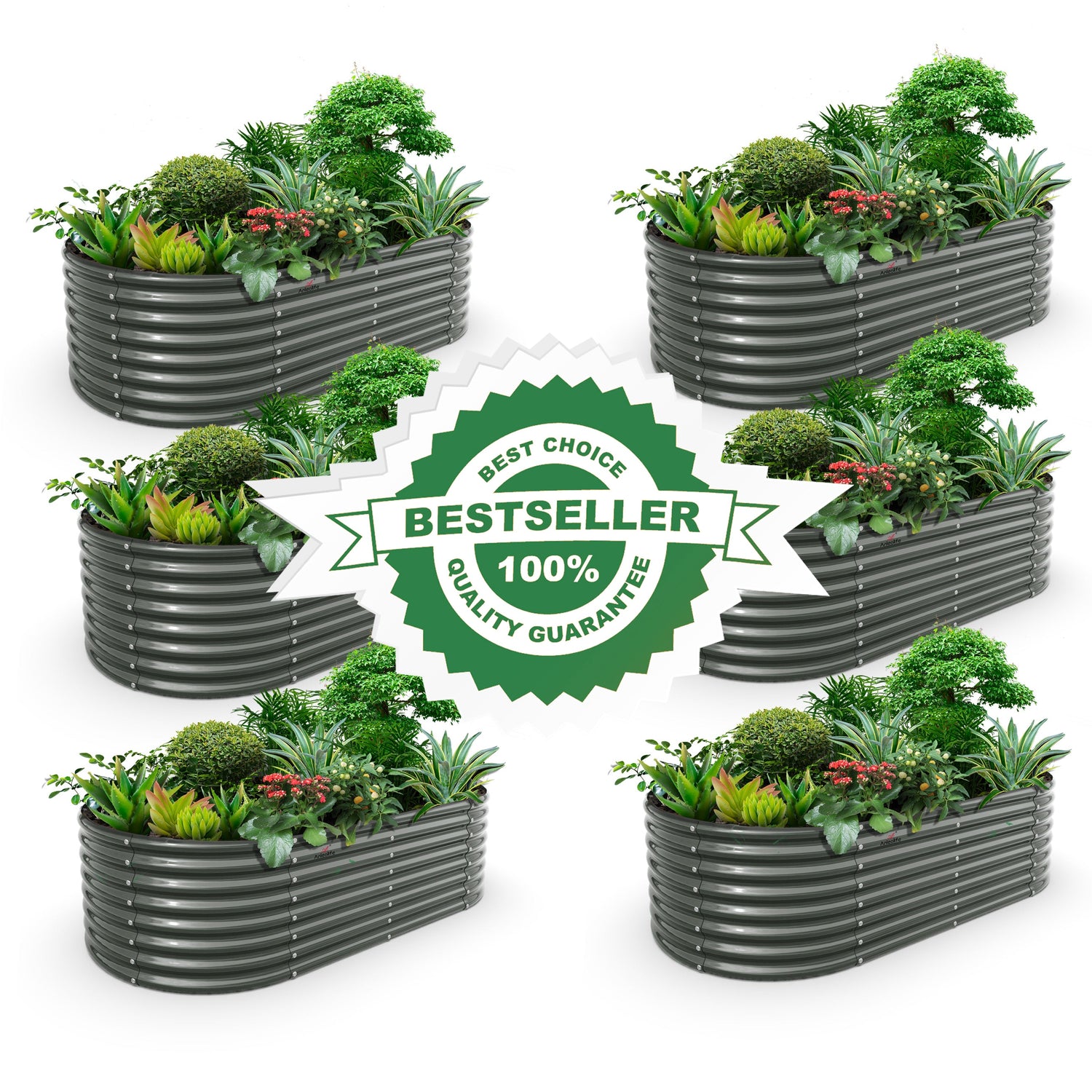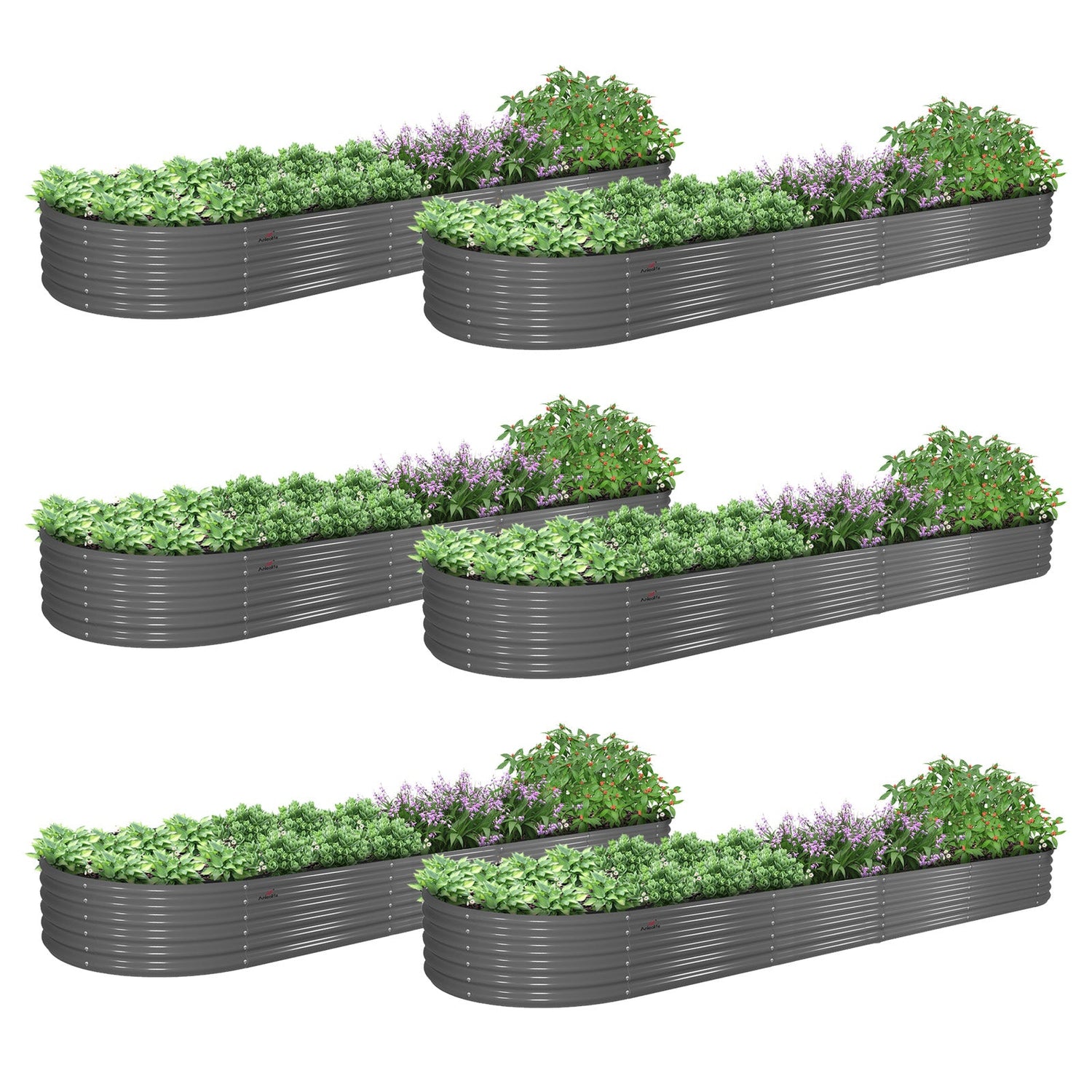



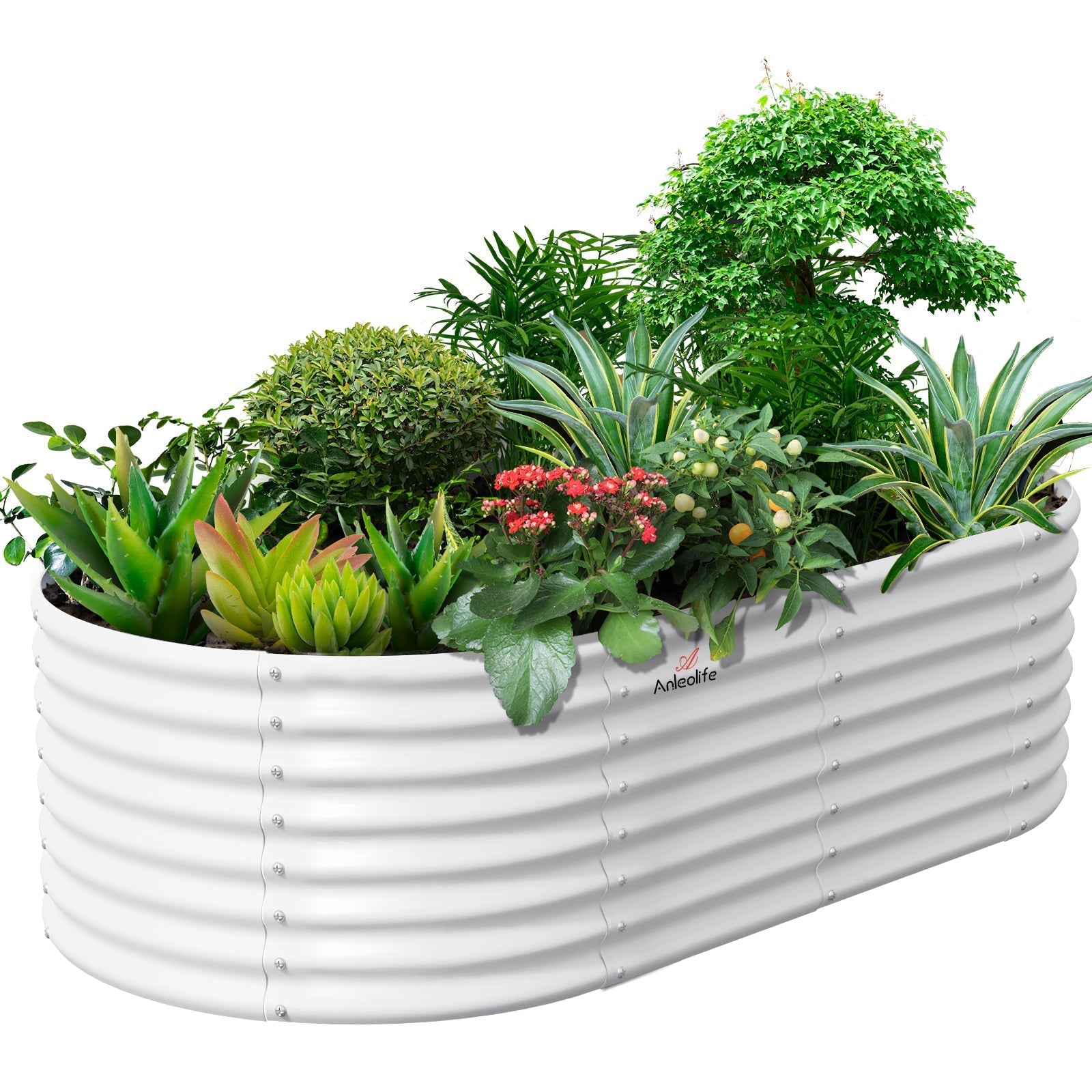
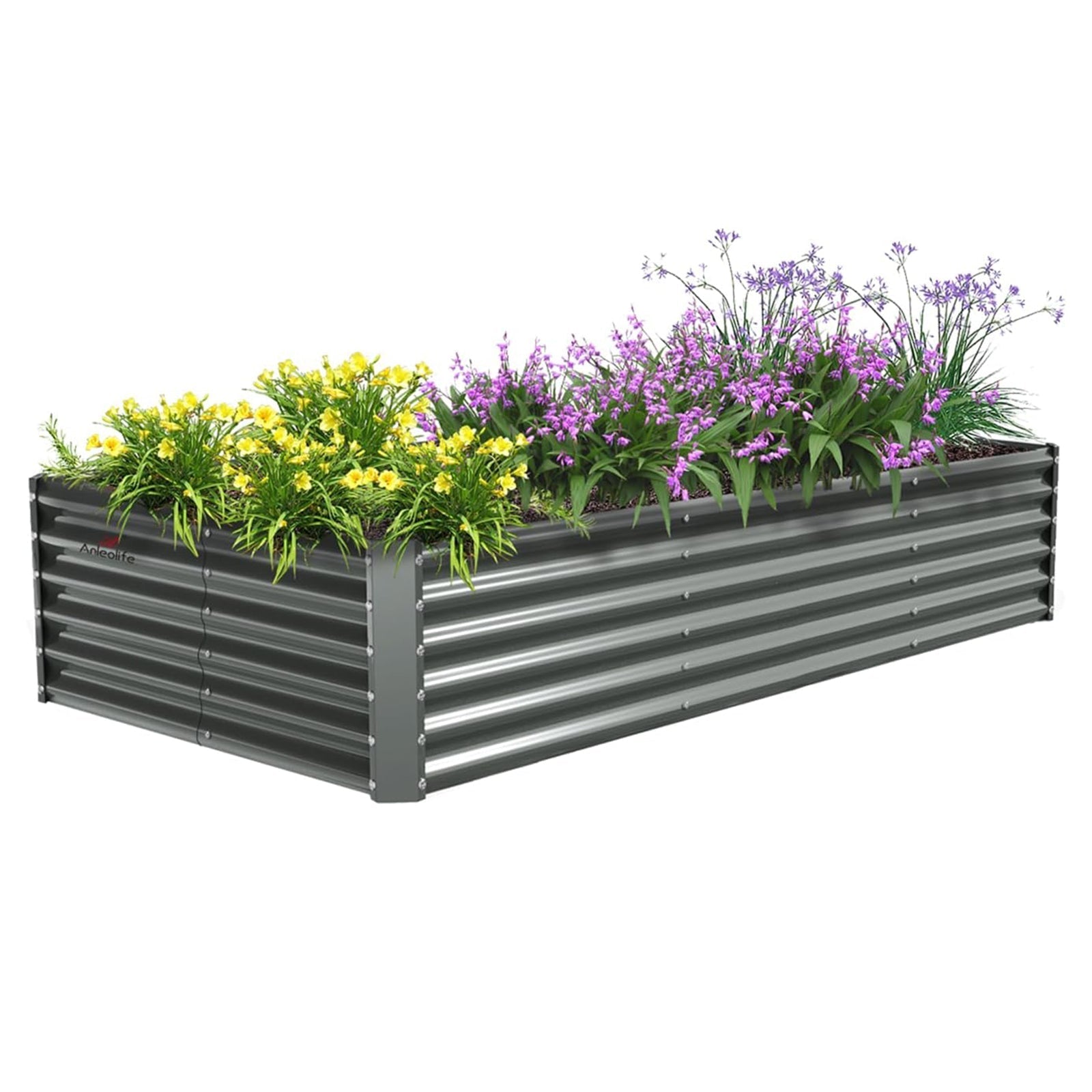

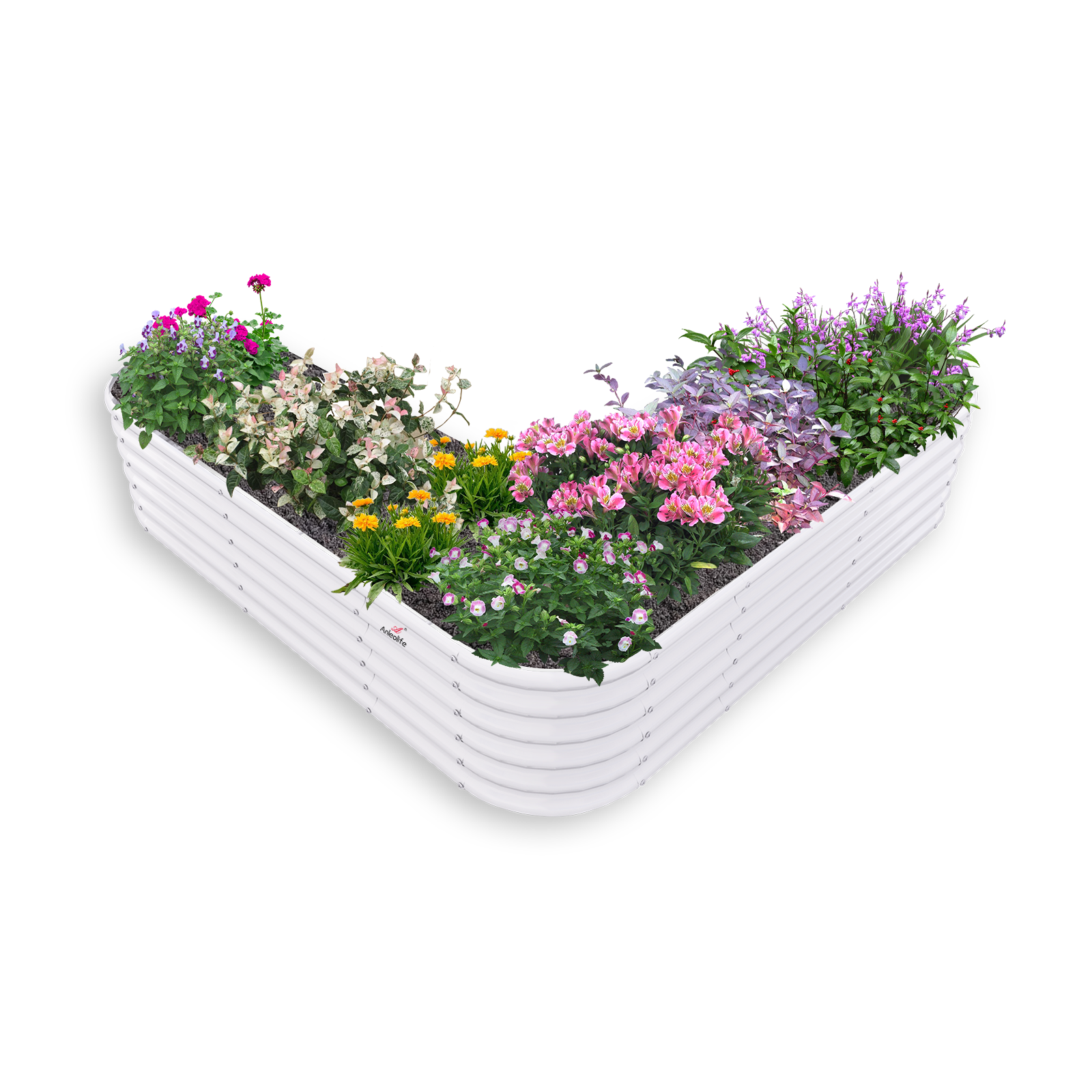
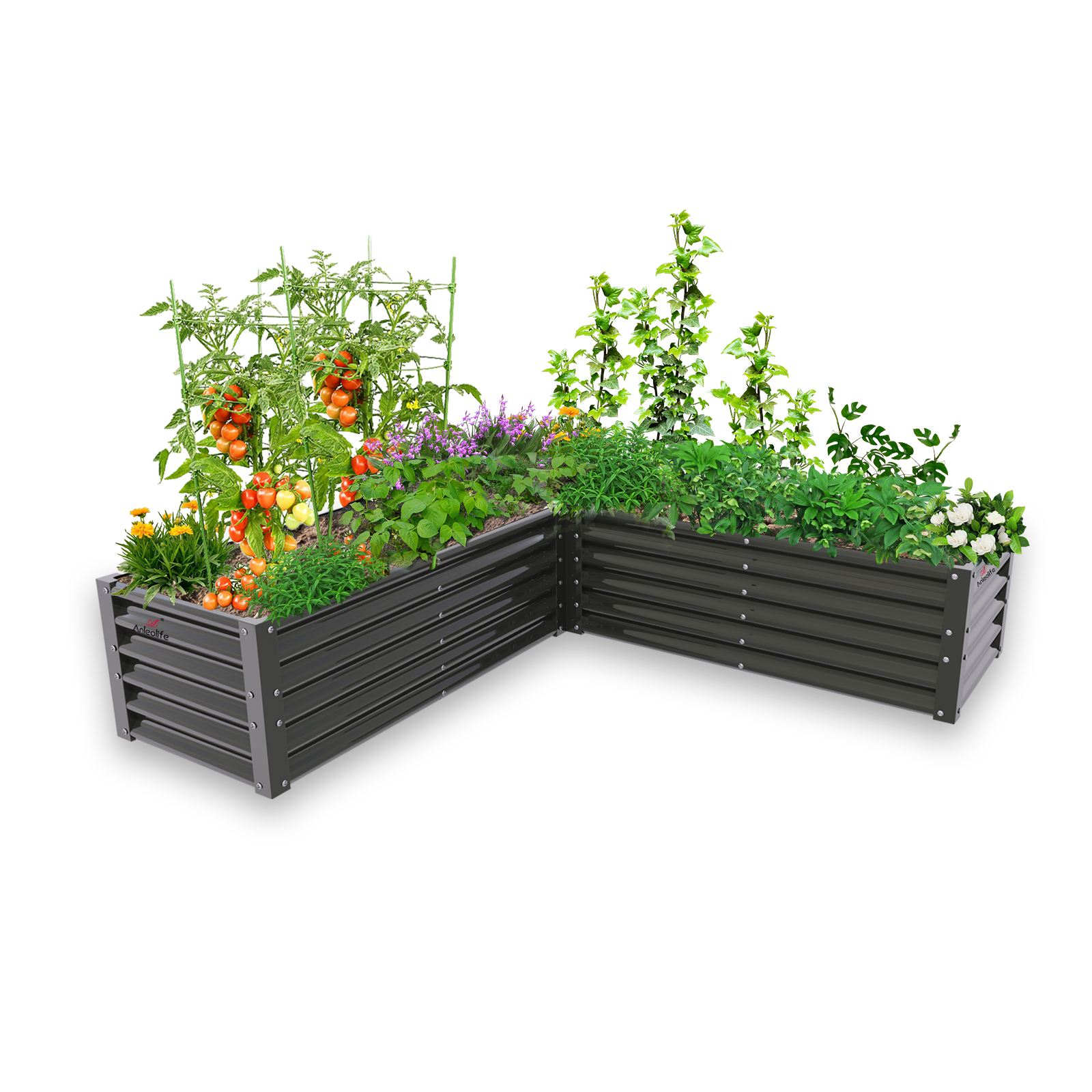
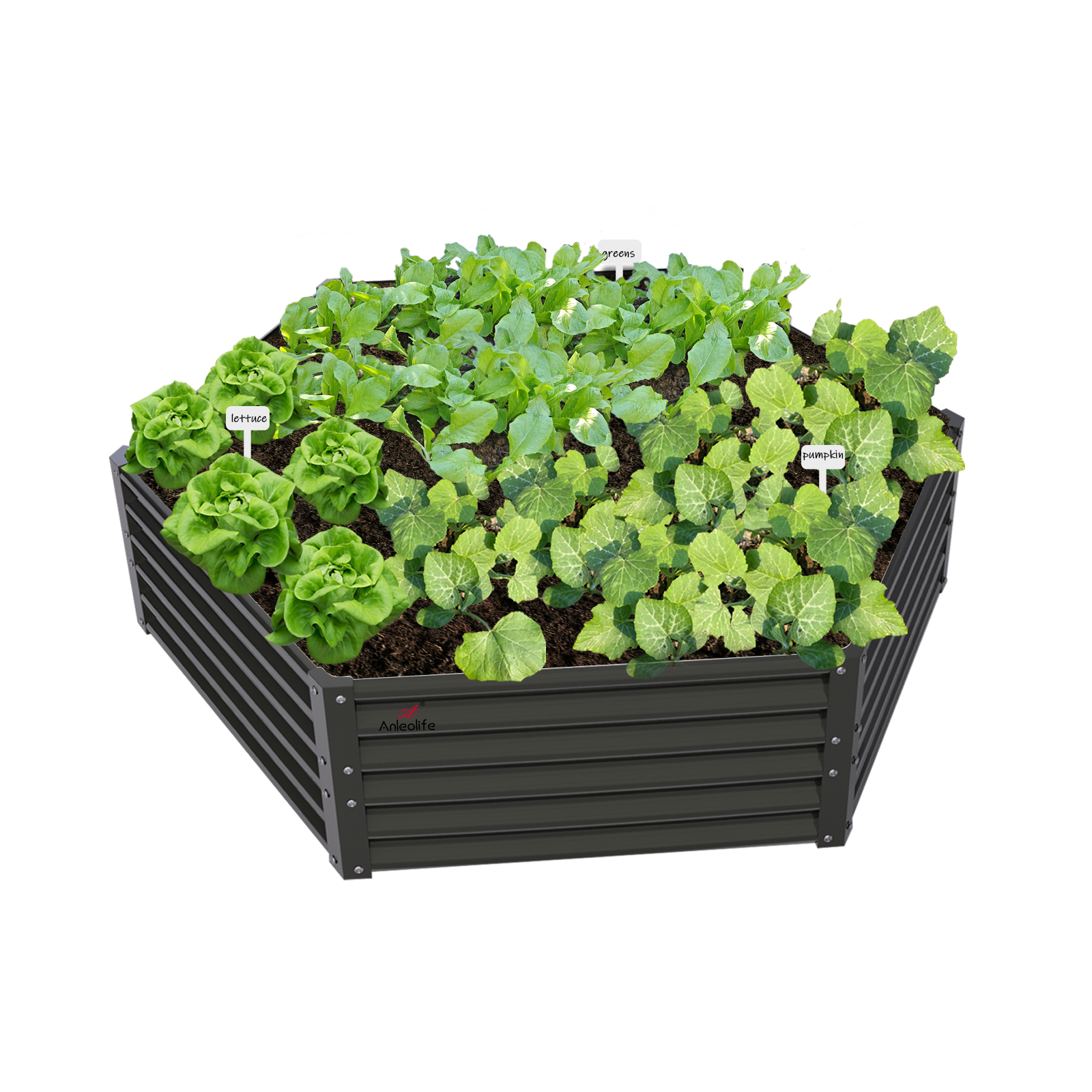
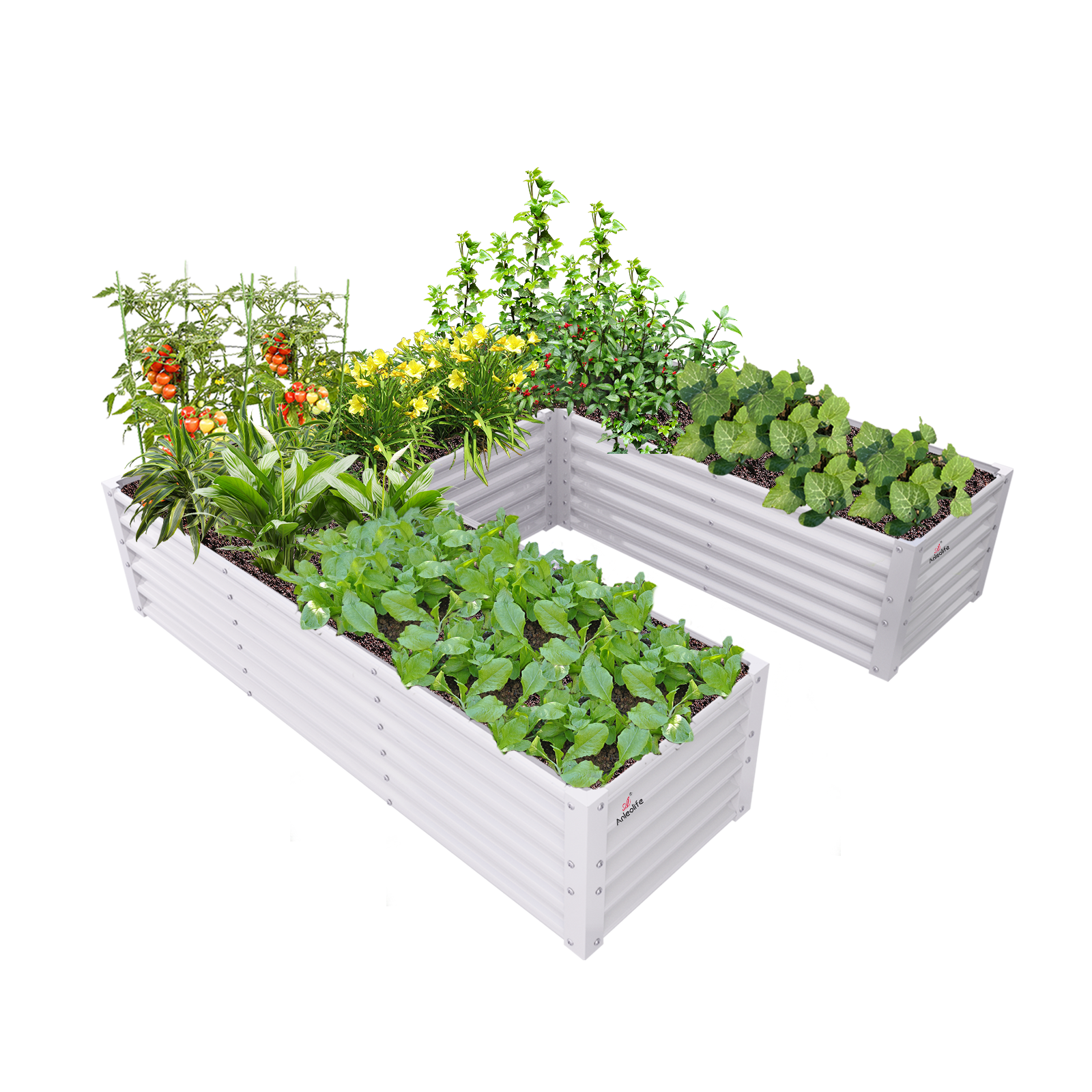

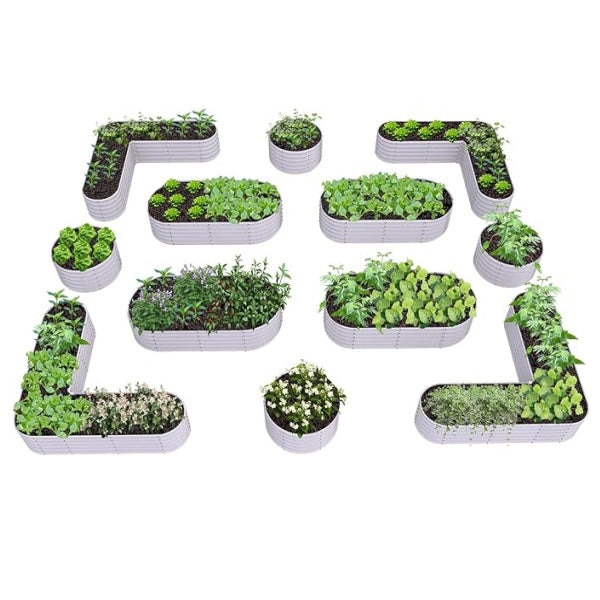


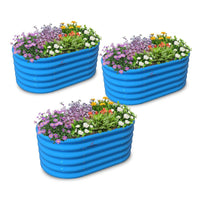
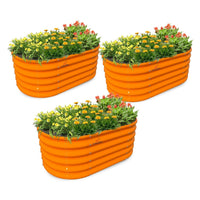
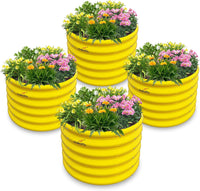
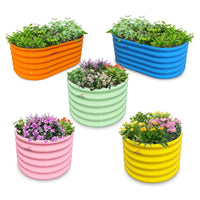
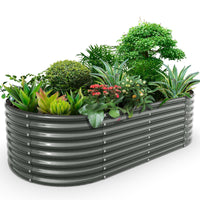



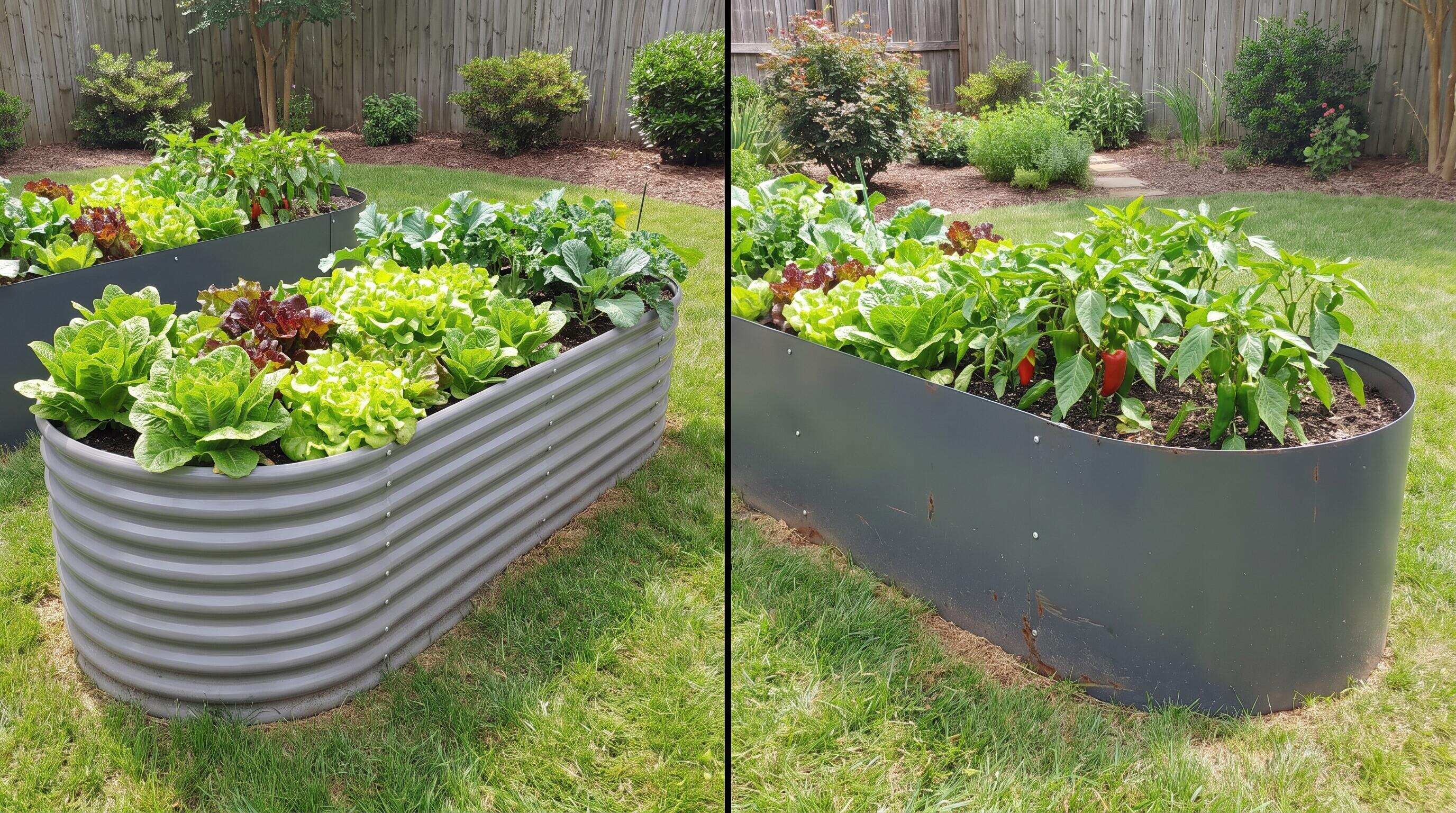
ALT: Galvanized steel raised garden bed compared to powder-coated steel bed resisting rust outdoors
Galvanized vs. Powder-Coated Steel: Which Raised Garden Bed Really Wins the Rust Battle?
The single question home growers ask us most often before committing to a metal raised garden bed is this: does galvanized steel actually resist rust better than powder-coated steel, or is that just good marketing? The direct answer is yes — galvanized steel provides a fundamentally more durable and chemically integrated barrier against corrosion than powder-coat paint alone, though the full story is more nuanced than a one-line comparison. Both materials can work well in a raised bed gardening context, but they work through very different mechanisms, and understanding those mechanisms will help you make the right call for your yard, your climate, and your long-term growing plans.
This topic deserves a deeper analysis right now because the raised garden bed market in North America has expanded dramatically. Consumers have more choices than ever, and manufacturers use coating terminology loosely — sometimes calling a product "rust-resistant" without specifying whether that resistance comes from the base metal or from a surface layer. Getting this distinction wrong can mean replacing a bed after a few seasons instead of enjoying it for a decade or two.
The State of Metal Garden Beds: How We Got Here
Metal raised garden beds are a relatively recent mainstream phenomenon in North American home gardening. For most of the 20th century, wooden beds — cedar, redwood, or pressure-treated lumber — dominated the residential market. Metal was seen as industrial. That perception began to shift as urban homesteading gained momentum and as home growers started demanding longer-lasting, lower-maintenance solutions that didn't require annual sealing or replacement every five to seven years.
Galvanized steel, defined as steel that has been coated with a layer of zinc through either hot-dip or electrolytic processes, had already been used in agricultural troughs and livestock feeders for generations. Farmers understood its durability intuitively. When that same material migrated into the garden bed category, it brought a well-established track record with it. Powder coating, on the other hand, is a finishing technique where dry electrostatically charged powder is applied to a metal surface and then cured under heat to form a hard, smooth skin. Powder coating was adopted by the garden bed industry partly for aesthetic reasons — it offered vibrant, consistent colors — and partly because it added a meaningful layer of surface protection.
Today, most premium metal garden beds use one of three approaches: hot-dip galvanized steel alone, galvanized steel with an additional powder-coat finish applied on top, or mild steel with only a powder-coat finish. Each approach has distinct performance characteristics, and the confusion arises because all three are often marketed under the umbrella term "rust-resistant."
The raised bed gardening movement has also matured in terms of buyer sophistication. According to the National Gardening Association, food gardening participation in the United States has seen sustained growth over recent years, with more households growing their own produce than at any point in recent memory. That growth means more consumers are investing seriously in infrastructure — and they want to know that a raised bed, particularly one holding moist soil continuously, will last. Soil acidity, drainage, humidity, freeze-thaw cycles, and contact with fertilizers and organic matter all create a demanding chemical environment that tests any metal coating over time.
In our work with customers across North America, a pattern we consistently see is that buyers in high-humidity coastal regions, the Pacific Northwest, and the Gulf South are the most anxious about rust. They've often replaced wooden beds repeatedly and are skeptical about whether metal will fare any better. Understanding the science behind each coating method gives those buyers confidence — and that confidence is well-founded when they choose the right material.
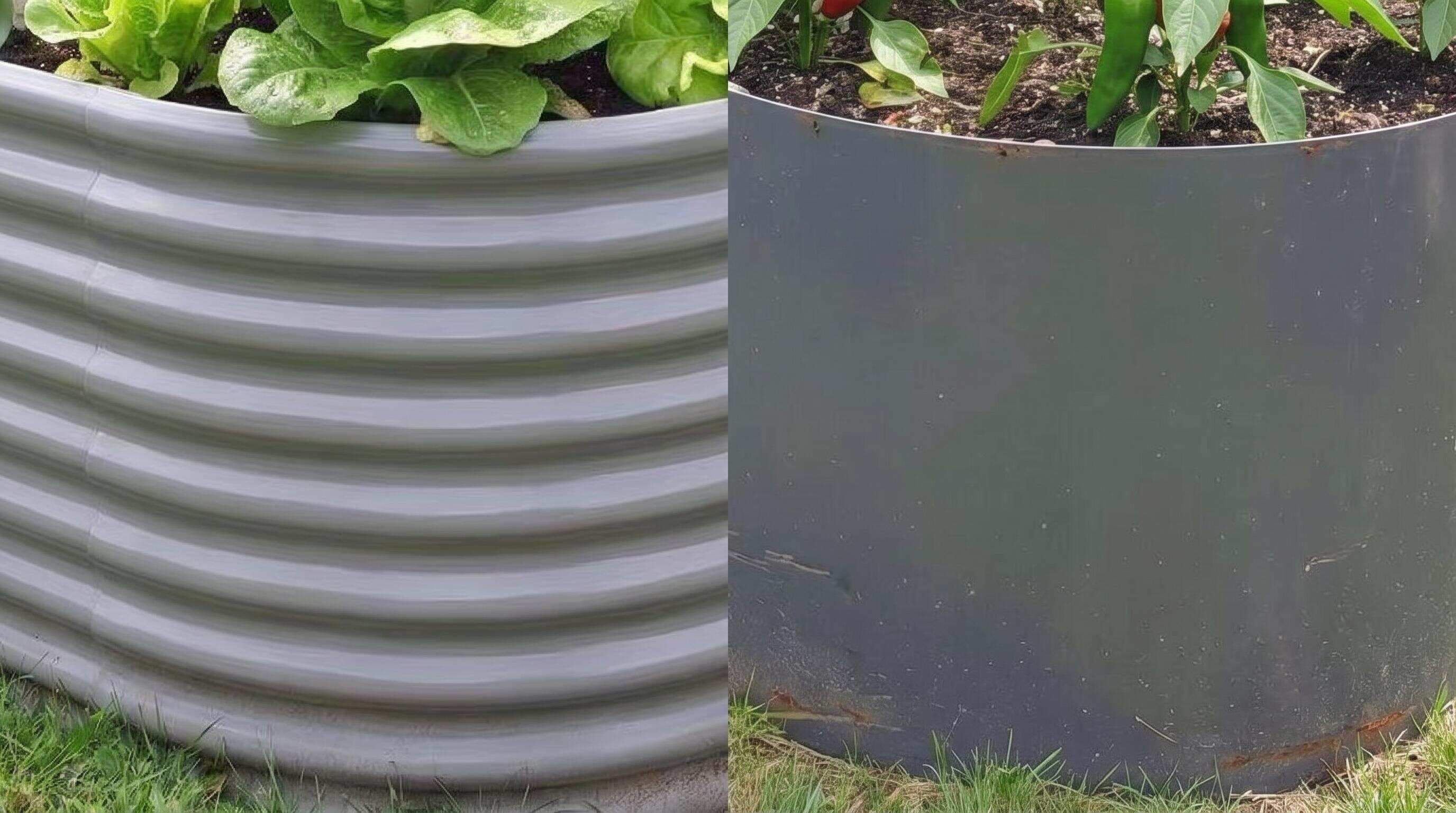
ALT: Close-up comparison of galvanized steel and powder-coated steel surfaces on raised garden beds in outdoor settings
How Each Coating Method Actually Works — and Why It Matters for Rust
The Science Behind Galvanization
Galvanization is an active, metallurgical corrosion defense. When zinc is bonded to the surface of steel — most durably through the hot-dip process, where steel panels are submerged in molten zinc — the zinc doesn't just sit on top of the steel. It forms a series of zinc-iron alloy layers that are chemically integrated with the base metal. This bonded zinc layer protects steel in two distinct ways.
First, it acts as a physical barrier that prevents moisture and oxygen from reaching the steel underneath. Second — and this is the property that sets galvanization apart — it acts as a sacrificial anode. Zinc is electrochemically less noble than steel, meaning that when both materials are exposed to an electrolyte (like moisture), the zinc corrodes preferentially, drawing corrosive attack away from the steel. In practice, this means that even if a galvanized surface is scratched or nicked, the surrounding zinc continues to protect the exposed steel through this electrochemical mechanism. The steel does not rust immediately upon contact with the scratch. This is sometimes called cathodic protection, and it is recognized as a fundamental corrosion-resistance principle by ASTM International, the standards body that governs galvanizing specifications in North America.
The Science Behind Powder Coating
Powder coating is a passive barrier defense. A layer of polymer resin — typically polyester or epoxy — is electrostatically applied to the metal surface in dry powder form, then cured at elevated temperature to form a hard, continuous film. A well-applied powder coat is smooth, impact-resistant, and highly effective at keeping moisture and oxygen away from the steel beneath it, which is why it dramatically extends the life of mild steel compared to bare or simply painted metal.
The critical limitation is what happens when that barrier is breached. Because powder coating is a surface film rather than a chemically integrated layer, any scratch, chip, or edge where the coating is thin or discontinuous becomes a point of vulnerability. Once moisture reaches the bare steel at that point, rust begins — and it can spread laterally beneath the coating in a process called undercutting, lifting the surrounding coating as it expands. This means a small scratch on a powder-coated mild steel bed can lead to a rust patch significantly larger than the original damage.
The Compounding Factor: Soil Contact and Moisture
A raised bed garden holds moist soil continuously. Unlike a piece of powder-coated outdoor furniture that dries between rain events, a garden bed panel is in sustained contact with damp, biologically active growing medium for the entire growing season. That soil contains organic acids, dissolved minerals, and microbial activity that can accelerate corrosion chemistry. For a galvanized surface, this sustained contact is manageable — the zinc layer continues to sacrifice itself gradually while protecting the steel for an extended service life. For a powder-coated mild steel surface, sustained moisture contact at any coating discontinuity accelerates undercutting and rust spread.
This is why, in our professional assessment, galvanized steel consistently outperforms plain powder-coated mild steel over multi-year outdoor use — particularly in the soil-contact zones at the base of a garden bed panel where moisture exposure is highest and most persistent.
When Both Technologies Combine
The most durable raised garden beds on the market today use galvanized steel as the base material and then apply a powder-coat finish on top. This combination gives you the active, sacrificial protection of zinc at the metallurgical level and the additional barrier protection and color customization of a polymer topcoat. At Anleolife, this layered approach is central to how we engineer beds designed for a 20-year lifespan — because we believe that longevity should be built into the material, not promised through marketing language alone.
Evidence and Multi-Angle Comparison
Real-world field performance, material science literature, and customer experience across different climates all point in the same direction: galvanized steel's corrosion resistance is more robust and more self-healing than powder coat alone on mild steel. ASTM International maintains published standards (ASTM A123 covers hot-dip galvanizing on fabricated steel products) that define acceptable zinc coating thicknesses correlated with expected service life. While specific figures vary by exposure environment, the general principle documented in these standards is that thicker zinc coatings provide proportionally longer service.
Academic corrosion science literature — accessible through institutions such as the Electrochemical Society — consistently documents that cathodic protection, the mechanism underpinning zinc galvanization, is one of the most reliable and field-proven forms of active metal protection available for steel structures exposed to weather and soil contact.
From a practical field perspective, in our work with home growers across different North American climate zones — from arid Southwestern landscapes to humid Southeastern gardens — a pattern we consistently see is that galvanized beds show far less rust-related deterioration over time than beds relying solely on a surface coating applied over unprotected mild steel.
The comparison table below synthesizes the key dimensions across the main options available to a raised bed garden shopper today:
| Perspective / Approach | Strengths | Trade-offs | Best Fit |
|---|---|---|---|
| Galvanized steel only | Active cathodic protection; scratch-resistant corrosion defense; proven agricultural heritage; long service life | Industrial appearance; limited color options; zinc may weather to gray patina over time | Growers prioritizing maximum rust resistance and longevity over aesthetics |
| Powder-coated mild steel only | Wide color options; attractive smooth finish; good initial barrier protection | No active protection if coating is breached; scratches lead to rust spread; performance degrades faster in sustained moisture contact | Decorative applications, shorter-term use, or low-humidity climates |
| Galvanized steel + powder coat (combined) | Best of both worlds: active zinc protection beneath a durable, colorful topcoat; most robust option for soil-contact applications | Slightly higher cost; quality depends on both the galvanizing and the powder-coat process | Serious home growers wanting long-term durability and visual appeal in one product |
| Stainless or Corten alternatives | Very high corrosion resistance; distinctive appearance | Significantly higher cost; overkill for most residential raised bed uses | High-budget or architectural applications |
The takeaway from this comparison is clear for anyone planning a raised bed garden layout: if you expect your beds to serve you through many growing seasons, the material choice is not cosmetic — it is structural. Beds that look identical at the point of sale can perform very differently after two or three years of soil contact and seasonal weathering.
For those actively exploring raised bed planting layout options, resources like Savvy Gardening's 4x8 raised bed vegetable garden layout guide offer practical planting arrangement ideas that work best when paired with durable beds capable of supporting years of successive cropping.
Where the Industry Is Heading — and What It Means for Your Garden
The metal garden bed industry is moving steadily toward higher transparency in material specifications. Sophisticated buyers increasingly ask manufacturers to state not just "rust-resistant" but specifically whether a product is galvanized, what the zinc coating weight is, and whether a powder coat is applied over galvanized or over bare mild steel. This shift in consumer expectations is healthy and mirrors similar quality conversations that happened earlier in industries like outdoor furniture and metal roofing.
For home growers, this trajectory means the gap between a genuinely long-lasting bed and a decorative but shorter-lived alternative is becoming easier to identify — if you know what to look for. Our recommendation: always ask whether a bed's rust resistance is passive (coating only) or active (galvanized base), and favor products where the manufacturer openly discusses both.
From a soil system perspective, well-chosen beds also allow you to invest in premium raised bed gardening soil mixes without worrying that the container itself will compromise your plants before the soil investment pays off. A bed that rusts prematurely doesn't just look bad — it can introduce iron oxide scale into your soil system and, in extreme cases, affect drainage and root health.
For empty nesters and retirees building a garden that should serve them for decades without constant maintenance, or for eco-conscious families who prefer to buy well once rather than replace repeatedly, the investment in galvanized construction is straightforwardly the right call. The Anleolife lineup of galvanized raised garden beds — available in a wide range of configurations including heights from 18 inches to 35 inches and footprints spanning compact 4x2 formats through expansive 12x3 and 10x3 options — is engineered with a 20-year lifespan as the design target, not an aspiration.
Actionable guidance for any home grower evaluating beds right now:
- Request or research the base material specification before purchasing — galvanized steel versus powder-coat-only over mild steel is the most important distinction.
- Consider your local climate: high-humidity, coastal, and high-rainfall regions will stress surface-only coatings faster than arid zones.
- Look for beds where the manufacturer explicitly discusses the coating process, zinc layer, and expected service life.
- Plan your raised bed layout with long-term infrastructure in mind — choosing durable beds means your layout stays intact season after season without rebuilding.
- If you're sourcing pre-planned garden designs, tools like Gardeners.com's Pre-Planned Gardens can help you visualize your planting scheme once you've committed to beds built to last.
Common Questions
Q1: How can I tell whether a garden bed is truly galvanized or just powder-coated over mild steel?
The most reliable method is to ask the manufacturer directly for the material specification — specifically, whether the base steel is hot-dip galvanized before any coating is applied. Galvanized products often reference ASTM standards for their zinc coating. Visually, cut edges or uncoated interior surfaces of galvanized steel show a characteristic crystalline or spangle pattern, sometimes called a "spangled" finish, that bare or powder-coated mild steel does not exhibit. When in doubt, ask the seller whether the rust resistance is active (zinc-based) or passive (coating only).
Q2: Is galvanized steel safe for growing vegetables in a raised bed?
Galvanized steel is widely considered safe for vegetable gardening by horticultural researchers and cooperative extension services across North America. The zinc coating is chemically stable in typical garden soil pH ranges. Plants do require small amounts of zinc as a micronutrient, and any zinc that migrates from a galvanized surface into the surrounding soil is generally below thresholds of concern. The soil volume in a raised bed planting layout also dilutes any trace migration significantly. If you grow in highly acidic soils, lining the interior with a food-safe barrier is an optional precaution some growers prefer.
Q3: How long does a quality galvanized raised garden bed actually last compared to powder-coated mild steel?
A well-constructed galvanized steel raised garden bed is typically designed for a significantly longer service life than a powder-coated mild steel equivalent. At Anleolife, our galvanized beds are engineered for a 20-year lifespan — that design target reflects both the zinc coating's gradual sacrificial protection and the structural integrity of the steel gauge used. Powder-coated mild steel beds, by contrast, may show meaningful rust development at coat breaches within a few years in humid or high-moisture environments, depending on coating quality and soil contact conditions.
Wrapping Up
The galvanized versus powder-coated debate is not just a technical footnote — it is the single most important material decision you will make when choosing a raised garden bed built to last.
Key Takeaways:
- Galvanized steel protects through active, electrochemical cathodic protection, meaning even scratched surfaces retain meaningful corrosion resistance — a fundamental advantage over passive coating-only approaches.
- Powder coat over mild steel is a barrier defense only; once that barrier is breached, rust can spread laterally beneath the coating, accelerating deterioration.
- The most durable beds combine galvanized steel as the base material with a powder-coat finish on top, delivering both active corrosion protection and visual appeal.
- Sustained soil contact, moisture, and organic acids make the garden bed environment particularly demanding — material choice matters more here than in most outdoor metal applications.
- A bed engineered for a 20-year lifespan is an investment, not an expense — it anchors your raised bed garden layout for decades of productive growing.
The practical next step is straightforward: choose beds where the manufacturer specifies galvanized construction, openly discusses the coating process, and stands behind a genuine long-term lifespan. That transparency is the clearest signal that the product is built for the real conditions of home gardening, not just the showroom floor.
Ready to build a raised bed garden layout that truly lasts? Explore the full Anleolife range — from compact starter beds to expansive multi-bed configurations — at the Anleolife website, or find us on Amazon, Walmart, Home Depot, Lowe's, and Wayfair. With warehouse locations across California, Texas, Florida, New York, Illinois, and Washington, delivery takes just 3–8 business days — so your growing season doesn't have to wait. Whether you're starting with your first galvanized bed or expanding into a full planting-and-raising ecosystem, Anleolife grows with you every step of the way.
Sources & Citations
- ASTM International. "Standard Specification for Hot-Dip Galvanized (Zinc) Coatings on Iron and Steel Products."
https://www.astm.org/ - Savvy Gardening. "4x8 Raised Bed Vegetable Garden Layout Ideas."
https://savvygardening.com/4x8-raised-bed-vegetable-garden-layout/ - Gardeners.com. "Pre-Planned Gardens — Kitchen Garden Planner."
https://www.gardeners.com/pages/kitchen-garden-planner-preplanned-gardens
Note: Standards may be updated; please check the latest official documents or consult professional advisors.