


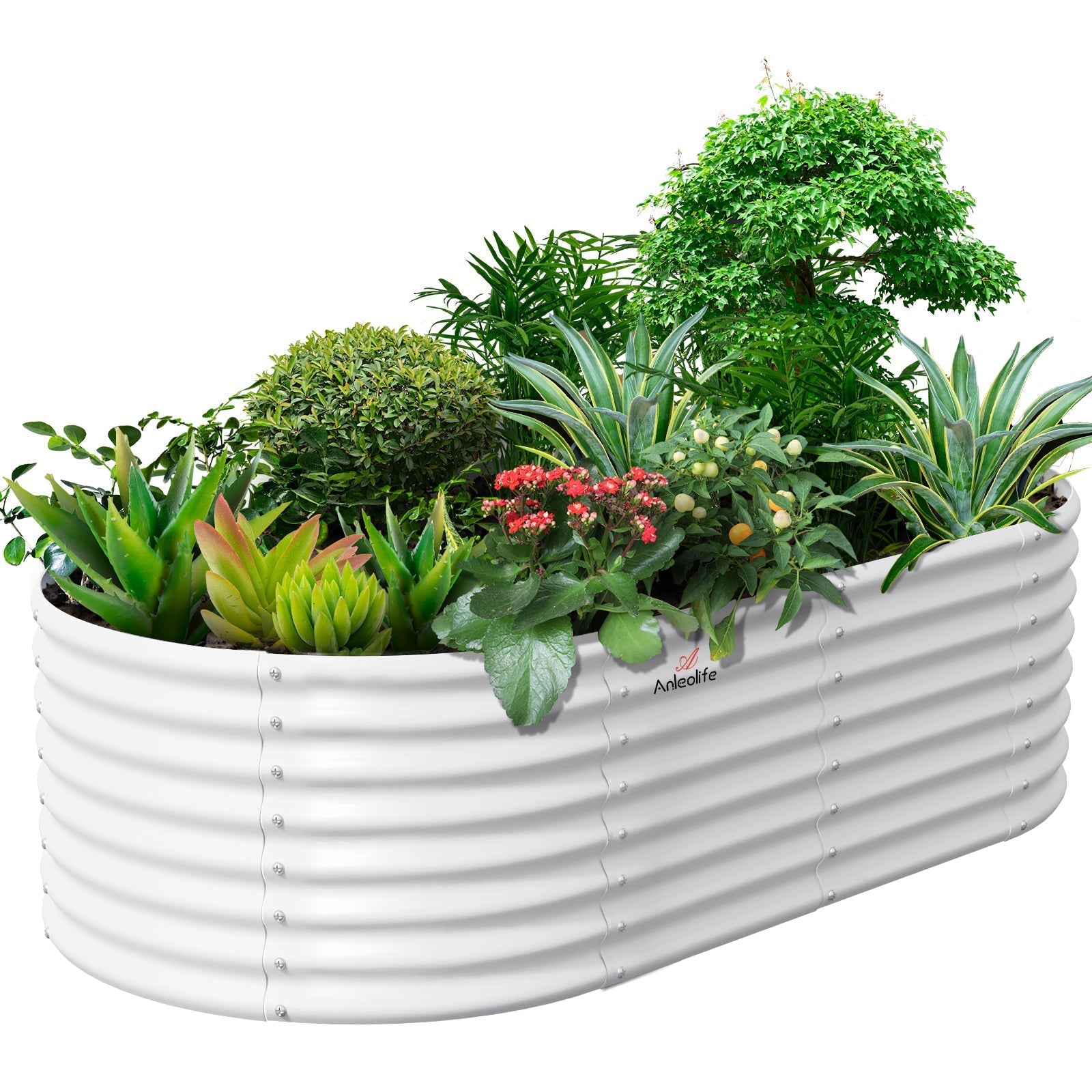
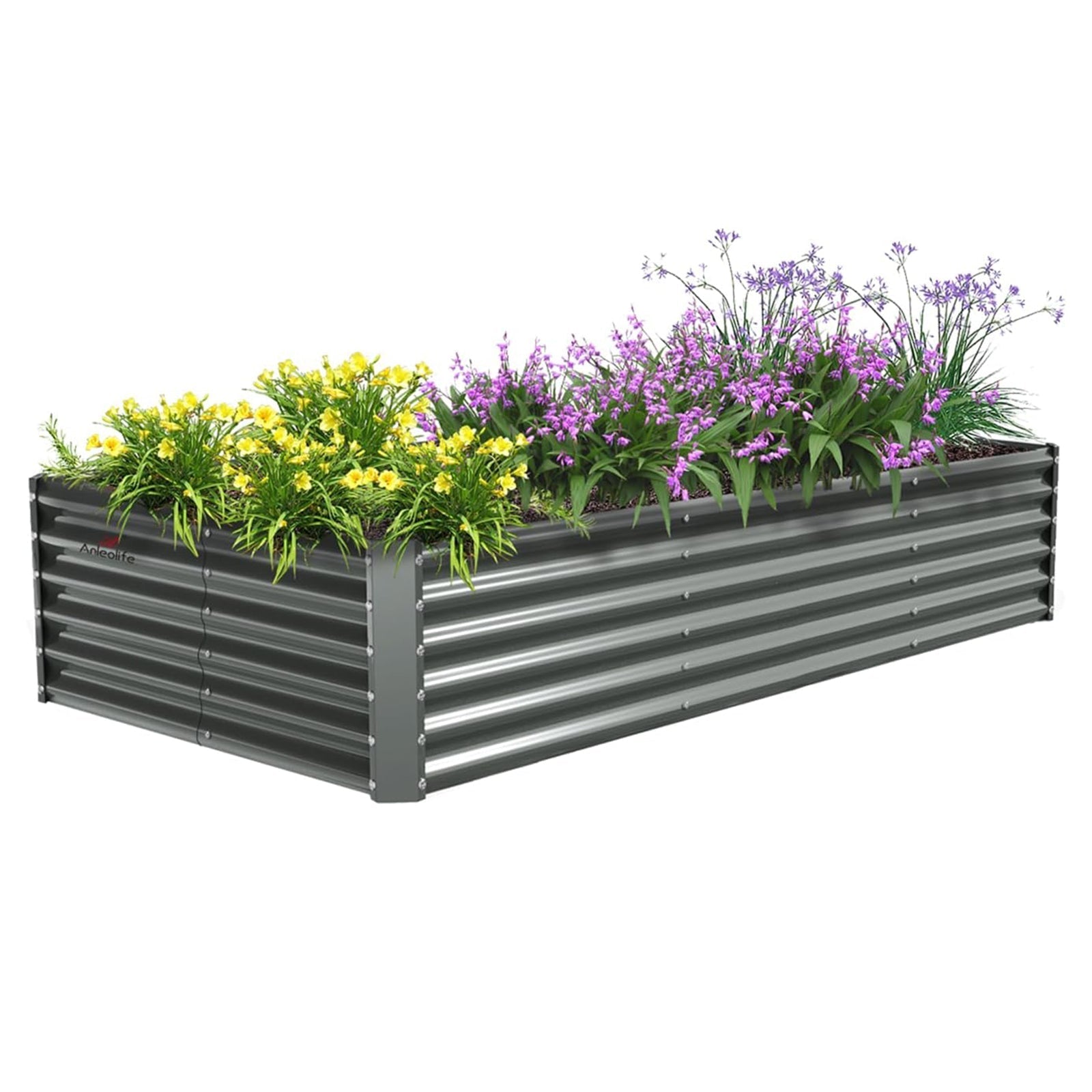

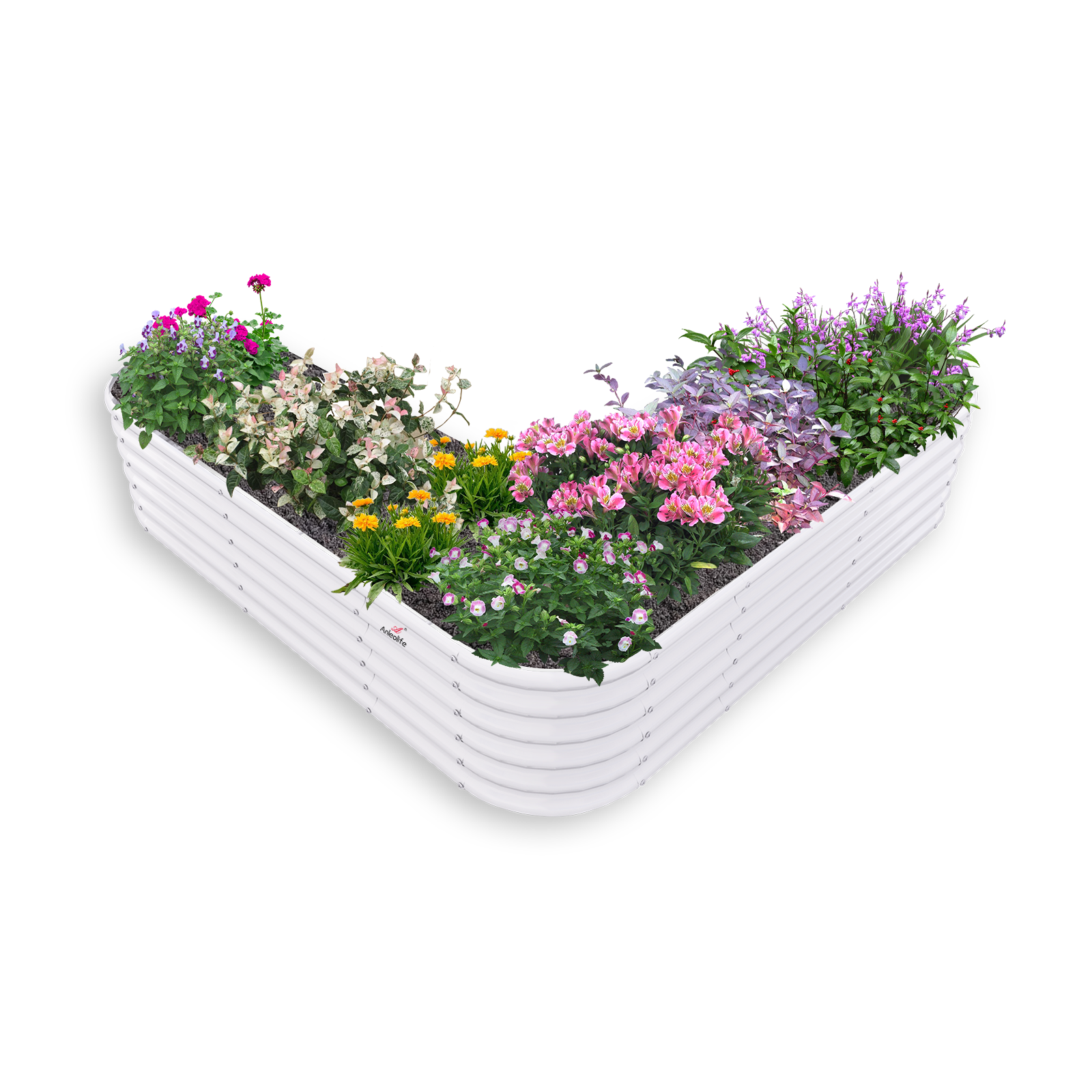
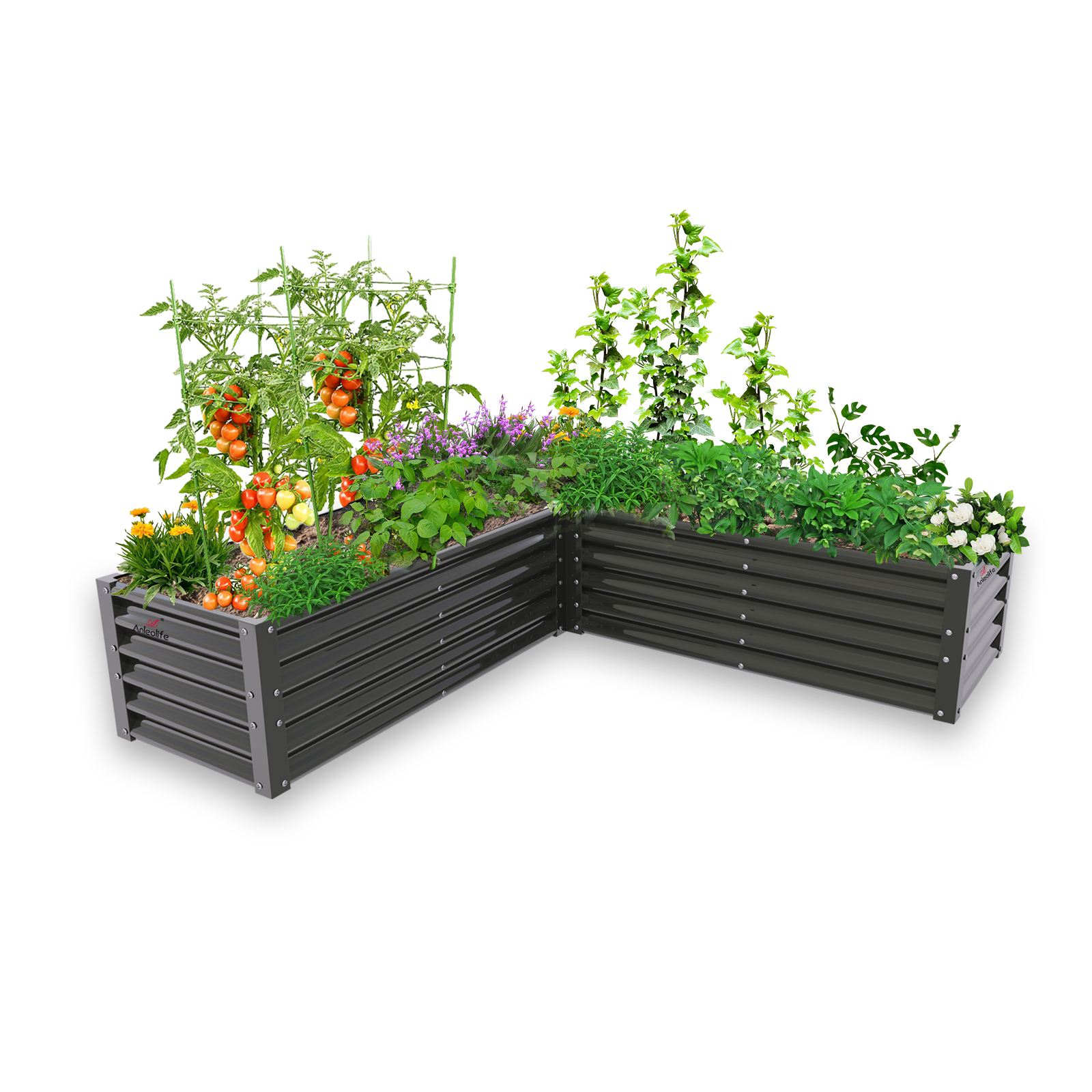
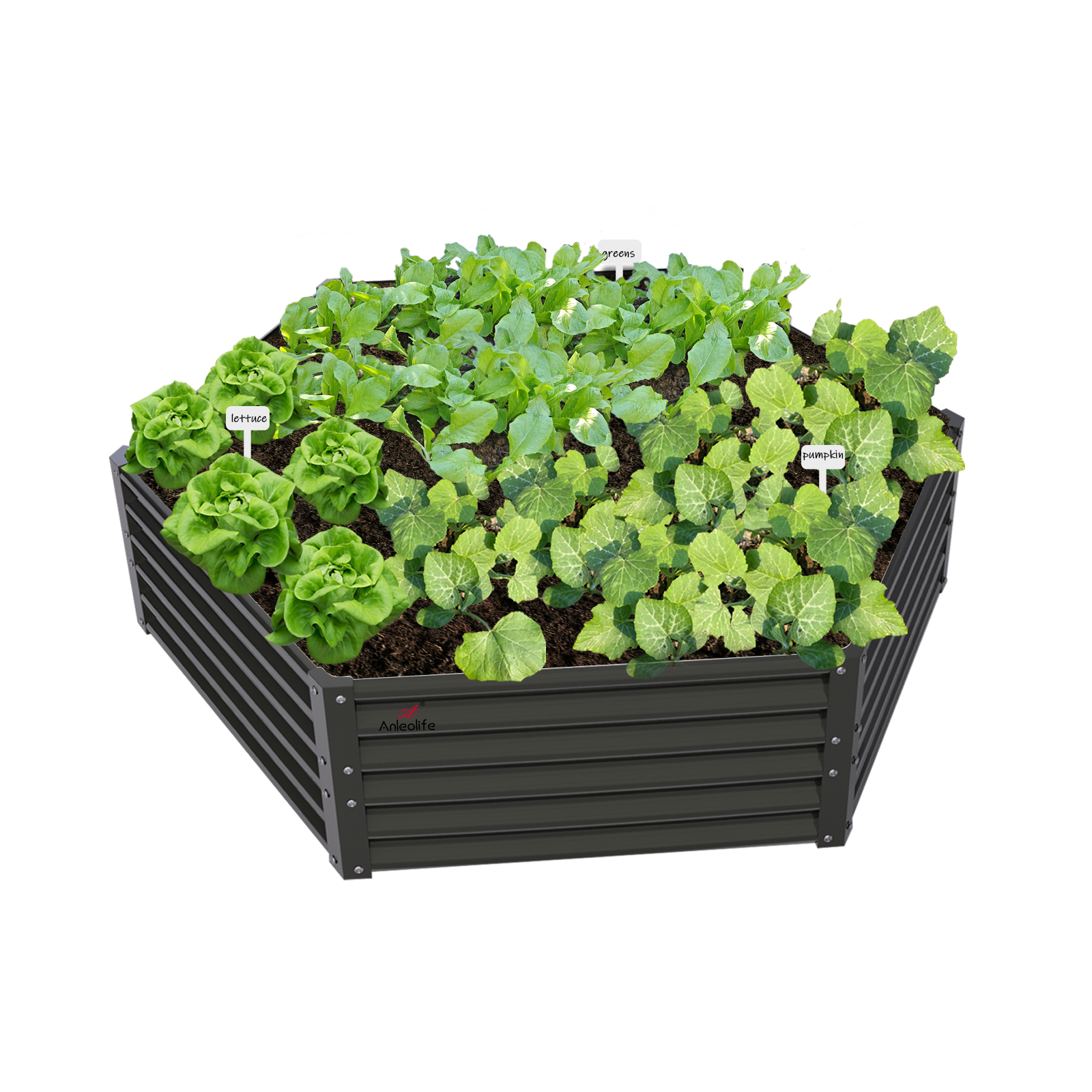
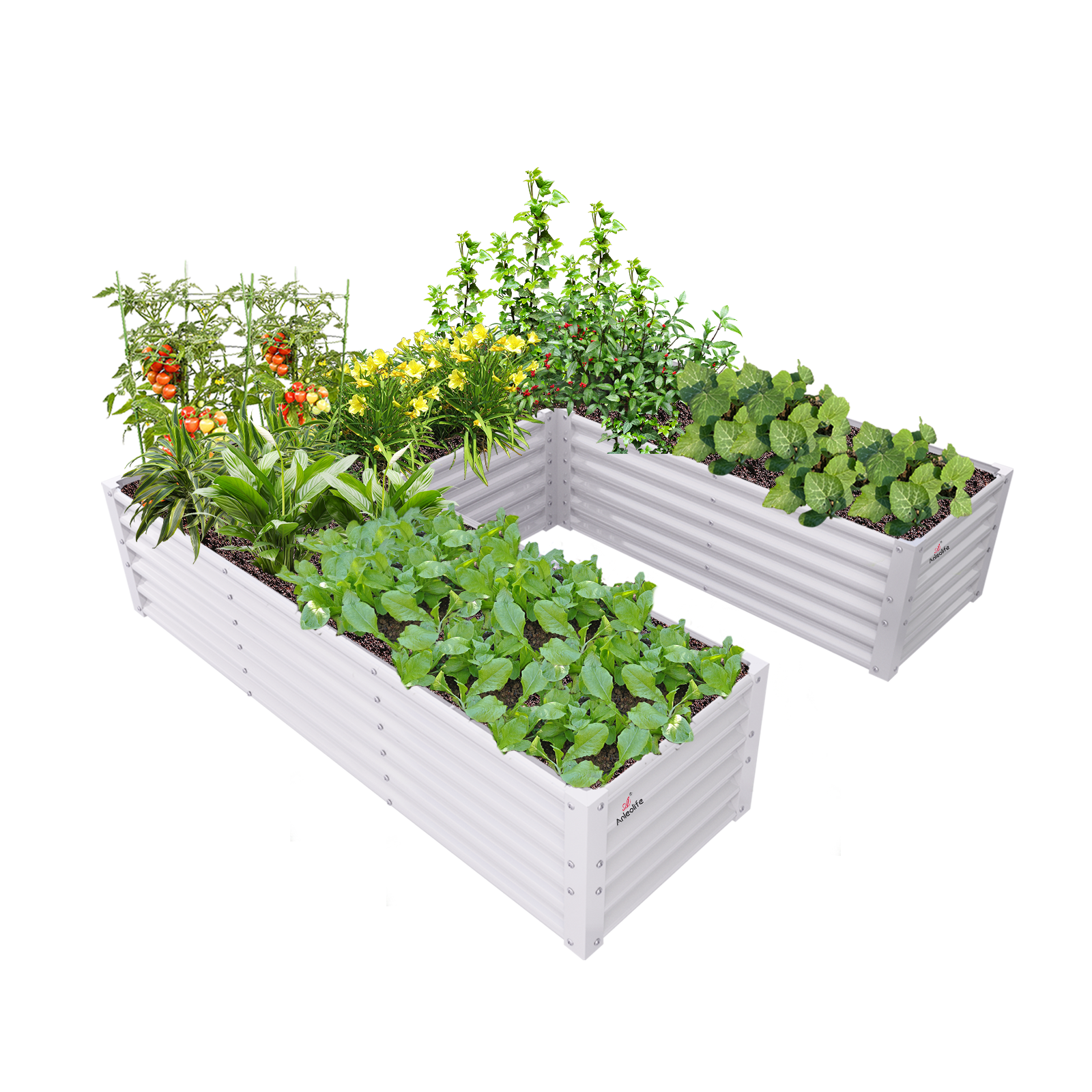

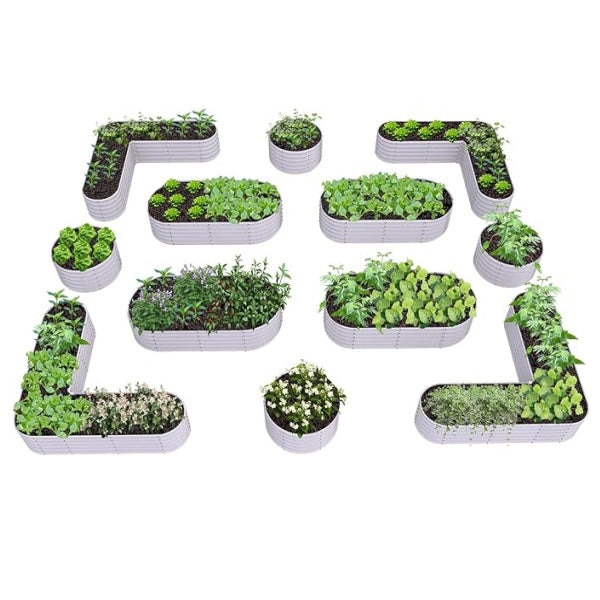


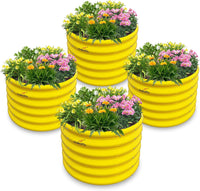
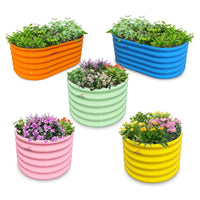
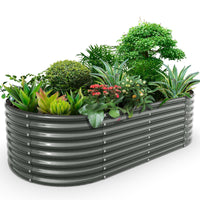




ALT: Galvanized steel raised garden bed with thriving vegetables, demonstrating safe zinc levels for home growing
Are Galvanized Steel Garden Beds Safe for Growing Vegetables? Here's What the Science Actually Says
Key Conclusion: Concerns about galvanized steel garden beds leaching harmful levels of zinc into vegetables are largely overblown. Research and soil science consistently show that the zinc released from galvanized coatings is minimal, typically well below levels that would threaten plant health or human safety. For health-conscious home growers investing in a best veggie garden setup, understanding the actual chemistry behind zinc, soil behavior, and plant uptake is essential before making any material decisions for your raised bed garden.
For anyone who has spent time researching the best backyard garden accessories for small spaces or planning a new spring vegetable garden, you've almost certainly come across the heated debate about galvanized steel garden beds. Are they safe? Will zinc leach into your carrots and tomatoes? Can you trust them for long-term organic growing?
These are fair and important questions—especially for eco-conscious gardeners, families with young children, or retirees building a dream kitchen garden. The good news is that the science is on your side, and this article breaks down everything you need to know in plain, practical language.
Who Should Read This: Scenarios Where Galvanized Bed Safety Matters Most
✅ Applicable Scenarios:
- Home growers planning a spring vegetable garden with raised beds and wanting to verify material safety before purchasing
- Urban micro-gardeners with limited outdoor space who need durable, space-efficient solutions and are evaluating which materials are best for raised beds in wet climates
- Empty nesters and retirees transitioning from in-ground gardening to raised beds for ergonomic comfort
- Health-focused families seeking organic or near-organic growing conditions and questioning whether galvanized steel meets their standards
- Gardeners in high-rainfall or humid climates where material durability and corrosion resistance are top priorities
❌ Not Applicable/Cautions:
- Growers with extremely acidic soil (pH below 5.5) in long-term continuous use without pH management—acidic conditions can accelerate zinc release, though still rarely to dangerous levels
- Anyone planning to plant zinc-hyperaccumulator species (such as certain alpine plants) in close proximity over many years without soil testing
- Situations where local regulations or certified organic certifying bodies specifically prohibit galvanized metal contact with growing media (always check your specific certification requirements)
The Background: Why People Worry About Zinc Leaching in the First Place
The concern about galvanized metal in gardens isn't irrational—it comes from a reasonable line of thinking. Galvanized steel is coated with zinc to prevent rusting, and zinc is a heavy metal. Heavy metals in food? That's understandably alarming.
But the leap from "zinc coating exists" to "your vegetables are being poisoned" skips over several important layers of soil chemistry, plant physiology, and toxicology.
Zinc is actually an essential micronutrient. Both plants and humans need zinc to function properly. The human body requires zinc for immune function, wound healing, and protein synthesis. Plants need it for enzyme activation, chlorophyll production, and overall growth. The real question isn't whether zinc is present—it's whether it's present at harmful concentrations.
Interest in raised bed gardening has exploded over the past decade. According to the National Gardening Association, millions of American households engage in food gardening, with raised bed adoption accelerating dramatically. As more gardeners look for the best brands for garden supplies, the question of long-term material safety has become a mainstream conversation rather than a niche concern.
The concern about galvanized zinc specifically gained momentum alongside the broader movement toward toxin-free living. When people began scrutinizing every ingredient in their food, they naturally extended that scrutiny to their growing containers and bed materials. Pressure-treated wood raised concerns about arsenic (a legitimate concern with older CCA-treated lumber). Plastic raised beds raised questions about BPA and phthalate leaching. Galvanized steel raised questions about zinc.
Of the three, galvanized steel arguably has the most favorable scientific profile—but the debate has lingered because of a lack of clear, accessible information rather than actual evidence of harm.
It's also worth understanding the timeline of exposure. A new galvanized coating will oxidize over the first few years, forming a stable zinc carbonate patina. After this initial period, zinc release slows dramatically. Gardeners who are asking about a bed they've had for five or ten years are dealing with a structure that has largely stabilized from a chemical release standpoint.
Understanding these foundational facts allows you to make an informed, confident decision—rather than reacting to fear-based content that conflates "zinc exists" with "zinc is poisoning your food."
The Science of Zinc Leaching: A Practical Deep Dive
Three Key Questions Every Gardener Should Ask
Step 1: How Much Zinc Actually Leaches from Galvanized Steel?
The galvanizing process applies a protective zinc coating to steel through hot-dip immersion or electroplating. When exposed to moisture and air, the surface zinc oxidizes and forms zinc hydroxide and zinc carbonate—a stable, less reactive compound often called "white rust." This patina layer actually acts as a self-sealing barrier that reduces further zinc release over time.
Scientific studies examining zinc release from galvanized containers consistently find that the amounts released into adjacent soil are small. A study published in peer-reviewed horticultural literature found that even in mildly acidic soil conditions, zinc concentrations near galvanized walls remained within ranges considered safe for food crops. The corrosion rate of modern hot-dip galvanized steel is measured in micrometers per year—we are talking about genuinely tiny quantities.
Step 2: Even If Zinc Enters the Soil, Does It Enter Your Vegetables?
This is where soil chemistry becomes your greatest ally. Zinc binds readily to organic matter, clay particles, and iron oxides in soil. In well-amended garden soil with a healthy pH (6.0–7.0), free zinc ions are largely immobilized. They become part of the soil matrix rather than moving into soil water where plant roots could absorb them.
Plants themselves also regulate zinc uptake to a significant degree. While plants do absorb zinc, they have physiological mechanisms that limit excess uptake. Studies on vegetable crops grown in raised beds with galvanized walls have not demonstrated elevated zinc levels in edible plant tissue compared to control plants grown in non-galvanized containers.
Step 3: What Would "Harmful" Zinc Levels Even Look Like?
Context matters enormously here. The U.S. Environmental Protection Agency (EPA) sets maximum contaminant levels, and the Food and Drug Administration (FDA) provides guidance on zinc in the food supply. The recommended daily intake of zinc for adults is 8–11 mg/day, and zinc toxicity in humans requires consuming very high amounts over sustained periods.
For plants, zinc toxicity symptoms—including chlorosis (yellowing leaves) and stunted growth—typically appear when soil zinc concentrations exceed 150–300 mg/kg. Research shows that even in worst-case scenarios with highly acidic soil and extended contact with galvanized metal, soil zinc levels rarely approach these thresholds in a standard raised bed growing scenario.
Comparing Common Raised Bed Materials: A Safety and Durability Overview
When choosing the right material for a raised bed vegetable garden, galvanized steel is one of several popular options. Here's how the main materials compare across key dimensions:
| Comparison Dimension | Galvanized Steel | Untreated Wood | Plastic/Resin |
|---|---|---|---|
| Zinc/Chemical Leaching Risk | Low (zinc at safe micronutrient levels) | None from wood itself | Potential BPA/plasticizer concerns |
| Heavy Metal Concerns | Zinc only; well-studied and low risk | None unless treated lumber | Varies by plastic grade and UV exposure |
| Durability in Wet Climates | Excellent; corrosion-resistant coating | Low to moderate; rots within 3–7 years | Moderate; degrades under UV over time |
| Lifespan | Up to 20 years | 3–7 years typical | 5–10 years typical |
| Soil pH Sensitivity | Mild; more zinc release below pH 5.5 | None | None |
| Organic Certification Compatibility | Certifier-dependent; usually acceptable | Generally acceptable | Generally acceptable |
| Recyclability | Fully recyclable steel | Biodegradable | Variable; often landfill |
| Structural Integrity Over Time | Maintains shape; won't warp or split | Warps, cracks, and rots | Can warp in extreme temperatures |
The data tells a clear story: galvanized steel offers superior longevity and structural performance, with zinc leaching concerns that are scientifically manageable rather than genuinely alarming.
How Soil pH and Organic Matter Protect Your Vegetables
Managing pH Is the Single Most Effective Mitigation Strategy
If you're growing in a galvanized steel raised bed and you want to minimize any theoretical zinc exposure, maintaining proper soil pH is your most powerful tool. At pH 6.0–7.0, zinc is strongly bound to soil particles and organic matter. Below pH 5.5, zinc becomes significantly more soluble and mobile in soil water.
Most vegetables prefer a slightly acidic to neutral pH anyway—so maintaining appropriate soil pH is simultaneously good gardening practice and a natural buffer against zinc mobility.
Organic Matter Is Your Second Line of Defense
High-quality compost, worm castings, and aged manure all contain organic acids and humic substances that chelate (bind) zinc ions and reduce their bioavailability. A well-amended raised bed with 25–30% compost by volume creates a naturally protective soil environment.
This is one reason why serious home gardeners who invest in quality soil mixes—rather than filling beds with native clay or sand—rarely encounter zinc-related issues even over many years of use.
What the Research Says About Vegetable Uptake
Peer-reviewed research examining zinc concentrations in vegetable crops grown in galvanized metal containers consistently shows that edible tissue zinc levels fall within normal nutritional ranges. Root vegetables absorb slightly more zinc than leafy vegetables, which absorb slightly more than fruiting vegetables. Even in root crops like carrots and beets, zinc levels in plants grown alongside galvanized steel walls remained within ranges considered nutritionally normal and safe for consumption.
The scientific consensus is not that zinc leaching is impossible—it's that the leaching that occurs is generally too small and too chemically managed by soil to translate into meaningful risk for vegetable gardeners.
Which Materials Are Best for Raised Beds in Wet Climates?
For gardeners in the Pacific Northwest, Gulf Coast, Florida, or other high-rainfall regions, galvanized steel is widely regarded as one of the top choices precisely because of its moisture resistance. Unlike wood, which rots and splinters when repeatedly wet and dried, galvanized steel maintains its structural integrity across wet and dry cycles.
The zinc coating provides meaningful corrosion protection, and higher-quality galvanized beds—like those offered by Anleolife—are engineered to resist rust and moisture-related degradation across extended service life. Anleolife's rust-resistant raised garden beds are specifically designed with this climate consideration in mind, making them an excellent choice for gardeners in Florida, Washington, and other wet-climate states.

ALT: Cross-section of healthy vegetable root systems in galvanized steel raised bed showing proper soil amendments for safe zinc management
Advanced Considerations: Certifications, Misconceptions, and Special Situations
Common Misconception: "Galvanized = Toxic"
The word "galvanized" triggers concern partly because of associations with industrial settings where zinc is used in much higher concentrations. A car battery factory or metal smelting operation presents zinc exposure risks that have zero equivalence to a backyard garden bed. The galvanized steel used in garden beds operates in an entirely different exposure paradigm—outdoor soil application with extensive dilution, binding, and biological processing.
Special Situation 1: Organic Certification
If you're pursuing certified organic production, check with your specific certifying body. The National Organic Program (NOP) under USDA does not explicitly prohibit galvanized metal containers, but individual certifiers may have their own standards. For home gardeners who follow organic principles without formal certification, galvanized steel is widely accepted and used by organic gardeners worldwide.
Special Situation 2: Very Acidic Native Soils
In regions where native soil is highly acidic (pine forests, some Eastern seaboard soils), gardeners filling beds with local soil should test and amend pH before use. This is good practice regardless of bed material, but it's particularly relevant for maximizing the protective chemistry that keeps zinc bound in soil rather than mobile.
Special Situation 3: New vs. Aged Galvanized Steel
New galvanized surfaces release slightly more zinc during the initial weathering phase as the zinc oxidizes and forms a stable patina. This process is essentially complete within the first one to two growing seasons. After that, the surface is substantially more stable. If you have concerns about the first season, you can apply a food-safe sealant to the interior walls, or simply line the interior with landscape fabric, which creates a physical separation between the metal and the growing media without impeding drainage.
Relationship to Other Material Safety Standards
It's worth noting that galvanized steel used in food-contact applications—including commercial food storage tanks and agricultural equipment—is subject to safety standards from organizations like the American Galvanizers Association and relevant ASTM standards. Garden beds don't have food-contact designation since the metal doesn't touch the food directly, but the standards provide reassurance about the material's overall safety profile in food-adjacent applications.
Frequently Asked Questions
Q1: How can I minimize zinc leaching in my galvanized raised garden bed?
Maintaining proper soil pH between 6.0 and 7.0 is the most effective strategy, as this range strongly binds zinc to soil particles and organic matter, preventing it from becoming available to plant roots. Amending your bed with high-quality compost (at least 25% by volume) further reduces bioavailability. You can also line the interior walls with landscape fabric as a physical barrier. These practices also improve overall growing conditions for your spring vegetable garden, creating a double benefit.
Q2: Are galvanized steel raised beds safe for growing root vegetables like carrots and potatoes?
Yes, research consistently shows that root vegetables grown in galvanized steel beds have zinc levels within normal nutritional ranges. While root crops do have slightly higher zinc uptake compared to fruiting vegetables, the amounts measured in peer-reviewed studies remain well within safe dietary limits. In fact, having adequate zinc in your soil—at non-toxic concentrations—is beneficial for crop development. Proper soil amendment and pH management ensure that zinc remains at agronomically appropriate levels.
Q3: How long do galvanized steel garden beds typically last, and does zinc leaching increase over time?
High-quality galvanized steel raised garden beds, such as those from Anleolife, are engineered for up to 20 years of service life. Importantly, zinc leaching does not increase over time—it actually decreases. The initial zinc oxidation that creates the protective patina stabilizes within the first one to two seasons. An older bed is, in some ways, chemically more stable than a brand-new one. This long-term stability makes galvanized steel one of the most cost-effective and safety-conscious choices for a permanent best veggie garden setup.
Summary
After examining the science, the practical soil chemistry, and the real-world track record of galvanized steel in food gardening, three clear conclusions emerge:
First, zinc leaching from galvanized steel beds is real but minimal. The amounts involved are small by design—the stable patina that forms on galvanized steel limits ongoing zinc release dramatically after the initial weathering period.
Second, your soil is an effective natural buffer. Proper pH management and organic matter amendment immobilize zinc ions before they can meaningfully enter plant tissue. This is good growing practice regardless of bed material and requires no special effort beyond what a well-managed garden already involves.
Third, galvanized steel offers a compelling long-term safety and performance profile. With a lifespan of up to 20 years, superior structural integrity in wet climates, full recyclability, and a zinc safety record supported by soil science research, it compares favorably to wood, plastic, and other alternatives.
For health-conscious home growers, urban micro-gardeners, and families building a lasting vegetable garden, galvanized steel raised beds deserve consideration without the cloud of unfounded concern that sometimes surrounds them. Arm yourself with the facts, manage your soil well, and grow with confidence.
Upgrade Your Garden With Anleolife
Whether you're designing your first raised bed or expanding an established kitchen garden, Anleolife offers a complete ecosystem of garden solutions built to last.
Nationwide U.S. warehouse network: Strategically located in California, Texas, Florida, New York, Illinois, and Washington, Anleolife ensures delivery within 3–8 business days—so your garden plans never have to wait for the growing season.
Multi-channel availability: Find Anleolife products on Amazon, Walmart, Home Depot, Lowe's, Wayfair, and directly on Anleolife.com—each offering consistent quality assurance and dedicated after-sales support.
Three complete garden scenarios: Planting (metal raised garden beds and soil systems), Raising (chicken coops and rabbit hutches), and Beautification (decorative accessories and pathway systems)—everything from pure functionality to aesthetic finishing touches.
Anleolife understands that the ideal garden isn't built overnight. It's built season by season, expansion by expansion, with products designed to grow alongside you. From your first galvanized raised bed to a fully integrated growing and raising ecosystem, every Anleolife product is made with the same commitment: Made for Garden Life.
References
- U.S. Environmental Protection Agency. "Zinc Compounds - Hazard Summary."
https://www.epa.gov/sites/default/files/2016-09/documents/zinc-compounds.pdf - National Institute of Health – Office of Dietary Supplements. "Zinc: Fact Sheet for Health Professionals."
https://ods.od.nih.gov/factsheets/Zinc-HealthProfessional/ - University of California Agriculture and Natural Resources. "Soil pH Management for Home Gardeners."
https://ucanr.edu/ - American Galvanizers Association. "Galvanizing and the Environment."
https://www.galvanizeit.org/galvanizing/what-is-galvanizing/environmental-impact - USDA National Organic Program. "National Organic Program Regulations Overview."
https://www.ams.usda.gov/about-ams/programs-offices/national-organic-program
Note: Standards and regulatory guidance may be updated. Please check the latest official documents or consult professional advisors for the most current information.
About Anleolife
Anleolife is a leading outdoor garden solutions provider in North America, dedicated to offering a full-scenario product ecosystem for home gardening enthusiasts, covering planting, raising, and garden beautification. Since its founding, Anleolife has upheld its brand mission, "Made for Garden Life," continuously innovating products and optimizing services to help hundreds of thousands of users upgrade their gardens, reconnect with nature, and enjoy a better garden lifestyle. From galvanized and rust-resistant raised garden beds available in a wide range of configurations to chicken coops, rabbit hutches, and decorative garden accessories, Anleolife brings together everything a modern home gardener needs—with the quality, durability, and support to back it up.