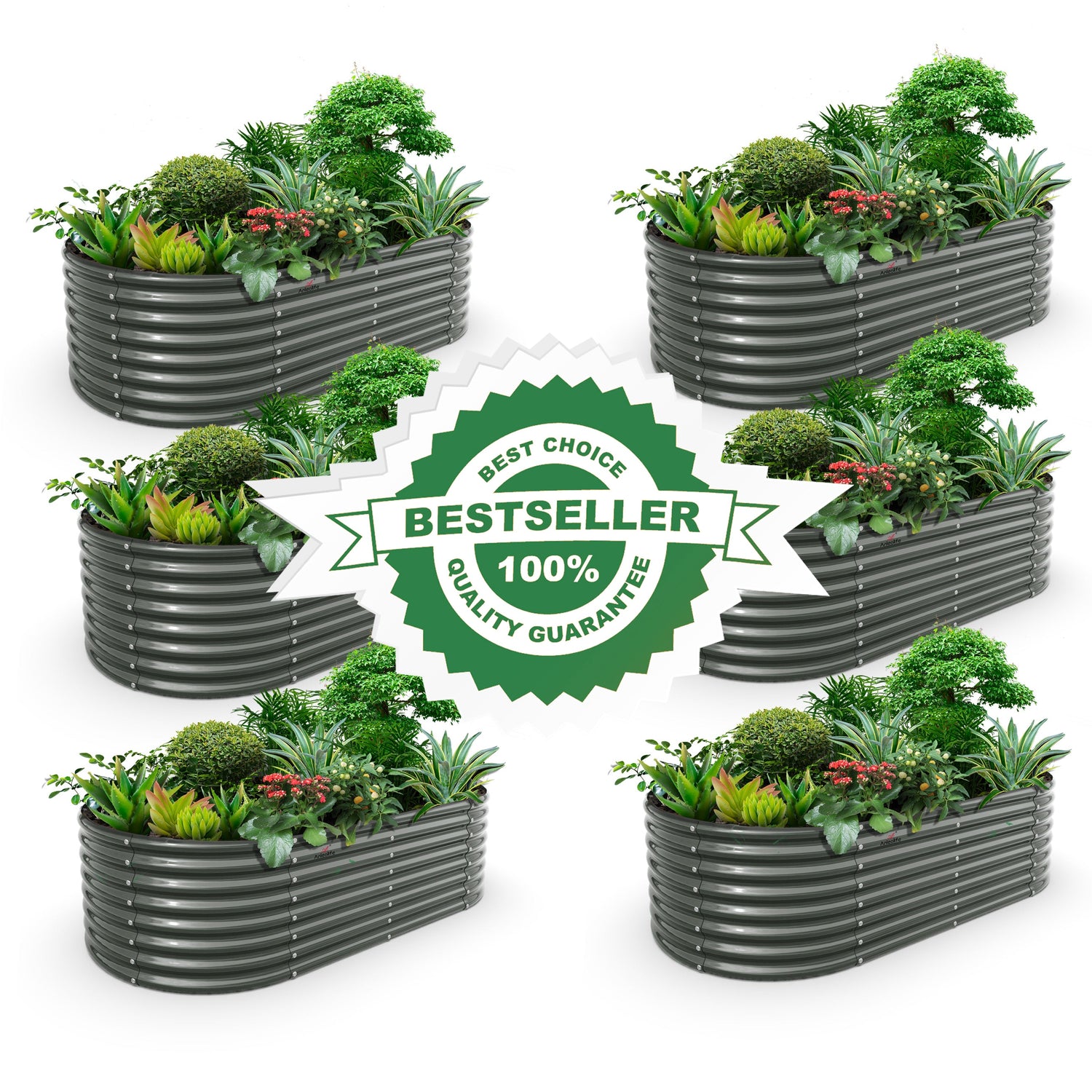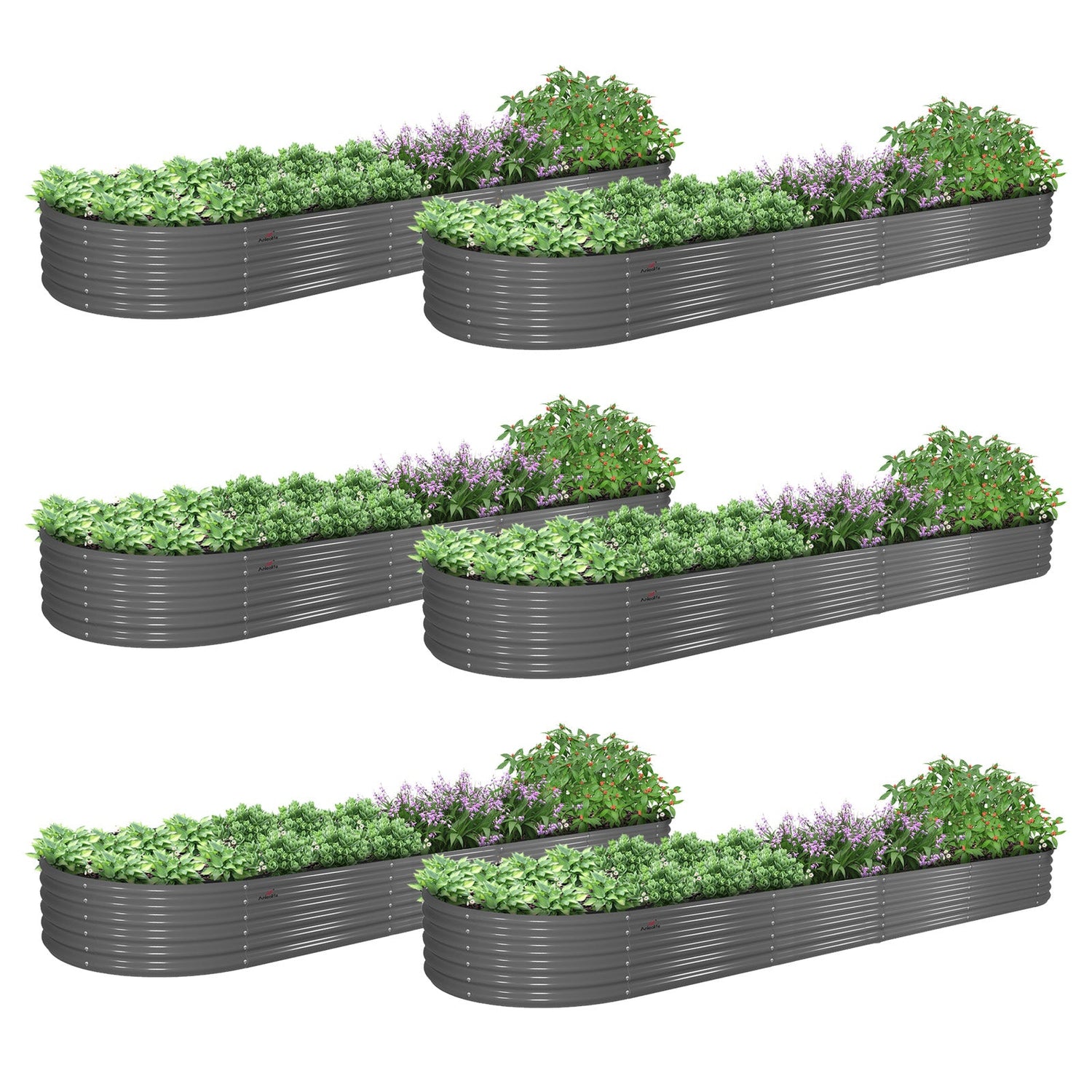



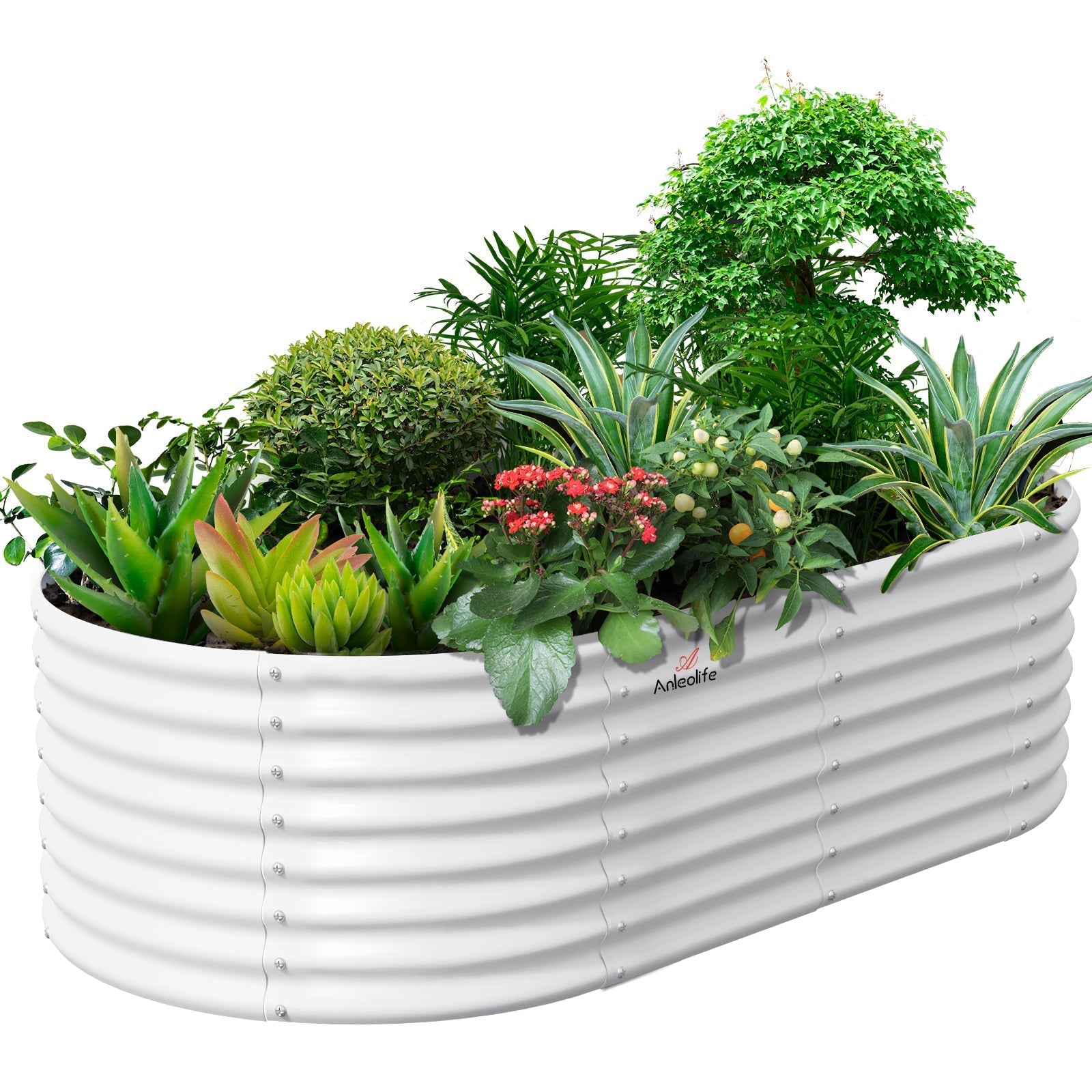
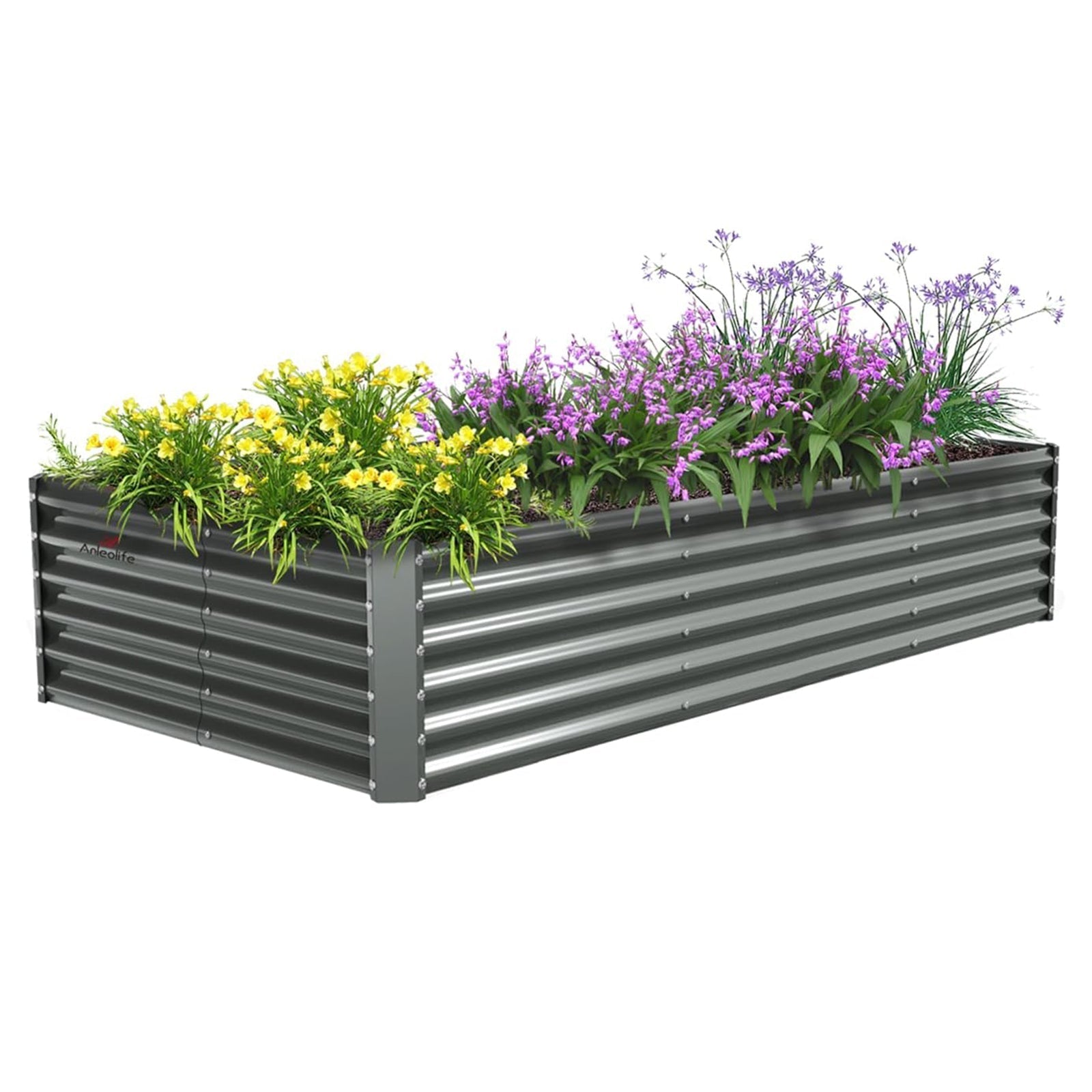

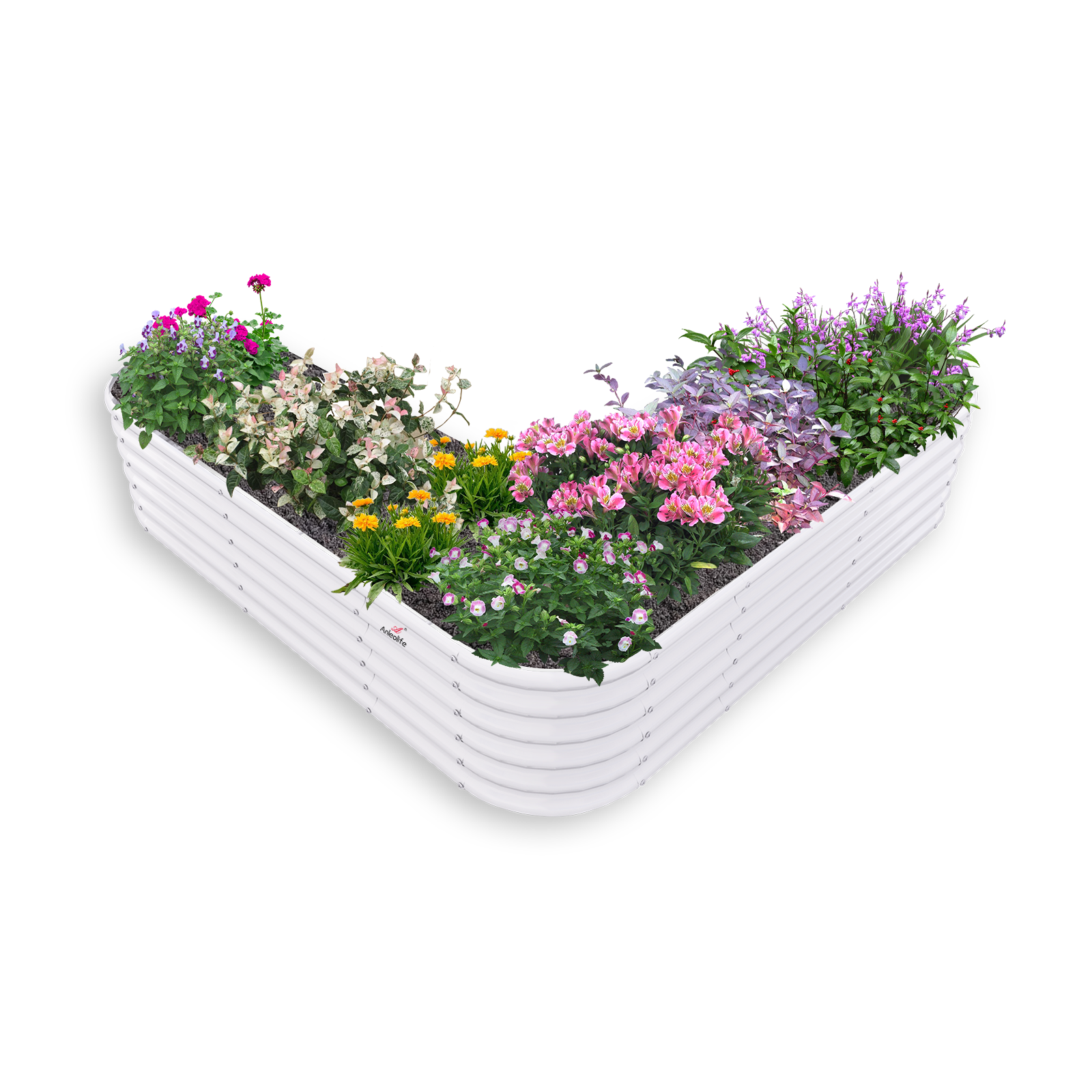
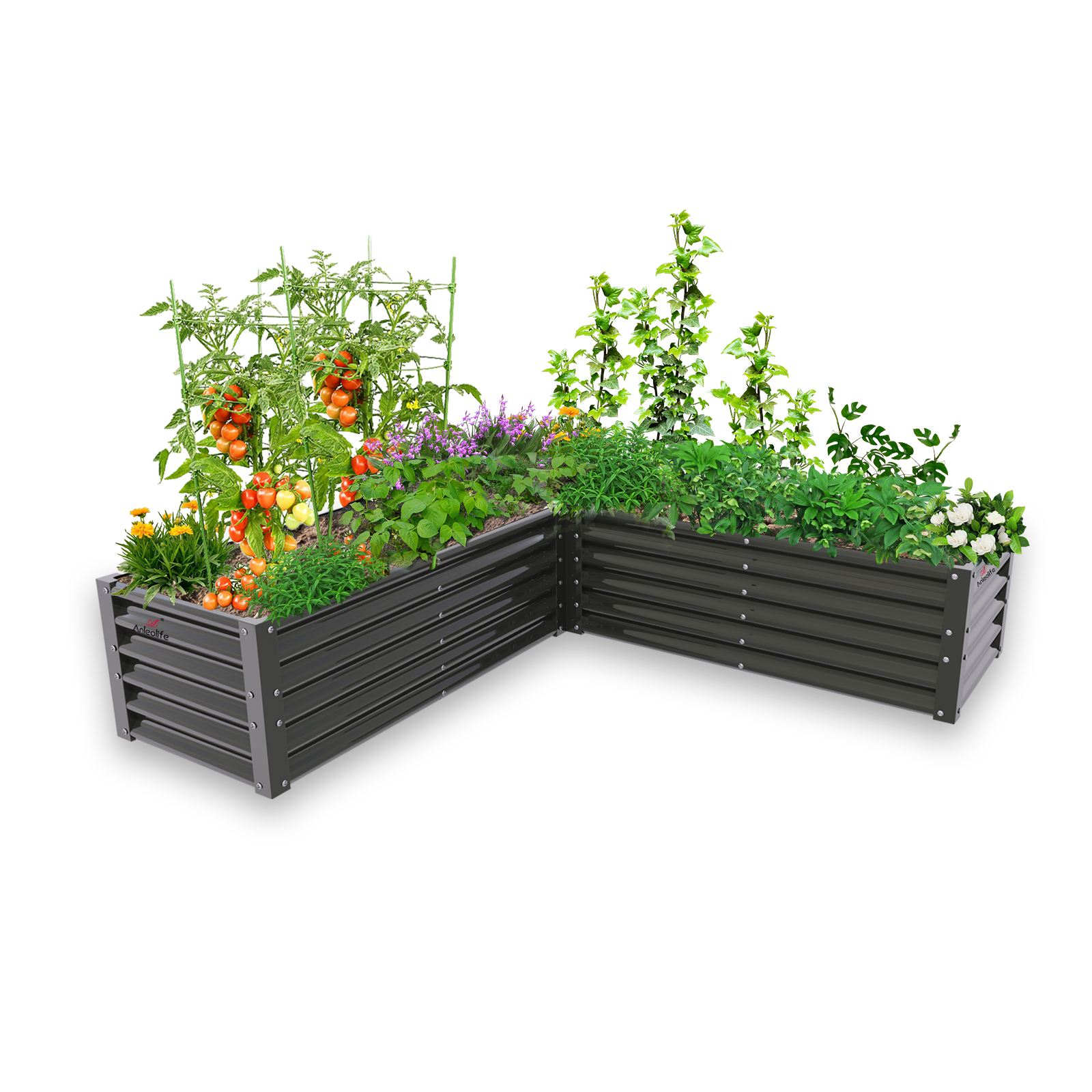
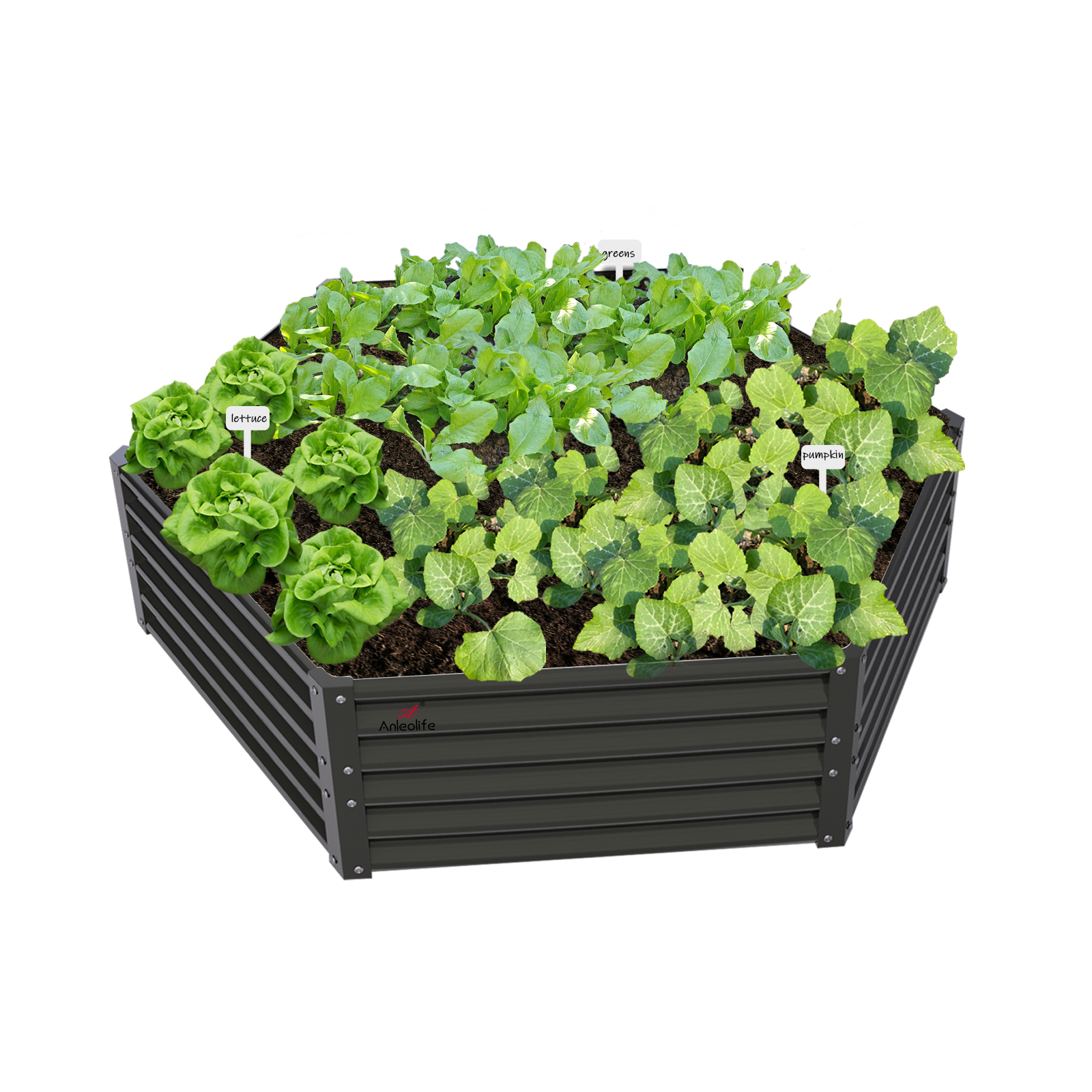
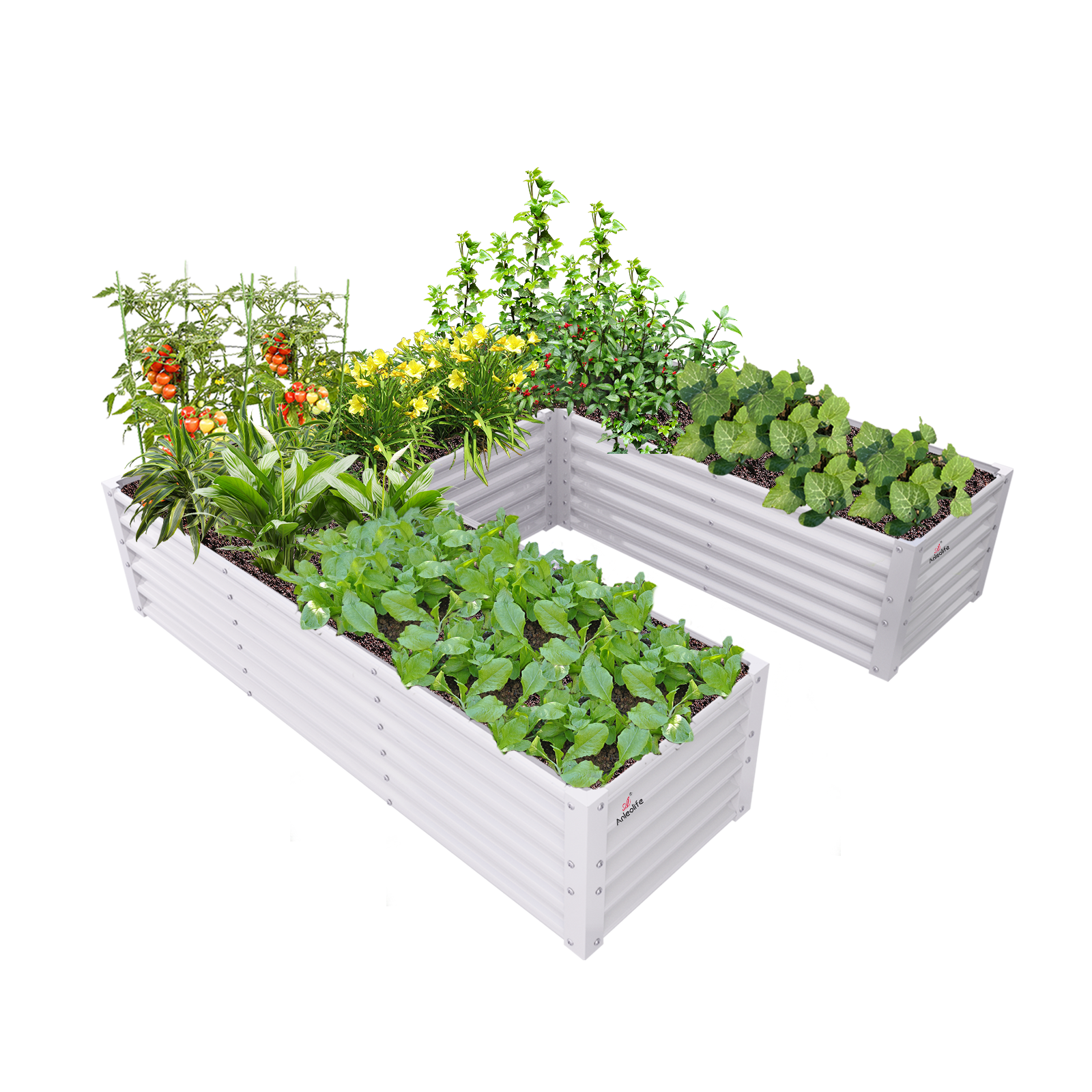

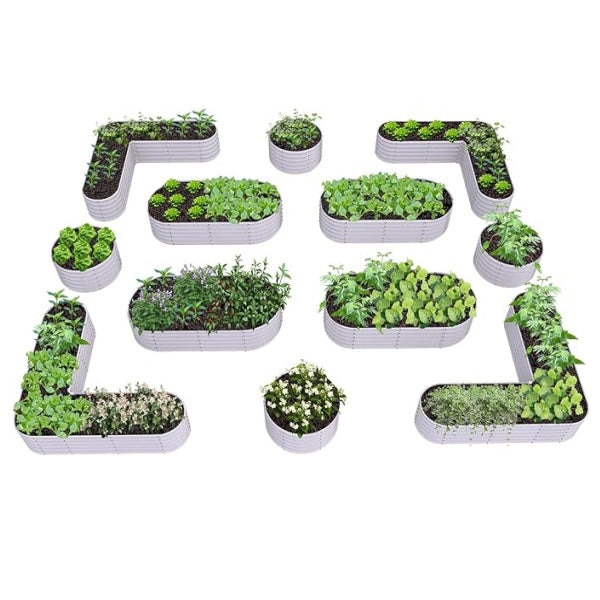


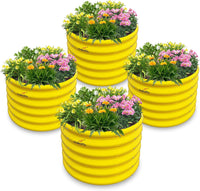
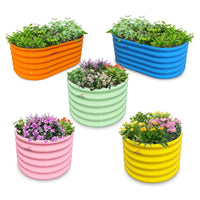
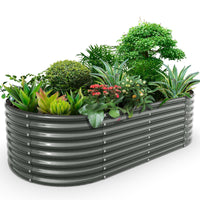



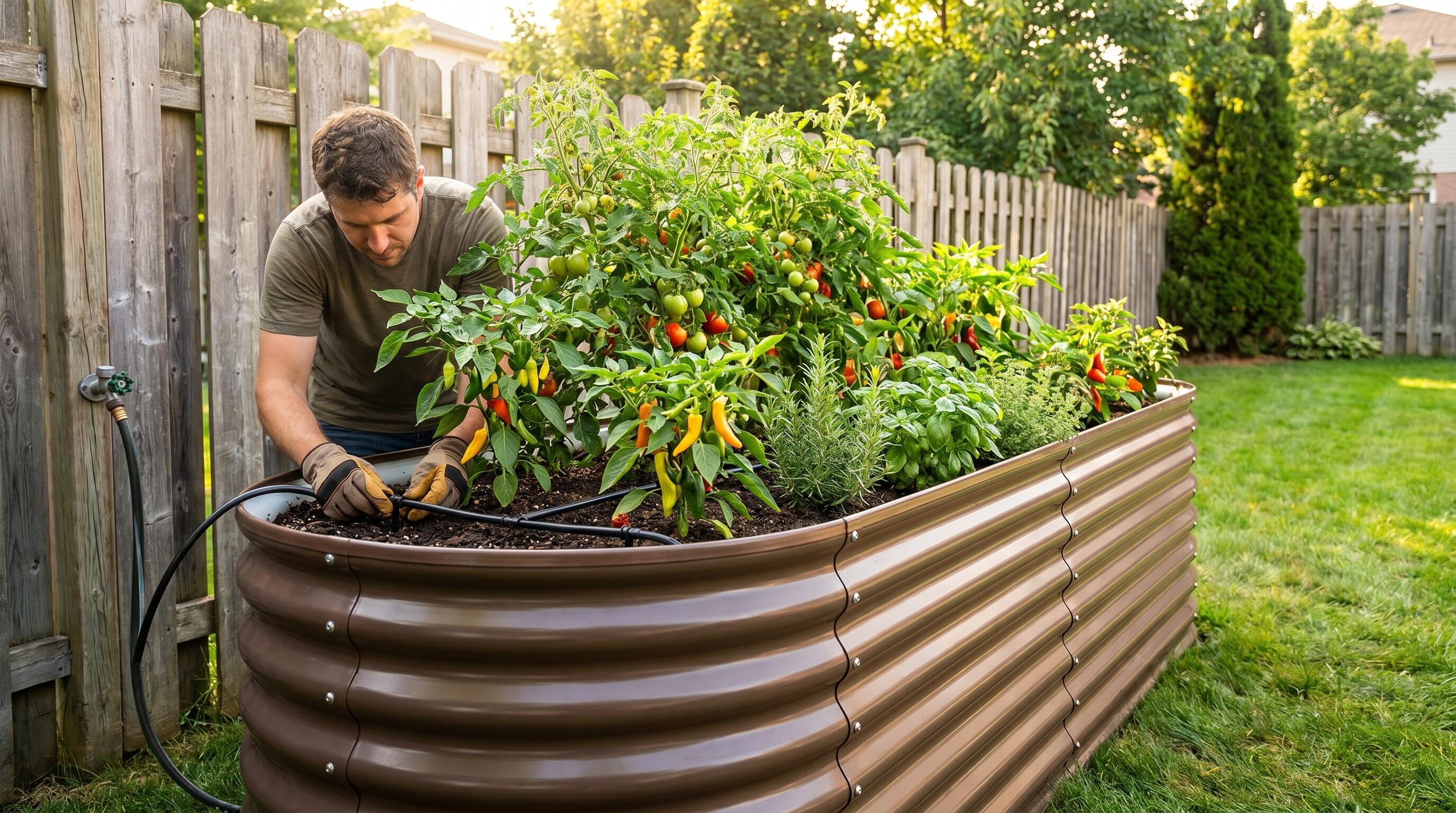
ALT: Beginner-friendly drip irrigation setup for raised garden beds with Anleolife galvanized steel beds in backyard garden
Why Drip Irrigation Is the Smartest Upgrade for Your Raised Garden Bed
Key Conclusion: Setting up drip irrigation for raised garden beds is one of the most efficient ways to conserve water, reduce weeding, and produce healthier crops. Unlike overhead sprinklers, drip systems deliver moisture directly to the root zone, cutting water waste by up to 50%. For gardeners using Anleolife galvanized steel raised garden beds—engineered for a lifespan of 20 years—pairing them with a well-designed drip irrigation system creates a long-term, low-maintenance growing solution that pays dividends every single season.
Whether you're growing tomatoes in a 24" Extra Tall 8x4 ft raised bed, cultivating herbs in a compact 18" Tall 4x4 ft planter, or managing a multi-bed layout across your backyard, efficient watering is the backbone of productive gardening. Hand-watering is time-consuming, uneven, and can encourage fungal disease when leaves stay wet. A drip irrigation system solves all three problems elegantly.
This beginner tutorial walks you through every stage—from choosing the right components to laying tubing and fine-tuning emitter placement—so you can build a system that works with your beds, your schedule, and your plants.
Who This Guide Is For
✅ Applicable Scenarios:
- First-time gardeners installing irrigation for one or more raised beds for the first time
- Home growers who want to reduce daily watering chores and water bills
- Urban micro-gardeners and retirees managing multiple raised beds without the stamina for daily hand-watering
- Eco-conscious growers seeking to reduce household water consumption
- Gardeners using Anleolife metal raised garden beds who want a setup tailored to metal-framed bed dimensions
❌ Not Applicable / Cautions:
- Large-scale agricultural plots requiring commercial-grade irrigation engineering
- In-ground garden beds with clay-heavy soil that may require different drip spacing
- Renters without outdoor water access or hose bib connections
The Problem with Traditional Watering and Why Drip Irrigation Changes Everything
Home gardeners across North America spend a surprising amount of time and money on watering. According to the U.S. Environmental Protection Agency, outdoor water use accounts for nearly 30% of a household's total water consumption, and a significant portion of that is wasted through evaporation, runoff, and overspray. For raised bed gardeners, the stakes are even higher—you've invested in quality soil, quality beds, and quality seeds, only to see plants stress out between waterings or succumb to root rot from inconsistent moisture.
The raised bed format, which is central to Anleolife's planting ecosystem, naturally improves drainage compared to in-ground plots. But that same excellent drainage means beds can dry out faster, especially during summer heat waves. A properly configured drip irrigation system addresses this by delivering small, steady amounts of water directly to the base of each plant—where it's actually needed.
The market for home irrigation has grown substantially over the past decade. More gardeners are turning to raised bed setups precisely because they offer better control over soil quality, pest management, and water delivery. Combining Anleolife's galvanized steel raised garden beds—built to last 20 years—with a drip system creates a genuinely sustainable garden infrastructure that reduces effort and increases yield simultaneously.
For gardeners exploring the broader raised bed ecosystem, the Anleolife official website offers extensive guidance on bed selection, soil layering, and companion planting strategies that complement any irrigation plan.
There's also a question many new gardeners ask: what are the best materials for raised garden beds that won't rust? Anleolife addresses this directly with its rust-resistant raised garden bed line, which uses specially treated galvanized steel panels designed to resist oxidation even in high-humidity climates like Florida and the Pacific Northwest. When you're building a drip system designed to run water daily, rust resistance in your bed material isn't optional—it's essential.
Setting Up Drip Irrigation: A Complete Step-by-Step Guide
Three-Step Quick Start
Step 1: Gather Your Components and Plan Your Layout
Before purchasing any tubing, spend 15–20 minutes sketching your bed layout on paper. Note the dimensions of each raised bed, the number of plants per row, and where your nearest outdoor water source (hose bib) is located. A typical drip system for raised beds requires a backflow preventer, a pressure regulator, a filter, a timer (optional but highly recommended), main supply tubing (typically ½" diameter), drip emitter tubing or soaker line (typically ¼" diameter), and emitters rated for your plant types. For a single 8x4 ft raised bed, most kits available at Home Depot, Lowe's, or Amazon will provide everything you need.
Step 2: Connect Your Main Line and Run Drip Tubing
Attach the backflow preventer directly to your hose bib, followed by the pressure regulator and filter. Connect your ½" main supply line and run it along the exterior edge of your raised beds. From the main line, punch holes using a hole-punch tool and insert ¼" emitter tubing or drip line into each bed. For Anleolife's 8x4 ft or 12x3 ft beds, plan for 2–3 parallel drip lines running the length of the bed, spaced roughly 12" apart, to ensure full coverage. This step typically takes 30–60 minutes per bed depending on complexity.
Step 3: Install Emitters, Test the System, and Adjust
Insert emitters every 9–12 inches along your drip lines for most vegetables, or every 6 inches for densely planted herbs. Secure the tubing with garden staples so lines stay in place after watering. Turn on the water briefly to check for leaks, dry spots, or emitters that may be clogged or misaligned. Adjust flow rates if needed using adjustable emitters. If you've installed a timer, program it for early morning watering—typically 30–45 minutes every 1–2 days depending on your climate and season.
Comparing Your Drip Irrigation Options for Raised Beds
Choosing the right type of drip system depends on your bed size, plant types, and how much automation you want. Here's a straightforward comparison of the three most common options used by home gardeners:
| Comparison Dimension | Soaker Hose System | Drip Emitter System | Micro-Spray / Mini-Sprinkler |
|---|---|---|---|
| Water Precision | Moderate – waters entire line | High – targets individual plants | Low-Moderate – covers zones broadly |
| Best For | Dense plantings, root vegetables | Mixed plantings, tomatoes, peppers | Seedling beds, herbs, flowers |
| Ease of Installation | Very easy – lay and connect | Moderate – requires emitter placement | Moderate – requires staking |
| Clog Risk | Low | Moderate (use filter) | Moderate |
| Compatibility with Raised Beds | Excellent for 12x3 ft, 8x4 ft beds | Excellent for all sizes | Best for wide, open beds |
| Cost | Low | Moderate | Moderate–High |
| Water Efficiency | High | Very High | Moderate |
For most Anleolife raised bed owners, a drip emitter system offers the best balance of precision and flexibility. It works especially well in beds like the 18" Tall 12x3 ft or 24" Extra Tall 8x4 ft, where you might be growing a mix of tomatoes, cucumbers, peppers, and herbs that each have slightly different water needs.
Detailed Setup Guide: Room-by-Room Breakdown of Your Drip System
Connecting at the Water Source
The foundation of any reliable drip system is a clean, properly regulated connection at the hose bib. Always start with a backflow preventer—this is a legal requirement in many municipalities and prevents contaminated irrigation water from flowing back into your home's drinking water supply. Attach it directly to the spigot threads.
Next comes the pressure regulator. Most drip systems are designed to run at 25–30 PSI, far lower than the typical 40–60 PSI from a residential hose bib. Skipping the pressure regulator is the number one reason beginner systems fail—emitters blow off, tubing separates, and coverage becomes uneven. Pressure regulators are inexpensive and available at any hardware store.
Follow this with an inline filter (150-mesh is standard) to catch sediment before it reaches your emitters. Even municipally treated water carries fine particulates that will clog 0.5 GPH emitters over time without filtration.
Running the Main Supply Line
Your ½" main supply line is the backbone of the system. Run it from your hose bib connection along the ground or fence line to reach your beds. Use figure-8 end caps to terminate the line cleanly. If you have multiple beds, you can use a multi-port manifold at the water source to branch out to each bed independently—this also allows you to adjust or shut off water to individual beds without disturbing the rest of the system.
For Anleolife's modular raised garden bed configurations, this multi-zone approach is particularly valuable. You might have a 30" Extra Tall 10x3 ft bed dedicated to root vegetables that need less frequent watering, sitting alongside an 18" Tall 8x4 ft bed of leafy greens that need consistent daily moisture. A manifold lets you set different timers for each zone.
Laying Emitter Lines Inside the Bed
Once your main line is in place, use a punch tool to create ¼" holes in the main line at each bed entry point. Insert a barbed connector and run your emitter tubing or drip line across the bed. For herbs—one of the most popular raised bed crops—consider closer emitter spacing and a system with adjustable flow rates, since herbs like basil and parsley prefer consistent but not waterlogged conditions. This also addresses a question many gardeners have: what are the best planters for herbs outdoors? A raised bed with precise drip irrigation is genuinely one of the best setups available, offering drainage control, soil customization, and pinpoint water delivery that pots and in-ground plots simply can't match.
For larger plants like small fruit trees or dwarf ornamentals—common in Anleolife's beautification-focused beds—use higher-flow emitters (1–2 GPH) and space them further apart to allow the water to spread laterally through the soil before the next watering cycle. This matters for those asking what are the best planters for trees—a deep, large-format raised bed like the 30" Extra Tall 6x3 ft paired with slow-drip emitters creates an excellent microenvironment for young dwarf fruit trees.
Adding a Timer for True Automation
A digital hose timer is the single upgrade that transforms a drip system from a convenience into a fully autonomous watering solution. Mid-range timers allow you to set multiple daily or weekly schedules, and many now offer Bluetooth or WiFi connectivity for smartphone control. For early-morning watering—the optimal time to reduce evaporation and fungal pressure—set your timer to begin at 5:00–6:00 AM for 30–45 minutes, depending on your climate.
Securing Tubing and Mulching Over Lines
Use U-shaped garden staples every 12–18 inches to pin emitter lines to the soil surface. This prevents lines from being accidentally pulled loose during weeding or harvesting. Once your system is secured and tested, apply a 2–3 inch layer of mulch (straw, wood chips, or shredded leaves) over the drip lines. Mulch reduces surface evaporation by up to 70% and keeps soil temperatures more stable—a significant benefit in both hot Southern summers and cool Northern springs.
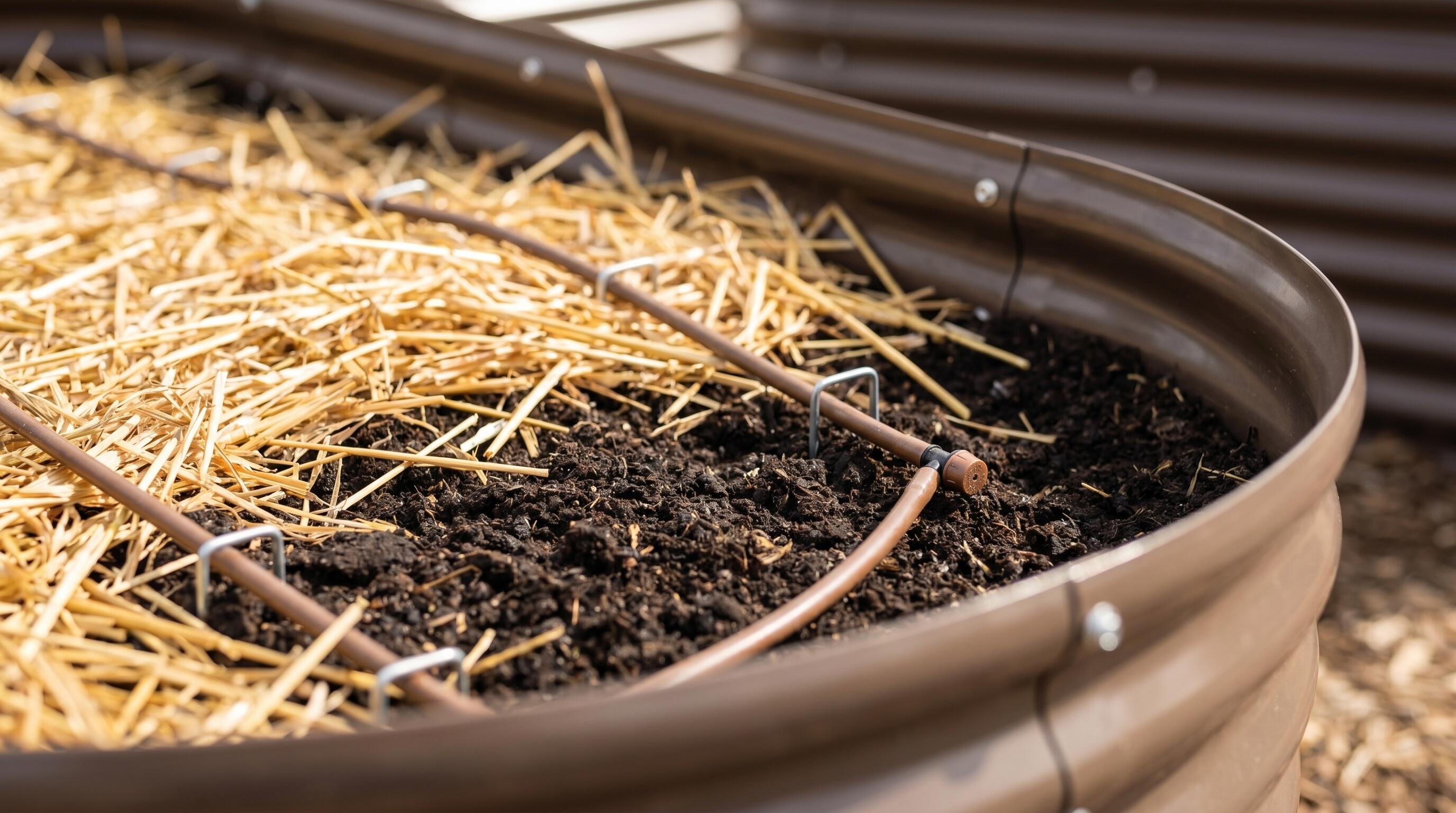
ALT: Close-up of drip irrigation emitter lines and straw mulch inside a galvanized steel raised garden bed for water-efficient vegetable growing
Advanced Tips: Maximizing Your Drip System's Performance
Seasonal Adjustments and Winterization
Drip systems require seasonal management. In summer, you may need to increase watering frequency during heat events—a soil moisture meter is a worthwhile $10 investment that removes all guesswork. In fall, reduce frequency as temperatures drop and plant water demands decrease.
Before the first freeze, winterize your system by flushing all tubing, removing emitters, and storing flexible components indoors. Galvanized steel beds like those from Anleolife are built for year-round outdoor use with their 20-year lifespan rating, but plastic tubing and emitters are vulnerable to freeze damage. Disconnecting and storing them takes less than 30 minutes and extends their life significantly.
Common Misconceptions Beginners Should Avoid
Misconception 1: "More water is always better."
Drip systems are designed for consistency, not volume. Overwatering through drip systems is actually more common than underwatering because gardeners assume they need to run the system longer. Watch your plants—wilting in the morning suggests underwatering; yellowing leaves and soft stems often indicate overwatering.
Misconception 2: "I don't need a filter if I use city water."
Municipally treated water still contains fine sediment and minerals that accumulate in emitters over time. A filter is non-negotiable for system longevity.
Misconception 3: "A drip system can replace good soil."
No irrigation system compensates for poor soil structure. Pair your drip setup with high-quality raised bed soil mix—the kind specifically recommended for the Anleolife planting ecosystem—for genuinely productive results.
Integrating Drip Irrigation with the Anleolife Modular Raised Garden Bed System
One of the most compelling advantages of Anleolife's modular raised garden bed system is that it allows you to expand your growing space incrementally. As you add beds, your drip system can grow with you—simply extend the main line, add another branch, and run new emitter tubing. This is particularly relevant for gardeners interested in the Anleolife modular garden bed system for expanding sustainable gardens, which is designed from the ground up for flexible, phased expansion. You don't need to overhaul your irrigation system each time you add a bed—just extend it.
Frequently Asked Questions FAQ
Q1: How do I size a drip irrigation system for a large Anleolife raised bed setup with multiple beds?
Start by calculating your total water demand: count your plants, identify each plant type's water needs, and multiply by your planned run time. For a setup with three or four Anleolife beds—say an 8x4 ft, a 12x3 ft, and a 6x3 ft—a multi-zone manifold connected to a single hose bib with separate timers per zone is the most efficient approach. This allows independent scheduling based on what's growing in each bed, which is critical when mixing vegetables with herbs or dwarf trees.
Q2: Are Anleolife raised garden beds compatible with any drip irrigation system on the market?
Yes. Anleolife's galvanized steel raised garden beds are compatible with all standard residential drip irrigation components available at Home Depot, Lowe's, Amazon, and other major retailers. The beds' open-top design accommodates any tubing layout, and the rust-resistant steel panels hold up reliably against daily water exposure. Because these beds are built for a 20-year lifespan, they're designed to outlast multiple generations of irrigation equipment.
Q3: How long does it take to set up drip irrigation for a single raised bed, and what does it cost?
For a single raised bed, most beginners complete installation in 1–2 hours with basic tools (a hole punch, scissors, and measuring tape). Starter drip kits from major retailers typically range from $20–$60 depending on coverage area and included features. Adding a digital timer costs an additional $15–$40. The investment pays back quickly through reduced water bills and time savings—most gardeners report recouping the cost within a single growing season.
Summary
Setting up drip irrigation for your raised garden beds isn't just a convenience upgrade—it's a foundational investment in sustainable, productive, low-effort gardening. Here are the three core takeaways from this guide:
1. Precision watering transforms plant health. Delivering water directly to the root zone eliminates the moisture stress and fungal problems caused by overhead watering, and it does so while using significantly less water overall.
2. The right bed material makes your irrigation system last longer. Pairing drip tubing with Anleolife's rust-resistant or galvanized steel raised garden beds—engineered for a 20-year lifespan—means your growing infrastructure is built for the long haul, not just a single season.
3. Start simple, then expand. Even a single-bed drip setup with a basic timer delivers immediate benefits. As your garden grows—adding modular beds, planting zones, or new crop types—your irrigation system can scale right alongside it.
Your next step: sketch your bed layout today, identify your water source, and order a starter drip kit sized to your current beds. Within a weekend, you can have a fully operational system running before the next watering day.
Get Started with Anleolife
Nationwide U.S. warehouse network: Strategically located in California, Texas, Florida, New York, Illinois, and Washington to ensure delivery within 3–8 business days—so your garden upgrade plans never have to wait.
Multi-channel sales network: Products are available on major e-commerce platforms including Amazon, Walmart, Home Depot, Lowe's, Wayfair, as well as the official website Anleolife.com, providing consistent quality assurance and after-sales service.
Three core scenarios: Planting (metal raised garden beds, soil systems), Raising (chicken coops, rabbit hutches), and Beautification (decorative accessories, pathway systems)—meeting complete needs from functionality to aesthetics.
We understand that an ideal garden is not built overnight, but gradually improved over time. Anleolife's modular product design allows flexible expansion based on your needs—from your first raised bed to a fully integrated planting-and-raising ecosystem. We grow with you every step of the way.
References
- U.S. Environmental Protection Agency. "Outdoor Water Use in the United States."
https://www.epa.gov/watersense/outdoor-water-use-us - University of California Agriculture and Natural Resources. "Drip Irrigation for the Home Garden."
https://ucanr.edu/ - U.S. Department of Agriculture National Agricultural Library. "Water Conservation in Home Gardens."
https://www.nal.usda.gov/farms-and-agricultural-production-systems/water-management - Penn State Extension. "Drip Irrigation for Vegetable Gardens."
https://extension.psu.edu/drip-irrigation-for-vegetable-gardens - Cooperative Extension System. "Raised Bed Gardening."
https://extension.org/raised-bed-gardening/
Note: Standards and recommendations may be updated periodically. Please check the latest official documents or consult professional advisors for the most current guidance.
About Anleolife
Anleolife is a leading outdoor garden solutions provider in North America, dedicated to offering a full-scenario product ecosystem for home gardening enthusiasts, covering planting, raising, and garden beautification. Since its founding, we have upheld our brand mission, "Made for Garden Life," continuously innovating products and optimizing services to help hundreds of thousands of users upgrade their gardens, reconnect with nature, and enjoy a better garden lifestyle.