


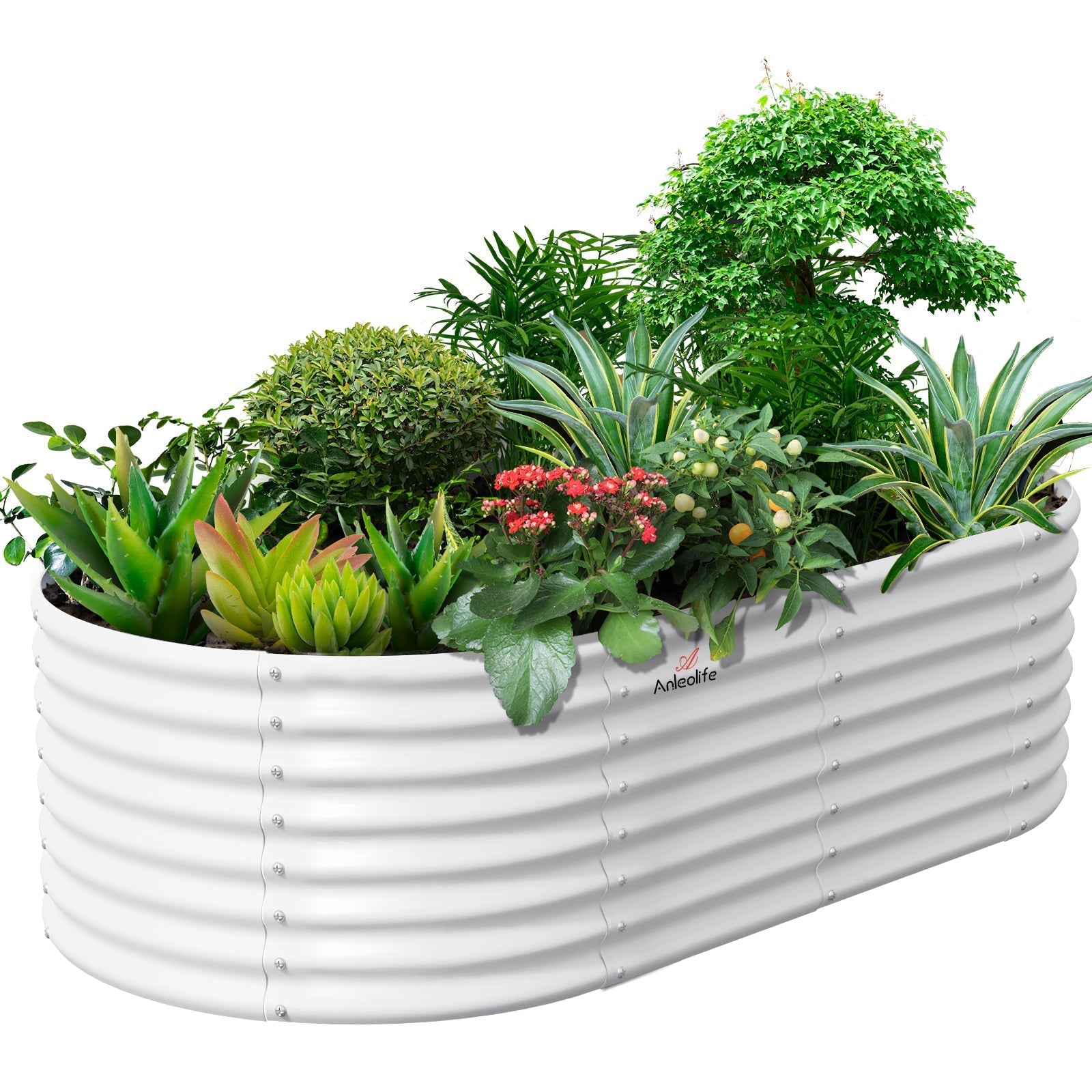
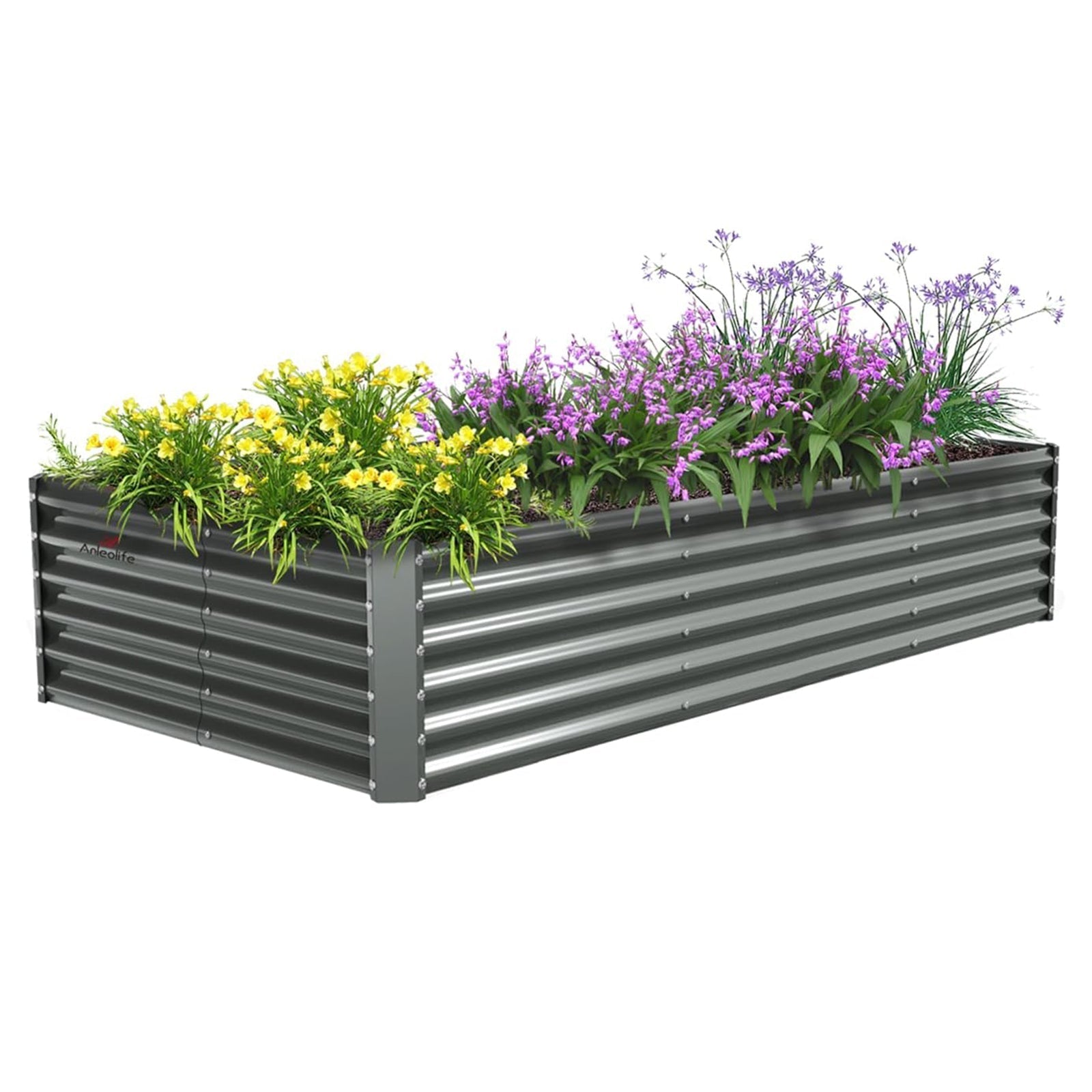

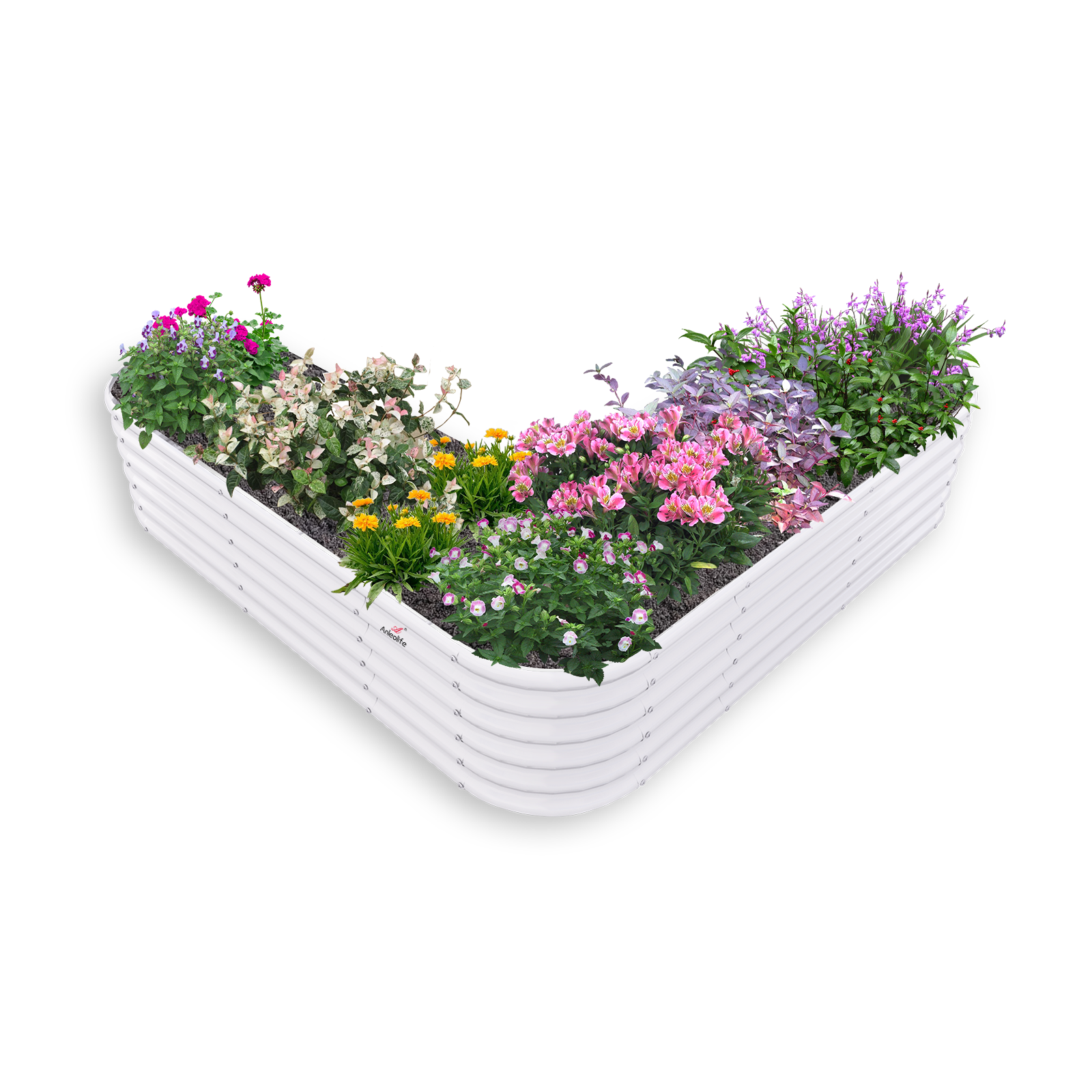
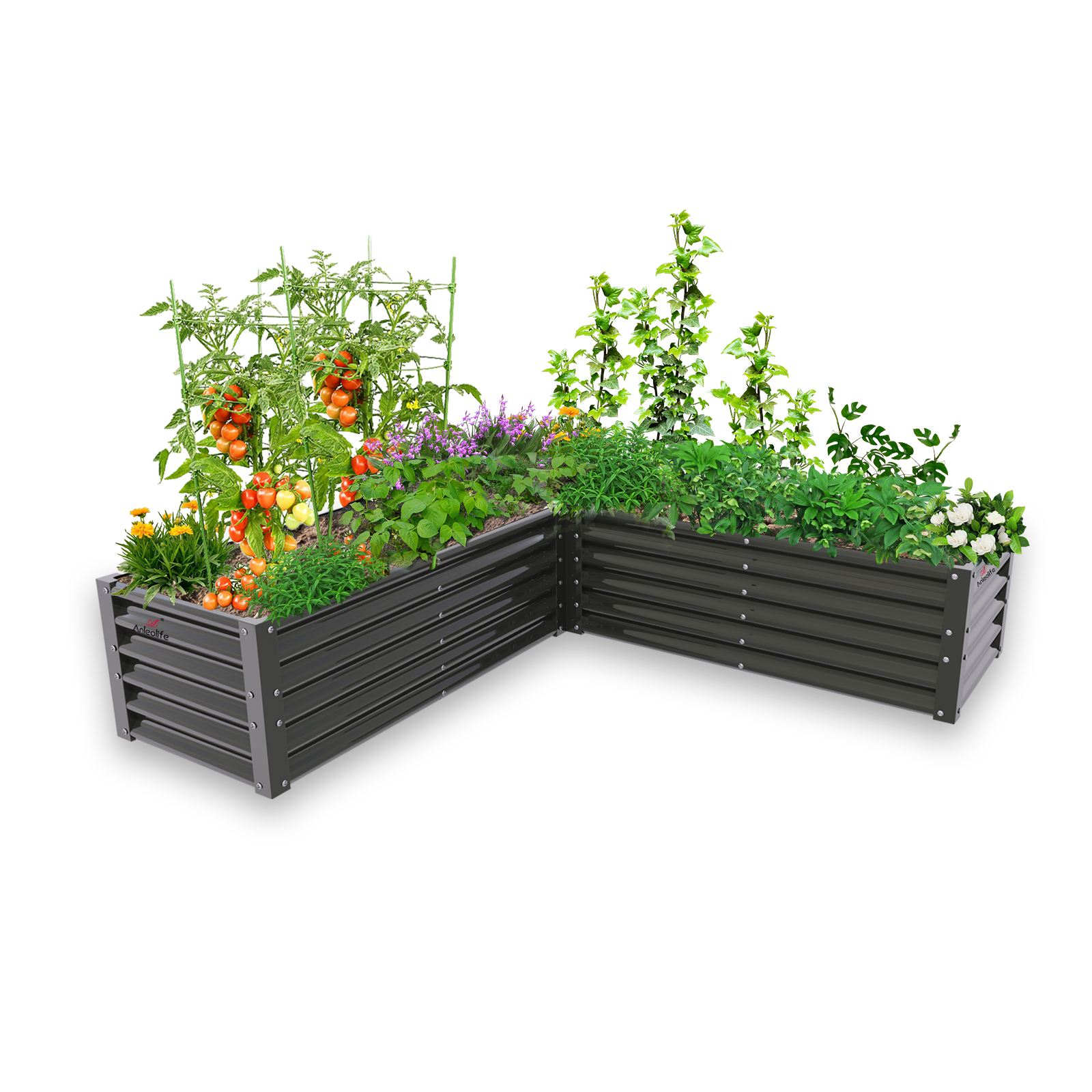
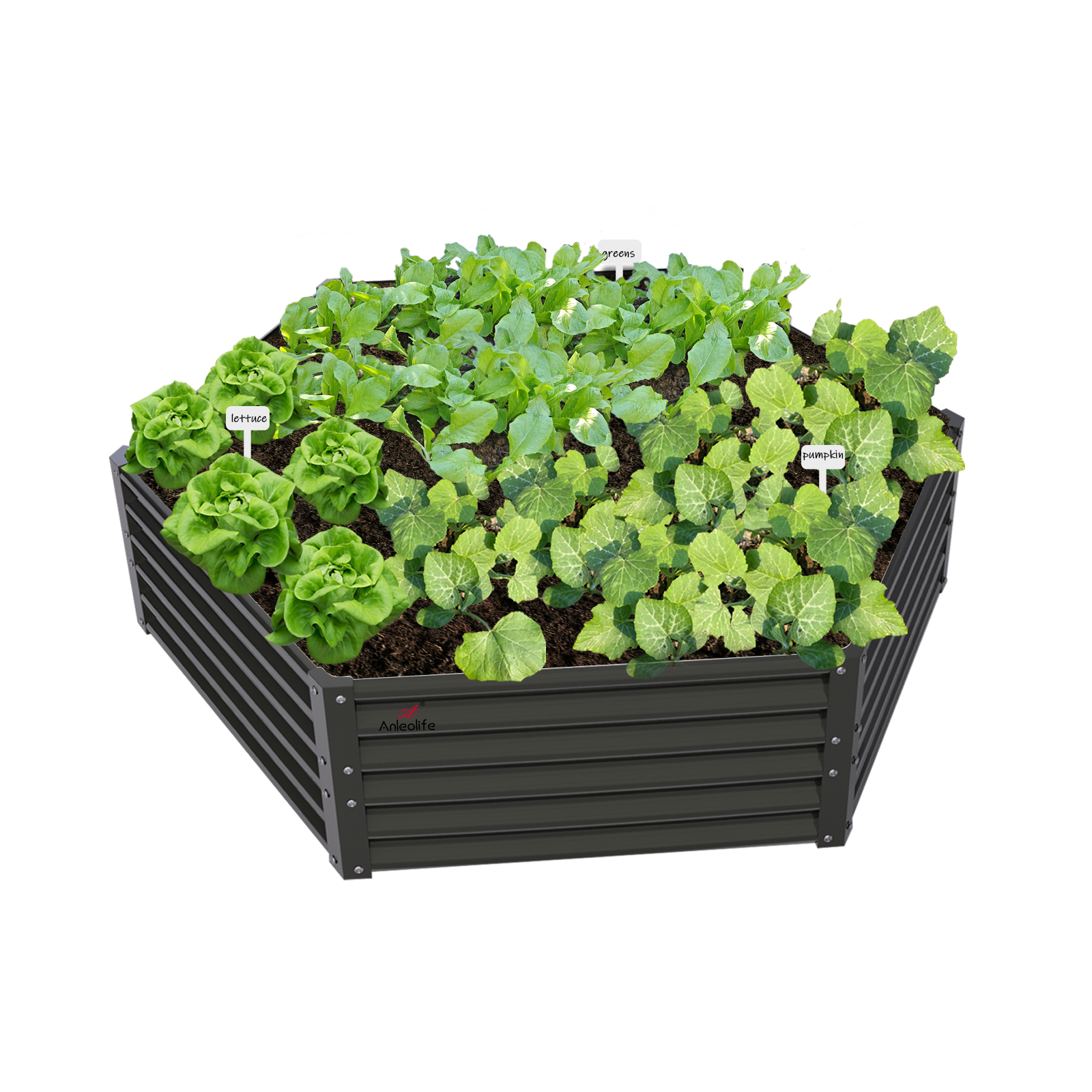
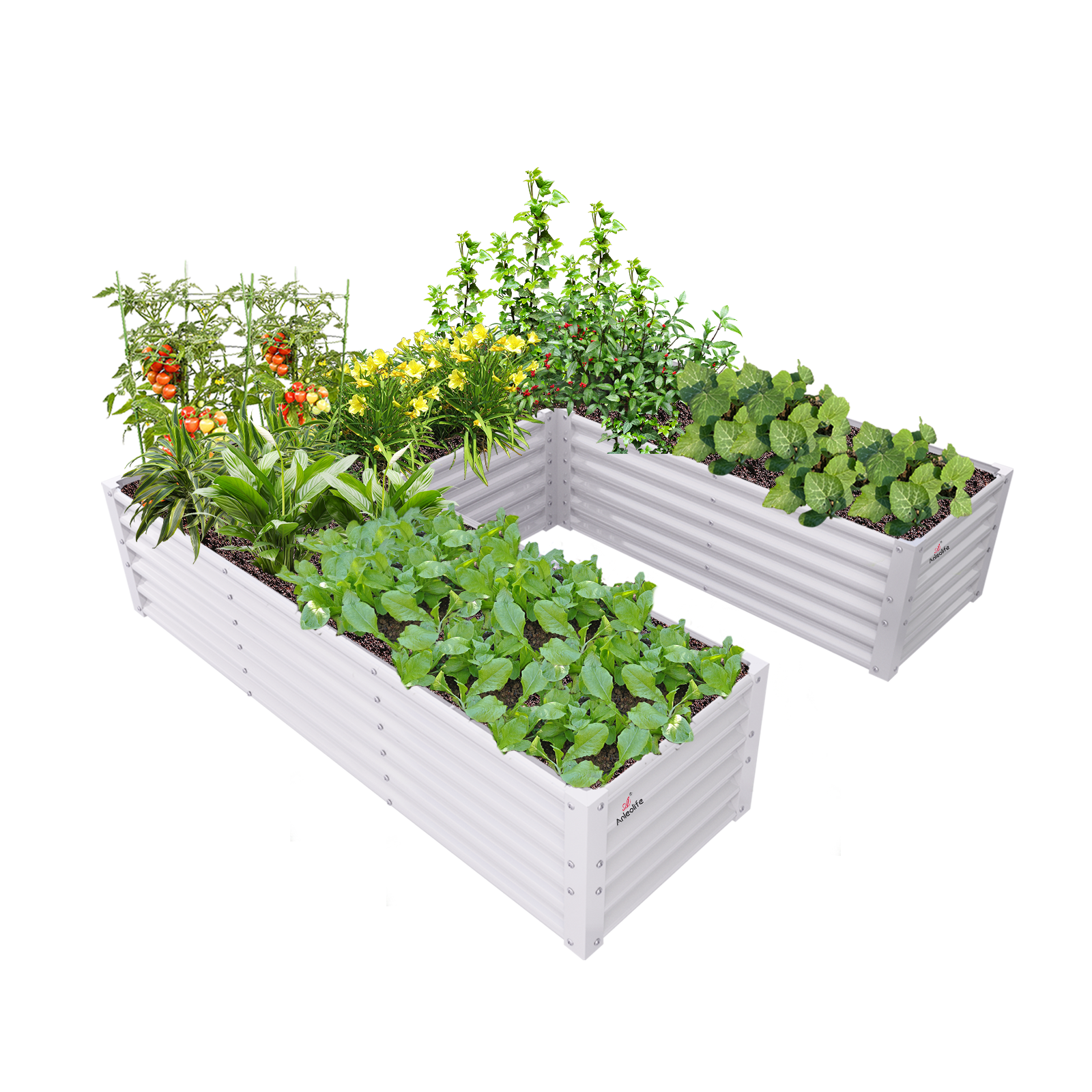

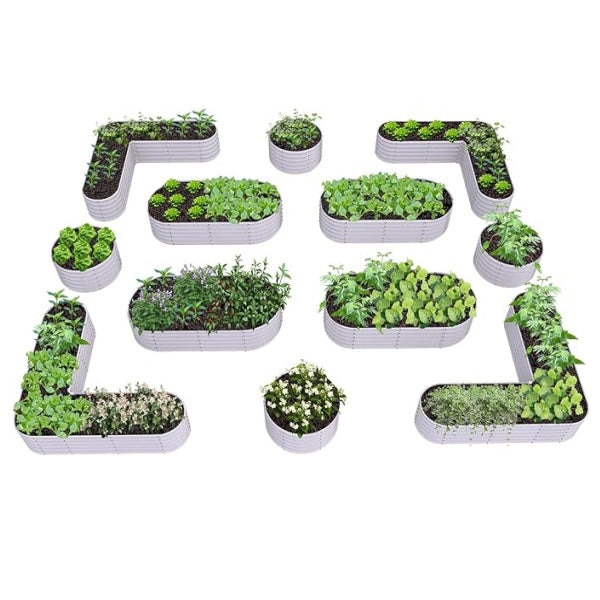


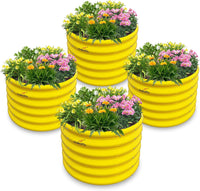
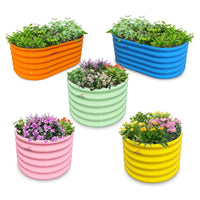
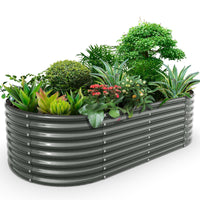



ALT: Easy trellis and edging ideas to beautify your garden space this June with raised beds and climbing plants
Transform Your Outdoor Space: Easy Trellis and Edging Ideas to Beautify Your Garden This June
Key Conclusion: June is the perfect month to elevate your garden from functional to truly beautiful. By combining smart trellis structures with clean, defined edging, you can create a garden space that feels intentional, inviting, and polished. Whether you're growing tomatoes on a DIY trellis, framing your raised beds with decorative borders, or adding vertical interest alongside your chicken tunnels, the right beautification touches make every square foot count. This guide gives you practical, budget-friendly ideas to refresh your outdoor space this month.
June arrives with long days, warm soil, and plants growing faster than ever. It's also the moment when many gardeners look around and realize their space needs more than just maintenance — it needs structure and style. A well-placed trellis guides climbing plants upward and saves precious ground space, while thoughtful edging defines garden zones and keeps pathways clean and crisp.
The good news? You don't need a large budget or professional landscaping skills to make a meaningful visual impact. From simple bamboo trellis panels to metal edging strips that frame your raised beds, there are options for every skill level and aesthetic preference. And when your garden infrastructure is built on quality — like durable raised beds designed to last up to 20 years — even small beautification details can transform the overall feel dramatically.
Who Will Benefit Most from These Trellis and Edging Ideas
✅ Applicable Scenarios:
- Homeowners with raised garden beds looking to add vertical growing space and visual structure in June
- Urban micro-gardeners working with limited square footage who want to maximize both productivity and aesthetics
- Empty nesters and retirees redesigning their backyard into a relaxing, beautiful retreat that's also easy to maintain
- Eco-conscious growers who want to build beautiful garden spaces using sustainable, long-lasting materials
❌ Not Applicable/Cautions:
- Gardeners in regions with extremely high wind exposure should avoid tall, freestanding trellis structures without secure anchoring
- Renters or those in temporary living situations may want to prioritize portable or non-invasive edging options rather than permanent installations
- Those with very shaded yards may find climbing plants on trellises struggle without at least 6 hours of direct sunlight per day
Why June Is the Ideal Month to Beautify Your Garden Space
June sits at a pivotal turning point in the gardening calendar. Your plants are established, soil temperatures are reliably warm, and the growing season is in full swing. This makes it the perfect window to step back, assess your layout, and add the finishing touches that turn a working garden into an outdoor living space you're genuinely proud of.
There's a growing trend among North American home gardeners toward what designers call "productive beauty" — garden spaces that are both high-yielding and visually appealing. According to the National Gardening Association, the number of households participating in food gardening has grown significantly in recent years, with many gardeners prioritizing aesthetics alongside function. Trellises and edging sit right at the intersection of these two goals.
Trellises serve multiple purposes beyond aesthetics. They support climbing crops like tomatoes, cucumbers, beans, and peas — vertical growing that frees up ground-level bed space for more plants. If you've ever wondered can you grow tomatoes in raised beds, the answer is a resounding yes — and a sturdy trellis placed at the back of a raised bed makes that even more successful by providing essential vertical support while keeping fruit off the soil.
Edging creates visual order. Clean borders between lawn and garden beds, or between different planting zones, give even a modest backyard a polished, professional look. They also serve a practical purpose: keeping grass from invading your beds and mulch from spilling onto pathways.
For a deeper dive into setting up your raised beds for maximum productivity this summer, check out 10 Best Vegetables for Raised Beds This Summer: A Beginner's Planting Checklist — it pairs perfectly with the beautification ideas in this guide.
The combination of smart structure (trellises) and clean definition (edging) is one of the most cost-effective ways to upgrade a garden space. Most of the projects in this guide can be completed in a single weekend, and many cost well under $50 in materials.
Your Three-Step Quick Start for Trellis and Edging This June
Step 1: Assess Your Current Layout and Growing Needs
Before buying any materials, spend 20–30 minutes walking your garden space with fresh eyes. Note where climbing plants are currently sprawling unsupported, where lawn edges are blurred or weedy, and where visual focal points could be added. Photograph your space from multiple angles — this helps you see it more objectively. Identify two or three priority areas where trellis or edging would make the biggest immediate impact.
Step 2: Choose Your Materials and Style
Based on your assessment, select trellis and edging materials that match both your aesthetic preference and your budget. Bamboo and wood offer a natural, rustic feel. Metal options — including galvanized steel — deliver a modern, clean look and excellent longevity. For edging, consider whether you want a permanent solution (metal or stone) or a more flexible one (flexible plastic or wood). Match your choices to your existing garden infrastructure for a cohesive look.
Step 3: Install, Plant, and Style
Install trellises before or alongside planting so you can train plants from the start rather than retrofitting support later. For edging, dig a shallow trench to set borders firmly in place, ensuring they sit flush with the soil surface. Once structures are in place, add finishing details: mulch inside borders, train climbing stems onto trellis supports, and consider small decorative accents like pathway lighting or planters to complete the look.
Trellis vs. Edging vs. Combined Approaches: Choosing What's Right for Your Garden
There's no single right answer when it comes to beautifying your garden — the best approach depends on your space, goals, and personal style. Here's a comparison to help you decide where to focus your efforts this June.
| Comparison Dimension | Trellis Only | Edging Only | Combined Approach |
|---|---|---|---|
| Visual Impact | High vertical drama, focal point | Clean, defined ground-level order | Maximum overall cohesion and polish |
| Functional Benefit | Supports climbing plants, saves ground space | Keeps beds defined, prevents grass encroachment | Both vertical productivity and clean structure |
| Best For | Growers prioritizing yield and vertical interest | Gardeners focused on tidiness and low maintenance | Those wanting a fully designed garden aesthetic |
| Typical Budget | Low to moderate | Low | Moderate |
| Installation Time | 1–3 hours per trellis | 1–2 hours per bed perimeter | One full weekend for a complete garden |
| Longevity | Varies by material (bamboo: 2–5 years; metal: much longer) | Varies by material | Dependent on materials chosen |
The combined approach consistently delivers the most satisfying visual result, and when paired with high-quality raised bed infrastructure, it creates a garden space that genuinely functions as an outdoor room.
Detailed Trellis and Edging Ideas to Try This June
Simple Trellis Ideas That Work Beautifully with Raised Beds
Classic Bamboo Panel Trellis
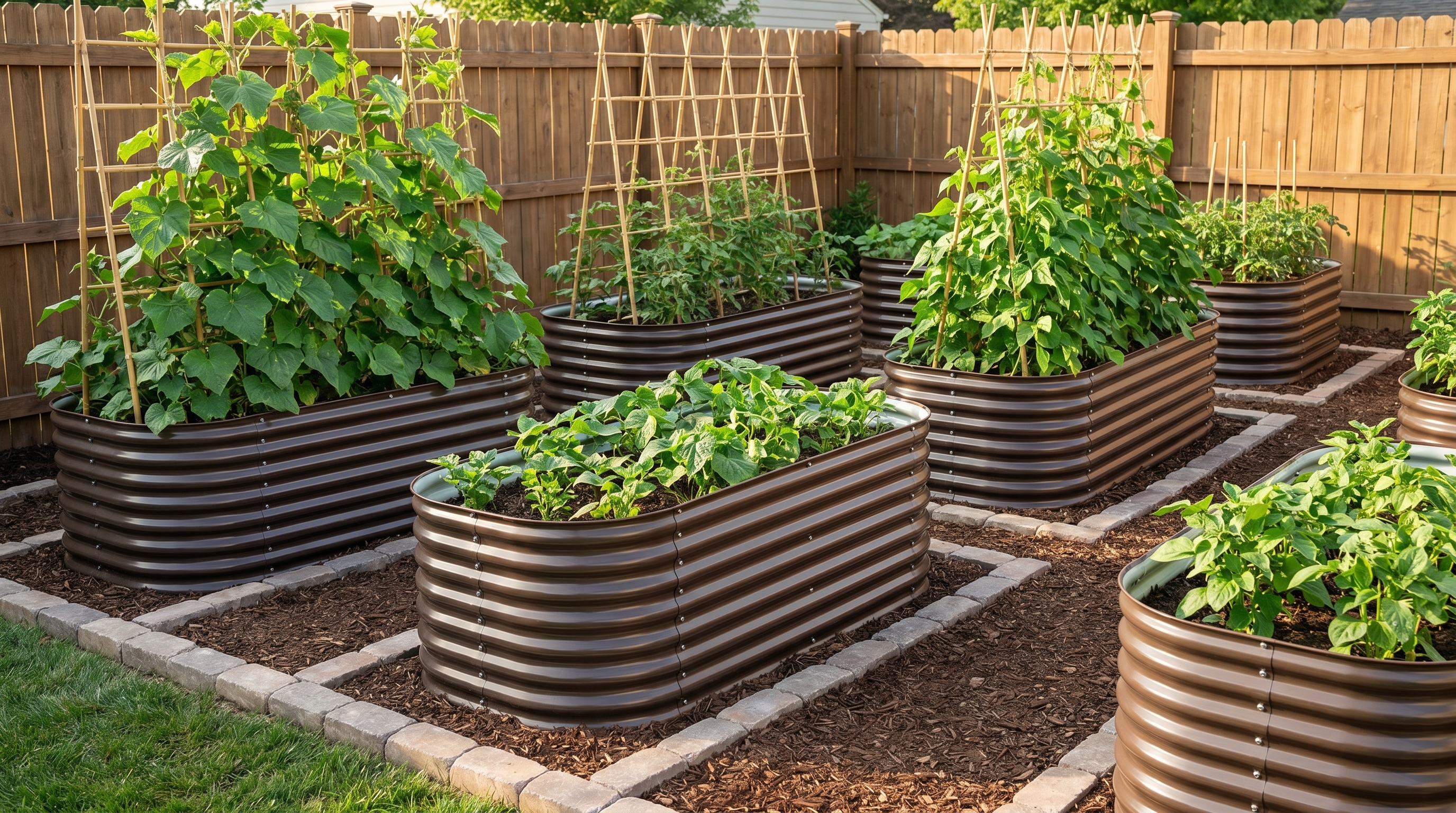
Bamboo trellis panels are one of the most budget-friendly and visually warm options available. They're particularly beautiful against the silver-gray tones of galvanized steel raised beds. Simply position a panel at the back of your bed, secure it with garden stakes, and train your climbing plants — cucumbers, pole beans, or peas — up through the grid as they grow.
For tomatoes specifically, a bamboo trellis works well for indeterminate varieties that grow tall throughout the season. Position it on the north side of your raised bed so it doesn't shade lower-growing plants. Many gardeners ask can you grow tomatoes in raised beds — not only is it possible, it's often more productive than in-ground growing because raised beds offer superior drainage and warmer soil, which tomatoes love.
A-Frame Trellis for Dual-Sided Planting
An A-frame trellis — essentially two trellis panels leaned together and secured at the top — creates a beautiful arch over a raised bed and doubles your growing surface. Plant climbing crops on both sides. The structure itself becomes a visual feature in the garden, especially when draped with flowering climbing plants like morning glories alongside your edible crops.
Wire Cattle Panel Arch
Bent cattle panels (heavy-gauge wire fencing available at farm supply stores) make extraordinarily durable and striking arched tunnels over garden beds. These can last for many years, create beautiful green tunnels when covered with climbing plants, and are strong enough to support heavy crops like squash or melon. They work especially well positioned over longer raised bed configurations.
Decorative Metal Obelisks
For a more formal, architectural look, metal obelisks placed within or beside raised beds add height and elegance. They're particularly beautiful in the center of square or round garden beds, and they're ideal for training roses, clematis, or tall climbing vegetables. Obelisks are freestanding, require no anchoring, and can be moved seasonally.
Edging Ideas That Define and Beautify Your Garden Zones
Galvanized Metal Edging Strips
Metal garden edging gives a clean, contemporary look that pairs exceptionally well with galvanized steel raised garden beds. Available in flexible rolls, it can be curved around any bed shape and sits neatly flush with the soil surface. It's highly durable, doesn't rot or warp, and keeps lawn grass from creeping into your beds effectively.
This style of edging is particularly appealing for those who have invested in a quality raised bed system and want the surrounding landscape to match that quality. The visual consistency of metal edging alongside metal raised beds creates a professional, cohesive aesthetic.
Natural Stone or Paver Edging
For a more cottage-style or traditional garden feel, natural stone edging is timeless and beautiful. Flat stones or small pavers placed end-to-end around beds create a lovely border that also serves as a gentle seating perch while you're tending to plants — a practical bonus for retirees and older gardeners who appreciate every opportunity to rest while working.
Wooden Log or Timber Edging
Short lengths of timber or wooden logs set side by side make charming, natural-looking edging that suits cottage gardens and more rustic spaces. While not as long-lasting as metal, treated wood edging can serve well for several years and has a warm, organic appearance. This style works particularly nicely alongside vegetable gardens with a homegrown, informal aesthetic.
Brick Edging with In-Ground Placement
Bricks set diagonally in a "soldier" formation create a classic, neat edging that's both stable and attractive. This is a more permanent option, but it adds significant visual weight and formality to a garden space, making even a modest backyard look designed and intentional.
Combining Trellises and Edging for Maximum Effect
The most visually satisfying gardens tend to use trellises and edging together as part of a unified design. Here's how to think about combining them effectively:
Define First, Then Add Height: Install your edging first to establish clear garden boundaries, then add trellis structures within those defined zones. This sequence prevents the trellises from looking randomly placed.
Match Materials for Cohesion: If your raised beds are galvanized steel, consider metal trellis panels and metal edging to create a cohesive look. The visual consistency makes the whole garden feel designed rather than assembled from random pieces.
Use Trellises as Backdrop, Edging as Frame: Think of trellises as the vertical backdrop of your garden scene and edging as the frame at ground level. Together, they define a complete picture — especially when the beds themselves are thoughtfully sized and positioned.
Speaking of sizing, understanding the right dimensions for your growing space is crucial for both productivity and aesthetics. The Ultimate Raised Garden Bed Sizing Guide for Summer 2026: Find Your Perfect Fit is an excellent resource for ensuring your beds are proportioned correctly before adding decorative elements around them.
Budget-Friendly Options: Beautiful Results Under $200
One of the most common concerns among home gardeners is cost. The good news is that trellis and edging projects are among the most budget-friendly garden upgrades available. For those searching for the best budget raised beds under $200 for vegetables, it's worth noting that pairing an affordable raised bed with smart, low-cost edging and trellis choices can deliver a high-end look at a fraction of the cost of professional landscaping.
Here are some strategies to maximize your beautification budget:
- DIY bamboo trellises can be assembled from inexpensive bamboo poles and garden twine for under $20 per bed
- Metal edging rolls are available at major retailers for modest cost and cover significant linear footage
- Repurposed materials like salvaged bricks, branches, or wooden pallets can create charming edging at nearly zero cost
- Focus on one area first: Rather than trying to edge and trellis your entire garden at once, choose the most visible area and do it well — the effect is often more impactful than spreading a limited budget thin
A Note on Material Durability
When investing in garden beautification, material durability matters — especially for infrastructure like raised beds. Anleolife's raised garden beds, built from high-quality galvanized and rust-resistant steel, are designed to last up to 20 years, making them a true long-term investment in your garden space. Choosing edging and trellis materials that are similarly durable ensures your beautiful garden stays beautiful for many growing seasons ahead.
For those wondering about the best raised garden bed materials for rust resistance and durability, galvanized steel is consistently the top recommendation from experienced gardeners. It withstands moisture, resists corrosion, and maintains its appearance year after year without the cracking, warping, or rot that can affect wood alternatives.
If you're planning a larger backyard project and want to keep costs under control, How to Budget for a Backyard Garden Expansion This Summer Without Overspending offers practical strategies for prioritizing your spending wisely.
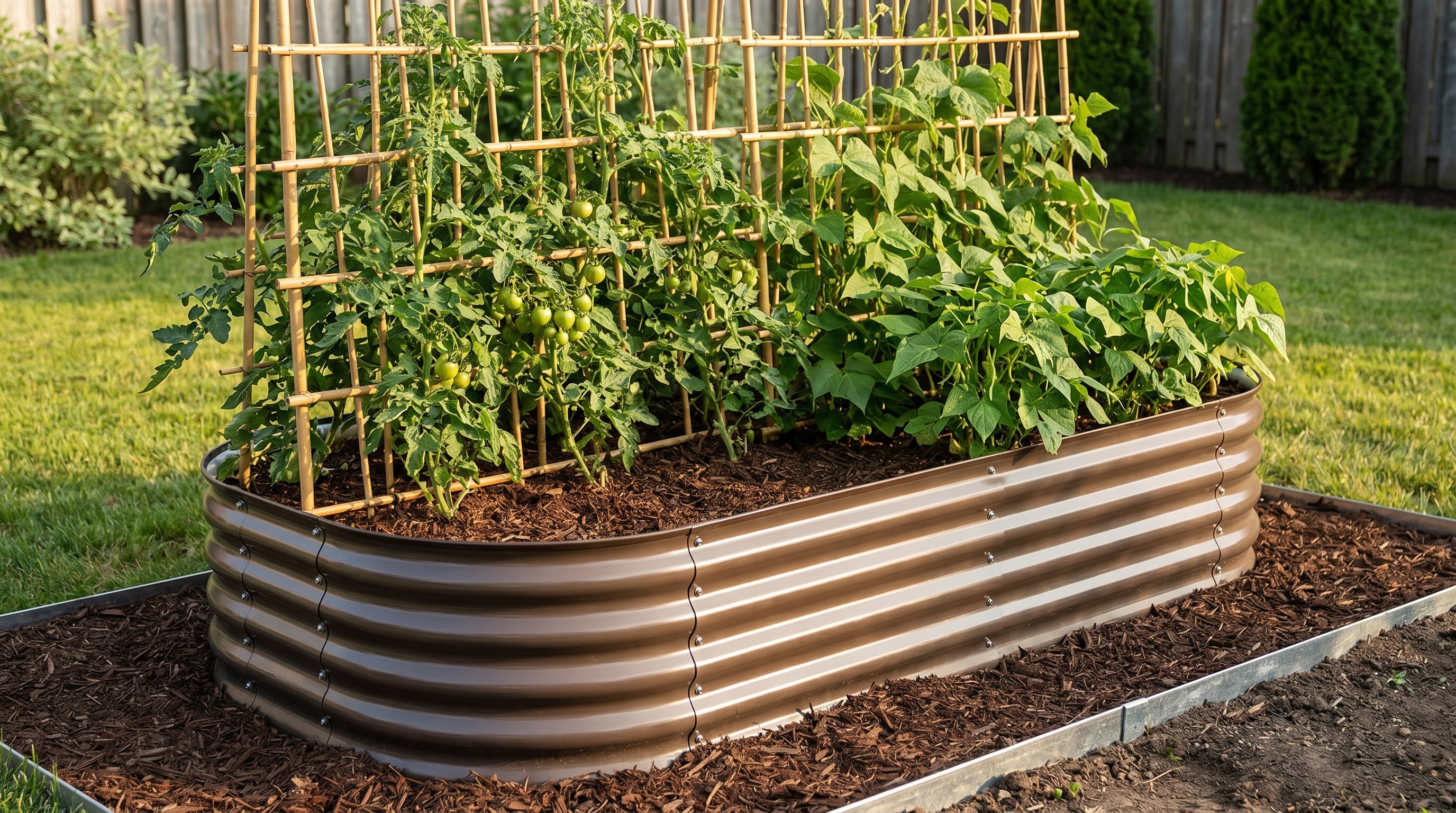
ALT: Raised garden bed with bamboo trellis and galvanized metal edging beautifying a June backyard garden space
Advanced Tips: Taking Your Garden Beautification Further
Once your core trellis and edging structures are in place, there are several additional touches that can elevate your garden space from lovely to truly exceptional.
Add a Comfortable Seating Area Nearby
A beautiful garden deserves to be enjoyed. If you have a small patio or a corner of your yard near the garden, consider adding comfortable outdoor seating. For those exploring the best outdoor seating options for small patios, lightweight folding chairs, compact bistro sets, or a simple bench positioned to face your most beautiful garden view can transform how you experience your outdoor space. Similarly, the best lounge chairs for reading outdoors pair wonderfully with a shaded garden corner — imagine reading while surrounded by your climbing plants and neatly edged beds.
Integrate Pathway Systems
Defined pathways between garden beds complete the sense of a planned, intentional outdoor space. Simple bark chip paths, stepping stone arrangements, or gravel pathways connect your garden zones and make maintenance easier while adding visual structure between beds.
Common Misconceptions About Trellises and Edging
Misconception 1: Trellises are only for climbing vegetables. In fact, trellises are equally valuable for flowering climbers, privacy screening with dense foliage, and creating shade structures for heat-sensitive crops. Many gardeners use them primarily for aesthetic and structural purposes.
Misconception 2: Edging is purely decorative. Good edging significantly reduces maintenance time by preventing grass and weeds from migrating into garden beds. It also helps retain mulch and defines irrigation zones more clearly.
Misconception 3: Beautiful gardens require large budgets. As this guide demonstrates, some of the most visually striking garden designs use simple, affordable materials thoughtfully placed. The design principle matters more than the price of the materials.
Seasonal Maintenance Considerations
Most trellis and edging installations require minimal ongoing maintenance. Metal options benefit from an annual check for any movement or shifting, while bamboo and wood should be inspected for signs of deterioration each spring. Metal garden edging and galvanized steel structures require virtually no maintenance beyond occasional cleaning.
Frequently Asked Questions FAQ
Q1: How do I choose the right trellis height for my raised garden bed?
Trellis height should match the mature height of your climbing plants plus allow for some clearance above the raised bed walls. For most vegetable crops like pole beans and cucumbers, a trellis height of 4–6 feet above the soil surface works well. For indeterminate tomatoes, taller support is beneficial. Always position the trellis on the north side of your bed to prevent shading shorter neighboring plants, and ensure it's anchored securely enough to hold the weight of mature, heavily laden plants.
Q2: Is metal edging better than plastic edging for raised bed gardens?
Metal edging generally outperforms plastic in terms of longevity, appearance, and stability. While plastic edging is lighter and often less expensive upfront, it can become brittle in UV exposure over time and may crack or shift. Metal edging — particularly galvanized or powder-coated steel — offers superior durability, maintains its shape reliably, and creates a cleaner visual line. For gardeners who have invested in quality metal raised beds, metal edging provides an aesthetically cohesive and practically superior border solution.
Q3: How long does it typically take to install trellis and edging around two or three raised beds?
For most home gardeners, installing basic trellis and edging around two to three raised garden beds can be completed in a single weekend — approximately 4–8 hours of active work depending on complexity and materials. Simple bamboo trellis panels can be installed in under an hour per bed. Metal or stone edging requires more time for trenching and leveling but is still very manageable as a weekend project. Planning your materials and layout in advance significantly reduces installation time.
Summary
Beautifying your garden space this June doesn't require a professional designer or a large budget — it requires thoughtful attention to structure, materials, and the details that transform a productive growing space into a place you genuinely love spending time.
The three core takeaways from this guide are:
- Trellises add both function and beauty: Vertical growing structures support productive crops like tomatoes and climbing beans while creating dramatic visual interest in your garden design.
- Edging defines and polishes: Clean borders between lawn and garden zones, between paths and beds, give any garden a designed, intentional quality that elevates the entire space.
- Quality infrastructure is the foundation: Beautiful decorative elements are most effective when built around reliable, durable raised bed structures — the kind designed to last for decades rather than seasons.
As you head into June with these ideas in hand, start with one or two high-impact projects rather than trying to transform everything at once. Choose the most visible corner of your garden, install a trellis and matching edging, and watch how dramatically the entire space feels elevated. Once you see the difference, expanding the approach to other areas becomes genuinely exciting.
For ongoing garden success, don't overlook the importance of healthy soil and proper watering. Check out this helpful resource on Watering Raised Garden Beds in June Heat: Tips for Conserving Moisture to keep your plants thriving as summer temperatures climb.
Upgrade Your Garden with Anleolife
Anleolife's nationwide U.S. warehouse network — strategically located in California, Texas, Florida, New York, Illinois, and Washington — ensures delivery within 3–8 business days, so your garden upgrade plans never have to wait through a long shipping delay. Products are available across major e-commerce platforms including Amazon, Walmart, Home Depot, Lowe's, Wayfair, and the official Anleolife.com website, providing consistent quality assurance and reliable after-sales service wherever you prefer to shop.
Anleolife's three core scenarios — Planting (metal raised garden beds, soil systems), Raising (chicken coops, rabbit hutches), and Beautification (decorative accessories, pathway systems) — cover your complete garden needs from functionality to aesthetics. Our modular product design allows flexible expansion based on your evolving needs, from your first raised bed installation to a fully integrated planting-and-raising ecosystem. We grow with you, every step of the way.
References
- National Gardening Association. "Gardening Trends and Participation Statistics".
https://garden.org - University of California Agriculture and Natural Resources. "Vegetable Gardening in Containers and Raised Beds".
https://ucanr.edu/ - U.S. Department of Agriculture. "Home Gardening and Food Safety Resources".
https://www.usda.gov/ - Penn State Extension. "Raised Bed Gardening: Structure and Design Principles".
https://extension.psu.edu/ - Oregon State University Extension Service. "Trellising and Vertical Growing in Home Gardens".
https://extension.oregonstate.edu/
Note: Standards and recommendations may be updated. Please check the latest official documents or consult professional advisors for the most current guidance.
About Anleolife
Anleolife is a leading outdoor garden solutions provider in North America, dedicated to offering a full-scenario product ecosystem for home gardening enthusiasts, covering planting, raising, and garden beautification. Since its founding, we have upheld our brand mission, "Made for Garden Life," continuously innovating products and optimizing services to help hundreds of thousands of users upgrade their gardens, reconnect with nature, and enjoy a better garden lifestyle.