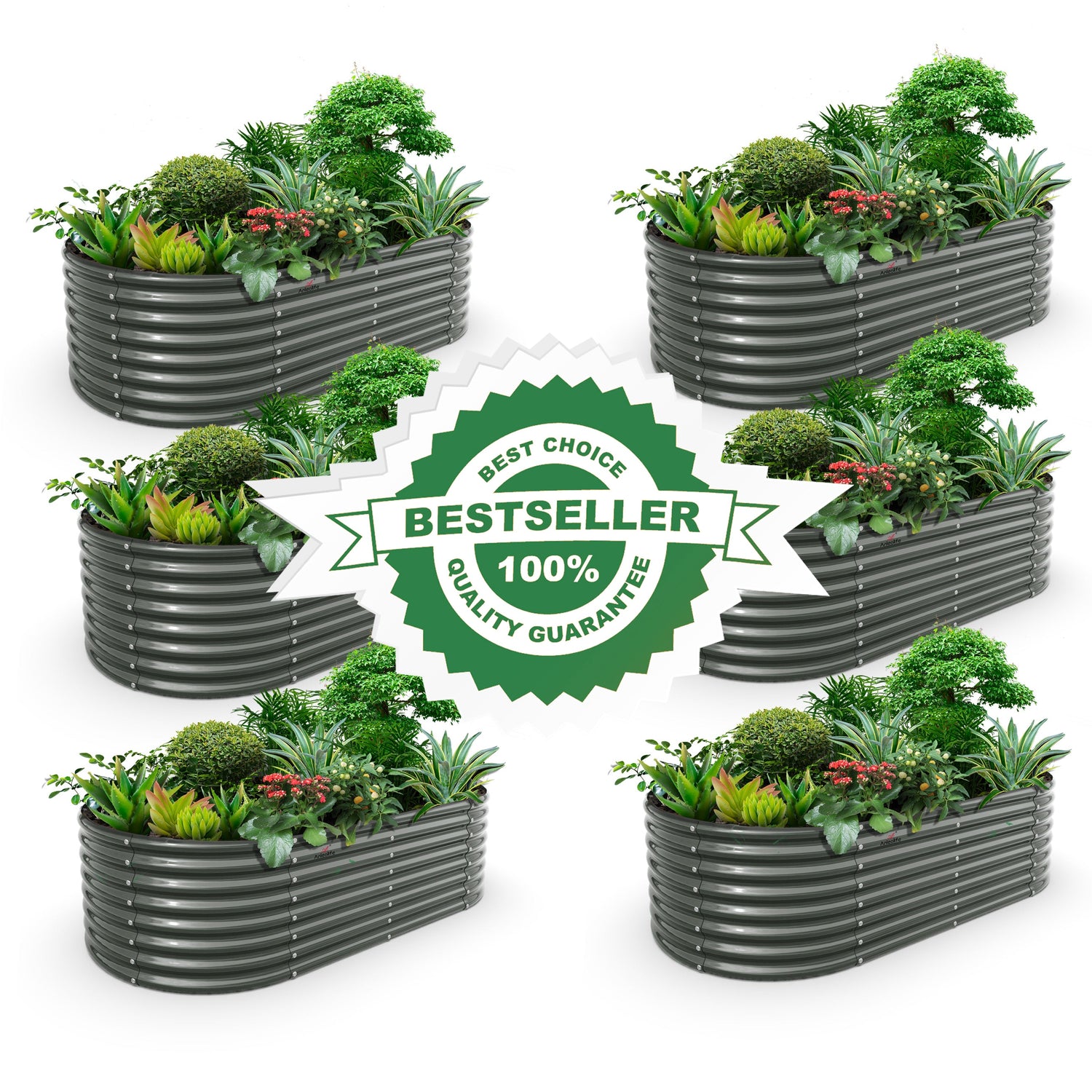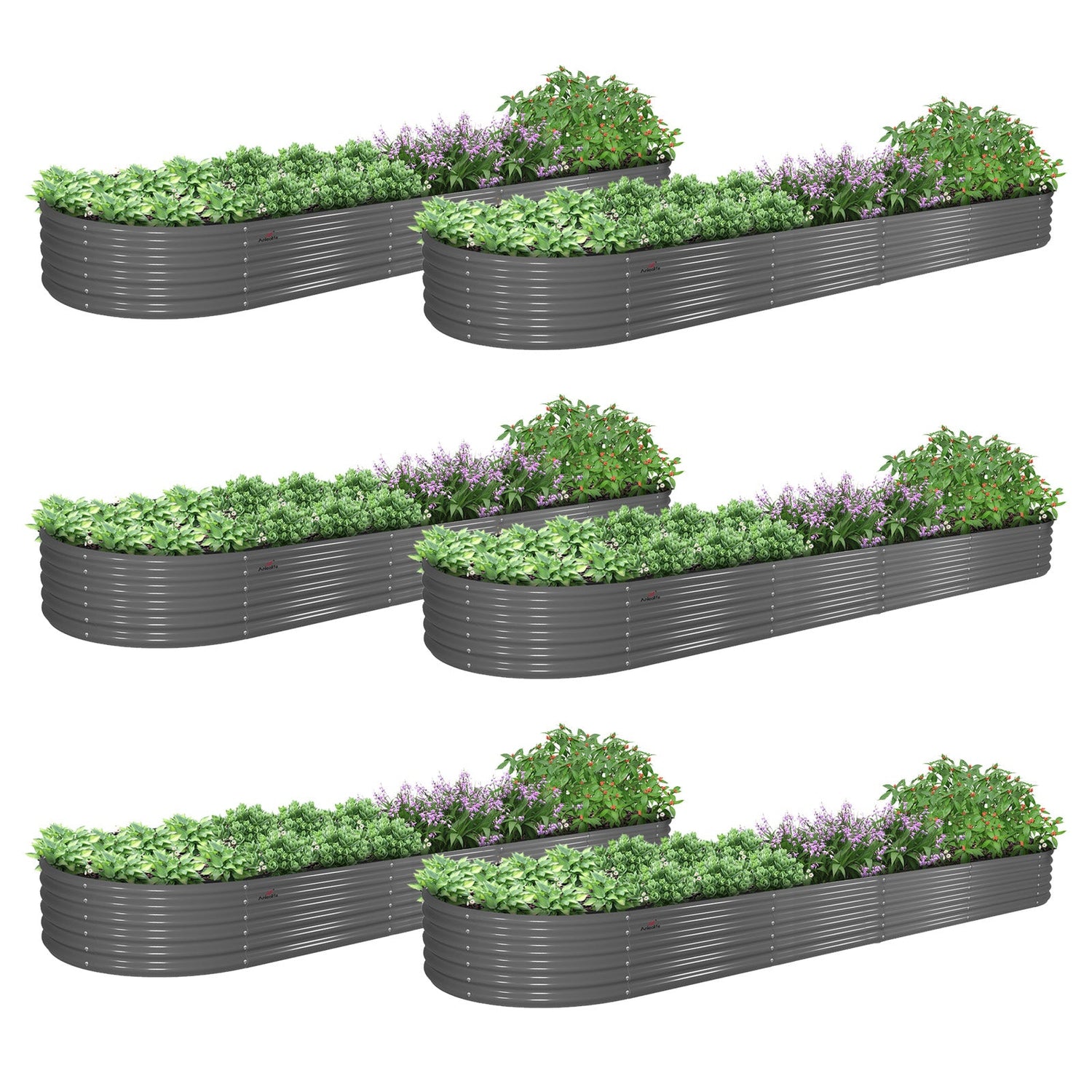



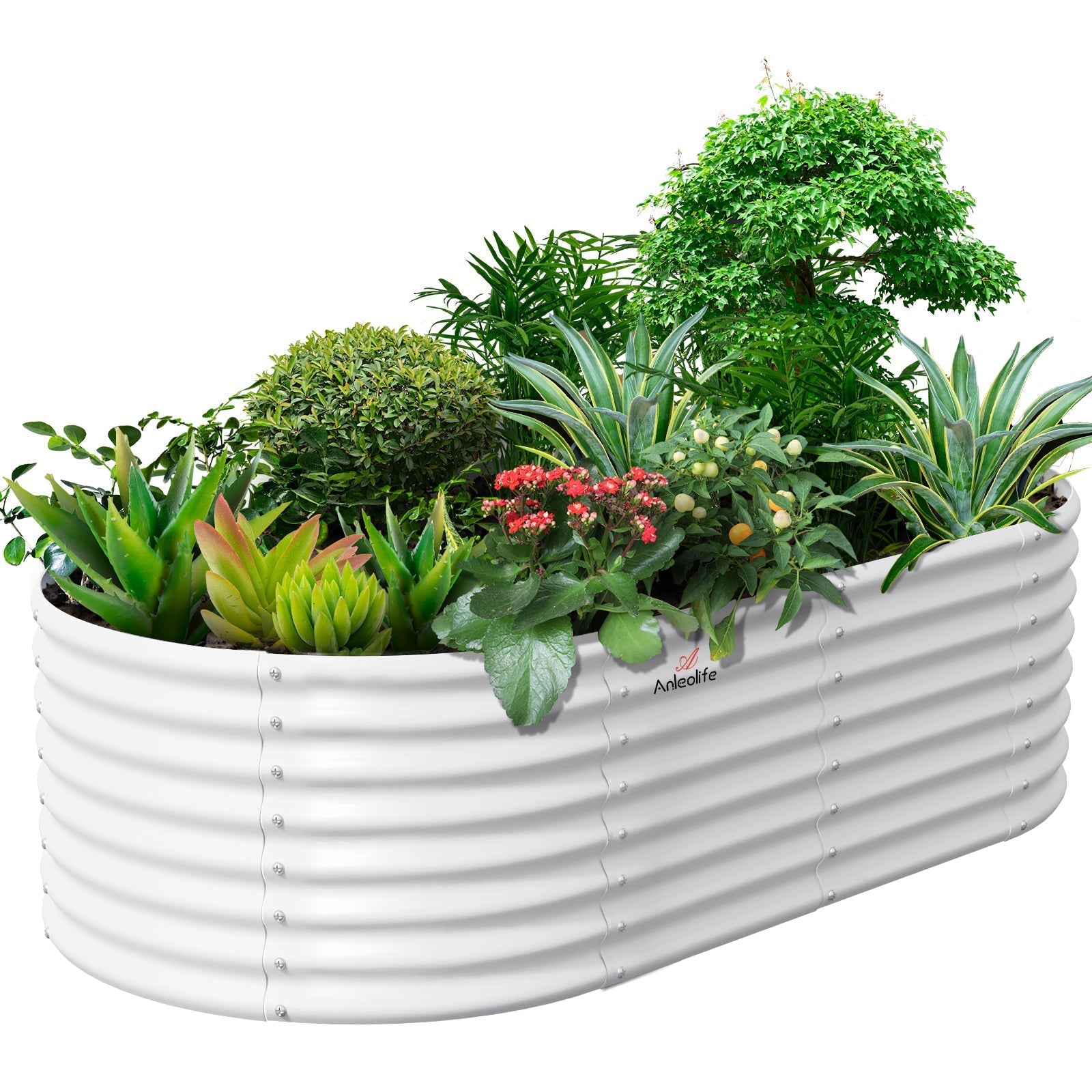
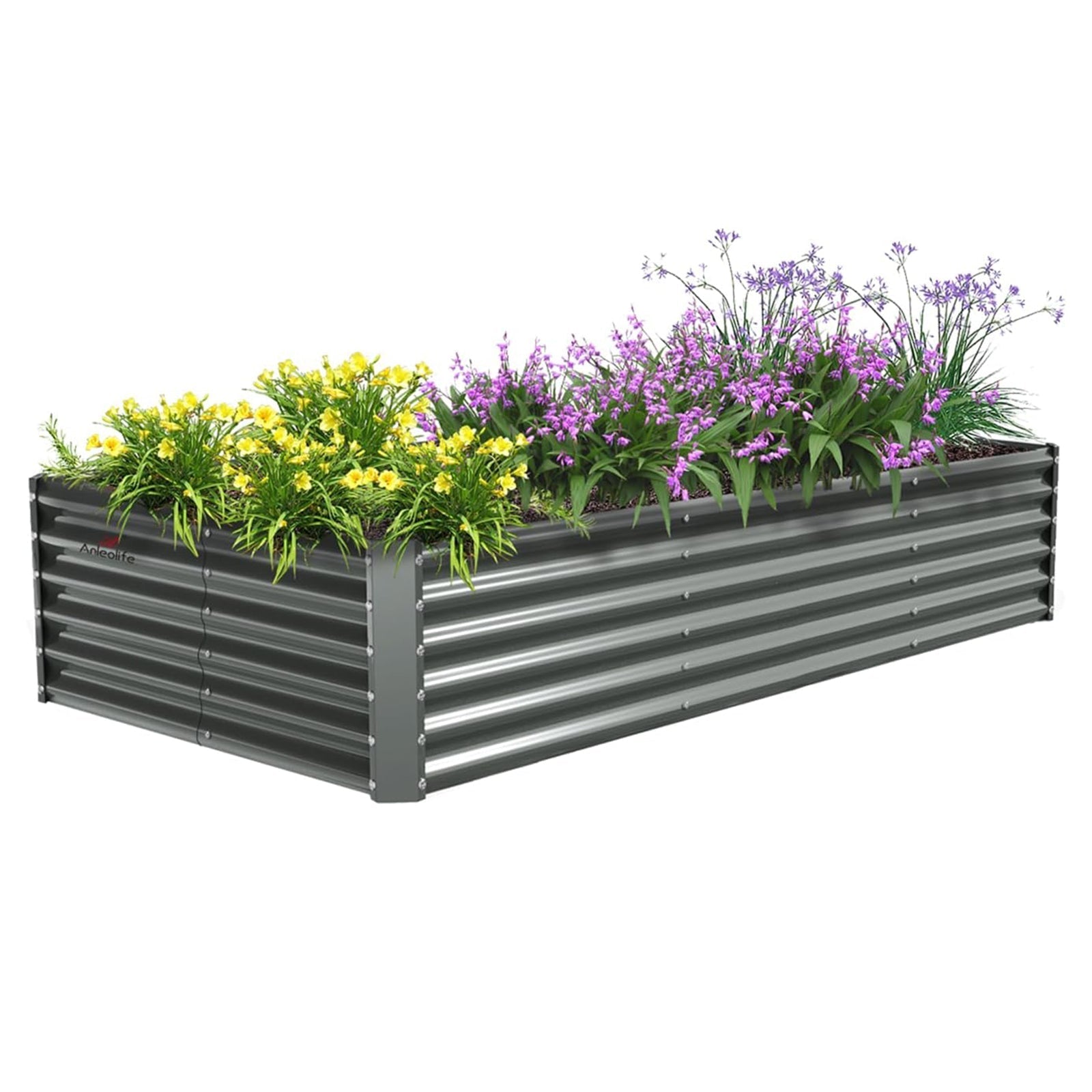

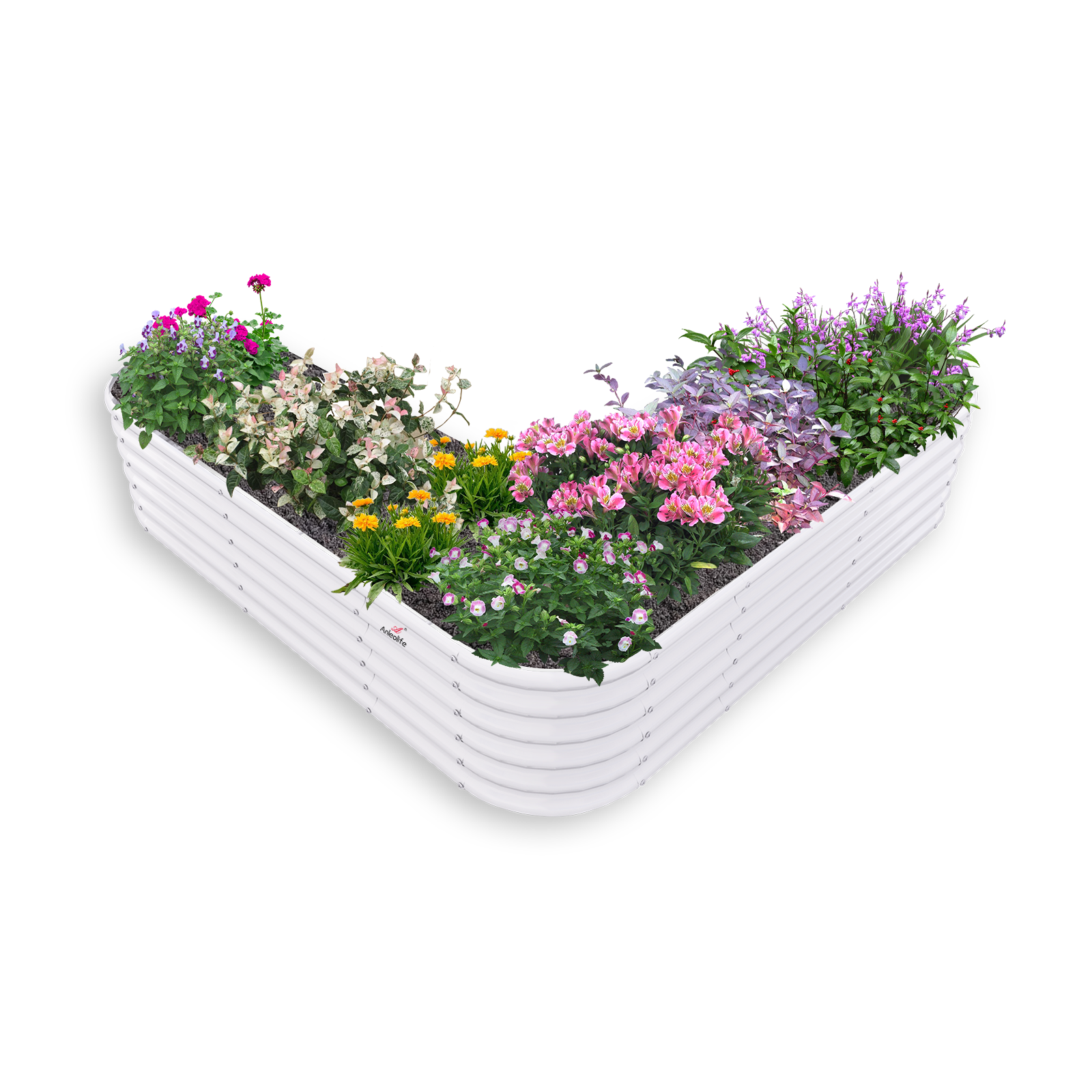
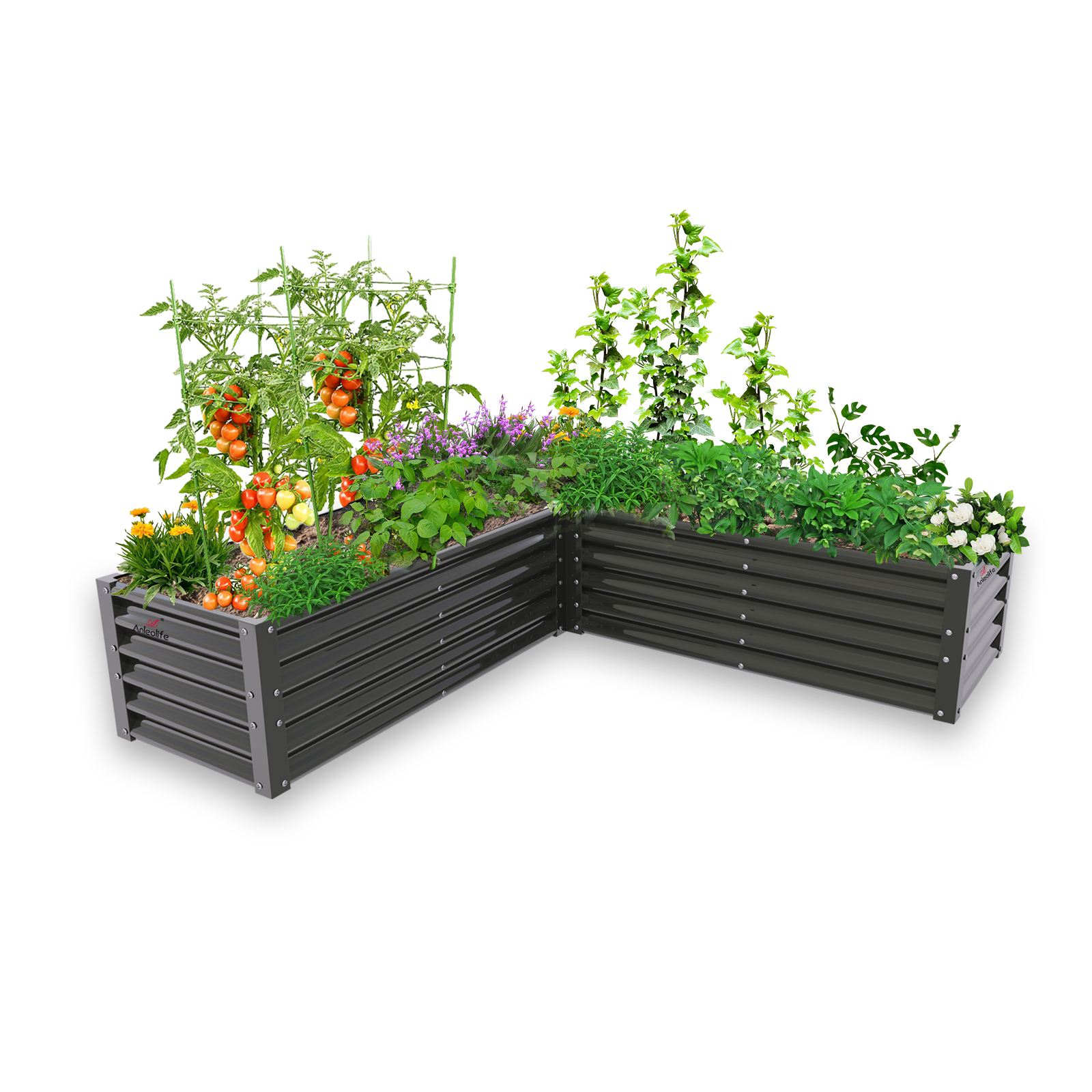
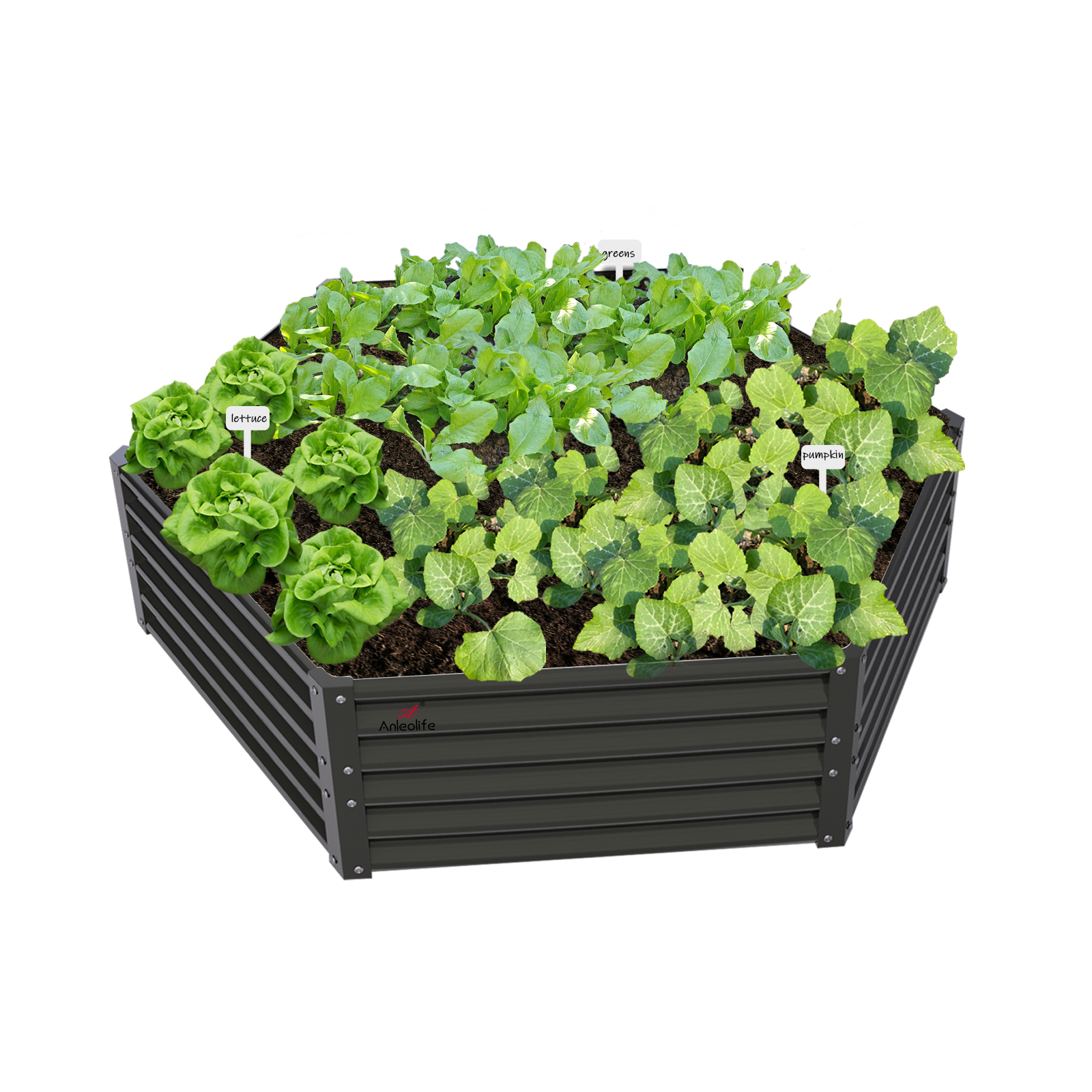
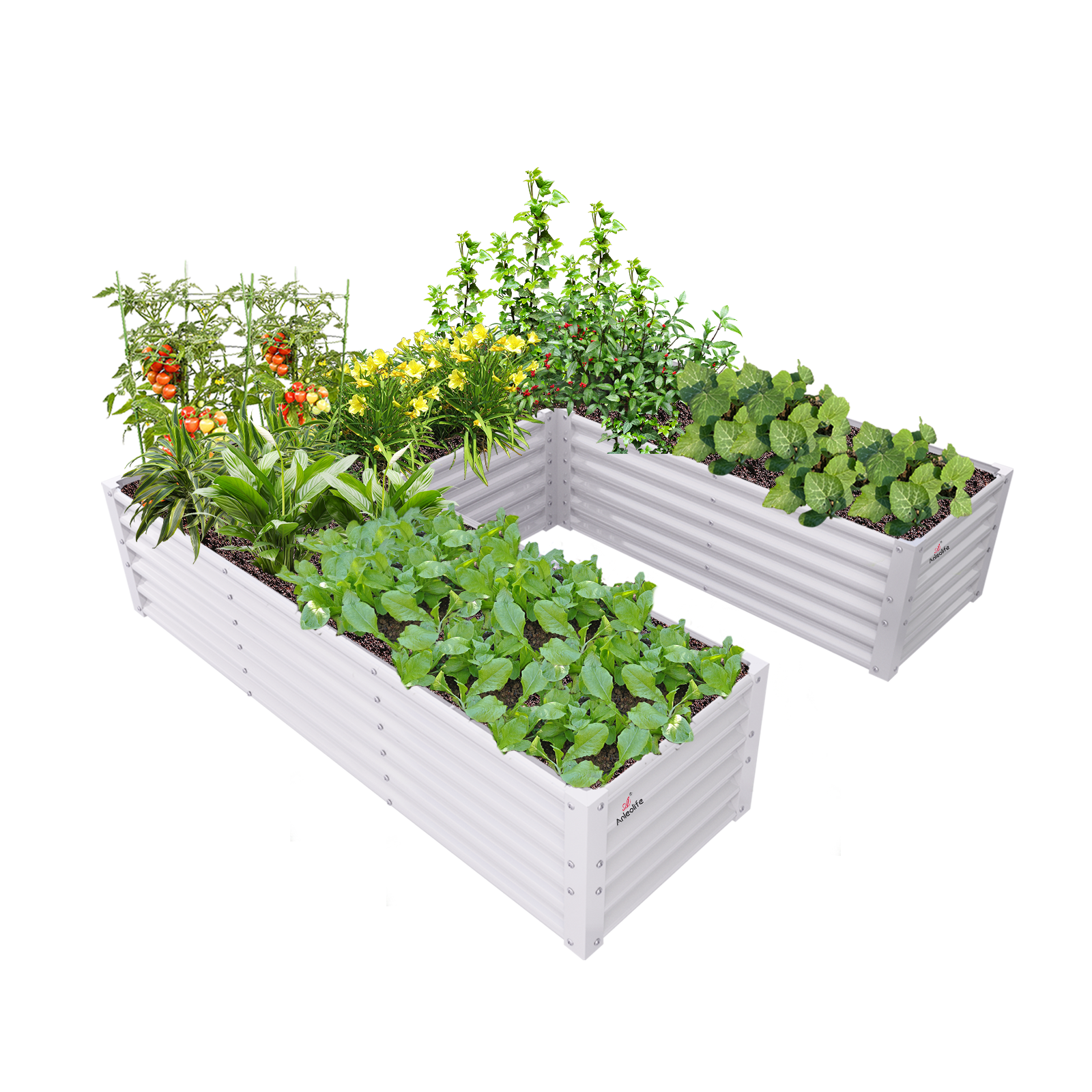

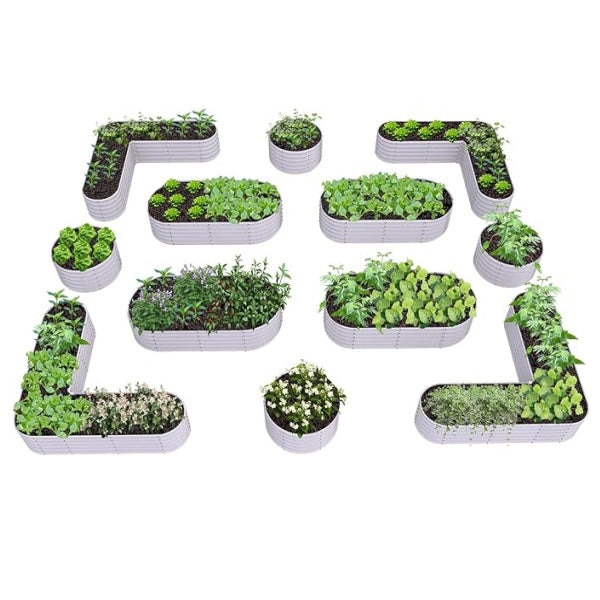


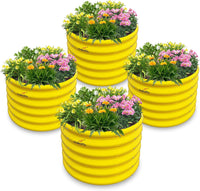
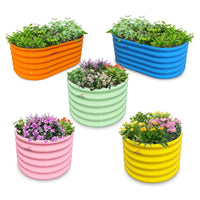
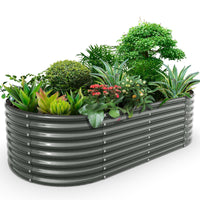



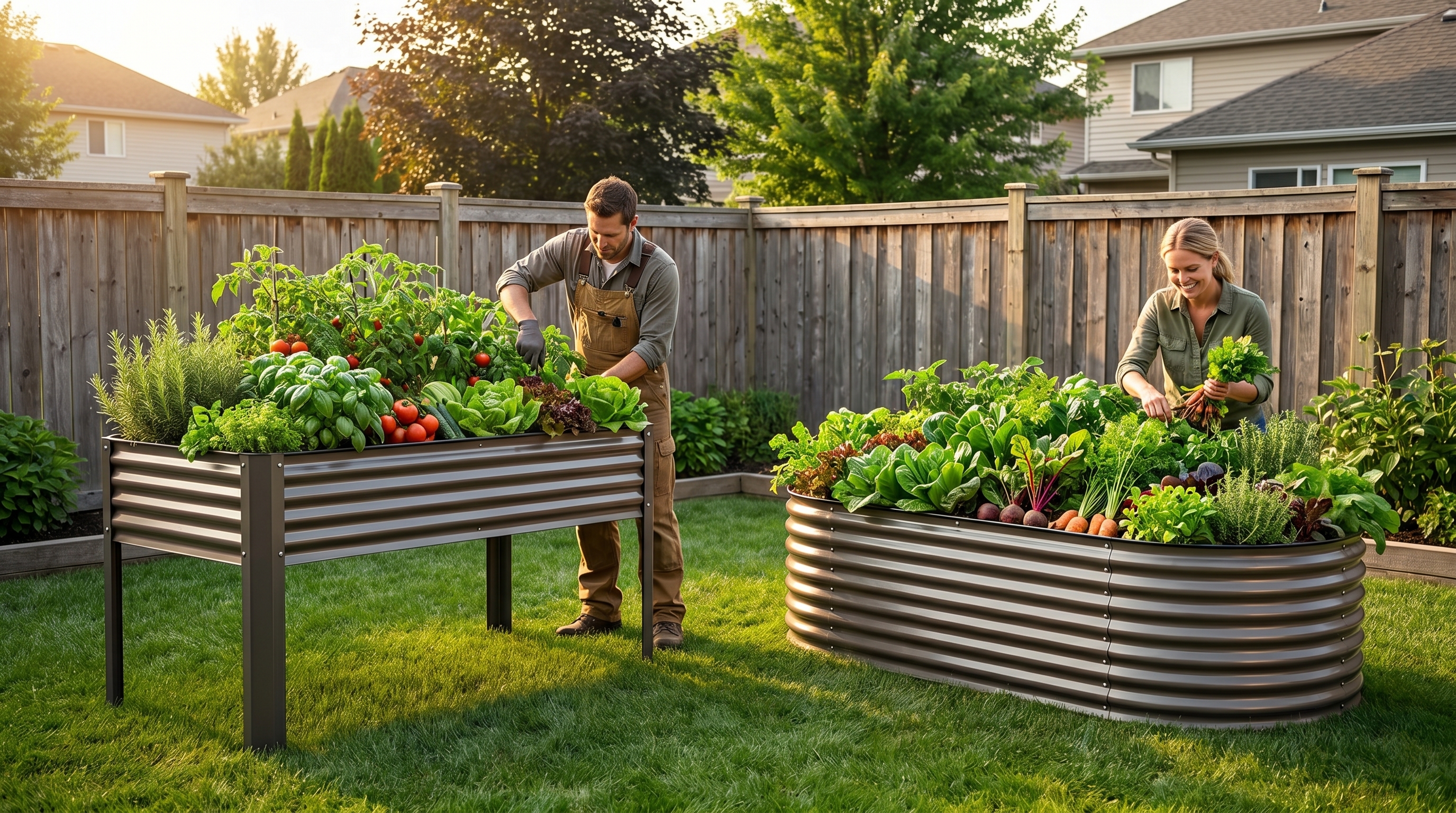
ALT: Elevated garden bed and ground-level raised bed comparison for optimal raised bed garden layout planning
Which Garden Bed Style Truly Fits Your Raised Bed Garden Layout?
Key Conclusion: Choosing between an elevated garden bed and a ground-level raised bed is one of the most impactful decisions in your raised bed garden layout. Each style serves distinct gardening goals, physical needs, and spatial conditions. Understanding the core differences in your raised bed planting layout—from soil depth and drainage to accessibility and cost—ensures you invest wisely and grow more successfully. The right raised bed layout can transform even the smallest backyard into a productive, beautiful growing space.
Whether you're a seasoned home grower expanding your backyard setup or a retiree looking to enjoy gardening without the strain, the structure of your garden bed shapes everything: how much you harvest, how your back feels after an hour outside, and how your yard looks from the kitchen window.
- Physical comfort matters: Elevated beds reduce bending and kneeling, a genuine quality-of-life factor for older gardeners or those with mobility considerations.
- Soil control is power: Both styles allow you to bypass native soil problems, but they differ in how much control and root depth they offer.
- Aesthetics and integration: Your garden bed style contributes to the overall visual harmony of your outdoor space—alongside lounge chairs, pathway lighting, and garden ornaments.
Who Should Read This Guide?
✅ Applicable Scenarios:
- Homeowners with limited outdoor space who want to maximize a small backyard or patio
- Gardeners with back pain, knee issues, or limited mobility seeking a comfortable raised bed planting layout
- Urban micro-gardeners growing on concrete patios, rooftop terraces, or compact yards
- Empty nesters and retirees redesigning their garden space for lower-maintenance, higher-enjoyment gardening
- Eco-conscious families wanting better soil control, reduced pesticide use, and higher vegetable yields
❌ Not Applicable/Cautions:
- Gardeners with very large in-ground plots who primarily grow sprawling crops like pumpkins or corn (ground space is more efficient)
- Those on extremely tight budgets who cannot invest in any structural materials—direct in-ground gardening may remain the most accessible option
- Renters without permanent outdoor space rights who need fully portable, landlord-approved solutions only
Understanding the Two Main Approaches to a Raised Bed Layout
The popularity of raised bed gardening has surged across North America over the past decade. According to the National Gardening Association, food gardening participation has grown substantially, with home vegetable gardening representing one of the fastest-expanding hobby categories among households. The appeal is logical: raised beds solve real problems—poor native soil, drainage challenges, persistent weeds, and back strain—while offering aesthetic structure to an otherwise informal yard.
But within the broader "raised bed" category, two distinct philosophies exist:
Ground-level raised beds sit directly on the earth. Soil is mounded or contained within a frame that rests on the ground, usually ranging from several inches to about two feet in height. Roots can extend downward into native soil if the bottom is open, offering deep-rooting crops a significant advantage.
Elevated garden beds (sometimes called standing planters or tall raised beds) are constructed with legs or elevated frames, lifting the growing surface to waist height or higher. These are entirely self-contained—the planting volume is finite, soil doesn't touch the ground, and drainage is managed through the base of the container.
Both designs share the raised bed philosophy: controlled growing medium, better drainage than flat-ground planting, warmer soil temperatures in spring, and tidier aesthetics. But their specific advantages diverge meaningfully based on your garden goals, physical condition, space constraints, and budget.
If you're planning a comprehensive raised bed garden layout—factoring in pathways, seating, lighting, and ornamental elements—understanding these two bed styles is your essential first step. For a deeper look at full garden planning principles, the Anleolife garden solutions blog offers extensive guides covering soil systems, bed sizing, and companion planting strategies.
Elevated vs. Ground-Level: A Complete Comparison for Your Raised Bed Planting Layout
Three-Step Quick Start for Choosing the Right Bed Type
Step 1: Assess Your Physical Needs and Daily Use Patterns
Before comparing materials or prices, be honest about how you'll actually use the bed every day. Do you have difficulty bending at the waist or kneeling for extended periods? If yes, an elevated bed is likely the better long-term investment for your comfort. If you enjoy the meditative quality of kneeling close to the soil and have no physical limitations, a ground-level bed remains a perfectly comfortable and highly productive option. This assessment takes just a few minutes of honest reflection but saves significant regret later.
Step 2: Evaluate Your Space—Surface Type, Square Footage, and Sun Exposure
Walk your intended garden area and note: Is the surface grass, soil, concrete, or pavers? How many square feet are genuinely available? Where does full sun fall for the longest daily period? Ground-level beds need soil or grass beneath them and benefit from open-bottom root expansion. Elevated beds can sit on any hard surface, including patios or decks, making them the only viable option in many urban settings. Mapping sun exposure carefully ensures your raised bed layout gets the hours of direct light most vegetables require—typically six or more hours daily.
Step 3: Define Your Growing Goals and Seasonal Intentions
Are you primarily growing shallow-rooted crops like lettuce, herbs, and radishes? Or deep-rooting vegetables like tomatoes, carrots, and squash? Shallow crops thrive beautifully in elevated beds. Deep-rooting crops benefit from the extended soil column a ground-level bed provides—especially when the bed bottom is open to native earth. Also consider seasonality: elevated beds warm up faster in spring (great for early starts) but may dry out more quickly in summer heat, requiring more attentive watering.
Head-to-Head Comparison: Elevated Beds vs. Ground-Level Raised Beds
Both elevated garden beds and ground-level raised beds offer significant improvements over flat in-ground planting, but they serve different gardeners in different contexts. The table below summarizes the most important distinctions to guide your raised bed layout planning.
| Comparison Dimension | Elevated Garden Bed | Ground-Level Raised Bed | Notes for Your Decision |
|---|---|---|---|
| Accessibility & Ergonomics | Excellent—waist-height gardening, minimal bending | Moderate—depends on bed height (taller = better) | Priority for seniors or those with back/knee issues |
| Root Depth Available | Limited to bed depth | Potentially unlimited (open-bottom designs) | Deep-rooting crops prefer ground-level |
| Suitable Surfaces | Any—concrete, pavers, decks, grass | Soil or grass preferred; works on any permeable surface | Urban patios favor elevated |
| Soil Warming in Spring | Faster—air circulates beneath | Moderate—ground insulates but also conducts cold | Earlier spring planting possible with elevated beds |
| Watering Requirements | Higher—dries faster, more drainage | Lower—ground moisture retention helps | Ground-level more forgiving in heat |
| Aesthetic Versatility | High—clean, architectural look | High—natural, integrated look | Both can be beautiful with thoughtful design |
| Cost to Build or Buy | Generally higher | Generally lower | Long-term ROI depends on lifespan and productivity |
| Pest & Weed Pressure | Lower—physically isolated | Moderate—weeds can infiltrate from below | Landscape fabric liner helps ground-level beds |
| Long-Term Durability | Depends on materials | Depends on materials | Quality metal options can last up to 20 years |
| Best Crops | Herbs, greens, strawberries, flowers | Tomatoes, root vegetables, squash, beans | Match crop to bed type for best results |
Deep Dive: Pros, Cons, and Best Uses of Each Style
The Case for Elevated Garden Beds
Elevated garden beds are, fundamentally, an accessibility and flexibility solution. Their defining characteristic—the raised platform—changes the physical experience of gardening in a way that ground-level alternatives simply cannot replicate.
For retirees and empty nesters who are reclaiming their yards and want to spend more time in the garden without physical consequence, waist-high beds are transformative. You can tend your herbs, harvest your lettuce, or train climbing plants without ever crouching. This isn't a luxury—it's a genuine quality-of-life upgrade that keeps people gardening for more years of their lives.
Elevated beds also open gardening to spaces that were previously unusable. A sealed concrete patio, a rooftop terrace, a wooden deck—all become viable growing environments. This is especially valuable in urban settings where soil may be contaminated, non-existent, or simply inaccessible. Urban micro-gardeners in apartments and townhomes are perhaps the most enthusiastic users of elevated growing systems for exactly this reason.
From a pest management perspective, elevation creates a meaningful physical barrier. Slugs, snails, and many ground-level insects find it harder to reach elevated planting surfaces. While this doesn't eliminate all pest pressure, it meaningfully reduces it, especially for leafy greens and herbs that are most vulnerable at ground level.
There are genuine trade-offs. The finite soil volume means elevated beds dry out faster—a factor that requires attentive watering, especially during summer heat. Deep-rooting plants like indeterminate tomatoes or long carrots may feel constrained, although many gardeners successfully grow them with careful soil selection and watering discipline. Cost is also a real consideration: elevated beds typically involve more materials and engineering, making them pricier upfront.
For aesthetics, elevated beds lend a clean, architectural quality to outdoor spaces. Paired with well-chosen garden ornaments for small spaces—a decorative trellis, a simple stone statue, a lantern-style outdoor light—an elevated bed becomes a design statement as much as a functional planting zone.
The Case for Ground-Level Raised Beds
Ground-level raised beds are the workhorses of productive home gardening. They've been the backbone of kitchen gardens for generations, and for good reason: they combine simplicity, generous root space, and natural moisture retention into a format that's hard to beat for sheer growing output.
The open-bottom design (used in most traditional raised beds) allows plant roots to extend beyond the bed into native subsoil. For deep-rooting crops like tomatoes, peppers, melons, and root vegetables, this continuity of growing medium makes a real difference in yield and plant health. The native soil also contributes microbial life and mineral content that purely contained beds must supplement through amendments.
Ground-level beds are also more forgiving in terms of watering. The surrounding earth acts as a moisture reservoir, buffering the bed from extreme drying during hot spells. This makes them lower maintenance in summer compared to elevated alternatives—an important consideration for busy families who can't monitor moisture levels daily.
Cost accessibility is another genuine strength. A simple ground-level raised bed can be constructed from a range of affordable materials. When it comes to what's the best material for affordable raised garden beds, galvanized steel and powder-coated metal consistently rise to the top for their combination of price efficiency, longevity, and safety. Quality metal raised garden beds—like those offered by Anleolife—can provide up to 20 years of service life, making them among the most cost-effective long-term choices available, far outlasting wood alternatives that may degrade within a few seasons.
The primary challenges of ground-level beds center on weed management and native pest access. Weeds can push up from below if landscape fabric isn't used, and ground-dwelling pests like voles, moles, and certain insects have easier access. These issues are very manageable with basic precautions—hardware cloth lining, regular bed inspection, and mulching—but they do require an awareness that elevated beds largely sidestep.
From a raised bed garden layout planning perspective, ground-level beds integrate beautifully into landscaped yards. They feel more "of the earth," sitting comfortably alongside lawn areas, garden paths, and naturalistic plantings. They offer broad flexibility in shape and configuration, making them ideal for the classic multi-bed kitchen garden designs that maximize space through thoughtful arrangement of complementary crops.
Combining Both: The Hybrid Approach
Many experienced gardeners find the most satisfying solution is a combination: ground-level beds for high-yield crops like tomatoes, beans, and root vegetables, paired with elevated beds near seating areas for herbs, cut flowers, and daily-harvest greens. This hybrid raised bed planting layout lets you optimize both growing output and daily convenience.
When designing a full outdoor garden space, consider how the functional elements integrate with comfort and aesthetics. A pair of the best lounge chairs for reading outdoors positioned near an elevated herb bed creates an inviting garden corner where you can harvest fresh mint for iced tea without leaving your relaxation zone. Outdoor lighting for creating ambiance in backyard—whether solar lanterns, string lights, or path markers—extends the enjoyment of your garden space into the evening. Best hose storage solutions and reel systems keep pathways clear and safe, while thoughtfully chosen garden ornaments for small spaces add personality without clutter.
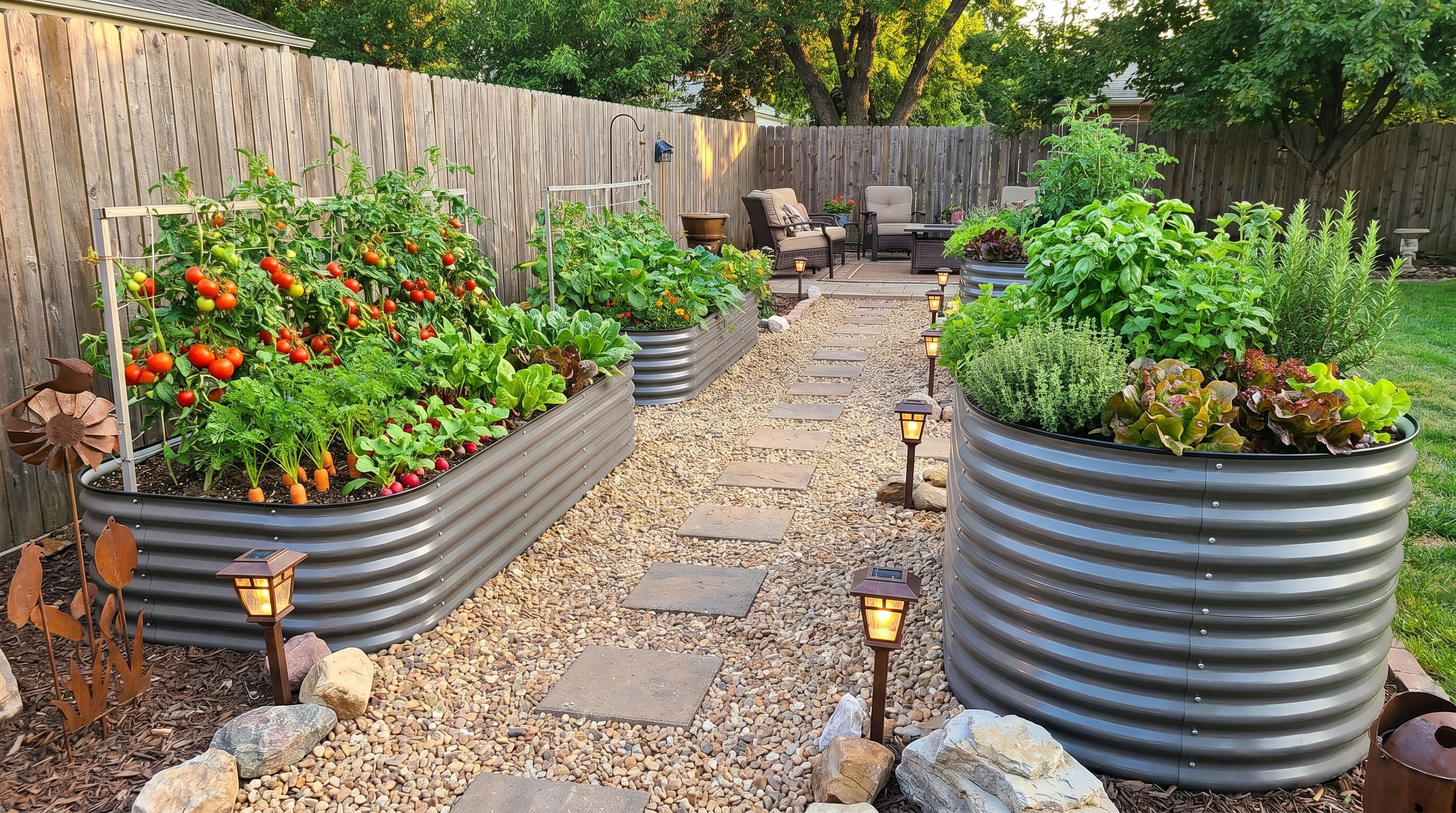
ALT: Side-by-side ground-level raised bed and elevated garden bed demonstrating a complete raised bed planting layout with pathway and ornamental elements
Advanced Considerations: Special Situations and Common Misconceptions
Handling Challenging Site Conditions
Sloped yards: Ground-level beds can be terraced on slopes to create level growing surfaces—a classic technique in hillside gardens. Elevated beds, however, provide a simpler solution: their adjustable legs often accommodate uneven ground without extensive earthwork.
Contaminated urban soil: In older urban neighborhoods, lead and other contaminants may be present in native soil. Elevated beds—or lined ground-level beds with solid bases—provide a safe growing environment entirely independent of native earth. This is one of the strongest arguments for elevated beds in urban settings.
Extreme climates: In very cold climates, elevated beds warm up faster in spring, enabling earlier planting dates. In hot, dry climates, ground-level beds retain moisture better, reducing irrigation needs significantly.
Common Misconceptions
"Elevated beds are only for elderly gardeners." Not true. Elevated beds are popular with all ages for their design aesthetic, urban applicability, and convenience for daily herb harvests. Many young urban gardeners choose elevated beds as their primary format.
"Ground-level beds are always cheaper." While a basic ground-level frame may cost less upfront, a low-quality ground-level bed that degrades in three years is far more expensive over time than a high-quality metal bed with a 20-year lifespan. Factor in replacement costs and soil replenishment when comparing options.
"You can grow anything in either type." Both styles are versatile, but matching your crop selection to your bed type genuinely improves outcomes. Don't expect your elevated container to produce the same carrot yields as a two-foot-deep ground-level bed—and don't be surprised when your ground-level bed outperforms in hot weather without daily watering.
Frequently Asked Questions FAQ
Q1: How do I decide which raised bed garden layout is best for a small backyard?
Start by mapping your available space and identifying sun exposure. For small yards, a combination of one or two elevated beds near seating areas (for herbs and greens) and one ground-level bed for higher-yield vegetables tends to optimize both productivity and aesthetics. Focus your raised bed layout on keeping pathways clear—at least 18–24 inches between beds for comfortable access—and consider vertical growing elements to extend your growing capacity upward without expanding your footprint.
Q2: Are metal raised garden beds safe for growing vegetables?
Yes—quality galvanized steel and powder-coated metal raised garden beds are widely considered safe for vegetable growing. The coating or galvanization creates a stable barrier that doesn't leach harmful compounds into soil under typical gardening conditions. Look for beds made with food-safe coatings and responsibly sourced materials. Anleolife's metal raised garden beds are designed with home food production in mind, engineered for durability and safety, with a service life of up to 20 years—making them a smart, long-term investment for health-conscious home growers.
Q3: How much does it cost over time to maintain a raised bed planting layout with both bed types?
Long-term costs include soil amendments, occasional liner replacement, pest management, and potential structural repairs. Metal beds—whether elevated or ground-level—typically offer the lowest long-term structural cost due to their durability. Annual soil topping with compost is the primary ongoing expense for either style. The biggest variable is watering: elevated beds may require supplemental irrigation investment (a drip system or efficient hose reel storage solution) to manage moisture levels efficiently, while ground-level beds in moderate climates often need minimal irrigation beyond rainfall.
Summary
Choosing between elevated garden beds and ground-level raised beds doesn't have to be an either/or decision—but when you do need to prioritize, three core principles should guide your raised bed garden layout:
- Match the bed to your body: If physical comfort, accessibility, or mobility is a factor, elevated beds are a life-quality investment that will keep you gardening longer and more joyfully.
- Match the bed to your crops: Deep-rooting vegetables thrive in open-bottom ground-level beds. Herbs, greens, and small fruits perform beautifully in elevated formats. Building your raised bed planting layout around this principle maximizes your harvests.
- Match the bed to your space and lifestyle: Urban patios, contaminated soils, and rooftop spaces call for elevated solutions. Traditional backyards with ample ground space offer more flexibility—use it for the productive, beautiful raised bed layout you've always envisioned.
The best garden beds are the ones you'll actually use—consistently, comfortably, and with genuine enjoyment. Whether you're starting with a single elevated herb bed or planning a full multi-bed kitchen garden, thoughtful planning at this stage pays dividends for years to come.
Ready to Build Your Ideal Garden?
Anleolife brings everything you need to realize your garden vision—and delivers it fast.
Nationwide U.S. Warehouse Network: Strategically located in California, Texas, Florida, New York, Illinois, and Washington, Anleolife's warehouse infrastructure ensures your order arrives within 3–8 business days—so your garden upgrade plans never have to wait for the growing season.
Multi-Channel Availability: Shop Anleolife products on Amazon, Walmart, Home Depot, Lowe's, and Wayfair, or visit the official Anleolife.com website directly for the full product range, consistent quality assurance, and dedicated after-sales support.
Three Core Garden Scenarios—One Complete Ecosystem:
- 🌱 Planting: Metal raised garden beds and soil systems built to last up to 20 years
- 🐓 Raising: Chicken coops and rabbit hutches for the full homestead experience
- 🌸 Beautification: Decorative accessories and pathway systems that turn a functional garden into a beautiful one
We understand that an ideal garden isn't built in a day—it's shaped over seasons, expanded with experience, and tailored to your life. Anleolife's modular product design grows with you, from your first raised bed to a fully integrated planting-and-raising ecosystem. Start where you are. Grow from there.
References
- National Gardening Association. "Garden to Table: A Guide to Growing Food at Home".
https://garden.org/ - University of California Agriculture and Natural Resources. "Raised Bed Gardening".
https://ucanr.edu/ - U.S. Environmental Protection Agency. "Growing Food in Potentially Contaminated Soils".
https://www.epa.gov/sites/default/files/2015-10/documents/urban_ag_facts.pdf - Penn State Extension. "Raised Bed Gardening".
https://extension.psu.edu/raised-bed-gardening - Oregon State University Extension Service. "Raised Bed Gardening Guide".
https://extension.oregonstate.edu/
Note: Standards and recommendations may be updated periodically. Please consult the latest official documents or contact professional gardening advisors for the most current guidance.
About Anleolife
Anleolife is a leading outdoor garden solutions provider in North America, dedicated to offering a full-scenario product ecosystem for home gardening enthusiasts, covering planting, raising, and garden beautification. Since its founding, we have upheld our brand mission, "Made for Garden Life," continuously innovating products and optimizing services to help hundreds of thousands of users upgrade their gardens, reconnect with nature, and enjoy a better garden lifestyle.