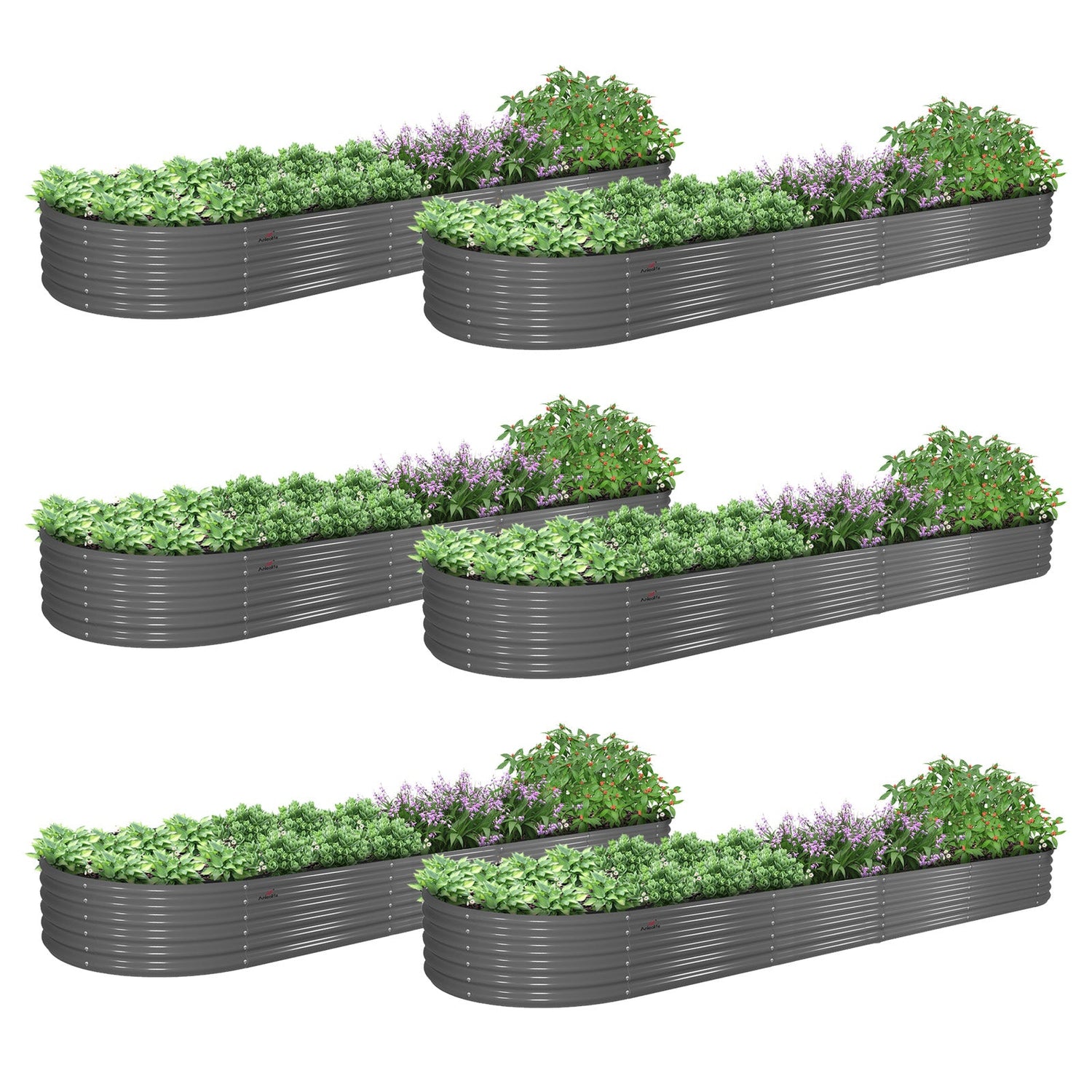



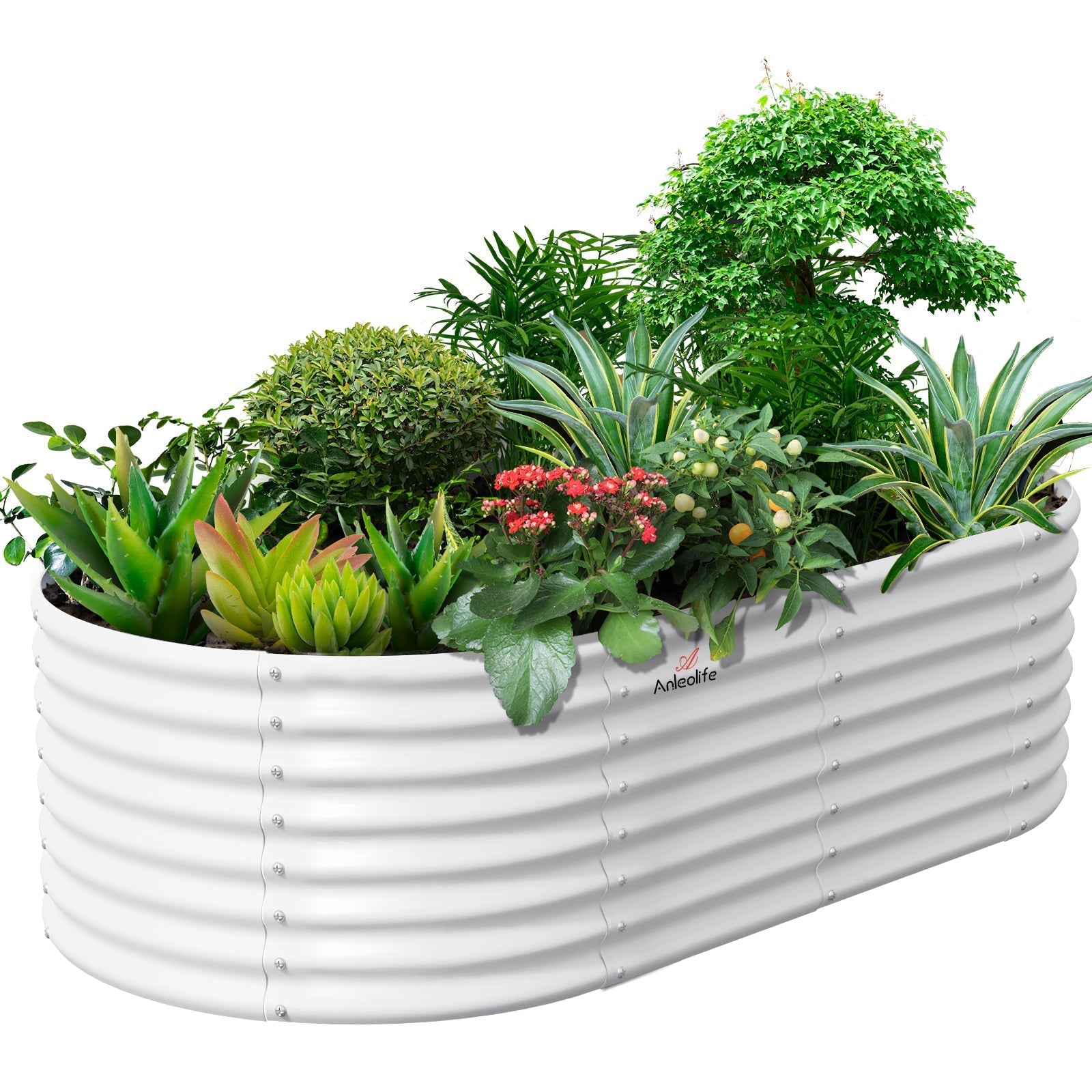
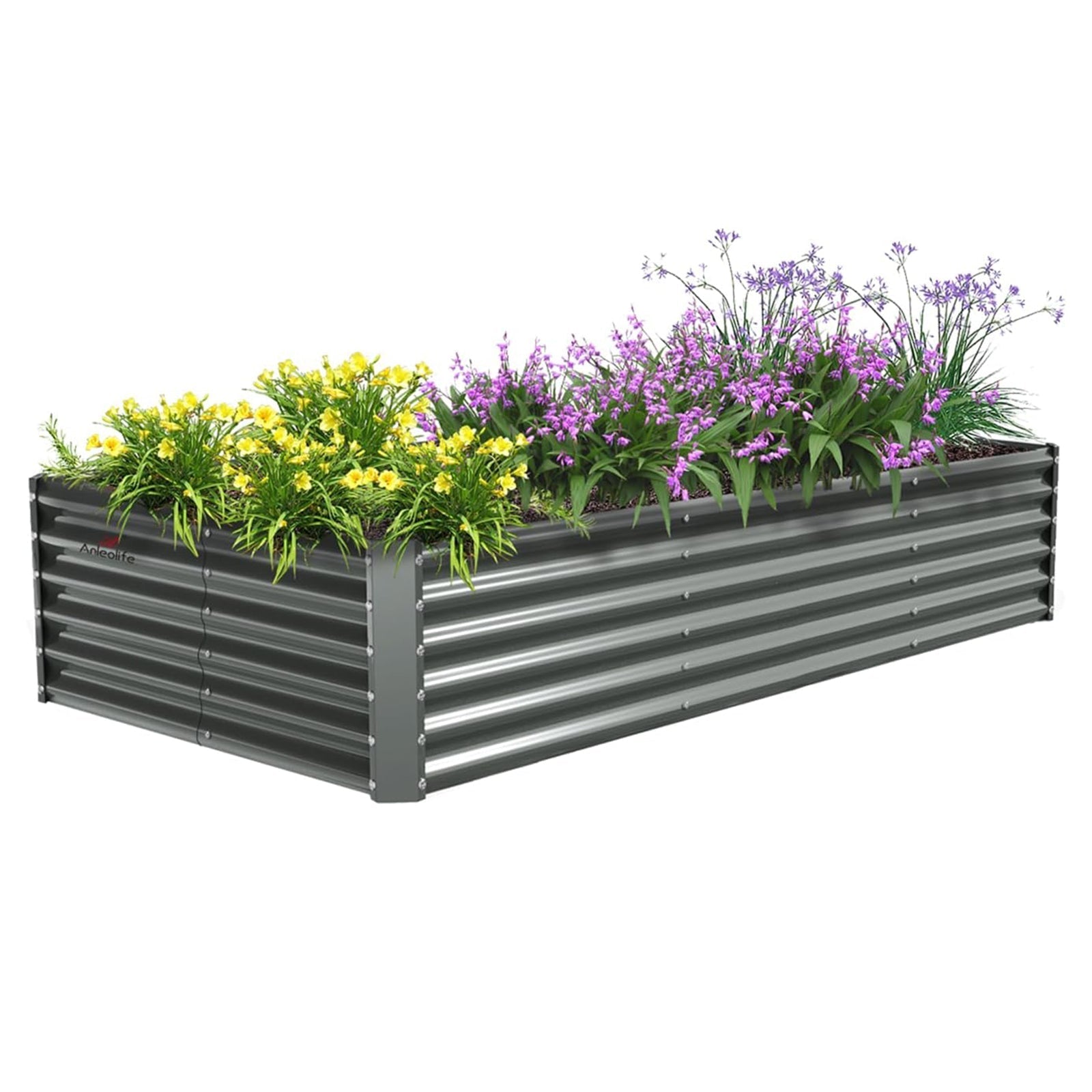

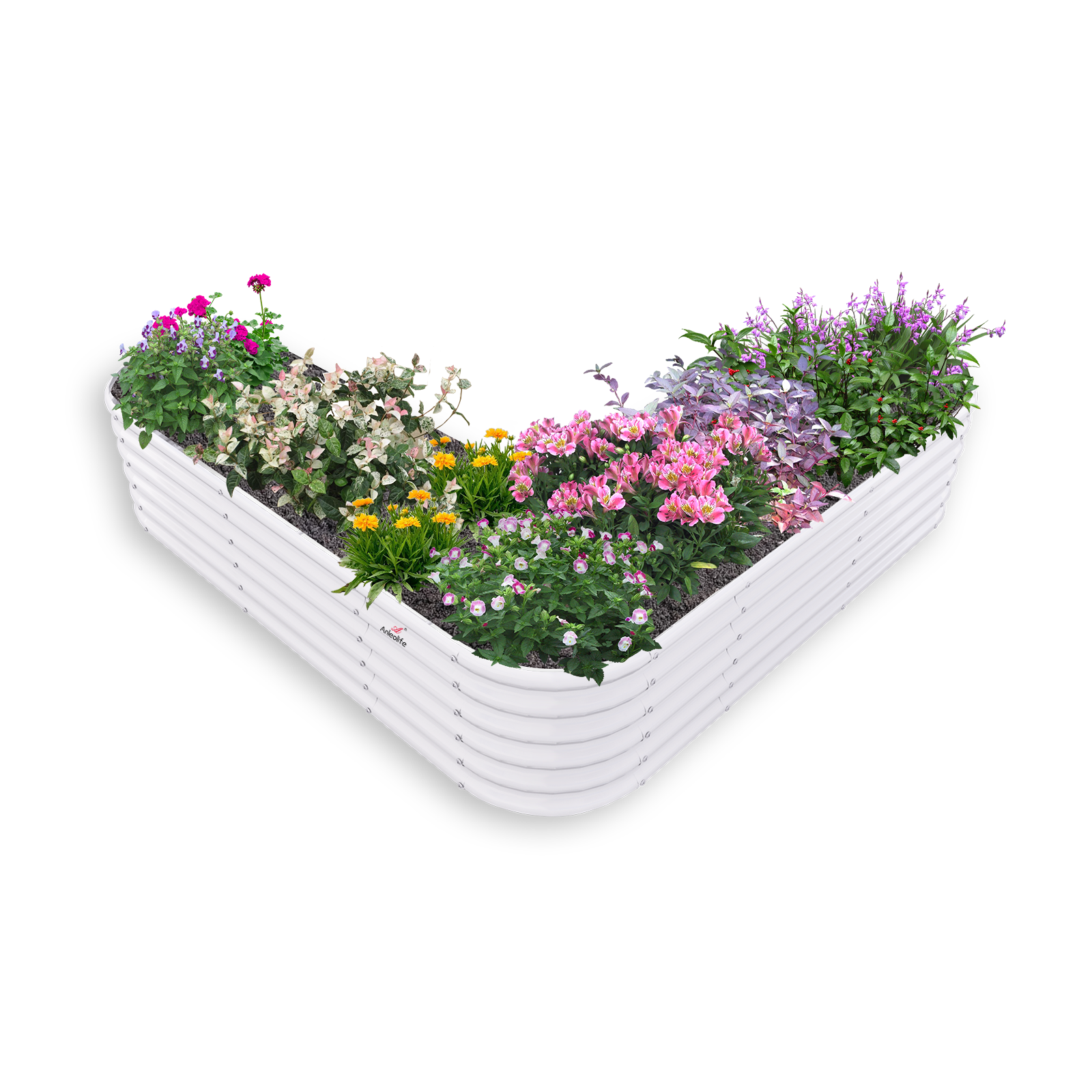
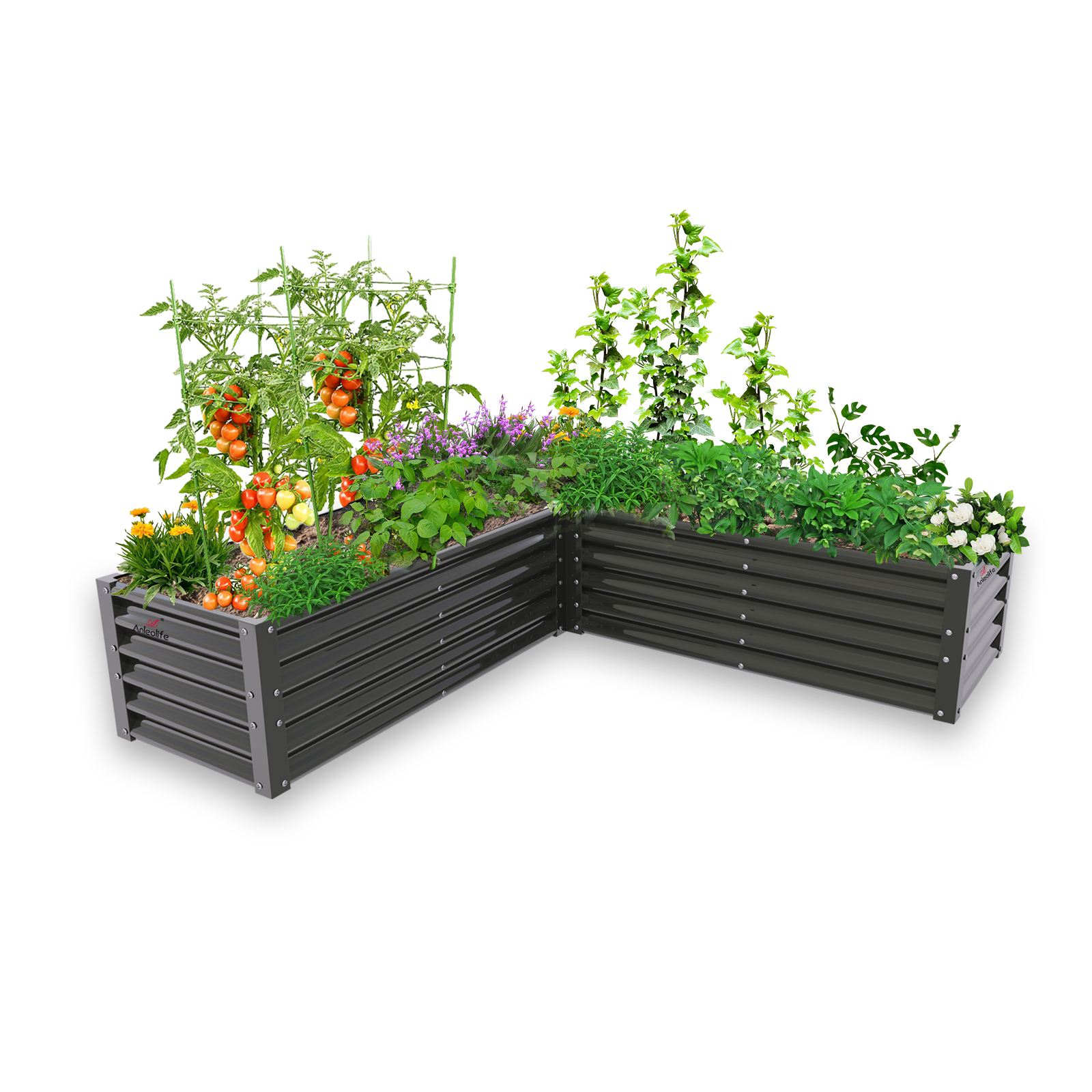
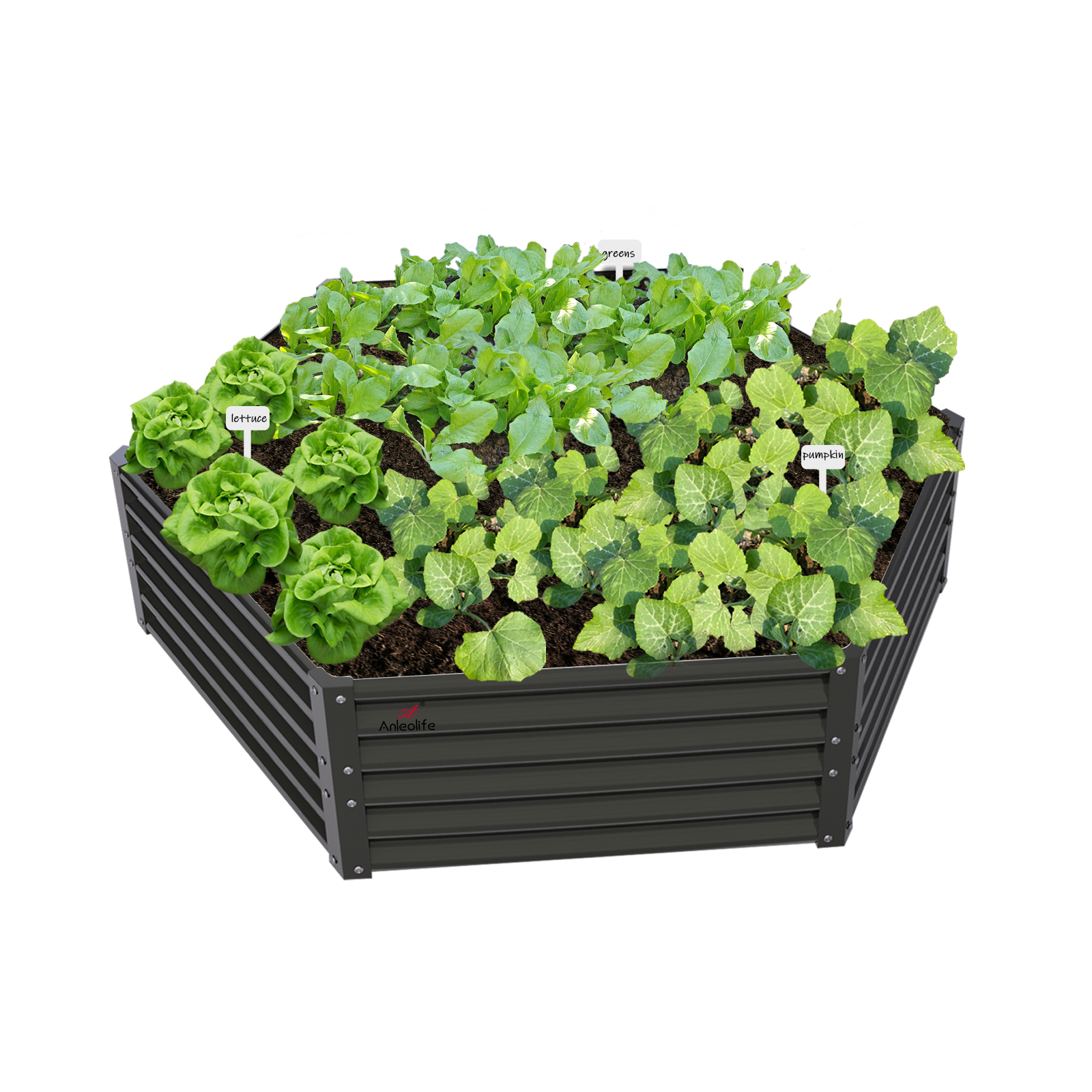
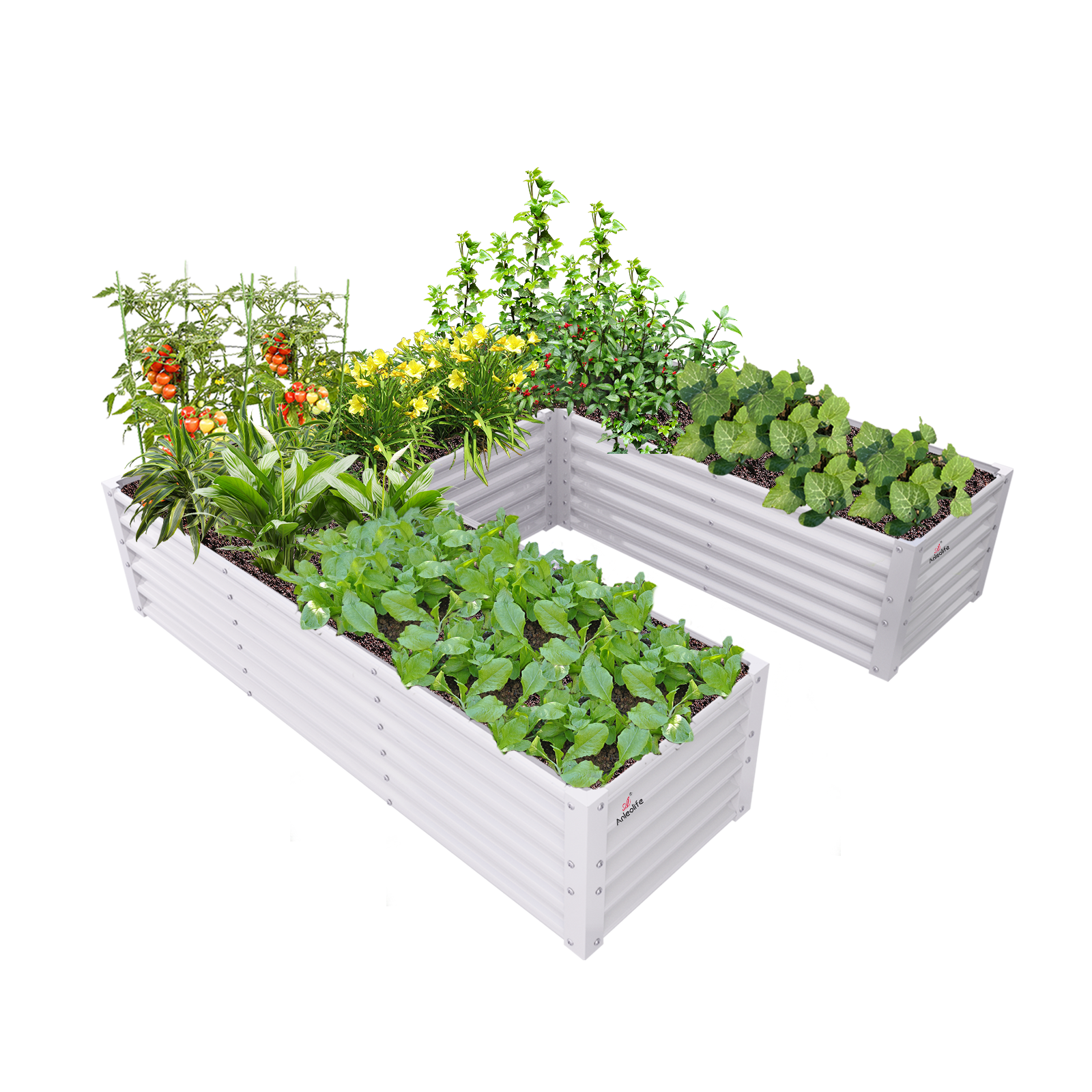

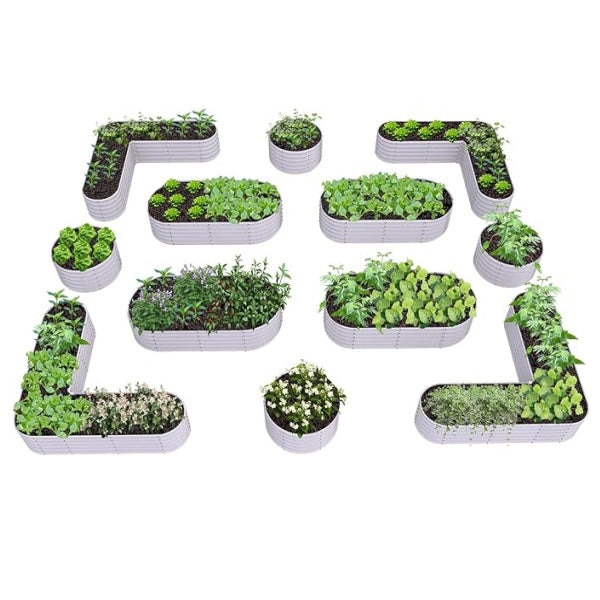


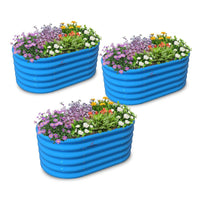
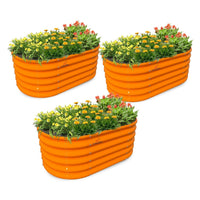
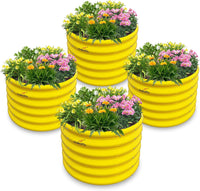
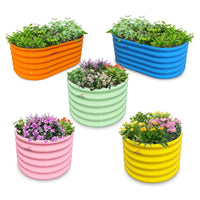
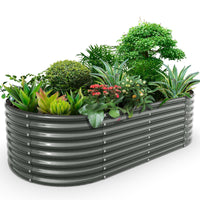



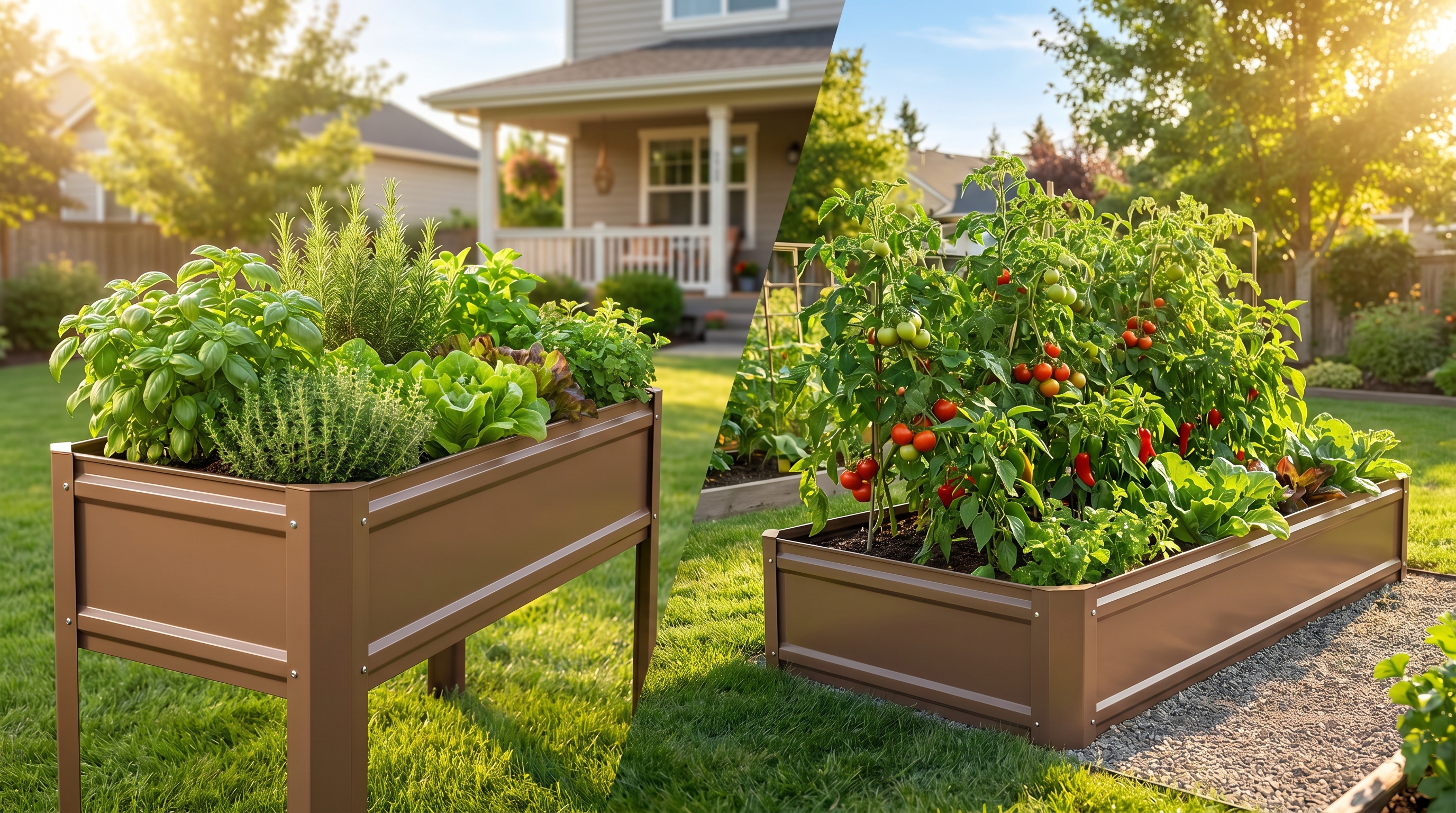
ALT: Elevated garden beds versus ground-level raised beds comparison showing pros, cons, and best uses for home gardeners
Elevated Garden Beds vs. Ground-Level Raised Beds: Which Setup Is Right for Your Garden?
Key Conclusion: Choosing between elevated garden beds and ground-level raised beds comes down to your physical needs, available space, budget, and long-term gardening goals. Both styles outperform in-ground planting by offering better drainage, improved soil control, and reduced weed pressure. Understanding the distinctions — from ergonomic access to root depth requirements — helps you invest wisely and grow more successfully, whether you're a seasoned home grower or just getting started with your first garden bed.
Gardening has never been more popular, and with that surge in interest comes a very practical question: should you go with an elevated garden bed that sits up off the ground, or a ground-level raised bed that sits directly on the soil? Both options share the core advantages of raised-bed gardening — superior drainage, customizable soil mixes, and defined growing spaces — but they serve different gardeners in meaningfully different ways.
This guide breaks down the real pros, cons, and best-use scenarios for each approach. You'll also find a simple three-step planning framework, a head-to-head comparison table, and answers to the most common questions home growers ask before making their choice. Whether you're outfitting a small urban balcony or transforming a suburban backyard into a productive food garden, the right answer is within reach.
Who Should Read This Comparison Guide
✅ Applicable Scenarios:
- Gardeners with back pain, mobility limitations, or arthritis who need comfortable, accessible growing solutions
- Urban and suburban homeowners with limited yard space who want to maximize productivity per square foot
- Beginners who want to start small, learn the basics, and potentially expand their setup over time
- Retirees and empty nesters seeking low-maintenance gardening that doesn't require kneeling or heavy digging
- Health-focused families who want full control over soil quality and what goes into their food
❌ Not Applicable/Cautions:
- Gardeners who want to grow large root vegetables like pumpkins, sprawling melons, or full-sized fruit trees that require extensive ground depth
- Anyone expecting a completely tool-free, no-cost setup — both elevated and raised-bed options involve upfront investment and minimal assembly
Why the Raised Bed Movement Is Reshaping Home Gardens
Over the past decade, raised-bed gardening has moved from a niche hobby into mainstream home improvement territory. The National Gardening Association consistently reports that food gardening participation in the U.S. has grown year over year, driven largely by increased interest in home-grown produce, food safety awareness, and the therapeutic value of outdoor activity.
But "raised bed" is an umbrella term. Within that category, two distinct formats have emerged as the go-to choices for most home growers: elevated garden beds (sometimes called table-top or standing-height beds) and ground-level raised beds (traditional frames set directly on the ground, filled with custom soil). Each has carved out a loyal following — and for good reason.
If you're weighing the material choice that goes along with your format decision, the Galvanized Steel vs. Wood Raised Garden Beds: Which Is Better for Your Backyard? guide is an excellent companion resource. Once you've settled on format and material, understanding what to grow is equally important — The 15 Best Vegetables to Grow in a Raised Garden Bed for Beginners can help you plan your planting list from day one.
The core appeal of any raised bed format comes down to control. You control the soil composition. You control drainage. You minimize contact with native soil that may be compacted, nutrient-poor, or contaminated. And perhaps most importantly for busy families and aging gardeners alike, you control how much physical effort your garden asks of you.
Planning Your Raised Bed Setup: A Three-Step Framework
Before diving into the detailed comparison, let's establish a simple planning process that applies whether you're leaning toward elevated or ground-level beds.
Step 1: Assess Your Physical Needs and Available Space
Start by being honest about your body and your yard. Do you have knee or back issues that make bending uncomfortable? Do you have a patio, deck, or paved area with no soil access? If yes, an elevated bed may be your best match. If you have open ground, ample space, and no mobility concerns, a ground-level raised bed typically offers more planting volume for your dollar. Measure your available area and note sun exposure — most vegetables need at least 6–8 hours of direct sunlight daily. This step takes about 20–30 minutes but saves hours of second-guessing later.
Step 2: Set a Realistic Budget and Long-Term Vision
How much should raised beds cost? Entry-level ground-level raised beds can start at a lower price point, while elevated beds and extra-tall raised beds typically carry a higher upfront cost due to materials and structural requirements. That said, quality matters enormously for longevity. A well-built galvanized steel raised bed from a reputable brand like Anleolife is engineered for a 20-year lifespan, which dramatically changes the cost-per-year equation. Factor in soil, amendments, and optional accessories when budgeting. Think about whether you want to expand over time — a modular system makes that much easier.
Step 3: Match Bed Height to Your Plants and Posture
The best height for a raised garden bed depends on two things: what you're growing and who is growing it. Shallow-rooted crops like lettuce, herbs, and radishes thrive in 18-inch beds. Deeper-rooted vegetables like tomatoes, carrots, and peppers benefit from 24–30 inches. For gardeners who want to work standing up without bending, waist-high or elevated beds (around 30–35 inches) are transformative. Refer to the Raised Garden Bed Height Guide: 18", 24", 30", or 35" — Which Is Right for You? for a thorough breakdown of height-to-plant matching.
Head-to-Head Comparison: Elevated Beds vs. Ground-Level Raised Beds
Comparing the Two Formats Side by Side
Understanding the real differences between these two systems helps you make a confident, informed choice. The table below outlines key comparison dimensions across both formats so you can evaluate based on what matters most to your specific gardening situation.
| Comparison Dimension | Elevated Garden Beds | Ground-Level Raised Beds |
|---|---|---|
| Ergonomic Accessibility | Excellent — stand upright, no bending | Moderate — some kneeling or bending required |
| Planting Depth Available | Limited by frame height (typically shallower) | Deeper root access possible; open bottom connects to native soil |
| Best Height Range | 30–35 inches (waist-high) | 18–30 inches (most common range) |
| Soil Volume Required | Less — smaller contained area | More — larger growing volume |
| Surface Compatibility | Patios, decks, concrete, balconies | Open ground, lawn areas |
| Water Requirements | More frequent watering (dries faster) | More moisture retention |
| Installation Complexity | Moderate — legs/frame assembly needed | Simple — panels lock together |
| Price Point | Generally higher | Generally lower to moderate |
| Mobility/Portability | Often movable | Fixed once filled |
| Lifespan (Anleolife Steel) | Up to 20 years | Up to 20 years |
| Ideal Crops | Herbs, salad greens, compact vegetables | Full vegetable gardens, root crops |
| Best For | Seniors, mobility-limited, small spaces | Families, beginners, larger plots |
Deep Dive: Elevated Garden Beds — Pros, Cons & Best Uses
The Ergonomic Advantage Is Real
The defining feature of an elevated garden bed is its height. When you can stand comfortably at a garden bed without bending your back or kneeling on hard ground, gardening stops being a chore and starts being a pleasure. This is especially meaningful for older adults, gardeners with arthritis, and anyone recovering from injury.
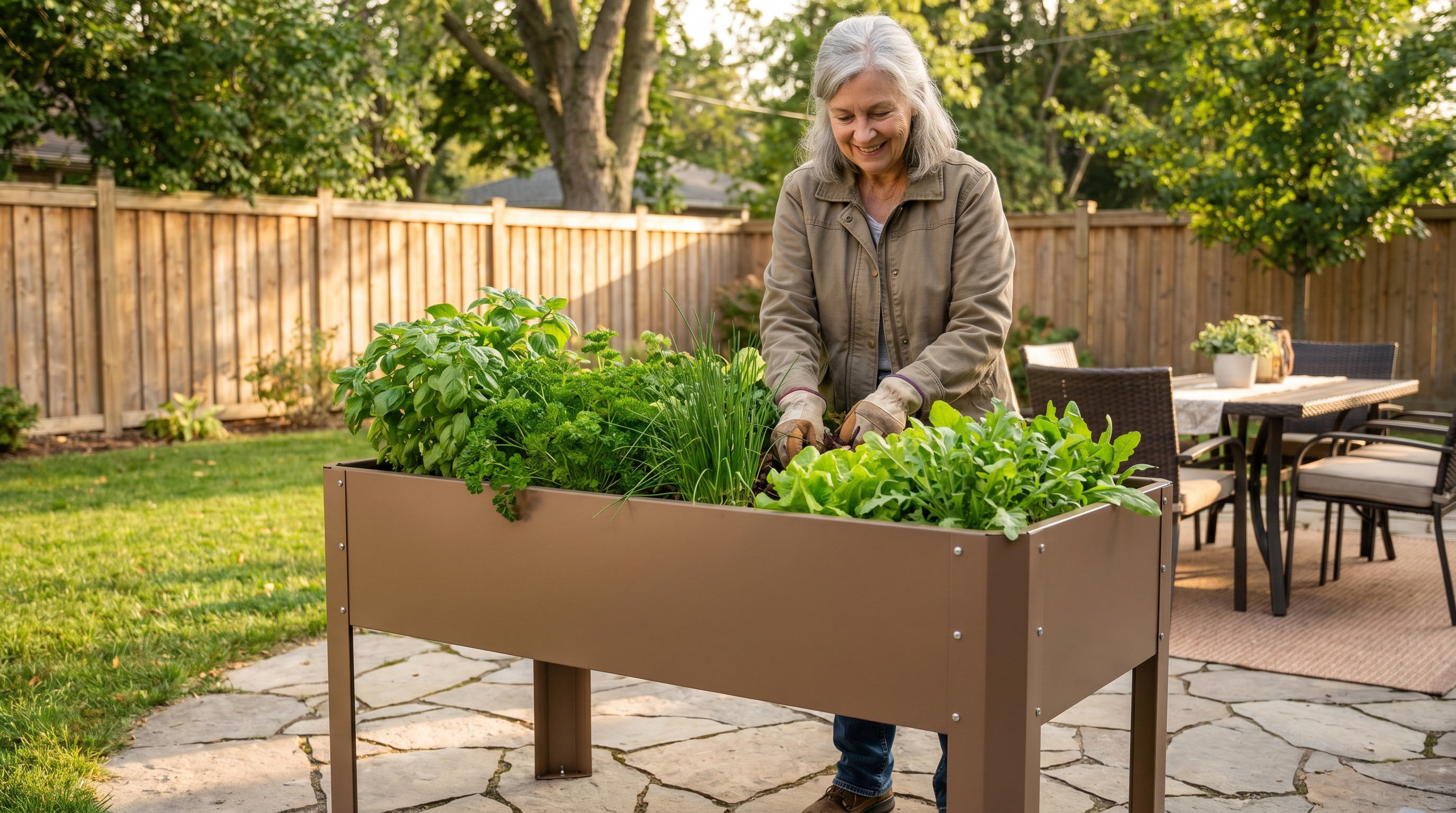
Anleolife's 35" Waist-High 4x1.5 ft Galvanized Steel Raised Garden Bed is a prime example of this category done right. At true waist height, it eliminates the physical strain that causes many people to abandon gardening altogether. Paired with durable galvanized steel construction, it's built to last decades rather than seasons.
Elevated Beds Thrive in Non-Traditional Spaces
One of the most underappreciated advantages of elevated beds is their ability to go places traditional beds can't. Poured concrete patios, wooden decks, rooftop terraces, and apartment balconies all become viable growing spaces. The contained soil volume means you're not relying on what's underneath at all — you bring your own growing medium, customize it completely, and control drainage through the base design.
This makes elevated beds the preferred choice for urban micro-gardeners who don't have lawn access but still want to grow fresh herbs and salad greens close to their kitchen.
The Trade-Offs to Understand
Elevated beds do come with limitations worth noting. Because the soil volume is smaller and the bed is raised above the ground, moisture evaporates more quickly — you'll likely need to water more frequently, especially during summer heat. Drip irrigation is an excellent solution here.
The planting depth is also constrained by the bed's frame height. Deep-rooting crops like parsnips, large carrots, or winter squash may not perform as well without significant depth. Elevated beds shine for herbs, lettuces, compact tomatoes, peppers, strawberries, and most culinary vegetables that don't require extreme root depth.
Finally, elevated beds typically require more filling material per cubic inch of productive space than ground-level beds, since there's no soil below. This can make initial setup costs slightly higher. That said, for the right gardener in the right space, the benefits far outweigh these trade-offs.
ALT: Elevated waist-high galvanized steel raised garden bed on a patio with herbs and greens, ideal for seniors and urban gardeners
Deep Dive: Ground-Level Raised Beds — Pros, Cons & Best Uses
Maximum Root Depth and Growing Volume
Ground-level raised beds are the workhorses of home food production. By sitting directly on the earth (usually with the bottom open), they allow plant roots to extend down into native soil as needed. This is especially important for deep-rooting crops like tomatoes, squash, potatoes, and larger root vegetables.
For a family looking to grow a meaningful portion of their own food, a ground-level raised bed in a generous size — like Anleolife's 24" Extra Tall 8x4 ft Galvanized Steel Raised Garden Bed — offers impressive planting capacity. At 24 inches deep with an 8x4 footprint, it accommodates a wide variety of vegetables at comfortable depth without requiring excessive bending.
What Materials Are Best for Raised Garden Bed Durability?
This is one of the most common questions home growers ask, and for good reason — you don't want to rebuild your beds every few years. Galvanized steel consistently outperforms wood in terms of longevity. It doesn't rot, warp, splinter, or absorb moisture in ways that accelerate decay. Anleolife's galvanized steel and rust-resistant raised garden beds are engineered with a projected lifespan of 20 years, making them an investment that pays off season after season.
Cedar wood is a popular natural alternative but requires regular maintenance and typically lasts a fraction of the time that steel does. Composite materials vary widely in quality. For most home growers prioritizing durability, weather resistance, and value over time, galvanized or rust-resistant steel is the clear winner.
The Broader Range of Heights and Sizes
Ground-level raised beds come in an impressive range of configurations. Anleolife's lineup includes options from 18 inches tall all the way up to 30-inch extra-tall models, across footprints ranging from compact 4x2 designs to spacious 12x3 and 10x3 configurations. This flexibility makes it easy to match the bed to your specific space, plant selection, and physical comfort level.
For beginners, an 18" Tall 8x4 ft model offers an ideal balance of planting depth, accessibility, and manageable cost. For gardeners who want more reach-free access without going to full elevated height, the 24" and 30" extra-tall options split the difference beautifully.
Ground-Level Beds and Soil Management
Because ground-level raised beds open to native soil at the bottom, earthworms and beneficial soil organisms can migrate in naturally over time — which is wonderful news for long-term soil health. Compost worms can establish colonies in the bed, dramatically improving nutrient cycling without any additional effort.
The open-bottom design also means ground-level beds retain moisture more consistently than their elevated counterparts, reducing the frequency of watering during hot months. This is a significant practical advantage for busy gardeners who can't check soil moisture every day.
Advanced Considerations: Configurations, Misconceptions & Seasonal Use
Special Situations Worth Thinking Through
Combining both formats: Many experienced gardeners run both elevated and ground-level beds simultaneously. Elevated beds near the kitchen for daily-harvest herbs and salad greens; ground-level beds in the main garden area for tomatoes, squash, and heavy producers. This hybrid approach gets the best from each format.
Cold climate performance: Ground-level raised beds can be mulched heavily or covered with cold frames to extend growing seasons. Elevated beds warm up faster in spring (a major advantage for early planting) but may also freeze more thoroughly in harsh winters, which can be a concern for overwintering perennials.
Mobility needs: If there's any chance you'll want to rearrange your garden layout in coming years, elevated beds — particularly lighter-weight or modular designs — offer more flexibility. Once a large ground-level bed is filled with soil, it's effectively a permanent installation.
Common Misconceptions to Clear Up
"Elevated beds are just for people who can't garden normally." This is outdated thinking. Elevated beds are a smart ergonomic choice for anyone who values comfort and efficiency. Many younger, able-bodied gardeners prefer them simply because they reduce fatigue and make daily tending faster.
"Ground-level raised beds are always cheaper." While entry-level ground-level beds can be less expensive, extra-tall deep beds filled with premium soil mixes can cost just as much or more than a quality elevated option. Total cost of ownership — including soil, amendments, and longevity — matters more than sticker price.
"You need special soil for elevated beds." Both formats benefit from a quality growing mix. Lightweight blends work especially well in elevated beds to reduce structural load, while ground-level beds can use slightly denser mixes. For guidance on what to put in either type, exploring the best soil approaches (such as the classic Mel's Mix ratios) can make a significant difference in your harvest.
Frequently Asked Questions FAQ
Q1: How do I choose the best height for a raised garden bed?
The best height for a raised garden bed depends on two factors: your physical comfort and what you plan to grow. For standing without back strain, look for beds in the 30–35 inch waist-high range. For most vegetable gardens, 18–24 inches suits the majority of crops beautifully. Shallow-rooted plants like lettuce, herbs, and radishes thrive in 18-inch beds, while tomatoes and root vegetables appreciate 24 inches or more. Anleolife offers options across all these heights, from 18" to 35" Waist-High models, making it easy to match your needs precisely.
Q2: Are galvanized steel raised garden beds safe for growing vegetables?
Yes — galvanized steel raised garden beds are widely considered safe for vegetable gardening. Numerous university extension programs and gardening research bodies have examined zinc migration from galvanized coatings and found it to be negligible in normal growing conditions. Zinc is also an essential micronutrient for plants. Anleolife's steel beds are designed with this safety standard in mind, and their rust-resistant coating helps maintain structural integrity without chemical leaching. If you want a deeper look at this topic, the Are Metal Raised Garden Beds Safe for Vegetables? guide covers it thoroughly.
Q3: How much should I expect to spend on a quality raised garden bed that will last?
Budget varies widely based on size, material, and configuration. Entry-level raised beds can start at under $100 for smaller sizes, while larger, extra-tall premium steel beds may range from $150 to several hundred dollars. The critical metric is cost per year of use. Anleolife's galvanized steel beds are built for a 20-year lifespan, which means even a $200 investment works out to about $10 per year — exceptional value compared to wood beds that may need replacing every 5–7 years. Factor in soil costs (roughly $50–$150 for initial fill depending on bed size) and plan to amend annually with compost.
Summary
Choosing between elevated garden beds and ground-level raised beds isn't about one being objectively better — it's about which one is better for you. Here are the three key takeaways:
- Elevated beds prioritize ergonomics and space flexibility. If you have mobility concerns, patio-only space, or want the convenience of gardening at table height, an elevated or waist-high bed is a meaningful upgrade to your quality of life as a gardener.
- Ground-level raised beds maximize growing capacity and root depth. For families growing a wide variety of vegetables, building soil biology over time, and seeking the most productive use of open backyard space, a quality ground-level raised bed — especially in extra-tall configurations — delivers the best returns.
- Material quality and longevity determine real value. Regardless of which format you choose, investing in galvanized or rust-resistant steel with a proven 20-year lifespan is simply smarter than replacing lower-quality beds every few seasons. The right bed is one you don't have to think about replacing.
Your next step: measure your available space, assess your physical needs honestly, and decide whether you're optimizing for accessibility or maximum growing volume. Then explore Anleolife's full lineup to find the exact size and height that fits your garden vision.
Start Growing With Anleolife
Nationwide U.S. warehouse network: Strategically located in California, Texas, Florida, New York, Illinois, and Washington, Anleolife ensures delivery in 3–8 business days — so your garden upgrade plans never have to wait for the right season window.
Multi-channel availability: Shop on Amazon, Walmart, Home Depot, Lowe's, Wayfair, or directly at Anleolife.com for consistent quality assurance and responsive after-sales support no matter where you prefer to shop.
Three complete garden scenarios: Planting (metal raised garden beds, soil systems), Raising (chicken coops, rabbit hutches), and Beautification (decorative accessories, pathway systems) — meeting every need from pure functionality to garden aesthetics.
We understand that an ideal garden isn't built overnight — it's grown gradually, season by season. Anleolife's modular product design allows flexible expansion as your confidence and ambitions grow, from your first 8x4 raised bed to a fully integrated planting-and-raising ecosystem. We grow with you every step of the way.
References
- National Gardening Association. "Garden to Table: A Guide to Growing Food at Home".
https://garden.org - University of California Cooperative Extension. "Raised Bed Gardening".
https://ucanr.edu/sites/scmg/Vegetable_Gardening/Raised_Beds/ - Penn State Extension. "Building and Using Raised Beds for Vegetable Production".
https://extension.psu.edu/building-and-using-raised-beds-for-vegetable-production - Oregon State University Extension Service. "Raised Bed Gardening".
https://extension.oregonstate.edu/gardening/vegetables/raised-bed-gardening - USDA National Agricultural Library. "Home Gardening Resources".
https://www.nal.usda.gov/farms-and-agricultural-production-systems/home-gardening
Note: Standards and research may be updated. Please check the latest official documents or consult professional gardening advisors for the most current guidance.
About Anleolife
Anleolife is a leading outdoor garden solutions provider in North America, dedicated to offering a full-scenario product ecosystem for home gardening enthusiasts, covering planting, raising, and garden beautification. Since its founding, we have upheld our brand mission, "Made for Garden Life," continuously innovating products and optimizing services to help hundreds of thousands of users upgrade their gardens, reconnect with nature, and enjoy a better garden lifestyle.