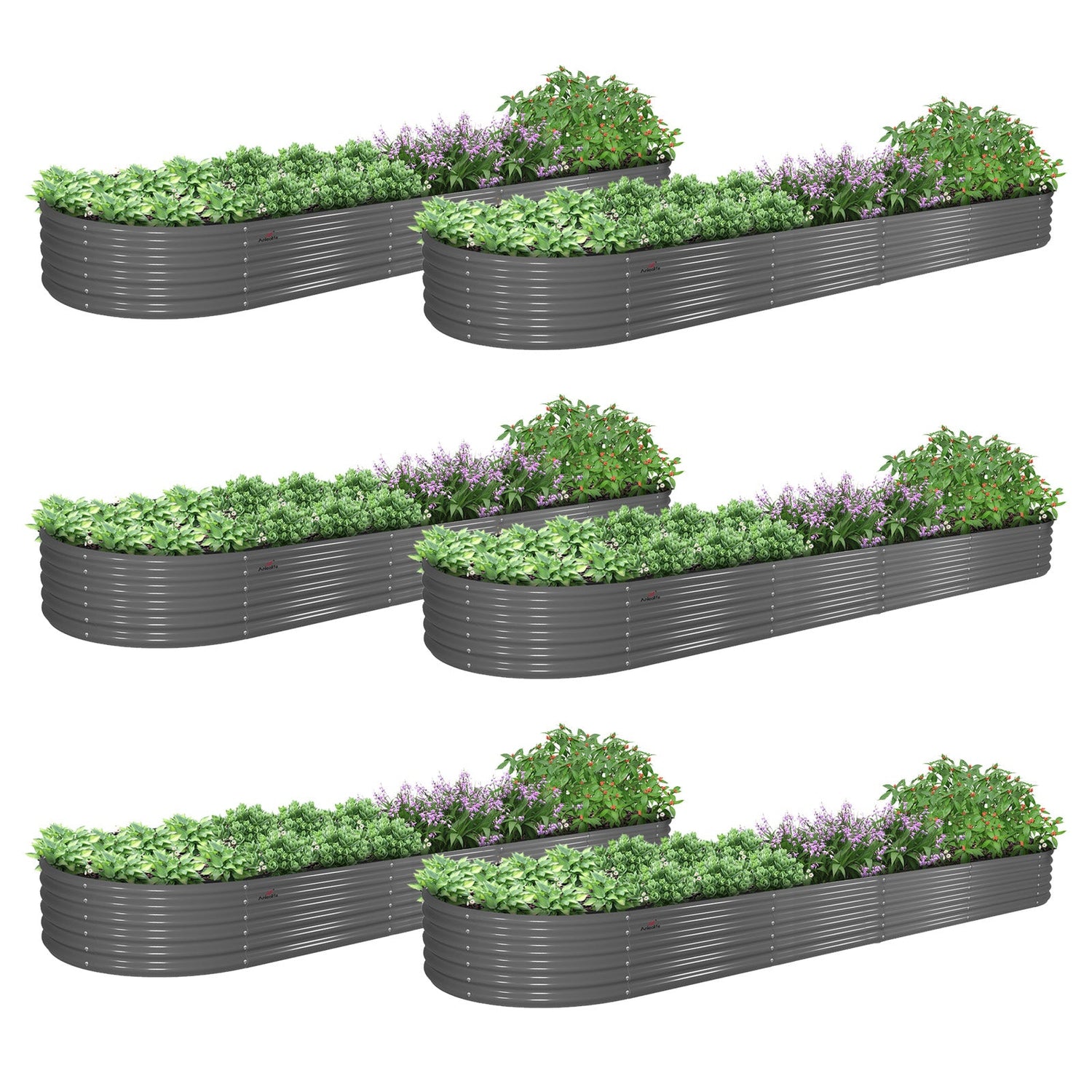



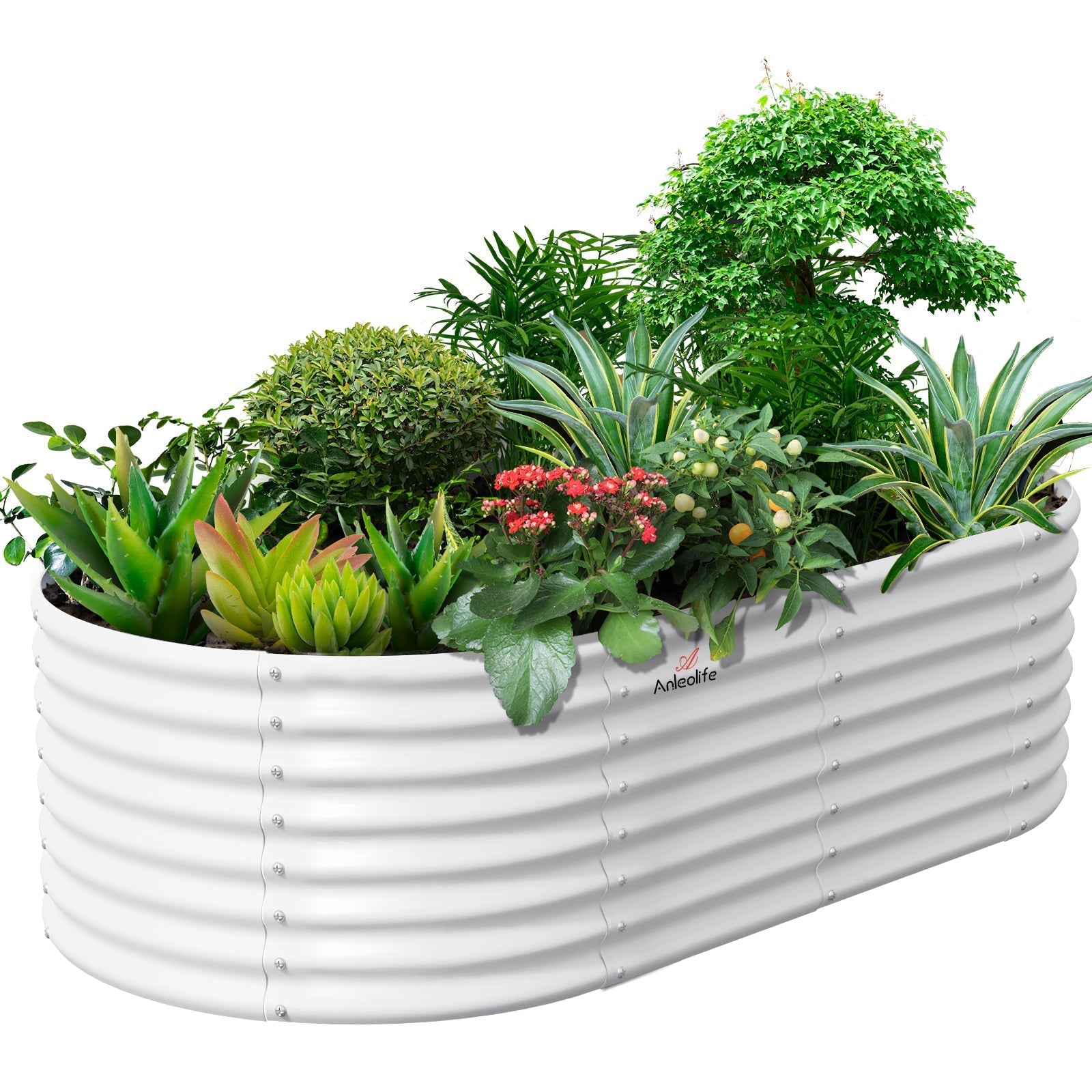

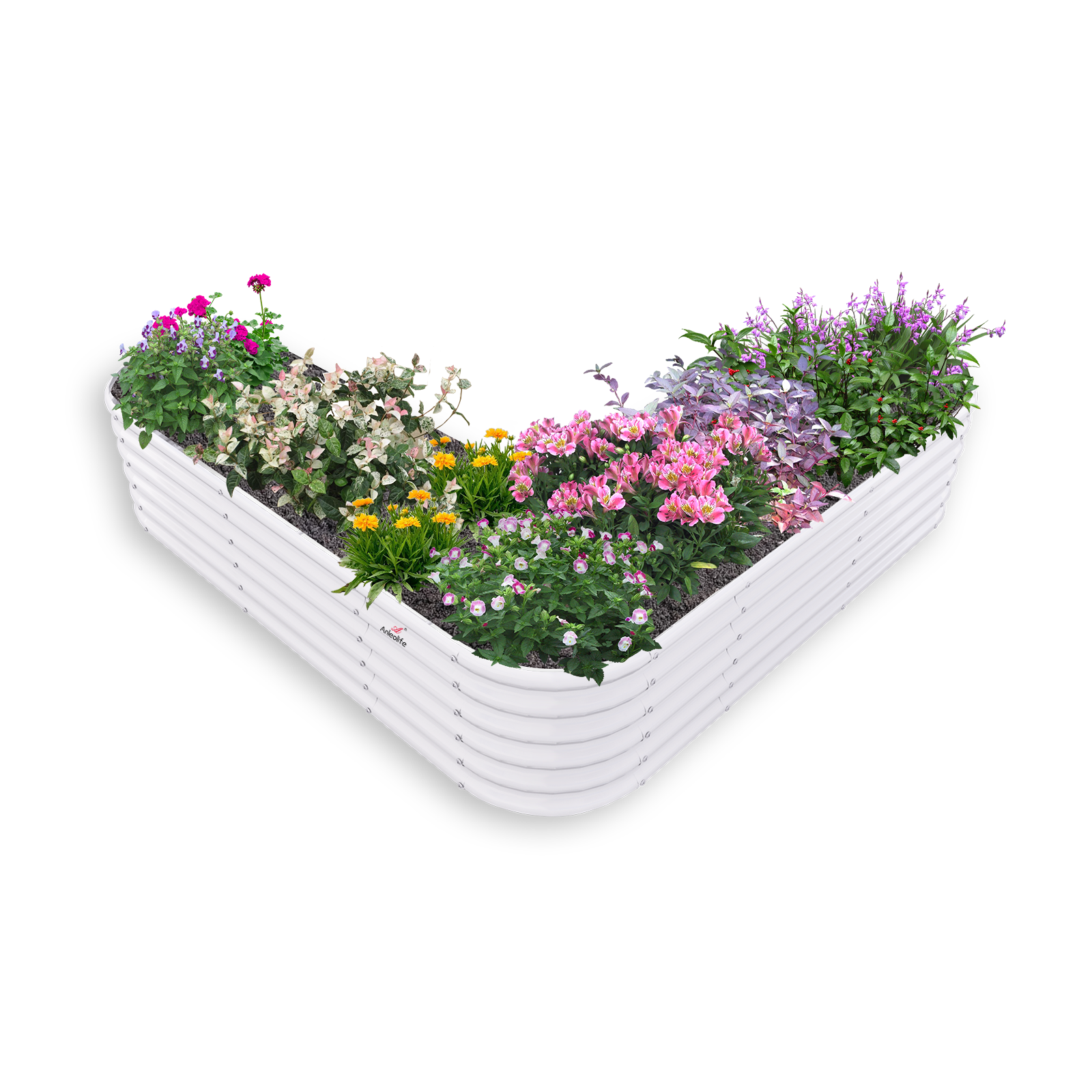
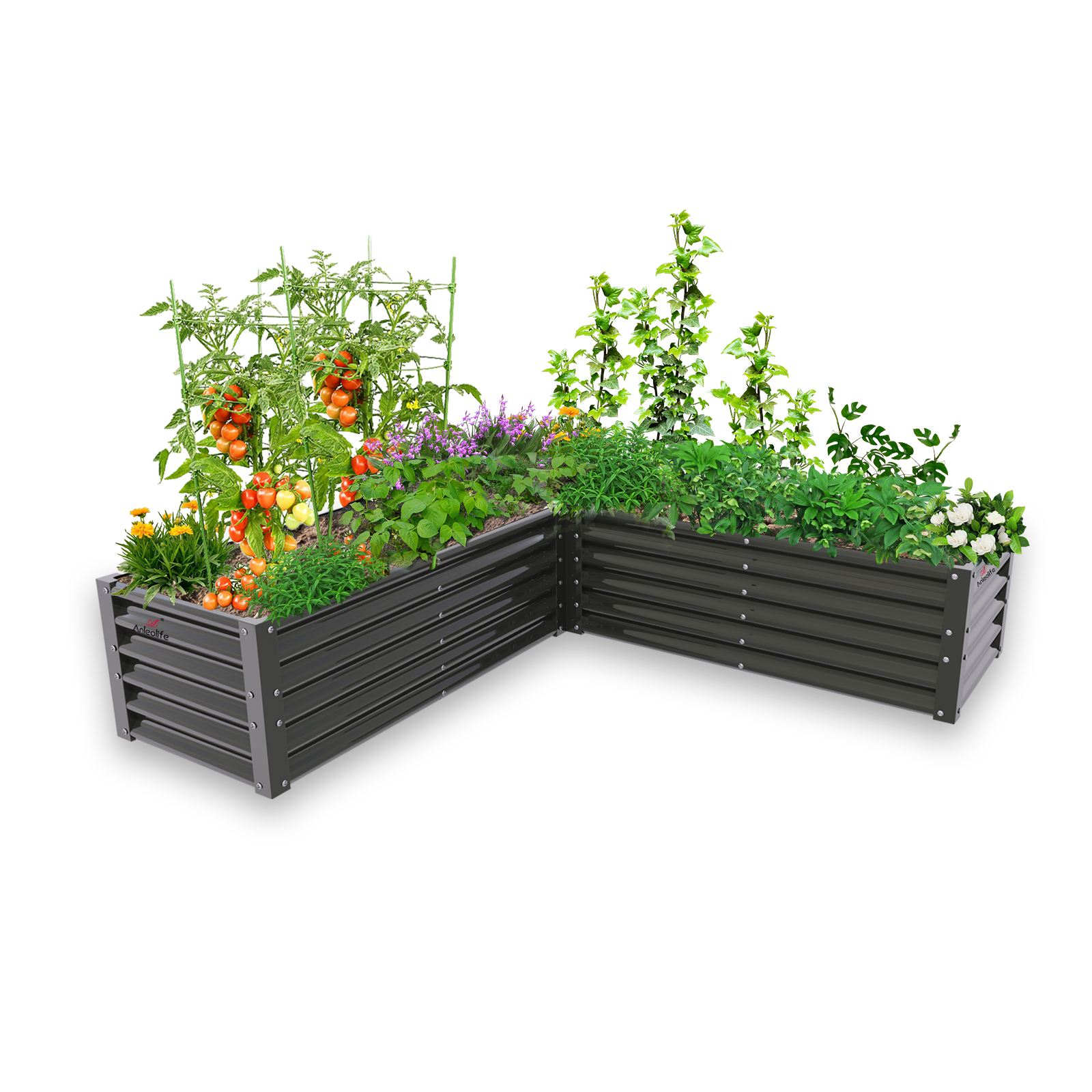
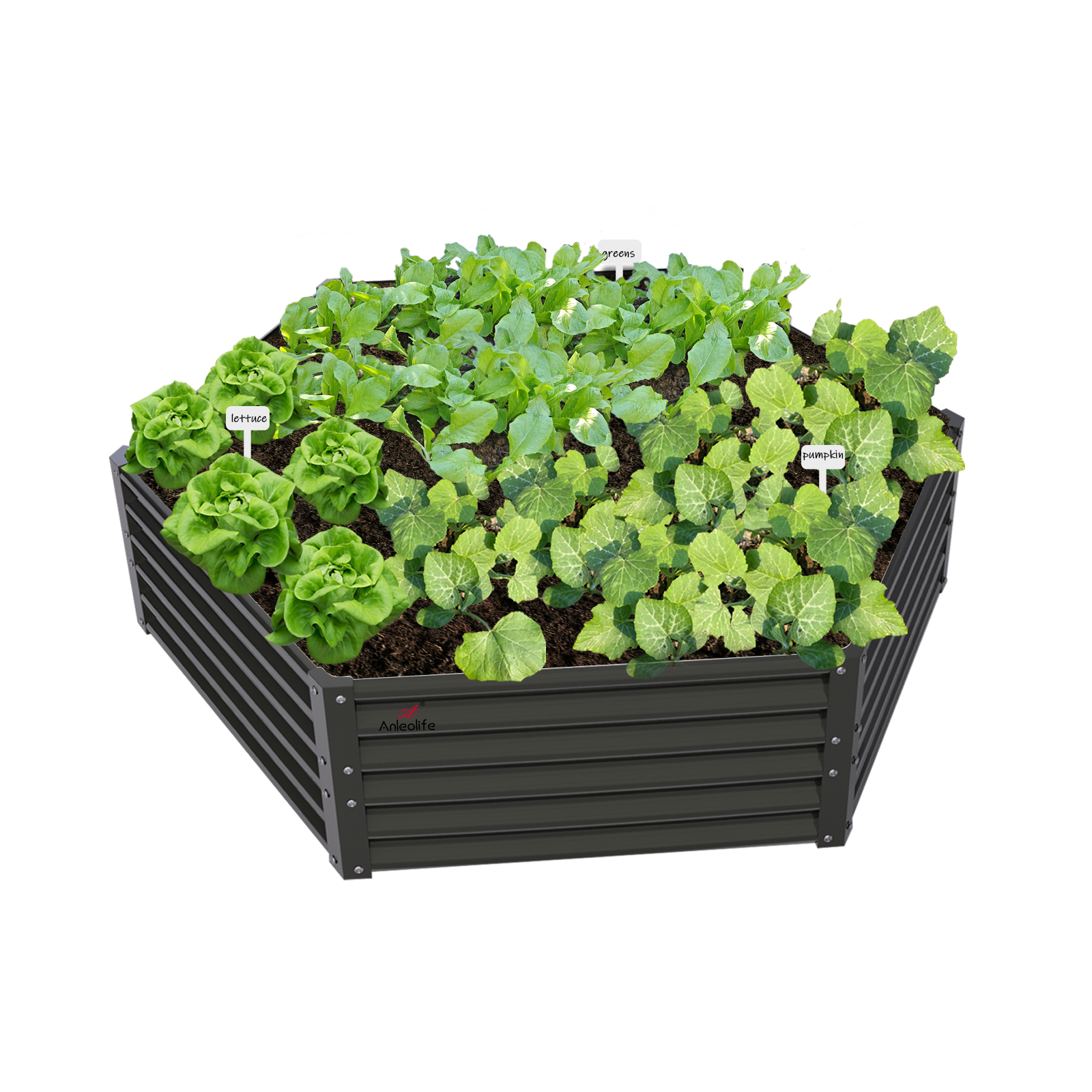
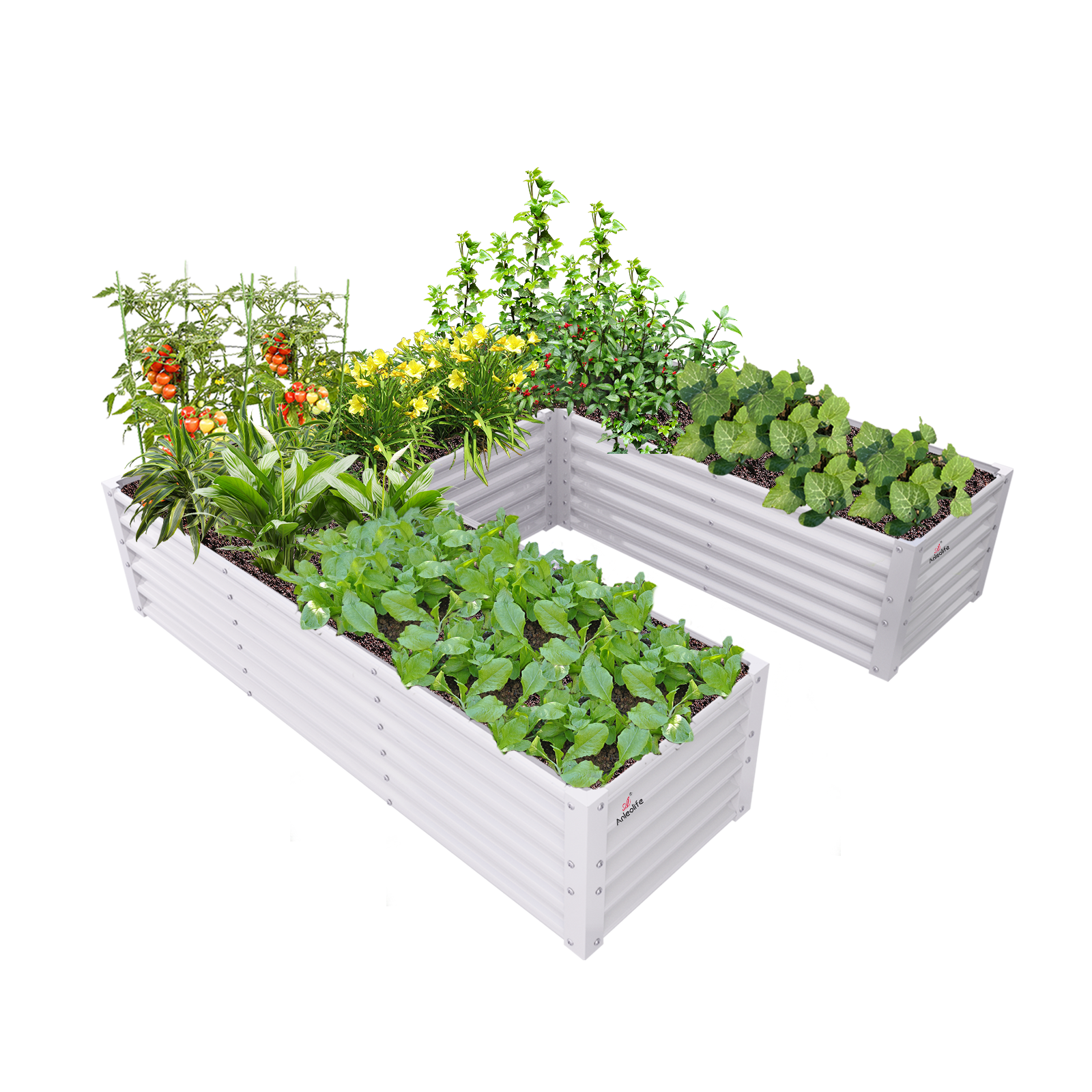

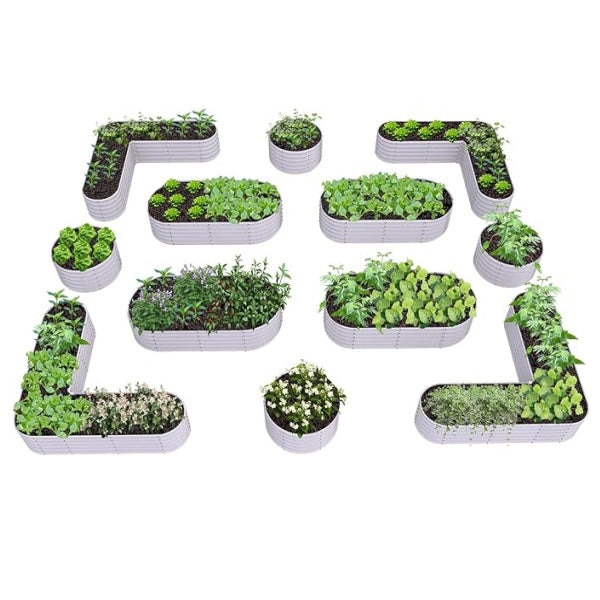


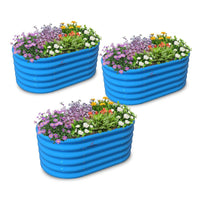
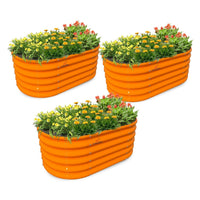
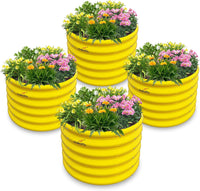
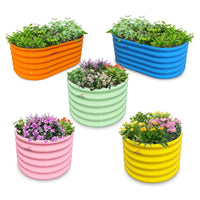
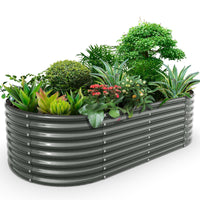



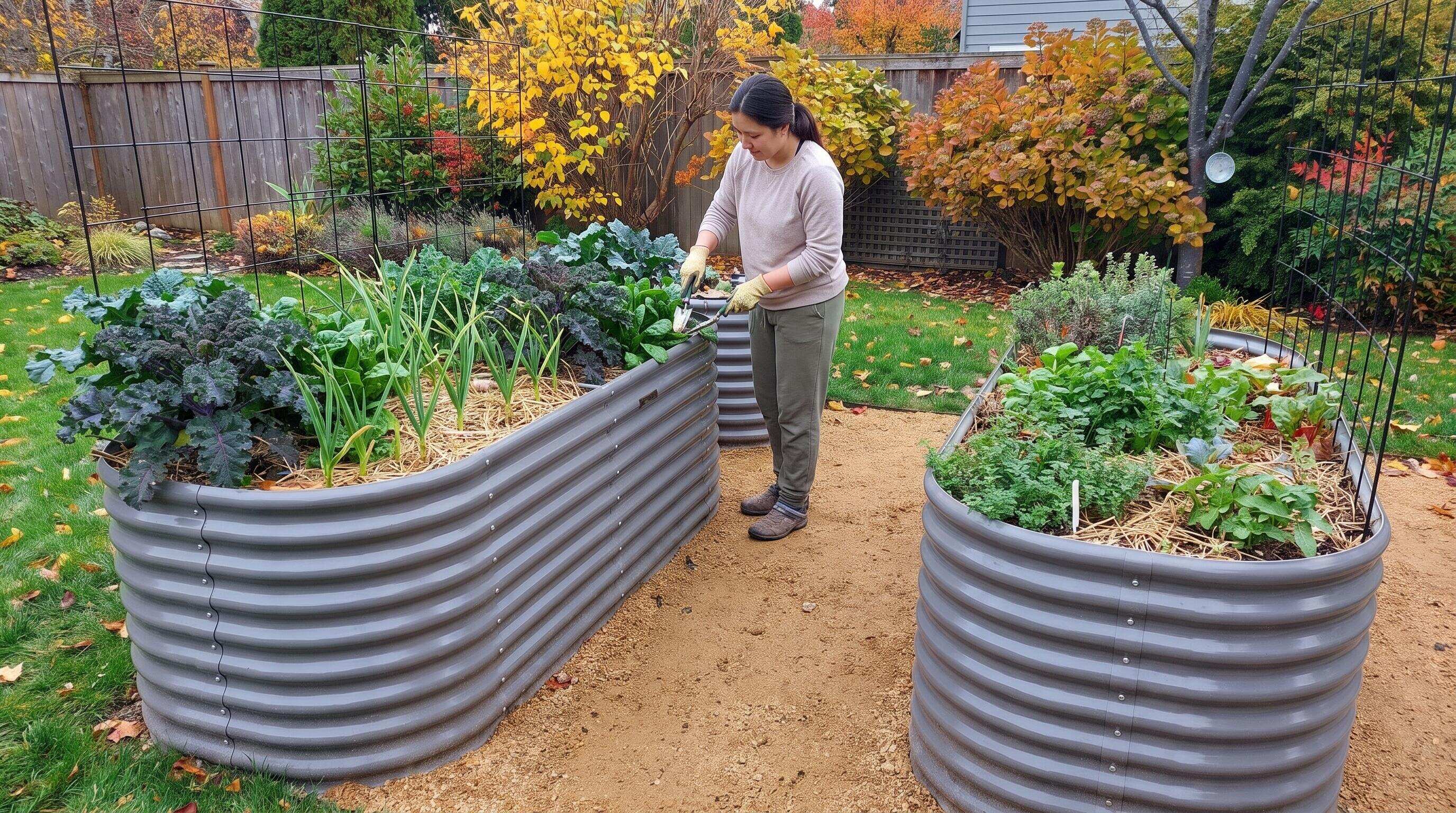
ALT: Standing-height elevated raised garden bed layout for easier ergonomic gardening outdoors
Why Standing-Height Raised Beds Are Changing the Way We Think About Raised Bed Garden Layout
Picture this: you've spent a Sunday afternoon planning your raised bed planting layout, sketching rows of tomatoes and herbs on graph paper, and by the time you've harvested the first round of lettuce, your back is reminding you of every single minute you spent crouching over a standard-height bed. That scenario is one we hear about constantly from home gardeners, particularly those who came to raised beds specifically to escape the discomfort of in-ground gardening. The central finding of this article is straightforward but consequential: choosing the right bed height is not a minor detail in your raised bed layout — it is foundational to whether gardening remains a pleasurable, sustainable habit or quietly becomes something you dread.
Elevated raised beds, specifically those engineered to let you garden at or near standing height, have moved well past novelty status. They now represent one of the fastest-growing segments of the home gardening market in North America, driven by an aging population, a surge in urban micro-gardening, and a broader wellness culture that values low-impact physical activity. Understanding which standing-height options genuinely serve different gardeners — and how height intersects with layout, soil depth, and structural material — is what separates a good purchasing decision from an expensive mistake.
The Current Landscape of Elevated Raised Beds and How We Got Here
Raised bed gardening is not a new concept. Agricultural communities have used mounded and bordered planting systems for centuries, and the modern wooden raised bed became a backyard fixture through the organic gardening movement of the 1970s and 1980s. What has changed dramatically is the range of heights now available and the engineering sophistication behind them.
For most of the 20th century, a "raised bed" meant a timber frame sitting roughly 6 to 12 inches above the soil surface — enough to improve drainage and warm the root zone, but not nearly enough to spare a gardener's spine. The ergonomic conversation around gardening largely focused on tool design: longer-handled trowels, kneeling pads, and so on. The bed itself was rarely questioned.
The pivot toward genuinely elevated, standing-height designs accelerated as the population of home gardeners skewed older and as the raised bed market shifted from DIY lumber projects to manufactured metal systems. Galvanized steel and powder-coated steel beds, with their superior structural integrity, made it economically and practically feasible to build walls that are 24, 30, or even 35 inches tall without warping, bowing, or requiring elaborate internal support. Wood at those heights becomes unwieldy and prone to structural failure unless heavily engineered.
According to the National Gardening Association, participation in food gardening in the United States has grown substantially over the past decade, with a notable spike among adults over 55 — precisely the demographic most sensitive to the physical demands of conventional low-height gardening. This demographic shift has accelerated demand for ergonomically designed garden infrastructure, and the raised bed garden layout conversation has evolved accordingly.
At the same time, urban micro-gardeners — working on patios, rooftop terraces, and small balconies — have discovered that tall raised beds solve a secondary problem: they allow meaningful soil depth in spaces where digging into the ground is simply not an option. A bed that is 30 or 35 inches tall, positioned on a hard surface, contains enough volume for deep-rooted crops that would otherwise be impossible to grow in container gardens.
In our work with clients across these demographics, a pattern we consistently see is that first-time buyers almost always underestimate the value of height. They focus on footprint — the 4x4 or 8x4 square footage — while treating height as an afterthought. It is only after a season or two that height becomes the dimension they most want to upgrade. Understanding this dynamic early is why we consider height selection the first and most critical decision in any raised bed layout planning process.
The Mechanics Behind Standing-Height Beds: What Makes Them Work
Standing-height raised beds deliver their ergonomic and functional benefits through several interconnected mechanisms. Breaking these down individually helps gardeners make a more informed choice rather than simply buying the tallest option available.
Ergonomics and the Spine: Why Height Matters More Than You Think
Spinal loading — the compressive and shear force placed on the lumbar vertebrae — increases significantly with forward flexion, and the deeper the bend, the greater the load. Research in occupational ergonomics, including work published by institutions such as the National Institute for Occupational Safety and Health (NIOSH), has long established that sustained forward bending is one of the primary risk factors for chronic lower back injury. Gardening at ground level or at very low bed heights replicates exactly this posture repeatedly over time.
A bed height that allows a gardener to work with their spine in a neutral or near-neutral position — which for most adults means a surface somewhere between hip and waist height — eliminates or greatly reduces that loading. The practical implication for raised bed layout is that gardeners who can work comfortably tend to garden more frequently, maintain their beds more attentively, and ultimately harvest more successfully.
Soil Volume and Root Depth: The Hidden Benefit of Extra Height
Soil volume in a raised bed is directly proportional to wall height, and this has profound implications for what you can grow. A standard 12-inch bed supports most annual vegetables comfortably, but crops like carrots, parsnips, and deep-rooted tomatoes perform noticeably better with 18 to 24 inches of loose, well-amended growing medium. At 30 inches or more, you unlock the ability to grow essentially any vegetable crop to its full potential.
For gardeners planning a raised bed planting layout that includes a diverse mix of crops — shallow-rooted lettuce and herbs alongside deeper-rooted brassicas and root vegetables — extra height creates the soil column flexibility to accommodate everything without compromise. This is a nuance that purely footprint-focused layout planning misses entirely. A well-considered soil system matched to the bed's depth is what converts structural height into horticultural performance.
Structural Integrity: Why Material Choice Determines Feasibility
Structural integrity at standing height is not automatically guaranteed — it depends almost entirely on material choice. As bed walls rise, lateral soil pressure increases, and the material must resist bowing outward at the base. This is where the shift from wood to galvanized or rust-resistant steel becomes not just a preference but a practical necessity for taller designs.
Galvanized steel, when properly specified, can resist this lateral pressure across the full height of a tall wall without requiring internal cross-bracing. Understanding the differences between material options is worth examining in detail — our article on whether galvanized beds really resist rust better than powder-coated steel covers the technical trade-offs thoroughly. For standing-height beds specifically, structural longevity over a 20-year service life — the standard Anleolife builds to — requires material choices that can handle continuous soil contact, moisture cycling, and seasonal temperature extremes without degrading.
Drainage and Thermal Performance at Greater Depth
Drainage dynamics shift meaningfully in taller beds. Greater soil depth creates more hydraulic head, which accelerates water movement downward through the profile — a genuine advantage in regions with heavy rainfall or clay-prone soils. Conversely, deeper soil volumes retain moisture longer in the middle and lower thirds of the bed, reducing irrigation frequency during dry periods. This dual behavior — faster surface drainage combined with deeper moisture retention — makes tall beds particularly forgiving for gardeners who cannot maintain a strict watering schedule.
Thermal performance also benefits from additional height. A deeper soil mass heats up more slowly in spring but also maintains warmth longer into the fall, extending the effective growing season at both ends — a meaningful advantage for cool-climate gardeners.
Evidence and Multi-Angle Comparison: Choosing the Right Height for Your Layout
Standing-height raised beds are not a single product category — they span a meaningful range of heights, each with distinct practical implications for raised bed garden layout and planting layout decisions.
Anleolife's elevated bed lineup illustrates this spectrum clearly. The 24-inch Extra Tall beds — available in configurations including 8x4 ft and 6x3 ft in both the Galvanized Steel and Rust-Resistant ranges — represent the entry point into genuine standing-height comfort for most adults of average stature. The 30-inch Extra Tall beds, available in 6x3 ft and 10x3 ft configurations, suit taller gardeners and those seeking maximum reach comfort. The 35-inch Waist-High 4x1.5 ft option in the Galvanized Steel line is the most ergonomically aggressive, designed specifically for gardeners who need a true countertop-height working surface.
For gardeners planning a complete raised bed layout with multiple beds, a thoughtful approach is to mix heights intentionally: a 35-inch bed positioned near a seating or work area for daily harvesting tasks, paired with 24-inch beds for larger-volume growing. This tiered approach optimizes both ergonomics and growing capacity within a given space.
Savvy Gardening's resource on 4x8 raised bed vegetable garden layout ideas illustrates how thoughtful spatial planning dramatically affects planting productivity — and the same spatial logic applies when you layer in height as a variable.
| Perspective / Approach | Strengths | Trade-offs | Best Fit |
|---|---|---|---|
| Standard height (12–18 in) | Lower cost, wide availability, familiar design | Back strain over time, limited soil depth for deep-rooted crops | Younger, mobile gardeners; ground-level installations with deep native soil below |
| Mid-range elevated (22–24 in) | Meaningful ergonomic relief, good soil volume, structurally manageable | May still require some bending for shorter adults | Most adult gardeners; versatile crop range; patios and hard surfaces |
| Standing height (30 in) | Near-neutral spine posture for average adults, large soil column, wheelchair accessible | Higher material cost, heavier structure, more soil required | Gardeners with mobility limitations; empty nesters; rooftop and patio installations |
| Waist-high (35 in) | True countertop-level work surface, zero bending | Narrower footprint to maintain reach, highest cost | Gardeners with significant mobility challenges; daily-harvest herb and salad beds |
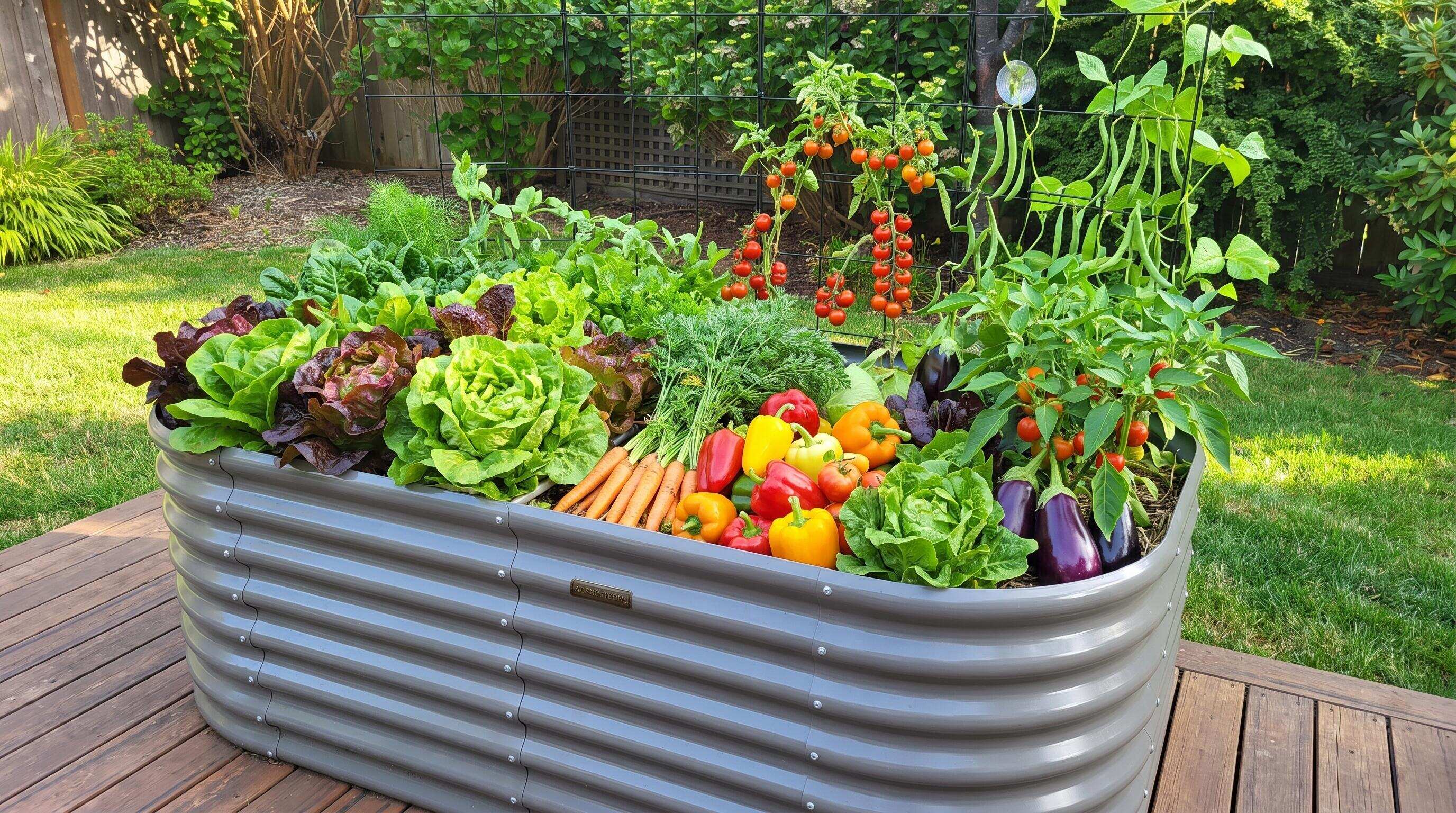
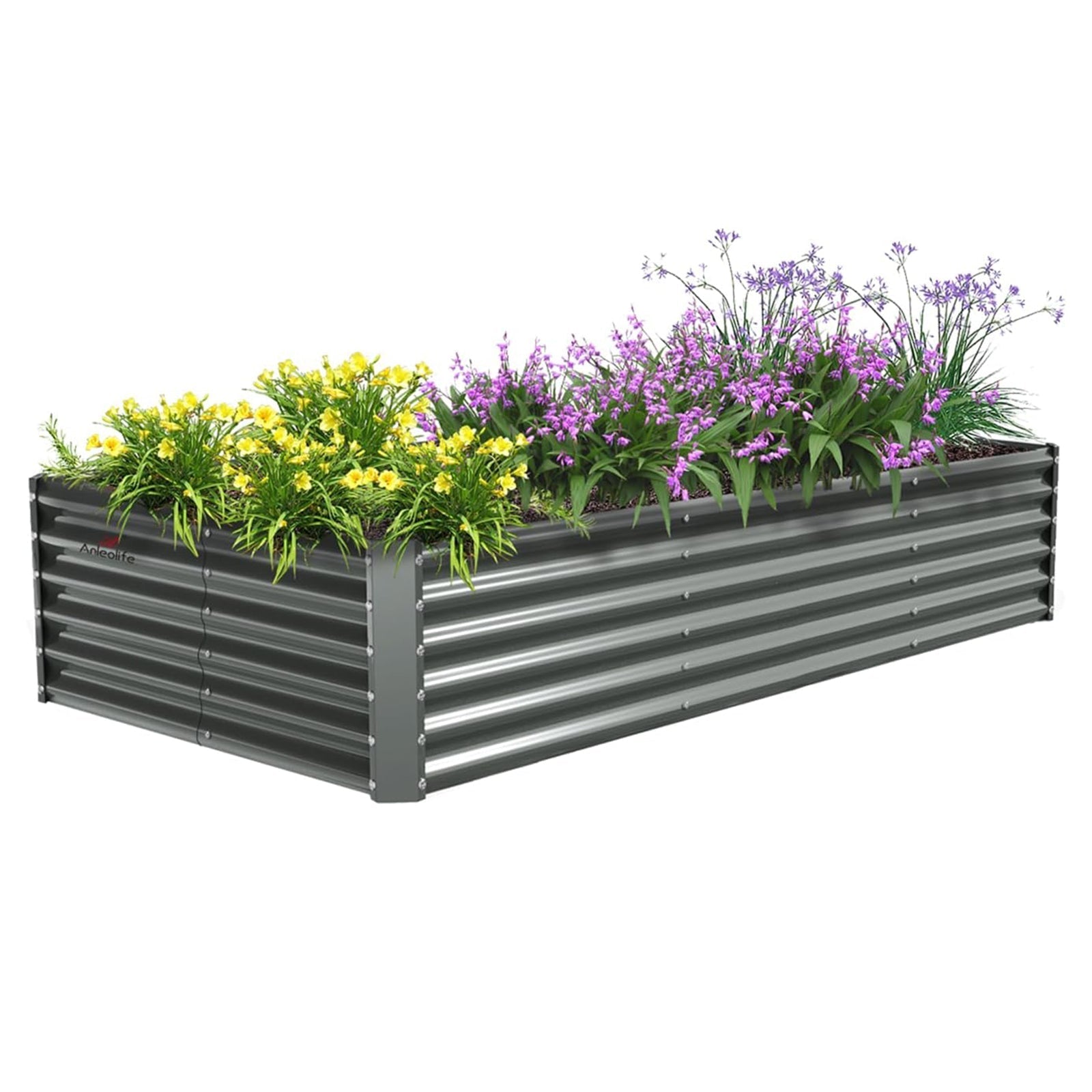
ALT: Tall galvanized steel raised garden bed layout at standing height on a backyard patio for ergonomic raised bed planting
Planning for access width is equally critical in a standing-height raised bed layout. The rule that no point in the bed should be more than 24 inches from an access edge remains constant regardless of height — if anything, it becomes more important because the visual depth of a tall bed can make it tempting to overreach. Beds wider than 4 feet should be accessible from both sides, and any raised bed planting layout that places taller crops at the center must account for the visual and physical obstruction taller walls create when looking down into the bed.
Gardeners interested in a structured approach to sizing and spacing decisions will find that our first-time buyer's guide to sizing a raised garden bed kit walks through these considerations in practical detail, including how to match bed dimensions to your available space and physical reach.
Where Elevated Raised Bed Gardening Is Heading and What It Means for You
The trajectory of the elevated raised bed market points clearly toward greater height diversity, modular adaptability, and materials designed for multi-decade service life. Standing-height beds are no longer a niche accommodation — they are becoming a standard reference point in how home gardeners think about infrastructure investment.
Several converging trends reinforce this direction. First, the continuing growth of the 55-and-over gardening demographic means that ergonomic design will remain a primary purchasing driver rather than a secondary consideration. Second, urban and peri-urban gardeners working on hard surfaces — patios, terraces, rooftop spaces — need the structural self-containment that tall, freestanding metal beds provide. Third, the growing emphasis on multi-year sustainability in garden investment is pushing buyers toward materials rated for 20-year lifespans, which inherently favors quality metal construction over wood or plastic alternatives.
For gardeners actively planning or expanding their raised bed layout, the practical implications are these: invest in height that serves your body today and anticipates your needs five to ten years from now. A 24-inch bed that feels comfortable at 50 may feel marginal at 65. The modular raised bed systems in Anleolife's lineup — including configurations that step up from mid-height to extra-tall and waist-high — are designed precisely to accommodate this kind of phased, need-responsive expansion.
Soil planning evolves alongside height decisions. Deeper beds require more fill volume, and the composition of that fill matters more as depth increases — the lower layers of a tall bed benefit from a coarser, free-draining base, while the upper growing zone should be rich and moisture-retentive. Gardens & Health resources from organizations like the American Horticultural Therapy Association consistently emphasize that accessible, ergonomically sound garden design is not a luxury feature — it is a health infrastructure decision that enables gardeners to maintain active engagement with growing food across decades of life.
The actionable takeaway is to stop treating height as the last decision in raised bed planning and start treating it as the first. Your bed height determines what you can grow, how comfortably you can tend it, and how long the infrastructure will serve you without replacement.
People Also Ask
Q1: How tall should a raised bed be for standing gardening without bending?
For most adults of average height, a raised bed between 28 and 35 inches tall allows gardening in a near-neutral spine posture — meaning little to no forward bending at the waist. Taller individuals may prefer the upper end of this range, while shorter gardeners often find 24 to 28 inches sufficient. Anleolife's 30-inch Extra Tall and 35-inch Waist-High beds are specifically engineered for this ergonomic zone, and both are available in configurations suited to a range of raised bed planting layout needs.
Q2: Are tall raised beds structurally stable enough for long-term use?
Tall raised beds made from quality galvanized steel or rust-resistant steel are structurally stable for long-term use when properly designed. The key factor is the material's ability to resist lateral soil pressure across the full wall height without bowing. Anleolife's elevated beds are built to a 20-year service standard, making them a sound long-term infrastructure investment rather than a seasonal purchase. Wood at comparable heights typically requires additional internal bracing and is significantly more prone to moisture-related degradation over time.
Q3: How much does it cost to fill a standing-height raised bed with soil, and is it worth it?
Filling a tall raised bed costs more than a standard-height bed, proportionally to the additional volume — but the cost is manageable with smart filling strategies. A common approach is to use a coarser base layer of compost, wood chips, or drainage material in the bottom third of the bed, reserving the higher-quality amended growing mix for the upper two-thirds where roots actively grow. This hugelkultur-inspired layering method reduces the volume of premium soil required without compromising crop performance, making the investment in a standing-height raised bed financially practical for most home gardeners.
Key Takeaways
- Height is the most consequential decision in raised bed layout planning. It determines ergonomic comfort, crop suitability, and the long-term sustainability of your gardening practice — not an afterthought, but the foundation.
- Standing-height beds, defined here as 24 to 35 inches tall, deliver meaningful ergonomic benefit by allowing a near-neutral spine posture during planting, tending, and harvesting — reducing cumulative physical strain over time.
- Greater soil depth unlocks greater crop diversity. Beds in the 30-inch and above range can support deep-rooted vegetables that underperform in standard 12-to-18-inch configurations, broadening your raised bed planting layout options substantially.
- Material choice determines structural feasibility at height. Galvanized and rust-resistant steel are the only materials that reliably perform across a 20-year service horizon at standing-bed heights, making them the correct long-term investment for most gardeners.
- Plan for future needs, not just today's comfort. A bed height that works well now should anticipate changing mobility and physical needs over the next decade — building with headroom in mind is the mark of a thoughtful raised bed garden layout strategy.
The next step is to assess your own reach range, available space, and primary crop goals, then match those to a bed height and footprint that serves all three. From there, the details of raised bed planting layout — spacing, companion planting, seasonal rotation — fall naturally into place.
Ready to experience the difference that proper bed height makes? Explore Anleolife's full range of elevated raised beds — from 24-inch Extra Tall to 35-inch Waist-High configurations — at the Anleolife website, or find them on Amazon, Walmart, Home Depot, Lowe's, and Wayfair. With warehouse locations across California, Texas, Florida, New York, Illinois, and Washington, delivery arrives in 3–8 business days so your garden upgrade doesn't have to wait. Whether you're starting with a single extra-tall bed or building out a complete planting-and-raising ecosystem, Anleolife grows with you — one thoughtfully designed bed at a time.
References
- National Gardening Association. "Food Gardening in the United States."
https://garden.org - American Horticultural Therapy Association. "Horticultural Therapy and Accessible Garden Design."
https://www.ahta.org - Savvy Gardening. "4x8 Raised Bed Vegetable Garden Layout Ideas."
https://savvygardening.com/4x8-raised-bed-vegetable-garden-layout/ - Gardener's Supply Company / Gardeners.com. "Pre-Planned Gardens."
https://www.gardeners.com/pages/kitchen-garden-planner-preplanned-gardens
Note: Standards and guidelines may be updated; please check the latest official documents or consult professional advisors for current recommendations.