


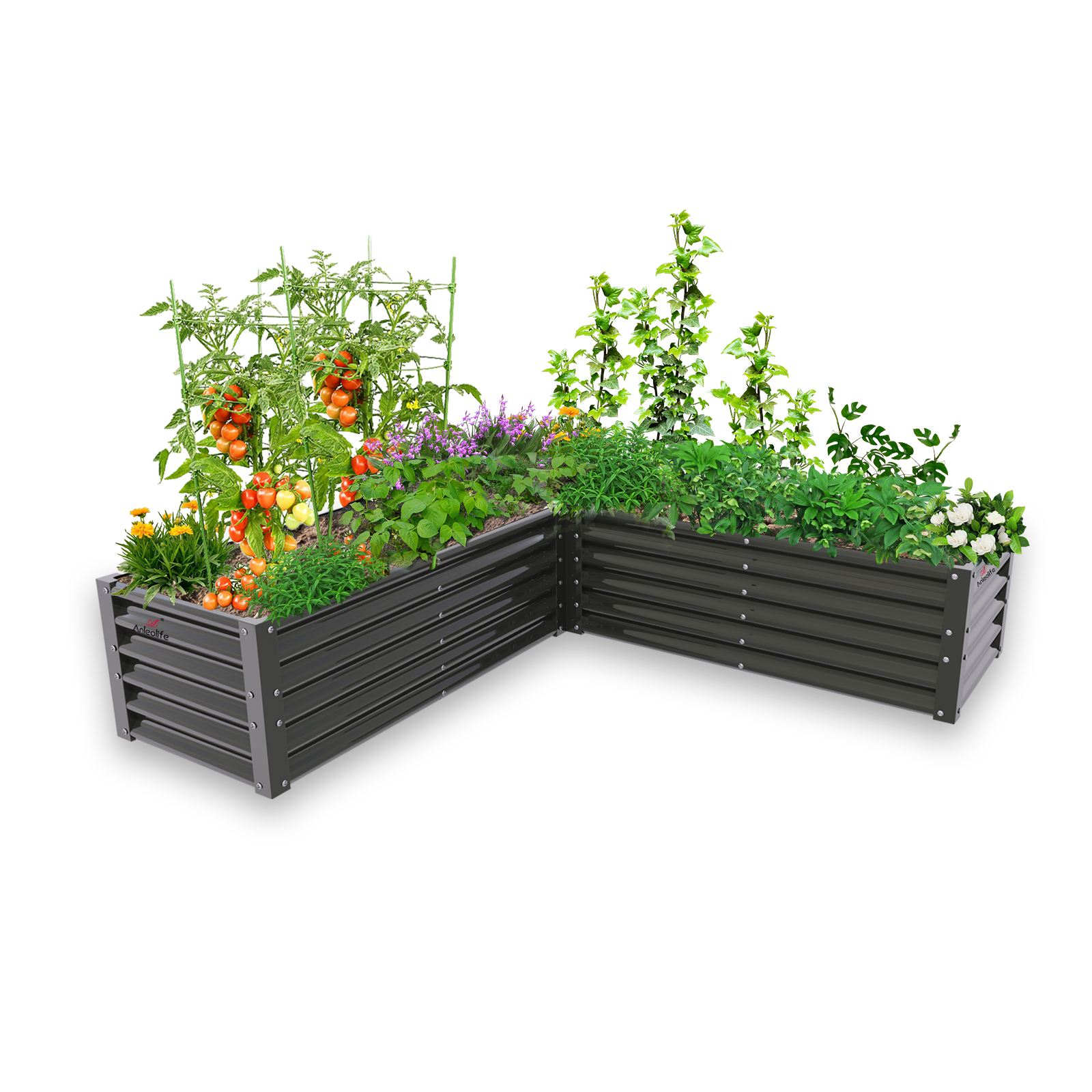
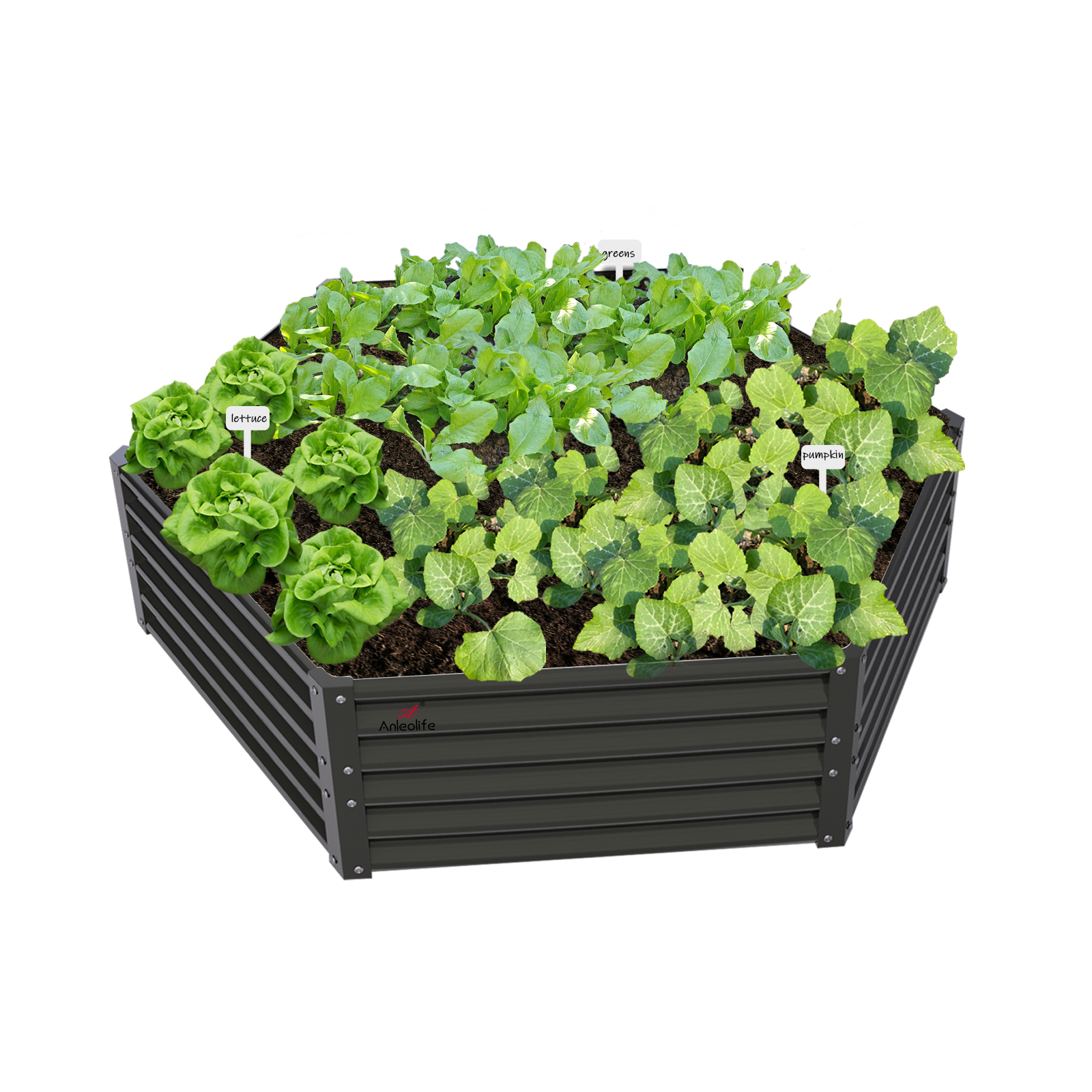
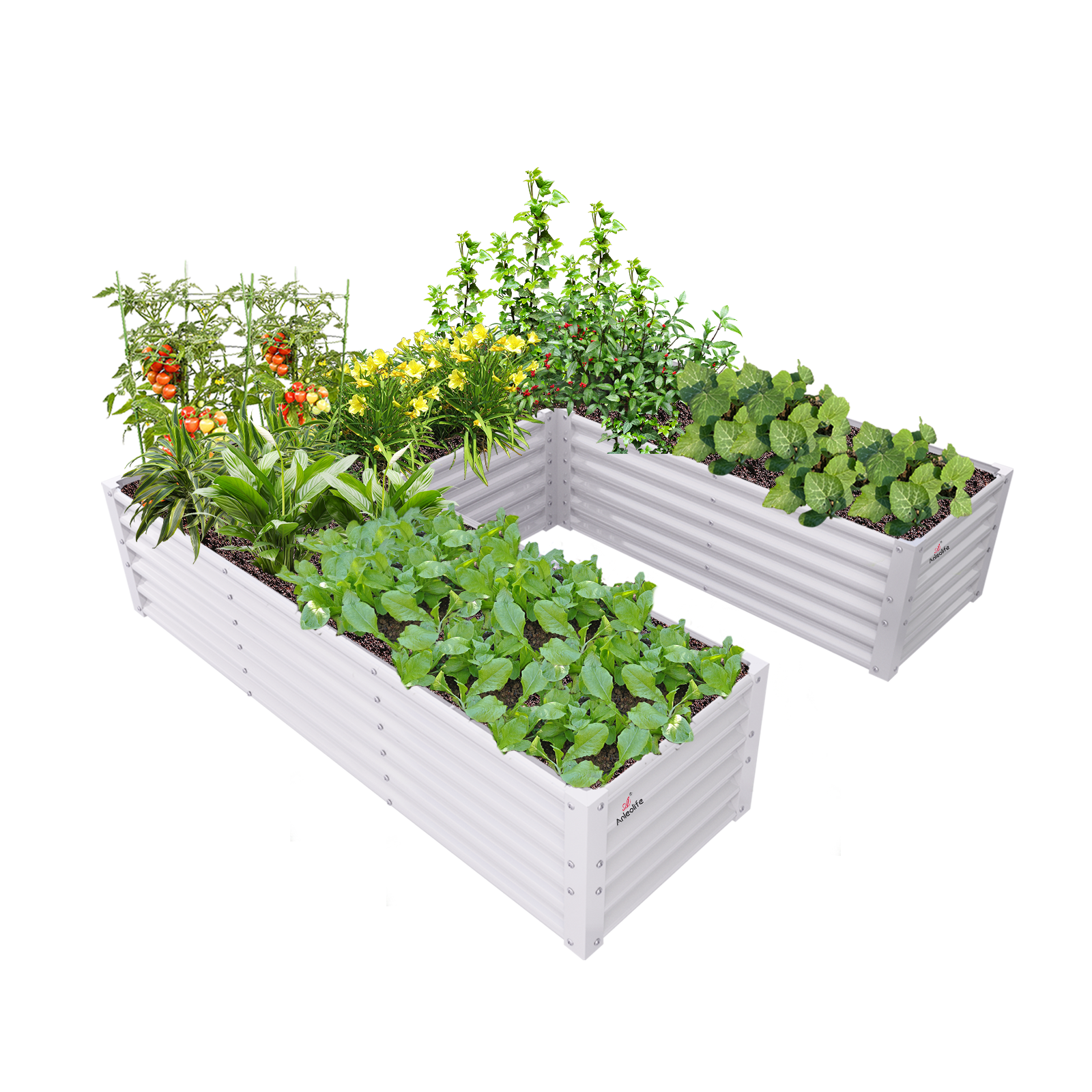


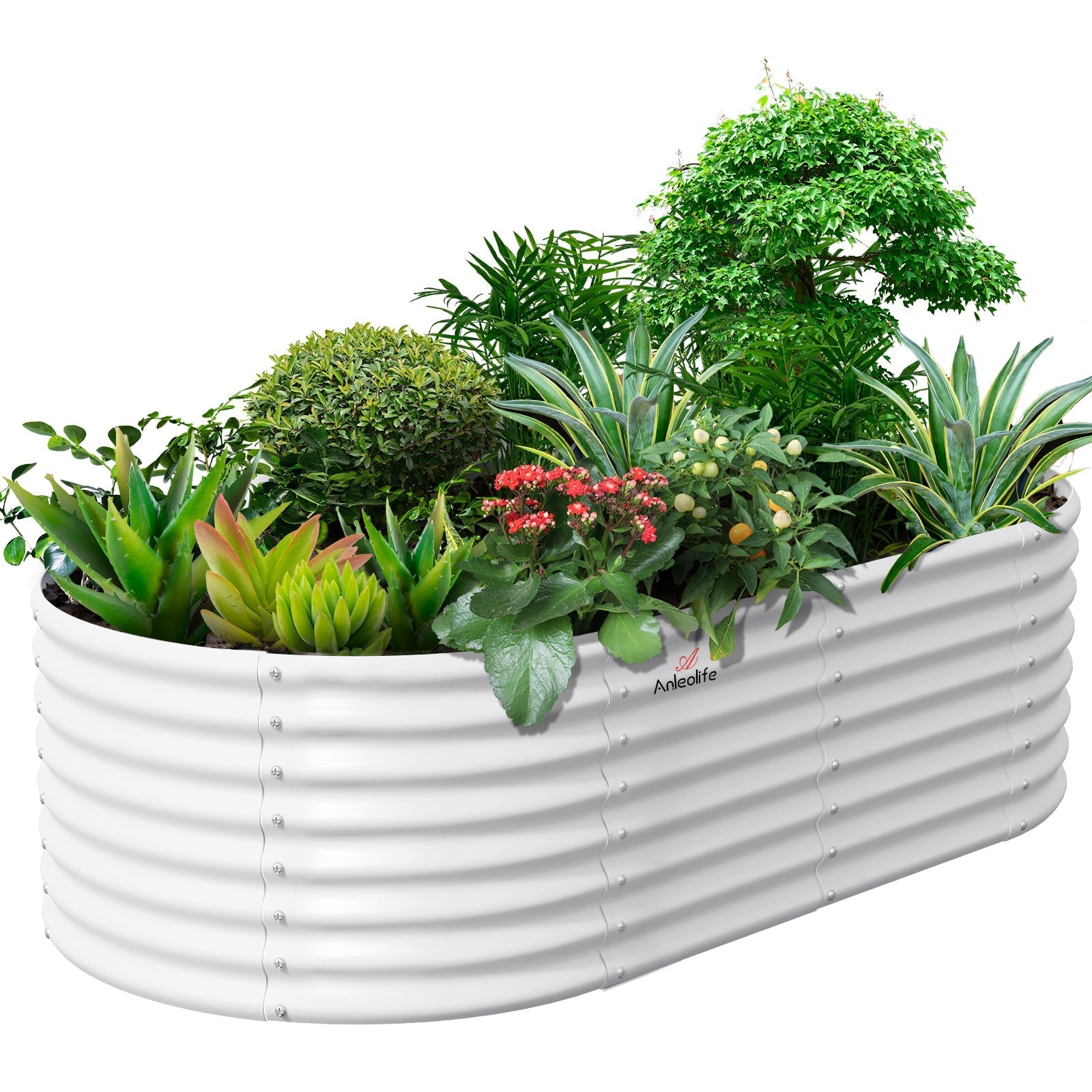


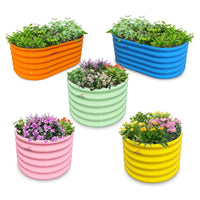
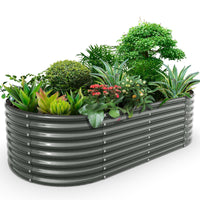




ALT: Elevated raised garden beds on wheels vs fixed beds comparison for seasonal home gardening
Elevated Raised Garden Beds on Wheels vs. Fixed Beds: Which Setup Wins This Growing Season?
Key Conclusion: Choosing between elevated raised garden beds on wheels and fixed raised garden beds comes down to your lifestyle, physical needs, and garden layout. Mobile beds offer unmatched flexibility — follow the sun, protect crops from frost, or rearrange your garden layout without a shovel. Fixed beds, especially galvanized steel raised garden beds built to last up to 20 years, deliver superior structural stability and growing depth ideal for deep-rooted vegetables, perennials, and year-round planting. Both have a rightful place in a well-designed home garden.
This season, more home gardeners than ever are asking the same question: should I invest in a stationary, permanent raised bed system, or is a mobile, wheeled solution the smarter choice for my space? The answer isn't one-size-fits-all. It depends on factors like your climate, your physical mobility, your garden's sun patterns, and how committed you are to a fixed layout. In this guide, we break down both options with honest comparisons, practical scenarios, and expert insights to help you make the best decision for your yard, balcony, or patio this growing season.
Which Setup Is Right for Your Garden? Scope of Application
✅ Applicable Scenarios for Elevated Raised Garden Beds on Wheels:
- Renters or gardeners with frequently changing layouts who need flexibility to relocate planters seasonally
- Gardeners with limited mobility, back pain, or physical conditions that benefit from waist-high, adjustable growing surfaces
- Urban micro-gardeners on patios, balconies, or hard surfaces where in-ground or fixed installations aren't possible
❌ Not Applicable or Cautions for Wheeled Beds:
- Not ideal for growing deep-rooted crops (like carrots, parsnips, or squash) that require significant soil depth and stability
- Wheeled beds with lightweight frames may tip on uneven surfaces or in high winds — surface leveling is essential
✅ Applicable Scenarios for Fixed Raised Garden Beds:
- Homeowners with dedicated garden spaces who want a permanent, high-capacity growing system with long-term ROI
- Eco-conscious growers cultivating perennial herbs, fruit-bearing shrubs, or multi-season vegetables that benefit from deep, undisturbed soil
- Families wanting a structured garden aesthetic with cohesive design and maximum growing volume
❌ Not Applicable or Cautions for Fixed Beds:
- Not practical for renters or temporary living situations where you cannot modify outdoor spaces
- Requires thoughtful placement planning — relocating a fixed bed means disassembly, which disrupts root systems and soil structure
Why the Raised Bed Revolution Is Reshaping Home Gardens This Season
Raised garden beds have become one of the fastest-growing segments in the home improvement and outdoor living market. According to the National Gardening Association, participation in food gardening in the United States has surged over the past several years, with millions of households growing their own produce for the first time. A significant portion of these new growers are turning to raised beds specifically because they solve some of the most common gardening pain points: poor native soil quality, drainage issues, weed pressure, and physical strain.
But within the raised bed category, a newer debate has emerged. Traditional fixed raised garden beds — sturdy, permanent structures anchored in place — have long been the gold standard. However, elevated raised garden beds on wheels have carved out a significant market niche, particularly among urban dwellers, people with physical limitations, and gardeners who prize adaptability over permanence.
What's driving this split? A combination of demographic shifts and design innovation. As the baby boomer generation ages into retirement, demand for ergonomic gardening solutions has skyrocketed. Empty nesters are downsizing their yards while still wanting to grow food. Meanwhile, younger urban gardeners often live in apartments or rental homes, making portable, non-invasive solutions more attractive than ever.
Climate unpredictability is also a factor. With increasingly variable spring and summer weather patterns — including late frosts, heat waves, and irregular rainfall — the ability to move your planting containers into sheltered positions or sunnier spots has genuine practical value.
At Anleolife, we've observed these trends closely. Our product lineup spans both philosophically: we offer galvanized steel raised garden beds engineered for decades of fixed use alongside modular configurations that allow gardeners to adapt their setup as their needs evolve. Understanding the core trade-offs between mobile and fixed solutions will help you invest wisely this season.
Choosing the Right Setup: A Practical Decision Framework
Three Steps to Assess Your Garden Needs Before Buying
Step 1: Map Your Sun Exposure and Seasonal Light Patterns
Before purchasing either bed type, spend one week observing how sunlight moves across your outdoor space throughout the day. Note which areas receive 6+ hours of direct sun — the minimum most vegetables need. Identify spots that lose light due to shade from trees, fences, or buildings as seasons change. This 15–30 minute daily observation exercise will tell you whether a fixed placement will work year-round or whether a mobile bed could meaningfully increase your yield by chasing optimal light. This step takes roughly one week to complete properly.
Step 2: Evaluate Your Physical Comfort and Mobility Requirements
Honest self-assessment here prevents long-term frustration. If you experience lower back pain, knee stiffness, or general fatigue from bending, a waist-high wheeled planter may genuinely improve your gardening experience. If you're physically comfortable working at ground level and prioritize planting volume and soil depth, a fixed bed in a 24" or 30" tall configuration can provide ergonomic benefits without wheels. Consider also who else will be using the garden — a multi-generational family may benefit from having both options available simultaneously.
Step 3: Define Your Growing Goals for the Season
Are you growing shallow-rooted crops like lettuce, herbs, strawberries, and spinach — or deeper-rooted vegetables like tomatoes, peppers, and root vegetables? Shallow growers thrive in wheeled planters. Deep-rooted crops benefit from the generous soil volume of a fixed raised bed. Also consider whether you're planting annuals (replanted each season) or perennials (left in place year after year). Perennials strongly favor fixed beds where soil structure and root systems can develop undisturbed over multiple growing seasons.
Head-to-Head Comparison: Wheeled Beds vs. Fixed Raised Garden Beds
Making the right investment starts with understanding how these two options differ across the dimensions that matter most to everyday gardeners. The table below gives you a clear, honest side-by-side view:
| Comparison Dimension | Elevated Beds on Wheels | Fixed Raised Garden Beds (Standard) | Fixed Raised Garden Beds (Extra Tall/Waist-High) |
|---|---|---|---|
| Mobility & Flexibility | High — move seasonally or daily | None — permanent placement | None — permanent placement |
| Growing Depth / Soil Volume | Limited — typically shallow | Generous — suits most vegetables | Excellent — ideal for deep-rooted crops |
| Structural Durability | Moderate — depends on frame material | High — galvanized steel lasts up to 20 years | High — galvanized steel lasts up to 20 years |
| Ergonomic Benefit | High — waist-height access | Moderate — depends on bed height | High — waist-height to standing access |
| Best Crop Types | Herbs, leafy greens, strawberries | Most vegetables, perennials | All vegetables including deep-rooted varieties |
| Suitable Surface | Patios, decks, hard surfaces | In-ground or on soil | In-ground or on soil |
| Weather Adaptability | High — move indoors or to shelter | Low — fixed to location | Low — fixed to location |
| Long-Term ROI | Moderate — limited soil volume | Excellent — decades of use | Excellent — decades of use |
| Rust Resistance | Consult provider | Galvanized steel with rust-resistant coating | Galvanized steel with rust-resistant coating |
| Assembly Complexity | Generally simple | Straightforward modular assembly | Straightforward modular assembly |
Deep Dive: The Case for Fixed Galvanized Steel Raised Garden Beds
Why Permanence Pays Off in the Long Run
For most serious home growers, a fixed raised garden bed remains the superior long-term investment — and the reasoning goes beyond just soil volume. When you commit to a permanent raised bed, you're also committing to developing soil health over time. Healthy garden soil is a living ecosystem of microbes, earthworms, fungi, and organic matter. Every season you add compost, mulch, and amendments to a fixed bed, that soil ecosystem matures and becomes more productive. A wheeled planter, by contrast, has limited soil volume, which means more frequent replanting, more frequent fertilization, and less capacity for the biological complexity that makes soil truly fertile.
Galvanized steel is the material of choice for serious fixed raised beds — and for good reason. Steel offers structural rigidity that wood simply cannot match over a decade of use. Rust-resistant raised garden beds made from galvanized steel combine a protective zinc coating with the inherent strength of steel, resisting corrosion even in wet climates, coastal environments, and regions with freeze-thaw cycles.
This is a common question among gardeners in the Pacific Northwest, coastal Florida, and the Gulf Coast region: which materials are best for raised beds in wet climates? The honest answer is galvanized steel with a quality rust-resistant treatment. Unlike untreated wood, which can rot in as little as three to five years depending on moisture exposure, or untreated metal that succumbs to surface rust, galvanized steel raised garden beds are engineered to resist moisture-related degradation. Anleolife's galvanized steel raised garden beds are designed to deliver up to 20 years of reliable service — a genuine generational investment for your home garden.
Exploring Anleolife's Fixed Bed Range
Anleolife offers an extensive selection of fixed raised garden beds across multiple product lines, giving you the flexibility to choose the right footprint, height, and configuration for your space.
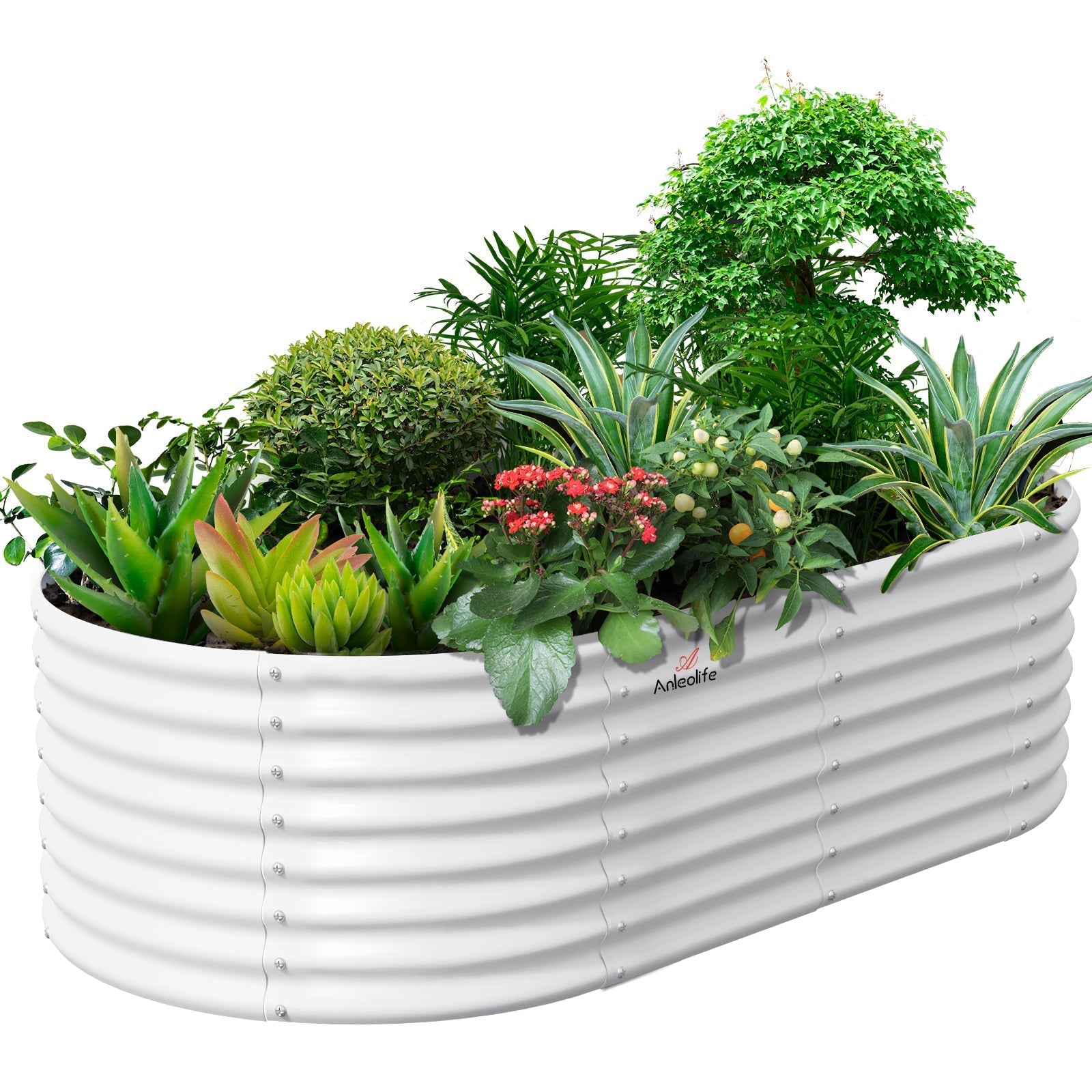
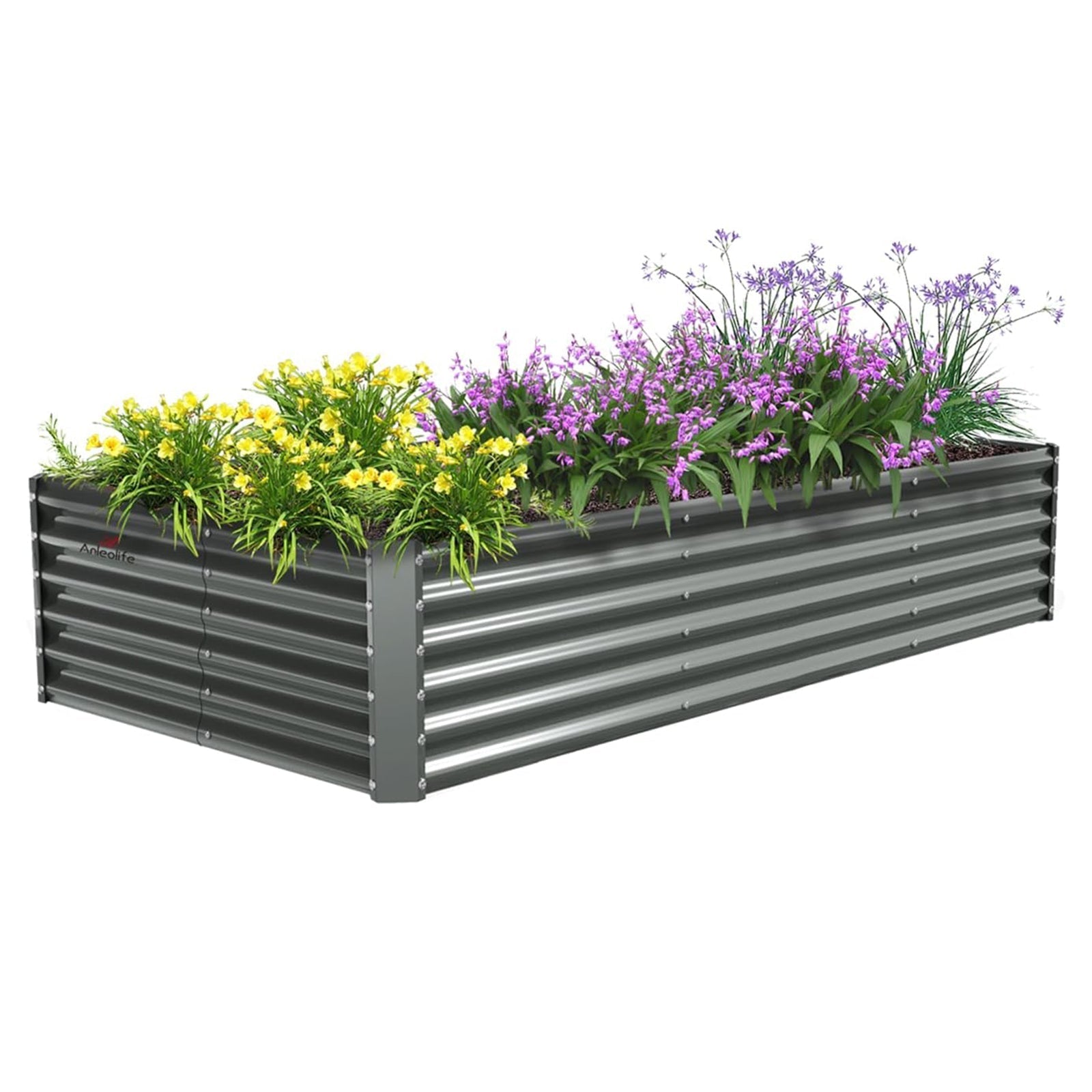
The Galvanized Steel Raised Garden Beds collection spans a wide range of dimensions — from compact configurations suited to smaller yards all the way to generous 12x3 ft and 8x4 ft layouts that provide serious growing real estate. Heights range from 18" standard beds all the way to 35" waist-high configurations, including 24" and 30" extra-tall options that minimize bending without sacrificing soil depth. This range means whether you're tucking a bed into a narrow side yard or building out a full kitchen garden, there's a configuration that fits.
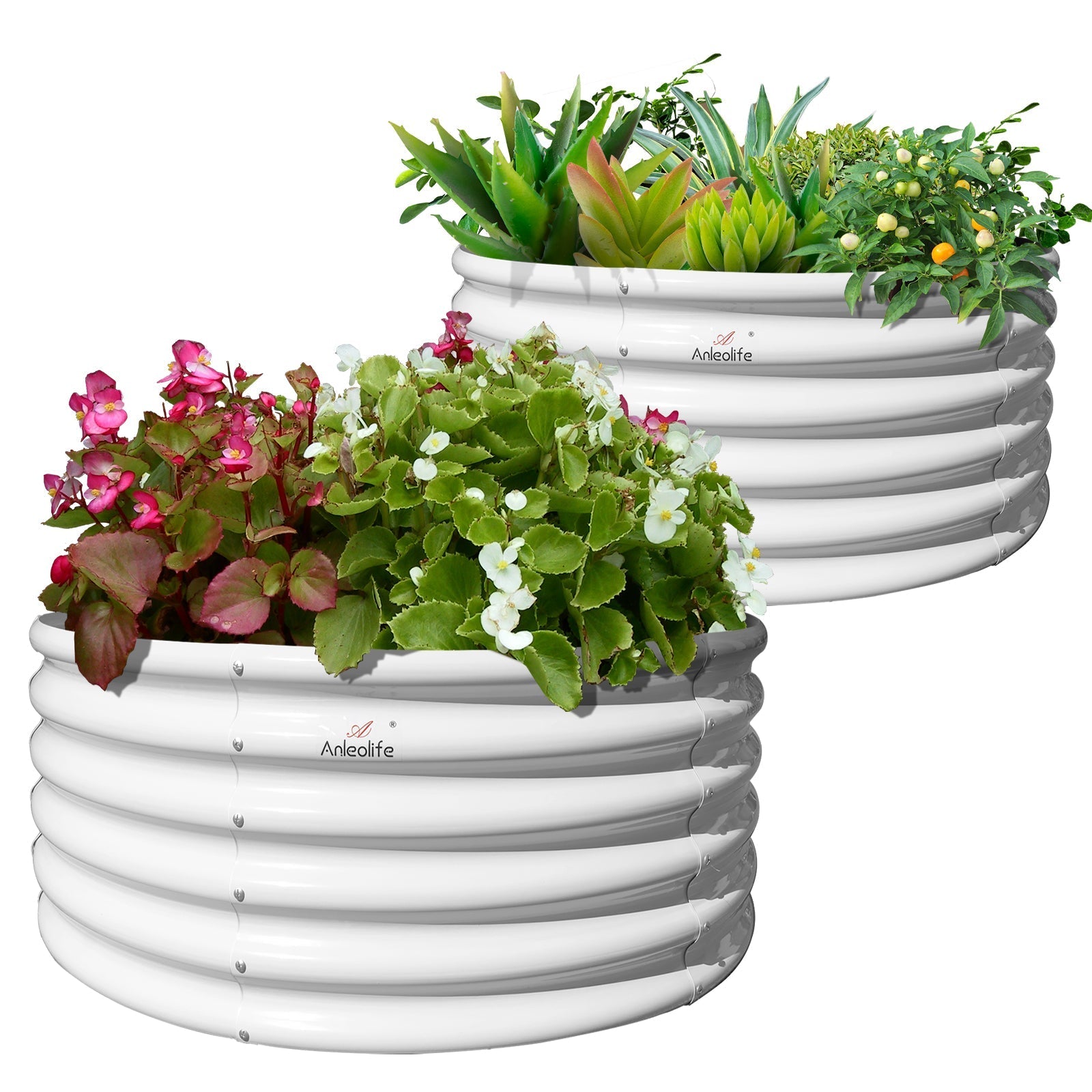
The Rust-Resistant Raised Garden Beds line extends this coverage with additional sizing options including 6x3 ft, 6.8x6.8 ft, and 4x2 ft configurations, along with extra-tall 24" and 30" variants. These beds are engineered specifically for high-moisture environments and regions where garden tool rust prevention is a persistent concern — because when your bed itself is protected from rust, you face one fewer maintenance headache each season.
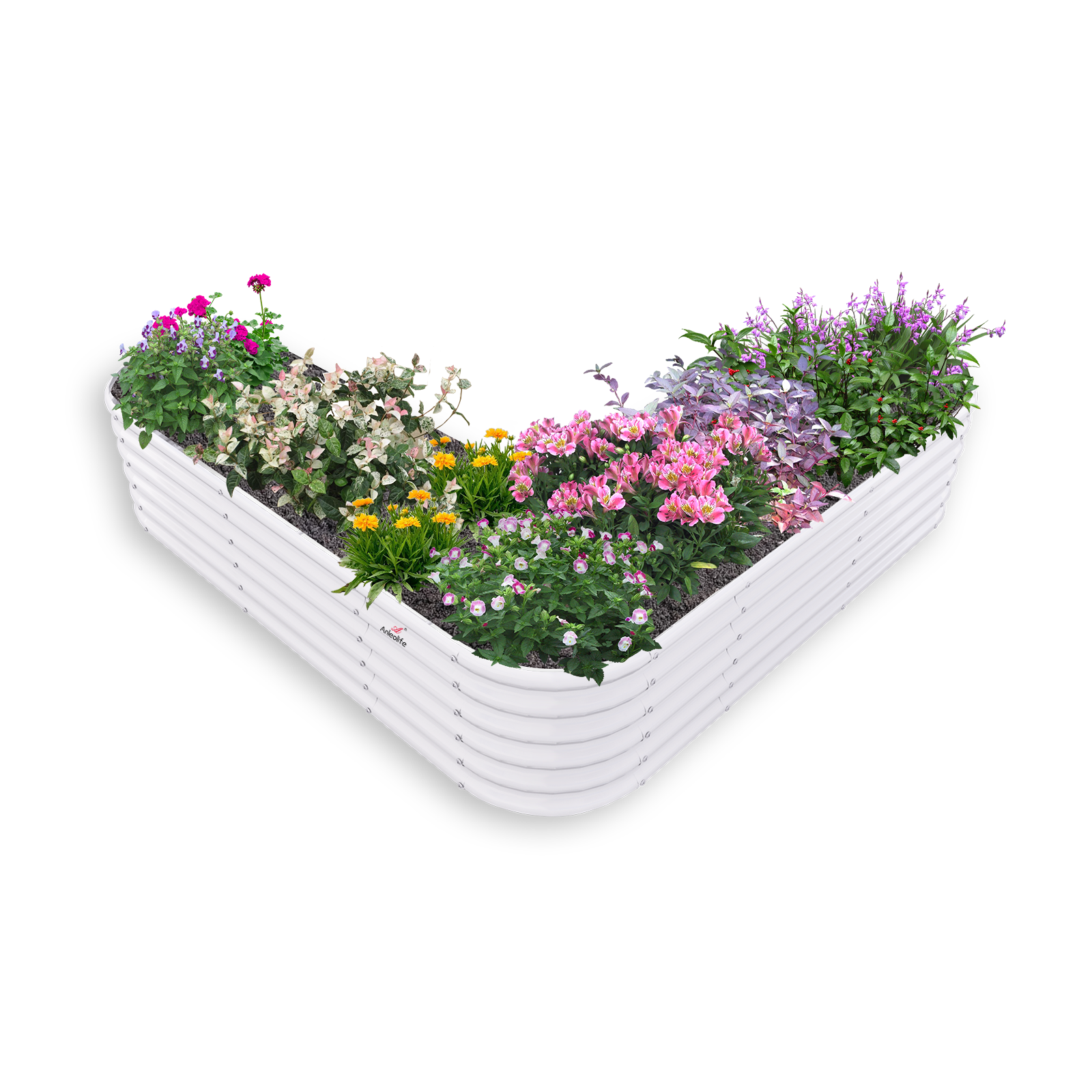
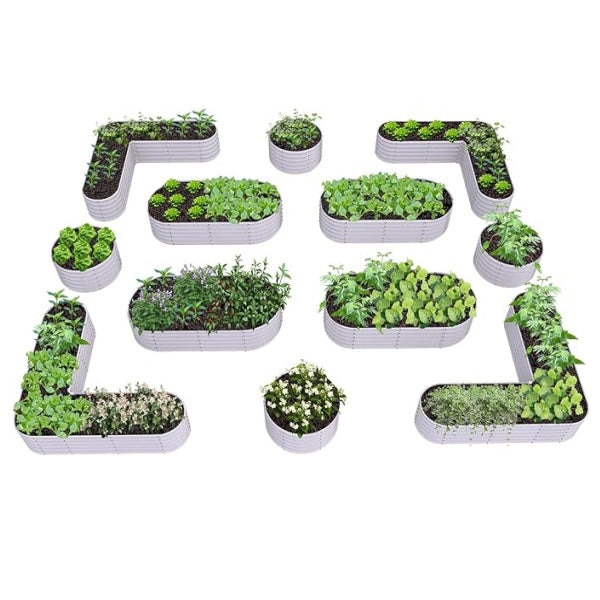
For gardeners who want to start with a defined layout but may wish to expand later, the Modular Raised Garden Bed line from Anleolife is worth exploring. Available in 6x2 ft, 8x4 ft, 12x3 ft, and extra-tall 24" and 30" configurations, modular beds allow you to add sections as your garden grows — a smart solution for gardeners who want the permanence of a fixed bed with some structural flexibility over time.
For maximum soil depth and structural integrity, the Heavy Duty Raised Garden Beds deliver premium performance, available in extra-tall and 30" configurations, including a 10x3 ft layout that suits rows of tomatoes, peppers, or mixed perennial plantings.
The Case for Wheeled Beds: When Mobility Wins
We'd be doing you a disservice if we didn't honestly advocate for wheeled beds in the right circumstances. For apartment gardeners growing herbs on a rooftop terrace, a wheeled elevated planter is simply indispensable. For someone recovering from surgery or managing a chronic condition that limits kneeling or bending, a mobile raised bed at the right height can mean the difference between gardening and not gardening at all.
Wheeled beds also shine as season extension tools. In early spring, you can wheel sensitive seedlings inside or under shelter when a late frost threatens. As summer heat peaks, move heat-sensitive crops like cilantro and lettuce to a shadier corner of your patio. In fall, extend your growing season by relocating beds to maximize the last weeks of warm sunlight. This level of responsive, dynamic gardening simply isn't possible with a fixed bed.
A common misconception worth addressing: many gardeners assume wheeled beds are exclusively for decorative or shallow-rooted plants. While it's true they're ideal for herbs, leafy greens, strawberries, and compact flowering plants, well-designed wheeled planters with sufficient depth can also support compact tomato varieties, peppers, and even dwarf root vegetables. The key is choosing a wheeled bed with adequate soil capacity and ensuring the caster system is rated for the loaded weight.
Protecting Your Garden Investment: Rust Prevention and Material Care
Regardless of which bed type you choose, garden tool rust prevention should be part of your seasonal maintenance routine. Steel garden tools — trowels, hoes, shears — are vulnerable to rust when left wet or stored improperly. Rinse tools after each use, dry them thoroughly, and apply a light coat of linseed oil or tool-specific protective spray to metal surfaces before storage. For your raised beds themselves, galvanized steel construction dramatically reduces the rust burden, but it's still good practice to inspect joints and connection points annually for any early signs of wear.
For gardeners dealing with pest pressure, consider integrating best organic insecticide for garden pests practices alongside your raised bed setup. Raised beds inherently reduce some pest issues by elevating soil away from ground-level insects and providing better drainage that discourages fungal disease. However, companion planting with basil, marigolds, and nasturtiums inside or around your beds, combined with neem oil sprays or insecticidal soap as needed, creates a low-chemical pest management system that aligns with eco-conscious growing values.

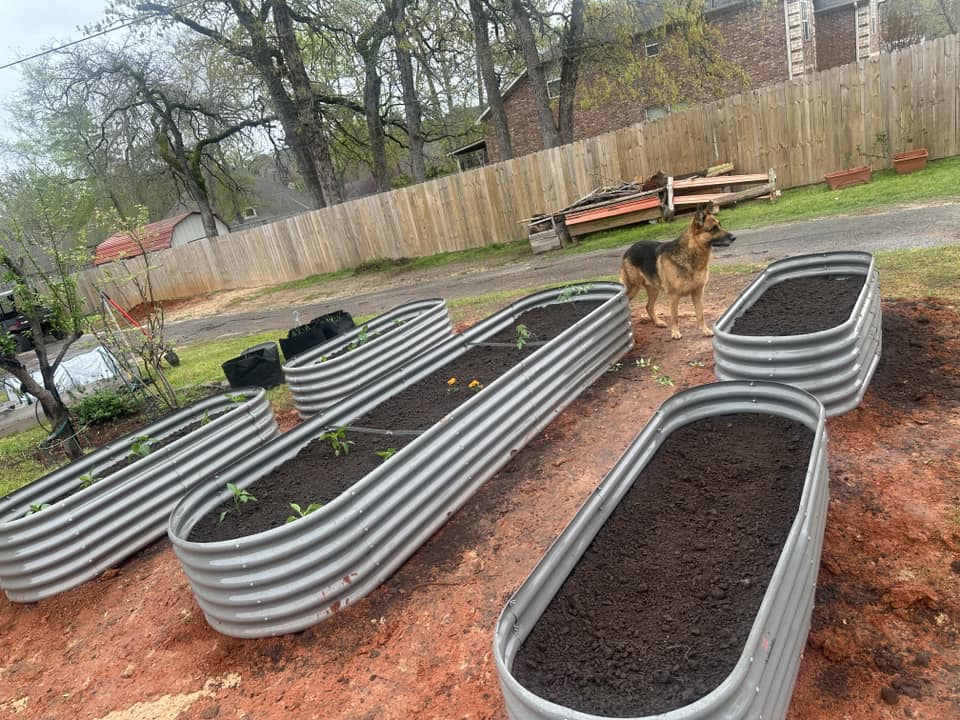
ALT: Galvanized steel fixed raised garden beds with rust-resistant finish growing vegetables in a well-designed backyard garden layout
Advanced Considerations: Garden Aesthetics, Accessories, and Seasonal Styling
Integrating Raised Beds Into a Cohesive Garden Design
Beyond pure growing function, raised garden beds are increasingly central to outdoor living aesthetics. If you're drawn to Mediterranean-style yards — terracotta tones, olive trees, lavender borders, and warm stone textures — the clean geometric lines of a galvanized steel raised bed actually complement this style beautifully. The silver-gray tones of galvanized steel pair well with warm wood accents, terracotta pots, and stone pathways. For those asking about the best garden ornaments for Mediterranean style yards, consider adding clay amphora pots, iron wall art, and low-growing lavender or rosemary borders around your fixed raised beds to create that sun-drenched European aesthetic.
If your raised beds are positioned near a seating area — whether a patio dining set, garden bench, or outdoor lounge — comfort materials matter. The best cushion materials for outdoor seating in garden environments include solution-dyed acrylic fabrics (like Sunbrella) for maximum UV and moisture resistance, quick-dry foam inserts that shed water rapidly, and polyester blends treated for mildew resistance. These materials hold up to the moisture and humidity that inevitably surrounds active garden beds, keeping your outdoor seating comfortable and inviting season after season.
Common Misconceptions About Raised Bed Gardening
Misconception 1: Fixed beds are only for experienced gardeners.
Not true. Fixed raised beds are actually ideal for beginners because they create a defined, manageable growing space with better-controlled soil, drainage, and pest management than in-ground gardening.
Misconception 2: You need both a wheeled bed and a fixed bed.
While having both offers maximum flexibility, most gardeners can meet their needs with one well-chosen system. Clearly defining your primary use case — ergonomic access, seasonal mobility, or maximum growing volume — will guide you to the right single investment.
Misconception 3: Galvanized steel beds leach harmful chemicals into soil.
Modern galvanized steel coatings used in quality raised garden beds are considered safe for food-growing applications. The zinc coating is stable and does not leach into soil at levels harmful to plants or humans under normal gardening conditions.
Frequently Asked Questions FAQ
Q1: How do I choose between an 18" standard and a 24" or 30" extra-tall raised garden bed?
Height selection comes down to two factors: your physical comfort and your crop selection. An 18" standard bed suits most vegetables well and works great for gardeners who don't mind bending slightly. A 24" extra-tall or 30" waist-high configuration is ideal for gardeners with back issues, seniors, or anyone who wants to tend their garden while standing upright. Taller beds also provide more soil depth for root vegetables and perennials, and their increased soil volume means better moisture retention and temperature regulation — a meaningful advantage in both hot summers and cold springs.
Q2: Are galvanized steel raised garden beds safe for growing vegetables and edible herbs?
Yes. Galvanized steel raised garden beds from reputable manufacturers use modern zinc-based coatings that are stable under typical garden conditions. Peer-reviewed research and guidance from university extension programs consistently confirm that galvanized steel is a safe material for food-growing applications. The zinc in the coating may actually provide trace mineral benefits to your soil over time. Anleolife's galvanized and rust-resistant raised garden beds are designed with food-safe growing in mind, engineered to deliver up to 20 years of reliable service without degrading into your growing medium.
Q3: How long does delivery take for Anleolife raised garden beds, and where are products shipped from?
Anleolife operates a strategically located warehouse network across California, Texas, Florida, New York, Illinois, and Washington. This distribution footprint means that most orders reach customers within 3–8 business days, depending on your location. Products are available through multiple channels including Amazon, Walmart, Home Depot, Lowe's, Wayfair, and directly through anleolife.com, with consistent quality assurance and after-sales support across all purchasing platforms.
Summary
After weighing all the evidence, here's what this season's decision really comes down to:
Core Point 1 — Mobility vs. Longevity: If your gardening space changes frequently, you rent your home, or you need ergonomic flexibility to follow light or shelter crops from weather, elevated raised garden beds on wheels are a genuinely valuable tool. They're not a compromise — they're the right solution for the right context.
Core Point 2 — Fixed Beds Deliver Unmatched Long-Term Value: For homeowners with dedicated garden space and a commitment to growing food over many seasons, a galvanized steel fixed raised garden bed is the superior investment. With a lifespan of up to 20 years, generous soil volume, and the structural integrity to support deep-rooted crops and perennial plantings, fixed beds pay dividends that mobile solutions simply cannot match over time.
Core Point 3 — Material Matters More Than You Think: In wet climates, coastal regions, or areas with harsh winters, choosing a rust-resistant galvanized steel raised garden bed isn't optional — it's essential. The difference between a bed that deteriorates in three years and one that serves your family for two decades comes down to material quality and construction engineering.
Your next step: Assess your space, define your growing goals, and choose the configuration that matches your real lifestyle — not an idealized version of it. Visit anleolife.com to explore the full range of raised garden bed options and find the setup that fits your season.
Start Growing with Anleolife This Season
Nationwide U.S. warehouse network: Strategically located in California, Texas, Florida, New York, Illinois, and Washington to ensure delivery within 3–8 business days — so your garden upgrade plans never have to wait.
Multi-channel sales network: Products are available on major e-commerce platforms including Amazon, Walmart, Home Depot, Lowe's, and Wayfair, as well as the official website Anleolife.com, providing consistent quality assurance and after-sales service.
Three core scenarios: Planting (metal raised garden beds, soil systems), Raising (chicken coops, rabbit hutches), and Beautification (decorative accessories, pathway systems) — meeting complete needs from functionality to aesthetics.
Upgrade your garden with Anleolife. We understand that an ideal garden is not built overnight, but gradually improved over time. Our modular product design allows flexible expansion based on your needs — from your first garden bed to a fully integrated planting-and-raising ecosystem. We grow with you every step of the way.
References
- National Gardening Association. "Garden to Table: A Guide to Growing Your Own Food".
https://garden.org/ - University of California Agriculture and Natural Resources (UC ANR). "Raised Bed Gardening".
https://ucanr.edu/ - U.S. Environmental Protection Agency (EPA). "Containers and Raised Beds for Food Gardening".
https://www.epa.gov/sites/default/files/2015-09/documents/gardening.pdf - Penn State Extension. "Building and Using Raised Beds in the Home Garden".
https://extension.psu.edu/ - Cooperative Extension System (USDA). "Vegetable Gardening in Containers and Raised Beds".
https://www.nal.usda.gov/farms-and-agricultural-production-systems/home-gardening
Note: Standards and guidelines may be updated periodically. Please check the latest official documents or consult professional advisors for the most current information.
About Anleolife
Anleolife is a leading outdoor garden solutions provider in North America, dedicated to offering a full-scenario product ecosystem for home gardening enthusiasts, covering planting, raising, and garden beautification. Since its founding, we have upheld our brand mission, "Made for Garden Life," continuously innovating products and optimizing services to help hundreds of thousands of users upgrade their gardens, reconnect with nature, and enjoy a better garden lifestyle.