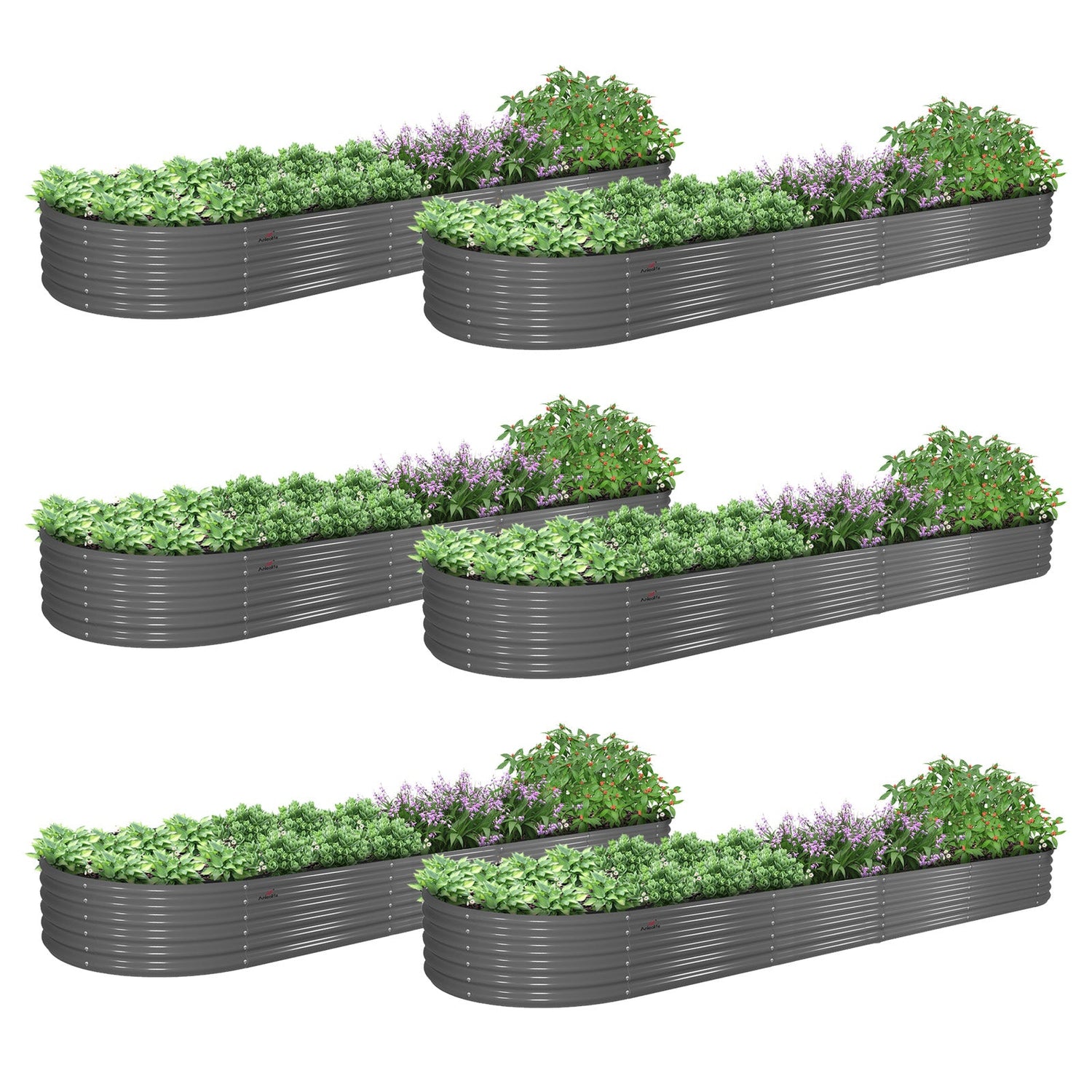



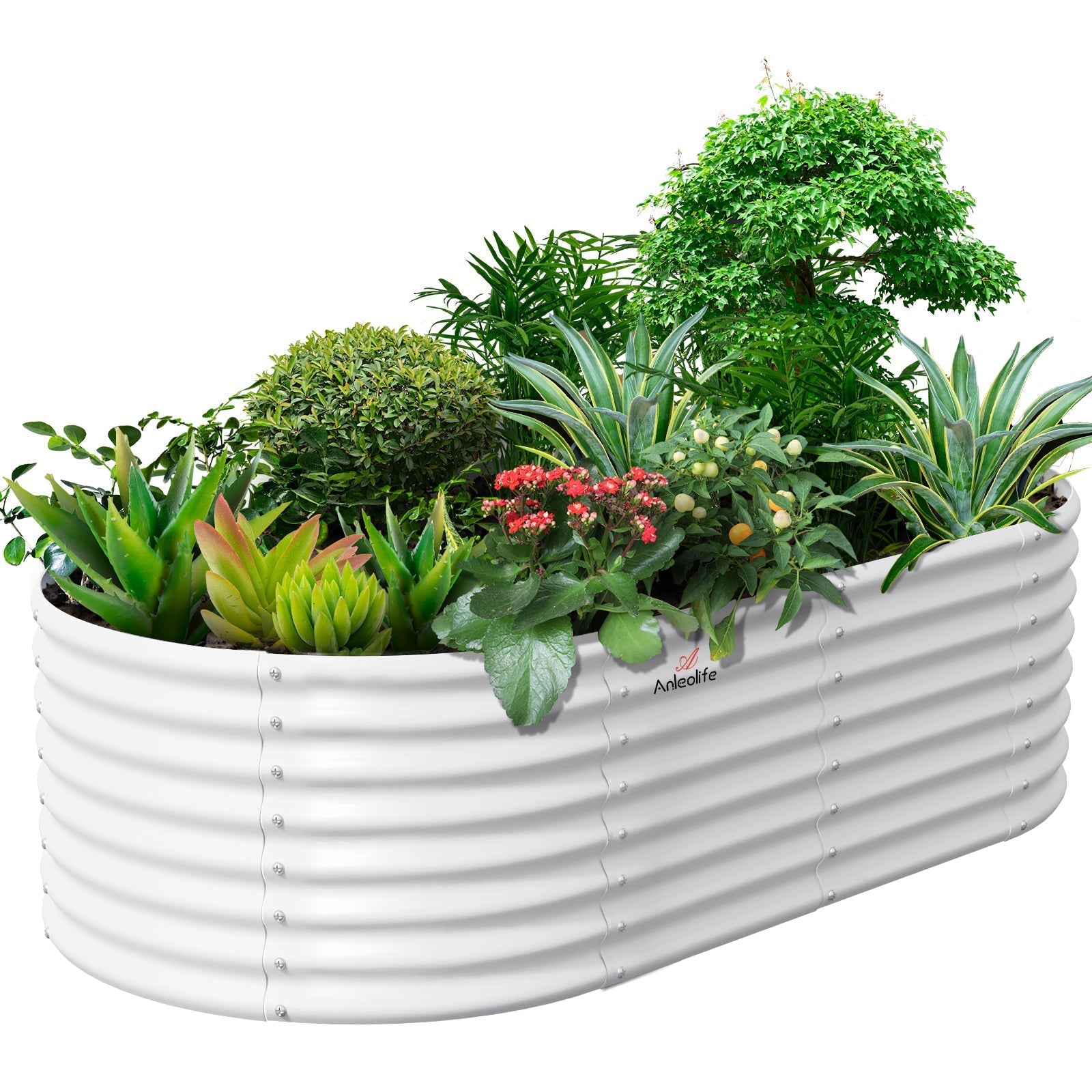
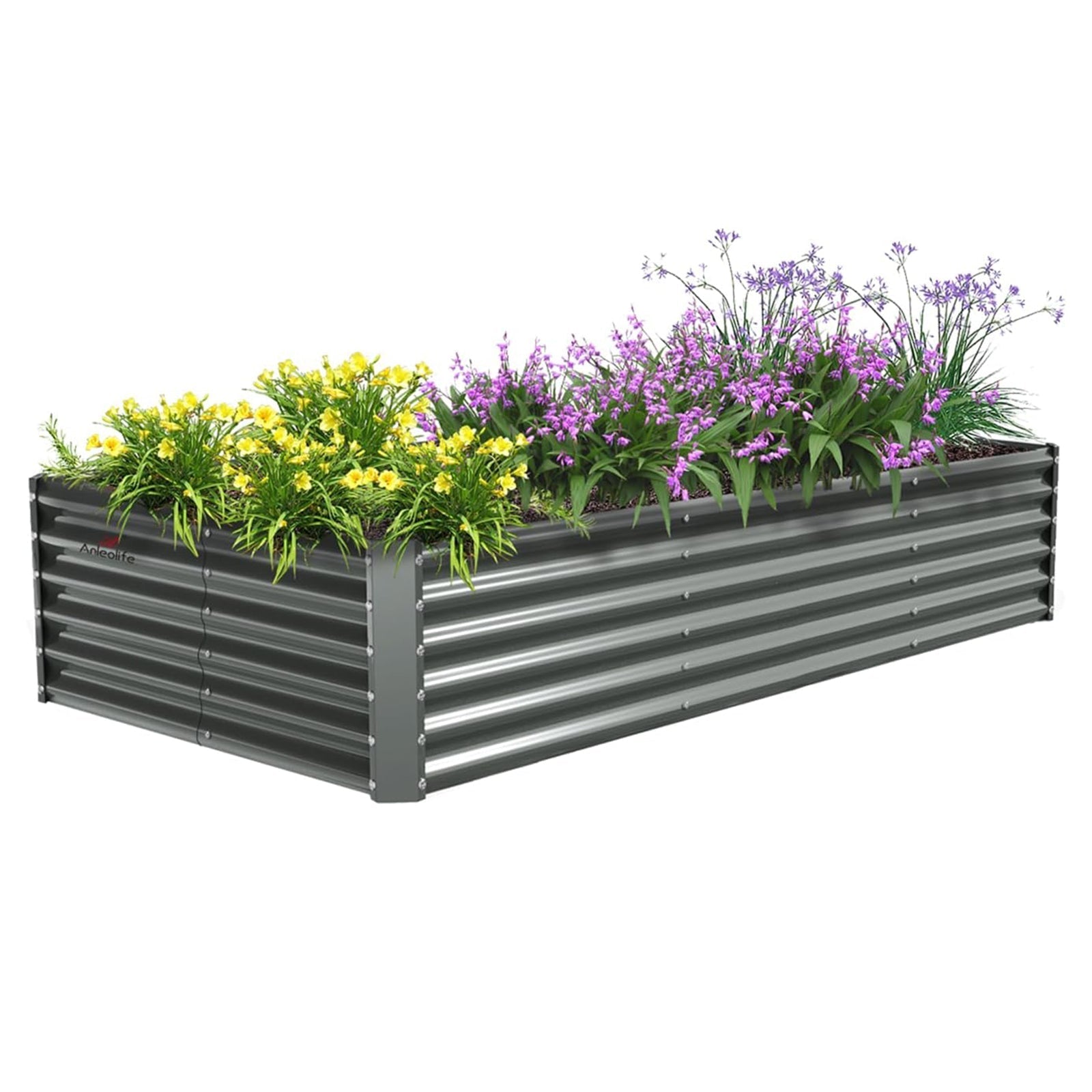

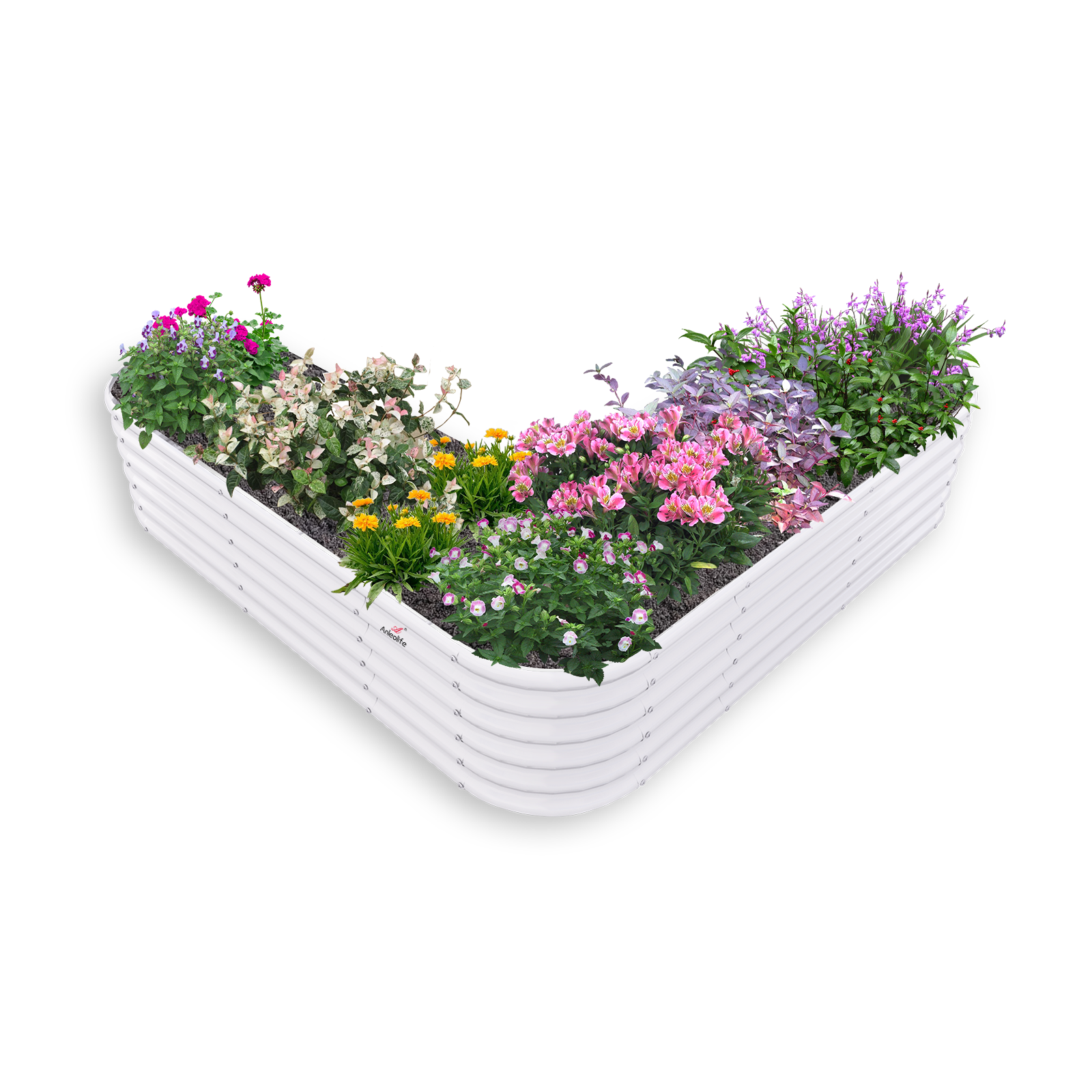
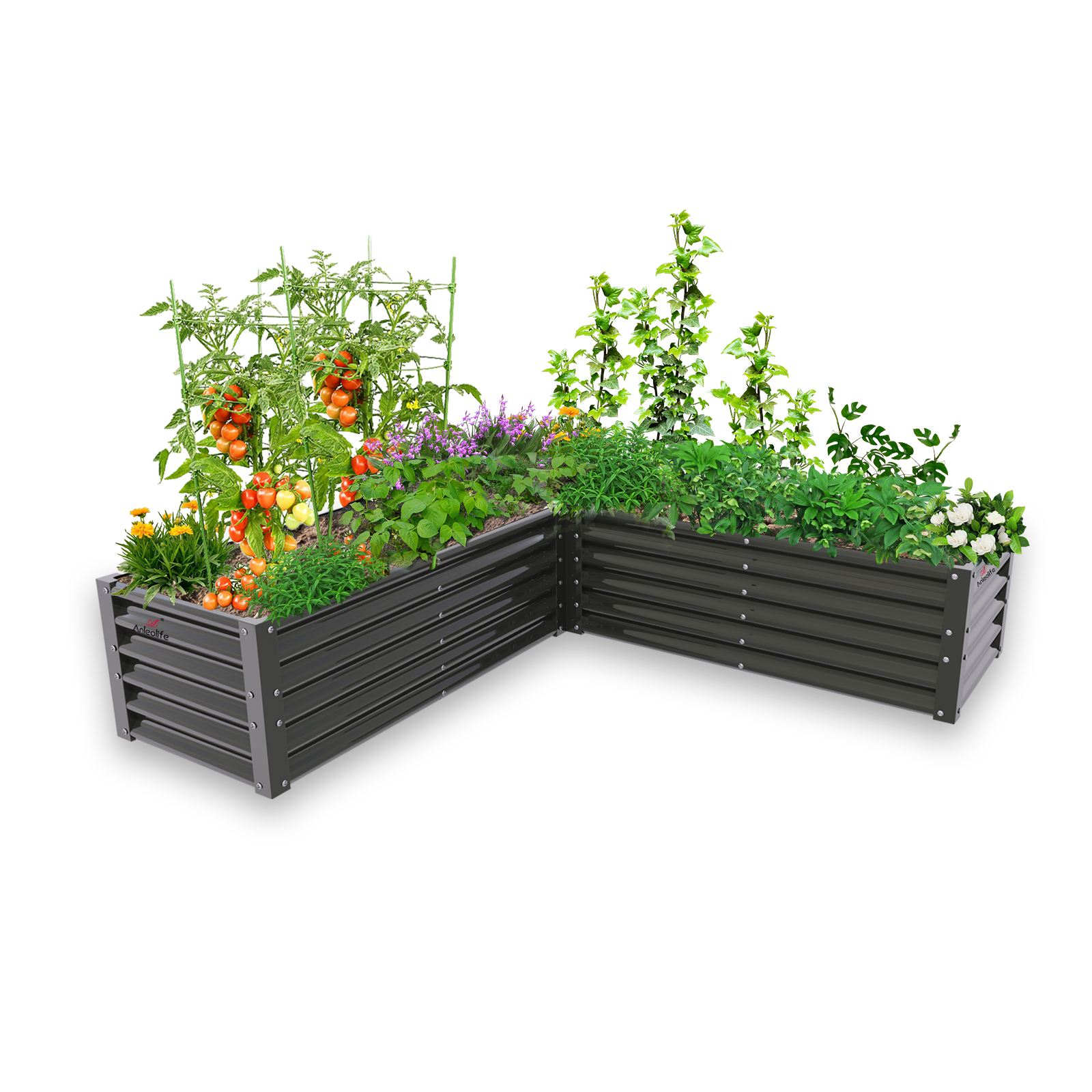
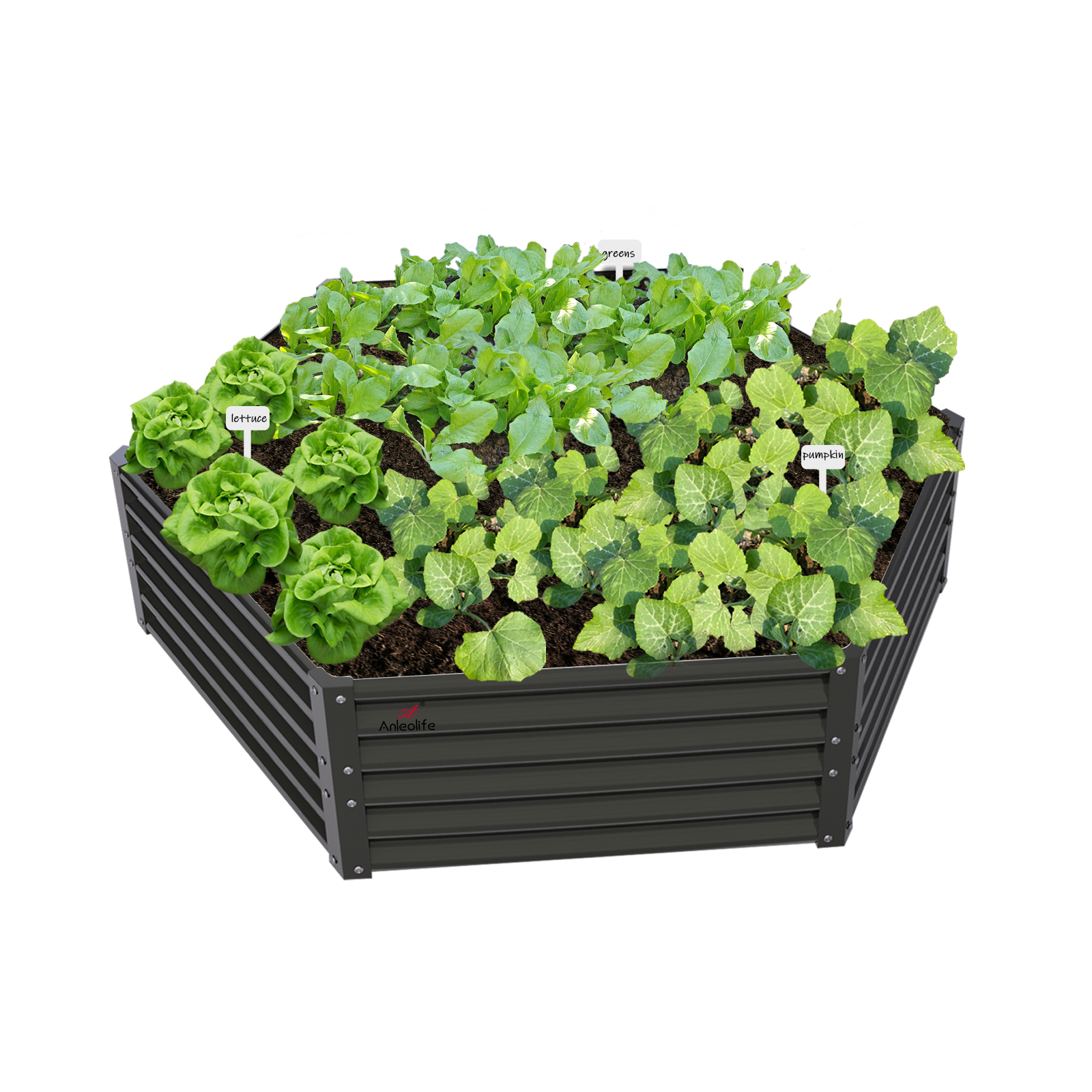
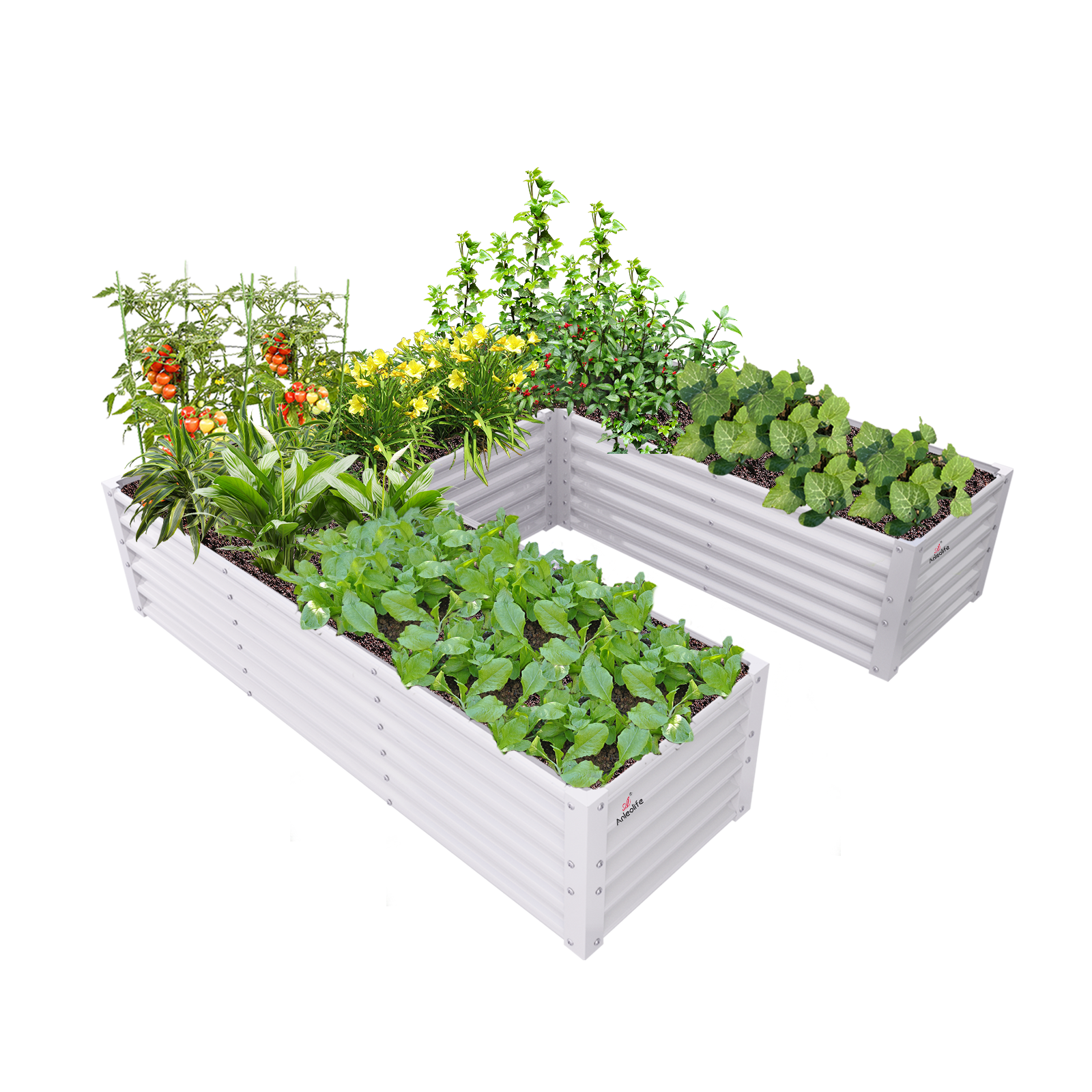



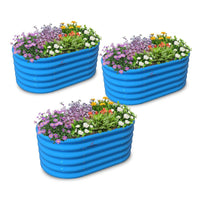
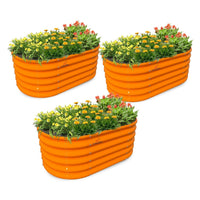
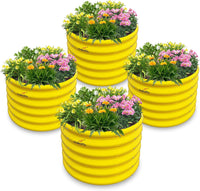
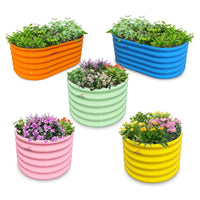
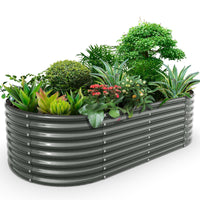



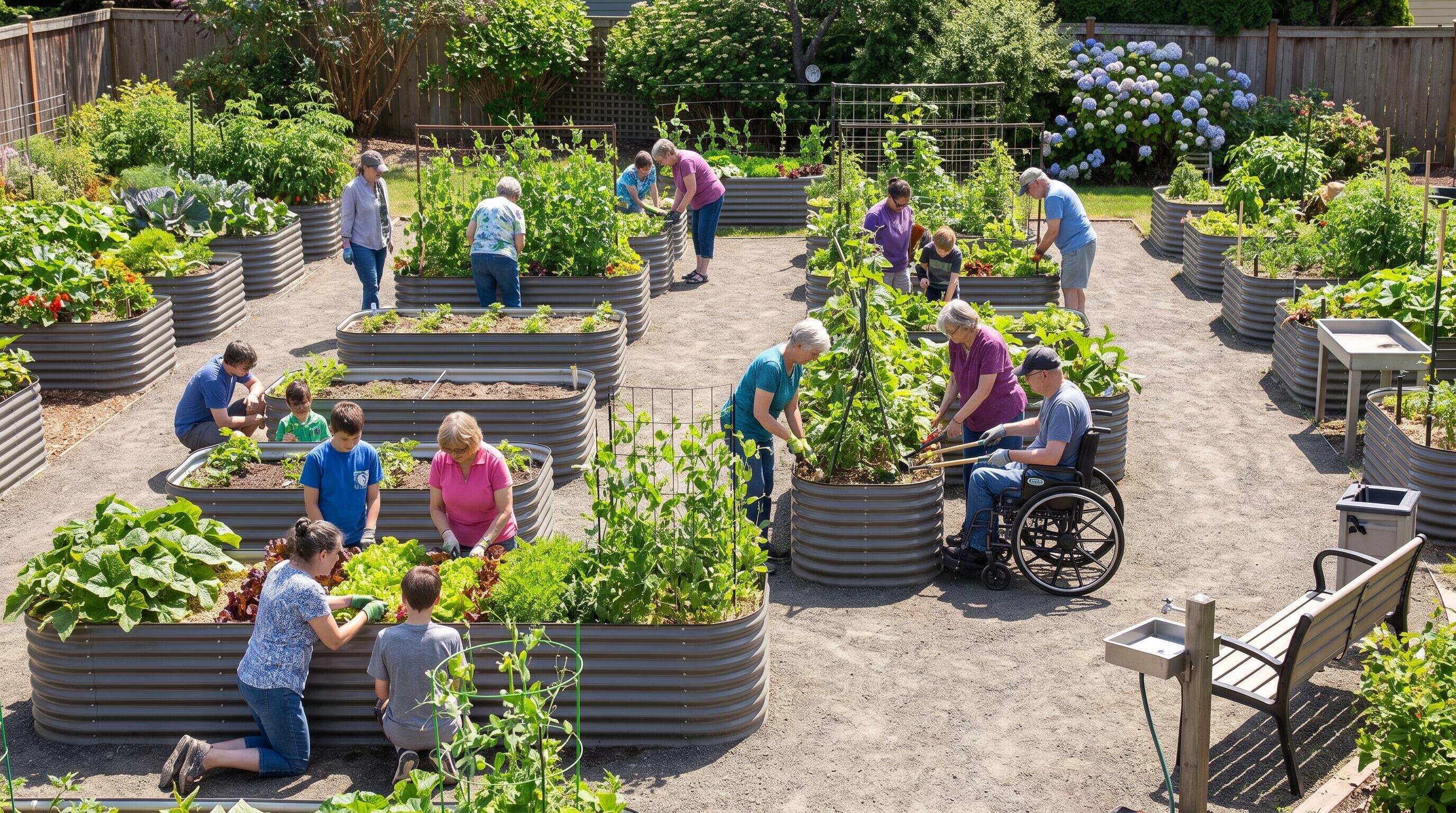
ALT: Ergonomic raised bed garden layout designed for small teams and community gardens with accessible pathways
Why Raised Bed Garden Layout Matters More Than Ever for Groups and Shared Spaces
Picture a neighborhood community garden where three volunteers show up on a Saturday morning, each with different physical abilities, different levels of experience, and a shared plot that nobody quite knows how to divide. The beds are too deep to reach across comfortably, the paths between them are too narrow for a wheelbarrow, and by noon, enthusiasm has given way to back pain and mild frustration. The central finding of this article is straightforward: a thoughtful raised bed garden layout — one designed around human ergonomics and collaborative workflow — is the single most powerful variable that determines whether a shared garden thrives or quietly gets abandoned.
This topic deserves deeper analysis now because community gardening and small-team growing are genuinely growing in North America. Municipal programs, neighborhood associations, senior living communities, and school campuses are all adding raised bed installations at a pace not seen in previous decades. Yet most planning guidance still treats the raised bed planting layout as an individual endeavor, failing to account for the coordination, accessibility, and physical diversity that group gardening demands. Getting the design right from the start is not just a convenience — it is what separates a garden that produces food for years from one that becomes an eyesore by midsummer.
The Current Landscape of Shared and Ergonomic Garden Design
Raised bed gardening as a practice has been steadily evolving from a backyard hobby into a structured, community-centered activity. According to the National Gardening Association, participation in food gardening at the community level has grown substantially over the past decade, driven by interest in fresh produce, mental health benefits, and local food security. This shift has placed new demands on how beds are planned, constructed, and maintained — particularly when multiple users share the same space.
The ergonomics conversation in garden design has its roots in occupational health research. Organizations such as the American Occupational Therapy Association have long documented how repetitive bending, kneeling, and over-reaching contribute to musculoskeletal strain in gardeners, particularly those over 50. As the population of home growers ages, and as inclusive community programs draw participants with mobility limitations, the raised bed layout has become an ergonomic issue, not just an aesthetic one.
At the same time, the materials and structures available to community gardens have improved considerably. Galvanized steel raised garden beds — which are a category of metal-constructed planting beds coated with a zinc layer to resist corrosion — have replaced wood as the preferred choice for many shared installations because they hold their shape, resist pests, and require virtually no seasonal maintenance. When a bed needs to last through many growing seasons and many pairs of hands, material durability is not a secondary concern.
The current landscape, then, is one of rising participation meeting smarter infrastructure. Community gardens are no longer improvised. They are planned — and the quality of that planning, particularly around the raised bed layout, directly determines how equitable, productive, and sustainable the space becomes.
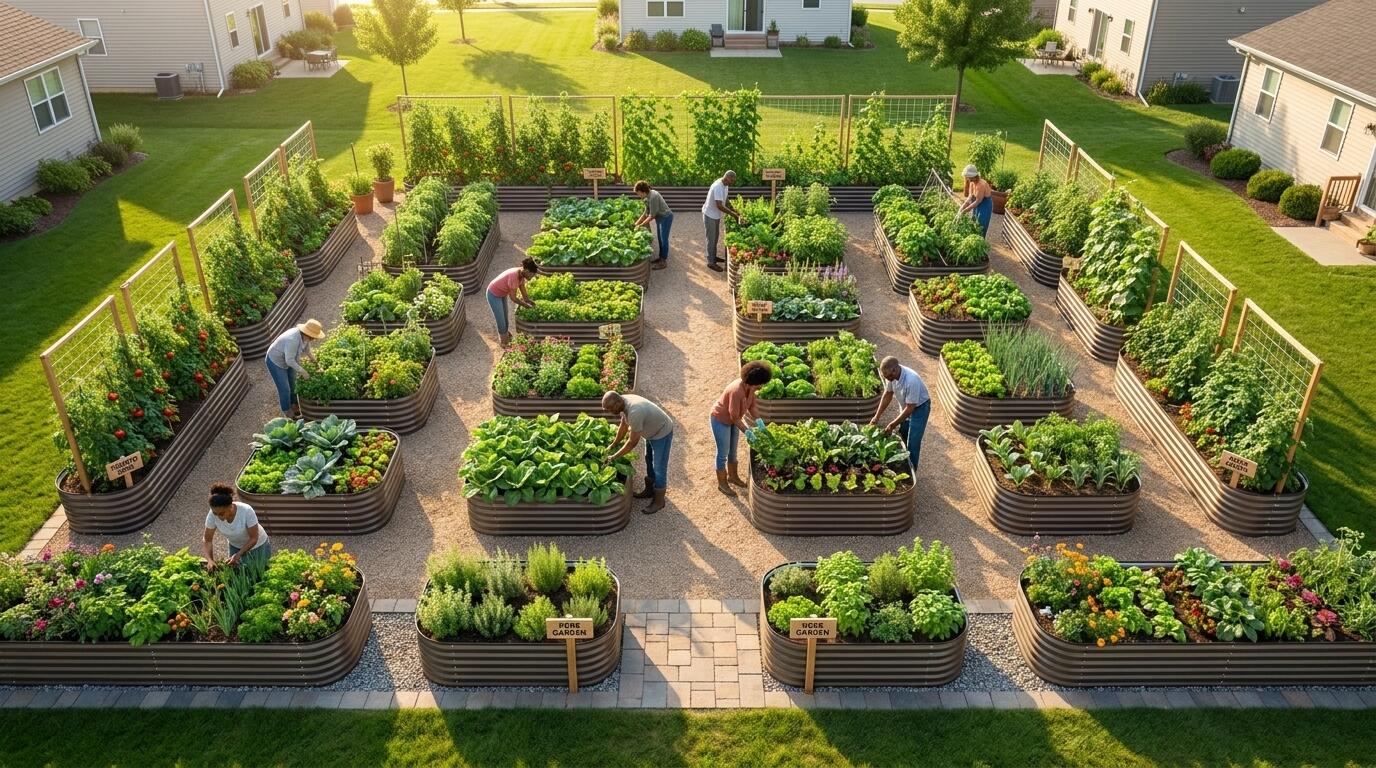
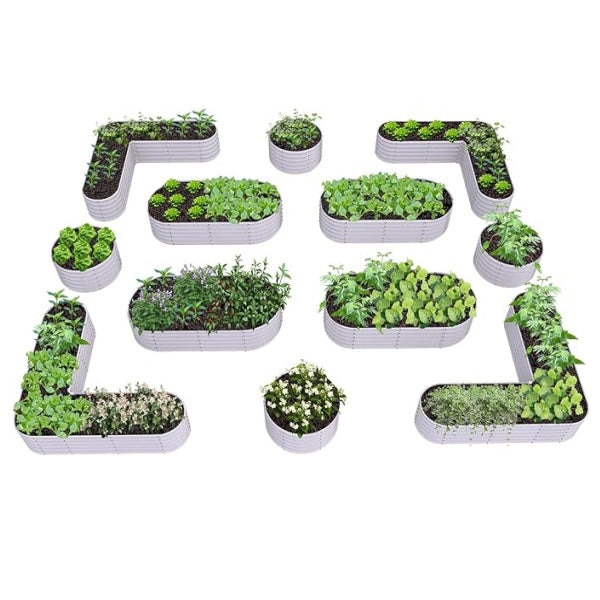
ALT: Aerial view of a community garden showing ergonomic raised bed planting layout with accessible paths, varied bed heights, and organized growing zones
The Mechanisms Behind Ergonomic Raised Bed Design for Groups
Ergonomic raised bed design for collaborative spaces is not a single decision — it is a system of interlocking choices about height, width, path clearance, orientation, and material that either compound each other's benefits or cancel them out. Understanding how each variable works helps small teams and community garden coordinators make informed decisions rather than guessing.
Bed Height and Reach Distance
Bed height is the most immediately impactful ergonomic variable. A bed that is too low forces every user to bend at the waist or kneel — motions that accumulate into real injury risk over a season. Research in ergonomic workplace design, including guidance from the Occupational Safety and Health Administration (OSHA), consistently identifies sustained forward flexion of the spine as a primary risk factor for lower back strain.
For shared gardens serving adults of mixed abilities, the practical target range runs from moderately elevated beds — which reduce bending without sacrificing planting depth — to waist-high configurations that allow users in wheelchairs or with limited mobility to participate fully. In our work with clients planning community installations, a pattern we consistently see is that groups underestimate how much difference even a modest height increase makes over the course of a growing season. A bed that feels comfortable for one session at 10 inches tall becomes genuinely punishing across dozens of weekly visits.
The width of a bed is equally critical and often overlooked. The maximum comfortable reach across a garden bed — the distance a person can extend their arm without shifting their feet — is typically about 24 inches from the side. This means a bed accessible from both sides should be no wider than 48 inches (4 feet) to allow full access without overreaching. For beds placed against a fence or wall, where access is only possible from one side, that maximum usable width drops to roughly 24 inches. In group settings where turnover is high and users vary in height and arm length, holding to these reach-distance principles is non-negotiable.
Path Width and Circulation Flow
Path width is the often-invisible bottleneck in shared garden layouts. A path that works fine for one person walking solo becomes inadequate the moment two people need to pass each other, or when a wheelbarrow, garden cart, or mobility aid enters the picture.
For community gardens and small-team settings, a minimum path width of 36 inches is widely cited in accessibility design literature, with 48 inches preferred for primary corridors where traffic is heavier. Secondary paths between beds in a dedicated zone can be narrower, but the main circulation route — the artery that connects beds, a water source, and a tool storage area — needs enough width to function efficiently during peak volunteer hours.
In our experience advising groups on raised bed garden layout, the path-width decision is the one most often revised after the fact, and revision is expensive. Beds need to be moved, compacted soil needs to be broken up and replanted, and the disruption sets the garden back by weeks. Getting path width right in the planning phase is not a luxury — it is a cost-saving measure.
Orientation, Sun Exposure, and Workflow Zoning
Bed orientation — the direction a bed runs relative to the sun and to the people who tend it — shapes both plant health and human efficiency. In North American growing conditions, the long axis of a rectangular bed is generally best oriented north to south, which ensures that plants on both sides of the bed receive balanced sunlight over the course of a day.
For group settings, orientation also affects workflow zoning: the logical separation of the garden into areas for different tasks or different crops. A well-zoned raised bed planting layout assigns the heaviest crops (trellised tomatoes, corn, sunflowers) to beds on the northern perimeter where they cast shade away from shorter crops. It places frequently-harvested crops (herbs, salad greens, radishes) closest to the entrance so that casual harvesters do not need to walk deep into the plot. And it reserves the most accessible — highest, widest-path, most central — beds for users with physical limitations.
Material Selection and Long-Term Maintenance Burden
Material choice directly affects the ergonomic burden of maintenance over time. Wooden beds require periodic treatment, replacement of rotted boards, and seasonal inspection — all tasks that add labor to an already-busy volunteer schedule. Galvanized steel and rust-resistant metal beds, by contrast, hold their structural integrity season after season.
For shared installations, the long-term maintenance calculus matters enormously. A bed that starts to warp, rot, or collapse partway through the season creates an unplanned maintenance event that pulls volunteers away from growing. What makes a raised garden bed durable enough to last a decade is a question every community garden coordinator should ask before purchasing, because the beds will outlast many of the volunteers who install them. Anleolife's galvanized steel raised garden beds are engineered for a lifespan of up to 20 years, which makes them particularly well-suited to shared spaces where consistency of infrastructure matters.
Evidence and Multi-Angle Comparison: Approaches to Raised Bed Layout for Groups
No single raised bed layout approach works for every shared setting. The right configuration depends on the group's size, the physical diversity of participants, the available space, and the long-term goals of the garden. Comparing the most common approaches reveals meaningful trade-offs.
The three most widely adopted layout philosophies for small teams and community gardens are the uniform-grid approach (identical beds in evenly-spaced rows), the variable-height zoned approach (beds of different heights assigned by user need), and the modular-expansion approach (a starter layout designed from the outset to grow incrementally).
| Perspective / Approach | Strengths | Trade-offs | Best Fit |
|---|---|---|---|
| Uniform-Grid Layout | Visually orderly; simple to plan and install; easy to assign plots equitably | One height serves no one optimally; can create accessibility gaps for users with mobility limitations; inflexible as group needs change | Groups with similar physical abilities; spaces where aesthetics and uniformity are priorities |
| Variable-Height Zoned Layout | Maximizes ergonomic fit for a diverse group; allows dedicated accessible stations; supports inclusive programming | More complex to plan; higher upfront material cost; requires intentional assignment of bed zones | Senior programs; inclusive community gardens; schools serving children and adults simultaneously |
| Modular-Expansion Layout | Low entry cost; adapts over time; beds can be reconfigured or added as the group grows | Requires foresight in path planning to allow future expansion; early layouts may feel sparse | New gardens with uncertain long-term participation; families who may want to scale from one to many beds |
In our work with groups setting up shared growing spaces, a pattern we consistently see is that the uniform-grid approach is chosen first because it seems simpler — and then modified within one or two seasons because it fails the accessibility test. The variable-height zoned approach, while more demanding upfront, consistently produces higher satisfaction and longer-term participation among diverse user groups.
The modular approach deserves particular attention for groups that are just starting out. Anleolife's modular raised garden beds — available in configurations including 18-inch-tall and 24-inch extra-tall options — are designed specifically for incremental growth. A group can begin with a manageable number of beds and add capacity as participation grows, without redesigning the entire layout. This scalability is, in our view, one of the most undervalued features in community garden planning.
For those exploring how layout decisions intersect with material sustainability, the case for galvanized steel as one of the most sustainable raised bed materials is worth examining closely, particularly for installations expected to serve a community for many years.
A well-designed raised bed soil system is the invisible partner to good layout planning. The best ergonomic layout in the world produces disappointing results if the beds are filled with compacted, poorly-draining soil. Community gardens should plan soil composition deliberately — typically a blend of quality topsoil, compost, and amendments appropriate to the region — and account for the fact that shared beds tend to see more foot traffic near their edges, which can compact soil over time.
According to cooperative extension programs at land-grant universities across the United States, community gardens that invest in both physical infrastructure and soil management from the outset significantly outperform those that treat soil as an afterthought. This dual investment is what separates gardens that produce abundantly season after season from those that struggle.
Where Ergonomic Garden Bed Design Is Heading — and What It Means for Your Group
Ergonomic raised bed design for shared spaces is moving steadily toward greater personalization, modularity, and data-informed planning. The direction is clear: shared gardens are becoming more deliberate, more inclusive, and more structurally sophisticated.
Several trends are shaping this trajectory. First, the aging of North America's gardening population is making accessibility-first design a baseline expectation rather than a special accommodation. Second, the rise of urban agriculture programs — many of them supported by municipal governments and public health agencies — is bringing professional design thinking to spaces that previously relied on improvised layouts. Third, the availability of durable, low-maintenance bed systems has lowered the barrier to creating installations that will genuinely last, rather than ones that need to be rebuilt every few years.
For small teams and community garden coordinators, the practical implication is this: the planning decisions you make before the first bed goes into the ground will shape the experience of every person who gardens in that space for years to come. A raised bed layout that accounts for ergonomics, diverse physical needs, efficient circulation, and future expansion is not over-engineering — it is responsible stewardship of a shared resource.
Actionable steps grounded in this analysis include the following. Start by mapping your user group: who are the tallest, shortest, and least mobile participants, and what bed height and path width will serve the full range? Choose bed widths of no more than 4 feet for double-sided access, and plan primary paths at a minimum of 36–48 inches. Orient beds north to south where possible, and zone by crop type and user need from day one rather than retrofitting later. Select materials — galvanized steel or rust-resistant metal — that will hold their structural integrity for the long term without requiring volunteer labor for maintenance. And plan for growth: a step-by-step approach to planning a multi-bed garden transformation can help your group think through both the immediate installation and the long-term expansion path.
Questions & Answers
Q1: How wide should a raised bed be for a community garden where multiple people share access?
A raised bed in a shared setting should be no wider than 48 inches (4 feet) when users can approach from both sides, because this matches the comfortable reach distance of most adults without requiring them to stretch or overbalance. For beds placed against a fence or wall with single-side access, 24 inches is the practical maximum. Keeping within these dimensions reduces the risk of users leaning unsafely over the bed edge, which is a common source of shoulder and lower back strain in group gardening.
Q2: Are galvanized steel raised garden beds safe and durable enough for long-term community use?
Galvanized steel raised garden beds are widely considered safe and are among the most durable options available for shared installations. The zinc coating that gives galvanized steel its corrosion resistance is a standard protective treatment used across food-contact and agricultural applications. For community gardens — where beds face heavy use, varied weather, and years of service — galvanized steel's structural integrity is a significant advantage. Anleolife's galvanized steel raised garden beds are built for a 20-year lifespan, making them a practical long-term investment for any shared growing space.
Q3: How long does it typically take to plan and install an ergonomic raised bed layout for a small team garden?
Planning a well-considered raised bed garden layout for a small group — including user assessment, site measurement, path planning, and soil preparation — realistically takes several weeks of coordination before any physical installation begins. The installation itself, depending on the number of beds and the team's size, typically spans one to two full days for a starter layout of three to six beds. Choosing a modular system simplifies both the initial installation and future expansions, since beds can be added incrementally without redesigning the entire layout.
Key Takeaways
Three core insights should guide any small team or community group approaching raised bed garden layout for the first time.
First, ergonomics is not a feature — it is a foundation. The height, width, and path clearance of every bed in a shared layout determines whether participation is sustainable over a full season and across the full range of the group's physical abilities. Getting these dimensions right before installation is far less costly than correcting them afterward.
Second, material durability is a community investment. Shared gardens are held together by volunteer energy, and any infrastructure that demands unplanned maintenance drains that energy. Choosing beds rated for a 20-year lifespan — and backing them with a low-maintenance material like galvanized steel — protects the group's time and keeps the focus on growing rather than repairing.
Third, plan for growth. The most successful shared gardens we have observed start with a modest, well-planned layout and expand incrementally as participation grows. A modular raised bed system allows this progression without disruption, and a thoughtful initial layout with appropriately sized paths makes future expansion straightforward rather than disruptive.
The next step is concrete: before purchasing a single bed panel, sketch your site, measure your paths, and have an honest conversation with your group about who the most vulnerable users are and what height and access will serve them well. That conversation is the most important ergonomic intervention a community garden can make.
Ready to build a raised bed garden that works for everyone in your group? Explore Anleolife's full range of raised garden beds — from galvanized steel and rust-resistant options to modular and extra-tall configurations — available through the Anleolife website as well as Amazon, Walmart, Home Depot, Lowe's, and Wayfair. With a nationwide U.S. warehouse network spanning California, Texas, Florida, New York, Illinois, and Washington, delivery reaches you in as fast as 3–8 business days. Whether you are starting with one bed or planning a complete community installation, Anleolife grows with you every step of the way.
Sources
- National Gardening Association. "Gardening Trends and Participation Research."
https://garden.org - U.S. Department of Agriculture (USDA). "Community Garden and Urban Agriculture Resources."
https://www.usda.gov - Occupational Safety and Health Administration (OSHA). "Ergonomics and Musculoskeletal Disorder Prevention."
https://www.osha.gov - American Occupational Therapy Association (AOTA). "Occupational Therapy and Accessible Garden Design."
https://www.aota.org - U.S. Access Board. "Accessibility Guidelines for Outdoor Developed Areas."
https://www.access-board.gov
Note: Standards and guidelines may be updated; please check the latest official documents or consult professional advisors.