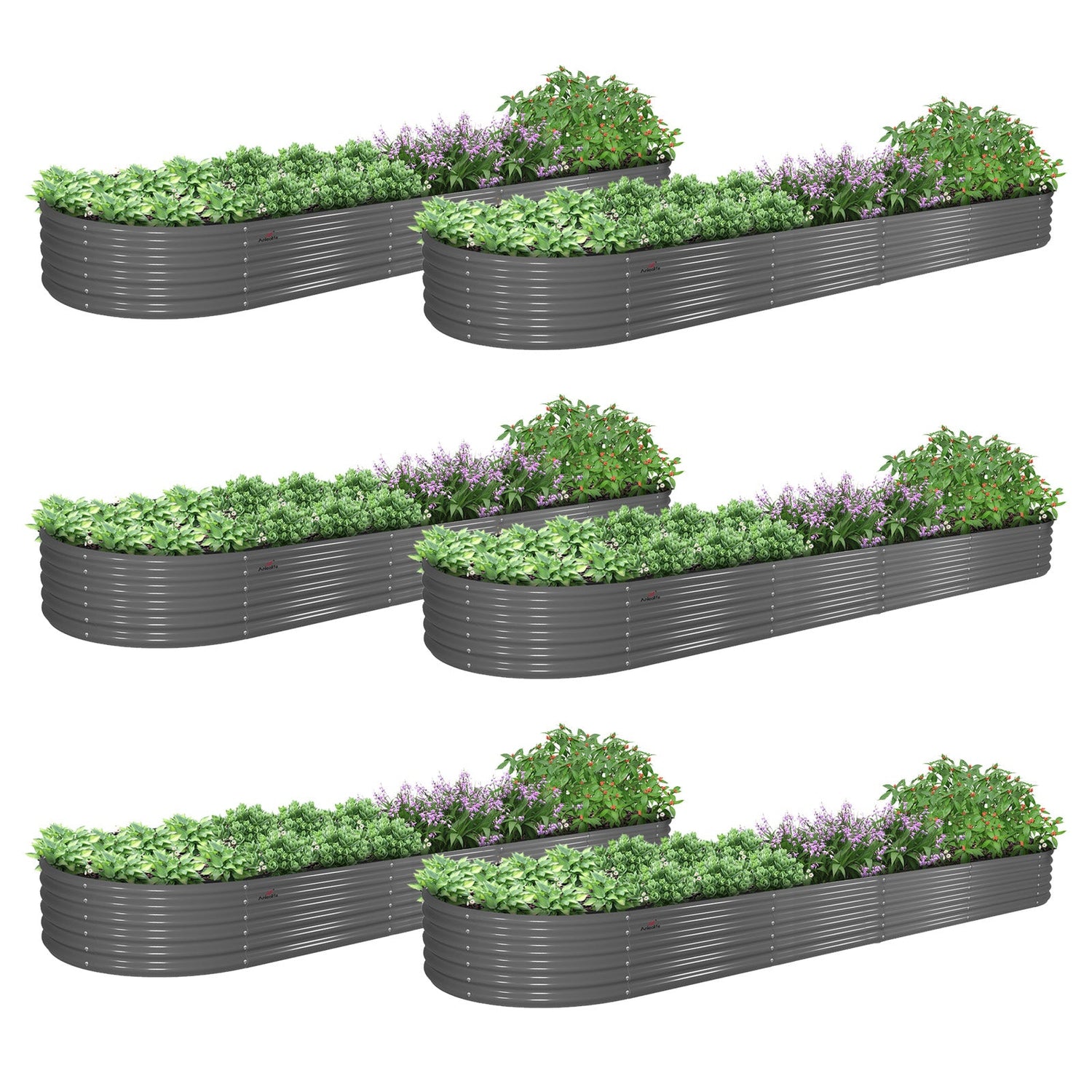



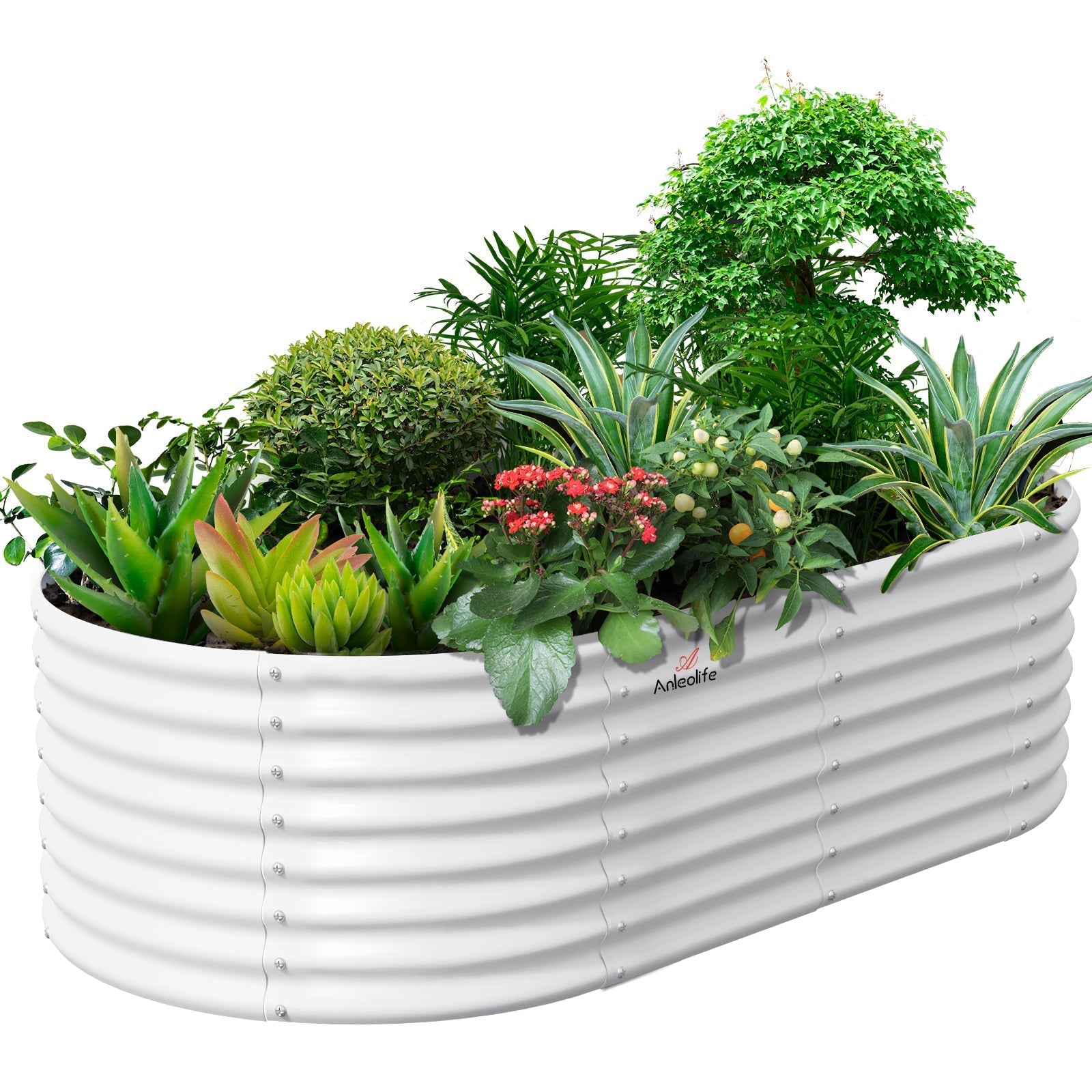
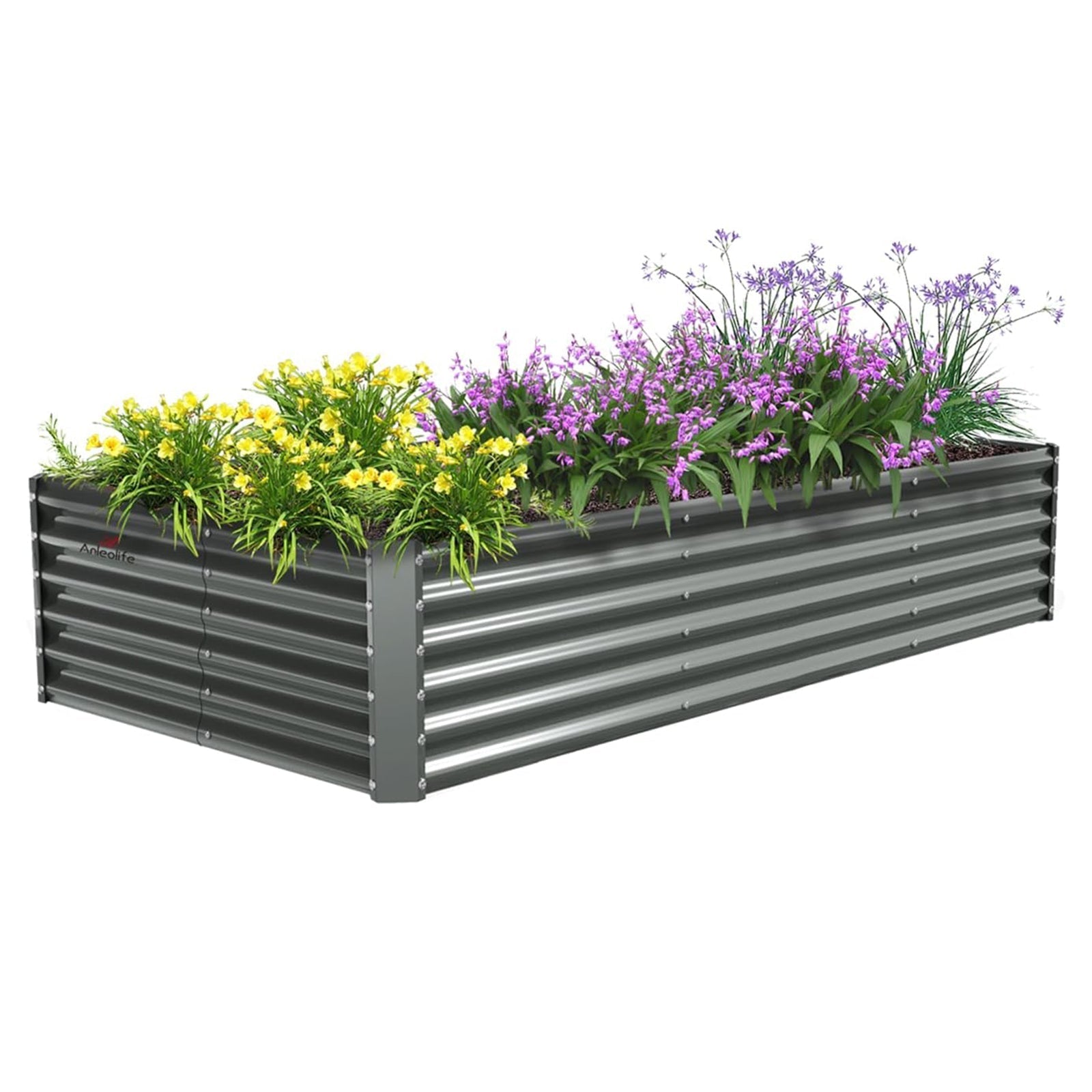

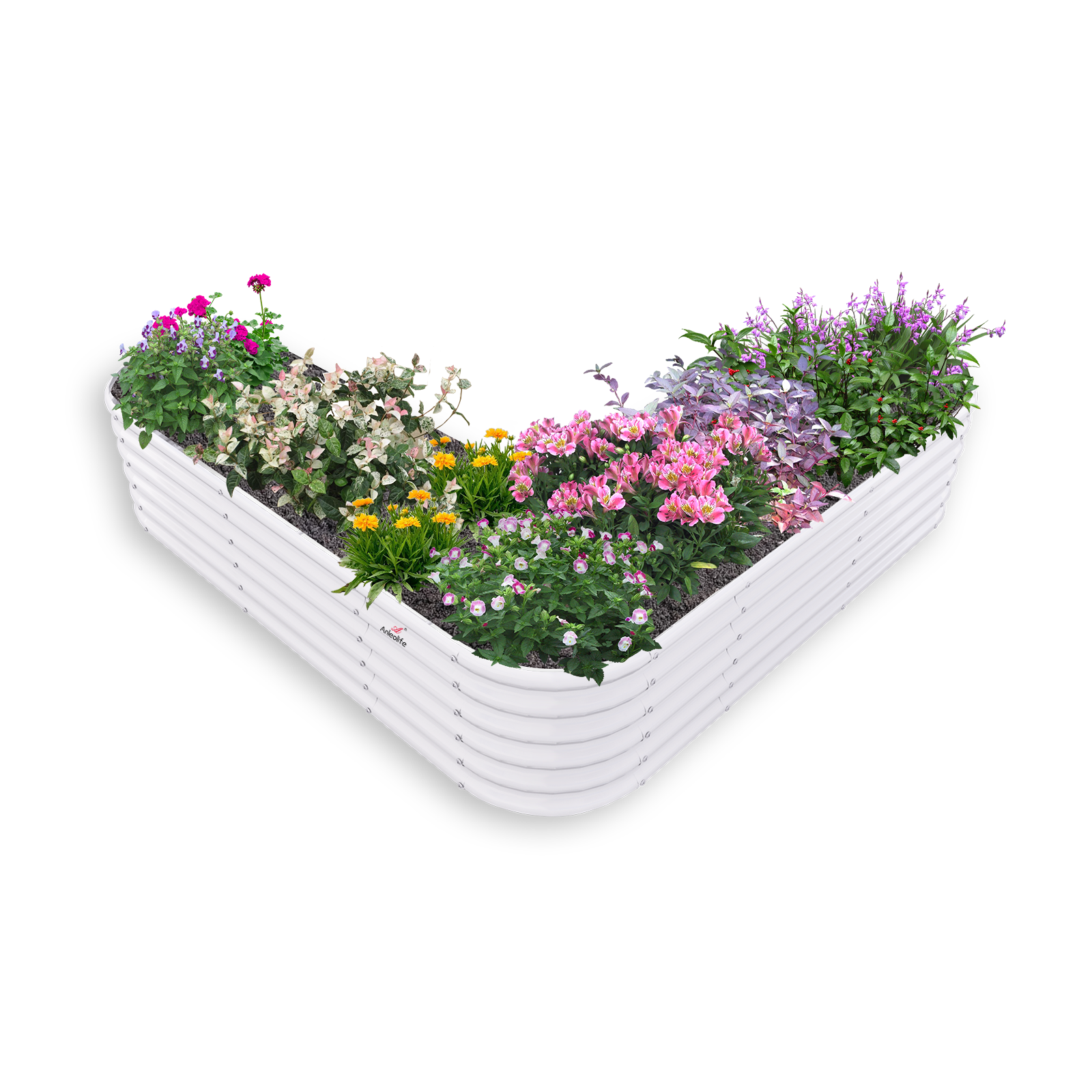
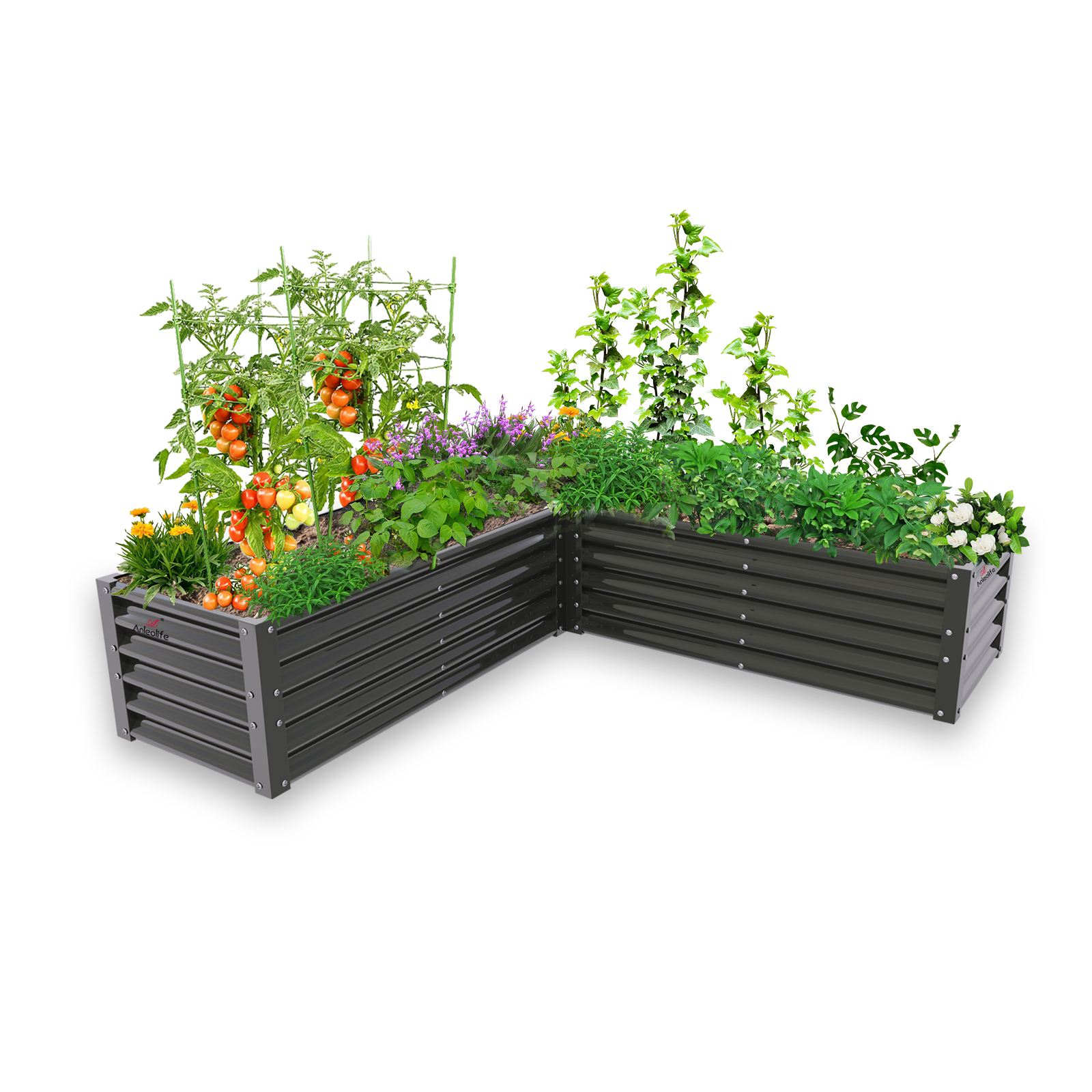
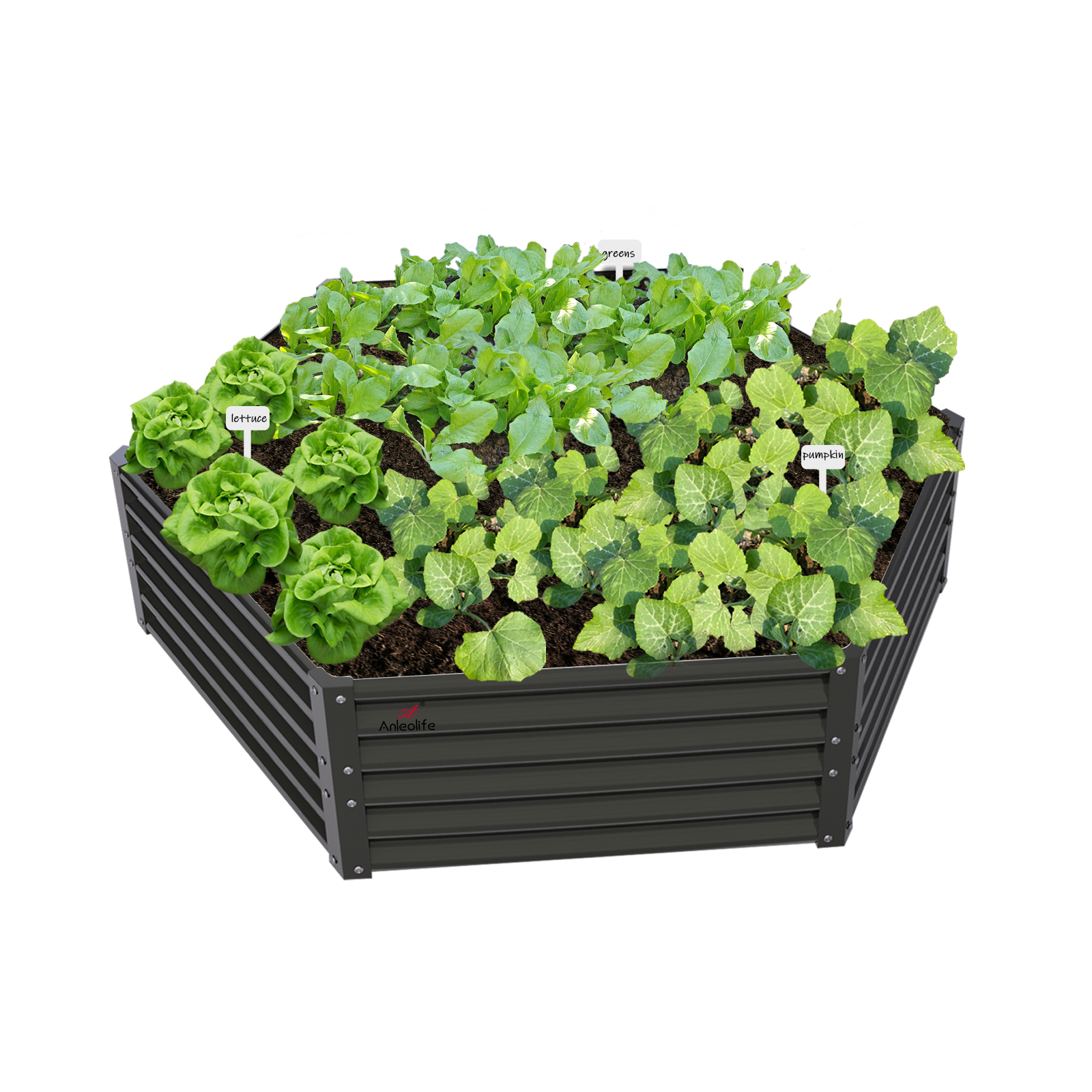
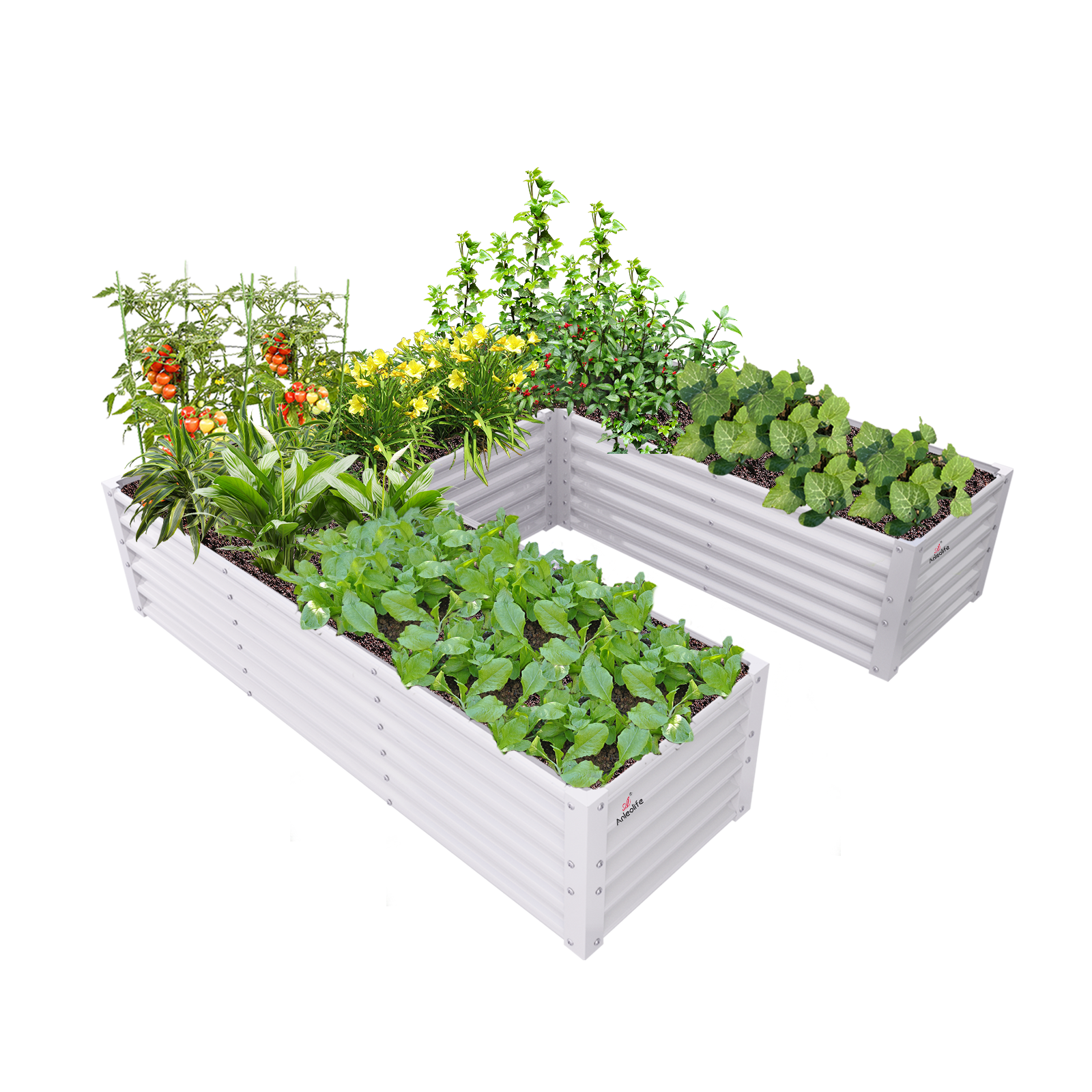

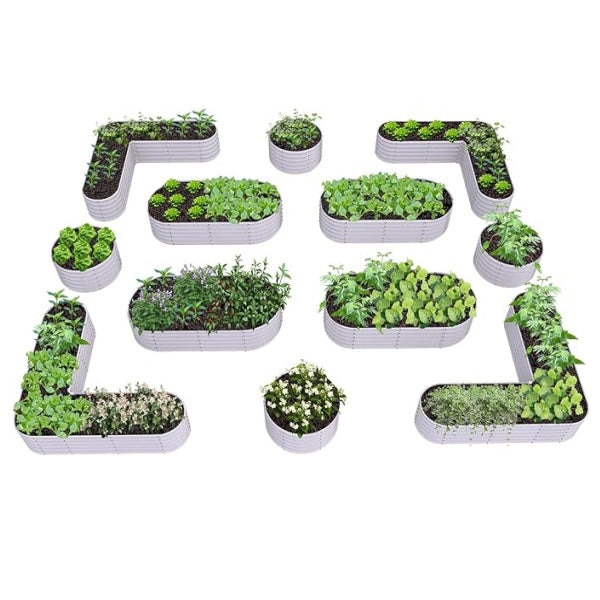


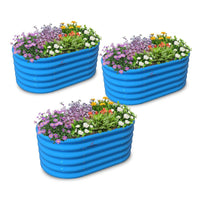
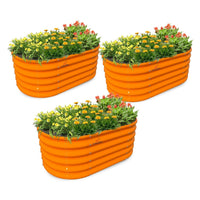
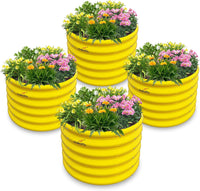
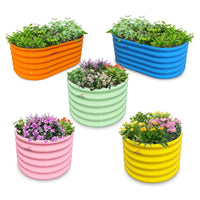



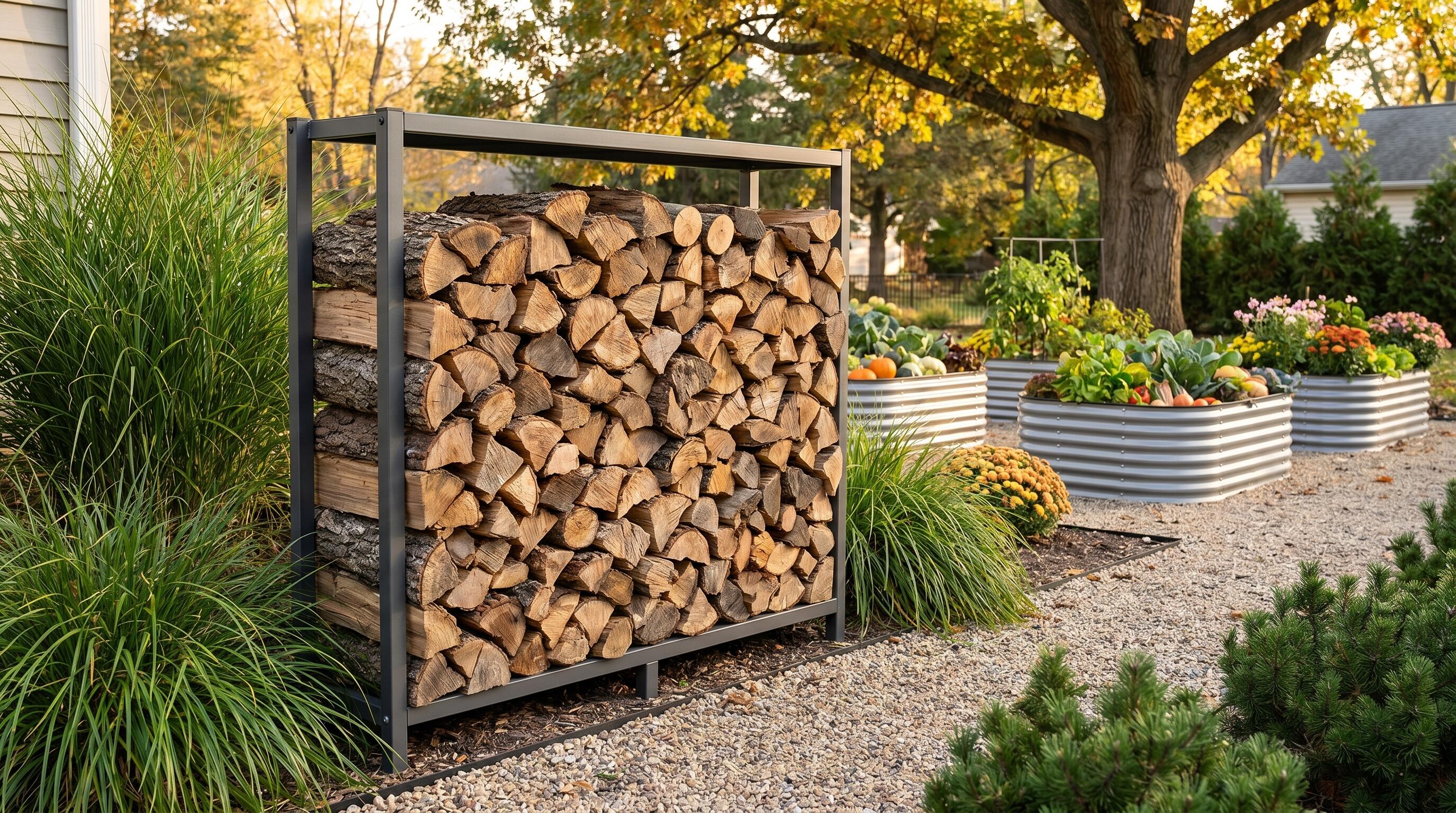
ALT: Firewood log rack ideas for organizing outdoor space and preparing for next winter season
Why Firewood Log Rack Ideas Matter More Than You Think This Winter
Key Conclusion: Smart firewood log rack ideas are the unsung heroes of outdoor organization. Whether you're heating your home, hosting backyard fire pit evenings, or simply maintaining a tidy garden aesthetic, the way you store firewood dramatically impacts both your safety and your outdoor space's visual appeal. A well-chosen log rack prevents moisture damage, discourages pests, and turns a messy woodpile into a design feature—transforming your yard from cluttered to curated before next winter arrives.
If you've ever stepped outside on a cold November morning only to find your firewood pile soggy, scattered, and half-rotten, you already know how costly poor storage can be. Beyond the inconvenience, improperly stored wood attracts termites, harbors mold, and creates tripping hazards in family spaces.
The good news? The right firewood storage solution doesn't have to be expensive or complicated. From rustic DIY log racks to sleek modular metal systems, there's an option for every yard size, aesthetic preference, and budget. This guide walks you through everything—from choosing your first rack to integrating firewood storage seamlessly into a beautifully organized outdoor garden space.
Who This Guide Is For: Matching Log Rack Ideas to Your Lifestyle
✅ Applicable Scenarios:
- Homeowners with wood-burning fireplaces, fire pits, or wood stoves who need to store a full cord or more of firewood through winter
- Garden enthusiasts who want their outdoor storage solutions to complement raised beds, decorative pathways, and overall landscape design
- Urban micro-gardeners and small-space dwellers looking for compact, wall-mounted, or vertical firewood rack solutions that don't overwhelm a patio or balcony
- Empty nesters and retirees redesigning their outdoor spaces for low-maintenance beauty and practical functionality
- Eco-conscious families who want to keep wood dry and burnable longer, reducing waste and improving heating efficiency
❌ Not Applicable/Cautions:
- Apartment residents with no outdoor storage access—indoor log racks near fireplaces are an alternative but require different safety considerations
- Those storing wood directly against the house foundation; this guide emphasizes safe placement away from structures to deter pest infiltration
- Gardeners in high-humidity tropical climates where raw wood degrades extremely quickly—additional moisture barriers and covers will be essential
The Real Problem With Outdoor Wood Storage (And Why Most People Get It Wrong)
Firewood storage seems simple. Stack it, cover it, burn it. But the reality is that poorly stored firewood creates a cascade of problems that most homeowners only discover when it's too late—mid-winter, when dry wood is a necessity, not a luxury.
Moisture Is the Enemy
Wood needs to be seasoned (dried) to burn efficiently. Freshly cut wood contains up to 50% moisture, while properly seasoned wood drops below 20%. Even pre-seasoned firewood left on the ground absorbs moisture from soil contact, especially during fall rains and winter snow. Ground-level moisture seeps up from beneath while rainfall drives down from above—creating the perfect conditions for rot, mold, and smoke-producing fires that waste heat and produce excess creosote buildup in chimneys.
Pests Love Disorganized Woodpiles
A loose, ground-level woodpile isn't just a storage solution—it's a five-star hotel for termites, carpenter ants, spiders, snakes, and rodents. These pests don't stay in the woodpile forever. They migrate. Termites discovered near the house perimeter have often originated from a woodpile stored too close to the foundation. Elevating and organizing firewood cuts off easy pest access and makes monitoring much easier.
Aesthetics Matter More Than We Admit
Your outdoor space is an extension of your home. If you've invested in a beautiful raised garden bed layout, decorative pathway stones, or quality outdoor lighting for entertaining, a chaotic woodpile directly undermines that visual investment. According to landscape design research, organized and purposeful storage solutions actually increase perceived property value and outdoor enjoyment.
The Market Is Responding
The home organization and outdoor living market has grown substantially over the past decade, with firewood storage solutions evolving from purely utilitarian metal hoops into architectural outdoor features. Steel log racks with powder-coated finishes, cedar-frame storage sheds, wall-mounted brackets, and even decorative log holders that double as garden art are now widely available.
Understanding these pain points is the first step. Now let's talk about how to actually solve them—practically, affordably, and beautifully.
Core Firewood Log Rack Ideas: Your Step-by-Step Organization Plan
Three-Step Quick Start
Step 1: Assess Your Firewood Volume and Space
Before purchasing any rack or building any structure, calculate how much wood you actually need. A standard cord of wood measures 4 feet × 4 feet × 8 feet. Most households with a single fireplace burn one to two cords per season. Measure your available outdoor space—accounting for pathways, garden beds, and safety clearance from structures—so you choose a rack that fits without crowding. This assessment takes approximately 30–60 minutes and saves significant money and frustration later.
Step 2: Choose Your Log Rack Type Based on Volume and Aesthetic
Match your rack type to your space, volume needs, and visual goals. Small patios do well with compact vertical or wall-mounted racks holding a face cord or less. Medium yards benefit from freestanding steel racks with covers. Large properties might accommodate a lean-to firewood shed or a series of modular racks along a fence line. Consider how the rack will interact visually with existing garden elements—raised beds, ornamental borders, and lighting setups all influence the best placement and style choice.
Step 3: Position, Fill, and Cover Correctly
Place your chosen rack at least 20–30 feet from your home's foundation and 5 feet from any fence or garden structure. Elevate wood off the ground using the rack's built-in legs or an additional pallet layer. Stack wood bark-side up to help rain shed away from the cut face. Use a breathable cover (not a solid tarp sealed on all sides) to allow airflow while blocking precipitation. Proper positioning and covering reduces moisture retention dramatically, keeping wood burnable all season long.
Comparing Popular Firewood Log Rack Solutions
Choosing the right rack comes down to durability, capacity, aesthetics, and budget. Here's a side-by-side look at the most common options to help you decide:
| Comparison Dimension | Freestanding Steel Rack | DIY Wood Frame Rack | Wall-Mounted Bracket System |
|---|---|---|---|
| Durability | High—powder-coated steel resists rust for many seasons | Moderate—depends on wood species and weather exposure | High if anchored to masonry or quality lumber |
| Storage Capacity | Medium to large (face cord to full cord) | Customizable to any size | Low to medium (best for face cord portions) |
| Ease of Assembly | Quick, usually no tools required | Requires carpentry skills and tools | Requires drilling and wall anchors |
| Aesthetic Appeal | Clean, modern look; fits most yard styles | Rustic, customizable, charming | Minimalist, space-saving, very clean look |
| Cost | Low to moderate | Low (materials only) | Low to moderate |
| Best For | Most homeowners; balanced option | DIY enthusiasts with time and skills | Small patios, balconies, tight spaces |
| Pest Resistance | High when elevated | Moderate—depends on construction | High—keeps wood off ground entirely |
| Portability | Good—can relocate seasonally | Poor—usually fixed in place | Poor—fixed installation |
The freestanding steel rack earns its reputation as the most versatile all-around solution for the majority of North American homeowners. It's quick to set up, durable through multiple seasons, and visually unobtrusive enough to fit alongside garden beds, decorative accessories, and landscaping features.
Detailed Breakdown: The Best Firewood Log Rack Ideas for Every Outdoor Space
Small Spaces and Urban Patios: Vertical and Wall-Mounted Solutions
Urban micro-gardeners and homeowners with compact outdoor spaces often feel they can't store firewood elegantly. The solution lies in thinking vertically. Wall-mounted log rack brackets attach to exterior walls, fences, or privacy screens, holding a neat stack of firewood at an ergonomic height. Some designs incorporate decorative metalwork that reads as intentional garden art rather than pure utility.
For balconies or narrow side yards, a tall vertical freestanding rack with a small footprint stores a surprisingly large quantity of wood—sometimes a full face cord—in less than two square feet of floor space. Pair it with a simple canvas cover and you have a weatherproof setup that looks intentional and keeps wood ready to burn.
When planning small-space storage, also consider how best garden ornaments for small spaces can work alongside your log rack. Ceramic planters at the base of a wall-mounted rack, or trailing vines along a fence where brackets are installed, blur the line between storage and decoration beautifully.
Medium Yards: Freestanding Steel Racks with Integrated Covers
For most North American homeowners, the freestanding steel log rack represents the sweet spot of convenience, durability, and value. These racks typically come with matching steel end brackets, a center support bar, and an optional fitted cover. Assembly requires no tools in most cases—components slide or bolt together in under 30 minutes.
The key advantage here is adaptability. A single freestanding rack can be repositioned seasonally: closer to the back door in winter for convenience, moved further from the house in spring when fire season ends. It also integrates well visually with garden borders, raised bed systems, and decorative pathways.
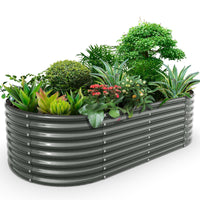
Steel racks with powder-coated finishes resist rust and UV degradation through multiple seasons of sun, rain, and snow. Unlike untreated wood frames, they won't rot, warp, or become pest habitats themselves. For families thinking long-term about outdoor investment, this durability matters—much the same way a quality metal raised garden bed, built to last up to 20 years, delivers ongoing value season after season.
Large Properties: Lean-To Sheds and Modular Rack Arrays
If you heat your home primarily with wood or maintain multiple fire features across a large property, single-rack solutions simply won't cut it. Here, the best approach is a firewood lean-to shed—a three-sided structure with a sloped roof, open front for airflow, and built-in floor elevation.
A lean-to shed can be constructed from cedar, pressure-treated lumber, or corrugated metal panels over a simple post frame. Site it along a fence line, barn wall, or garden perimeter where it reads as a purposeful garden structure rather than an eyesore. Add a gravel floor to improve drainage and reduce mud.
Alternatively, modular rack arrays—multiple freestanding steel racks lined up along a fence or wall—offer flexibility without the construction commitment. Each rack can be filled, used, and replaced independently, making rotation (using older wood first) straightforward and preventing the waste that often plagues large, disorganized woodpiles.
Decorative Log Racks: Where Storage Meets Garden Art
One of the most exciting trends in outdoor organization is the rise of decorative log rack designs that function as genuine garden art. Geometric steel frames with artistic cutouts, corten (weathering) steel that develops a warm rust patina, or custom-welded designs incorporating garden motifs are increasingly popular among homeowners who view their outdoor spaces as curated living environments.
These decorative racks work beautifully alongside best garden ornaments for tropical landscaping themes—think bold-leafed plants, ceramic pots, and warm wood tones that complement the natural texture of stacked firewood. In temperate gardens, a corten steel rack alongside ornamental grasses and sculptural raised beds creates a unified, intentional aesthetic.
When pairing decorative log racks with best garden lighting for entertaining outdoor spaces, placement becomes especially important. A backlit log rack creates dramatic shadow patterns and warm texture—turning a practical storage need into an evening focal point for outdoor gatherings. Low-voltage LED path lights, string lights overhead, and subtle spotlights at the base of decorative racks combine to create an outdoor space that's genuinely beautiful at night.
Seasonal Timing: When to Fill Your Firewood Rack
Timing your firewood storage isn't just a matter of convenience—it directly affects wood quality and burn efficiency. The best time of year to fill raised garden beds with fresh organic matter parallels the logic of firewood: do it at the right season and you set yourself up for a full cycle of success.
For firewood specifically, the ideal time to split, stack, and begin seasoning is late winter through early spring—March through May in most of North America. Wood split in spring has the entire summer to season under warm, dry conditions. By the time October arrives, your firewood will be at optimal moisture content for clean, efficient burning.
If you're starting mid-season, purchase pre-seasoned wood and focus on keeping it dry immediately. Stack it in your rack within 24 hours of delivery, cover it correctly, and prioritize using the driest pieces first.
Maintaining Your Firewood Rack Through the Seasons
A quality firewood rack requires minimal maintenance, but a little attention each season pays dividends in longevity and pest prevention.
Spring: Empty the rack of any remaining wood (use it for a celebratory end-of-season fire pit evening). Inspect steel components for surface rust—light surface oxidation on powder-coated racks can be treated with rust-inhibiting spray. Check wood frames for rot or pest damage.
Summer: Leave the rack empty and uncovered to dry and air out. This is an excellent time to relocate it if your summer garden layout has changed.
Fall: Reposition the rack in its winter location before your firewood delivery arrives. Confirm it's level, stable, and correctly spaced from structures. Stack new wood with bark up, cover it, and label it if you have multiple rack sections so you burn oldest wood first.
Winter: Check covers after major storms. Clear snow from covered racks promptly to prevent structural stress. Keep a small indoor log carrier stocked for convenience—fewer trips to the outdoor rack in extreme cold means better safety and comfort.
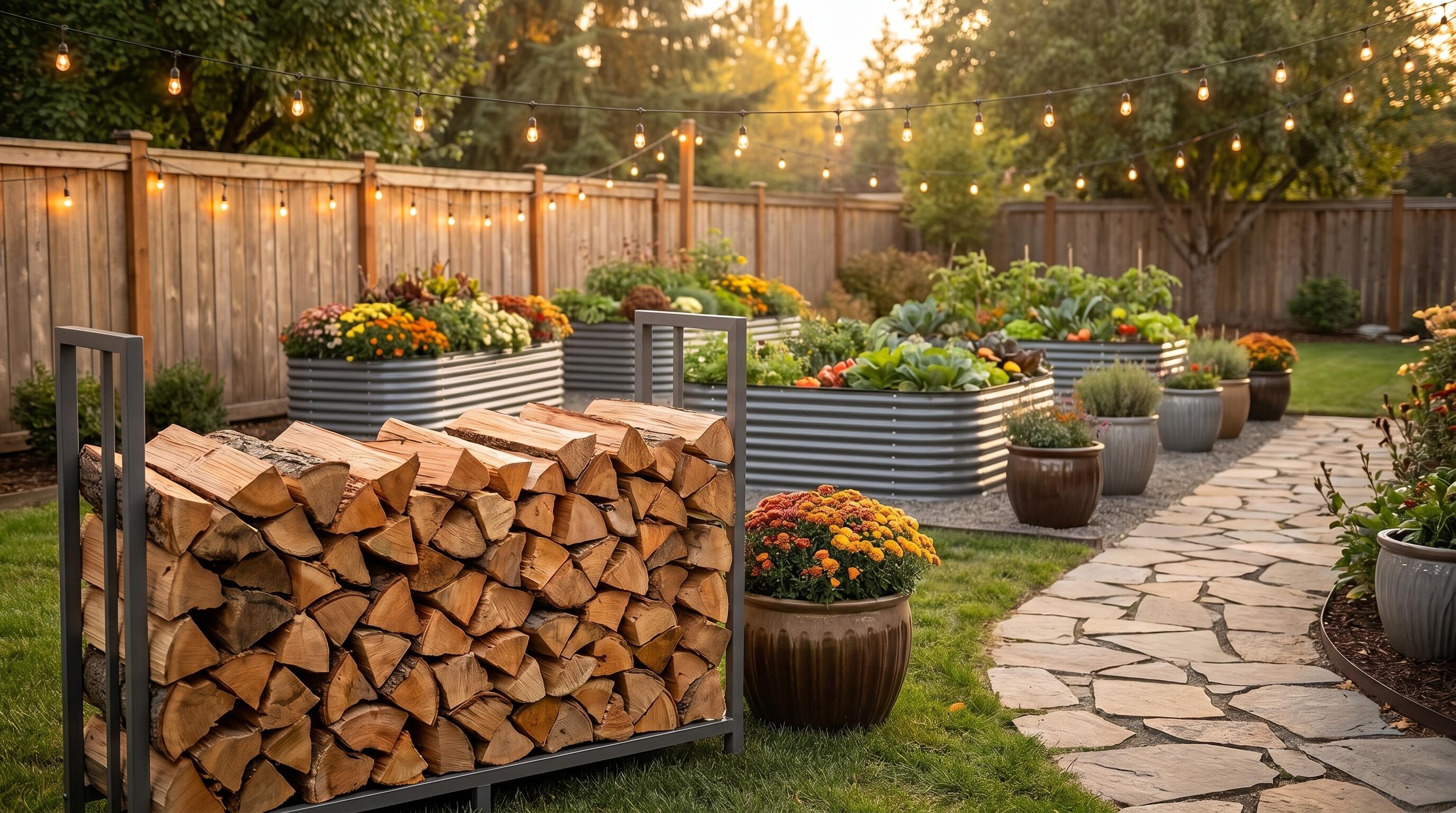
ALT: Organized firewood log rack in a beautifully landscaped outdoor garden space with raised beds and decorative elements for next winter preparation
Advanced Considerations: Common Mistakes and Misconceptions About Firewood Storage
Mistake 1: Storing Wood Too Close to the House
The single most common firewood storage error is placing the rack directly against the home's exterior wall for convenience. This practice invites termites and carpenter ants directly to your foundation and siding. The standard recommendation from pest control professionals and fire safety organizations is a minimum clearance of 20 feet from any structure. Yes, this means extra steps on cold mornings—but it's a non-negotiable safety practice.
Mistake 2: Sealing Wood Completely in Tarps
A tightly sealed plastic tarp traps moisture inside a woodpile rather than keeping it out. Firewood needs airflow to continue drying and to prevent mold growth on already-seasoned wood. The correct method is to cover only the top of the stack with a breathable cover or fitted tarp, leaving the sides open. Commercial firewood rack covers are designed with this principle in mind—they cap the top while allowing sides to breathe.
Misconception: More Coverage Always Means Dryer Wood
Related to the above, many homeowners believe wrapping the entire pile protects their investment. In practice, fully enclosed wood piles in warm or humid conditions become breeding grounds for mold and accelerate rot. Proper elevation off the ground, correct stacking orientation (bark up), and top-only coverage are far more effective than total enclosure.
Thinking About Water Pressure for Garden Maintenance
As you reorganize your outdoor space around firewood storage and garden systems, it's worth noting that water pressure plays a role in maintaining clean racks and garden areas. Many homeowners wonder: how much water pressure do I need in a garden hose for general outdoor cleaning tasks? For rinsing down metal racks, washing garden paths, and watering raised beds, standard residential water pressure of 40–60 PSI is typically more than adequate. High-pressure settings are useful for removing moss or algae from rack feet and patio surfaces but should be used carefully on powder-coated steel finishes to avoid surface damage.
Integration With Raised Garden Bed Systems
The most visually cohesive outdoor spaces treat firewood storage and garden infrastructure as part of the same design language. If your garden features metal raised beds, the clean lines of a powder-coated steel firewood rack echo those same materials. Positioning a log rack at the end of a raised bed row, flanked by ornamental grasses or low evergreen shrubs, creates a purposeful, designed garden environment rather than a space where utility and beauty fight each other.
Frequently Asked Questions FAQ
Q1: How do I choose the right firewood rack size for my outdoor space?
Start by estimating your annual firewood consumption. A typical household with one fireplace uses one to two cords per winter season. Measure your available outdoor storage space, keeping in mind the required clearance from structures (at least 20 feet). Freestanding steel racks come in multiple lengths, so choose one that holds at least half your seasonal supply with room to expand—storing half your wood in the rack and sourcing refills mid-season is a practical approach for medium-sized yards.
Q2: Is it safe to store firewood on my patio or deck?
Storing firewood on a patio or deck is safe with the right precautions. Use a rack that elevates wood off the surface to protect decking from moisture damage and prevent pest access. Keep quantities small on decks—only store what you'll burn within a week or two. Never store large quantities directly against your home's walls. A wall-mounted bracket system or a compact vertical rack works well for patio storage, keeping wood accessible and reducing the risk of pests migrating toward interior spaces.
Q3: How long does it take to properly season firewood before it's ready to burn?
The time required depends on wood species and local climate. Hardwoods like oak, hickory, and maple typically require 6–12 months of seasoning to reach an ideal moisture content below 20%. Softer woods like pine or poplar can season in as little as 3–6 months. Storing wood in an elevated, covered rack in a location with good airflow and sun exposure accelerates the process significantly. Purchasing a moisture meter (widely available and affordable) takes the guesswork out of knowing when your firewood is truly ready to burn efficiently.
Summary
Organizing your firewood storage is one of the highest-return outdoor improvement projects you can undertake before next winter arrives. Three core principles drive every decision covered in this guide:
1. Elevation and Airflow Protect Your Investment: Keeping wood off the ground, stacked bark-up, and covered on top (not all sides) preserves burn quality and extends usability season after season.
2. Placement Determines Safety: The 20-foot rule from structures isn't arbitrary—it protects your home from termite migration and reduces fire risk near combustible materials.
3. Aesthetics and Function Are Not Mutually Exclusive: The best firewood log rack ideas blend storage practicality with outdoor design sensibility, complementing raised beds, decorative pathways, and garden lighting rather than competing with them.
Your next step is to assess your seasonal wood consumption, measure your available outdoor space, and select a rack type that fits both your volume needs and your visual goals. Whether you're outfitting a compact urban patio or a large rural property, there's a firewood storage solution that works for your lifestyle—and getting it right now means a warmer, more organized, and more beautiful outdoor space by the time the first frost arrives.
Upgrade Your Outdoor Space With Anleolife
At Anleolife, we understand that a truly great outdoor space goes beyond a single product—it's a complete ecosystem of thoughtfully chosen solutions working together. Our nationwide U.S. warehouse network, strategically located in California, Texas, Florida, New York, Illinois, and Washington, ensures delivery within 3–8 business days so your garden and outdoor organization plans move forward without delay.
Our products are available across major platforms including Amazon, Walmart, Home Depot, Lowe's, Wayfair, and our official website Anleolife.com, offering consistent quality assurance and reliable after-sales support wherever you prefer to shop.
Anleolife's three core outdoor scenarios cover everything your space needs: Planting (metal raised garden beds built to last up to 20 years, soil systems), Raising (chicken coops, rabbit hutches), and Beautification (decorative accessories, pathway systems)—meeting complete needs from functionality to aesthetics.
We understand that an ideal garden is not built overnight, but gradually improved over time. Our modular product design allows flexible expansion based on your needs—from your first raised garden bed to a fully integrated planting-and-raising ecosystem. We grow with you every step of the way.
References
- University of Minnesota Extension. "Firewood: Cutting, Splitting, Seasoning and Storing."
https://extension.umn.edu/yard-and-garden-news/firewood-cutting-splitting-seasoning-and-storing - U.S. Forest Service. "Firewood: Don't Move It."
https://www.fs.usda.gov/managing-land/forest-health/invasive-species/firewood - Penn State Extension. "Firewood Storage and Pest Management."
https://extension.psu.edu/firewood-storage-and-pest-management - U.S. Environmental Protection Agency (EPA). "Burn Wise: Wood Smoke and Your Health."
https://www.epa.gov/burnwise - National Fire Protection Association (NFPA). "Home Fire Safety: Fireplaces and Wood-Burning Equipment."
https://www.nfpa.org/Public-Education/Fire-causes-and-risks/Seasonal-fire-causes/Fireplaces-and-chimneys
Note: Standards and recommendations may be updated. Please check the latest official documents or consult professional advisors for current guidance.
About Anleolife
Anleolife is a leading outdoor garden solutions provider in North America, dedicated to offering a full-scenario product ecosystem for home gardening enthusiasts, covering planting, raising, and garden beautification. Since its founding, we have upheld our brand mission, "Made for Garden Life," continuously innovating products and optimizing services to help hundreds of thousands of users upgrade their gardens, reconnect with nature, and enjoy a better garden lifestyle.