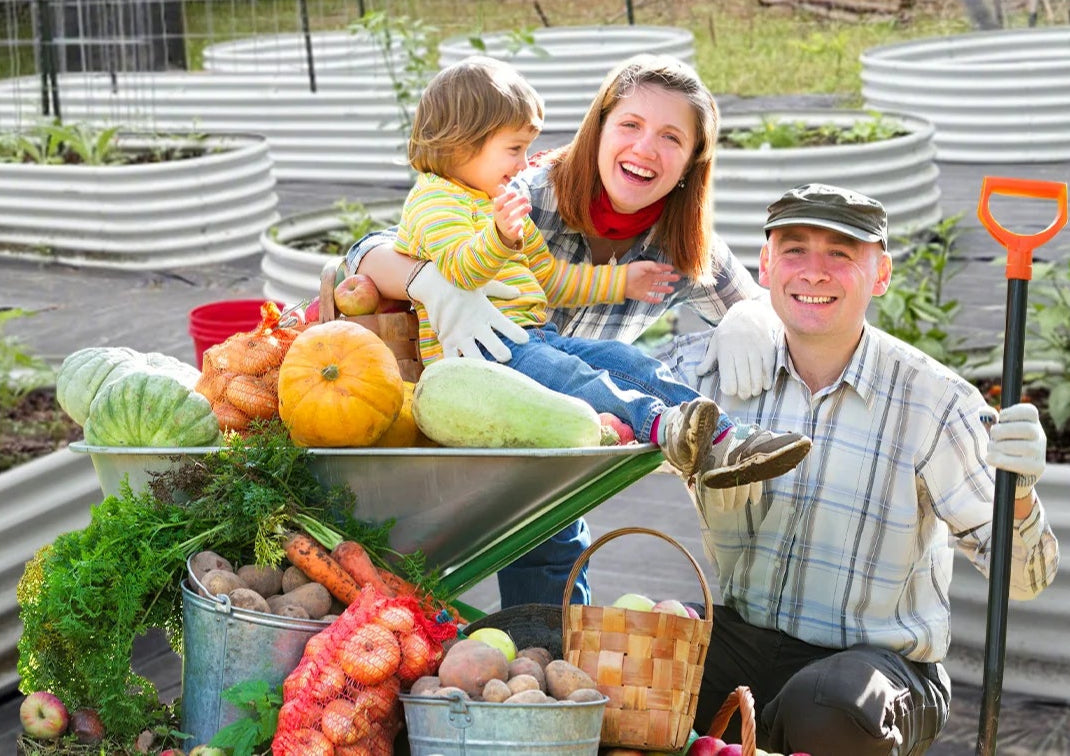



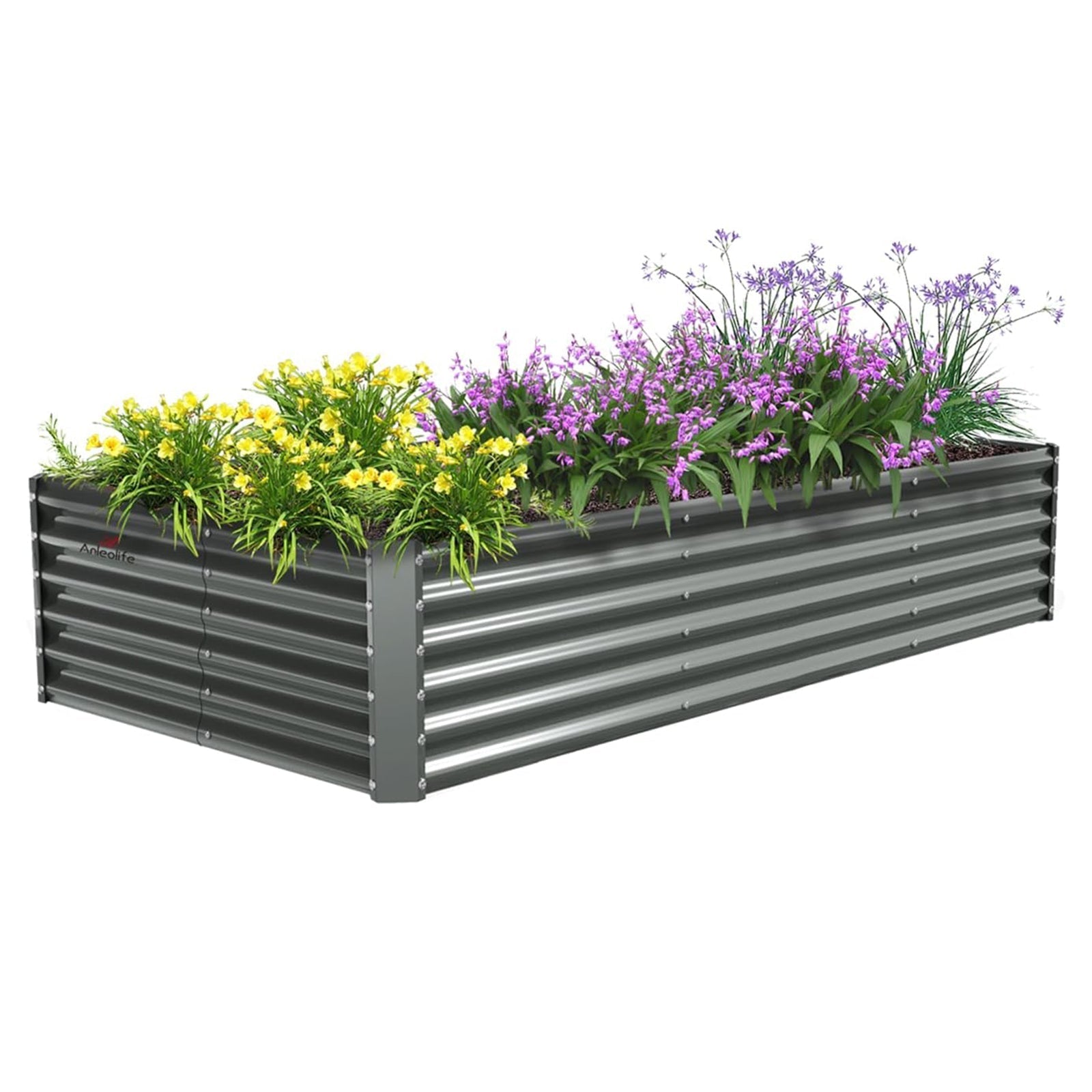

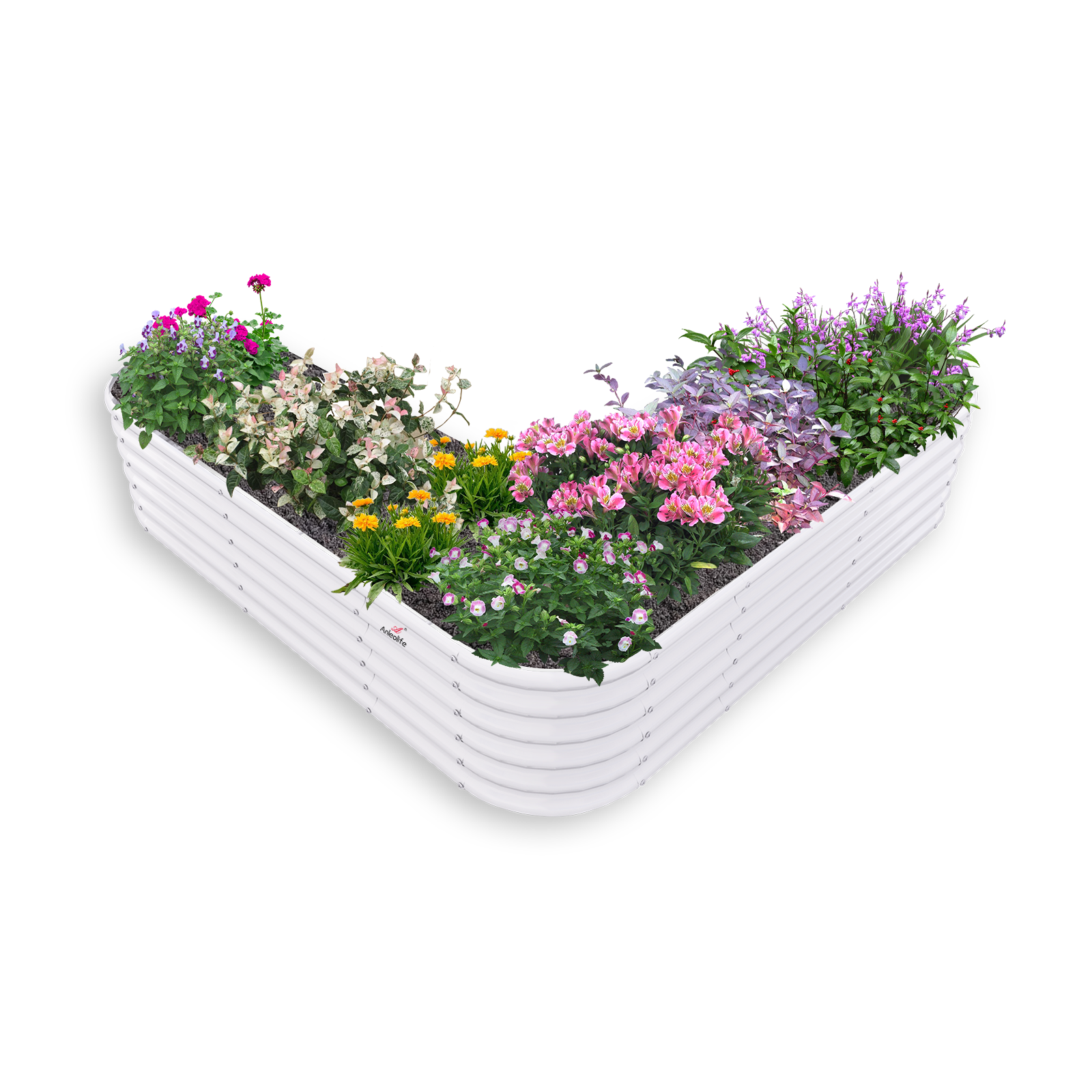
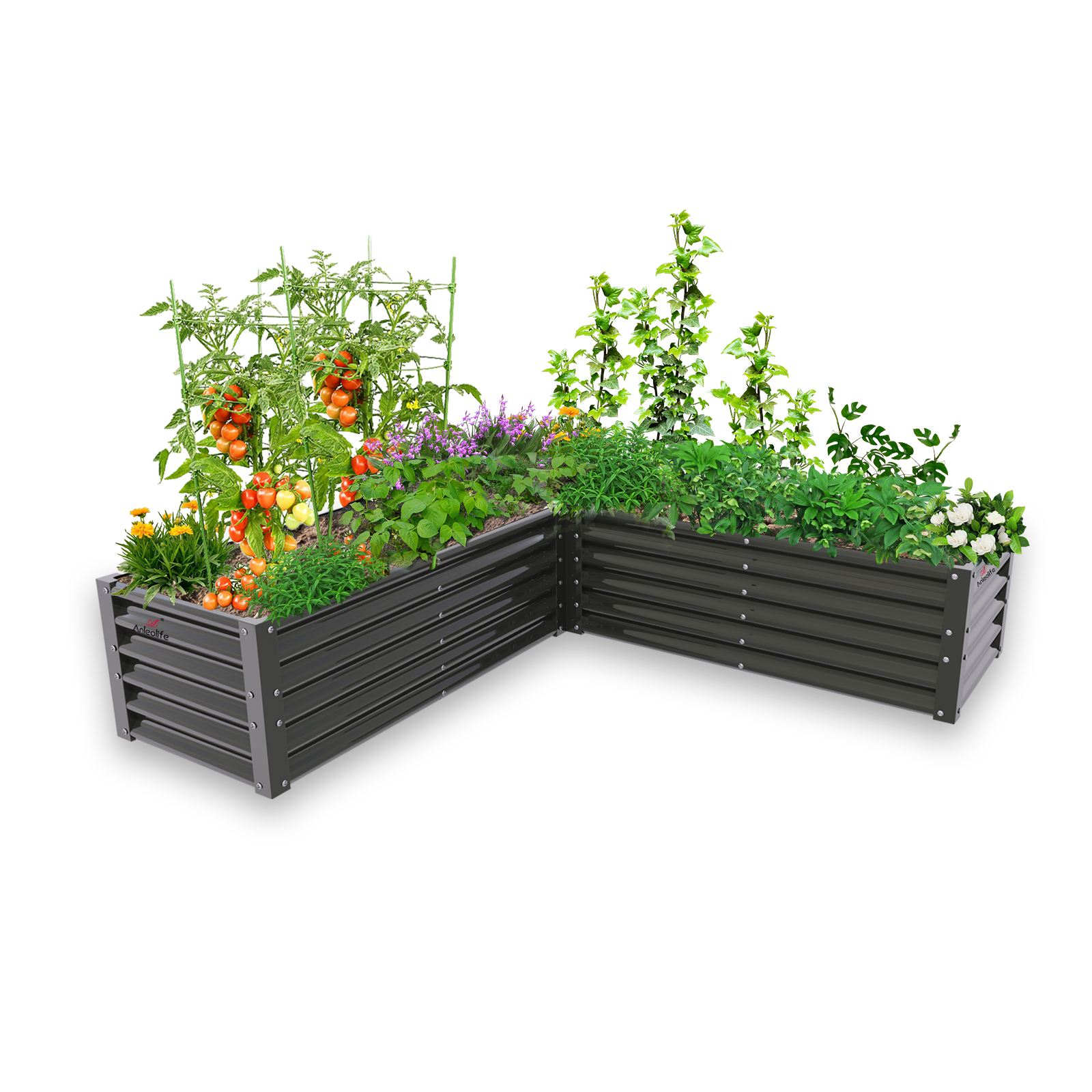
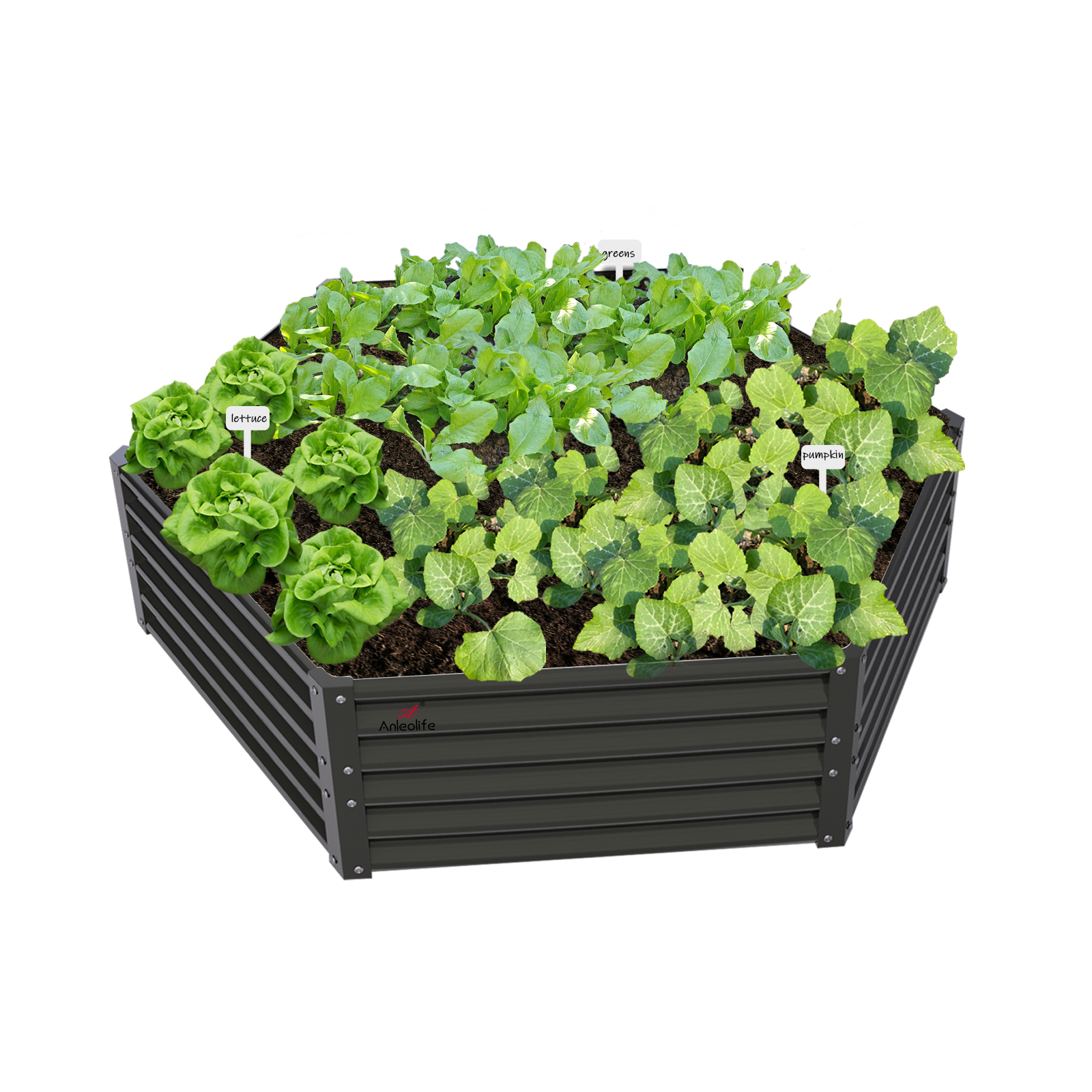






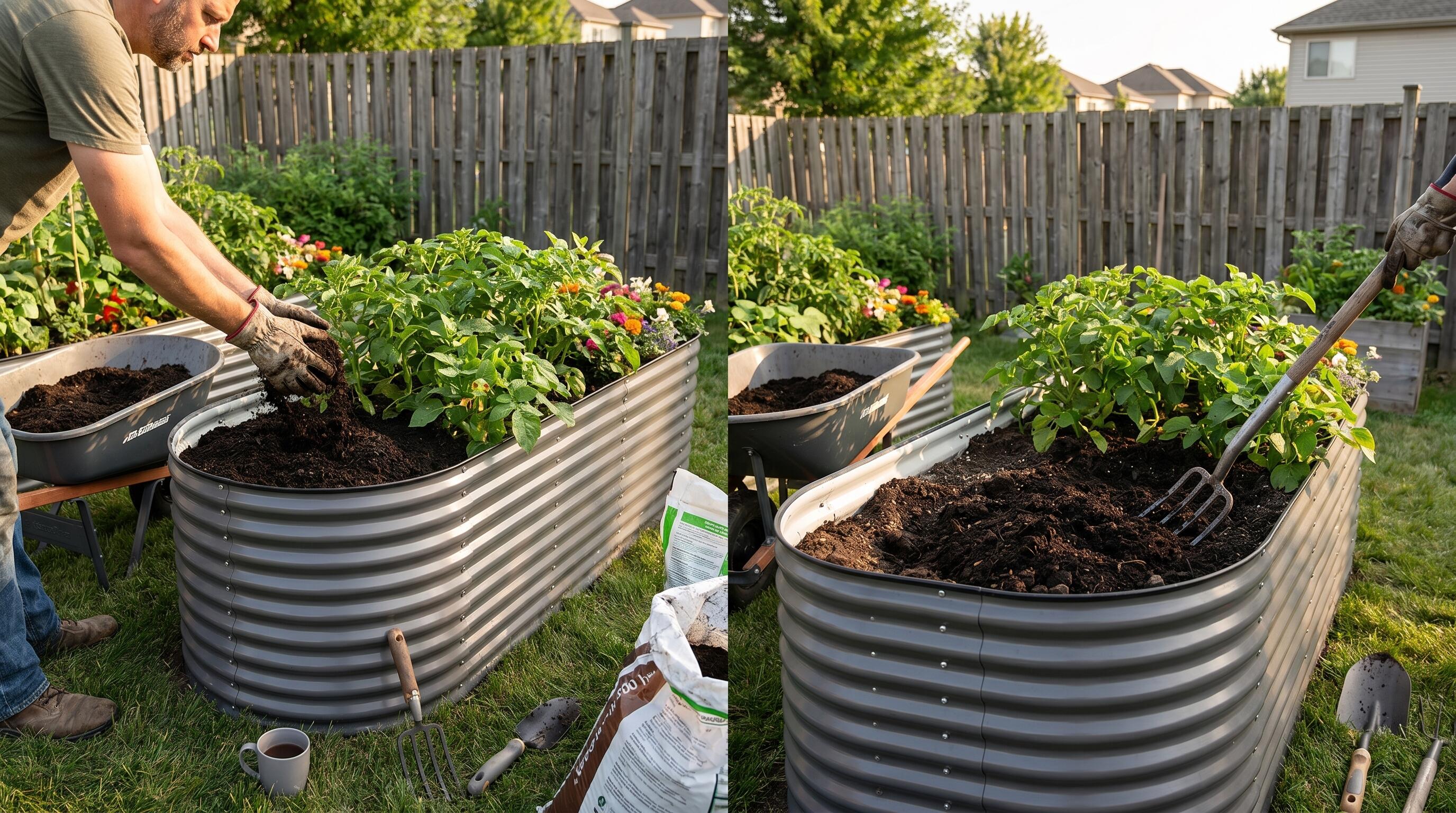
ALT: Gardener amending raised bed soil using top dressing and deep mixing techniques for healthy plant growth
Why How You Amend Soil Matters as Much as What You Add to Your Raised Bed
Key Conclusion: Knowing when to use top dressing versus deep mixing in your raised bed garden layout can mean the difference between thriving harvests and struggling plants. Whether you're refreshing a mature raised bed planting layout mid-season or rebuilding soil structure before spring, choosing the right amendment method ensures nutrients reach plant roots efficiently, minimizes disruption, and keeps your raised bed layout productive year after year.
Raised bed gardening has transformed how millions of North American families grow food and flowers at home. But even the best initial soil mix eventually becomes depleted, compacted, or unbalanced. Most gardeners know they need to amend their soil — yet few realize that how they apply amendments is just as critical as which amendments they choose.
Top dressing and deep mixing represent two fundamentally different philosophies for improving raised bed soil. One works gently on the surface; the other tackles structural issues at the root level. Understanding when to use each method will save you time, protect your plants, and maximize every dollar you spend on compost, fertilizer, and organic matter.
Who Should Read This Guide
✅ Applicable Scenarios:
- Home gardeners with established raised beds that have been growing for one or more seasons
- Anyone noticing slow plant growth, poor drainage, or nutrient deficiencies in existing beds
- Gardeners looking to transition to organic or regenerative soil practices without starting from scratch
- Growers planning their spring setup or fall soil restoration routine
❌ Not Applicable / Cautions:
- Gardeners filling brand-new raised beds for the first time (start with a fresh soil blend instead)
- Those dealing with severe soil contamination or pest infestations — amendment alone won't solve structural problems at that level
- Growers using hydroponic or purely soilless systems, where traditional amendment methods don't apply
Understanding the Problem: Why Raised Bed Soil Needs Regular Attention
Raised beds are celebrated for giving gardeners complete control over their growing environment. You choose the location, the dimensions, and — most importantly — the soil. But that control comes with responsibility.
Unlike in-ground garden plots, raised beds are closed systems. Rainwater leaches nutrients downward. Plant roots extract minerals season after season. Organic matter decomposes and disappears. Without regular replenishment, even the most carefully crafted initial soil blend becomes depleted within two to three growing seasons.
Soil health is not static. According to the USDA Natural Resources Conservation Service, healthy agricultural soil is a living ecosystem — one that requires continuous organic input to maintain biological activity, structure, and fertility. The same principle applies at the backyard scale.
Many gardeners ask: what is the best time of year to fill raised garden beds? The answer is that the optimal time for major soil work — whether filling, rebuilding, or deeply amending — is either early spring (4–6 weeks before your last frost date) or fall after harvest. Spring prep gives microbes time to activate before planting. Fall amendment allows materials to break down and integrate over winter, so you start the next season with fully conditioned soil.
Yet there's also a role for mid-season maintenance. That's where the distinction between top dressing and deep mixing becomes essential.
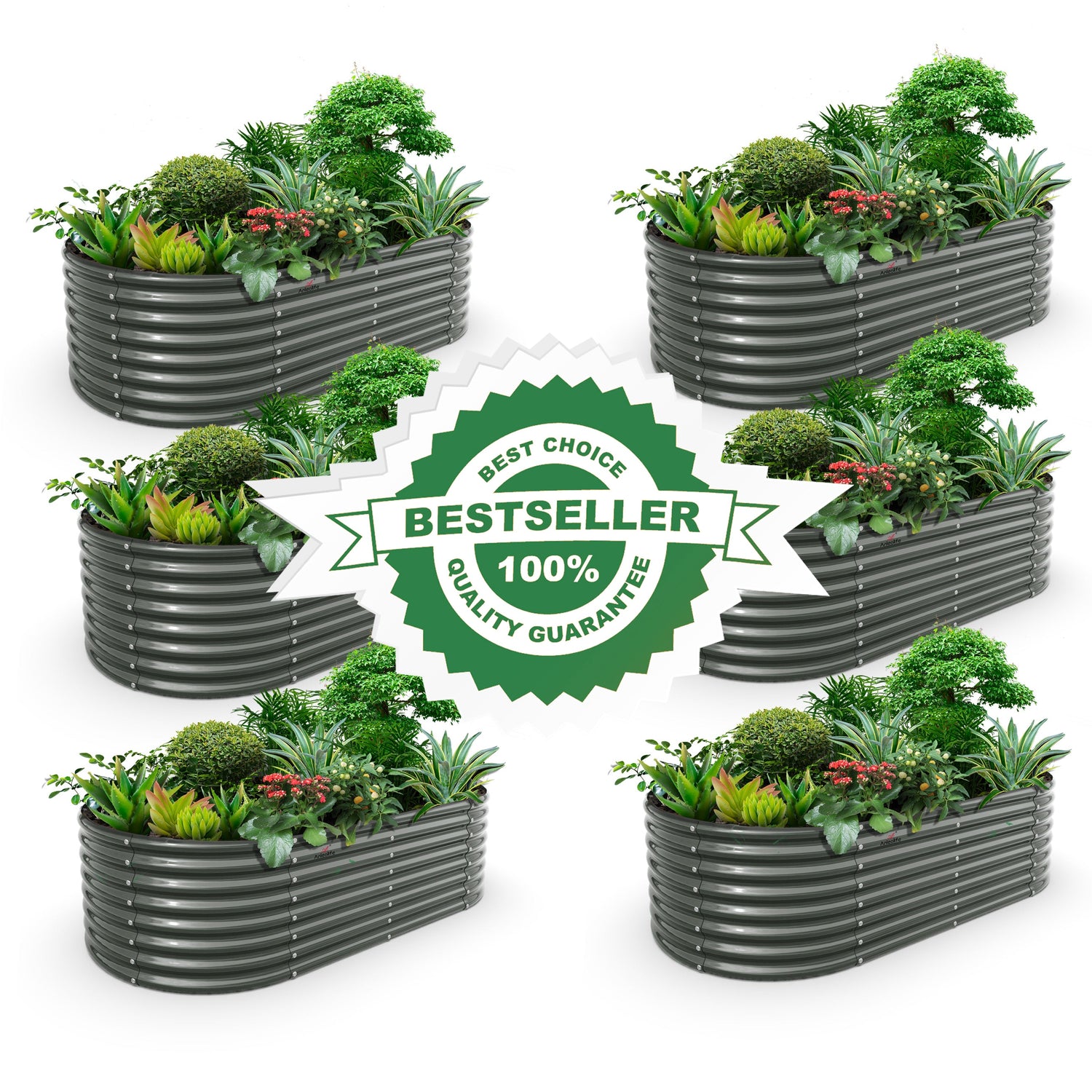
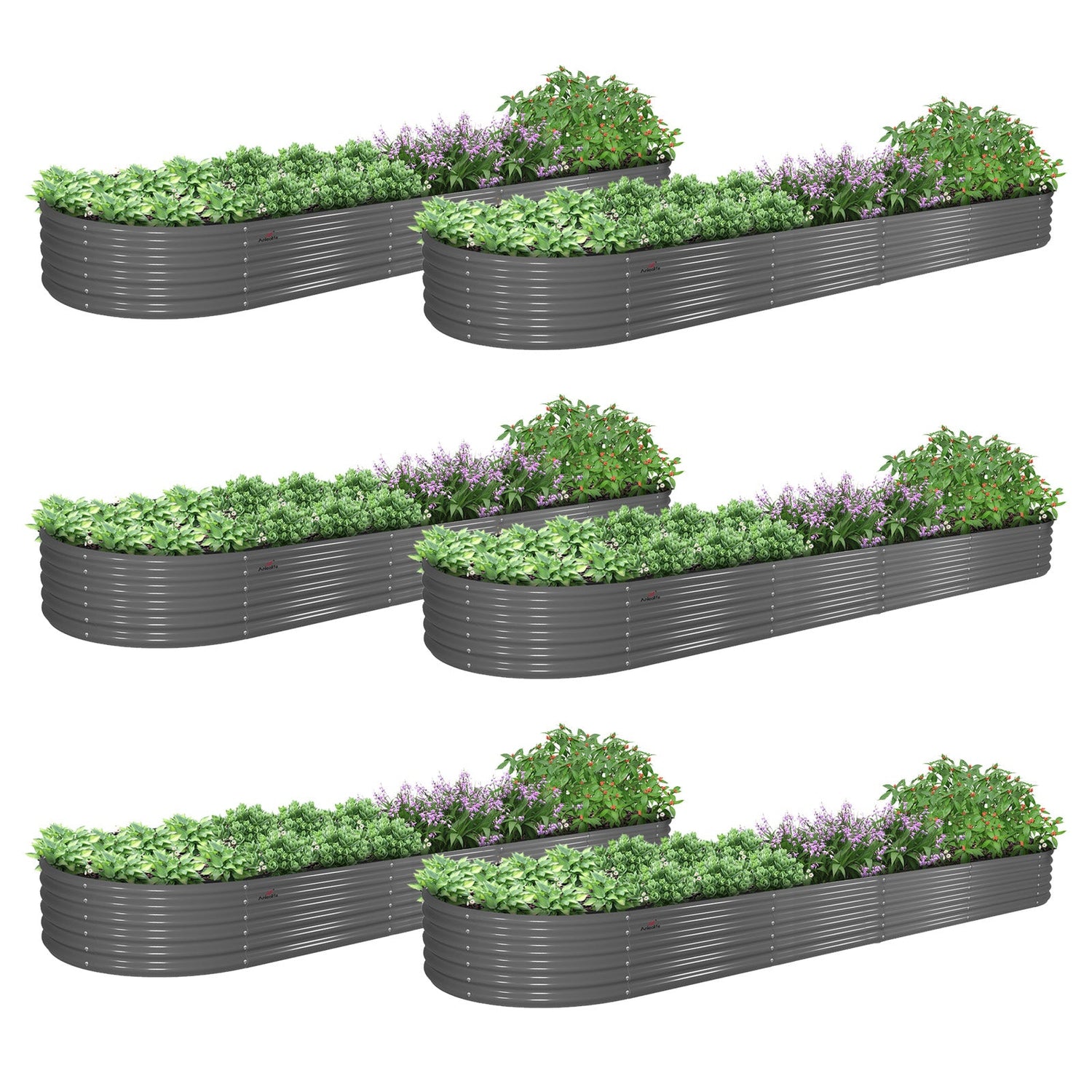
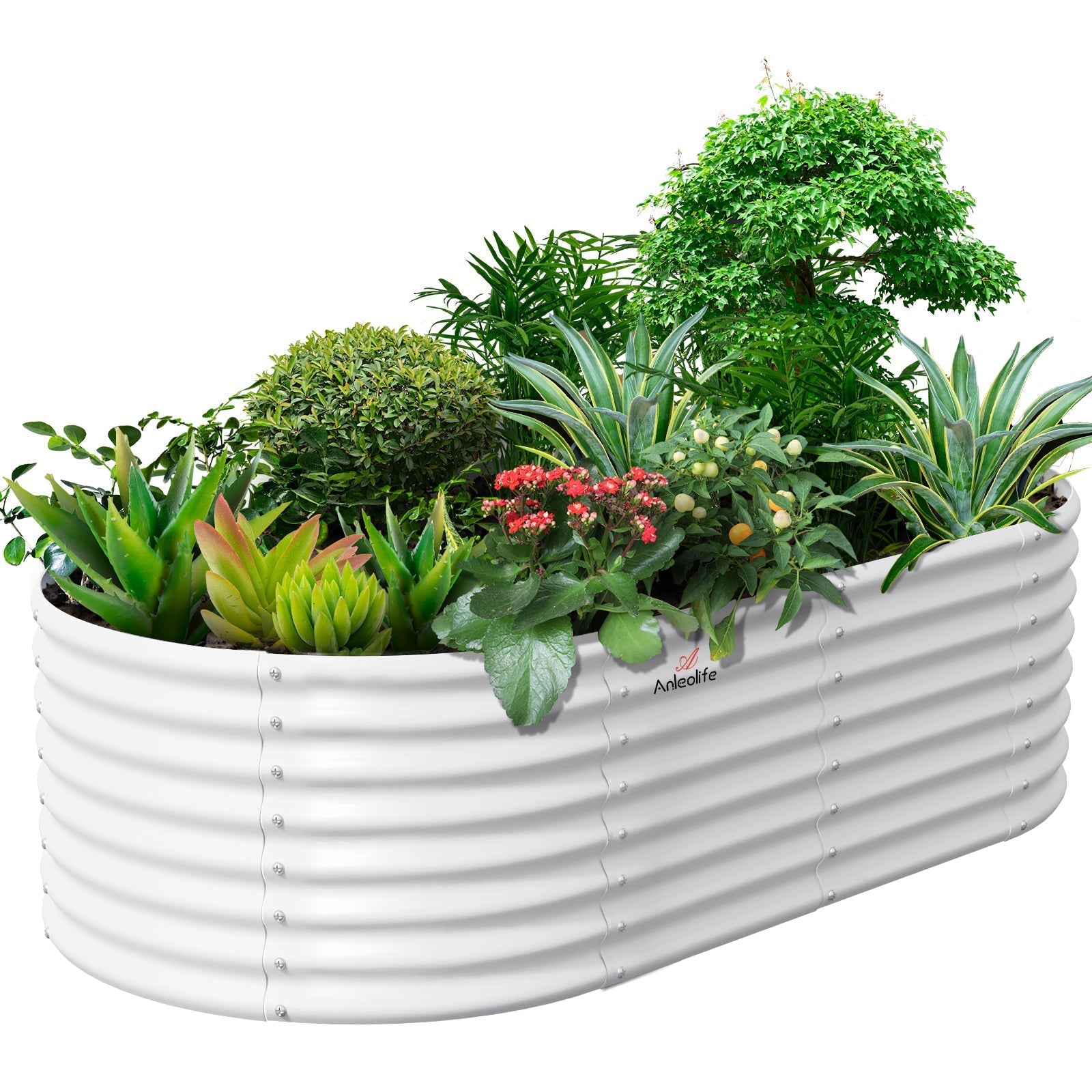
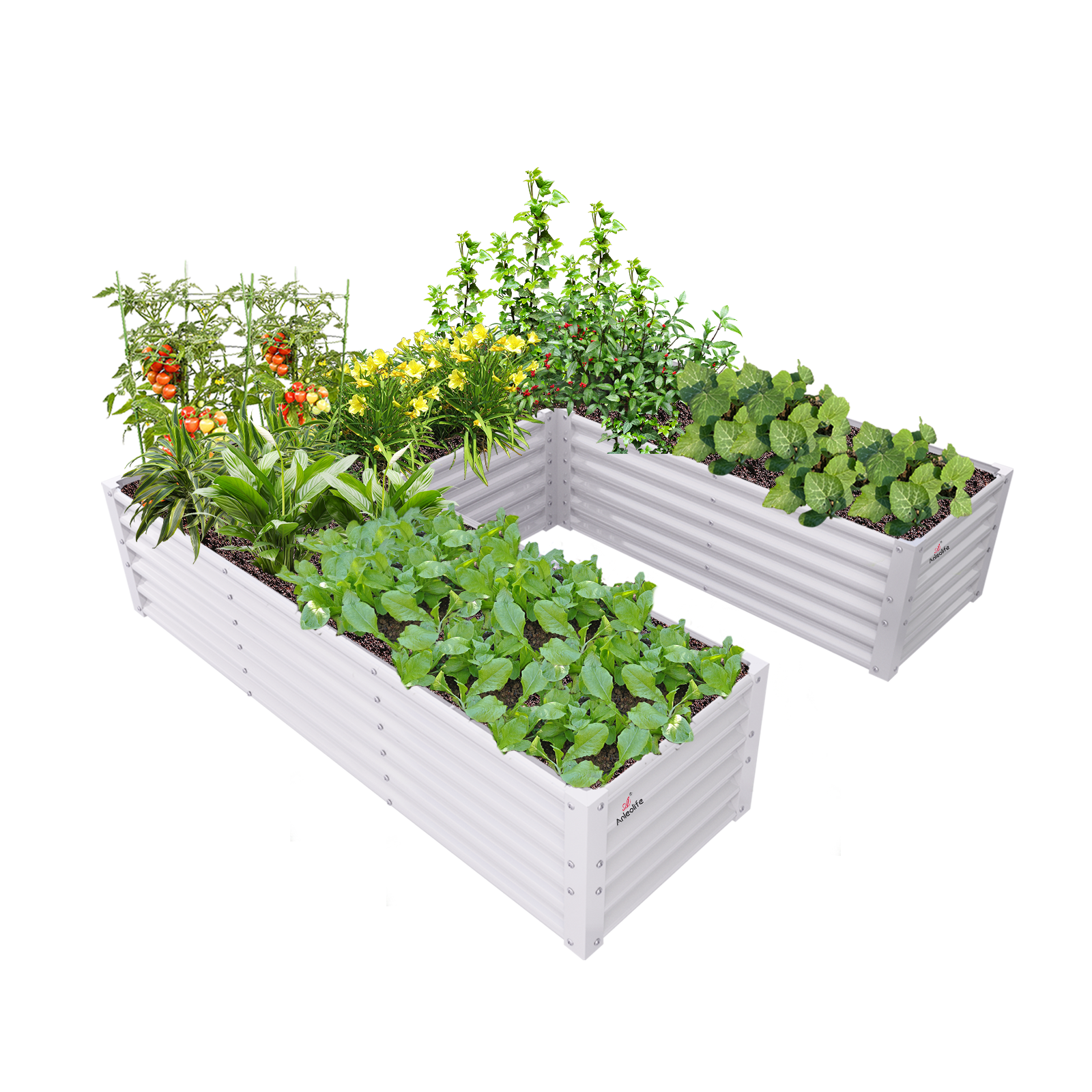
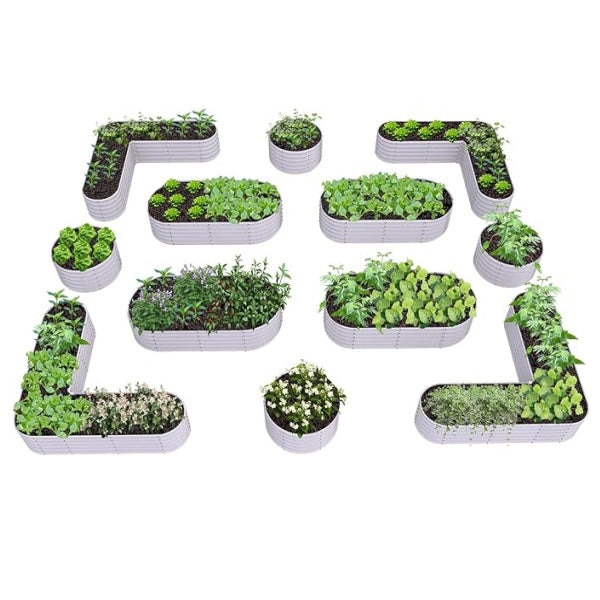
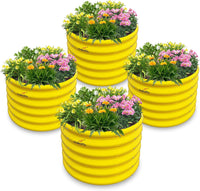
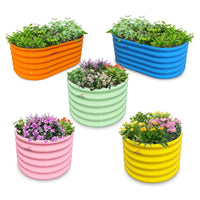
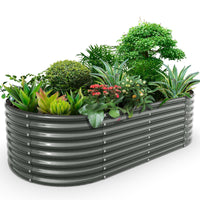
The material you build your bed from also matters. Anleolife's galvanized steel raised garden beds are a popular choice among serious home growers — and for good reason. Built to last up to 20 years, these beds provide a stable, long-term home for your soil ecosystem. When you're investing in soil health that will compound over two decades, understanding your amendment strategy becomes even more valuable.
For a comprehensive overview of raised bed soil formulas and filling strategies, check out Anleolife's complete guide on building the perfect raised bed soil mix on Anleolife.com.
Top Dressing vs. Deep Mixing: A Complete Breakdown
Three-Step Quick Start for First-Time Amenders
If you're new to amending raised bed soil and want to get started immediately, this simplified framework will guide your first season.
Step 1: Assess Your Current Soil Condition
Before adding anything, observe your bed carefully. Is the soil compacted and hard to penetrate? Does water pool on top instead of absorbing quickly? Are your plants yellowing or stunted despite regular watering? These symptoms point toward whether you need surface feeding (top dressing) or structural intervention (deep mixing). Spend 15–20 minutes walking through your beds, pressing your finger 2–3 inches into the soil, and noting drainage behavior after watering.
Step 2: Choose Your Amendment Method Based on Timing
If plants are currently growing in the bed, top dressing is almost always your safest option — it delivers nutrients without disturbing roots. If the bed is empty between seasons, deep mixing allows you to address compaction and soil structure at the root zone (typically 6–12 inches deep). Make this decision before purchasing materials, as each method uses different amendment types in different quantities. Allocate 30–60 minutes for this planning step.
Step 3: Apply, Observe, and Adjust Over 4–6 Weeks
Apply your chosen amendment according to the method guidelines below. Then observe plant response over the following month. Look for improved leaf color, stronger stem growth, and better moisture retention as signs of success. Take notes in a simple garden journal — even a phone note works — so you can refine your approach each season. Good soil management is iterative, and every season teaches you something new.
Comparing Top Dressing and Deep Mixing: Which Method Fits Your Situation?
The core debate in raised bed soil amendment isn't about which method is superior — it's about which method is right for your specific situation at a given moment in the growing cycle.
| Comparison Dimension | Top Dressing | Deep Mixing | Combination Approach |
|---|---|---|---|
| Best Timing | Mid-season, with plants in place | Pre-season or post-harvest | Fall rebuild or spring prep |
| Root Disturbance | Minimal | Moderate to significant | Moderate (manage carefully) |
| Nutrient Delivery Speed | Slow, gradual | Immediate to root zone | Balanced short and long-term |
| Soil Structure Impact | Surface only | Full profile improvement | Comprehensive |
| Labor Intensity | Low | High | High |
| Best For | Feeding and mulching | Compaction relief, pH correction | Total soil reset |
| Risk Level | Very low | Low-medium | Medium (requires planning) |
| Applicable to Growing Beds | ✅ Yes | ❌ Not recommended | ❌ Use with caution |
Deep Dive: Top Dressing Explained
Top dressing is the practice of applying a layer of organic material — typically compost, aged manure, worm castings, or mulch — directly on the soil surface without digging it in. The material sits on top, and natural processes (rain, earthworm activity, microbial breakdown) gradually incorporate it into the soil below.
When to Use Top Dressing
Top dressing shines during the active growing season. When your tomatoes are climbing their cages or your lettuce is filling out, the last thing you want to do is disturb root systems with a shovel. A 1–2 inch layer of high-quality compost applied around plant bases delivers a steady stream of nutrients as it breaks down — without any of the transplant shock risk associated with digging.
Top dressing is also ideal for:
- Moisture retention: A compost or mulch layer slows evaporation significantly. This is especially valuable for gardeners asking how often to water raised garden beds — a 1–2 inch top dressing layer can reduce watering frequency by 25–40%, depending on your climate.
- Weed suppression: A consistent surface layer makes it harder for weed seeds to establish contact with the soil.
- Feeding slow-release nutrients: Materials like worm castings and composted leaf mold release nutrients slowly over 2–4 months, providing steady nutrition without the risk of fertilizer burn.
What to Use for Top Dressing
The best top dressing materials for raised beds include:
- Finished compost: The gold standard. Rich in microorganisms, humus, and macro-nutrients. Apply 1–2 inches in spring and mid-summer.
- Worm castings: Nutrient-dense and gentle. Excellent for seedlings and established plants. Use ½ inch layer for maximum impact without overloading.
- Aged wood chip mulch: Not a fertilizer, but an excellent moisture retainer and long-term carbon source. Works especially well as a top layer after compost.
- Composted manure: Higher in nitrogen — ideal for leafy greens and heavy feeders like corn or squash.
Top dressing is not a replacement for deeper soil improvement when structural problems exist. If your drainage is poor or your soil is genuinely compacted, spreading compost on the surface won't fix the underlying issue. That's where deep mixing steps in.
Deep Dive: Deep Mixing Explained
Deep mixing — sometimes called soil turning or incorporation — involves physically working amendment materials into the existing soil profile, typically to a depth of 6–12 inches. This is done with a broadfork, garden fork, or hand tiller when beds are empty between seasons.
When to Use Deep Mixing
Deep mixing is most appropriate when:
- You're starting a new season and your bed is currently unplanted
- Soil has become visibly compacted (hard, dense, with poor water infiltration)
- You need to correct a significant pH imbalance throughout the root zone
- You're adding materials that benefit from being distributed at depth, such as lime, sulfur, or high-carbon materials like straw
Deep mixing is the method to choose if you're answering the question about the best time of year to fill raised garden beds — or more accurately, refill and rebuild them. Fall is ideal because amendments have all winter to integrate. Early spring works if you begin 3–4 weeks before planting.
Materials Best Suited for Deep Mixing
- Perlite or coarse sand: Improves drainage and aeration throughout the profile. Best added at 10–20% by volume.
- Garden lime or sulfur: pH correction agents that need to reach the root zone to be effective. Surface application alone takes too long.
- Biochar: A long-term soil conditioner that improves water retention and microbial habitat. Works best when distributed throughout the profile.
- Raw compost or green manure: If you have less-than-fully-finished compost, incorporating it deeply and allowing 4–6 weeks before planting ensures decomposition without harming seedlings.
A Note on Bed Materials and Deep Mixing
One practical consideration: the material your raised bed is made from affects how easily you can work the soil. A deep, sturdy raised bed — like Anleolife's 12-inch or 17-inch galvanized steel beds — gives you ample depth to work with when using a broadfork or garden fork. The rigid steel walls hold their shape under the lateral pressure of soil turning, and the beds' structural integrity remains unaffected year after year. With a garden bed designed to last 20 years, you'll be repeating this process many times — investing in a method that works with your specific bed structure pays dividends for decades.
The Combination Approach: When Both Methods Work Together
Experienced gardeners often use a layered strategy that combines both methods at the ideal moment: full deep mixing in fall to reset the soil profile, followed by consistent top dressing throughout the growing season to maintain fertility and moisture.
Here's what a year-round rhythm looks like in practice:
Fall (post-harvest):
Remove spent plants and debris. Incorporate a 3–4 inch layer of compost plus any needed pH amendments and perlite to the full soil depth using a broadfork. Allow to rest through winter.
Early Spring (4–6 weeks before last frost):
Apply a 1-inch layer of finished compost or worm castings as a top dressing. Lightly rake in. Allow soil to warm.
Planting Time:
Transplant or direct sow. Begin mid-season top dressing schedule.
Mid-Season (every 4–6 weeks):
Apply ½–1 inch of compost or worm castings around plant bases. Water gently to begin incorporating.
This rhythm maintains consistent soil biology year-round, prevents the "boom and bust" nutrient cycle common in beds that only get amended once a year, and keeps beneficial soil organisms active and thriving.
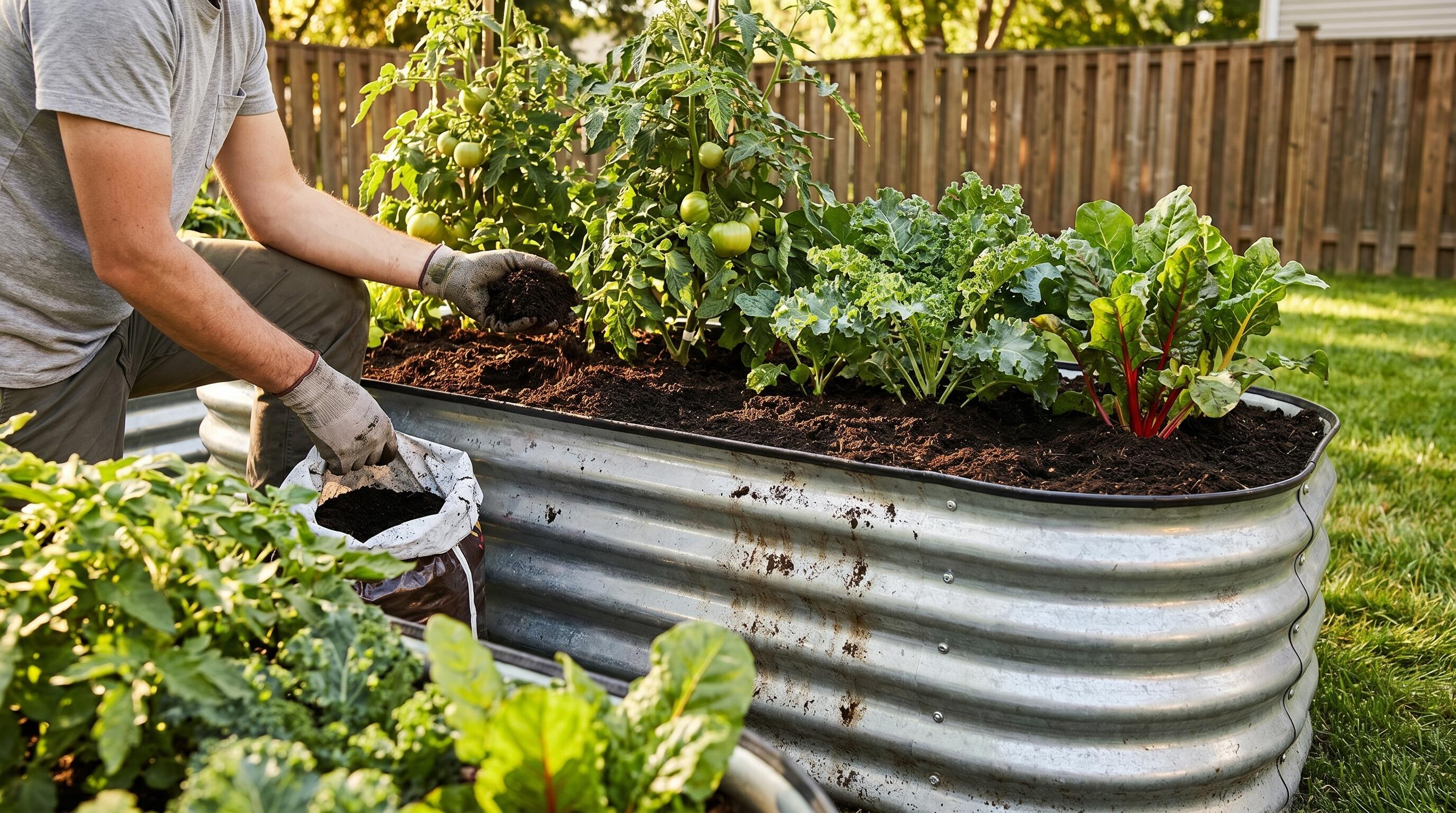
ALT: Home gardener adding compost top dressing to galvanized steel raised bed during summer growing season
Advanced Considerations: Special Situations and Common Misconceptions
Wet Climates and Drainage-First Thinking
Gardeners in the Pacific Northwest, Florida, or other high-rainfall regions face unique challenges. When asking which materials are best for raised beds in wet climates, drainage must be the top priority. In perpetually wet conditions, deep mixing with perlite or coarse horticultural grit (at 20–30% by volume) is often necessary every 1–2 years to prevent compaction caused by heavy rain impact.
Top dressing in wet climates should favor chunky wood chip mulch over fine compost, as fine particles can seal the surface and impede drainage. Avoid peat moss as a standalone top dressing in regions where you're trying to move water through, not hold it.
The best materials for raised garden beds in wet regions are those that balance drainage and nutrient availability — a mix of compost, perlite, and aged bark chips tends to perform well across most wet climate zones.
"More Is Better" — A Dangerous Myth
One of the most common mistakes gardeners make is applying too much amendment at once. More than 3 inches of compost added as a top dressing can actually impede drainage and create anaerobic pockets near the surface. Over-amending with high-nitrogen materials can burn roots and throw off soil pH.
Soil amendment is a slow, cumulative process. Modest, consistent additions outperform single massive applications every time.
Organic vs. Synthetic Fertilizers as Amendment Partners
Both top dressing and deep mixing can incorporate either organic or synthetic fertilizers. Organic materials (compost, manure, worm castings) improve soil structure alongside feeding plants. Synthetic fertilizers deliver nutrients without improving structure. For raised bed gardeners focused on long-term soil health, organic amendments paired with either method produce superior results over 3–5+ seasons.
Frequently Asked Questions FAQ
Q1: How often should I top dress my raised garden bed during the growing season?
For most vegetables and herbs, applying a ½–1 inch layer of finished compost or worm castings every 4–6 weeks during the active growing season is sufficient. Heavy feeders like tomatoes, squash, and corn benefit from more frequent applications. You'll know the soil is responding well when you see improved leaf color and vigorous new growth within 2–3 weeks of each application. Water after top dressing to begin the nutrient release process.
Q2: Is deep mixing safe to do without removing my existing plants?
Deep mixing is generally not safe with plants in the ground — inserting a fork or tiller near established roots causes stress and physical damage that can set back your crop significantly. The only exception is very shallow mixing (top 2–3 inches only) around deep-rooted trees or large perennials where surface disturbance is minimal. For annual vegetable beds, always reserve deep mixing for when beds are fully cleared between seasons.
Q3: How long does it take to see results after amending raised bed soil?
Results vary by method and material. Top dressing with finished compost typically shows plant response within 2–4 weeks as nutrients become available through microbial activity. Deep mixing with lime or sulfur for pH correction takes 4–8 weeks to fully neutralize and may not show full effect until the following season. Biochar amendments often take a full season to show measurable improvement in water retention and plant performance. Patience and consistent observation are key.
Summary
Amending your raised bed soil isn't a one-size-fits-all task — it's a practiced skill that improves with every season. Here are the three takeaways that matter most:
- Match your method to your timing. Top dress when plants are growing to feed without disruption. Deep mix when beds are empty to address structure and incorporate slow-release materials throughout the root zone.
- Consistency beats intensity. Regular, modest applications of high-quality organic matter outperform single large amendments. Building soil health is a multi-season commitment, not a one-time event.
- Your bed structure supports your soil strategy. A durable, well-sized raised bed gives you the depth and stability to execute both methods effectively. When your bed is built to last decades, every soil improvement you make compounds in value.
Start this season by assessing your current soil — observe drainage, compaction, and plant response. Choose your method based on what your bed actually needs right now, not just what worked last year. And remember: healthy soil is alive, and keeping it that way is one of the most rewarding practices in gardening.
Ready to Grow Smarter With Anleolife?
Anleolife's nationwide U.S. warehouse network is strategically located in California, Texas, Florida, New York, Illinois, and Washington — ensuring delivery within 3–8 business days so your garden upgrade plans never have to wait.
Our products are available on major e-commerce platforms including Amazon, Walmart, Home Depot, Lowe's, and Wayfair, as well as our official website Anleolife.com — providing consistent quality assurance and reliable after-sales service wherever you prefer to shop.
Anleolife's three core scenarios cover everything your outdoor space needs: Planting (metal raised garden beds built to last 20 years, soil systems), Raising (chicken coops, rabbit hutches), and Beautification (decorative accessories, pathway systems) — meeting your complete needs from functionality to aesthetics.
We understand that an ideal garden is not built overnight, but gradually improved over time. Our modular product design allows flexible expansion based on your needs — from your first 8x4x2 garden bed to a fully integrated planting-and-raising ecosystem. We grow with you every step of the way.
References
- USDA Natural Resources Conservation Service. "Soil Health Principles and Practices".
https://www.nrcs.usda.gov/conservation-basics/natural-resource-concerns/soils/soil-health - University of California Agriculture and Natural Resources. "Composting Is Good for Your Garden and the Environment".
https://ucanr.edu/sites/composting/ - Penn State Extension. "Raised Bed Gardening".
https://extension.psu.edu/raised-bed-gardening - Oregon State University Extension Service. "Improving Garden Soils with Organic Matter".
https://extension.oregonstate.edu/gardening/techniques/improving-garden-soils-organic-matter - National Gardening Association. "Soil Amendment Basics for Raised Beds".
https://garden.org/
Note: Standards and recommendations may be updated over time. Please check the latest official documents or consult local extension services for region-specific guidance.
About Anleolife
Anleolife is a leading outdoor garden solutions provider in North America, dedicated to offering a full-scenario product ecosystem for home gardening enthusiasts, covering planting, raising, and garden beautification. Since its founding, we have upheld our brand mission, "Made for Garden Life," continuously innovating products and optimizing services to help hundreds of thousands of users upgrade their gardens, reconnect with nature, and enjoy a better garden lifestyle.