


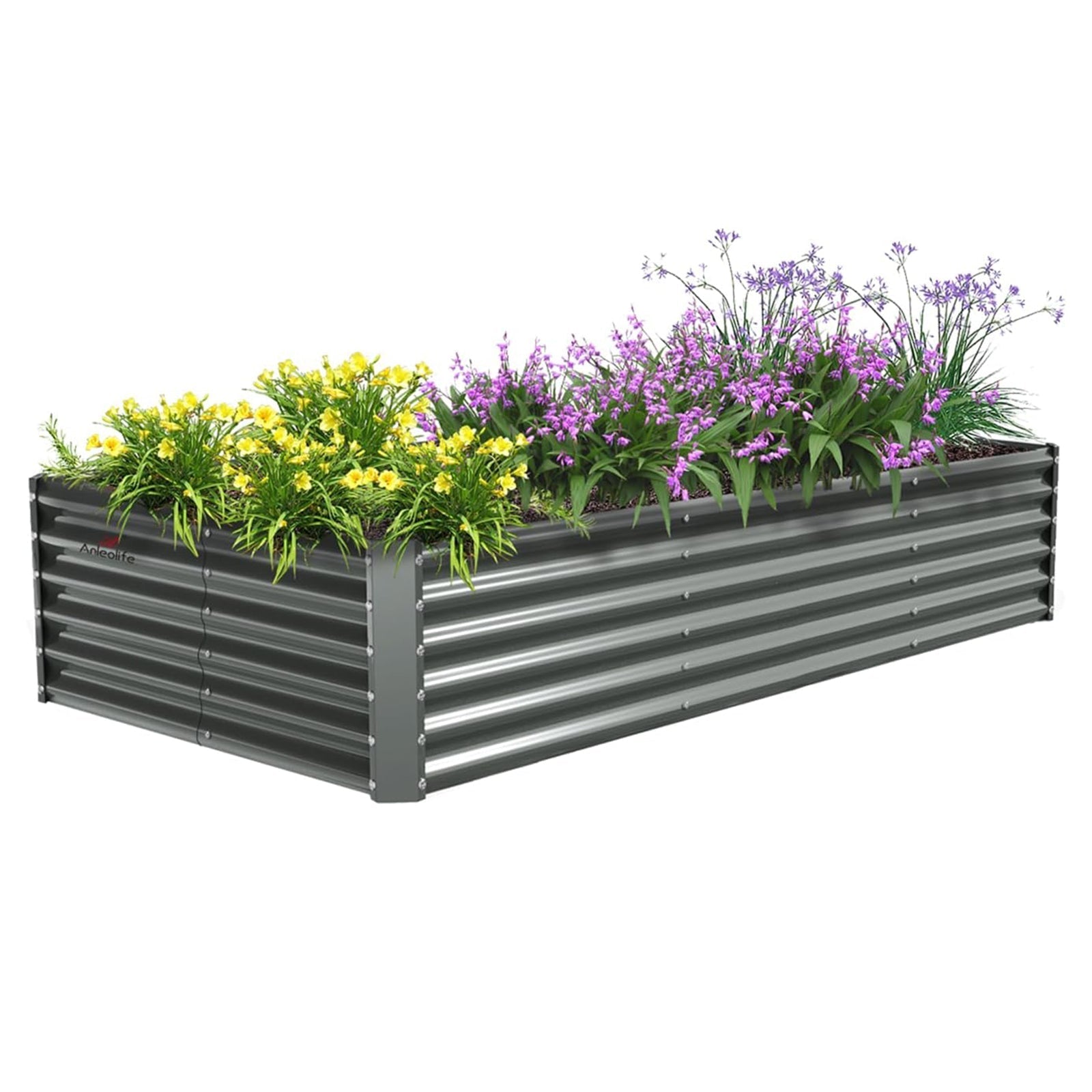

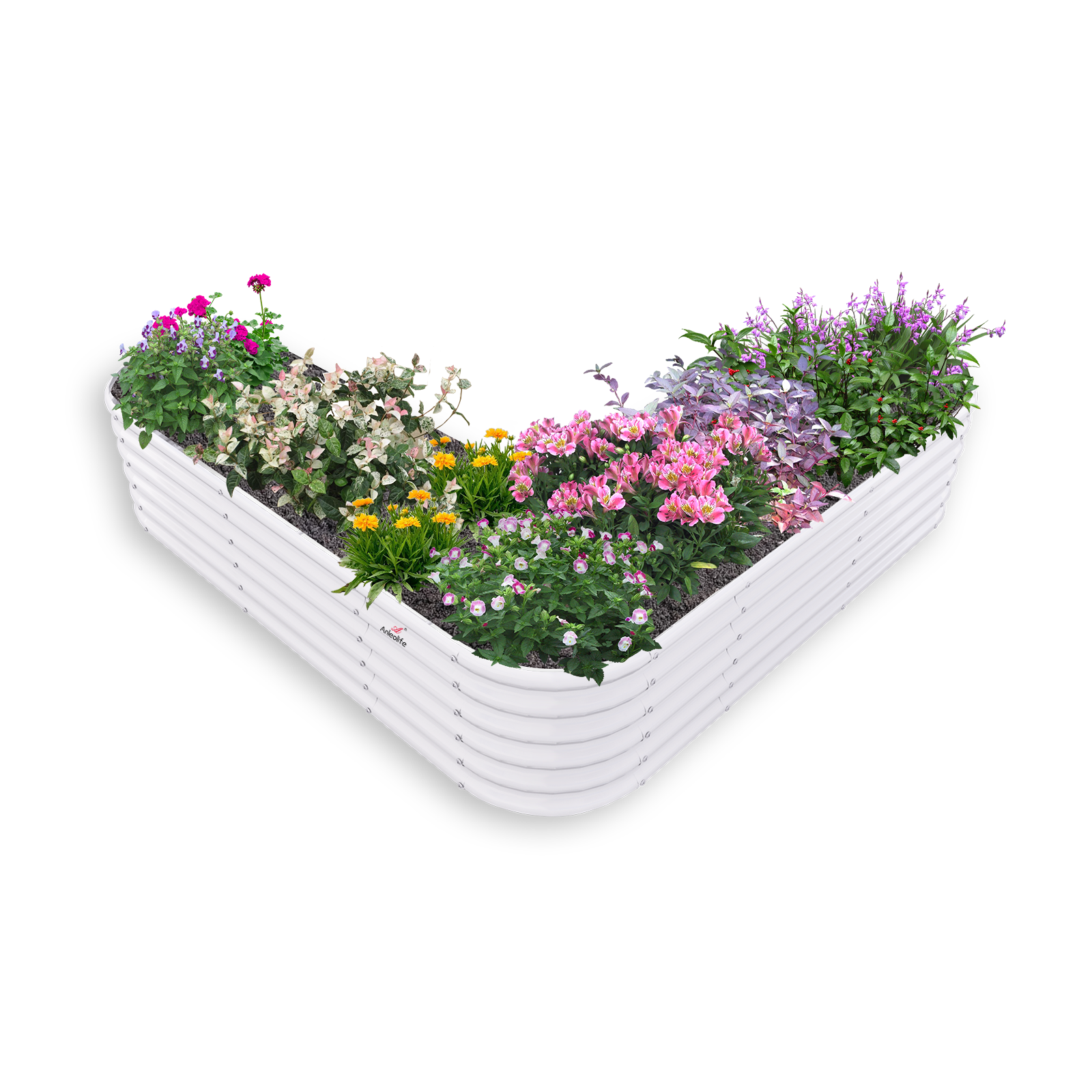
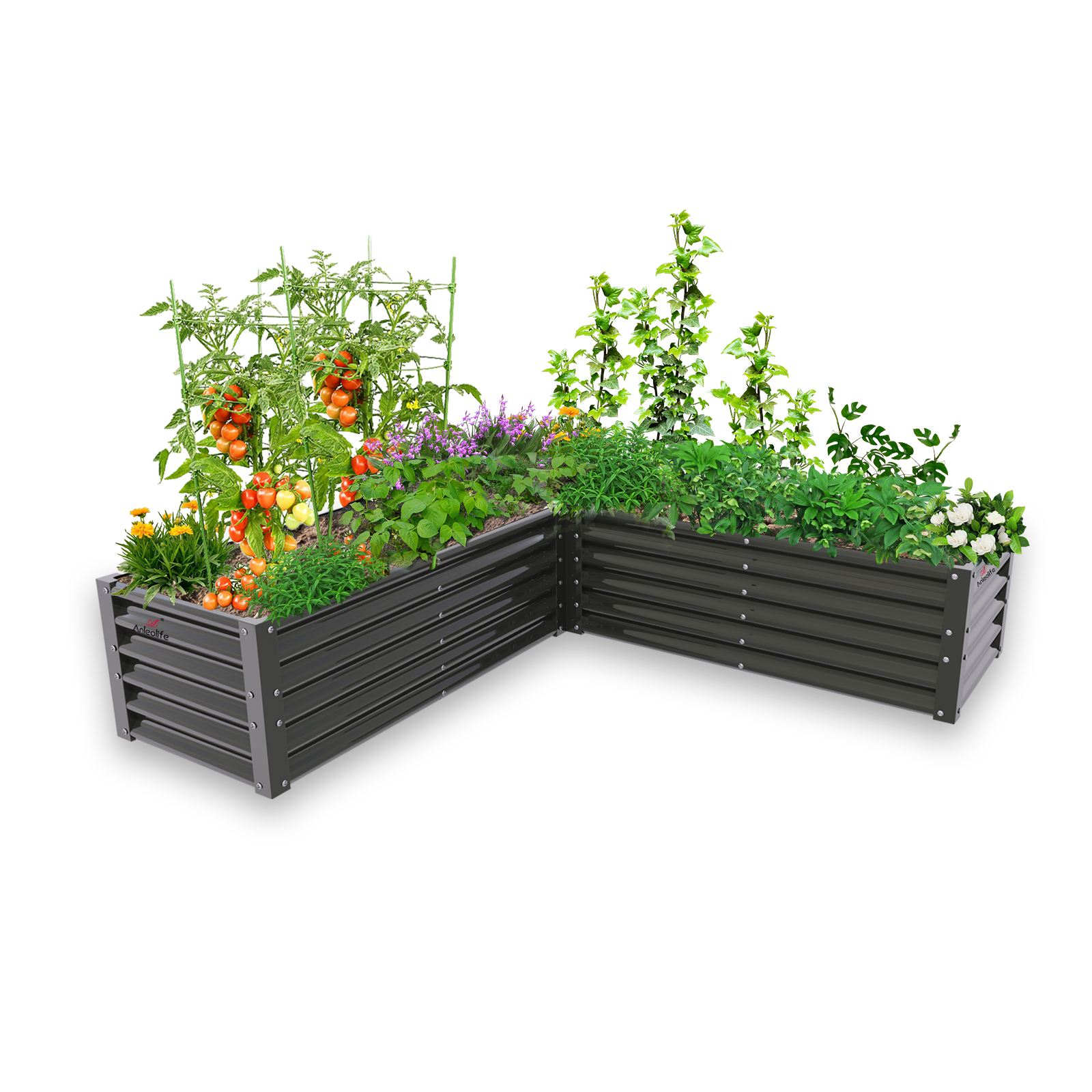
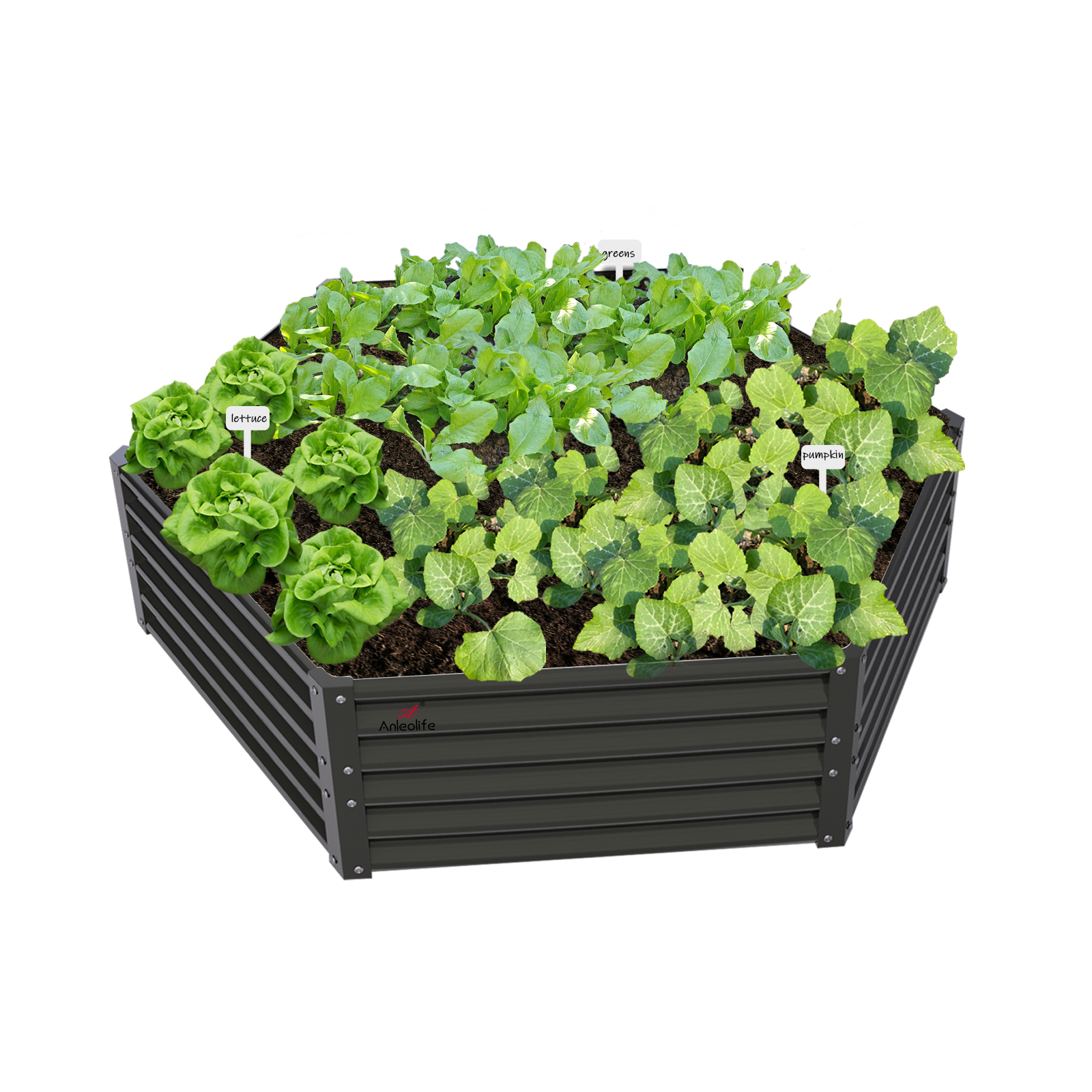
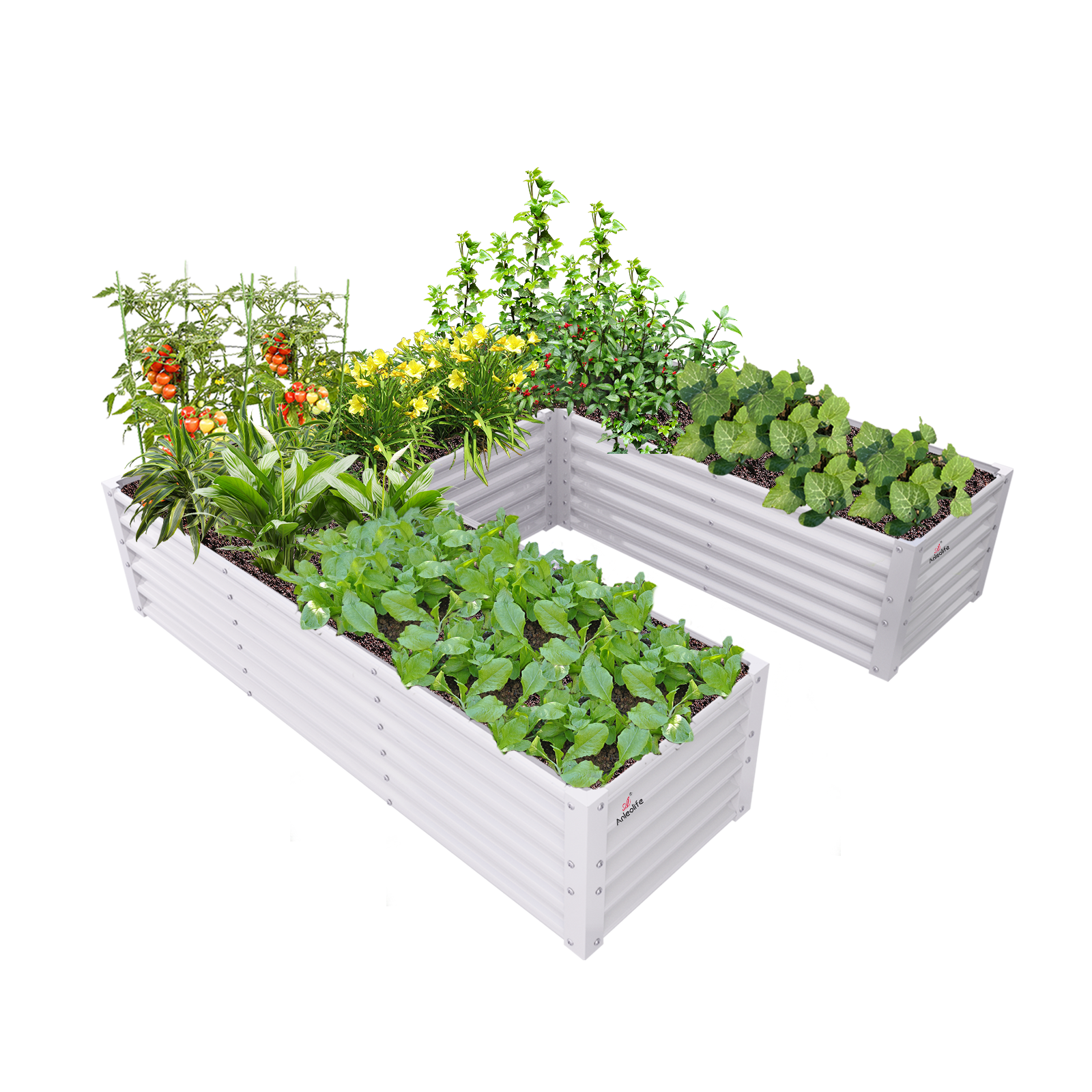

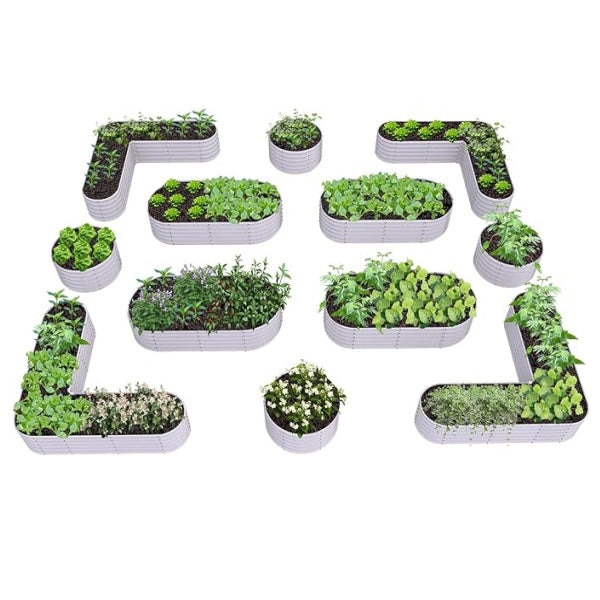


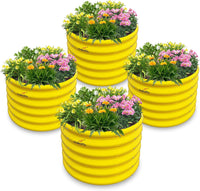
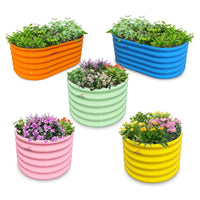
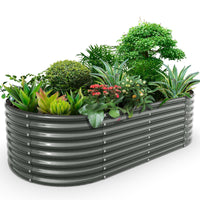



ALT: Full-spectrum LED grow light with Samsung LM301H EVO chip technology supporting indoor raised bed gardening and outdoor living products
Why Serious Home Growers Are Talking About Full-Spectrum LED Grow Lights and the Samsung LM301H EVO Chip
Key Conclusion: Full-spectrum LED grow lights powered by the Samsung LM301H EVO chip represent a significant leap in indoor and supplemental gardening technology. For home growers investing in raised bed garden layout, soil systems, and extended growing seasons, understanding what this chip does—and why it matters—can directly improve plant health, yield, and energy efficiency. Whether you're growing indoors, in a greenhouse, or supplementing outdoor living products like garden trellises with year-round cultivation, this guide explains everything clearly and practically.
The world of home gardening has evolved dramatically over the past decade. What began as a seasonal hobby—tending to raised beds during warm months, then waiting out winter—has transformed into a year-round lifestyle for millions of households across North America. Central to this shift is better lighting technology, particularly the rise of full-spectrum LED grow lights.
At the heart of the most talked-about LED grow light systems sits a single, critical component: the Samsung LM301H EVO chip. If you've been researching indoor plant cultivation, greenhouse setups, or supplemental lighting for your raised bed gardening operation, you've almost certainly encountered this name. But what exactly does it do? Why do experienced growers care so much about chip quality? And how does it connect to the broader goal of growing healthier food at home?
This guide answers all of those questions in plain language—while also helping you understand how strong lighting technology integrates with your complete garden ecosystem, from raised beds and soil systems to garden trellises, kinetic wind spinners, and beyond.
Who Should Read This Guide: Applicable Scenarios and Limitations
✅ Applicable Scenarios:
- Home growers using raised garden beds indoors or in greenhouses who want to extend growing seasons year-round
- Urban micro-gardeners with limited outdoor space who rely on supplemental or full-time LED lighting for vegetables, herbs, and leafy greens
- Empty nesters and retirees setting up dedicated indoor growing spaces or sunrooms with climate-controlled conditions
- Eco-conscious growers interested in energy-efficient lighting that reduces electricity costs over time
- Anyone asking "what is the best type of greenhouse to buy?" who wants to understand how lighting technology fits into the overall greenhouse investment
❌ Not Applicable/Cautions:
- Outdoor gardens with abundant natural sunlight that do not require supplemental lighting—full-spectrum LEDs are most valuable where natural light is insufficient or inconsistent
- Growers looking for quick plug-and-play solutions without any learning curve—getting the most from LED grow lights requires some understanding of light schedules, spectrum needs, and mounting distance
- Budget-only buyers focused solely on the lowest upfront price, as quality LED systems with premium chips like the LM301H EVO carry a higher initial cost that pays off over time rather than immediately
The Background: Why Indoor and Supplemental Grow Lighting Became Essential for Home Gardeners
Not long ago, the phrase "grow lights" conjured images of professional commercial operations—large-scale cannabis farms, university horticultural research labs, or high-tech hydroponic facilities. For ordinary home gardeners, artificial lighting was an afterthought at best.
That perception has changed entirely.
Today, a growing segment of middle-class families, health-conscious food growers, and urban micro-gardeners have embraced indoor cultivation as a serious extension of their outdoor gardens. The reasons are practical: shorter daylight hours in winter, unpredictable weather, limited yard space, and the desire to grow fresh vegetables, herbs, and microgreens regardless of the season outside.
The global LED grow light market has expanded rapidly, driven by both the home gardening boom and commercial horticultural adoption. With this expansion came intense competition—and, unfortunately, a flood of low-quality lighting products making exaggerated claims. Understanding the actual technology behind a grow light, specifically the LED chips that power it, became essential for making a smart purchase.
This is where the Samsung LM301H EVO chip entered the conversation for serious home growers. As gardeners began asking deeper questions—not just "does this light work?" but "how efficiently does it convert electricity into plant-usable light?"—the chip specification became one of the most searched terms in the LED grow light category.
For those already invested in quality garden infrastructure—like galvanized steel raised beds known for their sustainability and longevity—the same mindset applies to lighting: invest in quality upfront, and the system pays for itself through better performance and longer service life.
Raised bed garden layout decisions, soil system choices, and now lighting technology are all converging into a more holistic approach to home food growing. This guide positions LED chip knowledge within that broader context.
Understanding the Samsung LM301H EVO Chip: Core Content
Three-Step Framework for Evaluating Any LED Grow Light
Before diving deep into chip specifications, it helps to have a simple framework for evaluating grow lights. These three steps will help you assess any product you encounter.
Step 1: Understand the Light Spectrum It Produces
Plants don't use all light equally. Photosynthesis relies primarily on red and blue wavelengths, but research increasingly shows that a full spectrum—including green, white, and far-red light—produces healthier, more robust plants than narrow-band systems. When evaluating a grow light, look for spectral output charts and verify that the light covers the 400–700nm photosynthetically active radiation (PAR) range comprehensively, with meaningful output in far-red (700–800nm) for flowering and fruiting.
Step 2: Evaluate Photon Efficiency (μmol/J)
Photon efficiency measures how many micromoles of light photons the fixture produces per joule of electrical energy consumed. This is the most important efficiency metric for LED grow lights—higher numbers mean more light per watt, which translates directly to lower electricity bills and better plant performance. Top-tier fixtures using quality chips now reach efficiencies that were unimaginable a decade ago with older technology.
Step 3: Assess Thermal Management and Chip Quality
LED chips degrade over time, especially when they run hot. High-quality chips paired with good heat sink design maintain their output and spectral quality far longer than budget alternatives. This is where brand reputation and chip sourcing—specifically the use of chips like the Samsung LM301H EVO—becomes a meaningful differentiator. Always ask: what chips are used, and how is heat managed?
Full-Spectrum vs. Blurple vs. White LED: A Practical Comparison
The LED grow light market is divided into several distinct product categories. Understanding the differences helps clarify why full-spectrum white LED systems with high-quality chips have become the preferred choice for discerning home growers.
Here is a clear comparison of the three main categories you'll encounter:
| Comparison Dimension | Blurple LED (Red/Blue Only) | Basic White LED | Full-Spectrum LED (Samsung LM301H EVO) |
|---|---|---|---|
| Light spectrum coverage | Narrow (primarily red + blue) | Broad but lower quality | Comprehensive, plant-optimized spectrum |
| Photon efficiency | Lower (older technology) | Moderate | High-efficiency output |
| Plant growth quality | Adequate for basics | Good for general use | Excellent for all growth stages |
| Heat generation | Moderate to high | Moderate | Low to moderate with good thermal design |
| Energy cost over time | Higher per unit of plant growth | Moderate | Lower due to superior efficiency |
| Lifespan and stability | Shorter, faster degradation | Moderate lifespan | Long-lasting with premium chip stability |
| Best use case | Basic seedling starts | General indoor growing | Professional home growing, year-round crops |
| Price point | Low initial cost | Mid-range | Higher upfront, lower lifetime cost |
The trend is clear: growers who take indoor cultivation seriously are moving toward full-spectrum systems. The question then becomes which full-spectrum system to choose—and that's where chip quality becomes the decisive factor.
What the Samsung LM301H EVO Chip Actually Does: A Detailed Explanation
Let's get specific about the technology itself.
The Samsung LM301H EVO in Context
Samsung is one of the world's leading semiconductor manufacturers, and their LED chip division has become a dominant supplier for the horticultural lighting industry. The LM301H EVO represents an evolution of their widely respected LM301H series—a chip that already had an excellent reputation among professional growers before the EVO upgrade was introduced.
The "EVO" designation signals meaningful improvements in photon efficacy. In plain terms: the chip produces more usable light per watt of electricity consumed than its predecessor. For a home grower running lights for 12–18 hours daily, this efficiency difference has a measurable impact on monthly electricity costs.
Full-Spectrum Output That Mimics Natural Sunlight
One of the LM301H EVO chip's most valued characteristics is its ability to produce a broad, continuous spectrum that closely approximates natural sunlight. Unlike older LED systems that combined discrete red and blue diodes to cover photosynthesis basics, the LM301H EVO emits a white light spectrum that includes meaningful output across the visible range and into the near-infrared.
This matters enormously for plant biology. Research in controlled-environment agriculture has consistently shown that plants grown under spectrally rich light develop stronger root systems, thicker leaves, higher chlorophyll density, and better secondary metabolite production—meaning more flavor and nutritional value in edible crops. For a gardener growing tomatoes, basil, or salad greens in a raised bed system indoors or in a greenhouse, this translates to noticeably better harvests.
Thermal Efficiency and Long-Term Stability
The LM301H EVO chip is designed to operate efficiently at lower drive currents, which reduces heat generation. This is not a minor detail—LED chip degradation is primarily driven by heat stress over time. A chip that runs cooler maintains its light output and spectral quality for longer, reducing the need for replacement and keeping performance consistent throughout the system's lifespan.
For context, consider how Anleolife approaches material quality in their raised garden beds: their galvanized steel beds are built to last up to 20 years, reflecting the same philosophy of investing in durable materials upfront. The best LED grow lights with premium chips like the LM301H EVO follow a similar logic—quality components extend useful life and deliver better total value.
How It Supports Raised Bed Gardening Indoors
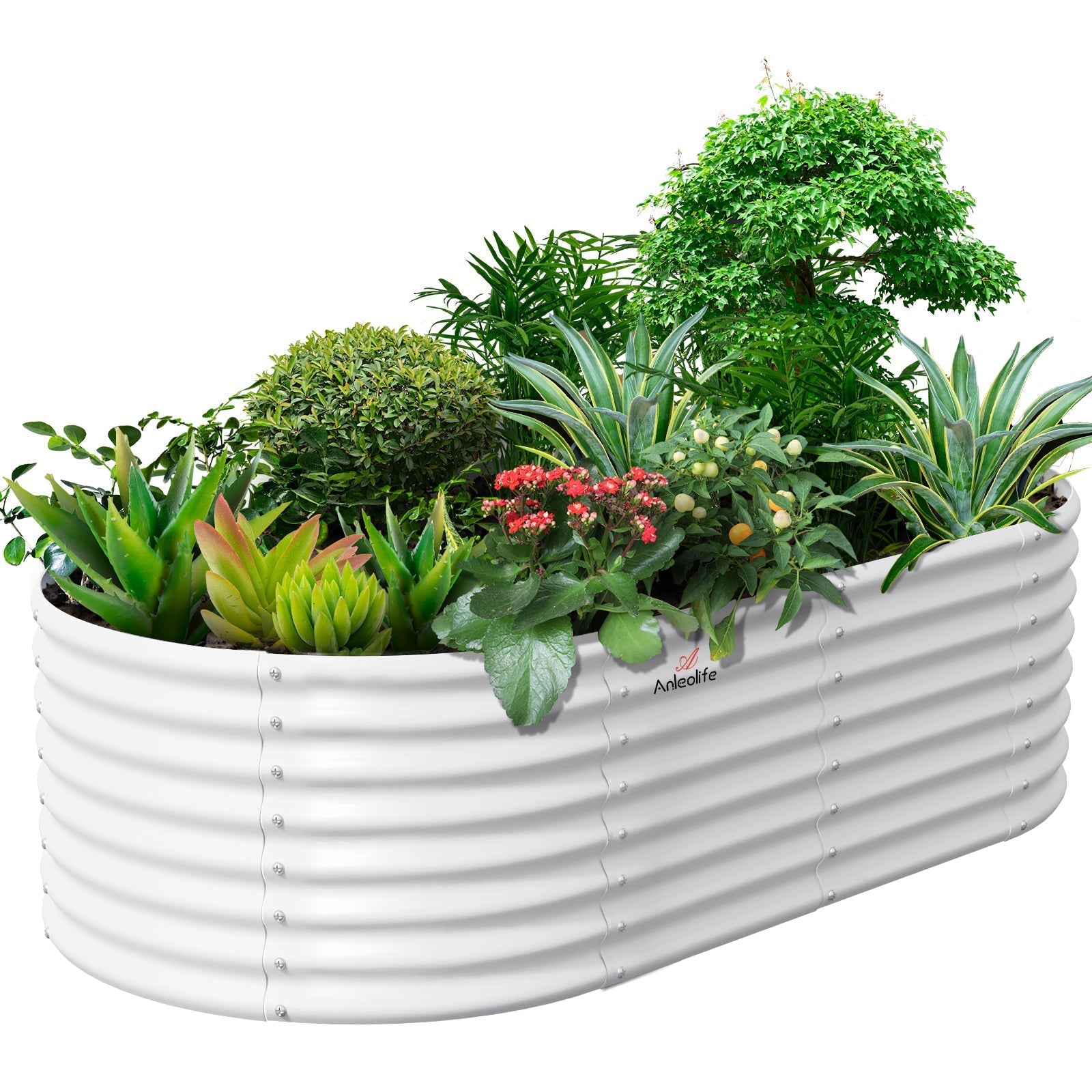
Many home growers using raised bed gardening setups in basements, garages, sunrooms, or greenhouses are discovering that the combination of quality raised beds and quality lighting creates a genuinely productive growing environment. Anleolife's galvanized steel raised garden beds—including options like the 24" Extra Tall 8x4 ft and 30" Extra Tall beds—provide excellent growing depth and drainage for indoor cultivation. Paired with efficient full-spectrum lighting, these beds can support year-round production of vegetables, herbs, and even fruiting crops.
For those wondering about the best height for a raised garden bed with a bad back, the taller bed options (24"–35" heights) reduce the need to bend deeply while working, which is especially valuable for retirees and older gardeners spending extended time tending indoor crops under grow lights.
The soil-filling strategy for extra-tall 30" and 35" raised beds also becomes relevant here—indoor growers need to think carefully about substrate weight, drainage, and nutrient retention, and a layered filling approach can significantly reduce material costs while maintaining excellent growing conditions.
The Role of Kinetic Wind Spinners, Garden Trellises, and Outdoor Living Products
It's worth pausing to acknowledge the broader garden ecosystem. While LED grow lights address indoor and supplemental growing needs, they are one part of a complete gardening lifestyle. Outdoor living products like garden trellises support climbing vegetables and vining plants outdoors, while kinetic wind spinners add movement, beauty, and even pest-deterring function to garden spaces.
The complete home gardener increasingly thinks in terms of an integrated system: quality raised beds with durable materials, efficient indoor lighting for year-round growing, structured trellises for vertical growing outdoors, and decorative elements like kinetic wind spinners that make the garden a genuinely enjoyable outdoor living space. This holistic approach is exactly what brands like Anleolife serve—connecting functional growing infrastructure with the aesthetic pleasure of garden life.
Understanding the Best Lining for a Raised Bed in Indoor Growing Contexts
For raised beds used in indoor settings under grow lights, the question of what is the best lining for a raised bed becomes particularly important. A breathable landscape fabric liner prevents soil from escaping through drainage gaps while allowing water to pass through freely—essential for preventing waterlogging and root rot in enclosed spaces. Some growers opt for food-safe plastic liners to protect metal beds from moisture exposure, though in high-quality galvanized steel beds this is largely unnecessary given the material's inherent rust resistance.
As explored in research on which raised garden bed materials last longest in extreme heat and cold, galvanized steel's thermal stability makes it well-suited for both outdoor extremes and the controlled temperature swings of indoor growing environments.
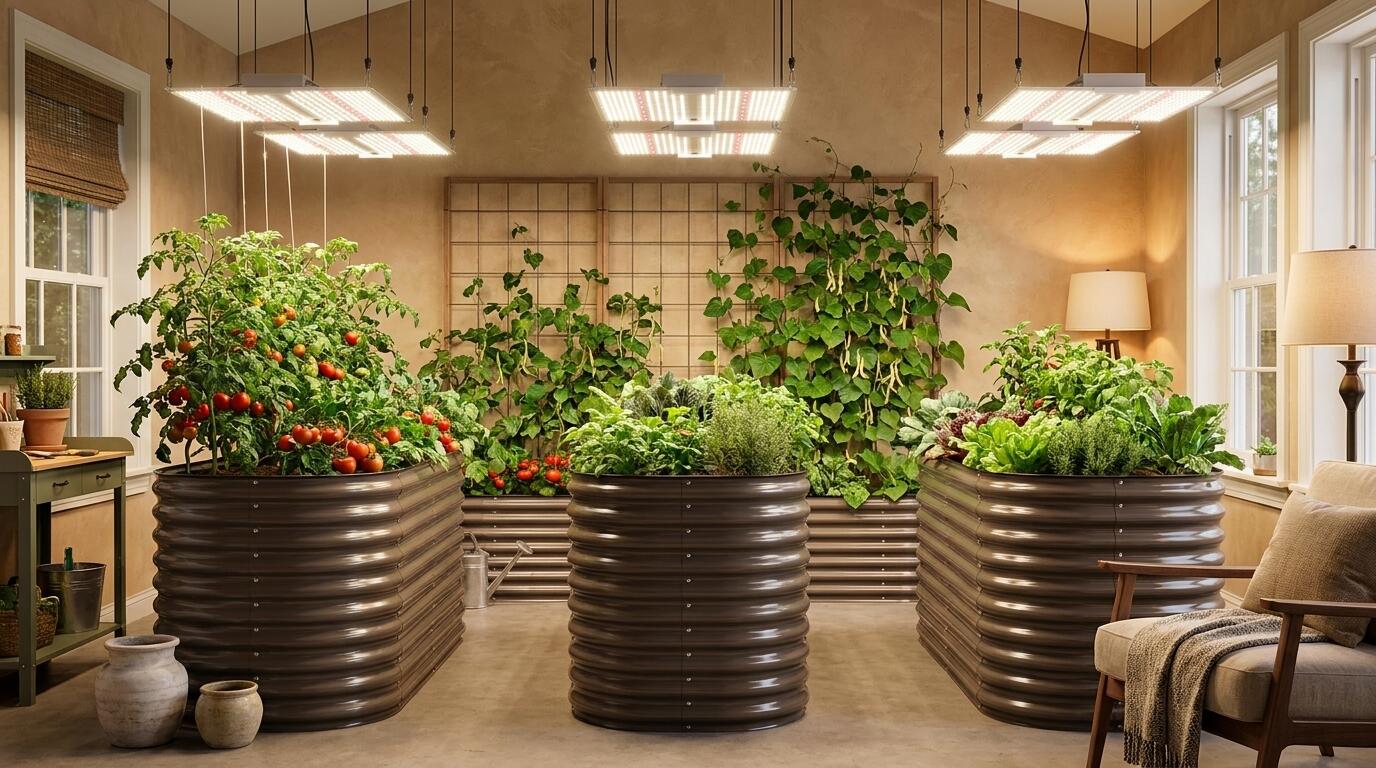
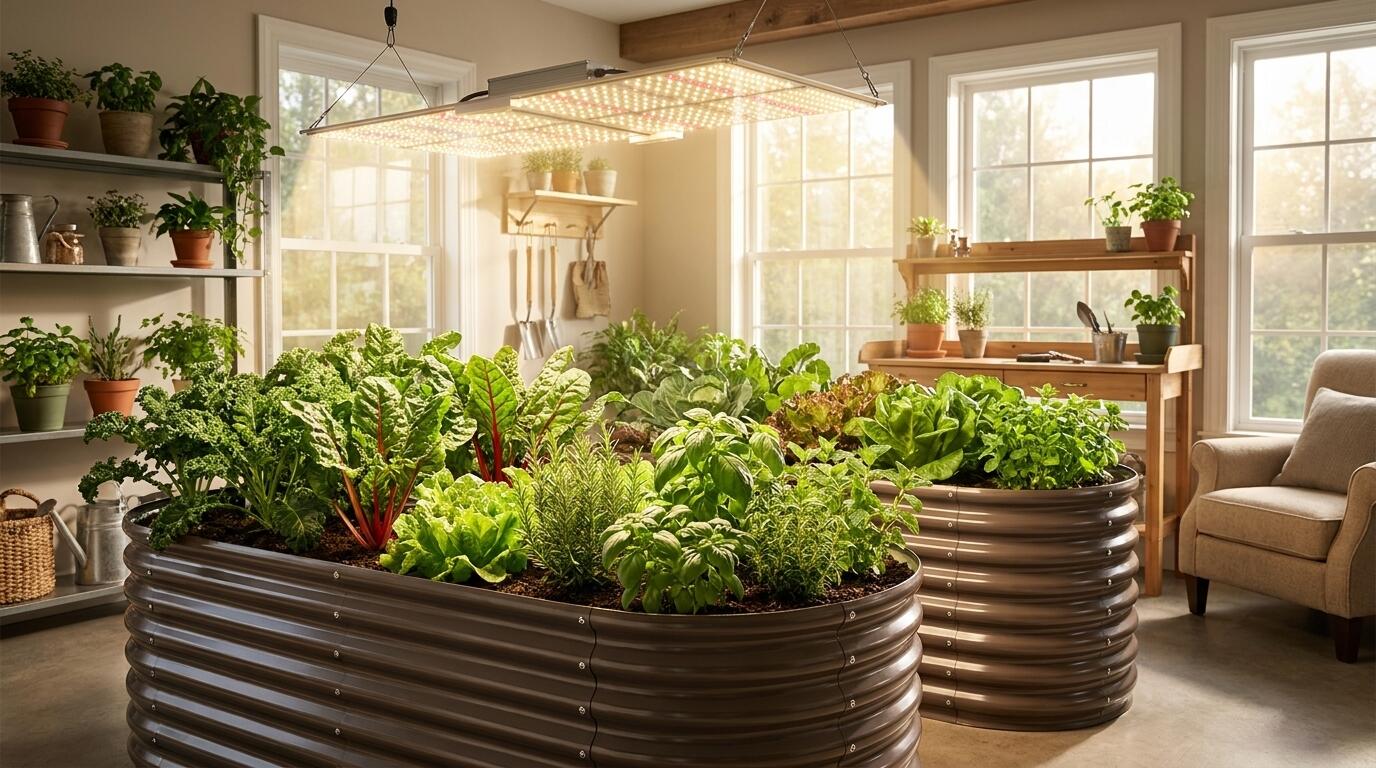
ALT: Indoor raised bed gardening setup under full-spectrum LED grow lights, supporting year-round vegetable cultivation with garden trellis and outdoor living product integration
Advanced Considerations: Greenhouse Lighting, Container Trees, and Common Misconceptions
What Is the Best Type of Greenhouse to Buy—and How Does Lighting Fit In?
This is one of the most common questions from gardeners ready to take a serious step up from outdoor beds. The honest answer is that the best greenhouse is the one matched to your climate, budget, and growing goals—but lighting technology should be factored into that decision from the start.
In regions with cloudy winters or short daylight hours, even a well-constructed greenhouse may receive insufficient natural light for optimal plant growth from late fall through early spring. Supplemental LED grow lights—particularly full-spectrum systems with high-efficiency chips—can bridge this gap meaningfully. Growers who choose a greenhouse primarily for its glazing material without accounting for supplemental lighting often find winter yields disappointing.
When evaluating greenhouse options, consider whether your planned structure allows for easy hanging of grow light fixtures, adequate electrical access, and sufficient ceiling height to maintain proper mounting distance between lights and plant canopies.
Container Gardening, Tree Pots, and Supplemental Lighting
The question of the best planters for trees and container gardening in tree pots often arises alongside lighting questions for indoor or greenhouse growing. Large container trees—citrus, figs, and dwarf varieties—can benefit substantially from supplemental full-spectrum lighting during winter dormancy periods or in low-light indoor environments.
When selecting materials for large tree containers, durability and weight are primary concerns. Galvanized metal, heavy-duty fabric pots, and large-format plastic are the most common choices. The same durability-first thinking that makes galvanized steel raised beds a preferred choice for long-term gardeners applies here—materials that resist degradation over years of use deliver better total value.
Common Misconceptions About Full-Spectrum LED Grow Lights
Misconception 1: "More watts always means better growth."
This is false. Photon efficiency (μmol/J) matters far more than raw wattage. A lower-wattage fixture with high-quality chips like the Samsung LM301H EVO can outperform a higher-wattage fixture using inferior chips.
Misconception 2: "Full-spectrum LEDs produce too much heat for indoor use."
Quality full-spectrum LEDs, especially those using efficient chip designs, run significantly cooler than HID (high-intensity discharge) systems and even many older LED designs. Heat is a genuine concern only with poorly designed fixtures.
Misconception 3: "Any white LED light will work for plants."
Not true. Standard white LEDs used in home lighting are not optimized for plant photosynthesis. Horticultural LEDs—particularly those engineered with precise spectral tuning like the LM301H EVO—are specifically designed to maximize the wavelengths plants actually use for growth.
Frequently Asked Questions FAQ
Q1: How do I determine the right coverage area for a full-spectrum LED grow light?
Coverage area depends on the fixture's photon output (measured in μmol/s) and your target light intensity for different plant types. Leafy greens generally need lower intensity than fruiting crops like tomatoes or peppers. As a practical starting point, look for grow light specifications that list the "footprint" at a specific mounting height and intensity level. Always check whether the stated coverage area reflects actual plant growth performance rather than just physical light spread, which can be misleading in budget product marketing.
Q2: Are Samsung LM301H EVO grow lights worth the higher price compared to budget alternatives?
For serious home growers committed to year-round indoor cultivation, the answer is generally yes. The efficiency advantage of quality chips translates to lower monthly electricity costs, which partially offset the higher purchase price over time. More importantly, the spectral quality and long-term output stability of premium chips produce noticeably healthier plants and better harvests—advantages that are difficult to quantify but consistently reported by experienced growers who have made the switch from budget options.
Q3: How long does a full-spectrum LED grow light with Samsung LM301H EVO chips typically last?
Premium LED grow light systems using quality chips like the LM301H EVO are typically rated for very long operational lifespans under normal use conditions. While individual manufacturers specify their own rated hours, the underlying Samsung chip technology is engineered for durability and gradual lumen maintenance—meaning light output decreases slowly over time rather than failing abruptly. For home growers, a quality LED system should provide many years of reliable service when operated within recommended temperature and electrical parameters, making it a sound long-term investment comparable to investing in durable raised bed infrastructure.
Summary
Understanding the Samsung LM301H EVO chip is ultimately about understanding what separates genuinely effective indoor growing systems from the crowded field of mediocre products making oversized promises.
Three core takeaways from this guide:
1. Chip quality is the heart of grow light performance. The Samsung LM301H EVO delivers superior photon efficiency and a comprehensive full spectrum that supports plant growth from seedling through harvest—outperforming both older LED technologies and low-quality alternatives across all meaningful metrics.
2. LED grow lights are most valuable as part of an integrated growing system. Whether you're extending your raised bed garden layout into winter months, setting up a greenhouse, or growing year-round in a basement setup, quality lighting works best alongside quality raised beds, well-constructed soil systems, and supporting garden structures including garden trellises for vertical growing.
3. Long-term value beats short-term savings. Just as quality galvanized steel raised beds are built to last up to 20 years, premium LED grow lights with high-quality chips deliver better total value over their operational life than budget alternatives that degrade quickly and underperform from the start.
The next step is simple: assess your growing space, identify your light needs across seasons, and match your lighting investment to the same quality standard you apply to every other element of your garden setup.
Elevate Your Entire Garden Ecosystem with Anleolife
Anleolife operates a nationwide U.S. warehouse network strategically located in California, Texas, Florida, New York, Illinois, and Washington—ensuring delivery within 3–8 business days so your garden upgrade plans never have to wait for infrastructure.
Our products are available across major e-commerce platforms including Amazon, Walmart, Home Depot, Lowe's, and Wayfair, as well as directly through Anleolife.com, providing consistent quality assurance and responsive after-sales service wherever you prefer to shop.
Anleolife's product ecosystem spans three core scenarios: Planting (metal raised garden beds built to last 20 years, soil systems), Raising (chicken coops, rabbit hutches), and Beautification (decorative accessories, pathway systems, outdoor living products)—meeting your complete needs from serious food production to garden aesthetics.
We understand that an ideal garden is not built overnight, but gradually improved over time. Our modular product design allows flexible expansion based on your needs—from your first raised garden bed to a fully integrated planting-and-raising ecosystem. Whether you're a first-time grower or an experienced gardener ready to go year-round, Anleolife grows with you every step of the way.
References
- U.S. Department of Energy. "Energy Efficiency of LED Lighting".
https://www.energy.gov/energysaver/led-lighting - University of California Agriculture and Natural Resources. "Greenhouse and Indoor Crop Production Research".
https://ucanr.edu/ - Penn State Extension. "Light and Plant Growth: Understanding Photosynthetically Active Radiation".
https://extension.psu.edu/light-and-plant-growth - USDA National Institute of Food and Agriculture. "Indoor and Vertical Farming Research".
https://www.nifa.usda.gov/ - North Carolina State University Extension. "Lighting for Indoor Plants and Starting Seeds".
https://content.ces.ncsu.edu/lighting-for-indoor-plants-and-starting-seeds
Note: Standards and research findings may be updated. Please check the latest official documents or consult professional advisors for current recommendations.
About Anleolife
Anleolife is a leading outdoor garden solutions provider in North America, dedicated to offering a full-scenario product ecosystem for home gardening enthusiasts, covering planting, raising, and garden beautification. Since its founding, we have upheld our brand mission, "Made for Garden Life," continuously innovating products and optimizing services to help hundreds of thousands of users upgrade their gardens, reconnect with nature, and enjoy a better garden lifestyle. From galvanized steel raised beds engineered for a 20-year lifespan to a full range of outdoor living products spanning garden trellises, decorative kinetic wind spinners, and complete raised bed garden layout solutions, Anleolife is committed to being the trusted partner for every stage of your garden journey.