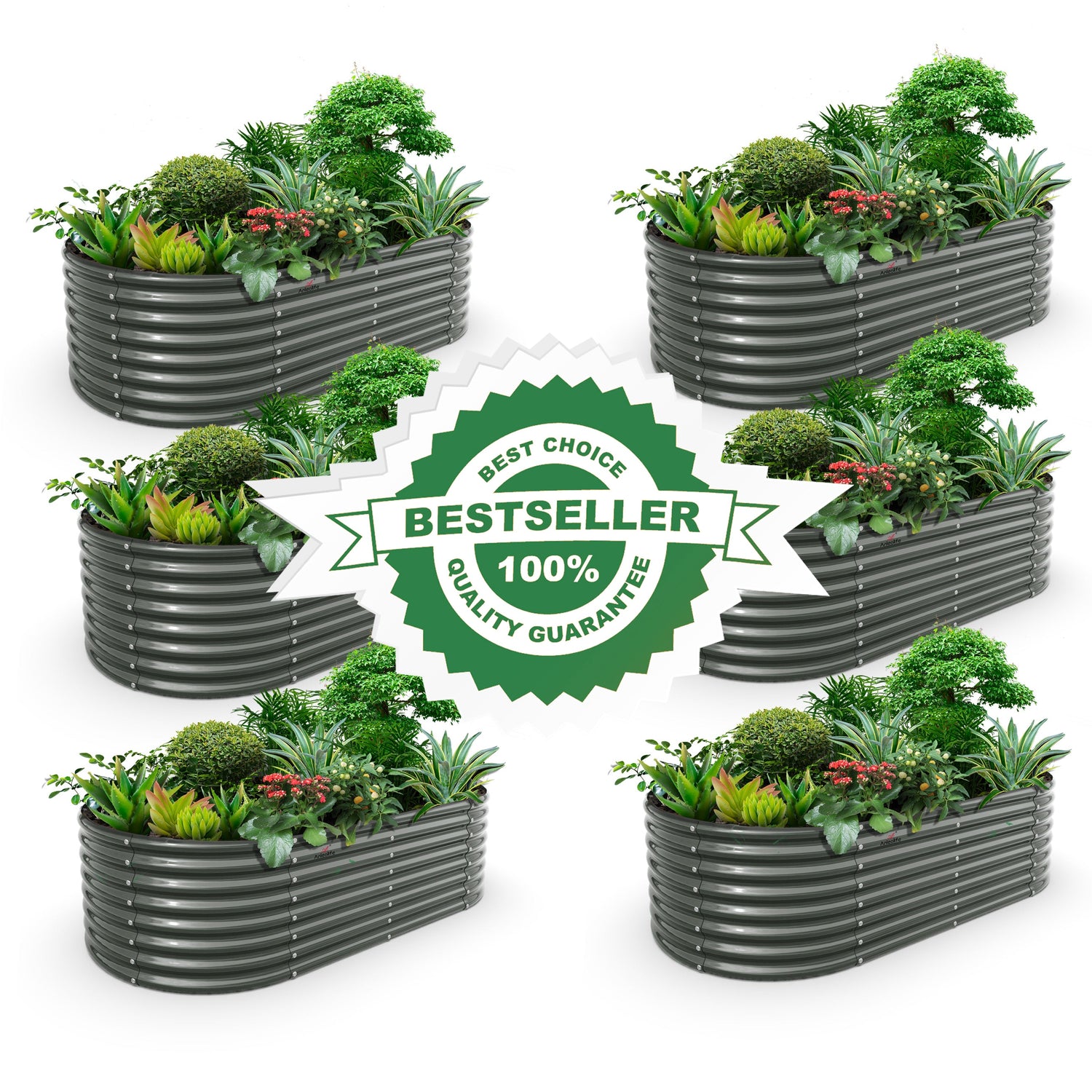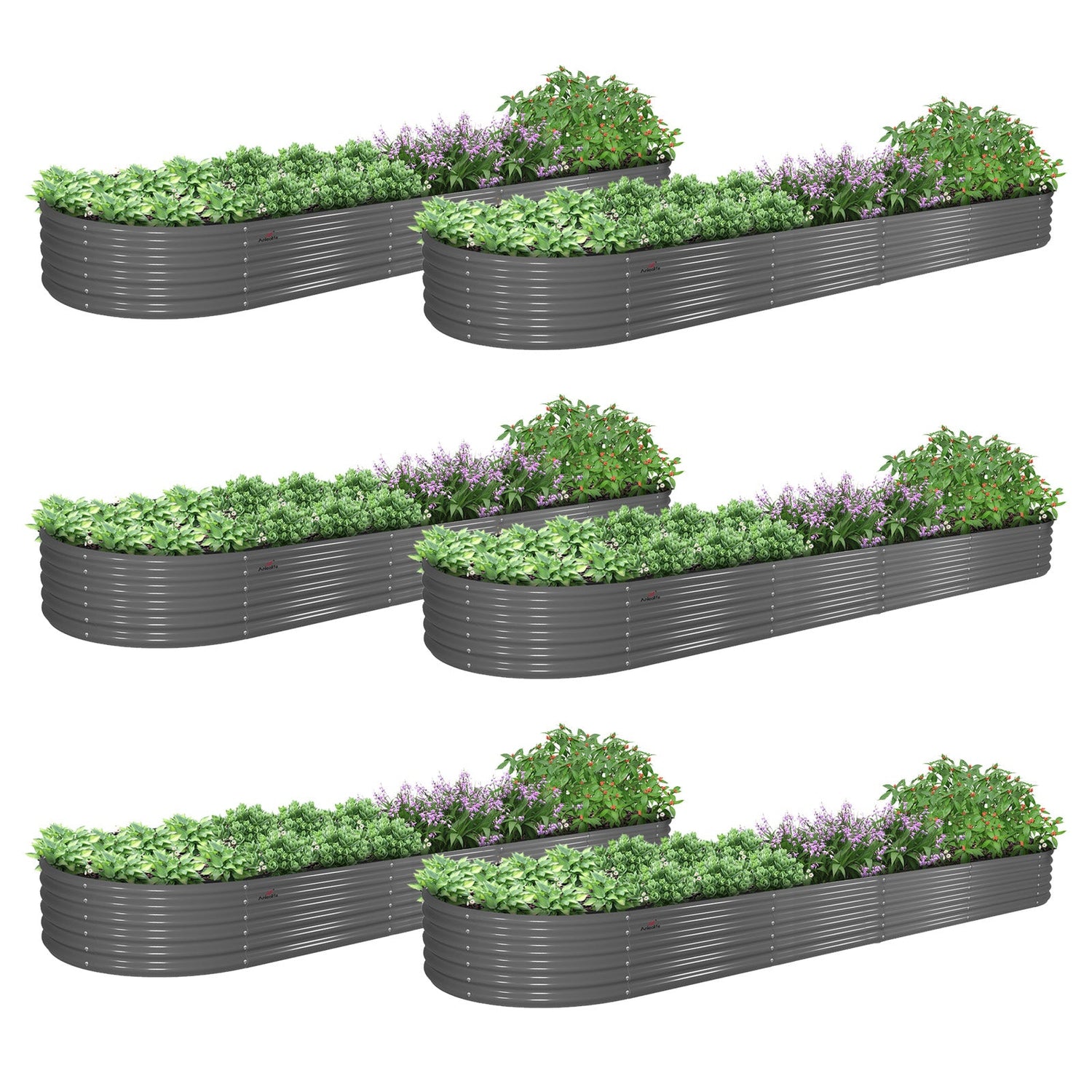



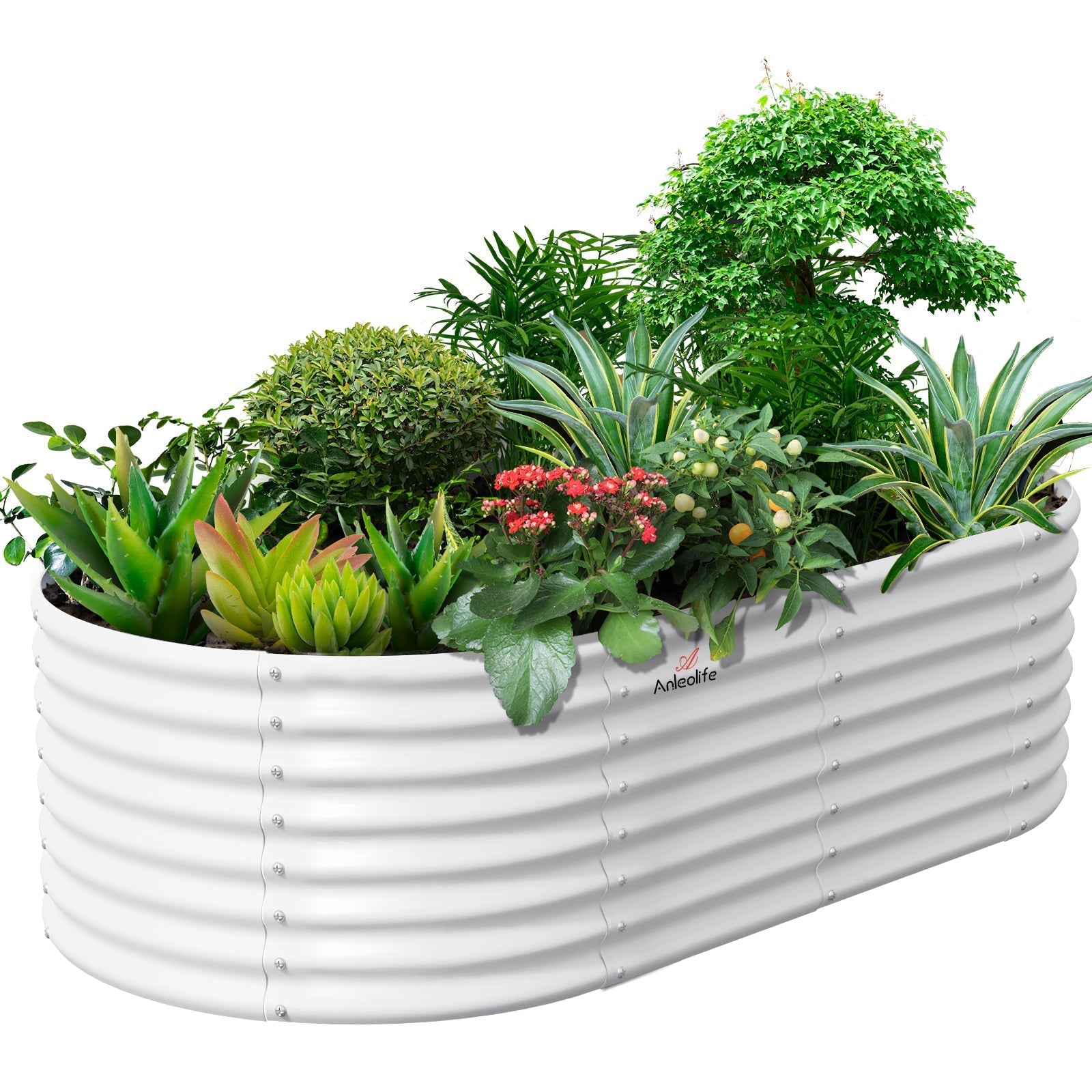
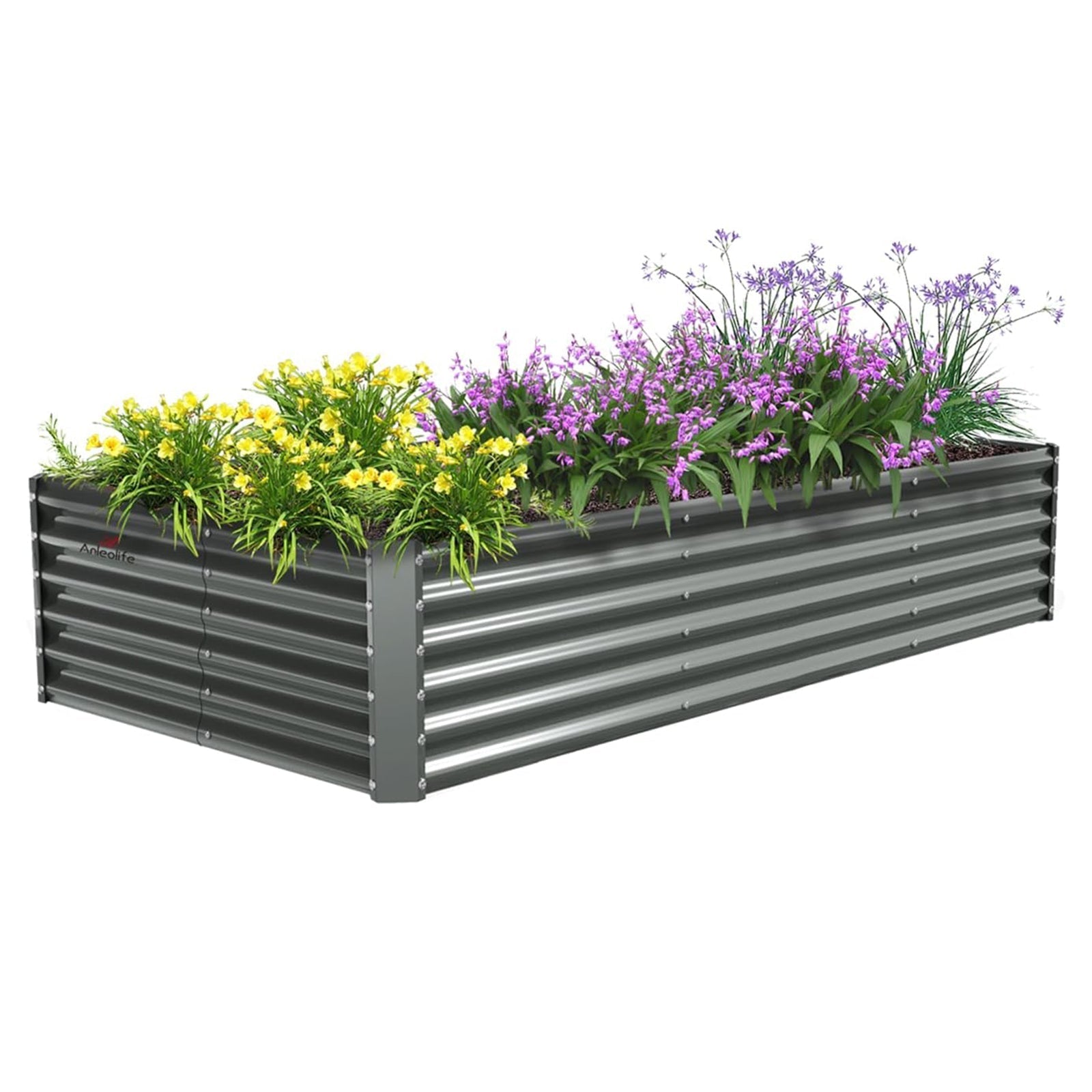

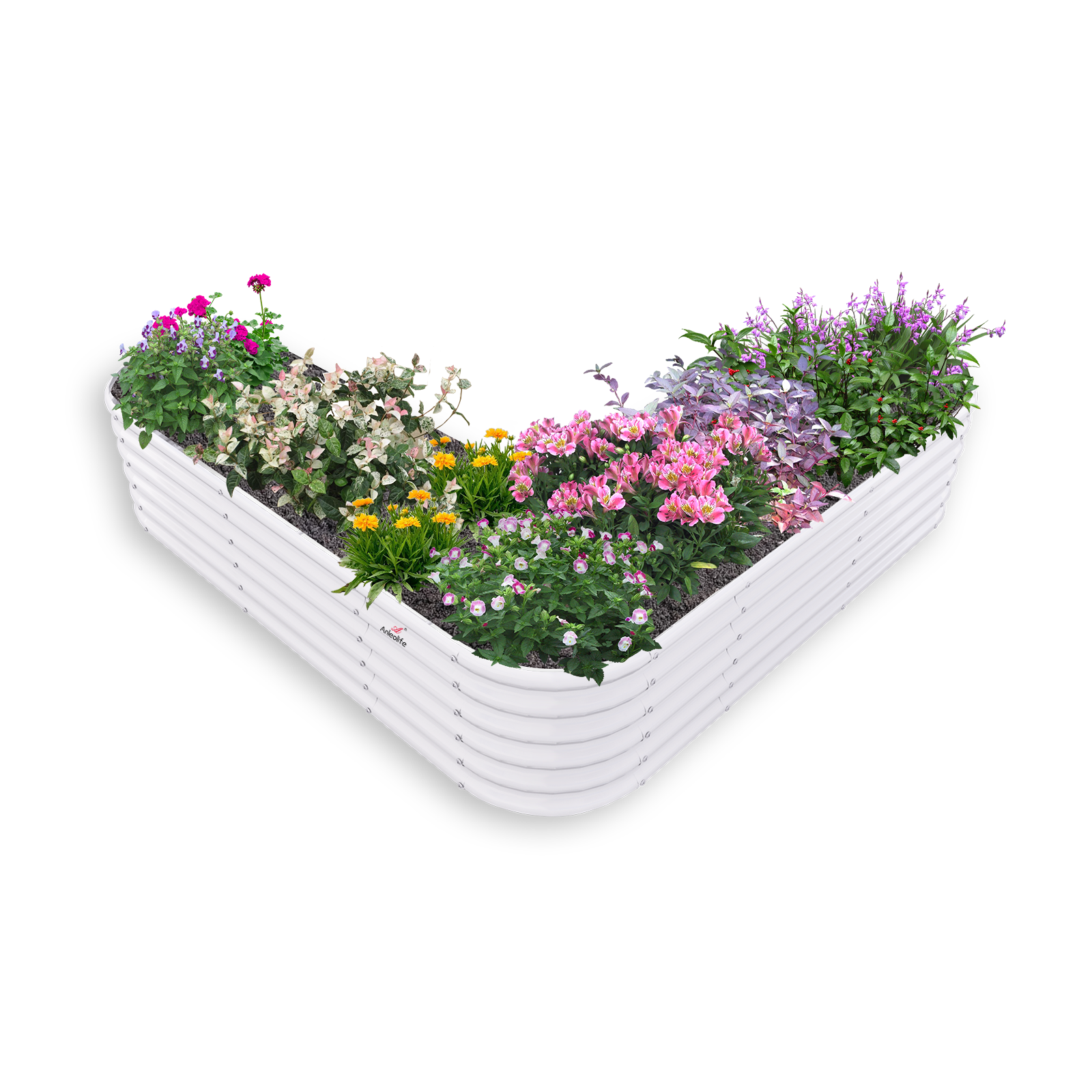
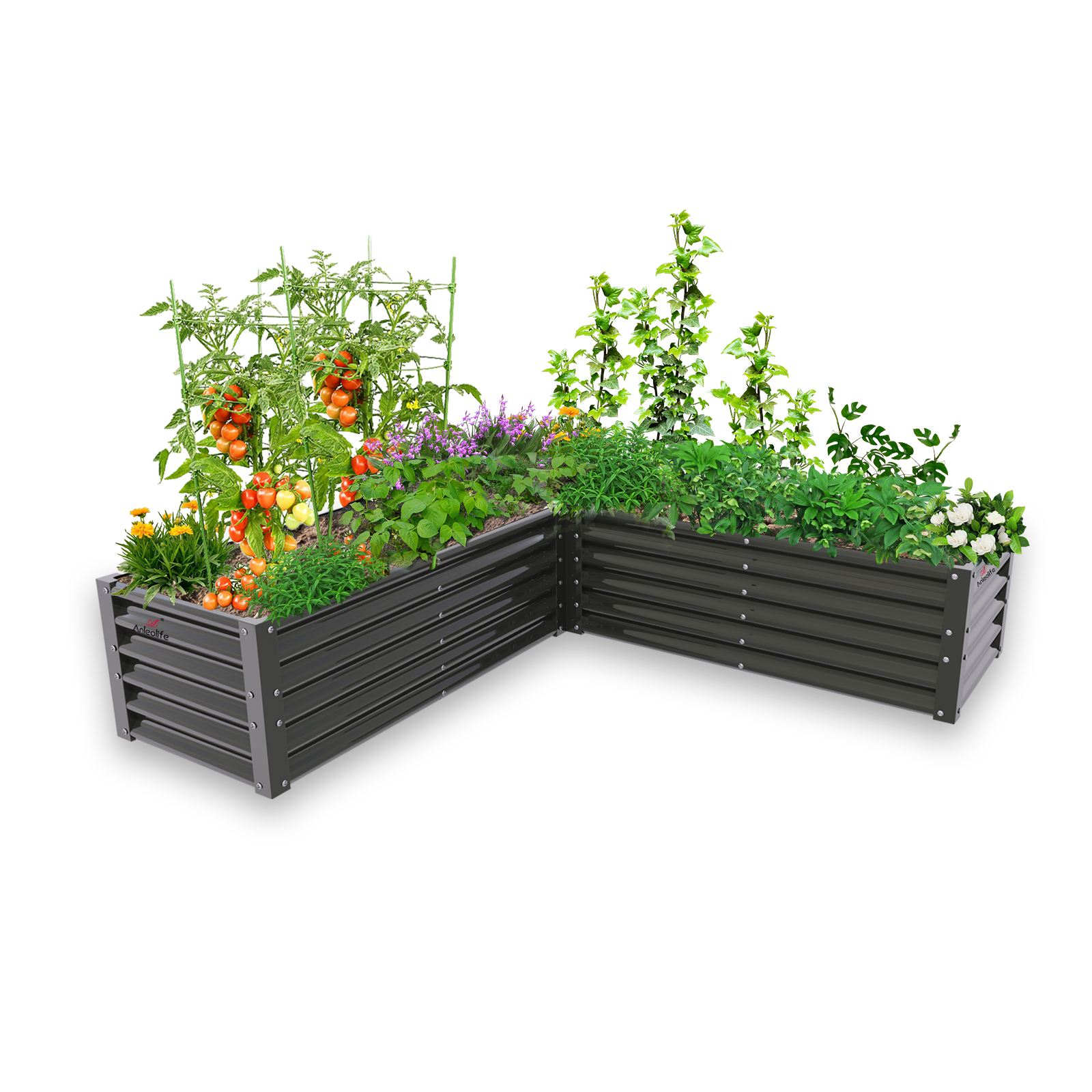
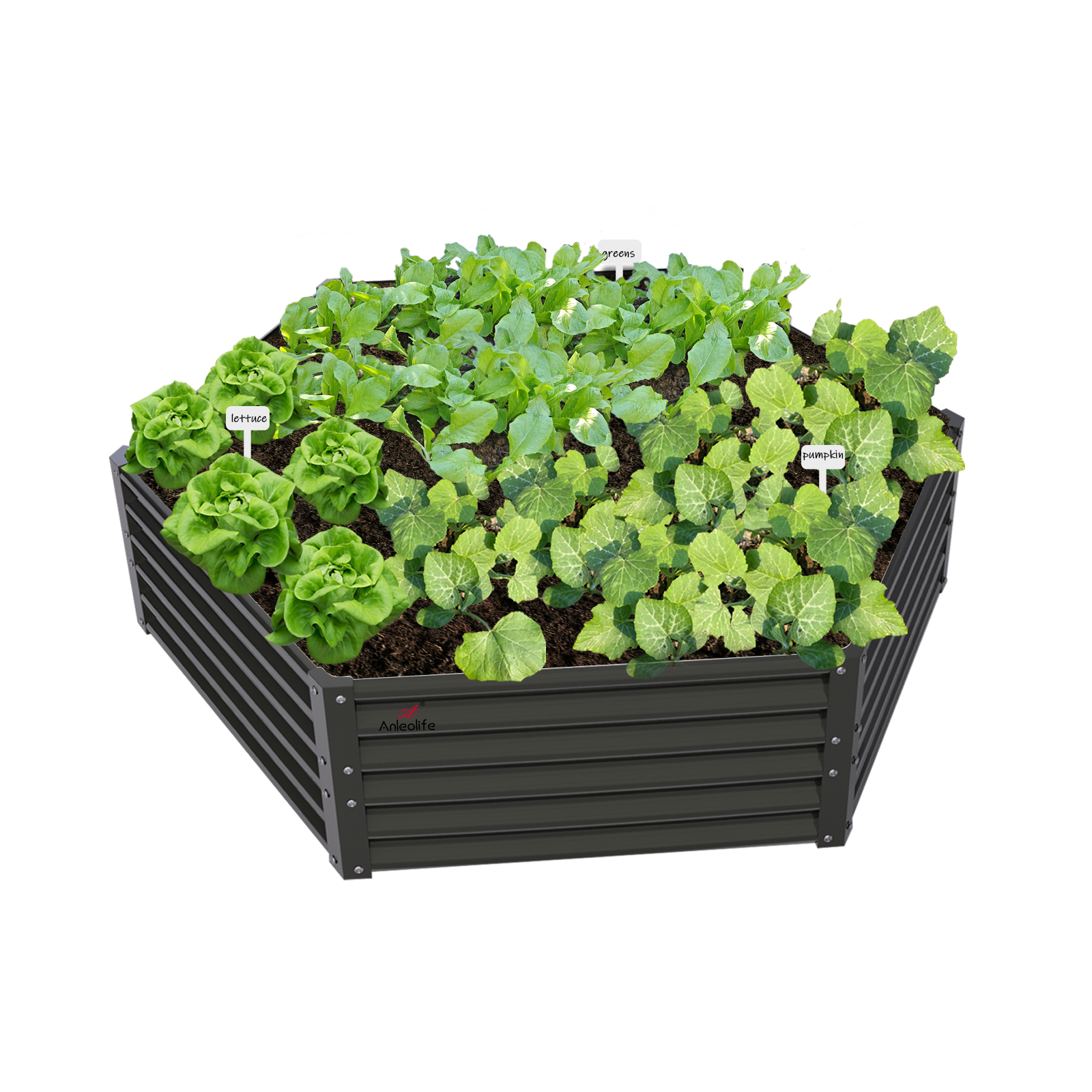
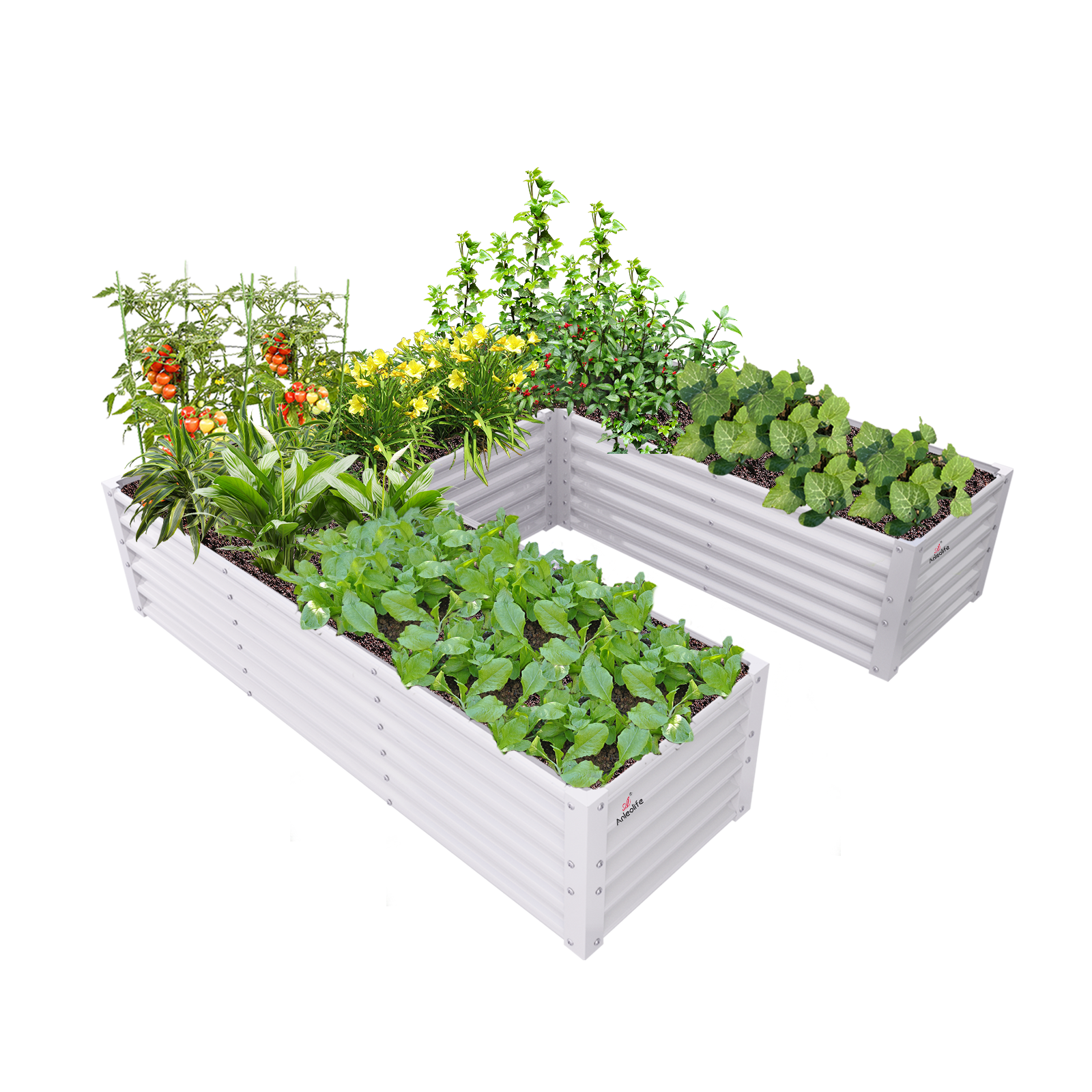

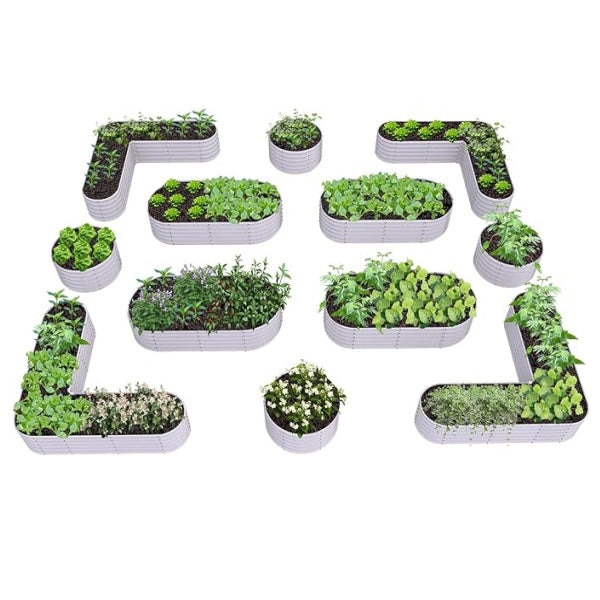


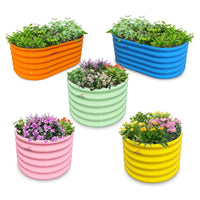
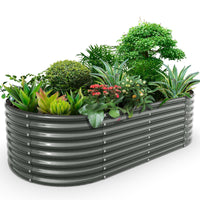



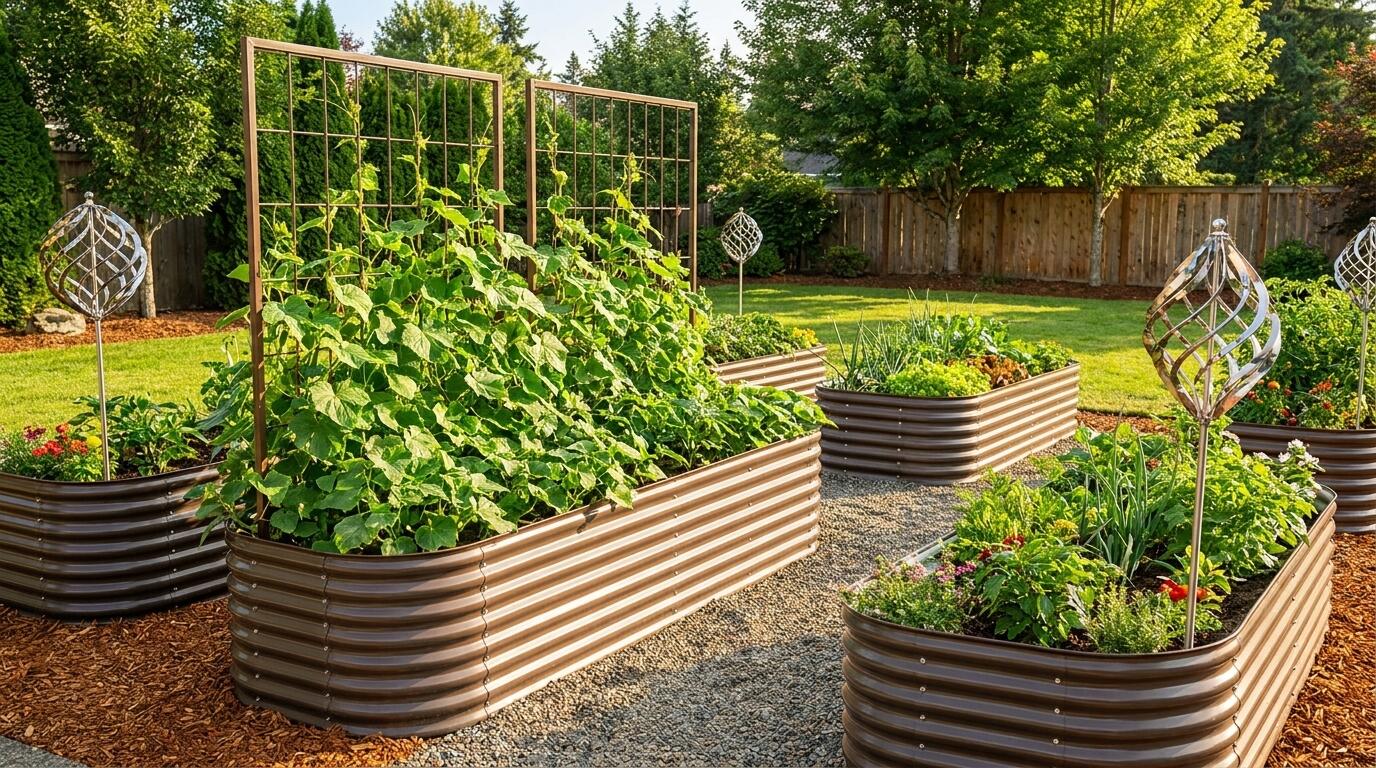
ALT: Backyard garden styled with raised bed layout, garden trellis, kinetic wind spinners, and decorative accessories for curb appeal
Transform Your Backyard: Garden Trellis, Kinetic Wind Spinners, and a Smart Raised Bed Layout That Works
Key Conclusion: A truly beautiful backyard garden isn't just about planting the right flowers — it's about combining structure, movement, and greenery into a cohesive design. By integrating a garden trellis for vertical interest, kinetic wind spinners for dynamic visual appeal, and a thoughtful raised bed layout as the functional foundation, you can create a space that dazzles from the curb and delights every time you step outside. This guide walks you through how to achieve that balance with practical, budget-conscious choices.
Creating a backyard that looks stunning from the street while remaining a joy to use daily requires more than luck — it takes intentional design. Whether you're starting from scratch or refreshing an existing setup, understanding how structural elements like trellises, decorative accents like wind spinners, and functional planting systems like raised beds work together will elevate your entire outdoor experience. The good news? You don't need a landscape architect or a massive budget to make it happen.
Who This Guide Is For (and When It Applies)
✅ Applicable Scenarios:
- Homeowners who want to improve their backyard's visual appeal while also growing food or flowers
- Urban micro-gardeners working with compact spaces who need to maximize every square foot
- Empty nesters and retirees who want a low-maintenance yet visually rich garden they can enjoy year-round
- Eco-conscious growers who want durable, sustainable materials that reduce replacement waste
- Families setting up a raised bed garden layout for the first time and looking for cohesive styling guidance
❌ Not Applicable/Cautions:
- Renters without permission to install permanent ground structures (check lease terms before installing trellises or garden beds)
- Those in HOA communities — always review your homeowner association guidelines before introducing new structural garden elements
- Gardeners in extreme shade conditions, where raised beds and trellises may underperform without supplemental lighting strategies
Why Backyard Garden Styling Has Become a Priority for Modern Homeowners
Over the past several years, the way Americans think about their outdoor spaces has fundamentally shifted. What was once considered purely a utilitarian zone — a patch of grass, maybe a few shrubs — is now treated as a true extension of the home. According to the National Gardening Association, food gardening participation in the U.S. has grown significantly, with millions of households growing their own produce at home. Meanwhile, platforms like Pinterest and Instagram have turned "garden aesthetics" into a genuine design category, with search interest for terms like "raised bed garden layout" and "backyard makeover" hitting all-time highs.
This convergence of function and beauty is exactly why elements like the garden trellis, kinetic wind spinners, and raised beds are appearing together in more and more backyard designs. It's not just about looking good — it's about creating a space that performs well and feels genuinely rewarding to be in.
For homeowners wondering which raised garden bed materials last longest in extreme heat and cold, the answer increasingly points toward galvanized steel as the gold standard — a material that holds up through harsh winters, scorching summers, and everything in between. When your structural garden elements are built to last, you can invest more confidently in the decorative and functional layers on top.
The rise of raised bed gardening also reflects a growing awareness of soil health, water conservation, and physical accessibility. Raised beds let you control your soil environment completely, reduce weed pressure dramatically, and — critically for many gardeners — eliminate the need to bend down to ground level. That last point matters enormously for the millions of home growers managing back pain or joint issues.
From a curb appeal perspective, a well-designed backyard garden signals care, intentionality, and lifestyle investment. It's no coincidence that homes with attractive outdoor spaces tend to generate more interest in real estate markets. Whether you're gardening for your own enjoyment or with an eye on resale value, getting the styling right pays dividends.
Building a Beautiful Backyard Garden: Your Three-Step Styling Framework
Three-Step Quick Start
Step 1: Establish Your Structural Foundation with a Raised Bed Layout
Before you add a single decorative element, your raised bed layout needs to be planned. Think about traffic flow — how will you move through the garden? — and sun exposure — which areas get full sun for 6-8 hours? A basic rule is to orient rectangular beds along a north-south axis to minimize shading. Allow at least 18 inches of walking clearance between beds. This stage typically takes a weekend to plan and another weekend to install, and it determines everything else. Don't rush it.
Step 2: Add Vertical Structure with a Garden Trellis
Once your beds are in place, introduce vertical elements. A garden trellis positioned at the north end of a bed (so it doesn't shade shorter plants) creates instant height and architectural interest. It also expands your planting capacity — cucumbers, beans, climbing roses, and sweet peas all thrive on a trellis, freeing up horizontal ground space. Choose a trellis material that complements your bed material: steel trellises pair beautifully with galvanized steel beds, while painted wood trellises suit cedar or painted-wood aesthetics.
Step 3: Layer in Movement and Whimsy with Kinetic Wind Spinners
The final layer is the one most people overlook: movement. Kinetic wind spinners introduce dynamic visual interest that changes throughout the day as the wind shifts. Place them at the corners of your raised bed garden layout, along fence lines, or at the entrance to your garden path. They catch the light, create gentle motion, and give your backyard a lively, curated feel that static plants and structures alone simply cannot achieve.
Comparing Raised Bed Styles: Which Foundation Works Best for Your Garden Design?
Choosing the right raised bed is the single most impactful decision you'll make in your backyard garden project. The bed isn't just a planting container — it's a visual anchor and a structural investment. Let's compare the main options.
When it comes to longevity and value, galvanized steel consistently outperforms alternatives. As explored in depth in this resource on why galvanized steel is one of the most sustainable raised bed materials, the zinc coating on galvanized steel creates a sacrificial barrier that prevents rust and oxidation for decades — making it genuinely eco-friendly by reducing replacement cycles.
| Comparison Dimension | Galvanized Steel | Cedar Wood | Plastic/Composite |
|---|---|---|---|
| Typical Lifespan | Up to 20 years | 5–10 years | 3–7 years |
| Rust/Rot Resistance | Excellent | Moderate | Good |
| Curb Appeal | Modern, sleek, professional | Warm, natural, classic | Variable (often less elegant) |
| Height Options | Multiple (18"–35"+) | Limited | Limited |
| Soil Capacity | Large | Moderate | Small to moderate |
| Eco-Sustainability | High (recyclable steel) | Moderate (sustainably sourced) | Low (petroleum-based) |
| Maintenance Required | Very low | Moderate (sealing/staining) | Low |
| Best For | Long-term investment, all climates | Aesthetic-first gardens | Temporary or budget setups |
Anleolife's galvanized steel raised garden beds are rated for up to 20 years of lifespan, which means a single purchase can serve your garden through two full decades of planting seasons — far outlasting wood or plastic alternatives.
Designing Your Raised Bed Garden Layout for Maximum Visual Impact
Spacing, Symmetry, and Flow
The raised bed garden layout is the backbone of your backyard design. A poorly arranged set of beds — even beautiful ones — can make a space feel cluttered and chaotic. A well-arranged layout creates a sense of intention and calm.
Start with symmetry when possible. Two identical beds flanking a central pathway create a formal, elegant look that photographs beautifully and is easy to navigate. For a more relaxed, cottage-garden feel, try an asymmetrical arrangement with beds of varying sizes grouped around a central open area or seating spot.
Pathway materials matter more than most gardeners realize. Gravel, stepping stones, mulched paths, and pavers all create different moods. Gravel reads as modern and low-maintenance. Mulch feels naturalistic. Stepping stones in an irregular pattern feel casual and inviting. Whatever you choose, keep it consistent throughout the garden to unify the overall look.
Height Variation Creates Depth and Accessibility
One of the most underutilized tools in raised bed garden design is height variation. Using beds of different heights creates visual layering that makes the garden look professionally designed rather than simply functional.
For reference, Anleolife offers a wide spectrum of heights — from 18-inch standard beds suited for root vegetables and greens, to extra-tall 24-inch and 30-inch options ideal for deeper root systems or reduced-bend gardening. Their 35-inch waist-high beds (available in a 4x1.5 ft configuration) are specifically designed for gardeners who need to garden with minimal bending — a game-changer for anyone managing back problems.
What's the best height for a raised garden bed if you have back problems? Most ergonomists and garden therapists recommend a minimum of 24 inches for comfortable access without bending, with 30–35 inches being optimal for standing-height gardening. Anleolife's 30-inch extra-tall and 35-inch waist-high beds directly address this need without sacrificing style.
For those managing compact spaces, the multi-bed garden layout ideas for yards between 600 and 1,000 sq.ft. resource offers specific configuration strategies that maximize production and visual appeal within typical suburban lot constraints.
Integrating a Garden Trellis into Your Bed Layout
A garden trellis does double duty: it's a functional support structure and a major design element. When positioned thoughtfully, a trellis can define the "backdrop" of your garden, creating a visual frame that makes the entire planting area feel more intentional.
Consider these placement strategies:
- Against a fence or wall: Mount a trellis flat against an existing fence to train climbing plants and add a layered green wall effect. This works especially well with roses, clematis, or espalier fruit trees.
- Free-standing at bed ends: A trellis at the head of a rectangular raised bed creates a natural focal point. This is perfect for cucumbers, pole beans, or ornamental vines.
- As a divider between garden zones: Use taller trellis panels to visually separate a vegetable growing area from a seating or entertaining zone, adding privacy while maintaining an open, airy feel.
Materials to consider: powder-coated steel trellises are rust-resistant and maintenance-free; bamboo trellises are lightweight and eco-friendly but less durable; wooden lattice trellises are charming but require periodic maintenance. For a cohesive look with galvanized steel raised beds, powder-coated or galvanized steel trellises are the natural partner.
Using Kinetic Wind Spinners as Finishing Accents
Kinetic wind spinners are the secret weapon of professional garden stylists. They work on a simple principle: movement draws the eye and creates a sense of vitality. A garden full of static elements — even beautiful ones — can feel flat. Wind spinners break that flatness in the most elegant way possible.
Placement tips for maximum impact:
- At entry points: A single large wind spinner at the entrance to your garden path signals that something special lies ahead. It creates anticipation and sets the mood before visitors even see the beds.
- In corners: Corner placements balance the visual weight of the composition. If your layout has four bed corners, placing matching small wind spinners at each one creates a unified, curated look.
- At varying heights: Mix ground-stake spinners with taller pole-mounted versions to create visual rhythm across different height levels.
- Near reflective surfaces: Wind spinners placed near a garden pond, birdbath, or glass globe stake produce beautiful light interactions throughout the day.
Material considerations: stainless steel spinners are the most durable and reflective. Painted metal spinners offer more color variety. Glass-ball varieties create rainbow light effects. For a modern, sophisticated backyard, stainless steel kinetic wind spinners paired with galvanized steel raised beds create a cohesive metallic palette that feels intentional and high-end.
Soil Systems: The Hidden Foundation of a Beautiful Garden
No amount of stylish trellising or decorative wind spinners will compensate for poor soil. Raised bed gardening offers the unique advantage of complete soil control — you build your growing medium from scratch rather than inheriting whatever the native soil happens to be.
For tall raised beds (30 inches and above), filling the entire bed with premium topsoil is neither necessary nor cost-effective. Layering strategies — using coarser organic materials in the lower levels and premium blended soil in the upper growing zone — dramatically reduce costs without compromising plant performance. For detailed guidance on this, see this resource on layering methods for filling raised garden beds without buying all topsoil.
A good general-purpose raised bed mix combines quality topsoil, compost, and a coarse amendment like perlite or coarse sand for drainage. The ratio depends on what you're growing, but a balanced, well-draining mix supports a much wider variety of plants and reduces the watering frequency that can be a burden in hotter climates.
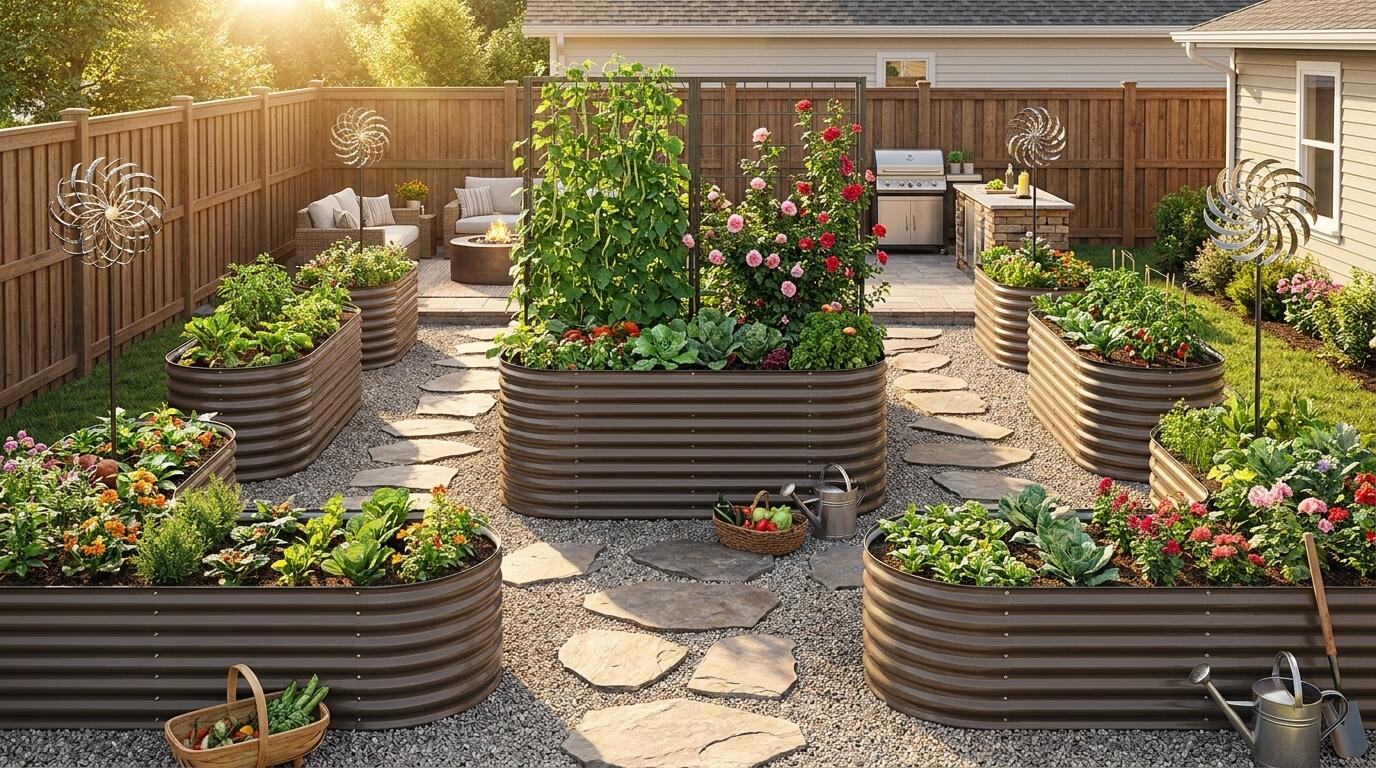
ALT: Galvanized steel raised bed garden layout styled with garden trellis, kinetic wind spinners, and decorative pathway for curb appeal and everyday enjoyment
Advanced Styling Tips: Taking Your Backyard from Good to Great
Handling Challenging Spaces
Narrow side yards often get neglected but represent prime garden real estate. A single row of tall raised beds paired with a wall-mounted garden trellis can transform a forgotten corridor into a productive kitchen garden. Anleolife's modular raised garden beds offer particularly flexible configurations for these irregular spaces — you can create L-shapes, stagger rows, or link multiple units to fit an unusual footprint.
Sloped ground requires leveling work before installing raised beds, but the beds themselves actually help manage slope erosion by creating defined, level planting zones. Stacking beds at different elevations on a slope creates a dramatic terraced effect that looks like it was designed by a landscape professional.
Small patios and balconies benefit enormously from container gardening principles applied to raised beds. For the best container gardening setup for small patios, look for raised beds with compact footprints and generous depth — the 22-inch tall 4x2 ft rust-resistant beds, for example, deliver serious growing depth without consuming much floor space. Pair with a lightweight trellis and a small tabletop kinetic spinner for a complete balcony garden experience.
Common Misconceptions About Garden Styling
Misconception #1: "More plants = more beautiful."
In reality, overcrowding plants in raised beds reduces yields, increases disease pressure, and makes the garden look messy rather than lush. Strategic spacing with mulched soil showing between plants actually photographs better and performs better.
Misconception #2: "Decorative elements are frivolous."
Wind spinners, trellises, and pathway markers aren't luxuries — they're structural elements of the design that guide the eye, define space, and create scale. They are as important to the finished look as the plants themselves.
Misconception #3: "Steel beds look industrial and cold."
Modern galvanized steel raised garden beds, when paired with warm-toned mulches, lush plantings, and natural materials like wood edging or stone pathways, create a sophisticated contemporary aesthetic that is widely considered among the most attractive options available for home garden design in 2025.
Pairing Your Raised Beds with Anleolife's Full Ecosystem
Anleolife's product philosophy centers on a complete garden ecosystem. Their beds work as the planting core, but the full experience extends into the Raising scenario (chicken coops, rabbit hutches for those who want to integrate small animals into their garden ecosystem) and Beautification scenario (decorative accessories and pathway systems). This means as your garden ambitions grow, you won't need to pivot to a different brand — every addition integrates naturally with the existing setup.
Frequently Asked Questions FAQ
Q1: How do I choose the right raised bed height for someone with back problems?
For gardeners managing back pain, the height of your raised bed is arguably the most important decision you'll make. A minimum of 24 inches eliminates the need to get down on hands and knees, while 30 inches allows most adults to tend plants from a standing or stool-seated position with minimal bending. Anleolife's 35-inch waist-high beds (available in 4x1.5 ft configuration) represent the most ergonomically accommodating option in their lineup and are especially well-suited for older gardeners, those with chronic lower back issues, or anyone recovering from surgery.
Q2: Are galvanized steel raised beds safe for growing vegetables?
Modern galvanized steel raised beds are widely considered safe for vegetable gardening by horticultural authorities and extension services. The zinc coating that gives galvanized steel its rust resistance is the same mineral supplement used in soil and plant nutrition. At the trace levels that might leach into soil, zinc is not considered a meaningful health risk for edible crops. Research from university extension programs consistently supports galvanized steel as a safe and durable material choice for food gardening applications.
Q3: How long does it take to receive Anleolife raised beds after ordering?
Anleolife operates a strategic warehouse network across six U.S. states — California, Texas, Florida, New York, Illinois, and Washington — ensuring that orders reach customers within 3–8 business days regardless of where you're located in the continental U.S. This nationwide distribution infrastructure means your garden upgrade plans aren't delayed by long shipping windows. Products are also available on Amazon, Walmart, Home Depot, Lowe's, and Wayfair, in addition to the official Anleolife.com website.
Summary
Styling your backyard garden for both curb appeal and daily enjoyment comes down to three interlocking principles that this guide has explored in depth.
First, your raised bed layout is the foundation. Invest in materials that will last — galvanized steel rated for up to 20 years of use is the clear leader here — and plan your layout with both visual balance and functional flow in mind. Height variation, pathway materials, and bed sizing all contribute to a garden that looks designed rather than assembled.
Second, vertical structure through a garden trellis multiplies both your growing capacity and your visual impact. A trellis positioned thoughtfully within or adjacent to your raised beds creates architectural scale, supports productive climbing plants, and gives your garden a backdrop that makes everything in front of it look more intentional.
Third, kinetic wind spinners are the finishing touch that transforms a good garden into a memorable one. Movement, light reflection, and dynamic visual interest are the elements that make people stop and look twice from the street — and that make the garden a genuinely enjoyable place to spend time in.
Your next steps: start with your raised bed layout plan (sketch it on paper before you buy anything), then select beds that match your height needs and aesthetic vision, and finally layer in your trellis and decorative elements once the structural foundation is established.
Ready to Begin?
Anleolife's nationwide U.S. warehouse network — strategically located in California, Texas, Florida, New York, Illinois, and Washington — ensures delivery within 3–8 business days, so your garden upgrade plans never have to wait.
Products are available across all major platforms including Amazon, Walmart, Home Depot, Lowe's, Wayfair, and the official Anleolife.com website, providing consistent quality assurance and after-sales support wherever you prefer to shop.
Anleolife's three core scenarios — Planting (metal raised garden beds, soil systems), Raising (chicken coops, rabbit hutches), and Beautification (decorative accessories, pathway systems) — cover the complete spectrum from functional growing infrastructure to visual finishing touches, meeting every need from practicality to aesthetics.
We understand that an ideal garden is not built overnight, but gradually improved over time. Our modular product design allows flexible expansion based on your needs — from your first raised garden bed to a fully integrated planting-and-raising ecosystem. We grow with you every step of the way.
References
- National Gardening Association. "Food Gardening in the United States".
https://garden.org/special/pdf/2014-NGA-Garden-to-Table.pdf - University of California Agriculture and Natural Resources. "Raised Bed Gardening".
https://ucanr.edu/sites/master_gardeners/files/183107.pdf - U.S. Department of Agriculture (USDA). "Urban Agriculture and Home Gardening Resources".
https://www.usda.gov/topics/farming/urban-agriculture - Penn State Extension. "Raised Bed Gardening".
https://extension.psu.edu/raised-bed-gardening - Clemson University Cooperative Extension. "Raised Bed Gardening".
https://hgic.clemson.edu/factsheet/raised-bed-gardening/
Note: Standards and recommendations may be updated. Please check the latest official documents or consult professional garden advisors for the most current guidance.
About Anleolife
Anleolife is a leading outdoor garden solutions provider in North America, dedicated to offering a full-scenario product ecosystem for home gardening enthusiasts, covering planting, raising, and garden beautification. Since its founding, we have upheld our brand mission, "Made for Garden Life," continuously innovating products and optimizing services to help hundreds of thousands of users upgrade their gardens, reconnect with nature, and enjoy a better garden lifestyle.