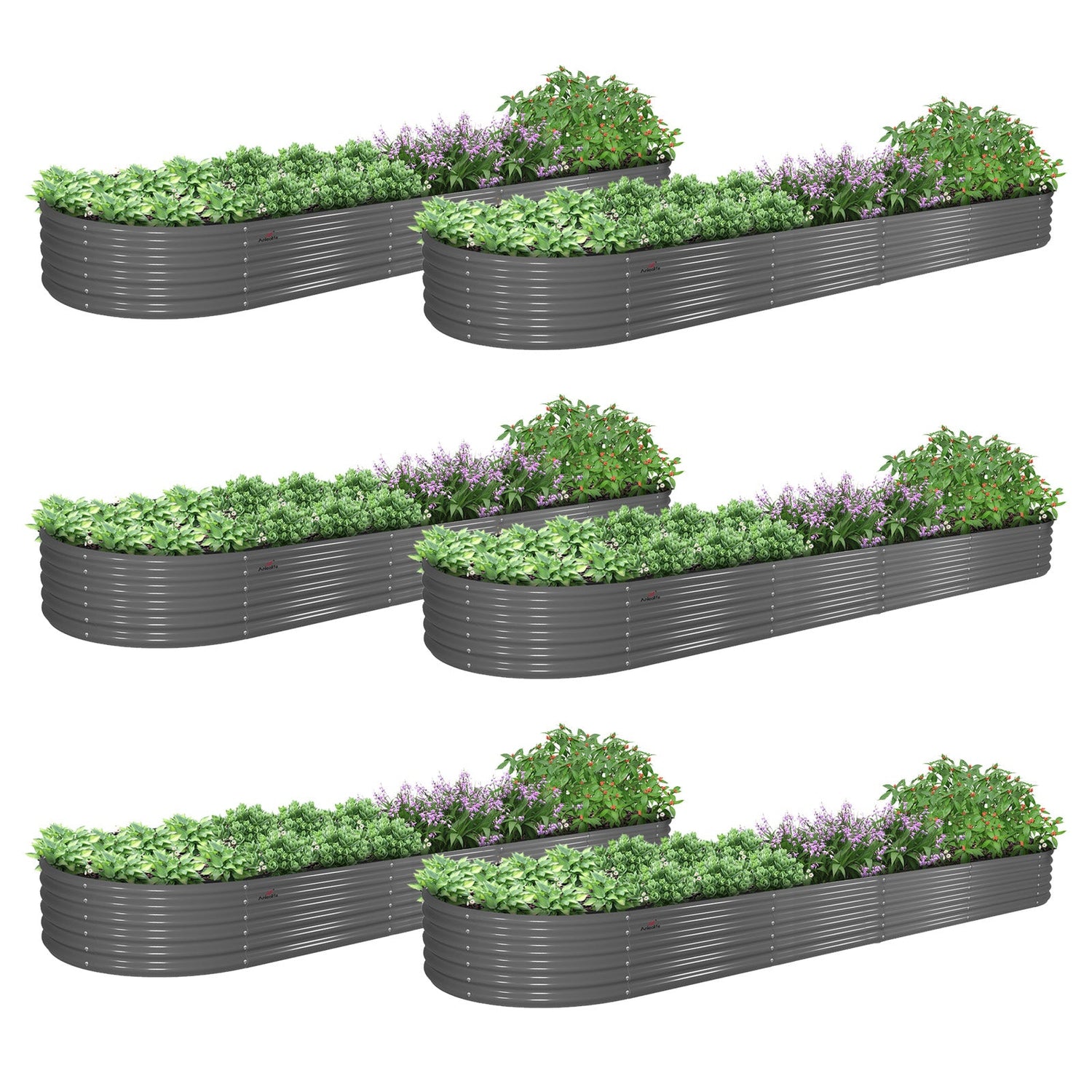



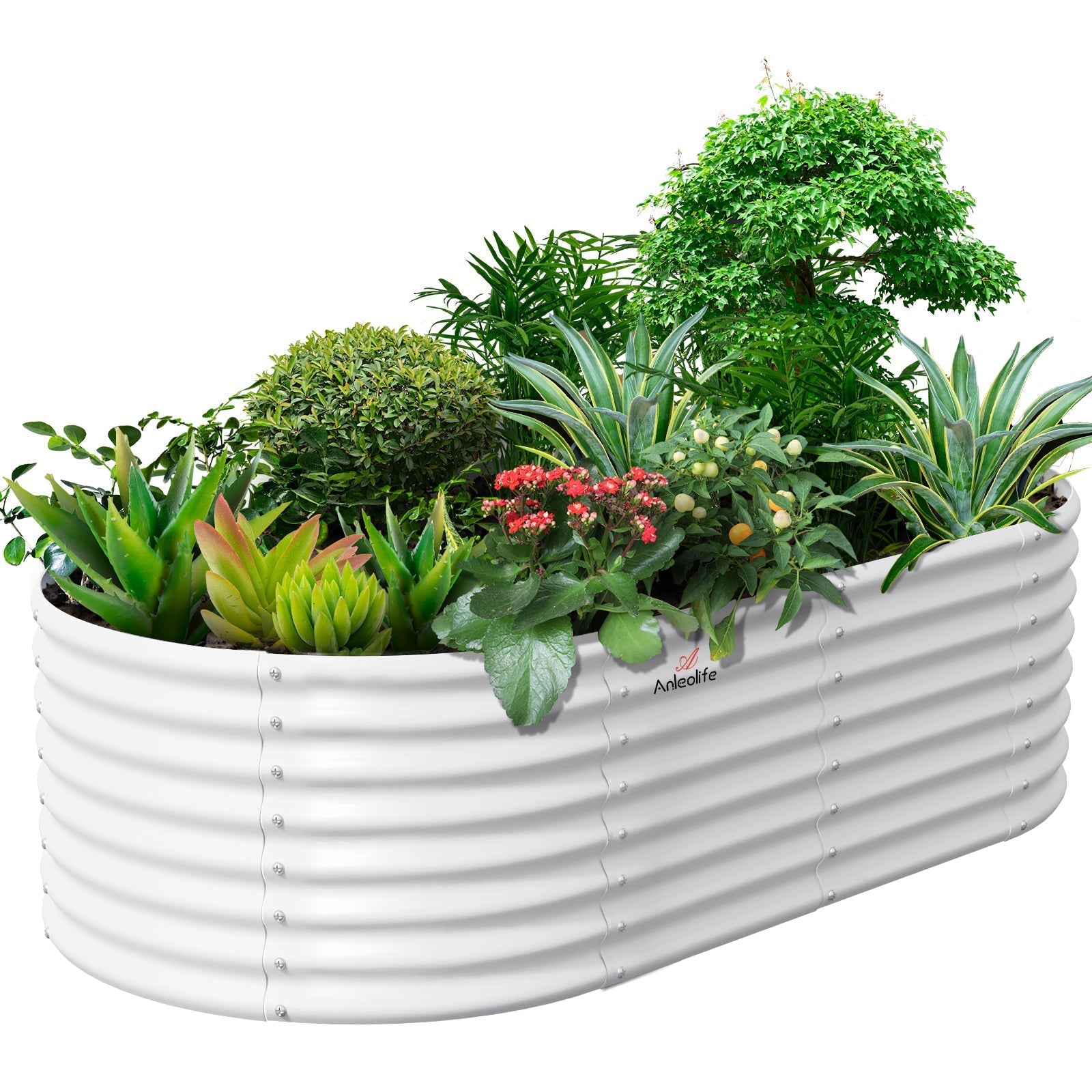
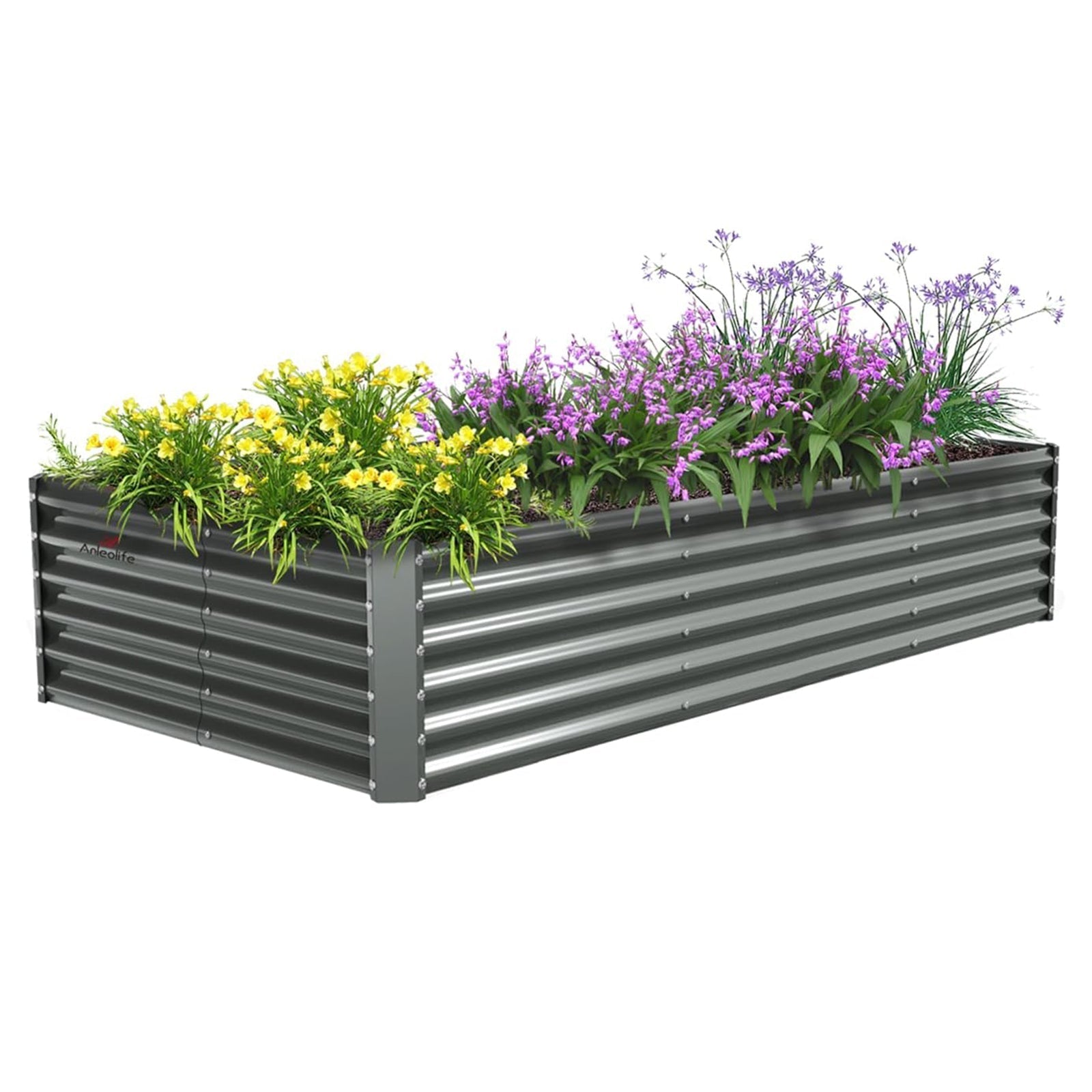

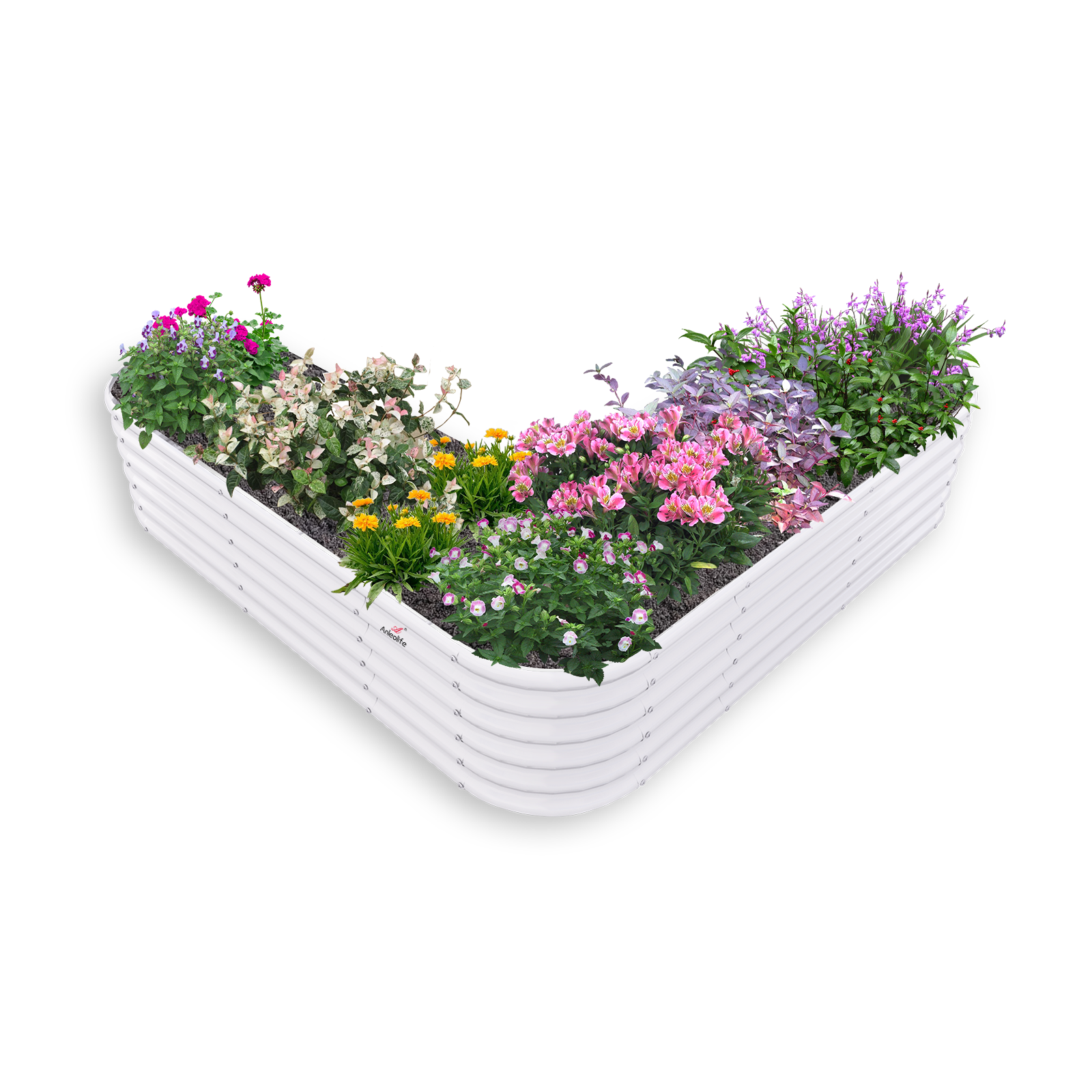
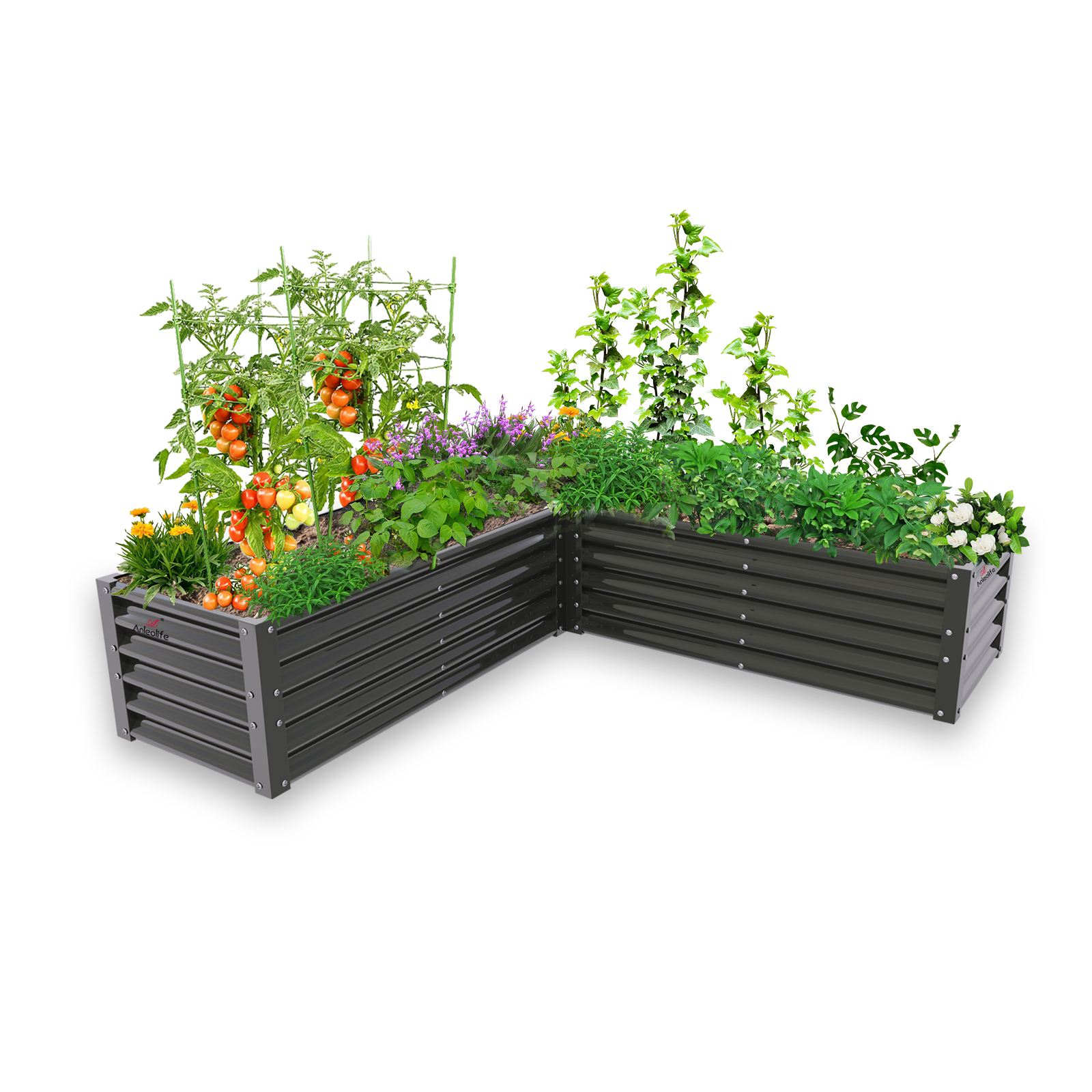
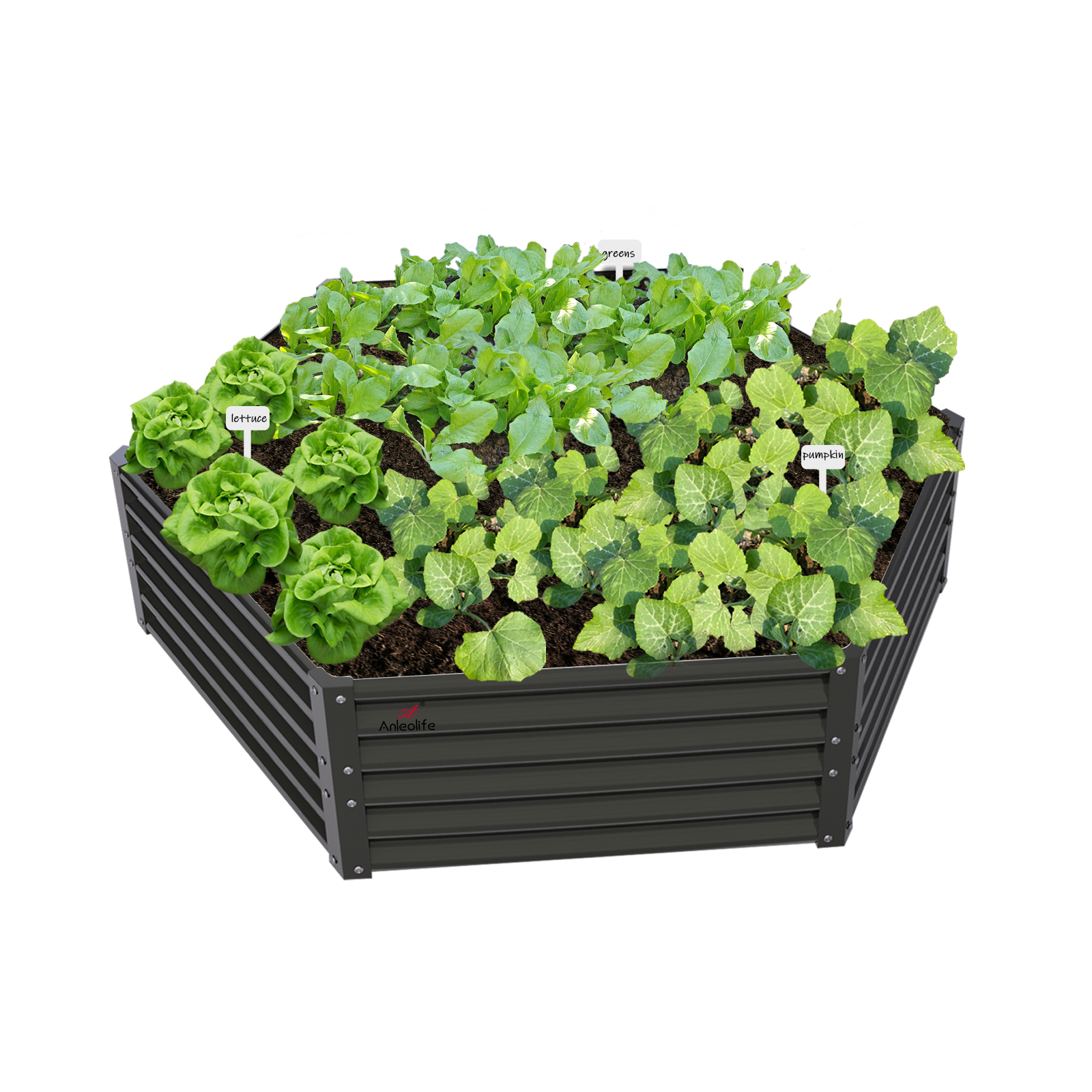
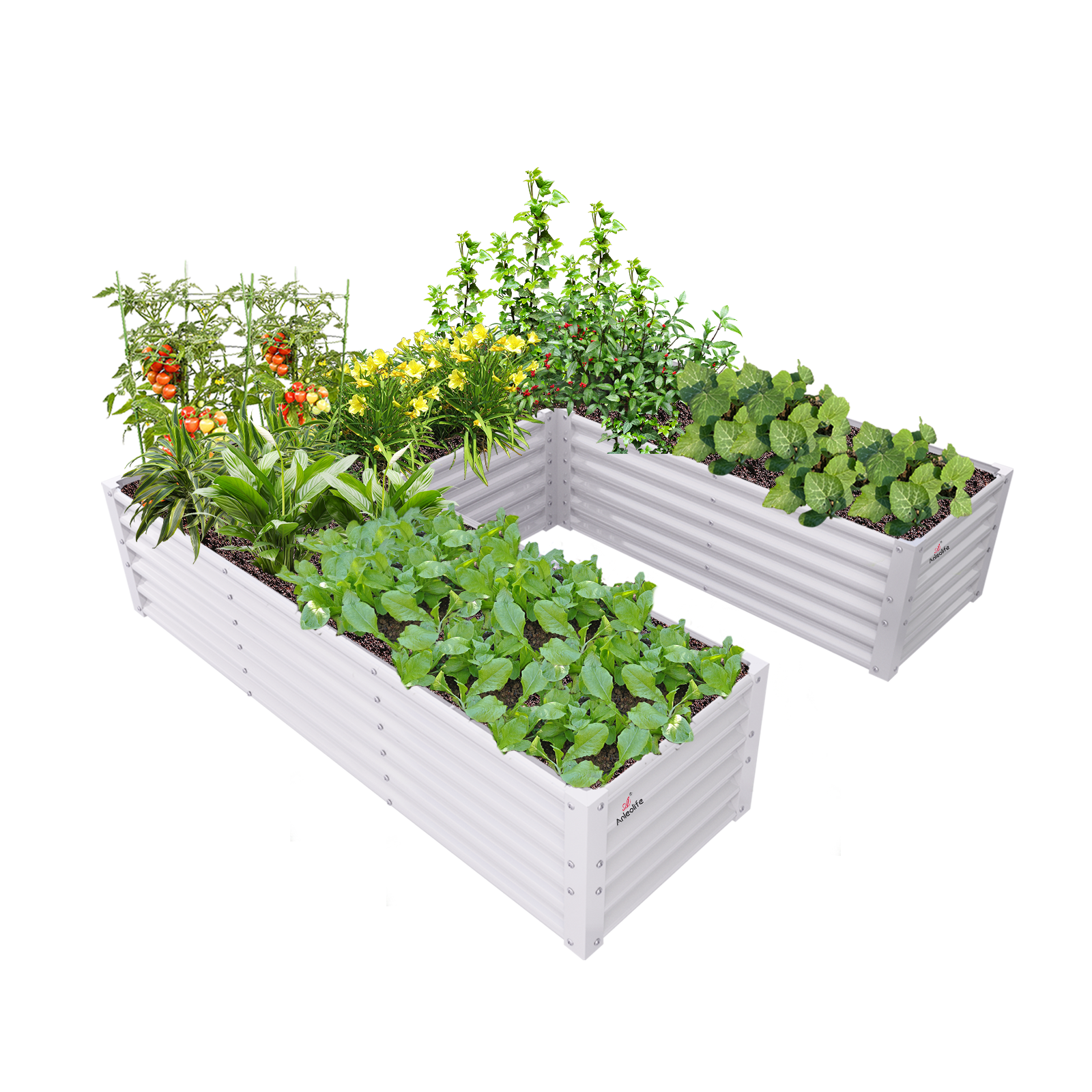

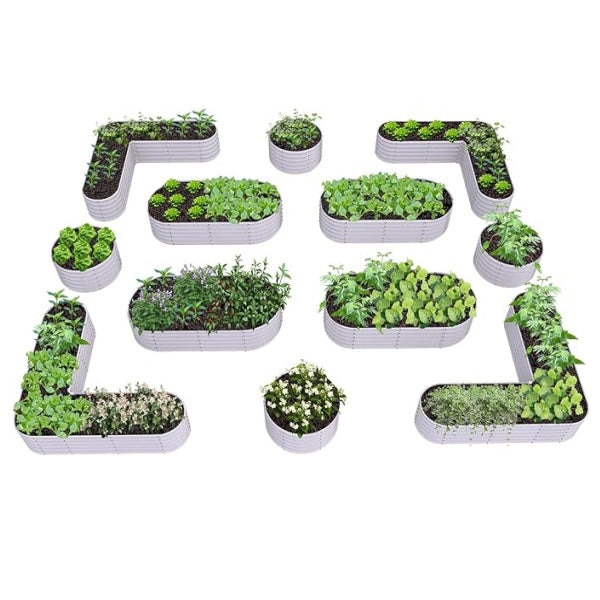


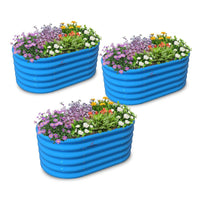
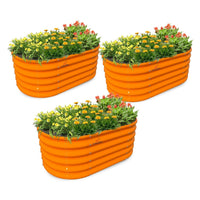
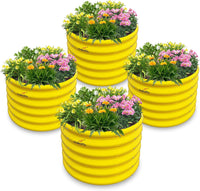
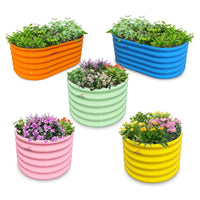
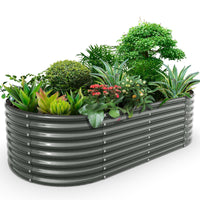




ALT: Creative firewood log rack ideas for organizing outdoor space and keeping wood dry during winter
Firewood Log Rack Ideas to Transform Your Outdoor Space This Winter
Key Conclusion: A well-organized firewood storage system is one of the smartest investments you can make for winter readiness. Whether you're stacking cords of hardwood for a wood-burning stove or simply keeping a modest supply near the back door, the right firewood log rack keeps wood dry, promotes airflow, deters pests, and adds visual order to your yard. From freestanding metal racks to rustic DIY structures, the best firewood log rack ideas combine function, durability, and curb appeal in equal measure.
Winter preparedness goes far beyond stocking up on blankets and hot cocoa. For homeowners who rely on firewood—whether for a cozy fireplace, a wood-burning insert, or an outdoor fire pit—having a reliable, well-organized log storage solution is essential. Without proper storage, firewood absorbs moisture, invites pests, and becomes a cluttered eyesore in your yard.
The good news is that firewood storage has evolved far beyond the simple pile in the corner. Today's outdoor space organization solutions range from sleek galvanized steel racks to creative DIY stacking methods that double as garden features. In this guide, we'll walk through the best firewood log rack ideas, materials, placement strategies, and maintenance tips to help you stay warm and organized all winter long.
Who This Guide Is For
✅ Applicable Scenarios:
- Homeowners with wood-burning fireplaces, stoves, or outdoor fire pits who need reliable firewood storage
- Garden and outdoor living enthusiasts looking to improve the organization and aesthetics of their backyard or patio
- DIY-minded individuals who want to build custom log racks using affordable materials
- Empty nesters and retirees who heat their homes with wood and need accessible, easy-to-maintain storage systems
- Urban and suburban homeowners with limited outdoor space who need compact, efficient firewood storage solutions
❌ Not Applicable/Cautions:
- Renters or apartment dwellers without outdoor space or who are restricted from modifying exterior areas
- Homeowners in wildfire-prone regions where storing firewood near structures may violate local fire codes (always check local ordinances before positioning your rack)
- Anyone looking for indoor firewood storage solutions—most of the ideas here are designed for covered outdoor or semi-exposed environments
Why Firewood Organization Matters More Than You Think
Most homeowners don't give firewood storage much thought until they're trudging through snow to dig out a soggy, half-rotten log on a February evening. Proper firewood log rack organization isn't just about tidiness—it directly affects how well your wood burns, how long it stays usable, and whether your outdoor space remains safe and pest-free throughout winter.
The Problem with Improper Firewood Storage
Firewood stored directly on the ground or in an unorganized pile creates several serious issues:
Moisture absorption is the number one enemy of firewood quality. Wood that sits on wet ground or lacks airflow beneath the stack retains moisture, leading to poor combustion, increased creosote buildup in chimneys, and frustrating fire-starting experiences.
Pest infestation is another major concern. Termites, carpenter ants, bark beetles, and rodents all love to nest in loosely piled, damp wood. Storing firewood too close to your home—especially without elevation—significantly raises the risk of these pests migrating indoors. This connects to a question many gardeners ask: what pests damage vegetable gardens most? The same wood-loving insects that ruin logs can also invade garden beds, compost areas, and planting zones nearby.
Visual clutter diminishes the appeal of even the most carefully tended backyard. A disorganized woodpile can undermine all the effort you've put into landscaping, raised garden beds, and outdoor décor.
The Market Trend: Functional Outdoor Storage Meets Aesthetic Design
According to the American Hearth, Patio & Barbecue Association, demand for outdoor living products—including firewood storage solutions—has grown consistently in recent years, as more homeowners invest in creating functional, beautiful outdoor spaces. This trend reflects a broader shift: people want their yards to work hard and look great. That's why the firewood log rack market now spans everything from minimalist powder-coated steel frames to rustic wooden cribs and architectural storage features built into landscape walls.
If you're already investing in your outdoor space with raised garden beds, decorative pathways, or poultry-raising setups, adding a well-designed firewood rack is the natural next step toward a fully organized, intentional outdoor environment.
Firewood Log Rack Ideas: Your Complete Planning and Setup Guide
Three-Step Quick Start for Firewood Storage
Step 1: Assess Your Firewood Volume and Space
Before purchasing or building a rack, calculate how much firewood you'll need for the season. A cord of wood measures 4 feet × 4 feet × 8 feet, but most residential users store fractions of a cord. Measure the available space in your yard, patio, or covered area. Consider proximity to your home's entry—convenient enough for quick access in bad weather, but not so close that pests become a concern. This assessment typically takes 30–60 minutes and guides every decision that follows.
Step 2: Choose the Right Rack Style and Material
With your volume and space requirements in mind, select a rack design that matches your needs. Freestanding metal racks work well for small to mid-sized supplies; custom-built wooden frames or cinderblock structures suit larger storage needs. Consider whether you need a cover (tarp or built-in roof), and think about aesthetics—does the rack blend with or enhance your outdoor décor? Galvanized steel and powder-coated metal are the most weather-resistant options for longevity.
Step 3: Position, Stack, and Protect Your Wood
Install your rack on level ground, ideally on a hard surface like gravel, pavers, or concrete. Keep the rack at least a few inches off the ground and position it away from direct contact with exterior walls. Stack wood bark-side up to shed rain naturally, leave gaps between pieces for airflow, and cover the top of the stack while leaving the sides open for ventilation. This three-part approach—elevate, stack correctly, cover smartly—is the foundation of effective firewood storage.
Firewood Log Rack Types: A Comparison of Top Solutions
Not all firewood racks are created equal. Here's a breakdown of the most popular types to help you make an informed decision based on your specific outdoor setup and storage goals.
Introductory note: The table below compares four common firewood storage solutions across key dimensions. Specific dimensions and capacities vary by product and brand; consult your provider for exact sizing options.
| Comparison Dimension | Freestanding Metal Rack | DIY Wooden Crib | Lean-To Wall Rack | Cinderblock & Timber Stack |
|---|---|---|---|---|
| Durability | High – rust-resistant metal lasts many seasons | Moderate – wood degrades over time | Moderate to high | High – very sturdy |
| Cost | Low to moderate | Low (materials only) | Low to moderate | Low (materials only) |
| Ease of Setup | Very easy – assembles in minutes | Requires tools and time | Moderate | Requires planning |
| Space Efficiency | Moderate | High – customizable size | High – uses wall space | High – scalable |
| Aesthetic Appeal | Clean, modern look | Rustic, natural charm | Neat, integrated look | Industrial/utilitarian |
| Pest Resistance | High when elevated | Moderate | Moderate | Moderate to high |
| Portability | High – moveable | Low – fixed structure | Low – fixed | Low – fixed |
| Best For | Small-medium households | Large volume storage | Patio/deck areas | Long-term large storage |
Detailed Firewood Log Rack Ideas and Outdoor Organization Tips
Freestanding Metal Firewood Racks
The freestanding metal firewood rack is the most popular choice for most residential homeowners—and for good reason. These racks are quick to assemble, easy to move, and available in a wide range of sizes. Galvanized steel and powder-coated iron versions offer excellent resistance to moisture and oxidation, making them ideal for the wet, cold conditions of winter.
Look for racks with log support bars that keep wood elevated off the ground, which is critical for promoting airflow and preventing ground moisture from wicking into the bottom layer of your stack. Many freestanding racks also include integrated covers or optional tarps for top protection.
Placement tip: Position freestanding racks at least 5 feet from your home's exterior walls and away from garden beds to minimize insect migration risk.
DIY Log Racks: Build Your Own for a Custom Fit
For homeowners with more firewood volume or a desire to customize, a DIY wooden log crib offers maximum flexibility. Using pressure-treated lumber, cedar, or reclaimed wood, you can build a structure sized precisely to your yard and storage needs.
A basic DIY crib design uses four vertical posts set into the ground or mounted on a gravel pad, connected by horizontal rails that support the log rows. The open-frame design naturally promotes the airflow your firewood needs. Add a sloped metal or polycarbonate roof panel to keep rain off the top while sides remain open.
Design enhancement: Paint or stain your DIY rack to match your fence, garden shed, or raised bed surrounds for a cohesive outdoor aesthetic.
Lean-To Wall Racks for Compact Spaces
Urban homeowners and those with smaller yards often benefit most from lean-to firewood racks—wall-mounted or free-leaning structures that use vertical space efficiently. These racks sit flush against an exterior wall, garage, or fence, keeping the footprint minimal while still holding a substantial supply of wood.
Lean-to racks work especially well on covered patios or under roof overhangs, where the structure above provides natural rain protection. Just be mindful of which wall you choose—avoid placing wood against the main living areas of your home to reduce pest entry risk.
Decorative Log Racks as Landscape Features
One of the most exciting trends in outdoor space organization is integrating firewood storage directly into landscaping design. Stone or cinderblock alcoves built into retaining walls, wooden archways framing a log stack, or raised platform designs surrounded by plantings can turn a functional storage area into a genuine garden feature.
This approach resonates especially with homeowners who've already invested in creating a beautiful outdoor environment. If you have raised garden beds, decorative pathways, or structured planting areas, a designed firewood alcove continues that same intentional aesthetic throughout your yard.
Covering and Protecting Your Firewood Stack
No matter which rack style you choose, covering your firewood properly is essential. The golden rule is: cover the top, leave the sides open. A full tarp wrapped around the entire stack traps humidity inside, causing the wood to sweat and mold. Instead, use a fitted firewood cover or folded tarp that drapes only over the top third of the stack, leaving the sides exposed to airflow.
For premium protection, look for covers made from UV-resistant polyethylene or waxed canvas. These materials shed rain effectively and resist degradation from sunlight—both of which are important considerations for outdoor storage that faces the elements for months at a time.
Pest Prevention Strategies Around Your Log Rack
A well-organized firewood rack is also a first line of defense against pests. As mentioned earlier, improperly stored wood attracts termites, carpenter ants, and rodents. Here are practical prevention strategies:
- Elevate your rack: Even a few inches of clearance beneath the stack dramatically reduces moisture and pest access
- Rotate your stock: Use older wood first, and don't let logs sit unmoved for long periods
- Inspect regularly: Check the bottom layer of your stack monthly for signs of insect activity or rot
- Keep it away from garden beds: Firewood pests can transfer to nearby planting areas, potentially damaging vegetable gardens and ornamental plants
This connects to broader garden pest management. Gardeners who grow vegetables often ask: what pests damage vegetable gardens most? The answer includes aphids, spider mites, and caterpillars—but wood-boring insects attracted by nearby firewood piles can also become a serious problem. Maintaining distance between your log rack and your growing areas reduces this risk significantly.
Firewood Storage and Your Raised Garden Bed Setup
If your outdoor space includes raised garden beds, strategic placement of your firewood rack can actually complement your garden layout. Position the rack to act as a partial windbreak for cold-sensitive winter crops, or use it to define the boundary between your growing zone and fire/relaxation area.
When thinking about the best materials for raised garden beds, the same durability logic that applies to firewood racks applies here. Metal raised garden beds—particularly those made from galvanized or Cor-Ten-style steel—offer weather resistance and longevity that matches a well-built firewood storage system. Anleolife's metal raised garden beds are built to last up to 20 years, making them a complementary long-term investment alongside a durable firewood rack in your overall outdoor organization plan.
Winter Garden Bed Protection: Connecting Storage and Growing
Winter is also a critical time to think about protecting your growing areas. Beyond firewood organization, gardeners should consider:
- Best soil for small raised garden beds: A well-draining mix of topsoil, compost, and perlite retains some warmth and stays workable longer into the season than heavy clay soils
- Top rated insect netting materials for vegetable gardens: Fine mesh netting (typically 0.8mm or finer) blocks aphids, beetles, and flying pests while allowing light and water through—an essential protection tool during shoulder seasons
- Best way to protect garden from rabbits and deer: Hardware cloth buried around garden bed perimeters, combined with tall fencing or bed covers, offers the most reliable protection against browsing animals during winter months when natural food sources become scarce
Thinking holistically about your outdoor space—from firewood storage to garden protection—creates a more functional, beautiful, and resilient yard environment.

ALT: Well-organized outdoor space featuring a metal firewood log rack positioned near raised garden beds during winter, demonstrating practical outdoor organization ideas
Advanced Tips for Seasoning, Safety, and Long-Term Firewood Management
Seasoning Firewood Properly in Your Rack
Fresh-cut wood, sometimes called "green" wood, contains high moisture content and burns poorly. Seasoning—the process of drying firewood over time—is essential for efficient, clean combustion. A well-ventilated rack is your best seasoning tool. Position your rack in a location that receives afternoon sun and prevailing breezes, stack wood loosely enough for air to circulate between logs, and allow hardwood varieties at least one full season to dry before burning.
Common Misconceptions About Firewood Storage
Misconception 1: "Storing wood against the house is fine if it's covered."
Even covered wood stored against exterior walls creates pathways for termites and carpenter ants to move into your home. Always maintain clearance between your rack and structural walls.
Misconception 2: "A full tarp wrap keeps wood driest."
As discussed earlier, complete tarp wrapping traps moisture rather than releasing it. Top-only coverage with open sides is the professional standard.
Misconception 3: "Any wood works for burning."
Wet, green, or treated wood produces excessive smoke, creosote, and harmful emissions. Only burn properly seasoned, untreated natural wood in your fireplace or stove.
Safety Considerations for Rack Placement
Check local fire codes and HOA guidelines before finalizing your rack placement. Many municipalities have specific rules about firewood storage distances from structures, property lines, and public spaces. In wildfire-prone regions of the Western United States, local fire authorities may have additional requirements about firewood stack sizes and placement relative to defensible space zones.
Frequently Asked Questions FAQ
Q1: How do I keep my firewood dry in a rack without a covered structure?
The most effective approach is to use a fitted firewood cover or tarp positioned over the top of the stack while leaving the sides open for ventilation. Bark-side-up stacking also helps naturally shed rain from the top rows. Placing your rack under an existing roof overhang, pergola, or patio cover adds another layer of protection without needing a dedicated structure. Gravel or pavers beneath the rack prevent ground moisture from wicking upward into your wood supply.
Q2: Is it safe to store firewood close to my vegetable garden?
It's best to maintain some distance between your firewood rack and vegetable garden beds. Wood piles can harbor bark beetles, termites, and other insects that may migrate into nearby garden areas, potentially damaging plants and soil health. A separation of several feet is generally advisable. Using elevated metal racks reduces pest habitat significantly, and regular wood rotation helps prevent insects from establishing colonies in your stack that could spread to adjacent growing areas.
Q3: How long does a quality metal firewood rack typically last, and what's the best material for durability?
Galvanized steel and powder-coated iron are the top choices for long-lasting outdoor firewood storage, offering strong resistance to rust, moisture, and UV degradation. Quality metal racks can serve effectively for many winters with basic maintenance like occasional cleaning and rust-spot touch-ups. For comparison, well-built metal raised garden beds from Anleolife are rated for up to 20 years of use—a benchmark that reflects the durability possible when quality steel construction meets proper protective coating.
Summary
Organizing your outdoor space for winter starts with one of the most overlooked but most impactful improvements: a proper firewood log rack. The right storage solution keeps your wood dry and well-seasoned, protects your home from pest intrusion, and transforms a cluttered woodpile into an intentional, attractive feature of your yard.
Three key takeaways from this guide:
- Elevation and airflow are non-negotiable: Whatever rack style you choose, ensure wood is lifted off the ground and has space for air to circulate—this is the foundation of dry, usable firewood
- Match your rack to your space and volume: Freestanding metal racks work for most households; DIY cribs, lean-to designs, and landscape-integrated structures offer solutions for larger volumes or smaller footprints
- Think holistically about your outdoor space: Firewood storage, raised garden beds, pest protection, and outdoor aesthetics all work together—organizing one element well encourages improvement across your entire outdoor environment
Your next steps: assess your firewood volume, measure your available space, and select a rack style that fits both your practical needs and your outdoor aesthetic vision. Consider how your storage solution interacts with the rest of your outdoor setup—and let this winter be the season you build the organized, beautiful outdoor space you've always envisioned.
Start Building a Better Outdoor Space with Anleolife
Anleolife supports your complete outdoor lifestyle with products designed for every season. With a nationwide U.S. warehouse network strategically located in California, Texas, Florida, New York, Illinois, and Washington, Anleolife ensures delivery within 3–8 business days—so your winter garden and outdoor organization upgrades arrive when you need them.
Products are available across major platforms including Amazon, Walmart, Home Depot, Lowe's, Wayfair, and directly through Anleolife.com, providing consistent quality and reliable after-sales support wherever you shop.
Anleolife's three core outdoor scenarios—Planting (metal raised garden beds built to last up to 20 years, soil systems), Raising (chicken coops, rabbit hutches), and Beautification (decorative accessories, pathway systems)—create a complete outdoor ecosystem that complements your firewood organization efforts and elevates your entire yard.
We understand that a great outdoor space isn't built in a day. Anleolife's modular product design grows with you, from your first raised bed to a fully integrated outdoor living environment. Start small, expand intentionally, and build the outdoor life you deserve—one upgrade at a time.
References
- American Hearth, Patio & Barbecue Association. "Outdoor Living and Hearth Products Industry Statistics".
https://www.hpba.org/ - U.S. Forest Service, USDA. "Firewood and Invasive Species: Don't Move Firewood".
https://www.fs.usda.gov/ - University of Minnesota Extension. "Firewood for home heating".
https://extension.umn.edu/home-energy/firewood-home-heating - National Pest Management Association. "Firewood Storage and Pest Prevention".
https://www.pestworld.org/ - UC Cooperative Extension, University of California. "Integrated Pest Management for Home Gardens".
https://ipm.ucanr.edu/
Note: Standards and guidelines may be updated; please check the latest official documents or consult professional advisors for current recommendations.
About Anleolife
Anleolife is a leading outdoor garden solutions provider in North America, dedicated to offering a full-scenario product ecosystem for home gardening enthusiasts, covering planting, raising, and garden beautification. Since its founding, we have upheld our brand mission, "Made for Garden Life," continuously innovating products and optimizing services to help hundreds of thousands of users upgrade their gardens, reconnect with nature, and enjoy a better garden lifestyle.