



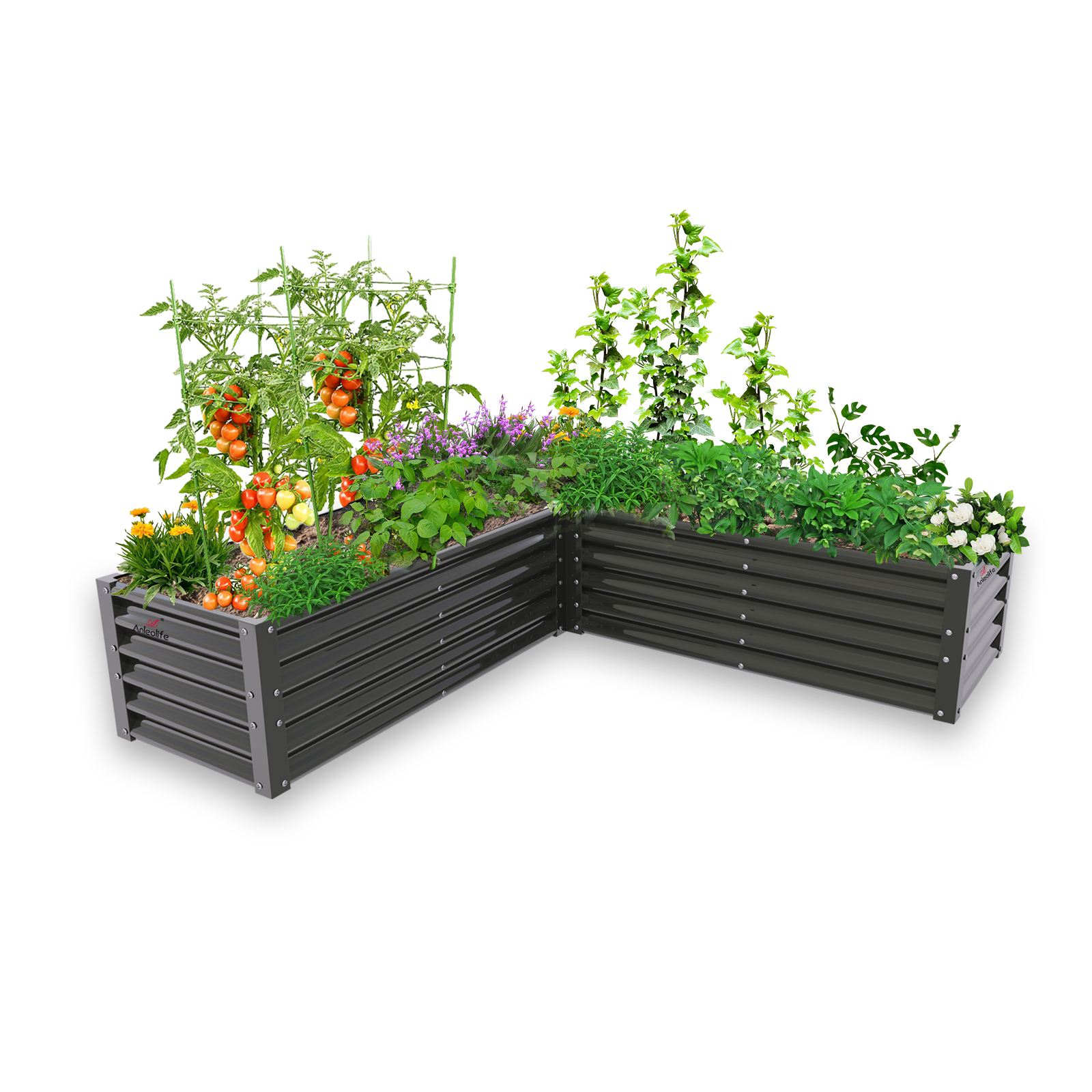
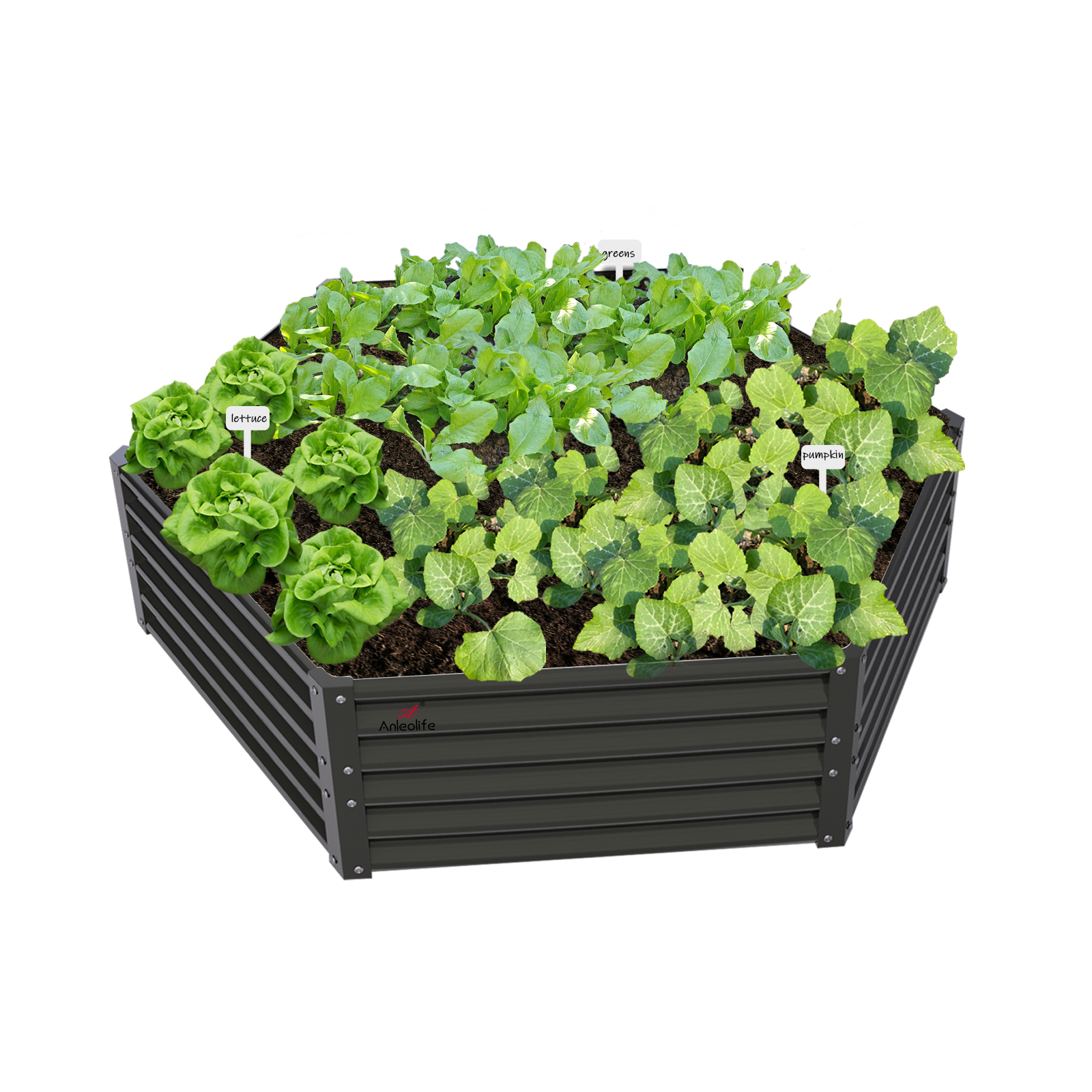
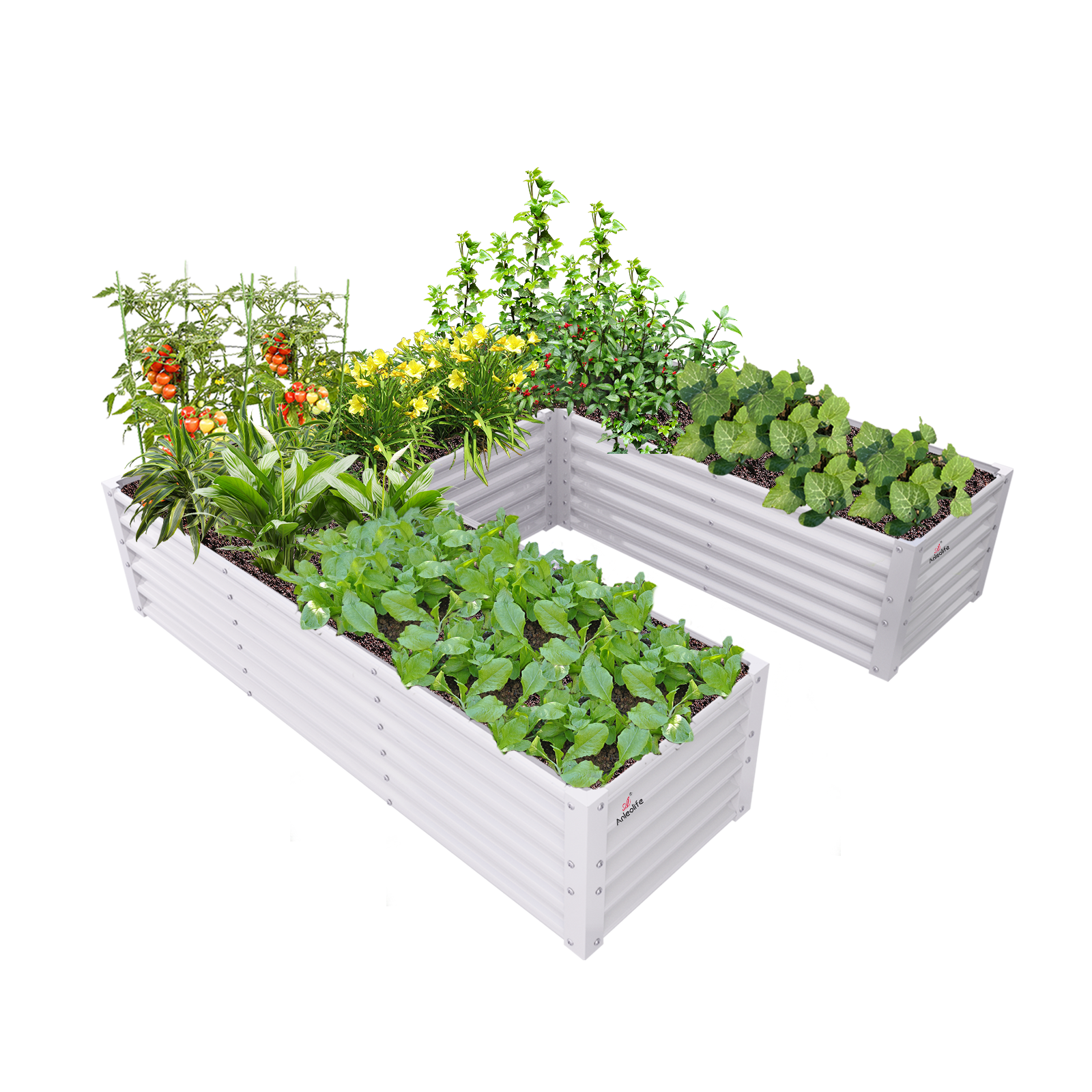

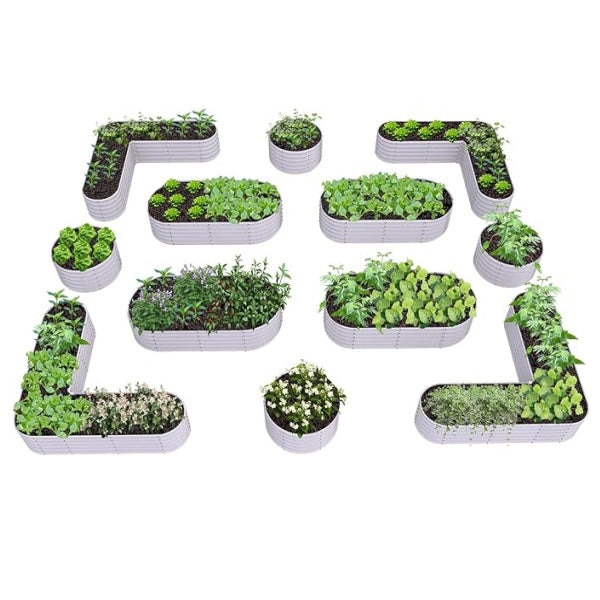


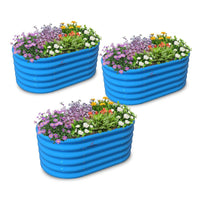
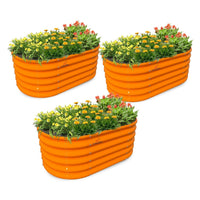
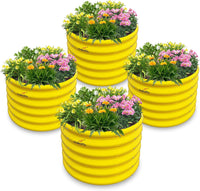
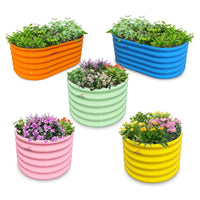



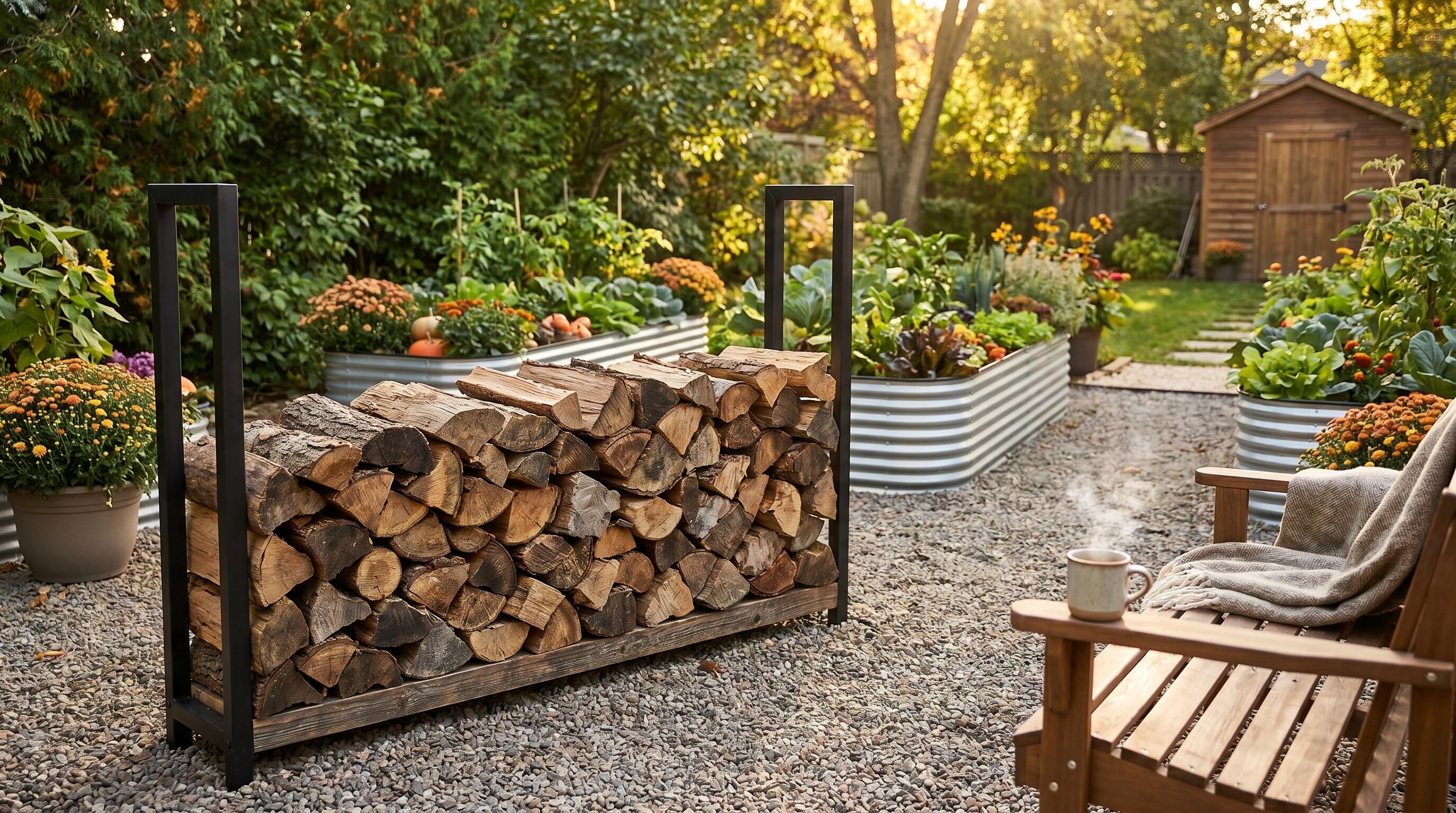
ALT: Rustic firewood log rack ideas for organizing outdoor space with neatly stacked wood this season
Why Firewood Log Rack Ideas Matter More Than You Think This Season
Key Conclusion: A well-chosen firewood log rack isn't just about keeping wood dry—it's the cornerstone of a beautifully organized outdoor space. Whether you're managing a backyard garden, a cozy patio, or a sprawling homestead, the right firewood storage solution protects your investment in fuel, complements your garden layout, and frees up space for the things that matter most. From compact wall-mounted designs to freestanding rustic racks, smart firewood organization transforms clutter into character.
When the temperature drops and the fire pit calls, the last thing you want is to dig through a soggy, disorganized pile of logs. A smart firewood storage strategy does triple duty: it keeps wood seasoned and dry, reduces the risk of pest infestations near your home, and adds a visual anchor to your outdoor space.
Beyond function, there's an aesthetic dimension that's easy to overlook. A beautifully arranged log rack can serve as a design focal point in your backyard—as intentional as your raised garden beds or your decorative pathway stones. The best outdoor spaces weave together utility and beauty, and firewood storage is no exception.
This guide covers everything from beginner-friendly three-step setup ideas to advanced rack comparisons, helping you find the perfect firewood organization strategy for your home, lifestyle, and climate.
Who This Guide Is For
✅ Applicable Scenarios:
- Homeowners with active wood-burning fireplaces, outdoor fire pits, or pizza ovens who need reliable, accessible firewood storage
- Gardeners and outdoor enthusiasts who want their backyard or patio to look polished and intentional throughout every season
- Anyone dealing with limited outdoor storage space who wants to maximize organization without sacrificing style
❌ Not Applicable/Cautions:
- Those living in apartments or condos without dedicated outdoor space, where full log racks may not be practical or permitted
- Gardeners who rely exclusively on gas or propane fire sources and have no need for bulk wood storage year-round
The Real Problem: Why Disorganized Firewood Costs You More
Most people don't think of firewood storage as a priority until they're pulling apart a damp, ant-infested pile on a cold evening. But poor firewood organization is surprisingly costly—both in time and money.
Improperly stored firewood absorbs moisture quickly, especially in humid or rainy climates. Wet wood burns inefficiently, produces more smoke, and can contribute to creosote buildup in your chimney. According to the U.S. Department of Energy, properly seasoned firewood (with moisture content below 20%) burns significantly cleaner and hotter than green or wet wood—making storage conditions directly tied to fire performance.
Beyond combustion efficiency, there's the pest problem. Wood piles sitting directly on the ground become prime real estate for termites, carpenter ants, and rodents. The National Pest Management Association recommends storing firewood at least 20 feet from the home's foundation and elevated off the ground—both practices that a proper log rack naturally enforces.
For garden-focused homeowners, the issue goes further. Chaotic wood piles placed near garden beds can harbor slugs and other soil pests that then migrate into your planting zones. If you've invested time and resources into a thoughtfully designed raised bed garden layout, protecting that ecosystem from unnecessary pest pressure is essential.
The good news? The log rack market has evolved dramatically. Modern firewood storage options range from minimalist steel frames to decorative wooden structures, modular systems, and even indoor/outdoor hybrids. There's a solution for every home size, aesthetic preference, and budget—and this guide will help you find yours.
Firewood Log Rack Ideas: Your Complete Organization Playbook
Three-Step Quick Start for Firewood Storage Setup
Step 1: Assess Your Space and Storage Needs
Before you invest in any rack, measure your available outdoor space and estimate how much wood you typically burn in a season. A standard cord of wood is 4 feet high, 4 feet wide, and 8 feet long—most households need a quarter to a half cord per winter. Spend about 20–30 minutes walking your outdoor space, noting sunlight exposure, proximity to your home, and any existing garden structures. This assessment will guide your rack size and placement.
Step 2: Choose Your Rack Style and Material
Once you know your space constraints and storage volume, select a rack style that fits both function and aesthetic. Options include freestanding steel racks, wall-mounted brackets, covered firewood sheds, decorative wooden holders, and modular stackable systems. Consider your climate (wet climates demand better drainage and cover), your visual style (rustic vs. modern), and how frequently you access your wood supply. Budget 1–2 hours to research and compare options online before purchasing.
Step 3: Position, Fill, and Maintain Your Rack
Place your rack on a level, well-drained surface—ideally elevated slightly off the ground using feet, gravel, or pavers. Stack wood bark-side down for the first few rows to encourage moisture drainage, then bark-side up toward the top for weather protection. Leave space between logs for airflow. Add a breathable cover or tarp over the top (not the sides) to protect from rain while allowing ventilation. Check your rack monthly for signs of shifting, rust, or pest activity. Setup typically takes under an hour.
Comparing the Best Firewood Log Rack Solutions
Choosing between rack types can feel overwhelming. Here's a structured comparison to help you match the right solution to your outdoor setup:
| Comparison Dimension | Freestanding Steel Rack | Wall-Mounted Bracket System | Covered Firewood Shed |
|---|---|---|---|
| Best For | Most homeowners, flexible placement | Small patios, limited floor space | Wet climates, long-term storage |
| Capacity | Quarter to full cord | Under a quarter cord | Half cord to multiple cords |
| Weather Protection | Moderate (add cover separately) | Low (needs tarp or cover) | High (built-in roof) |
| Ease of Setup | Easy, 30–60 min | Moderate, requires wall anchoring | Moderate to complex |
| Aesthetic Flexibility | High—many styles available | Minimalist, modern look | Rustic, cottage, farmhouse |
| Price Range | $40–$200 | $20–$80 | $150–$600+ |
| Pest Deterrence | Good if elevated | Good | Excellent if sealed properly |
| Ideal Outdoor Style | Versatile | Urban/modern patios | Suburban/rural yards |
The right choice ultimately depends on how you use your outdoor space. If your backyard doubles as a garden sanctuary, a covered shed tucked into a corner creates clean sightlines that don't interrupt your raised bed garden layout ideas. If you have a modern urban patio, wall-mounted brackets keep everything sleek and out of the way.
Deep Dive: Top Firewood Log Rack Ideas by Space and Style
For Small Patios and Urban Micro-Gardens
Urban outdoor spaces demand dual-purpose thinking. A wall-mounted firewood bracket frees up precious floor space while adding a design element to bare fences or walls. Pair it with a matching metal planter or wall-mounted herb garden for a cohesive look.
Alternatively, a compact log column holder—a tall, narrow tubular steel design—can hold enough wood for a weekend's worth of fires while occupying less than two square feet of floor space. These are especially popular in city gardens where every inch matters.
For micro-gardeners who also grow herbs or vegetables, consider positioning your small log holder near (but not adjacent to) your raised garden beds. The visual repetition of organized stacking echoes the clean lines of a well-planned raised bed garden layout and creates a sense of intentional design throughout the space.
For Suburban Backyards and Family Outdoor Rooms
Suburban homeowners have more room to work with—and more room to make a statement. A full-length freestanding steel rack (typically 8 feet long and 4 feet tall) can hold a half cord of wood and becomes a functional landscape feature when positioned along a fence line or garden border.
For families who entertain outdoors, a firewood shed with a pergola-style top doubles as a visual anchor for the patio area. Styles range from rustic barnwood to sleek black steel, and many include built-in tool hooks for storing fire-starting accessories like kindling splitters or fire pokers.
Another popular option for suburban spaces: the modular stacking log rack system. These systems use interlocking end brackets so you can adjust the length and height of your stack as your storage needs change season to season. They're ideal for homeowners who buy wood in variable quantities depending on the winter forecast.
For Wet Climates: Prioritizing Protection
If you live in the Pacific Northwest, the upper Midwest, or anywhere that sees significant rainfall, moisture management is your top firewood concern. In these climates, covered firewood sheds with a solid roof, open sides, and elevated floor grating are the gold standard.
Look for sheds made from naturally rot-resistant materials like cedar or Douglas fir, or powder-coated steel frames that won't rust in prolonged wet conditions. Pair your shed with a gravel pad underneath for optimal drainage—this simple addition dramatically extends the life of both your storage structure and your wood supply.
This approach also connects to broader questions about recommended tool storage cabinets for wet climates. The same principles apply: elevation, drainage, and weather-resistant materials are non-negotiable. A well-designed firewood shed can often include a side section for storing garden tools, long-handled implements, or even a hose reel—consolidating your outdoor storage into a single, attractive structure.
Decorative Log Rack Ideas That Double as Garden Art
For empty nesters, retirees, and anyone who treats their garden as a personal sanctuary, firewood storage can be genuinely beautiful. Geometric steel log holders in matte black or weathered iron finish look striking on covered patios. Woven willow log baskets bring texture and warmth to rustic garden styles. Repurposed pallets stacked with intention can create an earthy, eco-conscious firewood display.
One increasingly popular idea: integrate your log rack into a garden vignette—pairing neatly stacked wood with potted evergreens, lanterns, and seasonal planters to create a styled outdoor corner that looks magazine-worthy all winter long.
This approach pairs beautifully with other garden organization investments. If you've already created a thoughtful raised bed garden layout with clean pathways and coordinated materials, extending that design language to your firewood storage creates visual harmony throughout your entire outdoor space.
Firewood Storage and Your Garden: How They Work Together
It's worth addressing one question that comes up often among garden-focused homeowners: does firewood storage affect garden health?
The answer depends on placement and management. Wood ash from your fireplaces or fire pits is actually a valuable garden amendment—rich in potassium and calcium carbonate, it can help raise soil pH in acidic gardens. Many raised bed gardeners keep a small container near their firewood rack specifically for collecting ash to use as a seasonal soil supplement.
On the other hand, improperly placed log piles can harbor slugs, earwigs, and sowbugs that migrate into nearby planting areas. The solution is simple: keep your main firewood storage at least 10–15 feet from your garden beds, and regularly inspect the base of your rack for pest activity.
For gardeners using quality raised beds—like Anleolife's powder-coated metal beds designed to last up to 20 years—maintaining clean surroundings is part of protecting your long-term investment. A well-organized firewood rack positioned thoughtfully in relation to your garden beds keeps pests in check and sightlines clean.
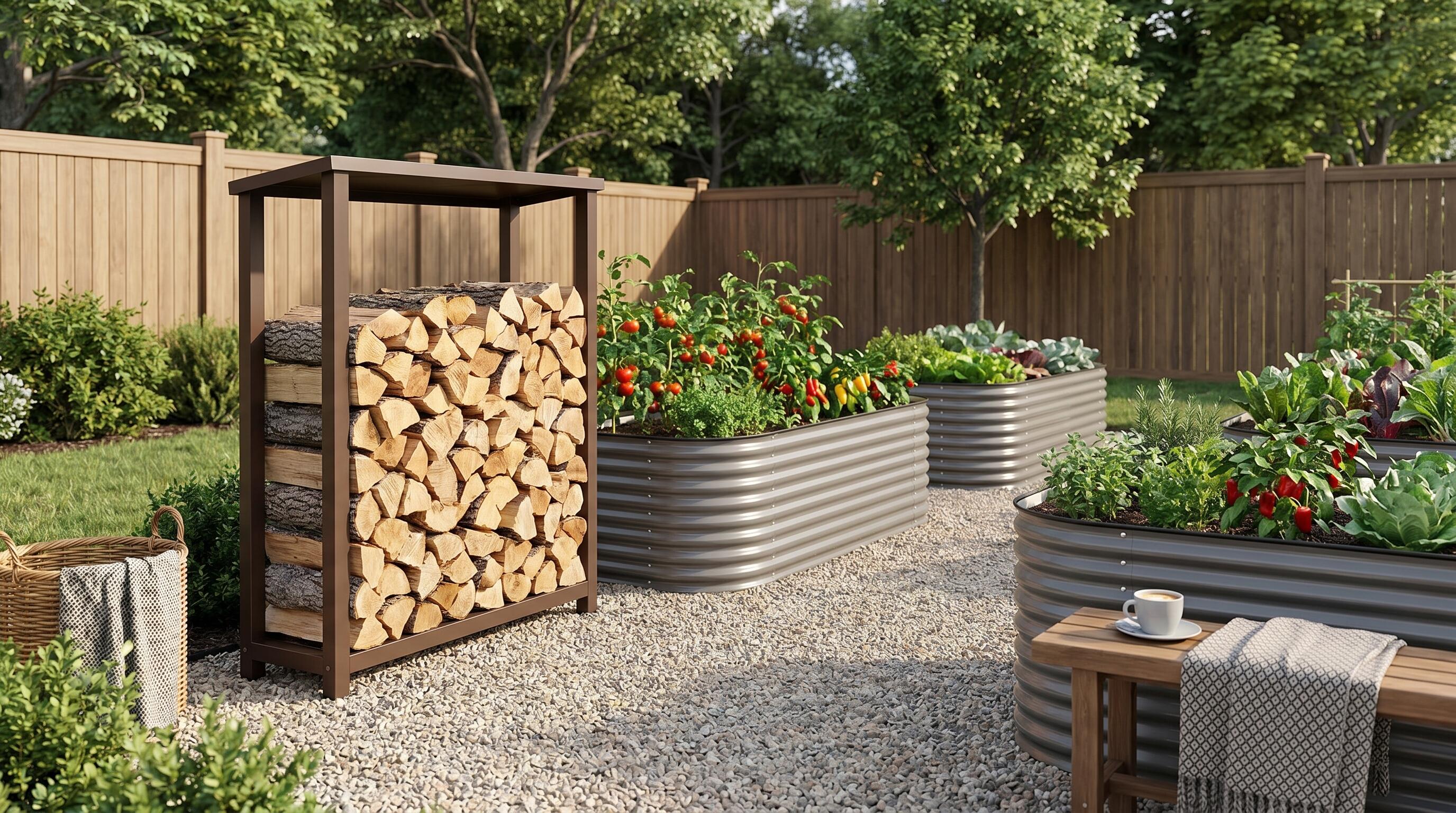
ALT: Stylish outdoor firewood log rack ideas positioned near raised garden beds for organized backyard living space
Advanced Tips: Solving the Trickiest Firewood Storage Challenges
What to Do When Space Is Extremely Limited
When your outdoor square footage is minimal, think vertical. A tall, narrow firewood tower (sometimes called a "log column" or "firewood pillar") stores wood in a cylinder about 18 inches in diameter and 4–5 feet tall. It holds surprisingly more wood than it looks—enough for several fires—while taking up less floor space than a doormat.
Another option: under-deck storage. If you have an elevated deck, the space underneath is often underutilized. A simple wood frame with a breathable cover can convert this dead zone into a protected firewood storage area invisible from the main yard.
Common Misconceptions About Firewood Racks
Misconception 1: Covering firewood completely keeps it driest.
In reality, covering the sides as well as the top traps moisture and slows the seasoning process. Cover only the top—like an umbrella effect—and leave the sides open for airflow.
Misconception 2: Any wood structure will do.
Pressure-treated wood contains chemicals that can off-gas when burned nearby. Always use naturally rot-resistant wood (cedar, redwood) or metal for firewood storage structures.
Misconception 3: Location doesn't matter as long as it's outside.
Proximity to your home matters for pest management; proximity to your garden matters for pest migration; and proximity to sunlight matters for seasoning speed. Placement is one of the most important decisions in your firewood storage setup.
Connecting Firewood Organization to Your Broader Outdoor Storage Plan
Smart outdoor organization doesn't happen in isolation. Your firewood rack strategy should connect with your approach to best hose storage solutions and reel systems, garden tool storage, and seasonal supply management. Many homeowners find that consolidating outdoor storage into defined zones—a "fire zone," a "garden zone," a "tool zone"—creates both visual order and practical efficiency. Consider using coordinating materials (matching black steel, the same wood finish) across your storage solutions to create a unified look.
Frequently Asked Questions FAQ
Q1: How do I choose the right size firewood log rack for my home?
Start by estimating your annual firewood consumption. A typical household that uses a wood-burning fireplace regularly through winter burns between a quarter and a half cord of wood per season. A standard 8-foot rack holds roughly half a cord. If you have a fire pit used mainly on weekends, a smaller 4-foot rack or a compact log holder may be all you need. Always size up slightly—you'll appreciate the extra space when a great firewood deal comes along.
Q2: Are metal firewood racks better than wooden ones for outdoor use?
Both have genuine advantages. Metal racks (typically powder-coated steel) are more durable, resist rot and pests, and require minimal maintenance—making them ideal for year-round outdoor use in most climates. Wooden racks offer a warmer aesthetic that suits rustic and cottage garden styles, but require weather-resistant wood and periodic treatment to last. For wet climates particularly, metal or metal-framed designs with pressure-treated bases outperform all-wood options in longevity.
Q3: How much does a good outdoor firewood rack cost, and is it worth the investment?
Quality firewood racks range from $40 for a basic steel frame to $600+ for a fully covered firewood shed. The investment pays off in multiple ways: properly stored wood burns more efficiently (saving money on fuel), pest problems are reduced (saving on extermination costs), and your outdoor space looks more organized and intentional. For most households, a $80–$150 mid-range freestanding rack with an optional cover delivers the best balance of cost, durability, and function.
Summary
Getting your firewood storage right this season is one of the highest-return improvements you can make to your outdoor space. Here are the three core takeaways:
First, placement and elevation matter as much as the rack itself. Keep wood off the ground, allow for airflow, and position your storage thoughtfully in relation to your home and garden beds to minimize pest pressure and maximize seasoning efficiency.
Second, match your rack style to your space and lifestyle. Urban micro-gardeners thrive with wall-mounted or column-style solutions; suburban families benefit from full-length freestanding racks or covered sheds; design-conscious homeowners can turn firewood storage into a genuine garden feature.
Third, think of firewood organization as part of your broader outdoor ecosystem—coordinated with your raised bed garden layout, your tool storage strategy, your hose reel placement, and your overall seasonal maintenance plan. When every element works together, your outdoor space becomes genuinely livable, not just functional.
Your next step: measure your available space, estimate your seasonal wood needs, and choose one rack style from this guide to implement before the cold weather arrives. The sooner your wood is properly stored and seasoning, the better every fire will be this winter.
Upgrade Your Outdoor Space with Anleolife
When you're ready to take your outdoor organization beyond firewood storage, Anleolife is here to grow with you. With a nationwide U.S. warehouse network strategically located in California, Texas, Florida, New York, Illinois, and Washington, Anleolife ensures delivery within 3–8 business days—so your garden upgrade plans never have to wait for the season to pass.
Products are available across major platforms including Amazon, Walmart, Home Depot, Lowe's, Wayfair, and the official Anleolife.com website, offering consistent quality and dependable after-sales support no matter where you shop.
Anleolife's three core scenarios cover everything your outdoor space needs:
- Planting: Premium metal raised garden beds built to last up to 20 years, paired with soil systems designed for maximum growing performance
- Raising: Thoughtfully designed chicken coops and rabbit hutches for homesteaders and hobby farmers
- Beautification: Decorative accessories and pathway systems that bring polish and personality to every corner of your garden
We understand that an ideal garden isn't built overnight—it's improved gradually, season by season. Anleolife's modular product design allows flexible expansion based on your evolving needs, from your first raised bed to a fully integrated planting-and-raising ecosystem. We grow with you every step of the way.
References
- U.S. Department of Energy. "Burning Wood for Heat: What You Need to Know".
https://www.energy.gov/energysaver/wood-heating - National Pest Management Association. "Firewood Storage and Pest Prevention Guidelines".
https://www.pestworld.org/pest-guide/wood-destroying-pests/termites/ - University of Minnesota Extension. "Firewood: Buying, Storing, and Seasoning Wood".
https://extension.umn.edu/yard-and-garden/firewood - Oregon State University Extension Service. "Selecting and Storing Firewood".
https://extension.oregonstate.edu/forests/health-managment/selecting-storing-firewood - U.S. Environmental Protection Agency. "Burn Wise: Best Practices for Cleaner, More Efficient Wood Burning".
https://www.epa.gov/burnwise
Note: Standards and recommendations may be updated. Please check the latest official documents or consult professional advisors for the most current guidance.
About Anleolife
Anleolife is a leading outdoor garden solutions provider in North America, dedicated to offering a full-scenario product ecosystem for home gardening enthusiasts, covering planting, raising, and garden beautification. Since its founding, we have upheld our brand mission, "Made for Garden Life," continuously innovating products and optimizing services to help hundreds of thousands of users upgrade their gardens, reconnect with nature, and enjoy a better garden lifestyle.