


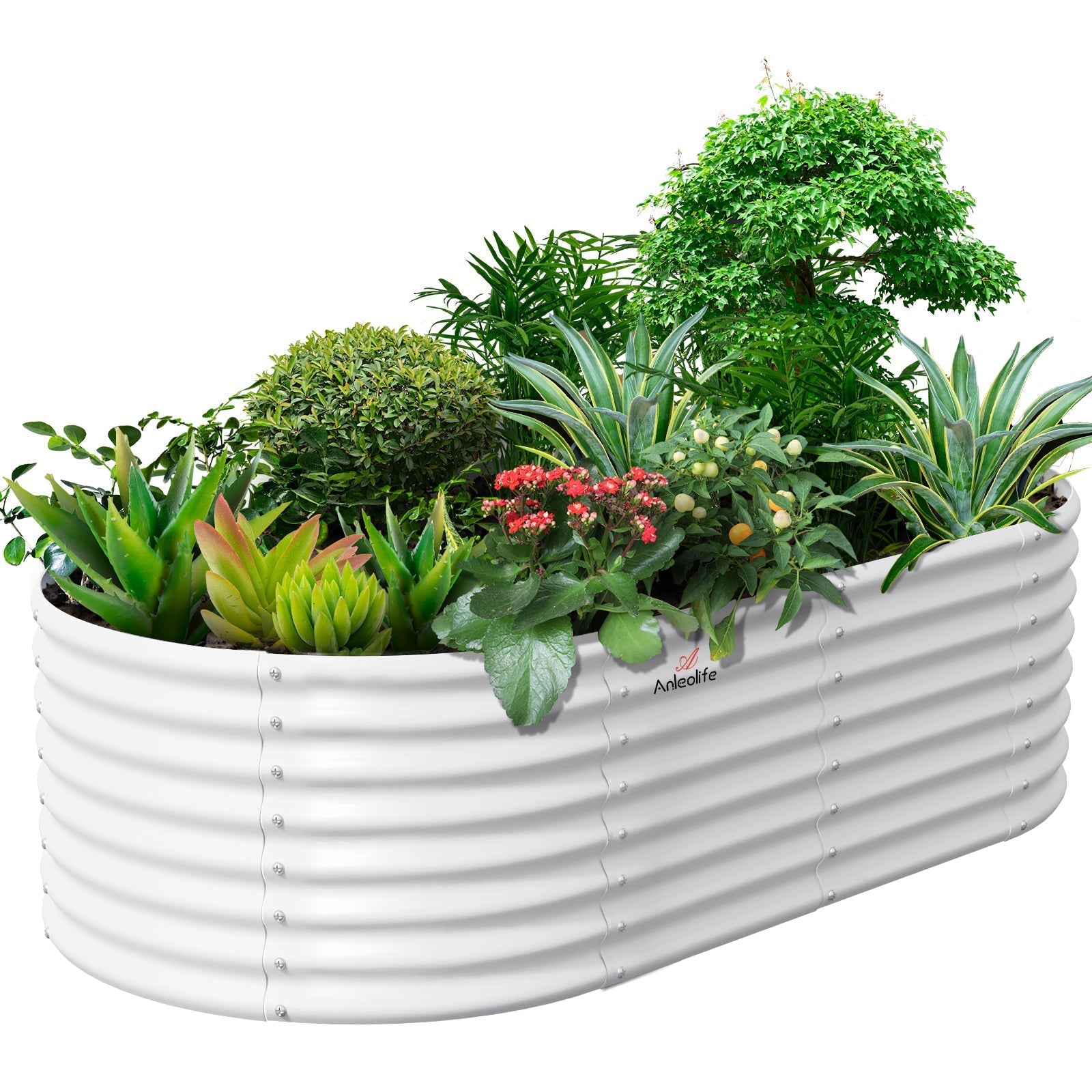
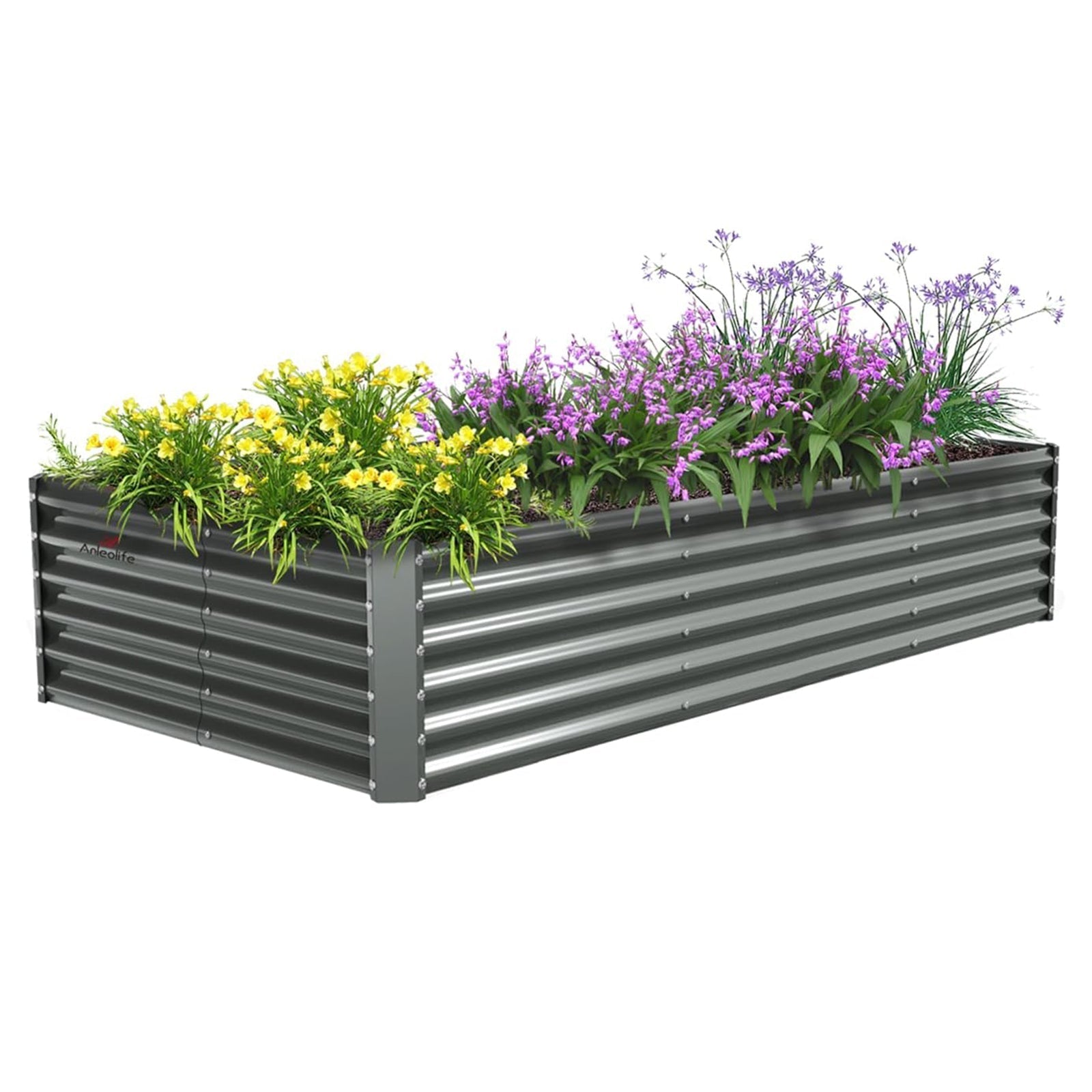
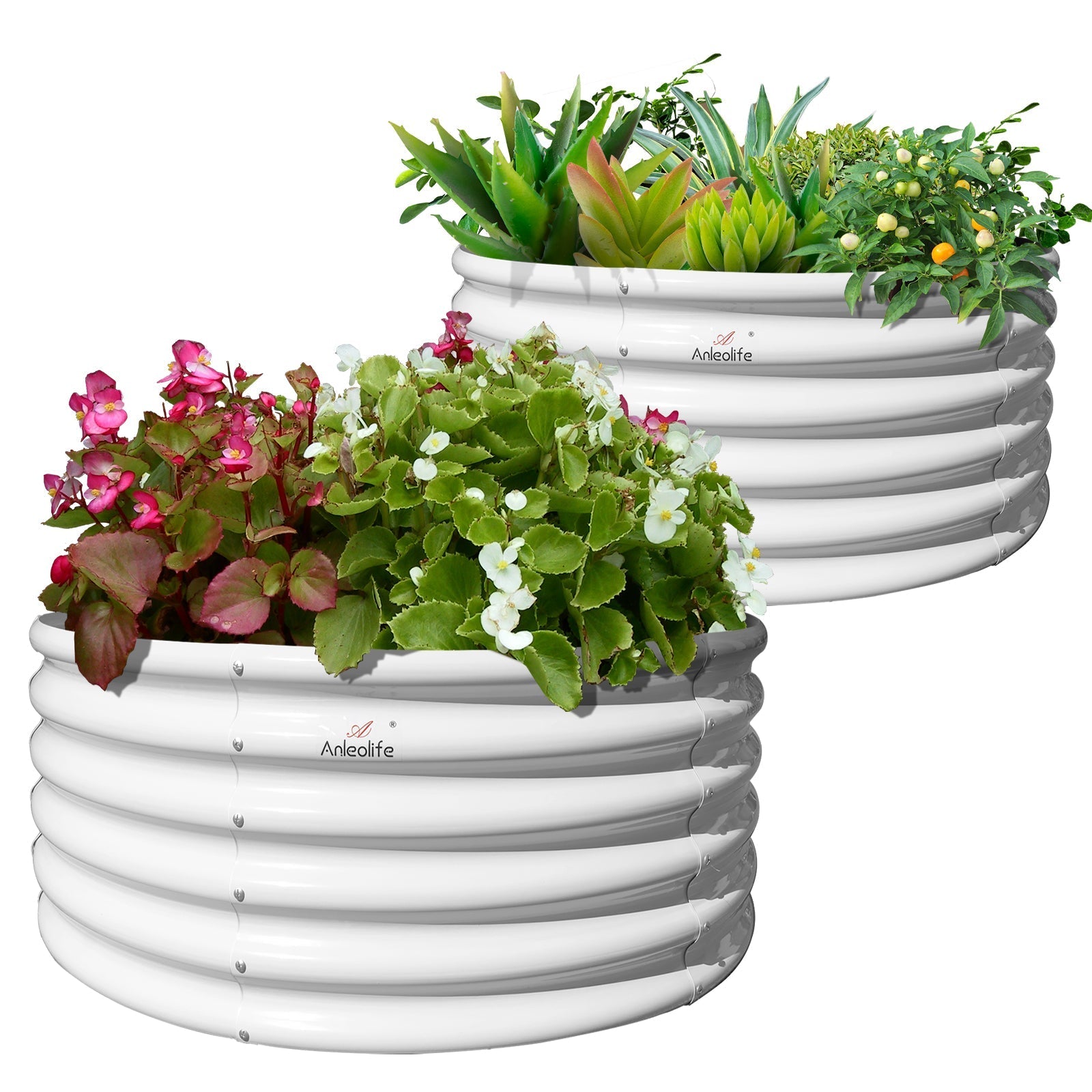
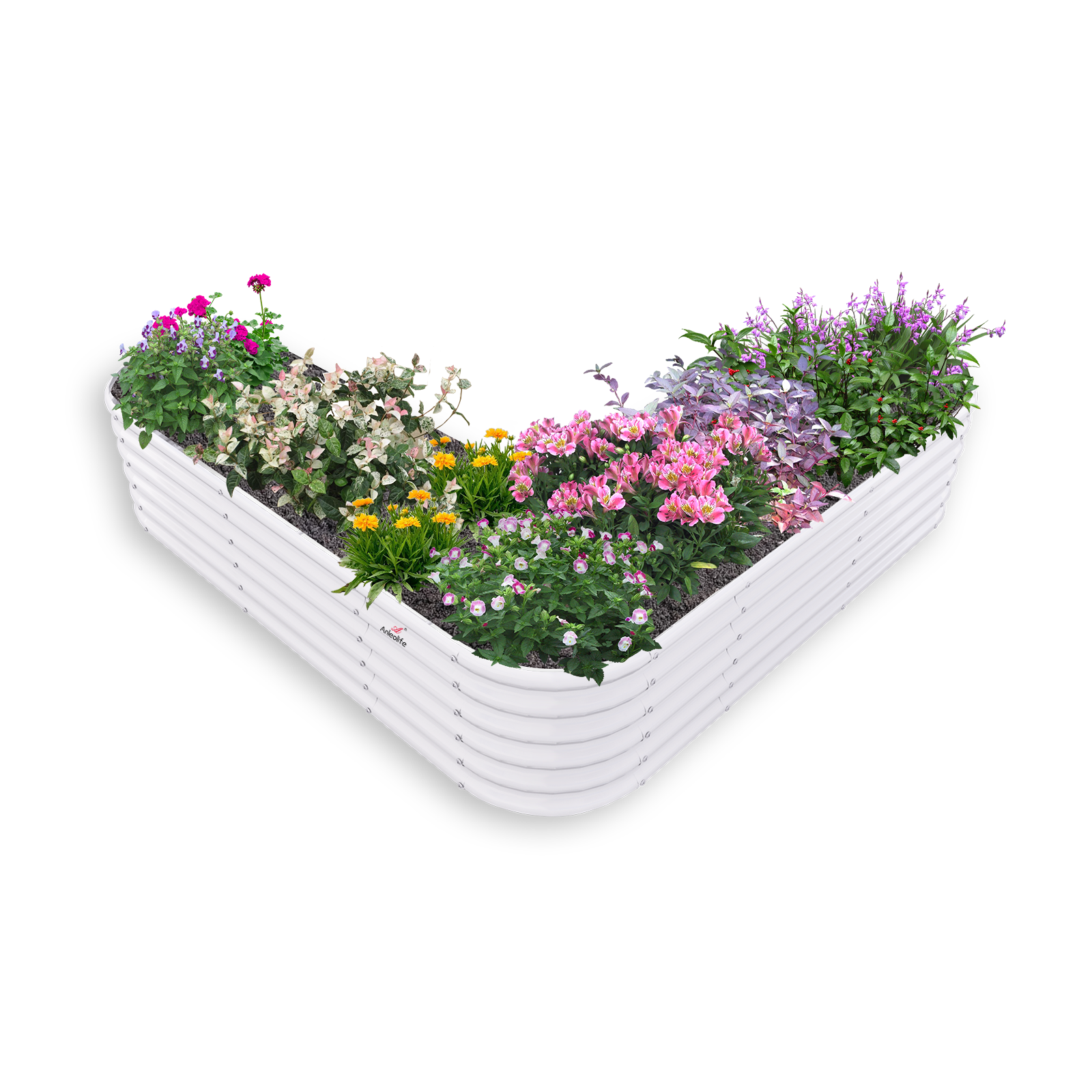
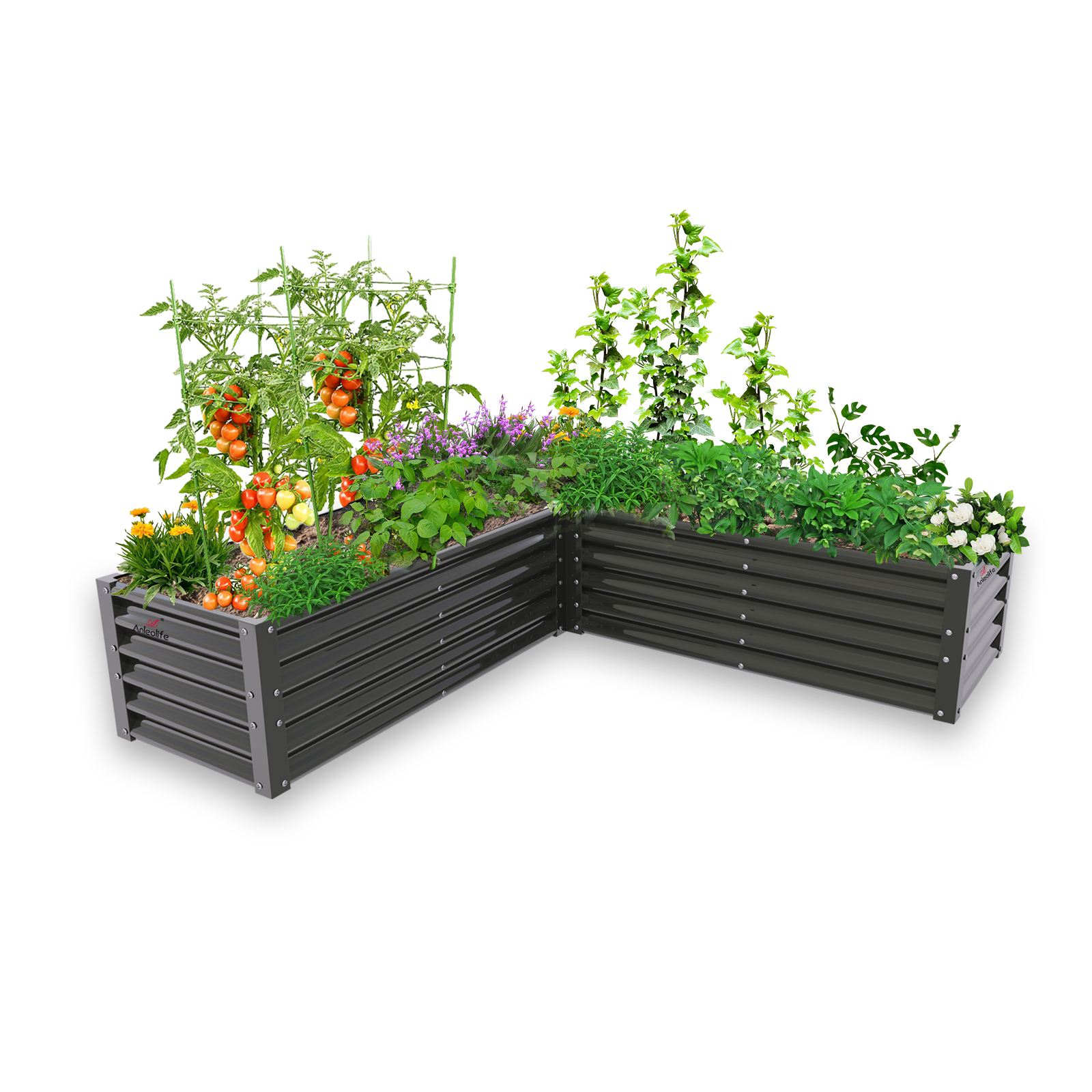
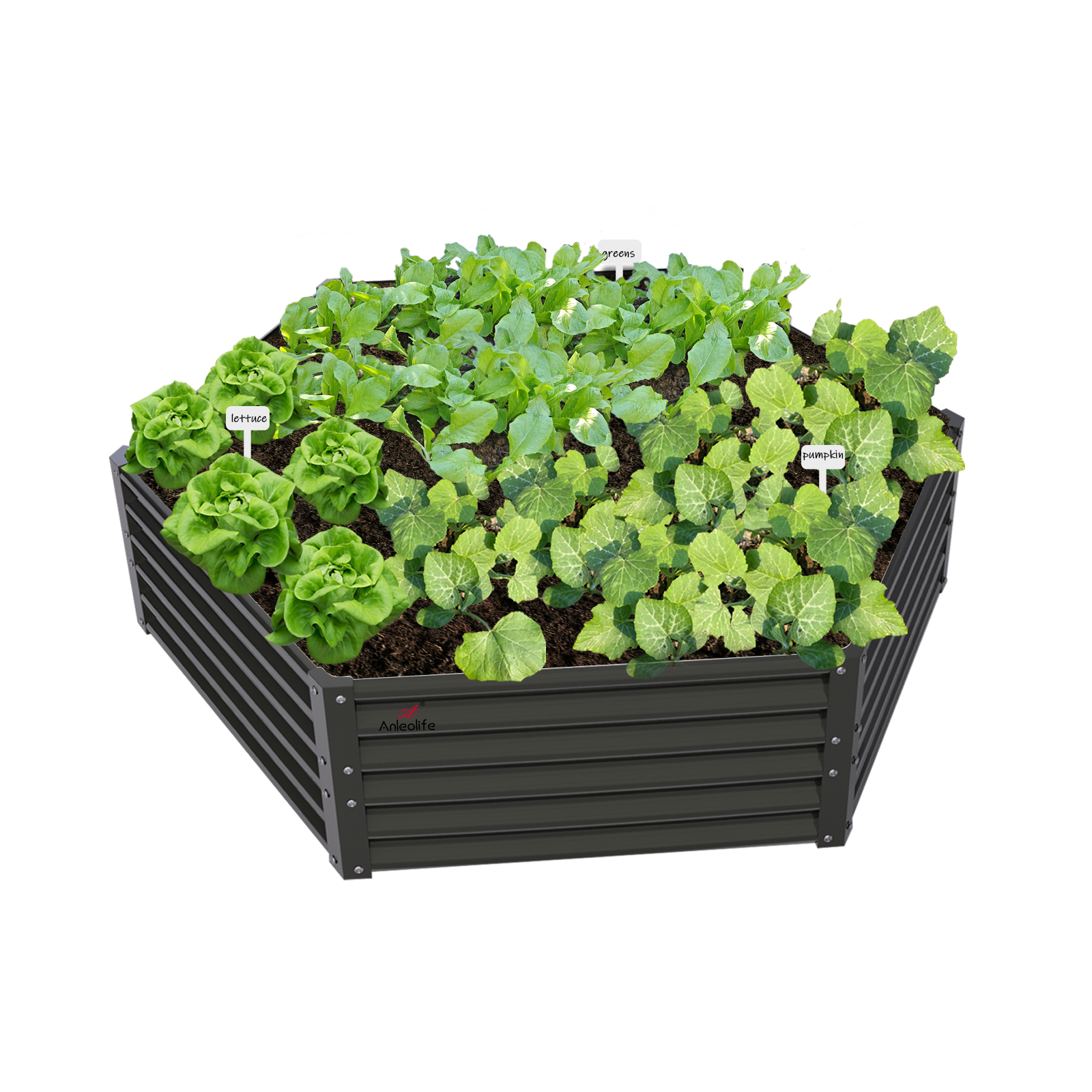
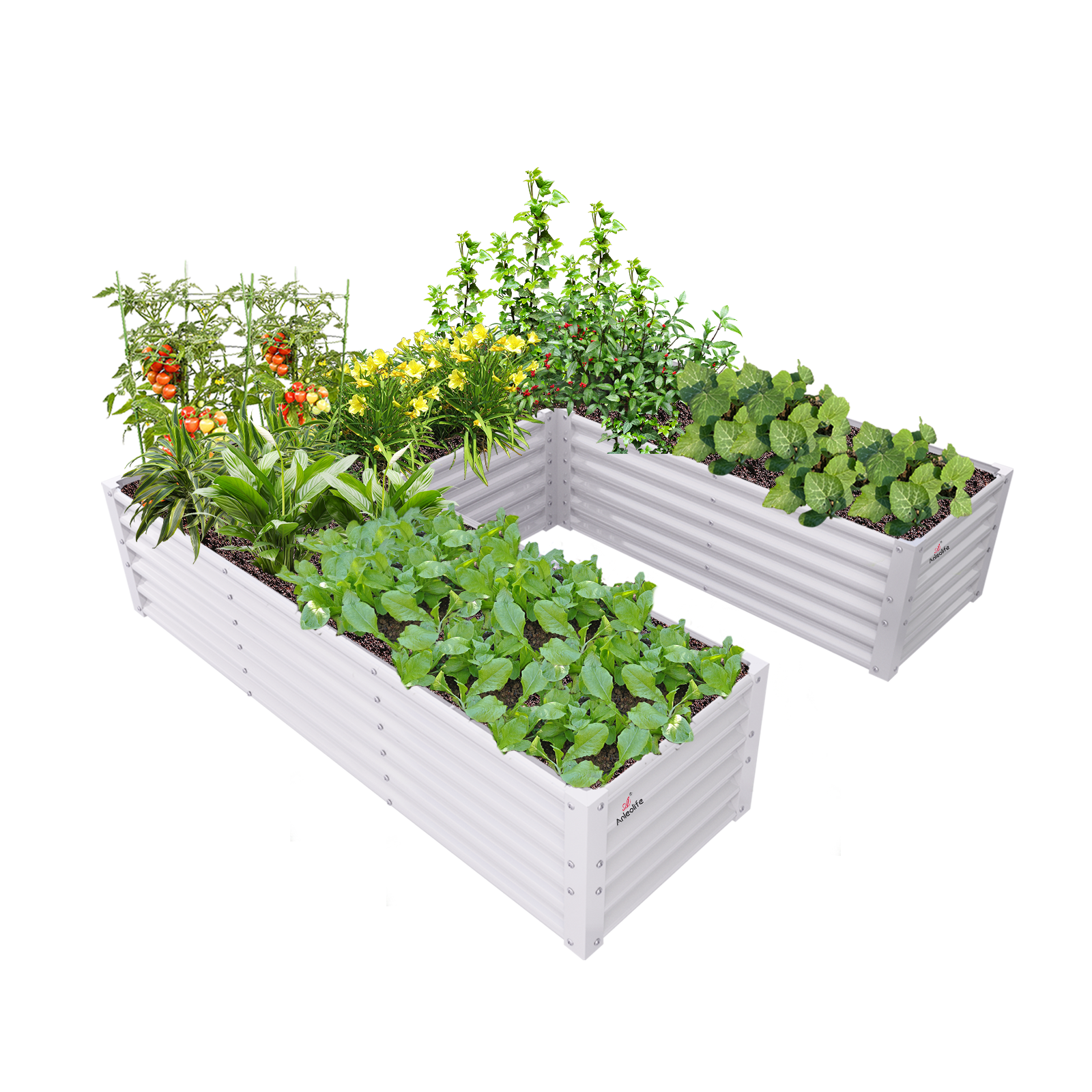

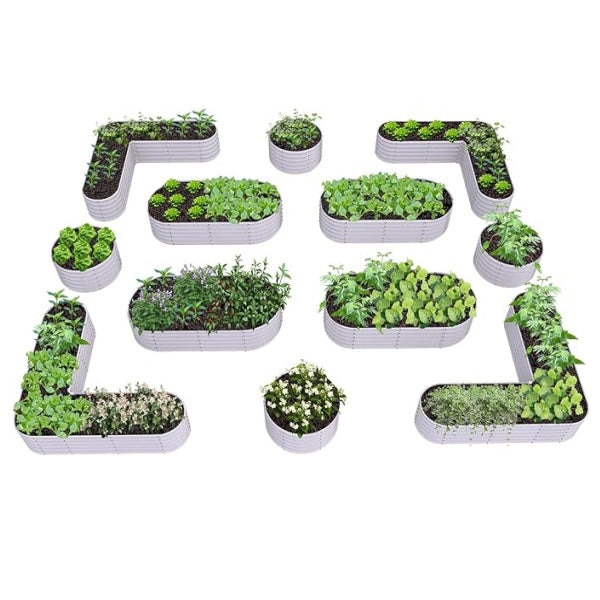

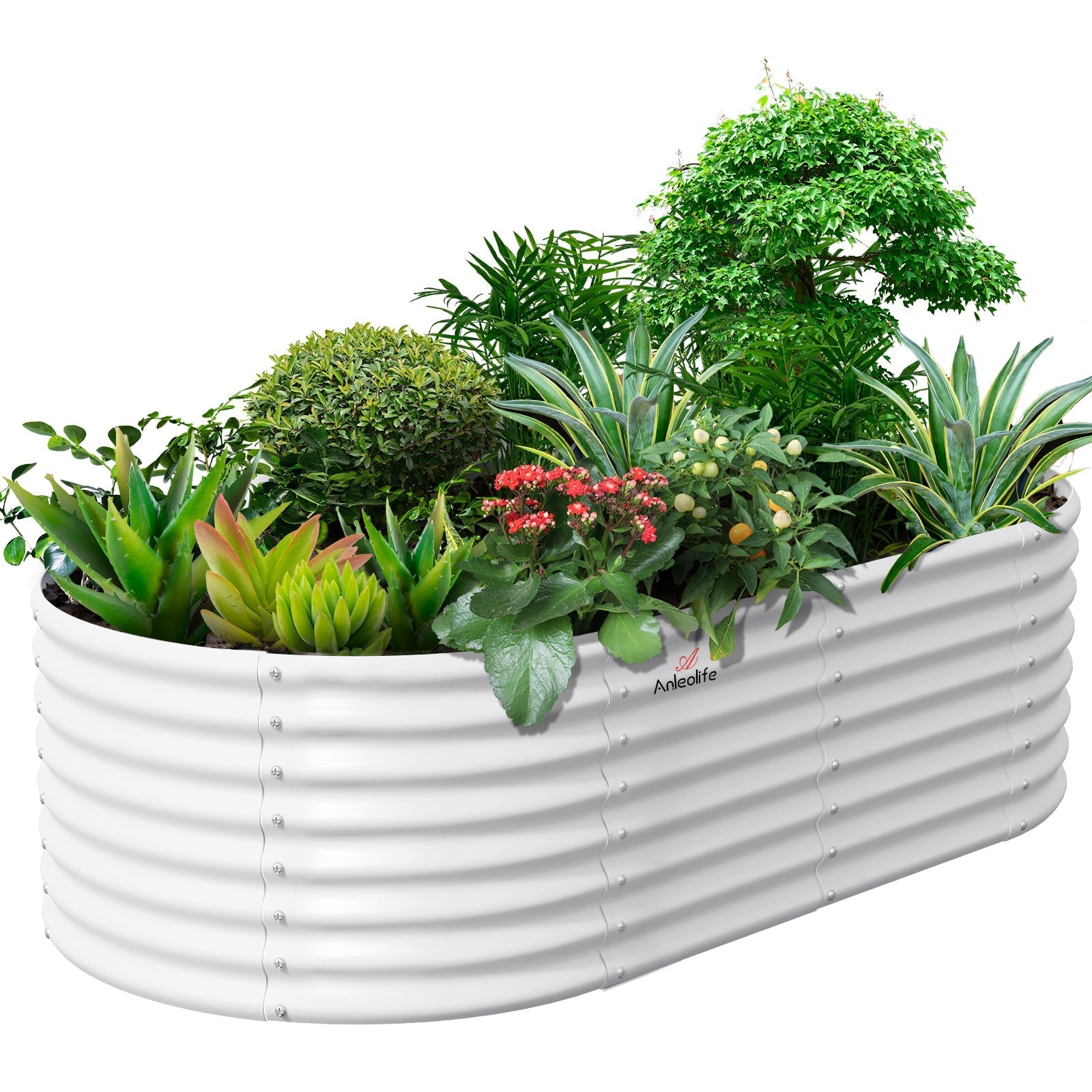


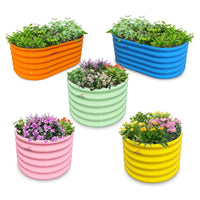
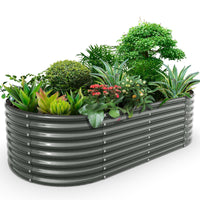



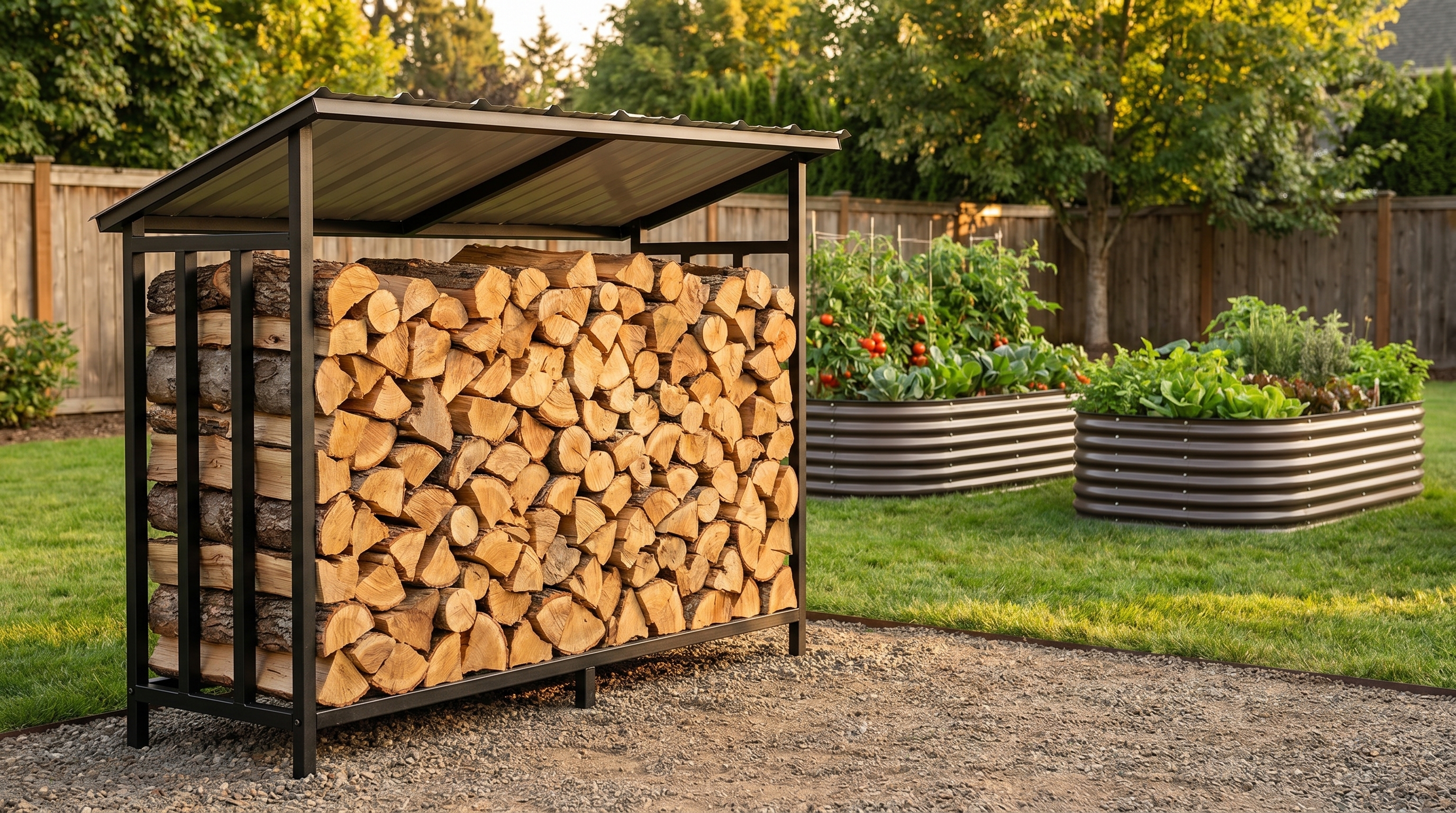
ALT: Properly sized firewood log rack in a backyard showing efficient wood storage near a home garden
Firewood Log Rack Sizing: Why Getting It Right Actually Matters for Your Outdoor Space
Key Conclusion: Choosing the right firewood log rack size isn't just about convenience — it directly affects how efficiently you heat your home, how well your wood seasons, and how your outdoor living space looks and functions. Whether you're a casual weekend fire-builder or a serious homesteader burning several cords per season, understanding your actual firewood storage needs saves you money, space, and frustration every single winter.
If you've ever found yourself running low on dry firewood mid-January — or conversely, staring at an enormous, half-empty rack taking over your entire patio — you already know the pain of getting your log rack sizing wrong. The good news is that calculating the right storage capacity is surprisingly logical once you break it down into a few key variables: how much you burn, how long wood needs to season, and how much usable space you realistically have.
This guide walks you through every dimension of that decision, from cord calculations and rack footprints to placement tips and materials. And yes — for those of you who also use your outdoor space for growing food and herbs, we'll connect the dots between smart firewood storage and a well-organized, beautiful backyard ecosystem.
Who This Firewood Log Rack Guide Is For
✅ Applicable Scenarios:
- Homeowners with a wood-burning fireplace, fire pit, or wood stove who burn wood regularly through fall and winter
- Outdoor enthusiasts who use campfire wood seasonally and want organized backyard storage
- Gardeners and homesteaders who manage large outdoor spaces and want both function and curb appeal
- Empty nesters and retirees who want a tidy, low-maintenance firewood system that doesn't require heavy lifting
- Urban homeowners with limited patio or side-yard space who need compact but efficient storage
❌ Not Applicable/Cautions:
- Apartment dwellers or those without a dedicated outdoor space for freestanding rack systems
- People burning primarily manufactured fire logs or pellets, which have entirely different storage requirements
- Those in HOA communities with strict regulations on outdoor storage structures — always check local rules before purchasing or building a large rack
The Real Problem with Guessing Your Firewood Storage Needs
Most people think about firewood the way they think about groceries: buy a little, use it up, go back for more. But firewood doesn't work like that. Freshly cut wood ("green wood") contains up to 50% moisture by weight and burns poorly, produces excessive smoke, and increases creosote buildup in your chimney. It needs to season — typically 6 to 12 months for hardwoods — before it's ready to burn efficiently.
That means your firewood storage system isn't just a holding area. It's an active part of your heating strategy. Undersizing your log rack forces you to buy pre-seasoned wood at premium prices. Oversizing it wastes space and money — and potentially clutters the outdoor areas you've worked hard to design and beautify.
According to the U.S. Department of Energy, wood heating can be a cost-effective and sustainable heating option when wood is properly dried and stored. The agency notes that well-seasoned firewood — stored in a way that promotes airflow and keeps moisture out — burns significantly cleaner and more efficiently than green wood.
This is also why the conversation about firewood storage connects naturally to how you think about your entire outdoor space. Many of our readers at Anleolife are thoughtful about their backyard ecosystems — they're growing vegetables in raised garden beds, tending herbs, and designing spaces that are both productive and attractive. A well-chosen firewood rack fits into that vision. A chaotic woodpile doesn't.
For those who are equally serious about their garden setup, understanding Galvanized Steel vs. Corten Steel Garden Beds: Which Holds Up Better Outdoors? can help you make similarly informed, long-lasting decisions about your outdoor materials — because the same principles of durability, weather resistance, and aesthetics apply across every structure in your garden.
How to Calculate Your Firewood Storage Needs: A Three-Step Approach
Step 1: Determine How Much Wood You Actually Burn
This is the foundation of everything. Start by identifying your primary heat source and usage frequency.
A standard cord of wood measures 4 feet high × 4 feet wide × 8 feet long (128 cubic feet total volume). A household that uses a wood-burning fireplace as a primary heat source in a cold climate may burn 3–5 cords per season. A household using wood as supplemental heat — for ambiance and occasional warmth — might burn only half a cord to one full cord per year. If you're using a fire pit for outdoor gatherings, you might use a fraction of a cord per season. Track your usage from last year if possible, or consult your wood supplier for a regional estimate based on your heating setup.
This step typically takes 15–30 minutes of honest reflection and, if needed, a quick conversation with your firewood supplier. Getting this number right makes all the downstream decisions much easier.
Step 2: Account for Seasoning Time and Rotation
Once you know how much you burn, you need to account for seasoning. If you're buying green wood — which is significantly cheaper — you need storage capacity for at least one full year's worth of wood that is currently seasoning, plus your ready-to-burn supply.
This means your total storage capacity should ideally equal your annual consumption multiplied by two: one rack (or section) for the current season's dry wood, and one for next season's wood that's actively seasoning. This rotation system is how experienced wood burners never run out of properly dried fuel. It requires more upfront space, but it pays off in lower wood costs and better burn quality. Allow about 30–45 minutes to work out this math based on your Step 1 numbers.
Step 3: Match Storage Capacity to Available Outdoor Space
Now measure your available space. Consider these placement factors:
- Distance from the house: Wood should be stored at least 5–10 feet from exterior walls to discourage insects and reduce fire risk
- Accessibility: You want to reach your ready-to-burn wood easily, especially in rain, snow, or darkness
- Airflow: Racks should never be placed against solid walls or enclosed on multiple sides — airflow is what seasons the wood
- Aesthetic fit: For backyard-focused households, the rack should complement your outdoor living area rather than dominate it
Standard freestanding firewood racks are typically sold in sizes that hold a quarter cord, half cord, or full cord. Knowing your consumption and space constraints narrows down your rack size within minutes.
Firewood Rack Size Comparison: Which Format Fits Your Needs?
Choosing the right rack format involves balancing storage volume, footprint, and usability. Here's how the most common options stack up:
| Comparison Dimension | Quarter-Cord Rack | Half-Cord Rack | Full-Cord Rack |
|---|---|---|---|
| Approximate Volume Held | ~32 cubic ft | ~64 cubic ft | ~128 cubic ft |
| Typical Footprint | Compact (fits small patios) | Medium (needs side yard or deck edge) | Large (best for open backyard) |
| Best For | Occasional fire pit users | Supplemental heat users | Primary heat source households |
| Seasoning Rotation Feasibility | Limited | Moderate | Excellent with dual-rack setup |
| Approximate Cost Range | Budget-friendly | Mid-range | Higher investment |
| Portability | Often portable | Semi-permanent | Usually permanent or semi-permanent |
| Weather Cover Compatibility | Easy to cover | Easy to cover | May need dedicated cover or shelter |
If you're in the supplemental heat or occasional user category, a pair of quarter-cord racks can often outperform a single large rack — giving you the rotation system without requiring a dedicated storage zone.
Placement, Materials, and the Longevity Factor
Where You Put Your Rack Matters as Much as Its Size
Even a perfectly sized rack underperforms if it's poorly placed. Firewood storage location is one of those things that seems like a minor detail until you're slogging through a muddy yard in January to retrieve wood.
Ideally, your firewood should be:
- Elevated off the ground by at least a few inches to prevent moisture wicking and ground-level rot
- Positioned on a stable, level surface — gravel pads, pavers, or concrete are excellent options
- Oriented with the cut ends facing outward for maximum airflow and visual confirmation of seasoning progress
- Covered on top but open on the sides — a partial cover keeps rain off without trapping humidity
Material Quality Determines Long-Term Value
The frame material of your firewood rack directly affects how long it lasts outdoors. Powder-coated steel and galvanized metal frames resist rust and hold up through seasons of exposure without requiring annual treatment. The same thinking applies to any metal structure in your outdoor space — from log racks to raised garden beds.
Speaking of which, gardeners who also store firewood near their growing areas should think carefully about how all outdoor metal structures interact with their environment. If you're curious about Do Galvanized Steel Garden Beds Leach Zinc Into Your Vegetables? The Facts, it's worth reading — the same scrutiny that makes you a better gardener also makes you a smarter outdoor storage shopper.
For Anleolife raised garden beds, the galvanized steel construction is designed to last up to 20 years under normal outdoor conditions, making them a genuinely long-term investment. The same durability standard should guide your firewood rack selection.
Aesthetics Count in a Thoughtfully Designed Backyard
If you've invested in a well-organized garden — perhaps an 8x4 raised bed for vegetables, a smaller container for herbs, and decorative pathway systems — a rusting, collapsing woodpile is a real visual disconnect. Modern log rack designs come in styles that complement contemporary, rustic, and minimalist outdoor aesthetics. Some even incorporate accessories like kindling holders, log carriers, or covers that tie the whole look together.
For gardeners specifically, integrating your firewood storage into your overall outdoor layout — rather than treating it as an afterthought — is the mark of a truly intentional backyard design.
If you're also thinking about how to optimize your garden's layout for both efficiency and accessibility alongside your storage areas, the guide on Best Raised Garden Bed Size for a Patio or Small Backyard in 2026 offers practical, space-conscious advice that translates beautifully to multi-use yard planning.
Don't Forget About What You're Growing Nearby
Here's a connection many outdoor living enthusiasts overlook: firewood storage and garden beds can actually coexist beautifully in the same backyard — as long as you plan thoughtfully. Wood ash, for example, is a well-known soil amendment that can raise pH and add potassium to garden beds. If you're burning hardwoods and collecting ash, your firewood station can literally feed your garden.
Gardeners growing berries in raised beds will appreciate this especially. Raised beds for berries like blueberries, strawberries, and raspberries benefit from specific soil conditions — blueberries prefer acidic soil, so wood ash would not be appropriate there, but for strawberries and raspberries, modest ash additions to the surrounding soil can be beneficial. This kind of integrated thinking is what transforms a collection of outdoor features into a cohesive, productive backyard ecosystem.
And when you're choosing the right setup for your garden beds, think about the best eco-friendly materials for raised garden beds — galvanized steel options from Anleolife, for instance, avoid the chemical leaching concerns associated with pressure-treated wood, making them a safer, longer-lasting choice for edible gardening. You can explore more about sustainable material choices in the comprehensive guide on The Best Eco-Friendly Materials for Raised Garden Beds in 2026.
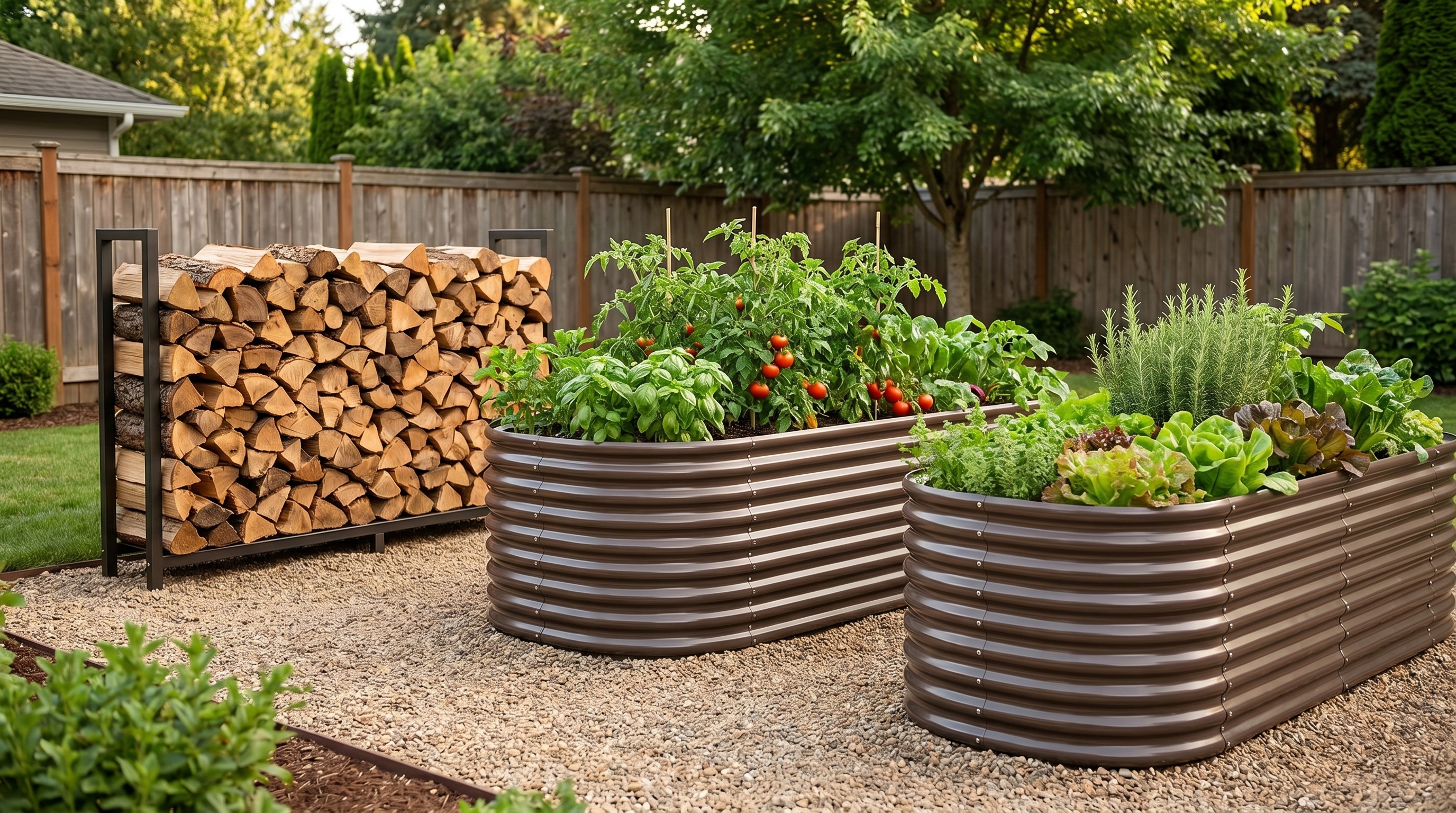
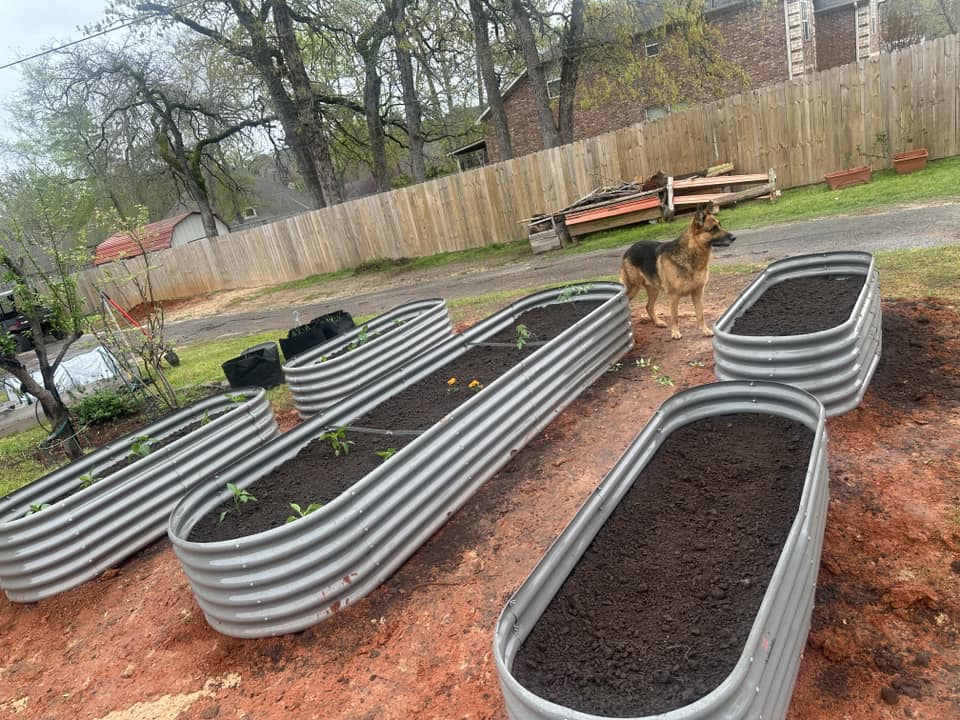
ALT: Organized firewood log rack beside raised garden beds in a backyard showing integrated outdoor storage and gardening space
Advanced Sizing Considerations: When Standard Racks Don't Fit Your Situation
Small Spaces and Urban Yards
For urban micro-gardeners and homeowners with compact backyards, standard full-cord racks are simply not practical. Instead, consider:
- Vertical log stores that maximize height over footprint — ideal for narrow side yards
- Wall-mounted log holders for covered patios or garage walls
- Modular stacking systems that can be expanded incrementally as needs grow
This mirrors the modular philosophy behind Anleolife's garden bed lineup, where you can start small — say, an 18" tall 4x4 raised bed — and expand your growing ecosystem over time without starting from scratch.
Cold Climates vs. Mild Climates
In regions with short, mild winters (parts of California, Texas, and Florida, for example), your annual wood consumption is dramatically lower than in northern states or higher elevations. A quarter-cord to half-cord rack is often more than sufficient. In contrast, households in Illinois, New York, or Washington — all states where Anleolife maintains strategic warehouse locations — may burn wood from October through April and genuinely need full-cord or multi-cord storage solutions.
The best soil mix for container gardening plants and other gardening considerations also vary by climate, and the same regional awareness that guides your garden decisions should inform your firewood storage planning.
The Misconception That Bigger Is Always Better
Many first-time buyers assume that a larger rack is always the smarter purchase. In reality, an oversized rack can lead to:
- Wood sitting so long it begins to decay before you burn it (even dry wood has a shelf life of 3–5 years before quality degrades)
- Unnecessary space consumption that limits your yard's versatility
- Pest harborage — large woodpiles are attractive to rodents, termites, and carpenter ants when wood sits for extended periods
The sweet spot is having just enough storage to maintain your rotation system comfortably, with a modest buffer for unexpected cold snaps or supply disruptions.
Lighting Your Storage Area
If you're retrieving firewood after dark — which happens often in winter — outdoor lighting is genuinely important. Solar-powered garden lights are an elegant, low-maintenance solution for illuminating both your log rack area and your garden paths. The best-rated solar lights for garden paths combine sufficient brightness with weather resistance and automatic dusk-to-dawn operation, making winter evenings much more manageable without running new electrical lines.
Pairing good lighting with smart storage layout is one of those small investments that dramatically improves your outdoor living experience year-round.
Frequently Asked Questions FAQ
Q1: How do I know if my firewood rack is the right height for comfortable loading and unloading?
Most standard freestanding firewood racks sit between 40" and 50" tall when fully loaded, which is accessible for most adults without excessive bending. If you have back concerns or mobility limitations, look for racks with front support bars that allow you to load from the side rather than the top. This mirrors the philosophy behind choosing the best height for raised garden beds to reduce back strain — ergonomics in the garden and in wood handling are both about designing your outdoor space to fit your body, not the other way around. Front-access designs also make it easier to grab single logs without disturbing the whole stack.
Q2: Is it safe to store firewood close to a raised garden bed?
Generally, yes — with a few precautions. Keep at least 2–3 feet of clearance between your wood pile and garden beds to allow airflow and prevent moisture transfer. Watch for wood-boring insects that could theoretically migrate toward wooden garden structures, though metal raised garden beds (like those from Anleolife) eliminate this risk entirely. If you collect wood ash from burning, it can be a useful soil amendment for most vegetables — just apply sparingly and avoid using it around acid-loving plants like blueberries. The integration of firewood and food gardening is a time-honored homesteading practice when managed thoughtfully.
Q3: How long does a well-made metal firewood rack typically last, and is it worth the investment over a basic DIY option?
A quality powder-coated or galvanized steel firewood rack can last 10–20 years with minimal maintenance — very similar to the 20-year lifespan standard you'd expect from Anleolife's galvanized steel raised garden beds. DIY wooden rack frames are significantly cheaper upfront but typically require replacement every 3–7 years due to rot and insect damage. Over a 15-year period, the cost difference often favors the metal option once you account for replacement cycles. For households that heat primarily with wood, a durable metal rack is genuinely the more economical choice in the long run — and it looks considerably better in a thoughtfully landscaped backyard.
Summary
Getting your firewood log rack sizing right comes down to three principles: know your actual consumption, plan for a proper seasoning rotation, and match your storage solution to your available space and lifestyle.
The three core takeaways from this guide:
- Calculate before you buy — your annual burn rate and seasoning cycle together determine your true storage need, which is almost always larger than instinct suggests but smaller than worst-case-scenario planning implies.
- Material and placement quality are non-negotiable — a well-made, properly positioned rack seasons your wood better, lasts longer, and enhances your outdoor space rather than detracting from it.
- Think about your whole outdoor ecosystem — firewood storage doesn't exist in isolation. It shares your backyard with garden beds, pathways, lighting, and living areas. Designing it intentionally makes every part of your outdoor life work better.
The actionable next steps: measure your available space today, estimate your annual wood consumption honestly, and start with a rack that fits your current rotation needs while leaving room to expand if your usage grows.
Call to Action
At Anleolife, we believe a truly great outdoor space is built with intention — and it grows with you over time.
Our nationwide U.S. warehouse network, strategically located in California, Texas, Florida, New York, Illinois, and Washington, ensures delivery within 3–8 business days, so your garden upgrade plans never have to wait for the right season. Our products are available across major platforms including Amazon, Walmart, Home Depot, Lowe's, Wayfair, and directly at Anleolife.com, with consistent quality assurance and responsive after-sales support wherever you shop.
Whether you're setting up your first 18" tall 8x4 raised garden bed for vegetables, expanding into a full planting-raising-beautification ecosystem, or simply organizing your backyard to work harder and look better — Anleolife has the products, the expertise, and the commitment to grow alongside you.
Three core scenarios, one integrated vision:
- Planting — Metal raised garden beds, soil systems, and growing accessories built for real gardeners
- Raising — Chicken coops, rabbit hutches, and animal care structures for the backyard homesteader
- Beautification — Decorative accessories and pathway systems that make your outdoor space genuinely beautiful
Explore the full Anleolife collection and start building the outdoor space you've always envisioned — one smart upgrade at a time.
References
- U.S. Department of Energy. "Wood and Pellet Heating".
https://www.energy.gov/energysaver/wood-and-pellet-heating - U.S. Environmental Protection Agency. "Burn Wise: Best Practices for Burning Wood".
https://www.epa.gov/burnwise - Penn State Extension. "Firewood for Home Heating".
https://extension.psu.edu/firewood-for-home-heating - University of Minnesota Extension. "Firewood: Seasoning and Storage".
https://extension.umn.edu/forest-management/firewood - National Fire Protection Association (NFPA). "Fireplace and Chimney Safety".
https://www.nfpa.org/Public-Education/Fire-causes-and-risks/Seasonal-fire-causes/Heating
Note: Standards and guidelines may be updated periodically. Please consult the latest official documents or a qualified professional for the most current recommendations.
About Anleolife
Anleolife is a leading outdoor garden solutions provider in North America, dedicated to offering a full-scenario product ecosystem for home gardening enthusiasts, covering planting, raising, and garden beautification. Since its founding, we have upheld our brand mission, "Made for Garden Life," continuously innovating products and optimizing services to help hundreds of thousands of users upgrade their gardens, reconnect with nature, and enjoy a better garden lifestyle.