









ALT: Full-spectrum LED grow lights shining over indoor seedlings, supporting year-round home gardening success
Full-Spectrum LED Grow Lights Explained: The Indoor Gardener's Complete Guide for This Year
Key Conclusion: Full-spectrum LED grow lights have become one of the most transformative tools for today's indoor gardener. By mimicking the complete range of natural sunlight, these lights support every stage of plant growth — from seedling germination to flowering and fruiting — regardless of season or outdoor conditions. Whether you're growing herbs on a kitchen counter, starting seeds before transplanting to your raised bed garden layout, or maintaining a year-round indoor edible garden, understanding how full-spectrum LEDs work will help you grow smarter, healthier, and more sustainably.
Indoor gardening has evolved dramatically over the past decade. What was once a niche hobby practiced by dedicated horticulturists has become a mainstream lifestyle choice embraced by health-conscious families, urban apartment dwellers, and retirees looking to stay connected to growing food. At the center of this shift sits one technology: full-spectrum LED grow lights.
These lights don't just help plants survive indoors — they help them thrive. But with so many options flooding the market and so much contradictory information online, knowing what to look for and how to use grow lights effectively can feel overwhelming. This guide cuts through the noise and gives you the practical, evidence-based knowledge you need to make the right choices this year.
Who Should Be Using Full-Spectrum LED Grow Lights Indoors
✅ Applicable Scenarios:
- Home gardeners who want to extend their growing season by starting seeds indoors weeks before the last frost
- Urban micro-gardeners living in apartments or homes with limited natural light
- Health-focused families who want to grow fresh herbs, greens, and microgreens year-round
- Empty nesters and retirees looking for a low-maintenance, deeply rewarding indoor hobby
- Gardeners who grow seedlings indoors before transferring plants to outdoor raised beds
❌ Not Applicable/Cautions:
- Full-spectrum LEDs are not necessary for plants placed in bright south-facing windows that receive 6+ hours of direct sunlight daily
- Very large-scale commercial growing operations may require specialized high-intensity lighting systems beyond typical consumer LED setups
- Using grow lights without a timer or proper distance management can stress or burn plants — improper use can do more harm than good
- Not all LED lights labeled "grow lights" are truly full-spectrum; budget options may lack key wavelengths and underperform
Why Full-Spectrum LED Grow Lights Are Having a Major Moment in Indoor Gardening
The indoor gardening market has seen explosive growth in recent years. According to data from the American Horticultural Society and various market research groups, home food gardening participation reached record highs following 2020, with millions of new gardeners discovering the joy — and practical value — of growing their own food. Many of these new gardeners started indoors, and most quickly encountered a fundamental problem: light.
Natural light in most homes is simply not sufficient for robust vegetable or herb growth. North-facing windows may receive almost no direct sun. Even south-facing windows lose significant light intensity just a few feet from the glass. The solution, increasingly, is artificial grow lighting — and full-spectrum LED technology represents the current gold standard.
What makes full-spectrum LEDs different from older grow light technologies like high-pressure sodium (HPS) or fluorescent T5 bulbs? The answer lies in how they reproduce sunlight. Traditional grow lights tend to emphasize specific portions of the light spectrum — often blue for vegetative growth or red for flowering — but miss many of the wavelengths plants use throughout their life cycles. Full-spectrum LEDs, by contrast, are engineered to produce a continuous range of light wavelengths that closely approximates natural sunlight, including the critical blue (400–500nm), red (600–700nm), and far-red (700–800nm) ranges, as well as green wavelengths that are increasingly recognized as important for overall plant health and canopy penetration.
The result? Plants grown under quality full-spectrum LEDs consistently demonstrate stronger stems, denser foliage, faster growth, and better yields compared to plants grown under single-spectrum or older fluorescent lighting.
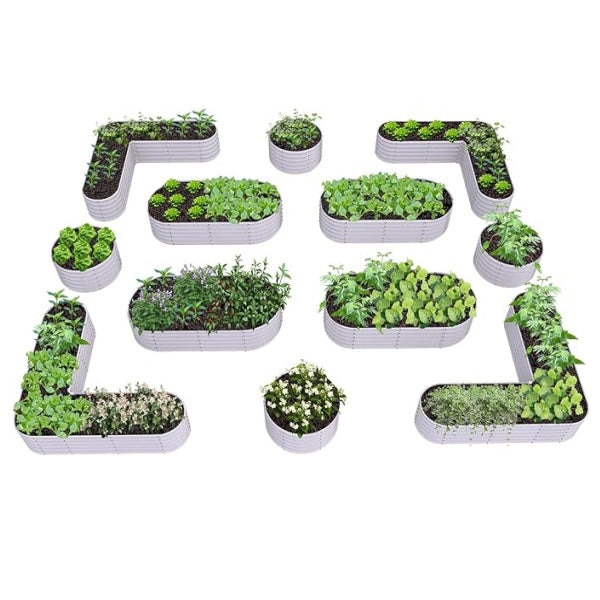
This technology also pairs naturally with the rise of outdoor raised bed gardening. Countless gardeners now use a hybrid approach: starting seeds and growing seedlings under indoor LED lights, then transplanting robust young plants to outdoor raised beds once conditions are right. If you're exploring this approach, Step-by-Step Raised Bed Garden Layout Planning for Summer 2026 Beginners is an excellent companion resource that shows you how to plan your outdoor growing space alongside your indoor seed-starting setup.
How to Get Started with Full-Spectrum LED Grow Lights: A Three-Step Framework
Quick-Start Guide for New Indoor Growers
Step 1: Choose the Right Light for Your Space and Goals
Before purchasing any grow light, define your growing goals clearly. Are you germinating seeds for eventual outdoor transplant? Growing herbs or leafy greens to harvest continuously indoors? Or attempting fruiting plants like tomatoes or peppers indoors? Each goal has different light intensity requirements. For seed starting and leafy greens, lower-intensity panel lights work well. For fruiting crops, you'll need higher-output full-spectrum lights. Measure your growing area and look for lights designed to cover that square footage — manufacturers typically list coverage areas. Budget 15–30 minutes to research and compare options before buying.
Step 2: Set Up Your Light at the Correct Height and Schedule
Once your light arrives, position it at the manufacturer's recommended height above your plants — typically closer for seedlings and adjusted upward as plants grow. Equally important is establishing a consistent light schedule. Most vegetables and herbs thrive with 14–16 hours of light per day during active growth phases. Invest in an inexpensive outlet timer so your light cycles run automatically without daily intervention. Proper setup takes about 30 minutes initially, after which the timer handles everything.
Step 3: Monitor, Adjust, and Integrate with Your Broader Garden System
Observe your plants closely during the first two weeks under your new light. Leggy, stretched growth typically indicates insufficient light or incorrect positioning. Leaf curling or bleaching near the light source suggests the light is too close or too intense. Adjust height incrementally — by a few inches at a time — until plants show compact, vibrant growth. As plants mature and you begin planning outdoor transitions, cross-reference your indoor progress with resources like Top 10 Vegetables to Grow in a Raised Bed This June and Beyond to time your transplants perfectly.
Comparing Full-Spectrum LED Options: Which Type Is Right for You?
The grow light market offers several distinct product categories, each with meaningful trade-offs. Understanding these differences helps you invest wisely rather than simply buying the most expensive or most heavily marketed option.
Introductory note: The table below compares the three main categories of full-spectrum LED grow lights available to home gardeners. Pricing can vary significantly by brand and retailer; the ranges below reflect typical consumer-market products as of this year.
| Comparison Dimension | Panel/Board LEDs | Bar/Strip LEDs | Bulb-Style LEDs |
|---|---|---|---|
| Best Use Case | Dedicated grow tents or shelving setups | Larger coverage areas, multi-tier shelving | Occasional supplemental light, small herb pots |
| Coverage Area | Medium to large (consult product specs) | Large, adjustable | Small (single plant or small cluster) |
| Heat Output | Low to moderate | Low | Low |
| Spectrum Quality | Excellent (most full-spectrum options here) | Very good | Variable — read specs carefully |
| Ease of Setup | Moderate | Moderate to complex | Very easy |
| Energy Efficiency | High | High | Moderate |
| Price Range | Mid to high | Mid to high | Low to mid |
| Ideal User | Serious seed-starters, indoor vegetable growers | Greenhouse supplementers, large herb gardens | Beginners, occasional indoor growers |
Understanding the Science: What "Full-Spectrum" Actually Means and Why It Matters
The Light Spectrum and Plant Physiology
Plants don't use all wavelengths of light equally, but they do use more of the spectrum than many gardeners realize. Chlorophyll, the primary photosynthetic pigment in plant leaves, absorbs light most efficiently in the blue (around 430–450nm) and red (around 640–680nm) ranges. This is why early LED grow lights were often red-and-blue "blurple" lights — they targeted the two peaks of chlorophyll absorption.
However, plant science has advanced significantly. We now understand that additional wavelengths play critical supporting roles. Green light (500–600nm), once dismissed as reflected and therefore wasted, actually penetrates deeper into the plant canopy than red or blue light, driving photosynthesis in interior and lower leaves. Far-red light (700–800nm) influences flowering timing, stem elongation, and the shade-avoidance response. UV wavelengths (under 400nm), in small doses, can enhance the production of beneficial plant compounds including flavonoids and antioxidants — which is particularly relevant if you're growing herbs and vegetables for culinary and health purposes.
A true full-spectrum LED light produces a continuous, balanced output across all these ranges, functioning much more like natural sunlight than a two-channel red-blue light. For the home gardener growing food plants, this translates directly into better-tasting herbs, more nutritionally dense greens, and more productive fruiting crops.
PAR, PPFD, and What to Actually Look For on Spec Sheets
When shopping for grow lights, you'll encounter technical terminology that can be confusing. Here are the three most important metrics to understand:
PAR (Photosynthetically Active Radiation) refers to the range of light wavelengths (400–700nm) that plants use for photosynthesis. A light that produces high PAR is delivering usable energy to your plants.
PPFD (Photosynthetic Photon Flux Density) measures how many photons of PAR light land on a given surface area per second, expressed in micromoles per square meter per second (μmol/m²/s). This is the most practical measurement for comparing grow light intensity. Seedlings and leafy greens typically thrive at 200–400 μmol/m²/s. Fruiting vegetables like tomatoes and peppers may need 400–600 μmol/m²/s or more.
Efficacy (μmol/J) measures how efficiently the light converts electrical energy into usable plant light. Higher efficacy means lower electricity bills for the same amount of plant-usable light output.
When evaluating products, prioritize manufacturers who publish real PPFD maps (measured at multiple distances and positions across the coverage area) rather than simply listing wattage. Wattage alone tells you how much electricity a light consumes — not how much useful light it actually delivers to your plants.
Energy Efficiency and Environmental Impact
One reason full-spectrum LEDs have so thoroughly displaced older technologies is their energy efficiency. LED lights convert a dramatically higher percentage of consumed electricity into light compared to HPS or fluorescent alternatives, which waste significant energy as heat. For the eco-conscious home gardener, this translates to lower electricity bills and a reduced carbon footprint — a meaningful consideration for those who grow food at least partly out of environmental values.
Running grow lights for 14–16 hours daily over months can add up in energy consumption. Choosing an efficient full-spectrum LED from the start, and pairing it with a timer to avoid unnecessary runtime, keeps both your costs and your environmental impact low.
Integrating Indoor Growing with Your Outdoor Garden System
One of the most rewarding ways to use full-spectrum LED grow lights is as the first stage of a complete growing system that eventually moves outdoors. Starting seeds indoors under optimized light conditions gives you a significant head start — you can begin growing 6–8 weeks before your last frost date, producing robust transplants ready to hit the ground running when outdoor conditions allow.
When those transplants go into the ground — or more specifically, into a quality raised garden bed — the results are often dramatically better than direct sowing outdoors. Plants started indoors under full-spectrum LEDs develop stronger root systems, more vigorous foliage, and greater overall resilience to outdoor stressors.
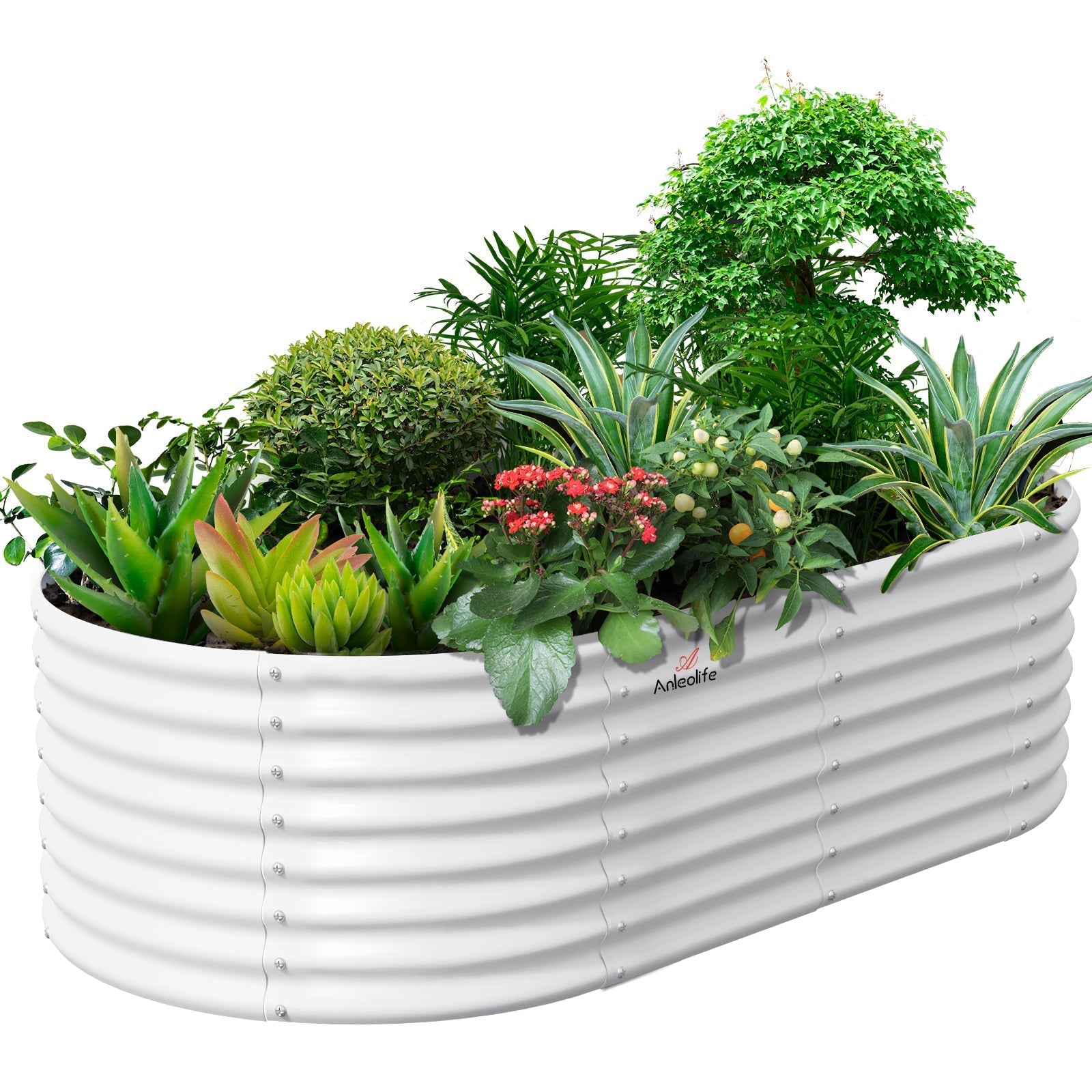
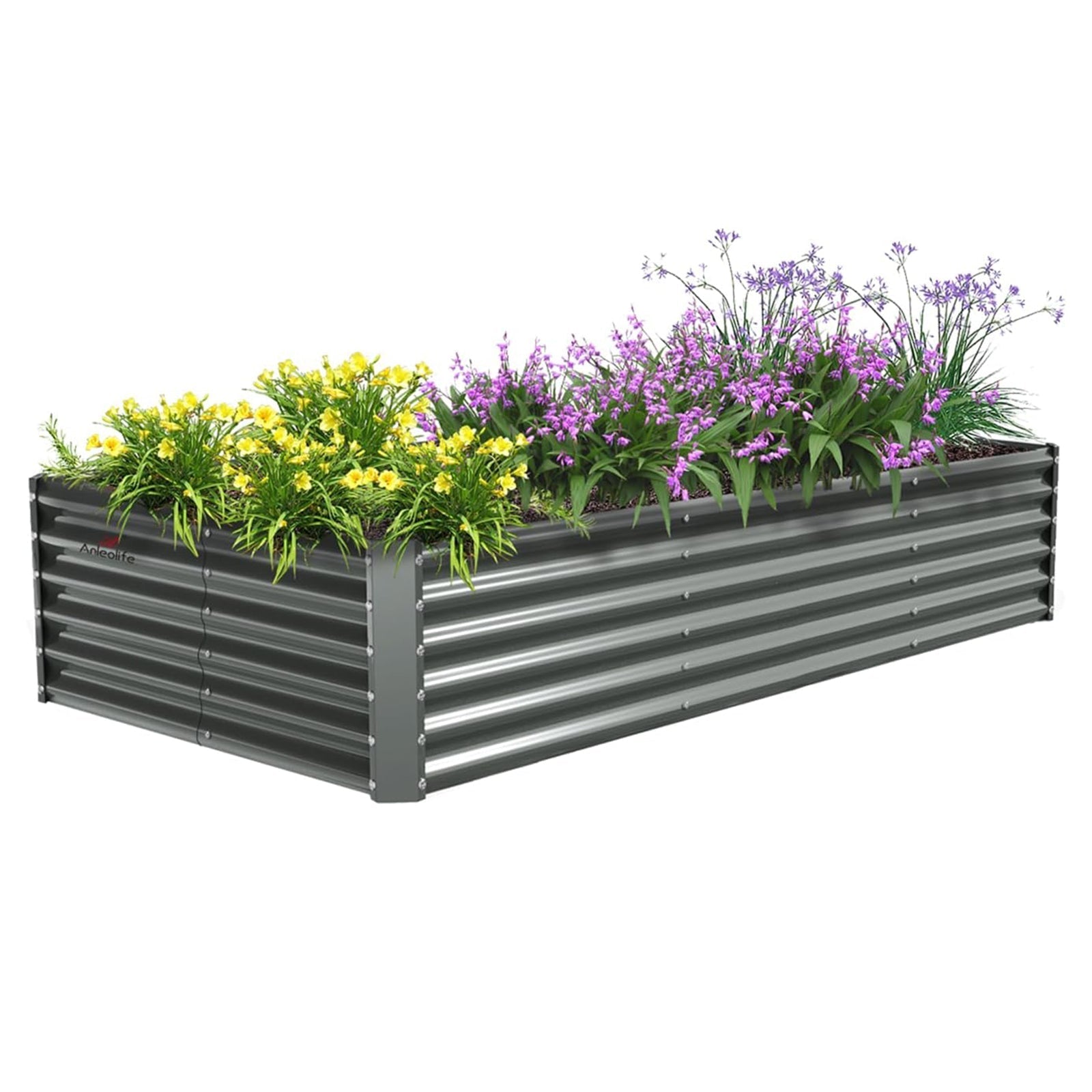
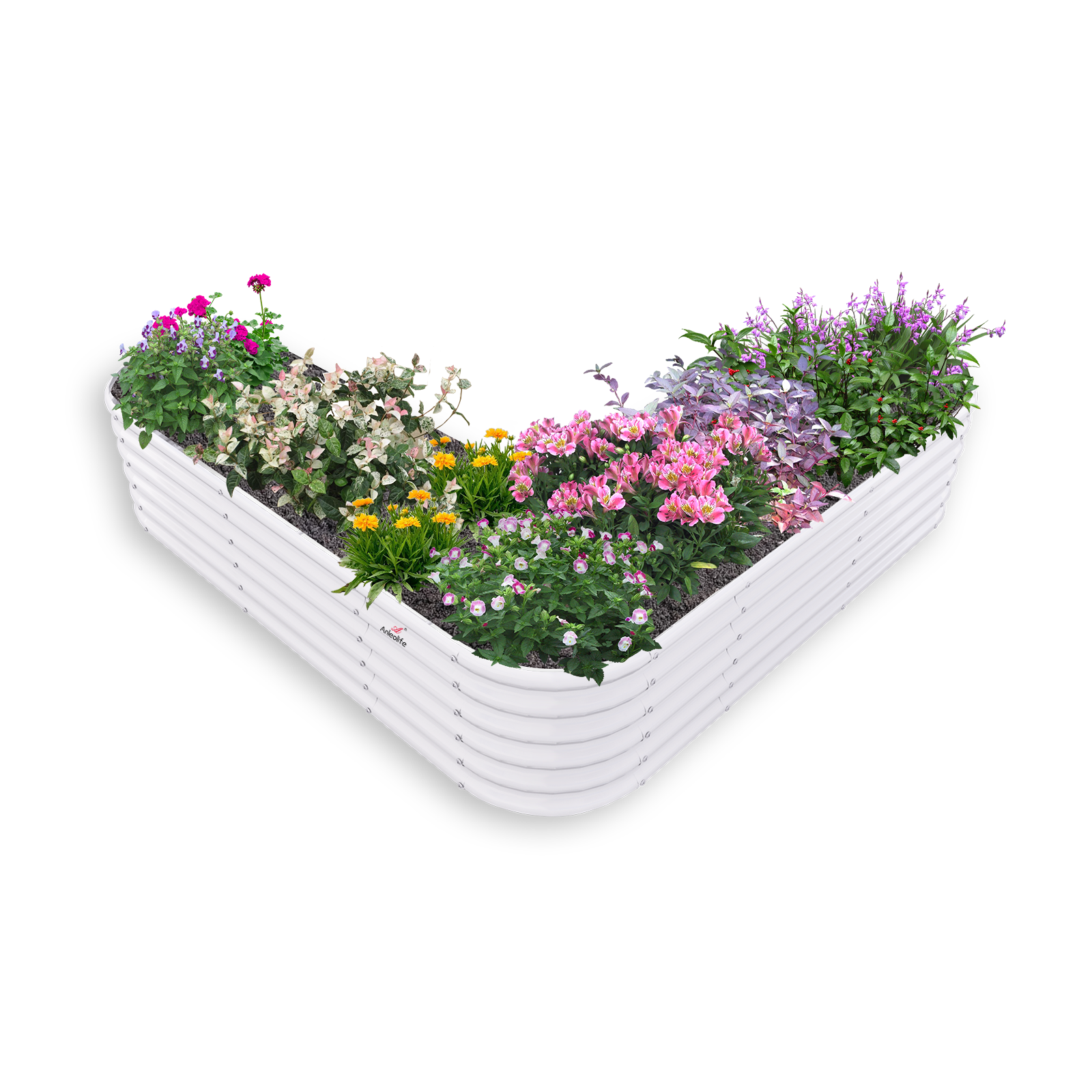
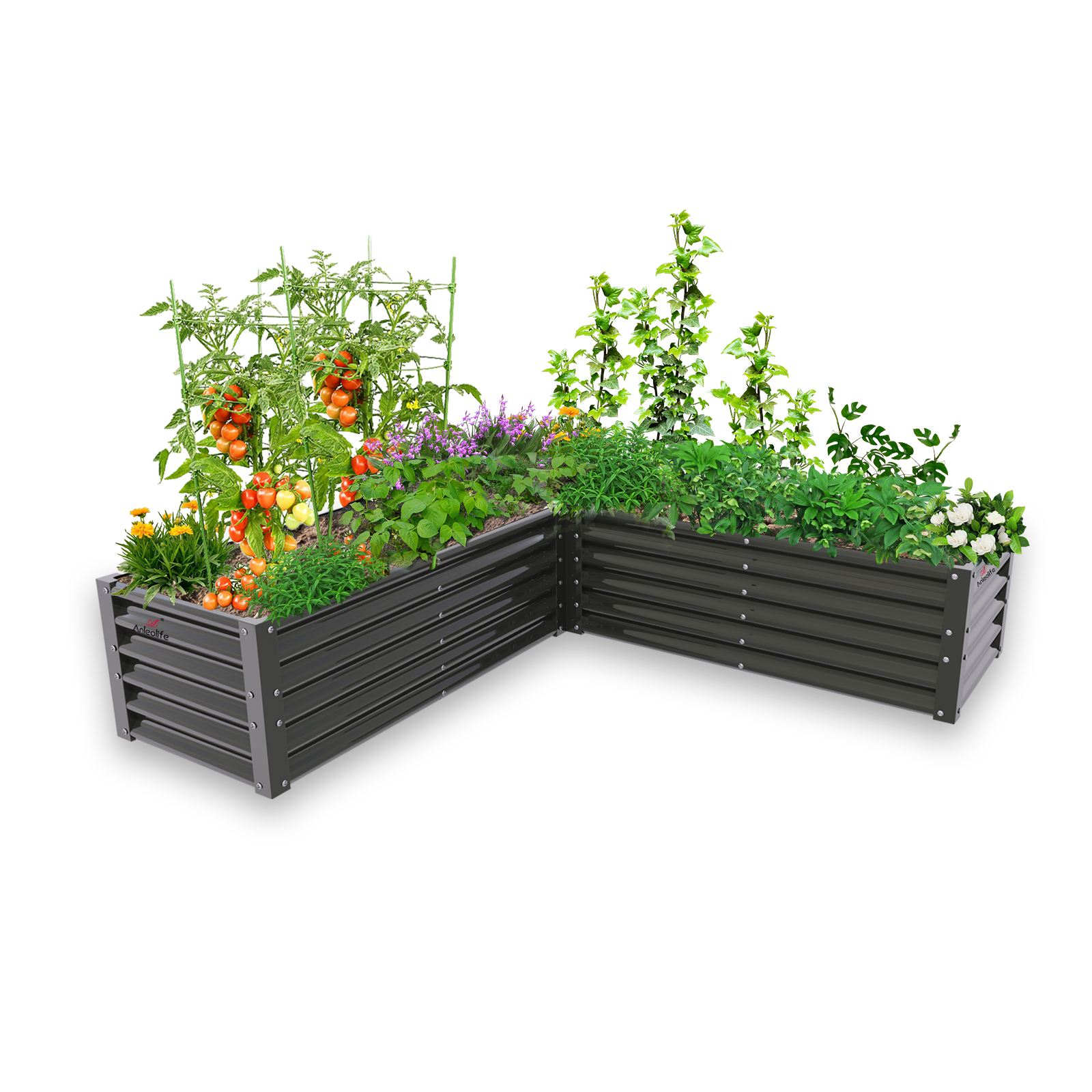
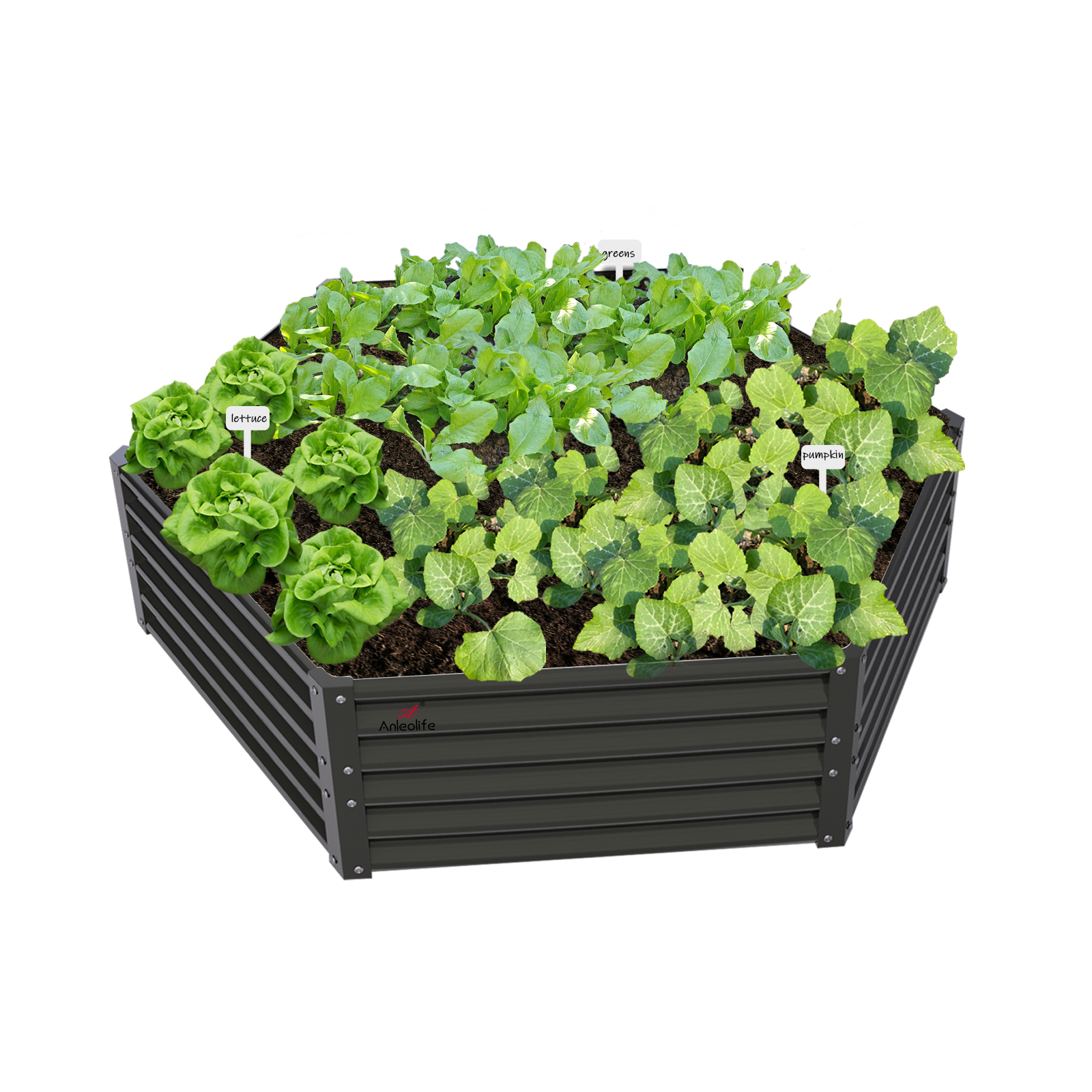
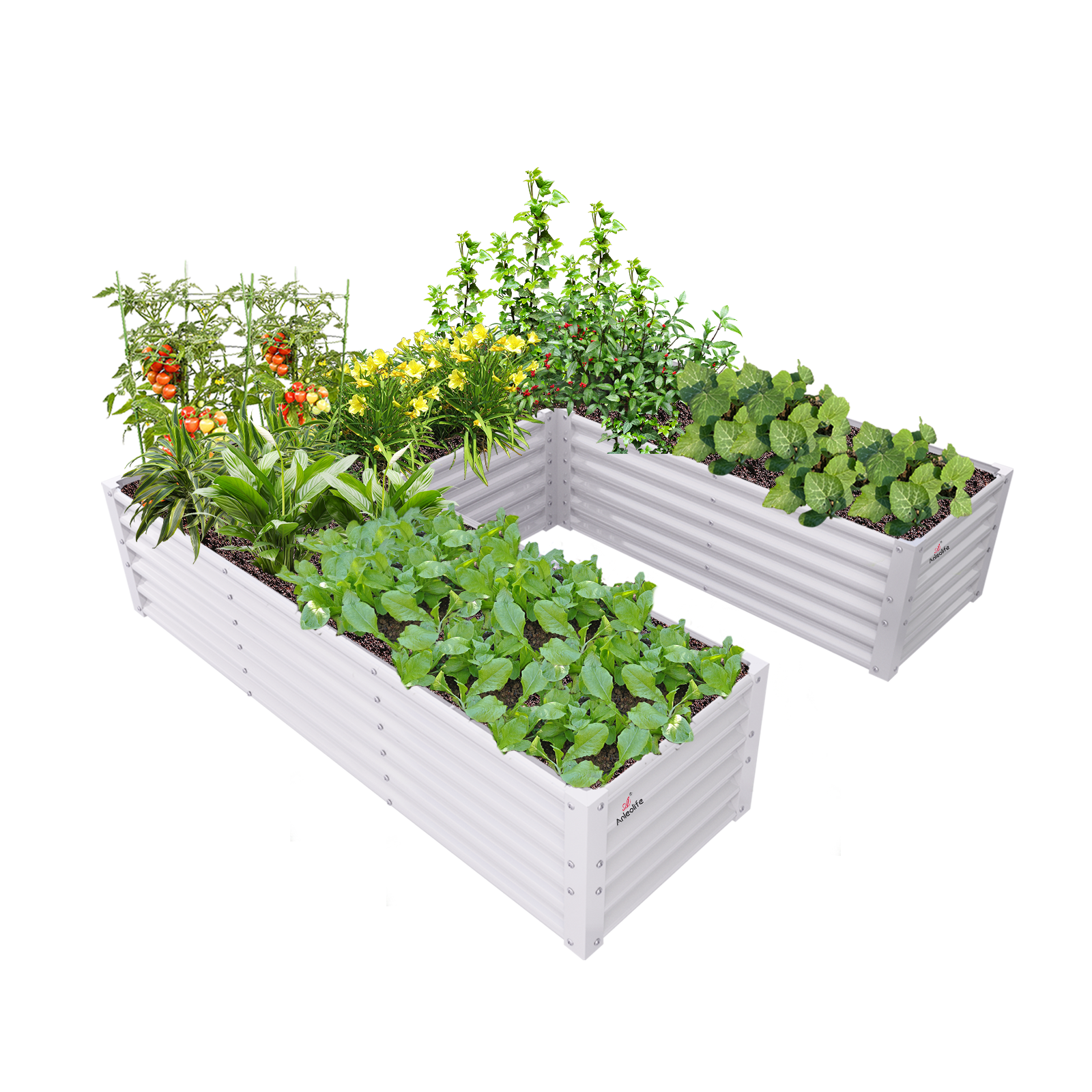
Choosing the right outdoor bed matters just as much as the indoor lighting. Galvanized Steel Raised Beds: 7 Reasons They Outperform Wood for Summer Gardening explains why metal beds have become the preferred choice among serious home growers — combining durability, thermal performance, and low maintenance in ways that wood simply cannot match. Anleolife's galvanized steel raised garden beds, built for a lifespan of up to 20 years, are a natural complement to the care and investment you're putting into your indoor growing system.
Once your plants are outdoors, a thoughtful water system irrigation setup ensures they continue thriving without daily manual watering. For raised bed growers, drip irrigation or soaker hose systems are particularly effective — they deliver water directly to the root zone, minimize evaporation, and reduce fungal disease pressure on foliage. You can find targeted advice on this topic in the Raised Bed Watering Guide: How to Conserve Water This Summer with Simple Systems, which covers practical approaches to efficient water system irrigation for the home garden.
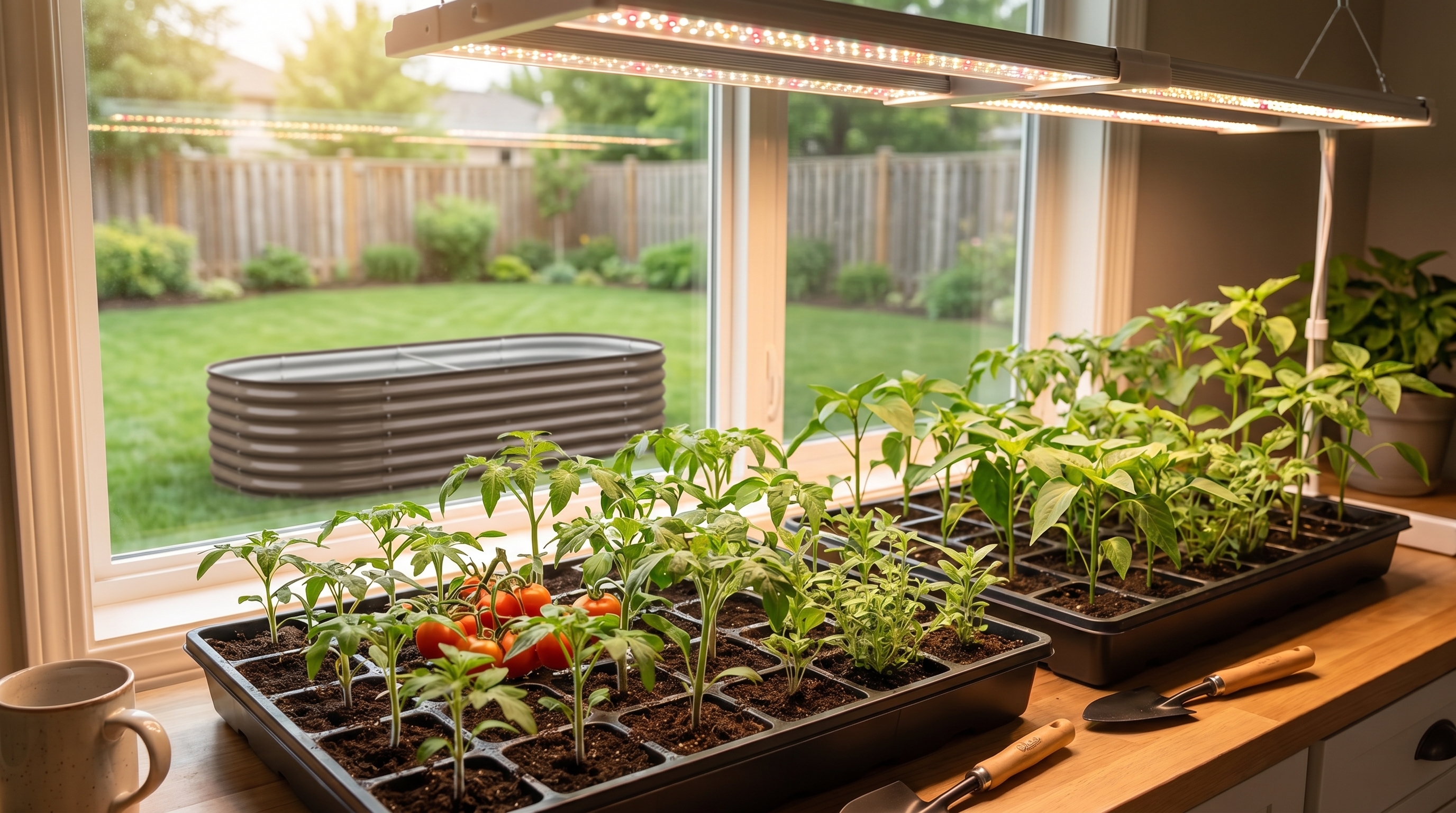
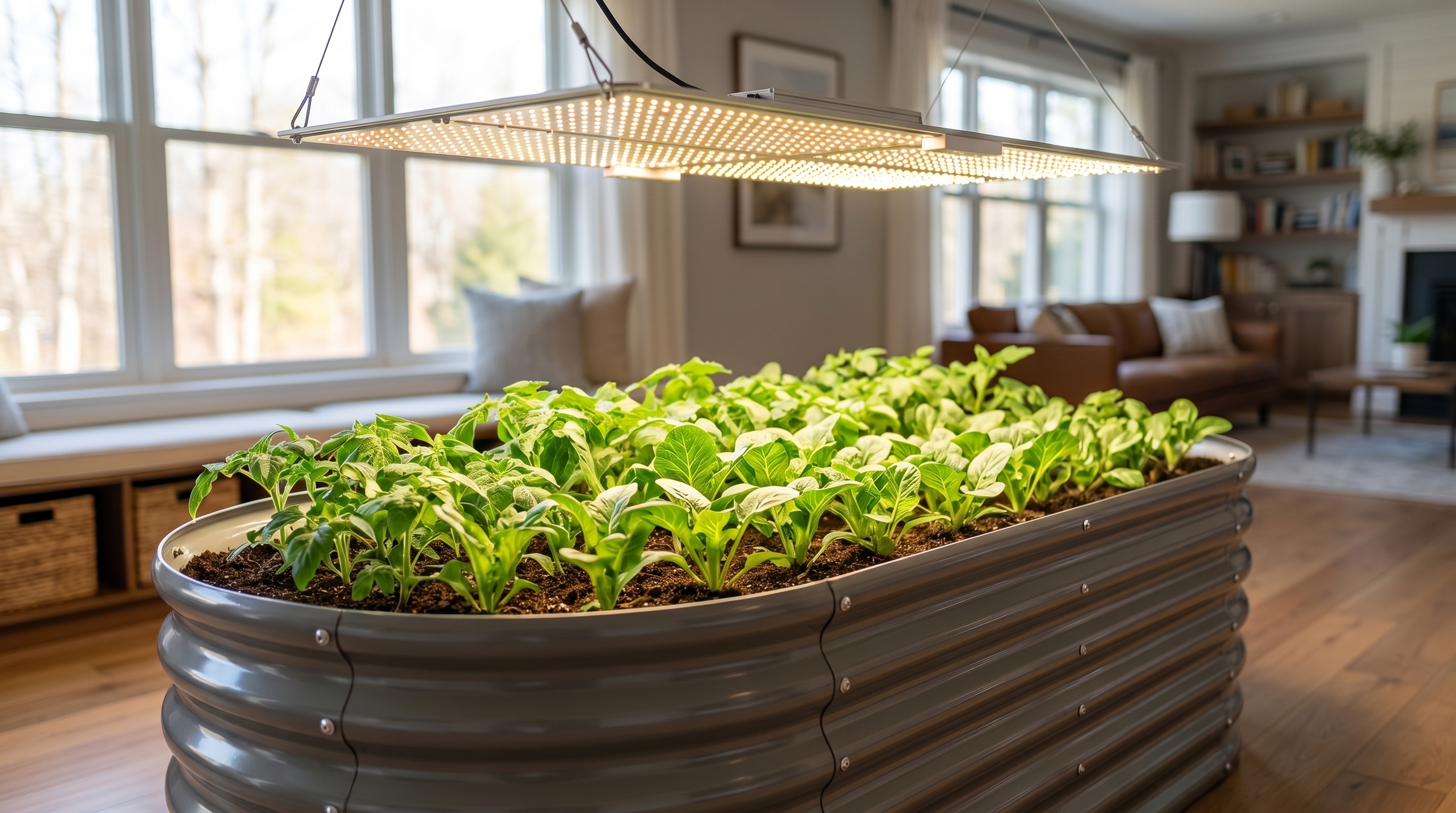
ALT: Healthy vegetable seedlings growing under full-spectrum LED grow lights, ready for transplant to outdoor raised garden beds
Advanced Considerations: Common Misconceptions and Special Situations
Misconception 1: More Wattage Always Means Better Results
This is one of the most persistent myths in the grow light space. Higher wattage simply means more electricity consumed — it doesn't guarantee more usable plant light. A 100-watt light with excellent efficacy and a true full-spectrum output can outperform a 300-watt light with poor spectrum quality and low efficiency. Always evaluate PPFD output and efficacy ratings rather than raw wattage.
Misconception 2: Full-Spectrum Lights Work the Same for Every Plant
Different plant families have meaningfully different light requirements. Leafy greens like lettuce, spinach, and herbs are relatively low-light crops that grow well under modest PPFD levels. Fruiting crops — tomatoes, peppers, cucumbers — are high-light plants that may struggle to produce well indoors even under excellent full-spectrum lighting unless light intensity is adequately high. Know your plants' needs before investing in a lighting system.
Special Situation: Using Grow Lights in Summer vs. Winter
Many gardeners assume grow lights are only for winter. In fact, summer use can be equally valuable — particularly for extending your indoor seed-starting season, growing heat-sensitive crops in cool indoor environments when outdoor temperatures are extreme, or maintaining fresh herbs in a kitchen window supplemented by grow light during cloudy stretches. In summer, you may be able to reduce daily light hours slightly if plants also receive meaningful natural light.
The Relationship Between Indoor Lighting and Soil Health
No grow light can compensate for poor growing medium. Indoor plants grown in low-quality potting mix or improperly balanced soil will underperform regardless of how excellent your lighting is. This principle extends equally to outdoor raised beds. For guidance on building the ideal growing medium for food plants, The Best Soil Recipe for Raised Garden Beds in Summer 2026 provides a detailed, practical framework for creating the optimal soil environment — principles that translate well to premium indoor potting mixes as well.
Frequently Asked Questions FAQ
Q1: How far should full-spectrum LED grow lights be placed from seedlings?
Distance varies by light intensity, but as a general starting point, most panel-style full-spectrum LEDs work well positioned 18–24 inches above seedlings in the early germination stage. As plants develop and light-hungry growth stages begin, you may move the light closer — typically 12–18 inches — while monitoring closely for heat stress or light bleaching. Always defer to your specific light manufacturer's recommended distance chart, as output intensity varies significantly between products. Adjust incrementally based on how your plants respond rather than making large sudden changes.
Q2: Are full-spectrum LED grow lights safe for use in living spaces like kitchens and living rooms?
Yes, quality full-spectrum LED grow lights designed for home use are safe for occupied living spaces. Unlike older HPS or fluorescent systems, LED lights produce minimal heat, no UV radiation at harmful levels, and don't emit chemicals or fumes. The visible spectrum output is designed to appear relatively natural (white or slightly warm-toned), making them far less obtrusive in living areas than the purple glow of older red-blue lights. Ensure lights are properly rated for the voltage in your home and that mounting hardware is secure.
Q3: How long does it take to see results from full-spectrum LED grow lights, and what does success look like?
Most gardeners notice meaningful improvement within one to two weeks of optimized grow light use. Early indicators of success include compact, upright stem growth (as opposed to the leggy stretching of light-deprived plants), deep green leaf color, and accelerated development relative to plants in natural light conditions. For seed starting specifically, germination rates and seedling vigor under quality full-spectrum lighting often improve noticeably within the first week. Full assessment of productivity gains — especially for fruiting crops — may take a full growing cycle of several months.
Summary
Full-spectrum LED grow lights represent one of the smartest investments a home gardener can make in their growing system today. The three core takeaways from this guide are clear:
First, full-spectrum quality matters far more than wattage or price. Focus on lights that deliver true, continuous-spectrum output across the full range of plant-usable wavelengths — and evaluate PPFD and efficacy data rather than marketing claims.
Second, grow lights work best as part of an integrated growing strategy. Starting seeds indoors under optimized lighting, then transitioning strong transplants to well-built outdoor raised beds with efficient water system irrigation in place, consistently produces better harvests than either approach alone.
Third, the best outdoor raised beds for vegetables share qualities with the best grow lights: durability, performance, and long-term value. Whether you're selecting a lighting system or a garden bed, investing in quality pays dividends for years — sometimes decades — to come.
The next step is simple: assess your current indoor growing situation, identify where light quality is the limiting factor, and take targeted action. Even a single quality full-spectrum LED panel can transform what's possible in your home growing space this year.
Ready to Complete Your Indoor-to-Outdoor Growing System?
Anleolife's nationwide U.S. warehouse network — strategically located in California, Texas, Florida, New York, Illinois, and Washington — ensures delivery within 3–8 business days, so your garden upgrade plans never have to wait. Products are available on major e-commerce platforms including Amazon, Walmart, Home Depot, Lowe's, and Wayfair, as well as directly at Anleolife.com, providing consistent quality assurance and responsive after-sales support.
Anleolife's three core scenarios — Planting (metal raised garden beds, soil systems), Raising (chicken coops, rabbit hutches), and Beautification (decorative accessories, pathway systems) — meet your complete needs from functionality to aesthetics. Our galvanized steel and rust-resistant raised garden beds are engineered for a lifespan of up to 20 years, making them the ideal outdoor destination for the healthy, vigorous plants you start under your indoor grow lights.
We understand that an ideal garden isn't built overnight — it's cultivated over time. Our modular product design allows flexible expansion based on your needs, from your first raised bed to a fully integrated planting-and-raising ecosystem. We grow with you every step of the way.
References
- U.S. Department of Agriculture (USDA). "Home and Community Gardening Resources."
https://www.nal.usda.gov/farms-and-agricultural-production-systems/home-and-community-gardening - NASA. "NASA Research Casts Light on Plant Growth" — foundational research on light wavelengths and plant photosynthesis.
https://www.nasa.gov/centers/marshall/news/background/facts/astp/led.html - Penn State Extension. "Lighting for Indoor Plants and Starting Seeds."
https://extension.psu.edu/lighting-for-indoor-plants-and-starting-seeds - University of Missouri Extension. "Lighting Indoor Houseplants."
https://extension.missouri.edu/publications/g6515 - American Horticultural Society. "Gardening Resources and Research."
https://ahsgardening.org/
Note: Standards and research findings may be updated. Please check the latest official documents or consult professional advisors for the most current guidance.
About Anleolife
Anleolife is a leading outdoor garden solutions provider in North America, dedicated to offering a full-scenario product ecosystem for home gardening enthusiasts, covering planting, raising, and garden beautification. Since its founding, we have upheld our brand mission, "Made for Garden Life," continuously innovating products and optimizing services to help hundreds of thousands of users upgrade their gardens, reconnect with nature, and enjoy a better garden lifestyle.