










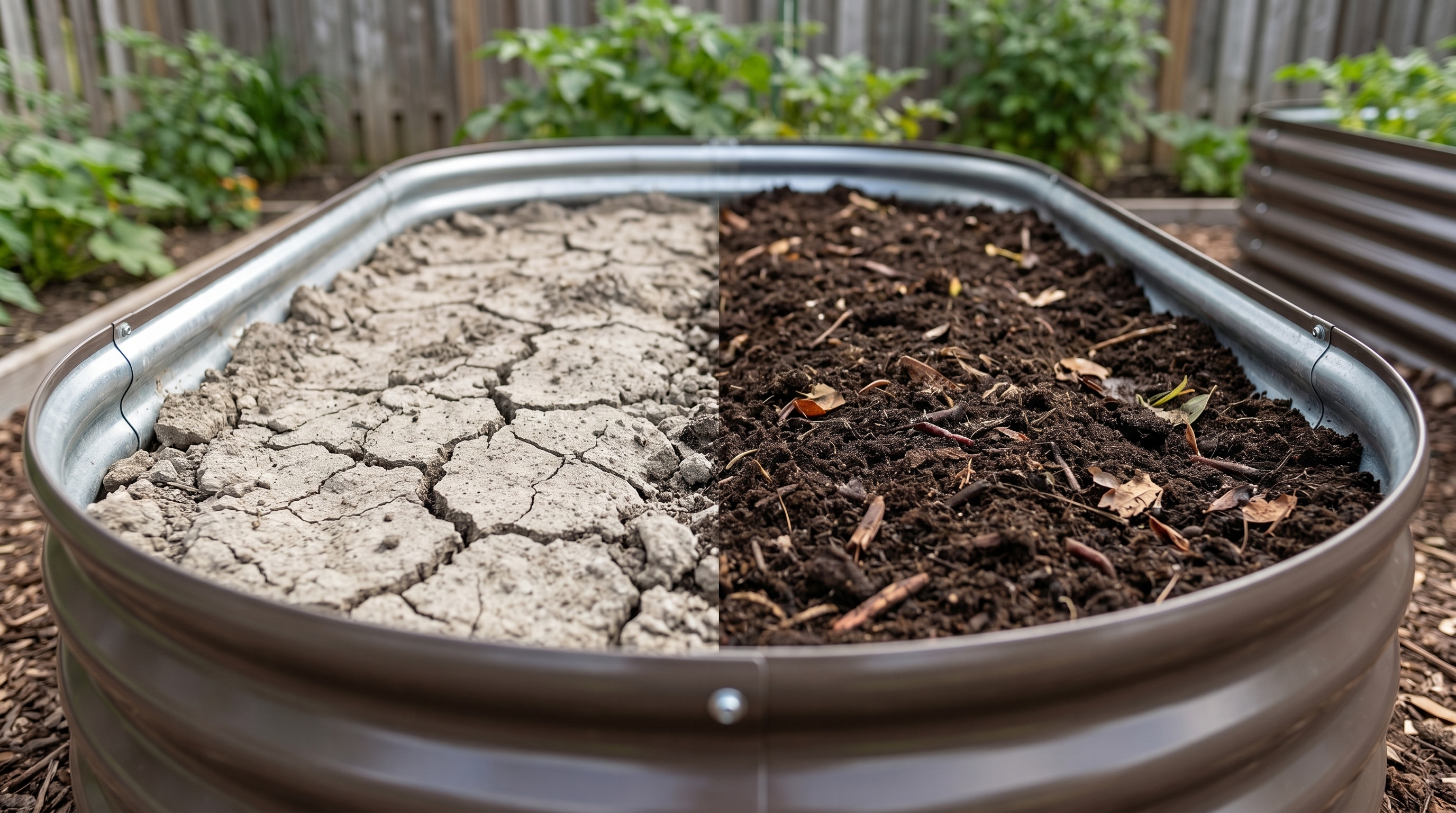
ALT: Close-up of depleted raised bed soil vs healthy dark compost-rich garden soil ready for replanting
Why Your Raised Bed Soil Might Be Quietly Failing Your Plants
Key Conclusion: Raised bed soil depletion is one of the most common — and most overlooked — reasons home gardeners see declining yields season after season. Unlike in-ground gardens that can draw on a deeper mineral reserve, raised beds rely entirely on the soil mix you provide. Recognizing the early warning signs of depletion and knowing exactly how to restore soil health quickly can mean the difference between a thriving vegetable patch and a frustrating growing season.
If you've ever planted into what seemed like perfectly good soil, only to watch your seedlings stall, yellow, or produce undersized fruit, you've likely encountered depleted raised bed soil. The good news is that once you learn to read the signs — and understand the straightforward restoration steps — you can revitalize your growing medium without starting over from scratch.
This guide is designed to help you diagnose the problem accurately, understand why it happens, and apply targeted solutions that work season after season. Whether you're managing a compact urban planting space or a multi-bed backyard garden, restoring your soil is the single highest-return investment you can make in your garden's productivity.
Who Should Read This Guide
✅ Applicable Scenarios:
- Home gardeners who have been using the same raised bed soil for one or more growing seasons without amendment
- Growers noticing slow plant growth, yellowing leaves, or poor fruit and vegetable production in their raised beds
- Anyone preparing their raised bed for a new planting season and wanting to start with optimized soil health
- Urban gardeners with limited space who need to maximize productivity from every square foot
❌ Not Applicable/Cautions:
- Newly set-up raised beds filled with fresh, high-quality soil mix — depletion signs won't apply until after the first full growing cycle
- Gardens experiencing pest or disease problems as the primary cause of poor plant performance — soil restoration alone won't resolve these issues without also addressing the pest/disease source
Understanding Why Raised Bed Soil Depletes Faster Than You Think
Raised bed soil depletion follows a predictable pattern, but most gardeners don't recognize it until the damage to their season's harvest is already done. Unlike the vast, interconnected ecosystem of a native soil environment, raised beds are essentially closed systems. The nutrients you put in are the only nutrients your plants can access.
Every time a plant grows, it draws minerals and organic compounds from the surrounding soil. Nitrogen fuels leafy growth. Phosphorus supports root development and flower formation. Potassium drives overall plant health and disease resistance. When these macronutrients are exhausted and not replenished, the next generation of plants struggles from day one.
Compounding the nutrient loss is soil structure degradation. Over time, the organic matter that gives healthy soil its spongy, crumbly texture — its ability to hold both moisture and air simultaneously — breaks down. What's left is a denser, poorly draining medium that suffocates roots and prevents water from reaching the root zone evenly. Many gardeners mistake this structural collapse for a watering problem, when the real issue is that their soil has simply aged out of optimal condition.
Research from the University of California Cooperative Extension confirms that container and raised bed soils lose a measurable portion of their organic matter each growing season, primarily through microbial decomposition and plant uptake. Without active replenishment, soil quality degrades on a predictable timeline.
There's also the issue of pH drift. Soil pH directly controls nutrient availability. Even if nutrients are technically present in your soil, plants can't absorb them if the pH is outside the appropriate range (generally 6.0–7.0 for most vegetables). Repeated watering, plant uptake, and organic matter decomposition all shift pH gradually over time, often toward acidity in raised beds.
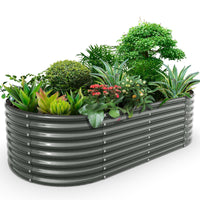
If you're investing in a quality raised garden bed — such as the durable galvanized steel options from Anleolife, which are built to last up to 20 years — it makes sense to protect that investment by keeping the growing medium inside it performing at its best. For a deeper dive into how material choice affects your long-term gardening setup, the article Galvanized Steel vs. Corten Steel Garden Beds: Which Holds Up Better Outdoors? offers an excellent comparison of bed materials that impact overall garden investment.
Understanding the mechanism of soil depletion also connects directly to watering practices. An efficiently watered bed is less prone to nutrient leaching. If you haven't yet explored setting up a drip system, How to Set Up a Drip Irrigation System for Multiple Raised Garden Beds walks you through reducing wasteful runoff that accelerates nutrient loss.
Recognizing the Signs and Restoring Your Soil Quickly
Three-Step Quick-Start Soil Restoration
Step 1: Diagnose Before You Amend
Before adding anything to your raised bed, take 15–20 minutes to assess what you're working with. Remove any old plant material and examine the soil surface and subsurface. Is it crusty and hard on top? Does it pull away from the bed walls? Does water pool or run straight through? Pick up a handful — does it crumble easily, or does it clump into a sticky, dense ball even when dry? These physical cues tell you whether you're dealing primarily with a structure problem, a compaction problem, or both. If possible, use a basic home pH testing kit or digital soil probe to get a pH reading. This 20-minute diagnosis will direct every subsequent step.
Step 2: Rebuild Organic Matter First
Spread a 2–3 inch layer of high-quality finished compost across the entire surface of your raised bed, then use a garden fork to gently work it into the top several inches of existing soil. Finished compost is the single most effective all-in-one soil amendment available to home gardeners — it improves drainage, increases water retention, introduces beneficial microbial life, and slowly releases a balanced range of nutrients. This step typically takes 30–45 minutes per bed and forms the foundation of any effective soil restoration. If your soil is severely compacted, consider replacing the bottom third entirely with a fresh blended mix.
Step 3: Target Specific Nutrient Deficiencies
Once you've restored basic structure with compost, use what you observed in Step 1 to guide targeted amendments. Yellowing leaves with green veins typically signal iron or magnesium deficiency. Uniform yellowing starting from the bottom of the plant suggests nitrogen depletion. Purplish leaf coloration often points to phosphorus deficiency. Apply slow-release organic fertilizers or specific mineral amendments based on these observations. Water thoroughly after amending, and give the soil one week before planting to allow amendments to integrate. This targeted approach avoids over-fertilizing, which can be just as damaging as nutrient deficiency.
Comparing the Most Effective Raised Bed Soil Restoration Approaches
Different gardeners prefer different restoration methods based on their schedules, budgets, and gardening philosophies. Here's an honest comparison of the three most common approaches:
| Comparison Dimension | Compost Top-Dressing | Complete Soil Replacement | Liquid Fertilizer Program |
|---|---|---|---|
| Cost per bed | Low–Moderate | High | Low–Moderate |
| Effectiveness for structure | High | High | Low (nutrients only) |
| Effectiveness for nutrients | High (slow release) | High | High (fast release) |
| Time required | 1–2 hours | 2–4 hours | Ongoing (weekly) |
| Disruption to existing plants | Minimal | Full replanting required | None |
| Long-term soil health impact | Very High | Resets to baseline | Low (doesn't build biology) |
| Best for | Annual refresh between seasons | Severely depleted or contaminated soil | Quick in-season boost |
| Environmental footprint | Low (organic) | Moderate (material disposal) | Varies by product type |
The table above makes clear that compost top-dressing is the best all-around strategy for most home gardeners performing regular seasonal maintenance. Complete replacement is warranted only when soil has become severely compacted, contaminated, or so degraded that it no longer drains properly. Liquid fertilizers serve best as a supplemental, mid-season intervention rather than a primary restoration strategy.
Reading the Warning Signs: A Detailed Field Guide
Visual Clues in Your Plants
The fastest way to diagnose depleted raised bed soil is to look at your plants themselves. Plants are remarkably precise communicators when you know what to look for.
Yellowing leaves — particularly when yellowing starts at the bottom of the plant and progresses upward — typically signal nitrogen deficiency, which is the nutrient most rapidly consumed in active growing beds. Nitrogen is water-soluble and leaches easily with irrigation, making it the first macronutrient to run out in heavily watered beds.
Pale, washed-out coloration across the whole plant, especially in young seedlings, often points to overall nutrient poverty rather than a single deficiency. When soil has been used for multiple seasons without amendment, the combination of depleted nitrogen, phosphorus, and trace minerals produces this generalized pale appearance.
Slow or stunted growth that doesn't correlate with temperature or light conditions is one of the most reliable signs of structural soil problems. When roots can't penetrate dense, compacted soil, they can't access water or nutrients efficiently regardless of what's present in the growing medium.
Blossom drop and poor fruit set in tomatoes, peppers, and cucumbers often trace back to calcium or potassium deficiency, both of which deplete predictably in beds planted with heavy-fruiting crops season after season.
Physical Soil Clues
Beyond plant symptoms, the soil itself will tell you when it's exhausted. Hydrophobic soil — where water beads on the surface and rolls off rather than soaking in — develops when organic matter drops below a critical threshold and the soil surface becomes waxy and repellent. This is a serious structural problem that compost and wetting agents can address but that will not resolve itself.
Extreme hardness when the soil is dry, combined with cracking along the bed walls, indicates severe organic matter loss and compaction. This type of soil has lost its aggregate structure entirely — the microscopic clumps of particles, held together by fungal threads and organic glue, that give healthy soil its characteristic open, crumbly texture.
Grey or pale soil color — a departure from the rich dark brown of healthy, organic-matter-rich soil — visually confirms low organic content. Soil color is actually a reliable proxy for biological activity: darker soil is teeming with microbial life; lighter soil has been biologically depleted.
The pH Factor: The Hidden Nutrient Thief
Many gardeners are unaware that soil pH is the single most powerful controller of nutrient availability. A soil test might show perfectly adequate phosphorus levels, yet if pH has drifted below 5.5 or above 7.5, plants simply cannot absorb it. This is sometimes called nutrient lockout.
In raised beds, pH tends to drift acidic over time, particularly in regions with naturally acidic rainwater or in beds planted with acid-preferring crops. Regularly testing pH and correcting with agricultural lime (to raise pH) or elemental sulfur (to lower pH) is a foundational maintenance task that pays enormous dividends.
For gardeners planning their planting strategy around soil depth requirements, How Deep Should Raised Bed Soil Be for Tomatoes, Carrots, and Root Vegetables? provides excellent guidance on matching soil volume to crop type — an important consideration when deciding how much to amend versus replace.
Seasonal Timing for Soil Restoration
The most effective time to restore raised bed soil is between growing seasons — specifically in early spring before planting and in fall after harvest. These transition windows allow amendments to integrate and microbial communities to establish before your plants start drawing on soil resources.
However, if your plants are showing active deficiency symptoms mid-season, don't wait. A fast-acting organic liquid fertilizer applied directly to the root zone can provide interim support while longer-term amendments take effect. Foliar feeding with dilute seaweed extract or fish emulsion can also deliver quick micronutrient support directly through the leaves.
If you're choosing which crops to prioritize in a restored bed, Top Vegetables to Plant in a Raised Garden Bed Right Now This Summer offers current, seasonally specific guidance for maximizing what you grow in an amended bed.
Choosing the Right Raised Bed for Long-Term Soil Management
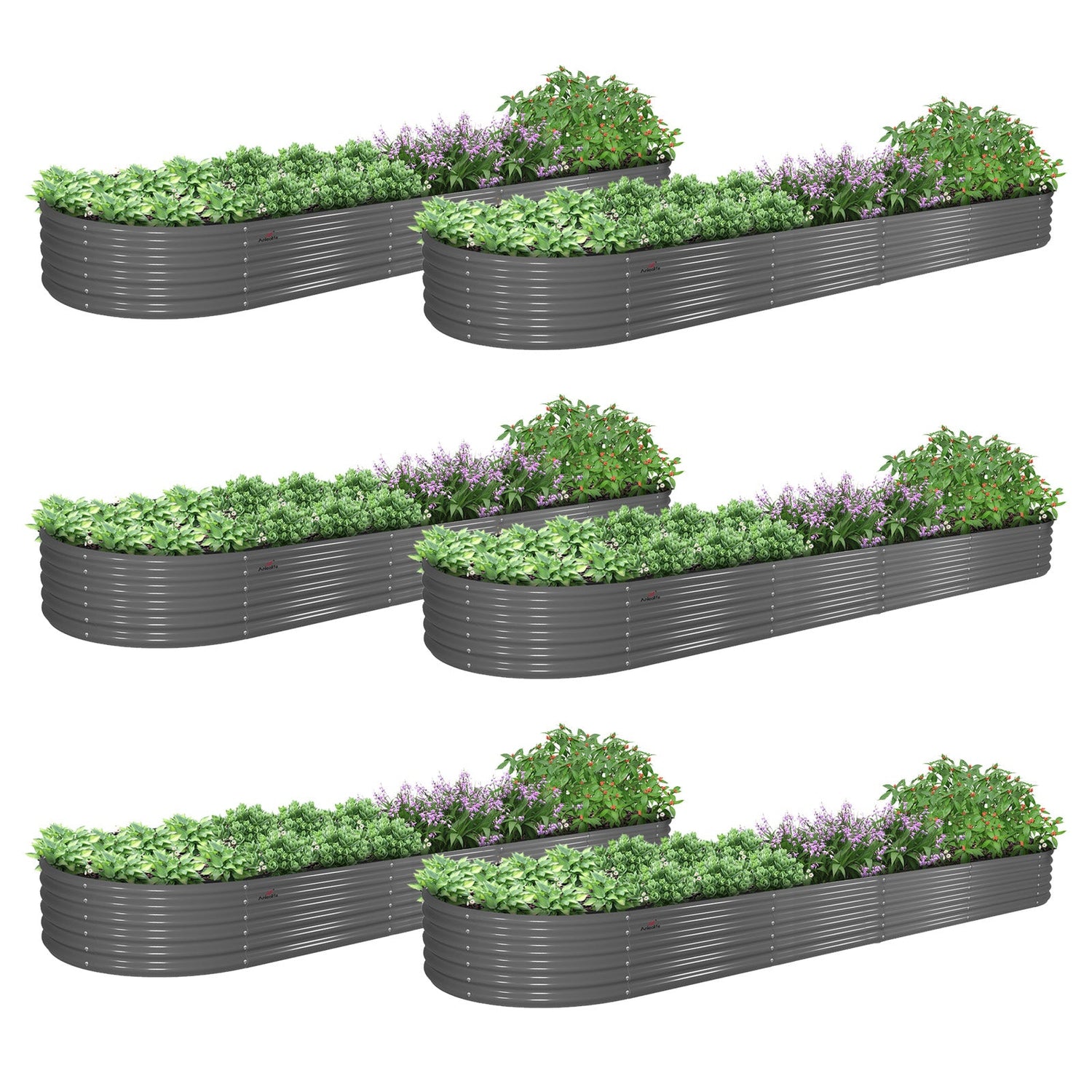
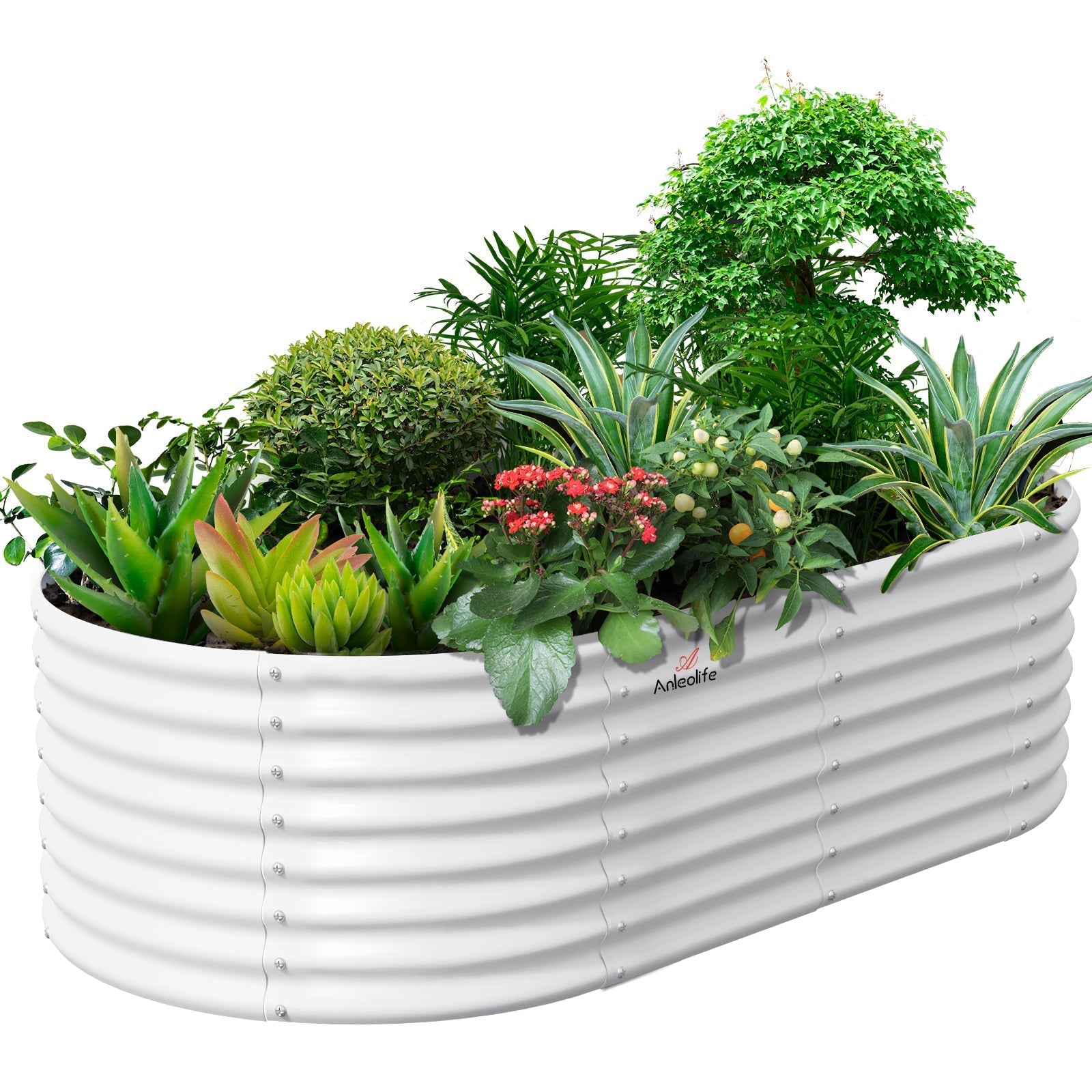
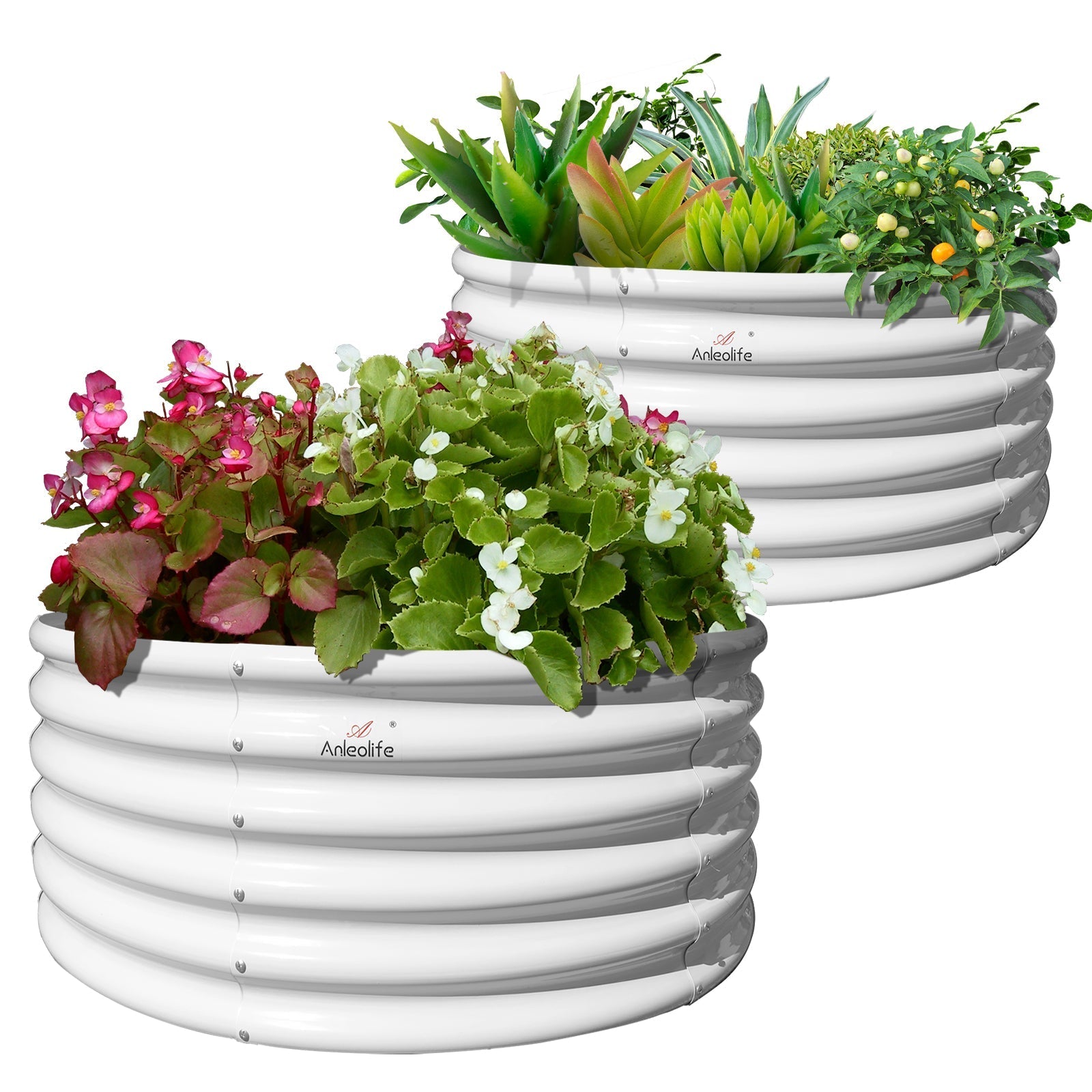
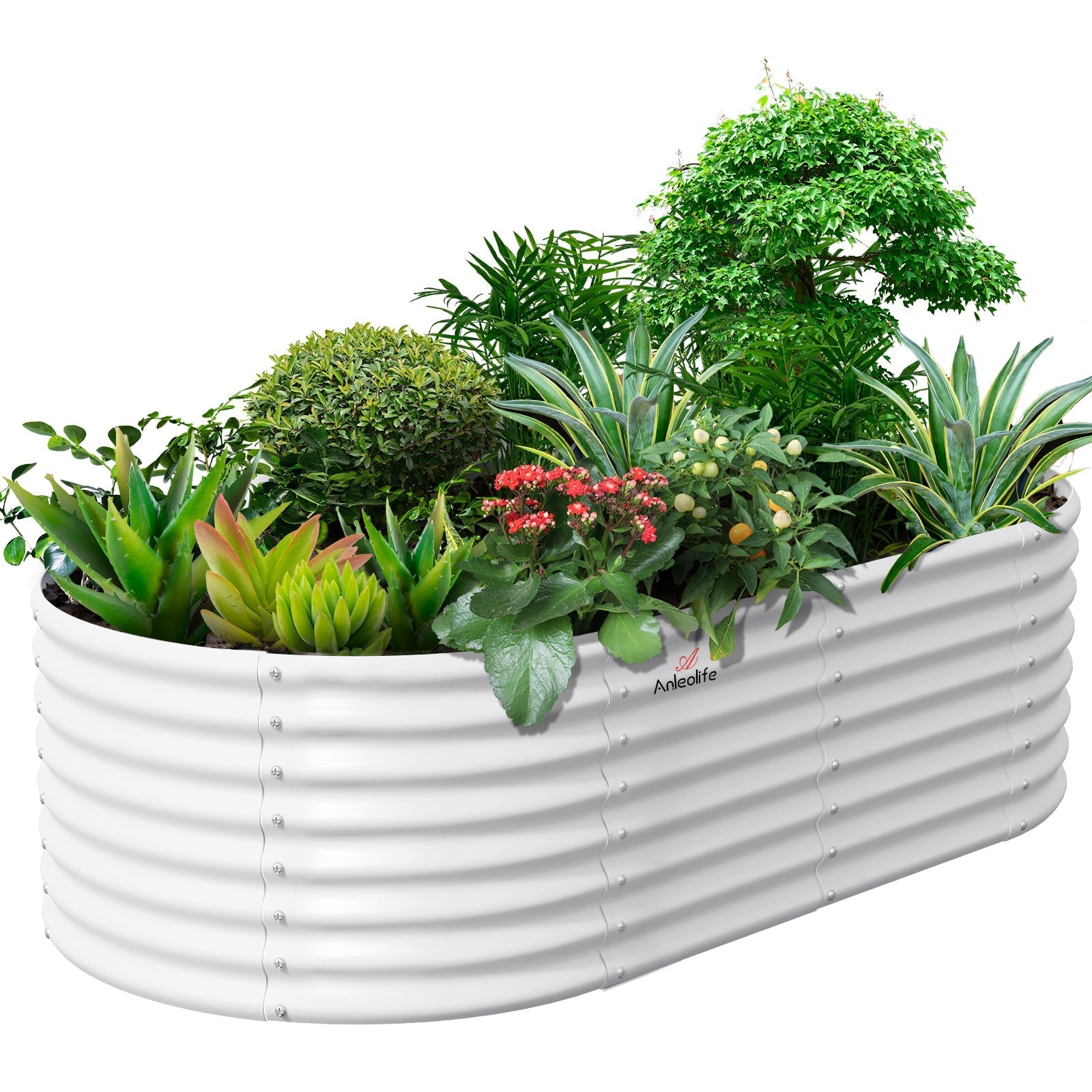
The container you're working with affects how well your soil performs and how easy it is to manage. Deep raised beds — such as Anleolife's 24" and 30" extra tall options — allow for significantly more soil volume, which buffers nutrient fluctuations, retains moisture more evenly, and provides the root depth that heavy-feeding crops like tomatoes and squash require.
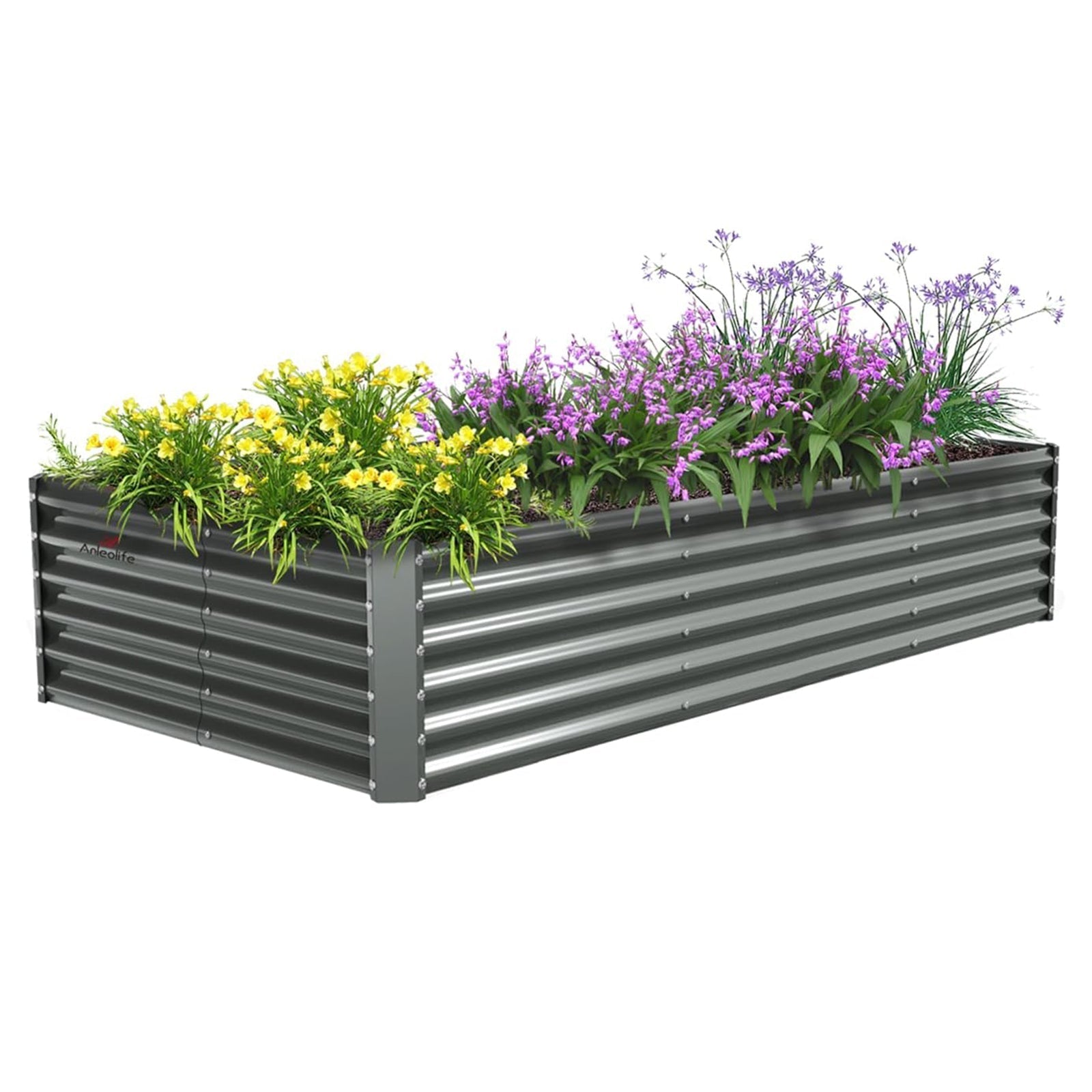
Shallow beds (typically 12"–18" in height) can be highly productive but require more frequent amendment because their smaller soil volume is depleted faster. If you're growing strawberries and looking for the best size raised bed for the job, a bed in the 18" tall range — such as the Anleolife 18" Tall 8x4 ft option — provides excellent depth for strawberry root systems while offering enough surface area to plant a full, productive patch. Strawberries, being moderate feeders with relatively shallow roots, thrive in this format.
The bed material also matters for long-term soil health. Galvanized steel beds from Anleolife are designed for a 20-year lifespan and maintain structural integrity season after season, ensuring your soil management efforts aren't compromised by a deteriorating container leaching unwanted materials into your growing medium.
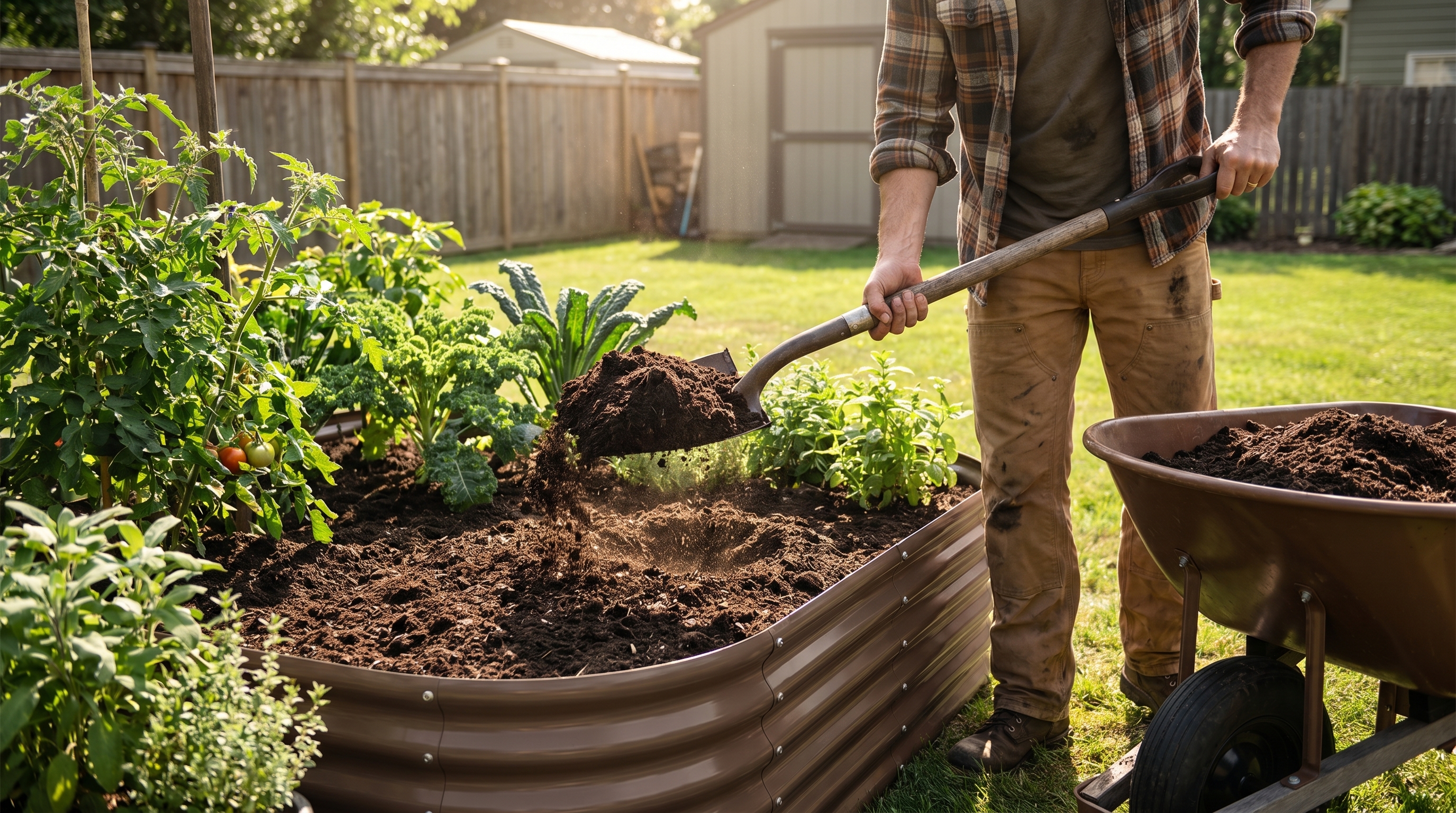
ALT: Home gardener restoring depleted raised bed soil by adding rich compost to an Anleolife galvanized steel raised garden bed
Advanced Soil Restoration: Handling Difficult Cases
When Standard Compost Isn't Enough
For beds that have been neglected for multiple seasons or were originally filled with low-quality soil, standard compost top-dressing alone may not be sufficient. In these cases, consider a complete soil recharge using a blended raised bed mix: typically one-third aged compost, one-third high-quality topsoil or garden soil, and one-third coarse material such as perlite or aged wood chips for drainage.
If your bed shows signs of fungal disease from prior seasons — white mycelium mats, persistent mold on the soil surface, or a history of damping-off in seedlings — incorporating biochar into your restoration mix can help. Biochar improves soil structure, raises pH slightly, and provides long-term habitat for beneficial microbial populations. It's a genuine investment in soil biology rather than just a quick nutrient fix.
Debunking Common Soil Myths
Myth: Fresh topsoil is a good raised bed filler. Standard topsoil is typically too dense and poorly draining for raised bed use on its own. It must be blended with organic matter and aeration materials to perform well in a container environment.
Myth: More fertilizer fixes all plant problems. Over-fertilizing — particularly with high-nitrogen synthetic fertilizers — can actually burn roots, disrupt soil biology, and create nutrient imbalances that are harder to correct than the original deficiency. Organic amendments release nutrients slowly and in balance, building soil health rather than just spiking nutrient levels temporarily.
Myth: You only need to amend soil when plants look sick. Proactive, annual amendment between seasons is far more effective than reactive correction after deficiency symptoms appear. Prevention is always cheaper and more productive than cure in soil management.
Connecting Soil Health to Bed Design Choices
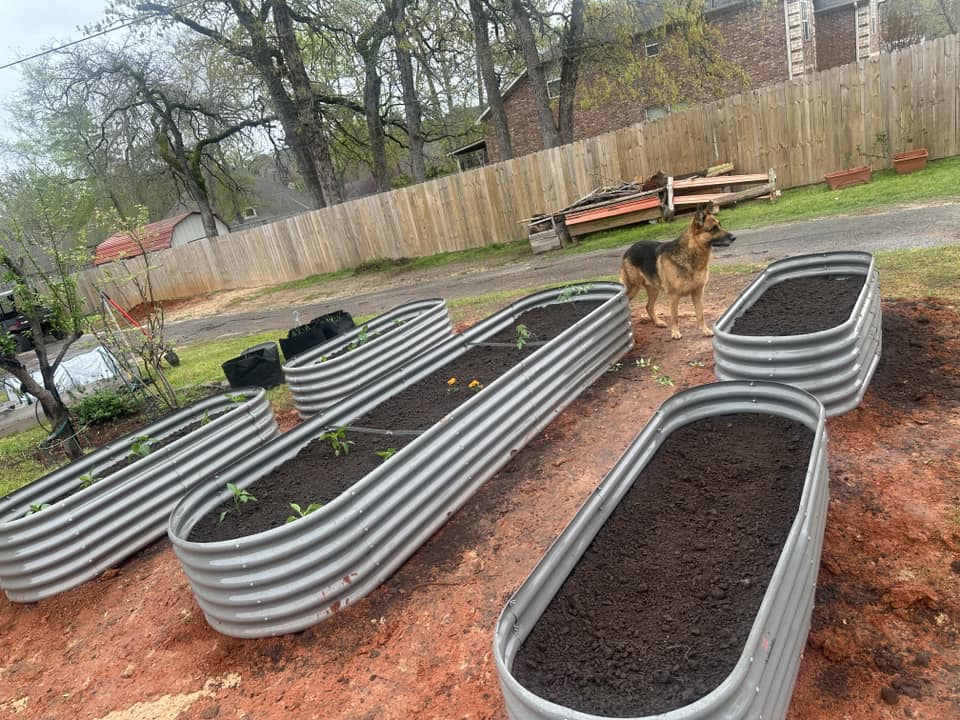
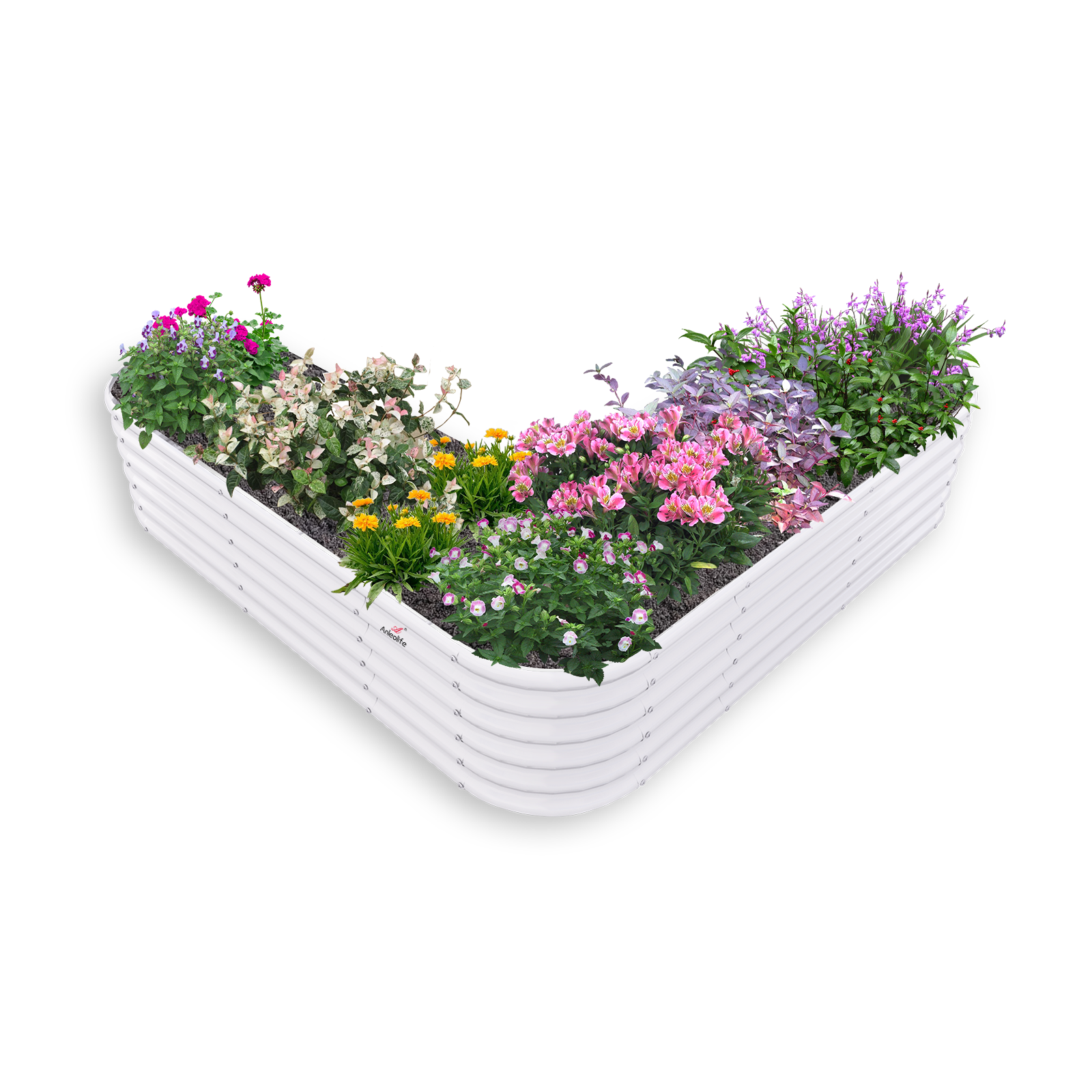
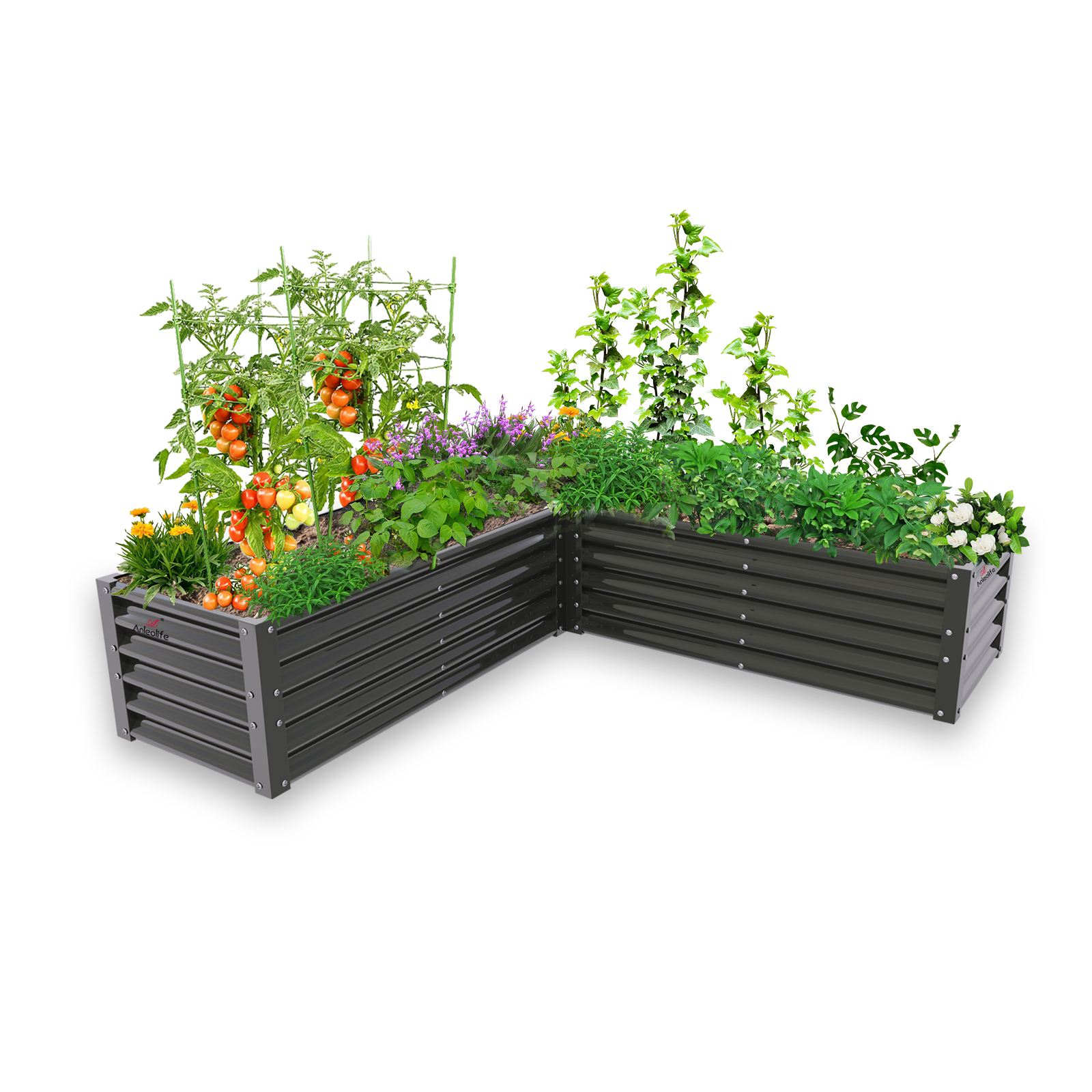
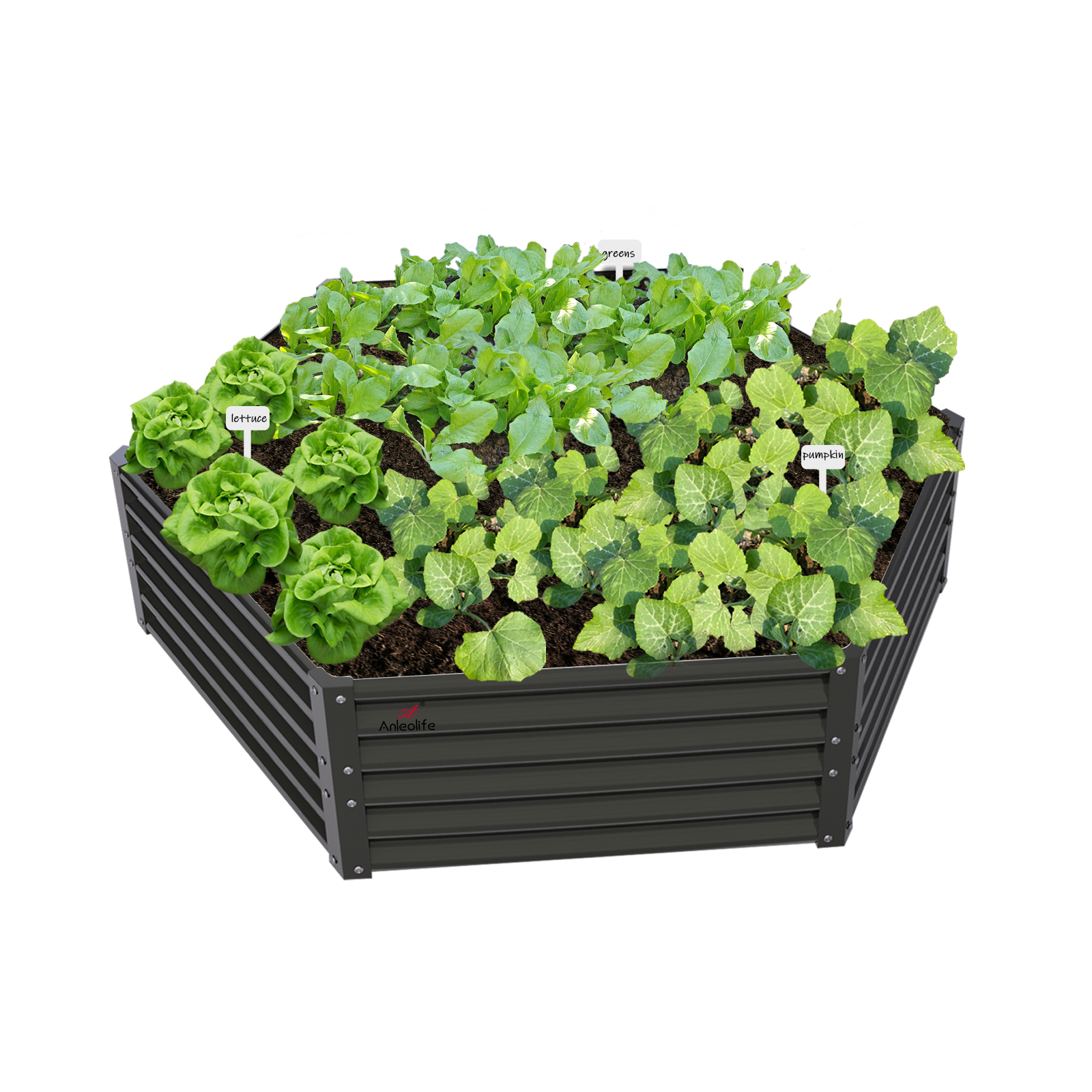
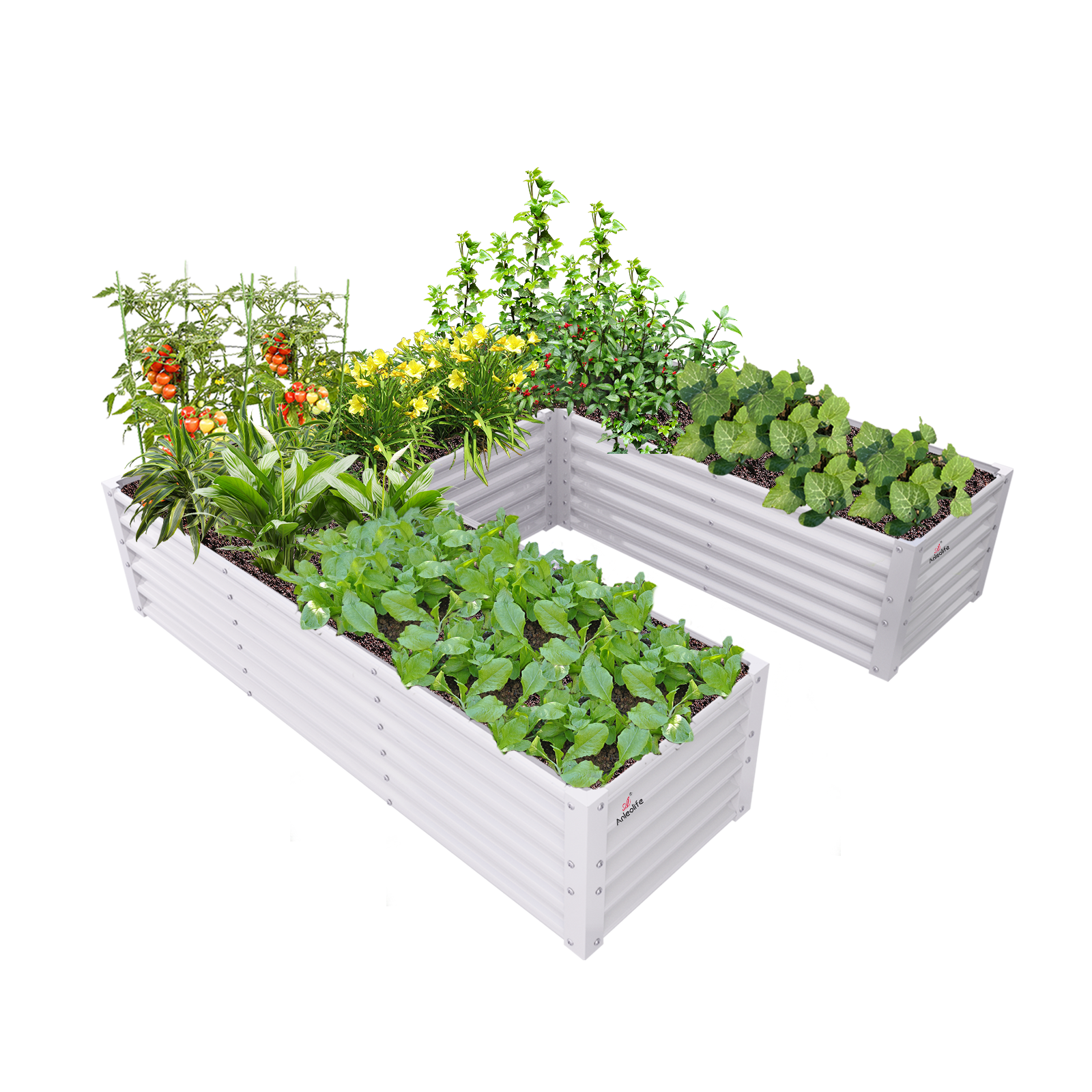
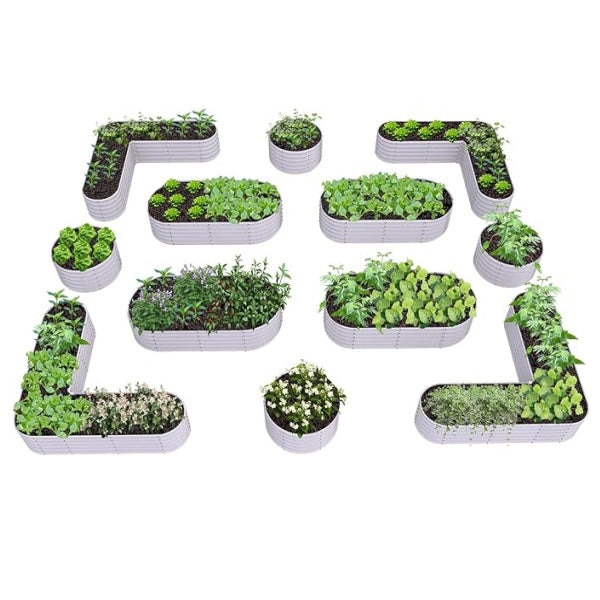
Your soil management strategy should inform how you set up and expand your raised bed system. Beds positioned for easy access on all sides make compost incorporation significantly less labor-intensive. Anleolife's modular raised garden bed designs allow you to configure and reconfigure your garden space as your needs evolve — an important consideration for gardeners who plan to expand their growing area over time.
Frequently Asked Questions FAQ
Q1: How often should I add compost to my raised bed soil?
As a general rule, adding a 1–2 inch layer of finished compost at the beginning of each growing season — and a second light application at mid-season for heavy-feeding crops like tomatoes — provides adequate ongoing nutrition and structural support for most raised bed gardens. If you're growing high-demand vegetables in a smaller bed, you may benefit from more frequent light applications. Consistent, proactive amendment prevents the gradual depletion cycle rather than requiring full restoration every few years.
Q2: Is it safe to reuse raised bed soil that had diseased plants in it?
Reusing soil from a bed that experienced plant disease requires caution. Fungal pathogens like early blight, fusarium wilt, and verticillium can persist in soil across seasons. For bacterial and fungal diseases, hot composting infected plant material (with temperatures above 140°F) can neutralize most pathogens, but it's generally safer not to compost visibly diseased plant matter at all. Consider solarizing the soil (covering with clear plastic in full sun for 4–6 weeks in summer) to pasteurize it before reuse. For severe disease history, partial or full soil replacement is the safest option.
Q3: How long does it take to see improvement after restoring raised bed soil?
Most gardeners see measurable improvement within 2–4 weeks of applying a thorough compost amendment and any targeted nutrient corrections. Liquid fertilizers and foliar feeds can show results within 7–10 days for plants already in the ground. However, genuine, deep soil health restoration — rebuilding microbial populations, stabilizing pH, and improving long-term structure — takes a full growing season to fully manifest. The good news is that each successive season of proactive soil care produces incrementally better results, compounding over time into a highly productive, self-sustaining growing medium.
Summary
Raised bed soil depletion is inevitable over time, but it's entirely manageable with the right knowledge and a consistent approach. The three core takeaways from this guide are:
- Read your plants and your soil together. Yellowing leaves, stunted growth, hard or hydrophobic soil, and pale soil color are all reliable diagnostic signals. Don't guess — observe systematically before amending.
- Compost is the foundation, not a complete solution. Annual compost incorporation restores structure, biology, and broad-spectrum nutrition. Targeted amendments address specific deficiencies. The combination of both produces results that neither achieves alone.
- Prevention beats correction. A 30-minute soil amendment session between growing seasons saves hours of troubleshooting during the season. Build soil care into your regular garden rhythm rather than treating it as an emergency response.
With your soil health restored and your raised beds performing at full capacity, the next step is making sure your planting infrastructure matches your ambitions. Whether you're growing tomatoes in a deep 30" extra tall bed or cultivating herbs and strawberries in a compact 18" tall bed, the right bed design makes every aspect of soil management easier.
Ready to Upgrade Your Raised Bed Setup?
Anleolife's nationwide U.S. warehouse network — strategically located in California, Texas, Florida, New York, Illinois, and Washington — ensures delivery within 3–8 business days, so your garden upgrade plans never have to wait for the right season. Our products are available across major platforms including Amazon, Walmart, Home Depot, Lowe's, Wayfair, and directly through Anleolife.com, with consistent quality assurance and dedicated after-sales support wherever you shop.
Our three core scenarios — Planting (metal raised garden beds, soil systems), Raising (chicken coops, rabbit hutches), and Beautification (decorative accessories, pathway systems) — cover your complete garden journey from first seedling to fully realized outdoor living space. Built to last up to 20 years, Anleolife raised garden beds are designed to grow with you, season after season. We understand that an ideal garden is not built overnight, but gradually improved over time. Our modular product design allows flexible expansion based on your needs — from your first 8x4 garden bed to a fully integrated planting-and-raising ecosystem. We grow with you every step of the way.
References
- University of California Agriculture and Natural Resources. "Soil Management in Home Gardens and Landscapes".
https://ucanr.edu/sites/gardenweb/Soil/ - Penn State Extension. "Soil Fertility in Raised Bed Gardening".
https://extension.psu.edu/soil-management-and-soil-health - Oregon State University Extension Service. "Improving Garden Soils with Organic Matter".
https://extension.oregonstate.edu/gardening/techniques/improving-garden-soils-organic-matter - USDA Natural Resources Conservation Service. "Soil Health".
https://www.nrcs.usda.gov/topics/soil-health - Clemson University Cooperative Extension. "Raised Bed Gardening".
https://hgic.clemson.edu/factsheet/raised-bed-gardening/
Note: Standards and research recommendations may be updated periodically. Please check the latest official documents or consult professional advisors for current guidance.
About Anleolife
Anleolife is a leading outdoor garden solutions provider in North America, dedicated to offering a full-scenario product ecosystem for home gardening enthusiasts, covering planting, raising, and garden beautification. Since its founding, we have upheld our brand mission, "Made for Garden Life," continuously innovating products and optimizing services to help hundreds of thousands of users upgrade their gardens, reconnect with nature, and enjoy a better garden lifestyle. From our galvanized steel raised garden beds engineered for a 20-year lifespan to our thoughtfully designed modular configurations, every Anleolife product is built to make high-quality home growing accessible, durable, and genuinely enjoyable — for first-time growers and seasoned gardeners alike.