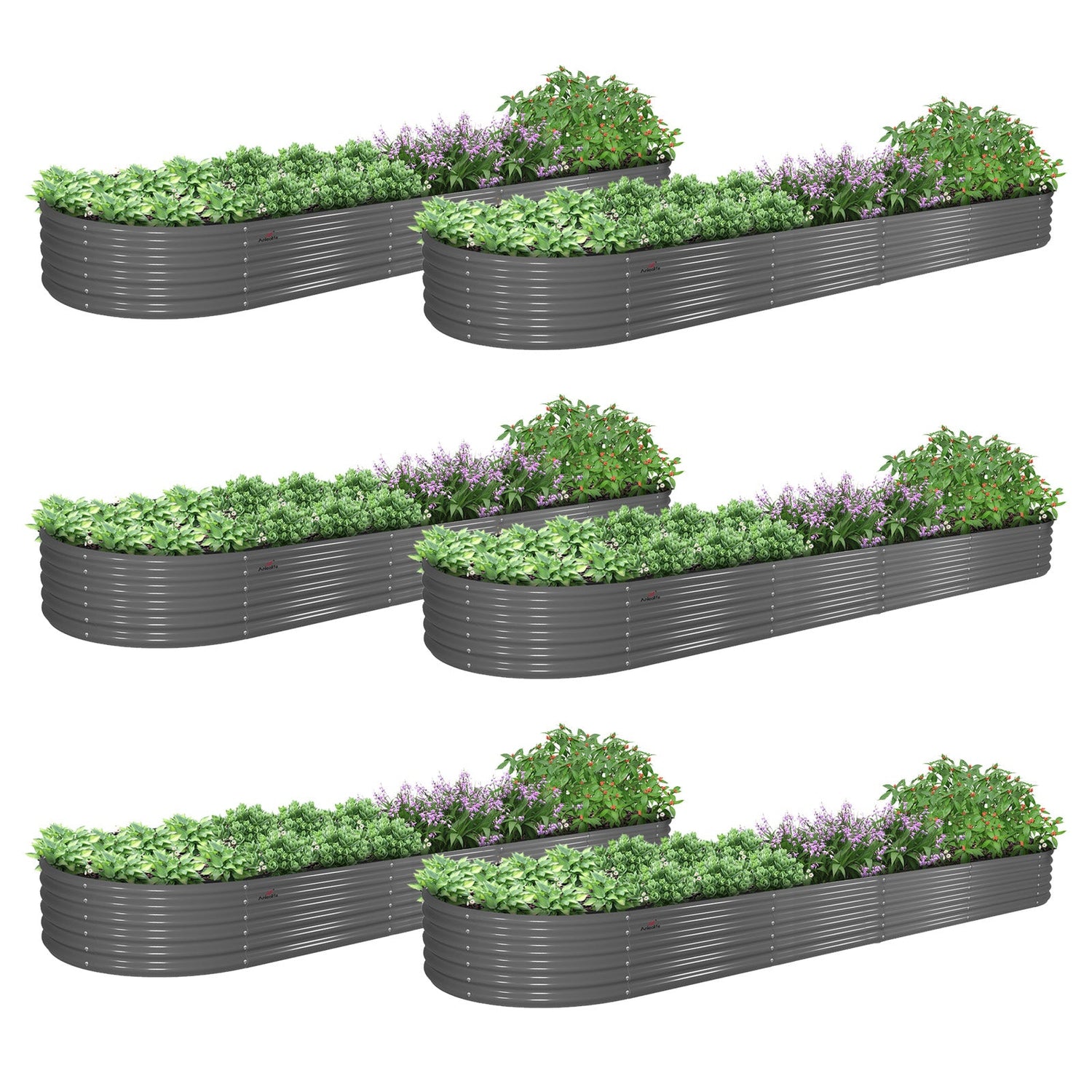



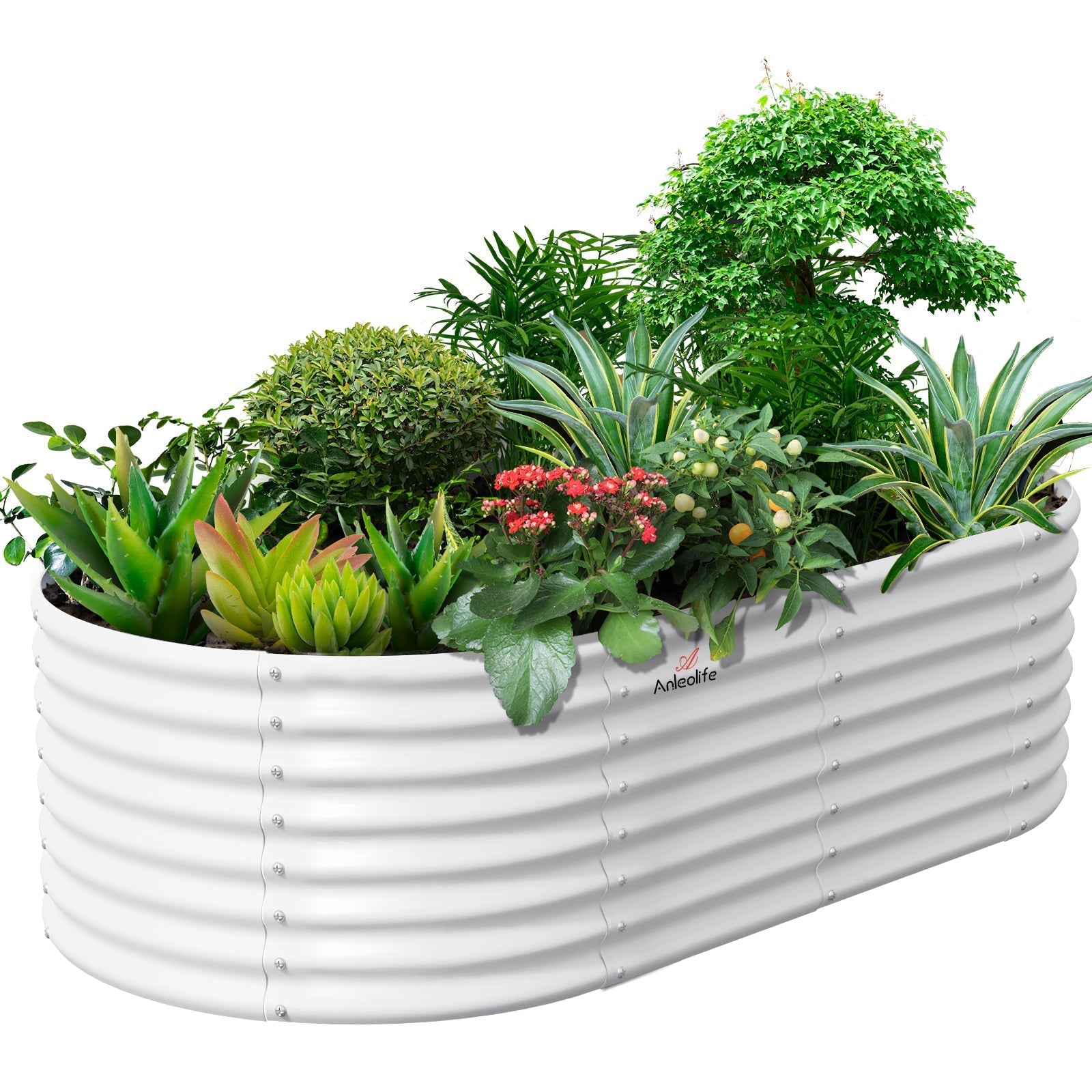
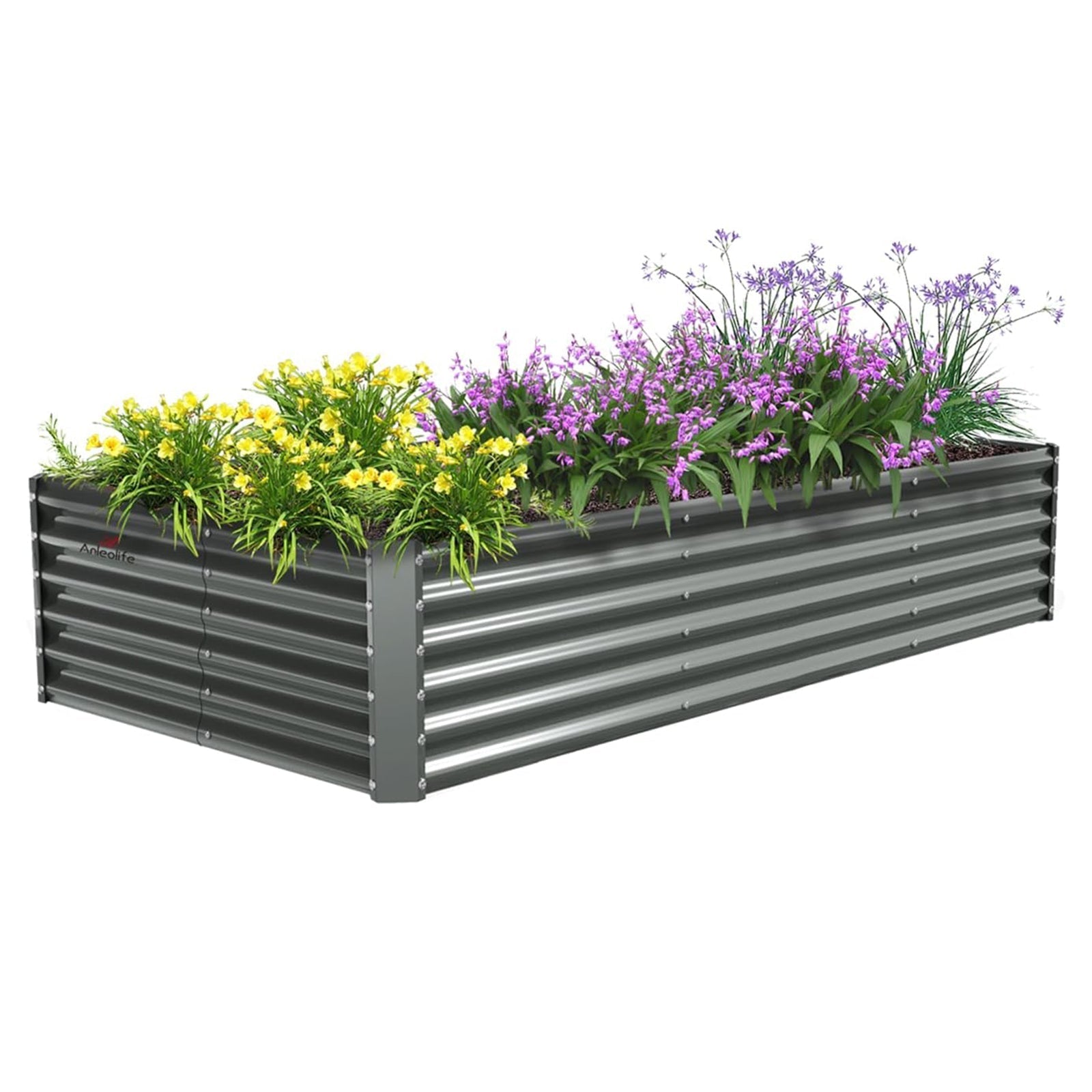
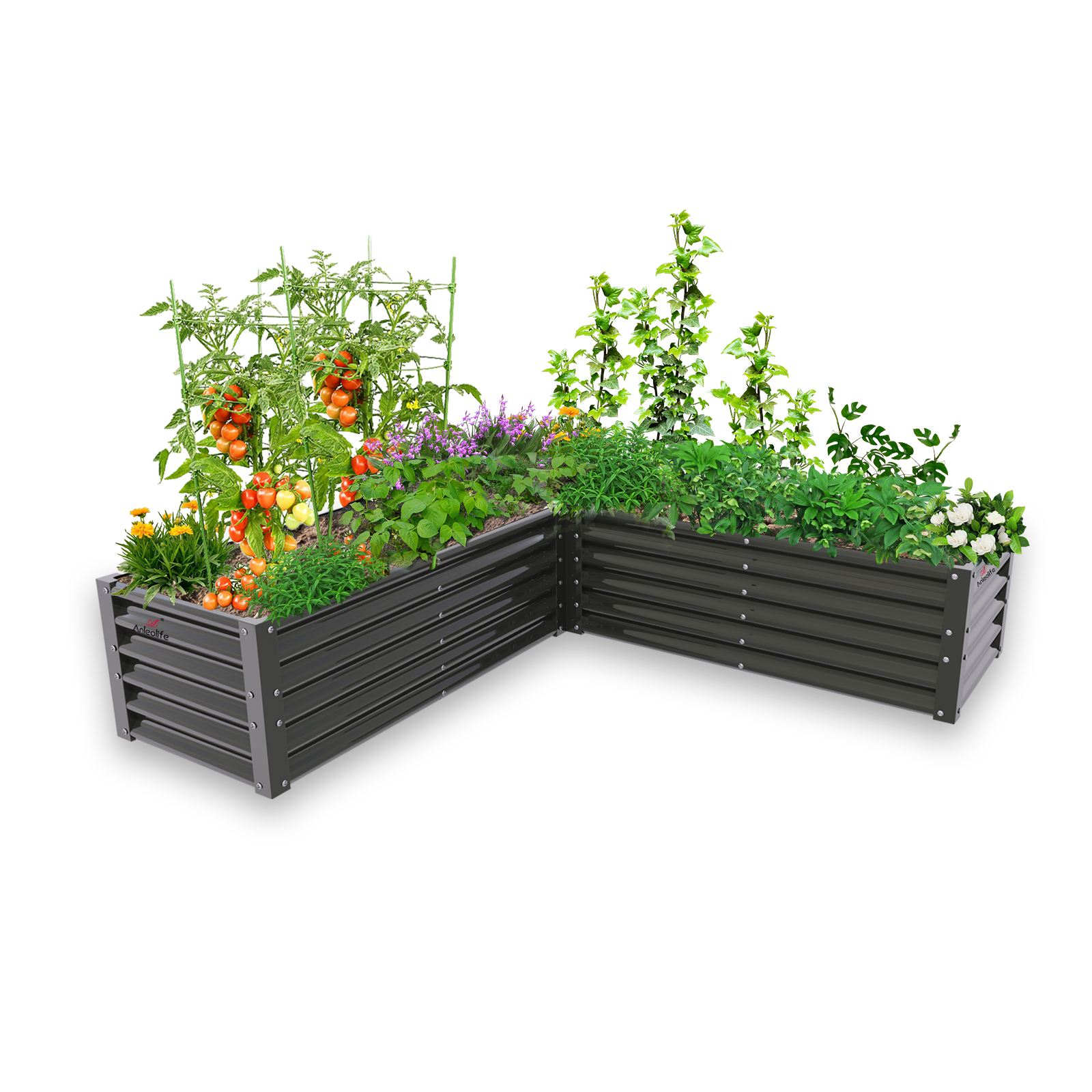
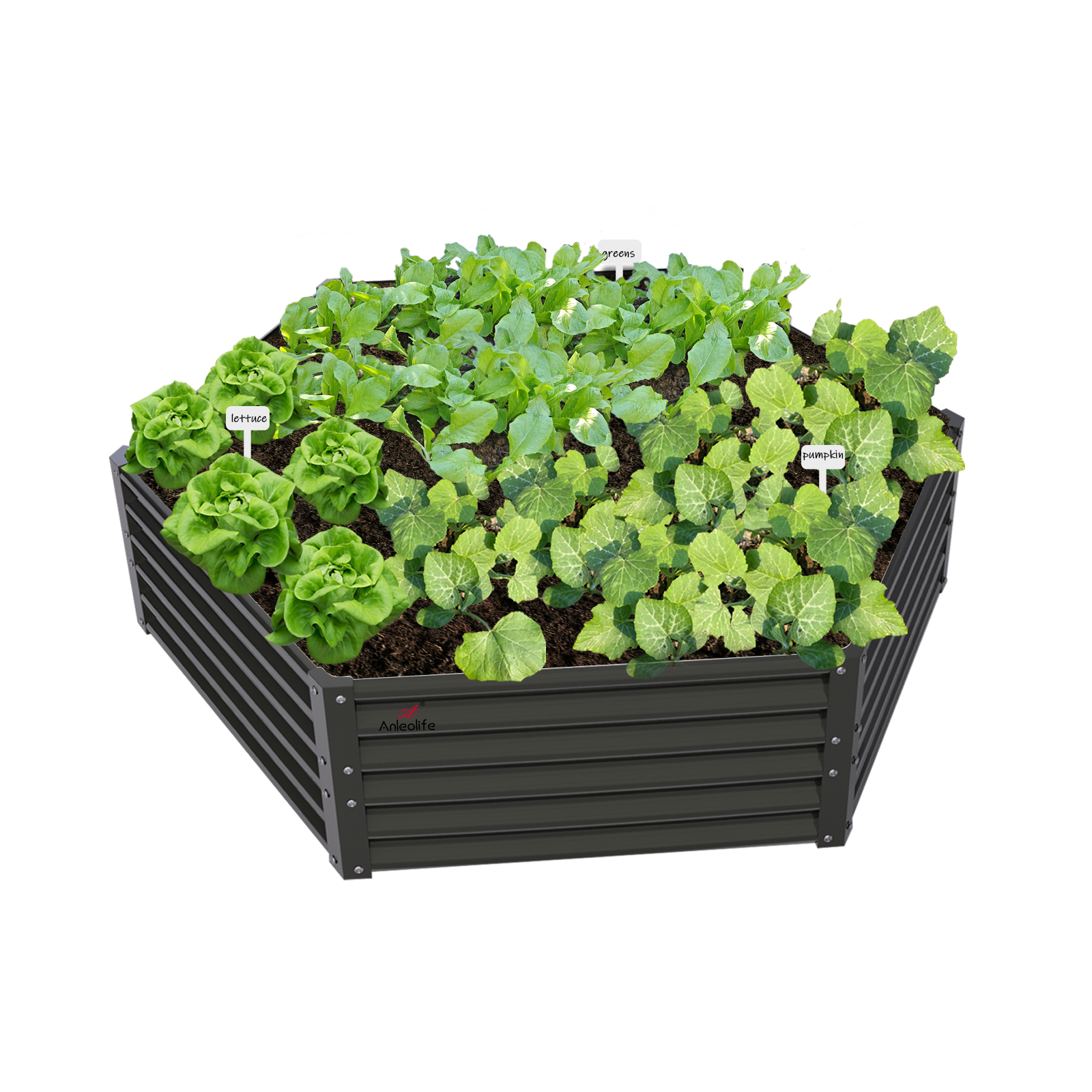
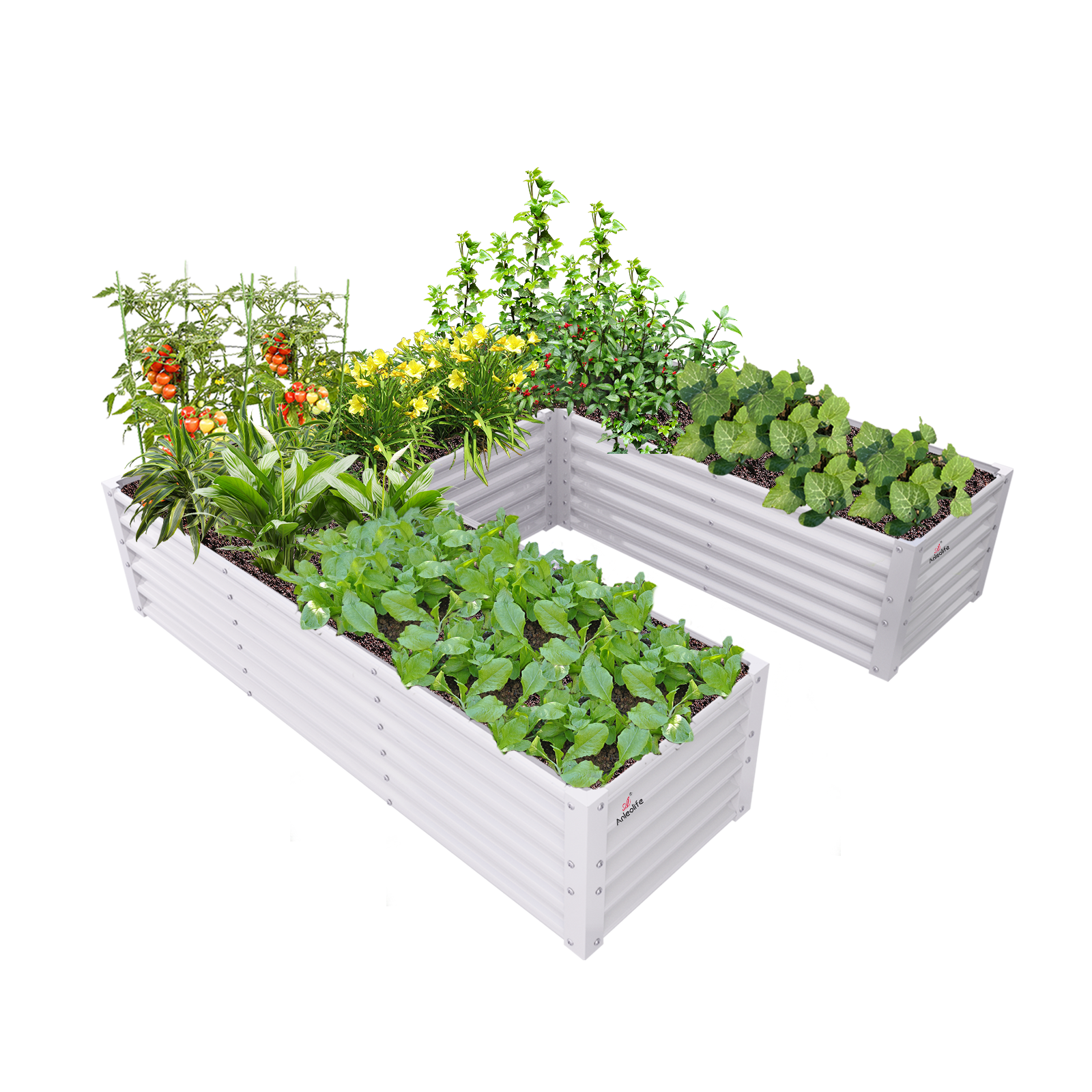

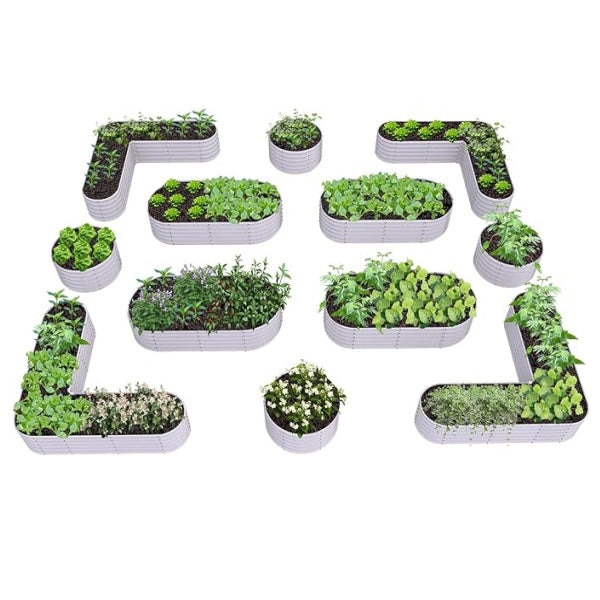

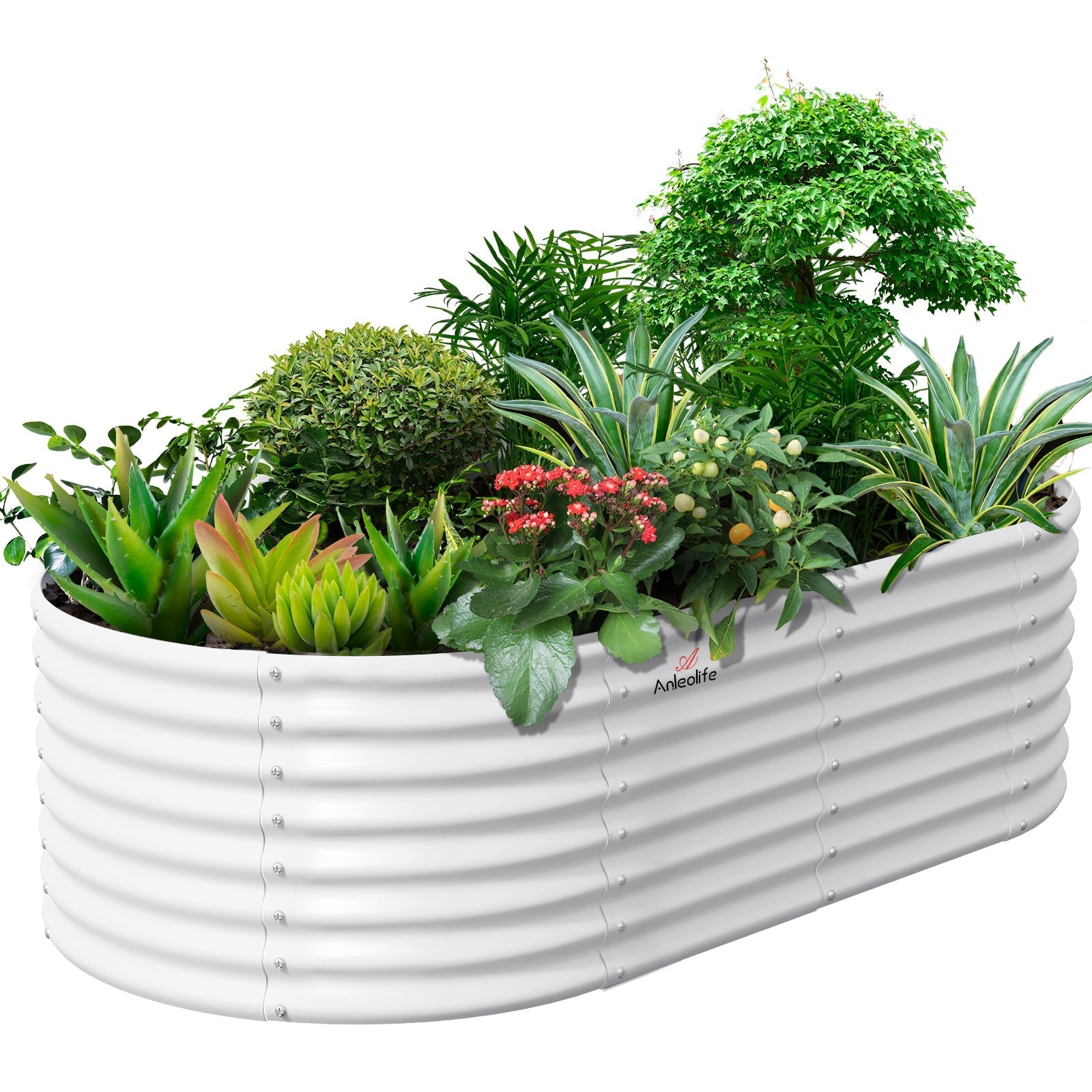


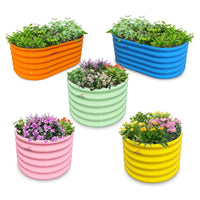
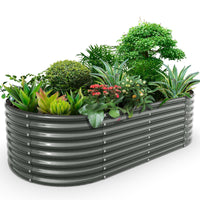



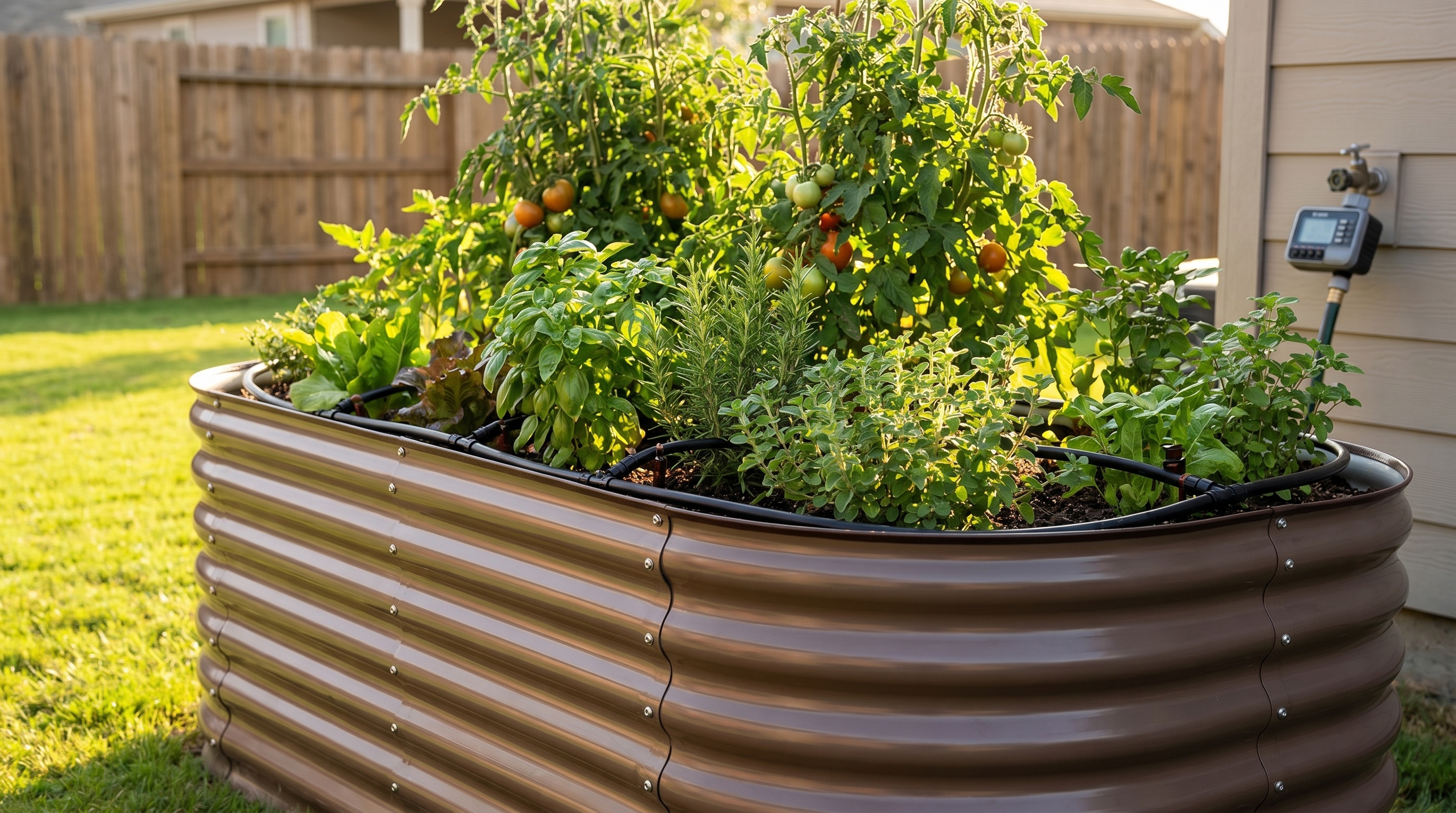
ALT: Automated drip irrigation system watering galvanized steel raised garden beds while homeowners are on vacation
Why Automating Watering for Your Raised Garden Beds Before Vacation Is Non-Negotiable
Key Conclusion: Leaving your raised garden beds unattended during vacation doesn't have to mean returning to wilted crops or dead transplants. With the right automated watering systems — drip irrigation, soaker hoses, or smart timers — you can keep your raised beds consistently hydrated for days or even weeks. Choosing durable, well-constructed beds like galvanized steel models rated for up to 20 years of outdoor use ensures your entire setup performs reliably, season after season, even without daily oversight.
Every gardener knows that sinking feeling: you've spent weeks nurturing tomatoes, herbs, and leafy greens in your raised beds, and now a family vacation is on the calendar. Miss a few days of watering in summer heat, and you can lose everything. The good news is that automating your irrigation is more accessible, affordable, and effective than ever before — and when paired with the right raised bed infrastructure, it can work seamlessly while you're hundreds of miles away.
This guide covers everything you need to know: the best automation approaches, how to set up a system that works reliably, common mistakes to avoid, and how the right raised bed material affects your irrigation choices. Whether you're heading away for a long weekend or a two-week family trip, this article will help you come home to a thriving garden.
Who Should Read This Guide
✅ Applicable Scenarios:
- Homeowners with one or more raised garden beds who take regular seasonal vacations
- Gardeners growing water-sensitive crops like tomatoes, strawberries, cucumbers, or leafy greens
- Urban micro-gardeners with limited outdoor space who want low-maintenance solutions
- Empty nesters and retirees who travel frequently but want a productive home garden
- First-time gardeners who want to build smart habits from the start
❌ Not Applicable/Cautions:
- Container gardens or in-ground beds with very different drainage and moisture retention profiles than raised beds — irrigation needs will vary significantly
- Gardeners in climates with reliable summer rainfall — automation may still help, but rain sensors and local weather conditions need to be factored in
- Situations where water pressure is highly variable or unreliable, as automated timers and drip systems depend on consistent pressure to function correctly
The Real Cost of Under-Watering Raised Garden Beds on Vacation
Raised garden beds are uniquely vulnerable when it comes to moisture loss. Unlike in-ground gardens, raised beds drain more freely and are exposed to air on multiple sides — which means they can dry out significantly faster, especially during hot summer months. A study from the University of California Cooperative Extension found that container and raised-bed plantings may need water two to three times more frequently than in-ground gardens during peak summer temperatures.
For crops like strawberries, which need consistent moisture to produce sweet fruit, or tomatoes, which develop blossom-end rot when soil moisture fluctuates dramatically, even a few missed watering sessions can ruin an entire season's harvest. If you've invested time selecting top vegetables to plant in a raised garden bed this summer, the last thing you want is to watch them fail due to a preventable problem.
The broader trend toward smart home gardening has made automation increasingly mainstream. According to the National Gardening Association, over 35% of U.S. households now engage in some form of food gardening, and interest in low-maintenance, tech-assisted gardening has surged following pandemic-era interest in home food production. Automated irrigation is no longer a luxury — it's quickly becoming an expected feature of any serious raised bed setup.
The good news is that automating your raised bed watering doesn't require an expensive professional installation. The combination of an affordable digital timer, a drip irrigation kit, and a few minor adjustments to your watering schedule can keep your garden healthy for weeks without intervention. For a deep dive into setting up a multi-bed drip system, we recommend reading our guide on how to set up a drip irrigation system for multiple raised garden beds, which walks through every component in detail.
How to Automate Watering for Your Raised Garden Beds: A Complete System
Three-Step Quick Start for Vacation-Ready Irrigation
Step 1: Assess Your Garden's Water Needs Before You Leave
Before installing any automation system, spend about 30 minutes evaluating your raised beds. Count how many beds need coverage, measure their dimensions, and identify which crops are most water-sensitive. Test your soil's current moisture level and note how quickly it dries out on a typical warm day. This baseline assessment — which takes under an hour — determines how long and how often your timer should run, preventing both under-watering and wasteful overwatering.
Step 2: Choose and Install Your Irrigation Method
Based on your assessment, select either a drip irrigation kit, soaker hose system, or micro-sprinkler setup (detailed comparisons below). Connect your chosen system to an outdoor hose bib using a battery-operated or smart Wi-Fi timer. Route drip lines or soaker hoses through each bed, positioning emitters near the base of plants rather than at the surface to maximize root-zone moisture. Allow 20–45 minutes for a basic single-bed setup; multi-bed systems may take 2–3 hours.
Step 3: Test, Calibrate, and Run a Trial Before Departure
This step is critical and often skipped. Run your automated system for a full watering cycle and observe how the soil moisture changes over the next 24 hours. Adjust timer duration and frequency until the soil stays consistently moist 2–3 inches below the surface — without becoming waterlogged. Run at least two test cycles before your vacation, ideally a full week in advance, so you have time to troubleshoot any leaks, pressure issues, or coverage gaps.
Comparing Automated Watering Solutions for Raised Garden Beds
Choosing the right system depends on your garden size, budget, tech comfort level, and the types of plants you're growing. Here's a practical comparison of the four most popular options:
| Comparison Dimension | Drip Irrigation | Soaker Hoses | Smart Wi-Fi Timer + Drip | Micro-Sprinklers |
|---|---|---|---|---|
| Best For | Precise, root-zone watering | Rows of closely spaced crops | Tech-forward gardeners, remote monitoring | Seedlings, dense plantings |
| Water Efficiency | High — minimal evaporation | Moderate-High | High — can adjust remotely | Moderate — some evaporation |
| Setup Complexity | Moderate | Easy | Moderate-High | Moderate |
| Cost Range | Low-Moderate | Low | Moderate-High | Low-Moderate |
| Works Without Wi-Fi | Yes (with basic timer) | Yes (with basic timer) | Requires Wi-Fi for smart features | Yes (with basic timer) |
| Suitable for Metal Raised Beds | Excellent | Excellent | Excellent | Good |
| Vacation Duration Coverage | 1–4 weeks+ | 1–2 weeks recommended | 1–4 weeks+ with monitoring | 1–2 weeks recommended |
The clear winner for most home gardeners heading on a vacation of more than a week is a drip irrigation system paired with a smart Wi-Fi timer. This combination offers remote visibility and control — meaning you can check in and make adjustments from your phone — while delivering water precisely where plants need it most.
Detailed Guide: Setting Up Each System Type
Drip Irrigation: The Gold Standard for Raised Beds
Drip irrigation remains the most recommended approach for raised garden beds, and for good reason. Water is delivered directly to the root zone through small emitters, dramatically reducing evaporation compared to overhead watering. In hot climates or during summer heatwaves, this efficiency difference can be decisive for crop survival.
A basic drip kit for a single raised bed includes a main supply hose, individual drip emitters (typically rated for a specific flow volume per hour), stakes to hold lines in place, and connectors. Most kits are designed to attach directly to a standard garden hose outlet.
When routing drip lines through your beds, place emitters 6–12 inches apart for dense plantings like herbs and lettuce, and position individual emitters directly at the base of larger plants like tomatoes and peppers. For strawberry beds, which are particularly sensitive to overhead moisture (which can encourage fungal diseases), drip irrigation is especially ideal — water reaches roots without wetting foliage.
For gardeners with multiple beds, a manifold splitter at the water source allows you to run separate lines to each bed, all controlled by a single timer. This approach is cost-effective and scalable.
Soaker Hoses: Simplicity for Shorter Trips
Soaker hoses are porous throughout their length, releasing water slowly along their entire surface. They're extremely easy to set up — simply snake the hose through your bed, connect it to a timer, and you're done. However, soaker hoses can develop uneven flow over longer distances, so they work best in beds under 10 feet in length.
For a 12x3 ft bed or an 8x4 ft configuration, running two parallel soaker hose lines spaced evenly across the width provides good coverage. Soaker hoses also work well under mulch, which further reduces evaporation — an excellent combination for vacation watering.
Smart Wi-Fi Timers: Remote Control and Peace of Mind
For gardeners who want to check in on their watering schedule remotely, smart Wi-Fi timers are a game-changer. These devices connect to your home Wi-Fi network and allow you to monitor, adjust, and override watering schedules from a smartphone app — from anywhere in the world.
Many smart timers also integrate with weather data, automatically skipping watering cycles if rain is detected, which prevents overwatering and saves water. If you return home early or a heatwave hits while you're away, you can increase watering frequency with a few taps. The upfront investment is higher than a basic mechanical timer, but for anyone who travels regularly, the peace of mind is well worth it.
Basic Battery-Operated Timers: Reliable and Budget-Friendly
If smart features aren't a priority, a battery-operated digital hose timer is an excellent, reliable option. These devices attach directly to your outdoor faucet and allow you to program specific watering times and durations. Most can be set to water once or twice daily and will run reliably for an entire season on a fresh set of batteries.
The key is programming correctly before you leave. As a general starting point, most raised garden beds in full sun during summer benefit from 20–30 minutes of drip irrigation once or twice daily, though actual needs vary based on climate, plant type, and bed depth.
How Your Raised Bed Material Affects Irrigation Performance
The material your raised bed is made from has a meaningful impact on how it retains moisture and how you should configure your irrigation system.
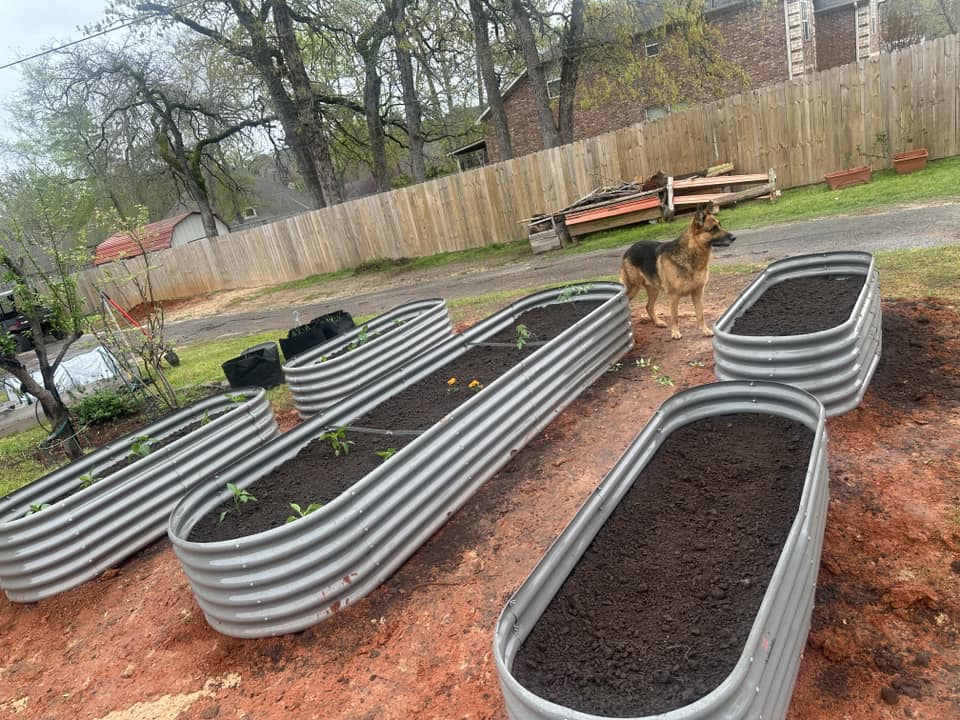
Galvanized steel raised garden beds — like those in Anleolife's lineup — are non-porous, meaning all moisture retention is determined entirely by your soil mix and drainage. This predictability is actually an advantage: the bed itself doesn't absorb or release water unpredictably, so once you've calibrated your system, it performs consistently. Galvanized steel also resists corrosion from drip line fittings and constant moisture exposure, making it an excellent long-term partner for automated irrigation systems.
If you're curious about how different metal options compare in outdoor conditions, the detailed breakdown in Galvanized Steel vs. Corten Steel Garden Beds: Which Holds Up Better Outdoors? is an excellent resource for understanding why material choice matters for durability.
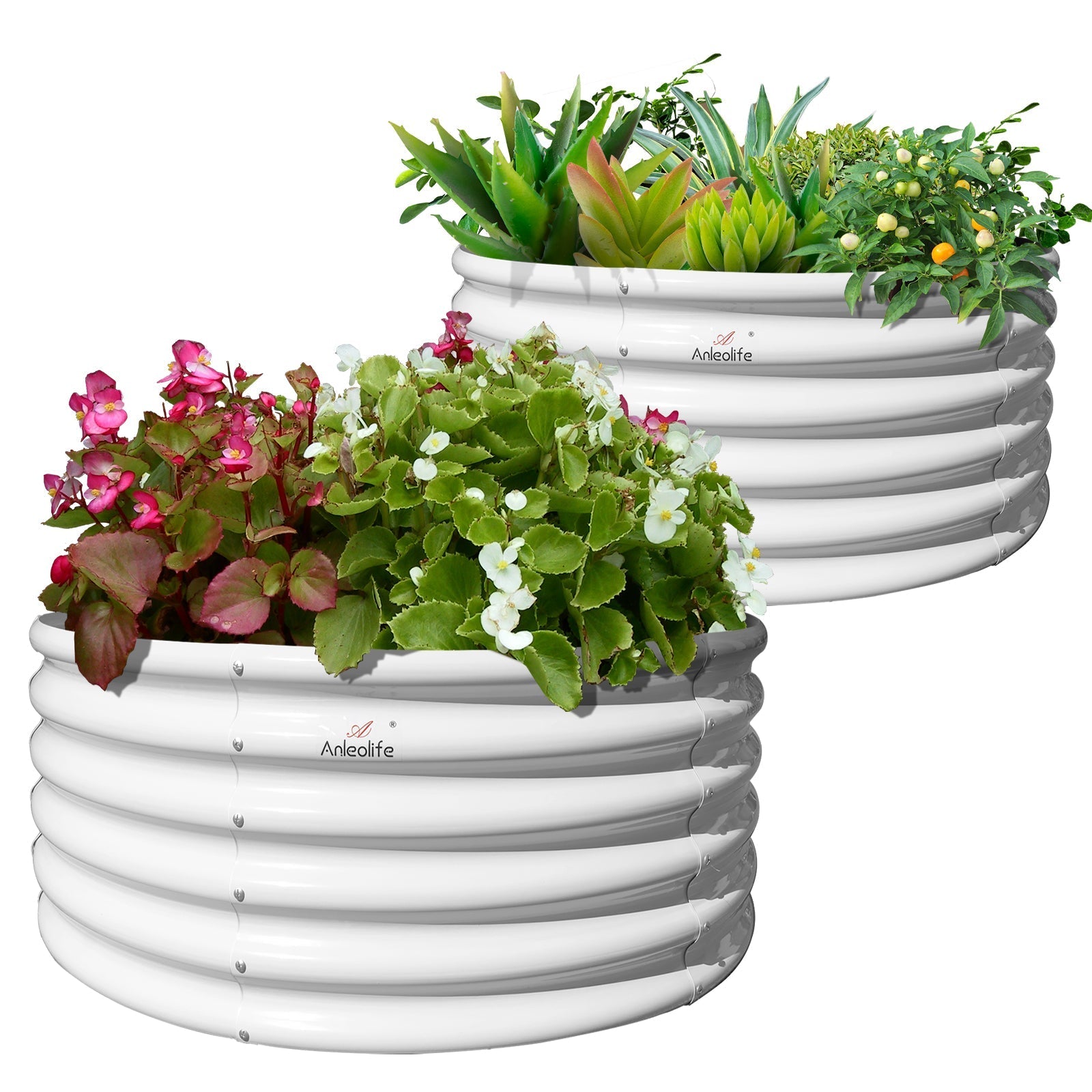
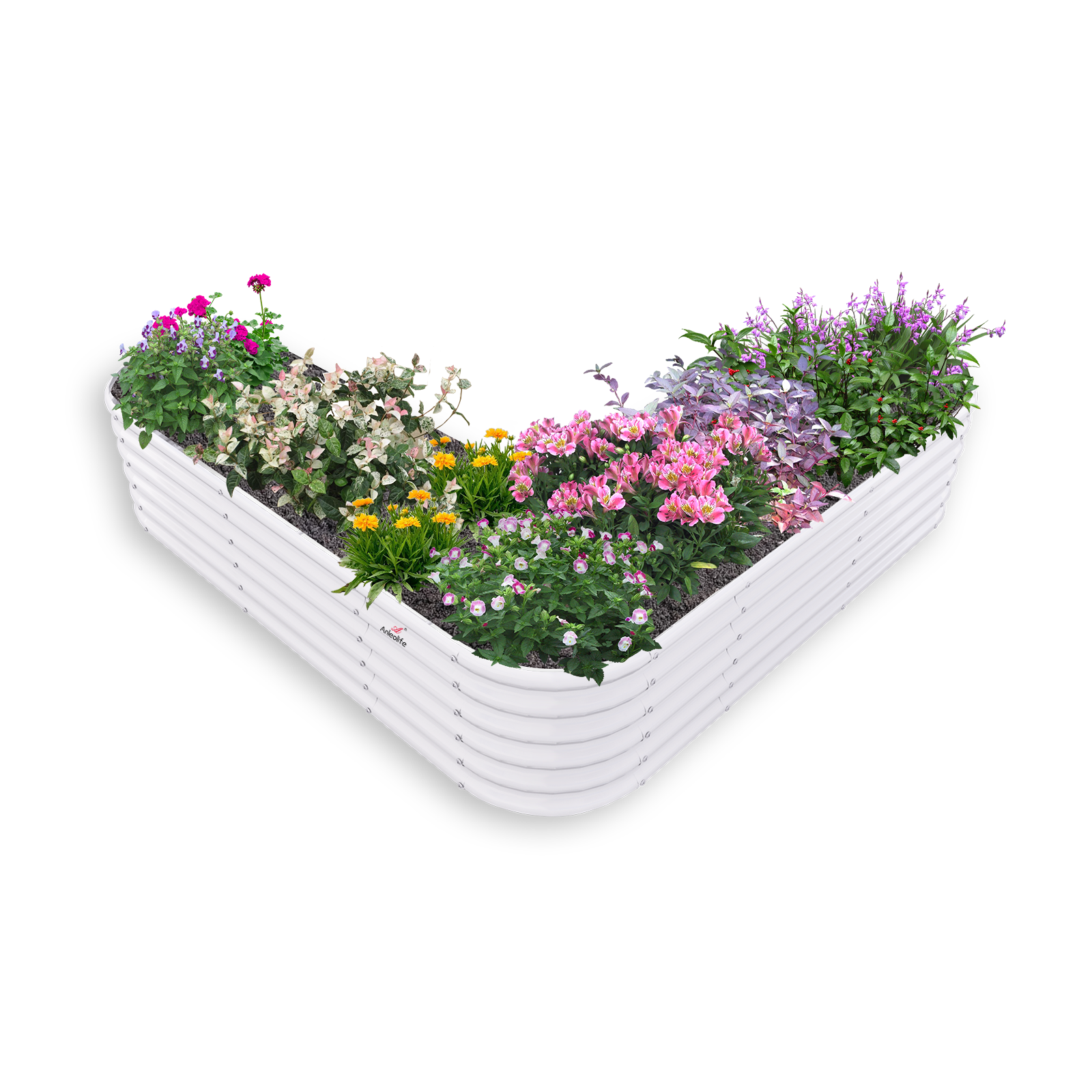
Anleolife's galvanized steel beds are built to last up to 20 years, making them a practical long-term investment. When your bed infrastructure is this durable, it makes sense to invest equally in an irrigation setup that will serve you for many seasons. The beds are available in a wide range of sizes — from compact 4x1.5 ft waist-high options ideal for patios, to expansive 12x3 ft and 8x4 ft configurations for serious vegetable growing — ensuring you can find the right fit for your space and crop plans.
Soil mix is the other critical variable. A well-draining mix with compost, peat or coco coir, and coarse perlite retains enough moisture for plant roots while preventing waterlogging — important when your drip system is running on a fixed schedule regardless of recent rainfall. Top your soil with 2–3 inches of organic mulch before leaving on vacation to dramatically reduce surface evaporation.
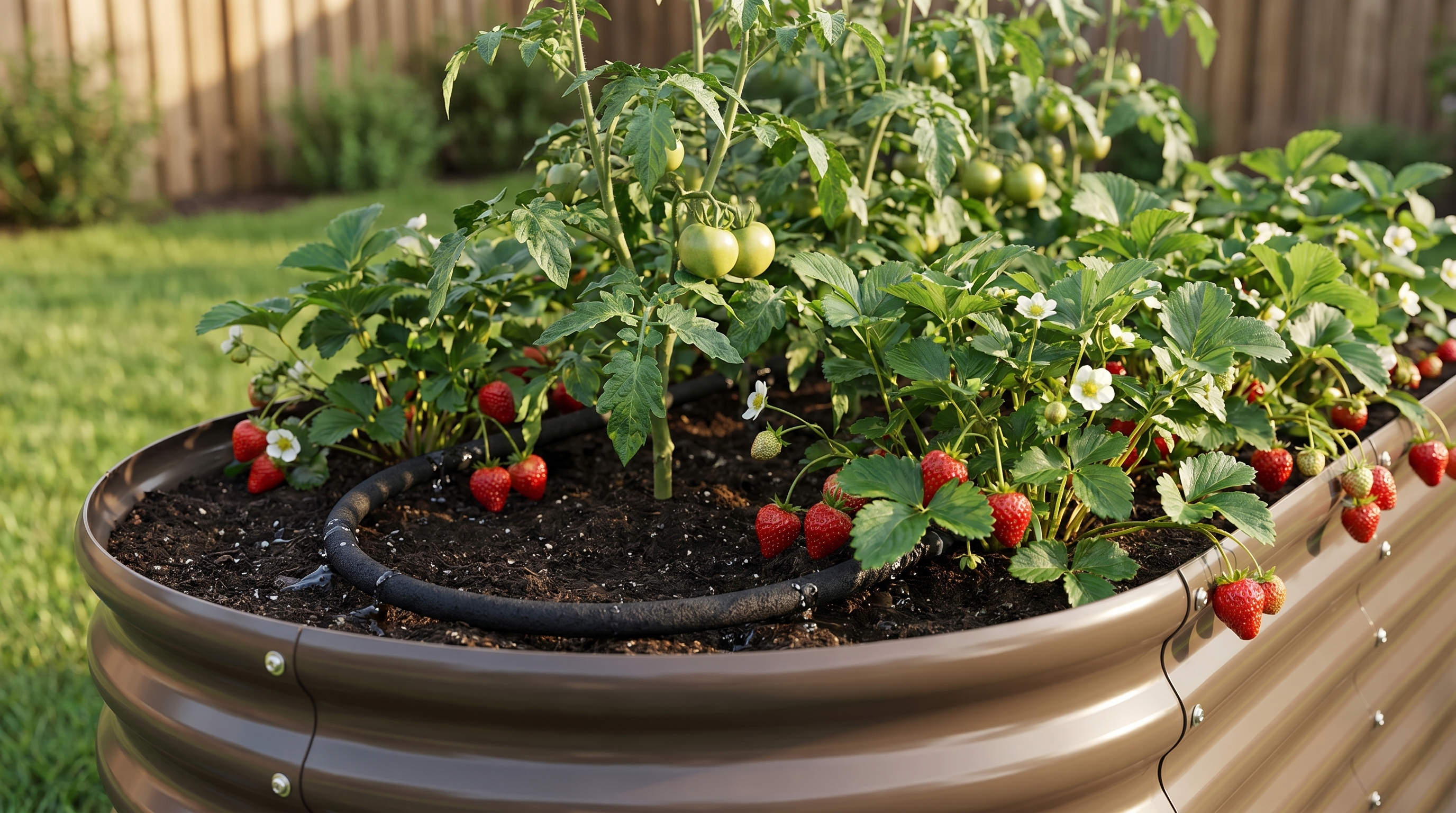
ALT: Soaker hose automated irrigation system inside a galvanized steel raised garden bed growing tomatoes and strawberries for vacation-proof watering
Advanced Tips for Foolproof Vacation Watering
Handling Unexpected Situations
What if your Wi-Fi goes down while you're away? Most smart timers retain their programmed schedule even when disconnected from Wi-Fi — they simply lose the ability to receive remote adjustments. As long as your schedule was correctly set before departure, your garden will keep receiving water. Always verify this failsafe behavior with your specific timer model before relying on it.
What about extreme heat events? If a heat wave occurs during your absence and you're using a basic timer (not smart), your plants may suffer without increased watering frequency. The best mitigation is generous mulching before departure — 3 inches of straw, wood chips, or shredded leaves can reduce soil surface temperature and cut evaporative loss dramatically. For gardeners who travel frequently during summer, the investment in a smart timer with weather integration is strongly justified.
What if you have a neighbor or house-sitter checking in? Even with full automation, having a trusted person check your beds every 3–4 days provides valuable backup. Leave simple written instructions: which beds are covered by automation, what "good" soil moisture looks and feels like 2 inches below the surface, and what to do if something looks wrong. This human backup is inexpensive insurance for a longer vacation.
Common Misconceptions to Clear Up
Misconception #1: "More water is always safer when I'm away." Over-watering can be just as damaging as under-watering, especially in well-draining raised beds. Saturated soil drives out oxygen, suffocating roots and encouraging fungal diseases. Always calibrate your system for your specific bed and crop needs — err on the side of consistency, not excess.
Misconception #2: "A drip system needs professional installation." Modern DIY drip kits are designed for assembly without tools in most cases. If you can connect a garden hose, you can install a basic drip irrigation system. Start simple and expand as you become comfortable.
Misconception #3: "Any raised bed material works equally well with automated irrigation." As discussed above, material matters. How rust-resistant coatings on metal garden beds actually work explains why quality metal beds with proper protective coatings are specifically well-suited to the constant moisture exposure of automated drip systems — a consideration worth understanding before you invest in both bed and irrigation simultaneously.
Frequently Asked Questions FAQ
Q1: How long can raised garden beds go without watering in summer?
Most raised garden beds in warm to hot climates should not go more than 1–2 days without water during peak summer. The exact duration depends on bed depth, soil composition, mulching, plant type, and ambient temperature. A 24-inch tall bed with a rich, organic soil mix and 2–3 inches of mulch will retain moisture longer than a shallow, uninsulated bed. Automated drip systems set to water once or twice daily provide reliable insurance, especially for water-sensitive crops like tomatoes and strawberries.
Q2: Is a drip irrigation system compatible with all types of raised garden bed materials?
Yes, drip irrigation works well with virtually all raised bed materials, including wood, galvanized steel, and rust-resistant metal options. Galvanized steel beds are particularly well-suited because they're non-porous and dimensionally stable — the bed won't warp or degrade from constant moisture exposure. Quality steel beds from brands like Anleolife are designed with drainage in mind and pair excellently with drip systems, soaker hoses, or any timer-controlled watering setup.
Q3: How much does a basic automated watering system for raised beds cost, and how quickly can I set it up?
A basic battery-operated timer paired with a drip irrigation starter kit for one or two raised beds typically ranges from around $30 to $80 in total, depending on brand and kit size. Smart Wi-Fi timers with weather integration run higher. Setup time for a single bed is typically 30–60 minutes for a first-timer; experienced gardeners can set up a two-to-three bed system in under two hours. The key is allowing at least a week before your vacation for testing and calibration.
Summary
Automating your raised garden bed watering before a vacation is one of the highest-return garden investments you can make. Here are the three core takeaways:
- Choose the right system for your trip length and tech comfort. Drip irrigation with a smart Wi-Fi timer is the most reliable and flexible option for vacations longer than a week. Basic battery-operated timers work well for shorter trips when properly calibrated.
- Prepare your beds before you leave. Mulch generously, test your system for a full week before departure, and ensure your soil mix drains well without drying out too quickly. These preparation steps are what separate successful vacation automation from costly crop losses.
- Invest in infrastructure that lasts. A drip system installed in a low-quality bed that warps, rusts, or fails within a few seasons is a poor long-term value. Pairing your irrigation setup with a high-quality galvanized steel raised bed — engineered for up to 20 years of outdoor use — means your investment pays dividends for many seasons of gardening to come.
Your next step: measure your beds, assess your water pressure, and pick your system. Then test it for a full week before your departure date — that one action alone makes the difference between a thriving garden and a disappointing homecoming.
Upgrade Your Garden with Anleolife
Nationwide U.S. warehouse network: Strategically located in California, Texas, Florida, New York, Illinois, and Washington to ensure delivery within 3–8 business days — so your garden upgrade plans never have to wait.
Multi-channel sales network: Products are available on major e-commerce platforms including Amazon, Walmart, Home Depot, Lowe's, Wayfair, as well as the official website Anleolife.com, providing consistent quality assurance and after-sales service.
Three core scenarios: Planting (metal raised garden beds, soil systems), Raising (chicken coops, rabbit hutches), and Beautification (decorative accessories, pathway systems) — meeting complete needs from functionality to aesthetics.
We understand that an ideal garden is not built overnight, but gradually improved over time. Anleolife's modular product design allows flexible expansion based on your needs — from your first compact raised bed to a fully integrated planting-and-raising ecosystem. We grow with you every step of the way.
References
- University of California Cooperative Extension. "Irrigation Management for Home Gardens."
https://ucanr.edu/ - National Gardening Association. "Garden to Table: A Guide to Growing Food at Home."
https://garden.org/ - U.S. Environmental Protection Agency (EPA). "WaterSense: Outdoor Water Use in the United States."
https://www.epa.gov/watersense/outdoor-water-use-us - Colorado State University Extension. "Drip Irrigation for Home Gardens."
https://extension.colostate.edu/ - University of Minnesota Extension. "Raised Bed Gardening."
https://extension.umn.edu/vegetables/raised-bed-gardening
Note: Standards and recommendations may be updated; please check the latest official documents or consult professional advisors for the most current guidance.
About Anleolife
Anleolife is a leading outdoor garden solutions provider in North America, dedicated to offering a full-scenario product ecosystem for home gardening enthusiasts, covering planting, raising, and garden beautification. Since its founding, we have upheld our brand mission, "Made for Garden Life," continuously innovating products and optimizing services to help hundreds of thousands of users upgrade their gardens, reconnect with nature, and enjoy a better garden lifestyle.