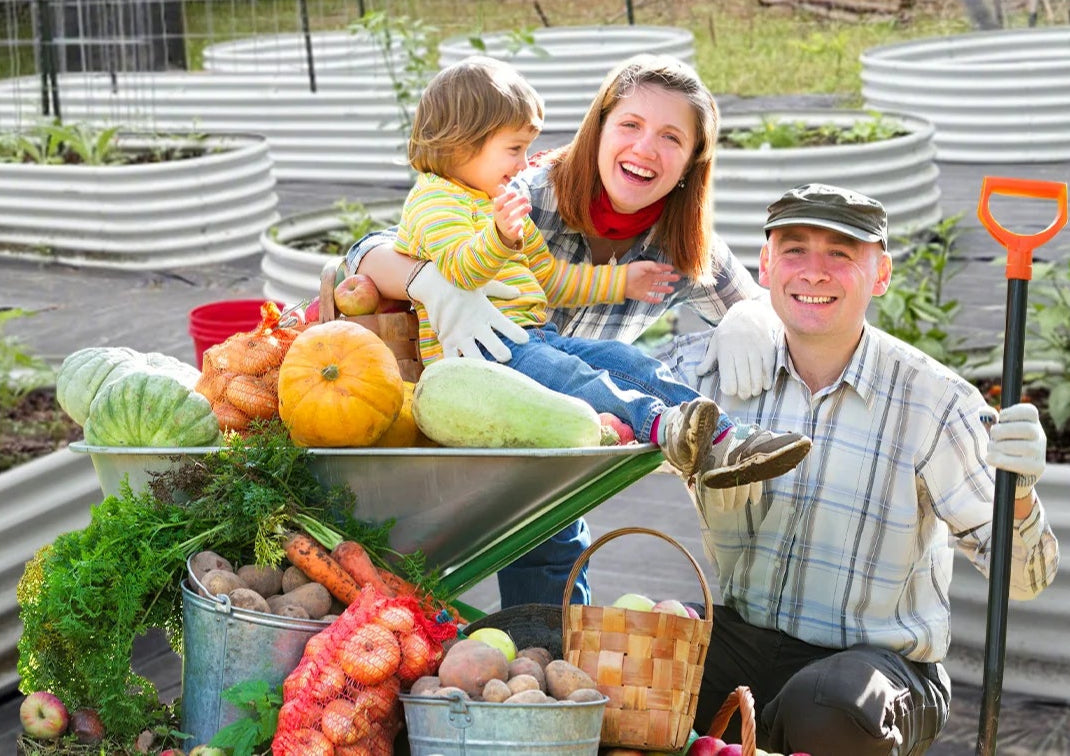



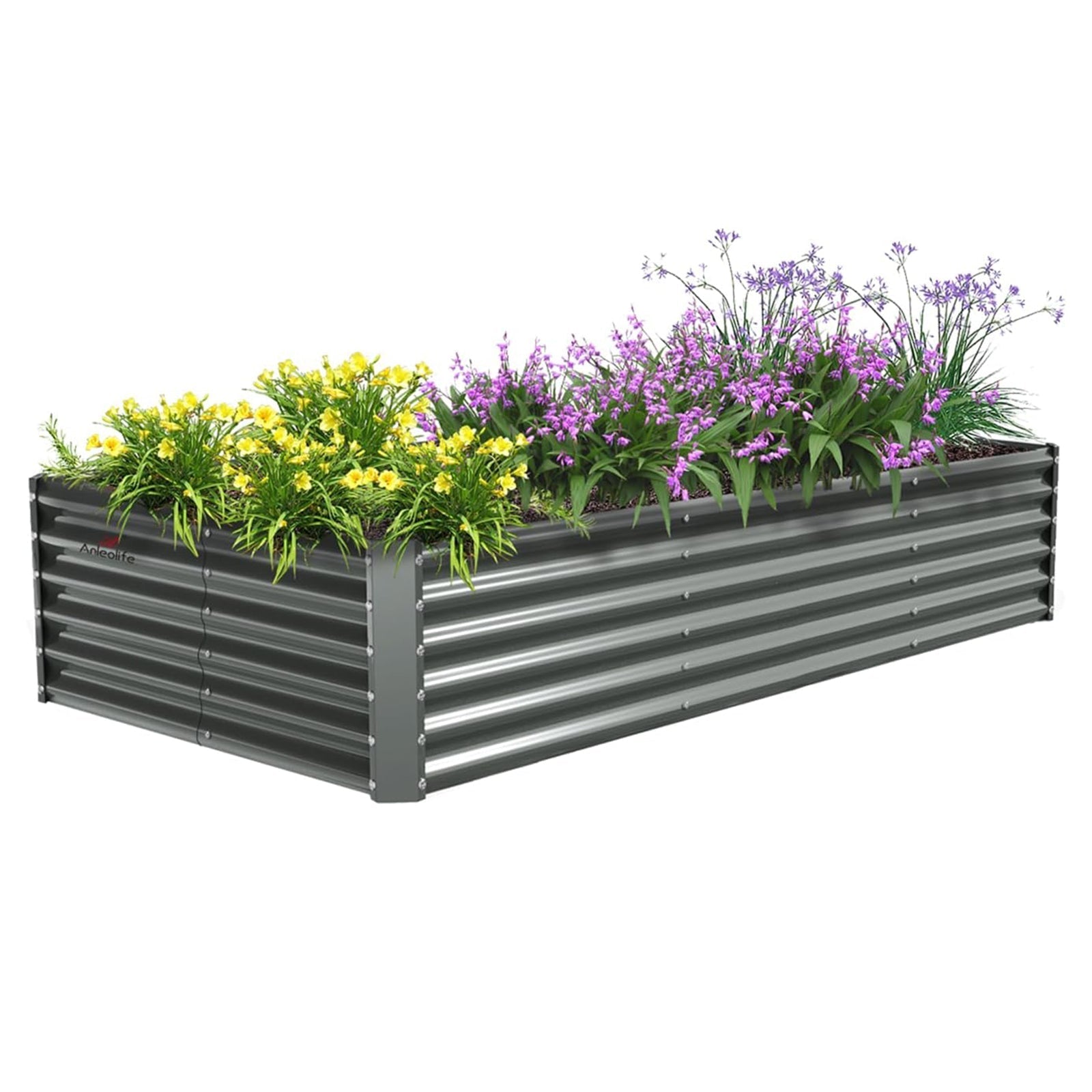

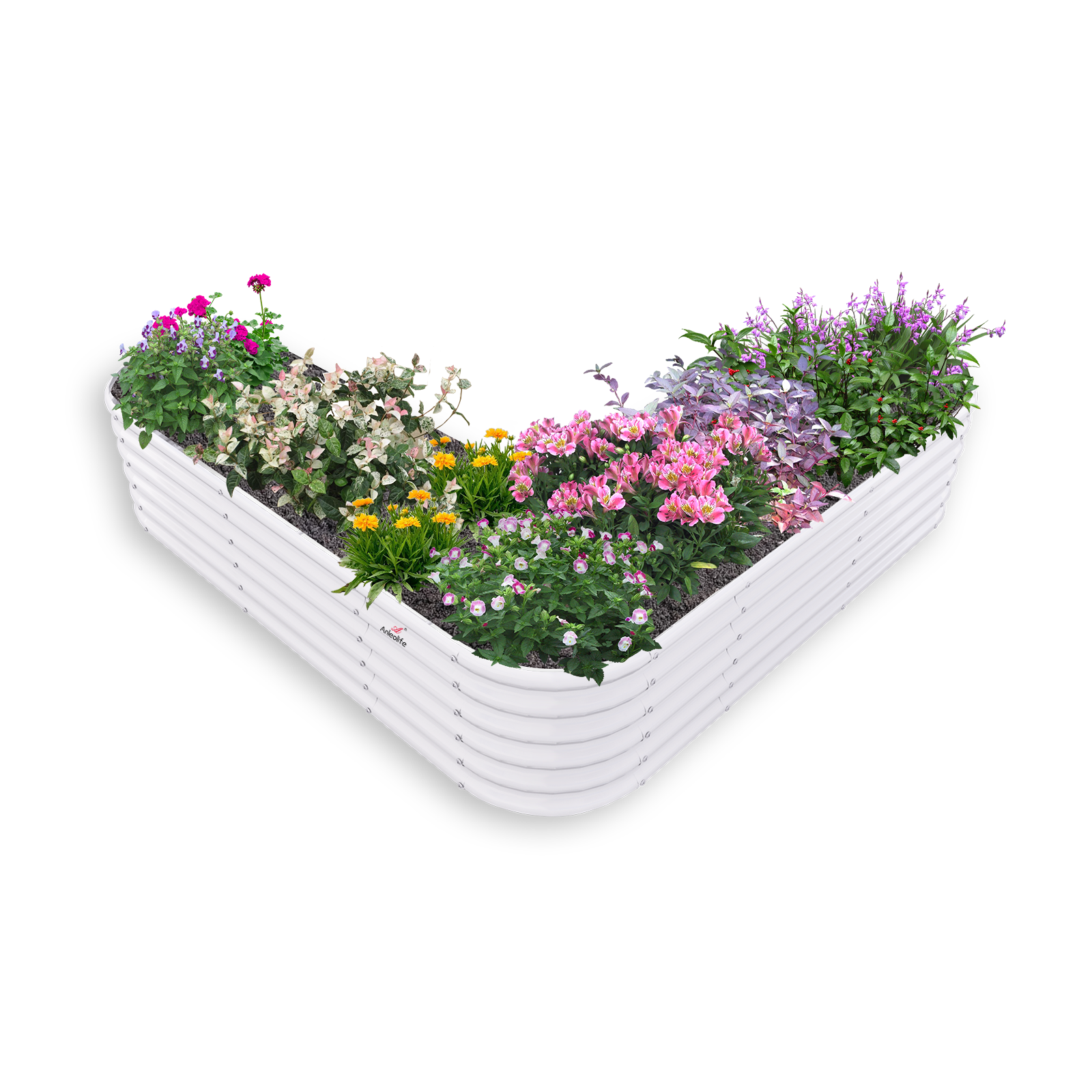
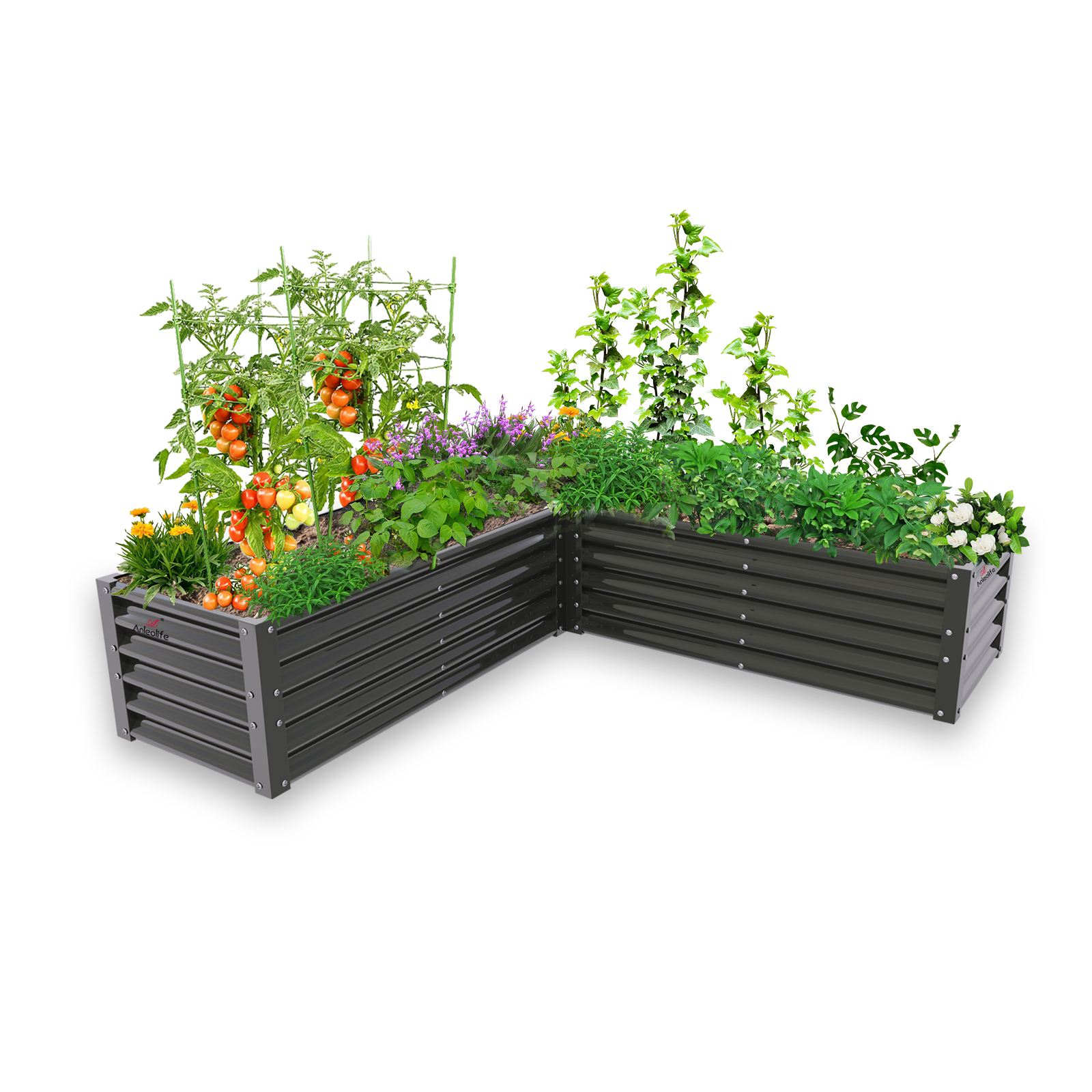
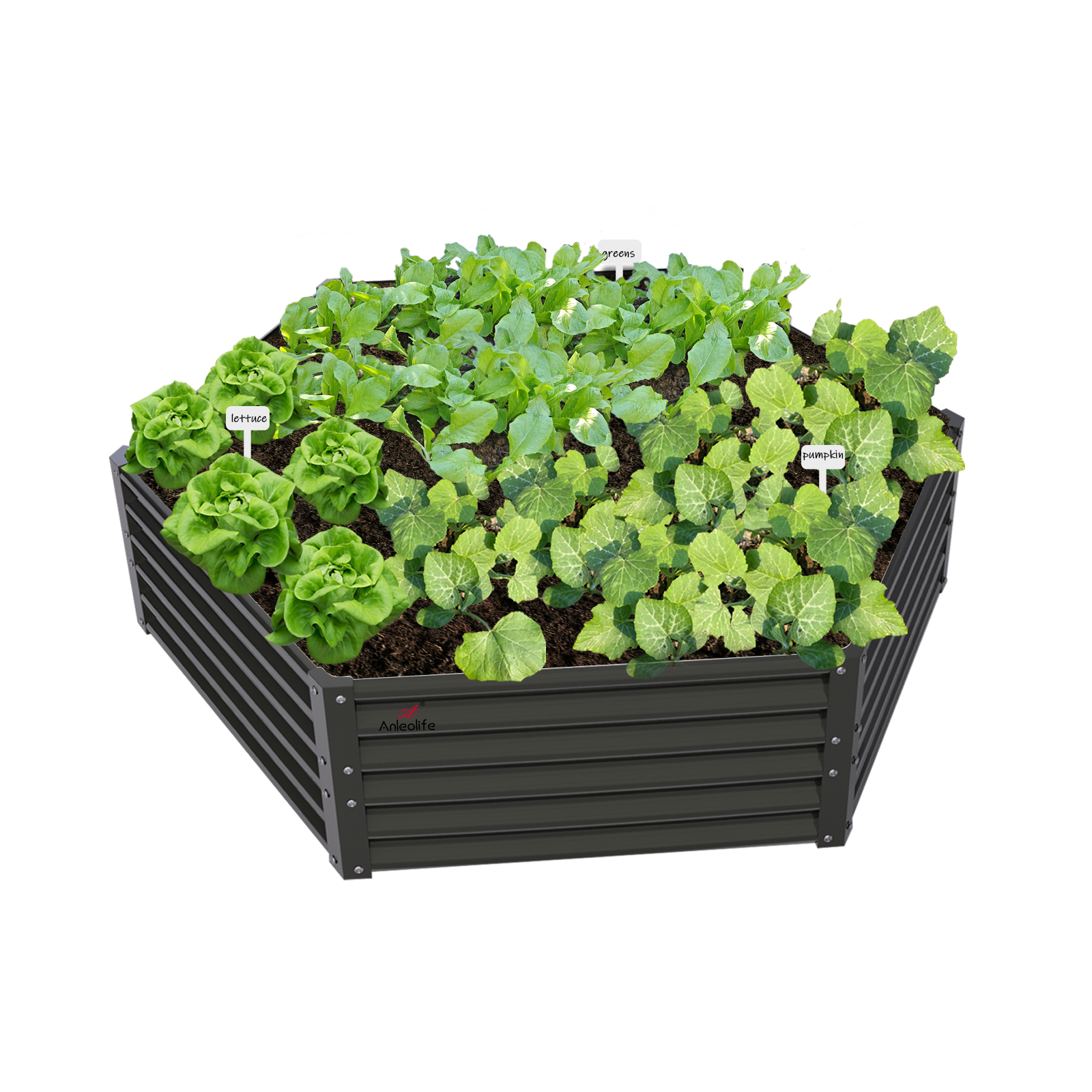
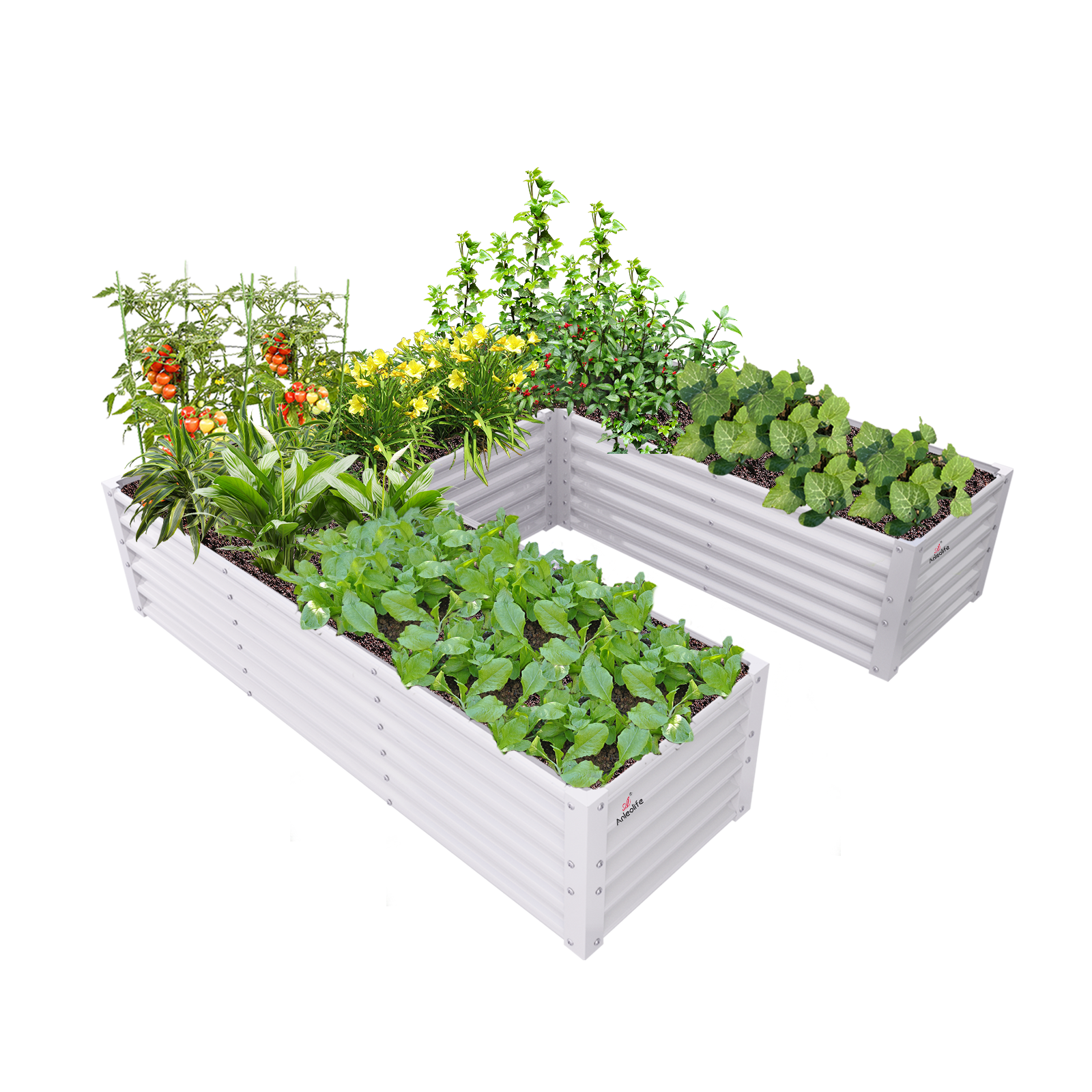

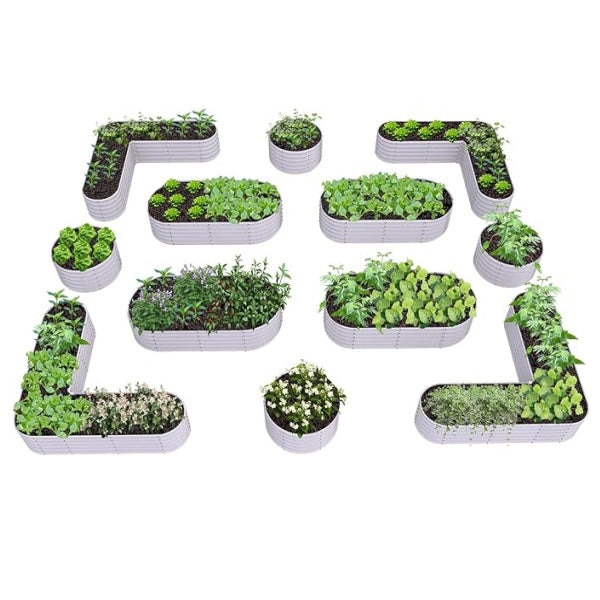





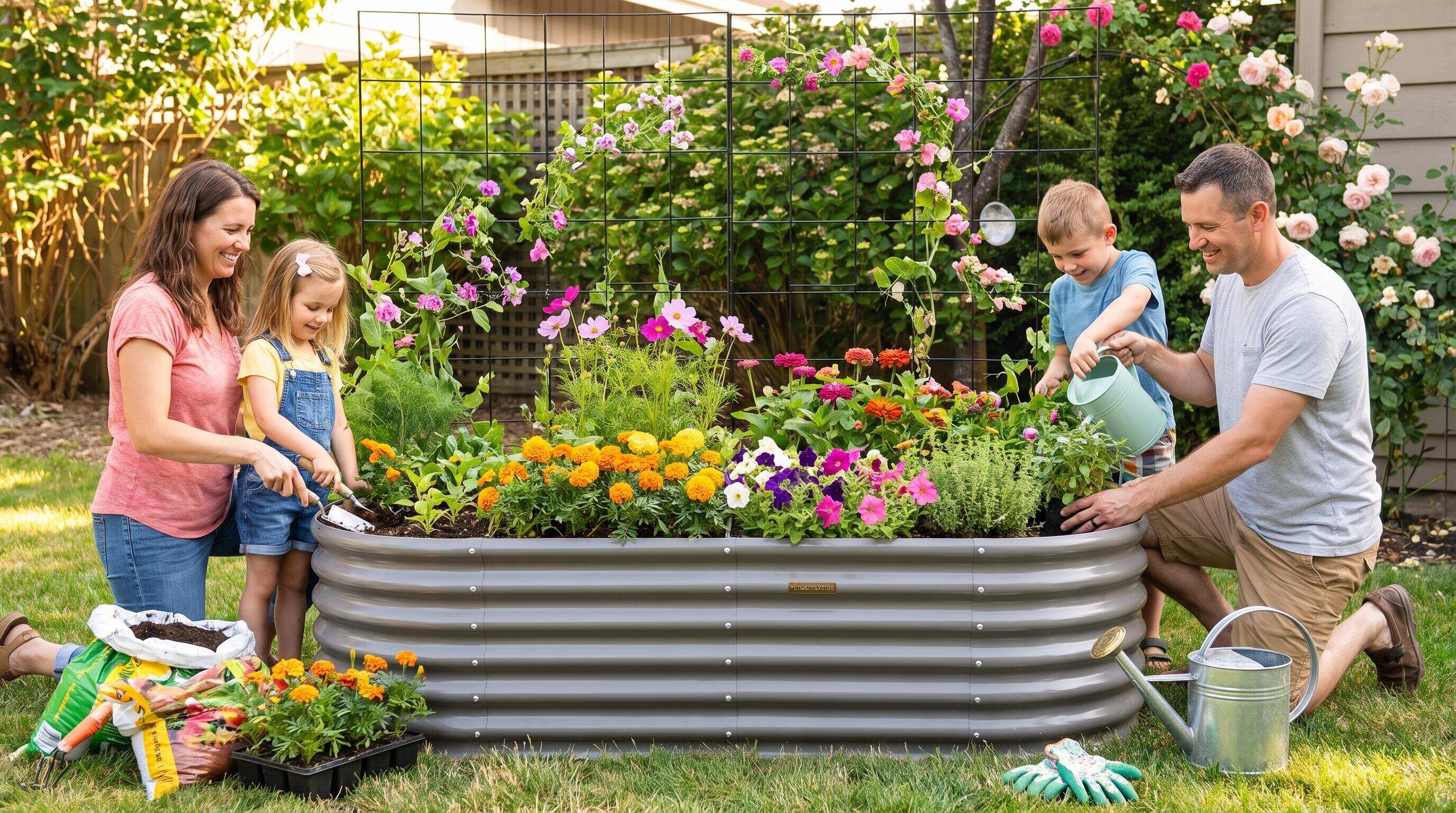
ALT: Kids planting seeds in a raised bed garden layout with colorful vegetables and herbs
Why Raised Bed Gardens Are the Perfect Gateway to Getting Kids Hooked on Growing Food
Getting children genuinely excited about gardening — not just tolerating an afternoon outside — starts with giving them a space that feels entirely their own. A raised bed garden layout accomplishes exactly that: it creates a defined, manageable growing zone where a child can see the direct results of their effort, from seed to harvest, without the overwhelming scale of a full in-ground garden.
In our work with families setting up their first outdoor growing spaces, a pattern we consistently see is that children engage most deeply when they have ownership over a specific plot. The raised bed planting layout is not simply a structural choice — it is a pedagogical one. When the bed is sized right, filled with the right soil system, and planted with crops a child actually wants to eat, gardening stops being a chore and becomes something closer to a game. This article breaks down the most effective raised bed projects, layout strategies, and pitfall-avoidance tips for families who want gardening to become a multigenerational habit rather than a one-season experiment.
The State of Kids' Gardening Today and How Raised Beds Fit In
Children's engagement with food and nature has become an active focus for educators, pediatricians, and family wellness advocates alike. The conversation has shifted noticeably in recent years: there is a growing recognition that children who participate in growing food develop healthier eating habits, stronger science literacy, and a more grounded relationship with the natural world. School garden programs, community plots, and backyard raised beds have all expanded as families look for hands-on ways to reinforce these values at home.
Raised bed gardening has emerged as the preferred format for home growers with children, and for good reason. Unlike in-ground planting, a raised bed layout offers clear physical boundaries that appeal to a child's sense of order. The soil within a raised bed warms faster in spring, drains reliably, and can be customized independently of whatever native soil sits beneath. This means fewer failed plantings, fewer frustrated kids, and more harvests to celebrate.
The visual impact of a well-planned raised bed layout also matters to children in ways adults sometimes underestimate. A bed with a clear structure — rows of tomatoes here, a ring of sunflowers there, a small herb patch in the corner — reads as intentional and exciting rather than random. Platforms like Pinterest are full of raised bed garden layouts that families have documented season by season, and browsing these together with a child before planting is itself a powerful engagement tool.
One common mistake families make at this stage is choosing a bed that is too large for a child to manage independently. A sprawling 12x3 ft bed might be efficient for a serious adult grower, but for a seven-year-old, it can feel unfinishable. Starting with a compact layout and expanding over seasons is a far more reliable path to sustained enthusiasm.
How Raised Bed Layout Design Drives a Child's Engagement — The Core Mechanisms
The connection between raised bed planting layout and a child's willingness to keep showing up in the garden is not accidental. Several distinct psychological and practical mechanisms are at work, and understanding them helps families design spaces that hold a child's interest across full growing seasons.
Scale and Reachability
A raised bed is, by definition, elevated — and that elevation is what makes it child-accessible in ways that in-ground planting simply is not. A child who can reach every corner of the bed without stepping into the soil retains ownership of the space. In our experience, the moment a child has to walk around mud or lean uncomfortably to reach a far corner, their engagement drops sharply.
For younger children, a narrower bed — no wider than about 2 feet across — ensures that every plant is within arm's reach from the side. For older children and teenagers, a 4 ft width is manageable provided both long sides of the bed are accessible. The raised bed layout should always prioritize reachability over total planting area when children are the primary gardeners.
Visual Feedback Loops
Fast-maturing crops are the single most effective engagement tool in a children's raised bed layout. Radishes can be ready to harvest in under a month. Lettuce becomes visible and cuttable within a few weeks of germination. Cherry tomatoes produce in a cascade that keeps children checking the bed daily. Slow-growing crops like winter squash or artichokes have their place in a family garden, but they should be planted alongside faster producers so there is always something happening.
A raised bed planting layout that maps different crops to different zones — with visual markers, small painted signs, or even stones — gives children a spatial framework that makes the garden feel organized and navigable. This kind of structure, according to horticultural therapy research, directly supports a child's sense of agency and accomplishment.
Ownership and Personalization
Children are far more likely to maintain interest in a project they helped design. Involving a child in the raised bed layout planning process — letting them choose which vegetables go where, select the color of any accessories, or name the bed itself — converts the space from a parent's project into a child's. This is a distinction that carries real behavioral consequences: a child who named their tomato plant and placed it in a corner they chose will water it without being reminded.
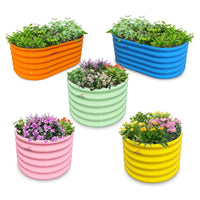
A modular raised bed system is particularly well-suited to this kind of collaborative design, because sections can be reconfigured as a child's interests evolve. Modular raised bed systems allow families to expand the layout as children grow more capable and more interested, without committing to a fixed structure from the outset.
Sensory Engagement
A raised bed layout designed for children should incorporate more than edible crops. Textured plants — lamb's ear, kale, fuzzy-leaved herbs like sage — engage the sense of touch. Strongly scented herbs like mint, basil, and lemon balm create olfactory anchors that children remember and return to. Flowers like marigolds, nasturtiums, and sunflowers add color and attract pollinators, turning the bed into a small ecosystem that children find genuinely fascinating.
The common pitfall here is overcomplicating the layout with too many species in the first season. A focused raised bed planting layout with six to eight well-chosen plants will almost always outperform a sprawling 20-species experiment in terms of a child's comprehension and connection.
Evidence and Approaches: Comparing Layout Strategies for Kids' Raised Beds
Different raised bed garden layout strategies suit different children, family setups, and available space. No single approach is universally correct, but the trade-offs between them are well-documented in gardening practice and educational research.
Resources like Savvy Gardening's guide to 4x8 raised bed vegetable garden layouts illustrate how a single standard-sized bed can be divided into distinct growing zones — a principle that translates directly to children's gardens. The key is adapting the adult-oriented logic of those layouts to a child's scale and attention span.
Pre-planned garden kits, such as those offered by resources like Gardeners Supply Company, provide another entry point: a pre-designed raised bed planting layout where plant selection, spacing, and rotation are already mapped out. For families who want to reduce friction in the first season, this approach lowers the barrier to entry substantially.
| Perspective / Approach | Strengths | Trade-offs | Best Fit |
|---|---|---|---|
| Child-Designed Layout | Maximum ownership, high engagement | May be inefficient or overcrowded | Children ages 6–12 with adult guidance |
| Pre-Planned Layout | Low friction, reliable results | Less creative buy-in from the child | First-season families, busy households |
| Themed Layout (pizza garden, salsa garden) | High conceptual appeal, clear harvest goal | Limits plant variety | Children who respond to narrative or food |
| Modular Expanding Layout | Grows with the child's skill and interest | Requires initial investment in flexible hardware | Families planning multi-year garden development |
| Companion Planting Layout | Teaches ecology, reduces pests naturally | Requires more planning knowledge | Older children, homeschool contexts |
The themed layout deserves particular attention as a strategy for reluctant young gardeners. A "pizza garden" raised bed layout — tomatoes, basil, oregano, and bell peppers planted together — gives a child a concrete, food-oriented goal that connects the garden to the kitchen. A "salsa garden" works similarly. These themes transform the raised bed from an abstract growing exercise into a project with a delicious payoff, which is enormously motivating.
One important caution: whatever approach families choose, the soil system matters as much as the layout itself. A raised bed filled with compacted, nutrient-poor soil will disappoint even the most carefully designed layout. Investing in a quality growing medium — one that is loose, well-draining, and biologically active — is non-negotiable for reliable results. For guidance on getting the soil right from the start, our detailed resource on best soil composition for organic vegetable raised beds covers the key principles families need to know.
Outlook: Where Kids' Raised Bed Gardening Is Heading and What It Means for Your Family
The trajectory of home food growing — particularly among families with children — points clearly toward deeper integration, longer-term commitment, and more sophisticated setups. What begins as a single small raised bed frequently evolves over several seasons into a multi-bed layout covering a significant portion of a family's backyard or patio. The families who sustain this momentum are almost always those who started with a structure that grew with them rather than one they outgrew or abandoned.
For families currently in the planning stage, several forward-looking principles are worth holding:
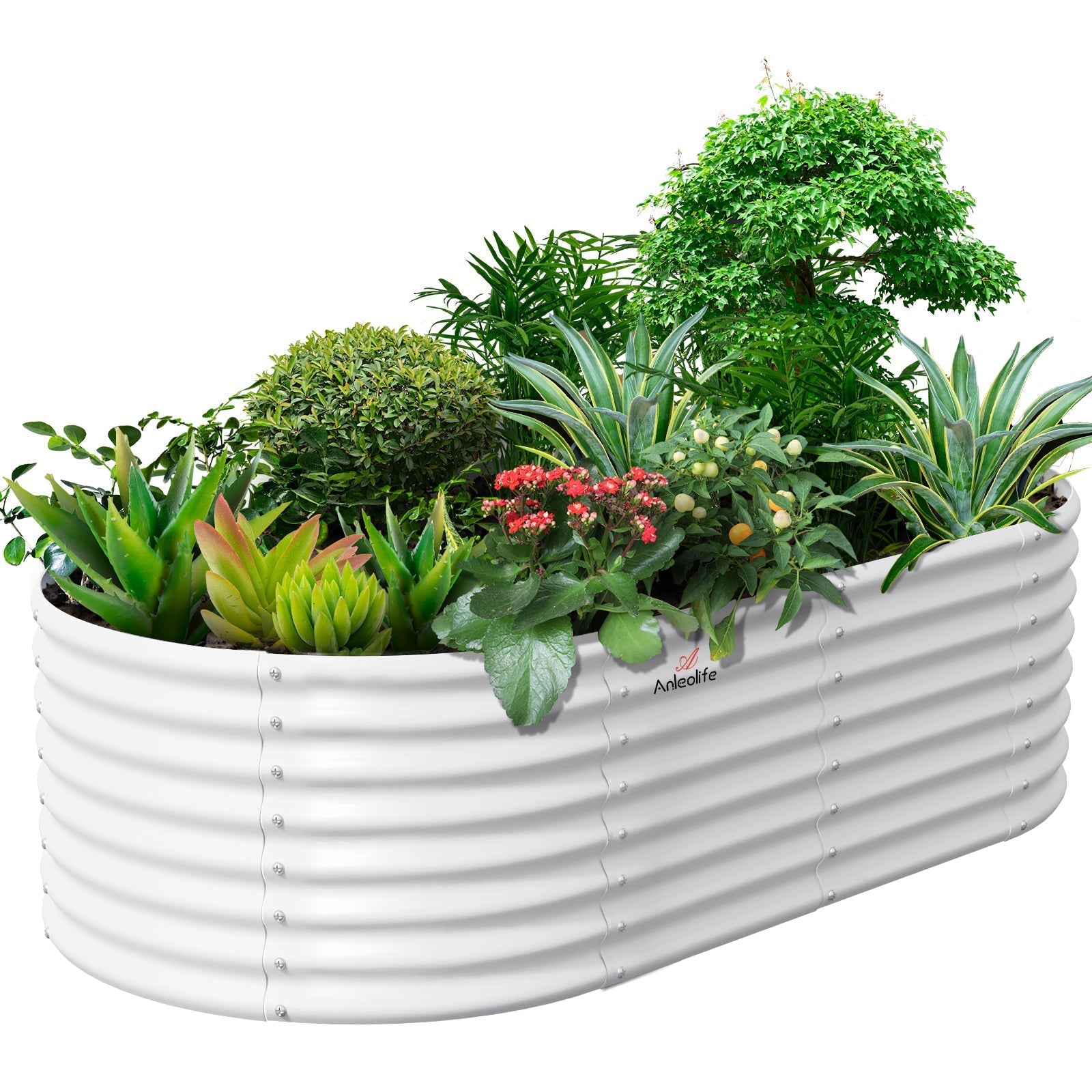
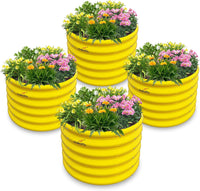
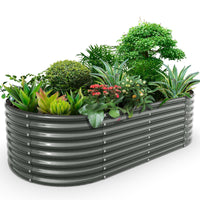
Durability is a long-term investment in a child's gardening education. A raised bed that rusts, warps, or deteriorates within two or three seasons sends exactly the wrong message to a child who is just beginning to develop a habit. Galvanized steel raised garden beds from Anleolife are built to last up to 20 years, meaning a bed a child starts with at age seven can still be in active use when they are in their mid-twenties. That continuity is not a small thing — it is the physical infrastructure of a lifelong relationship with growing food.
Expandability preserves enthusiasm as skills grow. A child who masters a small 4x2 ft bed in their first season will want more space and more complexity in their second. Families who invest in a modular system from the start avoid the common mistake of having to replace their entire setup when enthusiasm outgrows the original footprint. For first-time buyers navigating sizing decisions, this guide to sizing a raised garden bed kit provides clear, practical criteria.
Safety of materials is non-negotiable when children are involved. Families should verify that any raised bed material used in a children's growing space is free of harmful coatings or treatments that could leach into the soil system. High-quality galvanized steel, properly manufactured to current standards, is a well-established safe option for food-growing applications.
The raised bed layout itself should be revisited each season. Crop rotation, succession planting, and seasonal adjustments keep the garden dynamic and keep children curious. A layout that looks identical year after year loses its novelty; one that evolves gives a child a new puzzle to solve each spring.
Actionable steps for families ready to move forward:
- Start with one bed sized for a child's reach, not for maximum yield
- Choose a themed planting layout in the first season to provide a clear, motivating goal
- Invest in quality growing medium before spending on accessories or add-ons
- Document the season with photographs so the child can see their progress visually
- Plan the second bed before the first season ends, while enthusiasm is high
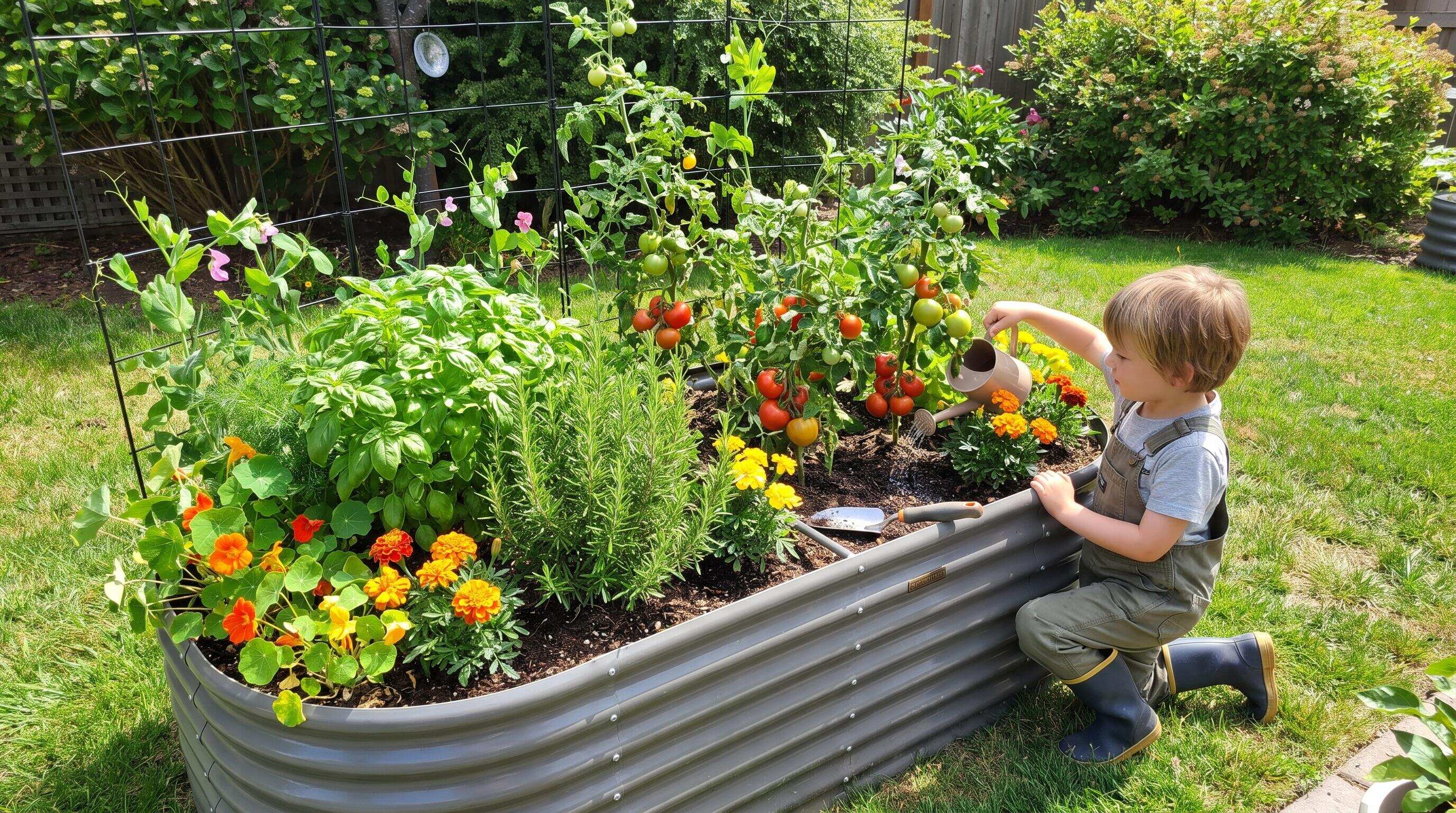
ALT: A child tending a raised bed planting layout with tomatoes, herbs, and flowers in a backyard garden
Frequently Asked Questions FAQ
Q1: How do I choose the right raised bed layout size for a young child?
The right raised bed layout for a young child prioritizes reachability over total growing area. A bed no wider than 2 feet across allows a child to reach the center from either side without stepping into the soil — a critical factor for maintaining plant health and a child's sense of control. In terms of length, starting compact is always safer than starting large; a child who fills one small bed successfully will be eager to add a second, while a child who feels overwhelmed by a large plot may disengage entirely. Anleolife offers beds across a range of dimensions to support this kind of staged growth.
Q2: Are galvanized steel raised beds safe for growing vegetables where children will be harvesting?
Galvanized steel raised beds made to current manufacturing standards are widely regarded as safe for vegetable gardening, including in spaces where children regularly handle produce. The zinc coating used in galvanization is a naturally occurring element present in soil and food, and peer-reviewed horticultural research has consistently found no meaningful risk of harmful leaching into the growing medium at the concentrations involved. Anleolife's galvanized steel raised garden beds are built with food-safe growing in mind and are designed to maintain structural integrity for up to 20 years.
Q3: How long does it take to see results from a kids' raised bed garden, and what crops work fastest?
Fast-maturing crops are the key to keeping children engaged in a raised bed garden layout. Radishes are among the quickest, often ready to harvest in 25–30 days. Lettuce and salad greens are typically ready for a first cut within a few weeks of germination. Cherry tomatoes produce prolifically once established, though they require a full season. Herbs like basil and mint grow visibly week by week. Planning a raised bed planting layout that includes at least one or two fast-maturing crops alongside longer-season plants ensures there is always something to harvest, observe, or celebrate throughout the season.
Summary
Raised bed gardening is one of the most effective ways to build a genuine, lasting connection between children and the natural world — but the design of the raised bed layout is what determines whether that connection takes root or fades after a single season.
Key Takeaways:
- A raised bed garden layout designed for a child's scale — compact, reachable, and visually clear — drives engagement far more reliably than a large, adult-oriented setup.
- Themed raised bed planting layouts (pizza garden, salsa garden) give children a concrete, food-oriented goal that sustains motivation from planting to harvest.
- Fast-maturing crops must anchor the planting plan; without visible progress, children disengage quickly.
- Soil system quality is as important as layout design — the best structure fails on poor growing medium.
- Durable, expandable raised bed hardware is a long-term investment in a child's gardening education, not a short-term purchase.
- Modular systems that grow with a child's skill and enthusiasm are consistently the most sustainable choice for families with multi-season ambitions.
The next step is a practical one: choose one layout strategy, select one or two of the bed sizes that match your child's reach and your available space, and commit to a first season focused on learning rather than yield. Perfection is not the goal — momentum is.
Ready to build the raised bed layout your child will actually love? Visit Anleolife to explore the full range of galvanized steel raised garden beds, modular systems, and soil solutions available across our nationwide warehouse network, with delivery in 3–8 business days. Whether you shop through our official website or through Amazon, Walmart, Home Depot, Lowe's, or Wayfair, every Anleolife product comes backed by consistent quality and after-sales support — because a garden that lasts 20 years deserves a foundation you can trust.
Sources & Citations
- Savvy Gardening. "4x8 Raised Bed Vegetable Garden Layout Ideas."
https://savvygardening.com/4x8-raised-bed-vegetable-garden-layout/ - Gardeners.com. "Pre-Planned Gardens."
https://www.gardeners.com/pages/kitchen-garden-planner-preplanned-gardens - Pinterest. "Raised Garden Bed Ideas."
https://www.pinterest.com/alethead74/raised-garden-bed-ideas/
Note: Standards and guidelines may be updated; please check the latest official documents or consult professional advisors.