


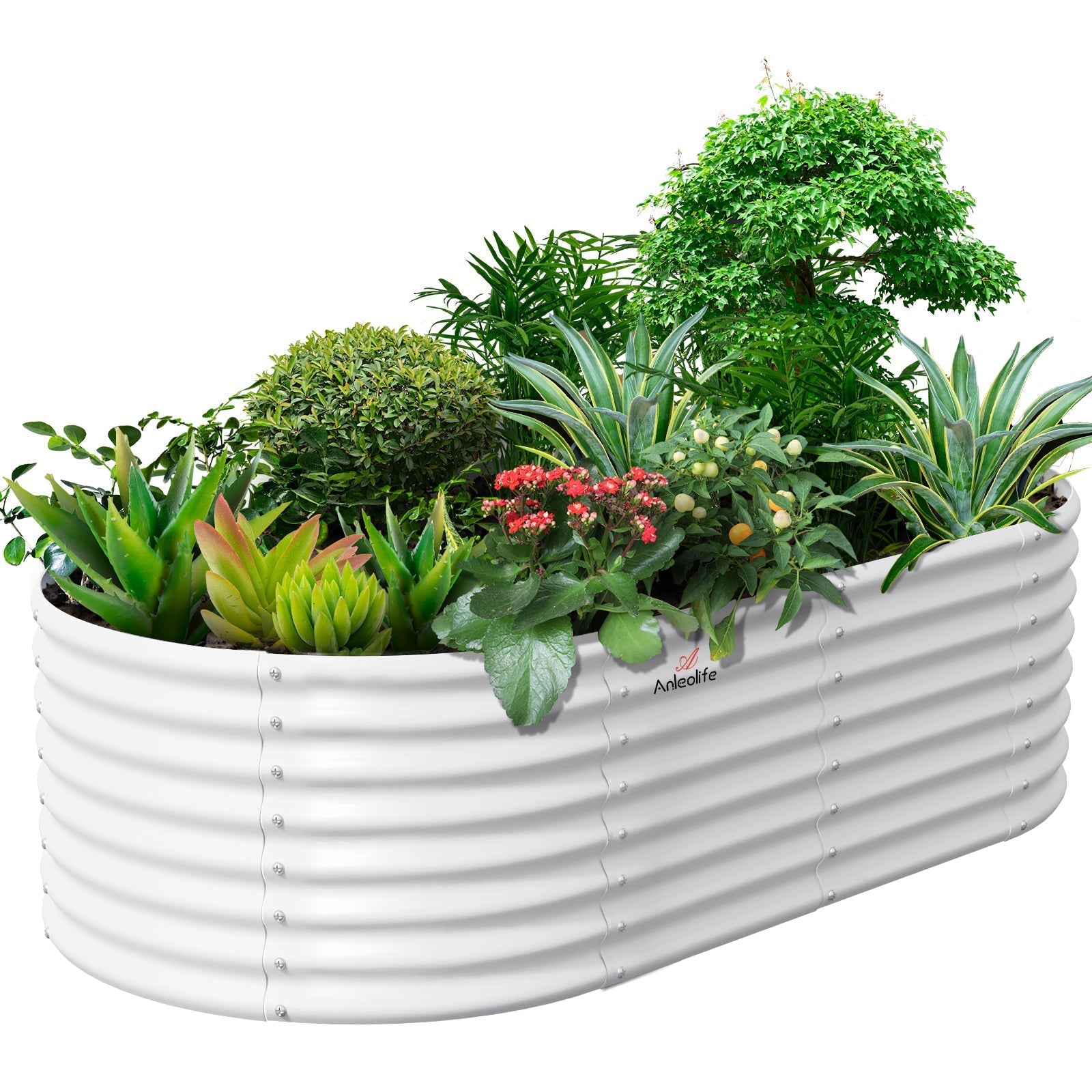
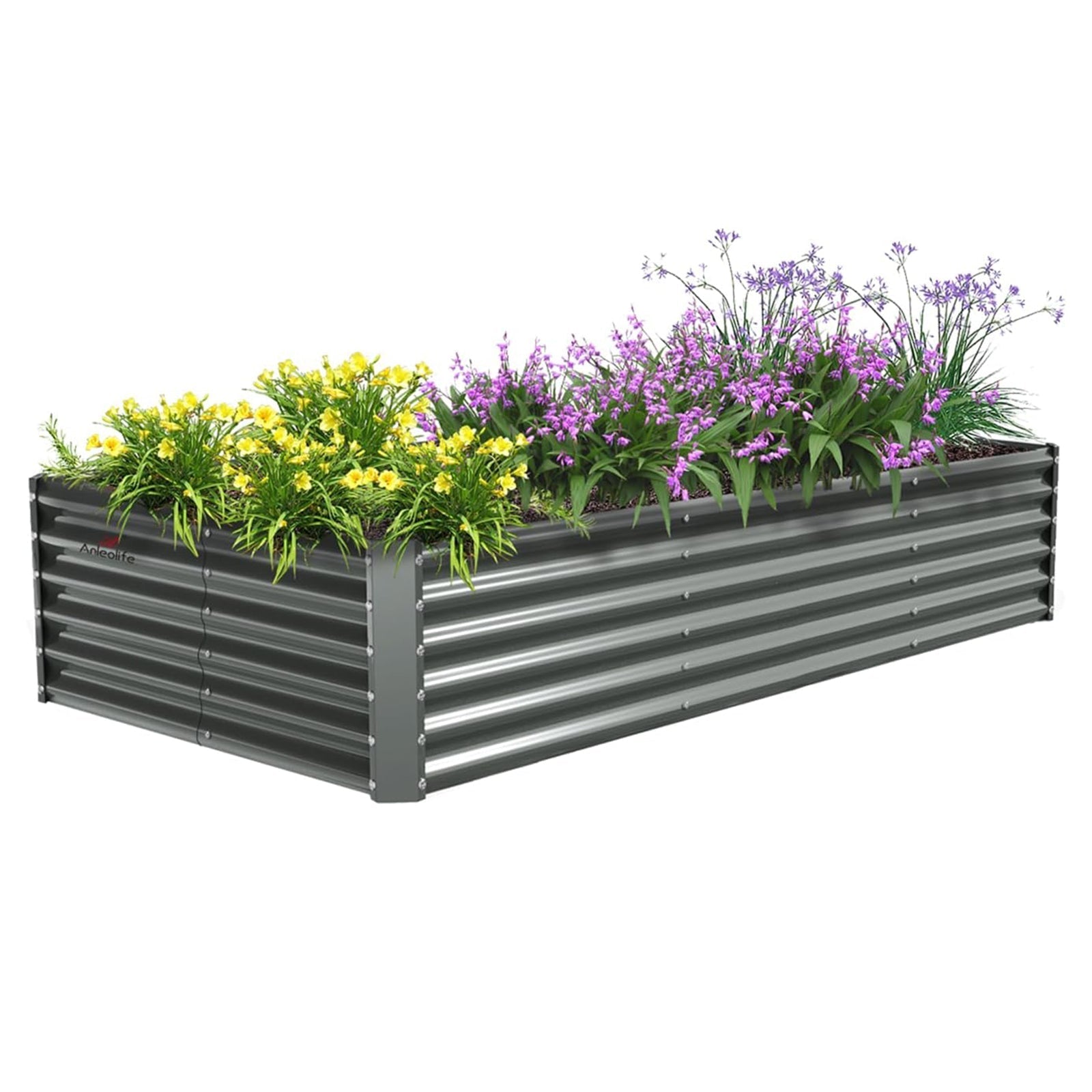

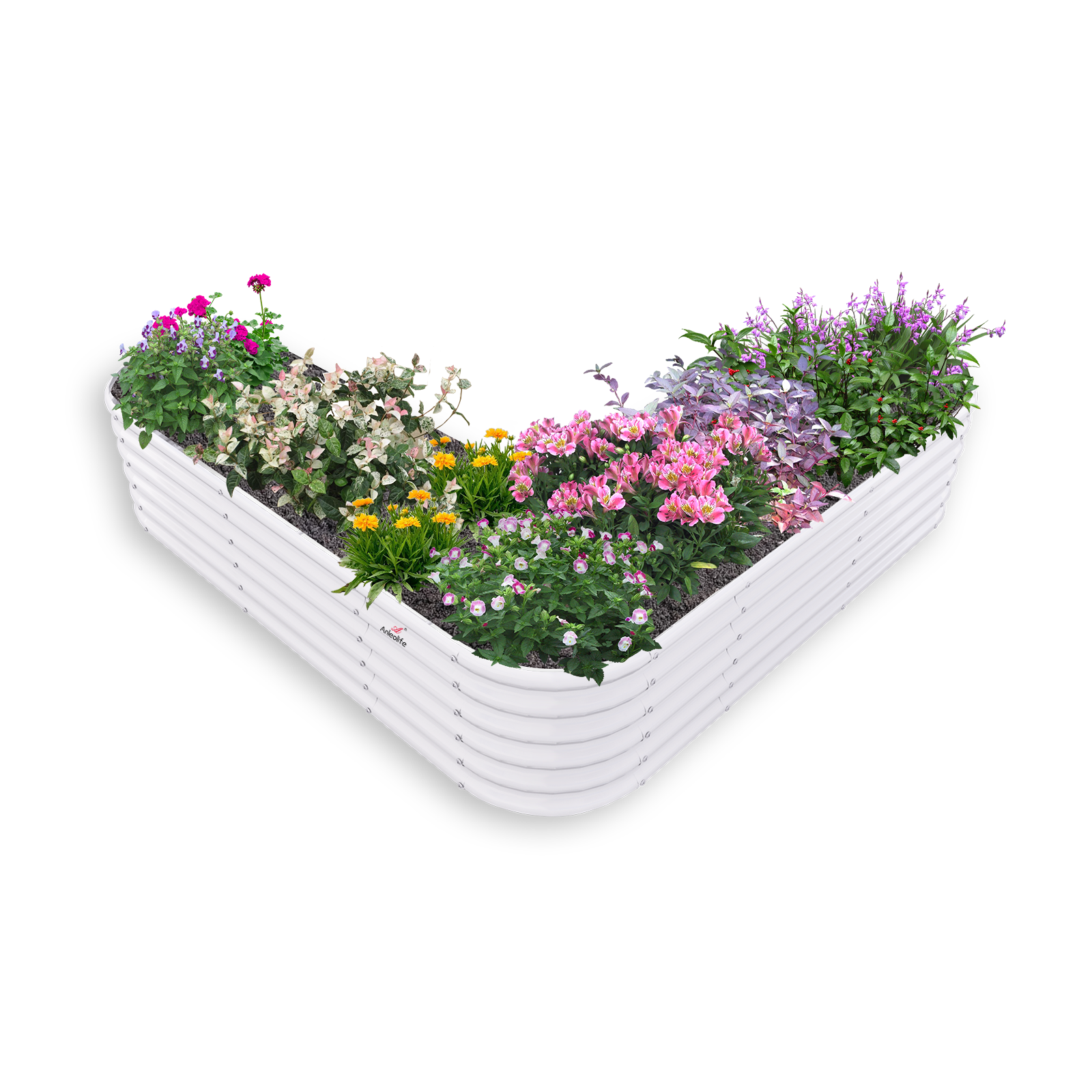
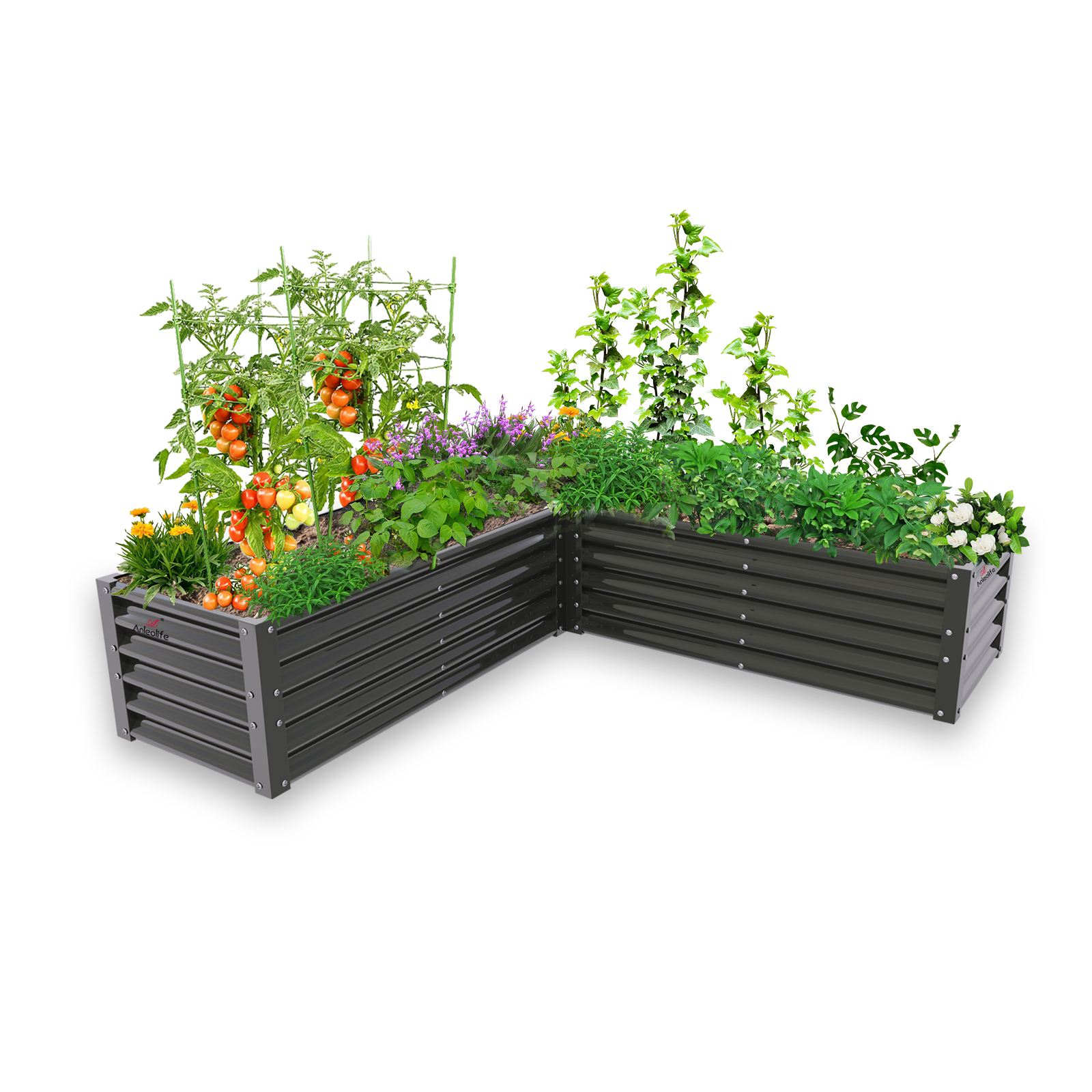
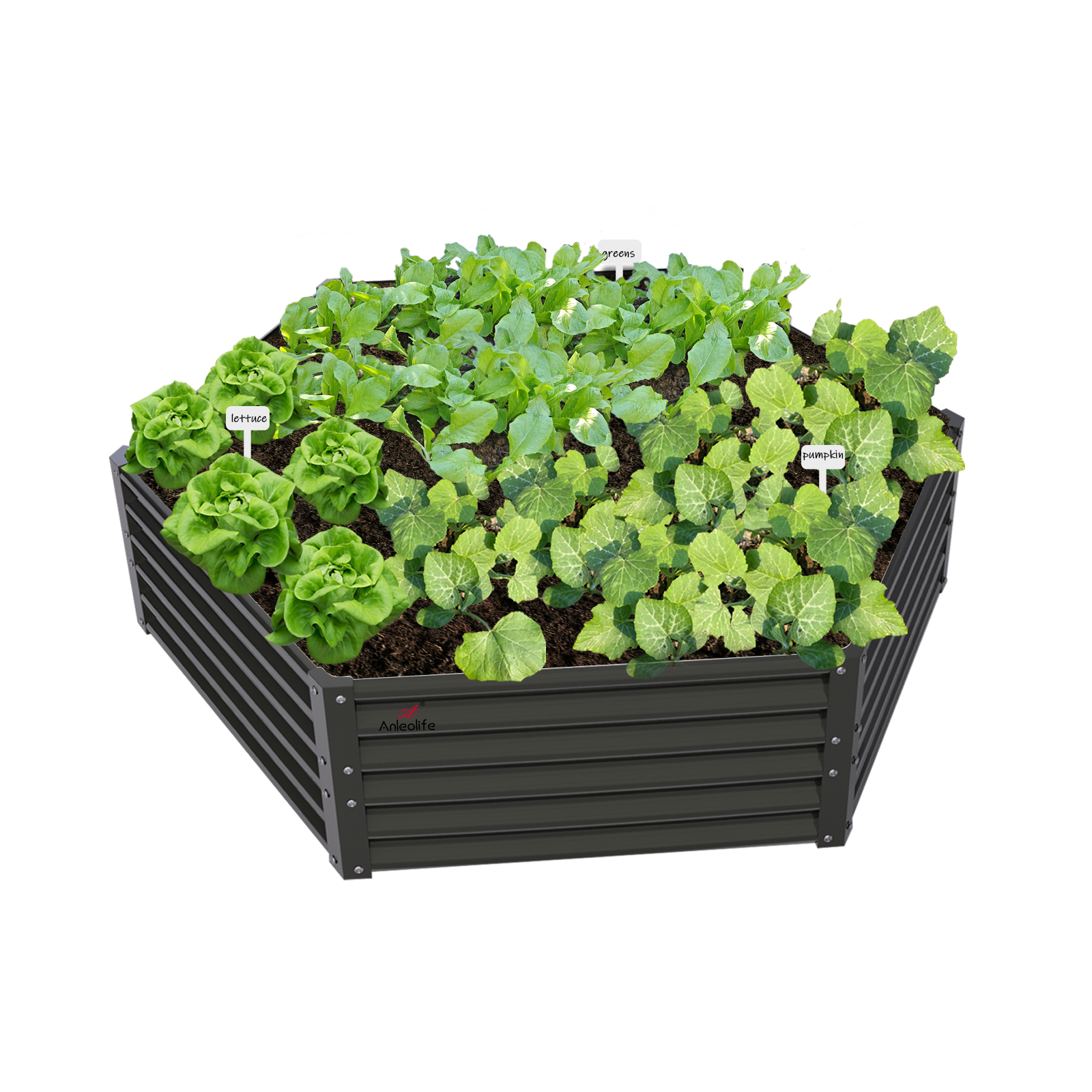
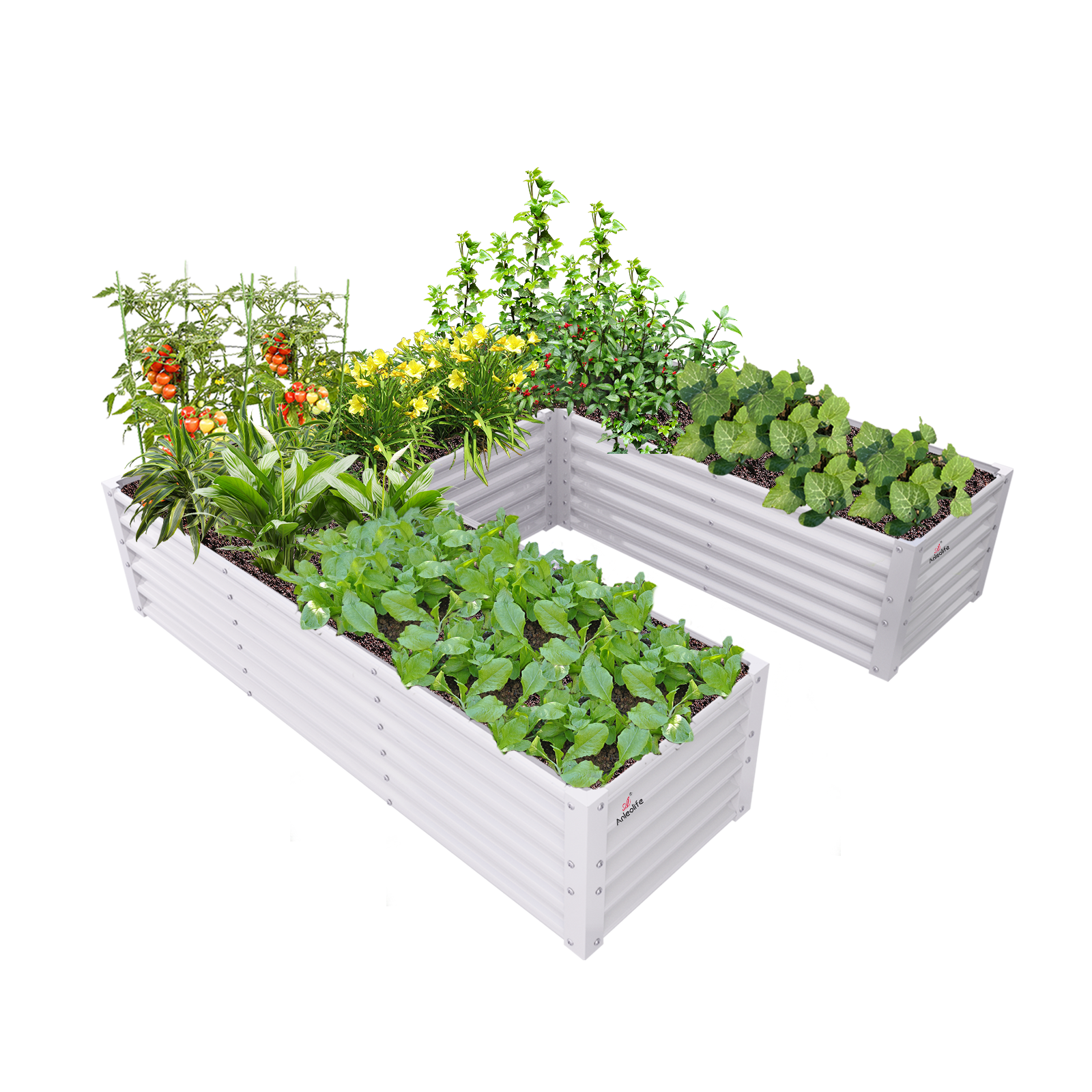

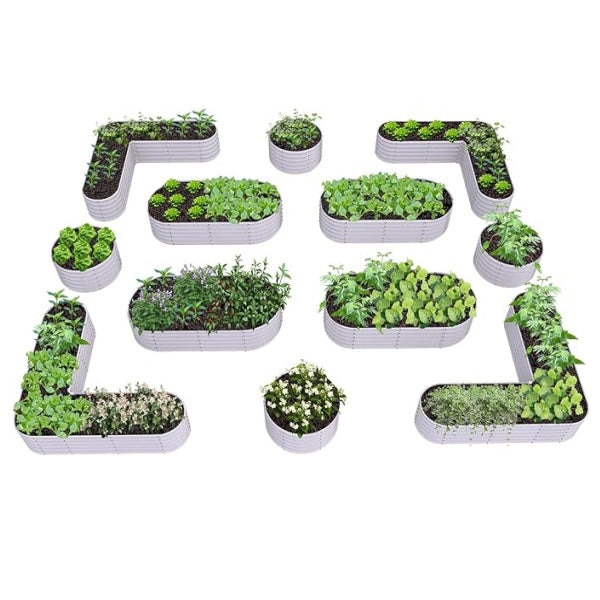


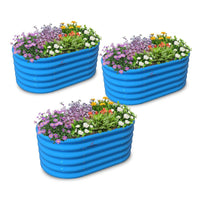
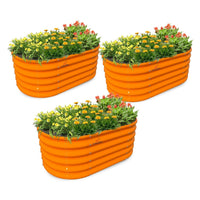
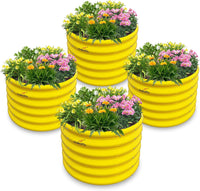
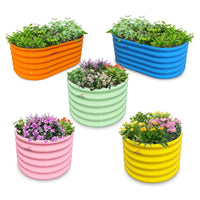
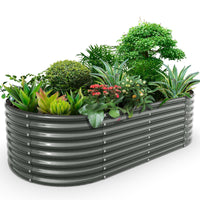




ALT: Galvanized steel raised garden bed growing lush summer vegetables, outperforming traditional wood raised beds in durability and performance
Why Galvanized Steel Raised Beds Win the Summer Gardening Battle
Key Conclusion: When it comes to summer gardening, the material of your raised bed matters more than most growers realize. Galvanized steel raised garden beds consistently outperform wood in heat management, longevity, pest resistance, and structural integrity — making them the smarter long-term investment for backyard gardening enthusiasts. Whether you're growing tomatoes, herbs, or leafy greens, the right bed sets the foundation for a thriving season.
Summer is the most demanding season for any raised garden bed. Heat fluctuations, intense UV exposure, heavy watering cycles, and increased pest pressure all conspire to degrade lesser materials over months or years. Wood — the traditional choice — holds up reasonably well in mild climates but struggles to maintain structural and hygienic integrity through repeated summer seasons.
Galvanized steel, by contrast, is engineered precisely for these conditions. Its zinc-coated surface resists rust, its rigid walls hold soil pressure without warping, and its longevity far outlasts even the highest-quality treated lumber. In this guide, we break down seven compelling reasons why galvanized steel raised beds are the superior choice for summer gardening — and help you decide whether they're the right fit for your backyard, patio, or urban garden space.
Who Should (and Shouldn't) Switch to Galvanized Steel Raised Beds
✅ Applicable Scenarios:
- Homeowners who want a durable, low-maintenance garden bed that lasts for decades without seasonal repairs
- Urban micro-gardeners and small-patio growers who need clean, compact, and structurally reliable planting containers
- Health-conscious families who want to grow organic vegetables without worrying about chemical leaching from pressure-treated wood
- Empty nesters and retirees looking for a one-time investment that doesn't require annual sanding, staining, or replacement
- Beginner gardeners researching the best budget raised beds that deliver long-term value without repeated costs
❌ Not Applicable/Cautions:
- Gardeners in extremely shaded or cold climates where metal heat absorption could reduce soil warming benefit rather than enhance it
- Those seeking a purely rustic or natural wood aesthetic where the visual style of timber is non-negotiable
- Gardeners planning to grow only in containers indoors, where raised bed material is less relevant to performance outcomes
The Problem With Wood Raised Beds in Summer: A Growing Concern
For decades, wood was the default material for raised garden beds — and understandably so. Cedar, pine, and redwood are easy to work with, widely available, and look naturally beautiful in a garden setting. But as home gardening has surged in popularity across North America, growers are discovering a frustrating truth: wood raised beds have a shelf life, and summer is when that shelf life declines fastest.
According to the University of California Cooperative Extension, untreated lumber used in garden beds typically begins to show significant rot and structural degradation within three to five years, especially in high-moisture gardening conditions. Even premium cedar — the gold standard for wood beds — rarely lasts beyond eight to ten years without significant maintenance. That means sanding, sealing, staining, or eventually replacing entire bed structures.
There's also the chemical question. Many affordable lumber options available at big-box stores are pressure-treated with preservatives that, while deemed safe at low exposure levels, introduce an element of uncertainty for families growing food crops. Eco-conscious growers are increasingly asking: what's the best material for affordable raised garden beds that doesn't compromise soil safety or long-term sustainability?
The market trend has already answered that question. Sales of metal raised garden beds have grown steadily year over year, driven by consumer demand for durability, hygiene, and design versatility. Galvanized steel, in particular, has emerged as the category leader — combining industrial-grade strength with an aesthetic that suits both modern and traditional garden settings.
And the timing matters. If you're planning your summer garden layout right now, understanding this material shift can save you from repeating the same costly replacement cycle that thousands of wood-bed gardeners face every few seasons.
7 Reasons Galvanized Steel Raised Beds Outperform Wood Every Summer
Quick-Start: Set Up Your Galvanized Steel Raised Bed in Three Steps
Step 1: Choose the Right Size for Your Space
Before purchasing, assess your available garden footprint. A good rule of thumb: most gardeners can comfortably reach the center of a 4-foot-wide bed from either side, making 8x4 ft configurations ideal for open spaces. For narrow side yards or urban patios, consider a 12x3 ft layout. If you're new to raised bed gardening, start with a single manageable bed and expand later using a modular system. Choosing the right dimensions upfront prevents frustration down the line and ensures you can tend your crops without stepping into the soil. (Allow 30–60 minutes for this planning phase.)
Step 2: Prepare Your Foundation and Fill
Clear and level your chosen site, then lay down a weed-blocking fabric or hardware cloth at the base to prevent grass intrusion and deter burrowing pests. For soil, fill your bed with a high-quality mix of topsoil, compost, and aged organic matter — often called "Mel's Mix" in the gardening community. The deeper your bed, the more root space your plants enjoy. Galvanized steel beds with 24-inch or 30-inch wall heights are especially well-suited for deep-rooted crops like tomatoes and root vegetables. (Allow 1–3 hours depending on bed size.)
Step 3: Plant, Water, and Maintain
With your bed assembled and filled, you're ready to plant. Summer crops like tomatoes, peppers, squash, cucumbers, and herbs thrive in the warm microclimate that metal beds create. Set up a drip irrigation system or soaker hose for consistent moisture delivery. During peak summer heat, mulch the soil surface to reduce evaporation. Unlike wood, your galvanized steel bed requires no seasonal sealing or treatment — simply rinse off any surface debris and enjoy uninterrupted growing. (Ongoing maintenance: minimal.)
Head-to-Head: Galvanized Steel vs. Wood vs. Plastic Raised Beds
Choosing the right raised bed material can feel overwhelming — especially when budget, durability, and aesthetics all pull in different directions. The table below gives you a clear, honest comparison of the three most common options based on factors that matter most for summer gardening.
| Comparison Dimension | Galvanized Steel | Untreated Wood (Cedar) | Plastic/Composite |
|---|---|---|---|
| Lifespan | Up to 20 years | 3–8 years | 5–10 years (UV degradation) |
| Summer Heat Performance | Excellent — warms soil efficiently | Moderate — insulates but retains moisture | Variable — may warp or off-gas in heat |
| Pest & Rot Resistance | Excellent — no rot, no wood-boring insects | Moderate — susceptible to termites and rot | Good — not edible, but may crack |
| Chemical Safety | Food-safe zinc coating (no preservatives) | Depends on treatment type | May contain BPA or recycled plastics |
| Maintenance Required | Very low — no sealing or staining needed | High — annual treatment recommended | Low — but UV breakdown reduces lifespan |
| Structural Integrity Over Time | Holds shape for decades without warping | Warps, cracks, and bows over time | Prone to buckling under heavy soil |
| Design & Aesthetics | Modern, clean, versatile | Natural, warm, traditional | Limited styles, often utilitarian |
| Price Over 10 Years | Cost-effective (one-time investment) | High (repeated replacement/repair) | Moderate (replacement every 5–7 years) |
| Eco-Footprint | Long life = lower material waste | Renewable if sustainably sourced | Petroleum-based, difficult to recycle |
The verdict is clear for summer gardeners who prioritize long-term value: galvanized steel wins on nearly every dimension that matters — durability, safety, performance, and total cost of ownership.
The 7 Reasons Explained: A Deep Dive into Steel's Summer Superiority
Reason 1: Unmatched Longevity — Up to 20 Years of Performance
The single most compelling advantage of galvanized steel is its lifespan. Anleolife's galvanized steel raised garden beds are built to last up to 20 years — a remarkable figure that fundamentally changes the economics of home gardening. Wood beds, even the best cedar, may need full replacement every five to eight years. Over two decades, that means potentially four or more replacement cycles, each bringing new costs, labor, and disruption to your garden layout.
This longevity is not just a marketing claim — it's rooted in metallurgy. Galvanization involves coating steel with a protective layer of zinc, which acts as a sacrificial barrier against oxidation. Even if the surface is scratched, the zinc around the damaged area continues to protect the underlying steel through a process called cathodic protection. The result is a bed that resists rust and structural failure across decades of outdoor exposure.
For empty nesters, retirees, and long-term gardeners who have finally found their perfect planting layout, that permanence is invaluable. You won't be tearing out and rebuilding every few years — your bed becomes a permanent, productive feature of your outdoor living space.
Reason 2: Superior Soil Warmth for Faster Summer Germination
Metal's thermal conductivity is often cited as a concern — but in summer gardening, it's actually a significant advantage. Galvanized steel walls absorb heat from morning sunlight and transfer that warmth into the surrounding soil, creating a naturally elevated root-zone temperature. Warm soil accelerates seed germination, promotes healthy microbial activity, and extends your effective growing season at both ends of the calendar.
This is particularly beneficial for heat-loving crops like tomatoes, peppers, eggplant, and basil — summer staples that thrive when root temperatures stay consistently warm. Wood, being a natural insulator, can actually slow soil warming in spring and create cooler microclimates that delay germination and fruiting.
Of course, in extreme heat climates, soil temperature management becomes important. A simple layer of straw mulch over the soil surface effectively moderates any excess heat absorption, making galvanized steel beds adaptable across diverse American climate zones — from the Pacific Northwest to Florida and Texas.
Reason 3: Pest Resistance Without Chemicals
One of the most frustrating aspects of wood raised beds is their vulnerability to pests. Termites, carpenter ants, and wood-boring beetles are drawn to lumber — especially untreated or naturally rotting wood. Once established, these pests can compromise the structural integrity of your bed within a single season.
Galvanized steel offers no food source for wood-boring insects, effectively eliminating that entire category of pest problem. But what about soil-level pests like slugs and snails? This is a question many growers ask: what's the best way to prevent slugs and snails in raised beds?
Steel beds actually help here too. The smooth, clean walls of a galvanized raised bed are less hospitable to slug habitation than the rough, moisture-retaining surface of weathered wood. Many gardeners add a copper tape strip around the rim of their beds — copper creates a mild electric charge that deters slugs and snails on contact. You can also place a layer of coarse gravel or diatomaceous earth around the base perimeter. Combined with the elevated height of taller bed configurations, these strategies make slug and snail management far more effective in steel beds than in wood ones.
Reason 4: No Rot, No Mold, No Compromised Soil
Summer watering is essential for productive crops — but frequent irrigation accelerates wood degradation. Waterlogged wood swells, cracks, and becomes a breeding ground for mold and fungal colonies. Over time, these organisms can spread into the root zone, potentially affecting plant health and soil microbiology.
Galvanized steel does not rot, does not absorb water, and does not support mold growth. Its impermeable surface drains water efficiently and maintains structural stability regardless of how frequently you irrigate. This is especially important for gardeners using drip irrigation or soaker hoses, which keep the bed consistently moist — exactly the conditions that accelerate wood decay.
For health-oriented growers producing food for their families, this distinction matters beyond just structural concerns. Mold and rot in wood beds can introduce unwanted pathogens into the soil, while steel maintains a clean, inert barrier between your soil and the outside environment.
Reason 5: Chemical Safety for Food-Grade Gardening
A persistent concern about galvanized steel in the gardening community has been zinc leaching — specifically, whether zinc from the coating can migrate into the soil and harm plants or human health. The scientific consensus on this question is reassuring: at normal soil pH levels, zinc leaching from galvanized steel is negligible and well within safe ranges for food production. In fact, zinc is an essential micronutrient that plants require in small amounts for healthy growth.
This stands in contrast to pressure-treated wood, which — particularly in older formulations containing chromated copper arsenate (CCA) — has documented issues with arsenic and chromium leaching into garden soil. While modern pressure treatments have improved, uncertainty remains for safety-conscious growers. With galvanized steel, the chemistry is straightforward: the protective zinc layer is stable, the steel beneath is inert, and no synthetic preservatives are introduced into your growing environment.
Reason 6: Structural Integrity That Holds Through Heat Expansion
Summer heat causes materials to expand — and how they handle that expansion determines long-term structural performance. Wood expands and contracts dramatically across temperature and humidity cycles, causing joints to loosen, screws to back out, and panels to warp or bow outward under soil pressure. A wood bed that looks perfect in spring may show visible deformation by midsummer.
Galvanized steel expands and contracts uniformly and minimally, maintaining its original shape through temperature extremes. Properly constructed steel panels lock together to distribute soil pressure evenly, preventing the bulging and bowing that plague many wood bed designs. This is especially important for wider or longer bed configurations — an 8x4 ft or 12x3 ft bed carries significant soil load, and structural integrity directly affects whether that load is contained reliably for years or starts compromising the bed's form within a season or two.
Anleolife's heavy-duty raised garden bed lines are engineered with reinforced panel construction specifically designed to hold their form under the demanding conditions of full soil load and summer thermal cycling.
Reason 7: Low Maintenance, High Reward — Season After Season
Perhaps the most underappreciated benefit of galvanized steel is how little attention it demands. Wood beds require annual maintenance: sanding rough surfaces, reapplying sealants or oils, replacing rotted boards, re-driving loose screws. For busy families, urban gardeners with limited time, or retirees who want to garden without the overhead of carpentry work, this maintenance burden is a genuine obstacle to enjoyment.
Steel beds require essentially none of this. A quick rinse at the end of the season, perhaps an inspection of the assembly hardware, and you're ready for the next growing year. That simplicity compounds over time — while wood gardeners are spending weekends on bed repairs, steel bed owners are spending that time actually gardening.
This low-maintenance profile also makes galvanized steel an ideal choice for beginner gardeners researching the best budget raised beds under $200. While the upfront cost may be slightly higher than the cheapest wood options, the elimination of ongoing maintenance costs and the 20-year lifespan make the total cost of ownership substantially lower across any meaningful time horizon.

ALT: Anleolife 8x4 galvanized steel raised garden bed growing tomatoes and peppers in a sunny summer backyard garden, showing rust-resistant durability
Advanced Considerations: Sizing, Styling, and Seasonal Setup
How to Determine the Right Size Raised Garden Bed for Your Space
Choosing the correct dimensions is one of the most important — and most commonly overlooked — decisions in raised bed gardening. The right size balances your available space, your physical comfort while gardening, and the types of crops you want to grow.
The most practical guideline is the reach rule: you should be able to comfortably reach the center of your bed from the outside edge without stepping in. For most adults, this means a maximum width of 4 feet for beds accessible from both sides, or 2 feet for beds against a wall or fence. Length is more flexible — 6, 8, or 12 feet all work well depending on your yard footprint.
Height is equally important. Standard 18-inch beds work well for most vegetables, while 24-inch and 30-inch extra-tall configurations are ideal for deeper-rooted crops and for gardeners who want to minimize bending. Anleolife offers options ranging from 18-inch standard heights up to 35-inch waist-high models — the latter being a game-changer for seniors and anyone with back or mobility considerations.
For small urban spaces or patios, a round raised bed or a compact square configuration can maximize planting density while fitting neatly into tight footprints without dominating the space visually.
Misconceptions About Metal Garden Beds
Myth 1: Steel beds overheat and cook plant roots in summer. In reality, the soil acts as an effective thermal buffer. Studies on raised bed heat distribution consistently show that properly filled steel beds maintain root-zone temperatures well within the optimal range for most summer vegetables. Mulching the soil surface further moderates any temperature extremes.
Myth 2: Zinc from galvanized steel is toxic to plants and humans. As detailed above, the scientific evidence does not support this concern at normal garden soil pH levels. Zinc is an essential plant micronutrient, and the levels contributed by galvanized coating are well within safe agricultural standards.
Myth 3: Metal beds look industrial and out of place in a home garden. Modern galvanized steel beds, especially those with thoughtful design and color options, integrate beautifully into contemporary, cottage, and even rustic garden aesthetics. Paired with decorative garden accessories, pathway stones, and climbing plant support structures, they can elevate the visual appeal of any outdoor space.
Frequently Asked Questions FAQ
Q1: How do I determine the right size raised garden bed for my backyard space?
Start by measuring your available area and applying the reach rule — maximum 4 feet wide for double-sided access. Consider your crop list: shallow-rooted herbs and salad greens work in 18-inch beds, while tomatoes and squash benefit from 24-inch or deeper configurations. If you're new to gardening, one 8x4 ft bed is a practical starting point. Modular systems from Anleolife allow you to add additional beds as your confidence and appetite for growing expand — without committing your entire space upfront.
Q2: Are galvanized steel raised beds safe for growing vegetables and food crops?
Yes — galvanized steel raised beds are considered food-safe for vegetable gardening. The zinc coating that gives the steel its rust resistance is a stable compound that does not leach significantly into soil at normal pH levels. Zinc itself is an essential micronutrient for plant growth. Unlike some pressure-treated lumber options, galvanized steel introduces no synthetic chemical preservatives into your growing environment, making it a preferred choice for organic and health-focused home growers.
Q3: How long do galvanized steel raised beds last compared to wood, and what's the real cost difference?
Anleolife's galvanized steel raised garden beds are built to last up to 20 years — compared to 3–8 years for even quality cedar wood beds. Over a 20-year growing period, a wood gardener might replace their bed two to four times, each cycle incurring material, hardware, and labor costs. Steel's one-time investment, combined with near-zero maintenance requirements, typically delivers a lower total cost of ownership across the long term. For gardeners asking about the best budget raised beds, steel's durability reframes the cost comparison entirely.
Summary
If you've been debating whether to upgrade from a wood raised bed — or choosing your first bed as a new gardener — the evidence strongly favors galvanized steel for summer gardening performance.
Here are the three core value propositions worth remembering:
1. Longevity that pays for itself. A 20-year lifespan means you invest once and garden for decades. No rotting panels, no warped joints, no mid-season structural failures to manage while your tomatoes are ripening.
2. Performance that wood simply can't match. From superior soil warming and pest resistance to chemical safety and structural integrity through summer heat — galvanized steel delivers across every dimension that matters for productive warm-season growing.
3. Low maintenance means more time actually gardening. Skip the annual sanding, sealing, and lumber replacement. With a steel bed, your weekends belong to planting, harvesting, and enjoying the results of your labor — not repairing the container that holds it.
Your next step is simple: assess your space, identify the size that fits your garden footprint and growing goals, and make a one-time investment that will serve you through seasons — and decades — to come.
Start Growing with Anleolife
Anleolife brings raised bed gardening to your door through a nationwide U.S. warehouse network strategically located in California, Texas, Florida, New York, Illinois, and Washington — ensuring delivery in 3–8 business days so your garden plans stay on schedule.
You'll find Anleolife products on major platforms including Amazon, Walmart, Home Depot, Lowe's, and Wayfair, as well as directly at Anleolife.com, with consistent quality assurance and responsive after-sales support across every channel.
Anleolife's three core product scenarios cover everything your garden needs: Planting (galvanized steel and rust-resistant metal raised garden beds, soil systems), Raising (chicken coops, rabbit hutches), and Beautification (decorative accessories, pathway systems) — a complete ecosystem that grows with you from functionality to full aesthetic expression.
We understand that a great garden isn't built in a single afternoon — it evolves season by season, bed by bed. Our modular raised bed designs allow you to start with a single 8x4 ft bed and expand into a full integrated growing system at your own pace. However your garden journey unfolds, Anleolife is designed to grow alongside you.
References
- University of California Cooperative Extension. "Vegetable Gardening in Containers and Raised Beds."
https://ucanr.edu/ - U.S. Department of Agriculture (USDA) National Gardening Association. "Raised Bed Gardening Guide."
https://www.nal.usda.gov/ - National Gardening Association. "Soil Health and Raised Bed Gardening Best Practices."
https://garden.org/ - Penn State Extension. "Raised Bed Gardening: Materials, Soil, and Plant Selection."
https://extension.psu.edu/ - Washington State University Extension. "Food Safety in Home Gardens: Raised Bed Materials and Soil Contamination."
https://extension.wsu.edu/
Note: Standards and research findings may be updated. Please check the latest official documents or consult professional advisors for the most current guidance.
About Anleolife
Anleolife is a leading outdoor garden solutions provider in North America, dedicated to offering a full-scenario product ecosystem for home gardening enthusiasts, covering planting, raising, and garden beautification. Since its founding, we have upheld our brand mission, "Made for Garden Life," continuously innovating products and optimizing services to help hundreds of thousands of users upgrade their gardens, reconnect with nature, and enjoy a better garden lifestyle.